Library
Browse and search books
2,273 novels found
蔡东藩历史小说:清史演义(12)
Cai Dongfan
This book is a must-read historical novel of the Qing Dynasty. It mainly tells the history of 294 years starting from the Manchu Qing Dynasty and ending with the abdication of Emperor Xuantong. For readers who like the history of the Qing Dynasty, this book is not to be missed. After the Manchus entered the customs, they became the second foreign power after the Mongols, and the territory of modern China was roughly determined. While the Western world was undergoing rapid changes due to the Industrial Revolution, the stagnant Qing Empire closed its doors to the outside world. The Opium War brought Chinese history into the category of modern history. For the next half century, the Qing Empire suffered from internal and external troubles. Although reforms such as the Westernization Movement and the Restoration were implemented later, they ended due to the obstruction of the conservative forces. The anti-foreign movement of the Boxer Rebellion led to the invasion of the Eight-Power Allied Forces, and the Qing Empire was unable to revive after the Boxer Indemnity. The Battle of Wuchang not only ended the Qing Empire's national lineage, but also ended the imperial era of more than two thousand years.
This book is a must-read historical novel of the Qing Dynasty. It mainly tells the history of 294 years starting from the Manchu Qing Dynasty and ending with the abdication of Emperor Xuantong. For readers who like the history of the Qing Dynasty, this book is not to be missed. After the Manchus entered the customs, they became the second foreign power after the Mongols, and the territory of modern China was roughly determined. While the Western world was undergoing rapid changes due to the Industrial Revolution, the stagnant Qing Empire closed its doors to the outside world. The Opium War brought Chinese history into the category of modern history. For the next half century, the Qing Empire suffered from internal and external troubles. Although reforms such as the Westernization Movement and the Restoration were implemented later, they ended due to the obstruction of the conservative forces. The anti-foreign movement of the Boxer Rebellion led to the invasion of the Eight-Power Allied Forces, and the Qing Empire was unable to revive after the Boxer Indemnity. The Battle of Wuchang not only ended the Qing Empire's national lineage, but also ended the imperial era of more than two thousand years.
蔡东藩历史小说:清史演义(11)
Cai Dongfan
This book is a must-read historical novel of the Qing Dynasty. It mainly tells the history of 294 years starting from the Manchu Qing Dynasty and ending with the abdication of Emperor Xuantong. For readers who like the history of the Qing Dynasty, this book is not to be missed. After the Manchus entered the customs, they became the second foreign power after the Mongols, and the territory of modern China was roughly determined. While the Western world was undergoing rapid changes due to the Industrial Revolution, the stagnant Qing Empire closed its doors to the outside world. The Opium War brought Chinese history into the category of modern history. For the next half century, the Qing Empire suffered from internal and external troubles. Although reforms such as the Westernization Movement and the Restoration were implemented later, they ended due to the obstruction of the conservative forces. The anti-foreign movement of the Boxer Rebellion led to the invasion of the Eight-Power Allied Forces, and the Qing Empire was unable to revive after the Boxer Indemnity. The Battle of Wuchang not only ended the Qing Empire's national lineage, but also ended the imperial era of more than two thousand years.
This book is a must-read historical novel of the Qing Dynasty. It mainly tells the history of 294 years starting from the Manchu Qing Dynasty and ending with the abdication of Emperor Xuantong. For readers who like the history of the Qing Dynasty, this book is not to be missed. After the Manchus entered the customs, they became the second foreign power after the Mongols, and the territory of modern China was roughly determined. While the Western world was undergoing rapid changes due to the Industrial Revolution, the stagnant Qing Empire closed its doors to the outside world. The Opium War brought Chinese history into the category of modern history. For the next half century, the Qing Empire suffered from internal and external troubles. Although reforms such as the Westernization Movement and the Restoration were implemented later, they ended due to the obstruction of the conservative forces. The anti-foreign movement of the Boxer Rebellion led to the invasion of the Eight-Power Allied Forces, and the Qing Empire was unable to revive after the Boxer Indemnity. The Battle of Wuchang not only ended the Qing Empire's national lineage, but also ended the imperial era of more than two thousand years.
蔡东藩历史小说:清史演义(10)
Cai Dongfan
This book is a must-read historical novel of the Qing Dynasty. It mainly tells the history of 294 years starting from the Manchu Qing Dynasty and ending with the abdication of Emperor Xuantong. For readers who like the history of the Qing Dynasty, this book is not to be missed. After the Manchus entered the customs, they became the second foreign power after the Mongols, and the territory of modern China was roughly determined. While the Western world was undergoing rapid changes due to the Industrial Revolution, the stagnant Qing Empire closed its doors to the outside world. The Opium War brought Chinese history into the category of modern history. For the next half century, the Qing Empire suffered from internal and external troubles. Although reforms such as the Westernization Movement and the Restoration were implemented later, they ended due to the obstruction of the conservative forces. The anti-foreign movement of the Boxer Rebellion led to the invasion of the Eight-Power Allied Forces, and the Qing Empire was unable to revive after the Boxer Indemnity. The Battle of Wuchang not only ended the Qing Empire's national lineage, but also ended the imperial era of more than two thousand years.
This book is a must-read historical novel of the Qing Dynasty. It mainly tells the history of 294 years starting from the Manchu Qing Dynasty and ending with the abdication of Emperor Xuantong. For readers who like the history of the Qing Dynasty, this book is not to be missed. After the Manchus entered the customs, they became the second foreign power after the Mongols, and the territory of modern China was roughly determined. While the Western world was undergoing rapid changes due to the Industrial Revolution, the stagnant Qing Empire closed its doors to the outside world. The Opium War brought Chinese history into the category of modern history. For the next half century, the Qing Empire suffered from internal and external troubles. Although reforms such as the Westernization Movement and the Restoration were implemented later, they ended due to the obstruction of the conservative forces. The anti-foreign movement of the Boxer Rebellion led to the invasion of the Eight-Power Allied Forces, and the Qing Empire was unable to revive after the Boxer Indemnity. The Battle of Wuchang not only ended the Qing Empire's national lineage, but also ended the imperial era of more than two thousand years.
Cai Dongfan's Historical Novels: Romance of Qing History (9)
General Fiction蔡东藩历史小说:清史演义(9)
Cai Dongfan
This book is a must-read historical novel of the Qing Dynasty. It mainly tells the history of 294 years starting from the Manchu Qing Dynasty and ending with the abdication of Emperor Xuantong. For readers who like the history of the Qing Dynasty, this book is not to be missed. After the Manchus entered the customs, they became the second foreign power after the Mongols, and the territory of modern China was roughly determined. While the Western world was undergoing rapid changes due to the Industrial Revolution, the stagnant Qing Empire closed its doors to the outside world. The Opium War brought Chinese history into the category of modern history. For the next half century, the Qing Empire suffered from internal and external troubles. Although reforms such as the Westernization Movement and the Restoration were implemented later, they ended due to the obstruction of the conservative forces. The anti-foreign movement of the Boxer Rebellion led to the invasion of the Eight-Power Allied Forces, and the Qing Empire was unable to revive after the Boxer Indemnity. The Battle of Wuchang not only ended the Qing Empire's national lineage, but also ended the imperial era of more than two thousand years.
This book is a must-read historical novel of the Qing Dynasty. It mainly tells the history of 294 years starting from the Manchu Qing Dynasty and ending with the abdication of Emperor Xuantong. For readers who like the history of the Qing Dynasty, this book is not to be missed. After the Manchus entered the customs, they became the second foreign power after the Mongols, and the territory of modern China was roughly determined. While the Western world was undergoing rapid changes due to the Industrial Revolution, the stagnant Qing Empire closed its doors to the outside world. The Opium War brought Chinese history into the category of modern history. For the next half century, the Qing Empire suffered from internal and external troubles. Although reforms such as the Westernization Movement and the Restoration were implemented later, they ended due to the obstruction of the conservative forces. The anti-foreign movement of the Boxer Rebellion led to the invasion of the Eight-Power Allied Forces, and the Qing Empire was unable to revive after the Boxer Indemnity. The Battle of Wuchang not only ended the Qing Empire's national lineage, but also ended the imperial era of more than two thousand years.
Cai Dongfan's Historical Novels: Romance of Qing History (8)
General Fiction蔡东藩历史小说:清史演义(8)
Cai Dongfan
This book is a must-read historical novel of the Qing Dynasty. It mainly tells the history of 294 years starting from the Manchu Qing Dynasty and ending with the abdication of Emperor Xuantong. For readers who like the history of the Qing Dynasty, this book is not to be missed. After the Manchus entered the customs, they became the second foreign power after the Mongols, and the territory of modern China was roughly determined. While the Western world was undergoing rapid changes due to the Industrial Revolution, the stagnant Qing Empire closed its doors to the outside world. The Opium War brought Chinese history into the category of modern history. For the next half century, the Qing Empire suffered from internal and external troubles. Although reforms such as the Westernization Movement and the Restoration were implemented later, they ended due to the obstruction of the conservative forces. The anti-foreign movement of the Boxer Rebellion led to the invasion of the Eight-Power Allied Forces, and the Qing Empire was unable to revive after the Boxer Indemnity. The Battle of Wuchang not only ended the Qing Empire's national lineage, but also ended the imperial era of more than two thousand years.
This book is a must-read historical novel of the Qing Dynasty. It mainly tells the history of 294 years starting from the Manchu Qing Dynasty and ending with the abdication of Emperor Xuantong. For readers who like the history of the Qing Dynasty, this book is not to be missed. After the Manchus entered the customs, they became the second foreign power after the Mongols, and the territory of modern China was roughly determined. While the Western world was undergoing rapid changes due to the Industrial Revolution, the stagnant Qing Empire closed its doors to the outside world. The Opium War brought Chinese history into the category of modern history. For the next half century, the Qing Empire suffered from internal and external troubles. Although reforms such as the Westernization Movement and the Restoration were implemented later, they ended due to the obstruction of the conservative forces. The anti-foreign movement of the Boxer Rebellion led to the invasion of the Eight-Power Allied Forces, and the Qing Empire was unable to revive after the Boxer Indemnity. The Battle of Wuchang not only ended the Qing Empire's national lineage, but also ended the imperial era of more than two thousand years.
Cai Dongfan's Historical Novels: Romance of Qing History (7)
General Fiction蔡东藩历史小说:清史演义(7)
Cai Dongfan
This book is a must-read historical novel of the Qing Dynasty. It mainly tells the history of 294 years starting from the Manchu Qing Dynasty and ending with the abdication of Emperor Xuantong. For readers who like the history of the Qing Dynasty, this book is not to be missed. After the Manchus entered the customs, they became the second foreign power after the Mongols, and the territory of modern China was roughly determined. While the Western world was undergoing rapid changes due to the Industrial Revolution, the stagnant Qing Empire closed its doors to the outside world. The Opium War brought Chinese history into the category of modern history. For the next half century, the Qing Empire suffered from internal and external troubles. Although reforms such as the Westernization Movement and the Restoration were implemented later, they ended due to the obstruction of the conservative forces. The anti-foreign movement of the Boxer Rebellion led to the invasion of the Eight-Power Allied Forces, and the Qing Empire was unable to revive after the Boxer Indemnity. The Battle of Wuchang not only ended the Qing Empire's national lineage, but also ended the imperial era of more than two thousand years.
This book is a must-read historical novel of the Qing Dynasty. It mainly tells the history of 294 years starting from the Manchu Qing Dynasty and ending with the abdication of Emperor Xuantong. For readers who like the history of the Qing Dynasty, this book is not to be missed. After the Manchus entered the customs, they became the second foreign power after the Mongols, and the territory of modern China was roughly determined. While the Western world was undergoing rapid changes due to the Industrial Revolution, the stagnant Qing Empire closed its doors to the outside world. The Opium War brought Chinese history into the category of modern history. For the next half century, the Qing Empire suffered from internal and external troubles. Although reforms such as the Westernization Movement and the Restoration were implemented later, they ended due to the obstruction of the conservative forces. The anti-foreign movement of the Boxer Rebellion led to the invasion of the Eight-Power Allied Forces, and the Qing Empire was unable to revive after the Boxer Indemnity. The Battle of Wuchang not only ended the Qing Empire's national lineage, but also ended the imperial era of more than two thousand years.
Cai Dongfan's Historical Novels: Romance of Qing History (6)
General Fiction蔡东藩历史小说:清史演义(6)
Cai Dongfan
This book is a must-read historical novel of the Qing Dynasty. It mainly tells the history of 294 years starting from the Manchu Qing Dynasty and ending with the abdication of Emperor Xuantong. For readers who like the history of the Qing Dynasty, this book is not to be missed. After the Manchus entered the customs, they became the second foreign power after the Mongols, and the territory of modern China was roughly determined. While the Western world was undergoing rapid changes due to the Industrial Revolution, the stagnant Qing Empire closed its doors to the outside world. The Opium War brought Chinese history into the category of modern history. For the next half century, the Qing Empire suffered from internal and external troubles. Although reforms such as the Westernization Movement and the Restoration were implemented later, they ended due to the obstruction of the conservative forces. The anti-foreign movement of the Boxer Rebellion led to the invasion of the Eight-Power Allied Forces, and the Qing Empire was unable to revive after the Boxer Indemnity. The Battle of Wuchang not only ended the Qing Empire's national lineage, but also ended the imperial era of more than two thousand years.
This book is a must-read historical novel of the Qing Dynasty. It mainly tells the history of 294 years starting from the Manchu Qing Dynasty and ending with the abdication of Emperor Xuantong. For readers who like the history of the Qing Dynasty, this book is not to be missed. After the Manchus entered the customs, they became the second foreign power after the Mongols, and the territory of modern China was roughly determined. While the Western world was undergoing rapid changes due to the Industrial Revolution, the stagnant Qing Empire closed its doors to the outside world. The Opium War brought Chinese history into the category of modern history. For the next half century, the Qing Empire suffered from internal and external troubles. Although reforms such as the Westernization Movement and the Restoration were implemented later, they ended due to the obstruction of the conservative forces. The anti-foreign movement of the Boxer Rebellion led to the invasion of the Eight-Power Allied Forces, and the Qing Empire was unable to revive after the Boxer Indemnity. The Battle of Wuchang not only ended the Qing Empire's national lineage, but also ended the imperial era of more than two thousand years.
Cai Dongfan's Historical Novels: Romance of Qing History (5)
General Fiction蔡东藩历史小说:清史演义(5)
Cai Dongfan
This book is a must-read historical novel of the Qing Dynasty. It mainly tells the history of 294 years starting from the Manchu Qing Dynasty and ending with the abdication of Emperor Xuantong. For readers who like the history of the Qing Dynasty, this book is not to be missed. After the Manchus entered the customs, they became the second foreign power after the Mongols, and the territory of modern China was roughly determined. While the Western world was undergoing rapid changes due to the Industrial Revolution, the stagnant Qing Empire closed its doors to the outside world. The Opium War brought Chinese history into the category of modern history. For the next half century, the Qing Empire suffered from internal and external troubles. Although reforms such as the Westernization Movement and the Restoration were implemented later, they ended due to the obstruction of the conservative forces. The anti-foreign movement of the Boxer Rebellion led to the invasion of the Eight-Power Allied Forces, and the Qing Empire was unable to revive after the Boxer Indemnity. The Battle of Wuchang not only ended the Qing Empire's national lineage, but also ended the imperial era of more than two thousand years.
This book is a must-read historical novel of the Qing Dynasty. It mainly tells the history of 294 years starting from the Manchu Qing Dynasty and ending with the abdication of Emperor Xuantong. For readers who like the history of the Qing Dynasty, this book is not to be missed. After the Manchus entered the customs, they became the second foreign power after the Mongols, and the territory of modern China was roughly determined. While the Western world was undergoing rapid changes due to the Industrial Revolution, the stagnant Qing Empire closed its doors to the outside world. The Opium War brought Chinese history into the category of modern history. For the next half century, the Qing Empire suffered from internal and external troubles. Although reforms such as the Westernization Movement and the Restoration were implemented later, they ended due to the obstruction of the conservative forces. The anti-foreign movement of the Boxer Rebellion led to the invasion of the Eight-Power Allied Forces, and the Qing Empire was unable to revive after the Boxer Indemnity. The Battle of Wuchang not only ended the Qing Empire's national lineage, but also ended the imperial era of more than two thousand years.
Cai Dongfan's Historical Novels: Romance of Qing History (4)
General Fiction蔡东藩历史小说:清史演义(4)
Cai Dongfan
This book is a must-read historical novel of the Qing Dynasty. It mainly tells the history of 294 years starting from the Manchu Qing Dynasty and ending with the abdication of Emperor Xuantong. For readers who like the history of the Qing Dynasty, this book is not to be missed. After the Manchus entered the customs, they became the second foreign power after the Mongols, and the territory of modern China was roughly determined. While the Western world was undergoing rapid changes due to the Industrial Revolution, the stagnant Qing Empire closed its doors to the outside world. The Opium War brought Chinese history into the category of modern history. For the next half century, the Qing Empire suffered from internal and external troubles. Although reforms such as the Westernization Movement and the Restoration were implemented later, they ended due to the obstruction of the conservative forces. The anti-foreign movement of the Boxer Rebellion led to the invasion of the Eight-Power Allied Forces, and the Qing Empire was unable to revive after the Boxer Indemnity. The Battle of Wuchang not only ended the Qing Empire's national lineage, but also ended the imperial era of more than two thousand years.
This book is a must-read historical novel of the Qing Dynasty. It mainly tells the history of 294 years starting from the Manchu Qing Dynasty and ending with the abdication of Emperor Xuantong. For readers who like the history of the Qing Dynasty, this book is not to be missed. After the Manchus entered the customs, they became the second foreign power after the Mongols, and the territory of modern China was roughly determined. While the Western world was undergoing rapid changes due to the Industrial Revolution, the stagnant Qing Empire closed its doors to the outside world. The Opium War brought Chinese history into the category of modern history. For the next half century, the Qing Empire suffered from internal and external troubles. Although reforms such as the Westernization Movement and the Restoration were implemented later, they ended due to the obstruction of the conservative forces. The anti-foreign movement of the Boxer Rebellion led to the invasion of the Eight-Power Allied Forces, and the Qing Empire was unable to revive after the Boxer Indemnity. The Battle of Wuchang not only ended the Qing Empire's national lineage, but also ended the imperial era of more than two thousand years.
Cai Dongfan's Historical Novels: Romance of Qing History (3)
General Fiction蔡东藩历史小说:清史演义(3)
Cai Dongfan
This book is a must-read historical novel of the Qing Dynasty. It mainly tells the history of 294 years starting from the Manchu Qing Dynasty and ending with the abdication of Emperor Xuantong. For readers who like the history of the Qing Dynasty, this book is not to be missed. After the Manchus entered the customs, they became the second foreign power after the Mongols, and the territory of modern China was roughly determined. While the Western world was undergoing rapid changes due to the Industrial Revolution, the stagnant Qing Empire closed its doors to the outside world. The Opium War brought Chinese history into the category of modern history. For the next half century, the Qing Empire suffered from internal and external troubles. Although reforms such as the Westernization Movement and the Restoration were implemented later, they ended due to the obstruction of the conservative forces. The anti-foreign movement of the Boxer Rebellion led to the invasion of the Eight-Power Allied Forces, and the Qing Empire was unable to revive after the Boxer Indemnity. The Battle of Wuchang not only ended the Qing Empire's national lineage, but also ended the imperial era of more than two thousand years.
This book is a must-read historical novel of the Qing Dynasty. It mainly tells the history of 294 years starting from the Manchu Qing Dynasty and ending with the abdication of Emperor Xuantong. For readers who like the history of the Qing Dynasty, this book is not to be missed. After the Manchus entered the customs, they became the second foreign power after the Mongols, and the territory of modern China was roughly determined. While the Western world was undergoing rapid changes due to the Industrial Revolution, the stagnant Qing Empire closed its doors to the outside world. The Opium War brought Chinese history into the category of modern history. For the next half century, the Qing Empire suffered from internal and external troubles. Although reforms such as the Westernization Movement and the Restoration were implemented later, they ended due to the obstruction of the conservative forces. The anti-foreign movement of the Boxer Rebellion led to the invasion of the Eight-Power Allied Forces, and the Qing Empire was unable to revive after the Boxer Indemnity. The Battle of Wuchang not only ended the Qing Empire's national lineage, but also ended the imperial era of more than two thousand years.
Cai Dongfan's Historical Novels: Romance of Qing History (1)
General Fiction蔡东藩历史小说:清史演义(1)
Cai Dongfan
This book is a must-read historical novel of the Qing Dynasty. It mainly tells the history of 294 years starting from the Manchu Qing Dynasty and ending with the abdication of Emperor Xuantong. For readers who like the history of the Qing Dynasty, this book is not to be missed. After the Manchus entered the customs, they became the second foreign power after the Mongols, and the territory of modern China was roughly determined. While the Western world was undergoing rapid changes due to the Industrial Revolution, the stagnant Qing Empire closed its doors to the outside world. The Opium War brought Chinese history into the category of modern history. For the next half century, the Qing Empire suffered from internal and external troubles. Although reforms such as the Westernization Movement and the Restoration were implemented later, they ended due to the obstruction of the conservative forces. The Boxer Rebellion's anti-foreign movement led to the invasion of the Eight-Power Allied Forces. After the Boxer Reparations, the Qing Empire was unable to revive. The Battle of Wuchang not only ended the Qing Empire's national lineage, but also ended the imperial era of more than two thousand years.
This book is a must-read historical novel of the Qing Dynasty. It mainly tells the history of 294 years starting from the Manchu Qing Dynasty and ending with the abdication of Emperor Xuantong. For readers who like the history of the Qing Dynasty, this book is not to be missed. After the Manchus entered the customs, they became the second foreign power after the Mongols, and the territory of modern China was roughly determined. While the Western world was undergoing rapid changes due to the Industrial Revolution, the stagnant Qing Empire closed its doors to the outside world. The Opium War brought Chinese history into the category of modern history. For the next half century, the Qing Empire suffered from internal and external troubles. Although reforms such as the Westernization Movement and the Restoration were implemented later, they ended due to the obstruction of the conservative forces. The Boxer Rebellion's anti-foreign movement led to the invasion of the Eight-Power Allied Forces. After the Boxer Reparations, the Qing Empire was unable to revive. The Battle of Wuchang not only ended the Qing Empire's national lineage, but also ended the imperial era of more than two thousand years.
Cai Dongfan's Historical Novels: Romance of Qing History (2)
General Fiction蔡东藩历史小说:清史演义(2)
Cai Dongfan
This book is a must-read historical novel of the Qing Dynasty. It mainly tells the history of 294 years starting from the Manchu Qing Dynasty and ending with the abdication of Emperor Xuantong. For readers who like the history of the Qing Dynasty, this book is not to be missed. After the Manchus entered the customs, they became the second foreign power after the Mongols, and the territory of modern China was roughly determined. While the Western world was undergoing rapid changes due to the Industrial Revolution, the stagnant Qing Empire closed its doors to the outside world. The Opium War brought Chinese history into the category of modern history. For the next half century, the Qing Empire suffered from internal and external troubles. Although reforms such as the Westernization Movement and the Restoration were implemented later, they ended due to the obstruction of the conservative forces. The Boxer Rebellion's anti-foreign movement led to the invasion of the Eight-Power Allied Forces. After the Boxer Reparations, the Qing Empire was unable to revive. The Battle of Wuchang not only ended the Qing Empire's national lineage, but also ended the imperial era of more than two thousand years.
This book is a must-read historical novel of the Qing Dynasty. It mainly tells the history of 294 years starting from the Manchu Qing Dynasty and ending with the abdication of Emperor Xuantong. For readers who like the history of the Qing Dynasty, this book is not to be missed. After the Manchus entered the customs, they became the second foreign power after the Mongols, and the territory of modern China was roughly determined. While the Western world was undergoing rapid changes due to the Industrial Revolution, the stagnant Qing Empire closed its doors to the outside world. The Opium War brought Chinese history into the category of modern history. For the next half century, the Qing Empire suffered from internal and external troubles. Although reforms such as the Westernization Movement and the Restoration were implemented later, they ended due to the obstruction of the conservative forces. The Boxer Rebellion's anti-foreign movement led to the invasion of the Eight-Power Allied Forces. After the Boxer Reparations, the Qing Empire was unable to revive. The Battle of Wuchang not only ended the Qing Empire's national lineage, but also ended the imperial era of more than two thousand years.
Cai Dongfan's Historical Novels: Romance of Song Dynasty (4)
General Fiction蔡东藩历史小说:宋史演义(4)
Cai Dongfan
This book mainly talks about how after the Five Dynasties and Ten Kingdoms, Zhao Kuangyin wore a yellow robe and used a glass of wine to release his military power and concentrate the power in his own hands. Under the basic national policy of strengthening the cadres and weakening the branches, literati politics solved the opportunity for the warriors of the previous dynasty to usurp the throne, and also shaped a humanistic empire at the cultural level. But it was unable to break through the political chaos, and the political situation was disrupted. This book is structured in chapters, with popular articles and witty comments. It truly reproduces the magnificent historical evolution of Chinese civilization and narrates the rise and fall of the Song Dynasty. The northern part of the Great Wall was surrounded by powerful neighbors and foreign troubles continued, and half of the country was lost in the Jingkang disaster. After Jingkang, Emperor Gaozong and Zhao Gou rebuilt the empire in Suzhou and Hangzhou under heaven, and lost the illusion of returning to China. The author uses his personal history to tell the history of China in the form of a popular novel, hoping to help the Chinese people find a way to save the nation and survive from the enlightenment of history.
This book mainly talks about how after the Five Dynasties and Ten Kingdoms, Zhao Kuangyin wore a yellow robe and used a glass of wine to release his military power and concentrate the power in his own hands. Under the basic national policy of strengthening the cadres and weakening the branches, literati politics solved the opportunity for the warriors of the previous dynasty to usurp the throne, and also shaped a humanistic empire at the cultural level. But it was unable to break through the political chaos, and the political situation was disrupted. This book is structured in chapters, with popular articles and witty comments. It truly reproduces the magnificent historical evolution of Chinese civilization and narrates the rise and fall of the Song Dynasty. The northern part of the Great Wall was surrounded by powerful neighbors and foreign troubles continued, and half of the country was lost in the Jingkang disaster. After Jingkang, Emperor Gaozong and Zhao Gou rebuilt the empire in Suzhou and Hangzhou under heaven, and lost the illusion of returning to China. The author uses his personal history to tell the history of China in the form of a popular novel, hoping to help the Chinese people find a way to save the nation and survive from the enlightenment of history.
Cai Dongfan's Historical Novels: Romance of Song Dynasty (3)
General Fiction蔡东藩历史小说:宋史演义(3)
Cai Dongfan
This book mainly talks about how after the Five Dynasties and Ten Kingdoms, Zhao Kuangyin wore a yellow robe and used a glass of wine to release his military power and concentrate the power in his own hands. Under the basic national policy of strengthening the branches and strengthening the branches, civilian politics solved the opportunity for the military men of the previous dynasty to usurp the throne, and also created a humanistic empire at the cultural level. It was unable to break through the political chaos, and the political situation was disrupted. This book is structured in chapters, with popular articles and witty comments. It truly reproduces the magnificent historical evolution of Chinese civilization and narrates the rise and fall of the Song Dynasty. The northern part of the Great Wall was surrounded by powerful neighbors and foreign troubles continued, and half of the country was lost in the Jingkang disaster. After Jingkang, Emperor Gaozong and Zhao Gou rebuilt the empire in Suzhou and Hangzhou under heaven, and lost the illusion of returning to China. The author uses his personal history to tell the history of China in the form of a popular novel, hoping to help the Chinese people find a way to save the nation and survive from the enlightenment of history.
This book mainly talks about how after the Five Dynasties and Ten Kingdoms, Zhao Kuangyin wore a yellow robe and used a glass of wine to release his military power and concentrate the power in his own hands. Under the basic national policy of strengthening the branches and strengthening the branches, civilian politics solved the opportunity for the military men of the previous dynasty to usurp the throne, and also created a humanistic empire at the cultural level. It was unable to break through the political chaos, and the political situation was disrupted. This book is structured in chapters, with popular articles and witty comments. It truly reproduces the magnificent historical evolution of Chinese civilization and narrates the rise and fall of the Song Dynasty. The northern part of the Great Wall was surrounded by powerful neighbors and foreign troubles continued, and half of the country was lost in the Jingkang disaster. After Jingkang, Emperor Gaozong and Zhao Gou rebuilt the empire in Suzhou and Hangzhou under heaven, and lost the illusion of returning to China. The author uses his personal history to tell the history of China in the form of a popular novel, hoping to help the Chinese people find a way to save the nation and survive from the enlightenment of history.
蔡东藩历史小说:清史演义(14)
Cai Dongfan
This book is a must-read historical novel of the Qing Dynasty. It mainly tells the history of 294 years starting from the Manchu Qing Dynasty and ending with the abdication of Emperor Xuantong. For readers who like the history of the Qing Dynasty, this book is not to be missed. After the Manchus entered the customs, they became the second foreign power after the Mongols, and the territory of modern China was roughly determined. While the Western world was undergoing rapid changes due to the Industrial Revolution, the stagnant Qing Empire closed its doors to the outside world. The Opium War brought Chinese history into the category of modern history. For the next half century, the Qing Empire suffered from internal and external troubles. Although reforms such as the Westernization Movement and the Restoration were implemented later, they ended due to the obstruction of the conservative forces. The anti-foreign movement of the Boxer Rebellion led to the invasion of the Eight-Power Allied Forces, and the Qing Empire was unable to revive after the Boxer Indemnity. The Battle of Wuchang not only ended the Qing Empire's national lineage, but also ended the imperial era of more than two thousand years.
This book is a must-read historical novel of the Qing Dynasty. It mainly tells the history of 294 years starting from the Manchu Qing Dynasty and ending with the abdication of Emperor Xuantong. For readers who like the history of the Qing Dynasty, this book is not to be missed. After the Manchus entered the customs, they became the second foreign power after the Mongols, and the territory of modern China was roughly determined. While the Western world was undergoing rapid changes due to the Industrial Revolution, the stagnant Qing Empire closed its doors to the outside world. The Opium War brought Chinese history into the category of modern history. For the next half century, the Qing Empire suffered from internal and external troubles. Although reforms such as the Westernization Movement and the Restoration were implemented later, they ended due to the obstruction of the conservative forces. The anti-foreign movement of the Boxer Rebellion led to the invasion of the Eight-Power Allied Forces, and the Qing Empire was unable to revive after the Boxer Indemnity. The Battle of Wuchang not only ended the Qing Empire's national lineage, but also ended the imperial era of more than two thousand years.
蔡东藩历史小说:清史演义(13)
Cai Dongfan
This book is a must-read historical novel of the Qing Dynasty. It mainly tells the history of 294 years starting from the Manchu Qing Dynasty and ending with the abdication of Emperor Xuantong. For readers who like the history of the Qing Dynasty, this book is not to be missed. After the Manchus entered the customs, they became the second foreign power after the Mongols, and the territory of modern China was roughly determined. While the Western world was undergoing rapid changes due to the Industrial Revolution, the stagnant Qing Empire closed its doors to the outside world. The Opium War brought Chinese history into the category of modern history. For the next half century, the Qing Empire suffered from internal and external troubles. Although reforms such as the Westernization Movement and the Restoration were implemented later, they ended due to the obstruction of the conservative forces. The anti-foreign movement of the Boxer Rebellion led to the invasion of the Eight-Power Allied Forces, and the Qing Empire was unable to revive after the Boxer Indemnity. The Battle of Wuchang not only ended the Qing Empire's national lineage, but also ended the imperial era of more than two thousand years.
This book is a must-read historical novel of the Qing Dynasty. It mainly tells the history of 294 years starting from the Manchu Qing Dynasty and ending with the abdication of Emperor Xuantong. For readers who like the history of the Qing Dynasty, this book is not to be missed. After the Manchus entered the customs, they became the second foreign power after the Mongols, and the territory of modern China was roughly determined. While the Western world was undergoing rapid changes due to the Industrial Revolution, the stagnant Qing Empire closed its doors to the outside world. The Opium War brought Chinese history into the category of modern history. For the next half century, the Qing Empire suffered from internal and external troubles. Although reforms such as the Westernization Movement and the Restoration were implemented later, they ended due to the obstruction of the conservative forces. The anti-foreign movement of the Boxer Rebellion led to the invasion of the Eight-Power Allied Forces, and the Qing Empire was unable to revive after the Boxer Indemnity. The Battle of Wuchang not only ended the Qing Empire's national lineage, but also ended the imperial era of more than two thousand years.
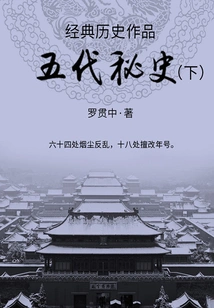
经典历史作品:五代秘史(下)
K
"Secret History of the Five Dynasties" is also known as "Five Dynasties and the Residual Tang Dynasty" and "The Romance of the Residual Tang Dynasty and the Five Dynasties History". It can be said to be a classic Chinese classic that has been handed down from generation to generation. It has been widely read and circulated at home and abroad and is worth savoring. This book uses a chronological style to describe the turbulent rise and fall of the period from the Huangchao Uprising to the Chenqiao Mutiny. It is mainly based on the major political and military struggles in the late Tang Dynasty and the Five Dynasties period. It is written based on relevant stories in the new and old "Tang Shu", "History of the Five Dynasties" and folklore. The novel imitates "The Romance of the Three Kingdoms" in its creation, but its achievements are much inferior. Some chapters are written more vividly, such as the stories of Li Cunxiao and Iron Spear Wang Yanzhang, both of which are written with vitality. "The Secret History of the Five Dynasties" is widely circulated among the people and has a certain influence on the creation of novels and dramas in later generations.
"Secret History of the Five Dynasties" is also known as "Five Dynasties and the Residual Tang Dynasty" and "The Romance of the Residual Tang Dynasty and the Five Dynasties History". It can be said to be a classic Chinese classic that has been handed down from generation to generation. It has been widely read and circulated at home and abroad and is worth savoring. This book uses a chronological style to describe the turbulent rise and fall of the period from the Huangchao Uprising to the Chenqiao Mutiny. It is mainly based on the major political and military struggles in the late Tang Dynasty and the Five Dynasties period. It is written based on relevant stories in the new and old "Tang Shu", "History of the Five Dynasties" and folklore. The novel imitates "The Romance of the Three Kingdoms" in its creation, but its achievements are much inferior. Some chapters are written more vividly, such as the stories of Li Cunxiao and Iron Spear Wang Yanzhang, both of which are written with vitality. "The Secret History of the Five Dynasties" is widely circulated among the people and has a certain influence on the creation of novels and dramas in later generations.
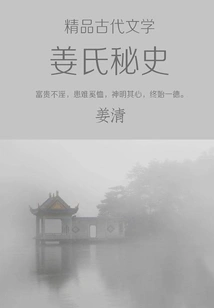
经典历史小说:姜氏秘史
Jiang Qing
"The Secret History of the Jiang Family" is a miscellany of notes written in the mid-Ming Dynasty. It was written by Jiang Qing from Yiyang. It mainly records historical events during the fourth year of Jianwen and the Battle of Jingnan. This book is compiled and chronicled based on the collection of stories and essays. After the Battle of Jingnan, Zhu Di removed the Jianwen reign title and did not compile the "Records" for him. He only added his deeds to the "Records of Taizu". After that, there were many slanderous words, and all private history books about the coup were banned from being written. Jiang Qing collected and compiled the remaining documents in the collection of historical records to fill in the gaps in the "Records" in the Jianwen text. He imitated the style of the "Records of the Ming Dynasty" and wrote "The Secret History of the Jiang Family". It is the first chronological history book to record Jianwen's historical events since the Ming Dynasty. The collected historical materials of the Jianwen Dynasty are detailed and comprehensive, and most of them are official history books.
"The Secret History of the Jiang Family" is a miscellany of notes written in the mid-Ming Dynasty. It was written by Jiang Qing from Yiyang. It mainly records historical events during the fourth year of Jianwen and the Battle of Jingnan. This book is compiled and chronicled based on the collection of stories and essays. After the Battle of Jingnan, Zhu Di removed the Jianwen reign title and did not compile the "Records" for him. He only added his deeds to the "Records of Taizu". After that, there were many slanderous words, and all private history books about the coup were banned from being written. Jiang Qing collected and compiled the remaining documents in the collection of historical records to fill in the gaps in the "Records" in the Jianwen text. He imitated the style of the "Records of the Ming Dynasty" and wrote "The Secret History of the Jiang Family". It is the first chronological history book to record Jianwen's historical events since the Ming Dynasty. The collected historical materials of the Jianwen Dynasty are detailed and comprehensive, and most of them are official history books.
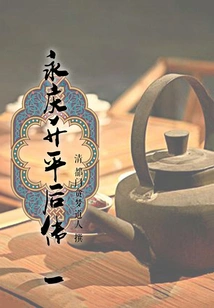
Biography of Yongqing's Shengping (1)
General Fiction永庆升平后传(一)
Taoist Taoist Tan Meng Of Dumen
"The Story of Yongqing Shengping" tells the story of the final collapse of the Tiandihui. With the help of eminent monks and saints, the Qing army advanced step by step and pursued and suppressed them layer by layer, until Tiandihui was defeated. Zhang Erhu entered the tiger's den alone and persuaded Zhang Bao, Tai Sui of Jingjiang, to abandon the secret and turn to the light. Finally, he cooperated with the inside and outside to annihilate the Tiandihui Bagua Sect in one fell swoop. From then on, "the emperor has Taoist family happiness, and the world is selfless and the same", "all the people enjoy their work, and live in peace forever."
"The Story of Yongqing Shengping" tells the story of the final collapse of the Tiandihui. With the help of eminent monks and saints, the Qing army advanced step by step and pursued and suppressed them layer by layer, until Tiandihui was defeated. Zhang Erhu entered the tiger's den alone and persuaded Zhang Bao, Tai Sui of Jingjiang, to abandon the secret and turn to the light. Finally, he cooperated with the inside and outside to annihilate the Tiandihui Bagua Sect in one fell swoop. From then on, "the emperor has Taoist family happiness, and the world is selfless and the same", "all the people enjoy their work, and live in peace forever."
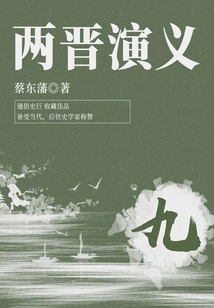
蔡东藩经典历史小说:两晋演义(9)
Cai Dongfan
"The Romance of the Two Jin Dynasties" is one of the "Popular Romance of the Past Dynasties". This book uses a chapter structure, popular articles, and witty comments to truly reproduce the magnificent historical evolution of Chinese civilization and narrate the rise and fall of the Jin Dynasty. It started from Sima Yan in the Wei Dynasty and ended in the Liu Song Dynasty in the Jin Dynasty, which lasted for 156 years. The Western Jin Dynasty ended nearly a century of division. However, the Eight Kings Rebellion depleted the country's capital, and the Hu people, who were mixed with the Han people, took the opportunity to attack one after another, leading to the fall of the Western Jin Dynasty. The Eastern Jin Dynasty rebuilt in Jiangdong, accumulated energy, and launched the difficult task of the Northern Expedition, but its strength was lost due to internal power struggles. General Liu Yu stood out and made two Northern Expeditions to recapture Chang'an. After that, he deposed two emperors one after another, founded the Song Dynasty, and fell to the Eastern Jin Dynasty. This book is easy to understand and has witty comments. It is a good helper for understanding history.
"The Romance of the Two Jin Dynasties" is one of the "Popular Romance of the Past Dynasties". This book uses a chapter structure, popular articles, and witty comments to truly reproduce the magnificent historical evolution of Chinese civilization and narrate the rise and fall of the Jin Dynasty. It started from Sima Yan in the Wei Dynasty and ended in the Liu Song Dynasty in the Jin Dynasty, which lasted for 156 years. The Western Jin Dynasty ended nearly a century of division. However, the Eight Kings Rebellion depleted the country's capital, and the Hu people, who were mixed with the Han people, took the opportunity to attack one after another, leading to the fall of the Western Jin Dynasty. The Eastern Jin Dynasty rebuilt in Jiangdong, accumulated energy, and launched the difficult task of the Northern Expedition, but its strength was lost due to internal power struggles. General Liu Yu stood out and made two Northern Expeditions to recapture Chang'an. After that, he deposed two emperors one after another, founded the Song Dynasty, and fell to the Eastern Jin Dynasty. This book is easy to understand and has witty comments. It is a good helper for understanding history.
蔡东藩经典历史小说:两晋演义(8)
Cai Dongfan
"The Romance of the Two Jin Dynasties" is one of the "Popular Romance of the Past Dynasties". This book uses a chapter structure, popular articles, and witty comments to truly reproduce the magnificent historical evolution of Chinese civilization and narrate the rise and fall of the Jin Dynasty. It started from Sima Yan in the Wei Dynasty and ended in the Liu Song Dynasty in the Jin Dynasty, which lasted for 156 years. The Western Jin Dynasty ended nearly a century of division. However, the Eight Kings Rebellion depleted the country's capital, and the Hu people, who were mixed with the Han people, took the opportunity to attack one after another, leading to the fall of the Western Jin Dynasty. The Eastern Jin Dynasty rebuilt in Jiangdong, accumulated energy, and launched the difficult task of the Northern Expedition, but its strength was lost due to internal power struggles. General Liu Yu stood out and made two Northern Expeditions to recapture Chang'an. After that, he deposed two emperors one after another, founded the Song Dynasty, and fell to the Eastern Jin Dynasty. This book is easy to understand and has witty comments. It is a good helper for understanding history.
"The Romance of the Two Jin Dynasties" is one of the "Popular Romance of the Past Dynasties". This book uses a chapter structure, popular articles, and witty comments to truly reproduce the magnificent historical evolution of Chinese civilization and narrate the rise and fall of the Jin Dynasty. It started from Sima Yan in the Wei Dynasty and ended in the Liu Song Dynasty in the Jin Dynasty, which lasted for 156 years. The Western Jin Dynasty ended nearly a century of division. However, the Eight Kings Rebellion depleted the country's capital, and the Hu people, who were mixed with the Han people, took the opportunity to attack one after another, leading to the fall of the Western Jin Dynasty. The Eastern Jin Dynasty rebuilt in Jiangdong, accumulated energy, and launched the difficult task of the Northern Expedition, but its strength was lost due to internal power struggles. General Liu Yu stood out and made two Northern Expeditions to recapture Chang'an. After that, he deposed two emperors one after another, founded the Song Dynasty, and fell to the Eastern Jin Dynasty. This book is easy to understand and has witty comments. It is a good helper for understanding history.
蔡东藩经典历史小说:两晋演义(11)
Cai Dongfan
"The Romance of the Two Jin Dynasties" is one of the "Popular Romance of the Past Dynasties". This book uses a chapter structure, popular articles, and witty comments to truly reproduce the magnificent historical evolution of Chinese civilization and narrate the rise and fall of the Jin Dynasty. It started from Sima Yan in the Wei Dynasty and ended in the Liu Song Dynasty in the Jin Dynasty, which lasted for 156 years. The Western Jin Dynasty ended nearly a century of division. However, the Eight Kings Rebellion depleted the country's capital, and the Hu people, who were mixed with the Han people, took the opportunity to attack one after another, leading to the fall of the Western Jin Dynasty. The Eastern Jin Dynasty rebuilt in Jiangdong, accumulated energy, and launched the difficult task of the Northern Expedition, but its strength was lost due to internal power struggles. General Liu Yu stood out and made two Northern Expeditions to recapture Chang'an. After that, he deposed two emperors one after another, founded the Song Dynasty, and fell to the Eastern Jin Dynasty. This book is easy to understand and has witty comments. It is a good helper for understanding history.
"The Romance of the Two Jin Dynasties" is one of the "Popular Romance of the Past Dynasties". This book uses a chapter structure, popular articles, and witty comments to truly reproduce the magnificent historical evolution of Chinese civilization and narrate the rise and fall of the Jin Dynasty. It started from Sima Yan in the Wei Dynasty and ended in the Liu Song Dynasty in the Jin Dynasty, which lasted for 156 years. The Western Jin Dynasty ended nearly a century of division. However, the Eight Kings Rebellion depleted the country's capital, and the Hu people, who were mixed with the Han people, took the opportunity to attack one after another, leading to the fall of the Western Jin Dynasty. The Eastern Jin Dynasty rebuilt in Jiangdong, accumulated energy, and launched the difficult task of the Northern Expedition, but its strength was lost due to internal power struggles. General Liu Yu stood out and made two Northern Expeditions to recapture Chang'an. After that, he deposed two emperors one after another, founded the Song Dynasty, and fell to the Eastern Jin Dynasty. This book is easy to understand and has witty comments. It is a good helper for understanding history.
蔡东藩经典历史小说:民国演义(21)
Cai Dongfan
This book is a must-read historical novel of the Republic of China. The author is Cai Dongfan, a famous historian and novelist of the Republic of China. This book describes in relatively detail the beginning and end of major historical events such as the Revolution of 1911, Sun Yat-sen's resignation, Yuan Shikai's proclaimed emperor, Cai E's campaign against Yuan, Zhang Xun's restoration, the May Fourth Movement, Sun Yat-sen's reorganization of the Kuomintang, and other major historical events. This book is the Republic of China part of "Popular Romance of Chinese History". "Popular Romance of Chinese History" dates from the Qin and Han dynasties to the Republic of China. Two thousand years of Chinese history are vividly displayed in front of us. The book tells the history of the Republic of China in a detailed and easy-to-understand way, and has been widely praised by people since its publication. The work is based on historical facts and side by side with unofficial history. It is prudent in selecting materials, has plain viewpoints, is rich in content, has a methodical narrative, elegant language, self-evaluation and self-annotation, and has both reason and interest. It is regarded as a classic of popular history and is deeply favored by readers. In the selection and use of historical materials, Cai Dongfan mainly focused on "official history" and also collected anecdotes and anecdotes. He claimed that the historical romance he compiled "takes official history as the classic and strives for certainty; uses anecdotes as the latitude and does not make false accusations." He is extremely cautious in the use of historical materials such as anecdotes and anecdotes, and often requires "several rounds of textual research."
This book is a must-read historical novel of the Republic of China. The author is Cai Dongfan, a famous historian and novelist of the Republic of China. This book describes in relatively detail the beginning and end of major historical events such as the Revolution of 1911, Sun Yat-sen's resignation, Yuan Shikai's proclaimed emperor, Cai E's campaign against Yuan, Zhang Xun's restoration, the May Fourth Movement, Sun Yat-sen's reorganization of the Kuomintang, and other major historical events. This book is the Republic of China part of "Popular Romance of Chinese History". "Popular Romance of Chinese History" dates from the Qin and Han dynasties to the Republic of China. Two thousand years of Chinese history are vividly displayed in front of us. The book tells the history of the Republic of China in a detailed and easy-to-understand way, and has been widely praised by people since its publication. The work is based on historical facts and side by side with unofficial history. It is prudent in selecting materials, has plain viewpoints, is rich in content, has a methodical narrative, elegant language, self-evaluation and self-annotation, and has both reason and interest. It is regarded as a classic of popular history and is deeply favored by readers. In the selection and use of historical materials, Cai Dongfan mainly focused on "official history" and also collected anecdotes and anecdotes. He claimed that the historical romance he compiled "takes official history as the classic and strives for certainty; uses anecdotes as the latitude and does not make false accusations." He is extremely cautious in the use of historical materials such as anecdotes and anecdotes, and often requires "several rounds of textual research."
蔡东藩经典历史小说:民国演义(20)
Cai Dongfan
This book is a must-read historical novel of the Republic of China. The author is Cai Dongfan, a famous historian and novelist of the Republic of China. This book describes in relatively detail the beginning and end of major historical events such as the Revolution of 1911, Sun Yat-sen's resignation, Yuan Shikai's proclaimed emperor, Cai E's campaign against Yuan, Zhang Xun's restoration, the May Fourth Movement, Sun Yat-sen's reorganization of the Kuomintang, and other major historical events. This book is the Republic of China part of "Popular Romance of Chinese History". "Popular Romance of Chinese History" dates from the Qin and Han dynasties to the Republic of China. Two thousand years of Chinese history are vividly displayed in front of us. The book tells the history of the Republic of China in a detailed and easy-to-understand way, and has been widely praised by people since its publication. The work is based on historical facts and side by side with unofficial history. It is prudent in selecting materials, has plain viewpoints, is rich in content, has a methodical narrative, elegant language, self-evaluation and self-annotation, and has both reason and interest. It is regarded as a classic of popular history and is deeply favored by readers. In the selection and use of historical materials, Cai Dongfan mainly focused on "official history" and also collected anecdotes and anecdotes. He claimed that the historical romance he compiled "takes official history as the classic and strives for certainty; uses anecdotes as the latitude and does not make false accusations." He is extremely cautious in the use of historical materials such as anecdotes and anecdotes, and often requires "several rounds of textual research."
This book is a must-read historical novel of the Republic of China. The author is Cai Dongfan, a famous historian and novelist of the Republic of China. This book describes in relatively detail the beginning and end of major historical events such as the Revolution of 1911, Sun Yat-sen's resignation, Yuan Shikai's proclaimed emperor, Cai E's campaign against Yuan, Zhang Xun's restoration, the May Fourth Movement, Sun Yat-sen's reorganization of the Kuomintang, and other major historical events. This book is the Republic of China part of "Popular Romance of Chinese History". "Popular Romance of Chinese History" dates from the Qin and Han dynasties to the Republic of China. Two thousand years of Chinese history are vividly displayed in front of us. The book tells the history of the Republic of China in a detailed and easy-to-understand way, and has been widely praised by people since its publication. The work is based on historical facts and side by side with unofficial history. It is prudent in selecting materials, has plain viewpoints, is rich in content, has a methodical narrative, elegant language, self-evaluation and self-annotation, and has both reason and interest. It is regarded as a classic of popular history and is deeply favored by readers. In the selection and use of historical materials, Cai Dongfan mainly focused on "official history" and also collected anecdotes and anecdotes. He claimed that the historical romance he compiled "takes official history as the classic and strives for certainty; uses anecdotes as the latitude and does not make false accusations." He is extremely cautious in the use of historical materials such as anecdotes and anecdotes, and often requires "several rounds of textual research."
蔡东藩经典历史小说:民国演义(19)
Cai Dongfan
This book is a must-read historical novel of the Republic of China. The author is Cai Dongfan, a famous historian and novelist of the Republic of China. This book describes in relatively detail the beginning and end of major historical events such as the Revolution of 1911, Sun Yat-sen's resignation, Yuan Shikai's proclaimed emperor, Cai E's campaign against Yuan, Zhang Xun's restoration, the May Fourth Movement, Sun Yat-sen's reorganization of the Kuomintang, and other major historical events. This book is the Republic of China part of "Popular Romance of Chinese History". "Popular Romance of Chinese History" dates from the Qin and Han dynasties to the Republic of China. Two thousand years of Chinese history are vividly displayed in front of us. The book tells the history of the Republic of China in a detailed and easy-to-understand way, and has been widely praised by people since its publication. The work is based on historical facts and side by side with unofficial history. It is prudent in selecting materials, has plain viewpoints, is rich in content, has a methodical narrative, elegant language, self-evaluation and self-annotation, and has both reason and interest. It is regarded as a classic of popular history and is deeply favored by readers. In the selection and use of historical materials, Cai Dongfan mainly focused on "official history" and also collected anecdotes and anecdotes. He claimed that the historical romance he compiled "takes official history as the classic and strives for certainty; uses anecdotes as the latitude and does not make false accusations." He is extremely cautious in the use of historical materials such as anecdotes and anecdotes, and often requires "several rounds of textual research."
This book is a must-read historical novel of the Republic of China. The author is Cai Dongfan, a famous historian and novelist of the Republic of China. This book describes in relatively detail the beginning and end of major historical events such as the Revolution of 1911, Sun Yat-sen's resignation, Yuan Shikai's proclaimed emperor, Cai E's campaign against Yuan, Zhang Xun's restoration, the May Fourth Movement, Sun Yat-sen's reorganization of the Kuomintang, and other major historical events. This book is the Republic of China part of "Popular Romance of Chinese History". "Popular Romance of Chinese History" dates from the Qin and Han dynasties to the Republic of China. Two thousand years of Chinese history are vividly displayed in front of us. The book tells the history of the Republic of China in a detailed and easy-to-understand way, and has been widely praised by people since its publication. The work is based on historical facts and side by side with unofficial history. It is prudent in selecting materials, has plain viewpoints, is rich in content, has a methodical narrative, elegant language, self-evaluation and self-annotation, and has both reason and interest. It is regarded as a classic of popular history and is deeply favored by readers. In the selection and use of historical materials, Cai Dongfan mainly focused on "official history" and also collected anecdotes and anecdotes. He claimed that the historical romance he compiled "takes official history as the classic and strives for certainty; uses anecdotes as the latitude and does not make false accusations." He is extremely cautious in the use of historical materials such as anecdotes and anecdotes, and often requires "several rounds of textual research."
蔡东藩经典历史小说:民国演义(18)
Cai Dongfan
This book is a must-read historical novel of the Republic of China. The author is Cai Dongfan, a famous historian and novelist of the Republic of China. This book describes in relatively detail the beginning and end of major historical events such as the Revolution of 1911, Sun Yat-sen's resignation, Yuan Shikai's proclaimed emperor, Cai E's campaign against Yuan, Zhang Xun's restoration, the May Fourth Movement, Sun Yat-sen's reorganization of the Kuomintang, and other major historical events. This book is the Republic of China part of "Popular Romance of Chinese History". "Popular Romance of Chinese History" dates from the Qin and Han dynasties to the Republic of China. Two thousand years of Chinese history are vividly displayed in front of us. The book tells the history of the Republic of China in a detailed and easy-to-understand way, and has been widely praised by people since its publication. The work is based on historical facts and side by side with unofficial history. It is prudent in selecting materials, has plain viewpoints, is rich in content, has a methodical narrative, elegant language, self-evaluation and self-annotation, and has both reason and interest. It is regarded as a classic of popular history and is deeply favored by readers. In the selection and use of historical materials, Cai Dongfan mainly focused on "official history" and also collected anecdotes and anecdotes. He claimed that the historical romance he compiled "takes official history as the classic and strives for certainty; uses anecdotes as the latitude and does not make false accusations." He is extremely cautious in the use of historical materials such as anecdotes and anecdotes, and often requires "several rounds of textual research."
This book is a must-read historical novel of the Republic of China. The author is Cai Dongfan, a famous historian and novelist of the Republic of China. This book describes in relatively detail the beginning and end of major historical events such as the Revolution of 1911, Sun Yat-sen's resignation, Yuan Shikai's proclaimed emperor, Cai E's campaign against Yuan, Zhang Xun's restoration, the May Fourth Movement, Sun Yat-sen's reorganization of the Kuomintang, and other major historical events. This book is the Republic of China part of "Popular Romance of Chinese History". "Popular Romance of Chinese History" dates from the Qin and Han dynasties to the Republic of China. Two thousand years of Chinese history are vividly displayed in front of us. The book tells the history of the Republic of China in a detailed and easy-to-understand way, and has been widely praised by people since its publication. The work is based on historical facts and side by side with unofficial history. It is prudent in selecting materials, has plain viewpoints, is rich in content, has a methodical narrative, elegant language, self-evaluation and self-annotation, and has both reason and interest. It is regarded as a classic of popular history and is deeply favored by readers. In the selection and use of historical materials, Cai Dongfan mainly focused on "official history" and also collected anecdotes and anecdotes. He claimed that the historical romance he compiled "takes official history as the classic and strives for certainty; uses anecdotes as the latitude and does not make false accusations." He is extremely cautious in the use of historical materials such as anecdotes and anecdotes, and often requires "several rounds of textual research."
蔡东藩经典历史小说:民国演义(17)
Cai Dongfan
This book is a must-read historical novel of the Republic of China. The author is Cai Dongfan, a famous historian and novelist of the Republic of China. This book describes in relatively detail the beginning and end of major historical events such as the Revolution of 1911, Sun Yat-sen's resignation, Yuan Shikai's proclaimed emperor, Cai E's campaign against Yuan, Zhang Xun's restoration, the May Fourth Movement, Sun Yat-sen's reorganization of the Kuomintang, and other major historical events. This book is the Republic of China part of "Popular Romance of Chinese History". "Popular Romance of Chinese History" dates from the Qin and Han dynasties to the Republic of China. Two thousand years of Chinese history are vividly displayed in front of us. The book tells the history of the Republic of China in a detailed and easy-to-understand way, and has been widely praised by people since its publication. The work is based on historical facts and side by side with unofficial history. It is prudent in selecting materials, has plain viewpoints, is rich in content, has a methodical narrative, elegant language, self-evaluation and self-annotation, and has both reason and interest. It is regarded as a classic of popular history and is deeply favored by readers. In the selection and use of historical materials, Cai Dongfan mainly focused on "official history" and also collected anecdotes and anecdotes. He claimed that the historical romance he compiled "takes official history as the classic and strives for certainty; uses anecdotes as the latitude and does not make false accusations." He is extremely cautious in the use of historical materials such as anecdotes and anecdotes, and often requires "several rounds of textual research."
This book is a must-read historical novel of the Republic of China. The author is Cai Dongfan, a famous historian and novelist of the Republic of China. This book describes in relatively detail the beginning and end of major historical events such as the Revolution of 1911, Sun Yat-sen's resignation, Yuan Shikai's proclaimed emperor, Cai E's campaign against Yuan, Zhang Xun's restoration, the May Fourth Movement, Sun Yat-sen's reorganization of the Kuomintang, and other major historical events. This book is the Republic of China part of "Popular Romance of Chinese History". "Popular Romance of Chinese History" dates from the Qin and Han dynasties to the Republic of China. Two thousand years of Chinese history are vividly displayed in front of us. The book tells the history of the Republic of China in a detailed and easy-to-understand way, and has been widely praised by people since its publication. The work is based on historical facts and side by side with unofficial history. It is prudent in selecting materials, has plain viewpoints, is rich in content, has a methodical narrative, elegant language, self-evaluation and self-annotation, and has both reason and interest. It is regarded as a classic of popular history and is deeply favored by readers. In the selection and use of historical materials, Cai Dongfan mainly focused on "official history" and also collected anecdotes and anecdotes. He claimed that the historical romance he compiled "takes official history as the classic and strives for certainty; uses anecdotes as the latitude and does not make false accusations." He is extremely cautious in the use of historical materials such as anecdotes and anecdotes, and often requires "several rounds of textual research."
蔡东藩经典历史小说:民国演义(16)
Cai Dongfan
This book is a must-read historical novel of the Republic of China. The author is Cai Dongfan, a famous historian and novelist of the Republic of China. This book describes in relatively detail the beginning and end of major historical events such as the Revolution of 1911, Sun Yat-sen's resignation, Yuan Shikai's proclaimed emperor, Cai E's campaign against Yuan, Zhang Xun's restoration, the May Fourth Movement, Sun Yat-sen's reorganization of the Kuomintang, and other major historical events. This book is the Republic of China part of "Popular Romance of Chinese History". "Popular Romance of Chinese History" dates from the Qin and Han dynasties to the Republic of China. Two thousand years of Chinese history are vividly displayed in front of us. The book tells the history of the Republic of China in a detailed and easy-to-understand way, and has been widely praised by people since its publication. The work is based on historical facts and side by side with unofficial history. It is prudent in selecting materials, has plain viewpoints, is rich in content, has a methodical narrative, elegant language, self-evaluation and self-annotation, and has both reason and interest. It is regarded as a classic of popular history and is deeply favored by readers. In the selection and use of historical materials, Cai Dongfan mainly focused on "official history" and also collected anecdotes and anecdotes. He claimed that the historical romance he compiled "takes official history as the classic and strives for certainty; uses anecdotes as the latitude and does not make false accusations." He is extremely cautious in the use of historical materials such as anecdotes and anecdotes, and often requires "several rounds of textual research."
This book is a must-read historical novel of the Republic of China. The author is Cai Dongfan, a famous historian and novelist of the Republic of China. This book describes in relatively detail the beginning and end of major historical events such as the Revolution of 1911, Sun Yat-sen's resignation, Yuan Shikai's proclaimed emperor, Cai E's campaign against Yuan, Zhang Xun's restoration, the May Fourth Movement, Sun Yat-sen's reorganization of the Kuomintang, and other major historical events. This book is the Republic of China part of "Popular Romance of Chinese History". "Popular Romance of Chinese History" dates from the Qin and Han dynasties to the Republic of China. Two thousand years of Chinese history are vividly displayed in front of us. The book tells the history of the Republic of China in a detailed and easy-to-understand way, and has been widely praised by people since its publication. The work is based on historical facts and side by side with unofficial history. It is prudent in selecting materials, has plain viewpoints, is rich in content, has a methodical narrative, elegant language, self-evaluation and self-annotation, and has both reason and interest. It is regarded as a classic of popular history and is deeply favored by readers. In the selection and use of historical materials, Cai Dongfan mainly focused on "official history" and also collected anecdotes and anecdotes. He claimed that the historical romance he compiled "takes official history as the classic and strives for certainty; uses anecdotes as the latitude and does not make false accusations." He is extremely cautious in the use of historical materials such as anecdotes and anecdotes, and often requires "several rounds of textual research."
蔡东藩经典历史小说:民国演义(15)
Cai Dongfan
This book is a must-read historical novel of the Republic of China. The author is Cai Dongfan, a famous historian and novelist of the Republic of China. This book describes in relatively detail the beginning and end of major historical events such as the Revolution of 1911, Sun Yat-sen's resignation, Yuan Shikai's proclaimed emperor, Cai E's campaign against Yuan, Zhang Xun's restoration, the May Fourth Movement, Sun Yat-sen's reorganization of the Kuomintang, and other major historical events. This book is the Republic of China part of "Popular Romance of Chinese History". "Popular Romance of Chinese History" dates from the Qin and Han dynasties to the Republic of China. Two thousand years of Chinese history are vividly displayed in front of us. The book tells the history of the Republic of China in a detailed and easy-to-understand way, and has been widely praised by people since its publication. The work is based on historical facts and side by side with unofficial history. It is prudent in selecting materials, has plain viewpoints, is rich in content, has a methodical narrative, elegant language, self-evaluation and self-annotation, and has both reason and interest. It is regarded as a classic of popular history and is deeply favored by readers. In the selection and use of historical materials, Cai Dongfan mainly focused on "official history" and also collected anecdotes and anecdotes. He claimed that the historical romance he compiled "takes official history as the classic and strives for certainty; uses anecdotes as the latitude and does not make false accusations." He is extremely cautious in the use of historical materials such as anecdotes and anecdotes, and often requires "several rounds of textual research."
This book is a must-read historical novel of the Republic of China. The author is Cai Dongfan, a famous historian and novelist of the Republic of China. This book describes in relatively detail the beginning and end of major historical events such as the Revolution of 1911, Sun Yat-sen's resignation, Yuan Shikai's proclaimed emperor, Cai E's campaign against Yuan, Zhang Xun's restoration, the May Fourth Movement, Sun Yat-sen's reorganization of the Kuomintang, and other major historical events. This book is the Republic of China part of "Popular Romance of Chinese History". "Popular Romance of Chinese History" dates from the Qin and Han dynasties to the Republic of China. Two thousand years of Chinese history are vividly displayed in front of us. The book tells the history of the Republic of China in a detailed and easy-to-understand way, and has been widely praised by people since its publication. The work is based on historical facts and side by side with unofficial history. It is prudent in selecting materials, has plain viewpoints, is rich in content, has a methodical narrative, elegant language, self-evaluation and self-annotation, and has both reason and interest. It is regarded as a classic of popular history and is deeply favored by readers. In the selection and use of historical materials, Cai Dongfan mainly focused on "official history" and also collected anecdotes and anecdotes. He claimed that the historical romance he compiled "takes official history as the classic and strives for certainty; uses anecdotes as the latitude and does not make false accusations." He is extremely cautious in the use of historical materials such as anecdotes and anecdotes, and often requires "several rounds of textual research."
蔡东藩经典历史小说:民国演义(13)
Cai Dongfan
This book is a must-read historical novel of the Republic of China. The author is Cai Dongfan, a famous historian and novelist of the Republic of China. This book describes in relatively detail the beginning and end of major historical events such as the Revolution of 1911, Sun Yat-sen's resignation, Yuan Shikai's proclaimed emperor, Cai E's campaign against Yuan, Zhang Xun's restoration, the May Fourth Movement, Sun Yat-sen's reorganization of the Kuomintang, and other major historical events. This book is the Republic of China part of "Popular Romance of Chinese History". "Popular Romance of Chinese History" dates from the Qin and Han dynasties to the Republic of China. Two thousand years of Chinese history are vividly displayed in front of us. The book tells the history of the Republic of China in a detailed and easy-to-understand way, and has been widely praised by people since its publication. The work is based on historical facts and side by side with unofficial history. It is prudent in selecting materials, has plain viewpoints, is rich in content, has a methodical narrative, elegant language, self-evaluation and self-annotation, and has both reason and interest. It is regarded as a classic of popular history and is deeply favored by readers. In the selection and use of historical materials, Cai Dongfan mainly focused on "official history" and also collected anecdotes and anecdotes. He claimed that the historical romance he compiled "takes official history as the classic and strives for certainty; uses anecdotes as the latitude and does not make false accusations." He is extremely cautious in the use of historical materials such as anecdotes and anecdotes, and often requires "several rounds of textual research."
This book is a must-read historical novel of the Republic of China. The author is Cai Dongfan, a famous historian and novelist of the Republic of China. This book describes in relatively detail the beginning and end of major historical events such as the Revolution of 1911, Sun Yat-sen's resignation, Yuan Shikai's proclaimed emperor, Cai E's campaign against Yuan, Zhang Xun's restoration, the May Fourth Movement, Sun Yat-sen's reorganization of the Kuomintang, and other major historical events. This book is the Republic of China part of "Popular Romance of Chinese History". "Popular Romance of Chinese History" dates from the Qin and Han dynasties to the Republic of China. Two thousand years of Chinese history are vividly displayed in front of us. The book tells the history of the Republic of China in a detailed and easy-to-understand way, and has been widely praised by people since its publication. The work is based on historical facts and side by side with unofficial history. It is prudent in selecting materials, has plain viewpoints, is rich in content, has a methodical narrative, elegant language, self-evaluation and self-annotation, and has both reason and interest. It is regarded as a classic of popular history and is deeply favored by readers. In the selection and use of historical materials, Cai Dongfan mainly focused on "official history" and also collected anecdotes and anecdotes. He claimed that the historical romance he compiled "takes official history as the classic and strives for certainty; uses anecdotes as the latitude and does not make false accusations." He is extremely cautious in the use of historical materials such as anecdotes and anecdotes, and often requires "several rounds of textual research."
蔡东藩经典历史小说:民国演义(12)
Cai Dongfan
This book is a must-read historical novel of the Republic of China. The author is Cai Dongfan, a famous historian and novelist of the Republic of China. This book describes in relatively detail the beginning and end of major historical events such as the Revolution of 1911, Sun Yat-sen's resignation, Yuan Shikai's proclaimed emperor, Cai E's campaign against Yuan, Zhang Xun's restoration, the May Fourth Movement, Sun Yat-sen's reorganization of the Kuomintang, and other major historical events. This book is the Republic of China part of "Popular Romance of Chinese History". "Popular Romance of Chinese History" dates from the Qin and Han dynasties to the Republic of China. Two thousand years of Chinese history are vividly displayed in front of us. The book tells the history of the Republic of China in a detailed and easy-to-understand way, and has been widely praised by people since its publication. The work is based on historical facts and side by side with unofficial history. It is prudent in selecting materials, has plain viewpoints, is rich in content, has a methodical narrative, elegant language, self-evaluation and self-annotation, and has both reason and interest. It is regarded as a classic of popular history and is deeply favored by readers. In the selection and use of historical materials, Cai Dongfan mainly focused on "official history" and also collected anecdotes and anecdotes. He claimed that the historical romance he compiled "takes official history as the classic and strives for certainty; uses anecdotes as the latitude and does not make false accusations." He is extremely cautious in the use of historical materials such as anecdotes and anecdotes, and often requires "several rounds of textual research."
This book is a must-read historical novel of the Republic of China. The author is Cai Dongfan, a famous historian and novelist of the Republic of China. This book describes in relatively detail the beginning and end of major historical events such as the Revolution of 1911, Sun Yat-sen's resignation, Yuan Shikai's proclaimed emperor, Cai E's campaign against Yuan, Zhang Xun's restoration, the May Fourth Movement, Sun Yat-sen's reorganization of the Kuomintang, and other major historical events. This book is the Republic of China part of "Popular Romance of Chinese History". "Popular Romance of Chinese History" dates from the Qin and Han dynasties to the Republic of China. Two thousand years of Chinese history are vividly displayed in front of us. The book tells the history of the Republic of China in a detailed and easy-to-understand way, and has been widely praised by people since its publication. The work is based on historical facts and side by side with unofficial history. It is prudent in selecting materials, has plain viewpoints, is rich in content, has a methodical narrative, elegant language, self-evaluation and self-annotation, and has both reason and interest. It is regarded as a classic of popular history and is deeply favored by readers. In the selection and use of historical materials, Cai Dongfan mainly focused on "official history" and also collected anecdotes and anecdotes. He claimed that the historical romance he compiled "takes official history as the classic and strives for certainty; uses anecdotes as the latitude and does not make false accusations." He is extremely cautious in the use of historical materials such as anecdotes and anecdotes, and often requires "several rounds of textual research."
蔡东藩经典历史小说:民国演义(10)
Cai Dongfan
This book is a must-read historical novel of the Republic of China. The author is Cai Dongfan, a famous historian and novelist of the Republic of China. This book describes in relatively detail the beginning and end of major historical events such as the Revolution of 1911, Sun Yat-sen's resignation, Yuan Shikai's proclaimed emperor, Cai E's campaign against Yuan, Zhang Xun's restoration, the May Fourth Movement, Sun Yat-sen's reorganization of the Kuomintang, and other major historical events. This book is the Republic of China part of "Popular Romance of Chinese History". "Popular Romance of Chinese History" dates from the Qin and Han dynasties to the Republic of China. Two thousand years of Chinese history are vividly displayed in front of us. The book tells the history of the Republic of China in a detailed and easy-to-understand way, and has been widely praised by people since its publication. The work is based on historical facts and side by side with unofficial history. It is prudent in selecting materials, has plain viewpoints, is rich in content, has a methodical narrative, elegant language, self-evaluation and self-annotation, and has both reason and interest. It is regarded as a classic of popular history and is deeply favored by readers. In the selection and use of historical materials, Cai Dongfan mainly focused on "official history" and also collected anecdotes and anecdotes. He claimed that the historical romance he compiled "takes official history as the classic and strives for certainty; uses anecdotes as the latitude and does not make false accusations." He is extremely cautious in the use of historical materials such as anecdotes and anecdotes, and often requires "several rounds of textual research."
This book is a must-read historical novel of the Republic of China. The author is Cai Dongfan, a famous historian and novelist of the Republic of China. This book describes in relatively detail the beginning and end of major historical events such as the Revolution of 1911, Sun Yat-sen's resignation, Yuan Shikai's proclaimed emperor, Cai E's campaign against Yuan, Zhang Xun's restoration, the May Fourth Movement, Sun Yat-sen's reorganization of the Kuomintang, and other major historical events. This book is the Republic of China part of "Popular Romance of Chinese History". "Popular Romance of Chinese History" dates from the Qin and Han dynasties to the Republic of China. Two thousand years of Chinese history are vividly displayed in front of us. The book tells the history of the Republic of China in a detailed and easy-to-understand way, and has been widely praised by people since its publication. The work is based on historical facts and side by side with unofficial history. It is prudent in selecting materials, has plain viewpoints, is rich in content, has a methodical narrative, elegant language, self-evaluation and self-annotation, and has both reason and interest. It is regarded as a classic of popular history and is deeply favored by readers. In the selection and use of historical materials, Cai Dongfan mainly focused on "official history" and also collected anecdotes and anecdotes. He claimed that the historical romance he compiled "takes official history as the classic and strives for certainty; uses anecdotes as the latitude and does not make false accusations." He is extremely cautious in the use of historical materials such as anecdotes and anecdotes, and often requires "several rounds of textual research."
蔡东藩经典历史小说:民国演义(11)
Cai Dongfan
This book is a must-read historical novel of the Republic of China. The author is Cai Dongfan, a famous historian and novelist of the Republic of China. This book describes in relatively detail the beginning and end of major historical events such as the Revolution of 1911, Sun Yat-sen's resignation, Yuan Shikai's proclaimed emperor, Cai E's campaign against Yuan, Zhang Xun's restoration, the May Fourth Movement, Sun Yat-sen's reorganization of the Kuomintang, and other major historical events. This book is the Republic of China part of "Popular Romance of Chinese History". "Popular Romance of Chinese History" dates from the Qin and Han dynasties to the Republic of China. Two thousand years of Chinese history are vividly displayed in front of us. The book tells the history of the Republic of China in a detailed and easy-to-understand way, and has been widely praised by people since its publication. The work is based on historical facts and side by side with unofficial history. It is prudent in selecting materials, has plain viewpoints, is rich in content, has a methodical narrative, elegant language, self-evaluation and self-annotation, and has both reason and interest. It is regarded as a classic of popular history and is deeply favored by readers. In the selection and use of historical materials, Cai Dongfan mainly focused on "official history" and also collected anecdotes and anecdotes. He claimed that the historical romance he compiled "takes official history as the classic and strives for certainty; uses anecdotes as the latitude and does not make false accusations." He is extremely cautious in the use of historical materials such as anecdotes and anecdotes, and often requires "several rounds of textual research."
This book is a must-read historical novel of the Republic of China. The author is Cai Dongfan, a famous historian and novelist of the Republic of China. This book describes in relatively detail the beginning and end of major historical events such as the Revolution of 1911, Sun Yat-sen's resignation, Yuan Shikai's proclaimed emperor, Cai E's campaign against Yuan, Zhang Xun's restoration, the May Fourth Movement, Sun Yat-sen's reorganization of the Kuomintang, and other major historical events. This book is the Republic of China part of "Popular Romance of Chinese History". "Popular Romance of Chinese History" dates from the Qin and Han dynasties to the Republic of China. Two thousand years of Chinese history are vividly displayed in front of us. The book tells the history of the Republic of China in a detailed and easy-to-understand way, and has been widely praised by people since its publication. The work is based on historical facts and side by side with unofficial history. It is prudent in selecting materials, has plain viewpoints, is rich in content, has a methodical narrative, elegant language, self-evaluation and self-annotation, and has both reason and interest. It is regarded as a classic of popular history and is deeply favored by readers. In the selection and use of historical materials, Cai Dongfan mainly focused on "official history" and also collected anecdotes and anecdotes. He claimed that the historical romance he compiled "takes official history as the classic and strives for certainty; uses anecdotes as the latitude and does not make false accusations." He is extremely cautious in the use of historical materials such as anecdotes and anecdotes, and often requires "several rounds of textual research."
蔡东藩经典历史小说:民国演义(9)
Cai Dongfan
This book is a must-read historical novel of the Republic of China. The author is Cai Dongfan, a famous historian and novelist of the Republic of China. This book describes in relatively detail the beginning and end of major historical events such as the Revolution of 1911, Sun Yat-sen's resignation, Yuan Shikai's proclaimed emperor, Cai E's campaign against Yuan, Zhang Xun's restoration, the May Fourth Movement, Sun Yat-sen's reorganization of the Kuomintang, and other major historical events. This book is the Republic of China part of "Popular Romance of Chinese History". "Popular Romance of Chinese History" dates from the Qin and Han dynasties to the Republic of China. Two thousand years of Chinese history are vividly displayed in front of us. The book tells the history of the Republic of China in a detailed and easy-to-understand way, and has been widely praised by people since its publication. The work is based on historical facts and side by side with unofficial history. It is prudent in selecting materials, has plain viewpoints, is rich in content, has a methodical narrative, elegant language, self-evaluation and self-annotation, and has both reason and interest. It is regarded as a classic of popular history and is deeply favored by readers. In the selection and use of historical materials, Cai Dongfan mainly focused on "official history" and also collected anecdotes and anecdotes. He claimed that the historical romance he compiled "takes official history as the classic and strives for certainty; uses anecdotes as the latitude and does not make false accusations." He is extremely cautious in the use of historical materials such as anecdotes and anecdotes, and often requires "several rounds of textual research."
This book is a must-read historical novel of the Republic of China. The author is Cai Dongfan, a famous historian and novelist of the Republic of China. This book describes in relatively detail the beginning and end of major historical events such as the Revolution of 1911, Sun Yat-sen's resignation, Yuan Shikai's proclaimed emperor, Cai E's campaign against Yuan, Zhang Xun's restoration, the May Fourth Movement, Sun Yat-sen's reorganization of the Kuomintang, and other major historical events. This book is the Republic of China part of "Popular Romance of Chinese History". "Popular Romance of Chinese History" dates from the Qin and Han dynasties to the Republic of China. Two thousand years of Chinese history are vividly displayed in front of us. The book tells the history of the Republic of China in a detailed and easy-to-understand way, and has been widely praised by people since its publication. The work is based on historical facts and side by side with unofficial history. It is prudent in selecting materials, has plain viewpoints, is rich in content, has a methodical narrative, elegant language, self-evaluation and self-annotation, and has both reason and interest. It is regarded as a classic of popular history and is deeply favored by readers. In the selection and use of historical materials, Cai Dongfan mainly focused on "official history" and also collected anecdotes and anecdotes. He claimed that the historical romance he compiled "takes official history as the classic and strives for certainty; uses anecdotes as the latitude and does not make false accusations." He is extremely cautious in the use of historical materials such as anecdotes and anecdotes, and often requires "several rounds of textual research."
蔡东藩经典历史小说:民国演义(8)
Cai Dongfan
This book is a must-read historical novel of the Republic of China. The author is Cai Dongfan, a famous historian and novelist of the Republic of China. This book describes in relatively detail the beginning and end of major historical events such as the Revolution of 1911, Sun Yat-sen's resignation, Yuan Shikai's proclaimed emperor, Cai E's campaign against Yuan, Zhang Xun's restoration, the May Fourth Movement, Sun Yat-sen's reorganization of the Kuomintang, and other major historical events. This book is the Republic of China part of "Popular Romance of Chinese History". "Popular Romance of Chinese History" dates from the Qin and Han dynasties to the Republic of China. Two thousand years of Chinese history are vividly displayed in front of us. The book tells the history of the Republic of China in a detailed and easy-to-understand way, and has been widely praised by people since its publication. The work is based on historical facts and side by side with unofficial history. It is prudent in selecting materials, has plain viewpoints, is rich in content, has a methodical narrative, elegant language, self-evaluation and self-annotation, and has both reason and interest. It is regarded as a classic of popular history and is deeply favored by readers. In the selection and use of historical materials, Cai Dongfan mainly focused on "official history" and also collected anecdotes and anecdotes. He claimed that the historical romance he compiled "takes official history as the classic and strives for certainty; uses anecdotes as the latitude and does not make false accusations." He is extremely cautious in the use of historical materials such as anecdotes and anecdotes, and often requires "several rounds of textual research."
This book is a must-read historical novel of the Republic of China. The author is Cai Dongfan, a famous historian and novelist of the Republic of China. This book describes in relatively detail the beginning and end of major historical events such as the Revolution of 1911, Sun Yat-sen's resignation, Yuan Shikai's proclaimed emperor, Cai E's campaign against Yuan, Zhang Xun's restoration, the May Fourth Movement, Sun Yat-sen's reorganization of the Kuomintang, and other major historical events. This book is the Republic of China part of "Popular Romance of Chinese History". "Popular Romance of Chinese History" dates from the Qin and Han dynasties to the Republic of China. Two thousand years of Chinese history are vividly displayed in front of us. The book tells the history of the Republic of China in a detailed and easy-to-understand way, and has been widely praised by people since its publication. The work is based on historical facts and side by side with unofficial history. It is prudent in selecting materials, has plain viewpoints, is rich in content, has a methodical narrative, elegant language, self-evaluation and self-annotation, and has both reason and interest. It is regarded as a classic of popular history and is deeply favored by readers. In the selection and use of historical materials, Cai Dongfan mainly focused on "official history" and also collected anecdotes and anecdotes. He claimed that the historical romance he compiled "takes official history as the classic and strives for certainty; uses anecdotes as the latitude and does not make false accusations." He is extremely cautious in the use of historical materials such as anecdotes and anecdotes, and often requires "several rounds of textual research."
蔡东藩经典历史小说:民国演义(7)
Cai Dongfan
This book is a must-read historical novel of the Republic of China. The author is Cai Dongfan, a famous historian and novelist of the Republic of China. This book describes in relatively detail the beginning and end of major historical events such as the Revolution of 1911, Sun Yat-sen's resignation, Yuan Shikai's proclaimed emperor, Cai E's campaign against Yuan, Zhang Xun's restoration, the May Fourth Movement, Sun Yat-sen's reorganization of the Kuomintang, and other major historical events. This book is the Republic of China part of "Popular Romance of Chinese History". "Popular Romance of Chinese History" dates from the Qin and Han dynasties to the Republic of China. Two thousand years of Chinese history are vividly displayed in front of us. The book tells the history of the Republic of China in a detailed and easy-to-understand way, and has been widely praised by people since its publication. The work is based on historical facts and side by side with unofficial history. It is prudent in selecting materials, has plain viewpoints, is rich in content, has a methodical narrative, elegant language, self-evaluation and self-annotation, and has both reason and interest. It is regarded as a classic of popular history and is deeply favored by readers. In the selection and use of historical materials, Cai Dongfan mainly focused on "official history" and also collected anecdotes and anecdotes. He claimed that the historical romance he compiled "takes official history as the classic and strives for certainty; uses anecdotes as the latitude and does not make false accusations." He is extremely cautious in the use of historical materials such as anecdotes and anecdotes, and often requires "several rounds of textual research."
This book is a must-read historical novel of the Republic of China. The author is Cai Dongfan, a famous historian and novelist of the Republic of China. This book describes in relatively detail the beginning and end of major historical events such as the Revolution of 1911, Sun Yat-sen's resignation, Yuan Shikai's proclaimed emperor, Cai E's campaign against Yuan, Zhang Xun's restoration, the May Fourth Movement, Sun Yat-sen's reorganization of the Kuomintang, and other major historical events. This book is the Republic of China part of "Popular Romance of Chinese History". "Popular Romance of Chinese History" dates from the Qin and Han dynasties to the Republic of China. Two thousand years of Chinese history are vividly displayed in front of us. The book tells the history of the Republic of China in a detailed and easy-to-understand way, and has been widely praised by people since its publication. The work is based on historical facts and side by side with unofficial history. It is prudent in selecting materials, has plain viewpoints, is rich in content, has a methodical narrative, elegant language, self-evaluation and self-annotation, and has both reason and interest. It is regarded as a classic of popular history and is deeply favored by readers. In the selection and use of historical materials, Cai Dongfan mainly focused on "official history" and also collected anecdotes and anecdotes. He claimed that the historical romance he compiled "takes official history as the classic and strives for certainty; uses anecdotes as the latitude and does not make false accusations." He is extremely cautious in the use of historical materials such as anecdotes and anecdotes, and often requires "several rounds of textual research."
蔡东藩经典历史小说:民国演义(5)
Cai Dongfan
This book is a must-read historical novel of the Republic of China. The author is Cai Dongfan, a famous historian and novelist of the Republic of China. This book describes in relatively detail the beginning and end of major historical events such as the Revolution of 1911, Sun Yat-sen's resignation, Yuan Shikai's proclaimed emperor, Cai E's campaign against Yuan, Zhang Xun's restoration, the May Fourth Movement, Sun Yat-sen's reorganization of the Kuomintang, and other major historical events. This book is the Republic of China part of "Popular Romance of Chinese History". "Popular Romance of Chinese History" dates from the Qin and Han dynasties to the Republic of China. Two thousand years of Chinese history are vividly displayed in front of us. The book tells the history of the Republic of China in a detailed and easy-to-understand way, and has been widely praised by people since its publication. The work is based on historical facts and side by side with unofficial history. It is prudent in selecting materials, has plain viewpoints, is rich in content, has a methodical narrative, elegant language, self-evaluation and self-annotation, and has both reason and interest. It is regarded as a classic of popular history and is deeply favored by readers. In the selection and use of historical materials, Cai Dongfan mainly focused on "official history" and also collected anecdotes and anecdotes. He claimed that the historical romance he compiled "takes official history as the classic and strives for certainty; uses anecdotes as the latitude and does not make false accusations." He is extremely cautious in the use of historical materials such as anecdotes and anecdotes, and often requires "several rounds of textual research."
This book is a must-read historical novel of the Republic of China. The author is Cai Dongfan, a famous historian and novelist of the Republic of China. This book describes in relatively detail the beginning and end of major historical events such as the Revolution of 1911, Sun Yat-sen's resignation, Yuan Shikai's proclaimed emperor, Cai E's campaign against Yuan, Zhang Xun's restoration, the May Fourth Movement, Sun Yat-sen's reorganization of the Kuomintang, and other major historical events. This book is the Republic of China part of "Popular Romance of Chinese History". "Popular Romance of Chinese History" dates from the Qin and Han dynasties to the Republic of China. Two thousand years of Chinese history are vividly displayed in front of us. The book tells the history of the Republic of China in a detailed and easy-to-understand way, and has been widely praised by people since its publication. The work is based on historical facts and side by side with unofficial history. It is prudent in selecting materials, has plain viewpoints, is rich in content, has a methodical narrative, elegant language, self-evaluation and self-annotation, and has both reason and interest. It is regarded as a classic of popular history and is deeply favored by readers. In the selection and use of historical materials, Cai Dongfan mainly focused on "official history" and also collected anecdotes and anecdotes. He claimed that the historical romance he compiled "takes official history as the classic and strives for certainty; uses anecdotes as the latitude and does not make false accusations." He is extremely cautious in the use of historical materials such as anecdotes and anecdotes, and often requires "several rounds of textual research."
蔡东藩经典历史小说:民国演义(6)
Cai Dongfan
This book is a must-read historical novel of the Republic of China. The author is Cai Dongfan, a famous historian and novelist of the Republic of China. This book describes in relatively detail the beginning and end of major historical events such as the Revolution of 1911, Sun Yat-sen's resignation, Yuan Shikai's proclaimed emperor, Cai E's campaign against Yuan, Zhang Xun's restoration, the May Fourth Movement, Sun Yat-sen's reorganization of the Kuomintang, and other major historical events. This book is the Republic of China part of "Popular Romance of Chinese History". "Popular Romance of Chinese History" dates from the Qin and Han dynasties to the Republic of China. Two thousand years of Chinese history are vividly displayed in front of us. The book tells the history of the Republic of China in a detailed and easy-to-understand way, and has been widely praised by people since its publication. The work is based on historical facts and side by side with unofficial history. It is prudent in selecting materials, has plain viewpoints, is rich in content, has a methodical narrative, elegant language, self-evaluation and self-annotation, and has both reason and interest. It is regarded as a classic of popular history and is deeply favored by readers. In the selection and use of historical materials, Cai Dongfan mainly focused on "official history" and also collected anecdotes and anecdotes. He claimed that the historical romance he compiled "takes official history as the classic and strives for certainty; uses anecdotes as the latitude and does not make false accusations." He is extremely cautious in the use of historical materials such as anecdotes and anecdotes, and often requires "several rounds of textual research."
This book is a must-read historical novel of the Republic of China. The author is Cai Dongfan, a famous historian and novelist of the Republic of China. This book describes in relatively detail the beginning and end of major historical events such as the Revolution of 1911, Sun Yat-sen's resignation, Yuan Shikai's proclaimed emperor, Cai E's campaign against Yuan, Zhang Xun's restoration, the May Fourth Movement, Sun Yat-sen's reorganization of the Kuomintang, and other major historical events. This book is the Republic of China part of "Popular Romance of Chinese History". "Popular Romance of Chinese History" dates from the Qin and Han dynasties to the Republic of China. Two thousand years of Chinese history are vividly displayed in front of us. The book tells the history of the Republic of China in a detailed and easy-to-understand way, and has been widely praised by people since its publication. The work is based on historical facts and side by side with unofficial history. It is prudent in selecting materials, has plain viewpoints, is rich in content, has a methodical narrative, elegant language, self-evaluation and self-annotation, and has both reason and interest. It is regarded as a classic of popular history and is deeply favored by readers. In the selection and use of historical materials, Cai Dongfan mainly focused on "official history" and also collected anecdotes and anecdotes. He claimed that the historical romance he compiled "takes official history as the classic and strives for certainty; uses anecdotes as the latitude and does not make false accusations." He is extremely cautious in the use of historical materials such as anecdotes and anecdotes, and often requires "several rounds of textual research."
蔡东藩经典历史小说:民国演义(4)
Cai Dongfan
This book is a must-read historical novel of the Republic of China. The author is Cai Dongfan, a famous historian and novelist of the Republic of China. This book describes in relatively detail the beginning and end of major historical events such as the Revolution of 1911, Sun Yat-sen's resignation, Yuan Shikai's proclaimed emperor, Cai E's campaign against Yuan, Zhang Xun's restoration, the May Fourth Movement, Sun Yat-sen's reorganization of the Kuomintang, and other major historical events. This book is the Republic of China part of "Popular Romance of Chinese History". "Popular Romance of Chinese History" dates from the Qin and Han dynasties to the Republic of China. Two thousand years of Chinese history are vividly displayed in front of us. The book tells the history of the Republic of China in a detailed and easy-to-understand way, and has been widely praised by people since its publication. The work is based on historical facts and side by side with unofficial history. It is prudent in selecting materials, has plain viewpoints, is rich in content, has a methodical narrative, elegant language, self-evaluation and self-annotation, and has both reason and interest. It is regarded as a classic of popular history and is deeply favored by readers. In the selection and use of historical materials, Cai Dongfan mainly focused on "official history" and also collected anecdotes and anecdotes. He claimed that the historical romance he compiled "takes official history as the classic and strives for certainty; uses anecdotes as the latitude and does not make false accusations." He is extremely cautious in the use of historical materials such as anecdotes and anecdotes, and often requires "several rounds of textual research."
This book is a must-read historical novel of the Republic of China. The author is Cai Dongfan, a famous historian and novelist of the Republic of China. This book describes in relatively detail the beginning and end of major historical events such as the Revolution of 1911, Sun Yat-sen's resignation, Yuan Shikai's proclaimed emperor, Cai E's campaign against Yuan, Zhang Xun's restoration, the May Fourth Movement, Sun Yat-sen's reorganization of the Kuomintang, and other major historical events. This book is the Republic of China part of "Popular Romance of Chinese History". "Popular Romance of Chinese History" dates from the Qin and Han dynasties to the Republic of China. Two thousand years of Chinese history are vividly displayed in front of us. The book tells the history of the Republic of China in a detailed and easy-to-understand way, and has been widely praised by people since its publication. The work is based on historical facts and side by side with unofficial history. It is prudent in selecting materials, has plain viewpoints, is rich in content, has a methodical narrative, elegant language, self-evaluation and self-annotation, and has both reason and interest. It is regarded as a classic of popular history and is deeply favored by readers. In the selection and use of historical materials, Cai Dongfan mainly focused on "official history" and also collected anecdotes and anecdotes. He claimed that the historical romance he compiled "takes official history as the classic and strives for certainty; uses anecdotes as the latitude and does not make false accusations." He is extremely cautious in the use of historical materials such as anecdotes and anecdotes, and often requires "several rounds of textual research."
蔡东藩经典历史小说:民国演义(3)
Cai Dongfan
This book is a must-read historical novel of the Republic of China. The author is Cai Dongfan, a famous historian and novelist of the Republic of China. This book describes in relatively detail the beginning and end of major historical events such as the Revolution of 1911, Sun Yat-sen's resignation, Yuan Shikai's proclaimed emperor, Cai E's campaign against Yuan, Zhang Xun's restoration, the May Fourth Movement, Sun Yat-sen's reorganization of the Kuomintang, and other major historical events. This book is the Republic of China part of "Popular Romance of Chinese History". "Popular Romance of Chinese History" dates from the Qin and Han dynasties to the Republic of China. Two thousand years of Chinese history are vividly displayed in front of us. The book tells the history of the Republic of China in a detailed and easy-to-understand way, and has been widely praised by people since its publication. The work is based on historical facts and side by side with unofficial history. It is prudent in selecting materials, has plain viewpoints, is rich in content, has a methodical narrative, elegant language, self-evaluation and self-annotation, and has both reason and interest. It is regarded as a classic of popular history and is deeply favored by readers. In the selection and use of historical materials, Cai Dongfan mainly focused on "official history" and also collected anecdotes and anecdotes. He claimed that the historical romance he compiled "takes official history as the classic and strives for certainty; uses anecdotes as the latitude and does not make false accusations." He is extremely cautious in the use of historical materials such as anecdotes and anecdotes, and often requires "several rounds of textual research."
This book is a must-read historical novel of the Republic of China. The author is Cai Dongfan, a famous historian and novelist of the Republic of China. This book describes in relatively detail the beginning and end of major historical events such as the Revolution of 1911, Sun Yat-sen's resignation, Yuan Shikai's proclaimed emperor, Cai E's campaign against Yuan, Zhang Xun's restoration, the May Fourth Movement, Sun Yat-sen's reorganization of the Kuomintang, and other major historical events. This book is the Republic of China part of "Popular Romance of Chinese History". "Popular Romance of Chinese History" dates from the Qin and Han dynasties to the Republic of China. Two thousand years of Chinese history are vividly displayed in front of us. The book tells the history of the Republic of China in a detailed and easy-to-understand way, and has been widely praised by people since its publication. The work is based on historical facts and side by side with unofficial history. It is prudent in selecting materials, has plain viewpoints, is rich in content, has a methodical narrative, elegant language, self-evaluation and self-annotation, and has both reason and interest. It is regarded as a classic of popular history and is deeply favored by readers. In the selection and use of historical materials, Cai Dongfan mainly focused on "official history" and also collected anecdotes and anecdotes. He claimed that the historical romance he compiled "takes official history as the classic and strives for certainty; uses anecdotes as the latitude and does not make false accusations." He is extremely cautious in the use of historical materials such as anecdotes and anecdotes, and often requires "several rounds of textual research."
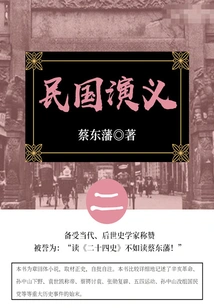
蔡东藩经典历史小说:民国演义(2)
Cai Dongfan
This book is a must-read historical novel of the Republic of China. The author is Cai Dongfan, a famous historian and novelist of the Republic of China. This book describes in relatively detail the beginning and end of major historical events such as the Revolution of 1911, Sun Yat-sen's resignation, Yuan Shikai's proclaimed emperor, Cai E's campaign against Yuan, Zhang Xun's restoration, the May Fourth Movement, Sun Yat-sen's reorganization of the Kuomintang, and other major historical events. This book is the Republic of China part of "Popular Romance of Chinese History". "Popular Romance of Chinese History" dates from the Qin and Han dynasties to the Republic of China. Two thousand years of Chinese history are vividly displayed in front of us. The book tells the history of the Republic of China in a detailed and easy-to-understand way, and has been widely praised by people since its publication. The work is based on historical facts and side by side with unofficial history. It is prudent in selecting materials, has plain viewpoints, is rich in content, has a methodical narrative, elegant language, self-evaluation and self-annotation, and has both reason and interest. It is regarded as a classic of popular history and is deeply favored by readers. In the selection and use of historical materials, Cai Dongfan mainly focused on "official history" and also collected anecdotes and anecdotes. He claimed that the historical romance he compiled "takes official history as the classic and strives for certainty; uses anecdotes as the latitude and does not make false accusations." He is extremely cautious in the use of historical materials such as anecdotes and anecdotes, and often requires "several rounds of textual research."
This book is a must-read historical novel of the Republic of China. The author is Cai Dongfan, a famous historian and novelist of the Republic of China. This book describes in relatively detail the beginning and end of major historical events such as the Revolution of 1911, Sun Yat-sen's resignation, Yuan Shikai's proclaimed emperor, Cai E's campaign against Yuan, Zhang Xun's restoration, the May Fourth Movement, Sun Yat-sen's reorganization of the Kuomintang, and other major historical events. This book is the Republic of China part of "Popular Romance of Chinese History". "Popular Romance of Chinese History" dates from the Qin and Han dynasties to the Republic of China. Two thousand years of Chinese history are vividly displayed in front of us. The book tells the history of the Republic of China in a detailed and easy-to-understand way, and has been widely praised by people since its publication. The work is based on historical facts and side by side with unofficial history. It is prudent in selecting materials, has plain viewpoints, is rich in content, has a methodical narrative, elegant language, self-evaluation and self-annotation, and has both reason and interest. It is regarded as a classic of popular history and is deeply favored by readers. In the selection and use of historical materials, Cai Dongfan mainly focused on "official history" and also collected anecdotes and anecdotes. He claimed that the historical romance he compiled "takes official history as the classic and strives for certainty; uses anecdotes as the latitude and does not make false accusations." He is extremely cautious in the use of historical materials such as anecdotes and anecdotes, and often requires "several rounds of textual research."
Ancient Historical Novels: Biography of the Tang Dynasty (5)
General Fiction古代历史小说:说唐后传(五)
Yuanhu Fisherman
"The Legend of Tang Dynasty" is a long heroic romance novel in vernacular from the Qing Dynasty. Readers who like classical novels should not miss it. The first half of the work tells the story of Luo Tong's expedition to the north. The story is fictitious. It is intended to promote the martial arts of the Tang Dynasty and praise the bravery, loyalty, filial piety and justice of Luo Tong and other descendants of Luo Cheng's heroes in "Shuo Tang". The second half focuses on Xue Rengui and others' expedition to Korea. It is slightly based on historical facts and develops into a rather tortuous story on the basis of the story "Xue Rengui's Expedition to Liao". The work has a strong storyline and is widely circulated among the masses. The main extant editions include the plate version collected by Gusu Lushentang in the third year of Qianlong's reign (1738) and stored in the Liaoning Provincial Library; the version published by Yuanhu Zuiletang in the 33rd year of Qianlong's reign (1768); the version published by Guanzhuwu in the 48th year of Qianlong's reign (1783) in the collection of the Institute of Opera Research of the Chinese Academy of Arts; the version published by Wenhetang in the fourth year of Guangxu's reign (1878); the version published by Shang Youzhai in the Qing Dynasty; and the version published by Shancheng Tang in the Qing Dynasty.
"The Legend of Tang Dynasty" is a long heroic romance novel in vernacular from the Qing Dynasty. Readers who like classical novels should not miss it. The first half of the work tells the story of Luo Tong's expedition to the north. The story is fictitious. It is intended to promote the martial arts of the Tang Dynasty and praise the bravery, loyalty, filial piety and justice of Luo Tong and other descendants of Luo Cheng's heroes in "Shuo Tang". The second half focuses on Xue Rengui and others' expedition to Korea. It is slightly based on historical facts and develops into a rather tortuous story on the basis of the story "Xue Rengui's Expedition to Liao". The work has a strong storyline and is widely circulated among the masses. The main extant editions include the plate version collected by Gusu Lushentang in the third year of Qianlong's reign (1738) and stored in the Liaoning Provincial Library; the version published by Yuanhu Zuiletang in the 33rd year of Qianlong's reign (1768); the version published by Guanzhuwu in the 48th year of Qianlong's reign (1783) in the collection of the Institute of Opera Research of the Chinese Academy of Arts; the version published by Wenhetang in the fourth year of Guangxu's reign (1878); the version published by Shang Youzhai in the Qing Dynasty; and the version published by Shancheng Tang in the Qing Dynasty.
Ancient Historical Novels: Biography of the Tang Dynasty (4)
General Fiction古代历史小说:说唐后传(四)
Yuanhu Fisherman
"The Legend of Tang Dynasty" is a long heroic romance novel in vernacular from the Qing Dynasty. Readers who like classical novels should not miss it. The first half of the work tells the story of Luo Tong's expedition to the north. The story is fictitious. It is intended to promote the martial arts of the Tang Dynasty and praise the bravery, loyalty, filial piety and justice of Luo Tong and other descendants of Luo Cheng's heroes in "Shuo Tang". The second half focuses on Xue Rengui and others' expedition to Korea. It is slightly based on historical facts and develops into a rather tortuous story on the basis of the story "Xue Rengui's Expedition to Liao". The work has a strong storyline and is widely circulated among the masses. The main extant editions include the plate version collected by Gusu Lushentang in the third year of Qianlong's reign (1738) and stored in the Liaoning Provincial Library; the version published by Yuanhu Zuiletang in the 33rd year of Qianlong's reign (1768); the version published by Guanzhuwu in the 48th year of Qianlong's reign (1783) in the collection of the Institute of Opera Research of the Chinese Academy of Arts; the version published by Wenhetang in the fourth year of Guangxu's reign (1878); the version published by Shang Youzhai in the Qing Dynasty; and the version published by Shancheng Tang in the Qing Dynasty.
"The Legend of Tang Dynasty" is a long heroic romance novel in vernacular from the Qing Dynasty. Readers who like classical novels should not miss it. The first half of the work tells the story of Luo Tong's expedition to the north. The story is fictitious. It is intended to promote the martial arts of the Tang Dynasty and praise the bravery, loyalty, filial piety and justice of Luo Tong and other descendants of Luo Cheng's heroes in "Shuo Tang". The second half focuses on Xue Rengui and others' expedition to Korea. It is slightly based on historical facts and develops into a rather tortuous story on the basis of the story "Xue Rengui's Expedition to Liao". The work has a strong storyline and is widely circulated among the masses. The main extant editions include the plate version collected by Gusu Lushentang in the third year of Qianlong's reign (1738) and stored in the Liaoning Provincial Library; the version published by Yuanhu Zuiletang in the 33rd year of Qianlong's reign (1768); the version published by Guanzhuwu in the 48th year of Qianlong's reign (1783) in the collection of the Institute of Opera Research of the Chinese Academy of Arts; the version published by Wenhetang in the fourth year of Guangxu's reign (1878); the version published by Shang Youzhai in the Qing Dynasty; and the version published by Shancheng Tang in the Qing Dynasty.
Ancient Historical Novels: Biography of the Tang Dynasty (3)
General Fiction古代历史小说:说唐后传(三)
Yuanhu Fisherman
"The Legend of Tang Dynasty" is a long heroic romance novel in vernacular from the Qing Dynasty. Readers who like classical novels should not miss it. The first half of the work tells the story of Luo Tong's expedition to the north. The story is fictitious. It is intended to promote the martial arts of the Tang Dynasty and praise the bravery, loyalty, filial piety and justice of Luo Tong and other descendants of Luo Cheng's heroes in "Shuo Tang". The second half focuses on Xue Rengui and others' expedition to Korea. It is slightly based on historical facts and develops into a rather tortuous story on the basis of the story "Xue Rengui's Expedition to Liao". The work has a strong storyline and is widely circulated among the masses. The main extant editions include the plate version collected by Gusu Lushentang in the third year of Qianlong's reign (1738) and stored in the Liaoning Provincial Library; the version published by Yuanhu Zuiletang in the 33rd year of Qianlong's reign (1768); the version published by Guanzhuwu in the 48th year of Qianlong's reign (1783) in the collection of the Institute of Opera Research of the Chinese Academy of Arts; the version published by Wenhetang in the fourth year of Guangxu's reign (1878); the version published by Shang Youzhai in the Qing Dynasty; and the version published by Shancheng Tang in the Qing Dynasty.
"The Legend of Tang Dynasty" is a long heroic romance novel in vernacular from the Qing Dynasty. Readers who like classical novels should not miss it. The first half of the work tells the story of Luo Tong's expedition to the north. The story is fictitious. It is intended to promote the martial arts of the Tang Dynasty and praise the bravery, loyalty, filial piety and justice of Luo Tong and other descendants of Luo Cheng's heroes in "Shuo Tang". The second half focuses on Xue Rengui and others' expedition to Korea. It is slightly based on historical facts and develops into a rather tortuous story on the basis of the story "Xue Rengui's Expedition to Liao". The work has a strong storyline and is widely circulated among the masses. The main extant editions include the plate version collected by Gusu Lushentang in the third year of Qianlong's reign (1738) and stored in the Liaoning Provincial Library; the version published by Yuanhu Zuiletang in the 33rd year of Qianlong's reign (1768); the version published by Guanzhuwu in the 48th year of Qianlong's reign (1783) in the collection of the Institute of Opera Research of the Chinese Academy of Arts; the version published by Wenhetang in the fourth year of Guangxu's reign (1878); the version published by Shang Youzhai in the Qing Dynasty; and the version published by Shancheng Tang in the Qing Dynasty.
Ancient Historical Novels: Biography of the Tang Dynasty (2)
General Fiction古代历史小说:说唐后传(二)
Yuanhu Fisherman
"The Legend of Tang Dynasty" is a long heroic romance novel in vernacular from the Qing Dynasty. Readers who like classical novels should not miss it. The first half of the work tells the story of Luo Tong's expedition to the north. The story is fictitious. It is intended to promote the martial arts of the Tang Dynasty and praise the bravery, loyalty, filial piety and justice of Luo Tong and other descendants of Luo Cheng's heroes in "Shuo Tang". The second half focuses on Xue Rengui and others' expedition to Korea. It is slightly based on historical facts and develops into a rather tortuous story on the basis of the story "Xue Rengui's Expedition to Liao". The work has a strong storyline and is widely circulated among the masses. The main extant editions include the plate version collected by Gusu Lushentang in the third year of Qianlong's reign (1738) and stored in the Liaoning Provincial Library; the version published by Yuanhu Zuiletang in the 33rd year of Qianlong's reign (1768); the version published by Guanzhuwu in the 48th year of Qianlong's reign (1783) in the collection of the Institute of Opera Research of the Chinese Academy of Arts; the version published by Wenhetang in the fourth year of Guangxu's reign (1878); the version published by Shang Youzhai in the Qing Dynasty; and the version published by Shancheng Tang in the Qing Dynasty.
"The Legend of Tang Dynasty" is a long heroic romance novel in vernacular from the Qing Dynasty. Readers who like classical novels should not miss it. The first half of the work tells the story of Luo Tong's expedition to the north. The story is fictitious. It is intended to promote the martial arts of the Tang Dynasty and praise the bravery, loyalty, filial piety and justice of Luo Tong and other descendants of Luo Cheng's heroes in "Shuo Tang". The second half focuses on Xue Rengui and others' expedition to Korea. It is slightly based on historical facts and develops into a rather tortuous story on the basis of the story "Xue Rengui's Expedition to Liao". The work has a strong storyline and is widely circulated among the masses. The main extant editions include the plate version collected by Gusu Lushentang in the third year of Qianlong's reign (1738) and stored in the Liaoning Provincial Library; the version published by Yuanhu Zuiletang in the 33rd year of Qianlong's reign (1768); the version published by Guanzhuwu in the 48th year of Qianlong's reign (1783) in the collection of the Institute of Opera Research of the Chinese Academy of Arts; the version published by Wenhetang in the fourth year of Guangxu's reign (1878); the version published by Shang Youzhai in the Qing Dynasty; and the version published by Shancheng Tang in the Qing Dynasty.
Ancient Historical Novels: Biography of the Tang Dynasty (1)
General Fiction古代历史小说:说唐后传(一)
Yuanhu Fisherman
"The Legend of Tang Dynasty" is a long heroic romance novel in vernacular from the Qing Dynasty. Readers who like classical novels should not miss it. The first half of the work tells the story of Luo Tong's expedition to the north. The story is fictitious. It is intended to promote the martial arts of the Tang Dynasty and praise the bravery, loyalty, filial piety and justice of Luo Tong and other descendants of Luo Cheng's heroes in "Shuo Tang". The second half focuses on Xue Rengui and others' expedition to Korea. It is slightly based on historical facts and develops into a rather tortuous story on the basis of the story "Xue Rengui's Expedition to Liao". The work has a strong storyline and is widely circulated among the masses. The main extant editions include the plate version collected by Gusu Lushentang in the third year of Qianlong's reign (1738) and stored in the Liaoning Provincial Library; the version published by Yuanhu Zuiletang in the 33rd year of Qianlong's reign (1768); the version published by Guanzhuwu in the 48th year of Qianlong's reign (1783) in the collection of the Institute of Opera Research of the Chinese Academy of Arts; the version published by Wenhetang in the fourth year of Guangxu's reign (1878); the version published by Shang Youzhai in the Qing Dynasty; and the version published by Shancheng Tang in the Qing Dynasty.
"The Legend of Tang Dynasty" is a long heroic romance novel in vernacular from the Qing Dynasty. Readers who like classical novels should not miss it. The first half of the work tells the story of Luo Tong's expedition to the north. The story is fictitious. It is intended to promote the martial arts of the Tang Dynasty and praise the bravery, loyalty, filial piety and justice of Luo Tong and other descendants of Luo Cheng's heroes in "Shuo Tang". The second half focuses on Xue Rengui and others' expedition to Korea. It is slightly based on historical facts and develops into a rather tortuous story on the basis of the story "Xue Rengui's Expedition to Liao". The work has a strong storyline and is widely circulated among the masses. The main extant editions include the plate version collected by Gusu Lushentang in the third year of Qianlong's reign (1738) and stored in the Liaoning Provincial Library; the version published by Yuanhu Zuiletang in the 33rd year of Qianlong's reign (1768); the version published by Guanzhuwu in the 48th year of Qianlong's reign (1783) in the collection of the Institute of Opera Research of the Chinese Academy of Arts; the version published by Wenhetang in the fourth year of Guangxu's reign (1878); the version published by Shang Youzhai in the Qing Dynasty; and the version published by Shancheng Tang in the Qing Dynasty.
蔡东藩历史小说:唐史演义(10)
Cai Dongfan
This book is a must-read historical novel about the Tang Dynasty, telling the story of the rise and fall of the Tang Dynasty. The history begins from the Tang emperor Li Yuan who won the world in one fell swoop in the late Sui Dynasty to the usurpation of the Tang Dynasty by Zhu Quanzhong. The whole book reproduces the rise and fall of the Tang Empire, which once dominated the world, from its rise to strength to its final demise. For readers who like the history of the Tang Dynasty, this book is not to be missed. This book is the Tang Dynasty part of "Popular Romance of Chinese History". Careful selection of materials, focusing on the main sources and trusting history, and supplementing unofficial histories can help people gain an introduction to national history. The work narrates the 290-year history of the Tang Dynasty from prosperity to decline, and experienced historical facts such as the tragedy of women, castration, and feudal lordship. It has plain views, rich content, methodical exposition, elegant language, self-evaluation and self-annotation, and has both reason and interest. It is indeed a classic of popular history. In the selection and use of historical materials, Cai Dongfan mainly focused on "official history" and also collected anecdotes and anecdotes. He claimed that the historical romance he compiled "takes official history as the classic and strives for certainty; uses anecdotes as the latitude and does not make false accusations." He is extremely cautious in the use of historical materials such as anecdotes and anecdotes, and often requires "several rounds of textual research."
This book is a must-read historical novel about the Tang Dynasty, telling the story of the rise and fall of the Tang Dynasty. The history begins from the Tang emperor Li Yuan who won the world in one fell swoop in the late Sui Dynasty to the usurpation of the Tang Dynasty by Zhu Quanzhong. The whole book reproduces the rise and fall of the Tang Empire, which once dominated the world, from its rise to strength to its final demise. For readers who like the history of the Tang Dynasty, this book is not to be missed. This book is the Tang Dynasty part of "Popular Romance of Chinese History". Careful selection of materials, focusing on the main sources and trusting history, and supplementing unofficial histories can help people gain an introduction to national history. The work narrates the 290-year history of the Tang Dynasty from prosperity to decline, and experienced historical facts such as the tragedy of women, castration, and feudal lordship. It has plain views, rich content, methodical exposition, elegant language, self-evaluation and self-annotation, and has both reason and interest. It is indeed a classic of popular history. In the selection and use of historical materials, Cai Dongfan mainly focused on "official history" and also collected anecdotes and anecdotes. He claimed that the historical romance he compiled "takes official history as the classic and strives for certainty; uses anecdotes as the latitude and does not make false accusations." He is extremely cautious in the use of historical materials such as anecdotes and anecdotes, and often requires "several rounds of textual research."
蔡东藩历史小说:唐史演义(9)
Cai Dongfan
This book is a must-read historical novel about the Tang Dynasty, telling the story of the rise and fall of the Tang Dynasty. The history begins from the Tang emperor Li Yuan who won the world in one fell swoop in the late Sui Dynasty to the usurpation of the Tang Dynasty by Zhu Quanzhong. The whole book reproduces the rise and fall of the Tang Empire, which once dominated the world, from its rise to strength to its final demise. For readers who like the history of the Tang Dynasty, this book is not to be missed. This book is the Tang Dynasty part of "Popular Romance of Chinese History". Careful selection of materials, focusing on the main sources and trusting history, and supplementing unofficial histories can help people gain an introduction to national history. The work narrates the 290-year history of the Tang Dynasty from prosperity to decline, and experienced historical facts such as the tragedy of women, castration, and feudal lordship. It has plain views, rich content, methodical exposition, elegant language, self-evaluation and self-annotation, and has both reason and interest. It is indeed a classic of popular history. In the selection and use of historical materials, Cai Dongfan mainly focused on "official history" and also collected anecdotes and anecdotes. He claimed that the historical romance he compiled "takes official history as the classic and strives for certainty; uses anecdotes as the latitude and does not make false accusations." He is extremely cautious in the use of historical materials such as anecdotes and anecdotes, and often requires "several rounds of textual research."
This book is a must-read historical novel about the Tang Dynasty, telling the story of the rise and fall of the Tang Dynasty. The history begins from the Tang emperor Li Yuan who won the world in one fell swoop in the late Sui Dynasty to the usurpation of the Tang Dynasty by Zhu Quanzhong. The whole book reproduces the rise and fall of the Tang Empire, which once dominated the world, from its rise to strength to its final demise. For readers who like the history of the Tang Dynasty, this book is not to be missed. This book is the Tang Dynasty part of "Popular Romance of Chinese History". Careful selection of materials, focusing on the main sources and trusting history, and supplementing unofficial histories can help people gain an introduction to national history. The work narrates the 290-year history of the Tang Dynasty from prosperity to decline, and experienced historical facts such as the tragedy of women, castration, and feudal lordship. It has plain views, rich content, methodical exposition, elegant language, self-evaluation and self-annotation, and has both reason and interest. It is indeed a classic of popular history. In the selection and use of historical materials, Cai Dongfan mainly focused on "official history" and also collected anecdotes and anecdotes. He claimed that the historical romance he compiled "takes official history as the classic and strives for certainty; uses anecdotes as the latitude and does not make false accusations." He is extremely cautious in the use of historical materials such as anecdotes and anecdotes, and often requires "several rounds of textual research."
蔡东藩历史小说:唐史演义(3)
Cai Dongfan
This book is a must-read historical novel about the Tang Dynasty, telling the story of the rise and fall of the Tang Dynasty. The history begins from the Tang emperor Li Yuan who won the world in one fell swoop in the late Sui Dynasty to the usurpation of the Tang Dynasty by Zhu Quanzhong. The whole book reproduces the rise and fall of the Tang Empire, which once dominated the world, from its rise to strength to its final demise. For readers who like the history of the Tang Dynasty, this book is not to be missed. This book is the Tang Dynasty part of "Popular Romance of Chinese History". Careful selection of materials, focusing on the main sources and trusting history, and supplementing unofficial histories can help people gain an introduction to national history. The work narrates the 290-year history of the Tang Dynasty from prosperity to decline, and experienced historical facts such as the tragedy of women, castration, and feudal lordship. It has plain views, rich content, methodical exposition, elegant language, self-evaluation and self-annotation, and has both reason and interest. It is indeed a classic of popular history. In the selection and use of historical materials, Cai Dongfan mainly focused on "official history" and also collected anecdotes and anecdotes. He claimed that the historical romance he compiled "takes official history as the classic and strives for certainty; uses anecdotes as the latitude and does not make false accusations." He is extremely cautious in the use of historical materials such as anecdotes and anecdotes, and often requires "several rounds of textual research."
This book is a must-read historical novel about the Tang Dynasty, telling the story of the rise and fall of the Tang Dynasty. The history begins from the Tang emperor Li Yuan who won the world in one fell swoop in the late Sui Dynasty to the usurpation of the Tang Dynasty by Zhu Quanzhong. The whole book reproduces the rise and fall of the Tang Empire, which once dominated the world, from its rise to strength to its final demise. For readers who like the history of the Tang Dynasty, this book is not to be missed. This book is the Tang Dynasty part of "Popular Romance of Chinese History". Careful selection of materials, focusing on the main sources and trusting history, and supplementing unofficial histories can help people gain an introduction to national history. The work narrates the 290-year history of the Tang Dynasty from prosperity to decline, and experienced historical facts such as the tragedy of women, castration, and feudal lordship. It has plain views, rich content, methodical exposition, elegant language, self-evaluation and self-annotation, and has both reason and interest. It is indeed a classic of popular history. In the selection and use of historical materials, Cai Dongfan mainly focused on "official history" and also collected anecdotes and anecdotes. He claimed that the historical romance he compiled "takes official history as the classic and strives for certainty; uses anecdotes as the latitude and does not make false accusations." He is extremely cautious in the use of historical materials such as anecdotes and anecdotes, and often requires "several rounds of textual research."