Library
Browse and search books
17,591 novels found
S
T
P
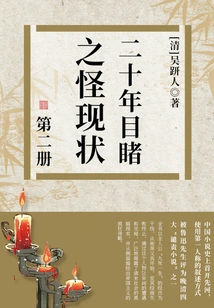
二十年目睹之怪现状·四
(qing Dynasty) Wu Jianren
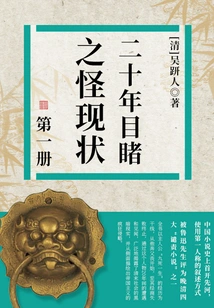
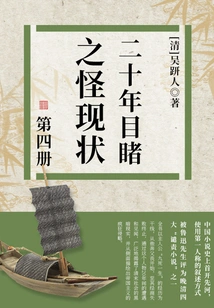
The whole book is based on the protagonist's "narrow escape" experience, starting from his father's funeral to the end of his business failure. Through this character's encounters and knowledge over the past 20 years, it extensively reveals the dark reality of the late Qing Dynasty from around the Sino-French War in the tenth year of Guangxu (1884) to around the thirty-first year of Guangxu (1905), and depicts the crazy aggression of imperialism from the side. The work contains more than 200 "strange situations" and outlines a ghostly world filled with "snakes, rats", "jackals" and "ghosts". Among the novels of the late Qing Dynasty, they reflected a wide range of life, including not only the officialdom, but also shopping malls and foreign markets, as well as medicine, horoscopes, and the three religions and nine streams. They revealed the political situation, social fashion, moral outlook, and world conditions at the time, so they were labeled "social novels" when they were published.
The whole book is based on the protagonist's "narrow escape" experience, starting from his father's funeral to the end of his business failure. Through this character's encounters and knowledge over the past 20 years, it extensively reveals the dark reality of the late Qing Dynasty from around the Sino-French War in the tenth year of Guangxu (1884) to around the thirty-first year of Guangxu (1905), and depicts the crazy aggression of imperialism from the side. The work contains more than 200 "strange situations" and outlines a ghostly world filled with "snakes, rats", "jackals" and "ghosts". Among the novels of the late Qing Dynasty, they reflected a wide range of life, including not only the officialdom, but also shopping malls and foreign markets, as well as medicine, horoscopes, and the three religions and nine streams. They revealed the political situation, social fashion, moral outlook, and world conditions at the time, so they were labeled "social novels" when they were published.
P
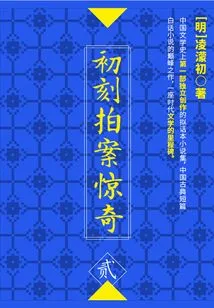
Surprise at the First Moment of Filming·2
General Fiction初刻拍案惊奇·贰
(ming Dynasty) Ling Shuchu
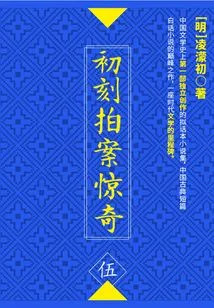
"The Surprise at the First Moment" is a popular book with 40 short stories in total. It describes many fascinating stories in the form of a "parallel script" that is popular among the people. One is that a businessman rises from bad luck to wealth, and a scholar rises from poverty. Become famous after being cold; honest officials are like gods in solving cases, corrupt officials are like tigers in perverting the law; villains are committing adultery and soliciting lawsuits, and swindlers are cheating on each other; such as "The man in transit met the red in Dongting by chance, the Persian finger broke the dragon's shell", "Li Gongzuo cleverly interpreted the words in the dream, Xie Xiao'e cleverly captured the thief on the ship", etc. The second is works describing love and marriage, describing how young people pursue faithful love, and how feudal ethics create marriage tragedies, such as "Zhang Liuer cleverly creates a enchantment formation, Lu Huiniang decides to fight to the death", "Drinking with wine, Zhao Ni is obsessed with flowers, and the machine is hidden, and the scholar complains", "The light of the boudoir's heart is strong, and the flag and bell of victory are reported in the jail", etc. The language is simple and concise; the plot is twists and turns, confusing, yet reasonable; the characters' inner thoughts are described in detail, and the artistic image is lifelike. It has always been highly praised.
"The Surprise at the First Moment" is a popular book with 40 short stories in total. It describes many fascinating stories in the form of a "parallel script" that is popular among the people. One is that a businessman rises from bad luck to wealth, and a scholar rises from poverty. Become famous after being cold; honest officials are like gods in solving cases, corrupt officials are like tigers in perverting the law; villains are committing adultery and soliciting lawsuits, and swindlers are cheating on each other; such as "The man in transit met the red in Dongting by chance, the Persian finger broke the dragon's shell", "Li Gongzuo cleverly interpreted the words in the dream, Xie Xiao'e cleverly captured the thief on the ship", etc. The second is works describing love and marriage, describing how young people pursue faithful love, and how feudal ethics create marriage tragedies, such as "Zhang Liuer cleverly creates a enchantment formation, Lu Huiniang decides to fight to the death", "Drinking with wine, Zhao Ni is obsessed with flowers, and the machine is hidden, and the scholar complains", "The light of the boudoir's heart is strong, and the flag and bell of victory are reported in the jail", etc. The language is simple and concise; the plot is twists and turns, confusing, yet reasonable; the characters' inner thoughts are described in detail, and the artistic image is lifelike. It has always been highly praised.
R
S
R
T
T
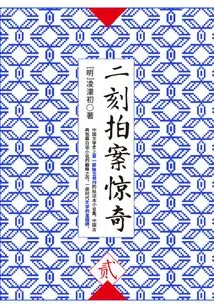
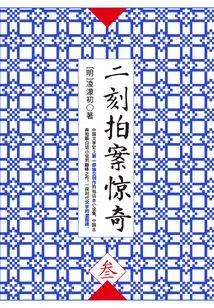
Surprise at the Second Moment of Shooting · 2
General Fiction二刻拍案惊奇·贰
(ming Dynasty) Ling Shuchu
Most of the themes of "The Surprise at the Second Moment" are taken from "Taiping Guangji", "Qidong Wild Words", "Yi Jian Zhi", "Jian Deng Xin Hua", "Jian Deng Yu Hua" and other classics. After reprocessing and re-creation by the author Ling Shuchu, it has been integrated with Ling's own ideological personality and reflected Ling's own artistic conception and style. The stories in this book reflect the broader social life of the citizen class in the late Ming Dynasty, and all themes of human ethics and morality are more or less involved. At the same time, internal and external troubles arose in the late Ming Dynasty, and social conflicts became more complex and acute. This situation is more fully demonstrated in "The Surprise at the Second Moment" than in "The Surprise at the First Moment", such as the psychological tilt caused by the disparity between the rich and the poor, the social unrest caused by bureaucratic corruption, the resistance of young men and women aroused by the feudal marriage system, the challenge of the emerging business class to the order of scholars, farmers, industry and commerce, and the rebellion of human desires against natural principles and Taoism due to the expansion of lustful world trends, etc., Which outlines a bleak picture of the declining society in the late Ming Dynasty.
Most of the themes of "The Surprise at the Second Moment" are taken from "Taiping Guangji", "Qidong Wild Words", "Yi Jian Zhi", "Jian Deng Xin Hua", "Jian Deng Yu Hua" and other classics. After reprocessing and re-creation by the author Ling Shuchu, it has been integrated with Ling's own ideological personality and reflected Ling's own artistic conception and style. The stories in this book reflect the broader social life of the citizen class in the late Ming Dynasty, and all themes of human ethics and morality are more or less involved. At the same time, internal and external troubles arose in the late Ming Dynasty, and social conflicts became more complex and acute. This situation is more fully demonstrated in "The Surprise at the Second Moment" than in "The Surprise at the First Moment", such as the psychological tilt caused by the disparity between the rich and the poor, the social unrest caused by bureaucratic corruption, the resistance of young men and women aroused by the feudal marriage system, the challenge of the emerging business class to the order of scholars, farmers, industry and commerce, and the rebellion of human desires against natural principles and Taoism due to the expansion of lustful world trends, etc., Which outlines a bleak picture of the declining society in the late Ming Dynasty.
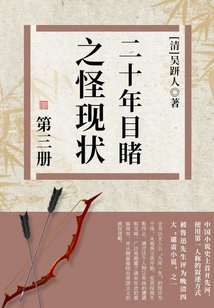
二十年目睹之怪现状·三
(qing Dynasty) Wu Jianren
The whole book is based on the protagonist's "narrow escape" experience, starting from his father's funeral to the end of his business failure. Through this character's encounters and knowledge over the past 20 years, it extensively reveals the dark reality of the late Qing Dynasty from around the Sino-French War in the tenth year of Guangxu (1884) to around the thirty-first year of Guangxu (1905), and depicts the crazy aggression of imperialism from the side. The work contains more than 200 "strange situations" and outlines a ghostly world filled with "snakes, rats", "jackals" and "ghosts". Among the novels of the late Qing Dynasty, they reflected a wide range of life, including not only the officialdom, but also shopping malls and foreign markets, as well as medicine, horoscopes, and the three religions and nine streams. They revealed the political situation, social fashion, moral outlook, and world conditions at the time, so they were labeled "social novels" when they were published.
The whole book is based on the protagonist's "narrow escape" experience, starting from his father's funeral to the end of his business failure. Through this character's encounters and knowledge over the past 20 years, it extensively reveals the dark reality of the late Qing Dynasty from around the Sino-French War in the tenth year of Guangxu (1884) to around the thirty-first year of Guangxu (1905), and depicts the crazy aggression of imperialism from the side. The work contains more than 200 "strange situations" and outlines a ghostly world filled with "snakes, rats", "jackals" and "ghosts". Among the novels of the late Qing Dynasty, they reflected a wide range of life, including not only the officialdom, but also shopping malls and foreign markets, as well as medicine, horoscopes, and the three religions and nine streams. They revealed the political situation, social fashion, moral outlook, and world conditions at the time, so they were labeled "social novels" when they were published.
Q
R
Q
Q
U
T
T
U
T
U
S
S
Warning Words·qi
General Fiction警世通言·柒
(ming Dynasty) Feng Menglong
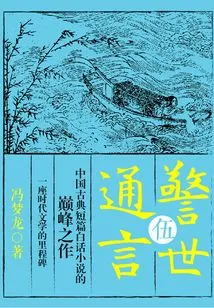
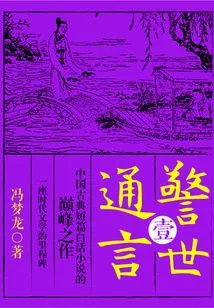
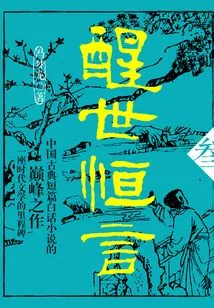
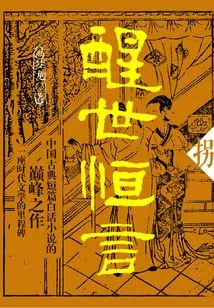
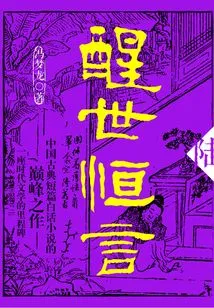
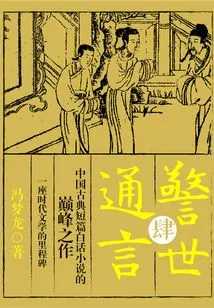
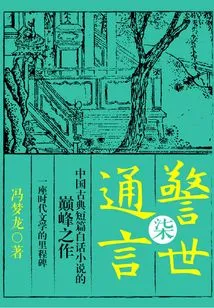
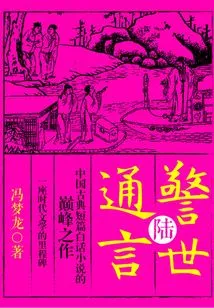
"Jingshi Tongyan" describes the lives of citizens in the Song, Yuan and Ming dynasties, showing the persecution they suffered under the rule of the feudal dark forces and their resistance struggles. Love descriptions account for a large proportion in the works of "Warning to the World", which generally reflect the more common social problems at that time, especially the misfortunes of women. Among them, "Du Shiniang Sinks the Treasure Box in Anger" represents the highest achievement of the Ming Dynasty's scripts in both ideological and artistic terms. "Warning to the World" also has some works that promote loyalty, such as "Lu Dalang Returns Gold and Flesh and Bones", which emphasizes the need to be generous with temporary wealth, "Zhao Taizu Sends Thousand Miles to Jingniang" highlights selfless help to others, and "Gui Yuan's Confession while Traveling" criticizes ungrateful behavior from the negative side, all of which reflect the moral concepts of the citizen class. However, there are many works in "Jingshi Tongyan", such as "Old Disciple Repays His Gratitude in Three Lives", "Chen Kechang Sitting on the Dragon Boat Festival", etc., Which advocate feudal morality and promote religious superstition. This shows that even some excellent works are often mixed with some backward ideological elements and show considerable limitations.
"Jingshi Tongyan" describes the lives of citizens in the Song, Yuan and Ming dynasties, showing the persecution they suffered under the rule of the feudal dark forces and their resistance struggles. Love descriptions account for a large proportion in the works of "Warning to the World", which generally reflect the more common social problems at that time, especially the misfortunes of women. Among them, "Du Shiniang Sinks the Treasure Box in Anger" represents the highest achievement of the Ming Dynasty's scripts in both ideological and artistic terms. "Warning to the World" also has some works that promote loyalty, such as "Lu Dalang Returns Gold and Flesh and Bones", which emphasizes the need to be generous with temporary wealth, "Zhao Taizu Sends Thousand Miles to Jingniang" highlights selfless help to others, and "Gui Yuan's Confession while Traveling" criticizes ungrateful behavior from the negative side, all of which reflect the moral concepts of the citizen class. However, there are many works in "Jingshi Tongyan", such as "Old Disciple Repays His Gratitude in Three Lives", "Chen Kechang Sitting on the Dragon Boat Festival", etc., Which advocate feudal morality and promote religious superstition. This shows that even some excellent works are often mixed with some backward ideological elements and show considerable limitations.
S
The Scholars (3)
General Fiction儒林外史(三)
H
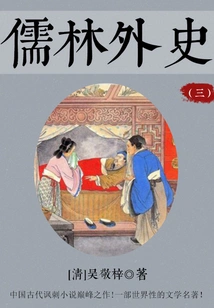
"The Scholars" is a novel with intellectuals as the main description object, and it is also a typical satirical novel. It describes some images of Confucian scholars who were deeply poisoned by the eight-part imperial examination system. For example, it is written that Zhou Jin and Fan Jin spent their entire lives trying to pass the examination, and even when their beards turned gray, they still failed to pass the examination. Although life was extremely difficult, he still couldn't forget the imperial examination. Zhou Jin passed by an examination room and went in to watch. He was touched by a lifetime of bitterness and pain. He burst into tears and was so sad that he could not help but feel miserable. Later, with the help of some small businessmen, he took the exam and won the sympathy of the examiner, and things turned around. When he passed the exam, those who had ridiculed him in the past came to flatter him and praised him as the most knowledgeable person. Another example is Fan Jin. Before he passed the imperial examination, his family was so poor that he had no rice to cook with, so he went to the market to sell an old hen. When he learned that he had won the election, he was so happy that he became a madman. Fortunately, his father-in-law Hu Tuhu slapped him and he regained consciousness. At this time, the local squires and other prominent people all looked at him with admiration. Some gave him houses and some gave him property. Fan Jin's life immediately changed... And so on, which reflected the corruption of the secular customs at that time. On the one hand, it truly reveals the process and reasons for the corruption of human nature, thereby deeply criticizing and ridiculing the corruption of officialdom at that time, the shortcomings of imperial examinations, and the hypocrisy of ethics; on the other hand, it passionately praises the protection of human nature by a few characters by insisting on themselves, thus embodying the author's ideals.
"The Scholars" is a novel with intellectuals as the main description object, and it is also a typical satirical novel. It describes some images of Confucian scholars who were deeply poisoned by the eight-part imperial examination system. For example, it is written that Zhou Jin and Fan Jin spent their entire lives trying to pass the examination, and even when their beards turned gray, they still failed to pass the examination. Although life was extremely difficult, he still couldn't forget the imperial examination. Zhou Jin passed by an examination room and went in to watch. He was touched by a lifetime of bitterness and pain. He burst into tears and was so sad that he could not help but feel miserable. Later, with the help of some small businessmen, he took the exam and won the sympathy of the examiner, and things turned around. When he passed the exam, those who had ridiculed him in the past came to flatter him and praised him as the most knowledgeable person. Another example is Fan Jin. Before he passed the imperial examination, his family was so poor that he had no rice to cook with, so he went to the market to sell an old hen. When he learned that he had won the election, he was so happy that he became a madman. Fortunately, his father-in-law Hu Tuhu slapped him and he regained consciousness. At this time, the local squires and other prominent people all looked at him with admiration. Some gave him houses and some gave him property. Fan Jin's life immediately changed... And so on, which reflected the corruption of the secular customs at that time. On the one hand, it truly reveals the process and reasons for the corruption of human nature, thereby deeply criticizing and ridiculing the corruption of officialdom at that time, the shortcomings of imperial examinations, and the hypocrisy of ethics; on the other hand, it passionately praises the protection of human nature by a few characters by insisting on themselves, thus embodying the author's ideals.
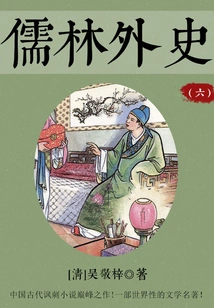
The Scholars (6)
General Fiction儒林外史(六)
H
"The Scholars" is a novel with intellectuals as the main description object, and it is also a typical satirical novel. It describes some images of Confucian scholars who were deeply poisoned by the eight-part imperial examination system. For example, it is written that Zhou Jin and Fan Jin spent their entire lives trying to pass the examination, and even when their beards turned gray, they still failed to pass the examination. Although life was extremely difficult, he still couldn't forget the imperial examination. Zhou Jin passed by an examination room and went in to watch. He was touched by a lifetime of bitterness and pain. He burst into tears and was so sad that he could not help but feel miserable. Later, with the help of some small businessmen, he took the exam and won the sympathy of the examiner, and things turned around. When he passed the exam, those who had ridiculed him in the past came to flatter him and praised him as the most knowledgeable person. Another example is Fan Jin. Before he passed the imperial examination, his family was so poor that he had no rice to cook with, so he went to the market to sell an old hen. When he learned that he had won the election, he was so happy that he became a madman. Fortunately, his father-in-law Hu Tuhu slapped him and he regained consciousness. At this time, the local squires and other prominent people all looked at him with admiration. Some gave him houses and some gave him property. Fan Jin's life immediately changed... And so on, which reflected the corruption of the secular customs at that time. On the one hand, it truly reveals the process and reasons for the corruption of human nature, thereby deeply criticizing and ridiculing the corruption of officialdom at that time, the shortcomings of imperial examinations, and the hypocrisy of ethics; on the other hand, it passionately praises the protection of human nature by a few characters by insisting on themselves, thus embodying the author's ideals.
"The Scholars" is a novel with intellectuals as the main description object, and it is also a typical satirical novel. It describes some images of Confucian scholars who were deeply poisoned by the eight-part imperial examination system. For example, it is written that Zhou Jin and Fan Jin spent their entire lives trying to pass the examination, and even when their beards turned gray, they still failed to pass the examination. Although life was extremely difficult, he still couldn't forget the imperial examination. Zhou Jin passed by an examination room and went in to watch. He was touched by a lifetime of bitterness and pain. He burst into tears and was so sad that he could not help but feel miserable. Later, with the help of some small businessmen, he took the exam and won the sympathy of the examiner, and things turned around. When he passed the exam, those who had ridiculed him in the past came to flatter him and praised him as the most knowledgeable person. Another example is Fan Jin. Before he passed the imperial examination, his family was so poor that he had no rice to cook with, so he went to the market to sell an old hen. When he learned that he had won the election, he was so happy that he became a madman. Fortunately, his father-in-law Hu Tuhu slapped him and he regained consciousness. At this time, the local squires and other prominent people all looked at him with admiration. Some gave him houses and some gave him property. Fan Jin's life immediately changed... And so on, which reflected the corruption of the secular customs at that time. On the one hand, it truly reveals the process and reasons for the corruption of human nature, thereby deeply criticizing and ridiculing the corruption of officialdom at that time, the shortcomings of imperial examinations, and the hypocrisy of ethics; on the other hand, it passionately praises the protection of human nature by a few characters by insisting on themselves, thus embodying the author's ideals.
The Scholars (4)
General Fiction儒林外史(四)
(qing Dynasty) Wu Jingzi
"The Scholars" is a novel with intellectuals as the main description object, and it is also a typical satirical novel. It describes some images of Confucian scholars who were deeply poisoned by the eight-part imperial examination system. For example, it is written that Zhou Jin and Fan Jin spent their entire lives trying to pass the examination, and even when their beards turned gray, they still failed to pass the examination. Although life was extremely difficult, he still couldn't forget the imperial examination. Zhou Jin passed by an examination room and went in to watch. He was touched by a lifetime of bitterness and pain. He burst into tears and was so sad that he could not help but feel miserable. Later, with the help of some small businessmen, he took the exam and won the sympathy of the examiner, and things turned around. When he passed the exam, those who had ridiculed him in the past came to flatter him and praised him as the most knowledgeable person. Another example is Fan Jin. Before he passed the imperial examination, his family was so poor that he had no rice to cook with, so he went to the market to sell an old hen. When he learned that he had won the election, he was so happy that he became a madman. Fortunately, his father-in-law Hu Tuhu slapped him and he regained consciousness. At this time, the local squires and other prominent people all looked at him with admiration. Some gave him houses and some gave him property. Fan Jin's life immediately changed... And so on, which reflected the corruption of the secular customs at that time. On the one hand, it truly reveals the process and reasons for the corruption of human nature, thereby deeply criticizing and ridiculing the corruption of officialdom at that time, the shortcomings of imperial examinations, and the hypocrisy of ethics; on the other hand, it passionately praises the protection of human nature by a few characters by insisting on themselves, thus embodying the author's ideals.
"The Scholars" is a novel with intellectuals as the main description object, and it is also a typical satirical novel. It describes some images of Confucian scholars who were deeply poisoned by the eight-part imperial examination system. For example, it is written that Zhou Jin and Fan Jin spent their entire lives trying to pass the examination, and even when their beards turned gray, they still failed to pass the examination. Although life was extremely difficult, he still couldn't forget the imperial examination. Zhou Jin passed by an examination room and went in to watch. He was touched by a lifetime of bitterness and pain. He burst into tears and was so sad that he could not help but feel miserable. Later, with the help of some small businessmen, he took the exam and won the sympathy of the examiner, and things turned around. When he passed the exam, those who had ridiculed him in the past came to flatter him and praised him as the most knowledgeable person. Another example is Fan Jin. Before he passed the imperial examination, his family was so poor that he had no rice to cook with, so he went to the market to sell an old hen. When he learned that he had won the election, he was so happy that he became a madman. Fortunately, his father-in-law Hu Tuhu slapped him and he regained consciousness. At this time, the local squires and other prominent people all looked at him with admiration. Some gave him houses and some gave him property. Fan Jin's life immediately changed... And so on, which reflected the corruption of the secular customs at that time. On the one hand, it truly reveals the process and reasons for the corruption of human nature, thereby deeply criticizing and ridiculing the corruption of officialdom at that time, the shortcomings of imperial examinations, and the hypocrisy of ethics; on the other hand, it passionately praises the protection of human nature by a few characters by insisting on themselves, thus embodying the author's ideals.
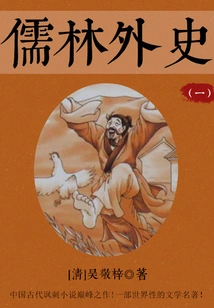
The Scholars (1)
General Fiction儒林外史(一)
H
"The Scholars" is a novel with intellectuals as the main description object, and it is also a typical satirical novel. It describes some images of Confucian scholars who were deeply poisoned by the eight-part imperial examination system. For example, it is written that Zhou Jin and Fan Jin spent their entire lives trying to pass the examination, and even when their beards turned gray, they still failed to pass the examination. Although life was extremely difficult, he still couldn't forget the imperial examination. Zhou Jin passed by an examination room and went in to watch. He was touched by a lifetime of bitterness and pain. He burst into tears and was so sad that he could not help but feel miserable. Later, with the help of some small businessmen, he took the exam and won the sympathy of the examiner, and things turned around. When he passed the exam, those who had ridiculed him in the past came to flatter him and praised him as the most learned person. Another example is Fan Jin. Before he passed the imperial examination, his family was so poor that he had no rice to cook with, so he went to the market to sell an old hen. When he learned that he had won the election, he was so happy that he became crazy. Fortunately, his father-in-law, Hu Tuhu, slapped him and he regained consciousness. At this time, the local squires and other prominent people all looked at him with admiration. Some gave him houses and some gave him property. Fan Jin's life immediately changed... And so on, which reflected the corruption of the secular customs at that time. On the one hand, it truly reveals the process and reasons for the corruption of human nature, thereby deeply criticizing and ridiculing the corruption of officialdom at that time, the shortcomings of imperial examinations, and the hypocrisy of ethics; on the other hand, it passionately praises the protection of human nature by a few characters by insisting on themselves, thus embodying the author's ideals.
"The Scholars" is a novel with intellectuals as the main description object, and it is also a typical satirical novel. It describes some images of Confucian scholars who were deeply poisoned by the eight-part imperial examination system. For example, it is written that Zhou Jin and Fan Jin spent their entire lives trying to pass the examination, and even when their beards turned gray, they still failed to pass the examination. Although life was extremely difficult, he still couldn't forget the imperial examination. Zhou Jin passed by an examination room and went in to watch. He was touched by a lifetime of bitterness and pain. He burst into tears and was so sad that he could not help but feel miserable. Later, with the help of some small businessmen, he took the exam and won the sympathy of the examiner, and things turned around. When he passed the exam, those who had ridiculed him in the past came to flatter him and praised him as the most learned person. Another example is Fan Jin. Before he passed the imperial examination, his family was so poor that he had no rice to cook with, so he went to the market to sell an old hen. When he learned that he had won the election, he was so happy that he became crazy. Fortunately, his father-in-law, Hu Tuhu, slapped him and he regained consciousness. At this time, the local squires and other prominent people all looked at him with admiration. Some gave him houses and some gave him property. Fan Jin's life immediately changed... And so on, which reflected the corruption of the secular customs at that time. On the one hand, it truly reveals the process and reasons for the corruption of human nature, thereby deeply criticizing and ridiculing the corruption of officialdom at that time, the shortcomings of imperial examinations, and the hypocrisy of ethics; on the other hand, it passionately praises the protection of human nature by a few characters by insisting on themselves, thus embodying the author's ideals.
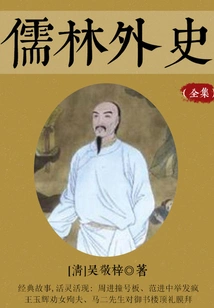
The Scholars (complete Collection)
General Fiction儒林外史(全集)
I
"The Scholars" is a novel with intellectuals as the main description object, and it is also a typical satirical novel. It describes some images of Confucian scholars who were deeply poisoned by the eight-part imperial examination system. For example, it is written that Zhou Jin and Fan Jin spent their entire lives trying to pass the examination, and even when their beards turned gray, they still failed to pass the examination. Although life was extremely difficult, he still couldn't forget the imperial examination. Zhou Jin passed by an examination room and went in to watch. He was touched by a lifetime of bitterness and pain. He burst into tears and was so sad that he could not help but feel miserable. Later, with the help of some small businessmen, he took the exam and won the sympathy of the examiner, and things turned around. When he passed the exam, those who had ridiculed him in the past came to flatter him and praised him as the most knowledgeable person. Another example is Fan Jin. Before he passed the imperial examination, his family was so poor that he had no rice to cook with, so he went to the market to sell an old hen. When he learned that he had won the election, he was so happy that he became a madman. Fortunately, his father-in-law Hu Tuhu slapped him and he regained consciousness. At this time, the local squires and other prominent people all looked at him with admiration. Some gave him houses and some gave him property. Fan Jin's life immediately changed... And so on, which reflected the corruption of the secular customs at that time. On the one hand, it truly reveals the process and reasons for the corruption of human nature, thereby deeply criticizing and ridiculing the corruption of officialdom at that time, the shortcomings of imperial examinations, and the hypocrisy of ethics; on the other hand, it passionately praises the protection of human nature by a few characters by insisting on themselves, thus embodying the author's ideals.
"The Scholars" is a novel with intellectuals as the main description object, and it is also a typical satirical novel. It describes some images of Confucian scholars who were deeply poisoned by the eight-part imperial examination system. For example, it is written that Zhou Jin and Fan Jin spent their entire lives trying to pass the examination, and even when their beards turned gray, they still failed to pass the examination. Although life was extremely difficult, he still couldn't forget the imperial examination. Zhou Jin passed by an examination room and went in to watch. He was touched by a lifetime of bitterness and pain. He burst into tears and was so sad that he could not help but feel miserable. Later, with the help of some small businessmen, he took the exam and won the sympathy of the examiner, and things turned around. When he passed the exam, those who had ridiculed him in the past came to flatter him and praised him as the most knowledgeable person. Another example is Fan Jin. Before he passed the imperial examination, his family was so poor that he had no rice to cook with, so he went to the market to sell an old hen. When he learned that he had won the election, he was so happy that he became a madman. Fortunately, his father-in-law Hu Tuhu slapped him and he regained consciousness. At this time, the local squires and other prominent people all looked at him with admiration. Some gave him houses and some gave him property. Fan Jin's life immediately changed... And so on, which reflected the corruption of the secular customs at that time. On the one hand, it truly reveals the process and reasons for the corruption of human nature, thereby deeply criticizing and ridiculing the corruption of officialdom at that time, the shortcomings of imperial examinations, and the hypocrisy of ethics; on the other hand, it passionately praises the protection of human nature by a few characters by insisting on themselves, thus embodying the author's ideals.
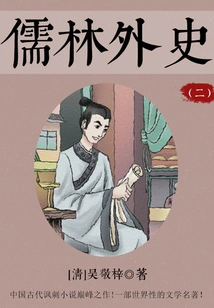
The Scholars (2)
General Fiction儒林外史(二)
H
"The Scholars" is a novel with intellectuals as the main description object, and it is also a typical satirical novel. It describes some images of Confucian scholars who were deeply poisoned by the eight-part imperial examination system. For example, it is written that Zhou Jin and Fan Jin spent their entire lives trying to pass the examination, and even when their beards turned gray, they still failed to pass the examination. Although life was extremely difficult, he still couldn't forget the imperial examination. Zhou Jin passed by an examination room and went in to watch. He was touched by a lifetime of bitterness and pain. He burst into tears and was so sad that he could not help but feel miserable. Later, with the help of some small businessmen, he took the exam and won the sympathy of the examiner, and things turned around. When he passed the exam, those who had ridiculed him in the past came to flatter him and praised him as the most knowledgeable person. Another example is Fan Jin. Before he passed the imperial examination, his family was so poor that he had no rice to cook with, so he went to the market to sell an old hen. When he learned that he had won the election, he was so happy that he became a madman. Fortunately, his father-in-law Hu Tuhu slapped him and he regained consciousness. At this time, the local squires and other prominent people all looked at him with admiration. Some gave him houses and some gave him property. Fan Jin's life immediately changed... And so on, which reflected the corruption of the secular customs at that time. On the one hand, it truly reveals the process and reasons for the corruption of human nature, thereby deeply criticizing and ridiculing the corruption of officialdom at that time, the shortcomings of imperial examinations, and the hypocrisy of ethics; on the other hand, it passionately praises the protection of human nature by a few characters by insisting on themselves, thus embodying the author's ideals.
"The Scholars" is a novel with intellectuals as the main description object, and it is also a typical satirical novel. It describes some images of Confucian scholars who were deeply poisoned by the eight-part imperial examination system. For example, it is written that Zhou Jin and Fan Jin spent their entire lives trying to pass the examination, and even when their beards turned gray, they still failed to pass the examination. Although life was extremely difficult, he still couldn't forget the imperial examination. Zhou Jin passed by an examination room and went in to watch. He was touched by a lifetime of bitterness and pain. He burst into tears and was so sad that he could not help but feel miserable. Later, with the help of some small businessmen, he took the exam and won the sympathy of the examiner, and things turned around. When he passed the exam, those who had ridiculed him in the past came to flatter him and praised him as the most knowledgeable person. Another example is Fan Jin. Before he passed the imperial examination, his family was so poor that he had no rice to cook with, so he went to the market to sell an old hen. When he learned that he had won the election, he was so happy that he became a madman. Fortunately, his father-in-law Hu Tuhu slapped him and he regained consciousness. At this time, the local squires and other prominent people all looked at him with admiration. Some gave him houses and some gave him property. Fan Jin's life immediately changed... And so on, which reflected the corruption of the secular customs at that time. On the one hand, it truly reveals the process and reasons for the corruption of human nature, thereby deeply criticizing and ridiculing the corruption of officialdom at that time, the shortcomings of imperial examinations, and the hypocrisy of ethics; on the other hand, it passionately praises the protection of human nature by a few characters by insisting on themselves, thus embodying the author's ideals.
N
N
N
X
X
Yu Shi Ming Yan (complete Collection)
General Fiction喻世明言(全集)
G
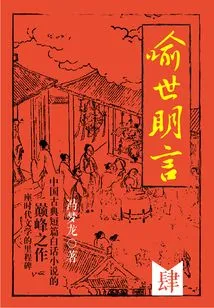
"Yu Shi Ming Yan" mainly collects stories or scripts based on real folk life in the Song, Yuan, and Ming dynasties. The themes cover love, marriage, friendship, etc., Showing the various social conditions at that time. Most of them are old scripts from the Song and Yuan Dynasties, such as "Shi Hongzhao's Meeting of the Dragon and Tiger Monarchs and His Ministers" and "The Four Dukes of the Song Dynasty Raised the Soul-forbidden Zhang", while a few are scripts from the Ming Dynasty, such as "Brother Jiang Xing Meets Again in Pearl Shirt" and "Shen Xiaoxia Meets as a Teacher". The themes are also closely related to urban life. For example, "The Golden Jade Slave Beats the Lover with a Stick" condemns the unfaithfulness of a heartless man; "Jiang Xing Ge Reunites in Pearl Shirt" describes the unforgettable old love for his wife who lost his virginity and reunited with her husband; "Redemption of Friends" and "Fan Juqing's Friend of Life and Death" extol the spirit of loyalty to friendship regardless of life and death; while "Yang Siwen meets an old friend in Yanshan", "Mu Mian'an Zheng Huchen avenges injustice", "Yang Balao's unexpected encounter with the country of Yue" touch on real political themes such as alien invasions and powerful ministers mistreating the country. In addition, some historical legends are included and adapted, such as "Yan Pingzhong's two peaches killed three men" and so on.
"Yu Shi Ming Yan" mainly collects stories or scripts based on real folk life in the Song, Yuan, and Ming dynasties. The themes cover love, marriage, friendship, etc., Showing the various social conditions at that time. Most of them are old scripts from the Song and Yuan Dynasties, such as "Shi Hongzhao's Meeting of the Dragon and Tiger Monarchs and His Ministers" and "The Four Dukes of the Song Dynasty Raised the Soul-forbidden Zhang", while a few are scripts from the Ming Dynasty, such as "Brother Jiang Xing Meets Again in Pearl Shirt" and "Shen Xiaoxia Meets as a Teacher". The themes are also closely related to urban life. For example, "The Golden Jade Slave Beats the Lover with a Stick" condemns the unfaithfulness of a heartless man; "Jiang Xing Ge Reunites in Pearl Shirt" describes the unforgettable old love for his wife who lost his virginity and reunited with her husband; "Redemption of Friends" and "Fan Juqing's Friend of Life and Death" extol the spirit of loyalty to friendship regardless of life and death; while "Yang Siwen meets an old friend in Yanshan", "Mu Mian'an Zheng Huchen avenges injustice", "Yang Balao's unexpected encounter with the country of Yue" touch on real political themes such as alien invasions and powerful ministers mistreating the country. In addition, some historical legends are included and adapted, such as "Yan Pingzhong's two peaches killed three men" and so on.
X
X
N
Bashan Night Rain (7)
General Fiction巴山夜雨(7)
H
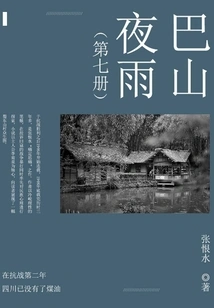
"Bashan Night Rain" was written in 1946 after the victory of the Anti-Japanese War and began to be serialized in 1946. It took more than three years to complete at the end of 1948. It is Zhang Henshui's "painful lesson" work. With a cold and rational writing style, the author takes the lead in exploring the national psychology while accusing the war atrocities of the Japanese invaders. The novel takes the protagonist Li Nanquan as the axis and shows readers a picture of all living beings in the mountain village of eastern Shu. The characters are lifelike, the language is humorous and sharp, and the novel's descriptive skills have reached a level of proficiency.
"Bashan Night Rain" was written in 1946 after the victory of the Anti-Japanese War and began to be serialized in 1946. It took more than three years to complete at the end of 1948. It is Zhang Henshui's "painful lesson" work. With a cold and rational writing style, the author takes the lead in exploring the national psychology while accusing the war atrocities of the Japanese invaders. The novel takes the protagonist Li Nanquan as the axis and shows readers a picture of all living beings in the mountain village of eastern Shu. The characters are lifelike, the language is humorous and sharp, and the novel's descriptive skills have reached a level of proficiency.
Pride and Prejudice (part 2) English Version
General Fiction傲慢与偏见(下)英文版
H
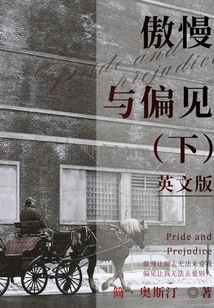
"Pride and Prejudice" tells the story of the love and mate selection of five sisters in an ordinary middle-class family in England in the early 20th century. In the book, Darcy, the hero of the rich family, is arrogant, which makes the heroine Elizabeth prejudice him, and almost misses the true love in his heart. Later, these misunderstandings are all resolved, and the lovers finally get married.
"Pride and Prejudice" tells the story of the love and mate selection of five sisters in an ordinary middle-class family in England in the early 20th century. In the book, Darcy, the hero of the rich family, is arrogant, which makes the heroine Elizabeth prejudice him, and almost misses the true love in his heart. Later, these misunderstandings are all resolved, and the lovers finally get married.
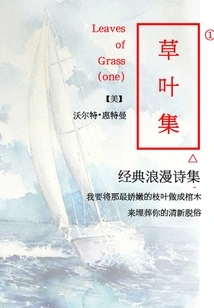
经典浪漫诗集:草叶集1
(u. S.) Walt Whitman
"Leaves of Grass" is a collection of romantic poems by the nineteenth-century American writer Whitman. The poetry collection covers a wide range of areas, and the thoughts are rich and complex, but its basic themes can be roughly summarized as self, creation and nation.
"Leaves of Grass" is a collection of romantic poems by the nineteenth-century American writer Whitman. The poetry collection covers a wide range of areas, and the thoughts are rich and complex, but its basic themes can be roughly summarized as self, creation and nation.
P
P
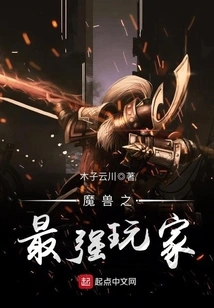
魔兽之最强玩家
Muziyunchuan
The following is the speaking time for each major racial spokesperson. Human race spokesperson: "For the honor of the king, we will fight until the last moment." Night Elf spokesperson: "May Mother Earth be with you." Undead spokesman: "Our army is coming in a steady stream." Orc spokesperson: "Orcs will never be slaves, you all must die." The cannibal holding the big stick: "Hello everyone, I am the cutie holding the big stick." Spokesperson of the robber clan: "I am strong enough to be strong." Spokesperson for other races: "They're all farting." Okay, the speaking time is over here. "Host, I haven't said anything yet." The novelist Pigfoot said hurriedly. Then you say it. Domineering male pig's trotter: "Haha, hello everyone, I am a male pig's trotter, I..." The result was ruthlessly interrupted. Today's speaking time ends here. Please continue to pay attention to our Warcraft race next time. PS: Newbie, new book, please keep your mouth shut and let me go.
The following is the speaking time for each major racial spokesperson. Human race spokesperson: "For the honor of the king, we will fight until the last moment." Night Elf spokesperson: "May Mother Earth be with you." Undead spokesman: "Our army is coming in a steady stream." Orc spokesperson: "Orcs will never be slaves, you all must die." The cannibal holding the big stick: "Hello everyone, I am the cutie holding the big stick." Spokesperson of the robber clan: "I am strong enough to be strong." Spokesperson for other races: "They're all farting." Okay, the speaking time is over here. "Host, I haven't said anything yet." The novelist Pigfoot said hurriedly. Then you say it. Domineering male pig's trotter: "Haha, hello everyone, I am a male pig's trotter, I..." The result was ruthlessly interrupted. Today's speaking time ends here. Please continue to pay attention to our Warcraft race next time. PS: Newbie, new book, please keep your mouth shut and let me go.
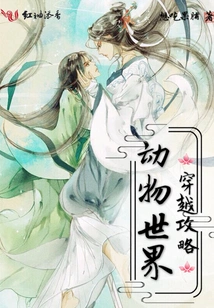
Animal World Crossing Guide
Fantasy Romance动物世界穿越攻略
Want To Eat Preserved Fruit
[The reincarnation romantic story of the arrogant God vs. The cute little Si Yao] [Debut novel, don't read it, the new book "Quick Travel Gang Fills the Traps" is being serialized^?_?^] The arrogant god was forced to get married, so he had no choice but to catch a drug dealer who had tampered with the fortune book. But who knew that the doctor could lead to big trouble? Even if he made a mistake and fell into reincarnation, why should he be forced to participate in nine reincarnations? A certain god: It's too difficult for me, old man. I've been under a lot of pressure recently. A certain pharmacist: Now even Heaven knows that you are mine!
[The reincarnation romantic story of the arrogant God vs. The cute little Si Yao] [Debut novel, don't read it, the new book "Quick Travel Gang Fills the Traps" is being serialized^?_?^] The arrogant god was forced to get married, so he had no choice but to catch a drug dealer who had tampered with the fortune book. But who knew that the doctor could lead to big trouble? Even if he made a mistake and fell into reincarnation, why should he be forced to participate in nine reincarnations? A certain god: It's too difficult for me, old man. I've been under a lot of pressure recently. A certain pharmacist: Now even Heaven knows that you are mine!