Library
Browse and search books
2,982 novels found
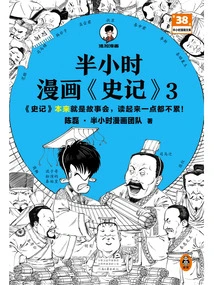
半小时漫画《史记》3
Chen Lei·half Hour Comics Team
The half-hour comic team led by Chen Lei (pen name: Brother Hun) vividly interprets classic characters and stories in historical records through humorous language and hand-drawn comics. Why did Shang Yang go from being a powerful minister to being quartered by five horses? Qin Shihuang, the emperor of the ages, was actually very troubled! Cultural celebrities of the Spring and Autumn and Warring States periods, what else besides culture? ... As you read, you will find that the Historical Records are originally story-telling stories, so reading them is not tiring at all! Open this book and read the historical records with laughter!
The half-hour comic team led by Chen Lei (pen name: Brother Hun) vividly interprets classic characters and stories in historical records through humorous language and hand-drawn comics. Why did Shang Yang go from being a powerful minister to being quartered by five horses? Qin Shihuang, the emperor of the ages, was actually very troubled! Cultural celebrities of the Spring and Autumn and Warring States periods, what else besides culture? ... As you read, you will find that the Historical Records are originally story-telling stories, so reading them is not tiring at all! Open this book and read the historical records with laughter!
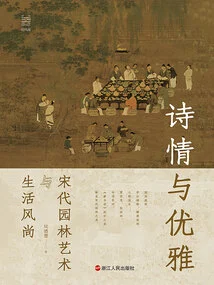
诗情与优雅:宋代园林艺术与生活风尚
Hou Naihui
Since the Tang Dynasty, gardens have become a very important part of Chinese culture. By the Song Dynasty, gardens had an inseparable relationship with the lives of Song people. Although the rich and powerful can manage vast and magnificent landscapes, ordinary people and even poor families can also plant flowers and trees around their houses and arrange simple gardens with basins, mountains and basins. Various humanistic activities under such a living environment may be invisibly transformed by the landscape atmosphere, resulting in a profound impact in the cultural sense. This book is mainly based on the poetry of the Song Dynasty. Through the compilation, interpretation and analysis of the poetry and texts, as well as the descriptions of other historical records, topographies and notes, as well as the author's personal experience of living in the mountains and gardening, it explores the gardens of the Song Dynasty - an artistic achievement that reached its peak in the history of Chinese gardens, as well as the content and cultural implications of garden life.
Since the Tang Dynasty, gardens have become a very important part of Chinese culture. By the Song Dynasty, gardens had an inseparable relationship with the lives of Song people. Although the rich and powerful can manage vast and magnificent landscapes, ordinary people and even poor families can also plant flowers and trees around their houses and arrange simple gardens with basins, mountains and basins. Various humanistic activities under such a living environment may be invisibly transformed by the landscape atmosphere, resulting in a profound impact in the cultural sense. This book is mainly based on the poetry of the Song Dynasty. Through the compilation, interpretation and analysis of the poetry and texts, as well as the descriptions of other historical records, topographies and notes, as well as the author's personal experience of living in the mountains and gardening, it explores the gardens of the Song Dynasty - an artistic achievement that reached its peak in the history of Chinese gardens, as well as the content and cultural implications of garden life.
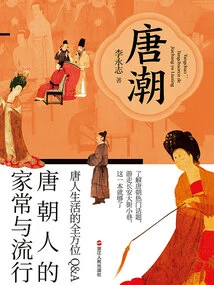
唐潮:唐朝人的家常与流行
Li Yongzhi
The splendor of the era cannot be separated from the people living in this era. However, important details of ordinary people's lives such as their food, clothing, and leisure entertainment are often inadvertently ignored. As an introductory book for understanding life in the Tang Dynasty, "Notes on Life in the Tang Dynasty" attempts to recreate the real life of the Tang people thousands of years ago through nearly a hundred practical issues related to the survival and life of ordinary people from ten aspects including food culture, clothing and beauty, home life, travel guides, weddings and funerals, interpersonal workplaces, culture, education and entertainment, festival customs, urban construction, and institutional security, and then explore the original appearance of that era. Starting from the readers' interests, it reads a large number of historical materials and the research results of later generations, and uses concise and humorous writing style and analytical narrative to outline scenes of the Tang Dynasty people's daily life and popularity in the great era.
The splendor of the era cannot be separated from the people living in this era. However, important details of ordinary people's lives such as their food, clothing, and leisure entertainment are often inadvertently ignored. As an introductory book for understanding life in the Tang Dynasty, "Notes on Life in the Tang Dynasty" attempts to recreate the real life of the Tang people thousands of years ago through nearly a hundred practical issues related to the survival and life of ordinary people from ten aspects including food culture, clothing and beauty, home life, travel guides, weddings and funerals, interpersonal workplaces, culture, education and entertainment, festival customs, urban construction, and institutional security, and then explore the original appearance of that era. Starting from the readers' interests, it reads a large number of historical materials and the research results of later generations, and uses concise and humorous writing style and analytical narrative to outline scenes of the Tang Dynasty people's daily life and popularity in the great era.
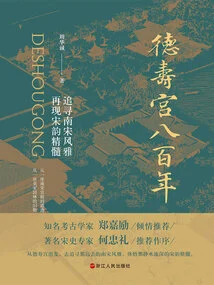
德寿宫八百年
Zhou Huacheng
In Hangzhou, the capital of the Southern Song Dynasty, Deoksugung Palace has an important cultural status. A Deoksugung Palace is the epitome and footnote of a dynasty. It contains the vicissitudes of history and involves the feelings of family and country from the royal family to the common people. It travels through time and space, connecting the past and present of a city. This book revolves around the story of Song Gaozong and Xiaozong moving to Deoksugung Palace and the transfer of power. It connects the historical background, dynasty changes, emperor anecdotes, palace life, Southern Song Dynasty architecture and garden art, as well as the protection and development of Deoksugung Palace ruins. The comprehensive historical facts, knowledge, and stories deeply display the society, art, and life styles of the Southern Song Dynasty, as well as the outstanding achievements in the protection of the Deoksugung Palace site. The profound historical accumulation of the city of Hangzhou shows the long-lasting charm of the Song Dynasty and the nourishment of the current urban humanity.
In Hangzhou, the capital of the Southern Song Dynasty, Deoksugung Palace has an important cultural status. A Deoksugung Palace is the epitome and footnote of a dynasty. It contains the vicissitudes of history and involves the feelings of family and country from the royal family to the common people. It travels through time and space, connecting the past and present of a city. This book revolves around the story of Song Gaozong and Xiaozong moving to Deoksugung Palace and the transfer of power. It connects the historical background, dynasty changes, emperor anecdotes, palace life, Southern Song Dynasty architecture and garden art, as well as the protection and development of Deoksugung Palace ruins. The comprehensive historical facts, knowledge, and stories deeply display the society, art, and life styles of the Southern Song Dynasty, as well as the outstanding achievements in the protection of the Deoksugung Palace site. The profound historical accumulation of the city of Hangzhou shows the long-lasting charm of the Song Dynasty and the nourishment of the current urban humanity.
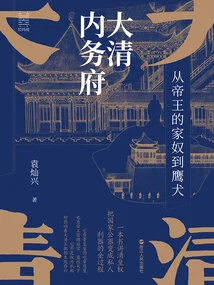
大清内务府:从帝王的家奴到鹰犬
Yuan Canxing
A book to understand the people and things that really affected the emperor's behavior. This is a palace service organization, but it is also an institution close to the emperor. The people here are far away from government affairs, but they are extremely powerful. This is the Ministry of Internal Affairs of the Qing Dynasty. Yuan Canxing, the author of "Two Hundred Years of Military Aircraft Department" and "Changes in the Tang Dynasty", is a new author. This book uses a popular style to unfold the status and role of the Ministry of Internal Affairs in the history of the Qing Dynasty and the stories that happened, showing an institution that everyone is familiar with but full of mystery. The Ministry of Internal Affairs had important functions in the Qing Dynasty. It was the emperor's imperial agency and served the emperor. Everything from the emperor's food, clothing, housing and transportation to his private treasury was under the control of the Ministry of Internal Affairs. The Ministry of Internal Affairs is so powerful that only ministers trusted by the emperor can be in charge of the Ministry of Internal Affairs. The Ministry of Internal Affairs has a large organization, involving Jiangnan Weaving Bureau, Jingshifang (eunuch), Shengjing Internal Affairs Office, Imperial Tea Kitchen and many other institutions, and it obtains money through various channels. Many wonderful stories have been told in the history of the Ministry of Internal Affairs.
A book to understand the people and things that really affected the emperor's behavior. This is a palace service organization, but it is also an institution close to the emperor. The people here are far away from government affairs, but they are extremely powerful. This is the Ministry of Internal Affairs of the Qing Dynasty. Yuan Canxing, the author of "Two Hundred Years of Military Aircraft Department" and "Changes in the Tang Dynasty", is a new author. This book uses a popular style to unfold the status and role of the Ministry of Internal Affairs in the history of the Qing Dynasty and the stories that happened, showing an institution that everyone is familiar with but full of mystery. The Ministry of Internal Affairs had important functions in the Qing Dynasty. It was the emperor's imperial agency and served the emperor. Everything from the emperor's food, clothing, housing and transportation to his private treasury was under the control of the Ministry of Internal Affairs. The Ministry of Internal Affairs is so powerful that only ministers trusted by the emperor can be in charge of the Ministry of Internal Affairs. The Ministry of Internal Affairs has a large organization, involving Jiangnan Weaving Bureau, Jingshifang (eunuch), Shengjing Internal Affairs Office, Imperial Tea Kitchen and many other institutions, and it obtains money through various channels. Many wonderful stories have been told in the history of the Ministry of Internal Affairs.
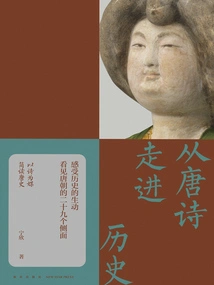
From Tang Poetry to History
History从唐诗走进历史
Ning Xin
"The wine is fresh at the bridge of Weicheng, who will stay with the golden saddle and white horse." From the wild and unruly young man in Wuling to the evil young man in the city who is not afraid of gods and ghosts, what kind of ups and downs has the young man in Kyoto experienced with the changes in society and the rise and fall of Chang'an City? "The article has become popular, and once I miss you, I feel sad." Most of Bai Juyi's poems are allegorical about current ills. Why did his death cause Emperor Xuanzong to be so sad? What kind of political and social atmosphere does it reflect in the Tang Dynasty? ... Use poetry as a medium to briefly read the history of the Tang Dynasty; feel the vividness of history and see the twenty-nine aspects of the Tang Dynasty. Ning Xin, a famous scholar of Tang history, based on many years of teaching experience, starting from Tang poetry, and using easy-to-understand language, gave an in-depth and easy-to-understand account of the Tang Dynasty's official system, imperial examinations, urban landscape, cultural life, transportation, tax system, and even social structural changes, ethnic exchanges and integration, etc.
"The wine is fresh at the bridge of Weicheng, who will stay with the golden saddle and white horse." From the wild and unruly young man in Wuling to the evil young man in the city who is not afraid of gods and ghosts, what kind of ups and downs has the young man in Kyoto experienced with the changes in society and the rise and fall of Chang'an City? "The article has become popular, and once I miss you, I feel sad." Most of Bai Juyi's poems are allegorical about current ills. Why did his death cause Emperor Xuanzong to be so sad? What kind of political and social atmosphere does it reflect in the Tang Dynasty? ... Use poetry as a medium to briefly read the history of the Tang Dynasty; feel the vividness of history and see the twenty-nine aspects of the Tang Dynasty. Ning Xin, a famous scholar of Tang history, based on many years of teaching experience, starting from Tang poetry, and using easy-to-understand language, gave an in-depth and easy-to-understand account of the Tang Dynasty's official system, imperial examinations, urban landscape, cultural life, transportation, tax system, and even social structural changes, ethnic exchanges and integration, etc.
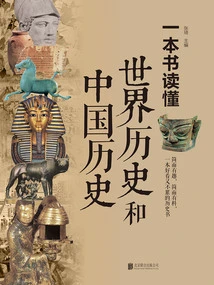
一本书读懂世界历史和中国历史(新版)
Editor-in-chief Zhang Qi
Through the organic combination of writing style, text, picture-text coordination and layout design, this book condenses a grand history into a small space, making readers feel as if they are in a time and space tunnel returning to history. Here, historical figures are vivid, ancient civilizations are colorful, human life is vivid, and historical events are vivid before your eyes!
Through the organic combination of writing style, text, picture-text coordination and layout design, this book condenses a grand history into a small space, making readers feel as if they are in a time and space tunnel returning to history. Here, historical figures are vivid, ancient civilizations are colorful, human life is vivid, and historical events are vivid before your eyes!
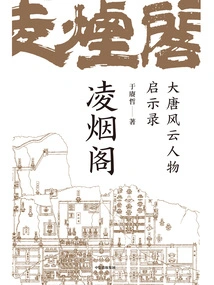
凌烟阁:大唐风云人物启示录
Yu Gengzhe
This book is a popular historical narrative that uses characters as the main clue to tell the story of dozens of Lingyan Pavilion heroes who created the historical foundation of the Tang Dynasty. Lingyan Pavilion is an attic in the Taiji Palace of Chang'an City in the Tang Dynasty. In the 17th year of Zhenguan, Emperor Taizong of the Tang Dynasty hung the portraits of 24 heroes who made outstanding achievements in the founding of the People's Republic of China and the Xuanwumen Incident in the pavilion to flaunt their merits and encourage those who are behind. Taking "Lingyan Pavilion" as the core, Mr. Yu carefully selected twenty-four representative civil servants and generals from the 300-year history of the Tang Dynasty. Starting from this extraordinary group that influenced the historical development of the Tang Dynasty, he analyzed each hero's personality and social interactions. , Prominent achievements, and even the subtle relationship between them and the emperor, we can not only see how these influential figures influenced the 300-year history of the Tang Dynasty, but also see the development trajectory of individual destiny in the great changes throughout history. While telling history, the author is also analyzing human nature. Through the varied personalities and ups and downs of individual fates, he can see clearly the intricate and intricate relationship between individuals and the times, and the games and confrontations between individuals and the times, and then guide us to think about the choices in life and understand the encounters and opportunities in life. The text structure of this book is clear, the narrative is clear and concise, and the time context runs through the entire history of the Tang Dynasty. Reading this book is to read the 300-year history of the Tang Dynasty with twinkling stars, and to feel the lifelike images of civil servants and famous generals as well as the heroic spirit of a man. It provides historical samples that can be used for reference in managing politics, rejuvenating the country, and conducting people in society.
This book is a popular historical narrative that uses characters as the main clue to tell the story of dozens of Lingyan Pavilion heroes who created the historical foundation of the Tang Dynasty. Lingyan Pavilion is an attic in the Taiji Palace of Chang'an City in the Tang Dynasty. In the 17th year of Zhenguan, Emperor Taizong of the Tang Dynasty hung the portraits of 24 heroes who made outstanding achievements in the founding of the People's Republic of China and the Xuanwumen Incident in the pavilion to flaunt their merits and encourage those who are behind. Taking "Lingyan Pavilion" as the core, Mr. Yu carefully selected twenty-four representative civil servants and generals from the 300-year history of the Tang Dynasty. Starting from this extraordinary group that influenced the historical development of the Tang Dynasty, he analyzed each hero's personality and social interactions. , Prominent achievements, and even the subtle relationship between them and the emperor, we can not only see how these influential figures influenced the 300-year history of the Tang Dynasty, but also see the development trajectory of individual destiny in the great changes throughout history. While telling history, the author is also analyzing human nature. Through the varied personalities and ups and downs of individual fates, he can see clearly the intricate and intricate relationship between individuals and the times, and the games and confrontations between individuals and the times, and then guide us to think about the choices in life and understand the encounters and opportunities in life. The text structure of this book is clear, the narrative is clear and concise, and the time context runs through the entire history of the Tang Dynasty. Reading this book is to read the 300-year history of the Tang Dynasty with twinkling stars, and to feel the lifelike images of civil servants and famous generals as well as the heroic spirit of a man. It provides historical samples that can be used for reference in managing politics, rejuvenating the country, and conducting people in society.
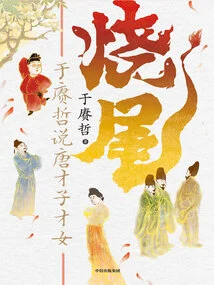
烧尾:于赓哲说唐才子才女
Yu Gengzhe
"Shaking the tail" means "the fish transforms into a dragon and climbs the dragon's gate". Since the birth of the imperial examination system, it has affected the entire Tang Dynasty society. In addition to introducing the imperial examination system and imperial examination culture, this book also tells the experiences of Li Bai, Liu Yuxi, Li Shangyin, Wen Tingjun, Li He, Meng Haoran and others related to the imperial examination and official advancement, as well as the experiences of cultural women such as Shangguan Wan'er and Xue Tao. It vividly presents the social life and style of scholars in the Tang Dynasty. What is the scene of "Inscription on the Wild Goose Pagoda" where you can see all the flowers in Chang'an in one day? Li He was unable to take the Jinshi examination due to the taboo system. Bai Juyi's experience made people lament that "rice is expensive in Chang'an, but it is not easy to live in a big city." Wen Tingyun, who was affected by the Yangzhou incident, entered the list of "unlucky people in the imperial examination" early... Their struggles and successes reflect the social, historical and cultural changes of the Tang Dynasty. Counterattacks from the bottom are always the source of social vitality and history that touches people's hearts. We can see as far into the future as we can see into the past.
"Shaking the tail" means "the fish transforms into a dragon and climbs the dragon's gate". Since the birth of the imperial examination system, it has affected the entire Tang Dynasty society. In addition to introducing the imperial examination system and imperial examination culture, this book also tells the experiences of Li Bai, Liu Yuxi, Li Shangyin, Wen Tingjun, Li He, Meng Haoran and others related to the imperial examination and official advancement, as well as the experiences of cultural women such as Shangguan Wan'er and Xue Tao. It vividly presents the social life and style of scholars in the Tang Dynasty. What is the scene of "Inscription on the Wild Goose Pagoda" where you can see all the flowers in Chang'an in one day? Li He was unable to take the Jinshi examination due to the taboo system. Bai Juyi's experience made people lament that "rice is expensive in Chang'an, but it is not easy to live in a big city." Wen Tingyun, who was affected by the Yangzhou incident, entered the list of "unlucky people in the imperial examination" early... Their struggles and successes reflect the social, historical and cultural changes of the Tang Dynasty. Counterattacks from the bottom are always the source of social vitality and history that touches people's hearts. We can see as far into the future as we can see into the past.
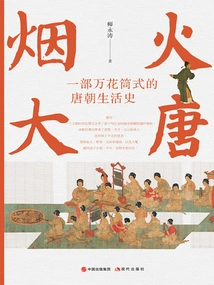
烟火大唐
Shi Yongtao
A history of life in the Tang Dynasty full of fireworks. From basic historical materials, Tang people's notes, Tang legends, Dunhuang posthumous documents and cultural relics, the author tries to salvage the missing fragments from the vast historical materials, such as clothes, night banquets, cities, barbarians, manors, women, teenagers, and temples, to restore the living conditions and lifestyle of the Tang people 1,400 years ago. The writing of this book is elegant and calm. Through the horizontal and vertical comparison of ancient and modern times, today's readers can be immersed in the situation. You can "travel along the Silk Road to Samarkand in the Tang Dynasty", or "listen to the resentful Anyifang girl singing 'A Night of Rain in Baling, Heartbroken Mulan Song' when passing through Chang'an East City", "or become a garrison soldier in Du Fu's Five Cities." Nine down-to-earth themes, coupled with imaginative detailed descriptions, and nearly a hundred exquisite ancient paintings and pictures of cultural relics, enter the homes of ordinary people and connect the daily lives of people in the prosperous period of the Tang Dynasty.
A history of life in the Tang Dynasty full of fireworks. From basic historical materials, Tang people's notes, Tang legends, Dunhuang posthumous documents and cultural relics, the author tries to salvage the missing fragments from the vast historical materials, such as clothes, night banquets, cities, barbarians, manors, women, teenagers, and temples, to restore the living conditions and lifestyle of the Tang people 1,400 years ago. The writing of this book is elegant and calm. Through the horizontal and vertical comparison of ancient and modern times, today's readers can be immersed in the situation. You can "travel along the Silk Road to Samarkand in the Tang Dynasty", or "listen to the resentful Anyifang girl singing 'A Night of Rain in Baling, Heartbroken Mulan Song' when passing through Chang'an East City", "or become a garrison soldier in Du Fu's Five Cities." Nine down-to-earth themes, coupled with imaginative detailed descriptions, and nearly a hundred exquisite ancient paintings and pictures of cultural relics, enter the homes of ordinary people and connect the daily lives of people in the prosperous period of the Tang Dynasty.
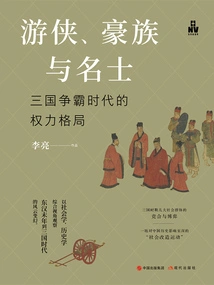
Knights, Wealthy Families and Celebrities: the Power Structure in the Era of the Three Kingdoms
History游侠、豪族与名士:三国争霸时代的权力格局
Li Liang
This book is a masterpiece of light academic history that observes the changes from the late Eastern Han Dynasty to the Three Kingdoms era from a sociological perspective. Based on official historical materials and real cross-sections of the distribution and changes of power in the Three Kingdoms, the author restores the true colors of the Three Kingdoms and the heroes of the Three Kingdoms layer by layer. The Three Kingdoms was not only an era of heroes, full of wisdom and strategies, but also an era of inheriting the past and linking the future. The entire society underwent great structural changes. Among them, knight-errants, wealthy families, and celebrities developed from civil forces to the leading forces that disintegrated the imperial order of the Han Dynasty and reconstructed a new social order. The splendid Three Kingdoms' struggle for hegemony was essentially a social transformation movement that had a profound impact on Chinese history.
This book is a masterpiece of light academic history that observes the changes from the late Eastern Han Dynasty to the Three Kingdoms era from a sociological perspective. Based on official historical materials and real cross-sections of the distribution and changes of power in the Three Kingdoms, the author restores the true colors of the Three Kingdoms and the heroes of the Three Kingdoms layer by layer. The Three Kingdoms was not only an era of heroes, full of wisdom and strategies, but also an era of inheriting the past and linking the future. The entire society underwent great structural changes. Among them, knight-errants, wealthy families, and celebrities developed from civil forces to the leading forces that disintegrated the imperial order of the Han Dynasty and reconstructed a new social order. The splendid Three Kingdoms' struggle for hegemony was essentially a social transformation movement that had a profound impact on Chinese history.
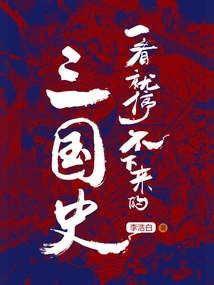
一看就停不下来的三国史
Li Haobai
It turns out that Dong Zhuo once had a dream of Duke Zhou? Is Jia Xu the most refined egotist during the Three Kingdoms period? Was it the arrogance of the martial sage Guan Yu that ended Liu Bei's ambitions? ... From the division of the Three Kingdoms at the end of the Eastern Han Dynasty to the unification of the three families under the Jin Dynasty, the Three Kingdoms era saw numerous heroes, a tortuous and bizarre tragic song of generosity! This book analyzes the characters of the Three Kingdoms from a novel perspective and refreshes your understanding of the history of the Three Kingdoms.
It turns out that Dong Zhuo once had a dream of Duke Zhou? Is Jia Xu the most refined egotist during the Three Kingdoms period? Was it the arrogance of the martial sage Guan Yu that ended Liu Bei's ambitions? ... From the division of the Three Kingdoms at the end of the Eastern Han Dynasty to the unification of the three families under the Jin Dynasty, the Three Kingdoms era saw numerous heroes, a tortuous and bizarre tragic song of generosity! This book analyzes the characters of the Three Kingdoms from a novel perspective and refreshes your understanding of the history of the Three Kingdoms.
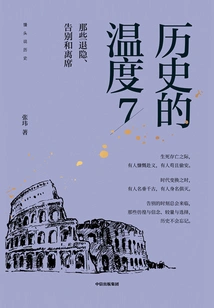
历史的温度7:那些退隐、告别和离席
Zhang Wei
Why was the last empress dowager of the Qing Dynasty said to be the "female queen of Yao and Shun" after her death? Why did Huang Huangrong, the earliest famous among the "Big Three" in Shanghai, leave in such a hurry? Did the story of "Slam Dunk", which was popular all over the country, really stop at the "national competition"? Why did Microsoft MSN, the standard equipment of the workplace elite back then, fail to withstand this era of change? ... Time never stops, the feast must end, best friends will eventually say goodbye, the curtain is destined to fall, and times will always change. Faced with the unavoidable retreat, farewell and departure, should we stagger away or say farewell gracefully? When the tide of time rises and falls, too many details disappear, which arouses imagination and makes people sigh. Zhang Wei salvaged these stories and characters from history, using the calm tone and delicate writing of the past to make the dried history come alive, to make the unfamiliar names full again, and to leave color and warmth in every farewell.
Why was the last empress dowager of the Qing Dynasty said to be the "female queen of Yao and Shun" after her death? Why did Huang Huangrong, the earliest famous among the "Big Three" in Shanghai, leave in such a hurry? Did the story of "Slam Dunk", which was popular all over the country, really stop at the "national competition"? Why did Microsoft MSN, the standard equipment of the workplace elite back then, fail to withstand this era of change? ... Time never stops, the feast must end, best friends will eventually say goodbye, the curtain is destined to fall, and times will always change. Faced with the unavoidable retreat, farewell and departure, should we stagger away or say farewell gracefully? When the tide of time rises and falls, too many details disappear, which arouses imagination and makes people sigh. Zhang Wei salvaged these stories and characters from history, using the calm tone and delicate writing of the past to make the dried history come alive, to make the unfamiliar names full again, and to leave color and warmth in every farewell.
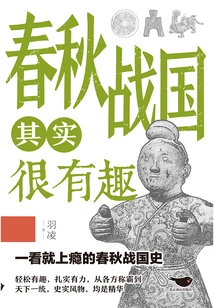
春秋战国其实很有趣
Yu Ling
This book explains history with human nature, tells history with interest, and tells the history of the Spring and Autumn and Warring States centuries from a modern perspective. Using a three-dimensional structure, we sort out the multiple images in the history of the Spring and Autumn and Warring States periods, and try to unravel the mysteries hidden behind them by analyzing historical events. In addition, this book deeply explores the true emotions of historical figures and uses historical events to show the complexity and mystery of human nature. Through the fog of history, we deconstruct the characters in history, gain insight into history with human nature, and restore the historical truth. Writing a history is to intersect with the figures in history, travel hand in hand, experience the ups and downs of life, and appreciate the heroism and regrets of life. This book is based on official history, synthesizes the opinions of various schools, and brings together the research results of many historical scholars at home and abroad, both ancient and modern. Brand-new perspectives, modern language, and humorous writing truly reproduce the rise and fall of the Spring and Autumn Period and the Warring States Period, and provide a new interpretation of this magnificent and exciting ancient past.
This book explains history with human nature, tells history with interest, and tells the history of the Spring and Autumn and Warring States centuries from a modern perspective. Using a three-dimensional structure, we sort out the multiple images in the history of the Spring and Autumn and Warring States periods, and try to unravel the mysteries hidden behind them by analyzing historical events. In addition, this book deeply explores the true emotions of historical figures and uses historical events to show the complexity and mystery of human nature. Through the fog of history, we deconstruct the characters in history, gain insight into history with human nature, and restore the historical truth. Writing a history is to intersect with the figures in history, travel hand in hand, experience the ups and downs of life, and appreciate the heroism and regrets of life. This book is based on official history, synthesizes the opinions of various schools, and brings together the research results of many historical scholars at home and abroad, both ancient and modern. Brand-new perspectives, modern language, and humorous writing truly reproduce the rise and fall of the Spring and Autumn Period and the Warring States Period, and provide a new interpretation of this magnificent and exciting ancient past.
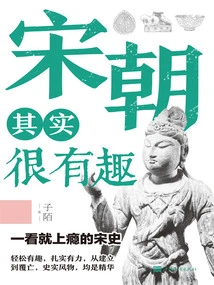
宋朝其实很有趣
Zimo
This book tells history in a fun way, starting from the end of the Tang Dynasty when heroes from the Five Dynasties came together to fight for the world, until the rise of the Mongolian and Yuan Dynasties and the fall of the Southern Song Dynasty. This book tries to avoid boring narrative methods. On the basis of respecting historical facts, it uses humorous but wise language, and a playful but solemn tone to tell the history of China more than a thousand years ago. It also attempts to get behind historical events and deeply explore the true inner emotions of historical figures so that readers can resonate with them. This book uses a three-dimensional structure and uses historical events to show the complexity of human nature. Through the fog of history, it deconstructs the characters in history, uses human nature to gain insight into history, restores the truth of history, and understands the wisdom of history.
This book tells history in a fun way, starting from the end of the Tang Dynasty when heroes from the Five Dynasties came together to fight for the world, until the rise of the Mongolian and Yuan Dynasties and the fall of the Southern Song Dynasty. This book tries to avoid boring narrative methods. On the basis of respecting historical facts, it uses humorous but wise language, and a playful but solemn tone to tell the history of China more than a thousand years ago. It also attempts to get behind historical events and deeply explore the true inner emotions of historical figures so that readers can resonate with them. This book uses a three-dimensional structure and uses historical events to show the complexity of human nature. Through the fog of history, it deconstructs the characters in history, uses human nature to gain insight into history, restores the truth of history, and understands the wisdom of history.
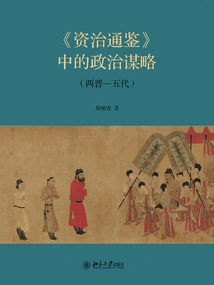
《资治通鉴》中的政治谋略(两晋—五代)
Yin Xiaohu
"Zi Zhi Tong Jian" is a chronicle-style general history compiled by Sima Guang, a famous historian and politician in the Northern Song Dynasty, which took nineteen years to compile. It records the historical facts of more than 1,300 years from the Warring States to the Five Dynasties. Through the summary of historical experience and lessons, it has left many things for future generations to learn from. This book discusses some major historical events and important figures from the Two Jin Dynasties to the Five Dynasties in "Zi Zhi Tong Jian", allowing readers to understand the essence of traditional Chinese political culture through these historical events and figures, and understand the principles of governing the country and conducting life in society reflected in it. This book is divided into four parts, with the general framework as follows: the first part, the two Jin Dynasties and the Spring and Autumn Period; the second part, the division of the north and the south; the third part, the rise and fall of the Sui and Tang Dynasties; the fourth part, the disputes of the Five Dynasties.
"Zi Zhi Tong Jian" is a chronicle-style general history compiled by Sima Guang, a famous historian and politician in the Northern Song Dynasty, which took nineteen years to compile. It records the historical facts of more than 1,300 years from the Warring States to the Five Dynasties. Through the summary of historical experience and lessons, it has left many things for future generations to learn from. This book discusses some major historical events and important figures from the Two Jin Dynasties to the Five Dynasties in "Zi Zhi Tong Jian", allowing readers to understand the essence of traditional Chinese political culture through these historical events and figures, and understand the principles of governing the country and conducting life in society reflected in it. This book is divided into four parts, with the general framework as follows: the first part, the two Jin Dynasties and the Spring and Autumn Period; the second part, the division of the north and the south; the third part, the rise and fall of the Sui and Tang Dynasties; the fourth part, the disputes of the Five Dynasties.
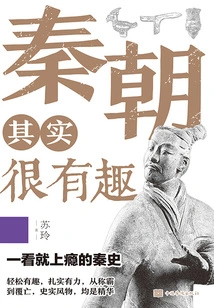
秦朝其实很有趣
Su Ling
This book is based on official history and brings together the research results of historical scholars over the years. On the basis of respecting historical facts, this book uses humorous yet wise language and a playful yet solemn tone to tell the past of the Qin Dynasty. It uses historical events to show the complexity of human nature. Through the fog of history, it uses human nature to gain insight into history and restore the historical truth.
This book is based on official history and brings together the research results of historical scholars over the years. On the basis of respecting historical facts, this book uses humorous yet wise language and a playful yet solemn tone to tell the past of the Qin Dynasty. It uses historical events to show the complexity of human nature. Through the fog of history, it uses human nature to gain insight into history and restore the historical truth.
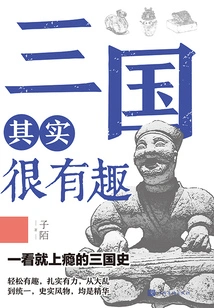
三国其实很有趣
Zimo
Although there are not many historical books recording the history of the Three Kingdoms period, the content is far less rich than the official histories of other dynasties, and there are many repetitions. "Three Kingdoms" has only sixty-five volumes, and the content of the main text is less than half of Pei Songzhi's annotations. Faced with difficult ancient texts and unfamiliar language expressions, it is difficult for us to read the meaning and understand the reality of history, let alone use history as a mirror to help and enlighten our own lives. Through a modern interpretation of a series of historical books such as "Three Kingdoms", this book goes deep into historical events, uses a modern perspective, tells characters with stories, tells history with characters, and uses new perspectives, modern language, and humorous writing to truly present the people and events of the Three Kingdoms era in front of readers, in order to help readers truly understand history.
Although there are not many historical books recording the history of the Three Kingdoms period, the content is far less rich than the official histories of other dynasties, and there are many repetitions. "Three Kingdoms" has only sixty-five volumes, and the content of the main text is less than half of Pei Songzhi's annotations. Faced with difficult ancient texts and unfamiliar language expressions, it is difficult for us to read the meaning and understand the reality of history, let alone use history as a mirror to help and enlighten our own lives. Through a modern interpretation of a series of historical books such as "Three Kingdoms", this book goes deep into historical events, uses a modern perspective, tells characters with stories, tells history with characters, and uses new perspectives, modern language, and humorous writing to truly present the people and events of the Three Kingdoms era in front of readers, in order to help readers truly understand history.
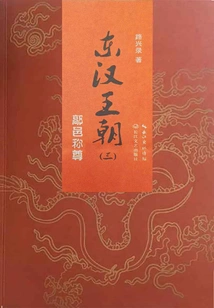
东汉王朝3:鄗邑称尊
Lu Xinglu
In early October of the first year of Gengshi, Liu Xiu left Luoyang and crossed the Yellow River to go north. Heroes came one after another, willing to follow and work together for a great cause. With the concerted efforts of a group of people with lofty ideals, he fought the rebellion thousands of miles under the banner of "a wise king rules the world with law"; in the chaos of establishing an emperor from all directions Under the situation, he destroyed Wang Lang, killed Bronze Horse, pacified Hebei, and became famous all over the world. Under the strong persuasion of his subordinates, Liu Xiu decided to honor Hebei in order to realize Chung Ling's long-cherished wish of raising troops to "restore the cause of the great ancestor and determine the fate of all things." On the sixth day of June in AD 25, Liu Xiu, who was only 30 years old, became the founder of the Eastern Han Dynasty and was known as Emperor Guangwu in history.
In early October of the first year of Gengshi, Liu Xiu left Luoyang and crossed the Yellow River to go north. Heroes came one after another, willing to follow and work together for a great cause. With the concerted efforts of a group of people with lofty ideals, he fought the rebellion thousands of miles under the banner of "a wise king rules the world with law"; in the chaos of establishing an emperor from all directions Under the situation, he destroyed Wang Lang, killed Bronze Horse, pacified Hebei, and became famous all over the world. Under the strong persuasion of his subordinates, Liu Xiu decided to honor Hebei in order to realize Chung Ling's long-cherished wish of raising troops to "restore the cause of the great ancestor and determine the fate of all things." On the sixth day of June in AD 25, Liu Xiu, who was only 30 years old, became the founder of the Eastern Han Dynasty and was known as Emperor Guangwu in history.
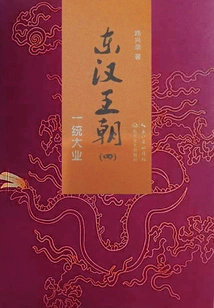
东汉王朝4:一统大业
Lu Xinglu
After Liu Xiu destroyed Wang Lang and proclaimed himself emperor by surrendering his bronze horse to Haocheng in Hebei Province, he continued to lead his troops back south. He defeated Chimei successively, regained the generals and cities of Gengshi, and went on two personal expeditions to pacify the rebel separatist forces in Xizhou and Xishu. He conquered Chengdu and killed Gongsun Shu, and eliminated the rebel forces in the inner palace. He finally unified the world and became the founder of the Eastern Han Dynasty, known as Emperor Guangwu in history. It is said that one who can bring glory to Shaoxing's previous achievements and can overcome disasters and chaos should be named Emperor Guangwu. He is well-deserved. Guangwu will be revived and history will be remembered as a hero. Emperor Guangwu Liu Xiu advocated etiquette and righteousness in disputes, followed Taoism in troubled times, and cultivated civilized and martial arts, so that the Han Zuo clan was revived after a break, which was known as the "Guangwu Zhongxing" in history. Throughout Liu Xiu's life, he took advantage of the situation in troubled times. Although he was caught in the cracks of a group of people, he was able to endure humiliation, use both civil and military skills, and always insisted on treating others with tolerance, governing the country with judo, and creating a new generation.
After Liu Xiu destroyed Wang Lang and proclaimed himself emperor by surrendering his bronze horse to Haocheng in Hebei Province, he continued to lead his troops back south. He defeated Chimei successively, regained the generals and cities of Gengshi, and went on two personal expeditions to pacify the rebel separatist forces in Xizhou and Xishu. He conquered Chengdu and killed Gongsun Shu, and eliminated the rebel forces in the inner palace. He finally unified the world and became the founder of the Eastern Han Dynasty, known as Emperor Guangwu in history. It is said that one who can bring glory to Shaoxing's previous achievements and can overcome disasters and chaos should be named Emperor Guangwu. He is well-deserved. Guangwu will be revived and history will be remembered as a hero. Emperor Guangwu Liu Xiu advocated etiquette and righteousness in disputes, followed Taoism in troubled times, and cultivated civilized and martial arts, so that the Han Zuo clan was revived after a break, which was known as the "Guangwu Zhongxing" in history. Throughout Liu Xiu's life, he took advantage of the situation in troubled times. Although he was caught in the cracks of a group of people, he was able to endure humiliation, use both civil and military skills, and always insisted on treating others with tolerance, governing the country with judo, and creating a new generation.
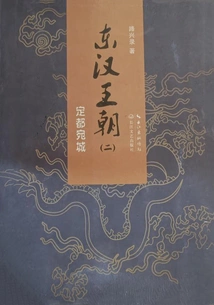
东汉王朝2:定都宛城
Lu Xinglu
On May 28 of the first year of Gengshi, after Liu Xuan led the Han army to attack Wancheng, Liu Xuan, who had just secured his throne, in order to prevent the Liu brothers from stealing the power of the peasant rebels, only made the Liu Yan, the most accomplished Liu brother, a Han minister. Not only did Liu Xiu not be granted the title, he was also included in the list of dissidents to be eliminated. In June of the same year, Liu Yan was beheaded in a trap set by Liu Xuanjun and his ministers. Although Liu Xiu had the sworn hatred of killing his brother, in order to save his life from being executed, he took the initiative to go back to the Golden Palace in the capital to plead guilty and endured the humiliation. Although Liu Xiu's painful heart was bleeding, he still thanked Liu Xuan with tears of gratitude for not punishing him for his crime of consecutive sittings. He enthusiastically practiced etiquette for the restoration of the Han Dynasty and built a lot of construction for the reform of moving the capital to Luoyang. Finally, he won the emperor's trust and appointed Liu Xiu as the general of Polu. He was responsible for the affairs of the general, and was responsible for crossing the Yellow River to pacify Hebei.
On May 28 of the first year of Gengshi, after Liu Xuan led the Han army to attack Wancheng, Liu Xuan, who had just secured his throne, in order to prevent the Liu brothers from stealing the power of the peasant rebels, only made the Liu Yan, the most accomplished Liu brother, a Han minister. Not only did Liu Xiu not be granted the title, he was also included in the list of dissidents to be eliminated. In June of the same year, Liu Yan was beheaded in a trap set by Liu Xuanjun and his ministers. Although Liu Xiu had the sworn hatred of killing his brother, in order to save his life from being executed, he took the initiative to go back to the Golden Palace in the capital to plead guilty and endured the humiliation. Although Liu Xiu's painful heart was bleeding, he still thanked Liu Xuan with tears of gratitude for not punishing him for his crime of consecutive sittings. He enthusiastically practiced etiquette for the restoration of the Han Dynasty and built a lot of construction for the reform of moving the capital to Luoyang. Finally, he won the emperor's trust and appointed Liu Xiu as the general of Polu. He was responsible for the affairs of the general, and was responsible for crossing the Yellow River to pacify Hebei.
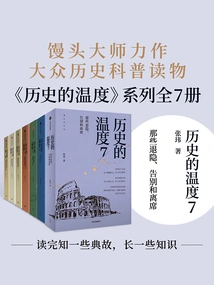
历史的温度(全7册)
Zhang Wei
What is hidden behind a certain name or a certain passage in a history book? The "Temperature of History" series (volumes 1-7), a popular history book that has sold millions and is often read, uses easy-to-read stories to retrieve the rich details behind boring history, making unfamiliar names fuller, more interesting and more interesting. It is full of rich historical knowledge and tells about people and events we don't know outside of textbooks. After reading it, you can learn some allusions, gain some knowledge, and become an interesting and knowledgeable person. It is suitable for children of all ages to read.
What is hidden behind a certain name or a certain passage in a history book? The "Temperature of History" series (volumes 1-7), a popular history book that has sold millions and is often read, uses easy-to-read stories to retrieve the rich details behind boring history, making unfamiliar names fuller, more interesting and more interesting. It is full of rich historical knowledge and tells about people and events we don't know outside of textbooks. After reading it, you can learn some allusions, gain some knowledge, and become an interesting and knowledgeable person. It is suitable for children of all ages to read.
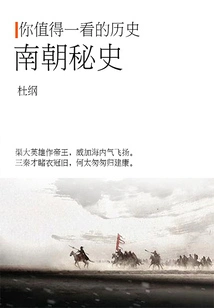
南朝秘史
Du Gang
"The Secret History of the Southern Dynasties" narrates the history of more than 200 years from the Eastern Jin Dynasty to the Song, Qi, Liang, and Chen years. Readers who are interested in this period of history should read this book. The plot of the work is generally consistent with historical facts, but details such as palace secrets are derived from official history or the author's fiction. The author writes extensively about the four entrepreneurial monarchs, Emperor Wu of the Song Dynasty Liu Yu, Emperor Gaozu of the Qi Dynasty Xiao Daocheng, Emperor Wu of the Liang Dynasty Xiao Yan, and Emperor Wu of the Chen Dynasty Chen Xian. Most of them focus on the deeds of Liu Yu in the Song Dynasty.
"The Secret History of the Southern Dynasties" narrates the history of more than 200 years from the Eastern Jin Dynasty to the Song, Qi, Liang, and Chen years. Readers who are interested in this period of history should read this book. The plot of the work is generally consistent with historical facts, but details such as palace secrets are derived from official history or the author's fiction. The author writes extensively about the four entrepreneurial monarchs, Emperor Wu of the Song Dynasty Liu Yu, Emperor Gaozu of the Qi Dynasty Xiao Daocheng, Emperor Wu of the Liang Dynasty Xiao Yan, and Emperor Wu of the Chen Dynasty Chen Xian. Most of them focus on the deeds of Liu Yu in the Song Dynasty.
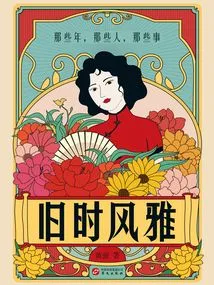
Old Time Elegance
History旧时风雅
Huang Qiang
This book shows the life of the Republic of China, especially the life of literati, through interesting celebrity stories and social events, as well as more than a hundred precious historical photos. The author combines fragmented true stories in an orderly manner, focusing on the interesting, elegant and true-hearted aspects of life in the Republic of China. Travel back to that era that is both strange and familiar to us, and look back at those years, those people, those things, and those objects. The Song sisters love cheongsam, Lin Huiyin's creative wedding dress, famous professor Zhu Ziqing's weird felt, Liang Shiqiu has a special liking for ham and mutton, Yu Dafu's thatched cottage, Zhang Henshui bought a courtyard house with royalties, Hu Shi rented a house instead of buying one, Mei Lanfang raised pigeons to practice his eyesight, and Zhang Boju would rather lose his life than sell it. Collection, Zhang Daqian abandoned his house and exchanged gold for famous paintings, Shen Congwen night market to search for ancient treasures, Xu Beihong searched for treasures and rain flowers, Hu Shi's heartache, Lin Huiyin's difficult choice, Feng Yuxiang's extraordinary marriage proposal... The various aspects of life recorded in the book reflect the style of the times and appreciate the elegance and interest of the old times. It seems so far away from us, just like a beautiful lady wearing a cheongsam, with infinite charm...
This book shows the life of the Republic of China, especially the life of literati, through interesting celebrity stories and social events, as well as more than a hundred precious historical photos. The author combines fragmented true stories in an orderly manner, focusing on the interesting, elegant and true-hearted aspects of life in the Republic of China. Travel back to that era that is both strange and familiar to us, and look back at those years, those people, those things, and those objects. The Song sisters love cheongsam, Lin Huiyin's creative wedding dress, famous professor Zhu Ziqing's weird felt, Liang Shiqiu has a special liking for ham and mutton, Yu Dafu's thatched cottage, Zhang Henshui bought a courtyard house with royalties, Hu Shi rented a house instead of buying one, Mei Lanfang raised pigeons to practice his eyesight, and Zhang Boju would rather lose his life than sell it. Collection, Zhang Daqian abandoned his house and exchanged gold for famous paintings, Shen Congwen night market to search for ancient treasures, Xu Beihong searched for treasures and rain flowers, Hu Shi's heartache, Lin Huiyin's difficult choice, Feng Yuxiang's extraordinary marriage proposal... The various aspects of life recorded in the book reflect the style of the times and appreciate the elegance and interest of the old times. It seems so far away from us, just like a beautiful lady wearing a cheongsam, with infinite charm...
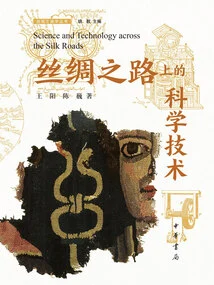
丝绸之路上的科学技术
Wang Yang Chen Wei
From the aspects of mathematics, astronomy, medicine, physics, architecture, machinery, etc., This book selects countries and regions along the historical Silk Road, which can show interesting cases and outstanding highlights of the progress of science, technology and human civilization. Based on a world perspective, it shows the changes and differences in ancient science and technology with the changes of the times, culture, and regional environment, highlighting the historical significance and eternal value of the Silk Road.
From the aspects of mathematics, astronomy, medicine, physics, architecture, machinery, etc., This book selects countries and regions along the historical Silk Road, which can show interesting cases and outstanding highlights of the progress of science, technology and human civilization. Based on a world perspective, it shows the changes and differences in ancient science and technology with the changes of the times, culture, and regional environment, highlighting the historical significance and eternal value of the Silk Road.
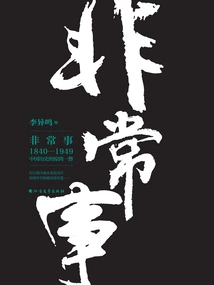
Extraordinary Matter
History非常事
Li Yiming
History is often shaped by personal, accidental, even inconspicuous circumstances. In the past hundred years of modern China, the ups and downs of society, the changes in ideological trends, and the changes in mission destiny have all been far greater than before. This book uses a similar genre as "Shishuoxinyu", excerpting some little-known historical fragments and anecdotes of people during this extraordinary period, trying to restore the original appearance of history with scraps from the pile of old papers, and pry out the truth of the events from the details. A book not to be missed by readers who like historical readings. Many of the historical fragments told in the book are representative and suitable for repeated reading. Both students and adults can benefit from it. It can not only broaden our horizons, but also draw lessons from history.
History is often shaped by personal, accidental, even inconspicuous circumstances. In the past hundred years of modern China, the ups and downs of society, the changes in ideological trends, and the changes in mission destiny have all been far greater than before. This book uses a similar genre as "Shishuoxinyu", excerpting some little-known historical fragments and anecdotes of people during this extraordinary period, trying to restore the original appearance of history with scraps from the pile of old papers, and pry out the truth of the events from the details. A book not to be missed by readers who like historical readings. Many of the historical fragments told in the book are representative and suitable for repeated reading. Both students and adults can benefit from it. It can not only broaden our horizons, but also draw lessons from history.
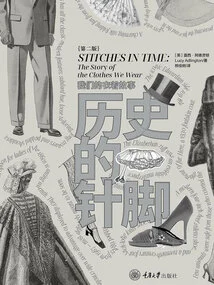
历史的针脚:我们的衣着故事(第2版)
(uk) Lucy Adlington
This is a book about the history of clothing. In the book, clothing historian Lucy Adlington reveals the changes in our clothing and the development of clothing fashion from ancient times to today through rich historical descriptions. Beautifully illustrated and with powerful historical evidence, the book demonstrates how the way we dress is tied to aesthetics, gender, class, and lifestyle, and offers us the opportunity to truly appreciate the qualities of these-our most common possessions.
This is a book about the history of clothing. In the book, clothing historian Lucy Adlington reveals the changes in our clothing and the development of clothing fashion from ancient times to today through rich historical descriptions. Beautifully illustrated and with powerful historical evidence, the book demonstrates how the way we dress is tied to aesthetics, gender, class, and lifestyle, and offers us the opportunity to truly appreciate the qualities of these-our most common possessions.
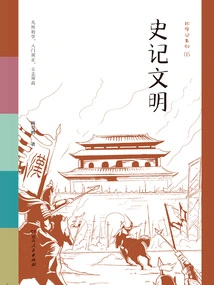
初学记:史记文明
Yang Haoou
"Historical Records" is the pinnacle of ancient Chinese history. It not only records the historical process of thousands of years from the mythical era to the era of Emperor Wu of the Han Dynasty, but also portrays many wonderful historical figures and events with vivid and outstanding writing style. It can be said that "Historical Records" not only records the splendid Chinese civilization, but also represents the height of Chinese civilization. The book "Historical Records Civilization" follows the chronological order of historical evolution and selects forty topics from "Historical Records" to arrange, translate, and organize, and excerpts wonderful excerpts to help young people understand the basic meaning and context framework of "Historical Records". In addition, this book also adds related modern things, modern concepts, and content related to world history to each topic, guiding readers to establish a large cultural pattern from ancient times to modern times, and from local to global, even in their teenage years.
"Historical Records" is the pinnacle of ancient Chinese history. It not only records the historical process of thousands of years from the mythical era to the era of Emperor Wu of the Han Dynasty, but also portrays many wonderful historical figures and events with vivid and outstanding writing style. It can be said that "Historical Records" not only records the splendid Chinese civilization, but also represents the height of Chinese civilization. The book "Historical Records Civilization" follows the chronological order of historical evolution and selects forty topics from "Historical Records" to arrange, translate, and organize, and excerpts wonderful excerpts to help young people understand the basic meaning and context framework of "Historical Records". In addition, this book also adds related modern things, modern concepts, and content related to world history to each topic, guiding readers to establish a large cultural pattern from ancient times to modern times, and from local to global, even in their teenage years.
半小时漫画《史记》2
Chen Lei·half Hour Comics Team
The half-hour comic team led by Chen Lei (pen name: Brother Hun) vividly interprets classic characters and stories in historical records through humorous language and hand-drawn comics. The dispute between Wu and Yue: If you are fine, then it will be okay! Who are the four "goal gods" of Zhao State? Those things that Confucius had to say! ... As you read, you will find that the Historical Records are originally story-telling stories, so reading them is not tiring at all! Open this book and read the historical records with laughter!
The half-hour comic team led by Chen Lei (pen name: Brother Hun) vividly interprets classic characters and stories in historical records through humorous language and hand-drawn comics. The dispute between Wu and Yue: If you are fine, then it will be okay! Who are the four "goal gods" of Zhao State? Those things that Confucius had to say! ... As you read, you will find that the Historical Records are originally story-telling stories, so reading them is not tiring at all! Open this book and read the historical records with laughter!
半小时漫画《史记》
Chen Lei·half Hour Comics Team
The half-hour comic team led by Chen Lei (pen name: Brother Hun) vividly interprets classic characters and stories in historical records through humorous language and hand-drawn comics. How rough a life must be to write a historical record? Why is it said that the origin of Chinese history is a combination of unicorn + two pairs? What reliable male assistants did the powerful players of the Shang Dynasty have? ... As you read, you will find that the Historical Records are originally story-telling stories, so reading them is not tiring at all! Open this book and read the historical records with laughter!
The half-hour comic team led by Chen Lei (pen name: Brother Hun) vividly interprets classic characters and stories in historical records through humorous language and hand-drawn comics. How rough a life must be to write a historical record? Why is it said that the origin of Chinese history is a combination of unicorn + two pairs? What reliable male assistants did the powerful players of the Shang Dynasty have? ... As you read, you will find that the Historical Records are originally story-telling stories, so reading them is not tiring at all! Open this book and read the historical records with laughter!
华杉讲透《资治通鉴》17
Huashan
"Zizhi Tongjian" is written from the Warring States Period to the Five Dynasties and Ten Kingdoms, vividly showing the living people and stories in the 1326-year history of 16 dynasties. It can be said to be the "big data" and "super case collection" of China's political and cultural heritage. The problems and confusions we encounter today were encountered by our ancestors in history and have lessons learned from them. The author Hua Shan translated the entire "Zi Zhi Tong Jian" in vernacular, and tried his best to retain the charm of the original text, making people pick it up like reading a novel and not be able to put it down. At the same time, combined with the views of famous experts of the past and my own management experience, I will explain the wisdom in "Zi Zhi Tong Jian" that is truly useful to ordinary people in the 21st century. Open this book and learn the necessary principles for rational decision-making from the chaotic situation in which powerful officials in the Northern and Southern Dynasties turned against each other!
"Zizhi Tongjian" is written from the Warring States Period to the Five Dynasties and Ten Kingdoms, vividly showing the living people and stories in the 1326-year history of 16 dynasties. It can be said to be the "big data" and "super case collection" of China's political and cultural heritage. The problems and confusions we encounter today were encountered by our ancestors in history and have lessons learned from them. The author Hua Shan translated the entire "Zi Zhi Tong Jian" in vernacular, and tried his best to retain the charm of the original text, making people pick it up like reading a novel and not be able to put it down. At the same time, combined with the views of famous experts of the past and my own management experience, I will explain the wisdom in "Zi Zhi Tong Jian" that is truly useful to ordinary people in the 21st century. Open this book and learn the necessary principles for rational decision-making from the chaotic situation in which powerful officials in the Northern and Southern Dynasties turned against each other!
华杉讲透《资治通鉴》18
Huashan
"Zi Zhi Tong Jian" writes from the Warring States Period to the Five Dynasties and Ten Kingdoms, vividly showing the living people and stories in the 1,362-year history of the 16 dynasties. It can be said to be the "big data" and "case collection" of China's political and cultural heritage. This book is the 18th volume in the series of "Hua Shan's Talk about Zizhi Tongjian". It mainly tells about the division of the Northern Wei Dynasty into the east and west, and the formation of the Three Kingdoms struggle with the Southern Liang Dynasty. Northern Dynasties: Gao Huan supported Yuan Shanjian to establish the Eastern Wei Dynasty, and Yuwentai supported Yuan Baoju to establish the Western Wei Dynasty. The two sides fought frequently. Southern Dynasties: Xiao Yan was headstrong in his later years, and the Southern Liang Dynasty fell apart after the "Hou Jing Rebellion". Zhu Yi ignored the report of Hou Jing's rebellion and insisted that his judgment was correct. Hou Jing's rebellion later broke out. Hua Shan said: Many people end up in trouble because they admit their mistakes and their interests will be damaged. Therefore, leaders should allow their subordinates to make mistakes so that they can have the opportunity to correct them.
"Zi Zhi Tong Jian" writes from the Warring States Period to the Five Dynasties and Ten Kingdoms, vividly showing the living people and stories in the 1,362-year history of the 16 dynasties. It can be said to be the "big data" and "case collection" of China's political and cultural heritage. This book is the 18th volume in the series of "Hua Shan's Talk about Zizhi Tongjian". It mainly tells about the division of the Northern Wei Dynasty into the east and west, and the formation of the Three Kingdoms struggle with the Southern Liang Dynasty. Northern Dynasties: Gao Huan supported Yuan Shanjian to establish the Eastern Wei Dynasty, and Yuwentai supported Yuan Baoju to establish the Western Wei Dynasty. The two sides fought frequently. Southern Dynasties: Xiao Yan was headstrong in his later years, and the Southern Liang Dynasty fell apart after the "Hou Jing Rebellion". Zhu Yi ignored the report of Hou Jing's rebellion and insisted that his judgment was correct. Hou Jing's rebellion later broke out. Hua Shan said: Many people end up in trouble because they admit their mistakes and their interests will be damaged. Therefore, leaders should allow their subordinates to make mistakes so that they can have the opportunity to correct them.
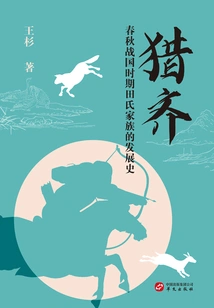
猎齐:春秋战国时期田氏家族的发展史
Wang Shan
During the Spring and Autumn Period and the Warring States Period, when the Zhou Dynasty declined and princes flourished, the power of ministers and clans threatened the monarchy from time to time. This phenomenon can be roughly divided into two categories: carve-up crisis and substitution crisis. The representative of the former is "Three Families Divided into Jin", and the representative of the latter is "Tian Family Replaces Qi". This book discusses the latter, taking the history of the 12 clan heads of the Tian (Chen) family in Qi as the main line. The ones the author writes about the most are Tian Wuyu and Tian. Qi, Tian Heng, and Tian He, these four people basically interpret the origin, inheritance, transfer, and union of the Tian family, supporting the Tian family's 286-year history from "entering Qi" to "stealing Qi". At the same time, they also outline the historical picture of the Spring and Autumn Period and the Warring States Period.
During the Spring and Autumn Period and the Warring States Period, when the Zhou Dynasty declined and princes flourished, the power of ministers and clans threatened the monarchy from time to time. This phenomenon can be roughly divided into two categories: carve-up crisis and substitution crisis. The representative of the former is "Three Families Divided into Jin", and the representative of the latter is "Tian Family Replaces Qi". This book discusses the latter, taking the history of the 12 clan heads of the Tian (Chen) family in Qi as the main line. The ones the author writes about the most are Tian Wuyu and Tian. Qi, Tian Heng, and Tian He, these four people basically interpret the origin, inheritance, transfer, and union of the Tian family, supporting the Tian family's 286-year history from "entering Qi" to "stealing Qi". At the same time, they also outline the historical picture of the Spring and Autumn Period and the Warring States Period.
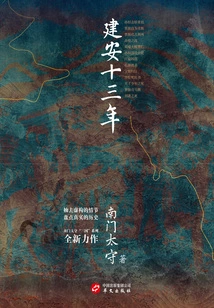
Thirteen Years of Jian'an
History建安十三年
Nanmen Prefect
This book takes the thirteenth year of Jian'an as the starting point for interpreting the history of the Three Kingdoms in the late Han Dynasty. It is divided into eight chapters at eight different locations. It tells the story of many famous historical events such as the Battle of Chibi, the murder of Kong Rong, Cai Wenji's return to the Han Dynasty, Sun Quan's siege of Hefei, etc. It removes the fictional plots and takes stock of the real history. It rearranges the major and minor events that happened in this year according to time, restores the true situation of this year, interprets the historical logic behind the puzzle from a new perspective, and analyzes the impact of the events of this year on subsequent history.
This book takes the thirteenth year of Jian'an as the starting point for interpreting the history of the Three Kingdoms in the late Han Dynasty. It is divided into eight chapters at eight different locations. It tells the story of many famous historical events such as the Battle of Chibi, the murder of Kong Rong, Cai Wenji's return to the Han Dynasty, Sun Quan's siege of Hefei, etc. It removes the fictional plots and takes stock of the real history. It rearranges the major and minor events that happened in this year according to time, restores the true situation of this year, interprets the historical logic behind the puzzle from a new perspective, and analyzes the impact of the events of this year on subsequent history.
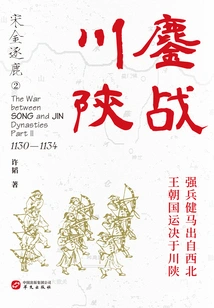
宋金逐鹿2:鏖战川陕
Xu Tao
"Fighting Battle in Sichuan and Shaanxi" is the second part of the "Song and Jin Dynasty" series of historical novels. It describes how the main force of the Jin army was besieged by Han Shizhong in Huangtiandang for forty-eight days. They luckily turned defeat into victory, but never had the chance to cross the Yangtze River again. At this time, both the Song and Jin Dynasties realized the strategic position of Sichuan and Shaanxi, and both sides gathered heavy troops. Because Zhang Jun was eager for success, he rashly fought the Jin army in Fuping, resulting in a disastrous defeat. The large tribes of Shaanxi fell into the hands of the Jin army. At the critical moment, Liu Ziyu, Wu Yu and other manpower turned the tide and fought against the Jin army at Heshangyuan, Raofengguan and Xianrenguan successively. They tried their best to keep Shu's mouth intact, so that the Jin army captured Sichuan and the strategic intention of going eastward along the river to destroy the Song Dynasty could not be realized. At the same time, Qin Hui, who had been stranded in the north for several years, returned to the south, and the Southern Song Dynasty court was about to undergo a far-reaching power reshuffle.
"Fighting Battle in Sichuan and Shaanxi" is the second part of the "Song and Jin Dynasty" series of historical novels. It describes how the main force of the Jin army was besieged by Han Shizhong in Huangtiandang for forty-eight days. They luckily turned defeat into victory, but never had the chance to cross the Yangtze River again. At this time, both the Song and Jin Dynasties realized the strategic position of Sichuan and Shaanxi, and both sides gathered heavy troops. Because Zhang Jun was eager for success, he rashly fought the Jin army in Fuping, resulting in a disastrous defeat. The large tribes of Shaanxi fell into the hands of the Jin army. At the critical moment, Liu Ziyu, Wu Yu and other manpower turned the tide and fought against the Jin army at Heshangyuan, Raofengguan and Xianrenguan successively. They tried their best to keep Shu's mouth intact, so that the Jin army captured Sichuan and the strategic intention of going eastward along the river to destroy the Song Dynasty could not be realized. At the same time, Qin Hui, who had been stranded in the north for several years, returned to the south, and the Southern Song Dynasty court was about to undergo a far-reaching power reshuffle.
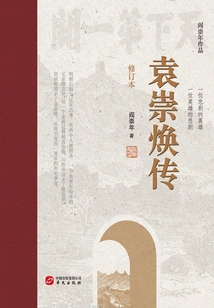
袁崇焕传(修订本)
Yan Chongnian
This book comprehensively records Yuan Chonghuan's life deeds, poetry writings, later influences, and precious spiritual heritage. The book focuses on Yuan Chonghuan's last ten years on the historical stage. He resisted the Eight Banners in Liaodong, won the great victories of Ningyuan and Ningjin, and later won the great victory of defending the capital, becoming a fire-fighter in the Ming Dynasty. With affectionate writing, the author writes about the historical tragedy of Yuan Chonghuan knowing the difficulties and dangers yet daring to do things under a situation where the government was dark and the building was about to collapse, but he was jealous of his merits and did not shy away from it, and was eventually killed unjustly.
This book comprehensively records Yuan Chonghuan's life deeds, poetry writings, later influences, and precious spiritual heritage. The book focuses on Yuan Chonghuan's last ten years on the historical stage. He resisted the Eight Banners in Liaodong, won the great victories of Ningyuan and Ningjin, and later won the great victory of defending the capital, becoming a fire-fighter in the Ming Dynasty. With affectionate writing, the author writes about the historical tragedy of Yuan Chonghuan knowing the difficulties and dangers yet daring to do things under a situation where the government was dark and the building was about to collapse, but he was jealous of his merits and did not shy away from it, and was eventually killed unjustly.
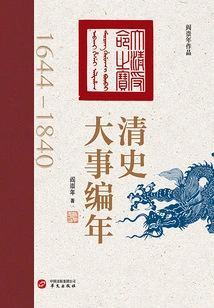
清史大事编年
Yan Chongnian
"Chronicle of Major Events in the History of the Qing Dynasty" is a historical material and reference book that is narrated by year and divided into sections, covering the six dynasties of Shun, Kang, Yong, Qian, Jia, and Dao, including important events, characters, canons, disasters, documents, etc. In the two hundred years of Qing history. The book contains detailed historical materials and clear entries. The content is derived from "Records of the Qing Dynasty", as well as "Manuscripts of the History of the Qing Dynasty", "Donghua Records" and other materials.
"Chronicle of Major Events in the History of the Qing Dynasty" is a historical material and reference book that is narrated by year and divided into sections, covering the six dynasties of Shun, Kang, Yong, Qian, Jia, and Dao, including important events, characters, canons, disasters, documents, etc. In the two hundred years of Qing history. The book contains detailed historical materials and clear entries. The content is derived from "Records of the Qing Dynasty", as well as "Manuscripts of the History of the Qing Dynasty", "Donghua Records" and other materials.
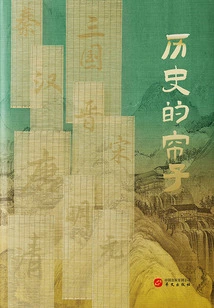
Curtain of History
History历史的帘子
Zheng Yunpeng
This book selects some relatively secret but profound fragments in Chinese history, analyzes them in the form of detectives, and describes them in the language of stories, opening the curtain of history and understanding the dynamics behind the historical facts: the rise and fall of dynasties, the ups and downs of power, the meaning of culture, the banquet of wealthy families and the struggle between common people... It is useful and interesting.
This book selects some relatively secret but profound fragments in Chinese history, analyzes them in the form of detectives, and describes them in the language of stories, opening the curtain of history and understanding the dynamics behind the historical facts: the rise and fall of dynasties, the ups and downs of power, the meaning of culture, the banquet of wealthy families and the struggle between common people... It is useful and interesting.
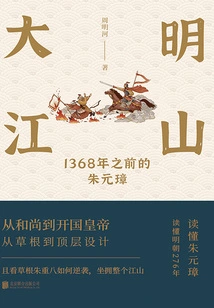
大明江山:1368年之前的朱元璋(全集)
Zhou Minghe
This book is based on the author's biography of Zhu Yuanzhang and carries out literary creation around Zhu Yuanzhang. Meng Yuan lost his deer, the whole world chased him away, and the scene of the rise of heroes slowly unfolded... How did a wandering beggar monk, who was originally in poverty and struggling to survive, quickly stand out in three or four years with his extraordinary efforts and various opportunities, and became the overlord of Jinling! How did a small official with great martial arts skills and great ambitions fight his way through troubled times, and then put down his dignity and use tricks to accomplish a heroic career! In a critical situation surrounded by powerful enemies, let's see how Zhu Yuanzhang and Chen Youliang strategized and worked step by step to become the two powerful enemies of the Yuan Dynasty! How did the two meet on a narrow road, and the dragon and the tiger fought, and finally staged the largest water battle in history in Poyang Lake, a shocking fight to the death, the situation changed, and we will see who will dominate the country!
This book is based on the author's biography of Zhu Yuanzhang and carries out literary creation around Zhu Yuanzhang. Meng Yuan lost his deer, the whole world chased him away, and the scene of the rise of heroes slowly unfolded... How did a wandering beggar monk, who was originally in poverty and struggling to survive, quickly stand out in three or four years with his extraordinary efforts and various opportunities, and became the overlord of Jinling! How did a small official with great martial arts skills and great ambitions fight his way through troubled times, and then put down his dignity and use tricks to accomplish a heroic career! In a critical situation surrounded by powerful enemies, let's see how Zhu Yuanzhang and Chen Youliang strategized and worked step by step to become the two powerful enemies of the Yuan Dynasty! How did the two meet on a narrow road, and the dragon and the tiger fought, and finally staged the largest water battle in history in Poyang Lake, a shocking fight to the death, the situation changed, and we will see who will dominate the country!
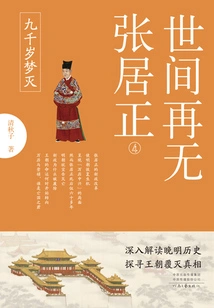
There is No More Zhang Juzheng in the World 4: the Dream of Nine Thousand Years is Extinguished
History世间再无张居正4:九千岁梦灭
Qingqiuzi
"Zhang Juzheng No More in the World" is a multi-volume popular history work. The book starts from Zhang Juzheng's birth to the time when Emperor Chongzhen hanged himself in Meishan. It focuses on describing the major historical events with great characteristics in the late Ming Dynasty and explores the reasons for the demise of the Ming Dynasty. This volume describes how Wei Zhongxian persecuted dissidents, hijacked the emperor and empress, controlled the government, stole the title of "Nine Thousand Years Old", and reached the peak of his power. After Emperor Chongzhen came to the throne, he cleverly exploited the internal contradictions of the Eunuch Party to demote Wei Zhongxian in one fell swoop, eradicate the power of the Eunuch Party, and clean up the government, which reflected his extraordinary political strategy.
"Zhang Juzheng No More in the World" is a multi-volume popular history work. The book starts from Zhang Juzheng's birth to the time when Emperor Chongzhen hanged himself in Meishan. It focuses on describing the major historical events with great characteristics in the late Ming Dynasty and explores the reasons for the demise of the Ming Dynasty. This volume describes how Wei Zhongxian persecuted dissidents, hijacked the emperor and empress, controlled the government, stole the title of "Nine Thousand Years Old", and reached the peak of his power. After Emperor Chongzhen came to the throne, he cleverly exploited the internal contradictions of the Eunuch Party to demote Wei Zhongxian in one fell swoop, eradicate the power of the Eunuch Party, and clean up the government, which reflected his extraordinary political strategy.
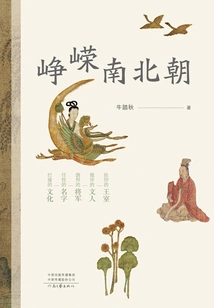
峥嵘南北朝
Niu Taqiu
This book is based on the study of official history, and tries to restore the original appearance of history by telling historical figures and stories from various periods in the Southern and Northern Dynasties for reference. The book describes the palace politics of the Northern and Southern Dynasties, the feelings of literati, the true nature of human nature, the strategies of military commanders, and the brilliant cultural achievements that have a profound impact on later generations from five parts: "The wild royal family", "The proud literati", "The fierce general", "The willful name" and "The romantic culture". By sorting out this complicated history, we can get a glimpse of people's pursuit of career, pursuit of dreams, and pursuit of culture in the Southern and Northern Dynasties. The beginning and the end, the true and the false, the good and the bad, all stand out in every detail.
This book is based on the study of official history, and tries to restore the original appearance of history by telling historical figures and stories from various periods in the Southern and Northern Dynasties for reference. The book describes the palace politics of the Northern and Southern Dynasties, the feelings of literati, the true nature of human nature, the strategies of military commanders, and the brilliant cultural achievements that have a profound impact on later generations from five parts: "The wild royal family", "The proud literati", "The fierce general", "The willful name" and "The romantic culture". By sorting out this complicated history, we can get a glimpse of people's pursuit of career, pursuit of dreams, and pursuit of culture in the Southern and Northern Dynasties. The beginning and the end, the true and the false, the good and the bad, all stand out in every detail.
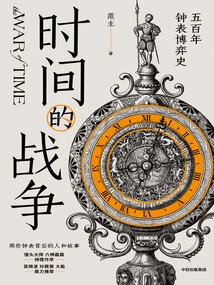
时间的战争:五百年钟表博弈史
Fan Master
The history of watches is not only a history of technology and business, but also a history of culture, life, and even more, a history of war. Since modern times, watchmaking has been the darling of war. Tables prospered because of war and served war. From the transformation of a country, the rise and destruction of an industry, to the birth of a brand and the popularity of a category, they are often closely related to war: Why did Switzerland become the "country of watches"? How was Patek Philippe, known as the "King of Watches", founded? Any history is also a history about people. The watchmaker who fled to Geneva, Switzerland, during the Holocaust eventually built this watch city; the "King's Watchmaker" who was almost killed by the guillotine during the vigorous French Revolution was always thinking about how to fight gravity; a Polish soldier who was exiled in a foreign land and sold watches just for a meal finally founded the "King of Watches"; outside of the real war, the game within the watchmaking industry has never stopped. Watchmakers from different brands and countries each show their talents. When people no longer want to rely on tall clock towers, they have smaller pendulum clocks; when sailors don't want to get lost in the sea, they have navigation bells; when pilots can't spare their hands to take out their pocket watches, they find ways to put the watches on their hands; when divers almost die from oxygen depletion, then they make a diving watch that can time... Business competition may even evolve into a "war without gunpowder." The innovation of production methods, the game between technology and tradition, and the manipulation of major brands and watchmaking groups in the shopping mall have jointly created a "war of time".
The history of watches is not only a history of technology and business, but also a history of culture, life, and even more, a history of war. Since modern times, watchmaking has been the darling of war. Tables prospered because of war and served war. From the transformation of a country, the rise and destruction of an industry, to the birth of a brand and the popularity of a category, they are often closely related to war: Why did Switzerland become the "country of watches"? How was Patek Philippe, known as the "King of Watches", founded? Any history is also a history about people. The watchmaker who fled to Geneva, Switzerland, during the Holocaust eventually built this watch city; the "King's Watchmaker" who was almost killed by the guillotine during the vigorous French Revolution was always thinking about how to fight gravity; a Polish soldier who was exiled in a foreign land and sold watches just for a meal finally founded the "King of Watches"; outside of the real war, the game within the watchmaking industry has never stopped. Watchmakers from different brands and countries each show their talents. When people no longer want to rely on tall clock towers, they have smaller pendulum clocks; when sailors don't want to get lost in the sea, they have navigation bells; when pilots can't spare their hands to take out their pocket watches, they find ways to put the watches on their hands; when divers almost die from oxygen depletion, then they make a diving watch that can time... Business competition may even evolve into a "war without gunpowder." The innovation of production methods, the game between technology and tradition, and the manipulation of major brands and watchmaking groups in the shopping mall have jointly created a "war of time".
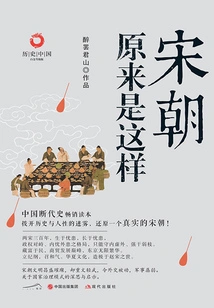
宋朝原来是这样
Get Drunk In Junshan
Since Song Taizu Zhao Kuangyin and Chen Qiao rebelled and used force to seize the power of the Later Zhou Dynasty, he was very wary of the situation in the Five Dynasties period when princes were entrenched and attacking each other. He was even more afraid of being conquered due to doubts about the legitimacy of the "yellow robe", so he "released his military power with a glass of wine" to consolidate the foundation of imperial power. At the same time, the external threat of confrontation between neighboring regimes existed for a long time. The Song Dynasty also tried to take into account domestic and foreign affairs to expand its territory. It failed in important battles with the Liao, Xixia, Jin, and Mongolian-Yuan wars, and failed to realize its long-cherished wish for unification. The pattern of internal and external troubles formed the basic national policy of Emperor Taizong of the Song Dynasty to "defend the internal situation and weaken the external situation" and "strengthen the trunk and weak branches". He focused on preventing internal chaos and passively defended himself externally. Compared with military officers, the monarchs of the Song Dynasty believed that civil servants would not pose a substantial threat to the imperial power. The tendency of "advocating literature and suppressing military affairs" cultivated through imperial examinations gradually emerged. The political status of civil and military officials became increasingly disparate, which gradually formed the governance philosophy of "cultivating civil servants and cultivating civil servants." The Zhao and Song dynasties were born out of sorrow, poor and weak, and the overall country was weak. However, the wealth was hidden among the people, and commerce and trade reached its peak. During the two and three hundred years of the Song Dynasty, it created brilliant economic and cultural achievements, ranking at the forefront of the world at that time. It is worthy of being a splendid era of prosperous civilization in Chinese history. However, due to the "swords and guns stored in the treasury, the horses released in the Nanshan Mountains", they blindly followed the "ancestral law" and implemented the policy of "valuing civility over military force", failing to "migrate with the times" and failing to update the national governance model, which resulted in passive diplomacy and weak military, which eventually led to the end of the dynasty.
Since Song Taizu Zhao Kuangyin and Chen Qiao rebelled and used force to seize the power of the Later Zhou Dynasty, he was very wary of the situation in the Five Dynasties period when princes were entrenched and attacking each other. He was even more afraid of being conquered due to doubts about the legitimacy of the "yellow robe", so he "released his military power with a glass of wine" to consolidate the foundation of imperial power. At the same time, the external threat of confrontation between neighboring regimes existed for a long time. The Song Dynasty also tried to take into account domestic and foreign affairs to expand its territory. It failed in important battles with the Liao, Xixia, Jin, and Mongolian-Yuan wars, and failed to realize its long-cherished wish for unification. The pattern of internal and external troubles formed the basic national policy of Emperor Taizong of the Song Dynasty to "defend the internal situation and weaken the external situation" and "strengthen the trunk and weak branches". He focused on preventing internal chaos and passively defended himself externally. Compared with military officers, the monarchs of the Song Dynasty believed that civil servants would not pose a substantial threat to the imperial power. The tendency of "advocating literature and suppressing military affairs" cultivated through imperial examinations gradually emerged. The political status of civil and military officials became increasingly disparate, which gradually formed the governance philosophy of "cultivating civil servants and cultivating civil servants." The Zhao and Song dynasties were born out of sorrow, poor and weak, and the overall country was weak. However, the wealth was hidden among the people, and commerce and trade reached its peak. During the two and three hundred years of the Song Dynasty, it created brilliant economic and cultural achievements, ranking at the forefront of the world at that time. It is worthy of being a splendid era of prosperous civilization in Chinese history. However, due to the "swords and guns stored in the treasury, the horses released in the Nanshan Mountains", they blindly followed the "ancestral law" and implemented the policy of "valuing civility over military force", failing to "migrate with the times" and failing to update the national governance model, which resulted in passive diplomacy and weak military, which eventually led to the end of the dynasty.
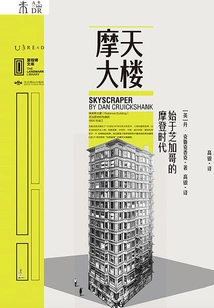
摩天大楼:始于芝加哥的摩登时代
(uk) Dan Cruickshank
As an essential architectural element in modern cities, skyscrapers have greatly changed the face of cities. The first skyscraper in the world to use glass as the main body of its exterior wall was Chicago's Reliance Tower, completed in 1895. Its pioneering architectural structure was a core element of high-rise buildings in the 20th century and has become a tenet of many modern buildings. How did it appear? What technological and conceptual innovations has its construction process undergone? In this book, Cruickshank takes us back to Chicago of that era, telling how the Reliance Building laid the foundation for 20th-century urban architecture and the mainstream of architectural engineering, as well as outstanding figures of the time, such as Louis Sullivan and John Wilburn Root. And the story of Daniel H. Burnham, and looks forward to other buildings that inherit the lineage of the Reliance Building, such as the Flatiron Building in New York in 1902, as well as those "self-respecting" skyscraper buildings in the 21st century, taking us into a series of stories that are either amazing or weird.
As an essential architectural element in modern cities, skyscrapers have greatly changed the face of cities. The first skyscraper in the world to use glass as the main body of its exterior wall was Chicago's Reliance Tower, completed in 1895. Its pioneering architectural structure was a core element of high-rise buildings in the 20th century and has become a tenet of many modern buildings. How did it appear? What technological and conceptual innovations has its construction process undergone? In this book, Cruickshank takes us back to Chicago of that era, telling how the Reliance Building laid the foundation for 20th-century urban architecture and the mainstream of architectural engineering, as well as outstanding figures of the time, such as Louis Sullivan and John Wilburn Root. And the story of Daniel H. Burnham, and looks forward to other buildings that inherit the lineage of the Reliance Building, such as the Flatiron Building in New York in 1902, as well as those "self-respecting" skyscraper buildings in the 21st century, taking us into a series of stories that are either amazing or weird.
光之城:巴黎重建与现代大都会的诞生
(uk) Rupert Christian
In 1853, King Louis Napoleon of France assigned Georges-Eugène Haussmann, governor of the Seine River, to launch a large and ambitious public project for municipal reconstruction. This renovation project - even though it was punctuated by war, revolution, corruption and bankruptcy - not only transformed Paris, but also set a model for urban planning in the 19th and early 20th centuries, and created the enduring urban layout of modern Paris. Boulevards, parks, squares, train stations, department stores, and a new public health system complete its life. What are the little-known stories behind this fifteen-year urban renewal project? What lessons can today's city builders learn from this to make cities more livable and more humane? The author of this book, Rupert Christian, will take us back to Paris more than 150 years ago to see how it transformed from a dilapidated medieval city filled with sewage, slums, and disease to a world-famous "City of Lights."
In 1853, King Louis Napoleon of France assigned Georges-Eugène Haussmann, governor of the Seine River, to launch a large and ambitious public project for municipal reconstruction. This renovation project - even though it was punctuated by war, revolution, corruption and bankruptcy - not only transformed Paris, but also set a model for urban planning in the 19th and early 20th centuries, and created the enduring urban layout of modern Paris. Boulevards, parks, squares, train stations, department stores, and a new public health system complete its life. What are the little-known stories behind this fifteen-year urban renewal project? What lessons can today's city builders learn from this to make cities more livable and more humane? The author of this book, Rupert Christian, will take us back to Paris more than 150 years ago to see how it transformed from a dilapidated medieval city filled with sewage, slums, and disease to a world-famous "City of Lights."
格尔尼卡:毕加索的愤怒与人类战争反思
(uk) James Attlee
"Guernica" is one of Picasso's most famous works. This painting was born in a specific era and had its own special mission - to cheer for the Spanish Republic overseas. It uses unique Bi-style elements to abstractly show the pain that war brings to life, but does not more specifically show the specific event and place for which it was born - the Basque town Guernica that was bombed by Nazi Germany after the outbreak of the Spanish Civil War. Because of this, "Guernica" was not forgotten by history with the failure of the Spanish Republic. Instead, it was constantly reawakened by new historical events and gradually ascended to the altar, becoming an eternal anti-war symbol. In this book, James Attlee provides us with an in-depth analysis of the origins of this masterpiece, the social and cultural significance behind it, and how it has influenced countless modern artists and has been endowed with eternal value in the ever-changing social landscape.
"Guernica" is one of Picasso's most famous works. This painting was born in a specific era and had its own special mission - to cheer for the Spanish Republic overseas. It uses unique Bi-style elements to abstractly show the pain that war brings to life, but does not more specifically show the specific event and place for which it was born - the Basque town Guernica that was bombed by Nazi Germany after the outbreak of the Spanish Civil War. Because of this, "Guernica" was not forgotten by history with the failure of the Spanish Republic. Instead, it was constantly reawakened by new historical events and gradually ascended to the altar, becoming an eternal anti-war symbol. In this book, James Attlee provides us with an in-depth analysis of the origins of this masterpiece, the social and cultural significance behind it, and how it has influenced countless modern artists and has been endowed with eternal value in the ever-changing social landscape.
大英博物馆:第一座公众博物馆的诞生
(uk) James Hamilton
As the oldest and grandest comprehensive museum in the world, the British Museum has gradually developed from a small warehouse with collections randomly stacked over hundreds of years into a world-renowned public museum with more than 8 million pieces of various collections spanning the entire development of human civilization. It has created many firsts and houses treasures from all over the world, but how did it appear? As a museum open to the public, how does it attract those "those who are eager to learn and seek knowledge"? The author of this book, James Hamilton, begins with the collector Sir Hans Sloane, and leads readers to review the social and cultural background of this troubled museum at the beginning, its subsequent gradual expansion, as well as those who played an important role in the history of the museum's development, and the museum itself's profound impact on Britain and the world.
As the oldest and grandest comprehensive museum in the world, the British Museum has gradually developed from a small warehouse with collections randomly stacked over hundreds of years into a world-renowned public museum with more than 8 million pieces of various collections spanning the entire development of human civilization. It has created many firsts and houses treasures from all over the world, but how did it appear? As a museum open to the public, how does it attract those "those who are eager to learn and seek knowledge"? The author of this book, James Hamilton, begins with the collector Sir Hans Sloane, and leads readers to review the social and cultural background of this troubled museum at the beginning, its subsequent gradual expansion, as well as those who played an important role in the history of the museum's development, and the museum itself's profound impact on Britain and the world.
英国皇家学会:现代科学的起点
(uk) Adrian Tiniswood
The Royal Society is one of the oldest scientific institutions in the world and has made great contributions to the dissemination of natural science knowledge. Scientific giants such as Newton, Darwin, Leeuwenhoek, Boyle, and Hawking were all its members. Relying on the unremitting efforts of generations of outstanding members, and after more than 300 years of continuous growth and transformation, the Society has gradually developed from an "invisible academy" founded by enthusiasts to one of the most cutting-edge institutions in the world's science. In this book, Adrian Tenniswood takes us back to the difficulties and prejudices faced by the Royal Society at its birth, its unremitting efforts to gain social recognition, and the bumpy road it took to promote experimental science. As time goes by, while the rapid development of science and technology has brought about disruptive changes, many problems have arisen. How to carry out scientific research also needs to be rethought. Therefore, the motto of the society - "Do not follow what others say" - still has great practical significance, warning us not to blindly believe in what others say.
The Royal Society is one of the oldest scientific institutions in the world and has made great contributions to the dissemination of natural science knowledge. Scientific giants such as Newton, Darwin, Leeuwenhoek, Boyle, and Hawking were all its members. Relying on the unremitting efforts of generations of outstanding members, and after more than 300 years of continuous growth and transformation, the Society has gradually developed from an "invisible academy" founded by enthusiasts to one of the most cutting-edge institutions in the world's science. In this book, Adrian Tenniswood takes us back to the difficulties and prejudices faced by the Royal Society at its birth, its unremitting efforts to gain social recognition, and the bumpy road it took to promote experimental science. As time goes by, while the rapid development of science and technology has brought about disruptive changes, many problems have arisen. How to carry out scientific research also needs to be rethought. Therefore, the motto of the society - "Do not follow what others say" - still has great practical significance, warning us not to blindly believe in what others say.
陶瓷:粘连文明的泥土
(japan) Misugi Takatoshi
After people mastered the skill of making fire, they accidentally discovered that burning fire on high-quality clay would make the clay hard. This was the origin of ceramics. When fire and earth meet, ceramic art is born. Starting from the primitive pottery of the Neolithic Age, human kiln-firing technology has progressed through continuous failures, and has also continued to spread along with human footprints. In China, the production of ceramics has a history of three thousand years. It has experienced the development process from pottery to porcelain, and then to ceramics. During this period, unique types such as celadon, white porcelain, secret color porcelain, three-color porcelain, multi-color porcelain, and blue and white porcelain were born. In Iran, Türkiye, Afghanistan and other places in the Western Regions, ceramic crafts with exotic characteristics were also developed and became popular. Through land and sea trade routes, Chinese porcelain absorbed the characteristics of the Western Regions, and Westerners were impressed by the beauty of Chinese ceramics. Since then, ceramics have become a symbol of Chinese culture. For thousands of years, porcelain fragments scattered in ports and coasts around the world have connected them into the famous "Maritime Silk Road". Chinese ceramics with Jingdezhen as the center is a milestone that connects the world as a whole.
After people mastered the skill of making fire, they accidentally discovered that burning fire on high-quality clay would make the clay hard. This was the origin of ceramics. When fire and earth meet, ceramic art is born. Starting from the primitive pottery of the Neolithic Age, human kiln-firing technology has progressed through continuous failures, and has also continued to spread along with human footprints. In China, the production of ceramics has a history of three thousand years. It has experienced the development process from pottery to porcelain, and then to ceramics. During this period, unique types such as celadon, white porcelain, secret color porcelain, three-color porcelain, multi-color porcelain, and blue and white porcelain were born. In Iran, Türkiye, Afghanistan and other places in the Western Regions, ceramic crafts with exotic characteristics were also developed and became popular. Through land and sea trade routes, Chinese porcelain absorbed the characteristics of the Western Regions, and Westerners were impressed by the beauty of Chinese ceramics. Since then, ceramics have become a symbol of Chinese culture. For thousands of years, porcelain fragments scattered in ports and coasts around the world have connected them into the famous "Maritime Silk Road". Chinese ceramics with Jingdezhen as the center is a milestone that connects the world as a whole.