Library
Browse and search books
2,169 novels found
Niuhan Prose
Literature牛汉散文
Niuhan
This book selects 66 essays by Niu Han, including the childhood masterpieces "Mianmiantu", "Jujube Season", "Haiqin", etc.; The romantic masterpieces "An Immortal Poetry Star", "Thorns and Blood", etc., As well as the prose talks "Poetry and Prose Are My Life", "Talk About My Rustic", etc. It is accompanied by 15 photos of the author from different periods, with both pictures and text, giving readers a new reading experience. Niu Han's prose, with its pure state, preserved a corner of the Hutuo River in China in the first half of the 20th century in the history of prose. Worth getting into this book series.
This book selects 66 essays by Niu Han, including the childhood masterpieces "Mianmiantu", "Jujube Season", "Haiqin", etc.; The romantic masterpieces "An Immortal Poetry Star", "Thorns and Blood", etc., As well as the prose talks "Poetry and Prose Are My Life", "Talk About My Rustic", etc. It is accompanied by 15 photos of the author from different periods, with both pictures and text, giving readers a new reading experience. Niu Han's prose, with its pure state, preserved a corner of the Hutuo River in China in the first half of the 20th century in the history of prose. Worth getting into this book series.
Fei Ming Prose
Literature废名散文
Waste Name
The collections published by Fei Ming during his lifetime include "The Collection of Zhao Yin", "Talking to Youth about Lu Xun", "Talking about New Poems", etc. Later, various versions of prose anthologies were published. Feiming's articles have the atmosphere of ancient poetry, with simple and profound diction and a Zen feel. Fei Ming writes that "there are paintings within poems, and poems within paintings." The landscape paintings he depicts with words are not only a portrayal of nature, but also a freehand impression of his mood. His work "Ling Dang" was selected into the "Chinese New Literature Series" (a collection of essays). This edition of "Fei Ming Prose" will include about 200,000 words of Fei Ming's selected prose, which is planned to be divided into four parts: reading, poetry, talking about Lu Xun, and calling for hermits. Fei Ming's works have been published in public, but his works are of high quality, sophisticated words and sentences, and the content is suitable for contemporary people to read, so they still have publication value.
The collections published by Fei Ming during his lifetime include "The Collection of Zhao Yin", "Talking to Youth about Lu Xun", "Talking about New Poems", etc. Later, various versions of prose anthologies were published. Feiming's articles have the atmosphere of ancient poetry, with simple and profound diction and a Zen feel. Fei Ming writes that "there are paintings within poems, and poems within paintings." The landscape paintings he depicts with words are not only a portrayal of nature, but also a freehand impression of his mood. His work "Ling Dang" was selected into the "Chinese New Literature Series" (a collection of essays). This edition of "Fei Ming Prose" will include about 200,000 words of Fei Ming's selected prose, which is planned to be divided into four parts: reading, poetry, talking about Lu Xun, and calling for hermits. Fei Ming's works have been published in public, but his works are of high quality, sophisticated words and sentences, and the content is suitable for contemporary people to read, so they still have publication value.
Zhang Henshui's Prose
Literature张恨水散文
Zhang Henshui
This book is a collection of Zhang Henshui's essays, divided into five series: "Growing Up Memories", "Reminiscing about the Past in Lakes and Mountains", "Reminiscing about the Past", "Reminiscing about Two Capitals" and "Mountain Window Essays". Zhang Henshui is honored as the first "master of chapter novels" and "master of popular literature" in the history of modern literature. The proportion of prose sketches in Zhang's writings cannot be ignored. The characters are smart and graceful, the taste is lively and jumping, the writing style is fresh and humorous, the brushwork is delicate and graceful, and the taste is rich and mellow. Compared with novels, art The achievement is also very high. This book selects many of Zhang Henshui's essays, taking you into the literary and inner world of Zhang Henshui, known as the "Chinese Alexandre Dumas", and feeling his deep feelings about the vicissitudes of his family and country in the ordinary alleys of the old city.
This book is a collection of Zhang Henshui's essays, divided into five series: "Growing Up Memories", "Reminiscing about the Past in Lakes and Mountains", "Reminiscing about the Past", "Reminiscing about Two Capitals" and "Mountain Window Essays". Zhang Henshui is honored as the first "master of chapter novels" and "master of popular literature" in the history of modern literature. The proportion of prose sketches in Zhang's writings cannot be ignored. The characters are smart and graceful, the taste is lively and jumping, the writing style is fresh and humorous, the brushwork is delicate and graceful, and the taste is rich and mellow. Compared with novels, art The achievement is also very high. This book selects many of Zhang Henshui's essays, taking you into the literary and inner world of Zhang Henshui, known as the "Chinese Alexandre Dumas", and feeling his deep feelings about the vicissitudes of his family and country in the ordinary alleys of the old city.
Jin Kemu's Prose
Literature金克木散文
Jin Kemu
Jin Kemu, poet, essayist, translator and scholar. He has deep research on Sanskrit and Indian culture. Together with Ji Xianlin, Zhang Zhongxing and Deng Guangming, they were once known as the "Four Elders of Yanyuan". He wrote many books throughout his life, such as the academic works "History of Sanskrit Literature", "Collection of Indian Culture", "Collection of Old Learning and New Knowledge", translated works such as "Gaul-German Customs", "Selected Ancient Poems of India", "Three Hundred Verses to Hari", poetry collections "Bat Collection", "Rain and Snow Collection", novel collections "Old Nest Traces", "Unforgettable Shadow", essay collections "Old Things in Tianzhu", "Collecting Mud from Swallow's Mouth", "Bookstore Monologues" and so on. This book is a selected collection of Jin Kemu's prose, and is included in the Prose Collection Series of Modern and Contemporary Chinese Famous Masters. Xie Mian, professor of the Chinese Department of Peking University, once commented: "It is generally appropriate to say that the style of Jin Kemu's prose is a reflection of his personal style. ... Wisdom, humor and calmness. Reading Jin Kemu makes people feel calm and have a kind of enlightenment. But it is not far away from the world..."
Jin Kemu, poet, essayist, translator and scholar. He has deep research on Sanskrit and Indian culture. Together with Ji Xianlin, Zhang Zhongxing and Deng Guangming, they were once known as the "Four Elders of Yanyuan". He wrote many books throughout his life, such as the academic works "History of Sanskrit Literature", "Collection of Indian Culture", "Collection of Old Learning and New Knowledge", translated works such as "Gaul-German Customs", "Selected Ancient Poems of India", "Three Hundred Verses to Hari", poetry collections "Bat Collection", "Rain and Snow Collection", novel collections "Old Nest Traces", "Unforgettable Shadow", essay collections "Old Things in Tianzhu", "Collecting Mud from Swallow's Mouth", "Bookstore Monologues" and so on. This book is a selected collection of Jin Kemu's prose, and is included in the Prose Collection Series of Modern and Contemporary Chinese Famous Masters. Xie Mian, professor of the Chinese Department of Peking University, once commented: "It is generally appropriate to say that the style of Jin Kemu's prose is a reflection of his personal style. ... Wisdom, humor and calmness. Reading Jin Kemu makes people feel calm and have a kind of enlightenment. But it is not far away from the world..."
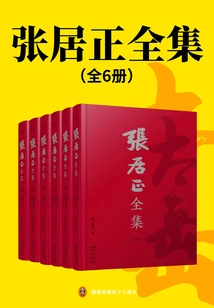
张居正全集(全6册)
Zhang Juzheng
"The Complete Works of Zhang Juzheng" contains a total of 6 kinds of Zhang Juzheng's writings, 2 kinds of doubtful works signed by Zhang Juzheng in the appendix, and an appendix of selected materials of Zhang Juzheng. This publication has carried out new punctuation and collation, and classified it according to the classics and history subsets. For the first time, almost all the existing texts of Zhang Juzheng have been organized and compiled. It is of great value to the study of Zhang Juzheng himself, the history of the Ming Dynasty and even the history of China.
"The Complete Works of Zhang Juzheng" contains a total of 6 kinds of Zhang Juzheng's writings, 2 kinds of doubtful works signed by Zhang Juzheng in the appendix, and an appendix of selected materials of Zhang Juzheng. This publication has carried out new punctuation and collation, and classified it according to the classics and history subsets. For the first time, almost all the existing texts of Zhang Juzheng have been organized and compiled. It is of great value to the study of Zhang Juzheng himself, the history of the Ming Dynasty and even the history of China.
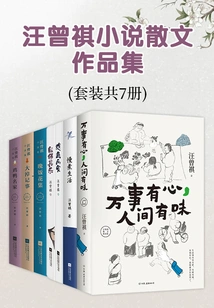
汪曾祺小说散文作品集(套装共7册)
Wang Zengqi
"Everything has a heart, the world has a taste" Mr. Wang writes, draws, and cooks, making ordinary daily life affectionate, interesting, and flavorful, and conveys his love for life to the world through every word - life is beautiful, and people are poetic. Through Wang Zengqi's unique perspective, every small and ordinary thing in life becomes beautiful and brilliant. "Be at peace with the situation" Mr. Wang, who has experienced twists and turns in the years, has created for us a beautiful world of being at peace with the situation, tranquil and leisurely with his pen. Through these words, we can explore the most true and good side of human nature, use warmth and purity to wash away the depression, melancholy and confusion of this world, and live freely. "Self-Happiness" Wang Lao writes about grass, flowers, fish, birds, and trivial matters in life. He can always find worldly happiness from simple life. As Mr. Wang said, "No matter where you go, you have to have some fun and find some solutions. Why are you always looking sad?" Life in "It's a Wonderful Life" is really hard, but he adds a layer of sugar-coating to life, looking for fun and beauty in the ordinary. Mr. Wang writes about trivial matters in life and the people around him. He is humorous, optimistic and positive. It makes people laugh when reading, as if everyone is cute and everything is interesting. "Flowers for Dinner" is a collection of famous novels based on folk customs and customs. These essays, which show the purest and most beautiful human nature in light and agile writing style, are lyric poems created collectively by a nation. They reflect the people's love for life and the joy they feel in being alive. Observe human life with a beautiful eye and say whatever is necessary. "Chicken and Duck Masters" is a collection of famous novels based on small characters. There are more living beings than there are chickens on the face of the earth. Their life and death are rich and noble, and their fortunes and misfortunes are unpredictable. In Wang Zengqi's works, they gather into the appearance of Chinese little people. He has an indescribable tender love for people and a lyrical sympathy. "Da Nao Chronicles" is a collection of famous novels based on Shui Yun's hometown. These stories with a strong market atmosphere were written down by Wang Zengqi with great interest. A trivial incident became a legend after he added some historical and cultural background. It contains the love of life and life, and is a joyful song filled with humanity and human feelings.
"Everything has a heart, the world has a taste" Mr. Wang writes, draws, and cooks, making ordinary daily life affectionate, interesting, and flavorful, and conveys his love for life to the world through every word - life is beautiful, and people are poetic. Through Wang Zengqi's unique perspective, every small and ordinary thing in life becomes beautiful and brilliant. "Be at peace with the situation" Mr. Wang, who has experienced twists and turns in the years, has created for us a beautiful world of being at peace with the situation, tranquil and leisurely with his pen. Through these words, we can explore the most true and good side of human nature, use warmth and purity to wash away the depression, melancholy and confusion of this world, and live freely. "Self-Happiness" Wang Lao writes about grass, flowers, fish, birds, and trivial matters in life. He can always find worldly happiness from simple life. As Mr. Wang said, "No matter where you go, you have to have some fun and find some solutions. Why are you always looking sad?" Life in "It's a Wonderful Life" is really hard, but he adds a layer of sugar-coating to life, looking for fun and beauty in the ordinary. Mr. Wang writes about trivial matters in life and the people around him. He is humorous, optimistic and positive. It makes people laugh when reading, as if everyone is cute and everything is interesting. "Flowers for Dinner" is a collection of famous novels based on folk customs and customs. These essays, which show the purest and most beautiful human nature in light and agile writing style, are lyric poems created collectively by a nation. They reflect the people's love for life and the joy they feel in being alive. Observe human life with a beautiful eye and say whatever is necessary. "Chicken and Duck Masters" is a collection of famous novels based on small characters. There are more living beings than there are chickens on the face of the earth. Their life and death are rich and noble, and their fortunes and misfortunes are unpredictable. In Wang Zengqi's works, they gather into the appearance of Chinese little people. He has an indescribable tender love for people and a lyrical sympathy. "Da Nao Chronicles" is a collection of famous novels based on Shui Yun's hometown. These stories with a strong market atmosphere were written down by Wang Zengqi with great interest. A trivial incident became a legend after he added some historical and cultural background. It contains the love of life and life, and is a joyful song filled with humanity and human feelings.
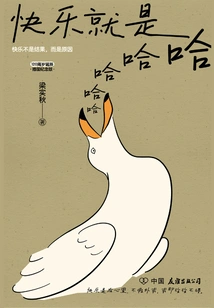
Happiness is Hahahahaha
Literature快乐就是哈哈哈哈哈
Liang Shiqiu
How to find happiness in this world? The wise enjoy the water, the benevolent enjoy the mountains. There is something interesting about rain, and there is something wonderful about sunshine. Birds are jumping and pecking, cats and dogs are well-fed and sleeping soundly. What doesn't make people feel happy when they see them? As Liang Shiqiu said: "Good times, beautiful scenery, and enjoyable things are everywhere." The happiness we seek is not simple happiness, but the joy that comes from the heart. Selected 38 Liang Shiqiu's life wisdom essays, including famous articles such as "Leisure", "Travel", "The Art of Swearing", "Life and Taking Medicine", as well as precious articles such as "Mosquitoes and Flies", "Old Man Watching Dancing", "It's Hot", "Parents' Love", etc., Which details the spiritual world and life interests of Liang Shiqiu, a generation of life writer: Knowing the cold and warmth: a vivid person, he has joy and sorrow. Be at ease: Life is to live lively. Love the world: Life is very lovely after all. Have attitude: I have many opinions about life. Happiness is in the heart, not elsewhere. It is a positive and optimistic attitude towards life. Starting from happiness, by mobilizing positive emotions and facing life in a more optimistic way, happiness and satisfaction will arise!
How to find happiness in this world? The wise enjoy the water, the benevolent enjoy the mountains. There is something interesting about rain, and there is something wonderful about sunshine. Birds are jumping and pecking, cats and dogs are well-fed and sleeping soundly. What doesn't make people feel happy when they see them? As Liang Shiqiu said: "Good times, beautiful scenery, and enjoyable things are everywhere." The happiness we seek is not simple happiness, but the joy that comes from the heart. Selected 38 Liang Shiqiu's life wisdom essays, including famous articles such as "Leisure", "Travel", "The Art of Swearing", "Life and Taking Medicine", as well as precious articles such as "Mosquitoes and Flies", "Old Man Watching Dancing", "It's Hot", "Parents' Love", etc., Which details the spiritual world and life interests of Liang Shiqiu, a generation of life writer: Knowing the cold and warmth: a vivid person, he has joy and sorrow. Be at ease: Life is to live lively. Love the world: Life is very lovely after all. Have attitude: I have many opinions about life. Happiness is in the heart, not elsewhere. It is a positive and optimistic attitude towards life. Starting from happiness, by mobilizing positive emotions and facing life in a more optimistic way, happiness and satisfaction will arise!
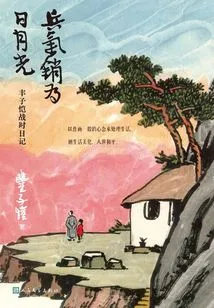
兵气销为日月光:丰子恺战时日记
Feng Zikai
After the outbreak of the Anti-Japanese War, Feng Zikai left his spiritual habitat "Yuanyuan Hall" and began to escape from the war. He wandered successively in Hunan, Sichuan, Guangxi and other places, which he called "artistic escape". This book collects Feng Zikai's diaries from 1938 to 1939 during the Anti-Japanese War. From each diary, readers can reconstruct how Feng Zikai persisted in saving the country through art in exile during the Anti-Japanese War, adhered to a true, good and beautiful attitude towards life, and insisted on using cartoons to depict national disaster and national humiliation in the form of comics under difficult conditions, inspiring the people to resist the war. The accompanying book contains dozens of cartoons created by Feng Zikai, which comprehensively presents to us the life and spirit of the Chinese people during the war.
After the outbreak of the Anti-Japanese War, Feng Zikai left his spiritual habitat "Yuanyuan Hall" and began to escape from the war. He wandered successively in Hunan, Sichuan, Guangxi and other places, which he called "artistic escape". This book collects Feng Zikai's diaries from 1938 to 1939 during the Anti-Japanese War. From each diary, readers can reconstruct how Feng Zikai persisted in saving the country through art in exile during the Anti-Japanese War, adhered to a true, good and beautiful attitude towards life, and insisted on using cartoons to depict national disaster and national humiliation in the form of comics under difficult conditions, inspiring the people to resist the war. The accompanying book contains dozens of cartoons created by Feng Zikai, which comprehensively presents to us the life and spirit of the Chinese people during the war.
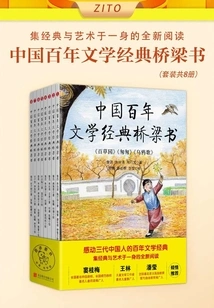
中国百年文学经典桥梁书(套装共8册)
Lu Xun Waiting, Painted By Chen Xi Waiting
"The Bridge Book of Chinese Centenary Literature Classics (8 volumes in total)" is a masterpiece that combines classic literature with original Chinese paintings. This set of books selects a total of 21 works by nine modern Chinese literary masters, including the works "From Baicao Garden to Sanwei Bookstore", "Hometown", "Social Opera" and "Kite" by the Chinese writer, thinker and revolutionary Mr. Lu Xun; Modern writer, essayist and scholar Mr. Zhu Ziqing's "Spring", "Hurry", "Moonlight over the Lotus Pond" and "Back"; modern educator Mr. Ye Shengtao's "Scarecrow", "Stone Statues of Ancient Heroes" and other famous works by many masters.
"The Bridge Book of Chinese Centenary Literature Classics (8 volumes in total)" is a masterpiece that combines classic literature with original Chinese paintings. This set of books selects a total of 21 works by nine modern Chinese literary masters, including the works "From Baicao Garden to Sanwei Bookstore", "Hometown", "Social Opera" and "Kite" by the Chinese writer, thinker and revolutionary Mr. Lu Xun; Modern writer, essayist and scholar Mr. Zhu Ziqing's "Spring", "Hurry", "Moonlight over the Lotus Pond" and "Back"; modern educator Mr. Ye Shengtao's "Scarecrow", "Stone Statues of Ancient Heroes" and other famous works by many masters.
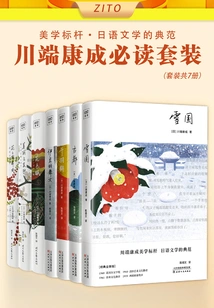
川端康成必读套装(套装共7册)
G
Among the world's master writers, Kawabata Yasunari is famous for the beauty of expression. Beauty is his creed. The beauty of nature, tradition, art and female beauty are its aesthetic sources and objects of expression. The seemingly otherworldly and beautiful brushwork penetrates into the darkness of human nature that has never been seen before. This set collects all the must-read works of Kawabata Yasunari (7 volumes), including the three masterpieces "Snow Country", "Ancient Capital" and "Thousand-Feathered Crane" that were highlighted by the Nobel Prize in Literature jury, the famous work "The Dancing Girl of Izu" and the "Twin Flowers of Beautiful First Love" "Flower Waltz", the masterpiece "Beauty and Sorrow" collected in his later years, and "Flowers Are Not Sleeping", a collection of handed down essays in which Kawabata directly explains his aesthetic concepts and methods, will allow you to enter Kawabata Yasunari's heart-wrenchingly delicate and breathtakingly beautiful literary world.
Among the world's master writers, Kawabata Yasunari is famous for the beauty of expression. Beauty is his creed. The beauty of nature, tradition, art and female beauty are its aesthetic sources and objects of expression. The seemingly otherworldly and beautiful brushwork penetrates into the darkness of human nature that has never been seen before. This set collects all the must-read works of Kawabata Yasunari (7 volumes), including the three masterpieces "Snow Country", "Ancient Capital" and "Thousand-Feathered Crane" that were highlighted by the Nobel Prize in Literature jury, the famous work "The Dancing Girl of Izu" and the "Twin Flowers of Beautiful First Love" "Flower Waltz", the masterpiece "Beauty and Sorrow" collected in his later years, and "Flowers Are Not Sleeping", a collection of handed down essays in which Kawabata directly explains his aesthetic concepts and methods, will allow you to enter Kawabata Yasunari's heart-wrenchingly delicate and breathtakingly beautiful literary world.
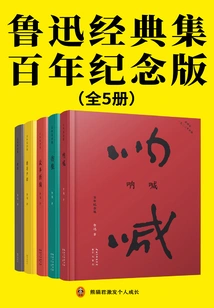
鲁迅经典集:百年纪念版(全5册)
Lu Xun
Lu Xun personally compiled and designed the cover of the handed down master copy! Reproduce the original appearance of the first edition to commemorate the 140th anniversary of Lu Xun's birth! The value-added appendix includes Lu Xun's manuscripts and old photos from the first edition, which are converted into traditional Chinese and simplified Chinese according to popular standards. If I read it when I'm lonely, I won't be lonely anymore. This reprint focuses on recreating for readers the original appearance of the first edition of "The Scream", "Wandering", "New Stories", "Morning Blossoms Gathered at Dusk" and "Weeds".
Lu Xun personally compiled and designed the cover of the handed down master copy! Reproduce the original appearance of the first edition to commemorate the 140th anniversary of Lu Xun's birth! The value-added appendix includes Lu Xun's manuscripts and old photos from the first edition, which are converted into traditional Chinese and simplified Chinese according to popular standards. If I read it when I'm lonely, I won't be lonely anymore. This reprint focuses on recreating for readers the original appearance of the first edition of "The Scream", "Wandering", "New Stories", "Morning Blossoms Gathered at Dusk" and "Weeds".
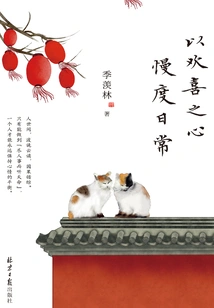
以欢喜之心 慢度日常
Ji Xianlin
This book is a collection of Ji Xianlin's classic essays. It selects his wonderful works from 1933 to 2006 and subdivides them into four themes, which respectively show Ji Xianlin's goodwill and true feelings for the world, his love for ordinary life, his self-transformation of his inner self, and his clear conscience for life in the world. We have to experience a lot in life, including birth, old age, illness and death, ups and downs, and only by keeping a happy heart can we see the years calmly and cultivate our hearts as calm as water. Ji Lao glimpses the vast world from the subtleties and captures thought-provoking details in life, so that the lonely can find comfort and the confused can find direction. There is joy in your heart and you are confident in your steps. I hope you can find the freedom in your heart in this book.
This book is a collection of Ji Xianlin's classic essays. It selects his wonderful works from 1933 to 2006 and subdivides them into four themes, which respectively show Ji Xianlin's goodwill and true feelings for the world, his love for ordinary life, his self-transformation of his inner self, and his clear conscience for life in the world. We have to experience a lot in life, including birth, old age, illness and death, ups and downs, and only by keeping a happy heart can we see the years calmly and cultivate our hearts as calm as water. Ji Lao glimpses the vast world from the subtleties and captures thought-provoking details in life, so that the lonely can find comfort and the confused can find direction. There is joy in your heart and you are confident in your steps. I hope you can find the freedom in your heart in this book.
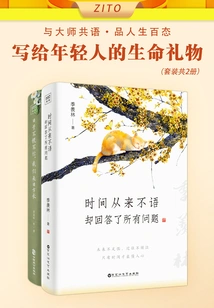
写给年轻人的生命礼物(套装共2册)
Ji Xianlin Et Al.
"If the days are calm, we will have a long time to come" is divided into seven chapters. It selects classic essays and prose by Ji Xianlin, Shen Congwen, Lao She, Zhu Ziqing, Shi Tiesheng, Zhang Xiaofeng and other famous writers to jointly recall the family, friendship, love and other emotional experiences we have experienced in our lives, so that people who are gradually lost in life can rediscover the warmth and sunshine around them. Time always passes very quickly and very slowly. Let us follow the footsteps of famous people and taste the painful and warm moments in life together, and find the strength to work hard and forge ahead. "Time Never Says But Answers All Questions" is divided into 5 parts and 40 articles, which convey Mr. Ji Xianlin's outlook on life and values from the calmness of the passage of time, reflections on the meaning of life, views on social phenomena, expression of true self, and love for true love in the world.
"If the days are calm, we will have a long time to come" is divided into seven chapters. It selects classic essays and prose by Ji Xianlin, Shen Congwen, Lao She, Zhu Ziqing, Shi Tiesheng, Zhang Xiaofeng and other famous writers to jointly recall the family, friendship, love and other emotional experiences we have experienced in our lives, so that people who are gradually lost in life can rediscover the warmth and sunshine around them. Time always passes very quickly and very slowly. Let us follow the footsteps of famous people and taste the painful and warm moments in life together, and find the strength to work hard and forge ahead. "Time Never Says But Answers All Questions" is divided into 5 parts and 40 articles, which convey Mr. Ji Xianlin's outlook on life and values from the calmness of the passage of time, reflections on the meaning of life, views on social phenomena, expression of true self, and love for true love in the world.
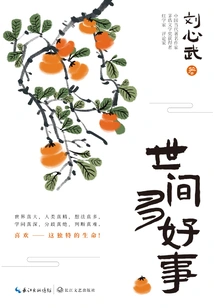
What a Good Thing in the World
Literature世间多好事
Liu Xinwu
This book is a collection of essays by the famous contemporary writer Liu Xinwu. Mr. Liu Xinwu combined his life experience, literary experience, and wisdom accumulation to put forward his own thoughts on the common issues of life and life that people are concerned about with wise and accessible writing. Every text shines with the light of knowledge and exudes warmth, helping us to step out of the shadows of life and enter a realm of clarity to discover the true joy of life and embrace the good things in the world.
This book is a collection of essays by the famous contemporary writer Liu Xinwu. Mr. Liu Xinwu combined his life experience, literary experience, and wisdom accumulation to put forward his own thoughts on the common issues of life and life that people are concerned about with wise and accessible writing. Every text shines with the light of knowledge and exudes warmth, helping us to step out of the shadows of life and enter a realm of clarity to discover the true joy of life and embrace the good things in the world.
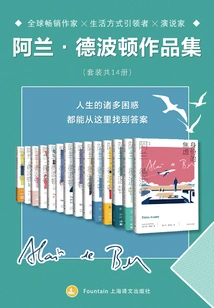
阿兰·德波顿作品全集(套装共14册)
H
Many confusions in life can be answered here. The world's best-selling author x lifestyle leader x speaker Alain de Botton has long been on the best-seller list in Europe and the United States. With an average Douban score of over 8.0, It captures the essence of philosophy, art, politics, and literature to relieve confusion in life, love, psychology, and work. This set includes "Love Notes", "Falling in Love with Romance", "Kiss and Tell", "Embracing the Lost Time", "The Comfort of Philosophy", "The Art of Travel", "Identity Anxiety", "The Charm of Boring", "The Architecture of Happiness", "Myths of Work", "Small Trips in the Airport", "Letter to Atheists", "The Turmoil of the News" and "The Evolution of Love", a total of 14 volumes.
Many confusions in life can be answered here. The world's best-selling author x lifestyle leader x speaker Alain de Botton has long been on the best-seller list in Europe and the United States. With an average Douban score of over 8.0, It captures the essence of philosophy, art, politics, and literature to relieve confusion in life, love, psychology, and work. This set includes "Love Notes", "Falling in Love with Romance", "Kiss and Tell", "Embracing the Lost Time", "The Comfort of Philosophy", "The Art of Travel", "Identity Anxiety", "The Charm of Boring", "The Architecture of Happiness", "Myths of Work", "Small Trips in the Airport", "Letter to Atheists", "The Turmoil of the News" and "The Evolution of Love", a total of 14 volumes.
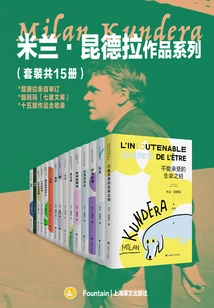
米兰·昆德拉作品系列(套装共15册)
Milan Kundera
Become a God While You're Alive, it includes all fifteen works of Kundera selected into Gallimard's "Seven Star Library", all articles were personally reviewed by the writer himself, a world-class literary icon who broke through the political blockade, and a timeless black period drama. A summary of Kundera's life-long creative career, including nine novels, a collection of short stories, four collections of essays and a play, jointly recommended by celebrities such as Mo Yan, Chen Zhongshi, Wang Xiaobo, Yu Qiuyu, Liang Wendao, Liang Yong'an, Zhou Guoping, Li Dan and others! "Collection of Milan Kundera's Works (set of 15 volumes in total)" includes nine novels ("Joke", "Living Elsewhere", "Farewell Waltz", "The Record of Laughter and Forgetting", "The Unbearable Lightness of Being", "Immortality", "Slow", "Identity" and "Ignorance"), one short story ("Funny Love"), With four collections of essays ("The Art of the Novel", "The Betrayed Testament", "Curtain" and "Encounter") and one play ("Jacques and His Master"), as the only living great writer selected into the "Seven Star Library", Milan Kundera has entered the "Panthéon" of world literary history in an absolutely classic manner.
Become a God While You're Alive, it includes all fifteen works of Kundera selected into Gallimard's "Seven Star Library", all articles were personally reviewed by the writer himself, a world-class literary icon who broke through the political blockade, and a timeless black period drama. A summary of Kundera's life-long creative career, including nine novels, a collection of short stories, four collections of essays and a play, jointly recommended by celebrities such as Mo Yan, Chen Zhongshi, Wang Xiaobo, Yu Qiuyu, Liang Wendao, Liang Yong'an, Zhou Guoping, Li Dan and others! "Collection of Milan Kundera's Works (set of 15 volumes in total)" includes nine novels ("Joke", "Living Elsewhere", "Farewell Waltz", "The Record of Laughter and Forgetting", "The Unbearable Lightness of Being", "Immortality", "Slow", "Identity" and "Ignorance"), one short story ("Funny Love"), With four collections of essays ("The Art of the Novel", "The Betrayed Testament", "Curtain" and "Encounter") and one play ("Jacques and His Master"), as the only living great writer selected into the "Seven Star Library", Milan Kundera has entered the "Panthéon" of world literary history in an absolutely classic manner.
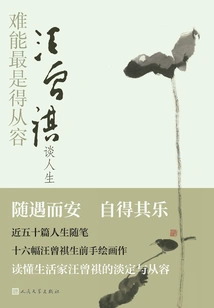
难能最是得从容:汪曾祺谈人生
Wang Zengqi
Focusing on the topic of life, this book selects 45 articles from Wang Zengqi's prose volume and art talk volume that talk about the philosophy of life, the past and the present, and reading to show readers the unique outlook on life of this literary master. It includes articles such as "Be at peace with the situation", "Quiet old", "Seventy books" and so on. This set of books has published books about life by Cai Yuanpei, "The Cultivation of Chinese People", Hu Shi, "Tolerance and Freedom", Zhu Ziqing, "The Cultivation of Life" and other books. Different from other books in this series, this book focuses on naturally revealing the author's life concepts through the author's plain words. Wang Zengqi's life may seem ordinary, but in fact he has experienced ups and downs, but he has been able to deal with it calmly and take things as he comes. "The most difficult thing is to be calm" is his attitude towards life, which is also inspiring to today's young people.
Focusing on the topic of life, this book selects 45 articles from Wang Zengqi's prose volume and art talk volume that talk about the philosophy of life, the past and the present, and reading to show readers the unique outlook on life of this literary master. It includes articles such as "Be at peace with the situation", "Quiet old", "Seventy books" and so on. This set of books has published books about life by Cai Yuanpei, "The Cultivation of Chinese People", Hu Shi, "Tolerance and Freedom", Zhu Ziqing, "The Cultivation of Life" and other books. Different from other books in this series, this book focuses on naturally revealing the author's life concepts through the author's plain words. Wang Zengqi's life may seem ordinary, but in fact he has experienced ups and downs, but he has been able to deal with it calmly and take things as he comes. "The most difficult thing is to be calm" is his attitude towards life, which is also inspiring to today's young people.
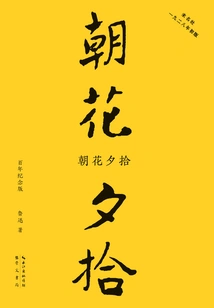
朝花夕拾(百年纪念版)
Lu Xun
In September 1928, "Morning Blossoms Plucked at Dusk" was first published by Beijing Weiming Publishing House, nearly a hundred years ago. The first edition of "Morning Blossoms Plucked at Dusk" was edited and finalized by Mr. Lu Xun, and included 10 retrospective essays he wrote in 1926. The articles in the book were initially published in the bimonthly magazine "Wangyuan" under the general title of "Revisiting Old Things". In 1927, Lu Xun re-edited the book in Guangzhou, added a "Xiaoyin" and "Postscript", and renamed it "Chaohua Xixi" (later "Chaohua Xixi"). The cover of the book was designed by Lu Xun's friend and painter Tao Yuanqing. It was loved by readers as soon as it was launched and is still an irreplaceable classic version today. In this reprint, we focus on recreating for readers the original appearance of the first edition of "Picking Up Flowers in the Morning and Evening." In terms of editing, in addition to converting the traditional vertical layout of the first edition into the simplified horizontal layout, only a few text, punctuation and intellectual errors in the first edition were corrected. A large number of Lu Xun's customary words, phrases and sentence patterns in the first edition have been retained as they are. In terms of binding, a double cover design is adopted, and the inner cover is the restored original first edition cover. Mr. Lu Xun's works remain timeless. I hope this reprint of "Picking Up Flowers in the Morning and Dusk" can accompany readers and make them fresh every time they read it.
In September 1928, "Morning Blossoms Plucked at Dusk" was first published by Beijing Weiming Publishing House, nearly a hundred years ago. The first edition of "Morning Blossoms Plucked at Dusk" was edited and finalized by Mr. Lu Xun, and included 10 retrospective essays he wrote in 1926. The articles in the book were initially published in the bimonthly magazine "Wangyuan" under the general title of "Revisiting Old Things". In 1927, Lu Xun re-edited the book in Guangzhou, added a "Xiaoyin" and "Postscript", and renamed it "Chaohua Xixi" (later "Chaohua Xixi"). The cover of the book was designed by Lu Xun's friend and painter Tao Yuanqing. It was loved by readers as soon as it was launched and is still an irreplaceable classic version today. In this reprint, we focus on recreating for readers the original appearance of the first edition of "Picking Up Flowers in the Morning and Evening." In terms of editing, in addition to converting the traditional vertical layout of the first edition into the simplified horizontal layout, only a few text, punctuation and intellectual errors in the first edition were corrected. A large number of Lu Xun's customary words, phrases and sentence patterns in the first edition have been retained as they are. In terms of binding, a double cover design is adopted, and the inner cover is the restored original first edition cover. Mr. Lu Xun's works remain timeless. I hope this reprint of "Picking Up Flowers in the Morning and Dusk" can accompany readers and make them fresh every time they read it.
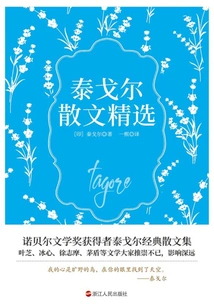
Selected Prose by Rabindranath Tagore
Literature泰戈尔散文精选
H
Rabindranath Tagore, an Indian poet, writer, and philosopher, enjoys a high reputation in the world of literature. In 1913, he became the winner of the Nobel Prize for Literature for his work "Gitanjali". Yeats once said: "Reading a line of Rabindranath Tagore's poems every day makes me forget all the pain in the world." Rabindranath Tagore used poetic language and poetic imagery to write prose, making his prose as natural and philosophical as poetry, allowing all things in the mountains and rivers to be immersed in his world of "the unity of Brahma and me". Even a trivial matter in life can be integrated into the sun, moon and stars, making you feel that time is like a mirror, and the complexity of suffering also has a sense of desolation. This book selects many of Tagore's classic prose pieces, presenting readers with a completely different style of literary master from Tagore who wrote poetry.
Rabindranath Tagore, an Indian poet, writer, and philosopher, enjoys a high reputation in the world of literature. In 1913, he became the winner of the Nobel Prize for Literature for his work "Gitanjali". Yeats once said: "Reading a line of Rabindranath Tagore's poems every day makes me forget all the pain in the world." Rabindranath Tagore used poetic language and poetic imagery to write prose, making his prose as natural and philosophical as poetry, allowing all things in the mountains and rivers to be immersed in his world of "the unity of Brahma and me". Even a trivial matter in life can be integrated into the sun, moon and stars, making you feel that time is like a mirror, and the complexity of suffering also has a sense of desolation. This book selects many of Tagore's classic prose pieces, presenting readers with a completely different style of literary master from Tagore who wrote poetry.
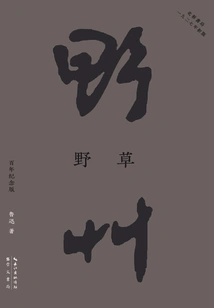
Wild Grass (centennial Edition)
Literature野草(百年纪念版)
Lu Xun
In July 1927, "Wild Grass" was first published by Beixin Book Company, nearly a hundred years ago. The first edition of "Wild Grass" was edited and finalized by Mr. Lu Xun, and included 23 prose poems he wrote between 1924 and 1926. The cover of the book was designed and drawn by the artist Sun Fuxi, the brother of Lu Xun's friend Sun Fuyuan. It was loved by readers as soon as it was launched and is still an irreplaceable classic version today. In this reprint, we focus on recreating the original appearance of the first edition of "Weeds" for readers. In terms of editing, in addition to converting the traditional vertical layout of the first edition into the simplified horizontal layout, only a few text, punctuation and intellectual errors in the first edition were corrected. A large number of Lu Xun's customary words, phrases and sentence patterns in the first edition have been retained as they are. In terms of binding, a double cover design is adopted, and the inner cover is the restored original first edition cover. Mr. Lu Xun's works remain timeless. I hope that this reprinted version of "Weeds" can accompany readers and be updated every time they read it.
In July 1927, "Wild Grass" was first published by Beixin Book Company, nearly a hundred years ago. The first edition of "Wild Grass" was edited and finalized by Mr. Lu Xun, and included 23 prose poems he wrote between 1924 and 1926. The cover of the book was designed and drawn by the artist Sun Fuxi, the brother of Lu Xun's friend Sun Fuyuan. It was loved by readers as soon as it was launched and is still an irreplaceable classic version today. In this reprint, we focus on recreating the original appearance of the first edition of "Weeds" for readers. In terms of editing, in addition to converting the traditional vertical layout of the first edition into the simplified horizontal layout, only a few text, punctuation and intellectual errors in the first edition were corrected. A large number of Lu Xun's customary words, phrases and sentence patterns in the first edition have been retained as they are. In terms of binding, a double cover design is adopted, and the inner cover is the restored original first edition cover. Mr. Lu Xun's works remain timeless. I hope that this reprinted version of "Weeds" can accompany readers and be updated every time they read it.
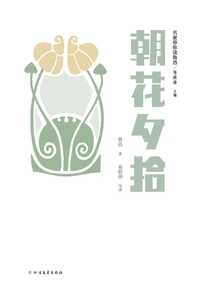
名家带你读鲁迅:朝花夕拾
Editor-in-chief Chen Shuyu
"Morning Blossoms Plucked at Dusk" was written in 1926. It is the only collection of retrospective essays written by Lu Xun. "Chao" means his early years, and "Xi" means his later years. This refers to Mr. Lu Xun's memories of people and events in his childhood, adolescence, and youth in his later years. It reflects Lu Xun's life as a teenager in many aspects and vividly shows the formation process of his character and interests. It is a precious material for understanding Lu Xun. This series has been carefully edited and commented by Chen Shuyu, a senior Lu Xun expert, and read by elite scholars. It is highly faithful to the original text and will help more readers better understand Lu Xun's classic works.
"Morning Blossoms Plucked at Dusk" was written in 1926. It is the only collection of retrospective essays written by Lu Xun. "Chao" means his early years, and "Xi" means his later years. This refers to Mr. Lu Xun's memories of people and events in his childhood, adolescence, and youth in his later years. It reflects Lu Xun's life as a teenager in many aspects and vividly shows the formation process of his character and interests. It is a precious material for understanding Lu Xun. This series has been carefully edited and commented by Chen Shuyu, a senior Lu Xun expert, and read by elite scholars. It is highly faithful to the original text and will help more readers better understand Lu Xun's classic works.
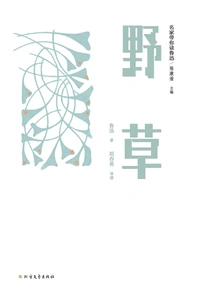
名家带你读鲁迅:野草
Editor-in-chief Chen Shuyu
"Weeds" truly describes the author's thoughts and feelings as he continued to fight after the New Culture United Front split, but felt lonely and lonely, and explored and moved forward amidst hesitation. The collection of poems has diverse content, rich imagination, unique conception, vivid language, lyricism and musicality, successful use of symbolic techniques, and strong artistic appeal. The collection of poems is in the form of monologue lyrical prose, with poetic imagination and sublimation, deepening the art and ideological conception of Chinese prose poetry.
"Weeds" truly describes the author's thoughts and feelings as he continued to fight after the New Culture United Front split, but felt lonely and lonely, and explored and moved forward amidst hesitation. The collection of poems has diverse content, rich imagination, unique conception, vivid language, lyricism and musicality, successful use of symbolic techniques, and strong artistic appeal. The collection of poems is in the form of monologue lyrical prose, with poetic imagination and sublimation, deepening the art and ideological conception of Chinese prose poetry.
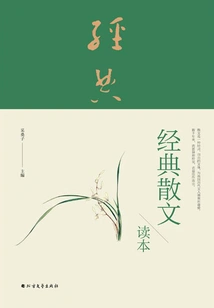
Classic Prose Readers
Literature经典散文读本
Editor-in-chief Of Picking Mulberries
The freedom of prose shows the casualness, expresses true temperament, and captures people with dexterity. Under this broad standard, some people may be successful and write great cultural prose; some may be talented and thoughtful, and use exquisite philosophical thinking to rank ten people; there is no shortage of contemporary writers who have swept all previous articles into "traditional writing" and created their own "new generation". "Classic Prose Reader" collects more than 100 works by famous Chinese writers in modern times, including Lu Xun's "From Baicao Garden to Sanwei Bookstore", Zhu Ziqing's "Moonlight over the Lotus Pond", Lao She's "My Mother", Mao Dun's "Praise to the Poplar", Xu Zhimo's "The Old Man Hurts Shuangju", Bing Xin's "Little Orange Lantern", etc. These exquisite chapters, like the brilliant stars in the sky, make the literary world extraordinarily enchanting. They will allow you to appreciate the description and narration of light and color, emotions and scenery, people and things. This book compiles a large number of famous works into a collection, aiming to allow readers to gain insights and enjoy the beauty of literature either in refined language, in dignified thoughts, or even in trivial events. Those who like to read classic literary works must not miss this classic masterpiece. One book can help you appreciate many masterpieces by famous writers, and is suitable for recreational reading and extracurricular reading.
The freedom of prose shows the casualness, expresses true temperament, and captures people with dexterity. Under this broad standard, some people may be successful and write great cultural prose; some may be talented and thoughtful, and use exquisite philosophical thinking to rank ten people; there is no shortage of contemporary writers who have swept all previous articles into "traditional writing" and created their own "new generation". "Classic Prose Reader" collects more than 100 works by famous Chinese writers in modern times, including Lu Xun's "From Baicao Garden to Sanwei Bookstore", Zhu Ziqing's "Moonlight over the Lotus Pond", Lao She's "My Mother", Mao Dun's "Praise to the Poplar", Xu Zhimo's "The Old Man Hurts Shuangju", Bing Xin's "Little Orange Lantern", etc. These exquisite chapters, like the brilliant stars in the sky, make the literary world extraordinarily enchanting. They will allow you to appreciate the description and narration of light and color, emotions and scenery, people and things. This book compiles a large number of famous works into a collection, aiming to allow readers to gain insights and enjoy the beauty of literature either in refined language, in dignified thoughts, or even in trivial events. Those who like to read classic literary works must not miss this classic masterpiece. One book can help you appreciate many masterpieces by famous writers, and is suitable for recreational reading and extracurricular reading.
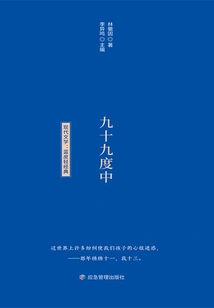
蓝皮轻经典阅读书系:九十九度中
Lin Huiyin
This book contains Lin Huiyin's famous novels "Ninety-nine Degrees of Middle", "Moying Zero" and "Embarrassment". For readers who like Lin Huiyin's works, this book is a must-read. "Ninety-nine Degrees" is the author's early masterpiece using modern techniques, with gentle and powerful writing style. The novel intercepts representative fragments of life to show the form of urban life in China in the 1930s, and at the same time reflects the author's sympathy and care for the people at the bottom. The book strives to show readers the peerless style of a generation of talented women with comprehensive content. It is a must-read book for readers who like Lin Huiyin.
This book contains Lin Huiyin's famous novels "Ninety-nine Degrees of Middle", "Moying Zero" and "Embarrassment". For readers who like Lin Huiyin's works, this book is a must-read. "Ninety-nine Degrees" is the author's early masterpiece using modern techniques, with gentle and powerful writing style. The novel intercepts representative fragments of life to show the form of urban life in China in the 1930s, and at the same time reflects the author's sympathy and care for the people at the bottom. The book strives to show readers the peerless style of a generation of talented women with comprehensive content. It is a must-read book for readers who like Lin Huiyin.
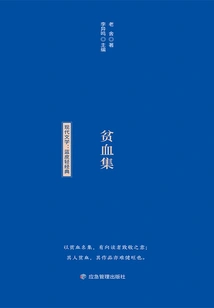
蓝皮轻经典阅读书系:贫血集
Lao She
"Anemia Collection" is a collection of short stories by Mr. Lao She. It contains a total of five articles, including "The Problem That Is Not a Problem", "Love", "The Eighth Master", "The Little Wooden Man" and "A Tube of Fortress Smoke". The writing style is friendly, realistic and vivid, and the character stories are exaggerated and funny, interesting and beneficial, and thought-provoking. This anthology was created during the Anti-Japanese War. Mr. Lao She worked personally in the literary and art circles, intending to use his pen as a spear to awaken the sleeping soul of China. The anthology depicts the hard life of the people at the bottom, and also expresses profound satire and criticism of the bureaucratic land gentry who pretend to be asleep. It also has certain practical significance today. It can be said that this work is the watershed in Lao She's transition from Anti-Japanese War novels to later creations. It not only retains the enthusiasm for propaganda in the early days of the Anti-Japanese War, but also has a calm trend of transition to the later period. It has both the charm of "empirical writing" before the Anti-Japanese War and the thinking inertia of "non-empirical writing" after the Anti-Japanese War began. It is worth reading and studying in depth.
"Anemia Collection" is a collection of short stories by Mr. Lao She. It contains a total of five articles, including "The Problem That Is Not a Problem", "Love", "The Eighth Master", "The Little Wooden Man" and "A Tube of Fortress Smoke". The writing style is friendly, realistic and vivid, and the character stories are exaggerated and funny, interesting and beneficial, and thought-provoking. This anthology was created during the Anti-Japanese War. Mr. Lao She worked personally in the literary and art circles, intending to use his pen as a spear to awaken the sleeping soul of China. The anthology depicts the hard life of the people at the bottom, and also expresses profound satire and criticism of the bureaucratic land gentry who pretend to be asleep. It also has certain practical significance today. It can be said that this work is the watershed in Lao She's transition from Anti-Japanese War novels to later creations. It not only retains the enthusiasm for propaganda in the early days of the Anti-Japanese War, but also has a calm trend of transition to the later period. It has both the charm of "empirical writing" before the Anti-Japanese War and the thinking inertia of "non-empirical writing" after the Anti-Japanese War began. It is worth reading and studying in depth.
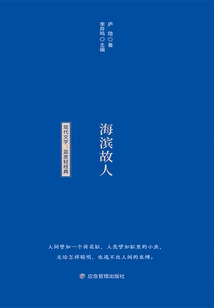
蓝皮轻经典阅读书系:海滨故人
Luyin
This book is Lu Yin's famous and representative work. The protagonist Lusha in the book is her personal portrayal. Readers who like Lu Yin's works, this book is worth reading. Lusha and her classmates and friends were young intellectual women with progressive ideas. Inspired by the spirit of the "May Fourth Movement", they had a strong desire to oppose feudal ethics and pursue women's liberation and freedom of love. The limitations of the times, the impact of old and new ideas, and the huge gap between ideals and reality have caused these awakened intellectual women to be enveloped in "the anguish of life" and "the anguish of love", struggling between reason and emotion. Although the characters in this book have different situations, experiences and fates, they share the same misfortune. This also reflects the depression and hesitation of some intellectual young women in the "May Fourth Movement" era.
This book is Lu Yin's famous and representative work. The protagonist Lusha in the book is her personal portrayal. Readers who like Lu Yin's works, this book is worth reading. Lusha and her classmates and friends were young intellectual women with progressive ideas. Inspired by the spirit of the "May Fourth Movement", they had a strong desire to oppose feudal ethics and pursue women's liberation and freedom of love. The limitations of the times, the impact of old and new ideas, and the huge gap between ideals and reality have caused these awakened intellectual women to be enveloped in "the anguish of life" and "the anguish of love", struggling between reason and emotion. Although the characters in this book have different situations, experiences and fates, they share the same misfortune. This also reflects the depression and hesitation of some intellectual young women in the "May Fourth Movement" era.
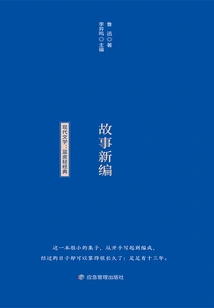
蓝皮轻经典阅读书系:故事新编
Lu Xun
"New Stories" is a collection of short stories written by Mr. Lu Xun based on ancient myths and historical legends. It includes short stories written by Lu Xun between 1922 and 1935. This book mainly takes mythology as its theme, with interesting stories and rich imagination. This book is Mr. Lu Xun's last innovative work. There are five articles in the book written in the last period of his life. The whole work reflects a calm, generous, humorous and free style. Although the article still retains the inherent sadness of Mr. Lu Xun's works, readers can clearly detect more or less humor, which can be said to be "the coexistence of solemnity and absurdity."
"New Stories" is a collection of short stories written by Mr. Lu Xun based on ancient myths and historical legends. It includes short stories written by Lu Xun between 1922 and 1935. This book mainly takes mythology as its theme, with interesting stories and rich imagination. This book is Mr. Lu Xun's last innovative work. There are five articles in the book written in the last period of his life. The whole work reflects a calm, generous, humorous and free style. Although the article still retains the inherent sadness of Mr. Lu Xun's works, readers can clearly detect more or less humor, which can be said to be "the coexistence of solemnity and absurdity."
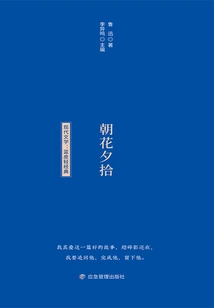
蓝皮轻经典阅读书系:朝花夕拾
Lu Xun
"Morning Blossoms Picked Up at Dusk", formerly known as "Revisiting Old Things", is a collection of Mr. Lu Xun's essays. It contains 10 of Mr. Lu Xun's retrospective essays. The collection is mainly about chronicling events and is full of strong lyricism, with discussion mixed in with the lyricism. Some of these articles reflect Mr. Lu Xun's life as a teenager, as well as the formation of his character and interests, while others expose the ugly or grotesque phenomena of semi-feudal and semi-colonial society. The descriptions in the book are full of ambition and interest, but also have criticisms of current problems, allowing people to understand the story and trigger thinking about the times.
"Morning Blossoms Picked Up at Dusk", formerly known as "Revisiting Old Things", is a collection of Mr. Lu Xun's essays. It contains 10 of Mr. Lu Xun's retrospective essays. The collection is mainly about chronicling events and is full of strong lyricism, with discussion mixed in with the lyricism. Some of these articles reflect Mr. Lu Xun's life as a teenager, as well as the formation of his character and interests, while others expose the ugly or grotesque phenomena of semi-feudal and semi-colonial society. The descriptions in the book are full of ambition and interest, but also have criticisms of current problems, allowing people to understand the story and trigger thinking about the times.
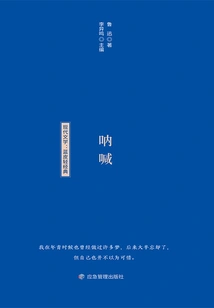
蓝皮轻经典阅读书系:呐喊
Lu Xun
"The Scream" collects short stories written by Mr. Lu Xun from 1918 to 1922. It is the beginning and maturity of modern Chinese novels, and pioneered modern realist literature. For readers who like Lu Xun's works, this book is a must-read. The book vividly creates a number of immortal artistic images such as Madman, Kong Yiji, and Ah Q. It profoundly reflects the current situation of life from the end of the 19th century to the 1920s, effectively exposes and lashes out the old feudal evil forces, expresses the author's desire for change, shouts for the times, and hopes to awaken the minds of the people. It also establishes Mr. Lu Xun's current position in the history of modern Chinese literature and modern culture. The collected works reflect the appearance of China's ancient rural villages and towns from before and after the Revolution of 1911 to the "May 4th" period, depict the social reality of China from before and after the 1911 Revolution to the "May 4th" period, summarize the historical experience and lessons of the 1911 Revolution, profoundly expose the cannibalistic nature and hypocrisy of the feudal patriarchal system and feudal ethics, painfully dissect the silent soul of China's citizens, and criticize the bad nature of the people.
"The Scream" collects short stories written by Mr. Lu Xun from 1918 to 1922. It is the beginning and maturity of modern Chinese novels, and pioneered modern realist literature. For readers who like Lu Xun's works, this book is a must-read. The book vividly creates a number of immortal artistic images such as Madman, Kong Yiji, and Ah Q. It profoundly reflects the current situation of life from the end of the 19th century to the 1920s, effectively exposes and lashes out the old feudal evil forces, expresses the author's desire for change, shouts for the times, and hopes to awaken the minds of the people. It also establishes Mr. Lu Xun's current position in the history of modern Chinese literature and modern culture. The collected works reflect the appearance of China's ancient rural villages and towns from before and after the Revolution of 1911 to the "May 4th" period, depict the social reality of China from before and after the 1911 Revolution to the "May 4th" period, summarize the historical experience and lessons of the 1911 Revolution, profoundly expose the cannibalistic nature and hypocrisy of the feudal patriarchal system and feudal ethics, painfully dissect the silent soul of China's citizens, and criticize the bad nature of the people.
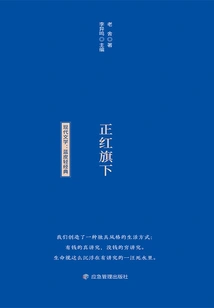
蓝皮轻经典阅读书系:正红旗下
Lao She
"Under the Red Flag" is an autobiographical novel by Lao She, written from 1961 to 1962. For readers who like Lao She's works, this book is a must-read. Unfortunately, due to the Cultural Revolution at that time, this work was forced to stop before it was completed. This book contains the completed parts, totaling eleven chapters. In this work, Lao She used autobiography as a clue and Beijing society in the late Qing Dynasty as the background to express social practice and historical changes. Different from his past writings, in this work he has made an outstanding representation of the history of his nation - the living habits of the bannermen in the late Qing Dynasty. This work also gives this work a more unique vision and a more familiar introspective attitude to examine history and national customs. At the end of the Qing Dynasty, social unrest and folk customs were corrupted, and the lives of the banner people became increasingly difficult. During the Gengzi period, with the arrival of the Boxer Rebellion, the seemingly peaceful lives of the obedient people in old Beijing suddenly went into trouble. A series of events that occurred thereafter left the people puzzled and disgraced. The officers and soldiers and regiment members besieged Dongjiaominxiang. The flag soldiers fulfilled their duties. The old abbot of Baoguo Temple also walked into the raging fire with full of resentment... Facing the broken rivers and mountains and the remaining homes, the old Beijing that had withstood the plunder could only remember this history forever in its heart.
"Under the Red Flag" is an autobiographical novel by Lao She, written from 1961 to 1962. For readers who like Lao She's works, this book is a must-read. Unfortunately, due to the Cultural Revolution at that time, this work was forced to stop before it was completed. This book contains the completed parts, totaling eleven chapters. In this work, Lao She used autobiography as a clue and Beijing society in the late Qing Dynasty as the background to express social practice and historical changes. Different from his past writings, in this work he has made an outstanding representation of the history of his nation - the living habits of the bannermen in the late Qing Dynasty. This work also gives this work a more unique vision and a more familiar introspective attitude to examine history and national customs. At the end of the Qing Dynasty, social unrest and folk customs were corrupted, and the lives of the banner people became increasingly difficult. During the Gengzi period, with the arrival of the Boxer Rebellion, the seemingly peaceful lives of the obedient people in old Beijing suddenly went into trouble. A series of events that occurred thereafter left the people puzzled and disgraced. The officers and soldiers and regiment members besieged Dongjiaominxiang. The flag soldiers fulfilled their duties. The old abbot of Baoguo Temple also walked into the raging fire with full of resentment... Facing the broken rivers and mountains and the remaining homes, the old Beijing that had withstood the plunder could only remember this history forever in its heart.
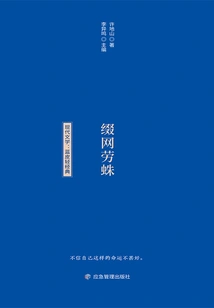
蓝皮轻经典阅读书系:缀网劳蛛
Xu Dishan
"Weaving Spiders" collects 12 short stories published by Xu Dishan. For readers who like Xu Dishan's works, this book is worth reading. "Spider in the Web" tells the story of Shang Jie, a child bride, who escapes from her husband's family and marries her eldest grandson Ke Wang. They are later abandoned and go to the Malay Peninsula to make a living alone. Later, the eldest grandson realized his mistake and took Shang Jie back, while he went to Penang Island to atone for his sins. The whole work has a strong exotic atmosphere. The innocent Shang Jie has experienced various hardships such as being violently attacked by her eldest grandson Ke Wang, cruelly abandoning her, seizing property, depriving her of her daughter, etc., But she has never complained. She chooses silence, chooses calmness, chooses calmness, chooses to save all sentient beings. She is actually a strong person in life. What is revealed from the protagonist Shang Jie is Confucianism's active participation in the world and moral cultivation, and the way of being in the world without being frightened by favors or disgrace.
"Weaving Spiders" collects 12 short stories published by Xu Dishan. For readers who like Xu Dishan's works, this book is worth reading. "Spider in the Web" tells the story of Shang Jie, a child bride, who escapes from her husband's family and marries her eldest grandson Ke Wang. They are later abandoned and go to the Malay Peninsula to make a living alone. Later, the eldest grandson realized his mistake and took Shang Jie back, while he went to Penang Island to atone for his sins. The whole work has a strong exotic atmosphere. The innocent Shang Jie has experienced various hardships such as being violently attacked by her eldest grandson Ke Wang, cruelly abandoning her, seizing property, depriving her of her daughter, etc., But she has never complained. She chooses silence, chooses calmness, chooses calmness, chooses to save all sentient beings. She is actually a strong person in life. What is revealed from the protagonist Shang Jie is Confucianism's active participation in the world and moral cultivation, and the way of being in the world without being frightened by favors or disgrace.
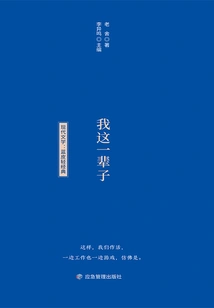
蓝皮轻经典阅读书系:我这一辈子
Lao She
The anthology includes twelve works by Mr. Lao She, including "My Life", "The Man Who Never Lies", "Friends and Enemies", and "The Democratic World". The language and text in the book are light and humorous, easy for readers to understand and yet profound, making people smile and feel sad at the same time. "No humor, no Lao She." This anthology demonstrates Mr. Lao She's care for the people at the bottom of the old era from many aspects, reveals the heaviness and coldness of the social reality at that time, and leads countless readers to think about the fate of the times. "My Life" describes the rough life of an ordinary patrolman in the old era. It reflects the great tragedy of the era with an ordinary little character. The work is vividly written, rich in "Beijing flavor" and reflection on traditional culture. It has a very distinct artistic personality and comprehensively demonstrates Lao She's artistic achievements in the field of novel creation. "My Life" is a famous novella written by Mr. Lao She in 1937 on the eve of the Anti-Japanese War. It is the final work of Lao She's first golden period of creation. It has a progressive atmosphere that stands out from the times.
The anthology includes twelve works by Mr. Lao She, including "My Life", "The Man Who Never Lies", "Friends and Enemies", and "The Democratic World". The language and text in the book are light and humorous, easy for readers to understand and yet profound, making people smile and feel sad at the same time. "No humor, no Lao She." This anthology demonstrates Mr. Lao She's care for the people at the bottom of the old era from many aspects, reveals the heaviness and coldness of the social reality at that time, and leads countless readers to think about the fate of the times. "My Life" describes the rough life of an ordinary patrolman in the old era. It reflects the great tragedy of the era with an ordinary little character. The work is vividly written, rich in "Beijing flavor" and reflection on traditional culture. It has a very distinct artistic personality and comprehensively demonstrates Lao She's artistic achievements in the field of novel creation. "My Life" is a famous novella written by Mr. Lao She in 1937 on the eve of the Anti-Japanese War. It is the final work of Lao She's first golden period of creation. It has a progressive atmosphere that stands out from the times.
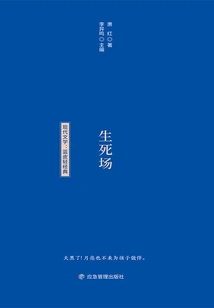
蓝皮轻经典阅读书系:生死场
Xiao Hong
"The Field of Life and Death" is a classic masterpiece handed down by Xiao Hong, written in September 1934. It was originally called "Wheat Field" and later renamed "Field of Life and Death". For readers who like Xiao Hong's works, this book is worth reading. "The Field of Life and Death" is set in the northeastern countryside before and after the Japanese occupation. It truly reflects the tragic experience of farmers in the old society and ruthlessly exposes the darkness of society under the rule of the Japanese and puppets with bloody reality. At the same time, it also expresses the awakening and resistance of the Northeast farmers, and praises their national integrity in vowing not to be slaves to the country's subjugation and resolutely fighting the invaders to the end. The publication of "The Field of Life and Death" conformed to the requirements of the times, called for the awakening of national consciousness, and played a great inspiring role in strengthening the people's fighting spirit against Japanese aggression. Xiao Hong boldly reflects the people's demands and wishes in her works, expresses her love for the motherland and the people, and shows her strong patriotism.
"The Field of Life and Death" is a classic masterpiece handed down by Xiao Hong, written in September 1934. It was originally called "Wheat Field" and later renamed "Field of Life and Death". For readers who like Xiao Hong's works, this book is worth reading. "The Field of Life and Death" is set in the northeastern countryside before and after the Japanese occupation. It truly reflects the tragic experience of farmers in the old society and ruthlessly exposes the darkness of society under the rule of the Japanese and puppets with bloody reality. At the same time, it also expresses the awakening and resistance of the Northeast farmers, and praises their national integrity in vowing not to be slaves to the country's subjugation and resolutely fighting the invaders to the end. The publication of "The Field of Life and Death" conformed to the requirements of the times, called for the awakening of national consciousness, and played a great inspiring role in strengthening the people's fighting spirit against Japanese aggression. Xiao Hong boldly reflects the people's demands and wishes in her works, expresses her love for the motherland and the people, and shows her strong patriotism.
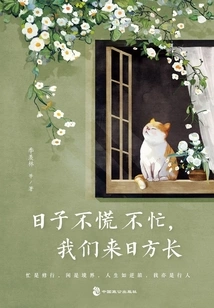
日子不慌不忙,我们来日方长
Ji Xianlin Et Al.
The years pass silently, and you are not in a hurry. In the ordinary fireworks, I hope that with a pure heart, I will be happy that the days will be longer; I hope that morning and dusk will depend on each other, and the four seasons will be joyful; I hope you will go all out to live a life of calmness and gentleness. Holding the breeze in hand, waiting for the bright moon, and living a life with fireworks on eyebrows. This book is divided into seven chapters. It selects classic essays and prose by Ji Xianlin, Shen Congwen, Lao She, Zhu Ziqing, Shi Tiesheng, Zhang Xiaofeng and other famous writers to recall the family, friendship, love and other emotional experiences we have experienced in life, so that people who are gradually lost in life can rediscover the warmth and sunshine around them. Time always passes very quickly and very slowly. Let us follow the footsteps of famous people and taste the painful and warm moments in life together, and find the strength to work hard and forge ahead.
The years pass silently, and you are not in a hurry. In the ordinary fireworks, I hope that with a pure heart, I will be happy that the days will be longer; I hope that morning and dusk will depend on each other, and the four seasons will be joyful; I hope you will go all out to live a life of calmness and gentleness. Holding the breeze in hand, waiting for the bright moon, and living a life with fireworks on eyebrows. This book is divided into seven chapters. It selects classic essays and prose by Ji Xianlin, Shen Congwen, Lao She, Zhu Ziqing, Shi Tiesheng, Zhang Xiaofeng and other famous writers to recall the family, friendship, love and other emotional experiences we have experienced in life, so that people who are gradually lost in life can rediscover the warmth and sunshine around them. Time always passes very quickly and very slowly. Let us follow the footsteps of famous people and taste the painful and warm moments in life together, and find the strength to work hard and forge ahead.
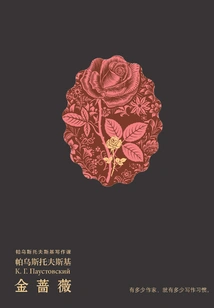
Golden Rose
Literature金蔷薇
U
The famous Soviet writer Konstantin Georgievich Paustovsky enjoys the title of "Master of Lyrical Prose". His most famous work is "The Golden Rose". In this collection, Paustovsky summarizes his own creative experience and the creations of many world-renowned literary giants in a very moving way, and explores the process, methods, and purposes of literary creation. In his unique language, Paustovsky recounted the beautiful human emotions, the picturesque scenery of nature, and the lofty mission of literature. "The Golden Rose" has attracted generations of readers with its interesting content and unparalleled language.
The famous Soviet writer Konstantin Georgievich Paustovsky enjoys the title of "Master of Lyrical Prose". His most famous work is "The Golden Rose". In this collection, Paustovsky summarizes his own creative experience and the creations of many world-renowned literary giants in a very moving way, and explores the process, methods, and purposes of literary creation. In his unique language, Paustovsky recounted the beautiful human emotions, the picturesque scenery of nature, and the lofty mission of literature. "The Golden Rose" has attracted generations of readers with its interesting content and unparalleled language.
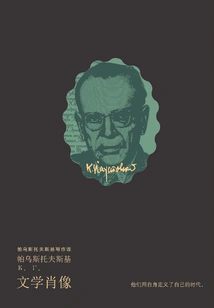
Literary Portrait
Literature文学肖像
S
"Literary Portrait" by the famous Soviet writer Konstantin Georgievich Paustovsky is a writer's notebook and a companion volume to the writer's very famous essay collection "The Golden Rose" (also translated as "The Golden Rose"). As the name suggests, Paustovsky painted a portrait of the great and excellent writers in his mind in this book. This book records the writer's memories, but the anecdotes of his life are not limited to a purely private space, but another kind of writing of literary history, revealing the writer's thinking on romanticism and its relationship with reality. The book contains 25 articles in total, involving European writers such as Oscar Wilde, Dickens, Schiller, Andersen, and Green, as well as compatriots such as Edgar Allan Poe, Gaidar, Ilya Ellenborg, Kuprin, Bulgakov, Babel, and Tsvetaeva.
"Literary Portrait" by the famous Soviet writer Konstantin Georgievich Paustovsky is a writer's notebook and a companion volume to the writer's very famous essay collection "The Golden Rose" (also translated as "The Golden Rose"). As the name suggests, Paustovsky painted a portrait of the great and excellent writers in his mind in this book. This book records the writer's memories, but the anecdotes of his life are not limited to a purely private space, but another kind of writing of literary history, revealing the writer's thinking on romanticism and its relationship with reality. The book contains 25 articles in total, involving European writers such as Oscar Wilde, Dickens, Schiller, Andersen, and Green, as well as compatriots such as Edgar Allan Poe, Gaidar, Ilya Ellenborg, Kuprin, Bulgakov, Babel, and Tsvetaeva.
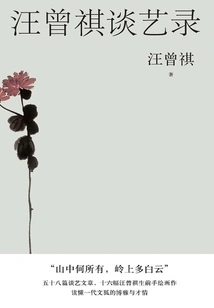
Wang Zengqi Talks About Art Records
Literature汪曾祺谈艺录
Wang Zengqi
Wang Zengqi has made great achievements in literature. In addition to novels and essays, he also has a large number of writings about art. This book is a compilation of selected texts written by Wang Zengqi on literature and art. Based on "The Complete Works of Wang Zengqi on Art Volume", it selects the essence of nearly 60 essays on art, comprehensively presenting Wang Zengqi's versatility as a writer. The book is divided into four parts. It not only talks about creation, writers' works, Peking opera, and even calligraphy, painting and folk arts, providing readers with a poetic and three-dimensional Wang Zengqi. The author once published the book "Wan Cui Wen Tan" during his lifetime. The "Wang Zengqi Talks about Art" published this time will comprehensively surpass the previous version and cover all the essence of Wang Zengqi's essays on art, allowing readers to understand how Wang Zengqi, a literary giant of a generation, became a writer. It also provides readers with a popular book on writing and appreciation.
Wang Zengqi has made great achievements in literature. In addition to novels and essays, he also has a large number of writings about art. This book is a compilation of selected texts written by Wang Zengqi on literature and art. Based on "The Complete Works of Wang Zengqi on Art Volume", it selects the essence of nearly 60 essays on art, comprehensively presenting Wang Zengqi's versatility as a writer. The book is divided into four parts. It not only talks about creation, writers' works, Peking opera, and even calligraphy, painting and folk arts, providing readers with a poetic and three-dimensional Wang Zengqi. The author once published the book "Wan Cui Wen Tan" during his lifetime. The "Wang Zengqi Talks about Art" published this time will comprehensively surpass the previous version and cover all the essence of Wang Zengqi's essays on art, allowing readers to understand how Wang Zengqi, a literary giant of a generation, became a writer. It also provides readers with a popular book on writing and appreciation.
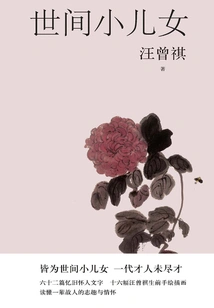
Little Children of the World
Literature世间小儿女
Wang Zengqi
This book selects the parts of Wang Zengqi's works about people, from Cai Dehui and Shen Congwen during the Southwest Associated University period, to Qiu Shengrong, Lao She, Zhao Shuli later, and even ordinary people in prose, which embodies Wang Zengqi's consistent humanitarian feelings and the realism characteristics of "giving little warmth to the world". The characters in the novel are vivid and simple, with a special interest and charm. The book is divided into three series: "The Unexpired Talents of a Generation", "Little Children of the World", and "Family Sitting Leisurely under the Lights". They respectively select the sages, peers or juniors, and family members written by Wang Zengqi, and write about their ordinary things and ordinary feelings from the perspective of ordinary people. The light style of writing contains the author's deep emotions, making it intoxicating to read.
This book selects the parts of Wang Zengqi's works about people, from Cai Dehui and Shen Congwen during the Southwest Associated University period, to Qiu Shengrong, Lao She, Zhao Shuli later, and even ordinary people in prose, which embodies Wang Zengqi's consistent humanitarian feelings and the realism characteristics of "giving little warmth to the world". The characters in the novel are vivid and simple, with a special interest and charm. The book is divided into three series: "The Unexpired Talents of a Generation", "Little Children of the World", and "Family Sitting Leisurely under the Lights". They respectively select the sages, peers or juniors, and family members written by Wang Zengqi, and write about their ordinary things and ordinary feelings from the perspective of ordinary people. The light style of writing contains the author's deep emotions, making it intoxicating to read.
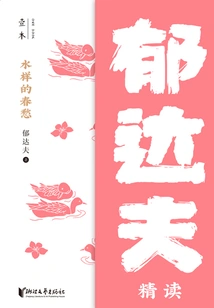
水样的春愁:郁达夫精读
Yu Dafu
"Watery Spring Sorrow: Yu Dafu's Intensive Reading" is a collection of Yu Dafu's representative works of prose and novels, including his famous works "Autumn in the Old Capital", "Four Seasons in Peking", "Sinking", "Late Osmanthus", "Night of Intoxicated Spring Breeze", etc. It presents the literary world of a sentimental and talented writer, delicately expresses the author's wandering mentality and loneliness, and also explores popular cultural or social issues at that time. Yu Dafu is not only a writer, but also a scholar, a social activist, and a patriot. The works selected in this book also show his humorous, knowledgeable, and hateful side.
"Watery Spring Sorrow: Yu Dafu's Intensive Reading" is a collection of Yu Dafu's representative works of prose and novels, including his famous works "Autumn in the Old Capital", "Four Seasons in Peking", "Sinking", "Late Osmanthus", "Night of Intoxicated Spring Breeze", etc. It presents the literary world of a sentimental and talented writer, delicately expresses the author's wandering mentality and loneliness, and also explores popular cultural or social issues at that time. Yu Dafu is not only a writer, but also a scholar, a social activist, and a patriot. The works selected in this book also show his humorous, knowledgeable, and hateful side.
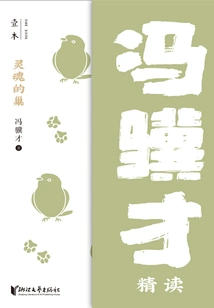
灵魂的巢:冯骥才精读
Feng Jicai
"The Nest of the Soul: An Intensive Reading of Feng Jicai" is a collection of representative works by the famous contemporary writer Feng Jicai, including nearly 40 classic essays and novels by Feng Jicai. Feng Jicai's prose is delicate, natural and smooth, full of interest and philosophical. This book contains 31 excellent prose works, such as "Painted Face", "Pearl Bird", "Mountain Picker", "Kuai Liu", "Huangshan Cliff Pine" and "Poking the Hornet's Nest". Feng Ji is a famous novelist. This book contains 8 of his novels. It includes 6 classics including "Brush Li", "Clay Figurine Zhang", "Su Qikuan", "Zhang Dali", "Recognition of Teeth" and "Golden Finger" in "Strange People of the World". In addition, it also includes his representative short story "Tall Woman and Her Short Husband" and the work "Old Couple and Old Wife" which was read aloud in CCTV's "Reader" column.
"The Nest of the Soul: An Intensive Reading of Feng Jicai" is a collection of representative works by the famous contemporary writer Feng Jicai, including nearly 40 classic essays and novels by Feng Jicai. Feng Jicai's prose is delicate, natural and smooth, full of interest and philosophical. This book contains 31 excellent prose works, such as "Painted Face", "Pearl Bird", "Mountain Picker", "Kuai Liu", "Huangshan Cliff Pine" and "Poking the Hornet's Nest". Feng Ji is a famous novelist. This book contains 8 of his novels. It includes 6 classics including "Brush Li", "Clay Figurine Zhang", "Su Qikuan", "Zhang Dali", "Recognition of Teeth" and "Golden Finger" in "Strange People of the World". In addition, it also includes his representative short story "Tall Woman and Her Short Husband" and the work "Old Couple and Old Wife" which was read aloud in CCTV's "Reader" column.
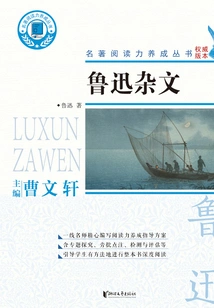
Lu Xun's Essays
Literature鲁迅杂文
Lu Xun
This book is a collection of Lu Xun's representative essays. It not only includes "Have Chinese People Lost Their Self-Confidence", "Usageism", "In Memory of Mr. Liu Hezhen" and other articles that have been selected as Chinese textbooks, but also includes dozens of classic works that young students should know and read, such as "Rediscussing the Fall of Leifeng Pagoda" and "On Fairplay Should be Suspended". Lu Xun wrote a large number of essays throughout his life. Starting from "civilization criticism and social criticism", he set up a rare monument in the history of modern Chinese thought and literature. Lu Xun's essays are good at analysis, and with their highly rigorous arguments, they can always explain the truth to the point and in depth in a limited space, so they are highly persuasive. At the same time, Lu Xun's essays are particularly good at using satire, refining and exaggerating things that are blatant, common, unsurprising, but unreasonable in society, and giving them bitter satire, making his essays very emotional and powerful, and can often kill powerful enemies. Lu Xun also often used allusions or stories of his own creation to discuss abstract principles with concrete and vivid examples.
This book is a collection of Lu Xun's representative essays. It not only includes "Have Chinese People Lost Their Self-Confidence", "Usageism", "In Memory of Mr. Liu Hezhen" and other articles that have been selected as Chinese textbooks, but also includes dozens of classic works that young students should know and read, such as "Rediscussing the Fall of Leifeng Pagoda" and "On Fairplay Should be Suspended". Lu Xun wrote a large number of essays throughout his life. Starting from "civilization criticism and social criticism", he set up a rare monument in the history of modern Chinese thought and literature. Lu Xun's essays are good at analysis, and with their highly rigorous arguments, they can always explain the truth to the point and in depth in a limited space, so they are highly persuasive. At the same time, Lu Xun's essays are particularly good at using satire, refining and exaggerating things that are blatant, common, unsurprising, but unreasonable in society, and giving them bitter satire, making his essays very emotional and powerful, and can often kill powerful enemies. Lu Xun also often used allusions or stories of his own creation to discuss abstract principles with concrete and vivid examples.
藕与莼菜:叶圣陶精读
Ye Shengtao
"Lotus Root and Water Shield: An Intensive Reading by Ye Shengtao" selects prose works written by Ye Shengtao, a master of Chinese language. It includes articles such as "A Place Without Autumn Insects", "Remembering Two Caves in Jinhua", and "Being a Father" among the freehand brushwork of the south of the Yangtze River, the description of the world, and the past stories of old friends. Ye Shengtao is a senior literary critic and connoisseur. As early as the May Fourth period, he wrote many insightful new literary criticisms. In the 1930s, he and his close friends Zhu Ziqing and Yu Pingbo jointly created Interpretation Poetics. Zhu and Yu respectively focused on the ontological analysis of new vernacular poetry and classical poetry. Ye, on the other hand, pioneered the trend based on aesthetic principles and took the lead in proposing diversified judgments and value judgments on the outstanding works that emerged in the New Literature Movement. He made an in-depth micro-perspective analysis of modern novels, prose, and poetry, and made a unique contribution to the aesthetic appreciation of modern Chinese literature, poetry, and novels. In addition, as a realist master in the history of new literature, Ye Shengtao advocated that literature reflect life and describe the "blood and tears" life of ordinary people. He is particularly good at expressing the lives of women, children and ordinary citizens. His works show an ideal realm of life: love, beauty, and light.
"Lotus Root and Water Shield: An Intensive Reading by Ye Shengtao" selects prose works written by Ye Shengtao, a master of Chinese language. It includes articles such as "A Place Without Autumn Insects", "Remembering Two Caves in Jinhua", and "Being a Father" among the freehand brushwork of the south of the Yangtze River, the description of the world, and the past stories of old friends. Ye Shengtao is a senior literary critic and connoisseur. As early as the May Fourth period, he wrote many insightful new literary criticisms. In the 1930s, he and his close friends Zhu Ziqing and Yu Pingbo jointly created Interpretation Poetics. Zhu and Yu respectively focused on the ontological analysis of new vernacular poetry and classical poetry. Ye, on the other hand, pioneered the trend based on aesthetic principles and took the lead in proposing diversified judgments and value judgments on the outstanding works that emerged in the New Literature Movement. He made an in-depth micro-perspective analysis of modern novels, prose, and poetry, and made a unique contribution to the aesthetic appreciation of modern Chinese literature, poetry, and novels. In addition, as a realist master in the history of new literature, Ye Shengtao advocated that literature reflect life and describe the "blood and tears" life of ordinary people. He is particularly good at expressing the lives of women, children and ordinary citizens. His works show an ideal realm of life: love, beauty, and light.
林家铺子:茅盾精读
Mao Dun
"Lin's Shop: Mao Dun's Intensive Reading" is a selection of Mao Dun's short stories and representative works of prose. Mao Dun inherited the realist spirit of the "Life School" of the Literary Research Association during the "May 4th" period, developed it, and established a revolutionary realist literary model that was brand new at the time. He was the founder of the "Social Analysis School of Novels." His novels are good at focusing on the big picture, writing on the small, and using small characters to observe the big era; many of his essays have been selected as Chinese textbooks compiled by the Ministry of Education, such as "Skylight", "Spring Festival in Beijing", "Praise to Poplar", etc. This book includes his famous novel "Lin's Shop" and "Spring Silkworms" and "Autumn Harvest" of the "Rural Trilogy", as well as his famous prose works "Praise to Poplar" and "Skylight" and other classic works.
"Lin's Shop: Mao Dun's Intensive Reading" is a selection of Mao Dun's short stories and representative works of prose. Mao Dun inherited the realist spirit of the "Life School" of the Literary Research Association during the "May 4th" period, developed it, and established a revolutionary realist literary model that was brand new at the time. He was the founder of the "Social Analysis School of Novels." His novels are good at focusing on the big picture, writing on the small, and using small characters to observe the big era; many of his essays have been selected as Chinese textbooks compiled by the Ministry of Education, such as "Skylight", "Spring Festival in Beijing", "Praise to Poplar", etc. This book includes his famous novel "Lin's Shop" and "Spring Silkworms" and "Autumn Harvest" of the "Rural Trilogy", as well as his famous prose works "Praise to Poplar" and "Skylight" and other classic works.
红烛:闻一多精读
Wen Yiduo
"Red Candle: An Intensive Reading of Wen Yiduo" is divided into three volumes: "Poetry", "Miscellaneous Essays" and "Speeches". It selects and compiles Wen Yiduo's representative works of modern poetry, his highly readable works on ancient Chinese literature and culture, and his famous speeches. Many of his works have been selected as Chinese textbooks for primary and secondary schools or recommended after-school readings, such as "Dead Water", "Red Candle", "Song of the Sun", "Quiet Night", "The Last Lecture", etc. Wen Yiduo once taught a special course on Tang poetry when he was teaching at Southwest Associated University. His research and teaching of Tang poetry were highly praised by Wang Zengqi and other students. This book includes his representative essays on Tang poetry, "Meng Haoran" and "Du Fu", etc., Leading readers to experience the master's unique understanding of Tang poetry, appreciate the beauty of ancient literature, and help accumulate knowledge of Chinese studies.
"Red Candle: An Intensive Reading of Wen Yiduo" is divided into three volumes: "Poetry", "Miscellaneous Essays" and "Speeches". It selects and compiles Wen Yiduo's representative works of modern poetry, his highly readable works on ancient Chinese literature and culture, and his famous speeches. Many of his works have been selected as Chinese textbooks for primary and secondary schools or recommended after-school readings, such as "Dead Water", "Red Candle", "Song of the Sun", "Quiet Night", "The Last Lecture", etc. Wen Yiduo once taught a special course on Tang poetry when he was teaching at Southwest Associated University. His research and teaching of Tang poetry were highly praised by Wang Zengqi and other students. This book includes his representative essays on Tang poetry, "Meng Haoran" and "Du Fu", etc., Leading readers to experience the master's unique understanding of Tang poetry, appreciate the beauty of ancient literature, and help accumulate knowledge of Chinese studies.
再别康桥:徐志摩精读
Xu Zhimo
"Farewell to Cambridge: An Intensive Reading by Xu Zhimo" is one of the "One Book" series, consisting of Xu Zhimo's representative works of poetry and prose. The emotional world in Xu Zhimo's writing, that is, his poetry, is timeless and occupies an important place in the history of modern literature. In his short life, he left behind four collections of poems: "Zhimo's Poems", "A Night in the Green Green", "Collection of Tigers" and "Yunyou". Among them, there are many masterpieces handed down from generation to generation. This book contains many wonderful works from his collection of poems, such as "Farewell to Cambridge", "Accidental", etc. In addition to the selected poems of Xu Zhimo, there are also his representative works of prose, such as "The Claws of Paris" and "Planting Flowers on the Beach".
"Farewell to Cambridge: An Intensive Reading by Xu Zhimo" is one of the "One Book" series, consisting of Xu Zhimo's representative works of poetry and prose. The emotional world in Xu Zhimo's writing, that is, his poetry, is timeless and occupies an important place in the history of modern literature. In his short life, he left behind four collections of poems: "Zhimo's Poems", "A Night in the Green Green", "Collection of Tigers" and "Yunyou". Among them, there are many masterpieces handed down from generation to generation. This book contains many wonderful works from his collection of poems, such as "Farewell to Cambridge", "Accidental", etc. In addition to the selected poems of Xu Zhimo, there are also his representative works of prose, such as "The Claws of Paris" and "Planting Flowers on the Beach".
心灵是一棵会开花的树:赵丽宏精读
Zhao Lihong
"The Heart is a Flowering Tree: Intensive Reading by Zhao Lihong" is one of the "One Book" series, which is a selection of Zhao Lihong's representative works of prose and poetry. The prose part includes articles included in various editions of Chinese textbooks, such as "Mountain Rain" and "Boy with a Bowl"; there are warm, humorous and childlike articles, such as "Stupid Things in Childhood"; there are also some expansion and speculative articles, such as "The Heart is a Tree that Blooms", etc. These proses may record events or reflect on people, chant objects or describe scenes. Their language is simple and the narrative is concise, but their emotions are sincere, fresh and long-lasting. The poetry part includes "Holly", "A Ray of Light", etc.
"The Heart is a Flowering Tree: Intensive Reading by Zhao Lihong" is one of the "One Book" series, which is a selection of Zhao Lihong's representative works of prose and poetry. The prose part includes articles included in various editions of Chinese textbooks, such as "Mountain Rain" and "Boy with a Bowl"; there are warm, humorous and childlike articles, such as "Stupid Things in Childhood"; there are also some expansion and speculative articles, such as "The Heart is a Tree that Blooms", etc. These proses may record events or reflect on people, chant objects or describe scenes. Their language is simple and the narrative is concise, but their emotions are sincere, fresh and long-lasting. The poetry part includes "Holly", "A Ray of Light", etc.
名家巨匠系列(套装共3册)
Yu Guangzhong Shen Congwen Ji Xianlin
"Time Never Says But Answers All Questions" is divided into 5 parts and 40 articles, which convey Mr. Ji Xianlin's outlook on life and values from the calmness of the passage of time, reflections on the meaning of life, views on social phenomena, expression of true self, and love for true love in the world. "Missing You, Often Not Deliberately" selects 33 representative beautiful articles from Mr. Wang's many works, divided into four themes: lifelong love, stories of mountains and rivers, unforgettable love in Hunan, and past memories. "In the blink of an eye, is it a lifetime, is it eternity" selects 21 essays from Yu Guangzhong, divided into three chapters: three perspectives: travel experience, old time scenes, and world affairs. The author's footsteps, thoughts of traveling, and unusual concern and sensitivity towards everything in the world are all reflected in the author's writing.
"Time Never Says But Answers All Questions" is divided into 5 parts and 40 articles, which convey Mr. Ji Xianlin's outlook on life and values from the calmness of the passage of time, reflections on the meaning of life, views on social phenomena, expression of true self, and love for true love in the world. "Missing You, Often Not Deliberately" selects 33 representative beautiful articles from Mr. Wang's many works, divided into four themes: lifelong love, stories of mountains and rivers, unforgettable love in Hunan, and past memories. "In the blink of an eye, is it a lifetime, is it eternity" selects 21 essays from Yu Guangzhong, divided into three chapters: three perspectives: travel experience, old time scenes, and world affairs. The author's footsteps, thoughts of traveling, and unusual concern and sensitivity towards everything in the world are all reflected in the author's writing.
Liang Xiaosheng Talks About Family Love
Literature梁晓声说亲情
Liang Xiaosheng
This book is a collection of Liang Xiaosheng's essays. It is based on "Talking about Family Love", with his childhood memories and family descriptions as the main selection content, focusing on reflecting Liang Xiaosheng's understanding of family love. A large number of proses written by Liang Xiaosheng are of this type. His detailed descriptions of childhood life, descriptions of the family relationships between his father, mother, brothers and sisters, memories of childhood partners and educated youth friends, etc., All have simple and touching power. His family prose has a good reputation among readers. This book is compiled and selected based on the collected works of Liang Xiaosheng, giving the old content new themes and new forms, aiming to satisfy the readers' interest in Liang Xiaosheng's creations due to the popularity of "Human World".
This book is a collection of Liang Xiaosheng's essays. It is based on "Talking about Family Love", with his childhood memories and family descriptions as the main selection content, focusing on reflecting Liang Xiaosheng's understanding of family love. A large number of proses written by Liang Xiaosheng are of this type. His detailed descriptions of childhood life, descriptions of the family relationships between his father, mother, brothers and sisters, memories of childhood partners and educated youth friends, etc., All have simple and touching power. His family prose has a good reputation among readers. This book is compiled and selected based on the collected works of Liang Xiaosheng, giving the old content new themes and new forms, aiming to satisfy the readers' interest in Liang Xiaosheng's creations due to the popularity of "Human World".
梁晓声说东北
Liang Xiaosheng
This book is a collection of Liang Xiaosheng's essays. It is based on "Talk about the Northeast" and uses his childhood memories, family descriptions, and friendship descriptions as the main selection content, focusing on reflecting the customs and customs of the Northeast. A large number of proses written by Liang Xiaosheng are of this type. His detailed descriptions of childhood life, descriptions of the family ties between his father, mother, brothers and sisters, memories of childhood partners and educated youth friends, etc., Are all simple and touching, with a distinct Northeast imprint. This book is compiled and selected based on Liang Xiaosheng's collected works, giving old content new themes and new forms, aiming to satisfy the readers' interest in Northeastern life sparked by the popularity of "Human World".
This book is a collection of Liang Xiaosheng's essays. It is based on "Talk about the Northeast" and uses his childhood memories, family descriptions, and friendship descriptions as the main selection content, focusing on reflecting the customs and customs of the Northeast. A large number of proses written by Liang Xiaosheng are of this type. His detailed descriptions of childhood life, descriptions of the family ties between his father, mother, brothers and sisters, memories of childhood partners and educated youth friends, etc., Are all simple and touching, with a distinct Northeast imprint. This book is compiled and selected based on Liang Xiaosheng's collected works, giving old content new themes and new forms, aiming to satisfy the readers' interest in Northeastern life sparked by the popularity of "Human World".