Library
Browse and search novels
1,326 novels found
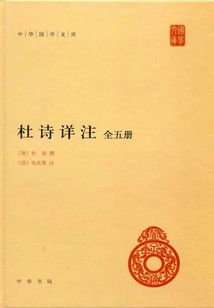
Detailed Notes on Du's Poems (complete Three Volumes) (chinese Traditional Chinese Studies Library)
Literature杜诗详注(全三册)(中华国学文库)
G
The art of Du's poetry has many achievements. Regardless of ancient style, modern style, five-character style, or seven-character style, all have their own unique strengths. Qiu Zhaoao in the Qing Dynasty spent 20 years collecting annotations from various sources and compiled them into "Detailed Annotations on Du Poems". The information is extremely detailed and it is still an important reference book for reading Du Poems. This compilation is based on the post-printed supplement of the explanatory notes in the 52nd year of Kangxi (1713), and is collated with other editions to unify the format and contents, correct errors and punctuation, and compile an index to the appendix.
The art of Du's poetry has many achievements. Regardless of ancient style, modern style, five-character style, or seven-character style, all have their own unique strengths. Qiu Zhaoao in the Qing Dynasty spent 20 years collecting annotations from various sources and compiled them into "Detailed Annotations on Du Poems". The information is extremely detailed and it is still an important reference book for reading Du Poems. This compilation is based on the post-printed supplement of the explanatory notes in the 52nd year of Kangxi (1713), and is collated with other editions to unify the format and contents, correct errors and punctuation, and compile an index to the appendix.
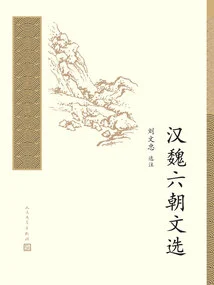
汉魏六朝文选
Selected Notes By Liu Wenzhong
During the Han, Wei and Six Dynasties, literature flourished unprecedentedly, with many new styles, new ideas, and new styles emerging. From Jia Yi, whose talent is even more unethical, to Yu Xin, who is the master of the Six Dynasties, this book selects 50 famous writers and 72 articles, with detailed annotations and wonderful comments. The preface briefly summarizes and comments on the development and changes of Chinese literature in the Han, Wei and Six Dynasties and its artistic achievements.
During the Han, Wei and Six Dynasties, literature flourished unprecedentedly, with many new styles, new ideas, and new styles emerging. From Jia Yi, whose talent is even more unethical, to Yu Xin, who is the master of the Six Dynasties, this book selects 50 famous writers and 72 articles, with detailed annotations and wonderful comments. The preface briefly summarizes and comments on the development and changes of Chinese literature in the Han, Wei and Six Dynasties and its artistic achievements.
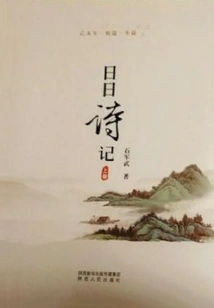
Daily Poems
Literature日日诗记
Shi Li
The book "Daily Poems" is a collection of poems, divided into two volumes, with spring, summer, autumn and winter as chapters. It contains more than 200 poems by the author divided into twelve months. The order is spring, summer, autumn and winter, followed by month, day and hour. The collection of poems covers the agricultural seasons, rural customs, food, clothing, housing and transportation, worldly conditions and human sentiments, flowers, birds, fish and insects, and various aspects of life. It is also a faithful record of the author's life insights, daily life, and mental journey over the years, so it is named "Daily Poems". These poems are the result of the author's deep thinking, joyful discovery, graffiti, or romantic expressions. They avoid the difficulty of writing and are easy to understand. Their forms are novel and have a certain degree of literary quality.
The book "Daily Poems" is a collection of poems, divided into two volumes, with spring, summer, autumn and winter as chapters. It contains more than 200 poems by the author divided into twelve months. The order is spring, summer, autumn and winter, followed by month, day and hour. The collection of poems covers the agricultural seasons, rural customs, food, clothing, housing and transportation, worldly conditions and human sentiments, flowers, birds, fish and insects, and various aspects of life. It is also a faithful record of the author's life insights, daily life, and mental journey over the years, so it is named "Daily Poems". These poems are the result of the author's deep thinking, joyful discovery, graffiti, or romantic expressions. They avoid the difficulty of writing and are easy to understand. Their forms are novel and have a certain degree of literary quality.
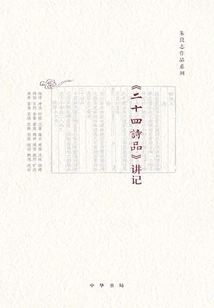
Notes on "twenty-four Poems
Literature《二十四诗品》讲记
Zhu Liangzhi
"Twenty-Four Poems" (originally called "Twenty-Four Poems") is part of "A Finger of a Poet" written by Yu Ji, a famous scholar and poet in the Yuan Dynasty. It is also the core part of this poetic work that is not widely circulated. This book can be regarded as a wonderful article in the history of Chinese poetry. The words are beautiful, the pronunciation is harmonious, and the meaning is profound. This is a wonderful text that condenses the aesthetic characteristics of Chinese people (especially literati art) since the Tang and Song Dynasties. This book "The Red Stove and the Snow - Notes on the Twenty-Four Poems" mainly explains the contents of the Twenty-Four Poems, and connects it with other parts of "A Finger of Poets" and related content in the surviving documents of Yuji. Talk about its text source, chapter review, its original meaning, and its corroboration in the context of Yu Ji's overall thought; put it in the context of the development of literary and aesthetic thought, talk about the theoretical contribution of this wonderful article in the history of Chinese poetry, artistic concepts, and aesthetics; talk about the issues raised in this treatise on poetry and its value in today's aesthetic thinking, etc. After the decomposition of each article, there is an "extended discussion" session, which generally raises one or two important issues related to Chinese aesthetics and poetics for discussion, trying to help readers better understand the content of the article.
"Twenty-Four Poems" (originally called "Twenty-Four Poems") is part of "A Finger of a Poet" written by Yu Ji, a famous scholar and poet in the Yuan Dynasty. It is also the core part of this poetic work that is not widely circulated. This book can be regarded as a wonderful article in the history of Chinese poetry. The words are beautiful, the pronunciation is harmonious, and the meaning is profound. This is a wonderful text that condenses the aesthetic characteristics of Chinese people (especially literati art) since the Tang and Song Dynasties. This book "The Red Stove and the Snow - Notes on the Twenty-Four Poems" mainly explains the contents of the Twenty-Four Poems, and connects it with other parts of "A Finger of Poets" and related content in the surviving documents of Yuji. Talk about its text source, chapter review, its original meaning, and its corroboration in the context of Yu Ji's overall thought; put it in the context of the development of literary and aesthetic thought, talk about the theoretical contribution of this wonderful article in the history of Chinese poetry, artistic concepts, and aesthetics; talk about the issues raised in this treatise on poetry and its value in today's aesthetic thinking, etc. After the decomposition of each article, there is an "extended discussion" session, which generally raises one or two important issues related to Chinese aesthetics and poetics for discussion, trying to help readers better understand the content of the article.
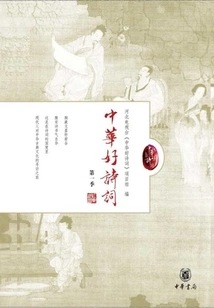
Good Chinese Poetry (season 1)
Literature中华好诗词(第一季)
Hebei Satellite Tv Editor Chinese Poetry Project Team
This book is compiled and polished based on the text scripts of Hebei TV Station's "Chinese Good Poetry" column. The book aims to vigorously promote the culture of traditional Chinese poetry. In terms of compilation style, it breaks through the general compilation method of existing traditional classic popular books. It integrates knowledge and entertainment. It uses a variety of expression methods such as puzzles and puzzles to create a popular cultural classic book that is understandable and accessible to the majority of readers in an entertaining and entertaining way. It is very suitable for parents and children to read together. In a relaxed and pleasant atmosphere, they can familiarize themselves with or relive my country's traditional classic poetry culture.
This book is compiled and polished based on the text scripts of Hebei TV Station's "Chinese Good Poetry" column. The book aims to vigorously promote the culture of traditional Chinese poetry. In terms of compilation style, it breaks through the general compilation method of existing traditional classic popular books. It integrates knowledge and entertainment. It uses a variety of expression methods such as puzzles and puzzles to create a popular cultural classic book that is understandable and accessible to the majority of readers in an entertaining and entertaining way. It is very suitable for parents and children to read together. In a relaxed and pleasant atmosphere, they can familiarize themselves with or relive my country's traditional classic poetry culture.
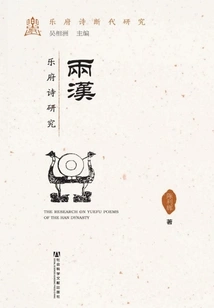
两汉乐府诗研究
Chen Lihui
This book is divided into four chapters: a study of Han Yuefu titles, a study of Han Yuefu music and orchestration, a study of Han Yuefu styles, and a study of Han Yuefu themes. It cross-references unearthed documents and handed down documents from aspects such as titles, orchestration, styles, and themes. It studies Han Yuefu in the context of the development of poetry in the pre-Qin and Han Dynasties, and strives to reveal the quality of Han Yuefu in terms of music and literature, as well as its unique style of the times, and to reflect on its causes.
This book is divided into four chapters: a study of Han Yuefu titles, a study of Han Yuefu music and orchestration, a study of Han Yuefu styles, and a study of Han Yuefu themes. It cross-references unearthed documents and handed down documents from aspects such as titles, orchestration, styles, and themes. It studies Han Yuefu in the context of the development of poetry in the pre-Qin and Han Dynasties, and strives to reveal the quality of Han Yuefu in terms of music and literature, as well as its unique style of the times, and to reflect on its causes.
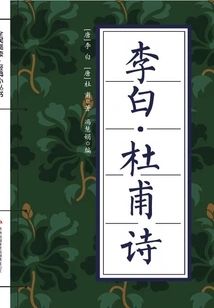
Poems of Li Bai and Du Fu
Literature李白·杜甫诗
(tang Dynasty) Li Bai, Written By Du Fu, Edited By Feng Huijuan
Tang poetry is like a jar of aged wine, lasting and fragrant, making people intoxicated. Appreciating the masterpieces of two great poets, Li Bai and Du Fu, is like attending a gorgeous spiritual feast! "Poems of Li Bai and Du Fu" is precisely to build a bridge for readers, so that readers can better experience the magnificent and moving charm of Tang poetry.
Tang poetry is like a jar of aged wine, lasting and fragrant, making people intoxicated. Appreciating the masterpieces of two great poets, Li Bai and Du Fu, is like attending a gorgeous spiritual feast! "Poems of Li Bai and Du Fu" is precisely to build a bridge for readers, so that readers can better experience the magnificent and moving charm of Tang poetry.
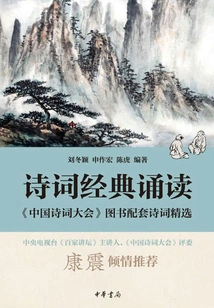
诗词经典诵读:《中国诗词大会》图书配套诗词精选
Liu Dongying Shen Zuohong Chen Hu
"Chinese Poetry Conference" is a popular column carefully created by CCTV to popularize ancient Chinese poetry classics. The "Chinese Poetry Conference" (upper and lower) books compiled based on the text scripts of this column and published by our bureau have gradually become bestsellers in the book market. The column and the book cover a total of nearly 400 ancient Chinese poems, most of which appear in current common Chinese textbooks for primary and secondary schools. Since most of the poems in the column and book are excerpts, it creates unnecessary obstacles for readers to comprehensively and systematically understand related classical poems. Based on this, we compiled this ancient poetry recitation book, which selected more than 330 poems from the poems mentioned in the columns and books, and compiled them into a book to provide readers with a concise recitation book, in order to better promote the popularization and promotion of ancient Chinese poetry culture.
"Chinese Poetry Conference" is a popular column carefully created by CCTV to popularize ancient Chinese poetry classics. The "Chinese Poetry Conference" (upper and lower) books compiled based on the text scripts of this column and published by our bureau have gradually become bestsellers in the book market. The column and the book cover a total of nearly 400 ancient Chinese poems, most of which appear in current common Chinese textbooks for primary and secondary schools. Since most of the poems in the column and book are excerpts, it creates unnecessary obstacles for readers to comprehensively and systematically understand related classical poems. Based on this, we compiled this ancient poetry recitation book, which selected more than 330 poems from the poems mentioned in the columns and books, and compiled them into a book to provide readers with a concise recitation book, in order to better promote the popularization and promotion of ancient Chinese poetry culture.
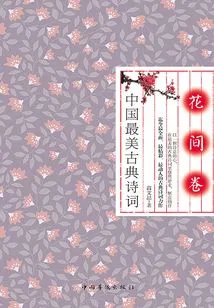
中国最美古典诗词:花间卷
Gao Wenzhe
Huajian Ci is an early type of Ci that appeared in the late Tang Dynasty and Five Dynasties, and is the direct precursor of the later graceful Ci. This book is the "Huajian Volume" of China's most beautiful classical poems. It takes time and emotion as the main line and is divided into three volumes. It provides a comprehensive appreciation of the selected excellent Huajian poems from the Tang, Song, Yuan, Ming and Qing dynasties, and deeply analyzes the aesthetic significance contained in them and the inspiration for modern people's pursuit of the beauty of life. This book is an excellent work for comprehensive, in-depth and popular research and appreciation of Huajian's poetry.
Huajian Ci is an early type of Ci that appeared in the late Tang Dynasty and Five Dynasties, and is the direct precursor of the later graceful Ci. This book is the "Huajian Volume" of China's most beautiful classical poems. It takes time and emotion as the main line and is divided into three volumes. It provides a comprehensive appreciation of the selected excellent Huajian poems from the Tang, Song, Yuan, Ming and Qing dynasties, and deeply analyzes the aesthetic significance contained in them and the inspiration for modern people's pursuit of the beauty of life. This book is an excellent work for comprehensive, in-depth and popular research and appreciation of Huajian's poetry.
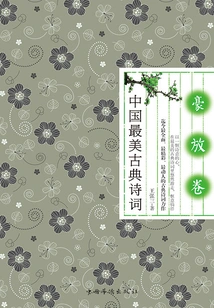
中国最美古典诗词:豪放卷
Wang Zhangsan
The bold and unconstrained poetry is famous for its majestic power. After traveling to the south, due to the great changes of the times, tragic and generous high-pitched tunes developed and became popular. Xin Qiji became a giant and leader in the creation of bold lyrics. From the Song and Jin Dynasties to the Qing Dynasty, there have always been poets who held up the banner of boldness and worked hard to learn from Su and Xin. This book is a "bold and unrestrained volume" of Chinese classical poetry. It uses the era as a scroll to sort out the bold and unconstrained poetry in China from the Han Dynasty, Wei and Jin Dynasties to the late Qing Dynasty and the Republic of China. It selects 60 of the most well-known, popular and artistic works among them. After a brief appreciation, I hope readers can get a glimpse of the charm of classic ancient poetry.
The bold and unconstrained poetry is famous for its majestic power. After traveling to the south, due to the great changes of the times, tragic and generous high-pitched tunes developed and became popular. Xin Qiji became a giant and leader in the creation of bold lyrics. From the Song and Jin Dynasties to the Qing Dynasty, there have always been poets who held up the banner of boldness and worked hard to learn from Su and Xin. This book is a "bold and unrestrained volume" of Chinese classical poetry. It uses the era as a scroll to sort out the bold and unconstrained poetry in China from the Han Dynasty, Wei and Jin Dynasties to the late Qing Dynasty and the Republic of China. It selects 60 of the most well-known, popular and artistic works among them. After a brief appreciation, I hope readers can get a glimpse of the charm of classic ancient poetry.
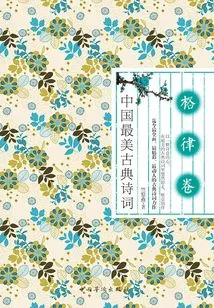
中国最美古典诗词:格律卷
Zhu Liyan
An excellent poem should not only express the content, but also pay attention to the beauty of form. For ancient poetry, the main expression of formal beauty is in the rhythm of the poetry. With the development of time, metrical poetry became its own school and became active in the literary world. This book is a "metrical volume" of Chinese classical poetry. It selects representative works of Chinese poetry from various periods and provides a detailed appreciation of them. These works have been widely circulated for thousands of years and embody the formal beauty of classical poetry in the rhythm of the poems.
An excellent poem should not only express the content, but also pay attention to the beauty of form. For ancient poetry, the main expression of formal beauty is in the rhythm of the poetry. With the development of time, metrical poetry became its own school and became active in the literary world. This book is a "metrical volume" of Chinese classical poetry. It selects representative works of Chinese poetry from various periods and provides a detailed appreciation of them. These works have been widely circulated for thousands of years and embody the formal beauty of classical poetry in the rhythm of the poems.
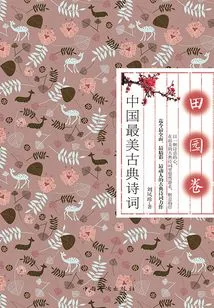
中国最美古典诗词:田园卷
Liu Fengzhen
Pastoral poetry is named after its descriptions of landscapes, pastoral areas and leisurely life. Most of the authors of this school were influenced by Buddhism and the idea of retreat. After being frustrated in life, they retreated to the countryside and forests to devote themselves to the mountains and rivers and pursue a quiet and leisurely spiritual life. In art, the objects are exquisite, the descriptions are vivid, the techniques are exquisite, the words are creative, all are subtle and appropriate, and the brushwork is simple and simple. The style is light and fresh, simple and natural, and it vaguely reveals the style of a hermit who transcends the mortal world. This book is a "pastoral volume" of China's most beautiful classical poetry. It uses time as a scroll to unfold a beautiful picture of pastoral poetry, counting the development and changes of pastoral poetry, and appreciating the beauty and unique charm.
Pastoral poetry is named after its descriptions of landscapes, pastoral areas and leisurely life. Most of the authors of this school were influenced by Buddhism and the idea of retreat. After being frustrated in life, they retreated to the countryside and forests to devote themselves to the mountains and rivers and pursue a quiet and leisurely spiritual life. In art, the objects are exquisite, the descriptions are vivid, the techniques are exquisite, the words are creative, all are subtle and appropriate, and the brushwork is simple and simple. The style is light and fresh, simple and natural, and it vaguely reveals the style of a hermit who transcends the mortal world. This book is a "pastoral volume" of China's most beautiful classical poetry. It uses time as a scroll to unfold a beautiful picture of pastoral poetry, counting the development and changes of pastoral poetry, and appreciating the beauty and unique charm.
中国最美古典诗词:浪漫卷
Liu Fengzhen
Romantic poetry likes to use bold and unpredictable techniques to express the impressions and emotions in their hearts, sing about the majestic nature, despise vulgarity, and resist the powerful. The characteristic of romantic poetry lies in the creation of distinctive artistic images and colorful and unique styles. The "Romantic Scroll" of China's most beautiful classical poetry uses time as a scroll to lay out a romantic picture of poetry. It selects representative romantic poetry works from various eras for appreciation and discovers the "poetry" and "poetry" in them.
Romantic poetry likes to use bold and unpredictable techniques to express the impressions and emotions in their hearts, sing about the majestic nature, despise vulgarity, and resist the powerful. The characteristic of romantic poetry lies in the creation of distinctive artistic images and colorful and unique styles. The "Romantic Scroll" of China's most beautiful classical poetry uses time as a scroll to lay out a romantic picture of poetry. It selects representative romantic poetry works from various eras for appreciation and discovers the "poetry" and "poetry" in them.
中国最美古典诗词:婉约卷
Du Chenxi
The Graceful School is a school with time boundaries, but the Graceful style does not distinguish between dynasties. It has become a graceful and beautiful lyrical and creative style. In terms of music, they work carefully and refine the artistic conception. In terms of content, they talk about it, forming a dynamic picture with painting and music. This book is a "graceful volume" of Chinese classical poetry. Taking the times as its latitude and longitude, this book selects representative works of the graceful school in each era to outline the beautiful artistic conception in the poetry and briefly analyze the graceful feelings in it.
The Graceful School is a school with time boundaries, but the Graceful style does not distinguish between dynasties. It has become a graceful and beautiful lyrical and creative style. In terms of music, they work carefully and refine the artistic conception. In terms of content, they talk about it, forming a dynamic picture with painting and music. This book is a "graceful volume" of Chinese classical poetry. Taking the times as its latitude and longitude, this book selects representative works of the graceful school in each era to outline the beautiful artistic conception in the poetry and briefly analyze the graceful feelings in it.
中国最美古典诗词:现实卷
Chen Changgong
Realistic poetry is mostly based on the rise and fall of politics, social unrest, hunger, poverty, and war and labor, reflecting the changing times from prosperity to decline. The ideological characteristics of realistic poetry are that it absorbs the Confucian spirit of a long and arduous journey, has compassion for the heaven and earth, and has the thought of caring about the country and the people. It uses one's own suffering to save the suffering of others, and uses one's own heart to save others' hearts. They are always concerned about society and people's livelihood. The language of poetry is vigorous, careful to refine the words and sentences, and the writing is accurate and powerful. This book is a "realistic volume" of China's most beautiful classical poetry. This volume is divided into four series. According to the development history of poetry, it is divided into pre-Qin and Han Dynasties, Wei, Jin, Southern and Northern Dynasties, Sui, Tang and Five Dynasties, Song, Yuan, Ming and Qing Dynasties. Many representative poems form a picture, with "reality" running through the whole volume, leading us to understand the living conditions of people in different dynasties and the political and economic outlook. It presents the historical stories of patriots and caring people, and narrates the colorful historical facts.
Realistic poetry is mostly based on the rise and fall of politics, social unrest, hunger, poverty, and war and labor, reflecting the changing times from prosperity to decline. The ideological characteristics of realistic poetry are that it absorbs the Confucian spirit of a long and arduous journey, has compassion for the heaven and earth, and has the thought of caring about the country and the people. It uses one's own suffering to save the suffering of others, and uses one's own heart to save others' hearts. They are always concerned about society and people's livelihood. The language of poetry is vigorous, careful to refine the words and sentences, and the writing is accurate and powerful. This book is a "realistic volume" of China's most beautiful classical poetry. This volume is divided into four series. According to the development history of poetry, it is divided into pre-Qin and Han Dynasties, Wei, Jin, Southern and Northern Dynasties, Sui, Tang and Five Dynasties, Song, Yuan, Ming and Qing Dynasties. Many representative poems form a picture, with "reality" running through the whole volume, leading us to understand the living conditions of people in different dynasties and the political and economic outlook. It presents the historical stories of patriots and caring people, and narrates the colorful historical facts.
中国最美古典诗词:边塞卷
Ye Jia
The main content of frontier fortress poetry is to describe the scenery of the frontier fortress and reflect the life of the soldiers guarding the border. Most of these poets had experience in frontier fortress life. They not only described the majestic, desolate and colorful frontier fortress scenery, but also expressed the heroic ambitions of asking for a tassel and a pen, as well as the thoughts and feelings of conscripting men and leaving wives. This book is a "border fortress volume" of China's most beautiful classical poems. It selects the best of frontier fortress poems from various dynasties, including many familiar masterpieces. Appreciating this, using time clues makes it easier for readers to understand and remember, and at the same time, it also allows readers to feel the charm of frontier poems more deeply.
The main content of frontier fortress poetry is to describe the scenery of the frontier fortress and reflect the life of the soldiers guarding the border. Most of these poets had experience in frontier fortress life. They not only described the majestic, desolate and colorful frontier fortress scenery, but also expressed the heroic ambitions of asking for a tassel and a pen, as well as the thoughts and feelings of conscripting men and leaving wives. This book is a "border fortress volume" of China's most beautiful classical poems. It selects the best of frontier fortress poems from various dynasties, including many familiar masterpieces. Appreciating this, using time clues makes it easier for readers to understand and remember, and at the same time, it also allows readers to feel the charm of frontier poems more deeply.
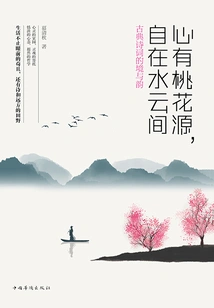
心有桃花源,自在水云间:古典诗词的境与韵
Mu Qingqiu
Since ancient times, countless poets have written about their hometowns and pastoral areas, expressing the homesickness of wanderers; there are also poets who have written poems to express their joy of escaping from prison and gaining freedom. The poet used his own pen to outline the unique artistic conception and charm of Chinese classical poetry, just like: There is a peach blossom garden in the heart, and one is at ease among the water and clouds. This book selects representative landscape and pastoral masterpieces from various periods. Read them carefully, wipe away the dust in your heart, forget the troubles of the world, and appreciate the beauty of classical poetry. Using beautiful pictures one by one, it takes readers into the realm of poetry and painting, and approaches the unique life path of Chinese pastoral poets, describing their peace and melancholy, pastoral joy and natural feelings.
Since ancient times, countless poets have written about their hometowns and pastoral areas, expressing the homesickness of wanderers; there are also poets who have written poems to express their joy of escaping from prison and gaining freedom. The poet used his own pen to outline the unique artistic conception and charm of Chinese classical poetry, just like: There is a peach blossom garden in the heart, and one is at ease among the water and clouds. This book selects representative landscape and pastoral masterpieces from various periods. Read them carefully, wipe away the dust in your heart, forget the troubles of the world, and appreciate the beauty of classical poetry. Using beautiful pictures one by one, it takes readers into the realm of poetry and painting, and approaches the unique life path of Chinese pastoral poets, describing their peace and melancholy, pastoral joy and natural feelings.
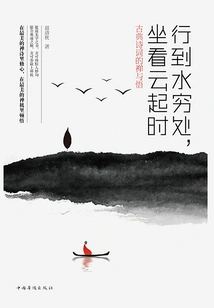
行到水穷处,坐看云起时:古典诗词的禅与悟
Mu Qingqiu
There is no language in the world that can contain thousands of worlds in the arrangement and combination of a few words, except poetry. It is concise and concise, and knows how to stop abruptly and leave a lingering aftertaste. The real poets who have gone through the waves, with innocent hearts, are trapped in the wandering of the spirit. They long for purity, pursue the origin of the spirit, and leave behind poems with profound Zen meaning. Zen is a state of mind, a pure and beautiful flower on the Eastern soil. It embraces classical poetry and penetrates into every detail of life. ? This book selects Chinese masterpieces that are rich in poetry and Zen, and uses beautiful interpretations of prose to help you realize the indescribable wonders of Zen and find a different state of mind in the hustle and bustle of the world.
There is no language in the world that can contain thousands of worlds in the arrangement and combination of a few words, except poetry. It is concise and concise, and knows how to stop abruptly and leave a lingering aftertaste. The real poets who have gone through the waves, with innocent hearts, are trapped in the wandering of the spirit. They long for purity, pursue the origin of the spirit, and leave behind poems with profound Zen meaning. Zen is a state of mind, a pure and beautiful flower on the Eastern soil. It embraces classical poetry and penetrates into every detail of life. ? This book selects Chinese masterpieces that are rich in poetry and Zen, and uses beautiful interpretations of prose to help you realize the indescribable wonders of Zen and find a different state of mind in the hustle and bustle of the world.
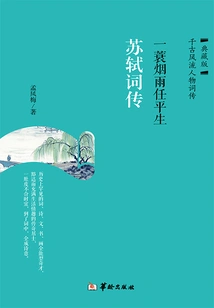
一蓑烟雨任平生:苏轼词传
Meng Fengmei
Su Shi's poems took a different approach, setting up a separate line outside the red-cut and engraved green, and ascended to the elegance of the hall with a clear and open air. He does not deliberately write, but his writing will last forever; he does not deliberately act as a person, but he is famous throughout the world. Reading his words brings joy and nostalgia; tasting his life, one feels moved, admired and pity intertwined with each other. This book combines Su Shi's experience with an emotional interpretation of his words.
Su Shi's poems took a different approach, setting up a separate line outside the red-cut and engraved green, and ascended to the elegance of the hall with a clear and open air. He does not deliberately write, but his writing will last forever; he does not deliberately act as a person, but he is famous throughout the world. Reading his words brings joy and nostalgia; tasting his life, one feels moved, admired and pity intertwined with each other. This book combines Su Shi's experience with an emotional interpretation of his words.
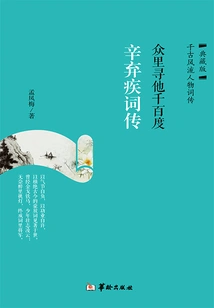
众里寻他千百度:辛弃疾词传
Meng Fengmei
Xin Qiji is known to the world for his bold poetry that transcends ancient and modern times; throughout his life, he prided himself on his integrity, claimed his merits, and advocated the war of resistance; he was a national hero who said, "Who can ask, if he is old and honest, can he still make a living?"; He is also a heroic and broad-minded poet who is as famous as Su Shi and is also called "Su Xin". This book takes you into the world of this lonely hero and feels the joys and sorrows of his life.
Xin Qiji is known to the world for his bold poetry that transcends ancient and modern times; throughout his life, he prided himself on his integrity, claimed his merits, and advocated the war of resistance; he was a national hero who said, "Who can ask, if he is old and honest, can he still make a living?"; He is also a heroic and broad-minded poet who is as famous as Su Shi and is also called "Su Xin". This book takes you into the world of this lonely hero and feels the joys and sorrows of his life.
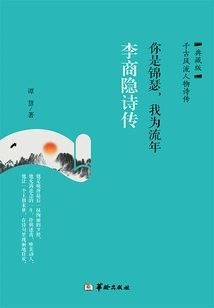
你是锦瑟,我为流年:李商隐诗传
Tan Hui
Li Shangyin's poems are a wonder among Tang poems. They are novel in conception and graceful in style. In particular, some of his love poems and untitled poems are sentimental, beautiful and moving, and have become famous works that people have chewed on and speculated on for thousands of years. This book combines Li Shangyin's experience with an emotional interpretation of his poems.
Li Shangyin's poems are a wonder among Tang poems. They are novel in conception and graceful in style. In particular, some of his love poems and untitled poems are sentimental, beautiful and moving, and have become famous works that people have chewed on and speculated on for thousands of years. This book combines Li Shangyin's experience with an emotional interpretation of his poems.
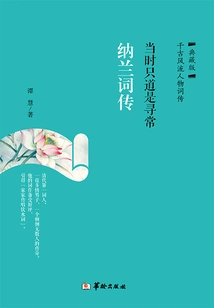
当时只道是寻常:纳兰词传
Tan Hui
Nalan Ci is a peak of Qing Ci. His style of poetry is elegant and graceful, his sentiments of sadness are persistent, his style is high and far-reaching, and he is unique. The poems are famous for their small poems, mostly sentimental, with occasional majestic works. This book takes Nalan's life as the main line, and details Nalan Rongruo's words and feelings from aspects such as his background, career, emotions, friends, etc., Presenting a vivid Nalan Rongruo to readers.
Nalan Ci is a peak of Qing Ci. His style of poetry is elegant and graceful, his sentiments of sadness are persistent, his style is high and far-reaching, and he is unique. The poems are famous for their small poems, mostly sentimental, with occasional majestic works. This book takes Nalan's life as the main line, and details Nalan Rongruo's words and feelings from aspects such as his background, career, emotions, friends, etc., Presenting a vivid Nalan Rongruo to readers.
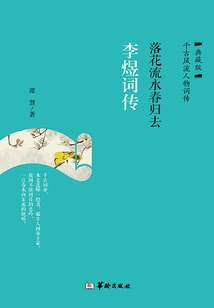
落花流水春归去:李煜词传
Tan Hui
The book "Falling Flowers and Flowing Water Spring Returns: A Biography of Li Yu's Ci" is a prose biography. It uses rich historical knowledge as the background and Li Yu's Ci as the context. It uses prose style to comment and appreciate, and carries out personalized and emotional interpretation. It presents readers with a vivid image of the late ruler of the Southern Tang Dynasty and the subjugated king, and shows the tragic and legendary life of Li Yu.
The book "Falling Flowers and Flowing Water Spring Returns: A Biography of Li Yu's Ci" is a prose biography. It uses rich historical knowledge as the background and Li Yu's Ci as the context. It uses prose style to comment and appreciate, and carries out personalized and emotional interpretation. It presents readers with a vivid image of the late ruler of the Southern Tang Dynasty and the subjugated king, and shows the tragic and legendary life of Li Yu.
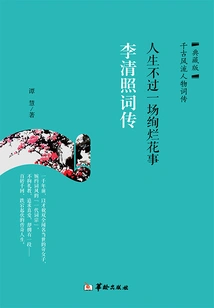
人生不过一场绚烂花事:李清照词传
Tan Hui
Li Qingzhao can be said to be a unique female poet throughout the ages. She experienced the decline of the Northern Song Dynasty and the vicissitudes of the early rise of the Southern Song Dynasty, and experienced countless chaos and separations in life. Therefore, her poems are not only sentimental for children, but also have the broad-mindedness and grandeur of the times. This book is a poetry appreciation book, focusing on rich historical knowledge and profound emotional interpretation, interspersed with Li Qingzhao's words, using prose style to comment and appreciate, and combined with Li Qingzhao's experience for personalized and emotional interpretation.
Li Qingzhao can be said to be a unique female poet throughout the ages. She experienced the decline of the Northern Song Dynasty and the vicissitudes of the early rise of the Southern Song Dynasty, and experienced countless chaos and separations in life. Therefore, her poems are not only sentimental for children, but also have the broad-mindedness and grandeur of the times. This book is a poetry appreciation book, focusing on rich historical knowledge and profound emotional interpretation, interspersed with Li Qingzhao's words, using prose style to comment and appreciate, and combined with Li Qingzhao's experience for personalized and emotional interpretation.
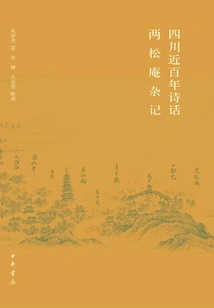
四川近百年诗话·两松庵杂记
Compiled By Zhu Jiyao, Zhu Di And Wang Jiakui
This book contains two works: "Poetry of Sichuan in the Past Hundred Years" and "Miscellaneous Notes of Liangsong'an". In the turbulent and magnificent century of modern times, although Bashu is located in a corner of the southwest, the people with lofty ideals and talents have taken the lead. Some have strong ambitions, some work hard, or exile their souls in the mountains and rivers, or caress the time and sorrow in singing, leaving an extremely rich poetic legacy. The extraordinary scenery of Bashan and Shushui has left magnificent traces in every chapter. "Sichuan Poetry in the Past Hundred Years" extensively collects and inventories this precious heritage, paying special attention to those people, events, and poems that are closely related to the times, sing about current events, or even directly participate in historical events and influence the historical process, such as Yang Rui, Liu Guangdi, Zou Rong, Luo Chengxiang, etc., All of whom have left their silhouettes in "Poetry". In terms of the organization and arrangement of poetic materials, some people are related to poems, some are used to explain people, some are used to preserve history, or some are used to prove poems, which shows the editor's clear awareness of the history of poetry and his intention to preserve rural documents, and has high documentary value, poetic value and historical material value. It is extremely helpful for understanding the cultural evolution and development of Sichuan and Chongqing in modern times, exploring the cultural spirit of Bashu region, and serving the cultural construction of the new era. "Miscellaneous Notes" are in the form of traditional literati's notes, in which they talk about academics, anecdotes, local customs, and old customs. They also include Shu language, Shu sounds, records of Shu places, and names of Shu things. They provide a lot of vivid historical materials for understanding the changes in Sichuan's economy, culture, and education since modern times.
This book contains two works: "Poetry of Sichuan in the Past Hundred Years" and "Miscellaneous Notes of Liangsong'an". In the turbulent and magnificent century of modern times, although Bashu is located in a corner of the southwest, the people with lofty ideals and talents have taken the lead. Some have strong ambitions, some work hard, or exile their souls in the mountains and rivers, or caress the time and sorrow in singing, leaving an extremely rich poetic legacy. The extraordinary scenery of Bashan and Shushui has left magnificent traces in every chapter. "Sichuan Poetry in the Past Hundred Years" extensively collects and inventories this precious heritage, paying special attention to those people, events, and poems that are closely related to the times, sing about current events, or even directly participate in historical events and influence the historical process, such as Yang Rui, Liu Guangdi, Zou Rong, Luo Chengxiang, etc., All of whom have left their silhouettes in "Poetry". In terms of the organization and arrangement of poetic materials, some people are related to poems, some are used to explain people, some are used to preserve history, or some are used to prove poems, which shows the editor's clear awareness of the history of poetry and his intention to preserve rural documents, and has high documentary value, poetic value and historical material value. It is extremely helpful for understanding the cultural evolution and development of Sichuan and Chongqing in modern times, exploring the cultural spirit of Bashu region, and serving the cultural construction of the new era. "Miscellaneous Notes" are in the form of traditional literati's notes, in which they talk about academics, anecdotes, local customs, and old customs. They also include Shu language, Shu sounds, records of Shu places, and names of Shu things. They provide a lot of vivid historical materials for understanding the changes in Sichuan's economy, culture, and education since modern times.
我寄愁心与明月(中华好诗词·友情卷)
Compiled By Yuan Hui
This is a collection of appreciation of classical friendship poetry. The whole book takes friendship as the main line and is divided into chapters such as the Book of Songs, Tang poetry, Song poetry, and Yuan music. A total of 150 classic poems describing friendship are selected for analysis and appreciation. The title of this book is a half-sentence from "I send my sorrowful heart to the bright moon, and follow you till the night." It expresses the poet's concern for his friends in a simple, clear and infinitely affectionate way, and clarifies the main purpose of the book.
This is a collection of appreciation of classical friendship poetry. The whole book takes friendship as the main line and is divided into chapters such as the Book of Songs, Tang poetry, Song poetry, and Yuan music. A total of 150 classic poems describing friendship are selected for analysis and appreciation. The title of this book is a half-sentence from "I send my sorrowful heart to the bright moon, and follow you till the night." It expresses the poet's concern for his friends in a simple, clear and infinitely affectionate way, and clarifies the main purpose of the book.
飞花令·柏(中国文化·古典诗词品鉴)
Compiled By Su Xin Luoxue
In accordance with the rules of the traditional Chinese poetry culture game "Feihua Ling", this book carefully selects 100 classic ancient poems containing the word "cypress" written by more than 70 poets. Each poem is followed by corresponding notes, brief analysis, background and comments from famous experts, leading readers to embark on a beautiful and moving journey of poetry culture among the sea of books and ink. This book is reasonably organized, with pictures and texts. It is a popular cultural book that combines knowledge, aesthetics and culture.
In accordance with the rules of the traditional Chinese poetry culture game "Feihua Ling", this book carefully selects 100 classic ancient poems containing the word "cypress" written by more than 70 poets. Each poem is followed by corresponding notes, brief analysis, background and comments from famous experts, leading readers to embark on a beautiful and moving journey of poetry culture among the sea of books and ink. This book is reasonably organized, with pictures and texts. It is a popular cultural book that combines knowledge, aesthetics and culture.
Selected Song Poems
Literature宋词选
Korean Editor-in-chief
As the peak of a stage of Chinese literature, Song poetry contains endless aesthetic and artistic value. This book combines the growth and cognitive characteristics of today's teenagers and is divided into units such as reciting classics, reading annotations, and reading translations. It strives to make the annotations and translations easier for students to understand, and focuses on guiding students to correctly recite the original texts of Chinese traditional cultural classics and understand more life wisdom. This book is suitable for middle school students, their teachers, and parents to read.
As the peak of a stage of Chinese literature, Song poetry contains endless aesthetic and artistic value. This book combines the growth and cognitive characteristics of today's teenagers and is divided into units such as reciting classics, reading annotations, and reading translations. It strives to make the annotations and translations easier for students to understand, and focuses on guiding students to correctly recite the original texts of Chinese traditional cultural classics and understand more life wisdom. This book is suitable for middle school students, their teachers, and parents to read.
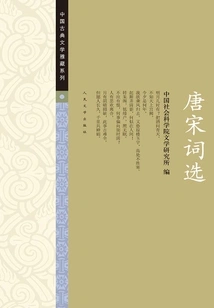
唐宋词选
Institute Of Literature, Chinese Academy Of Social Sciences
This book selects 320 poems from the Tang and Song Dynasties, covering the Tang, Five Dynasties, Northern Song Dynasty, and Southern Song Dynasties. The late Tang Dynasty and Five Dynasties focused on the works of Li Yu and Feng Yansi, the Northern Song Dynasty focused on Su Shi, and the Southern Song Dynasty mainly selected works represented by the Xin Qiji faction that reflected the resistance to the invasion of the Jin rulers and exposed the Southern Song Dynasty clique's secretiveness. The specific annotations and compilation work in the book are conducted by senior classical literature researchers. The annotations are detailed and there are comments at the end of each article. It is an important reference book for studying classical poetry. The book also features exquisite illustrations.
This book selects 320 poems from the Tang and Song Dynasties, covering the Tang, Five Dynasties, Northern Song Dynasty, and Southern Song Dynasties. The late Tang Dynasty and Five Dynasties focused on the works of Li Yu and Feng Yansi, the Northern Song Dynasty focused on Su Shi, and the Southern Song Dynasty mainly selected works represented by the Xin Qiji faction that reflected the resistance to the invasion of the Jin rulers and exposed the Southern Song Dynasty clique's secretiveness. The specific annotations and compilation work in the book are conducted by senior classical literature researchers. The annotations are detailed and there are comments at the end of each article. It is an important reference book for studying classical poetry. The book also features exquisite illustrations.
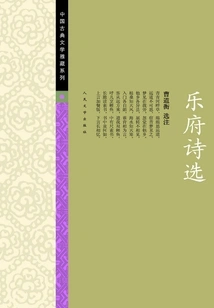
Selected Yuefu Poems
Literature乐府诗选
Selected Notes By Cao Daoheng And Reviewed By Yu Guanying
In the history of Chinese poetry, "Yuefu Poetry" occupies a very important position. This book has annotations by famous writers on the selected poems. The notes are concise and the version used is reliable. In addition, for some places where the allusions are relatively rare and the text is difficult, some classics are quoted or some examples are given to help readers understand certain works. On the premise of maintaining traditional features, we also took into account the needs of the times. According to the content of the selected works, we selected exquisite illustrations for each book from some excellent ancient prints, so that the pictures and texts complement each other, in order to enhance their reading and appreciation value.
In the history of Chinese poetry, "Yuefu Poetry" occupies a very important position. This book has annotations by famous writers on the selected poems. The notes are concise and the version used is reliable. In addition, for some places where the allusions are relatively rare and the text is difficult, some classics are quoted or some examples are given to help readers understand certain works. On the premise of maintaining traditional features, we also took into account the needs of the times. According to the content of the selected works, we selected exquisite illustrations for each book from some excellent ancient prints, so that the pictures and texts complement each other, in order to enhance their reading and appreciation value.
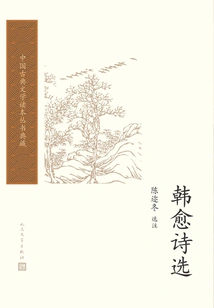
Selected Poems of Han Yu
Literature韩愈诗选
Selected Notes By Chen Erdong
Han Yu was another important poet in the Tang Dynasty after "Li Du". Han Yu's poems have two outstanding characteristics. One is the artistic realm of "heavy and dangerous"; the other is the language style of prose culture. Some sentences are straight and simple, and some are intentionally anti-symmetrical and anti-balanced to restore the simple, vigorous and jagged beauty. Han Yu's poems had a greater influence on Song poetry. This book selects more than 90 Korean poems, in which the essence of Han Yu's poems is found. This book is one of the "Chinese Classical Literature Reader Series".
Han Yu was another important poet in the Tang Dynasty after "Li Du". Han Yu's poems have two outstanding characteristics. One is the artistic realm of "heavy and dangerous"; the other is the language style of prose culture. Some sentences are straight and simple, and some are intentionally anti-symmetrical and anti-balanced to restore the simple, vigorous and jagged beauty. Han Yu's poems had a greater influence on Song poetry. This book selects more than 90 Korean poems, in which the essence of Han Yu's poems is found. This book is one of the "Chinese Classical Literature Reader Series".
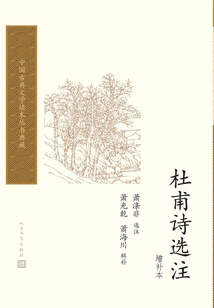
杜甫诗选注:增补本
Selected Notes By Xiao Difei, Edited And Supplemented By Xiao Guangqian, Xiao Haichuan
This book is currently recognized as the most authoritative anthology of Du Fu's poems by the academic community. The author, Mr. Xiao Difei, divided Du Fu's poems into four periods in Du Fu's life in a chronological style, and selected 281 works. In addition to "using Du to interpret Du", "using history to prove Du", and quoting ancient people's achievements in noting Du, Mr. Xiao's own unique discussions and textual research are the highlight of the book. Reading Du's poems, this not heavy anthology is better than a long list of high-level sermons.
This book is currently recognized as the most authoritative anthology of Du Fu's poems by the academic community. The author, Mr. Xiao Difei, divided Du Fu's poems into four periods in Du Fu's life in a chronological style, and selected 281 works. In addition to "using Du to interpret Du", "using history to prove Du", and quoting ancient people's achievements in noting Du, Mr. Xiao's own unique discussions and textual research are the highlight of the book. Reading Du's poems, this not heavy anthology is better than a long list of high-level sermons.
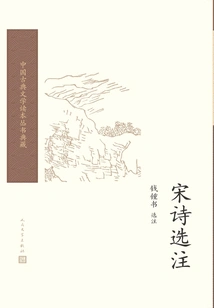
Selected Notes on Song Poems
Literature宋诗选注
Selected Annotations Of Qian Zhongshu
This book is a classic anthology of Song poetry. The selected poems are very distinctive and the annotations are detailed. There is a preface at the front of the book, and a biography of each poet. The author has a high-level view and makes wonderful comments and clarifications on the personality of the poets in the Song Dynasty, the origin and development of Song poetry, successes and failures, and even the basic theory of classical poetry. The whole book is full of quotations and has wonderful words for the world.
This book is a classic anthology of Song poetry. The selected poems are very distinctive and the annotations are detailed. There is a preface at the front of the book, and a biography of each poet. The author has a high-level view and makes wonderful comments and clarifications on the personality of the poets in the Song Dynasty, the origin and development of Song poetry, successes and failures, and even the basic theory of classical poetry. The whole book is full of quotations and has wonderful words for the world.
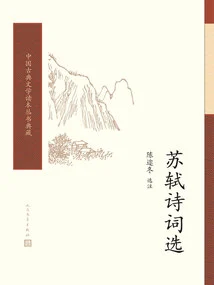
Selected Poems of Su Shi
Literature苏轼诗词选
Selected Notes By Chen Erdong
Su Shi was a man of great erudition, spiritual insight, and a broad-minded attitude towards life. His poems were as expressive as he wanted to, touching every place with spring and full of new ideas. He was the favorite poet of the Song Dynasty at all times and at home and abroad. This book selects Su Shi's poems and provides refined annotations. It takes into account the results of using old annotations, chooses the good ones, and refutes the errors of the old annotations. The annotations are lively, often combined with "talking about art", the words are concise and concise, and often have new insights, which are very inspiring to readers. The original book has had a great impact since its publication.
Su Shi was a man of great erudition, spiritual insight, and a broad-minded attitude towards life. His poems were as expressive as he wanted to, touching every place with spring and full of new ideas. He was the favorite poet of the Song Dynasty at all times and at home and abroad. This book selects Su Shi's poems and provides refined annotations. It takes into account the results of using old annotations, chooses the good ones, and refutes the errors of the old annotations. The annotations are lively, often combined with "talking about art", the words are concise and concise, and often have new insights, which are very inspiring to readers. The original book has had a great impact since its publication.
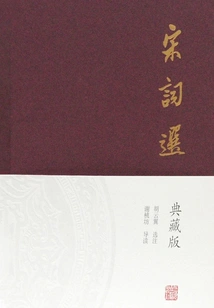
Selected Song Poems
Literature宋词选
Selected Notes By Hu Yunyi
Hu Yunyi's "Selected Poems of the Song Dynasty" selects more than 290 poems by famous poets from the two Song Dynasties, "selecting Song poems based on the principle of unity of ideological and artistic qualities", "with the Bold and Bold School of Su Shi and Xin Qiji as the backbone, focusing on selecting the outstanding works of patriotic poets of the Southern Song Dynasty". (Foreword) This is a major feature of Hu Yunyi's anthology. Its annotations are simple and popular, strive to be complete, and focus on the interpretation of words and sentences. Each writer and work is briefly introduced and explained, and the citations are abundant. This is a very unique anthology of Song poetry.
Hu Yunyi's "Selected Poems of the Song Dynasty" selects more than 290 poems by famous poets from the two Song Dynasties, "selecting Song poems based on the principle of unity of ideological and artistic qualities", "with the Bold and Bold School of Su Shi and Xin Qiji as the backbone, focusing on selecting the outstanding works of patriotic poets of the Southern Song Dynasty". (Foreword) This is a major feature of Hu Yunyi's anthology. Its annotations are simple and popular, strive to be complete, and focus on the interpretation of words and sentences. Each writer and work is briefly introduced and explained, and the citations are abundant. This is a very unique anthology of Song poetry.
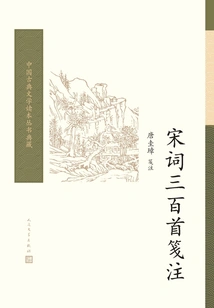
L
Literaturel
M
The creation of poetry flourished in the two Song Dynasties. There are many anthologies of Song poetry in the past dynasties. The "Three Hundred Song Poems" compiled by Mr. Zhu Cun (Shangcun Village) in the late Qing Dynasty has become one of the classics due to its large quantity, wide range, and incisiveness. This book is the annotation of "Three Hundred Song Poems" by Mr. Tang Guizhang, a master of modern poetry. The annotations in the book are detailed, solid and clear; the commentaries are a collection of past ci reviews, comprehensive and extensive; it also includes biographies and relevant reviews of each ci writer. These contents not only allow readers to understand and appreciate Song Ci, but also appreciate Mr. Tang Guizhang's unique insights into Song Ci and feel the cultural style of this master of Ci.
The creation of poetry flourished in the two Song Dynasties. There are many anthologies of Song poetry in the past dynasties. The "Three Hundred Song Poems" compiled by Mr. Zhu Cun (Shangcun Village) in the late Qing Dynasty has become one of the classics due to its large quantity, wide range, and incisiveness. This book is the annotation of "Three Hundred Song Poems" by Mr. Tang Guizhang, a master of modern poetry. The annotations in the book are detailed, solid and clear; the commentaries are a collection of past ci reviews, comprehensive and extensive; it also includes biographies and relevant reviews of each ci writer. These contents not only allow readers to understand and appreciate Song Ci, but also appreciate Mr. Tang Guizhang's unique insights into Song Ci and feel the cultural style of this master of Ci.
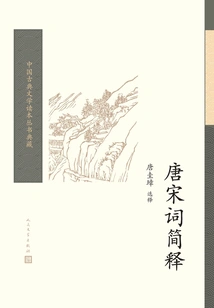
唐宋词简释
Selected Interpretations Of Tang Guizhang
This book is compiled and briefly explained by Mr. Tang Guizhang, a master of modern Ci poetry. It contains a total of 232 representative works of various styles of Tang and Song Ci poetry. Each selected word is followed by an explanation and experience, which not only analyzes the organizational structure of the word, such as the beginning and end, the passage, the layers, and the turning point, but also explains the artistic characteristics of the word one by one, such as "the detailed description of the natural scenery, the vividness of the characters, the expression of the deep inner feelings, as well as the concise language, sonorous rhyme, and majestic spirit."
This book is compiled and briefly explained by Mr. Tang Guizhang, a master of modern Ci poetry. It contains a total of 232 representative works of various styles of Tang and Song Ci poetry. Each selected word is followed by an explanation and experience, which not only analyzes the organizational structure of the word, such as the beginning and end, the passage, the layers, and the turning point, but also explains the artistic characteristics of the word one by one, such as "the detailed description of the natural scenery, the vividness of the characters, the expression of the deep inner feelings, as well as the concise language, sonorous rhyme, and majestic spirit."
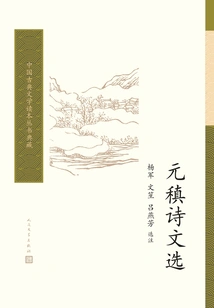
Selected Poems of Yuan Zhen
Literature元稹诗文选
Yang Jun Wen Sheng Selected Notes By Lu Yanfang
Yuan Zhen was a poet of the Tang Dynasty who was at the same time and equally important as Bai Juyi. This book contains selected and annotated poems and essays, based on the 60 volumes of "Yuanshi Changqing Collection" copied from the Song version by Yang Xunji of the Ming Dynasty. The annotators have carefully reviewed and edited the text to provide readers with a reliable text. The annotation absorbs the achievements of predecessors, identifies the writing background of the work, focuses on citing examples, pays attention to the meaning of words, and occasionally talks about the general idea. This book is an anthology of classical poetry with high academic taste that the author has selected and annotated based on his award-winning book "Yuanzhen Collection Chronicles and Annotations".
Yuan Zhen was a poet of the Tang Dynasty who was at the same time and equally important as Bai Juyi. This book contains selected and annotated poems and essays, based on the 60 volumes of "Yuanshi Changqing Collection" copied from the Song version by Yang Xunji of the Ming Dynasty. The annotators have carefully reviewed and edited the text to provide readers with a reliable text. The annotation absorbs the achievements of predecessors, identifies the writing background of the work, focuses on citing examples, pays attention to the meaning of words, and occasionally talks about the general idea. This book is an anthology of classical poetry with high academic taste that the author has selected and annotated based on his award-winning book "Yuanzhen Collection Chronicles and Annotations".
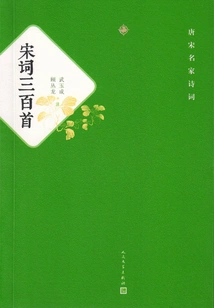
Three Hundred Song Poems
Literature宋词三百首
Commentary By Wu Yucheng And Gu Conglong
"Three Hundred Song Ci Poems" was written in the late Qing Dynasty. Initially, Zhu Zumou selected 87 poets and 300 poems from many Song Dynasty poems. Later, it was revised and deleted several times, and it was finally determined to be 82 poets and 285 poems. In order to fully understand Zhu Zumou's compilation and selection standards, this time we have compiled the different versions of "Three Hundred Song Ci Poems" into one volume, counting 88 poets and 313 poems. Please make brief annotations for the convenience of readers.
"Three Hundred Song Ci Poems" was written in the late Qing Dynasty. Initially, Zhu Zumou selected 87 poets and 300 poems from many Song Dynasty poems. Later, it was revised and deleted several times, and it was finally determined to be 82 poets and 285 poems. In order to fully understand Zhu Zumou's compilation and selection standards, this time we have compiled the different versions of "Three Hundred Song Ci Poems" into one volume, counting 88 poets and 313 poems. Please make brief annotations for the convenience of readers.
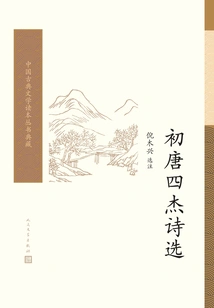
初唐四杰诗选
Ni Muxing's Selected Notes
The "Four Heroes of the Early Tang Dynasty" refers to the collective name of Wang Bo, Yang Jiong, Lu Zhaolin, and Luo Binwang, the four writers of the early Tang Dynasty in China, referred to as "Wang Yang Lu Luo". The four heroes are equally famous, which originally refers to their poetry but mainly refers to parallel prose and fu. Although their poems and prose have not lost the beauty of the Qi and Liang Dynasties, they have initially changed the literary trend. Their poems range from the court to life, with a wider range of themes and a clearer style. Lu and Luo's seven-character songs tended to be more poetic and more powerful; Wang and Yang's five-character rhymes began to become standardized and had sonorous tones. Parallel prose is also full of flexibility and liveliness in its richness of words. The Four Heroes were figures in the transitional period between the old and the new in the literary world of the early Tang Dynasty.
The "Four Heroes of the Early Tang Dynasty" refers to the collective name of Wang Bo, Yang Jiong, Lu Zhaolin, and Luo Binwang, the four writers of the early Tang Dynasty in China, referred to as "Wang Yang Lu Luo". The four heroes are equally famous, which originally refers to their poetry but mainly refers to parallel prose and fu. Although their poems and prose have not lost the beauty of the Qi and Liang Dynasties, they have initially changed the literary trend. Their poems range from the court to life, with a wider range of themes and a clearer style. Lu and Luo's seven-character songs tended to be more poetic and more powerful; Wang and Yang's five-character rhymes began to become standardized and had sonorous tones. Parallel prose is also full of flexibility and liveliness in its richness of words. The Four Heroes were figures in the transitional period between the old and the new in the literary world of the early Tang Dynasty.
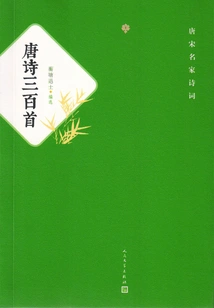
Three Hundred Tang Poems
Literature唐诗三百首
(qing Dynasty) Compilation And Selection Of Retired Scholars From Hengtang
Tang poetry is the peak in the history of Chinese classical poetry. "Three Hundred Tang Poems" compiled by Qing Dynasty Sun Zhu (a retired scholar from Hengtang) is the most widely circulated anthology of Tang poetry, containing a total of 310 poems by 77 poets. It is the best introductory book for the public to get in touch with Chinese classical poetry. The annotations in this book avoid cumbersome and long citations, making it more suitable for public reading.
Tang poetry is the peak in the history of Chinese classical poetry. "Three Hundred Tang Poems" compiled by Qing Dynasty Sun Zhu (a retired scholar from Hengtang) is the most widely circulated anthology of Tang poetry, containing a total of 310 poems by 77 poets. It is the best introductory book for the public to get in touch with Chinese classical poetry. The annotations in this book avoid cumbersome and long citations, making it more suitable for public reading.
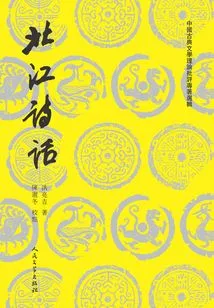
Beijiang Poetry Talk
Literature北江诗话
(qing Dynasty) Written By Hong Liangji, Edited By Chen Erdong
"Beijiang Poetry Talk" emphasizes "temperament" and "character" in poetry, and believes that poetry should "have a different hand and eye, and write its own temperament", and appreciates the original spirit of Du Mu's poems that can "become a family" apart from the four schools of Han, Liu, Yuan and Bai; it criticizes Shen Deqian, an ancient poet, for "all teachers have their appearance, but has lost their spirit"; criticizes Weng Fanggang's poems for being "like a doctor interpreting the Bible, but without any experience" (same as the previous volume 1). There are also many insightful comments on ancient times and poets at that time.
"Beijiang Poetry Talk" emphasizes "temperament" and "character" in poetry, and believes that poetry should "have a different hand and eye, and write its own temperament", and appreciates the original spirit of Du Mu's poems that can "become a family" apart from the four schools of Han, Liu, Yuan and Bai; it criticizes Shen Deqian, an ancient poet, for "all teachers have their appearance, but has lost their spirit"; criticizes Weng Fanggang's poems for being "like a doctor interpreting the Bible, but without any experience" (same as the previous volume 1). There are also many insightful comments on ancient times and poets at that time.
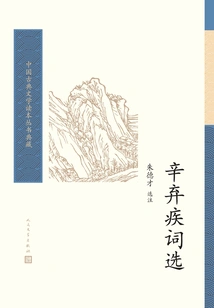
Selected Poems of Xin Qiji
Literature辛弃疾词选
Selected Notes By Zhu Decai
Xin Qiji (1140-1207), named You'an and Jiaxuan, was a native of Licheng (now Jinan, Shandong). A famous poet in the Southern Song Dynasty. His artistic styles are diverse, mainly bold and unrestrained. Passionate, generous and tragic, with strong writing power. "Broken Zhenzi: Compose a heroic poem for Chen Tongfu", "Yongyu Le: Nostalgia for the past in Beigu Pavilion, Jingkou", "Shuilongyin: Dengjiankang Shangxin Pavilion", etc. Are all masterpieces handed down from generation to generation. The book's carefully selected words fully reflect Xin Qiji's creative styles in different periods, and are helpful to readers in fully understanding Xin Qiji's poetic style and the social scene at that time. The annotations are detailed and accurate, allowing readers to better understand the connotation of the original words.
Xin Qiji (1140-1207), named You'an and Jiaxuan, was a native of Licheng (now Jinan, Shandong). A famous poet in the Southern Song Dynasty. His artistic styles are diverse, mainly bold and unrestrained. Passionate, generous and tragic, with strong writing power. "Broken Zhenzi: Compose a heroic poem for Chen Tongfu", "Yongyu Le: Nostalgia for the past in Beigu Pavilion, Jingkou", "Shuilongyin: Dengjiankang Shangxin Pavilion", etc. Are all masterpieces handed down from generation to generation. The book's carefully selected words fully reflect Xin Qiji's creative styles in different periods, and are helpful to readers in fully understanding Xin Qiji's poetic style and the social scene at that time. The annotations are detailed and accurate, allowing readers to better understand the connotation of the original words.
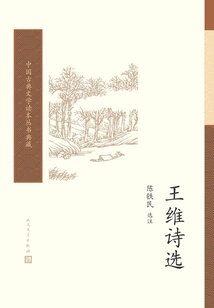
Selected Poems of Wang Wei
Literature王维诗选
Notes Selected By Chen Tiemin
Wang Wei is a representative of pastoral landscape poetry in the prosperous Tang Dynasty. His poems are "elegant in words, new and comfortable in meaning, pearls in the spring, and painted on the wall. Every word and every sentence is out of the ordinary." He has been praised by all generations and has had a profound influence on future generations. This book is condensed on the basis of the "Collection and Annotations of Wang Wei" by researcher Chen Tiemin, an expert on Wang Wei. The annotations are detailed and clear, making it a good popular reading book.
Wang Wei is a representative of pastoral landscape poetry in the prosperous Tang Dynasty. His poems are "elegant in words, new and comfortable in meaning, pearls in the spring, and painted on the wall. Every word and every sentence is out of the ordinary." He has been praised by all generations and has had a profound influence on future generations. This book is condensed on the basis of the "Collection and Annotations of Wang Wei" by researcher Chen Tiemin, an expert on Wang Wei. The annotations are detailed and clear, making it a good popular reading book.
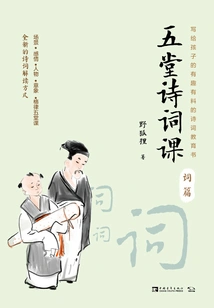
Five Poetry Lessons (ci Pieces)
Literature五堂诗词课(词篇)
Wild Fox
This book is a poetry education book for children, divided into two volumes: "Psalms" and "Ci Pian". A completely new way of interpreting poetry. Abandoning the traditional poetry explanation model where the main content is interpretation of characters, words, and sentence meanings, poetry knowledge is analyzed one by one through five elements such as "scene, emotion, poet (word) person, image, and rhythm." Each chapter not only explains a knowledge point, but also selects a classic work for interpretation, allowing beginners to easily learn professional knowledge of poetry and appreciate the charm of poetry. An easy-to-understand way of telling it. Use the method of building blocks to explain the poetry creation process, use the method of naming "class cadres" to introduce famous poets (words) in history, and use formulas to let children understand rhymes. There are allusions, history, characters, and knowledge, allowing you to see through a large number of poems "while talking and laughing."
This book is a poetry education book for children, divided into two volumes: "Psalms" and "Ci Pian". A completely new way of interpreting poetry. Abandoning the traditional poetry explanation model where the main content is interpretation of characters, words, and sentence meanings, poetry knowledge is analyzed one by one through five elements such as "scene, emotion, poet (word) person, image, and rhythm." Each chapter not only explains a knowledge point, but also selects a classic work for interpretation, allowing beginners to easily learn professional knowledge of poetry and appreciate the charm of poetry. An easy-to-understand way of telling it. Use the method of building blocks to explain the poetry creation process, use the method of naming "class cadres" to introduce famous poets (words) in history, and use formulas to let children understand rhymes. There are allusions, history, characters, and knowledge, allowing you to see through a large number of poems "while talking and laughing."
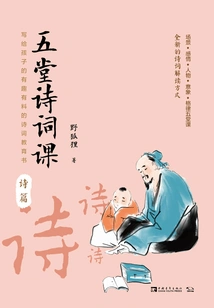
Five Poetry Lessons (psalms)
Literature五堂诗词课(诗篇)
Wild Fox
This book is a poetry education book for children, divided into two volumes: "Psalms" and "Ci Pian". A completely new way of interpreting poetry. Abandoning the traditional poetry explanation model where the main content is interpretation of characters, words, and sentence meanings, poetry knowledge is analyzed one by one through five elements such as "scene, emotion, poet (word) person, image, and rhythm." Each chapter not only explains a knowledge point, but also selects a classic work for interpretation, allowing beginners to easily learn professional knowledge of poetry and appreciate the charm of poetry. An easy-to-understand way of telling it. Use the method of building blocks to explain the poetry creation process, use the method of naming "class cadres" to introduce famous poets (words) in history, and use formulas to let children understand rhymes. There are allusions, history, characters, and knowledge, allowing you to see through a large number of poems "while talking and laughing."
This book is a poetry education book for children, divided into two volumes: "Psalms" and "Ci Pian". A completely new way of interpreting poetry. Abandoning the traditional poetry explanation model where the main content is interpretation of characters, words, and sentence meanings, poetry knowledge is analyzed one by one through five elements such as "scene, emotion, poet (word) person, image, and rhythm." Each chapter not only explains a knowledge point, but also selects a classic work for interpretation, allowing beginners to easily learn professional knowledge of poetry and appreciate the charm of poetry. An easy-to-understand way of telling it. Use the method of building blocks to explain the poetry creation process, use the method of naming "class cadres" to introduce famous poets (words) in history, and use formulas to let children understand rhymes. There are allusions, history, characters, and knowledge, allowing you to see through a large number of poems "while talking and laughing."
Selected Yuefu Poems
Literature乐府诗选
Selected Notes By Cao Daoheng
Yuefu is one of the important genres of Chinese poetry. It emerged in the Han Dynasty, with the main content of reflecting social reality and expressing the aspirations of the people at the bottom of society. During the Wei, Jin, Southern and Northern Dynasties, literati gradually began to imitate Yuefu, and Yuefu became one of the important genres created by later generations of literati. This book mainly selects Yuefu works from the Han, Wei and Six Dynasties.
Yuefu is one of the important genres of Chinese poetry. It emerged in the Han Dynasty, with the main content of reflecting social reality and expressing the aspirations of the people at the bottom of society. During the Wei, Jin, Southern and Northern Dynasties, literati gradually began to imitate Yuefu, and Yuefu became one of the important genres created by later generations of literati. This book mainly selects Yuefu works from the Han, Wei and Six Dynasties.
月清:月明欲素愁不眠(幽韵雅集·古诗词选)
Compiled By Li Lu
This book tells that in Chinese poetry, there are countless poems and songs that describe the moon or express feelings through the moon, which are too numerous to enumerate. This book selects beautiful poems related to the moon for appreciation, to feel the emotions that the ancients used the moon to express, and to appreciate the elegance of the world.
This book tells that in Chinese poetry, there are countless poems and songs that describe the moon or express feelings through the moon, which are too numerous to enumerate. This book selects beautiful poems related to the moon for appreciation, to feel the emotions that the ancients used the moon to express, and to appreciate the elegance of the world.
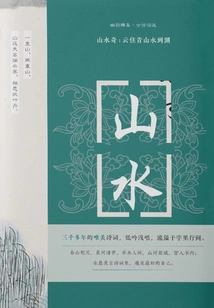
山水奇:云住青山水到渊(幽韵雅集·古诗词选)
Compiled By Meng Xiangjing
There are eighteen books in this series, which collect ancient poems from eighteen aspects: incense, wine, piano, chess, sword, dust, moon, bamboo, staff, flower, stone, snow, monk, beauty, landscape, calligraphy and history, and epigraphy. The idea of classification comes from a sentence in Lu Shaoheng's "Little Window Youji" of the Ming Dynasty: "Fragrance makes people quiet, wine makes people far away, tea makes people refreshed, piano makes people quiet, chess makes people idle, sword makes people chivalrous, staff makes people light, poop makes people elegant, moon makes people clear, bamboo makes people cold, flowers make people rhyme, Stones are interesting, snow is vast, monks are refreshing, futons are wild, beauties are pitiful, mountains and rivers are amazing, books and history are erudite, and gold, stone, tripods and Yi are ancient. "Chinese literati love mountains and rivers, and the mountains and rivers are also more magnificent and clear because of the literati's chants and inscriptions. "The wise enjoy the water, the benevolent enjoy the mountains." Chinese literati recite the mountains and rivers, using the mountains and rivers to praise nature and life. This volume selects nearly a hundred poems related to "landscape". When you read these landscape poems, it is not difficult to find that what they express is the personality spirit of Chinese literati.
There are eighteen books in this series, which collect ancient poems from eighteen aspects: incense, wine, piano, chess, sword, dust, moon, bamboo, staff, flower, stone, snow, monk, beauty, landscape, calligraphy and history, and epigraphy. The idea of classification comes from a sentence in Lu Shaoheng's "Little Window Youji" of the Ming Dynasty: "Fragrance makes people quiet, wine makes people far away, tea makes people refreshed, piano makes people quiet, chess makes people idle, sword makes people chivalrous, staff makes people light, poop makes people elegant, moon makes people clear, bamboo makes people cold, flowers make people rhyme, Stones are interesting, snow is vast, monks are refreshing, futons are wild, beauties are pitiful, mountains and rivers are amazing, books and history are erudite, and gold, stone, tripods and Yi are ancient. "Chinese literati love mountains and rivers, and the mountains and rivers are also more magnificent and clear because of the literati's chants and inscriptions. "The wise enjoy the water, the benevolent enjoy the mountains." Chinese literati recite the mountains and rivers, using the mountains and rivers to praise nature and life. This volume selects nearly a hundred poems related to "landscape". When you read these landscape poems, it is not difficult to find that what they express is the personality spirit of Chinese literati.
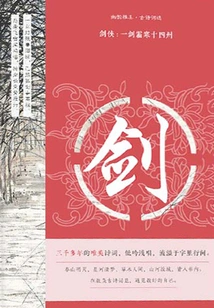
Swordsman: One Sword Frost-cold Fourteen States (Youyunya Collection·selected Ancient Poems)
Literature剑侠:一剑霜寒十四州(幽韵雅集·古诗词选)
Compiled By Zhang Yichen
There is a book that says: Fragrance makes you quiet, wine makes you distant, tea makes you refreshed, piano makes you quiet, chess makes you idle, sword makes you chivalrous, staff makes you light, zhu makes you elegant, moon makes you clear, bamboo makes you cold, flowers make you rhyme, stones make you sharp, snow makes you open, monks make you light, futon makes you wild, beauties make you pity, mountains and rivers make you wonder, books and history make you knowledgeable, gold, stone, tripod and Yi make you ancient. Based on this, choose incense, wine, tea, piano, chess, sword, staff, pupa, moon, bamboo, and sort them in order from least to most strokes according to the "Chinese Character Radical Table". Tell all the "rhyme" things in the world. This is a collection of poems about swords and knights. The stories of ancient knights are the most miserable and magnificent existences written by literati of all ages. We cut out these parting sorrows played with swords, hoping that you can read a different tragic and majestic one from them.
There is a book that says: Fragrance makes you quiet, wine makes you distant, tea makes you refreshed, piano makes you quiet, chess makes you idle, sword makes you chivalrous, staff makes you light, zhu makes you elegant, moon makes you clear, bamboo makes you cold, flowers make you rhyme, stones make you sharp, snow makes you open, monks make you light, futon makes you wild, beauties make you pity, mountains and rivers make you wonder, books and history make you knowledgeable, gold, stone, tripod and Yi make you ancient. Based on this, choose incense, wine, tea, piano, chess, sword, staff, pupa, moon, bamboo, and sort them in order from least to most strokes according to the "Chinese Character Radical Table". Tell all the "rhyme" things in the world. This is a collection of poems about swords and knights. The stories of ancient knights are the most miserable and magnificent existences written by literati of all ages. We cut out these parting sorrows played with swords, hoping that you can read a different tragic and majestic one from them.