Library
Browse and search books
2,982 novels found
A Detailed Account of Three Thousand Years of Historical Records and Biographies of Famous Figures
History细说史记三千年·名士列传
Wang Simin
Everyone says that "Historical Records" is good, but for modern people, reading "Historical Records" in its entirety faces several obstacles, such as the scattered themes of biographies, the unfamiliar and complicated timeline of ancient names of people and places, etc. These obstacles create the regret of not finishing reading "Historical Records". There needs to be a companion book similar to "Three Thousand Years of Historical Records" to guide readers. After reading the detailed series, it would be easier to read "Historical Records" again, and there would be no regrets if you don't read the original version. Chinese people become great masters by reading "Historical Records". The "Three Thousand Years of Historical Records" series is an expanded and upgraded version of the best-selling book "The Soul of Historical Records". The author uses five-dimensional thinking, that is, from the perspective of "academics, stories, strategies, organizations, and details", and spares no effort in ten years to read "Historical Records" carefully. He has taken the trouble to cite widely, and created more than 300 original diagrams to create a bridge and companion reading to "Historical Records" that "more clearly presents the context of "Historical Records" and more comprehensively analyzes Tai Shigong's thoughts." "Telling the Three Thousand Years of Historical Records in 10 Volumes" aims at the pain point of scattered characters and events in biographical historical books, making it difficult to see the whole picture. It uses more than a dozen major topics and dozens of small topics to follow the timeline of three thousand years to tell people in an interesting and three-dimensional way, so that "Historical Records" can be read clearly, completely and thoroughly. After reading the "Historical Records in Detail" series, you can be considered to have read the "Historical Records in detail" and mastered the overall content and spiritual connotation of the "Historical Records".
Everyone says that "Historical Records" is good, but for modern people, reading "Historical Records" in its entirety faces several obstacles, such as the scattered themes of biographies, the unfamiliar and complicated timeline of ancient names of people and places, etc. These obstacles create the regret of not finishing reading "Historical Records". There needs to be a companion book similar to "Three Thousand Years of Historical Records" to guide readers. After reading the detailed series, it would be easier to read "Historical Records" again, and there would be no regrets if you don't read the original version. Chinese people become great masters by reading "Historical Records". The "Three Thousand Years of Historical Records" series is an expanded and upgraded version of the best-selling book "The Soul of Historical Records". The author uses five-dimensional thinking, that is, from the perspective of "academics, stories, strategies, organizations, and details", and spares no effort in ten years to read "Historical Records" carefully. He has taken the trouble to cite widely, and created more than 300 original diagrams to create a bridge and companion reading to "Historical Records" that "more clearly presents the context of "Historical Records" and more comprehensively analyzes Tai Shigong's thoughts." "Telling the Three Thousand Years of Historical Records in 10 Volumes" aims at the pain point of scattered characters and events in biographical historical books, making it difficult to see the whole picture. It uses more than a dozen major topics and dozens of small topics to follow the timeline of three thousand years to tell people in an interesting and three-dimensional way, so that "Historical Records" can be read clearly, completely and thoroughly. After reading the "Historical Records in Detail" series, you can be considered to have read the "Historical Records in detail" and mastered the overall content and spiritual connotation of the "Historical Records".
A Detailed Account of Three Thousand Years of Historical Records·war Results and Beacon Smoke
History细说史记三千年·战果烽烟
Wang Simin
Everyone says that "Historical Records" is good, but for modern people, reading "Historical Records" in its entirety faces several obstacles, such as the scattered themes of biographies, the unfamiliar and complicated timeline of ancient names of people and places, etc. These obstacles create the regret of not finishing reading "Historical Records". There needs to be a companion book similar to "Three Thousand Years of Historical Records" to guide readers. After reading the detailed series, it would be easier to read "Historical Records" again, and there would be no regrets if you don't read the original version. Chinese people become great masters by reading "Historical Records". The "Three Thousand Years of Historical Records" series is an expanded and upgraded version of the best-selling book "The Soul of Historical Records". The author uses five-dimensional thinking, that is, from the perspective of "academics, stories, strategies, organizations, and details", and spares no effort in ten years to read "Historical Records" carefully. He has taken the trouble to cite widely, and created more than 300 original diagrams to create a bridge and companion reading to "Historical Records" that "more clearly presents the context of "Historical Records" and more comprehensively analyzes Tai Shigong's thoughts." "Telling the Three Thousand Years of Historical Records in 10 Volumes" aims at the pain point of scattered characters and events in biographical historical books, making it difficult to see the whole picture. It uses more than a dozen major topics and dozens of small topics to follow the timeline of three thousand years to tell people in an interesting and three-dimensional way, so that "Historical Records" can be read clearly, completely and thoroughly. After reading the "Historical Records in Detail" series, you can be considered to have read the "Historical Records in detail" and mastered the overall content and spiritual connotation of the "Historical Records".
Everyone says that "Historical Records" is good, but for modern people, reading "Historical Records" in its entirety faces several obstacles, such as the scattered themes of biographies, the unfamiliar and complicated timeline of ancient names of people and places, etc. These obstacles create the regret of not finishing reading "Historical Records". There needs to be a companion book similar to "Three Thousand Years of Historical Records" to guide readers. After reading the detailed series, it would be easier to read "Historical Records" again, and there would be no regrets if you don't read the original version. Chinese people become great masters by reading "Historical Records". The "Three Thousand Years of Historical Records" series is an expanded and upgraded version of the best-selling book "The Soul of Historical Records". The author uses five-dimensional thinking, that is, from the perspective of "academics, stories, strategies, organizations, and details", and spares no effort in ten years to read "Historical Records" carefully. He has taken the trouble to cite widely, and created more than 300 original diagrams to create a bridge and companion reading to "Historical Records" that "more clearly presents the context of "Historical Records" and more comprehensively analyzes Tai Shigong's thoughts." "Telling the Three Thousand Years of Historical Records in 10 Volumes" aims at the pain point of scattered characters and events in biographical historical books, making it difficult to see the whole picture. It uses more than a dozen major topics and dozens of small topics to follow the timeline of three thousand years to tell people in an interesting and three-dimensional way, so that "Historical Records" can be read clearly, completely and thoroughly. After reading the "Historical Records in Detail" series, you can be considered to have read the "Historical Records in detail" and mastered the overall content and spiritual connotation of the "Historical Records".
细说史记三千年·长平之战
Wang Simin
Everyone says that "Historical Records" is good, but for modern people, reading "Historical Records" in its entirety faces several obstacles, such as the scattered themes of biographies, the unfamiliar and complicated timeline of ancient names of people and places, etc. These obstacles create the regret of not finishing reading "Historical Records". There needs to be a companion book similar to "Three Thousand Years of Historical Records" to guide readers. After reading the detailed series, it would be easier to read "Historical Records" again, and there would be no regrets if you don't read the original version. Chinese people become great masters by reading "Historical Records". The "Three Thousand Years of Historical Records" series is an expanded and upgraded version of the best-selling book "The Soul of Historical Records". The author uses five-dimensional thinking, that is, from the perspective of "academics, stories, strategies, organizations, and details", and spares no effort in ten years to read "Historical Records" carefully. He has taken the trouble to cite widely, and created more than 300 original diagrams to create a bridge and companion reading to "Historical Records" that "more clearly presents the context of "Historical Records" and more comprehensively analyzes Tai Shigong's thoughts." "Telling the Three Thousand Years of Historical Records in 10 Volumes" aims at the pain point of scattered characters and events in biographical historical books, making it difficult to see the whole picture. It uses more than a dozen major topics and dozens of small topics to follow the timeline of three thousand years to tell people in an interesting and three-dimensional way, so that "Historical Records" can be read clearly, completely and thoroughly. After reading the "Historical Records in Detail" series, you can be considered to have read the "Historical Records in detail" and mastered the overall content and spiritual connotation of the "Historical Records".
Everyone says that "Historical Records" is good, but for modern people, reading "Historical Records" in its entirety faces several obstacles, such as the scattered themes of biographies, the unfamiliar and complicated timeline of ancient names of people and places, etc. These obstacles create the regret of not finishing reading "Historical Records". There needs to be a companion book similar to "Three Thousand Years of Historical Records" to guide readers. After reading the detailed series, it would be easier to read "Historical Records" again, and there would be no regrets if you don't read the original version. Chinese people become great masters by reading "Historical Records". The "Three Thousand Years of Historical Records" series is an expanded and upgraded version of the best-selling book "The Soul of Historical Records". The author uses five-dimensional thinking, that is, from the perspective of "academics, stories, strategies, organizations, and details", and spares no effort in ten years to read "Historical Records" carefully. He has taken the trouble to cite widely, and created more than 300 original diagrams to create a bridge and companion reading to "Historical Records" that "more clearly presents the context of "Historical Records" and more comprehensively analyzes Tai Shigong's thoughts." "Telling the Three Thousand Years of Historical Records in 10 Volumes" aims at the pain point of scattered characters and events in biographical historical books, making it difficult to see the whole picture. It uses more than a dozen major topics and dozens of small topics to follow the timeline of three thousand years to tell people in an interesting and three-dimensional way, so that "Historical Records" can be read clearly, completely and thoroughly. After reading the "Historical Records in Detail" series, you can be considered to have read the "Historical Records in detail" and mastered the overall content and spiritual connotation of the "Historical Records".
细说史记三千年·秦史之谜
Wang Simin
Everyone says that "Historical Records" is good, but for modern people, reading "Historical Records" in its entirety faces several obstacles, such as the scattered themes of biographies, the unfamiliar and complicated timeline of ancient names of people and places, etc. These obstacles create the regret of not finishing reading "Historical Records". There needs to be a companion book similar to "Three Thousand Years of Historical Records" to guide readers. After reading the detailed series, it would be easier to read "Historical Records" again, and there would be no regrets if you don't read the original version. Chinese people become great masters by reading "Historical Records". The "Three Thousand Years of Historical Records" series is an expanded and upgraded version of the best-selling book "The Soul of Historical Records". The author uses five-dimensional thinking, that is, from the perspective of "academics, stories, strategies, organizations, and details", and spares no effort in ten years to read "Historical Records" carefully. He has taken the trouble to cite widely, and created more than 300 original diagrams to create a bridge and companion reading to "Historical Records" that "more clearly presents the context of "Historical Records" and more comprehensively analyzes Tai Shigong's thoughts." "Telling the Three Thousand Years of Historical Records in 10 Volumes" aims at the pain point of scattered characters and events in biographical historical books, making it difficult to see the whole picture. It uses more than a dozen major topics and dozens of small topics to follow the timeline of three thousand years to tell people in an interesting and three-dimensional way, so that "Historical Records" can be read clearly, completely and thoroughly. After reading the "Historical Records in Detail" series, you can be considered to have read the "Historical Records in detail" and mastered the overall content and spiritual connotation of the "Historical Records".
Everyone says that "Historical Records" is good, but for modern people, reading "Historical Records" in its entirety faces several obstacles, such as the scattered themes of biographies, the unfamiliar and complicated timeline of ancient names of people and places, etc. These obstacles create the regret of not finishing reading "Historical Records". There needs to be a companion book similar to "Three Thousand Years of Historical Records" to guide readers. After reading the detailed series, it would be easier to read "Historical Records" again, and there would be no regrets if you don't read the original version. Chinese people become great masters by reading "Historical Records". The "Three Thousand Years of Historical Records" series is an expanded and upgraded version of the best-selling book "The Soul of Historical Records". The author uses five-dimensional thinking, that is, from the perspective of "academics, stories, strategies, organizations, and details", and spares no effort in ten years to read "Historical Records" carefully. He has taken the trouble to cite widely, and created more than 300 original diagrams to create a bridge and companion reading to "Historical Records" that "more clearly presents the context of "Historical Records" and more comprehensively analyzes Tai Shigong's thoughts." "Telling the Three Thousand Years of Historical Records in 10 Volumes" aims at the pain point of scattered characters and events in biographical historical books, making it difficult to see the whole picture. It uses more than a dozen major topics and dozens of small topics to follow the timeline of three thousand years to tell people in an interesting and three-dimensional way, so that "Historical Records" can be read clearly, completely and thoroughly. After reading the "Historical Records in Detail" series, you can be considered to have read the "Historical Records in detail" and mastered the overall content and spiritual connotation of the "Historical Records".
细说史记三千年·霸主之路
Wang Simin
Everyone says that "Historical Records" is good, but for modern people, reading "Historical Records" in its entirety faces several obstacles, such as the scattered themes of biographies, the unfamiliar and complicated timeline of ancient names of people and places, etc. These obstacles create the regret of not finishing reading "Historical Records". There needs to be a companion book similar to "Three Thousand Years of Historical Records" to guide readers. After reading the detailed series, it would be easier to read "Historical Records" again, and there would be no regrets if you don't read the original version. Chinese people become great masters by reading "Historical Records". The "Three Thousand Years of Historical Records" series is an expanded and upgraded version of the best-selling book "The Soul of Historical Records". The author uses five-dimensional thinking, that is, from the perspective of "academics, stories, strategies, organizations, and details", and spares no effort in ten years to read "Historical Records" carefully. He has taken the trouble to cite widely, and created more than 300 original diagrams to create a bridge and companion reading to "Historical Records" that "more clearly presents the context of "Historical Records" and more comprehensively analyzes Tai Shigong's thoughts." "Telling the Three Thousand Years of Historical Records in 10 Volumes" aims at the pain point of scattered characters and events in biographical historical books, making it difficult to see the whole picture. It uses more than a dozen major topics and dozens of small topics to follow the timeline of three thousand years to tell people in an interesting and three-dimensional way, so that "Historical Records" can be read clearly, completely and thoroughly. After reading the "Historical Records in Detail" series, you can be considered to have read the "Historical Records in detail" and mastered the overall content and spiritual connotation of the "Historical Records".
Everyone says that "Historical Records" is good, but for modern people, reading "Historical Records" in its entirety faces several obstacles, such as the scattered themes of biographies, the unfamiliar and complicated timeline of ancient names of people and places, etc. These obstacles create the regret of not finishing reading "Historical Records". There needs to be a companion book similar to "Three Thousand Years of Historical Records" to guide readers. After reading the detailed series, it would be easier to read "Historical Records" again, and there would be no regrets if you don't read the original version. Chinese people become great masters by reading "Historical Records". The "Three Thousand Years of Historical Records" series is an expanded and upgraded version of the best-selling book "The Soul of Historical Records". The author uses five-dimensional thinking, that is, from the perspective of "academics, stories, strategies, organizations, and details", and spares no effort in ten years to read "Historical Records" carefully. He has taken the trouble to cite widely, and created more than 300 original diagrams to create a bridge and companion reading to "Historical Records" that "more clearly presents the context of "Historical Records" and more comprehensively analyzes Tai Shigong's thoughts." "Telling the Three Thousand Years of Historical Records in 10 Volumes" aims at the pain point of scattered characters and events in biographical historical books, making it difficult to see the whole picture. It uses more than a dozen major topics and dozens of small topics to follow the timeline of three thousand years to tell people in an interesting and three-dimensional way, so that "Historical Records" can be read clearly, completely and thoroughly. After reading the "Historical Records in Detail" series, you can be considered to have read the "Historical Records in detail" and mastered the overall content and spiritual connotation of the "Historical Records".
中国古代文化:明耻篇
Come To Xinxia
The concept of "shame" has been passed down for a long time in traditional Chinese culture, is valued by people, and is regarded as one of the codes of conduct. All dynasties have inherited the tradition of emphasizing "shame" and regard "clear shame" as the criterion for knowing people and judging the world, while "shameless" is a curse word that makes people feel ashamed. From governing a country to bringing peace to the world, to cultivating oneself and managing a family, "shame" has almost become a yardstick for measuring right and wrong, loyalty and treachery, and merit, and it is also a force that encourages people to stand up. This book is divided into two parts: the main part and the appendix. It selects 45 typical figures related to "shame": the main part mentions 23 people who exposed shame, including Boyi, Shuqi, Su Wu, Yang Zhen, Zhou Chu, Zu Ti and others who are praised by the world. Duan Xiushi, Zheng Sixiao, Yang Jisheng, etc. Who are little known; the appendix lists 22 shameless people, including Zhao Gao, Emperor Yang of the Sui Dynasty, Qin Hui, Cixi, etc., As well as Deng Tong, Shi Chong, Li Linfu and others who exposed their ugliness. The author uses more than 100,000 words to introduce their cases. Through these stories, we can trigger thinking and encourage people to examine themselves and correct their values. When the author chooses characters, he not only considers the dynasty to which the selected characters belong, but also considers the balance between the number of shameless and shameless people; he not only intentionally selects well-known characters, but also discovers a number of new people and new things. These examples selected by the author provide us with a "human mirror" that we can learn from. The concept of "shame" reflected through them is still used as a reference to this day. Those who are shameful make people think of the wise, and those who are shameless are not only despised, but also serve as a good warning.
The concept of "shame" has been passed down for a long time in traditional Chinese culture, is valued by people, and is regarded as one of the codes of conduct. All dynasties have inherited the tradition of emphasizing "shame" and regard "clear shame" as the criterion for knowing people and judging the world, while "shameless" is a curse word that makes people feel ashamed. From governing a country to bringing peace to the world, to cultivating oneself and managing a family, "shame" has almost become a yardstick for measuring right and wrong, loyalty and treachery, and merit, and it is also a force that encourages people to stand up. This book is divided into two parts: the main part and the appendix. It selects 45 typical figures related to "shame": the main part mentions 23 people who exposed shame, including Boyi, Shuqi, Su Wu, Yang Zhen, Zhou Chu, Zu Ti and others who are praised by the world. Duan Xiushi, Zheng Sixiao, Yang Jisheng, etc. Who are little known; the appendix lists 22 shameless people, including Zhao Gao, Emperor Yang of the Sui Dynasty, Qin Hui, Cixi, etc., As well as Deng Tong, Shi Chong, Li Linfu and others who exposed their ugliness. The author uses more than 100,000 words to introduce their cases. Through these stories, we can trigger thinking and encourage people to examine themselves and correct their values. When the author chooses characters, he not only considers the dynasty to which the selected characters belong, but also considers the balance between the number of shameless and shameless people; he not only intentionally selects well-known characters, but also discovers a number of new people and new things. These examples selected by the author provide us with a "human mirror" that we can learn from. The concept of "shame" reflected through them is still used as a reference to this day. Those who are shameful make people think of the wise, and those who are shameless are not only despised, but also serve as a good warning.
细说史记三千年·西汉名臣
Wang Simin
Everyone says that "Historical Records" is good, but for modern people, reading "Historical Records" in its entirety faces several obstacles, such as the scattered themes of biographies, the unfamiliar and complicated timeline of ancient names of people and places, etc. These obstacles create the regret of not finishing reading "Historical Records". There needs to be a companion book similar to "Three Thousand Years of Historical Records" to guide readers. After reading the detailed series, it would be easier to read "Historical Records" again, and there would be no regrets if you don't read the original version. Chinese people become great masters by reading "Historical Records". The "Three Thousand Years of Historical Records" series is an expanded and upgraded version of the best-selling book "The Soul of Historical Records". The author uses five-dimensional thinking, that is, from the perspective of "academics, stories, strategies, organizations, and details", and spares no effort in ten years to read "Historical Records" carefully. He has taken the trouble to cite widely, and created more than 300 original diagrams to create a bridge and companion reading to "Historical Records" that "more clearly presents the context of "Historical Records" and more comprehensively analyzes Tai Shigong's thoughts." "Telling the Three Thousand Years of Historical Records in 10 Volumes" aims at the pain point of scattered characters and events in biographical historical books, making it difficult to see the whole picture. It uses more than a dozen major topics and dozens of small topics to follow the timeline of three thousand years to tell people in an interesting and three-dimensional way, so that "Historical Records" can be read clearly, completely and thoroughly. After reading the "Historical Records in Detail" series, you can be considered to have read the "Historical Records in detail" and mastered the overall content and spiritual connotation of the "Historical Records".
Everyone says that "Historical Records" is good, but for modern people, reading "Historical Records" in its entirety faces several obstacles, such as the scattered themes of biographies, the unfamiliar and complicated timeline of ancient names of people and places, etc. These obstacles create the regret of not finishing reading "Historical Records". There needs to be a companion book similar to "Three Thousand Years of Historical Records" to guide readers. After reading the detailed series, it would be easier to read "Historical Records" again, and there would be no regrets if you don't read the original version. Chinese people become great masters by reading "Historical Records". The "Three Thousand Years of Historical Records" series is an expanded and upgraded version of the best-selling book "The Soul of Historical Records". The author uses five-dimensional thinking, that is, from the perspective of "academics, stories, strategies, organizations, and details", and spares no effort in ten years to read "Historical Records" carefully. He has taken the trouble to cite widely, and created more than 300 original diagrams to create a bridge and companion reading to "Historical Records" that "more clearly presents the context of "Historical Records" and more comprehensively analyzes Tai Shigong's thoughts." "Telling the Three Thousand Years of Historical Records in 10 Volumes" aims at the pain point of scattered characters and events in biographical historical books, making it difficult to see the whole picture. It uses more than a dozen major topics and dozens of small topics to follow the timeline of three thousand years to tell people in an interesting and three-dimensional way, so that "Historical Records" can be read clearly, completely and thoroughly. After reading the "Historical Records in Detail" series, you can be considered to have read the "Historical Records in detail" and mastered the overall content and spiritual connotation of the "Historical Records".
细说史记三千年·汉初战略
Wang Simin
Everyone says that "Historical Records" is good, but for modern people, reading "Historical Records" in its entirety faces several obstacles, such as the scattered themes of biographies, the unfamiliar and complicated timeline of ancient names of people and places, etc. These obstacles create the regret of not finishing reading "Historical Records". There needs to be a companion book similar to "Three Thousand Years of Historical Records" to guide readers. After reading the detailed series, it would be easier to read "Historical Records" again, and there would be no regrets if you don't read the original version. Chinese people become great masters by reading "Historical Records". The "Three Thousand Years of Historical Records" series is an expanded and upgraded version of the best-selling book "The Soul of Historical Records". The author uses five-dimensional thinking, that is, from the perspective of "academics, stories, strategies, organizations, and details", and spares no effort in ten years to read "Historical Records" carefully. He has taken the trouble to cite widely, and created more than 300 original diagrams to create a bridge and companion reading to "Historical Records" that "more clearly presents the context of "Historical Records" and more comprehensively analyzes Tai Shigong's thoughts." "Telling the Three Thousand Years of Historical Records in 10 Volumes" aims at the pain point of scattered characters and events in biographical historical books, making it difficult to see the whole picture. It uses more than a dozen major topics and dozens of small topics to follow the timeline of three thousand years to tell people in an interesting and three-dimensional way, so that "Historical Records" can be read clearly, completely and thoroughly. After reading the "Historical Records in Detail" series, you can be considered to have read the "Historical Records in detail" and mastered the overall content and spiritual connotation of the "Historical Records".
Everyone says that "Historical Records" is good, but for modern people, reading "Historical Records" in its entirety faces several obstacles, such as the scattered themes of biographies, the unfamiliar and complicated timeline of ancient names of people and places, etc. These obstacles create the regret of not finishing reading "Historical Records". There needs to be a companion book similar to "Three Thousand Years of Historical Records" to guide readers. After reading the detailed series, it would be easier to read "Historical Records" again, and there would be no regrets if you don't read the original version. Chinese people become great masters by reading "Historical Records". The "Three Thousand Years of Historical Records" series is an expanded and upgraded version of the best-selling book "The Soul of Historical Records". The author uses five-dimensional thinking, that is, from the perspective of "academics, stories, strategies, organizations, and details", and spares no effort in ten years to read "Historical Records" carefully. He has taken the trouble to cite widely, and created more than 300 original diagrams to create a bridge and companion reading to "Historical Records" that "more clearly presents the context of "Historical Records" and more comprehensively analyzes Tai Shigong's thoughts." "Telling the Three Thousand Years of Historical Records in 10 Volumes" aims at the pain point of scattered characters and events in biographical historical books, making it difficult to see the whole picture. It uses more than a dozen major topics and dozens of small topics to follow the timeline of three thousand years to tell people in an interesting and three-dimensional way, so that "Historical Records" can be read clearly, completely and thoroughly. After reading the "Historical Records in Detail" series, you can be considered to have read the "Historical Records in detail" and mastered the overall content and spiritual connotation of the "Historical Records".
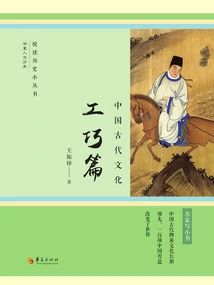
中国古代文化:工巧篇
Wang Zhenduo
By introducing the jade, bronze, ceramics, lacquerware, silk weaving, ancient buildings, water conservancy, astronomical instruments, cars, ships and ancient artifacts made by skilled craftsmen in ancient China, it demonstrates the achievements and craftsmanship of our ancestors in material culture, science and technology, and proves the ingenuity of the Chinese nation and the exquisiteness of traditional Chinese crafts. It uses detailed evidence to eloquently demonstrate the contribution of the ancient Chinese people to the world, enabling us to maintain a confident and correct mentality under the fierce impact of Western culture. Looking at our Chinese culture, we will feel that it is broad, profound, and has a long history. The history that can be tested in writing can reach more than 4,000 years, and the history that can be tested in cultural relics can reach more than 7,000 years, and it can even be pushed back to even older times. Its cultural achievements are as brilliant as the sun and the moon. Each part listed in the book is a specialized subject in the history of science. The author summarizes the essence of the research results of historians, archaeologists and other disciplines and compiles them into chapters, inspiring us to stand on the shoulders of giants in the new era, inherit and carry forward the great achievements and craftsmanship of our ancestors, and continue to move towards new scientific frontiers.
By introducing the jade, bronze, ceramics, lacquerware, silk weaving, ancient buildings, water conservancy, astronomical instruments, cars, ships and ancient artifacts made by skilled craftsmen in ancient China, it demonstrates the achievements and craftsmanship of our ancestors in material culture, science and technology, and proves the ingenuity of the Chinese nation and the exquisiteness of traditional Chinese crafts. It uses detailed evidence to eloquently demonstrate the contribution of the ancient Chinese people to the world, enabling us to maintain a confident and correct mentality under the fierce impact of Western culture. Looking at our Chinese culture, we will feel that it is broad, profound, and has a long history. The history that can be tested in writing can reach more than 4,000 years, and the history that can be tested in cultural relics can reach more than 7,000 years, and it can even be pushed back to even older times. Its cultural achievements are as brilliant as the sun and the moon. Each part listed in the book is a specialized subject in the history of science. The author summarizes the essence of the research results of historians, archaeologists and other disciplines and compiles them into chapters, inspiring us to stand on the shoulders of giants in the new era, inherit and carry forward the great achievements and craftsmanship of our ancestors, and continue to move towards new scientific frontiers.
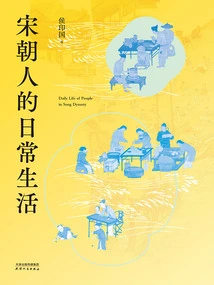
宋朝人的日常生活
Hou Yinguo
This is a popular historical book to help you understand the basic necessities of life of people in the Song Dynasty. The peak of Chinese culture appeared in the Song Dynasty, and the lifestyle of the Song people became a template that has influenced it for more than a thousand years. Most of our living customs, rhythms and even values today began to take shape during the Song Dynasty. The Song Dynasty could meet the basic needs of a modern person, such as raising cats and dogs, eating takeaways at work, visiting night markets, and watching performances... It exuded its own unique charm of the times. This book selects four major themes around modern people's interests, including food, shopping, housing and transportation, and festivals. From this book, you will find that the food of the Song Dynasty is different every day. There are all kinds of cold drinks and fruits in summer, and you can order takeout if you don't want to go out. You can go shopping at night markets, drink in restaurants, and watch various artistic performances at Wasegoulan. Of course, you can also burn incense and drink tea alone at home. Isn't the daily aesthetics and taste of Song people the "elegance" that we have gradually lost in the busy and mediocre city life?
This is a popular historical book to help you understand the basic necessities of life of people in the Song Dynasty. The peak of Chinese culture appeared in the Song Dynasty, and the lifestyle of the Song people became a template that has influenced it for more than a thousand years. Most of our living customs, rhythms and even values today began to take shape during the Song Dynasty. The Song Dynasty could meet the basic needs of a modern person, such as raising cats and dogs, eating takeaways at work, visiting night markets, and watching performances... It exuded its own unique charm of the times. This book selects four major themes around modern people's interests, including food, shopping, housing and transportation, and festivals. From this book, you will find that the food of the Song Dynasty is different every day. There are all kinds of cold drinks and fruits in summer, and you can order takeout if you don't want to go out. You can go shopping at night markets, drink in restaurants, and watch various artistic performances at Wasegoulan. Of course, you can also burn incense and drink tea alone at home. Isn't the daily aesthetics and taste of Song people the "elegance" that we have gradually lost in the busy and mediocre city life?
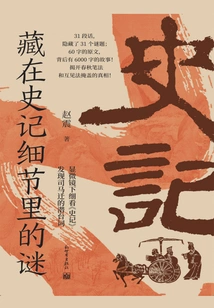
藏在史记细节里的谜
Zhao Zhen
"Historical Records" is China's first biographical general history. It was praised by Lu Xun as "the swan song of historians and the rhymeless Li Sao". Sima Qian carefully considered every sentence and word when he wrote "Historical Records". However, later generations of people who read "Historical Records" often ignored the details he hidden between the lines. This book is based on the texts in "Historical Records" and selects 31 details in "Historical Records" as entry points for interpretation from five perspectives: military, people's hearts, weapons, culture, and anecdotes. While telling historical stories, it combines numerous historical documents and archaeological research to discover the complex human emotions, humanity and profound cultural connotations contained in "Historical Records" from between the lines, making the ancient "Historical Records" fresh and interesting.
"Historical Records" is China's first biographical general history. It was praised by Lu Xun as "the swan song of historians and the rhymeless Li Sao". Sima Qian carefully considered every sentence and word when he wrote "Historical Records". However, later generations of people who read "Historical Records" often ignored the details he hidden between the lines. This book is based on the texts in "Historical Records" and selects 31 details in "Historical Records" as entry points for interpretation from five perspectives: military, people's hearts, weapons, culture, and anecdotes. While telling historical stories, it combines numerous historical documents and archaeological research to discover the complex human emotions, humanity and profound cultural connotations contained in "Historical Records" from between the lines, making the ancient "Historical Records" fresh and interesting.
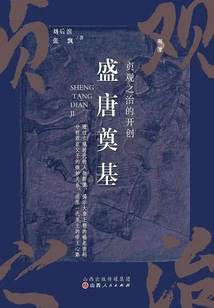
盛唐奠基:贞观之治的开创
Liu Houbin Zhang Piao
This book is a popular historical book. The whole book revolves around Taizong of the Tang Dynasty and the rule of Zhenguan. Through some specific events and plots, it starts from the mystery of the emperor's life experience and the rise of troops in Taiyuan, and ends with Tuogu and the final handover of power. On the basis of academic research, it pays attention to the popularity of the narrative, allowing readers to intimately feel a living Taizong of the Tang Dynasty. The author discusses Li Shimin's contribution as the King of Qin in the founding of the Tang Dynasty; how Li Shimin, as the emperor after the Xuanwu Gate Incident, led his ministers to create the Zhenguan rule through practical actions and laid the foundation of the Tang Dynasty. Through discussion based on the facts, discuss with the readers Tang Taizong's state governance strategy and political practice. This book combines academic rigor and narrative fluency. It can be called a "little book for everyone" and is of great publication value.
This book is a popular historical book. The whole book revolves around Taizong of the Tang Dynasty and the rule of Zhenguan. Through some specific events and plots, it starts from the mystery of the emperor's life experience and the rise of troops in Taiyuan, and ends with Tuogu and the final handover of power. On the basis of academic research, it pays attention to the popularity of the narrative, allowing readers to intimately feel a living Taizong of the Tang Dynasty. The author discusses Li Shimin's contribution as the King of Qin in the founding of the Tang Dynasty; how Li Shimin, as the emperor after the Xuanwu Gate Incident, led his ministers to create the Zhenguan rule through practical actions and laid the foundation of the Tang Dynasty. Through discussion based on the facts, discuss with the readers Tang Taizong's state governance strategy and political practice. This book combines academic rigor and narrative fluency. It can be called a "little book for everyone" and is of great publication value.
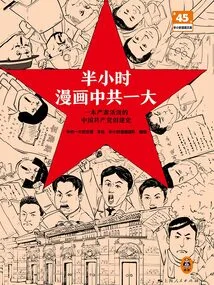
半小时漫画中共一大
Compiled By The Memorial Hall Of The First Congress Of The Communist Party Of China, Etc.
This is a serious and lively history of the founding of the Communist Party of China. It is jointly created by the Half-Hour Comics team and experts and scholars from the First Memorial Hall of the Communist Party of China. As an entry-level book specially developed for teenagers, every detail has been rigorously researched, and the story of the birth of the Party is told to children in their favorite comic form. Chen, Chen, and Li from the north and south met to found the party. Early Communist Party organizations in various places were established one after another. Representatives from all over the country rushed to Shanghai one after another. On July 23, 1921, the conference kicked off and advanced intensively. On July 30, spies broke into a large conference venue at night. On the last day of the conference, the conference was forced to be moved to Jiaxing, Zhejiang... While vividly restoring these historical events, this book focuses on connecting the cause and effect between events and time, so that children can not only understand what happened, but also why it happened. After opening this book, you can easily understand the story of the founding of the Communist Party of China, and at the same time, you can also understand the great spirit of party building!
This is a serious and lively history of the founding of the Communist Party of China. It is jointly created by the Half-Hour Comics team and experts and scholars from the First Memorial Hall of the Communist Party of China. As an entry-level book specially developed for teenagers, every detail has been rigorously researched, and the story of the birth of the Party is told to children in their favorite comic form. Chen, Chen, and Li from the north and south met to found the party. Early Communist Party organizations in various places were established one after another. Representatives from all over the country rushed to Shanghai one after another. On July 23, 1921, the conference kicked off and advanced intensively. On July 30, spies broke into a large conference venue at night. On the last day of the conference, the conference was forced to be moved to Jiaxing, Zhejiang... While vividly restoring these historical events, this book focuses on connecting the cause and effect between events and time, so that children can not only understand what happened, but also why it happened. After opening this book, you can easily understand the story of the founding of the Communist Party of China, and at the same time, you can also understand the great spirit of party building!
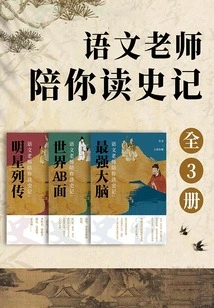
语文老师陪你读史记(全3册)
Daliang Ruji
There are 3 volumes in the set, namely "The Chinese Teacher Reads Historical Records with You: The Most Powerful Brain", "The Chinese Teacher Reads Historical Records with You: Biographies of Stars" and "The Chinese Teacher Reads Historical Records with You: AB Side of the World".
There are 3 volumes in the set, namely "The Chinese Teacher Reads Historical Records with You: The Most Powerful Brain", "The Chinese Teacher Reads Historical Records with You: Biographies of Stars" and "The Chinese Teacher Reads Historical Records with You: AB Side of the World".
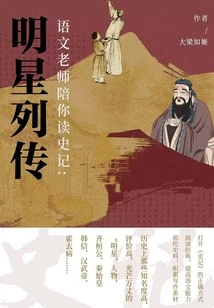
语文老师陪你读《史记》:明星列传
Daliang Ruji
This book mainly writes about those famous and shining "star" figures in history. They are not only the elites of the times, but also the darlings of history, such as Duke Huan of Qi, Qin Shihuang, Han Xin, Emperor Wu of Han, Huo Qubing, etc. Everyone in the country knows their famous names. The author is here to reveal for everyone the interesting historical facts that are covered up by the "aura of protagonists".
This book mainly writes about those famous and shining "star" figures in history. They are not only the elites of the times, but also the darlings of history, such as Duke Huan of Qi, Qin Shihuang, Han Xin, Emperor Wu of Han, Huo Qubing, etc. Everyone in the country knows their famous names. The author is here to reveal for everyone the interesting historical facts that are covered up by the "aura of protagonists".
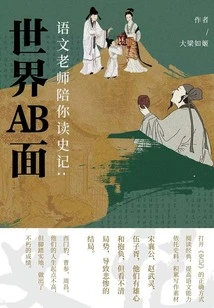
语文老师陪你读《史记》:世界AB面
Daliang Ruji
There are two completely different people in writing history. Their existence is like the AB side of history - the protagonists on the A side are: Song Xianggong, King Wuling of Zhao, Wu Zixu, etc. They have ambitions and ambitions, but they cannot see the situation clearly, which leads to a tragic ending. The protagonists on side B are: Ximen Bao, Cao Shen, Zhou Chang, etc. Their starting point in life is not high, but they are down-to-earth and have made immortal achievements. Through the interpretation of two kinds of life, this volume hopes to help young readers establish a correct outlook on life and values as early as possible, and understand the wisdom hidden in "Historical Records".
There are two completely different people in writing history. Their existence is like the AB side of history - the protagonists on the A side are: Song Xianggong, King Wuling of Zhao, Wu Zixu, etc. They have ambitions and ambitions, but they cannot see the situation clearly, which leads to a tragic ending. The protagonists on side B are: Ximen Bao, Cao Shen, Zhou Chang, etc. Their starting point in life is not high, but they are down-to-earth and have made immortal achievements. Through the interpretation of two kinds of life, this volume hopes to help young readers establish a correct outlook on life and values as early as possible, and understand the wisdom hidden in "Historical Records".
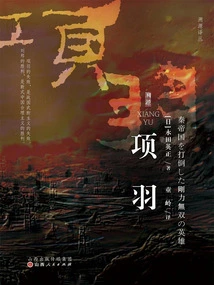
Xiang Yu
History项羽
(japan) Nagata Hidemasa
This book is a general historical reading about Xiang Yu and his era. It is a "little book for everyone" written by Nagata Hidemasa, a famous Japanese historian of Qin and Han Dynasties. The book comprehensively describes Xiang Yu's turbulent life based on records in historical books such as "Historical Records" and "Hanshu". Xiang Yu rebelled against the Qin Dynasty at the age of twenty-four and became an all-powerful leader. However, during the Chu-Han conflict, he missed the opportunity to kill his opponents and ended up on the road of no return when he was defeated in Gaixia. He tragically ended his life at the age of thirty-one. On the historical stage between Qin and Han Dynasties, Xiang Yu was like a comet sweeping across the sky, leaving behind many brilliance and mystery. This book vividly displays Xiang Yu's heroic image in the wars between Qin and Han Dynasties, provides an in-depth analysis of Xiang Yu's character and the reasons for his failure, and also discusses Xiang Yu's image in later literary and dramatic works. The book also describes Liu Bang, Han Xin and other important figures who were closely related to Xiang Yu during the Qin and Han Dynasties, showing the entire historical picture at that time. This book adopts a comparative perspective between China and Japan. It has a solid foundation in historical materials, vivid and fluent language, and high readability. It helps readers understand Xiang Yu's personality and demeanor as well as the history of the Qin and Han Dynasties.
This book is a general historical reading about Xiang Yu and his era. It is a "little book for everyone" written by Nagata Hidemasa, a famous Japanese historian of Qin and Han Dynasties. The book comprehensively describes Xiang Yu's turbulent life based on records in historical books such as "Historical Records" and "Hanshu". Xiang Yu rebelled against the Qin Dynasty at the age of twenty-four and became an all-powerful leader. However, during the Chu-Han conflict, he missed the opportunity to kill his opponents and ended up on the road of no return when he was defeated in Gaixia. He tragically ended his life at the age of thirty-one. On the historical stage between Qin and Han Dynasties, Xiang Yu was like a comet sweeping across the sky, leaving behind many brilliance and mystery. This book vividly displays Xiang Yu's heroic image in the wars between Qin and Han Dynasties, provides an in-depth analysis of Xiang Yu's character and the reasons for his failure, and also discusses Xiang Yu's image in later literary and dramatic works. The book also describes Liu Bang, Han Xin and other important figures who were closely related to Xiang Yu during the Qin and Han Dynasties, showing the entire historical picture at that time. This book adopts a comparative perspective between China and Japan. It has a solid foundation in historical materials, vivid and fluent language, and high readability. It helps readers understand Xiang Yu's personality and demeanor as well as the history of the Qin and Han Dynasties.
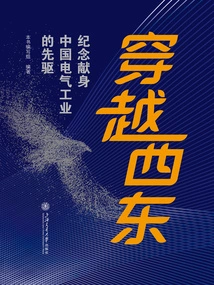
穿越西东:纪念献身中国电气工业的先驱
Written By The Writing Team Of This Book
This book records the arduous development path of the pioneers of China's electrical industry, from studying and determined to participating in the private sector to establishing state-owned electrical enterprises. They moved westward in the early days of the Anti-Japanese War and then returned eastward to help the creation and development of my country's electrical enterprises. The pioneers created miracles one after another in the process of my country's electrical industry growing from scratch and from small to large, and dedicated their life's energy and ingenuity. Their indomitable, patriotic and dedicated spirit inspires future generations to move forward bravely. This book contains the posthumous works of Yun Zhen, Chu Yinghuang and many other pioneers in the electrical industry, as well as the emotional memories of their descendants, as well as the biographies of nearly a hundred pioneers. This book is a true record of the historical contributions of industry pioneers. It can play a narrative, empirical and enriching role in the development history of the industry. It also sets an example for contemporary young people, especially researchers and engineers who are interested in devoting themselves to science and technology.
This book records the arduous development path of the pioneers of China's electrical industry, from studying and determined to participating in the private sector to establishing state-owned electrical enterprises. They moved westward in the early days of the Anti-Japanese War and then returned eastward to help the creation and development of my country's electrical enterprises. The pioneers created miracles one after another in the process of my country's electrical industry growing from scratch and from small to large, and dedicated their life's energy and ingenuity. Their indomitable, patriotic and dedicated spirit inspires future generations to move forward bravely. This book contains the posthumous works of Yun Zhen, Chu Yinghuang and many other pioneers in the electrical industry, as well as the emotional memories of their descendants, as well as the biographies of nearly a hundred pioneers. This book is a true record of the historical contributions of industry pioneers. It can play a narrative, empirical and enriching role in the development history of the industry. It also sets an example for contemporary young people, especially researchers and engineers who are interested in devoting themselves to science and technology.
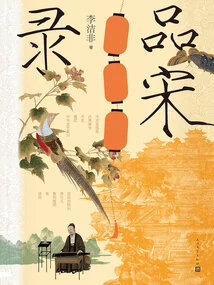
Pin Song Lu
History品宋录
Li Jiefei
"Taking Song Lu" is a new work by Mr. Li Jiefei, a famous writer and historian of literature, who deeply analyzes the history and culture of the Song Dynasty from multiple angles. The whole book uses the word "pin" to refer to the Song Dynasty, with a total of twelve chapters, each of which is "pin". The order is as follows: three chapters on the rights and wrongs of the southern crossing; one chapter each on Song Dynasty paintings, banknotes, force, spiritual thought, common people's culture, political system, judiciary and tea culture; and finally collected in the chapter "Lanking the Song Dynasty", which captures the whole picture of the Song Dynasty, focusing on its cities, commerce, lifestyle, science and technology, literature and art, power supervision and restraint, etc. The author, Mr. Li Jiefei, specializes in literature and "intervenes" in old history. His perspective and approach are different from those of professional historians. Today's serious historical treatises and monographs have the same voice and little difference in style; while "Pin Song Lu" writes history in a tactful way, with elegant writing and ink, making it easier for readers to appreciate the hidden meanings and subtexts.
"Taking Song Lu" is a new work by Mr. Li Jiefei, a famous writer and historian of literature, who deeply analyzes the history and culture of the Song Dynasty from multiple angles. The whole book uses the word "pin" to refer to the Song Dynasty, with a total of twelve chapters, each of which is "pin". The order is as follows: three chapters on the rights and wrongs of the southern crossing; one chapter each on Song Dynasty paintings, banknotes, force, spiritual thought, common people's culture, political system, judiciary and tea culture; and finally collected in the chapter "Lanking the Song Dynasty", which captures the whole picture of the Song Dynasty, focusing on its cities, commerce, lifestyle, science and technology, literature and art, power supervision and restraint, etc. The author, Mr. Li Jiefei, specializes in literature and "intervenes" in old history. His perspective and approach are different from those of professional historians. Today's serious historical treatises and monographs have the same voice and little difference in style; while "Pin Song Lu" writes history in a tactful way, with elegant writing and ink, making it easier for readers to appreciate the hidden meanings and subtexts.
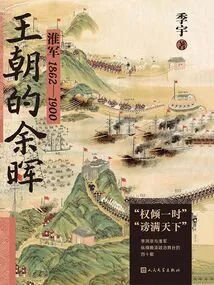
王朝的余晖:淮军1862—1900
Ji Yu
"The Afterglow of the Dynasty" is a popular book written by Ji Yu about the history of the Qing Dynasty in China. This book starts from the political turmoil in the late Qing Dynasty around 1860 and ends around the Gengzi Revolution in 1900. It describes the creation and development of the Huai Army by Li Hongzhang, an important official in the late Qing Dynasty, and the history of the Huai Army's prosperity, evolution and final destruction. With a grand perspective and delicate writing style, the author restores the many wars in the late Qing Dynasty in which the Huai army participated, and shows the historical process of the rapid decline of the Qing Dynasty and the competition between various classes and forces in this period against the background of internal and external difficulties. Pushing aside the dust and fog, and re-observing the Huai Army, which was once the last military pillar of the Qing Dynasty, we can see that what the author has written is not only the rise and fall of China's first modern army, but also a period of history that cannot be ignored in the difficult exploration and dramatic transformation of modern China.
"The Afterglow of the Dynasty" is a popular book written by Ji Yu about the history of the Qing Dynasty in China. This book starts from the political turmoil in the late Qing Dynasty around 1860 and ends around the Gengzi Revolution in 1900. It describes the creation and development of the Huai Army by Li Hongzhang, an important official in the late Qing Dynasty, and the history of the Huai Army's prosperity, evolution and final destruction. With a grand perspective and delicate writing style, the author restores the many wars in the late Qing Dynasty in which the Huai army participated, and shows the historical process of the rapid decline of the Qing Dynasty and the competition between various classes and forces in this period against the background of internal and external difficulties. Pushing aside the dust and fog, and re-observing the Huai Army, which was once the last military pillar of the Qing Dynasty, we can see that what the author has written is not only the rise and fall of China's first modern army, but also a period of history that cannot be ignored in the difficult exploration and dramatic transformation of modern China.
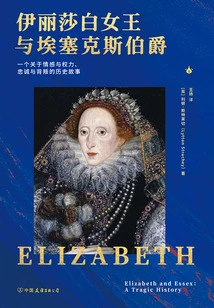
伊丽莎白女王与埃塞克斯伯爵
(uk) Lytton Streich
The past between Queen Elizabeth and the Earl of Essex is a romantic, touching but cruel and tragic historical story. Queen Elizabeth of England met Essex at the age when she knew her destiny. Since then, the combination of the two has been extremely romantic, but also very dangerous. There are various emotional entanglements and conflicts of interests intertwined between them, including the love between men and women, and the game of power struggle, which makes the relationship between them destined to be complex, changeable and erratic. After a series of events, the relationship between the Queen and the Earl will develop in an unpredictable direction. What will be the final outcome?
The past between Queen Elizabeth and the Earl of Essex is a romantic, touching but cruel and tragic historical story. Queen Elizabeth of England met Essex at the age when she knew her destiny. Since then, the combination of the two has been extremely romantic, but also very dangerous. There are various emotional entanglements and conflicts of interests intertwined between them, including the love between men and women, and the game of power struggle, which makes the relationship between them destined to be complex, changeable and erratic. After a series of events, the relationship between the Queen and the Earl will develop in an unpredictable direction. What will be the final outcome?
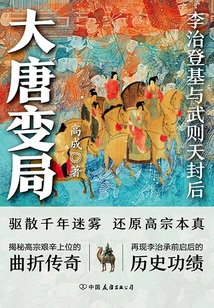
大唐变局:李治登基与武则天封后
Gao Cheng
In various works, the image of Emperor Gaozong of Tang Dynasty is not prominent, but when we study history carefully and remove the layers of fog left by the years, we will find a completely different Li Zhi. This book follows the footsteps of history and details the growth experience, family background, political career, historical achievements of Tang Gaozong, a key figure in the changes in the Tang Dynasty, as well as the grievances and resentments between him and Wu Zetian, and strives to restore a relatively real Li Zhi and the Tang court and social conditions under his rule.
In various works, the image of Emperor Gaozong of Tang Dynasty is not prominent, but when we study history carefully and remove the layers of fog left by the years, we will find a completely different Li Zhi. This book follows the footsteps of history and details the growth experience, family background, political career, historical achievements of Tang Gaozong, a key figure in the changes in the Tang Dynasty, as well as the grievances and resentments between him and Wu Zetian, and strives to restore a relatively real Li Zhi and the Tang court and social conditions under his rule.
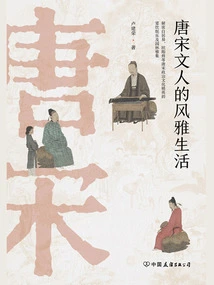
唐宋文人的风雅生活
Lu Jianrong
The Tang and Song Dynasties were the pinnacle of social and cultural development in ancient China, in which the scholar group played a key leading role. In terms of leisure life, most of them live in exquisite gardens; banquets to bid farewell and drinking and composing poems are the basic leisure activities for officials' daily entertainment - which makes Chinese restaurants 800 years earlier than their Western counterparts; among the high-ranking officials, there are even more "elegant" people who spend a lot of money to pursue the best peonies. What is the deep meaning and life trajectory behind this elegant life? The author uses a new perspective, starting from the literary masterpieces of Tang and Song dynasties, to decipher the hidden meanings behind the food, drink and fun of scholars in Tang and Song Dynasties, opening up a new landscape of historical and cultural research.
The Tang and Song Dynasties were the pinnacle of social and cultural development in ancient China, in which the scholar group played a key leading role. In terms of leisure life, most of them live in exquisite gardens; banquets to bid farewell and drinking and composing poems are the basic leisure activities for officials' daily entertainment - which makes Chinese restaurants 800 years earlier than their Western counterparts; among the high-ranking officials, there are even more "elegant" people who spend a lot of money to pursue the best peonies. What is the deep meaning and life trajectory behind this elegant life? The author uses a new perspective, starting from the literary masterpieces of Tang and Song dynasties, to decipher the hidden meanings behind the food, drink and fun of scholars in Tang and Song Dynasties, opening up a new landscape of historical and cultural research.
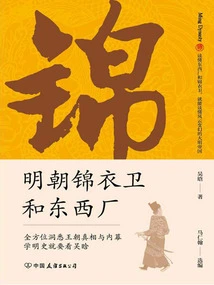
明朝锦衣卫和东西厂
Written By Wu Han And Selected By Ma Renhan
Adhering to the rigorous attitude of objectively restoring history, this book compiles the essence of the Ming Dynasty master Wu Han's research on the factory guard system. It arranges the chapters based on the rise and fall of the factory guard, and comprehensively and systematically reproduces the evolution and development of the East-West Factory, Jinyiwei and other spy agencies. Reveals the internal contradictions of the Ming Empire and the underlying reasons for its transition from prosperity to decline, and deciphers the historical truth behind the spy politics of the Ming Dynasty!
Adhering to the rigorous attitude of objectively restoring history, this book compiles the essence of the Ming Dynasty master Wu Han's research on the factory guard system. It arranges the chapters based on the rise and fall of the factory guard, and comprehensively and systematically reproduces the evolution and development of the East-West Factory, Jinyiwei and other spy agencies. Reveals the internal contradictions of the Ming Empire and the underlying reasons for its transition from prosperity to decline, and deciphers the historical truth behind the spy politics of the Ming Dynasty!
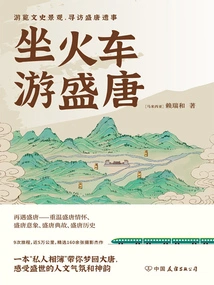
坐火车游盛唐
K
The prosperous Tang Dynasty was a very pioneering era in Chinese history. The author of this book, Professor Lai Ruihe, has a passion for searching for the relics of the prosperous Tang Dynasty. During nine cultural and historical trips to more than 20 provinces, autonomous regions and municipalities in China, he selected more than 160 photos to record the various cultural and historical landscapes he saw during his travels. With concise and popular text explanations, he once again sounded the lingering sound of the prosperous Tang Dynasty thousands of years later with profound cultural accumulation, showing readers a corner of history and expressing their nostalgia for the prosperous Tang Dynasty.
The prosperous Tang Dynasty was a very pioneering era in Chinese history. The author of this book, Professor Lai Ruihe, has a passion for searching for the relics of the prosperous Tang Dynasty. During nine cultural and historical trips to more than 20 provinces, autonomous regions and municipalities in China, he selected more than 160 photos to record the various cultural and historical landscapes he saw during his travels. With concise and popular text explanations, he once again sounded the lingering sound of the prosperous Tang Dynasty thousands of years later with profound cultural accumulation, showing readers a corner of history and expressing their nostalgia for the prosperous Tang Dynasty.
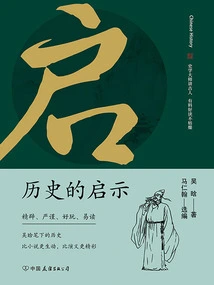
Historical Inspiration
History历史的启示
Written By Wu Han And Selected By Ma Renhan
This book selects historian Wu Han's narratives and comments on ancient Chinese imperial power, bureaucracy, social life and other aspects. In this book, Wu Han not only has a wonderful discussion on the imperial power, bureaucracy, and gentry class in ancient China, but also explores the corruption phenomenon, cultural customs, and business development in ancient Chinese history. In addition, Wu Han also objectively commented on historical figures such as Qian Qianyi and Qi Jiguang. This book has rich historical materials, thorough analysis, and vivid and humorous language. Many articles reflect Wu Han's unique understanding of Chinese history, which is helpful for readers to increase their historical knowledge and inspire their understanding of society and life.
This book selects historian Wu Han's narratives and comments on ancient Chinese imperial power, bureaucracy, social life and other aspects. In this book, Wu Han not only has a wonderful discussion on the imperial power, bureaucracy, and gentry class in ancient China, but also explores the corruption phenomenon, cultural customs, and business development in ancient Chinese history. In addition, Wu Han also objectively commented on historical figures such as Qian Qianyi and Qi Jiguang. This book has rich historical materials, thorough analysis, and vivid and humorous language. Many articles reflect Wu Han's unique understanding of Chinese history, which is helpful for readers to increase their historical knowledge and inspire their understanding of society and life.
Song Dynasty Hormones
History宋朝荷尔蒙
A Scene Of The Moon
It tells the different fate experiences of knowledgeable people in the Song Dynasty and shows the unique charm of the characters in the Song Dynasty.
It tells the different fate experiences of knowledgeable people in the Song Dynasty and shows the unique charm of the characters in the Song Dynasty.
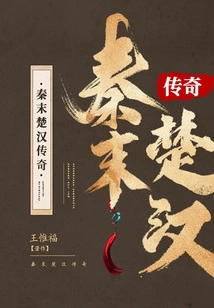
秦末楚汉传奇
Wang Weifu
Reminiscent of history in a humorous atmosphere, telling the legendary lives of Qin Shihuang, Chu Bawang and Han Gaozu in a humorous tone. The first volume, The Heroes of Qin, begins with Ying Zheng's ascension to the throne and describes the process of Qin's annexation of the six kingdoms at the end of the Warring States Period until the death of Qin Shihuang. The second volume, Chuweihuanghuang, starts with the Chen Sheng and Wu Guang uprising, telling the story of the Chu army led by Xiang Yu and supplemented by Liu Bang, who struggled to overthrow the violent Qin in a vigorous peasant uprising and shocked the princes. The third volume of Han De Zhao Zhao introduces the process of the Chu-Han struggle for hegemony. Liu Bang started from a Chu army general who neutralized the country in Hanzhong, attacked eastward from Hanzhong, competed with Xiang Yu for hegemony, and finally established the Han Dynasty. This article emphasizes the word "" throughout the article, using "" to cover up the bloody brutality.
Reminiscent of history in a humorous atmosphere, telling the legendary lives of Qin Shihuang, Chu Bawang and Han Gaozu in a humorous tone. The first volume, The Heroes of Qin, begins with Ying Zheng's ascension to the throne and describes the process of Qin's annexation of the six kingdoms at the end of the Warring States Period until the death of Qin Shihuang. The second volume, Chuweihuanghuang, starts with the Chen Sheng and Wu Guang uprising, telling the story of the Chu army led by Xiang Yu and supplemented by Liu Bang, who struggled to overthrow the violent Qin in a vigorous peasant uprising and shocked the princes. The third volume of Han De Zhao Zhao introduces the process of the Chu-Han struggle for hegemony. Liu Bang started from a Chu army general who neutralized the country in Hanzhong, attacked eastward from Hanzhong, competed with Xiang Yu for hegemony, and finally established the Han Dynasty. This article emphasizes the word "" throughout the article, using "" to cover up the bloody brutality.
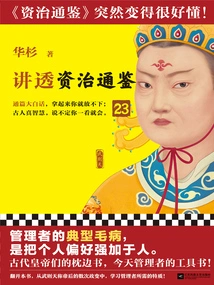
华杉讲透《资治通鉴》23
Huashan
"Zi Zhi Tong Jian" writes from the Warring States Period to the Five Dynasties and Ten Kingdoms, vividly showing the living people and stories in the 1,362-year history of the 16 dynasties. It can be said to be the "big data" and "case collection" of China's political and cultural heritage. This book tells the history of the Tang Dynasty from when Wu Zetian proclaimed himself emperor to when Emperor Xuanzong ascended the throne. In 690 AD, Wu Zetian proclaimed himself emperor. During his reign, he demoted old ministers and appointed cruel officials. At the same time, he held palace examinations and established martial arts examinations. He recovered four towns in Anxi, established the Anxi Protectorate, and quelled the rebellion in Yingzhou. In 705 AD, the Shenlong coup occurred and Zhongzong ascended the throne. Zhongzong indulged Queen Wei and Princess Anle, favored Wu Sansi, and caused chaos in the government. In 710 AD, Zhongzong died, Li Longji launched the Tang Long coup, and Ruizhong ascended the throne. Li Longji and Princess Taiping started a power struggle. In 712 AD, Ruizhong preached virtues to avoid disasters, and Xuanzong ascended the throne. The following year, Princess Taiping died at home. Open this book and learn the qualities needed by managers from the several coups after Wu Zetian became emperor!
"Zi Zhi Tong Jian" writes from the Warring States Period to the Five Dynasties and Ten Kingdoms, vividly showing the living people and stories in the 1,362-year history of the 16 dynasties. It can be said to be the "big data" and "case collection" of China's political and cultural heritage. This book tells the history of the Tang Dynasty from when Wu Zetian proclaimed himself emperor to when Emperor Xuanzong ascended the throne. In 690 AD, Wu Zetian proclaimed himself emperor. During his reign, he demoted old ministers and appointed cruel officials. At the same time, he held palace examinations and established martial arts examinations. He recovered four towns in Anxi, established the Anxi Protectorate, and quelled the rebellion in Yingzhou. In 705 AD, the Shenlong coup occurred and Zhongzong ascended the throne. Zhongzong indulged Queen Wei and Princess Anle, favored Wu Sansi, and caused chaos in the government. In 710 AD, Zhongzong died, Li Longji launched the Tang Long coup, and Ruizhong ascended the throne. Li Longji and Princess Taiping started a power struggle. In 712 AD, Ruizhong preached virtues to avoid disasters, and Xuanzong ascended the throne. The following year, Princess Taiping died at home. Open this book and learn the qualities needed by managers from the several coups after Wu Zetian became emperor!
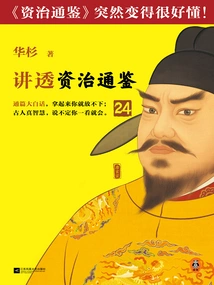
华杉讲透《资治通鉴》24
Huashan
"Zi Zhi Tong Jian" writes from the Warring States Period to the Five Dynasties and Ten Kingdoms, vividly showing the living people and stories in the 1,362-year history of the 16 dynasties. It can be said to be the "big data" and "case collection" of China's political and cultural heritage. This book is the 24th in the series, telling the history of Tang Xuanzong's 40-year reign. In 718 AD, Emperor Xuanzong of the Tang Dynasty re-employed virtuous ministers and worked hard to govern, creating a prosperous Kaiyuan era in the Tang Dynasty. Later, the villain and the virtuous minister advocated pleasure and massacred loyal and good people, triggering the Anshi Rebellion, and the Tang Dynasty turned from prosperity to decline... Open this book to see Tang Xuanzong's transformation from wise and decisive to mediocre and lazy, and summarize the historical roots of the Tang Dynasty's transition from prosperity to decline!
"Zi Zhi Tong Jian" writes from the Warring States Period to the Five Dynasties and Ten Kingdoms, vividly showing the living people and stories in the 1,362-year history of the 16 dynasties. It can be said to be the "big data" and "case collection" of China's political and cultural heritage. This book is the 24th in the series, telling the history of Tang Xuanzong's 40-year reign. In 718 AD, Emperor Xuanzong of the Tang Dynasty re-employed virtuous ministers and worked hard to govern, creating a prosperous Kaiyuan era in the Tang Dynasty. Later, the villain and the virtuous minister advocated pleasure and massacred loyal and good people, triggering the Anshi Rebellion, and the Tang Dynasty turned from prosperity to decline... Open this book to see Tang Xuanzong's transformation from wise and decisive to mediocre and lazy, and summarize the historical roots of the Tang Dynasty's transition from prosperity to decline!
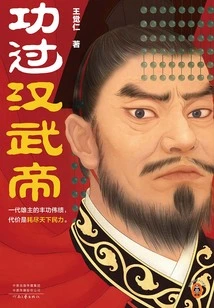
功过汉武帝
Wang Jueren
Liu Che, Emperor Wu of the Han Dynasty, reigned for fifty-four years. During his reign, he conquered the Huns in the north, conquered the Western Regions, pacified the two Vietnams in the south, and conquered Korea in the east. He successively brought the Hetao Plain, Hexi Corridor, Lingnan, Fujian, Northeast, Southwest and other places under the direct jurisdiction of the central government, greatly expanding the territory of ancient China. However, the evaluation of the merits and demerits of Emperor Wu of the Han Dynasty has been controversial throughout the ages. Sima Guang criticized him in "Zi Zhi Tong Jian" for his "excessive extravagance, excessive lust, and heavy punishments." In order to realize his great deeds, Emperor Wu of the Han Dynasty paid a price that was almost as huge as the historical achievements he created.
Liu Che, Emperor Wu of the Han Dynasty, reigned for fifty-four years. During his reign, he conquered the Huns in the north, conquered the Western Regions, pacified the two Vietnams in the south, and conquered Korea in the east. He successively brought the Hetao Plain, Hexi Corridor, Lingnan, Fujian, Northeast, Southwest and other places under the direct jurisdiction of the central government, greatly expanding the territory of ancient China. However, the evaluation of the merits and demerits of Emperor Wu of the Han Dynasty has been controversial throughout the ages. Sima Guang criticized him in "Zi Zhi Tong Jian" for his "excessive extravagance, excessive lust, and heavy punishments." In order to realize his great deeds, Emperor Wu of the Han Dynasty paid a price that was almost as huge as the historical achievements he created.
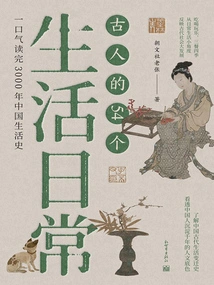
古人的54个生活日常
Lao Zhang Of Chaowen Society
This book starts with 54 details of ancient people's daily life and explores the changes in Chinese people's living habits, cultural concepts and folk customs over the past 3,000 years. Through the details of these life changes, we can see that whether it is material foundation or spiritual civilization, the Chinese people have been constantly exploring new realms, and the working people use the unique Chinese wisdom to solve daily livelihood problems. Although the days are trivial, their roots are deep. It is the lives of these ordinary people that have created China's thousands of years of history and also painted the humanistic foundation of the Chinese people.
This book starts with 54 details of ancient people's daily life and explores the changes in Chinese people's living habits, cultural concepts and folk customs over the past 3,000 years. Through the details of these life changes, we can see that whether it is material foundation or spiritual civilization, the Chinese people have been constantly exploring new realms, and the working people use the unique Chinese wisdom to solve daily livelihood problems. Although the days are trivial, their roots are deep. It is the lives of these ordinary people that have created China's thousands of years of history and also painted the humanistic foundation of the Chinese people.
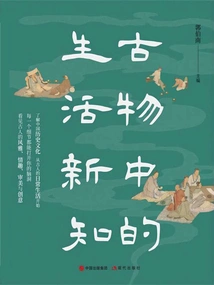
古物中的生活新知
Editor-in-chief Guo Bonan
To understand Chinese history and culture, start from the daily life of ancient people. What material is the rouge made under the supervision of the Empress Dowager Cixi herself? Was the earliest posthumous biography recorded in oracle bone inscriptions? Did you know that there was a set of rituals for making and storing ice in ancient times? ... Chinese cultural traditions are long and rich, just like the vast starry sky. The origins of many cultural traditions are mysterious, interesting, or legendary. With an attitude of curiosity, exploration and serious inquiry, the author starts from everything in the daily lives of the ancients, relying on ancient paintings, ancient utensils, written history, poetry, and folk customs to take us back to ancient times to explore a life and history that was elegant, unique, and full of whimsical ideas.
To understand Chinese history and culture, start from the daily life of ancient people. What material is the rouge made under the supervision of the Empress Dowager Cixi herself? Was the earliest posthumous biography recorded in oracle bone inscriptions? Did you know that there was a set of rituals for making and storing ice in ancient times? ... Chinese cultural traditions are long and rich, just like the vast starry sky. The origins of many cultural traditions are mysterious, interesting, or legendary. With an attitude of curiosity, exploration and serious inquiry, the author starts from everything in the daily lives of the ancients, relying on ancient paintings, ancient utensils, written history, poetry, and folk customs to take us back to ancient times to explore a life and history that was elegant, unique, and full of whimsical ideas.
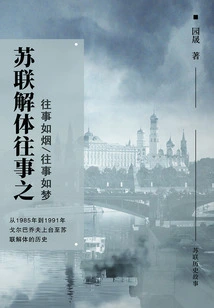
The Disintegration of the Soviet Union, the Past is Like Smoke\u002f the Past is Like a Dream
History苏联解体往事之往事如烟\u002F往事如梦
Yuan Sheng
"The Past of the Soviet Union" mainly writes about the history of the Soviet Union in the last fifteen years (1977 to 1991), and is divided into two parts. The first half is named "The Past Is Like Smoke", which means that many historical stories and historical figures disappeared with the disintegration of the Soviet Union and no one remembers it. The content is the history of the Soviet Union from 1977 to 1985 before Gorbachev came to power. The lower part is named "The Past Is Like a Dream", which means that many historical stories and historical figures have become dreamlike and incomprehensible following the disintegration of the Soviet Union. The content is the history from March 1985 when Gorbachev came to power to the disintegration of the Soviet Union in December 1991, plus the history of the two Russian revolutions in 1917 and the formation of the Soviet Union from 1922 to 1940.
"The Past of the Soviet Union" mainly writes about the history of the Soviet Union in the last fifteen years (1977 to 1991), and is divided into two parts. The first half is named "The Past Is Like Smoke", which means that many historical stories and historical figures disappeared with the disintegration of the Soviet Union and no one remembers it. The content is the history of the Soviet Union from 1977 to 1985 before Gorbachev came to power. The lower part is named "The Past Is Like a Dream", which means that many historical stories and historical figures have become dreamlike and incomprehensible following the disintegration of the Soviet Union. The content is the history from March 1985 when Gorbachev came to power to the disintegration of the Soviet Union in December 1991, plus the history of the two Russian revolutions in 1917 and the formation of the Soviet Union from 1922 to 1940.
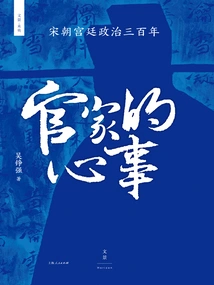
官家的心事:宋朝宫廷政治三百年
Wu Zhengqiang
The new masterpiece of Wu Zhengqiang, a famous scholar of Song Dynasty and professor and doctoral supervisor at Zhejiang University, "raises doubts wherever there is no doubt", exposes the lies of historical records and gains insight into the nature of people's hearts. It absorbs a variety of new academic achievements and retells the 300-year history of the Song Dynasty with the power struggle as the main line. Discover the truth about palace politics and tell the history of the Song Dynasty amid high-level power struggles. Palace politics has always been an area that official history has deliberately avoided and covered up. Palace struggles are not just power struggles, but are often the subject of political history. Peel away the layers of fog and see how power flows: Was the tragedy of party politics in the Northern Song Dynasty just because of the scholar's idle talk that harmed the country? How does the tragedy of imperial family ethics directed by the Supreme Emperor determine the fate of the dynasty? The text is clear and fluent, and the discussions are interlocking. It is as charming as reading a detective novel. It is sincerely recommended by Bao Weimin, Yu Yunguo, Li Huarui, Fan Deng, and Zhang Mingyang!
The new masterpiece of Wu Zhengqiang, a famous scholar of Song Dynasty and professor and doctoral supervisor at Zhejiang University, "raises doubts wherever there is no doubt", exposes the lies of historical records and gains insight into the nature of people's hearts. It absorbs a variety of new academic achievements and retells the 300-year history of the Song Dynasty with the power struggle as the main line. Discover the truth about palace politics and tell the history of the Song Dynasty amid high-level power struggles. Palace politics has always been an area that official history has deliberately avoided and covered up. Palace struggles are not just power struggles, but are often the subject of political history. Peel away the layers of fog and see how power flows: Was the tragedy of party politics in the Northern Song Dynasty just because of the scholar's idle talk that harmed the country? How does the tragedy of imperial family ethics directed by the Supreme Emperor determine the fate of the dynasty? The text is clear and fluent, and the discussions are interlocking. It is as charming as reading a detective novel. It is sincerely recommended by Bao Weimin, Yu Yunguo, Li Huarui, Fan Deng, and Zhang Mingyang!
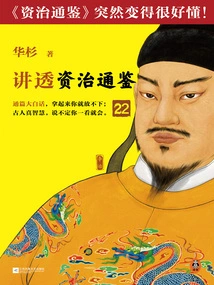
华杉讲透《资治通鉴》22
Huashan
"Zizhi Tongjian" is written from the Warring States Period to the Five Dynasties and Ten Kingdoms, vividly showing the living people and stories in the 1362-year history of 16 dynasties. It can be said to be the "big data" and "super case collection" of China's political and cultural heritage. This book is the 22nd volume in the series of "Hua Shan's Talk about Zizhi Tongjian". It mainly tells the 40-year history from the accession of Emperor Taizong Li Shimin to the accession of Emperor Gaozong of the Tang Dynasty. After Emperor Taizong of the Tang Dynasty came to the throne, he knew people well, listened to advice and perfected the system. It was known as the Zhenguan Rule in history, and laid the foundation for the prosperous age of the Tang Dynasty. In 649 AD, Emperor Taizong of the Tang Dynasty passed away and Emperor Gaozong of the Tang Dynasty came to the throne. Li Ji, Changsun Wuji, and Chu Suiliang jointly assisted the government. In 655 AD, Emperor Gaozong deposed the king and queen and appointed Wu Zetian as his queen. Wu Zetian gradually participated in politics, Gaozong went to court, Wu Zetian listened behind the curtain, and was known as the "Two Saints" inside and outside the palace. Open this book and learn the management philosophy of Emperor Taizong of the Tang Dynasty, who knew people well and made good use of them, followed advice readily, and made clear rewards and punishments!
"Zizhi Tongjian" is written from the Warring States Period to the Five Dynasties and Ten Kingdoms, vividly showing the living people and stories in the 1362-year history of 16 dynasties. It can be said to be the "big data" and "super case collection" of China's political and cultural heritage. This book is the 22nd volume in the series of "Hua Shan's Talk about Zizhi Tongjian". It mainly tells the 40-year history from the accession of Emperor Taizong Li Shimin to the accession of Emperor Gaozong of the Tang Dynasty. After Emperor Taizong of the Tang Dynasty came to the throne, he knew people well, listened to advice and perfected the system. It was known as the Zhenguan Rule in history, and laid the foundation for the prosperous age of the Tang Dynasty. In 649 AD, Emperor Taizong of the Tang Dynasty passed away and Emperor Gaozong of the Tang Dynasty came to the throne. Li Ji, Changsun Wuji, and Chu Suiliang jointly assisted the government. In 655 AD, Emperor Gaozong deposed the king and queen and appointed Wu Zetian as his queen. Wu Zetian gradually participated in politics, Gaozong went to court, Wu Zetian listened behind the curtain, and was known as the "Two Saints" inside and outside the palace. Open this book and learn the management philosophy of Emperor Taizong of the Tang Dynasty, who knew people well and made good use of them, followed advice readily, and made clear rewards and punishments!
盛唐到底盛在哪儿
Yu Gengzhe
This book is a popular science book on the history of the Tang Dynasty. The author Yu Gengzhe introduces the historical knowledge of the Tang Dynasty from the nature of the Tang Dynasty, the ethnic relations in the Tang Dynasty, the external world in the eyes of the Tang people, foreigners' views on the Tang Dynasty, the impact of the Silk Road on the daily life of the Tang people, the style of many women in the Tang Dynasty, the concept of marriage and chastity in the Tang Dynasty, the black technology of the Tang Dynasty, the imperial examinations and literature of the Tang Dynasty, and analyzes the history of the Tang Dynasty. Among the many theories about the prosperous Tang Dynasty that are popular on the Internet, some are true insights, while others are groundless rumors. In this book, the author quotes extensively and the text is rich in historical knowledge. At the same time, he selects and analyzes some representative rumors on the Internet, such as the Anshi Rebellion, the Battle of Talos, Wu Zetian, etc., To help everyone understand the real Tang Dynasty. Open this book and understand where the Tang Dynasty flourished!
This book is a popular science book on the history of the Tang Dynasty. The author Yu Gengzhe introduces the historical knowledge of the Tang Dynasty from the nature of the Tang Dynasty, the ethnic relations in the Tang Dynasty, the external world in the eyes of the Tang people, foreigners' views on the Tang Dynasty, the impact of the Silk Road on the daily life of the Tang people, the style of many women in the Tang Dynasty, the concept of marriage and chastity in the Tang Dynasty, the black technology of the Tang Dynasty, the imperial examinations and literature of the Tang Dynasty, and analyzes the history of the Tang Dynasty. Among the many theories about the prosperous Tang Dynasty that are popular on the Internet, some are true insights, while others are groundless rumors. In this book, the author quotes extensively and the text is rich in historical knowledge. At the same time, he selects and analyzes some representative rumors on the Internet, such as the Anshi Rebellion, the Battle of Talos, Wu Zetian, etc., To help everyone understand the real Tang Dynasty. Open this book and understand where the Tang Dynasty flourished!
Become Yongzheng
History成为雍正
Li Zheng
He is the leading IP of the Forbidden City today, and his story is the "university" for countless Qing palace dramas and time-travel dramas in later generations. Diligence, suspicion, coldness, affection... It seems that we are no strangers to this complicated Yongzheng. Coupled with the endless Qing palace dramas, this emperor has also been successfully shaped into a familiar old friend around us. But what is he really like? What was the real history like? This book elaborates on the growth path of Yongzheng, "the most representative autocratic monarch in modern China", and the true face of Yongzheng's dynasty hidden in the shadow of the "prosperity of Kangxi and Qianlong". The book combines a large amount of historical data analysis, systematically combs relevant archives, and reproduces the historical group portraits of the turning point of the Qing Empire from a unique perspective. Especially about Yongzheng himself, it is combined with vivid depictions of other historical figures. By borrowing external perspectives and other people's words, in addition to the clear-cut outline of Yongzheng's face, we bring a profile of Yongzheng that we have never noticed. At the same time, the Yongzheng dynasty, which inherited from Kangxi and Qianlong, came like this.
He is the leading IP of the Forbidden City today, and his story is the "university" for countless Qing palace dramas and time-travel dramas in later generations. Diligence, suspicion, coldness, affection... It seems that we are no strangers to this complicated Yongzheng. Coupled with the endless Qing palace dramas, this emperor has also been successfully shaped into a familiar old friend around us. But what is he really like? What was the real history like? This book elaborates on the growth path of Yongzheng, "the most representative autocratic monarch in modern China", and the true face of Yongzheng's dynasty hidden in the shadow of the "prosperity of Kangxi and Qianlong". The book combines a large amount of historical data analysis, systematically combs relevant archives, and reproduces the historical group portraits of the turning point of the Qing Empire from a unique perspective. Especially about Yongzheng himself, it is combined with vivid depictions of other historical figures. By borrowing external perspectives and other people's words, in addition to the clear-cut outline of Yongzheng's face, we bring a profile of Yongzheng that we have never noticed. At the same time, the Yongzheng dynasty, which inherited from Kangxi and Qianlong, came like this.
古人的想法真奇怪
Beans
Why did the ancients believe that "the sky is round and the earth is round"? During the Yin and Shang Dynasties, the theory of "the sky is round and the earth is round" was deeply rooted in the hearts of the people. By the Han Dynasty, the relatively advanced Huntian theory became mainstream. After the Yuan Dynasty, in order to strengthen their rule and restrict the common people's observation and thinking of astronomical phenomena, the emperors placed the power of interpretation in the hands of the court, and the "round sky and square earth" gradually became the mainstream. Why did the ancients pursue becoming hermits after becoming officials? Why did the ancients think that not having a son equaled having no descendants? Why did ancient people want to have more children when they were poorer? Behind these seemingly strange ideas, there are specific reasons for specific historical stages, either due to helplessness, letting nature take its course, survival instinct in extreme environments, or the timely development of cultural customs. The author selects 52 popular answers on Zhihu. Starting from specific people and events in history, he explains the causes, processes and influences of the ancient people's strange ideas, provides ideological guidance to modern people, and traces the spiritual origin of the Chinese people.
Why did the ancients believe that "the sky is round and the earth is round"? During the Yin and Shang Dynasties, the theory of "the sky is round and the earth is round" was deeply rooted in the hearts of the people. By the Han Dynasty, the relatively advanced Huntian theory became mainstream. After the Yuan Dynasty, in order to strengthen their rule and restrict the common people's observation and thinking of astronomical phenomena, the emperors placed the power of interpretation in the hands of the court, and the "round sky and square earth" gradually became the mainstream. Why did the ancients pursue becoming hermits after becoming officials? Why did the ancients think that not having a son equaled having no descendants? Why did ancient people want to have more children when they were poorer? Behind these seemingly strange ideas, there are specific reasons for specific historical stages, either due to helplessness, letting nature take its course, survival instinct in extreme environments, or the timely development of cultural customs. The author selects 52 popular answers on Zhihu. Starting from specific people and events in history, he explains the causes, processes and influences of the ancient people's strange ideas, provides ideological guidance to modern people, and traces the spiritual origin of the Chinese people.
微历史:1840~1949百年家族
Compiled By Wang Mu
This book follows the form of Weibo and quotations, and collects fun and interesting jokes from Yuan Shikai, Li Hongzhang, Liang Qichao, Sheng Xuanhuai and other modern outstanding families, as well as a large number of rare old photos, to outline their officialdom, marriage, social networks and other networks, thereby showing the social scene of a century.
This book follows the form of Weibo and quotations, and collects fun and interesting jokes from Yuan Shikai, Li Hongzhang, Liang Qichao, Sheng Xuanhuai and other modern outstanding families, as well as a large number of rare old photos, to outline their officialdom, marriage, social networks and other networks, thereby showing the social scene of a century.
The Emperor is Also a Desperate Man: Revealing the Weird Emperor's Things (2 Volumes in Total)
History皇帝也是个拼命三郎:揭秘奇葩帝王事儿(共2册)
The Ancients Were Very Fashionable
The Strange King's Story reveals the strange medical histories of "Internet celebrity emperors"! Identity: Tang Xuanzong of the Tang Dynasty; Characteristics: CEO of one of the world's top 10 companies, with 80 million employees, and the company's scale is comparable to N BAT; Hobby: A name-changing maniac in the late stages of obsessive-compulsive disorder. Identity: Song Taizu of the Song Dynasty; Characteristics: All the countries he likes are stamped with the seal of the king, war AND the world's richest man, inhumane, collecting business taxes to the point of weakness; Hobbies: A violent maniac who will never complain if he can do it. Identity: Emperor Jiajing of the Ming Dynasty; Characteristics: Owns the country's largest granary, the country's largest back garden - Beijing Wutan, and the world's most fashionable porcelain; Hobby: An alternative fetish that is addicted to cats. Identity: Emperor Qianlong of the Qing Dynasty; Characteristics: The Forbidden City, an inner-ring mansion with 720,000 square meters of office space and home; Hobbies: A narcissistic maniac that no one can surpass...
The Strange King's Story reveals the strange medical histories of "Internet celebrity emperors"! Identity: Tang Xuanzong of the Tang Dynasty; Characteristics: CEO of one of the world's top 10 companies, with 80 million employees, and the company's scale is comparable to N BAT; Hobby: A name-changing maniac in the late stages of obsessive-compulsive disorder. Identity: Song Taizu of the Song Dynasty; Characteristics: All the countries he likes are stamped with the seal of the king, war AND the world's richest man, inhumane, collecting business taxes to the point of weakness; Hobbies: A violent maniac who will never complain if he can do it. Identity: Emperor Jiajing of the Ming Dynasty; Characteristics: Owns the country's largest granary, the country's largest back garden - Beijing Wutan, and the world's most fashionable porcelain; Hobby: An alternative fetish that is addicted to cats. Identity: Emperor Qianlong of the Qing Dynasty; Characteristics: The Forbidden City, an inner-ring mansion with 720,000 square meters of office space and home; Hobbies: A narcissistic maniac that no one can surpass...
极简中医史:漫画+趣读
Pesson
The book uses easy-to-understand words and simple and beautiful cartoons to express the 5,000-year development history of traditional Chinese medicine through pictures and concise words, making the obscure knowledge of traditional Chinese medicine come to life and right before our eyes. It provides an extremely popular interpretation book for us to know and understand traditional Chinese medicine.
The book uses easy-to-understand words and simple and beautiful cartoons to express the 5,000-year development history of traditional Chinese medicine through pictures and concise words, making the obscure knowledge of traditional Chinese medicine come to life and right before our eyes. It provides an extremely popular interpretation book for us to know and understand traditional Chinese medicine.
唐朝绝对很有趣
Li Fei
How did the Tang Dynasty rise in the chaotic times of late Sui Dynasty, and why did it turn from strength to decline and finally die? In the nearly three hundred years of the Tang Dynasty, how many thrilling, cruel, tragic, evocative, and outrageous stories were staged? This book begins with the decline of the Sui Dynasty. By restoring historical details, this book narrates interesting things about the prosperous Tang Dynasty. It not only presents a magnificent view of history, but also inadvertently outlines the historical details in the big history. It uniquely displays the vertical and horizontal aspects of the Tang Dynasty in front of us, and restores the most authentic people and events in the Tang Dynasty to people.
How did the Tang Dynasty rise in the chaotic times of late Sui Dynasty, and why did it turn from strength to decline and finally die? In the nearly three hundred years of the Tang Dynasty, how many thrilling, cruel, tragic, evocative, and outrageous stories were staged? This book begins with the decline of the Sui Dynasty. By restoring historical details, this book narrates interesting things about the prosperous Tang Dynasty. It not only presents a magnificent view of history, but also inadvertently outlines the historical details in the big history. It uniquely displays the vertical and horizontal aspects of the Tang Dynasty in front of us, and restores the most authentic people and events in the Tang Dynasty to people.
三国绝对很有趣
Li Fei
The Three Kingdoms was an era of heroes, wars, and weapons. This was the most exciting troubled period in Chinese history. The book is full of historical facts, close to real history, and has a humorous narrative. By describing the fate of the characters, it describes the situation of the times, and by writing the situation of the times, it writes about the laws of history. The hero was removed from the altar, allowing the characters to show their true colors. It tells the story of the troubled times of the Three Kingdoms full of intellectual competition and complex human nature, and strives to restore the original appearance of history. After reading it, you will find that this kind of Three Kingdoms is more exciting than the novel!
The Three Kingdoms was an era of heroes, wars, and weapons. This was the most exciting troubled period in Chinese history. The book is full of historical facts, close to real history, and has a humorous narrative. By describing the fate of the characters, it describes the situation of the times, and by writing the situation of the times, it writes about the laws of history. The hero was removed from the altar, allowing the characters to show their true colors. It tells the story of the troubled times of the Three Kingdoms full of intellectual competition and complex human nature, and strives to restore the original appearance of history. After reading it, you will find that this kind of Three Kingdoms is more exciting than the novel!
明朝绝对很有趣
Compiled By Li Fei
The Ming Dynasty was a dynasty with a particularly distinctive character. A monk whose family was ruined created this period of history in troubled times. The impression left on future generations was not very good, and was often ignored by people. The Ming Dynasty was an era where desires were inflated from beginning to end, and it was also full of too much hostility. Whether it was Ming Taizu Zhu Yuanzhang and Ming Chengzu Zhu Di in the early days of the founding of the People's Republic of China, or Ming Xi Zong Zhu Youxiao in the late Ming Dynasty, their hands were all stained with too much blood. And some other emperors were almost all stupid or mediocre emperors. In the end, desire annihilates everything, the family is destroyed, the country is destroyed, and we all die together...
The Ming Dynasty was a dynasty with a particularly distinctive character. A monk whose family was ruined created this period of history in troubled times. The impression left on future generations was not very good, and was often ignored by people. The Ming Dynasty was an era where desires were inflated from beginning to end, and it was also full of too much hostility. Whether it was Ming Taizu Zhu Yuanzhang and Ming Chengzu Zhu Di in the early days of the founding of the People's Republic of China, or Ming Xi Zong Zhu Youxiao in the late Ming Dynasty, their hands were all stained with too much blood. And some other emperors were almost all stupid or mediocre emperors. In the end, desire annihilates everything, the family is destroyed, the country is destroyed, and we all die together...
历史其实很有趣
Compiled By Sun Junkai
Although those ancient people of the past have fallen asleep forever, their change of thought or whether they handled a matter safely or not had a profound impact on the development of our subsequent human society and even their own destiny. This book starts from the characters, and through some people and events, it reviews the wonderful episodes of history with the readers, and patiently tastes the rights and wrongs, joys, sorrows, and joys of the people back then. They can learn from history and improve their own understanding through reflection. If these interesting and profound histories can help us better handle everything in the present and avoid various mistakes that may be made, then a series of its past evolutions will show different values here because of our new understanding.
Although those ancient people of the past have fallen asleep forever, their change of thought or whether they handled a matter safely or not had a profound impact on the development of our subsequent human society and even their own destiny. This book starts from the characters, and through some people and events, it reviews the wonderful episodes of history with the readers, and patiently tastes the rights and wrongs, joys, sorrows, and joys of the people back then. They can learn from history and improve their own understanding through reflection. If these interesting and profound histories can help us better handle everything in the present and avoid various mistakes that may be made, then a series of its past evolutions will show different values here because of our new understanding.
明朝为何说亡就亡
Fang Zhiyuan
In 1644, the Ming Dynasty fell. People have been arguing endlessly about why the Ming Dynasty died: some "Ming fans" think that such a good Ming Dynasty, why did it just die? There are also some friends who barely belong to the "Minghei" group. They feel that there are so many problems in the Ming Dynasty, and there is no natural reason why the Ming Dynasty will not perish. This book discusses the real reasons for the demise of the Ming Dynasty from the perspectives of party struggle, finance, refugees, and foreign enemies: Was the Ming Dynasty destroyed by Wanli or Chongzhen? Was he killed by eunuchs or civil servants? Did he die in Donglin or the eunuchs? Will he die without money or without soldiers? Was he killed by "robbers" or by Jurchens? Did he die from a natural disaster or a man-made disaster? Did he die in the feudal government or in a wealthy family? Did he die from overseas silver or from domestic extra money? Did it die because of open society or because of government closure? Is it "subjugation of the country" or "subjugation of the world"? From party struggles, finances, refugees, foreign enemies... Tell the real reasons for the demise of the Transparent Dynasty! Open this book and find out why the transparent dynasty died!
In 1644, the Ming Dynasty fell. People have been arguing endlessly about why the Ming Dynasty died: some "Ming fans" think that such a good Ming Dynasty, why did it just die? There are also some friends who barely belong to the "Minghei" group. They feel that there are so many problems in the Ming Dynasty, and there is no natural reason why the Ming Dynasty will not perish. This book discusses the real reasons for the demise of the Ming Dynasty from the perspectives of party struggle, finance, refugees, and foreign enemies: Was the Ming Dynasty destroyed by Wanli or Chongzhen? Was he killed by eunuchs or civil servants? Did he die in Donglin or the eunuchs? Will he die without money or without soldiers? Was he killed by "robbers" or by Jurchens? Did he die from a natural disaster or a man-made disaster? Did he die in the feudal government or in a wealthy family? Did he die from overseas silver or from domestic extra money? Did it die because of open society or because of government closure? Is it "subjugation of the country" or "subjugation of the world"? From party struggles, finances, refugees, foreign enemies... Tell the real reasons for the demise of the Transparent Dynasty! Open this book and find out why the transparent dynasty died!
War in the Cold Weapon Age
History冷兵器时代的战争
Da Sima
Using time as a clue, it tells the evolution of weapons, innovations in formations, and tactics on the battlefield from primitive society to the Yuan and Ming Dynasties. It also interprets various war scenes in literary creations and historical books. Why can the knife replace the sword as a battlefield weapon? Before the Han Dynasty, swords were widely used on the battlefield. Until cavalry combat became the mainstream, swords were gradually replaced by knives, which were double-edged and seemed to have more advantages, but this was not the case. The blade of the sword is too thin and will break if applied too much force. How did infantry defeat cavalry? The famous Battle of Jieqiao in the late Eastern Han Dynasty was a classic case of infantry defeating cavalry. At that time, Gongsun Zan's troops, Baima Yi, were powerful in the north, but they were completely defeated by Yuan Shaofang Qu Yi's troops' wolf howls and rain of arrows. How to arrange Qi Jiguang's mandarin duck formation? The card player takes the lead, and the spearman, wolf swordsman, and short swordsman cooperate closely with each other. The key point of the Yuanyang Formation is to use the long sword to save the shortcomings and the shortcomings to save the long. Its advantage lies in its ability to be both assassin and defender, applicable in both offense and defense, and flexible in attack.
Using time as a clue, it tells the evolution of weapons, innovations in formations, and tactics on the battlefield from primitive society to the Yuan and Ming Dynasties. It also interprets various war scenes in literary creations and historical books. Why can the knife replace the sword as a battlefield weapon? Before the Han Dynasty, swords were widely used on the battlefield. Until cavalry combat became the mainstream, swords were gradually replaced by knives, which were double-edged and seemed to have more advantages, but this was not the case. The blade of the sword is too thin and will break if applied too much force. How did infantry defeat cavalry? The famous Battle of Jieqiao in the late Eastern Han Dynasty was a classic case of infantry defeating cavalry. At that time, Gongsun Zan's troops, Baima Yi, were powerful in the north, but they were completely defeated by Yuan Shaofang Qu Yi's troops' wolf howls and rain of arrows. How to arrange Qi Jiguang's mandarin duck formation? The card player takes the lead, and the spearman, wolf swordsman, and short swordsman cooperate closely with each other. The key point of the Yuanyang Formation is to use the long sword to save the shortcomings and the shortcomings to save the long. Its advantage lies in its ability to be both assassin and defender, applicable in both offense and defense, and flexible in attack.
成吉思汗:征战、帝国及其遗产
(uk) Frank Mclean
Frank McLean starts from the historical background of Temujin's rise, collects Chinese and Western historical materials, and describes in detail Genghis Khan's lifelong conquests and the establishment of the steppe empire. It involves the reform of the military and political system of the Great Mongol Empire, the impact of religious integration, and the continuity of Mongol expansion. The author not only attempts to create a more three-dimensional and distinct image of Genghis Khan, but also hopes to show readers the history of a "sudden rise" in Eurasia in the 13th century.
Frank McLean starts from the historical background of Temujin's rise, collects Chinese and Western historical materials, and describes in detail Genghis Khan's lifelong conquests and the establishment of the steppe empire. It involves the reform of the military and political system of the Great Mongol Empire, the impact of religious integration, and the continuity of Mongol expansion. The author not only attempts to create a more three-dimensional and distinct image of Genghis Khan, but also hopes to show readers the history of a "sudden rise" in Eurasia in the 13th century.