Library
Browse and search books
753 novels found
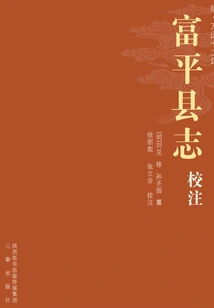
《富平县志》校注
Annotated By Xu Pengbiao And Zhang Lihe
Fuping County has a long history and profound cultural heritage. It was revised many times in the Ming and Qing Dynasties. These old local chronicles are very old and urgently need to be compiled, edited and published.
Fuping County has a long history and profound cultural heritage. It was revised many times in the Ming and Qing Dynasties. These old local chronicles are very old and urgently need to be compiled, edited and published.
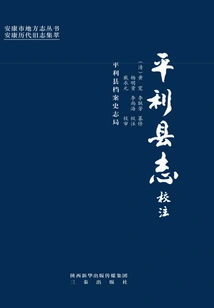
平利县志校注
Yang Minggui, Edited By Li Shanghai
The ambitions of states and counties are the same as the history of a country. Reading history allows us to trace the footsteps of our ancestors and gain insight into historical changes.
The ambitions of states and counties are the same as the history of a country. Reading history allows us to trace the footsteps of our ancestors and gain insight into historical changes.
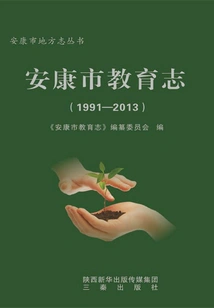
安康市教育志(1991-2013)
"ankang City Education Chronicle" Compilation Committee
This book provides a detailed description of several important achievements in education in Ankang City during the 23 years from 1991 to 2013, driven by the three main projects of "two basics", "double high and double universals", and "education to strengthen the county".
This book provides a detailed description of several important achievements in education in Ankang City during the 23 years from 1991 to 2013, driven by the three main projects of "two basics", "double high and double universals", and "education to strengthen the county".
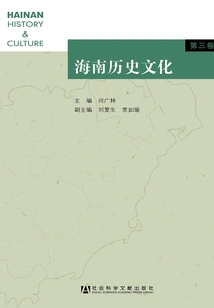
海南历史文化(第三卷)
Editor-in-chief Yan Guanglin
"Hainan History and Culture" is an official publication of the Hainan Provincial Humanities and Social Sciences Base - Hainan Provincial Hainan History and Culture Research Base. This issue is the "third volume" and contains a total of 19 accepted papers, which belong to different sections such as "Special Articles by Famous Artists", "History of Hainan Immigration", "Research on Nanyang Culture", "Research on the Intangible Cultural Heritage of Hainan", and "Review of Foreign Literature". This issue highlights the characteristics of special research. Under the common theme of Hainan historical research and South China Sea cultural research, it not only maintains internal connections but also distinguishes from each other. The papers included have their own characteristics. This issue attempts to move from history to culture. Based on the research on Hainan's traditional history, it focuses on the description of Hainan's local culture, especially research under the concept of "big culture". It takes into account theoretical and empirical, local and national aspects, and focuses on the latest trends in Hainan historical and cultural research.
"Hainan History and Culture" is an official publication of the Hainan Provincial Humanities and Social Sciences Base - Hainan Provincial Hainan History and Culture Research Base. This issue is the "third volume" and contains a total of 19 accepted papers, which belong to different sections such as "Special Articles by Famous Artists", "History of Hainan Immigration", "Research on Nanyang Culture", "Research on the Intangible Cultural Heritage of Hainan", and "Review of Foreign Literature". This issue highlights the characteristics of special research. Under the common theme of Hainan historical research and South China Sea cultural research, it not only maintains internal connections but also distinguishes from each other. The papers included have their own characteristics. This issue attempts to move from history to culture. Based on the research on Hainan's traditional history, it focuses on the description of Hainan's local culture, especially research under the concept of "big culture". It takes into account theoretical and empirical, local and national aspects, and focuses on the latest trends in Hainan historical and cultural research.
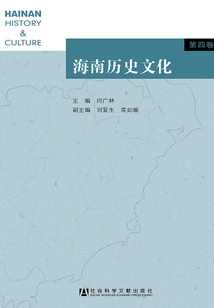
海南历史文化(第四卷)
Editor-in-chief Yan Guanglin
2014 marks the 500th anniversary of the birth of Hai Rui, a famous Hainanese cultural figure from the Ming Dynasty. Hai Rui was honest, upright and resolute throughout his life, and his life stories were widely circulated among the people. However, due to his "extreme" character, there was a lot of controversy about Hai Rui, both in his own time and in later generations. "Hainan History and Culture" specially organizes the compilation of the "Hai Rui Album", which is divided into columns such as "Features of this Volume", "Ideological Research", "Poetic Discussion", "Government Policy", "Hai Rui the Person", and "Review". It conducts a comprehensive analysis of Hai Rui's main political achievements, governance ideas, moral character, and conduct in life, etc., And strives to display the latest achievements of contemporary scholars, especially Hainan scholars, on Hai Rui's research from a broader research perspective.
2014 marks the 500th anniversary of the birth of Hai Rui, a famous Hainanese cultural figure from the Ming Dynasty. Hai Rui was honest, upright and resolute throughout his life, and his life stories were widely circulated among the people. However, due to his "extreme" character, there was a lot of controversy about Hai Rui, both in his own time and in later generations. "Hainan History and Culture" specially organizes the compilation of the "Hai Rui Album", which is divided into columns such as "Features of this Volume", "Ideological Research", "Poetic Discussion", "Government Policy", "Hai Rui the Person", and "Review". It conducts a comprehensive analysis of Hai Rui's main political achievements, governance ideas, moral character, and conduct in life, etc., And strives to display the latest achievements of contemporary scholars, especially Hainan scholars, on Hai Rui's research from a broader research perspective.
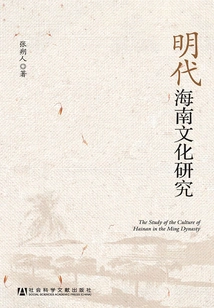
明代海南文化研究
Zhangshuo People
This book is the first academic monograph in domestic academic circles to comprehensively and systematically discuss Hainan culture in the Ming Dynasty. During the Ming Dynasty, Hainan, located in the southern border, achieved great development in many fields of culture. It gradually broke away from the imprint of the so-called "barbarian" society, and the customs of "watering down" became increasingly "mellow". Talents emerged in large numbers and became "Seaside Zou Lu", producing figures with far-reaching influence across the country such as Qiu Jun, Hai Rui and Wang Honghui. Hainan is a place where many ethnic groups gather. The unremitting efforts of Han, Li, Hui, Dan and Miao have not only made important contributions to safeguarding the maritime rights and interests of the South China Sea, but also made the distinctive national culture and social customs appear in a new scene for the first time in the magnificent historical picture of Chinese national culture. Hainan is an important transit point on the Maritime Silk Road and at the forefront of cultural exchanges between China and the West. Clarifying the development context of Hainan culture and highlighting Hainan's splendid ancient culture is an important step in improving Hainan's cultural soft power. The strategy of operating Hainan in the Ming Dynasty has important reference significance and historical inspiration for further implementing the current national strategy of building Hainan as an international tourist island.
This book is the first academic monograph in domestic academic circles to comprehensively and systematically discuss Hainan culture in the Ming Dynasty. During the Ming Dynasty, Hainan, located in the southern border, achieved great development in many fields of culture. It gradually broke away from the imprint of the so-called "barbarian" society, and the customs of "watering down" became increasingly "mellow". Talents emerged in large numbers and became "Seaside Zou Lu", producing figures with far-reaching influence across the country such as Qiu Jun, Hai Rui and Wang Honghui. Hainan is a place where many ethnic groups gather. The unremitting efforts of Han, Li, Hui, Dan and Miao have not only made important contributions to safeguarding the maritime rights and interests of the South China Sea, but also made the distinctive national culture and social customs appear in a new scene for the first time in the magnificent historical picture of Chinese national culture. Hainan is an important transit point on the Maritime Silk Road and at the forefront of cultural exchanges between China and the West. Clarifying the development context of Hainan culture and highlighting Hainan's splendid ancient culture is an important step in improving Hainan's cultural soft power. The strategy of operating Hainan in the Ming Dynasty has important reference significance and historical inspiration for further implementing the current national strategy of building Hainan as an international tourist island.
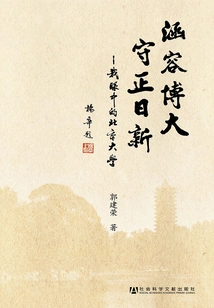
涵容博大守正日新:我眼中的北京大学
Guo Jianrong
Peking University came into being when foreign invaders and the nation were in danger, and the Chinese people strived for reform and reform to save the country and the people. It shoulders the historical mission of seeking innovation, change, wealth, and strength. Its destiny is closely linked to the future of the country and the destiny of the nation. For more than 100 years, the leaders of Peking University have kept in mind the historical mission, carried benevolence and righteousness, walked the high road, had a high vision, kept pace with the times, and upheld the spirit of tolerance, broadness, integrity, and innovation. Therefore, Peking University has gathered many masters and talented people. Its influence is the most significant in the modern history of China, and it can be called the number one university in China. The author is a researcher at the Peking University History Museum. He has been engaged in collating the history of Peking University for a long time, accumulated a large amount of information, and written nearly a hundred important articles. The articles collected in this book have been carefully selected and edited by the author, and divided into four parts: "Peking University News", "Peking University Exploration", "Famous Teachers' Profiles" and "School History Miscellaneous Talk". With nearly 80 articles, readers can learn about the real Peking University.
Peking University came into being when foreign invaders and the nation were in danger, and the Chinese people strived for reform and reform to save the country and the people. It shoulders the historical mission of seeking innovation, change, wealth, and strength. Its destiny is closely linked to the future of the country and the destiny of the nation. For more than 100 years, the leaders of Peking University have kept in mind the historical mission, carried benevolence and righteousness, walked the high road, had a high vision, kept pace with the times, and upheld the spirit of tolerance, broadness, integrity, and innovation. Therefore, Peking University has gathered many masters and talented people. Its influence is the most significant in the modern history of China, and it can be called the number one university in China. The author is a researcher at the Peking University History Museum. He has been engaged in collating the history of Peking University for a long time, accumulated a large amount of information, and written nearly a hundred important articles. The articles collected in this book have been carefully selected and edited by the author, and divided into four parts: "Peking University News", "Peking University Exploration", "Famous Teachers' Profiles" and "School History Miscellaneous Talk". With nearly 80 articles, readers can learn about the real Peking University.
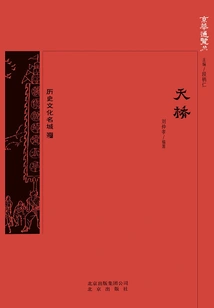
Beijing Overview: Overpass
History京华通览:天桥
Compiled By Liu Zhongxiao
According to historical records, the Tianqiao area was a swampy area in the Yuan, Ming and early Qing dynasties. Today, the bridge site of the flyover no longer exists, but the flyover as a place name has been preserved.
According to historical records, the Tianqiao area was a swampy area in the Yuan, Ming and early Qing dynasties. Today, the bridge site of the flyover no longer exists, but the flyover as a place name has been preserved.
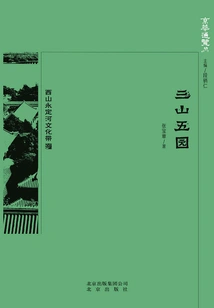
京华通览:三山五园
Zhang Baozhang
This book is a sub-volume of "General View of Beijing". Three Mountains and Five Gardens is the general name for the royal palaces and gardens in the western suburbs of Beijing. Because it has exclusive access to the source of water veins, it has always been regarded as an excellent place to have good access to water. Scholars have different opinions on the appellation of "Three Mountains and Five Gardens". The authoritative view of "Three Mountains" in "Three Mountains and Five Gardens" refers to Xiangshan Mountain, Yuquan Mountain and Wanshou Mountain. There are many interpretations and interpretations of the term "Five Gardens". The more authoritative ones are Xiangshan Jingyi Garden, Yuquan Mountain Jingming Garden, Wanshou Mountain Qingyi Garden, plus Old Summer Palace and Changchun Garden, collectively known as "Three Mountains and Five Gardens". This book has beautiful and elegant text and solid historical materials, and can be used as a reference for readers.
This book is a sub-volume of "General View of Beijing". Three Mountains and Five Gardens is the general name for the royal palaces and gardens in the western suburbs of Beijing. Because it has exclusive access to the source of water veins, it has always been regarded as an excellent place to have good access to water. Scholars have different opinions on the appellation of "Three Mountains and Five Gardens". The authoritative view of "Three Mountains" in "Three Mountains and Five Gardens" refers to Xiangshan Mountain, Yuquan Mountain and Wanshou Mountain. There are many interpretations and interpretations of the term "Five Gardens". The more authoritative ones are Xiangshan Jingyi Garden, Yuquan Mountain Jingming Garden, Wanshou Mountain Qingyi Garden, plus Old Summer Palace and Changchun Garden, collectively known as "Three Mountains and Five Gardens". This book has beautiful and elegant text and solid historical materials, and can be used as a reference for readers.
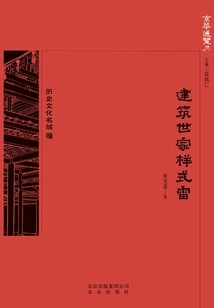
京华通览:建筑世家样式雷
Zhang Baozhang
This book is a sub-volume of "General View of Beijing". "Style Lei" is the reputation given to the Lei family who presided over the royal architectural design for more than 200 years in the Qing Dynasty. In the history of China, it is unique that the Xiang Lei family has produced masters of architecture for seven consecutive generations, with such high attainments and brilliant achievements. The family of palace architects of the Qing Dynasty in China: Lei Fafa, Lei Jinyu, Lei Jiaxi, Lei Jiawei, Lei Jiarui, Lei Siqi, Lei Tingchang, etc. This book provides an overview of the development and achievements of the Shinglei family.
This book is a sub-volume of "General View of Beijing". "Style Lei" is the reputation given to the Lei family who presided over the royal architectural design for more than 200 years in the Qing Dynasty. In the history of China, it is unique that the Xiang Lei family has produced masters of architecture for seven consecutive generations, with such high attainments and brilliant achievements. The family of palace architects of the Qing Dynasty in China: Lei Fafa, Lei Jinyu, Lei Jiaxi, Lei Jiawei, Lei Jiarui, Lei Siqi, Lei Tingchang, etc. This book provides an overview of the development and achievements of the Shinglei family.
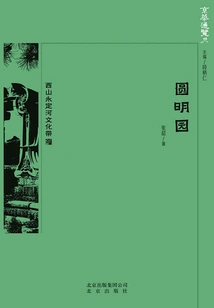
京华通览:圆明园
Zhang Chao
This book is a sub-volume of "General View of Beijing". The book systematically introduces the basic situation, historical evolution, garden characteristics, important cultural relics and other contents of the Old Summer Palace. The book is full of pictures and texts, and the language is vivid and lively. It shows the historical appearance of the Old Summer Palace as the "Garden of Ten Thousand Gardens" and the ruins after being looted. It is a cultural reading to understand the past and present of the Old Summer Palace.
This book is a sub-volume of "General View of Beijing". The book systematically introduces the basic situation, historical evolution, garden characteristics, important cultural relics and other contents of the Old Summer Palace. The book is full of pictures and texts, and the language is vivid and lively. It shows the historical appearance of the Old Summer Palace as the "Garden of Ten Thousand Gardens" and the ruins after being looted. It is a cultural reading to understand the past and present of the Old Summer Palace.
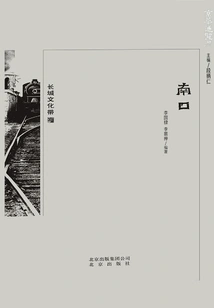
京华通览:南口
Edited By Li Guodi And Li Muchan
Nankou is an ancient town in Beijing with a long history and rich culture. It was located at the ancient transportation hub. It was an ancient military town and the gateway to the capital. It played a vital role in the development of Beijing's urban core area. The author is a veteran comrade who has been engaged in compilation of chronicles for a long time. The information in the book comes from local chronicles. The content is detailed and the pictures are rich. The source is reliable and valuable. The narrative text of the map is plain and vivid, including ancient maps, line drawings, photos of cultural relics, and photos of scenery. It systematically introduces the past and present of Nankou from aspects such as establishment, geography, transportation, military, economy, people, and art.
Nankou is an ancient town in Beijing with a long history and rich culture. It was located at the ancient transportation hub. It was an ancient military town and the gateway to the capital. It played a vital role in the development of Beijing's urban core area. The author is a veteran comrade who has been engaged in compilation of chronicles for a long time. The information in the book comes from local chronicles. The content is detailed and the pictures are rich. The source is reliable and valuable. The narrative text of the map is plain and vivid, including ancient maps, line drawings, photos of cultural relics, and photos of scenery. It systematically introduces the past and present of Nankou from aspects such as establishment, geography, transportation, military, economy, people, and art.
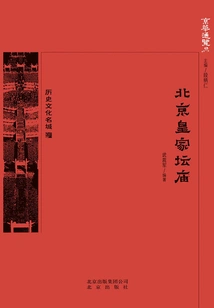
京华通览:北京皇家坛庙
Disarmament
This book is a sub-volume of "General View of Beijing". Beijing's gardens have a long history. The earliest gardens in Beijing began in Jicheng, the capital of Yan, during the Spring and Autumn Period and the Warring States Period. This book describes in detail the ancient gardens that have been continuously developed with the construction of royal palaces as the main line and the accompanying temple gardens, cemeteries, house gardens, temple gardens, etc.
This book is a sub-volume of "General View of Beijing". Beijing's gardens have a long history. The earliest gardens in Beijing began in Jicheng, the capital of Yan, during the Spring and Autumn Period and the Warring States Period. This book describes in detail the ancient gardens that have been continuously developed with the construction of royal palaces as the main line and the accompanying temple gardens, cemeteries, house gardens, temple gardens, etc.
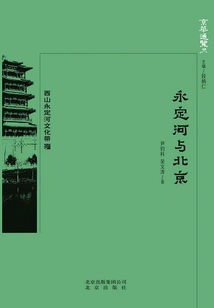
京华通览:永定河与北京
Wu Wentao Yin Junke
This book is a sub-volume of "General View of Beijing". The book systematically introduces the basic situation of Yongding River, river basin overview, history and culture, related legends, environmental protection and other aspects. The book is full of pictures and texts, and the language is lively and lively. It tells readers in detail the formation and evolution of the Yongding River, its history and current situation, culture and legends. It is a cultural book for understanding the Yongding River.
This book is a sub-volume of "General View of Beijing". The book systematically introduces the basic situation of Yongding River, river basin overview, history and culture, related legends, environmental protection and other aspects. The book is full of pictures and texts, and the language is lively and lively. It tells readers in detail the formation and evolution of the Yongding River, its history and current situation, culture and legends. It is a cultural book for understanding the Yongding River.
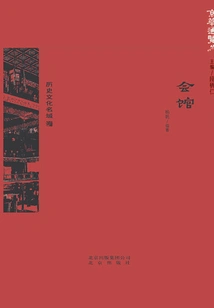
Beijing Overview: Guild Hall
History京华通览:会馆
Compiled By Yang Fan
This book is a sub-volume of "General View of Beijing". The guild hall is a special group activity that emerged in the social development and progress of the Ming and Qing Dynasties. It is a social autonomous organization that uses nostalgia, friendship and geographical culture as a link, profit sharing as a lever, and rights protection and risk sharing as a cohesion. The guild hall is the best place for officials, gentry, businessmen, and immigrants to collect and disseminate information related to politics, economy, and culture. It is also a place of psychological support and residence for officials, gentry, businessmen, and immigrants in the place where they live. The guild hall is the disseminator of local culture, and it is also the best way and display stage for regional cultural exchange and integration.
This book is a sub-volume of "General View of Beijing". The guild hall is a special group activity that emerged in the social development and progress of the Ming and Qing Dynasties. It is a social autonomous organization that uses nostalgia, friendship and geographical culture as a link, profit sharing as a lever, and rights protection and risk sharing as a cohesion. The guild hall is the best place for officials, gentry, businessmen, and immigrants to collect and disseminate information related to politics, economy, and culture. It is also a place of psychological support and residence for officials, gentry, businessmen, and immigrants in the place where they live. The guild hall is the disseminator of local culture, and it is also the best way and display stage for regional cultural exchange and integration.
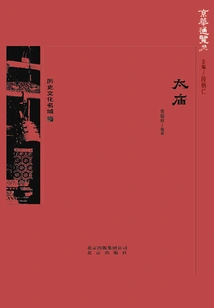
京华通览:太庙
Compiled By Jia Fulin
This book is a sub-volume of "General View of Beijing". The Imperial Ancestral Temple was the family temple where emperors of the Ming and Qing Dynasties paid homage to their ancestors. It was first built in the 18th year of Yongle in the Ming Dynasty (1420) and covers an area of more than 200 acres. It was built according to the traditional ritual system of "respecting heaven and the ancestors" in ancient China. The Imperial Ancestral Temple is the place where the emperor held ancestor worship ceremonies. There are fifteen side halls on each side of the main hall. The east side hall enshrines the statues of meritorious royal families of past dynasties, and the west side hall houses the statues of meritorious officials with different surnames. This book has beautiful and elegant text and solid historical materials. It introduces the architectural form and humanistic features of the Imperial Ancestral Temple in detail. It is an excellent work for understanding and studying the Imperial Ancestral Temple.
This book is a sub-volume of "General View of Beijing". The Imperial Ancestral Temple was the family temple where emperors of the Ming and Qing Dynasties paid homage to their ancestors. It was first built in the 18th year of Yongle in the Ming Dynasty (1420) and covers an area of more than 200 acres. It was built according to the traditional ritual system of "respecting heaven and the ancestors" in ancient China. The Imperial Ancestral Temple is the place where the emperor held ancestor worship ceremonies. There are fifteen side halls on each side of the main hall. The east side hall enshrines the statues of meritorious royal families of past dynasties, and the west side hall houses the statues of meritorious officials with different surnames. This book has beautiful and elegant text and solid historical materials. It introduces the architectural form and humanistic features of the Imperial Ancestral Temple in detail. It is an excellent work for understanding and studying the Imperial Ancestral Temple.
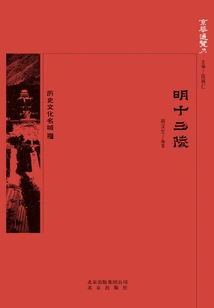
京华通览:明十三陵
Compiled By Hu Hansheng
This book is a sub-volume of "General View of Beijing". The Ming Tombs are the largest existing imperial tomb complex in China and even the world, with the largest number of imperial tombs. This book introduces these tombs in detail, showing the ultimate charm of Chinese cultural heritage. This book can be read and referenced by history lovers and readers.
This book is a sub-volume of "General View of Beijing". The Ming Tombs are the largest existing imperial tomb complex in China and even the world, with the largest number of imperial tombs. This book introduces these tombs in detail, showing the ultimate charm of Chinese cultural heritage. This book can be read and referenced by history lovers and readers.
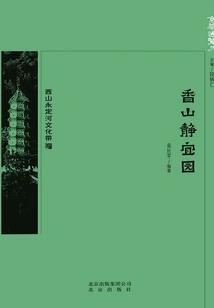
京华通览:香山静宜园
Compiled By Yuan Changping
This book is a sub-volume of "General View of Beijing". Jingyi Garden is located in Xiangshan in the northwest suburbs of Beijing. It is a royal garden built on a mountainous site in the Qing Dynasty. The whole garden is divided into three parts, namely the inner wall, the outer wall and the other walls. The inner wall is at the foot of the hillside in the southeast. There are the palace area and two large temples, Xiangshan Temple and Hongguang Temple, with natural landscapes such as Yingluo Rock scattered in between. The outer wall is in the high mountainous area of Xiangshan Mountain. Most of it is the best place to enjoy the natural scenery and small garden buildings constructed according to the scenery. This book has beautiful and elegant text and solid historical materials, and can be used as a reference for readers.
This book is a sub-volume of "General View of Beijing". Jingyi Garden is located in Xiangshan in the northwest suburbs of Beijing. It is a royal garden built on a mountainous site in the Qing Dynasty. The whole garden is divided into three parts, namely the inner wall, the outer wall and the other walls. The inner wall is at the foot of the hillside in the southeast. There are the palace area and two large temples, Xiangshan Temple and Hongguang Temple, with natural landscapes such as Yingluo Rock scattered in between. The outer wall is in the high mountainous area of Xiangshan Mountain. Most of it is the best place to enjoy the natural scenery and small garden buildings constructed according to the scenery. This book has beautiful and elegant text and solid historical materials, and can be used as a reference for readers.
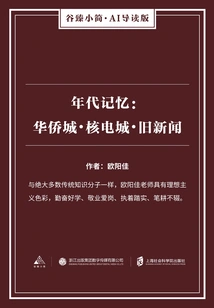
年代记忆:华侨城·核电城·旧新闻(谷臻小简·AI导读版)
Ouyang Jia
Like the vast majority of traditional intellectuals, Teacher Ouyang Jia is idealistic, studious, dedicated, persistent, and persistent in writing. Teacher Ouyang Jia believes that his news works are fragments of social knowledge and do not form a complete system, let alone works handed down from generation to generation, so he seems a bit hesitant to collect and publish them. However, this collection of works shows readers how a senior journalist keeps up with the pulse of the times, and undoubtedly provides readers with precious memories of the great era we have experienced.
Like the vast majority of traditional intellectuals, Teacher Ouyang Jia is idealistic, studious, dedicated, persistent, and persistent in writing. Teacher Ouyang Jia believes that his news works are fragments of social knowledge and do not form a complete system, let alone works handed down from generation to generation, so he seems a bit hesitant to collect and publish them. However, this collection of works shows readers how a senior journalist keeps up with the pulse of the times, and undoubtedly provides readers with precious memories of the great era we have experienced.
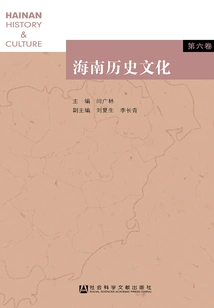
海南历史文化(第6卷)
Editor-in-chief Yan Guanglin
The sixth volume of "Hainan History and Culture" focuses on Tang Zhou, a famous educational figure in Hainan. It comprehensively displays Tang Zhou's thoughts and achievements from four aspects: thoughts and practices, poetry research, life and family history, and video records. In terms of thoughts and practices, it focuses on Tang Zhou's etiquette thoughts, Confucian thoughts, diplomatic concepts and maritime affairs. In terms of poetry research, it talks about the high style of Tang Zhou's poems, his unique feelings, and his interpretation of the idea of "benevolence"; in terms of his life and family, he examines Tang Zhou's life stories, document chronology, etc.; In terms of video records, he depicts Tang Zhou's life in an artistic way.
The sixth volume of "Hainan History and Culture" focuses on Tang Zhou, a famous educational figure in Hainan. It comprehensively displays Tang Zhou's thoughts and achievements from four aspects: thoughts and practices, poetry research, life and family history, and video records. In terms of thoughts and practices, it focuses on Tang Zhou's etiquette thoughts, Confucian thoughts, diplomatic concepts and maritime affairs. In terms of poetry research, it talks about the high style of Tang Zhou's poems, his unique feelings, and his interpretation of the idea of "benevolence"; in terms of his life and family, he examines Tang Zhou's life stories, document chronology, etc.; In terms of video records, he depicts Tang Zhou's life in an artistic way.
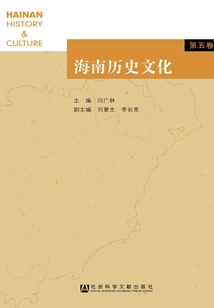
海南历史文化(第5卷)
Editor-in-chief Yan Guanglin
The fifth volume of "Hainan History and Culture" is divided into five special topics: "Special Articles of this Volume", "Ocean Culture", "Coastal Plain Culture", "Li Culture" and "Farming Culture". The two papers in the "Special Articles of this Volume" by Professor Cao Xiren and Professor Zhou Weimin explore from different angles the opportunities and choices faced by Hainan under the national strategy of "One Belt, One Road", and how to realize the unique "Hainan Dream" under the premise of the "Chinese Dream"; the other four topics respectively conduct in-depth and detailed research on the culture of different regions in Hainan and the farming culture with rubber planting as the main body.
The fifth volume of "Hainan History and Culture" is divided into five special topics: "Special Articles of this Volume", "Ocean Culture", "Coastal Plain Culture", "Li Culture" and "Farming Culture". The two papers in the "Special Articles of this Volume" by Professor Cao Xiren and Professor Zhou Weimin explore from different angles the opportunities and choices faced by Hainan under the national strategy of "One Belt, One Road", and how to realize the unique "Hainan Dream" under the premise of the "Chinese Dream"; the other four topics respectively conduct in-depth and detailed research on the culture of different regions in Hainan and the farming culture with rubber planting as the main body.
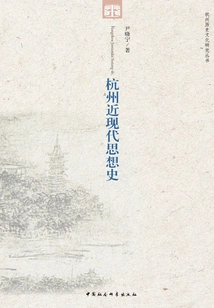
杭州近现代思想史
Yin Xiaoning
There have been many academic masters in the modern intellectual history of Hangzhou, such as Gong Zizhen, Ruan Yuan, Yu Yue, Zhang Taiyan, Ma Yifu, etc. The so-called "history of modern thought in Hangzhou" in this book is the history of "modern thought" in Hangzhou, not the "history of thought" of "modern thought" in Hangzhou. Therefore, the "modern" here is not just a time division, but also "modern" in the sense of intellectual history.
There have been many academic masters in the modern intellectual history of Hangzhou, such as Gong Zizhen, Ruan Yuan, Yu Yue, Zhang Taiyan, Ma Yifu, etc. The so-called "history of modern thought in Hangzhou" in this book is the history of "modern thought" in Hangzhou, not the "history of thought" of "modern thought" in Hangzhou. Therefore, the "modern" here is not just a time division, but also "modern" in the sense of intellectual history.
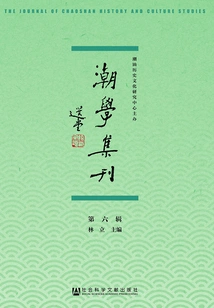
潮学集刊(第六辑)
Editor-in-chief Lin Li
"Chaoxue Collection" is an academic annual journal sponsored by the Chaoshan Historical and Cultural Research Center, which collects high-level and high-level research results on Chaoshan historical and cultural research. This book is the sixth volume and contains 17 academic papers on Chaozhou studies. The papers cover recent research results in Chaoshan historical and cultural fields such as the Maritime Silk Road and overseas Chinese, cultural heritage and sages, regional history and society, historical documents and literature, and religious beliefs.
"Chaoxue Collection" is an academic annual journal sponsored by the Chaoshan Historical and Cultural Research Center, which collects high-level and high-level research results on Chaoshan historical and cultural research. This book is the sixth volume and contains 17 academic papers on Chaozhou studies. The papers cover recent research results in Chaoshan historical and cultural fields such as the Maritime Silk Road and overseas Chinese, cultural heritage and sages, regional history and society, historical documents and literature, and religious beliefs.
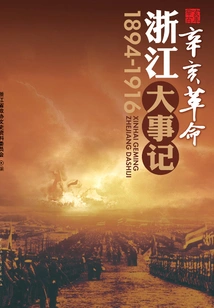
辛亥革命浙江大事记
Zhejiang Provincial Cppcc Cultural And Historical Materials Committee
In order to commemorate the 100th anniversary of the Revolution of 1911, promote research on the history of the Revolution of 1911 in Zhejiang, the history of the Republic of China in Zhejiang, and the history of the Republic of China, and promote the construction of Zhejiang as a "cultural province", it was decided to compile and publish "The Major Events of the Revolution of 1911 in Zhejiang". The Zhejiang History Research Center of the Republic of China of Hangzhou Normal University is responsible for the writing work, and the Zhejiang CPPCC Culture and History Committee provides financial support. "The Major Events of the Revolution of 1911 in Zhejiang" covers the time span from the establishment of the bourgeois revolutionary groups such as the Xingzhong Hui to Zhu Rui's resignation in April 1916 and Zhejiang's declaration of independence. The main content includes the revolutionary changes in Zhejiang's politics, society, ideology, culture, and military before the Revolution of 1911. The atmosphere of destiny, the situation of the recovery of various places in Zhejiang, the political, cultural, educational, social and other aspects of Zhejiang after the recovery of Zhejiang, important figures from Zhejiang during the Revolution of 1911, as well as national laws, policies and events and figures in other regions that had an important impact on the Revolution of 1911 in Zhejiang.
In order to commemorate the 100th anniversary of the Revolution of 1911, promote research on the history of the Revolution of 1911 in Zhejiang, the history of the Republic of China in Zhejiang, and the history of the Republic of China, and promote the construction of Zhejiang as a "cultural province", it was decided to compile and publish "The Major Events of the Revolution of 1911 in Zhejiang". The Zhejiang History Research Center of the Republic of China of Hangzhou Normal University is responsible for the writing work, and the Zhejiang CPPCC Culture and History Committee provides financial support. "The Major Events of the Revolution of 1911 in Zhejiang" covers the time span from the establishment of the bourgeois revolutionary groups such as the Xingzhong Hui to Zhu Rui's resignation in April 1916 and Zhejiang's declaration of independence. The main content includes the revolutionary changes in Zhejiang's politics, society, ideology, culture, and military before the Revolution of 1911. The atmosphere of destiny, the situation of the recovery of various places in Zhejiang, the political, cultural, educational, social and other aspects of Zhejiang after the recovery of Zhejiang, important figures from Zhejiang during the Revolution of 1911, as well as national laws, policies and events and figures in other regions that had an important impact on the Revolution of 1911 in Zhejiang.
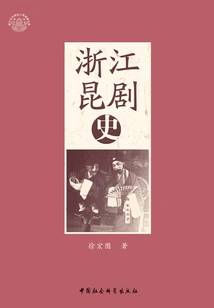
浙江昆剧史
Xu Hongtu
In addition to a macro description of the spread and development of Kun Opera in Zhejiang, this book is also divided into several special chapters such as Hangjiahu Kun Opera, Ningbo Kun Opera, Shaoxing Kun Opera, Jinhua Kun Opera, Wenzhou Kun Opera and Kun Opera in other regions. It clearly introduces and discusses the history of Kun Opera's development in various regions of the province, troupe performances, artistic characteristics, writers' works, biographies of famous actors, etc. This is a monograph that the author began to collect relevant information in 1984 when he was engaged in the compilation of "Zhejiang Volume of Chinese Opera" and took more than 20 years to complete. As a regional historical work, it can be said to have a broad outline, extremely rich historical materials, and extremely substantial content. It is mutually reinvented and complemented by the general history of Kun Opera.
In addition to a macro description of the spread and development of Kun Opera in Zhejiang, this book is also divided into several special chapters such as Hangjiahu Kun Opera, Ningbo Kun Opera, Shaoxing Kun Opera, Jinhua Kun Opera, Wenzhou Kun Opera and Kun Opera in other regions. It clearly introduces and discusses the history of Kun Opera's development in various regions of the province, troupe performances, artistic characteristics, writers' works, biographies of famous actors, etc. This is a monograph that the author began to collect relevant information in 1984 when he was engaged in the compilation of "Zhejiang Volume of Chinese Opera" and took more than 20 years to complete. As a regional historical work, it can be said to have a broad outline, extremely rich historical materials, and extremely substantial content. It is mutually reinvented and complemented by the general history of Kun Opera.
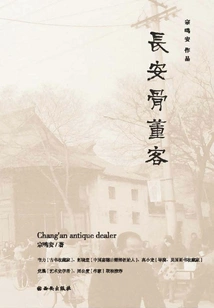
Chang'an Antique Guest
History长安骨董客
Zong Mingan
The book uses documentary techniques to describe all kinds of people and things in Xi'an's antiques and cultural relics market in the past hundred years, including big names, dealers and pawns, creating unimaginable intersections in the book. Xi'an is a city famous for its historical sites, and people all over the country who appreciate literature and art are based in this city. However, due to the secrecy surrounding antiques, not many people know about it. The author of this book is an antique practitioner. He has heard and seen everything and has detailed information. This book is a supplementary work in this field. The author, Zong Mingan, is a cultural scholar and expert in literature and history. He is the author of "Old Things in Xi'an", "Festivals and Old Customs of Chang'an", etc.
The book uses documentary techniques to describe all kinds of people and things in Xi'an's antiques and cultural relics market in the past hundred years, including big names, dealers and pawns, creating unimaginable intersections in the book. Xi'an is a city famous for its historical sites, and people all over the country who appreciate literature and art are based in this city. However, due to the secrecy surrounding antiques, not many people know about it. The author of this book is an antique practitioner. He has heard and seen everything and has detailed information. This book is a supplementary work in this field. The author, Zong Mingan, is a cultural scholar and expert in literature and history. He is the author of "Old Things in Xi'an", "Festivals and Old Customs of Chang'an", etc.
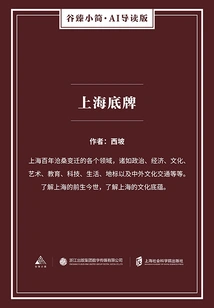
上海底牌(谷臻小简·AI导读版)
West Slope
Various fields of Shanghai's vicissitudes over the past century, such as politics, economy, culture, art, education, science and technology, life, landmarks, Chinese and foreign cultural transportation, etc. Understand the past and present life of Shanghai, and understand the cultural heritage of Shanghai.
Various fields of Shanghai's vicissitudes over the past century, such as politics, economy, culture, art, education, science and technology, life, landmarks, Chinese and foreign cultural transportation, etc. Understand the past and present life of Shanghai, and understand the cultural heritage of Shanghai.
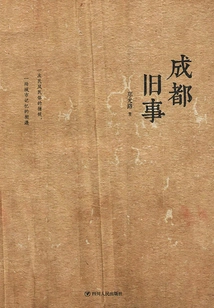
Chengdu Old News
History成都旧事
Zheng Guanglu
"Old Things in Chengdu" is a companion piece to "Old Things in Sichuan", and can also be said to be a sequel to "Old Things in Sichuan". The book uses vivid stories to tell some historical anecdotes, streets, gardens, customs and customs of Chengdu; it also narrates some interesting anecdotes about historical figures; it also introduces some events, historical facts or figures with significant historical influence. The book is richly illustrated and contains many precious photos of old Chengdu, which is of great historical value for understanding and researching the customs and customs of Chengdu in the old days.
"Old Things in Chengdu" is a companion piece to "Old Things in Sichuan", and can also be said to be a sequel to "Old Things in Sichuan". The book uses vivid stories to tell some historical anecdotes, streets, gardens, customs and customs of Chengdu; it also narrates some interesting anecdotes about historical figures; it also introduces some events, historical facts or figures with significant historical influence. The book is richly illustrated and contains many precious photos of old Chengdu, which is of great historical value for understanding and researching the customs and customs of Chengdu in the old days.
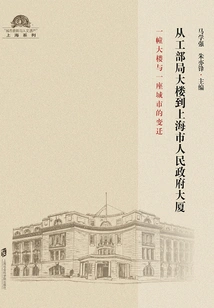
从工部局大楼到上海市人民政府大厦:一幢大楼与一座城市的变迁
Ma Xueqiang Editor-in-chief Zhu Yifeng
This book takes the modern Shanghai Bureau of Industry and Commerce Building as the research object and involves two parts: first, the changes surrounding the Bureau of Industry and Commerce Building itself, including the preparation, planning, construction and use of the building; second, historical events related to the building. Main chapters: 1. Introduction, 2. Preparation for the construction of the new building of the Bureau of Industry and Commerce, 3. The opening of the new building of the Bureau of Industry and Commerce, 4. The Bureau of Industry and Commerce building in the 1930s, 5. The municipal building in turbulent times, 6. Becoming the Shanghai Municipal People's Government Building, 7. The old city government building during urban renewal, 8. Appendix.
This book takes the modern Shanghai Bureau of Industry and Commerce Building as the research object and involves two parts: first, the changes surrounding the Bureau of Industry and Commerce Building itself, including the preparation, planning, construction and use of the building; second, historical events related to the building. Main chapters: 1. Introduction, 2. Preparation for the construction of the new building of the Bureau of Industry and Commerce, 3. The opening of the new building of the Bureau of Industry and Commerce, 4. The Bureau of Industry and Commerce building in the 1930s, 5. The municipal building in turbulent times, 6. Becoming the Shanghai Municipal People's Government Building, 7. The old city government building during urban renewal, 8. Appendix.
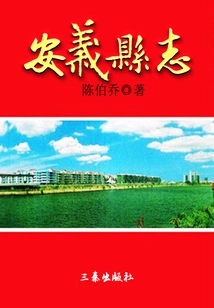
Anyi County Chronicle
History安义县志
Chen Boqiao
This journal is divided into thirty chapters, including: construction history, natural environment, population and people's lives, water conservancy and electricity, postal and telecommunications, comprehensive economic management, Anyi County Committee of the Communist Party of China, folk customs and religions, etc. It truly reflects the historical records of Anyi's political, economic, social and cultural stages.
This journal is divided into thirty chapters, including: construction history, natural environment, population and people's lives, water conservancy and electricity, postal and telecommunications, comprehensive economic management, Anyi County Committee of the Communist Party of China, folk customs and religions, etc. It truly reflects the historical records of Anyi's political, economic, social and cultural stages.
横山县军事志
Hengshan County Military Chronicle Compilation Committee
The upper limit of this journal is from the lower limit of the Qin Dynasty to 2005 AD, and includes seven chapters on military environment, military organization, military service, militia, important wars, army construction, and military figures.
The upper limit of this journal is from the lower limit of the Qin Dynasty to 2005 AD, and includes seven chapters on military environment, military organization, military service, militia, important wars, army construction, and military figures.
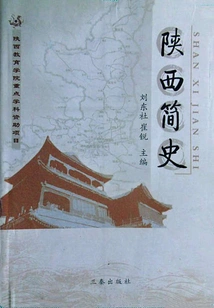
A Brief History of Shaanxi
History陕西简史
Liu Dongshe Editor-in-chief Cui Rui
This book chronicles the splendid and glorious history of Shaanxi for more than 5,000 years, starting from ancient times and ending in 1949. It covers the history and culture of Shaanxi from prehistory to modern times. The book has 8 chapters in total.
This book chronicles the splendid and glorious history of Shaanxi for more than 5,000 years, starting from ancient times and ending in 1949. It covers the history and culture of Shaanxi from prehistory to modern times. The book has 8 chapters in total.
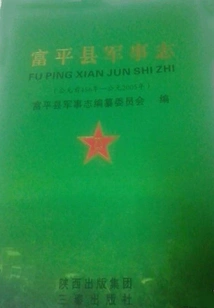
富县军事志(公元前330—公元2005年)
Phu County Military Chronicle Compilation Committee
This journal mainly describes the history and current situation of Fuxian's military development. It focuses on describing the military activities of the People's Army under the leadership of the Communist Party of China in Fuxian County.
This journal mainly describes the history and current situation of Fuxian's military development. It focuses on describing the military activities of the People's Army under the leadership of the Communist Party of China in Fuxian County.
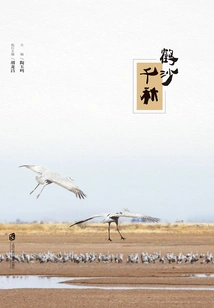
Hesha Qianqiu
History鹤沙千秋
Editor-in-chief Tao Yuming
This manuscript can be described as a textbook on local culture. Hesha is now known as Xiasha Ancient Town in Pudong, Shanghai. Because white cranes have inhabited and bred in the area since ancient times, it was also called Hesha in history. Xiasha is home to outstanding people and profound cultural heritage. Based on numerous historical materials and field surveys, the manuscript vividly and delicately reflects the historical origins of Xiasha, the development of salt farming, and the inheritance of folk culture and art from five aspects: crane culture, salt culture, place name legends, folk culture, and character stories. It extols the traditional virtues of the Chinese nation and highlights the spiritual themes of loving the motherland, loving hometown, loving life, and working hard.
This manuscript can be described as a textbook on local culture. Hesha is now known as Xiasha Ancient Town in Pudong, Shanghai. Because white cranes have inhabited and bred in the area since ancient times, it was also called Hesha in history. Xiasha is home to outstanding people and profound cultural heritage. Based on numerous historical materials and field surveys, the manuscript vividly and delicately reflects the historical origins of Xiasha, the development of salt farming, and the inheritance of folk culture and art from five aspects: crane culture, salt culture, place name legends, folk culture, and character stories. It extols the traditional virtues of the Chinese nation and highlights the spiritual themes of loving the motherland, loving hometown, loving life, and working hard.
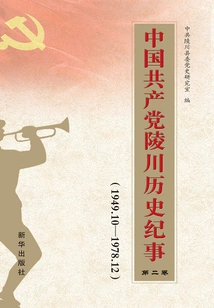
Historical Chronicles of Lingchuan of the Communist Party of China (1949.10-1978.12) Volume 2
History中国共产党陵川历史纪事(1949.10-1978.12)第二卷
Party History Research Office Of Lingchuan County Committee Of The Communist Party Of China
"Historical Chronicles of the Communist Party of China in Lingchuan", with clear outlines, detailed content, and concise language, records the major events, important figures, important activities, and arduous and tortuous struggles of the local party organization in Lingchuan in various periods from 1949 to 1978. It is a true record of the history of the Communist Party of China in Lingchuan and also serves as a guide to the future. Good teaching materials for party members, cadres and the masses, especially young people, to carry out revolutionary tradition education and patriotism education are of great significance for us to review the party's history, inherit and carry forward the party's fine traditions, adhere to the party's basic lines, principles and policies, comprehensively deepen reforms, and fully promote transformation and leapfrog development.
"Historical Chronicles of the Communist Party of China in Lingchuan", with clear outlines, detailed content, and concise language, records the major events, important figures, important activities, and arduous and tortuous struggles of the local party organization in Lingchuan in various periods from 1949 to 1978. It is a true record of the history of the Communist Party of China in Lingchuan and also serves as a guide to the future. Good teaching materials for party members, cadres and the masses, especially young people, to carry out revolutionary tradition education and patriotism education are of great significance for us to review the party's history, inherit and carry forward the party's fine traditions, adhere to the party's basic lines, principles and policies, comprehensively deepen reforms, and fully promote transformation and leapfrog development.
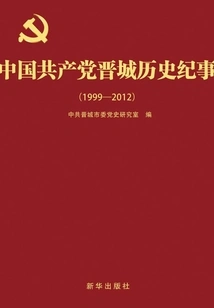
中国共产党晋城历史纪事(1999-2012)
Party History Research Office Of Jincheng Committee Of The Communist Party Of China
Taking history as a mirror, we can know the ups and downs! "History is the best textbook" and "learning the history of the Party and the country is a required course to uphold and develop socialism with Chinese characteristics and continue to advance the various undertakings of the Party and the country." Provincial Party Committee Secretary Yuan Chunqing also attaches great importance to the study of party history and puts forward clear requirements. Party organizations at all levels in the city and the majority of party members must regard the study of party history as an important part of building a learning party organization, and use the "Chronicle" as one of the basic teaching materials for the upcoming mass line educational practice activities, from which we can explore patterns, find methods, absorb wisdom, and sharpen fighting spirit.
Taking history as a mirror, we can know the ups and downs! "History is the best textbook" and "learning the history of the Party and the country is a required course to uphold and develop socialism with Chinese characteristics and continue to advance the various undertakings of the Party and the country." Provincial Party Committee Secretary Yuan Chunqing also attaches great importance to the study of party history and puts forward clear requirements. Party organizations at all levels in the city and the majority of party members must regard the study of party history as an important part of building a learning party organization, and use the "Chronicle" as one of the basic teaching materials for the upcoming mass line educational practice activities, from which we can explore patterns, find methods, absorb wisdom, and sharpen fighting spirit.
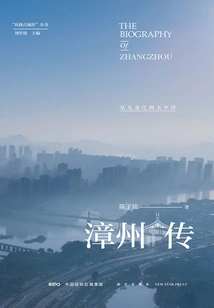
漳州传:从九龙江到太平洋
Chen Ziming
From the Central Plains to the seaside, from the seaside to the sea, while a group of people were exploring the ocean with confidence and looking forward to the glory of the Homeric era, a group of people from the hinterland of the Central Plains had already gone deep into the ocean, and then seriously began to search for spiritual power from the source. Starting from the origin of Zhangzhou, the author writes about how a city in southern Fujian was born between the prehistoric mountains and seas. He writes about how this city ushered in the current period of active economic development after experiencing farming culture and maritime civilization. He also writes about the history of the Tang Dynasty. How Yuan Guang grew up as a young man, led thousands of jade soldiers to plow holes in the courtyard amid the sound of golden drums, and established Zhangzhou across Fujian and Yue; in the Song Dynasty, he wrote about how Zhu Xi led the investigation of things and the pursuit of strength, and led Zhangzhou on the road of becoming a "seaside Zoulu".
From the Central Plains to the seaside, from the seaside to the sea, while a group of people were exploring the ocean with confidence and looking forward to the glory of the Homeric era, a group of people from the hinterland of the Central Plains had already gone deep into the ocean, and then seriously began to search for spiritual power from the source. Starting from the origin of Zhangzhou, the author writes about how a city in southern Fujian was born between the prehistoric mountains and seas. He writes about how this city ushered in the current period of active economic development after experiencing farming culture and maritime civilization. He also writes about the history of the Tang Dynasty. How Yuan Guang grew up as a young man, led thousands of jade soldiers to plow holes in the courtyard amid the sound of golden drums, and established Zhangzhou across Fujian and Yue; in the Song Dynasty, he wrote about how Zhu Xi led the investigation of things and the pursuit of strength, and led Zhangzhou on the road of becoming a "seaside Zoulu".
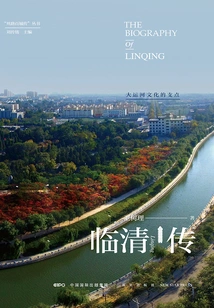
临清传:大运河文化的一个支点
Wang Shuli
Linqing Biography is one of the "Biography of One Hundred Cities on the Silk Road" series, a city biography describing Linqing City in Liaocheng Region, Shandong Province. Linqing City is now a county-level city, but this small city next to the canal once took advantage of its geographical advantage and reached its peak during the Ming and Qing dynasties, becoming a well-known commercial port in the country at that time. Linqing is located between the north and south of the canal, and is connected to the rich areas of east and west China. As an important transportation hub, there are many exchanges, and a unique canal culture has gradually formed. The manuscript not only focuses on explanations of the monuments and sites left over from the prosperous period of Linqing, such as Linqing Chaoguan, the mint, Linqing bricks, Linqing Persian cats, etc.; It also describes the social customs and customs of Linqing today, such as the hometown of martial arts, the hometown of Peking Opera, Linqing's famous snacks, etc., Which are all impressive.
Linqing Biography is one of the "Biography of One Hundred Cities on the Silk Road" series, a city biography describing Linqing City in Liaocheng Region, Shandong Province. Linqing City is now a county-level city, but this small city next to the canal once took advantage of its geographical advantage and reached its peak during the Ming and Qing dynasties, becoming a well-known commercial port in the country at that time. Linqing is located between the north and south of the canal, and is connected to the rich areas of east and west China. As an important transportation hub, there are many exchanges, and a unique canal culture has gradually formed. The manuscript not only focuses on explanations of the monuments and sites left over from the prosperous period of Linqing, such as Linqing Chaoguan, the mint, Linqing bricks, Linqing Persian cats, etc.; It also describes the social customs and customs of Linqing today, such as the hometown of martial arts, the hometown of Peking Opera, Linqing's famous snacks, etc., Which are all impressive.
弘扬传统节日文化现状与对策:中国传统节日文化调研实录
Wang Wenwen
This book is divided into 10 sub-topics, covering hotspots, difficulties, and focal issues related to traditional festivals that are of general concern to the public and academic circles at present, such as the connotation and form of traditional festivals, the symbols and rituals of traditional festivals, new carriers and new forms of inheriting and promoting traditional festivals, etc., And strives to make realistic research and judgments through practical and credible field inspections, questionnaire surveys, literature research and other means.
This book is divided into 10 sub-topics, covering hotspots, difficulties, and focal issues related to traditional festivals that are of general concern to the public and academic circles at present, such as the connotation and form of traditional festivals, the symbols and rituals of traditional festivals, new carriers and new forms of inheriting and promoting traditional festivals, etc., And strives to make realistic research and judgments through practical and credible field inspections, questionnaire surveys, literature research and other means.
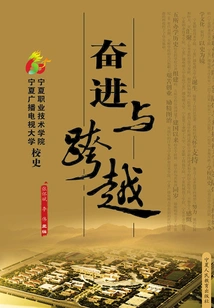
奋进与跨越:宁夏职业技术学院、宁夏广播电视大学校史
Zhang Huaibin Editor-in-chief Li Wei
The birth of Ningxia Vocational and Technical College and Ningxia Radio and Television University embodies the care and support of the autonomous region party committee and government, as well as the ideals and efforts of many predecessors. Her development and growth have gathered the wisdom and dedication of those who came after her. Opening the heavy "School History", I can't help but feel emotional when I see that five schools finally built the comprehensive college today through two rounds of mergers.
The birth of Ningxia Vocational and Technical College and Ningxia Radio and Television University embodies the care and support of the autonomous region party committee and government, as well as the ideals and efforts of many predecessors. Her development and growth have gathered the wisdom and dedication of those who came after her. Opening the heavy "School History", I can't help but feel emotional when I see that five schools finally built the comprehensive college today through two rounds of mergers.
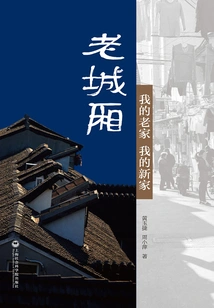
老城厢:我的老家,我的新家
Huang Yujie Zhou Xiaoping
This book takes the social integration of the floating population in Laochengxiang as an observation perspective, and carefully combs the real community life in Laochengxiang, which has always been labeled by Shanghai-style traditional life classics. It shows the community relationships, social interactions and community order in Laochengxiang, which is composed of both the floating population and the original elderly population. It also reveals the contradictory situation faced by Laochengxiang community: the inevitable historical urban decline of Laochengxiang community and the community vitality that comes with the floating population.
This book takes the social integration of the floating population in Laochengxiang as an observation perspective, and carefully combs the real community life in Laochengxiang, which has always been labeled by Shanghai-style traditional life classics. It shows the community relationships, social interactions and community order in Laochengxiang, which is composed of both the floating population and the original elderly population. It also reveals the contradictory situation faced by Laochengxiang community: the inevitable historical urban decline of Laochengxiang community and the community vitality that comes with the floating population.
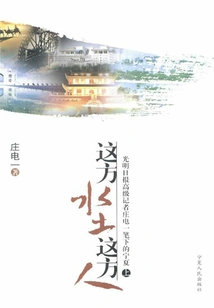
这方水土这方人(上)
Zhuang Dianyi
There are such a group of "mysterious" characters active in the rural areas of Ningxia: they look like farmers but are not farmers, but they work with farmers all day long. They have not only established a deep friendship with farmers, but also formed a community of shared interests and risks with farmers; their guidance and help are indispensable in all aspects of agricultural production. They are "technical commissioners" with special missions. The entrepreneurial actions led by them are unfolding in the vast rural areas of Ningxia.
There are such a group of "mysterious" characters active in the rural areas of Ningxia: they look like farmers but are not farmers, but they work with farmers all day long. They have not only established a deep friendship with farmers, but also formed a community of shared interests and risks with farmers; their guidance and help are indispensable in all aspects of agricultural production. They are "technical commissioners" with special missions. The entrepreneurial actions led by them are unfolding in the vast rural areas of Ningxia.
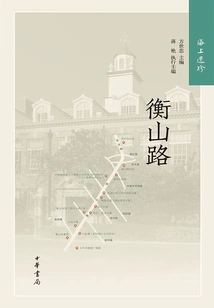
海上遗珍:衡山路
Fang Shizhong
Following the publication of the first volume of "Heritage from the Sea" "Wukang Road" in 2017, the second volume "Hengshan Road" published in 2018 still continues the original style and includes articles written by famous scholars and writers about Hengshan Road (built in 1922, formerly known as Peitang Road) and Baoqing Road (built in 1922). (Formerly known as Baojian Road) in 1902) contains articles on outstanding historical buildings and historical and cultural celebrities. They include precise research on the historical evolution of the buildings, vivid descriptions of anecdotes, and affectionate memories of the cultural celebrities who once lived here. Through the details, you can feel the changes of the times.
Following the publication of the first volume of "Heritage from the Sea" "Wukang Road" in 2017, the second volume "Hengshan Road" published in 2018 still continues the original style and includes articles written by famous scholars and writers about Hengshan Road (built in 1922, formerly known as Peitang Road) and Baoqing Road (built in 1922). (Formerly known as Baojian Road) in 1902) contains articles on outstanding historical buildings and historical and cultural celebrities. They include precise research on the historical evolution of the buildings, vivid descriptions of anecdotes, and affectionate memories of the cultural celebrities who once lived here. Through the details, you can feel the changes of the times.
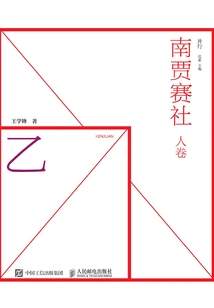
Nanjia Saishe People Volume
History南贾赛社 人卷
Written By Wang Xuefeng And Edited By Hou Su
This book mainly introduces the activities of Saishe in Jia Village, Lucheng City. The human volume introduces the folk environment that Saishe relies on and the folk activities it accommodates, including weddings and funerals, new year festivals, food and residence, gatherings, burning incense, watching plays, etc., Showing the entertainment aspect of Saishe and the daily life under the pattern of worshiping gods. God and man cannot be completely separated. Human daily life needs the guarantee of faith and the comfort of gods. To entertain people, we must rely on the pattern and name of entertaining gods. When the two are combined, God and man share and are in harmony, they will become more complete. This is the enduring spirit of Saishe, and it is also the cultural meridian of rural China.
This book mainly introduces the activities of Saishe in Jia Village, Lucheng City. The human volume introduces the folk environment that Saishe relies on and the folk activities it accommodates, including weddings and funerals, new year festivals, food and residence, gatherings, burning incense, watching plays, etc., Showing the entertainment aspect of Saishe and the daily life under the pattern of worshiping gods. God and man cannot be completely separated. Human daily life needs the guarantee of faith and the comfort of gods. To entertain people, we must rely on the pattern and name of entertaining gods. When the two are combined, God and man share and are in harmony, they will become more complete. This is the enduring spirit of Saishe, and it is also the cultural meridian of rural China.
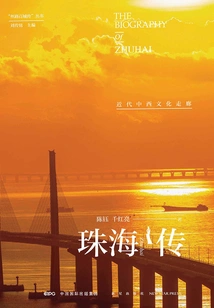
Zhuhai Biography
History珠海传
Chen Yu Qian Hongliang
Twenty-four stories, twelve faces of Zhuhai... The author cleverly connects the fragmented cities and characters together through a walking style and a novel writing style that does not lose sight of research, outlining the urban texture and humanistic context of Zhuhai, and using philosophical speculation to explore where Zhuhai comes from and where it is going.
Twenty-four stories, twelve faces of Zhuhai... The author cleverly connects the fragmented cities and characters together through a walking style and a novel writing style that does not lose sight of research, outlining the urban texture and humanistic context of Zhuhai, and using philosophical speculation to explore where Zhuhai comes from and where it is going.
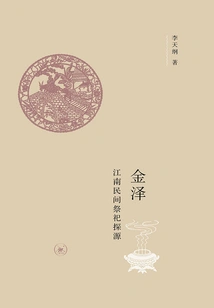
金泽:江南民间祭祀探源
Li Tiangang
This book is a monograph that uses cultural anthropology methods to study the sacrificial system in Jiangnan. The author Li Tiangang selected Jinze Town in Qingpu, Shanghai as the main research case. He conducted field surveys for many years, consulted a large number of relevant local chronicles of prefectures, prefectures, counties, townships, and towns, and explored the close connection between official Confucian classics, festivals, and folk local sacrificial systems in the Jiangnan region.
This book is a monograph that uses cultural anthropology methods to study the sacrificial system in Jiangnan. The author Li Tiangang selected Jinze Town in Qingpu, Shanghai as the main research case. He conducted field surveys for many years, consulted a large number of relevant local chronicles of prefectures, prefectures, counties, townships, and towns, and explored the close connection between official Confucian classics, festivals, and folk local sacrificial systems in the Jiangnan region.
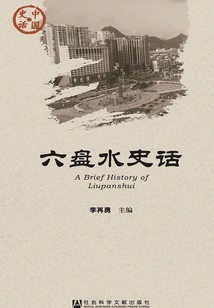
六盘水史话(中国史话·社会系列)
Editor-in-chief Li Zaiyong
"Liupanshui History" takes events as points and time as lines. By displaying Liupanshui's history, geography, politics, economy, culture, ethnicity, etc., It helps you understand Liupanshui, love Liupanshui, invest in Liupanshui, settle in Liupanshui, and integrate into Liupanshui. This good market situation textbook, convenient reference book, and precious "Zi Zhi Tong Jian" can further enhance the visibility and reputation of Liupanshui, help build the "Roof of Guizhou, the Cool Capital of China", and help it become popular all over the world.
"Liupanshui History" takes events as points and time as lines. By displaying Liupanshui's history, geography, politics, economy, culture, ethnicity, etc., It helps you understand Liupanshui, love Liupanshui, invest in Liupanshui, settle in Liupanshui, and integrate into Liupanshui. This good market situation textbook, convenient reference book, and precious "Zi Zhi Tong Jian" can further enhance the visibility and reputation of Liupanshui, help build the "Roof of Guizhou, the Cool Capital of China", and help it become popular all over the world.
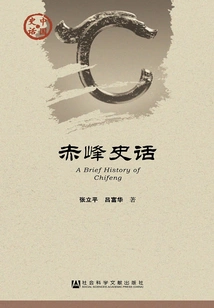
赤峰史话(中国史话·社会系列)
Zhang Liping Lu Fuhua
This book sorts out the glorious history of Chifeng from ancient times to modern times with six chapters: "Ancient Heritage", "Agricultural and Pastoral Symphony", "Grassland Empire", "Monan Xiongfeng", "Modern Times" and "Vicissitudes of Changes". The book explains the important position and role of Chifeng in the diverse and unified cultural pattern of the Chinese nation. It is of great significance for all walks of life to understand Chifeng and to enhance the Chifeng people's awareness, sense of belonging and pride in their hometown.
This book sorts out the glorious history of Chifeng from ancient times to modern times with six chapters: "Ancient Heritage", "Agricultural and Pastoral Symphony", "Grassland Empire", "Monan Xiongfeng", "Modern Times" and "Vicissitudes of Changes". The book explains the important position and role of Chifeng in the diverse and unified cultural pattern of the Chinese nation. It is of great significance for all walks of life to understand Chifeng and to enhance the Chifeng people's awareness, sense of belonging and pride in their hometown.
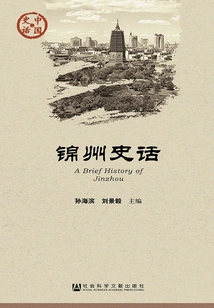
锦州史话(中国史话·社会系列)
Sun Haibin Editor-in-chief Liu Jingyi
Jinzhou, which occupies the northern shore of China's Bohai Sea and is a strategic location inside and outside the customs, is a famous northern cultural city with a long history of more than 2,200 years. This book introduces Jinzhou's long history in detail from four aspects: ancient history, century-old events, modern features, and scenic spots. Important historical events that occurred in the Ming and Qing Dynasties (Songjin Battle, Tashan Blockade, Heishan Blockade, etc.), Important historical figures (such as Yelu Chucai, Murong Xian, Yin Jishan, Zhang Zuolin, etc.), As well as the modern style of Jinzhou, from which we can deeply feel the profound historical heritage contained in Jinzhou.
Jinzhou, which occupies the northern shore of China's Bohai Sea and is a strategic location inside and outside the customs, is a famous northern cultural city with a long history of more than 2,200 years. This book introduces Jinzhou's long history in detail from four aspects: ancient history, century-old events, modern features, and scenic spots. Important historical events that occurred in the Ming and Qing Dynasties (Songjin Battle, Tashan Blockade, Heishan Blockade, etc.), Important historical figures (such as Yelu Chucai, Murong Xian, Yin Jishan, Zhang Zuolin, etc.), As well as the modern style of Jinzhou, from which we can deeply feel the profound historical heritage contained in Jinzhou.