Library
Browse and search books
521 novels found
雷霆万钧:第二次世界大战著名空战
Hu Yuanbin
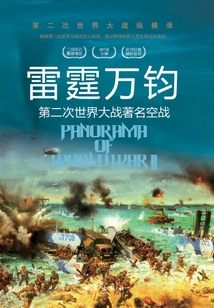
The victory of the Second World War was also the victory of the anti-fascist war of the people of the world. It became a major turning point in human history in the 20th century. It ended an old period of war and turmoil and ushered in a new stage of peace and development. When we look back on history, we should not forget the destruction and disasters that the war has brought to us, as well as the heavy price paid by all countries and peoples in the world for victory. We should earnestly learn from the historical experience and lessons of this war, and strive heroically to prevent a new world war from happening, maintain lasting peace in the world, and continuously promote the progress of human society. This is our original intention in compiling "A Chronicle of World War II". This book combines the latest research results and the latest declassified information at home and abroad. Under the guidance of relevant departments and experts, the book takes the historical process of World War II as a clue and runs through the main historical periods, major battlefield battles and major military and political figures of World War II, presenting a panoramic view of the magnificent picture of World War II. The book mainly includes war history, battlefields, battles, generals and battles, etc. It spans time and space, is majestic, has detailed historical events, and is rich in pictures and texts. It is highly historical, informative, authoritative and authentic, and is of great reading and collection value.
The victory of the Second World War was also the victory of the anti-fascist war of the people of the world. It became a major turning point in human history in the 20th century. It ended an old period of war and turmoil and ushered in a new stage of peace and development. When we look back on history, we should not forget the destruction and disasters that the war has brought to us, as well as the heavy price paid by all countries and peoples in the world for victory. We should earnestly learn from the historical experience and lessons of this war, and strive heroically to prevent a new world war from happening, maintain lasting peace in the world, and continuously promote the progress of human society. This is our original intention in compiling "A Chronicle of World War II". This book combines the latest research results and the latest declassified information at home and abroad. Under the guidance of relevant departments and experts, the book takes the historical process of World War II as a clue and runs through the main historical periods, major battlefield battles and major military and political figures of World War II, presenting a panoramic view of the magnificent picture of World War II. The book mainly includes war history, battlefields, battles, generals and battles, etc. It spans time and space, is majestic, has detailed historical events, and is rich in pictures and texts. It is highly historical, informative, authoritative and authentic, and is of great reading and collection value.

Trumpet Sound
Military号角声声
Wang Xiaoliang
It introduces the major wars before and after the Qin and Han Dynasties, ancient wars, famous battles in the slave society, famous battles in the Qin and Han Dynasties, famous battles in the Three Kingdoms, Jin and Southern and Northern Dynasties, classic battles in the Sui and Tang Dynasties, the weak battles in the Song Dynasty, the expansion of the territory of the Yuan Dynasty, the famous battles of the Ming Dynasty, and the military struggles of the Manchu and Qing Dynasties.
It introduces the major wars before and after the Qin and Han Dynasties, ancient wars, famous battles in the slave society, famous battles in the Qin and Han Dynasties, famous battles in the Three Kingdoms, Jin and Southern and Northern Dynasties, classic battles in the Sui and Tang Dynasties, the weak battles in the Song Dynasty, the expansion of the territory of the Yuan Dynasty, the famous battles of the Ming Dynasty, and the military struggles of the Manchu and Qing Dynasties.
中国古代军事思想史(中外史学丛书)
Compiled By Zhang Ming And Yu Jingyao
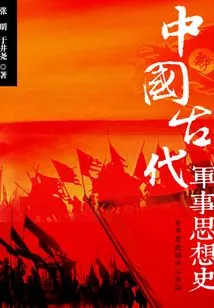
War is a bloody politics, and the military occupies a particularly important position in the entire social and political life. In this regard, the ancients more than 2,000 years ago had a relatively clear understanding. The so-called "the great affairs of the country lie in sacrifice and military service" ("Zuo Zhuan: The Thirteenth Year of Chenggong") is a summary and revelation of this understanding. In connection with this, China's military history also has rich accumulation and has become the main component of Chinese civilization.
War is a bloody politics, and the military occupies a particularly important position in the entire social and political life. In this regard, the ancients more than 2,000 years ago had a relatively clear understanding. The so-called "the great affairs of the country lie in sacrifice and military service" ("Zuo Zhuan: The Thirteenth Year of Chenggong") is a summary and revelation of this understanding. In connection with this, China's military history also has rich accumulation and has become the main component of Chinese civilization.
世界军事百科之古代军事
Feng Ping Wang Guofu Wu Zhiqiao
The military is a symbol of the strength and stability of a country and nation, and plays a decisive role in national life. Everyone is responsible for the rise and fall of a country. Comprehensive and systematic mastery of military knowledge is the glorious responsibility and obligation of each of us, and it is also the main content of our national defense education.
The military is a symbol of the strength and stability of a country and nation, and plays a decisive role in national life. Everyone is responsible for the rise and fall of a country. Comprehensive and systematic mastery of military knowledge is the glorious responsibility and obligation of each of us, and it is also the main content of our national defense education.
世界军事百科之现代海战
Feng Ping Wang Guofu Wu Zhiqiao
The military is a symbol of the strength and stability of a country and nation, and plays a decisive role in national life. Everyone is responsible for the rise and fall of a country. Comprehensive and systematic mastery of military knowledge is the glorious responsibility and obligation of each of us, and it is also the main content of our national defense education.
The military is a symbol of the strength and stability of a country and nation, and plays a decisive role in national life. Everyone is responsible for the rise and fall of a country. Comprehensive and systematic mastery of military knowledge is the glorious responsibility and obligation of each of us, and it is also the main content of our national defense education.
世界军事百科之亚洲战史
Feng Ping Wang Guofu Wu Zhiqiao
The military is a symbol of the strength and stability of a country and nation, and plays a decisive role in national life. Everyone is responsible for the rise and fall of a country. Comprehensive and systematic mastery of military knowledge is the glorious responsibility and obligation of each of us, and it is also the main content of our national defense education.
The military is a symbol of the strength and stability of a country and nation, and plays a decisive role in national life. Everyone is responsible for the rise and fall of a country. Comprehensive and systematic mastery of military knowledge is the glorious responsibility and obligation of each of us, and it is also the main content of our national defense education.
世界军事百科之非洲战史
Feng Ping Wang Guofu Wu Zhiqiao
The military is a symbol of the strength and stability of a country and nation, and plays a decisive role in national life. Everyone is responsible for the rise and fall of a country. Comprehensive and systematic mastery of military knowledge is the glorious responsibility and obligation of each of us, and it is also the main content of our national defense education.
The military is a symbol of the strength and stability of a country and nation, and plays a decisive role in national life. Everyone is responsible for the rise and fall of a country. Comprehensive and systematic mastery of military knowledge is the glorious responsibility and obligation of each of us, and it is also the main content of our national defense education.
世界军事百科之古代战争
Feng Ping Wang Guofu Wu Zhiqiao
The military is a symbol of the strength and stability of a country and nation, and plays a decisive role in national life. Everyone is responsible for the rise and fall of a country. Comprehensive and systematic mastery of military knowledge is the glorious responsibility and obligation of each of us, and it is also the main content of our national defense education.
The military is a symbol of the strength and stability of a country and nation, and plays a decisive role in national life. Everyone is responsible for the rise and fall of a country. Comprehensive and systematic mastery of military knowledge is the glorious responsibility and obligation of each of us, and it is also the main content of our national defense education.
世界军事百科之军事历史
Feng Ping Wang Guofu Wu Zhiqiao
The military is a symbol of the strength and stability of a country and nation, and plays a decisive role in national life. Everyone is responsible for the rise and fall of a country. Comprehensive and systematic mastery of military knowledge is the glorious responsibility and obligation of each of us, and it is also the main content of our national defense education.
The military is a symbol of the strength and stability of a country and nation, and plays a decisive role in national life. Everyone is responsible for the rise and fall of a country. Comprehensive and systematic mastery of military knowledge is the glorious responsibility and obligation of each of us, and it is also the main content of our national defense education.
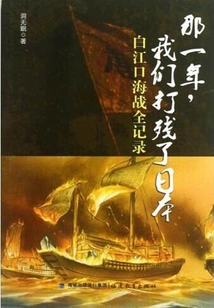
那一年,我们打残了日本:白江口海战全纪录
Sleepless Hole
This is a popular history book. This book takes the Battle of Baijiangkou that took place in 663 as the starting point, based on marginal historical materials, and uses easy-to-understand modern language to sort out the history of the Sino-Japanese naval war. It also focuses on the intricate relationships and origins between the three countries of the Korean Peninsula, China, and Japan before the Battle of Baijiangkou broke out. The writing style is active, the content is interesting, and the knowledge points are rich, which will help ordinary readers understand the historical Sino-Japanese war relationship and the history of the Korean Peninsula.
This is a popular history book. This book takes the Battle of Baijiangkou that took place in 663 as the starting point, based on marginal historical materials, and uses easy-to-understand modern language to sort out the history of the Sino-Japanese naval war. It also focuses on the intricate relationships and origins between the three countries of the Korean Peninsula, China, and Japan before the Battle of Baijiangkou broke out. The writing style is active, the content is interesting, and the knowledge points are rich, which will help ordinary readers understand the historical Sino-Japanese war relationship and the history of the Korean Peninsula.
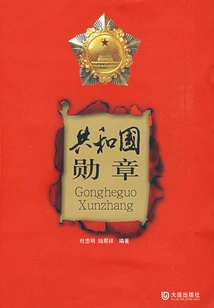
Order of the Republic
Military共和国勋章
Du Zhongming Lu Junxiang
The establishment of a national medal is of great significance. It can enable those who have made outstanding contributions to national development and national rejuvenation to receive corresponding honors and awards, which are well-deserved and worthy of the name. More importantly, the establishment of national medals is also a concrete manifestation of the implementation of the Constitution and the supremacy of the Constitution. This book collects various types of medals collected by the author and introduces them in detail.
The establishment of a national medal is of great significance. It can enable those who have made outstanding contributions to national development and national rejuvenation to receive corresponding honors and awards, which are well-deserved and worthy of the name. More importantly, the establishment of national medals is also a concrete manifestation of the implementation of the Constitution and the supremacy of the Constitution. This book collects various types of medals collected by the author and introduces them in detail.
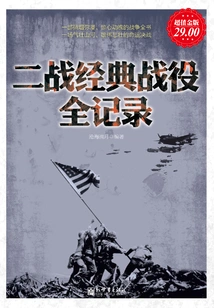
二战经典战役全记录
K
Throughout the 20th century, the "Decisive Battle of Destiny" could only be described as the "World War II". It was this war that created many classic battles, which are unforgettable and endlessly memorable. Over Britain, war eagles fight; on the Atlantic Ocean, wolves are rampant... Endless disasters make people unable to see the dawn and the sky is dark. In Moscow's Red Square, Stalingrad, and Leningrad, artillery fired and people resisted desperately. The world structure gradually changed during the war. From Sicily to Normandy, the Allied forces knocked on the door of the Nazis; from Kursk to the banks of the Elbe River, the Soviet Red Army won the battle. The Third Reich collapsed in smoke. From Midway to Iwo Jima, from the Philippines to Okinawa... There are traces of fighting between the two sides in every space on the sea, land and air.
Throughout the 20th century, the "Decisive Battle of Destiny" could only be described as the "World War II". It was this war that created many classic battles, which are unforgettable and endlessly memorable. Over Britain, war eagles fight; on the Atlantic Ocean, wolves are rampant... Endless disasters make people unable to see the dawn and the sky is dark. In Moscow's Red Square, Stalingrad, and Leningrad, artillery fired and people resisted desperately. The world structure gradually changed during the war. From Sicily to Normandy, the Allied forces knocked on the door of the Nazis; from Kursk to the banks of the Elbe River, the Soviet Red Army won the battle. The Third Reich collapsed in smoke. From Midway to Iwo Jima, from the Philippines to Okinawa... There are traces of fighting between the two sides in every space on the sea, land and air.
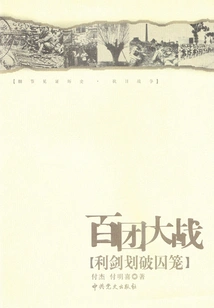
百团大战(细节见证历史)
Fu Jie Fu Mingxi
This is an event that makes every Chinese proud of the War of Resistance Against Japan, and is also one of the outstanding contributions made by the Communist Party of China and the armed forces led by it. "Witness History in Details: The Anti-Japanese War" "The Hundred Regiments War" focuses on the background of the most difficult period of China's Anti-Japanese War - the Sino-Japanese confrontation situation in 1940, the characteristics of the international situation and China's domestic situation, to further highlight the significance of the Hundred Regiments War. The defeat of four battles on the frontal battlefield dampened the anti-Japanese morale of the Chinese people. Seeing that the possibility of victory in the Anti-Japanese War had greatly increased, Chiang Kai-shek believed that Japan would be defeated sooner or later and started to have old thoughts of anti-communism... Under this situation, the Hundred Regiment War broke the "cage", boosted morale, expressed determination, and repelled the Kuomintang's anti-communist attempts. The Hundred Regiment War was like a sword that cut through the "cage" of the Japanese army and the haze that shrouded the Chinese anti-Japanese army and people.
This is an event that makes every Chinese proud of the War of Resistance Against Japan, and is also one of the outstanding contributions made by the Communist Party of China and the armed forces led by it. "Witness History in Details: The Anti-Japanese War" "The Hundred Regiments War" focuses on the background of the most difficult period of China's Anti-Japanese War - the Sino-Japanese confrontation situation in 1940, the characteristics of the international situation and China's domestic situation, to further highlight the significance of the Hundred Regiments War. The defeat of four battles on the frontal battlefield dampened the anti-Japanese morale of the Chinese people. Seeing that the possibility of victory in the Anti-Japanese War had greatly increased, Chiang Kai-shek believed that Japan would be defeated sooner or later and started to have old thoughts of anti-communism... Under this situation, the Hundred Regiment War broke the "cage", boosted morale, expressed determination, and repelled the Kuomintang's anti-communist attempts. The Hundred Regiment War was like a sword that cut through the "cage" of the Japanese army and the haze that shrouded the Chinese anti-Japanese army and people.
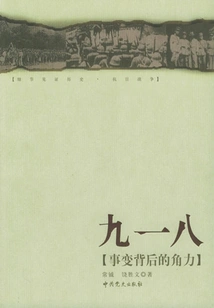
九一八(细节见证历史)
Chang Yue Rao Shengwen
This is a topic that is familiar to every Chinese, but we still want to explore some mystery behind the incident. For this reason, "September 18th" in "Witness History in Details: The Anti-Japanese War" captures the 21 days of history before and after the incident, and through 38 detailed events and topics, strives to show the political struggle behind the incident at multiple levels and in an all-round way. You will see that although the occupation of Northeast China was Japan's established national policy, the outbreak of the incident was also the result of a complex game of various domestic political efforts in Japan; although the Nationalist Government's non-resistance policy has long been notorious, it was also inseparable from the national conditions at the time and the balance of power between China and Japan; although China and Japan were the protagonists of the incident and conflict, the posture of the international community and international powers at that time also greatly affected the course and end of the incident in a certain sense.
This is a topic that is familiar to every Chinese, but we still want to explore some mystery behind the incident. For this reason, "September 18th" in "Witness History in Details: The Anti-Japanese War" captures the 21 days of history before and after the incident, and through 38 detailed events and topics, strives to show the political struggle behind the incident at multiple levels and in an all-round way. You will see that although the occupation of Northeast China was Japan's established national policy, the outbreak of the incident was also the result of a complex game of various domestic political efforts in Japan; although the Nationalist Government's non-resistance policy has long been notorious, it was also inseparable from the national conditions at the time and the balance of power between China and Japan; although China and Japan were the protagonists of the incident and conflict, the posture of the international community and international powers at that time also greatly affected the course and end of the incident in a certain sense.
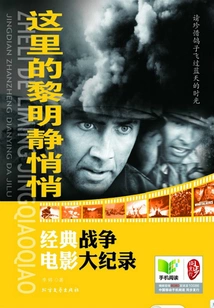
这里的黎明静悄悄:经典战争电影大记录
Li Ting
Select representative war-themed movies and sort them chronologically. Each movie has a separate chapter, which includes basic information about the movie (name, poster, cast and crew, awards and content introduction) and film reviews. It also inserts the influential music scenes, actor profiles, classic lines, etc. In the film as links, making it a film art book that is both appreciative and informative.
Select representative war-themed movies and sort them chronologically. Each movie has a separate chapter, which includes basic information about the movie (name, poster, cast and crew, awards and content introduction) and film reviews. It also inserts the influential music scenes, actor profiles, classic lines, etc. In the film as links, making it a film art book that is both appreciative and informative.
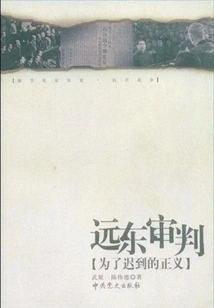
远东审判(细节见证历史)
Wu Yuan Chen Weide
This book takes the three-year trial of Japanese war criminals by the Far East Military Tribunal as the main line. With 32 sub-shots, this book comprehensively reproduces the entire process of the Far East trial, fully demonstrating the theme that this is a victory for the people and a victory for justice. However, just like sunshine, there is always a shadow. While the Far East Trial clarifies the facts of the war and declares responsibility for war crimes, it is also inevitably affected by political factors, especially the impact of the upcoming Cold War. If the emperor's war responsibility is not investigated, the leader of Japan's Unit 731 is not a war criminal, etc. Etc., There are many "just regrets"; when you read that as the clouds of China's civil war are getting thicker, the Nationalist government is willing to sacrifice China's national interests to increase its bargaining chip to win the civil war, it makes people sad... Today, when people face the danger of the resurgence of Japanese militarism, it is especially worth reviewing this period of history.
This book takes the three-year trial of Japanese war criminals by the Far East Military Tribunal as the main line. With 32 sub-shots, this book comprehensively reproduces the entire process of the Far East trial, fully demonstrating the theme that this is a victory for the people and a victory for justice. However, just like sunshine, there is always a shadow. While the Far East Trial clarifies the facts of the war and declares responsibility for war crimes, it is also inevitably affected by political factors, especially the impact of the upcoming Cold War. If the emperor's war responsibility is not investigated, the leader of Japan's Unit 731 is not a war criminal, etc. Etc., There are many "just regrets"; when you read that as the clouds of China's civil war are getting thicker, the Nationalist government is willing to sacrifice China's national interests to increase its bargaining chip to win the civil war, it makes people sad... Today, when people face the danger of the resurgence of Japanese militarism, it is especially worth reviewing this period of history.
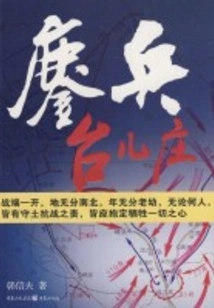
Fighting at Taierzhuang
Military鏖兵台儿庄
Han Xinfu
Chiang Kai-shek was the supreme commander-in-chief of the Chinese army at that time. He mobilized troops and appointed Li Zongren as the commander-in-chief of the Fifth War Zone to plan the defensive battle on the Jinpu line; he ordered the execution of Han Fuju; he and Li Zongren and the senior officials on the Taierzhuang front line Senior generals maintained close telegraph contact; at the most dangerous moment in Taierzhuang, he visited the front lines in person; when the country was celebrating the victory of Taierzhuang, he sent a telegram to the whole country, warning the soldiers and civilians to keep a clear head and "don't be arrogant after hearing victory."
Chiang Kai-shek was the supreme commander-in-chief of the Chinese army at that time. He mobilized troops and appointed Li Zongren as the commander-in-chief of the Fifth War Zone to plan the defensive battle on the Jinpu line; he ordered the execution of Han Fuju; he and Li Zongren and the senior officials on the Taierzhuang front line Senior generals maintained close telegraph contact; at the most dangerous moment in Taierzhuang, he visited the front lines in person; when the country was celebrating the victory of Taierzhuang, he sent a telegram to the whole country, warning the soldiers and civilians to keep a clear head and "don't be arrogant after hearing victory."
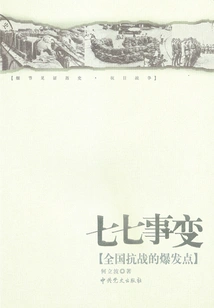
七七事变(细节见证历史)
He Libo
For any Chinese, July 7, 1937 is a day that should not be forgotten. In modern Chinese history, this date is more than just a date symbol, nor is it just a few intensive gunshots. It represents the beginning of a great war. This book starts from June 26, 1937, when the revolution was still in its infancy. Taking the date as the longitude and the events as the latitude, it narrates day by day all the events that occurred in the Chinese Communist Party, the Kuomintang, the democrats, the traitor puppet government, the Japanese government and the military and other related parties during this period. These events and their inner connection with the July 7th Incident are written until Chiang Kai-shek delivered the Lushan Talk on July 17 after the incident. In the end, the book narrates the final fate of the characters involved and the development of the events, painting a grand historical picture for readers.
For any Chinese, July 7, 1937 is a day that should not be forgotten. In modern Chinese history, this date is more than just a date symbol, nor is it just a few intensive gunshots. It represents the beginning of a great war. This book starts from June 26, 1937, when the revolution was still in its infancy. Taking the date as the longitude and the events as the latitude, it narrates day by day all the events that occurred in the Chinese Communist Party, the Kuomintang, the democrats, the traitor puppet government, the Japanese government and the military and other related parties during this period. These events and their inner connection with the July 7th Incident are written until Chiang Kai-shek delivered the Lushan Talk on July 17 after the incident. In the end, the book narrates the final fate of the characters involved and the development of the events, painting a grand historical picture for readers.
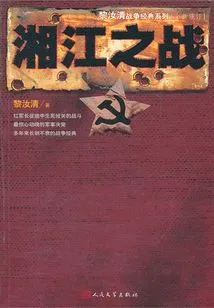
K
Militaryk
L
During the Battle of Xiangjiang during the Red Army's Long March, the Red Army sacrificed 30,000 people and captured 6,000 people. The Eighth Red Army, the 18th Regiment of the Sixth Division of the Third Red Army, and the 34th Division of the Fifth Red Army were almost completely wiped out. The total strength of the Central Red Army was sharply reduced to 30,000. "Battle of Xiangjiang" takes the most tragic Battle of Xiangjiang during the Long March as the main line, truly reproducing the military and political reality since the Central Red Army broke through. It not only truly reproduces the historical situation at that time, but also reflects on the status and role of war decision-making in history from the perspective of historical development and historical thinking.
During the Battle of Xiangjiang during the Red Army's Long March, the Red Army sacrificed 30,000 people and captured 6,000 people. The Eighth Red Army, the 18th Regiment of the Sixth Division of the Third Red Army, and the 34th Division of the Fifth Red Army were almost completely wiped out. The total strength of the Central Red Army was sharply reduced to 30,000. "Battle of Xiangjiang" takes the most tragic Battle of Xiangjiang during the Long March as the main line, truly reproducing the military and political reality since the Central Red Army broke through. It not only truly reproduces the historical situation at that time, but also reflects on the status and role of war decision-making in history from the perspective of historical development and historical thinking.
Liberate Shaoguan
Military解放韶关
Record Work
This book uses documentary techniques to record the glorious deeds of the Chinese People's Liberation Army in the bloody battle in the War to Liberate Shaoguan, praises their fearless spirit, and reproduces the tragic scenes of the War of Liberation...
This book uses documentary techniques to record the glorious deeds of the Chinese People's Liberation Army in the bloody battle in the War to Liberate Shaoguan, praises their fearless spirit, and reproduces the tragic scenes of the War of Liberation...
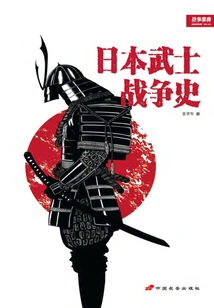
战争事典特辑004:日本武士战争史
Wang Ziwu
The narrative starting point of this book is the Genpei War that broke out between the Genji and Heira clans at the end of the Heian period in Japan in the 12th century. It then introduces in chronological order the Battle of Ichinogani, the Battle of Dannoura, the Mongolian Eastern Expedition in the 13th century, the Battle of Nagasaki in the 16th century, the siege of Ishiyama Honganji Temple, the Battle of Sekigahara in the 17th century, the Ryukyu Expedition, and the Anti-Barbarian War and the Shikoku War in the 19th century. By analyzing and discussing the major battles in the history of Japanese samurai chapter by chapter, and supplemented by "chronicles of major events" to provide detailed descriptions of major historical turning points, it not only provides a complete historical development context, but also highlights the different war arts used by samurai in different periods, the process of major battles, and the gains and losses of generals' command.
The narrative starting point of this book is the Genpei War that broke out between the Genji and Heira clans at the end of the Heian period in Japan in the 12th century. It then introduces in chronological order the Battle of Ichinogani, the Battle of Dannoura, the Mongolian Eastern Expedition in the 13th century, the Battle of Nagasaki in the 16th century, the siege of Ishiyama Honganji Temple, the Battle of Sekigahara in the 17th century, the Ryukyu Expedition, and the Anti-Barbarian War and the Shikoku War in the 19th century. By analyzing and discussing the major battles in the history of Japanese samurai chapter by chapter, and supplemented by "chronicles of major events" to provide detailed descriptions of major historical turning points, it not only provides a complete historical development context, but also highlights the different war arts used by samurai in different periods, the process of major battles, and the gains and losses of generals' command.
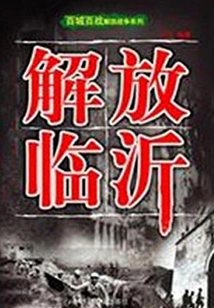
Liberate Linyi
Military解放临沂
Record Work
The pace of history never stops, and so many stories are like meteors passing by, sealed in memory. Some stories have passed away, some stories often ring in our ears because of their extraordinary significance, and some stories need to be dusted off, re-examined, and the significance of their existence from a new perspective. The Battle of Linyi between the Kuomintang troops and the Japanese invaders that took place 67 years ago is such a story.
The pace of history never stops, and so many stories are like meteors passing by, sealed in memory. Some stories have passed away, some stories often ring in our ears because of their extraordinary significance, and some stories need to be dusted off, re-examined, and the significance of their existence from a new perspective. The Battle of Linyi between the Kuomintang troops and the Japanese invaders that took place 67 years ago is such a story.
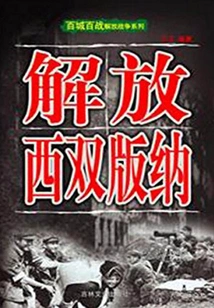
Liberate Xishuangbanna
Military解放西双版纳
Record Work
In the spring of 1950, Jiang Hong, an instructor of a certain unit of the People's Liberation Army, was ordered to lead a working group to carry out work in Menglongsha, a Dai area in Yunnan. The local leader Bu Kang was instigated by the lurking female agent Dao Ailing and prohibited the Dai fellow villagers from approaching the working group, making it difficult for the working group to carry out its work. Jiang Hong asked the soldiers to overcome their fear of difficulties, go deep into the masses, and do good things for the masses in order to gain their trust. In late January 1950, the Southern Yunnan Campaign came to an end. Tang Yao, the deputy commander-in-chief of the Kuomintang Army and commander of the Eighth Corps who was fleeing in southern Yunnan, was captured by the Chinese People's Liberation Army in the Yuanjiang Battle. His main force was wiped out. Thousands of remaining troops fled toward southwest Yunnan in an attempt to escape to the Che, Fohai and Nanqiao areas on the China-Myanmar border (today's Xishuangbanna Dai Autonomous Prefecture) to establish a guerrilla base and continue to deal with our army.
In the spring of 1950, Jiang Hong, an instructor of a certain unit of the People's Liberation Army, was ordered to lead a working group to carry out work in Menglongsha, a Dai area in Yunnan. The local leader Bu Kang was instigated by the lurking female agent Dao Ailing and prohibited the Dai fellow villagers from approaching the working group, making it difficult for the working group to carry out its work. Jiang Hong asked the soldiers to overcome their fear of difficulties, go deep into the masses, and do good things for the masses in order to gain their trust. In late January 1950, the Southern Yunnan Campaign came to an end. Tang Yao, the deputy commander-in-chief of the Kuomintang Army and commander of the Eighth Corps who was fleeing in southern Yunnan, was captured by the Chinese People's Liberation Army in the Yuanjiang Battle. His main force was wiped out. Thousands of remaining troops fled toward southwest Yunnan in an attempt to escape to the Che, Fohai and Nanqiao areas on the China-Myanmar border (today's Xishuangbanna Dai Autonomous Prefecture) to establish a guerrilla base and continue to deal with our army.
A Must-win Area
Military必争之地
J
Broken city walls and desolate islands, if it weren't for the flames of war, few people would notice these desolate places. Behind the bustling cities, sunny beaches, busyness and ease, who would have thought that every inch of land used to be fought over here? Walk into a period of history and feel the war and iron horses of the past; step into the battlefield of the past and understand what a battleground is.
Broken city walls and desolate islands, if it weren't for the flames of war, few people would notice these desolate places. Behind the bustling cities, sunny beaches, busyness and ease, who would have thought that every inch of land used to be fought over here? Walk into a period of history and feel the war and iron horses of the past; step into the battlefield of the past and understand what a battleground is.
Detailed Explanation of Major War Events in Chinese History: History of Modern Wars (part 2)
Military中国历史战争大事详解:近代战争史(下)
Feng Xianzhi
The book mainly tells about the major wars in China's modern history to resist the invasion of foreign powers and fight for the integrity of its land, including the war to regain Xinjiang, the Sino-French War, the Sino-Japanese Sino-Japanese War of 1894-1894, the War to Protect the Country, and the fight against Tsarist Russia and other historical events.
The book mainly tells about the major wars in China's modern history to resist the invasion of foreign powers and fight for the integrity of its land, including the war to regain Xinjiang, the Sino-French War, the Sino-Japanese Sino-Japanese War of 1894-1894, the War to Protect the Country, and the fight against Tsarist Russia and other historical events.
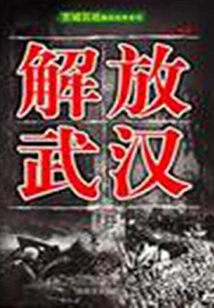
Liberate Wuhan
Military解放武汉
Record Work
This book uses documentary techniques to record the glorious deeds of the Chinese People's Liberation Army in the bloody battle in the War to Liberate Wuhan, praises their fearless spirit, and reproduces the tragic scenes of the Liberation War...
This book uses documentary techniques to record the glorious deeds of the Chinese People's Liberation Army in the bloody battle in the War to Liberate Wuhan, praises their fearless spirit, and reproduces the tragic scenes of the Liberation War...
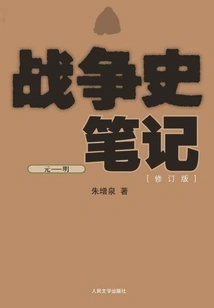
战争史笔记:元——明(修订版)
Zhu Zengquan
A majestic and wise general and a wise man with unique insight, he tells the history of a thousand years of war in a unique notebook style. Classic battles are brilliantly presented, with in-depth commentary on the rise and fall of dynasties. Taking history as a mirror, it is a warning that if you forget to fight, you will be in danger.
A majestic and wise general and a wise man with unique insight, he tells the history of a thousand years of war in a unique notebook style. Classic battles are brilliantly presented, with in-depth commentary on the rise and fall of dynasties. Taking history as a mirror, it is a warning that if you forget to fight, you will be in danger.
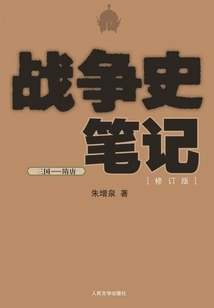
战争史笔记:三国——隋唐(修订版)
Zhu Zengquan
A majestic and wise general, a wise man with a unique eye, narrates the history of a thousand years of war in a unique writing style, wonderfully presents classic battles, and provides in-depth commentary on the rise and fall of dynasties. Using history as a mirror, there is a warning that if you forget to fight, you will be in danger.
A majestic and wise general, a wise man with a unique eye, narrates the history of a thousand years of war in a unique writing style, wonderfully presents classic battles, and provides in-depth commentary on the rise and fall of dynasties. Using history as a mirror, there is a warning that if you forget to fight, you will be in danger.
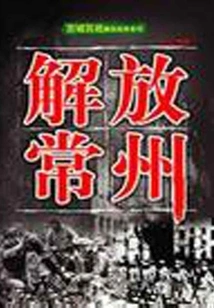
Liberate Changzhou
Military解放常州
Record Work
This book uses documentary techniques to record the glorious deeds of the Chinese People's Liberation Army in the bloody battle in the War to Liberate Changzhou, praises their fearless spirit, and reproduces the tragic scenes of the Liberation War...
This book uses documentary techniques to record the glorious deeds of the Chinese People's Liberation Army in the bloody battle in the War to Liberate Changzhou, praises their fearless spirit, and reproduces the tragic scenes of the Liberation War...
战争史笔记:五代——宋辽金夏(修订版)
Zhu Zengquan
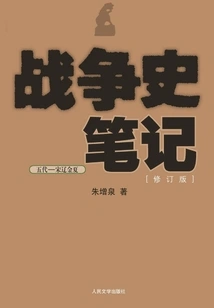
A majestic and wise general and a wise man with unique insight, he tells the history of a thousand years of war in a unique notebook style. This book provides a wonderful presentation of classic battles and an in-depth commentary on the rise and fall of dynasties. This book takes history as a mirror and serves as a warning that people will be in danger if they forget to fight.
A majestic and wise general and a wise man with unique insight, he tells the history of a thousand years of war in a unique notebook style. This book provides a wonderful presentation of classic battles and an in-depth commentary on the rise and fall of dynasties. This book takes history as a mirror and serves as a warning that people will be in danger if they forget to fight.
B
MilitaryB
M
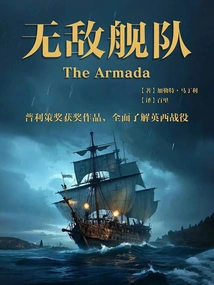
A Pulitzer Prize-winning work, the supreme example of non-fiction writing and the pinnacle of historical narrative. The book takes the Anglo-Spanish Great Battle of 1588 as its core, describing in detail the background and process of the Battle of the Armada and its far-reaching impact on European history. It not only contains wonderful descriptions of grand battles, but also delicate portrayals of the inner world of the characters. Through rich historical materials and vivid narratives, it shows the intricate political relationships, military strategies and the fate of key figures in European countries at that time.
A Pulitzer Prize-winning work, the supreme example of non-fiction writing and the pinnacle of historical narrative. The book takes the Anglo-Spanish Great Battle of 1588 as its core, describing in detail the background and process of the Battle of the Armada and its far-reaching impact on European history. It not only contains wonderful descriptions of grand battles, but also delicate portrayals of the inner world of the characters. Through rich historical materials and vivid narratives, it shows the intricate political relationships, military strategies and the fate of key figures in European countries at that time.