Library
Browse and search books
3,417 novels found
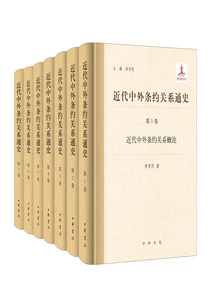
近代中外条约关系通史(全7卷)
Edited By Li Yumin
This topic mainly studies the historical evolution and historical impact of the general history of Sino-foreign treaty relations in modern times. According to the inherent laws of the evolution of Sino-foreign treaties in modern times, its historical development is divided into six periods, namely "the break of the traditional system and the establishment of treaty relations" (1689-1860), "the development of treaty relations and the crisis of the vassal system" (1861-1895), "the strengthening of unequal relations and treaty diplomacy" "The formation of the system" (1896-1911), "The vacillation and transition of unequal treaty relations" (1912-1927), "The improvement and setbacks of treaty relations towards equality" (1928-1937), "The basic formation and historical trend of equal treaty relations" (1937-1949). Discuss in stages the brewing of treaty relations after the Opium War, the two-fold transformation process of China's international order, that is, from the vassal system to treaty relations, and the treaty relations from inequality to basic equality under the shadow of power politics, analyze the treaty negotiations at each stage, the evolution, trends, characteristics and laws of treaty relations, etc.
This topic mainly studies the historical evolution and historical impact of the general history of Sino-foreign treaty relations in modern times. According to the inherent laws of the evolution of Sino-foreign treaties in modern times, its historical development is divided into six periods, namely "the break of the traditional system and the establishment of treaty relations" (1689-1860), "the development of treaty relations and the crisis of the vassal system" (1861-1895), "the strengthening of unequal relations and treaty diplomacy" "The formation of the system" (1896-1911), "The vacillation and transition of unequal treaty relations" (1912-1927), "The improvement and setbacks of treaty relations towards equality" (1928-1937), "The basic formation and historical trend of equal treaty relations" (1937-1949). Discuss in stages the brewing of treaty relations after the Opium War, the two-fold transformation process of China's international order, that is, from the vassal system to treaty relations, and the treaty relations from inequality to basic equality under the shadow of power politics, analyze the treaty negotiations at each stage, the evolution, trends, characteristics and laws of treaty relations, etc.
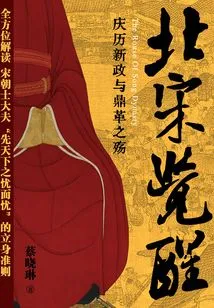
北宋觉醒:庆历新政与鼎革之殇
Cai Xiaolin
The founders of the Song Dynasty corrected customs with superb political wisdom. However, after the Song Empire's long-term operation, internal and external troubles gradually intensified. In the autumn when the empire was in critical condition, the scholar-bureaucrats who had grown up under the culture-advocating trend after the founding of the People's Republic of China mounted their horses and launched the reform movement in the mid-Song Dynasty with the ambition to rectify the world, which is known as the "Qingli New Deal" in history. When academic research monographs are regarded as dangerous by the public readers, while historical dramas are stuck in popular conventions, the author of this book, after reading a large number of original documents, contemporary notes, and expert research writings, uses poetic language, flowing brushwork, rigorous academic analysis, and unique perspective to tell readers about the transition from the Five Dynasties and Ten Kingdoms to the Song Dynasty in the mid-Tang Dynasty, and the beginning and end of the Qingli New Deal, as well as the gains and losses. This book allows readers to understand the historical pulse of the early and middle Song Dynasty in a relaxed reading, and can also look at the passion and melancholy of the scholar-bureaucrats in that exciting awakening era, and look at their flowing white figures in the distance.
The founders of the Song Dynasty corrected customs with superb political wisdom. However, after the Song Empire's long-term operation, internal and external troubles gradually intensified. In the autumn when the empire was in critical condition, the scholar-bureaucrats who had grown up under the culture-advocating trend after the founding of the People's Republic of China mounted their horses and launched the reform movement in the mid-Song Dynasty with the ambition to rectify the world, which is known as the "Qingli New Deal" in history. When academic research monographs are regarded as dangerous by the public readers, while historical dramas are stuck in popular conventions, the author of this book, after reading a large number of original documents, contemporary notes, and expert research writings, uses poetic language, flowing brushwork, rigorous academic analysis, and unique perspective to tell readers about the transition from the Five Dynasties and Ten Kingdoms to the Song Dynasty in the mid-Tang Dynasty, and the beginning and end of the Qingli New Deal, as well as the gains and losses. This book allows readers to understand the historical pulse of the early and middle Song Dynasty in a relaxed reading, and can also look at the passion and melancholy of the scholar-bureaucrats in that exciting awakening era, and look at their flowing white figures in the distance.
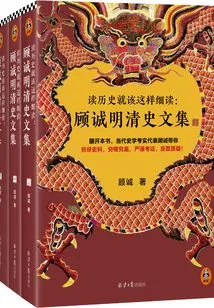
读历史就该这样细读:顾诚明清史文集(全3册)
Gu Cheng
Li Zicheng's general Li Yan doesn't actually exist? Is Shen Wansan, the "richest man in the Ming Dynasty", actually from the Yuan Dynasty? ... Behind these seemingly astonishing views are the results of Mr. Gu Cheng's extremely careful exfiltration of historical data and extremely rigorous reasoning and research. For example, when he wrote the article "Questioning Li Yan", he not only looked through various archives and anthologies, but even consulted more than a thousand local chronicles, and thus believed that Li Yan, who was recorded in many historical records, was actually fictional. In the article "Research on the Deeds of Shen Wansan and His Family", he pointed out that various historical materials, including "History of the Ming Dynasty", were incorrect. Shen Wansan, the "richest man in the Ming Dynasty", was actually from the Yuan Dynasty. Articles such as "A New Exploration on the Number of Cultivated Land in the Early Ming Dynasty", "The Transformation of the Guard System in the Qing Dynasty", "The Territory Management System of the Ming Empire" and "On the Wei Book in the Ming Dynasty" have an unshakable classic status in the academic world because of their pioneering contributions. Open this book, and Gu Cheng, a representative of contemporary history research, will lead you to exhaust the historical materials, investigate to the root, conduct rigorous research, and question repeatedly!
Li Zicheng's general Li Yan doesn't actually exist? Is Shen Wansan, the "richest man in the Ming Dynasty", actually from the Yuan Dynasty? ... Behind these seemingly astonishing views are the results of Mr. Gu Cheng's extremely careful exfiltration of historical data and extremely rigorous reasoning and research. For example, when he wrote the article "Questioning Li Yan", he not only looked through various archives and anthologies, but even consulted more than a thousand local chronicles, and thus believed that Li Yan, who was recorded in many historical records, was actually fictional. In the article "Research on the Deeds of Shen Wansan and His Family", he pointed out that various historical materials, including "History of the Ming Dynasty", were incorrect. Shen Wansan, the "richest man in the Ming Dynasty", was actually from the Yuan Dynasty. Articles such as "A New Exploration on the Number of Cultivated Land in the Early Ming Dynasty", "The Transformation of the Guard System in the Qing Dynasty", "The Territory Management System of the Ming Empire" and "On the Wei Book in the Ming Dynasty" have an unshakable classic status in the academic world because of their pioneering contributions. Open this book, and Gu Cheng, a representative of contemporary history research, will lead you to exhaust the historical materials, investigate to the root, conduct rigorous research, and question repeatedly!
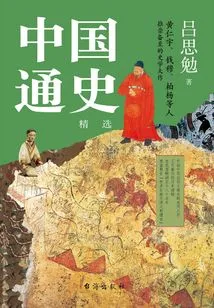
中国通史:精选
Lu Simian
"General History of China" is Mr. Lu Simian's famous historical work. It is also the first general history of China written in vernacular in the history of our country. This book starts from the origin of the Chinese nation and narrates the historical events of the past dynasties until the founding of the Republic of China. While sorting out the rise and fall, it also systematically sorts out historical knowledge and condenses China's five thousand years of history into one book. There are great innovations in both historical perspectives and compilation methods, which highlight Lu Simian's view of history.
"General History of China" is Mr. Lu Simian's famous historical work. It is also the first general history of China written in vernacular in the history of our country. This book starts from the origin of the Chinese nation and narrates the historical events of the past dynasties until the founding of the Republic of China. While sorting out the rise and fall, it also systematically sorts out historical knowledge and condenses China's five thousand years of history into one book. There are great innovations in both historical perspectives and compilation methods, which highlight Lu Simian's view of history.
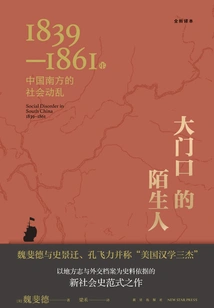
大门口的陌生人:1839-1861年中国南方的社会动乱
I
This book is Professor Wei Feide's doctoral thesis, an academic work that studies China's transformation into modern times in the late Qing Dynasty. The author begins "Strangers at the Gate" with the famous "Sanyuanli" incident at home and abroad, and then examines and studies the anti-British movement centered in Guangzhou during and after the Opium War. This book reconstructs and reproduces the regiment training movement, the functions of the gentry class, the court's response, the British forces' forced entry into Guangzhou, and their trade with China, etc., And provides an in-depth analysis of this series of complex events and phenomena. While restoring historical facts, the author reveals the causes of various phenomena and the causal relationships between them. This short work contains extremely rich and important historical themes.
This book is Professor Wei Feide's doctoral thesis, an academic work that studies China's transformation into modern times in the late Qing Dynasty. The author begins "Strangers at the Gate" with the famous "Sanyuanli" incident at home and abroad, and then examines and studies the anti-British movement centered in Guangzhou during and after the Opium War. This book reconstructs and reproduces the regiment training movement, the functions of the gentry class, the court's response, the British forces' forced entry into Guangzhou, and their trade with China, etc., And provides an in-depth analysis of this series of complex events and phenomena. While restoring historical facts, the author reveals the causes of various phenomena and the causal relationships between them. This short work contains extremely rich and important historical themes.
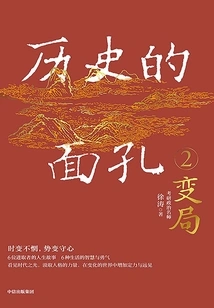
历史的面孔2:变局
Xu Tao
The second book in the series "The Face of History" by Xu Tao, a famous political teacher for the postgraduate entrance examination. Throughout the thousands of years of civilizations in the world, there has never been one as stable as the Chinese civilization, and few are as fond of a stable life as the Chinese. As long as it is stable, life can always be interpreted as very happy. However, after the Opium War, the rolling world trend shattered the long-lasting stability and dragged our country and nation into unprecedented changes. Indeed, this is a major change in the country and nation that every Chinese is familiar with. However, if we focus on individuals - individuals and families in the midst of great changes, we will be even more shocked by how periods of vivid life are pulled apart by the changes. Lin Zexu, who stood at the beginning of the change, Zhang Jian, who went from being a scholar to an industrialist, Qiu Jin, who went from a housewife to a revolutionary, Yang Du, who went from a constitutional expert to a Communist Party member, Gu Hongming, who was proficient in Western medicine and defended tradition, and architect Lin Huiyin, who went from his study to the wilderness, all struggled, confused, and searched for things in the change. History is, after all, a history written by characters. The power of personality is enough to penetrate the years and inspire and inspire future generations. The glory of those who succeed is admirable, but the arduous journey of those who have traveled the road is the wealth given to us by history, which deserves the attention, reference and reference of young readers. When we are trapped and confused, we often go back to history, absorb the wisdom and strength of our ancestors, and start over again to create our own glory.
The second book in the series "The Face of History" by Xu Tao, a famous political teacher for the postgraduate entrance examination. Throughout the thousands of years of civilizations in the world, there has never been one as stable as the Chinese civilization, and few are as fond of a stable life as the Chinese. As long as it is stable, life can always be interpreted as very happy. However, after the Opium War, the rolling world trend shattered the long-lasting stability and dragged our country and nation into unprecedented changes. Indeed, this is a major change in the country and nation that every Chinese is familiar with. However, if we focus on individuals - individuals and families in the midst of great changes, we will be even more shocked by how periods of vivid life are pulled apart by the changes. Lin Zexu, who stood at the beginning of the change, Zhang Jian, who went from being a scholar to an industrialist, Qiu Jin, who went from a housewife to a revolutionary, Yang Du, who went from a constitutional expert to a Communist Party member, Gu Hongming, who was proficient in Western medicine and defended tradition, and architect Lin Huiyin, who went from his study to the wilderness, all struggled, confused, and searched for things in the change. History is, after all, a history written by characters. The power of personality is enough to penetrate the years and inspire and inspire future generations. The glory of those who succeed is admirable, but the arduous journey of those who have traveled the road is the wealth given to us by history, which deserves the attention, reference and reference of young readers. When we are trapped and confused, we often go back to history, absorb the wisdom and strength of our ancestors, and start over again to create our own glory.
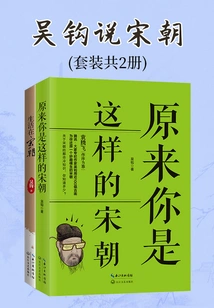
吴钩说宋朝(套装共2册)
Wu Gou
"So you are like this Song Dynasty" What? ! There was already a free book fair in the Song Dynasty? ! Yes, the Song Dynasty Book Fair is held every May, with free book viewing and tea and wine reception. What? ! There was already a "BBS forum" in the Song Dynasty? ! Yes, the inscribed poems (original post) and the harmonious poems (followed post) on the walls of hotels in the Song Dynasty were collected and published in the poetry collection "Deer Nu Poems". What? ! The Song Dynasty also had a national husband who was loved by everyone? ! Yes, Su Dongpo was "loved" by thousands of women. Even the queen and the empress dowager were his die-hard fans. Why? ! There were already NGO organizations in the Song Dynasty? ! Yes, Fan Zhongyan founded Paradigm Yizhuang to provide free assistance to the poor and has continued to operate for nearly 1,000 years. What? ! Did the Song Dynasty have a running water system? ! Yes, Su Shi designed and Wang Minzhong built Guangzhou's tap water system, using hollow bamboo pipes to bring spring water from Baiyun Mountain into the city. The prosperity and interest of the Song Dynasty are far beyond ordinary people's understanding. Open this book "So You Are Like This Song Dynasty", Tencent·Everyone columnist and famous Song history researcher Wu Gou will use nearly 100 ancient paintings and official historical materials to restore to you a very interesting and very different Song Dynasty "Living in the Song Dynasty" If you think that only today is the "Golden Week", if you think that only today is the "Lantern Festival Gala", if you think that only now is the "fast food delivery", if you think that only women in the Tang Dynasty dared to show their "career line", then I want to say, what you "think" is all what you think. Because of these things and systems, Song Dynasty society already had them. If you don't believe it, please read "Living in the Song Dynasty". . This book is not about telling you these "dead" historical facts. The author wants to retell the three hundred years of prosperity of China during the Song Dynasty, rediscover China's civilizational traditions, break people's stereotypes and prejudices against the Song Dynasty, and recreate a "living" era. Every story and topic this book focuses on took place in the Song Dynasty 800 years ago, but it also touches the chords of the real society we live in, which is enough to give you a sense of traveling through time. Obviously, this is a work with rich historical materials, lively writing, persuasiveness and readability. It is more reliable than "Those Things in North Korea" and more vivid than serious academic works. A new work by Wu Gou, a columnist at Tencent, and a loving preface by Ma Boyong, a well-known genius in literature and history, known as "Prince Ma", "Living in the Song Dynasty" comprehensively presents a Song Dynasty that is very different from what you imagine.
"So you are like this Song Dynasty" What? ! There was already a free book fair in the Song Dynasty? ! Yes, the Song Dynasty Book Fair is held every May, with free book viewing and tea and wine reception. What? ! There was already a "BBS forum" in the Song Dynasty? ! Yes, the inscribed poems (original post) and the harmonious poems (followed post) on the walls of hotels in the Song Dynasty were collected and published in the poetry collection "Deer Nu Poems". What? ! The Song Dynasty also had a national husband who was loved by everyone? ! Yes, Su Dongpo was "loved" by thousands of women. Even the queen and the empress dowager were his die-hard fans. Why? ! There were already NGO organizations in the Song Dynasty? ! Yes, Fan Zhongyan founded Paradigm Yizhuang to provide free assistance to the poor and has continued to operate for nearly 1,000 years. What? ! Did the Song Dynasty have a running water system? ! Yes, Su Shi designed and Wang Minzhong built Guangzhou's tap water system, using hollow bamboo pipes to bring spring water from Baiyun Mountain into the city. The prosperity and interest of the Song Dynasty are far beyond ordinary people's understanding. Open this book "So You Are Like This Song Dynasty", Tencent·Everyone columnist and famous Song history researcher Wu Gou will use nearly 100 ancient paintings and official historical materials to restore to you a very interesting and very different Song Dynasty "Living in the Song Dynasty" If you think that only today is the "Golden Week", if you think that only today is the "Lantern Festival Gala", if you think that only now is the "fast food delivery", if you think that only women in the Tang Dynasty dared to show their "career line", then I want to say, what you "think" is all what you think. Because of these things and systems, Song Dynasty society already had them. If you don't believe it, please read "Living in the Song Dynasty". . This book is not about telling you these "dead" historical facts. The author wants to retell the three hundred years of prosperity of China during the Song Dynasty, rediscover China's civilizational traditions, break people's stereotypes and prejudices against the Song Dynasty, and recreate a "living" era. Every story and topic this book focuses on took place in the Song Dynasty 800 years ago, but it also touches the chords of the real society we live in, which is enough to give you a sense of traveling through time. Obviously, this is a work with rich historical materials, lively writing, persuasiveness and readability. It is more reliable than "Those Things in North Korea" and more vivid than serious academic works. A new work by Wu Gou, a columnist at Tencent, and a loving preface by Ma Boyong, a well-known genius in literature and history, known as "Prince Ma", "Living in the Song Dynasty" comprehensively presents a Song Dynasty that is very different from what you imagine.
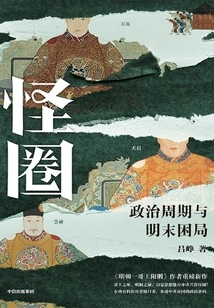
Strange Circle
History怪圈
Lu Zheng
By narrating the turbulent history of the late Ming Dynasty, this book depicts the monarchs, officials, scholars, merchants and people with different personalities, and proposes the social reasons for the death of the Ming Dynasty in addition to the "Little Ice Age", "Silver Crisis", "Rise of the Later Jin Dynasty" and "Peasant Uprising" - when the liberal trend of thought initiated by Yangming's philosophy awakened more and more intellectuals and began to defend human desires, the people at the bottom were urgently concerned about fairness, even at the cost of the collapse of the earth.
By narrating the turbulent history of the late Ming Dynasty, this book depicts the monarchs, officials, scholars, merchants and people with different personalities, and proposes the social reasons for the death of the Ming Dynasty in addition to the "Little Ice Age", "Silver Crisis", "Rise of the Later Jin Dynasty" and "Peasant Uprising" - when the liberal trend of thought initiated by Yangming's philosophy awakened more and more intellectuals and began to defend human desires, the people at the bottom were urgently concerned about fairness, even at the cost of the collapse of the earth.
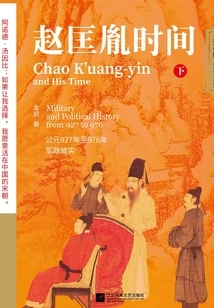
赵匡胤时间(下册)
Jin Gang
In 960 AD, Zhao Kuangyin and Jian Zuo ascended the throne, marking the founding of the Song Empire. When the army entered the city, "the market was not easy to operate" in Bianliang, Tokyo. If unruly people took advantage of the chaos and looted, "several generations would be killed in the city, and the officials who were plundered would pay their dues." The respect and protection of private property indicates that a generation of holy kings is about to open the most glorious chapter of traditional China. From 960 to 976 AD was Zhao Kuangyin's "Emperor Time". History ushered in the "Jianlong Rule" when the people were wealthy and the army was strong. For 16 years, he practiced virtuous government, practiced martial arts and cultivated literature. However, he passed away mysteriously amid the sound of an ax and the shadow of candles with his unfinished ambition. At the beginning of the founding of the Song Dynasty, Song Taizu Zhao Kuangyin granted amnesty to the world but did not pardon corruption. He successively conquered Luzhou and Pingyangzhou, adopted Prime Minister Zhao Pu's brilliant strategy to "invade the feudal towns", sent troops to quell the chaos, and even brought peace to the world; only love The lyrics are about the late emperor Li Yu of the Southern Tang Dynasty who was ignorant of politics and came to the throne. The monarch only wanted to spend money to buy peace when he went to a brothel. The regime of the Southern Han Dynasty was extremely cruel and even "all the dynasties were filled with eunuchs", which caused Emperor Taizu to exclaim "I must save the people of this area." Taizu of the Song Dynasty rested with the people, treated the scholars with dignity, emphasized culture and suppressed military affairs, and roughly defined the pattern of the empire. Finally, there was the "Taizu Oath Stele" that set an example for future generations and established the "civilization trend", and the Song Dynasty enjoyed everlasting glory from then on.
In 960 AD, Zhao Kuangyin and Jian Zuo ascended the throne, marking the founding of the Song Empire. When the army entered the city, "the market was not easy to operate" in Bianliang, Tokyo. If unruly people took advantage of the chaos and looted, "several generations would be killed in the city, and the officials who were plundered would pay their dues." The respect and protection of private property indicates that a generation of holy kings is about to open the most glorious chapter of traditional China. From 960 to 976 AD was Zhao Kuangyin's "Emperor Time". History ushered in the "Jianlong Rule" when the people were wealthy and the army was strong. For 16 years, he practiced virtuous government, practiced martial arts and cultivated literature. However, he passed away mysteriously amid the sound of an ax and the shadow of candles with his unfinished ambition. At the beginning of the founding of the Song Dynasty, Song Taizu Zhao Kuangyin granted amnesty to the world but did not pardon corruption. He successively conquered Luzhou and Pingyangzhou, adopted Prime Minister Zhao Pu's brilliant strategy to "invade the feudal towns", sent troops to quell the chaos, and even brought peace to the world; only love The lyrics are about the late emperor Li Yu of the Southern Tang Dynasty who was ignorant of politics and came to the throne. The monarch only wanted to spend money to buy peace when he went to a brothel. The regime of the Southern Han Dynasty was extremely cruel and even "all the dynasties were filled with eunuchs", which caused Emperor Taizu to exclaim "I must save the people of this area." Taizu of the Song Dynasty rested with the people, treated the scholars with dignity, emphasized culture and suppressed military affairs, and roughly defined the pattern of the empire. Finally, there was the "Taizu Oath Stele" that set an example for future generations and established the "civilization trend", and the Song Dynasty enjoyed everlasting glory from then on.
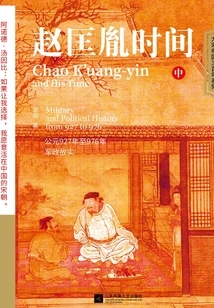
赵匡胤时间(中册)
Jin Gang
Chenqiaoyi was the most important station in Zhao Kuangyin's life. At this station, he completed a dynasty change in a bloodless way. From 951 to 960 AD, the chaotic Five Dynasties and Ten Kingdoms were coming to an end, and an unprecedentedly prosperous Song Empire began to emerge on the historical horizon. Ten years before the founding of the Song Dynasty, Guo Wei, Taizu of the Later Zhou Dynasty, eliminated the bad governance of the previous dynasty, bringing the first glimmer of light in the troubled times; Chai Rong, the great emperor who was heroic and full of royal ideals, went on a personal expedition, defeated the Khitan coalition forces of the Northern Han Dynasty, and began civilized government affairs ; The peerless master Wang Puxian's "Pingbian Policy", "the road map for the Central Plains"; after the Battle of Gaoping, Zhao Kuangyin entered the ranks of senior officers of the Later Zhou Dynasty; the incredible "Wei Nang" and the mysterious Chenqiao Mutiny brought an astonishing turning point in history. The history of the first ten years before the founding of the Song Dynasty was a history of refining troops and simplifying administration, opening up channels of public opinion, handling disputes between feudal vassals and towns, pacifying local bandits, sweeping the Yangtze and Huaihe rivers from the south, and attacking Khitan from the north. It was a history of the evolution of the Central Plains regime's return to its homeland, and it was also the starting point for the founding of the Song Dynasty by the great emperor Zhao Kuangyin.
Chenqiaoyi was the most important station in Zhao Kuangyin's life. At this station, he completed a dynasty change in a bloodless way. From 951 to 960 AD, the chaotic Five Dynasties and Ten Kingdoms were coming to an end, and an unprecedentedly prosperous Song Empire began to emerge on the historical horizon. Ten years before the founding of the Song Dynasty, Guo Wei, Taizu of the Later Zhou Dynasty, eliminated the bad governance of the previous dynasty, bringing the first glimmer of light in the troubled times; Chai Rong, the great emperor who was heroic and full of royal ideals, went on a personal expedition, defeated the Khitan coalition forces of the Northern Han Dynasty, and began civilized government affairs ; The peerless master Wang Puxian's "Pingbian Policy", "the road map for the Central Plains"; after the Battle of Gaoping, Zhao Kuangyin entered the ranks of senior officers of the Later Zhou Dynasty; the incredible "Wei Nang" and the mysterious Chenqiao Mutiny brought an astonishing turning point in history. The history of the first ten years before the founding of the Song Dynasty was a history of refining troops and simplifying administration, opening up channels of public opinion, handling disputes between feudal vassals and towns, pacifying local bandits, sweeping the Yangtze and Huaihe rivers from the south, and attacking Khitan from the north. It was a history of the evolution of the Central Plains regime's return to its homeland, and it was also the starting point for the founding of the Song Dynasty by the great emperor Zhao Kuangyin.
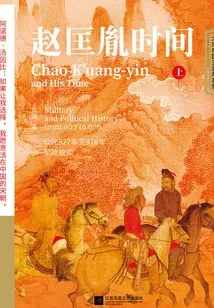
赵匡胤时间(上册)
Jin Gang
Looking around, there are wolves everywhere. There are vassal towns that cannot be controlled by the king's law, there are vassal towns that are fighting against each other, there are vassal towns that are ready to take action, and there are even Khitan cavalry who wantonly plunder. Although the imperial court was there at that time, the world was already dead. The thirty years before the founding of the Song Dynasty were the dark ages of Chinese history. If you understand these thirty years, you will understand what barbarism and cruelty are, and you will understand why the Song Dynasty is called a prosperous civilization. Thirty years before the founding of the Song Dynasty, it was a military battlefield where wolves roamed and cavalry raged. It was a place where vassal towns were divided, factions fought against each other, and conspiracies and brutal crimes took place. It was a purgatory where civilization was ruined, morality was lost, and the world had constant nightmares. The history of the thirty years before the founding of the Song Dynasty was a history of turmoil caused by usurpation and disaster, and a history of Chinese people's suffering covered by blood and tragedy. If you understand these thirty years of history and see the cause and effect of the troubled times of the Five Dynasties, you will understand the origin of the Song Dynasty Empire, understand Zhao Kuangyin's good intentions in constructing and deducing the Song Dynasty civilization, and understand why China has evolved into what it is today. The author has read tens of thousands of volumes and read them for ten years. Using official history as basis and unofficial history as material, in chronological order, through the perspectives of soldiers, counselors, generals and civilians, he presents slices of the era in the thirty years before the founding of the Song Dynasty in detail. By connecting these slices, you may be able to see a different history.
Looking around, there are wolves everywhere. There are vassal towns that cannot be controlled by the king's law, there are vassal towns that are fighting against each other, there are vassal towns that are ready to take action, and there are even Khitan cavalry who wantonly plunder. Although the imperial court was there at that time, the world was already dead. The thirty years before the founding of the Song Dynasty were the dark ages of Chinese history. If you understand these thirty years, you will understand what barbarism and cruelty are, and you will understand why the Song Dynasty is called a prosperous civilization. Thirty years before the founding of the Song Dynasty, it was a military battlefield where wolves roamed and cavalry raged. It was a place where vassal towns were divided, factions fought against each other, and conspiracies and brutal crimes took place. It was a purgatory where civilization was ruined, morality was lost, and the world had constant nightmares. The history of the thirty years before the founding of the Song Dynasty was a history of turmoil caused by usurpation and disaster, and a history of Chinese people's suffering covered by blood and tragedy. If you understand these thirty years of history and see the cause and effect of the troubled times of the Five Dynasties, you will understand the origin of the Song Dynasty Empire, understand Zhao Kuangyin's good intentions in constructing and deducing the Song Dynasty civilization, and understand why China has evolved into what it is today. The author has read tens of thousands of volumes and read them for ten years. Using official history as basis and unofficial history as material, in chronological order, through the perspectives of soldiers, counselors, generals and civilians, he presents slices of the era in the thirty years before the founding of the Song Dynasty in detail. By connecting these slices, you may be able to see a different history.
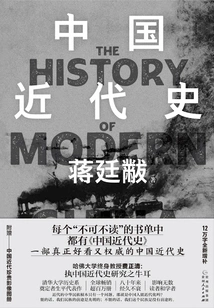
Modern History of China
History中国近代史
Jiang Tingfu
This book is the modern history of China written by the famous historian Jiang Tingfu for ordinary readers. It explains in very simple words the evolution of China's history, the collision of civilizations, major historical events and key figures in the past hundred years after the Opium War. It is magnificent, transparent and comprehensive, yet concise, smooth and impartial, and has extremely high academic value. From the Opium War to the Revolution of 1911, from the Westernization Movement to the Hundred Days Reform, from Lin Zexu to Li Hongzhang, from Hong Xiuquan to Sun Yat-sen, this book narrates the historical evolution and character stories in the past hundred years after the Opium War. The historical framework and chronological history system constructed in the book once led the trend of modern history research and were highly praised by later researchers. It is called the pioneering work of modern Chinese history research.
This book is the modern history of China written by the famous historian Jiang Tingfu for ordinary readers. It explains in very simple words the evolution of China's history, the collision of civilizations, major historical events and key figures in the past hundred years after the Opium War. It is magnificent, transparent and comprehensive, yet concise, smooth and impartial, and has extremely high academic value. From the Opium War to the Revolution of 1911, from the Westernization Movement to the Hundred Days Reform, from Lin Zexu to Li Hongzhang, from Hong Xiuquan to Sun Yat-sen, this book narrates the historical evolution and character stories in the past hundred years after the Opium War. The historical framework and chronological history system constructed in the book once led the trend of modern history research and were highly praised by later researchers. It is called the pioneering work of modern Chinese history research.
晚清那些事儿
Strange Sound
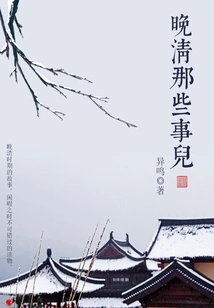
In the late Qing Dynasty, some unknown anecdotes made people pry into them. This book tells some historical stories that happened in the late Qing Dynasty in vivid writing. It mainly covers national, military, political and other aspects. The writing is sharp and vivid, and the content is detailed but not redundant. Readers who are interested in such topics should not miss this book. In the 16th year of Guangxu (1890), Emperor Dezong (Zaitan) of the Qing Dynasty held a grand wedding ceremony, and heads of state and envoys in Beijing sent congratulations. The congratulatory gift sent by Queen Victoria of the British Empire was a self-sounding hour clock for appreciation. On the clock was a congratulatory couplet engraved in Chinese characters: "The sun and the moon shine together, announcing the twelve o'clock of good fortune; the heaven and earth are united, celebrating hundreds of millions of years of wealth and longevity." The congratulator has no intention, but the recipient has intention. When Cixi saw the inscription "The sun and the moon shine together", her face immediately elongated. What happened next? In 1921, the first telephone was installed in the palace where Puyi lived. After the phone was installed, the telephone company sent a phone book. The 16-year-old Puyi began to call people enthusiastically. First, he asked Quanjude to send ducks, then he called Yang Xiaolou in Beijing accent, and then dialed the number of Hu Shi, a doctor who studied abroad. The person who answered the phone was Hu Shi himself, so Puyi invited him to come to the palace for a walk. Within two days, the young eunuch handed over the business card of "Professor of Peking University Hu Shi". The two began their first palace meeting. Hu's arrival caused an uproar in society... There are all kinds of celebrity anecdotes in it, so you might as well read it.
In the late Qing Dynasty, some unknown anecdotes made people pry into them. This book tells some historical stories that happened in the late Qing Dynasty in vivid writing. It mainly covers national, military, political and other aspects. The writing is sharp and vivid, and the content is detailed but not redundant. Readers who are interested in such topics should not miss this book. In the 16th year of Guangxu (1890), Emperor Dezong (Zaitan) of the Qing Dynasty held a grand wedding ceremony, and heads of state and envoys in Beijing sent congratulations. The congratulatory gift sent by Queen Victoria of the British Empire was a self-sounding hour clock for appreciation. On the clock was a congratulatory couplet engraved in Chinese characters: "The sun and the moon shine together, announcing the twelve o'clock of good fortune; the heaven and earth are united, celebrating hundreds of millions of years of wealth and longevity." The congratulator has no intention, but the recipient has intention. When Cixi saw the inscription "The sun and the moon shine together", her face immediately elongated. What happened next? In 1921, the first telephone was installed in the palace where Puyi lived. After the phone was installed, the telephone company sent a phone book. The 16-year-old Puyi began to call people enthusiastically. First, he asked Quanjude to send ducks, then he called Yang Xiaolou in Beijing accent, and then dialed the number of Hu Shi, a doctor who studied abroad. The person who answered the phone was Hu Shi himself, so Puyi invited him to come to the palace for a walk. Within two days, the young eunuch handed over the business card of "Professor of Peking University Hu Shi". The two began their first palace meeting. Hu's arrival caused an uproar in society... There are all kinds of celebrity anecdotes in it, so you might as well read it.
古人这样过日子
National Humanities And History
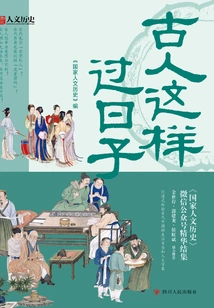
In the days of the ancients, there is a vivid history, original customs and culture, and oriental aesthetics that have accumulated for thousands of years. This book is a collection of the essence of the public account of the magazine "National Humanities and History". It focuses on seven aspects of ancient people's shopping, food, customs, entertainment, health, marriage, and workplace. It selects 41 interesting and representative topics to create a hard-core ancient survival guide. With humorous language and a perspective that takes into account both ancient and modern times, the book goes deep into historical classics and cultural relics, refers to a large number of historical research documents, restores many details of the daily life of the ancients, and leads readers into the colorful world of the ancients, allowing them to immerse themselves in the various life styles and humanities of ancient China.
In the days of the ancients, there is a vivid history, original customs and culture, and oriental aesthetics that have accumulated for thousands of years. This book is a collection of the essence of the public account of the magazine "National Humanities and History". It focuses on seven aspects of ancient people's shopping, food, customs, entertainment, health, marriage, and workplace. It selects 41 interesting and representative topics to create a hard-core ancient survival guide. With humorous language and a perspective that takes into account both ancient and modern times, the book goes deep into historical classics and cultural relics, refers to a large number of historical research documents, restores many details of the daily life of the ancients, and leads readers into the colorful world of the ancients, allowing them to immerse themselves in the various life styles and humanities of ancient China.
隋唐历史超有料
Seventh Brother Talks About History
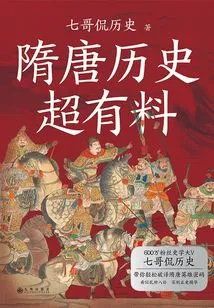
This book mainly tells the historical events and important figures of the Sui and Tang Dynasties, focusing mainly on the late Sui Dynasty and the early Tang Dynasty. In the late Sui Dynasty, the tyranny of Emperor Yang of the Sui Dynasty led to the people's dire livelihood, large-scale ambiguity among the people, and internal and external troubles. As a result, many heroes emerged, and together they performed a wonderful biography of the heroes of the Sui and Tang Dynasties. The author tells us the story through humorous language, allowing us to quickly understand the history of the Sui and Tang Dynasties in a relaxed and enjoyable way.
This book mainly tells the historical events and important figures of the Sui and Tang Dynasties, focusing mainly on the late Sui Dynasty and the early Tang Dynasty. In the late Sui Dynasty, the tyranny of Emperor Yang of the Sui Dynasty led to the people's dire livelihood, large-scale ambiguity among the people, and internal and external troubles. As a result, many heroes emerged, and together they performed a wonderful biography of the heroes of the Sui and Tang Dynasties. The author tells us the story through humorous language, allowing us to quickly understand the history of the Sui and Tang Dynasties in a relaxed and enjoyable way.
走近太平天国
Zhang Chuanquan
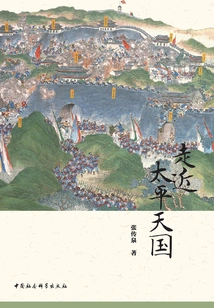
The outbreak of the Taiping Rebellion was the inevitable result of historical forces, including class conflicts in feudal society, social crises after the Opium War, conflicts between natives and foreigners in Guangxi, and the church activities of Hong Xiuquan and others. There were profound reasons for the failure of the Taiping Rebellion, including the lack of a unified and strong leadership core, the failure to adopt systems and policies suitable for the times, the theoretical flaws in worshiping God, repeated mistakes in military strategic decision-making, the food crisis in the Taiping Rebellion, and the joint suppression by Chinese and foreign reactionary forces. The Taiping Rebellion has important historical significance. It dealt a heavy blow to Chinese and foreign reactionary forces, actively explored a way out for the country, objectively weakened the centralization of power in the late Qing Dynasty, inspired bourgeois revolutionaries, and promoted the national liberation movement in Asia.
The outbreak of the Taiping Rebellion was the inevitable result of historical forces, including class conflicts in feudal society, social crises after the Opium War, conflicts between natives and foreigners in Guangxi, and the church activities of Hong Xiuquan and others. There were profound reasons for the failure of the Taiping Rebellion, including the lack of a unified and strong leadership core, the failure to adopt systems and policies suitable for the times, the theoretical flaws in worshiping God, repeated mistakes in military strategic decision-making, the food crisis in the Taiping Rebellion, and the joint suppression by Chinese and foreign reactionary forces. The Taiping Rebellion has important historical significance. It dealt a heavy blow to Chinese and foreign reactionary forces, actively explored a way out for the country, objectively weakened the centralization of power in the late Qing Dynasty, inspired bourgeois revolutionaries, and promoted the national liberation movement in Asia.
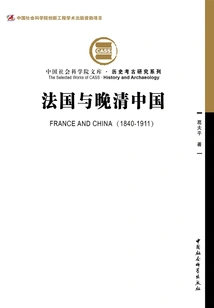
France and Late Qing China
History法国与晚清中国
Ge Fuping
The Opium War that broke out in 1840 was a watershed in Chinese history. Since then, China has been forcibly incorporated into the capitalist system by Western powers. It has gradually transformed from a feudal society into a semi-colonial and semi-feudal society, and its international status has plummeted. As a major European country, France was one of the Western powers that had relations with China in the late Qing Dynasty. This book fully explores multilingual documents, especially French archives, and truly reproduces France's role and role in the two Opium Wars, the Sino-Japanese Sino-Japanese War, the partition of spheres of influence, the expansion of the French Concession in Shanghai, the Eight-Nation Allied Forces' invasion of China, and the issue of garrisoning and withdrawing troops in Shanghai during the Boxer Rebellion. It examines France's observations and reactions to the political situation in the last decade of the late Qing Dynasty, and conducts an in-depth analysis of France's cooperation and competition with other powers. This book not only reveals the commonalities between France's China policy and the great powers, but also clarifies the personality and reasons of France's China policy. It fully embodies the global history perspective and the research characteristics of the history of international relations. It helps to better understand the complex relationship between the Western powers on the China issue in the 19th century and China's dangerous situation. It also has certain reference significance for us today to better understand the East Asia policies and major power relations of European and American countries and to formulate China's foreign policy.
The Opium War that broke out in 1840 was a watershed in Chinese history. Since then, China has been forcibly incorporated into the capitalist system by Western powers. It has gradually transformed from a feudal society into a semi-colonial and semi-feudal society, and its international status has plummeted. As a major European country, France was one of the Western powers that had relations with China in the late Qing Dynasty. This book fully explores multilingual documents, especially French archives, and truly reproduces France's role and role in the two Opium Wars, the Sino-Japanese Sino-Japanese War, the partition of spheres of influence, the expansion of the French Concession in Shanghai, the Eight-Nation Allied Forces' invasion of China, and the issue of garrisoning and withdrawing troops in Shanghai during the Boxer Rebellion. It examines France's observations and reactions to the political situation in the last decade of the late Qing Dynasty, and conducts an in-depth analysis of France's cooperation and competition with other powers. This book not only reveals the commonalities between France's China policy and the great powers, but also clarifies the personality and reasons of France's China policy. It fully embodies the global history perspective and the research characteristics of the history of international relations. It helps to better understand the complex relationship between the Western powers on the China issue in the 19th century and China's dangerous situation. It also has certain reference significance for us today to better understand the East Asia policies and major power relations of European and American countries and to formulate China's foreign policy.
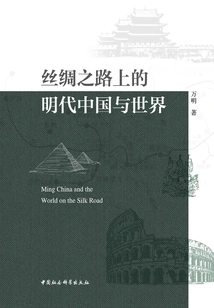
丝绸之路上的明代中国与世界
Wanming
This book is a history of the Silk Road in the Ming Dynasty that is considered and demonstrated from the perspective of the history of Sino-foreign relations with dual perspectives of the whole-global and dual main lines of country-society. It attempts to reproduce the historical trajectory of the evolution of China's relations with the world and the construction of its international relations system on the Silk Road during the great turning point between China and the world from the late 14th to the mid-17th century. The book is composed of an overall chapter, a maritime chapter, and a cultural chapter. It adheres to the historical characteristics of combining Chinese and foreign literature research. It conducts thematic demonstration and comprehensive integrated research on the relationship between China and the world in the Ming Dynasty from land and sea. It focuses on exploring the internal logic of the historical development of China in the Ming Dynasty and the historical facts of interaction and mutual learning between China and foreign countries. It summarizes the historical positioning of the Silk Road in the Ming Dynasty in Chinese history and even global history, and clarifies the historic contribution made by China in the Ming Dynasty to the global community of a shared future for mankind.
This book is a history of the Silk Road in the Ming Dynasty that is considered and demonstrated from the perspective of the history of Sino-foreign relations with dual perspectives of the whole-global and dual main lines of country-society. It attempts to reproduce the historical trajectory of the evolution of China's relations with the world and the construction of its international relations system on the Silk Road during the great turning point between China and the world from the late 14th to the mid-17th century. The book is composed of an overall chapter, a maritime chapter, and a cultural chapter. It adheres to the historical characteristics of combining Chinese and foreign literature research. It conducts thematic demonstration and comprehensive integrated research on the relationship between China and the world in the Ming Dynasty from land and sea. It focuses on exploring the internal logic of the historical development of China in the Ming Dynasty and the historical facts of interaction and mutual learning between China and foreign countries. It summarizes the historical positioning of the Silk Road in the Ming Dynasty in Chinese history and even global history, and clarifies the historic contribution made by China in the Ming Dynasty to the global community of a shared future for mankind.
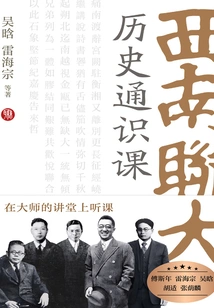
西南联大历史通识课
Wu Han Lei Haizong Et Al.
The book "General History Course of Southwest Associated University" is divided into general survey and special lectures on vertical and horizontal historiography. There are two parts in total: it is mainly based on "General History of China" by Lei Haizong, a compulsory course professor at the General Assembly, and then adds special lectures by the professor. The special lecture excerpts a total of five famous articles by professors from Southwest Associated University, using points to restore the temperament and warmth of history. Such an arrangement not only allows the two teachers' chapters to complement each other and inspire readers at multiple levels, but also maintains the author's independence and the systematic nature of the stages.
The book "General History Course of Southwest Associated University" is divided into general survey and special lectures on vertical and horizontal historiography. There are two parts in total: it is mainly based on "General History of China" by Lei Haizong, a compulsory course professor at the General Assembly, and then adds special lectures by the professor. The special lecture excerpts a total of five famous articles by professors from Southwest Associated University, using points to restore the temperament and warmth of history. Such an arrangement not only allows the two teachers' chapters to complement each other and inspire readers at multiple levels, but also maintains the author's independence and the systematic nature of the stages.
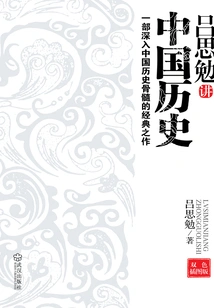
吕思勉讲中国历史
Lu Simian
This book was originally titled "General History of China by Lu". It is one of Mr. Lu Simian's two major general history works, and it is also the highlight of the study of Chinese cultural history during the Republic of China. This book was written to meet the teaching needs of universities at that time after Shanghai fell into an "isolated island" during the Anti-Japanese War. The first volume is originally cultural history, which is the focus and key of this book. By describing the historical development of China's society, economy, political system and cultural academics, it explores the laws of China's historical development and its benefits to reality. It has detailed research and original opinions, and The writing is popular and fluent, making it a rare masterpiece in cultural history; the second volume is political history. In order to meet the teaching needs of the time, it is relatively simple, but it is comprehensive and coherent, clearly showing the development of Chinese history to readers, and the author's style is permeated every word. Readers who are interested in Chinese history must read this historical classic. For the convenience of reading, this book is organized into two volumes, the upper and lower volumes are combined into one, the traditional vertical arrangement is changed to the simplified horizontal arrangement, the chronology in the book is standardized and unified, and the errors in the original book are corrected. The history written by Mr. Lu is solid and accurate. The ins and outs of history, the causes and consequences are clearly described, and the insights are unique and insightful. It is a classic work in the academic history of modern China. Whether you are a history buff or not, you can read it and gain a lot.
This book was originally titled "General History of China by Lu". It is one of Mr. Lu Simian's two major general history works, and it is also the highlight of the study of Chinese cultural history during the Republic of China. This book was written to meet the teaching needs of universities at that time after Shanghai fell into an "isolated island" during the Anti-Japanese War. The first volume is originally cultural history, which is the focus and key of this book. By describing the historical development of China's society, economy, political system and cultural academics, it explores the laws of China's historical development and its benefits to reality. It has detailed research and original opinions, and The writing is popular and fluent, making it a rare masterpiece in cultural history; the second volume is political history. In order to meet the teaching needs of the time, it is relatively simple, but it is comprehensive and coherent, clearly showing the development of Chinese history to readers, and the author's style is permeated every word. Readers who are interested in Chinese history must read this historical classic. For the convenience of reading, this book is organized into two volumes, the upper and lower volumes are combined into one, the traditional vertical arrangement is changed to the simplified horizontal arrangement, the chronology in the book is standardized and unified, and the errors in the original book are corrected. The history written by Mr. Lu is solid and accurate. The ins and outs of history, the causes and consequences are clearly described, and the insights are unique and insightful. It is a classic work in the academic history of modern China. Whether you are a history buff or not, you can read it and gain a lot.
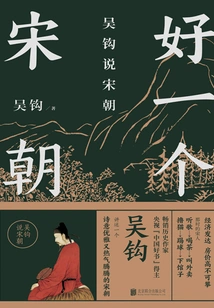
What a Song Dynasty
History好一个宋朝
Wu Gou
Although the Song Dynasty has been around for more than a thousand years, the life of people in the Song Dynasty is not as boring as we imagine: it is popular for us to keep cats and dogs as pets, and this trend has been in the Song Dynasty for a long time; the popular entertainment methods on the streets in the Song Dynasty are not much different from those of contemporary times; the residents of the Song Dynasty who lived in the city were already drinking "Tap water"; commerce in the Song Dynasty was very developed, and people had a high degree of brand awareness. Some shops even had "light box advertisements"... This book can be called a "documentary" of the Song Dynasty. Through reading, readers can gain historical knowledge, understand traditional culture, and master historical analysis methods. In addition, readers can also enter the lives of people in the Song Dynasty and deeply understand the openness, avant-garde and profound influence of the Song Dynasty on later generations.
Although the Song Dynasty has been around for more than a thousand years, the life of people in the Song Dynasty is not as boring as we imagine: it is popular for us to keep cats and dogs as pets, and this trend has been in the Song Dynasty for a long time; the popular entertainment methods on the streets in the Song Dynasty are not much different from those of contemporary times; the residents of the Song Dynasty who lived in the city were already drinking "Tap water"; commerce in the Song Dynasty was very developed, and people had a high degree of brand awareness. Some shops even had "light box advertisements"... This book can be called a "documentary" of the Song Dynasty. Through reading, readers can gain historical knowledge, understand traditional culture, and master historical analysis methods. In addition, readers can also enter the lives of people in the Song Dynasty and deeply understand the openness, avant-garde and profound influence of the Song Dynasty on later generations.
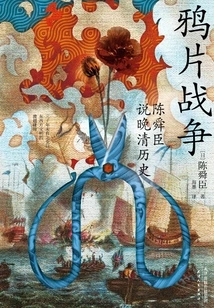
鸦片战争:陈舜臣说晚清历史
(japan) Chen Shunchen
"The Opium War: Chen Shunchen Talks about the History of the Late Qing Dynasty" is a popular book specially written by Chen Shunchen for Japanese readers to understand this history. It has since become an important reference book for Japanese scholars to study the history of the Opium War. This book takes the Opium War, the beginning of China's modern history, as a clue, and comprehensively describes the situation of China and the world in the second half of the 19th century from politics, economy, people's livelihood, culture, etc.
"The Opium War: Chen Shunchen Talks about the History of the Late Qing Dynasty" is a popular book specially written by Chen Shunchen for Japanese readers to understand this history. It has since become an important reference book for Japanese scholars to study the history of the Opium War. This book takes the Opium War, the beginning of China's modern history, as a clue, and comprehensively describes the situation of China and the world in the second half of the 19th century from politics, economy, people's livelihood, culture, etc.
历史大变局:形塑中国三千年(上)
Editor-in-chief Gong Pengcheng
"Great Historical Changes: Shaping China Over Three Thousand Years" is a special Chinese history reading edited by Professor Gong Pengcheng. The book contains 139 classic articles from past dynasties, and comprehensively displays the development trajectory of Chinese history in a vertical chronological order. The articles included in the book start from Yao and Shun and end with the death of Mr. Sun Yat-sen. They can be divided into articles that changed history and articles that marked historical changes. China's history has changed its destiny because of these articles. These articles not only record history, but also explain history. They also directly shape China and are direct testimony of historical changes. The book analyzes relevant articles in five sections: introduction, origin, translation, background description, and influence. The book was published in three volumes. This volume is the first volume and mainly contains articles from Yao and Shun to the early Tang Dynasty.
"Great Historical Changes: Shaping China Over Three Thousand Years" is a special Chinese history reading edited by Professor Gong Pengcheng. The book contains 139 classic articles from past dynasties, and comprehensively displays the development trajectory of Chinese history in a vertical chronological order. The articles included in the book start from Yao and Shun and end with the death of Mr. Sun Yat-sen. They can be divided into articles that changed history and articles that marked historical changes. China's history has changed its destiny because of these articles. These articles not only record history, but also explain history. They also directly shape China and are direct testimony of historical changes. The book analyzes relevant articles in five sections: introduction, origin, translation, background description, and influence. The book was published in three volumes. This volume is the first volume and mainly contains articles from Yao and Shun to the early Tang Dynasty.
历史大变局:形塑中国三千年(中)
Editor-in-chief Gong Pengcheng
"Great Historical Changes: Shaping China Over Three Thousand Years" is a special Chinese history reading edited by Professor Gong Pengcheng. The book contains 139 classic articles from past dynasties, and comprehensively displays the development trajectory of Chinese history in a vertical chronological order. The articles included in the book start from Yao and Shun and end with the death of Mr. Sun Yat-sen. They can be divided into articles that changed history and articles that marked historical changes. China's history has changed its destiny because of these articles. These articles not only record history, but also explain history. They also directly shape China and are direct testimony of historical changes. The book analyzes relevant articles in five sections: introduction, origin, translation, background description, and influence. The book was published in three volumes. This volume is the first of the book and mainly contains articles from the mid-Tang Dynasty to the early Ming Dynasty.
"Great Historical Changes: Shaping China Over Three Thousand Years" is a special Chinese history reading edited by Professor Gong Pengcheng. The book contains 139 classic articles from past dynasties, and comprehensively displays the development trajectory of Chinese history in a vertical chronological order. The articles included in the book start from Yao and Shun and end with the death of Mr. Sun Yat-sen. They can be divided into articles that changed history and articles that marked historical changes. China's history has changed its destiny because of these articles. These articles not only record history, but also explain history. They also directly shape China and are direct testimony of historical changes. The book analyzes relevant articles in five sections: introduction, origin, translation, background description, and influence. The book was published in three volumes. This volume is the first of the book and mainly contains articles from the mid-Tang Dynasty to the early Ming Dynasty.
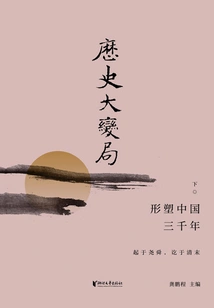
历史大变局:形塑中国三千年(下)
Editor-in-chief Gong Pengcheng
"Great Historical Changes: Shaping China Over Three Thousand Years" is a special Chinese history reading edited by Professor Gong Pengcheng. The book contains 139 classic articles from past dynasties, and comprehensively displays the development trajectory of Chinese history in a vertical chronological order. The articles included in the book start from Yao and Shun and end with the death of Mr. Sun Yat-sen. They can be divided into articles that changed history and articles that marked historical changes. China's history has changed its destiny because of these articles. These articles not only record history, but also explain history. They also directly shape China and are direct testimony of historical changes. The book analyzes relevant articles in five sections: introduction, origin, translation, background description, and influence. The book was published in three volumes. This volume is the second volume of the book and mainly contains articles from the mid-Ming Dynasty to the late Qing Dynasty.
"Great Historical Changes: Shaping China Over Three Thousand Years" is a special Chinese history reading edited by Professor Gong Pengcheng. The book contains 139 classic articles from past dynasties, and comprehensively displays the development trajectory of Chinese history in a vertical chronological order. The articles included in the book start from Yao and Shun and end with the death of Mr. Sun Yat-sen. They can be divided into articles that changed history and articles that marked historical changes. China's history has changed its destiny because of these articles. These articles not only record history, but also explain history. They also directly shape China and are direct testimony of historical changes. The book analyzes relevant articles in five sections: introduction, origin, translation, background description, and influence. The book was published in three volumes. This volume is the second volume of the book and mainly contains articles from the mid-Ming Dynasty to the late Qing Dynasty.
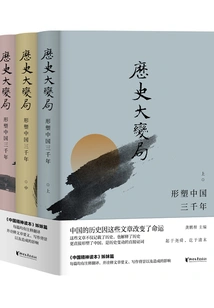
历史大变局:形塑中国三千年(套装全3册)
Editor-in-chief Gong Pengcheng
"Great Historical Changes: Shaping China Over Three Thousand Years" is a special Chinese history textbook edited by Professor Gong Pengcheng of Peking University. The book contains 139 classic articles from past dynasties. It comprehensively displays the development trajectory of Chinese history in vertical chronological order and in the form of the origin. The 139 articles included in the book start from Yao and Shun and end with the death of Mr. Sun Yat-sen. They can be divided into articles that changed history and articles that marked historical changes.
"Great Historical Changes: Shaping China Over Three Thousand Years" is a special Chinese history textbook edited by Professor Gong Pengcheng of Peking University. The book contains 139 classic articles from past dynasties. It comprehensively displays the development trajectory of Chinese history in vertical chronological order and in the form of the origin. The 139 articles included in the book start from Yao and Shun and end with the death of Mr. Sun Yat-sen. They can be divided into articles that changed history and articles that marked historical changes.
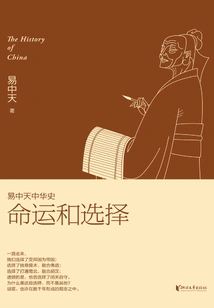
易中天中华史:命运和选择
Yi Zhongtian
The 24th volume "Destiny and Choice" is the summary volume of the Chinese History series. Yi Zhongtian takes you through a quick flashback, beginning with the "rise of China" in the Luoyang Basin 3,700 years ago. It gives you a bird's-eye view of how the Western Zhou Dynasty built the Chinese civilization circle with political wisdom, and how it passed the blame of "unclear property rights" to its descendants. After two hundred years of trial and error, reform and contention during the Warring States Period, China finally entered the imperial era. Since then, the history of the Chinese empire has been clearly divided into four periods: the founding period from Qin and Han to the Three Kingdoms 410 years; the 400 years from the Three Kingdoms, Wei, Jin and Southern and Northern Dynasties, the trial and error, exploration, and integration period; the Sui, Tang and Song dynasties in 683 years, the peak period; and the Yuan, Ming and Qing dynasties in 647 years, the finalization period. Along the way, we have chosen to turn a country into an empire; we have chosen to respect Confucianism alone and integrate Buddhism and Taoism; we have chosen to open up the north and the south and integrate the Hu and Han; unfortunately, we have also chosen to remain in seclusion and deceive ourselves with illusions. Why these choices and not others? Please see the answer to "Destiny and Choice".
The 24th volume "Destiny and Choice" is the summary volume of the Chinese History series. Yi Zhongtian takes you through a quick flashback, beginning with the "rise of China" in the Luoyang Basin 3,700 years ago. It gives you a bird's-eye view of how the Western Zhou Dynasty built the Chinese civilization circle with political wisdom, and how it passed the blame of "unclear property rights" to its descendants. After two hundred years of trial and error, reform and contention during the Warring States Period, China finally entered the imperial era. Since then, the history of the Chinese empire has been clearly divided into four periods: the founding period from Qin and Han to the Three Kingdoms 410 years; the 400 years from the Three Kingdoms, Wei, Jin and Southern and Northern Dynasties, the trial and error, exploration, and integration period; the Sui, Tang and Song dynasties in 683 years, the peak period; and the Yuan, Ming and Qing dynasties in 647 years, the finalization period. Along the way, we have chosen to turn a country into an empire; we have chosen to respect Confucianism alone and integrate Buddhism and Taoism; we have chosen to open up the north and the south and integrate the Hu and Han; unfortunately, we have also chosen to remain in seclusion and deceive ourselves with illusions. Why these choices and not others? Please see the answer to "Destiny and Choice".
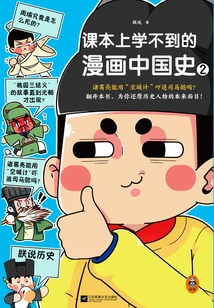
课本上学不到的漫画中国史2
I Say
Most of the historical figures in textbooks are serious and solemn, but in fact they all have a vivid side. This book aims to present them to readers through comic explanations and historical data analysis. The book is divided into four categories: celebrity archives, Three Kingdoms, battlefield encyclopedia and life anecdotes. It is explained in the form of comics combined with humorous paragraphs, and at the same time refers to rich historical materials. It is both interesting and rigorous, showing readers one vivid historical figure after another - Can Zhuge Liang use the "empty city strategy" to scare off Sima Yi? The story of "Three Brothers in Taoyuan" didn't appear until the Yuan Dynasty? How did Zhou Yu die? ... A new themed masterpiece of "I Speak"! The painting style is funny and the historical materials are solid. It is a good read for beginners and lovers of history! Open this book and restore the true colors of historical figures for you!
Most of the historical figures in textbooks are serious and solemn, but in fact they all have a vivid side. This book aims to present them to readers through comic explanations and historical data analysis. The book is divided into four categories: celebrity archives, Three Kingdoms, battlefield encyclopedia and life anecdotes. It is explained in the form of comics combined with humorous paragraphs, and at the same time refers to rich historical materials. It is both interesting and rigorous, showing readers one vivid historical figure after another - Can Zhuge Liang use the "empty city strategy" to scare off Sima Yi? The story of "Three Brothers in Taoyuan" didn't appear until the Yuan Dynasty? How did Zhou Yu die? ... A new themed masterpiece of "I Speak"! The painting style is funny and the historical materials are solid. It is a good read for beginners and lovers of history! Open this book and restore the true colors of historical figures for you!
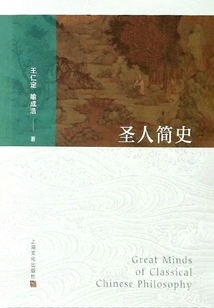
A Brief History of Saints
History圣人简史
Wang Rending Yu Chenghao
In China's excellent traditional culture, special emphasis is placed on the word inheritance: whether it is a cultural life or a small individual achievement, it is hoped that it will last forever and be passed on from generation to generation. History has proven that the inheritance of spiritual ideas is far superior to wealth and fame. Morality can be passed down to the family for more than ten generations, farming and reading can be passed down to the next, poetry and books can be passed down to the next, and wealth can be passed down to the family for no more than three generations. Once a business entrepreneur succeeds, he or she will become a wealthy family. To break the curse of being rich for only three generations, the first solution is to inherit spiritual ideas. During the Spring and Autumn Period and the Warring States Period, there was a very famous businessman Fan Li. He lived and taught for ten years, became rich three times, and scattered his family wealth three times. In the book "A Brief History of Saints", Dean Wang Rending selected for us twelve sages in the long history of Chinese civilization. He hopes that entrepreneurs can understand individual life and return to their own inherent nature, so that the brilliance of the saints' thoughts can illuminate the hearts of those who inherit wealth and wealth, and enrich the inheritance of entrepreneurs' spiritual thoughts. We have selected 12 sages from China's 3,000-year history and culture: Guan Zhong, Laozi, Confucius, Sun Tzu, Fan Li, Lu Ban, Mozi, Guan Yu, Bodhidharma, Sun Simiao, Wang Yangming and Zeng Guofan. They are chosen because they are representatives of the practice of traditional Chinese philosophical thought. Confucius, Laozi, Bodhidharma, Wang Yangming, and Zeng Guofan are representatives of Confucianism, Buddhism, and Taoism. Mozi, Guan Yu, Guan Zhong, Fan Li, Lu Ban, Sun Tzu, Sun Simiao, Zeng Guofan, and Wang Yangming respectively represent the traditional Confucian culture of meritorious service, loyalty, and the commonwealth of the world. They are eternal models admired by future generations.
In China's excellent traditional culture, special emphasis is placed on the word inheritance: whether it is a cultural life or a small individual achievement, it is hoped that it will last forever and be passed on from generation to generation. History has proven that the inheritance of spiritual ideas is far superior to wealth and fame. Morality can be passed down to the family for more than ten generations, farming and reading can be passed down to the next, poetry and books can be passed down to the next, and wealth can be passed down to the family for no more than three generations. Once a business entrepreneur succeeds, he or she will become a wealthy family. To break the curse of being rich for only three generations, the first solution is to inherit spiritual ideas. During the Spring and Autumn Period and the Warring States Period, there was a very famous businessman Fan Li. He lived and taught for ten years, became rich three times, and scattered his family wealth three times. In the book "A Brief History of Saints", Dean Wang Rending selected for us twelve sages in the long history of Chinese civilization. He hopes that entrepreneurs can understand individual life and return to their own inherent nature, so that the brilliance of the saints' thoughts can illuminate the hearts of those who inherit wealth and wealth, and enrich the inheritance of entrepreneurs' spiritual thoughts. We have selected 12 sages from China's 3,000-year history and culture: Guan Zhong, Laozi, Confucius, Sun Tzu, Fan Li, Lu Ban, Mozi, Guan Yu, Bodhidharma, Sun Simiao, Wang Yangming and Zeng Guofan. They are chosen because they are representatives of the practice of traditional Chinese philosophical thought. Confucius, Laozi, Bodhidharma, Wang Yangming, and Zeng Guofan are representatives of Confucianism, Buddhism, and Taoism. Mozi, Guan Yu, Guan Zhong, Fan Li, Lu Ban, Sun Tzu, Sun Simiao, Zeng Guofan, and Wang Yangming respectively represent the traditional Confucian culture of meritorious service, loyalty, and the commonwealth of the world. They are eternal models admired by future generations.
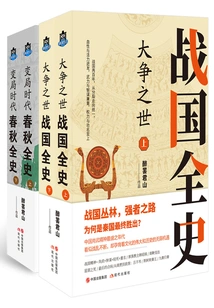
春秋战国五百年(套装)
Get Drunk In Junshan
The Spring and Autumn Period and the Warring States Period were the best era and the worst era in Chinese history. The Spring and Autumn Period and the Warring States Period were an era of great changes, an era of inheriting the past and forging ahead with the future. The Spring and Autumn Period and the Warring States Period were characterized by constant turmoil and killings, but they gave birth to cultural greatness and unlimited historical opportunities. The Spring and Autumn Period and the Warring States Period were the years when China's martial spirit was at its peak, demonstrating bloody and flying vitality. The Spring and Autumn Period and the Warring States Period advocated bravery and resourcefulness, intertwined with bloodiness and power. The Spring and Autumn Period was the last glorious era of Chinese aristocratic spirit. The Warring States Period was a bit more cruel and bloody, but it also gave civilians more opportunities to step onto the political stage, making society more vibrant. This book takes the five-hundred-year struggle for supremacy among princes during the Spring and Autumn and Warring States periods as the main line, and presents this soul-stirring and magnificent history in a three-dimensional and panoramic manner. The Spring and Autumn Period and the Warring States Period were also a foggy era in Chinese history, with insufficient historical data and confusing clues. This book is based on the records of classic historical books, and through precise tailoring and reasoning, it clearly presents the relationships between characters and historical events, and fully reproduces the legendary era created by princes, generals, celebrities, and small figures.
The Spring and Autumn Period and the Warring States Period were the best era and the worst era in Chinese history. The Spring and Autumn Period and the Warring States Period were an era of great changes, an era of inheriting the past and forging ahead with the future. The Spring and Autumn Period and the Warring States Period were characterized by constant turmoil and killings, but they gave birth to cultural greatness and unlimited historical opportunities. The Spring and Autumn Period and the Warring States Period were the years when China's martial spirit was at its peak, demonstrating bloody and flying vitality. The Spring and Autumn Period and the Warring States Period advocated bravery and resourcefulness, intertwined with bloodiness and power. The Spring and Autumn Period was the last glorious era of Chinese aristocratic spirit. The Warring States Period was a bit more cruel and bloody, but it also gave civilians more opportunities to step onto the political stage, making society more vibrant. This book takes the five-hundred-year struggle for supremacy among princes during the Spring and Autumn and Warring States periods as the main line, and presents this soul-stirring and magnificent history in a three-dimensional and panoramic manner. The Spring and Autumn Period and the Warring States Period were also a foggy era in Chinese history, with insufficient historical data and confusing clues. This book is based on the records of classic historical books, and through precise tailoring and reasoning, it clearly presents the relationships between characters and historical events, and fully reproduces the legendary era created by princes, generals, celebrities, and small figures.
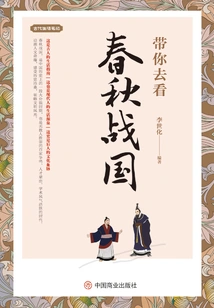
带你去看春秋战国
Compiled By Li Shihua
This book records not only the history of the Spring and Autumn Period and the Warring States Period, but also our past! There are authentic customs of the Spring and Autumn and Warring States periods, legendary old news of the Spring and Autumn and Warring States periods, and a strong complex of the Spring and Autumn and Warring States periods. We will take you to see the Spring and Autumn and Warring States periods and restore an unforgettable style of the Spring and Autumn and Warring States periods.
This book records not only the history of the Spring and Autumn Period and the Warring States Period, but also our past! There are authentic customs of the Spring and Autumn and Warring States periods, legendary old news of the Spring and Autumn and Warring States periods, and a strong complex of the Spring and Autumn and Warring States periods. We will take you to see the Spring and Autumn and Warring States periods and restore an unforgettable style of the Spring and Autumn and Warring States periods.
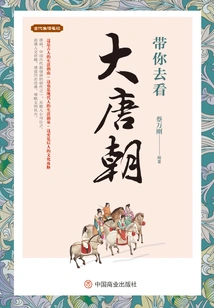
带你去看大唐朝
Compiled By Cai Wangang
This book records not only the history of the Tang Dynasty, but also our past! There are authentic folk customs of the Tang Dynasty here, legendary old news of the Tang Dynasty here, a strong complex of the Tang Dynasty here, and an unforgettable style of the Tang Dynasty.
This book records not only the history of the Tang Dynasty, but also our past! There are authentic folk customs of the Tang Dynasty here, legendary old news of the Tang Dynasty here, a strong complex of the Tang Dynasty here, and an unforgettable style of the Tang Dynasty.
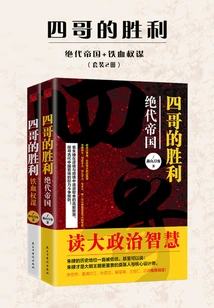
四哥的胜利:绝代帝国+铁血权谋(套装2册)
Yanshan Swordsman
This book is divided into two parts: "Iron-Blooded Strategy" and "Peerless Empire". It aims to show readers the strange and glorious legendary life of Zhu Di, a generation of heroes and masters of strategy - Yun Bo in the past sixty-four years! "Peerless Empire" tells the story of Zhu Di's wonderful journey of fighting wits and courage with all forces during his 22 years in power, governing the country with an iron fist, and creating the unique Yongle era in history. Zhu Di's greatness lies in the fact that he did not follow Zhu Yuanzhang's old path, but created a new era, laying a solid foundation for the continuation and development of the Ming Dynasty! The prosperous era created by Zhu Di not only contained valuable blood, but also had grand courage and forward-looking vision. Unfortunately, his descendants cannot understand the far-reaching significance of his building a "world system with the Ming Dynasty as the core", just as they cannot understand why Zhu Di conquered Mobei, why he had to move the capital, and why he let Zheng He sail to the West. After reading this book, you will find that Zhu Di's influence on Beijing, China and the world is so profound, and it is far from over! "Iron Strategy" tells the story of Zhu Di's growth process and his superb, tortuous, tense and exciting battle for power with Zhu Yunwen! Zhu Di wanted to be emperor, but he didn't want to rebel. He believed that he was more suitable to be emperor than his eldest nephew and more capable of leading the world's best empire, but his father Zhu Yuanzhang did not give him a chance. Zhu Di was able to raise an army of 800 troops and seize the top power in three years. He relied on a spiritual mentor, a good wife, two good sons, a group of good brothers, as well as his own superb tactics, extraordinary courage and tenacious will. In the face of sudden disasters, Zhu Di did not sit back and wait for death, did not complain about others, and did not mess up his position. Instead, he relied on his extraordinary creativity, unremitting efforts and firm will to defeat more with less, and created military miracles again and again: he used 800 soldiers to fight against more than 20,000 people and quickly controlled Peiping; he also increased the army from 20,000 to 100,000, and used 100,000 to defeat the court's million-strong army. Xiongxian, Baigou, Zhending, and Yixian became important intersections of Zhu Di's destiny. Three "divine winds" also magically changed Zhu Di's destiny...
This book is divided into two parts: "Iron-Blooded Strategy" and "Peerless Empire". It aims to show readers the strange and glorious legendary life of Zhu Di, a generation of heroes and masters of strategy - Yun Bo in the past sixty-four years! "Peerless Empire" tells the story of Zhu Di's wonderful journey of fighting wits and courage with all forces during his 22 years in power, governing the country with an iron fist, and creating the unique Yongle era in history. Zhu Di's greatness lies in the fact that he did not follow Zhu Yuanzhang's old path, but created a new era, laying a solid foundation for the continuation and development of the Ming Dynasty! The prosperous era created by Zhu Di not only contained valuable blood, but also had grand courage and forward-looking vision. Unfortunately, his descendants cannot understand the far-reaching significance of his building a "world system with the Ming Dynasty as the core", just as they cannot understand why Zhu Di conquered Mobei, why he had to move the capital, and why he let Zheng He sail to the West. After reading this book, you will find that Zhu Di's influence on Beijing, China and the world is so profound, and it is far from over! "Iron Strategy" tells the story of Zhu Di's growth process and his superb, tortuous, tense and exciting battle for power with Zhu Yunwen! Zhu Di wanted to be emperor, but he didn't want to rebel. He believed that he was more suitable to be emperor than his eldest nephew and more capable of leading the world's best empire, but his father Zhu Yuanzhang did not give him a chance. Zhu Di was able to raise an army of 800 troops and seize the top power in three years. He relied on a spiritual mentor, a good wife, two good sons, a group of good brothers, as well as his own superb tactics, extraordinary courage and tenacious will. In the face of sudden disasters, Zhu Di did not sit back and wait for death, did not complain about others, and did not mess up his position. Instead, he relied on his extraordinary creativity, unremitting efforts and firm will to defeat more with less, and created military miracles again and again: he used 800 soldiers to fight against more than 20,000 people and quickly controlled Peiping; he also increased the army from 20,000 to 100,000, and used 100,000 to defeat the court's million-strong army. Xiongxian, Baigou, Zhending, and Yixian became important intersections of Zhu Di's destiny. Three "divine winds" also magically changed Zhu Di's destiny...
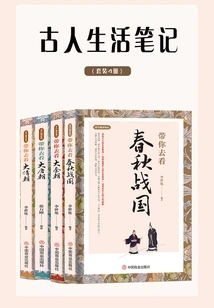
古人生活笔记(套装4册)
Compiled By Li Shihua And Cai Wangang
"Notes on the Life of the Ancients (set of 4 volumes)" includes "Take You to See the Spring and Autumn and Warring States Periods", "Take You to See the Great Qin Dynasty", "Take You to See the Great Tang Dynasty" and "Take You to See the Great Qing Dynasty": This set of books records not only the history of each dynasty, but also our past! There are authentic folk customs here, legendary old news here, strong feelings here, and an unforgettable style.
"Notes on the Life of the Ancients (set of 4 volumes)" includes "Take You to See the Spring and Autumn and Warring States Periods", "Take You to See the Great Qin Dynasty", "Take You to See the Great Tang Dynasty" and "Take You to See the Great Qing Dynasty": This set of books records not only the history of each dynasty, but also our past! There are authentic folk customs here, legendary old news here, strong feelings here, and an unforgettable style.
乐读《史记》(上册)
Yang Shuojin
"Historical Records" is a history book written by Sima Qian, a historian of the Western Han Dynasty. It is the first biographical general history in Chinese history. The book is divided into twenty chronicles, thirty families, seventy biographies, ten lists, and eight books, a total of 130 chapters, recording more than 3,000 years of Chinese history from the beginning of the Yellow Emperor to the reign of Emperor Wu of the Han Dynasty. This book carefully selects a total of 50 articles from "Historical Records", including 12 chapters in the chronology, 8 chapters in the book, and 30 chapters in the aristocratic family. It interprets historical figures and historical events from the perspective of contemporary people. It uses storytelling techniques to make sense and present facts. It talks about how to manage, how to strengthen communication with others, and how to solve various difficulties encountered in life and work. The writing style is lively and not boring. Not only can you learn historical knowledge, become familiar with historical figures, but also gain insights into the philosophy of life.
"Historical Records" is a history book written by Sima Qian, a historian of the Western Han Dynasty. It is the first biographical general history in Chinese history. The book is divided into twenty chronicles, thirty families, seventy biographies, ten lists, and eight books, a total of 130 chapters, recording more than 3,000 years of Chinese history from the beginning of the Yellow Emperor to the reign of Emperor Wu of the Han Dynasty. This book carefully selects a total of 50 articles from "Historical Records", including 12 chapters in the chronology, 8 chapters in the book, and 30 chapters in the aristocratic family. It interprets historical figures and historical events from the perspective of contemporary people. It uses storytelling techniques to make sense and present facts. It talks about how to manage, how to strengthen communication with others, and how to solve various difficulties encountered in life and work. The writing style is lively and not boring. Not only can you learn historical knowledge, become familiar with historical figures, but also gain insights into the philosophy of life.
乐读《史记》(下册)
Yang Shuojin
"Historical Records" is a history book written by Sima Qian, a historian of the Western Han Dynasty. It is the first biographical general history in Chinese history. The book is divided into twenty chronicles, thirty families, seventy biographies, ten lists, and eight books, a total of 130 chapters, recording more than 3,000 years of Chinese history from the beginning of the Yellow Emperor to the reign of Emperor Wu of the Han Dynasty. This book carefully selects a total of 50 articles from "Historical Records", including 12 chapters in the chronology, 8 chapters in the book, and 30 chapters in the aristocratic family. It interprets historical figures and historical events from the perspective of contemporary people. It uses storytelling techniques to make sense and present facts. It talks about how to manage, how to strengthen communication with others, and how to solve various difficulties encountered in life and work. The writing style is lively and not boring. Not only can you learn historical knowledge, become familiar with historical figures, but also gain insights into the philosophy of life.
"Historical Records" is a history book written by Sima Qian, a historian of the Western Han Dynasty. It is the first biographical general history in Chinese history. The book is divided into twenty chronicles, thirty families, seventy biographies, ten lists, and eight books, a total of 130 chapters, recording more than 3,000 years of Chinese history from the beginning of the Yellow Emperor to the reign of Emperor Wu of the Han Dynasty. This book carefully selects a total of 50 articles from "Historical Records", including 12 chapters in the chronology, 8 chapters in the book, and 30 chapters in the aristocratic family. It interprets historical figures and historical events from the perspective of contemporary people. It uses storytelling techniques to make sense and present facts. It talks about how to manage, how to strengthen communication with others, and how to solve various difficulties encountered in life and work. The writing style is lively and not boring. Not only can you learn historical knowledge, become familiar with historical figures, but also gain insights into the philosophy of life.
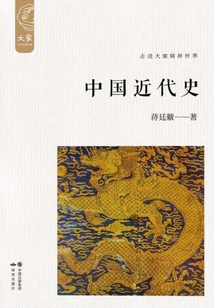
Modern History of China
History中国近代史
Jiang Tingfu
This book defines "Chinese modern history" as "the history of China's modernization" and takes as the main line of discussion whether and how China can modernize. The academic tradition created by this book was once the mainstream framework for research on modern Chinese history. In the field of Chinese history before 1949, almost half of the writings on the history of modern China and modern China's foreign relations were "inherited" from Chiang Tingfu's historical views. This book not only established Chiang's academic status in the field of modern history research, but also reflected his unique understanding of Chinese culture and China's future and destiny as a scholar who was impacted by Western culture.
This book defines "Chinese modern history" as "the history of China's modernization" and takes as the main line of discussion whether and how China can modernize. The academic tradition created by this book was once the mainstream framework for research on modern Chinese history. In the field of Chinese history before 1949, almost half of the writings on the history of modern China and modern China's foreign relations were "inherited" from Chiang Tingfu's historical views. This book not only established Chiang's academic status in the field of modern history research, but also reflected his unique understanding of Chinese culture and China's future and destiny as a scholar who was impacted by Western culture.
五代十国全史Ⅳ:大唐末路
Teacher Mai
The prosperous Tang Dynasty, with well-dressed gentry, was finally in trouble. "The Complete History of the Five Dynasties and Ten Kingdoms" is a set of eight volumes. It is a popular history work about the late Tang and Five Dynasties. It is based on historical materials and uses rigorous logical analysis and vivid and humorous writing to describe this important historical period with constant disputes and turmoil. It focuses on describing the various major historical events that occurred during the more than 100 years from the Huangchao Uprising at the end of the Tang Dynasty to the Song Dynasty's destruction of the Northern Han Dynasty (875-979), including the Huangchao Uprising, the Liang-Jin struggle for supremacy, the replacement of the Five Dynasties, the rise of the Ten Kingdoms, the unification of the Zhao and Song Dynasties, etc., With a detailed analysis of the beginning and end of the events, and a panoramic depiction of the great chaos of the Five Dynasties and Ten Kingdoms during the Tang and Song Dynasties. There are eight volumes in the set, namely "Huang Chao Uprising", "Ten Thousand Horses Chasing the Deer", "Zhu Wen's Dominance", "The End of the Tang Dynasty", "The Later Liang Empire", "Three Dynasties of the Later Tang Dynasty", "The Tyrannical Khitan" and "The Era of the Three Good Emperors". This book is the fourth volume of "The End of the Tang Dynasty".
The prosperous Tang Dynasty, with well-dressed gentry, was finally in trouble. "The Complete History of the Five Dynasties and Ten Kingdoms" is a set of eight volumes. It is a popular history work about the late Tang and Five Dynasties. It is based on historical materials and uses rigorous logical analysis and vivid and humorous writing to describe this important historical period with constant disputes and turmoil. It focuses on describing the various major historical events that occurred during the more than 100 years from the Huangchao Uprising at the end of the Tang Dynasty to the Song Dynasty's destruction of the Northern Han Dynasty (875-979), including the Huangchao Uprising, the Liang-Jin struggle for supremacy, the replacement of the Five Dynasties, the rise of the Ten Kingdoms, the unification of the Zhao and Song Dynasties, etc., With a detailed analysis of the beginning and end of the events, and a panoramic depiction of the great chaos of the Five Dynasties and Ten Kingdoms during the Tang and Song Dynasties. There are eight volumes in the set, namely "Huang Chao Uprising", "Ten Thousand Horses Chasing the Deer", "Zhu Wen's Dominance", "The End of the Tang Dynasty", "The Later Liang Empire", "Three Dynasties of the Later Tang Dynasty", "The Tyrannical Khitan" and "The Era of the Three Good Emperors". This book is the fourth volume of "The End of the Tang Dynasty".
五代十国全史Ⅴ:后梁帝国
Teacher Mai
The prosperous Tang Dynasty, with well-dressed gentry, was finally in trouble. "The Complete History of the Five Dynasties and Ten Kingdoms" is a set of eight volumes. It is a popular history work about the late Tang and Five Dynasties. It is based on historical materials and uses rigorous logical analysis and vivid and humorous writing to describe this important historical period with constant disputes and turmoil. It focuses on describing the various major historical events that occurred during the more than 100 years from the Huangchao Uprising at the end of the Tang Dynasty to the Song Dynasty's destruction of the Northern Han Dynasty (875-979), including the Huangchao Uprising, the Liang-Jin struggle for supremacy, the replacement of the Five Dynasties, the rise of the Ten Kingdoms, the unification of the Zhao and Song Dynasties, etc., With a detailed analysis of the beginning and end of the events, and a panoramic depiction of the great chaos of the Five Dynasties and Ten Kingdoms during the Tang and Song Dynasties. There are eight volumes in the set, namely "Huang Chao Uprising", "Ten Thousand Horses Chasing the Deer", "Zhu Wen's Dominance", "The End of the Tang Dynasty", "The Later Liang Empire", "Three Dynasties of the Later Tang Dynasty", "The Tyrannical Khitan" and "The Age of the Three Good Emperors". This book is the fifth volume of "The Empire of the Later Liang".
The prosperous Tang Dynasty, with well-dressed gentry, was finally in trouble. "The Complete History of the Five Dynasties and Ten Kingdoms" is a set of eight volumes. It is a popular history work about the late Tang and Five Dynasties. It is based on historical materials and uses rigorous logical analysis and vivid and humorous writing to describe this important historical period with constant disputes and turmoil. It focuses on describing the various major historical events that occurred during the more than 100 years from the Huangchao Uprising at the end of the Tang Dynasty to the Song Dynasty's destruction of the Northern Han Dynasty (875-979), including the Huangchao Uprising, the Liang-Jin struggle for supremacy, the replacement of the Five Dynasties, the rise of the Ten Kingdoms, the unification of the Zhao and Song Dynasties, etc., With a detailed analysis of the beginning and end of the events, and a panoramic depiction of the great chaos of the Five Dynasties and Ten Kingdoms during the Tang and Song Dynasties. There are eight volumes in the set, namely "Huang Chao Uprising", "Ten Thousand Horses Chasing the Deer", "Zhu Wen's Dominance", "The End of the Tang Dynasty", "The Later Liang Empire", "Three Dynasties of the Later Tang Dynasty", "The Tyrannical Khitan" and "The Age of the Three Good Emperors". This book is the fifth volume of "The Empire of the Later Liang".
大汉荣耀:西汉王朝二百年
Zhang Weijie
The legend of the achievements of humble emperors, the prosperity and glory created by commoner generals. The Han Dynasty emerged after Qin unified the six kingdoms. It was a long-lasting dynasty in ancient China and the first prosperous age in the history of the Chinese nation that was full of vitality and high in humanity. The achievements of the Han Dynasty have always affected us. This book depicts a magnificent historical picture of more than 200 years from Liu Bang's founding of the Han Dynasty to Wang Mang's usurpation of the Han Dynasty (202 BC - 9 AD). The content covers the territory, official system, military, agriculture, commerce, iron smelting industry, culture, thought and other fields of the Western Han Dynasty. This is a history of the rise and fall of the Han Empire, the entrepreneurship and success of the Liu Han family, and the growth history of many familiar figures in history.
The legend of the achievements of humble emperors, the prosperity and glory created by commoner generals. The Han Dynasty emerged after Qin unified the six kingdoms. It was a long-lasting dynasty in ancient China and the first prosperous age in the history of the Chinese nation that was full of vitality and high in humanity. The achievements of the Han Dynasty have always affected us. This book depicts a magnificent historical picture of more than 200 years from Liu Bang's founding of the Han Dynasty to Wang Mang's usurpation of the Han Dynasty (202 BC - 9 AD). The content covers the territory, official system, military, agriculture, commerce, iron smelting industry, culture, thought and other fields of the Western Han Dynasty. This is a history of the rise and fall of the Han Empire, the entrepreneurship and success of the Liu Han family, and the growth history of many familiar figures in history.
史学泰斗吕思勉带你一次读懂中国上下五千年(套装全三册)
Lu Simian
"A Minimalist History of China": This book is a general history of China written in vernacular. It is also an epoch-making masterpiece that allows people to quickly understand Chinese history. It is praised by readers at home and abroad as "a book that allows you to understand five thousand years of Chinese history." "Common Sense of Chinese History": As an introductory book on Chinese history passed down from the Republic of China to the present day, this book condenses five thousand years of Chinese history into one work. Mr. Lu Simian uses clear and simple language to tell the allusions that everyone must know in the process of Chinese civilization. From the unique perspective of a literary and historian, he traces the deep motivations and logic behind the historical facts and clarifies the context of cultural changes. "History of the Three Kingdoms": From the perspective of literature and history, Mr. Lu Simian made a detailed distinction between the real Three Kingdoms and the characters, events, wars and geographical environments created in Three Kingdoms literature. He also conducted in-depth analysis of many major historical issues such as how Dong Zhuo disrupted the imperial court, how Cao Cao's power rose, the truth about the Battle of Chibi, the rise and fall of the Sima family, etc., And provided unique insights.
"A Minimalist History of China": This book is a general history of China written in vernacular. It is also an epoch-making masterpiece that allows people to quickly understand Chinese history. It is praised by readers at home and abroad as "a book that allows you to understand five thousand years of Chinese history." "Common Sense of Chinese History": As an introductory book on Chinese history passed down from the Republic of China to the present day, this book condenses five thousand years of Chinese history into one work. Mr. Lu Simian uses clear and simple language to tell the allusions that everyone must know in the process of Chinese civilization. From the unique perspective of a literary and historian, he traces the deep motivations and logic behind the historical facts and clarifies the context of cultural changes. "History of the Three Kingdoms": From the perspective of literature and history, Mr. Lu Simian made a detailed distinction between the real Three Kingdoms and the characters, events, wars and geographical environments created in Three Kingdoms literature. He also conducted in-depth analysis of many major historical issues such as how Dong Zhuo disrupted the imperial court, how Cao Cao's power rose, the truth about the Battle of Chibi, the rise and fall of the Sima family, etc., And provided unique insights.
半小时漫画中国史大全集(共7册)
Chen Lei·half Hour Comics Team
Read comics for half an hour and learn about five thousand years of history. Use comics to interpret history and start a new trend of reading history. Just through hand-drawings and jokes, Chen Lei (pseudonym: Hunzige) clearly outlined the historical context from the origin of the Chinese people to the Ming and Qing Dynasties: I didn't expect that our ancestors might come from Africa; the myths and legends of Dayu's flood control; There are many gossips about the conflict between the Han Dynasty and the Three Kingdoms; there were three major battles in the Three Kingdoms; the Tang Dynasty had a good start; the two Song Dynasties were prosperous and rich; the emperors of the Yuan Dynasty were quick to change; most of the Ming Dynasty emperors could not escape fighting foreign enemies; fighting traitorous ministers; and quelling civil strife; the emperors of the Qing Dynasty worked very hard, but could not stop the wave of world reform; the origin of traditional festivals... Open this book, and while laughing out loud, you unknowingly understand the history!
Read comics for half an hour and learn about five thousand years of history. Use comics to interpret history and start a new trend of reading history. Just through hand-drawings and jokes, Chen Lei (pseudonym: Hunzige) clearly outlined the historical context from the origin of the Chinese people to the Ming and Qing Dynasties: I didn't expect that our ancestors might come from Africa; the myths and legends of Dayu's flood control; There are many gossips about the conflict between the Han Dynasty and the Three Kingdoms; there were three major battles in the Three Kingdoms; the Tang Dynasty had a good start; the two Song Dynasties were prosperous and rich; the emperors of the Yuan Dynasty were quick to change; most of the Ming Dynasty emperors could not escape fighting foreign enemies; fighting traitorous ministers; and quelling civil strife; the emperors of the Qing Dynasty worked very hard, but could not stop the wave of world reform; the origin of traditional festivals... Open this book, and while laughing out loud, you unknowingly understand the history!
半小时漫画中国史0
Chen Lei·half Hour Comics Team
Read comics for half an hour and learn about five thousand years of history. Use comics to interpret history and start a new trend of reading history. Just through hand-drawings and jokes, Chen Lei (pseudonym: Hunzige) clearly outlined the historical context from the origin of the Chinese people to the Western Zhou Dynasty: I didn't expect that our ancestors might have come from Africa; the myth and legend of Dayu's flood control; The hand-drawn legendary characters are cute and cute: Suiren, Fuxi, Shennong, Huangdi, Yao, Shun, Yu... These characters are all just like you and me, with strengths and weaknesses, friends and enemies. The amazing energy they burst out at key historical junctures created five thousand years of wonderful Chinese history. Open this book and understand the origin of Chinese civilization in half an hour!
Read comics for half an hour and learn about five thousand years of history. Use comics to interpret history and start a new trend of reading history. Just through hand-drawings and jokes, Chen Lei (pseudonym: Hunzige) clearly outlined the historical context from the origin of the Chinese people to the Western Zhou Dynasty: I didn't expect that our ancestors might have come from Africa; the myth and legend of Dayu's flood control; The hand-drawn legendary characters are cute and cute: Suiren, Fuxi, Shennong, Huangdi, Yao, Shun, Yu... These characters are all just like you and me, with strengths and weaknesses, friends and enemies. The amazing energy they burst out at key historical junctures created five thousand years of wonderful Chinese history. Open this book and understand the origin of Chinese civilization in half an hour!
秦汉:帝国兴亡(套装全二册)
Zhu Liang
The Qin and Han Dynasties were the beginning of China's unified dynasty and laid the foundation for more than two thousand years of feudal rule. This book relies on historical facts and vividly outlines the rise and fall of the empire from the unification of the six kingdoms by Qin Shihuang to the Yellow Turban Uprising of the Eastern Han Dynasty. The struggles within and outside the imperial power, the game of intrigues and strategies, the exchanges and collisions of different national cultures, interweave a tortuous historical trajectory and a grand humanistic atmosphere. The destinies of various characters are interspersed among them, depicting a vivid historical panorama of the Qin and Han Dynasties.
The Qin and Han Dynasties were the beginning of China's unified dynasty and laid the foundation for more than two thousand years of feudal rule. This book relies on historical facts and vividly outlines the rise and fall of the empire from the unification of the six kingdoms by Qin Shihuang to the Yellow Turban Uprising of the Eastern Han Dynasty. The struggles within and outside the imperial power, the game of intrigues and strategies, the exchanges and collisions of different national cultures, interweave a tortuous historical trajectory and a grand humanistic atmosphere. The destinies of various characters are interspersed among them, depicting a vivid historical panorama of the Qin and Han Dynasties.
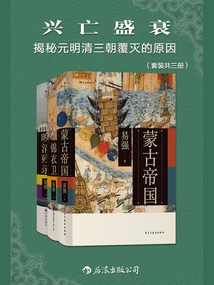
兴亡盛衰:揭秘元明清三朝覆灭的原因(套装共三册)
Yi Qiang
"Mongol Empire": In the 13th century, the Mongol Empire swept across the Eurasian continent like a whirlwind. Its rise and development have also brought us many mysteries: What are the internal driving forces and external conditions for the expansion of the Mongols? How did Mongolia grow rapidly from a local government with a population of less than 2 million to an unstoppable empire? How did the Mongolian conquests interact with those powerful countries with glorious civilizations? Focusing on these issues, the author excavated Chinese and Western historical documents and combined the research results of domestic and foreign scholars to give his own understanding. The Mongolian war of conquest accelerated exchanges in the flow of products, population migration, and cultural dissemination between the ancient Eastern and Western worlds. "Jinyiwei": This book examines the creation and evolution of Jinyiwei within the historical background of the Ming Dynasty. Taking the development of Jinyiwei as the longitude and the replacement of emperors in the Ming Dynasty as the weft, this book outlines the relationship between the needs of imperial power and the development trajectory of Jinyiwei in each period. Jinyiwei was founded during the Ming Dynasty. Its main task was to maintain etiquette and discipline in order to meet Zhu Yuanzhang's urgent need for "correct discipline", "legislation of etiquette", "name naming" and "clear orders" at the beginning of the founding of the country. As the situation developed, Jin Yiwei was gradually given various new functions: managing prisons, conducting diplomatic missions, arresting traitors and robbers, supervising courtiers, etc. The needs of imperial power also strongly affected the development of East Factory and West Factory. Imperial power, imperial guards, and east-west factories were intertwined in the course of history. In the late Ming Dynasty, factory guards even began to be involved in party disputes among courtiers, becoming an important force in them. "Remnants of the Late Qing Dynasty": Since the Qing Dynasty, China has been in frequent contact and collision with Western countries. Beginning with Macartney's visit to China in 1793, Western countries, through trading companies, missionaries, diplomats and other channels, collected a large amount of intelligence about the Qing Dynasty's political economy and society, and used it in subsequent military conflicts (such as the Opium War, the invasion of the British and French forces, etc.) To achieve the purpose of aggression. Based on precious reports from Western media over the past century, combined with original Chinese historical materials such as "Records of the Qing Dynasty" and "The Imperial Qing Dynasty Conference", the author tells a picture of the Qing Dynasty gradually falling behind, declining and even collapsing in its interactions with Western powers.
"Mongol Empire": In the 13th century, the Mongol Empire swept across the Eurasian continent like a whirlwind. Its rise and development have also brought us many mysteries: What are the internal driving forces and external conditions for the expansion of the Mongols? How did Mongolia grow rapidly from a local government with a population of less than 2 million to an unstoppable empire? How did the Mongolian conquests interact with those powerful countries with glorious civilizations? Focusing on these issues, the author excavated Chinese and Western historical documents and combined the research results of domestic and foreign scholars to give his own understanding. The Mongolian war of conquest accelerated exchanges in the flow of products, population migration, and cultural dissemination between the ancient Eastern and Western worlds. "Jinyiwei": This book examines the creation and evolution of Jinyiwei within the historical background of the Ming Dynasty. Taking the development of Jinyiwei as the longitude and the replacement of emperors in the Ming Dynasty as the weft, this book outlines the relationship between the needs of imperial power and the development trajectory of Jinyiwei in each period. Jinyiwei was founded during the Ming Dynasty. Its main task was to maintain etiquette and discipline in order to meet Zhu Yuanzhang's urgent need for "correct discipline", "legislation of etiquette", "name naming" and "clear orders" at the beginning of the founding of the country. As the situation developed, Jin Yiwei was gradually given various new functions: managing prisons, conducting diplomatic missions, arresting traitors and robbers, supervising courtiers, etc. The needs of imperial power also strongly affected the development of East Factory and West Factory. Imperial power, imperial guards, and east-west factories were intertwined in the course of history. In the late Ming Dynasty, factory guards even began to be involved in party disputes among courtiers, becoming an important force in them. "Remnants of the Late Qing Dynasty": Since the Qing Dynasty, China has been in frequent contact and collision with Western countries. Beginning with Macartney's visit to China in 1793, Western countries, through trading companies, missionaries, diplomats and other channels, collected a large amount of intelligence about the Qing Dynasty's political economy and society, and used it in subsequent military conflicts (such as the Opium War, the invasion of the British and French forces, etc.) To achieve the purpose of aggression. Based on precious reports from Western media over the past century, combined with original Chinese historical materials such as "Records of the Qing Dynasty" and "The Imperial Qing Dynasty Conference", the author tells a picture of the Qing Dynasty gradually falling behind, declining and even collapsing in its interactions with Western powers.
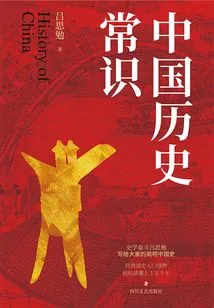
Chinese Historical Knowledge
History中国历史常识
Lu Simian
When and where can the Chinese nation trace its origins? Did Qin Shihuang implement tyranny or political ideals? How did the prosperous Tang Dynasty collapse after the Anshi Rebellion? Why couldn't Song Confucian thought save the Song Dynasty? As an introductory book on Chinese history passed down from the Republic of China to the present day, this book condenses five thousand years of Chinese history into one work. Mr. Lu Simian uses clear and simple language to tell the allusions that everyone must know in the process of Chinese civilization. From the unique perspective of a literary and historian, he traces the deep motivations and logic behind the historical facts and clarifies the context of cultural changes. This book allows you to easily understand the five thousand years of historical changes from ancient times to the Republic of China. Based on history, you can understand the past and present, understand the world, and look forward to the future.
When and where can the Chinese nation trace its origins? Did Qin Shihuang implement tyranny or political ideals? How did the prosperous Tang Dynasty collapse after the Anshi Rebellion? Why couldn't Song Confucian thought save the Song Dynasty? As an introductory book on Chinese history passed down from the Republic of China to the present day, this book condenses five thousand years of Chinese history into one work. Mr. Lu Simian uses clear and simple language to tell the allusions that everyone must know in the process of Chinese civilization. From the unique perspective of a literary and historian, he traces the deep motivations and logic behind the historical facts and clarifies the context of cultural changes. This book allows you to easily understand the five thousand years of historical changes from ancient times to the Republic of China. Based on history, you can understand the past and present, understand the world, and look forward to the future.
Zhan Anqing
History战安庆
Zhou Lufeng
The best-selling book "Battle of Tianjing" published by our company in recent years is about the historical story of the Hunan Army group's attack on Nanjing, the capital of the Taiping Rebellion. Before that, the Hunan Army captured Anqing, the provincial capital of Anhui at that time, which was a necessary prerequisite for conquering Tianjing. The Battle of Anqing was a turning point in the fate of the Qing Dynasty. Before the Battle of Anqing, the Qing Dynasty was worried about national subjugation. However, after the Battle of Anqing, the Qing Dynasty gradually took the initiative and gradually suppressed the unrest in various places. It was known as the "Tongzhi ZTE". This book chooses a turning point such as the Battle of Anqing, and describes this rare battle in history with great detail, because this battle not only included a decisive battle between the Taiping Army and the Hunan Army, but also included the outbreak of the Second Opium War. Foreigners intervened in Chinese affairs and intervened in the Taiping Heavenly Kingdom. The forces of all parties were complicated. Battlefield competition, diplomatic mediation, and the internal political struggles between the Qing Dynasty and the Taiping Heavenly Kingdom made the scenes outside the battlefield even more intense than the war. The manuscript is beautifully written and the historical facts are accurate, giving readers an excellent opportunity to understand that period of history up close.
The best-selling book "Battle of Tianjing" published by our company in recent years is about the historical story of the Hunan Army group's attack on Nanjing, the capital of the Taiping Rebellion. Before that, the Hunan Army captured Anqing, the provincial capital of Anhui at that time, which was a necessary prerequisite for conquering Tianjing. The Battle of Anqing was a turning point in the fate of the Qing Dynasty. Before the Battle of Anqing, the Qing Dynasty was worried about national subjugation. However, after the Battle of Anqing, the Qing Dynasty gradually took the initiative and gradually suppressed the unrest in various places. It was known as the "Tongzhi ZTE". This book chooses a turning point such as the Battle of Anqing, and describes this rare battle in history with great detail, because this battle not only included a decisive battle between the Taiping Army and the Hunan Army, but also included the outbreak of the Second Opium War. Foreigners intervened in Chinese affairs and intervened in the Taiping Heavenly Kingdom. The forces of all parties were complicated. Battlefield competition, diplomatic mediation, and the internal political struggles between the Qing Dynasty and the Taiping Heavenly Kingdom made the scenes outside the battlefield even more intense than the war. The manuscript is beautifully written and the historical facts are accurate, giving readers an excellent opportunity to understand that period of history up close.
大唐之变:安史之乱与盛唐的崩裂
Yuan Canxing
In 755 AD, the Anshi Rebellion broke out, and the Tang Empire turned from prosperity to decline. The Anshi Rebellion was a landmark event in Chinese history. It not only brought the prosperity of the Tang Dynasty to an abrupt end, but also became a watershed in the development of Chinese history. Before and after the Anshi Rebellion, the political, economic, military and other systems of the Tang Dynasty underwent major changes, as well as social and cultural changes. These changes had a profound impact on future generations. This book is a new non-fiction historical work about the Anshi Rebellion written by the well-known historian Yuan Canxing. Based on historical data, the book vividly and smoothly depicts the big names and ruthless characters in this historical turning point, and epically shows the great changes and disputes in the Tang Empire.
In 755 AD, the Anshi Rebellion broke out, and the Tang Empire turned from prosperity to decline. The Anshi Rebellion was a landmark event in Chinese history. It not only brought the prosperity of the Tang Dynasty to an abrupt end, but also became a watershed in the development of Chinese history. Before and after the Anshi Rebellion, the political, economic, military and other systems of the Tang Dynasty underwent major changes, as well as social and cultural changes. These changes had a profound impact on future generations. This book is a new non-fiction historical work about the Anshi Rebellion written by the well-known historian Yuan Canxing. Based on historical data, the book vividly and smoothly depicts the big names and ruthless characters in this historical turning point, and epically shows the great changes and disputes in the Tang Empire.
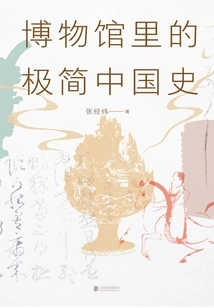
博物馆里的极简中国史(2022修订版)
Zhang Jingwei
In this book, the cultural relics in the museum are no longer static and silent. They will become active because of the knowledge network laid in your mind, and accompany you to explore the wonderful world of ancient China: you can understand the "starry sky" of Chinese prehistoric civilization through jade articles, explore the Jiangnan of the Zhou Dynasty with the help of bronze heavy objects, and learn from the Eastern Han Dynasty The secrets of the rise of the grassland peoples are revealed in the murals, and traces of the "Ancient Tea Horse Road" can be found in the tea and porcelain stories of the Tang Dynasty... The author breaks out of the routine of historical narratives and uses the information behind the cultural relics to depict little-known historical puzzles. He uses an open multidisciplinary perspective to refresh our inherent understanding and connect a concise and novel Chinese historical context.
In this book, the cultural relics in the museum are no longer static and silent. They will become active because of the knowledge network laid in your mind, and accompany you to explore the wonderful world of ancient China: you can understand the "starry sky" of Chinese prehistoric civilization through jade articles, explore the Jiangnan of the Zhou Dynasty with the help of bronze heavy objects, and learn from the Eastern Han Dynasty The secrets of the rise of the grassland peoples are revealed in the murals, and traces of the "Ancient Tea Horse Road" can be found in the tea and porcelain stories of the Tang Dynasty... The author breaks out of the routine of historical narratives and uses the information behind the cultural relics to depict little-known historical puzzles. He uses an open multidisciplinary perspective to refresh our inherent understanding and connect a concise and novel Chinese historical context.