Library
Browse and search books
233 novels found
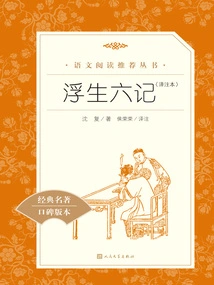
浮生六记(译注本)
(qing Dynasty) Written By Shen Fu And Translated And Annotated By Hou Rongrong
"Six Chapters of a Floating Life" is an autobiographical prose written by Shen Fu, a native of Changzhou (now Suzhou) in the Qing Dynasty, in the 13th year of Jiaqing (1808). The content takes the life of the author and his wife as the main line, describing the ordinary but interesting home life and what he sees and hears when he travels to various places. The text expresses one's own spirit and is informal, reflecting the elegant life taste of the ancients and the diverse aesthetic elements of traditional culture. It is still one of the popular books read by the public readers. "Six Chapters of a Floating Life" has been included in our company's key series "Chinese Reading Recommended Series". The version used is an old resource, with only simple annotations and a small length. Since the text of "Six Chapters of a Floating Life" is in classical Chinese, simple annotations are far from enough for young readers. This time, the book has been fully upgraded, relevant scholars have been invited to re-write detailed annotations, and the full text has been translated into vernacular, making it easier for young readers to understand and study the original work. In addition, an article titled "The Chronicles of the Ryukyu Kingdom" (i. E. "The Chronicles of the Sea"), which was newly discovered in recent years and has been verified by scholars to be the original manuscript of the lost "Nakayama Chronicles", has also been added. It has been annotated and translated, so that this book contains the latest academic achievements in the study of "Six Chapters of the Floating Life".
"Six Chapters of a Floating Life" is an autobiographical prose written by Shen Fu, a native of Changzhou (now Suzhou) in the Qing Dynasty, in the 13th year of Jiaqing (1808). The content takes the life of the author and his wife as the main line, describing the ordinary but interesting home life and what he sees and hears when he travels to various places. The text expresses one's own spirit and is informal, reflecting the elegant life taste of the ancients and the diverse aesthetic elements of traditional culture. It is still one of the popular books read by the public readers. "Six Chapters of a Floating Life" has been included in our company's key series "Chinese Reading Recommended Series". The version used is an old resource, with only simple annotations and a small length. Since the text of "Six Chapters of a Floating Life" is in classical Chinese, simple annotations are far from enough for young readers. This time, the book has been fully upgraded, relevant scholars have been invited to re-write detailed annotations, and the full text has been translated into vernacular, making it easier for young readers to understand and study the original work. In addition, an article titled "The Chronicles of the Ryukyu Kingdom" (i. E. "The Chronicles of the Sea"), which was newly discovered in recent years and has been verified by scholars to be the original manuscript of the lost "Nakayama Chronicles", has also been added. It has been annotated and translated, so that this book contains the latest academic achievements in the study of "Six Chapters of the Floating Life".
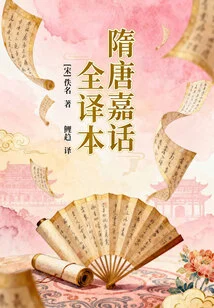
隋唐嘉话全译本
(song Dynasty) Anonymous
"Famous Stories of the Sui and Tang Dynasties" is a notebook novel recording anecdotes from the Sui and Tang Dynasties. The book uses a narrative style to compile a large number of words, deeds, and legends about emperors such as Emperor Wen of the Sui Dynasty, Emperor Yang of the Tang Dynasty, Gaozu Emperor Taizong of the Tang Dynasty, and Emperor Taizong, as well as famous figures such as Li Jing (Gong Wei), Xu Ji (Gong Ying), Wei Zheng (Gong Zheng), Fang Xuanling (Gong Liang), and Du Ruhui (Gong Cai). Such as the anecdotes of Xue Daoheng's poetic talent, Emperor Yang's jealousy to harm others, the outspokenness of the monarch and his ministers, the magnanimity and righteousness of the heroes, etc. The vivid details and smart descriptions not only supplement the shortcomings of the official history, but also show the political clarity of the early Tang Dynasty, the unique style of the characters and the three-dimensional social scene through side descriptions, providing precious historical materials for future generations to understand the history and culture of the Sui and Tang Dynasties. This book is a verbatim version. I hope that readers can easily travel through time and space and have an immersive dialogue with the ancients after reading this volume.
"Famous Stories of the Sui and Tang Dynasties" is a notebook novel recording anecdotes from the Sui and Tang Dynasties. The book uses a narrative style to compile a large number of words, deeds, and legends about emperors such as Emperor Wen of the Sui Dynasty, Emperor Yang of the Tang Dynasty, Gaozu Emperor Taizong of the Tang Dynasty, and Emperor Taizong, as well as famous figures such as Li Jing (Gong Wei), Xu Ji (Gong Ying), Wei Zheng (Gong Zheng), Fang Xuanling (Gong Liang), and Du Ruhui (Gong Cai). Such as the anecdotes of Xue Daoheng's poetic talent, Emperor Yang's jealousy to harm others, the outspokenness of the monarch and his ministers, the magnanimity and righteousness of the heroes, etc. The vivid details and smart descriptions not only supplement the shortcomings of the official history, but also show the political clarity of the early Tang Dynasty, the unique style of the characters and the three-dimensional social scene through side descriptions, providing precious historical materials for future generations to understand the history and culture of the Sui and Tang Dynasties. This book is a verbatim version. I hope that readers can easily travel through time and space and have an immersive dialogue with the ancients after reading this volume.
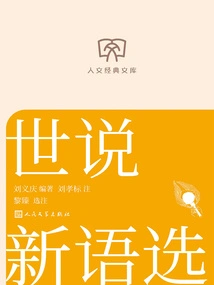
世说新语选(人文经典文库)
Compiled By Liu Yiqing, Annotated By Liu Xiao, Selected Annotated By Li Zhen
Shishuoxinyu is a classic that records the anecdotes and interesting sayings of celebrities during the Three Kingdoms and Jin Dynasties. It reflects the spiritual outlook and life interests of the scholar-bureaucrats at that time. It is a classic work that records the affairs of celebrities. The book was compiled by Liu Yiqing, King of Linchuan in the Southern Dynasty and Song Dynasty. Because of its brief chronicle, Liu Xiaobiao also annotated it during the Liang Dynasty in the Southern Dynasty and added many relevant historical materials. From then on, the main text and the annotations were inseparable and circulated together. "Shishuoxin Anthology" collects the essence and selects more than 200 items from more than 1,000 items. It also provides detailed annotations on difficult-to-understand words, characters, classics, etc. In the original text, which is of great help to our reading and understanding of the original text.
Shishuoxinyu is a classic that records the anecdotes and interesting sayings of celebrities during the Three Kingdoms and Jin Dynasties. It reflects the spiritual outlook and life interests of the scholar-bureaucrats at that time. It is a classic work that records the affairs of celebrities. The book was compiled by Liu Yiqing, King of Linchuan in the Southern Dynasty and Song Dynasty. Because of its brief chronicle, Liu Xiaobiao also annotated it during the Liang Dynasty in the Southern Dynasty and added many relevant historical materials. From then on, the main text and the annotations were inseparable and circulated together. "Shishuoxin Anthology" collects the essence and selects more than 200 items from more than 1,000 items. It also provides detailed annotations on difficult-to-understand words, characters, classics, etc. In the original text, which is of great help to our reading and understanding of the original text.
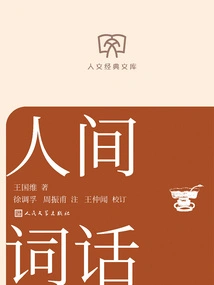
Human Words (humanities Classic Library)
Literature人间词话(人文经典文库)
Written By Wang Guowei, Xu Tiaofu, Annotated By Zhou Zhenfu, Edited By Wang Zhongwen
"Human Words" is a literary criticism work written by Wang Guowei. This work is a commentary on old Chinese literature from a new perspective after the author accepted the baptism of Western aesthetic ideas. On the surface, "Human Words" has no significant difference from the style and format of Chinese traditional poetry and poetry works. In fact, it has begun to form a theoretical system and can be regarded as one of the few works among old poetry treatises. In the field of modern word theory, many people regard it as a guideline, which has far-reaching influence. This book is also well-known to today's public readers. It is beautifully written and thought-provoking. It is a literary theory work suitable for public reading. This topic also adds two other literary criticism works by Mr. Wang Guowei - "Commentary on a Dream of Red Mansions" and "Literary Essays". The former reflects Mr. Wang Guowei's acceptance and integration of Western philosophy and aesthetics, while the latter plays an important role in the formation of the literary criticism system of "Human Words". Both of these documents can promote further reading of "Ren Jian Ci Hua".
"Human Words" is a literary criticism work written by Wang Guowei. This work is a commentary on old Chinese literature from a new perspective after the author accepted the baptism of Western aesthetic ideas. On the surface, "Human Words" has no significant difference from the style and format of Chinese traditional poetry and poetry works. In fact, it has begun to form a theoretical system and can be regarded as one of the few works among old poetry treatises. In the field of modern word theory, many people regard it as a guideline, which has far-reaching influence. This book is also well-known to today's public readers. It is beautifully written and thought-provoking. It is a literary theory work suitable for public reading. This topic also adds two other literary criticism works by Mr. Wang Guowei - "Commentary on a Dream of Red Mansions" and "Literary Essays". The former reflects Mr. Wang Guowei's acceptance and integration of Western philosophy and aesthetics, while the latter plays an important role in the formation of the literary criticism system of "Human Words". Both of these documents can promote further reading of "Ren Jian Ci Hua".
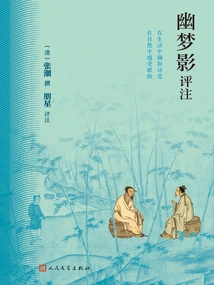
You Meng Film Commentary
Literature幽梦影评注
(qing Dynasty) Written By Zhang Chao With Commentary By Peng Xing
"You Mengying" is the representative work of Zhang Chao, a writer in the early Qing Dynasty. It is also a model of short essays in the Ming and Qing Dynasties. It is good at aphorisms, aphorisms, and Zen interests. It concentrates its writing power on the demeanor of celebrities and explores romance, chess, calligraphy and painting. The content is mainly leisurely and unrestrained aesthetics, following the example of Yuan Hongdao, Chen Jiru, Tang Xianzu, etc. In the Ming Dynasty. It is informal and unrestrained. Although he talks a lot about flowers and the moon, he tries to avoid vulgarity, maintains a high standard of elegance, and has many pleasing words. It is beautiful, elegant and full of interest, so it has a wide influence and is very popular among readers. "Commentary on You Meng Film" annotates and comments on "You Meng Shadow". It has three advantages: first, it is based on the version in the late Kangxi period, which collects the most and most complete comments and maintains the original appearance; second, the annotations absorb the latest research results, eliminate many blind spots and omissions, and have quite innovative ideas in aspects such as classics and history collections, folk slang, phonological knowledge, Buddhist scriptures, and Buddhist sayings; third, the comments explain in simple terms and draw parallels, which helps to understand people and the world. This book is both academic and popular, and can be enjoyed by both refined and popular people. It is a good popular reading book.
"You Mengying" is the representative work of Zhang Chao, a writer in the early Qing Dynasty. It is also a model of short essays in the Ming and Qing Dynasties. It is good at aphorisms, aphorisms, and Zen interests. It concentrates its writing power on the demeanor of celebrities and explores romance, chess, calligraphy and painting. The content is mainly leisurely and unrestrained aesthetics, following the example of Yuan Hongdao, Chen Jiru, Tang Xianzu, etc. In the Ming Dynasty. It is informal and unrestrained. Although he talks a lot about flowers and the moon, he tries to avoid vulgarity, maintains a high standard of elegance, and has many pleasing words. It is beautiful, elegant and full of interest, so it has a wide influence and is very popular among readers. "Commentary on You Meng Film" annotates and comments on "You Meng Shadow". It has three advantages: first, it is based on the version in the late Kangxi period, which collects the most and most complete comments and maintains the original appearance; second, the annotations absorb the latest research results, eliminate many blind spots and omissions, and have quite innovative ideas in aspects such as classics and history collections, folk slang, phonological knowledge, Buddhist scriptures, and Buddhist sayings; third, the comments explain in simple terms and draw parallels, which helps to understand people and the world. This book is both academic and popular, and can be enjoyed by both refined and popular people. It is a good popular reading book.
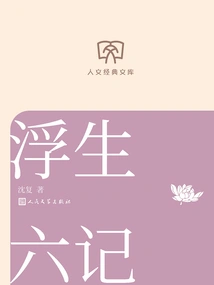
浮生六记(人文经典文库)
Shen Fu
"Six Chapters of a Floating Life" is an autobiographical prose written by Shen Fu, a native of Changzhou (now Suzhou) in the Qing Dynasty, in the 13th year of Jiaqing (1808). The content takes the life of the author and his wife as the main line, describing the ordinary but interesting home life and what he sees and hears when he travels to various places. The text expresses one's own spirit and is informal, reflecting the elegant life taste of the ancients and the diverse aesthetic elements of traditional culture. It is still one of the popular books read by the public readers.
"Six Chapters of a Floating Life" is an autobiographical prose written by Shen Fu, a native of Changzhou (now Suzhou) in the Qing Dynasty, in the 13th year of Jiaqing (1808). The content takes the life of the author and his wife as the main line, describing the ordinary but interesting home life and what he sees and hears when he travels to various places. The text expresses one's own spirit and is informal, reflecting the elegant life taste of the ancients and the diverse aesthetic elements of traditional culture. It is still one of the popular books read by the public readers.
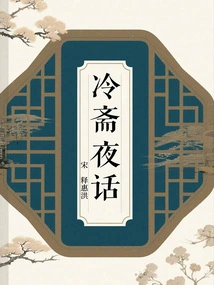
Lengzhai Night Talk
Literature冷斋夜话
Shi Huihong
"Leng Zhai Night Talk" is an ancient poetry theory work written by Huihong, a monk in the Northern Song Dynasty. The style is somewhere between notes and poetry talks. It is mainly about poetry. It is often called "Yin Yuan You" by many people, especially Su Shi and Huang Tingjian. The book proposes and explains the theory of poetry by quoting poems, and also records many miscellaneous events. It has theoretical and historical value that cannot be ignored.
"Leng Zhai Night Talk" is an ancient poetry theory work written by Huihong, a monk in the Northern Song Dynasty. The style is somewhere between notes and poetry talks. It is mainly about poetry. It is often called "Yin Yuan You" by many people, especially Su Shi and Huang Tingjian. The book proposes and explains the theory of poetry by quoting poems, and also records many miscellaneous events. It has theoretical and historical value that cannot be ignored.
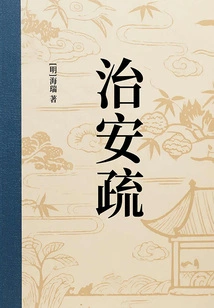
Poor Public Security
Literature治安疏
(ming) Hai Rui
Hai Rui of the Ming Dynasty wrote a memorial to Emperor Jiajing, which focused on "the way of the emperor, the way of ministers, and the people's livelihood". It directly pointed out the shortcomings of Emperor Jiajing's neglect of government affairs, and put forward the political proposition of "rectifying the way of the emperor, clarifying the duties of ministers, and seeking the people's livelihood."
Hai Rui of the Ming Dynasty wrote a memorial to Emperor Jiajing, which focused on "the way of the emperor, the way of ministers, and the people's livelihood". It directly pointed out the shortcomings of Emperor Jiajing's neglect of government affairs, and put forward the political proposition of "rectifying the way of the emperor, clarifying the duties of ministers, and seeking the people's livelihood."
Ying Yao Fu
Literature英耀赋
Anonymous
The "traditional classics" secretly passed down by the magicians of the Ming and Qing Dynasties belong to the category of "Secret Techniques of Scarf Boxes". The article takes the "skill of observing people" as the core and summarizes the skills of manipulating the other party through observing words and emotions and psychological speculation, such as "beautiful first and then frightening" (praising first and then scaring), "questioning and judging" (insinuating others) and other speech strategies. Although they contain political power, they reflect the practical wisdom of ancient social psychology and language manipulation.
The "traditional classics" secretly passed down by the magicians of the Ming and Qing Dynasties belong to the category of "Secret Techniques of Scarf Boxes". The article takes the "skill of observing people" as the core and summarizes the skills of manipulating the other party through observing words and emotions and psychological speculation, such as "beautiful first and then frightening" (praising first and then scaring), "questioning and judging" (insinuating others) and other speech strategies. Although they contain political power, they reflect the practical wisdom of ancient social psychology and language manipulation.
Ten Diaries of Yangzhou
Literature扬州十日记
(qing Dynasty) Wang Xiuchu
"Ten Diaries of Yangzhou" is an important material for studying the history of the late Ming and early Qing Dynasties. Because of its shocking content, it was listed as a banned book in the Qing Dynasty. The book records the atrocities committed by the Qing army within ten days after they captured Yangzhou. It reveals the cruelty of war through personal experience, reflecting the darkness of society and the suffering of the people at that time. ?
"Ten Diaries of Yangzhou" is an important material for studying the history of the late Ming and early Qing Dynasties. Because of its shocking content, it was listed as a banned book in the Qing Dynasty. The book records the atrocities committed by the Qing army within ten days after they captured Yangzhou. It reveals the cruelty of war through personal experience, reflecting the darkness of society and the suffering of the people at that time. ?
T
Literaturet
I
"Entering Shu" is a diary-style travelogue written by Lu You in the Southern Song Dynasty. It records what he saw and heard on his way from Shanyin to Kuizhou to serve as a judge, covering the geographical features, historical sites, customs and customs along the way. The writing is fresh and has both literary and historical value. ?
"Entering Shu" is a diary-style travelogue written by Lu You in the Southern Song Dynasty. It records what he saw and heard on his way from Shanyin to Kuizhou to serve as a judge, covering the geographical features, historical sites, customs and customs along the way. The writing is fresh and has both literary and historical value. ?
Li Xiucheng's Confession
Literature李秀成供状
Li Xiucheng
"Li Xiucheng's Confession" was written after Li Xiucheng, the loyal king of the Taiping Rebellion, was captured. When Tianjing fell in 1864, Li Xiucheng was captured and wrote a confession at Zeng Guofan's request. The content covers the rise of the Taiping Heavenly Kingdom, the Tianjing Incident and other major events as well as his own experience, which is of extremely high historical value for studying the history of the Taiping Heavenly Kingdom.
"Li Xiucheng's Confession" was written after Li Xiucheng, the loyal king of the Taiping Rebellion, was captured. When Tianjing fell in 1864, Li Xiucheng was captured and wrote a confession at Zeng Guofan's request. The content covers the rise of the Taiping Heavenly Kingdom, the Tianjing Incident and other major events as well as his own experience, which is of extremely high historical value for studying the history of the Taiping Heavenly Kingdom.
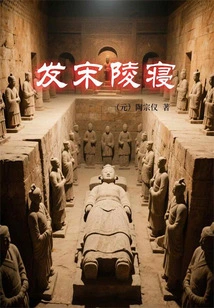
Fa Song Mausoleum
Literature发宋陵寝
(yuan) Tao Zongyi
"Fa Song Tombs" is an early article in ancient literature that clearly talks about robbing royal tombs. The text takes the core event of Yang Lianzhenjia, a monk from the Western Regions in the early Yuan Dynasty, who robbed the imperial mausoleum of the Southern Song Dynasty as the core event, showing a fleeting tragedy in the change of power between the Song and Yuan Dynasties. In 1285, Yang Lianzhenjia, the general manager of Buddhism in the south of the Yangtze River and a Tibetan monk, took advantage of the power of Sang Ge, a powerful official in the Yuan Dynasty, and led a crowd to excavate and destroy the six tombs of the Song Dynasty in Shaoxing, and looted the tombs of the six emperors including Gaozong, Xiaozong, Lizong and their concubines. Countless treasures were lost, and Emperor Lizong of the Song Dynasty drained mercury from the corpses hanging upside down and cut off their heads to make magical objects. Countless actions would seem outrageous today. This looting, which lasted for several months, completely ruined the face of the Song Dynasty and scattered all the cultural relics. The complex political game, religious fanaticism, cultural symbols, etc. Hidden behind the entire tomb robbing incident have triggered long-term thinking for future generations.
"Fa Song Tombs" is an early article in ancient literature that clearly talks about robbing royal tombs. The text takes the core event of Yang Lianzhenjia, a monk from the Western Regions in the early Yuan Dynasty, who robbed the imperial mausoleum of the Southern Song Dynasty as the core event, showing a fleeting tragedy in the change of power between the Song and Yuan Dynasties. In 1285, Yang Lianzhenjia, the general manager of Buddhism in the south of the Yangtze River and a Tibetan monk, took advantage of the power of Sang Ge, a powerful official in the Yuan Dynasty, and led a crowd to excavate and destroy the six tombs of the Song Dynasty in Shaoxing, and looted the tombs of the six emperors including Gaozong, Xiaozong, Lizong and their concubines. Countless treasures were lost, and Emperor Lizong of the Song Dynasty drained mercury from the corpses hanging upside down and cut off their heads to make magical objects. Countless actions would seem outrageous today. This looting, which lasted for several months, completely ruined the face of the Song Dynasty and scattered all the cultural relics. The complex political game, religious fanaticism, cultural symbols, etc. Hidden behind the entire tomb robbing incident have triggered long-term thinking for future generations.
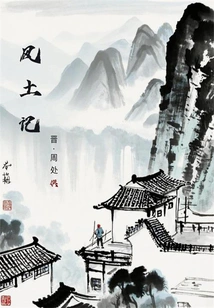
Fengtuji (miniature Local Chronicle)
Literature风土记(微型地方志)
(jin) Zhou Chu
"Fengtu Ji" is a local chronicle work written by Zhou Chu of the Jin Dynasty. It records the customs and customs of Jiangnan during the Jin Dynasty. The content is short and concise, covering customs, landforms and folklore. Because it was written earlier, it has been around for a long time, and most of it has been lost. It has survived to this day and has been transformed into what it is today. Zhou Chu entered the court as an official in both Wu and Western Jin Dynasties. Before his death, he had been a local official and had considerable experience in governance. The customs and social conditions he recorded are precious information for future generations to understand the political, economic and cultural changes at that time. Through a miniature local chronicle, today's people can understand the customs and customs of ancient Jiangnan, and also understand the multi-faceted presentation of Zhou Chu himself, which is a rare gain.
"Fengtu Ji" is a local chronicle work written by Zhou Chu of the Jin Dynasty. It records the customs and customs of Jiangnan during the Jin Dynasty. The content is short and concise, covering customs, landforms and folklore. Because it was written earlier, it has been around for a long time, and most of it has been lost. It has survived to this day and has been transformed into what it is today. Zhou Chu entered the court as an official in both Wu and Western Jin Dynasties. Before his death, he had been a local official and had considerable experience in governance. The customs and social conditions he recorded are precious information for future generations to understand the political, economic and cultural changes at that time. Through a miniature local chronicle, today's people can understand the customs and customs of ancient Jiangnan, and also understand the multi-faceted presentation of Zhou Chu himself, which is a rare gain.
东周列国志(悦读经典白话版)
(ming Dynasty) Original Work By Feng Menglong
"Yuedu Classics Vernacular Edition" selects ancient Chinese classics. The selected works have largely removed the classical Chinese color, while maintaining the integrity of the original structure. Annotations are added, which are more independent and detailed than ordinary annotations. It has the characteristics of "expanding reading of knowledge points". The entire series of books modernizes and popularizes classic works, making it understandable and easy for the public readers. "The Chronicles of the Kingdoms of the Eastern Zhou Dynasty" was compiled by Feng Menglong of the Ming Dynasty. It takes the feudal princes' struggle for hegemony as the main line during the Spring and Autumn Period and the Warring States Period, and tells the history of more than 500 years from the end of the Western Zhou Dynasty to the unification of the six countries by the Qin Dynasty. The whole book interprets the rise and fall of overlords such as Duke Huan of Qi and Duke Wen of Jin, shows major events such as Shang Yang's reform and Jing Ke's assassination of Qin, and vividly depicts the power struggles and social changes of various countries. It has both historical depth and literary interest. It is a model of ancient historical romance.
"Yuedu Classics Vernacular Edition" selects ancient Chinese classics. The selected works have largely removed the classical Chinese color, while maintaining the integrity of the original structure. Annotations are added, which are more independent and detailed than ordinary annotations. It has the characteristics of "expanding reading of knowledge points". The entire series of books modernizes and popularizes classic works, making it understandable and easy for the public readers. "The Chronicles of the Kingdoms of the Eastern Zhou Dynasty" was compiled by Feng Menglong of the Ming Dynasty. It takes the feudal princes' struggle for hegemony as the main line during the Spring and Autumn Period and the Warring States Period, and tells the history of more than 500 years from the end of the Western Zhou Dynasty to the unification of the six countries by the Qin Dynasty. The whole book interprets the rise and fall of overlords such as Duke Huan of Qi and Duke Wen of Jin, shows major events such as Shang Yang's reform and Jing Ke's assassination of Qin, and vividly depicts the power struggles and social changes of various countries. It has both historical depth and literary interest. It is a model of ancient historical romance.
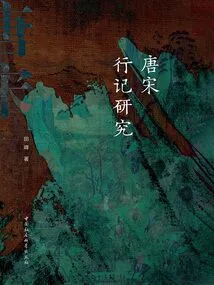
唐宋行记研究
Tian Feng
On the basis of combing the travel notes literature, this book mainly conducts an overall literary and ideological and cultural study of the travel notes of the Tang and Song Dynasties, focusing on the origin and development of the travel notes, the relationship between the travel notes and other literary styles, the cultural turn of the literati's travel notes, the concepts of Yixia in the travel notes of Jiaopin, and the monks' travel mentality reflected in the monks' travel notes. It strives to comprehensively explore the value and significance of the travel notes of the Tang and Song Dynasties from a macro perspective, and provide new ideas for the study of Tang and Song literature.
On the basis of combing the travel notes literature, this book mainly conducts an overall literary and ideological and cultural study of the travel notes of the Tang and Song Dynasties, focusing on the origin and development of the travel notes, the relationship between the travel notes and other literary styles, the cultural turn of the literati's travel notes, the concepts of Yixia in the travel notes of Jiaopin, and the monks' travel mentality reflected in the monks' travel notes. It strives to comprehensively explore the value and significance of the travel notes of the Tang and Song Dynasties from a macro perspective, and provide new ideas for the study of Tang and Song literature.
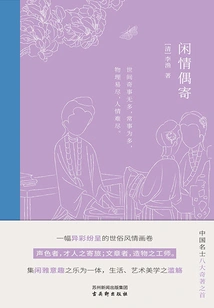
Occasionally Sending Leisurely Feelings
Literature闲情偶寄
Li Yu
"Xian Qing Ou Ji" is an all-encompassing book that talks about the Chinese art of life in detail. It is divided into eight parts including lyrics and music department, practice department and living room department. The lyrics and music department discusses the structure, rhythm, language and other issues of opera; the practice department mainly discusses opera singing techniques; and the living department introduces techniques such as building rockeries and walls. Other parts talk about diet, flower planting, health care and other issues. His discussion of music was compiled into a single line by later generations and titled "Li Liweng's Music Talk".
"Xian Qing Ou Ji" is an all-encompassing book that talks about the Chinese art of life in detail. It is divided into eight parts including lyrics and music department, practice department and living room department. The lyrics and music department discusses the structure, rhythm, language and other issues of opera; the practice department mainly discusses opera singing techniques; and the living department introduces techniques such as building rockeries and walls. Other parts talk about diet, flower planting, health care and other issues. His discussion of music was compiled into a single line by later generations and titled "Li Liweng's Music Talk".
小众文艺古书:佛国记
M
"Buddha's Country" is also known as "Faxian's Biography", "His Travels to Tianzhu", "The Former Taoist Faxian's Journey from Chang'an to the West to Tianzhu", "Shi Faxian's Journey to Tianzhu", "Historical Journeys to Tianzhu", etc. It is a travel note written by Faxian of the Eastern Jin Dynasty and was completed in the twelfth year of Yixi (416). This book is an important historical material for studying the transportation and history of China, India, Pakistan and other countries. The culture of the Western Regions and India that came with Buddhism has had a positive impact on Chinese culture in many aspects such as language, art, astronomy, medicine, etc. Maritime trade between China and India, Persia and other countries began as early as the Eastern Han Dynasty, but there are no specific records of sea breezes and ships in history books. The detailed description and systematic record of trade winds and ships in "Buddha Kingdom" became the earliest record in China. "Buddha Country" records the author's travel experiences from 399 to 413 AD. Its genre is a typical travelogue and it also belongs to the Buddhist topography genre. The book covers a vast area, covering the geography, transportation, religion, culture, products, customs, and even society and economy of about 30 countries in Central Asia, India, and Southeast Asia. It is the earliest record of land and sea transportation between China and India. It is the first complete travel record of Central Asia, India, and Southeast Asia in ancient China. It occupies an important position in the history of geography and navigation in China and South Asia.
"Buddha's Country" is also known as "Faxian's Biography", "His Travels to Tianzhu", "The Former Taoist Faxian's Journey from Chang'an to the West to Tianzhu", "Shi Faxian's Journey to Tianzhu", "Historical Journeys to Tianzhu", etc. It is a travel note written by Faxian of the Eastern Jin Dynasty and was completed in the twelfth year of Yixi (416). This book is an important historical material for studying the transportation and history of China, India, Pakistan and other countries. The culture of the Western Regions and India that came with Buddhism has had a positive impact on Chinese culture in many aspects such as language, art, astronomy, medicine, etc. Maritime trade between China and India, Persia and other countries began as early as the Eastern Han Dynasty, but there are no specific records of sea breezes and ships in history books. The detailed description and systematic record of trade winds and ships in "Buddha Kingdom" became the earliest record in China. "Buddha Country" records the author's travel experiences from 399 to 413 AD. Its genre is a typical travelogue and it also belongs to the Buddhist topography genre. The book covers a vast area, covering the geography, transportation, religion, culture, products, customs, and even society and economy of about 30 countries in Central Asia, India, and Southeast Asia. It is the earliest record of land and sea transportation between China and India. It is the first complete travel record of Central Asia, India, and Southeast Asia in ancient China. It occupies an important position in the history of geography and navigation in China and South Asia.
佛国记(文艺青年必读的小众古籍)
M
"Buddha's Country" is a documentary travelogue written by Faxian, a distinguished monk in the Eastern Jin Dynasty. It is also known as "Faxian's Biography" and so on. The book comprehensively records Fa Xian's journey from Chang'an to India to seek Dharma through hardships. It lasted 15 years and traveled to more than 30 countries. The book describes in detail the geography, transportation, religion, culture, customs, products, etc. Of the areas it passes through. It is an important historical material for studying the history, geography, religion, and culture of Central Asia, South Asia, and Southeast Asia in the early fifth century. At the same time, it also shows the spirit of Master Faxian who is not afraid of difficulties and eager to seek the Dharma. It is one of the oldest travel notes in China and even the world, and has extremely high historical and academic value.
"Buddha's Country" is a documentary travelogue written by Faxian, a distinguished monk in the Eastern Jin Dynasty. It is also known as "Faxian's Biography" and so on. The book comprehensively records Fa Xian's journey from Chang'an to India to seek Dharma through hardships. It lasted 15 years and traveled to more than 30 countries. The book describes in detail the geography, transportation, religion, culture, customs, products, etc. Of the areas it passes through. It is an important historical material for studying the history, geography, religion, and culture of Central Asia, South Asia, and Southeast Asia in the early fifth century. At the same time, it also shows the spirit of Master Faxian who is not afraid of difficulties and eager to seek the Dharma. It is one of the oldest travel notes in China and even the world, and has extremely high historical and academic value.
小众文艺古书:玉笑零音
Tian Yiheng
"Jade Smile Zero Sound" is an ancient book compiled by Tian Yiheng in the late Ming Dynasty. The content is extensive, covering many philosophical thoughts, historical stories, moral concepts and discussions of natural phenomena. The book shows the author's profound thoughts and unique insights into the world through rich metaphors, allusions and philosophies. Its writing style is beautiful and its language is refined. It not only inherits ancient wisdom, but also provides a profound analysis of the social phenomena at that time. It is a classic masterpiece that integrates knowledge, thought and literature.
"Jade Smile Zero Sound" is an ancient book compiled by Tian Yiheng in the late Ming Dynasty. The content is extensive, covering many philosophical thoughts, historical stories, moral concepts and discussions of natural phenomena. The book shows the author's profound thoughts and unique insights into the world through rich metaphors, allusions and philosophies. Its writing style is beautiful and its language is refined. It not only inherits ancient wisdom, but also provides a profound analysis of the social phenomena at that time. It is a classic masterpiece that integrates knowledge, thought and literature.
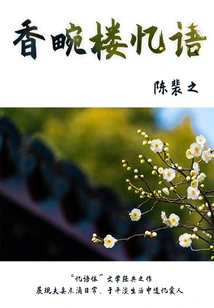
小众文艺古书:香畹楼忆语
Chen Peizhi
"Reminiscences of Xiangwanlou" is a memoir written by Chen Peizhi in the Qing Dynasty to commemorate his deceased concubine Wang Zilan (Ziji). It is also a classic of ancient Chinese "reminiscence style" literature. With clear writing and delicate narrative, the book lovingly recalls the love story between the author and Zi Ji and every detail of family life. The book not only inserts poems, lyrics, elegiac couplets and other literary forms, but also truly describes the collective image and tragic fate of Nanjing singing girls and prostitutes in the late Ming and early Qing dynasties. The text in the work is bright but not flashy, sad but not sad, and deeply touching. It has had a profound impact on later generations' literary creation and family life concepts.
"Reminiscences of Xiangwanlou" is a memoir written by Chen Peizhi in the Qing Dynasty to commemorate his deceased concubine Wang Zilan (Ziji). It is also a classic of ancient Chinese "reminiscence style" literature. With clear writing and delicate narrative, the book lovingly recalls the love story between the author and Zi Ji and every detail of family life. The book not only inserts poems, lyrics, elegiac couplets and other literary forms, but also truly describes the collective image and tragic fate of Nanjing singing girls and prostitutes in the late Ming and early Qing dynasties. The text in the work is bright but not flashy, sad but not sad, and deeply touching. It has had a profound impact on later generations' literary creation and family life concepts.
S
R
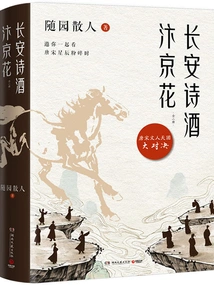
长安诗酒汴京花(全二册)
Suiyuan Sanren
Ancient style prose master Suiyuan Sanren's posthumous works are exposed, and they are "love letters" written to 40 literati of the Tang and Song Dynasties! From "When Cangyang Gyatso met Nalan Rongruo" to "Chang'an Poetry and Wine Bianjing Flowers", there is poetic romance on the high loess slopes. Who was the pinnacle of classical literature in the Tang and Song Dynasties? 20 Poets of the Tang Dynasty and 20 poets of the Song Dynasty, a great showdown between two great literati! The popular Chinese illustrator Bei Ce has contributed many exquisite illustrations, highlighting the time when the stars were shattered in the Tang and Song Dynasties! PK gene is implanted into the book structure, Li Bai PK Su Shi, Du Fu PK Xin Qiji... Who is the pinnacle of classical literature between the Tang Dynasty and the Yasong Dynasty? "Chang'an Poems, Wine and Bianjing Flowers" is a collection of prose by Tang and Song literati composed by Sui Yuansan during his lifetime. It consists of two volumes. Li Bai, Du Fu, Bai Juyi, Wang Wei and other Tang Dynasty literati competed with the Yasong literati such as Su Shi, Xin Qiji, Li Qingzhao, Lu You and others to compete for the pinnacle of Chinese classical literature. The author both compares and integrates the two literary peaks of the Tang and Song Dynasties, leading readers to experience the poems and wines of the Tang poets and the tragic and joyous lives of the Song poets, as well as the charm of the Tang and Song Dynasty cultural inheritance. Through the stories of the Tang and Song literati, they can see history, culture and tradition, and affirm the cultural confidence in the chanting and spreading of classics of our traditional culture.
Ancient style prose master Suiyuan Sanren's posthumous works are exposed, and they are "love letters" written to 40 literati of the Tang and Song Dynasties! From "When Cangyang Gyatso met Nalan Rongruo" to "Chang'an Poetry and Wine Bianjing Flowers", there is poetic romance on the high loess slopes. Who was the pinnacle of classical literature in the Tang and Song Dynasties? 20 Poets of the Tang Dynasty and 20 poets of the Song Dynasty, a great showdown between two great literati! The popular Chinese illustrator Bei Ce has contributed many exquisite illustrations, highlighting the time when the stars were shattered in the Tang and Song Dynasties! PK gene is implanted into the book structure, Li Bai PK Su Shi, Du Fu PK Xin Qiji... Who is the pinnacle of classical literature between the Tang Dynasty and the Yasong Dynasty? "Chang'an Poems, Wine and Bianjing Flowers" is a collection of prose by Tang and Song literati composed by Sui Yuansan during his lifetime. It consists of two volumes. Li Bai, Du Fu, Bai Juyi, Wang Wei and other Tang Dynasty literati competed with the Yasong literati such as Su Shi, Xin Qiji, Li Qingzhao, Lu You and others to compete for the pinnacle of Chinese classical literature. The author both compares and integrates the two literary peaks of the Tang and Song Dynasties, leading readers to experience the poems and wines of the Tang poets and the tragic and joyous lives of the Song poets, as well as the charm of the Tang and Song Dynasty cultural inheritance. Through the stories of the Tang and Song literati, they can see history, culture and tradition, and affirm the cultural confidence in the chanting and spreading of classics of our traditional culture.
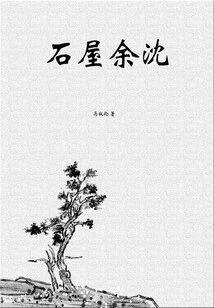
The Remains of the Stone House
Literature石屋余沈
Ma Xulun
The book "The Stone House Remains Sinking" records anecdotes since the late Qing Dynasty. It records some of Mr. Ma Xulun's personal experiences and insights, as well as his thoughts and comments on the social phenomena and cultural traditions of the time, such as the story of "Mr. Ma Soup", which shows the social customs and cultural atmosphere of the time.
The book "The Stone House Remains Sinking" records anecdotes since the late Qing Dynasty. It records some of Mr. Ma Xulun's personal experiences and insights, as well as his thoughts and comments on the social phenomena and cultural traditions of the time, such as the story of "Mr. Ma Soup", which shows the social customs and cultural atmosphere of the time.
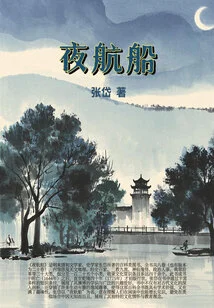
X
Literaturex
H
"Night Sailing" is an encyclopedia book written by Zhang Dai, a writer and historian in the late Ming and early Qing dynasties. The book covers astronomy and geography, hundreds of classics and history, three religions and nine streams, gods and ghosts, political personnel, and the evolution of laws and regulations. It contains more than 4,000 items of cultural common sense. This book was written after the fall of the Ming Dynasty (1644), and was not first published until the 40th year of Qianlong's reign (1775). Zhang Dai demonstrates his profound knowledge and wide range of interests through rich and diverse knowledge items in the book. The book not only contains an in-depth analysis of ancient culture, but also intersperses many vivid and interesting anecdotes, making this encyclopedia both academically valuable and full of interest. Zhang Dai named "Night Sailing Ship" to remind people that they can increase their knowledge in small talk and avoid making a fool of themselves due to ignorance in similar situations, showing his unique cultural sentiments and educational concepts.
"Night Sailing" is an encyclopedia book written by Zhang Dai, a writer and historian in the late Ming and early Qing dynasties. The book covers astronomy and geography, hundreds of classics and history, three religions and nine streams, gods and ghosts, political personnel, and the evolution of laws and regulations. It contains more than 4,000 items of cultural common sense. This book was written after the fall of the Ming Dynasty (1644), and was not first published until the 40th year of Qianlong's reign (1775). Zhang Dai demonstrates his profound knowledge and wide range of interests through rich and diverse knowledge items in the book. The book not only contains an in-depth analysis of ancient culture, but also intersperses many vivid and interesting anecdotes, making this encyclopedia both academically valuable and full of interest. Zhang Dai named "Night Sailing Ship" to remind people that they can increase their knowledge in small talk and avoid making a fool of themselves due to ignorance in similar situations, showing his unique cultural sentiments and educational concepts.
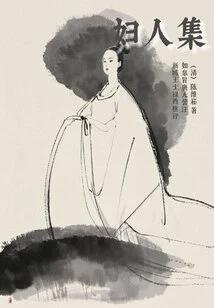
Women's Collection
Literature妇人集
(qing Dynasty) Chen Weisong
"Collection of Women" is a collection of works compiled by Qing Dynasty writer Chen Weisong. It mainly collects anecdotes and poems about women since the early Qing Dynasty. The book not only records the beautiful thoughts and noble conduct of many talented women, such as the story of Li Xiangjun rejecting Tian Yang and Ruan Dacheng, but also depicts the displacement of famous women in the late Ming and early Qing Dynasties, and expresses the thoughts of the survivors of the early Qing Dynasty about their homeland. In addition, the book also contains some works that express the pain of family and country, reflecting the social background during the revolution of Ming and Qing Dynasties. Overall, "Collection of Women" is an important reference for studying female literature and culture in the Qing Dynasty.
"Collection of Women" is a collection of works compiled by Qing Dynasty writer Chen Weisong. It mainly collects anecdotes and poems about women since the early Qing Dynasty. The book not only records the beautiful thoughts and noble conduct of many talented women, such as the story of Li Xiangjun rejecting Tian Yang and Ruan Dacheng, but also depicts the displacement of famous women in the late Ming and early Qing Dynasties, and expresses the thoughts of the survivors of the early Qing Dynasty about their homeland. In addition, the book also contains some works that express the pain of family and country, reflecting the social background during the revolution of Ming and Qing Dynasties. Overall, "Collection of Women" is an important reference for studying female literature and culture in the Qing Dynasty.
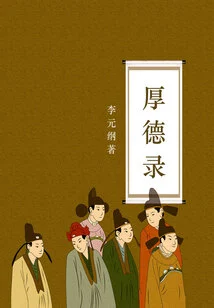
Houdelu
Literature厚德录
Li Yuangang
"Houde Lu" is an important classic in the Southern Song Dynasty. Xingwen priests in the Song Dynasty generally had high self-moral pursuits and a strong sense of social responsibility, and their novels often showed strong moral admonishment and punishment. "Houde Lu" was produced under this cultural background. The book extensively collects stories from the history books and novels of the Song Dynasty, focusing on the deeds of famous officials and ordinary scholars. It mainly compiles stories about the good governance and virtue of the scholar-bureaucrats in the Song Dynasty, and advocates the moral concept of kindness and benevolence. Its content covers many themes such as disaster relief, redressing injustices in prison, helping people in need, distinguishing between public and private, and repaying kindness and righteousness. These stories show examples of noble character and encourage people to follow their examples and strive to improve their own moral cultivation. "Houde Lu" not only had a profound impact on moral persuasion and punishment, but also had certain value in document collation, compilation and supplementing history, providing valuable information for future generations to study the history and culture of the Song Dynasty.
"Houde Lu" is an important classic in the Southern Song Dynasty. Xingwen priests in the Song Dynasty generally had high self-moral pursuits and a strong sense of social responsibility, and their novels often showed strong moral admonishment and punishment. "Houde Lu" was produced under this cultural background. The book extensively collects stories from the history books and novels of the Song Dynasty, focusing on the deeds of famous officials and ordinary scholars. It mainly compiles stories about the good governance and virtue of the scholar-bureaucrats in the Song Dynasty, and advocates the moral concept of kindness and benevolence. Its content covers many themes such as disaster relief, redressing injustices in prison, helping people in need, distinguishing between public and private, and repaying kindness and righteousness. These stories show examples of noble character and encourage people to follow their examples and strive to improve their own moral cultivation. "Houde Lu" not only had a profound impact on moral persuasion and punishment, but also had certain value in document collation, compilation and supplementing history, providing valuable information for future generations to study the history and culture of the Song Dynasty.
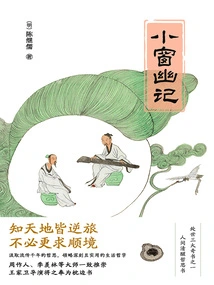
Notes on the Small Window
Literature小窗幽记
Chen Jiru
"Xiaochuang Youji" is a collection of essays compiled by Chen Jiru in the Ming Dynasty. The whole book seems to be a record of what you see, hear and think, but in fact it is a sorting out of inner feelings, writing all kinds of life, true feelings in the world and the true meaning of life. The whole book is divided into 12 volumes: Xing, Qing, Qiao, Ling, Su, Jing, Yun, Qi, Qi, Hao, Fa and Qian, which respectively explain the principles of human conduct from the perspectives of self-cultivation, life, study, and career. The content covers a wide range of topics, has profound meaning, and is very philosophical. It has been loved by readers for hundreds of years.
"Xiaochuang Youji" is a collection of essays compiled by Chen Jiru in the Ming Dynasty. The whole book seems to be a record of what you see, hear and think, but in fact it is a sorting out of inner feelings, writing all kinds of life, true feelings in the world and the true meaning of life. The whole book is divided into 12 volumes: Xing, Qing, Qiao, Ling, Su, Jing, Yun, Qi, Qi, Hao, Fa and Qian, which respectively explain the principles of human conduct from the perspectives of self-cultivation, life, study, and career. The content covers a wide range of topics, has profound meaning, and is very philosophical. It has been loved by readers for hundreds of years.
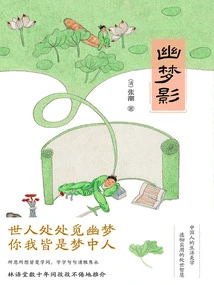
K
Literaturek
I
"The Shadow of Dreams" is a book of taste that awakens the aesthetic power. The book contains a total of 219 quotation-style essays, each with wonderful comments from the author's friends. Landscapes and gardens, scenery of the four seasons, poems and songs, calligraphy, painting and utensils... The world's leisurely taste, elegance, and wisdom in life are all included. The sentences are classic, short, concise, and thought-provoking. Open this book to discover the joy of life and comprehensively enhance your perception and aesthetic ability.
"The Shadow of Dreams" is a book of taste that awakens the aesthetic power. The book contains a total of 219 quotation-style essays, each with wonderful comments from the author's friends. Landscapes and gardens, scenery of the four seasons, poems and songs, calligraphy, painting and utensils... The world's leisurely taste, elegance, and wisdom in life are all included. The sentences are classic, short, concise, and thought-provoking. Open this book to discover the joy of life and comprehensively enhance your perception and aesthetic ability.
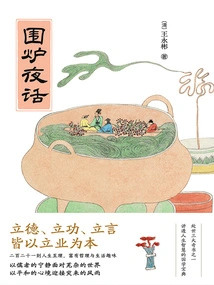
Night Talk Around the Fire
Literature围炉夜话
Wang Yongbin
"Night Talk around the Fire" is a book that exhorts the world. The diction of this book is simple and clear, the language is concise and comprehensive, and the emotions are sincere. It is like a respected elder and a group of juniors talking eloquently around the stove, savoring life, with profound artistic conception and quite inspiring. The book is divided into 221 chapters, which elaborate on the main purpose of settling down and establishing a life in the form of essays, covering many aspects of life, such as cultivating one's moral character, doing things for others, establishing oneself and establishing one's career, studying and determined, living in poverty, helping others, managing the family and educating children, being loyal, filial, and righteous, serving as an official and governing, etc. The main purpose of "establishing morality, meritorious service, and establishing words" reveals the profound connotation of the value of life.
"Night Talk around the Fire" is a book that exhorts the world. The diction of this book is simple and clear, the language is concise and comprehensive, and the emotions are sincere. It is like a respected elder and a group of juniors talking eloquently around the stove, savoring life, with profound artistic conception and quite inspiring. The book is divided into 221 chapters, which elaborate on the main purpose of settling down and establishing a life in the form of essays, covering many aspects of life, such as cultivating one's moral character, doing things for others, establishing oneself and establishing one's career, studying and determined, living in poverty, helping others, managing the family and educating children, being loyal, filial, and righteous, serving as an official and governing, etc. The main purpose of "establishing morality, meritorious service, and establishing words" reveals the profound connotation of the value of life.
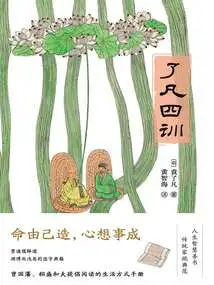
K
Literaturek
H
"Liaofan's Four Instructions" is a family motto left to his descendants by Yuan Liaofan, a thinker in the Ming Dynasty. It is based on a lifetime of knowledge, experience and insights, and earnestly teaches the principle of "my fate is determined by me and not by God", and expounds the way for individuals to cultivate themselves, discipline themselves, and settle down. Yuan Liaofan used his lifelong learning and integrated the thoughts of Confucianism, Buddhism, and Taoism to form a superb philosophy of life. He used his own experience from believing in fate to accumulating virtue to change fate to encourage people to work hard. It can be regarded as a timeless lifestyle manual.
"Liaofan's Four Instructions" is a family motto left to his descendants by Yuan Liaofan, a thinker in the Ming Dynasty. It is based on a lifetime of knowledge, experience and insights, and earnestly teaches the principle of "my fate is determined by me and not by God", and expounds the way for individuals to cultivate themselves, discipline themselves, and settle down. Yuan Liaofan used his lifelong learning and integrated the thoughts of Confucianism, Buddhism, and Taoism to form a superb philosophy of life. He used his own experience from believing in fate to accumulating virtue to change fate to encourage people to work hard. It can be regarded as a timeless lifestyle manual.
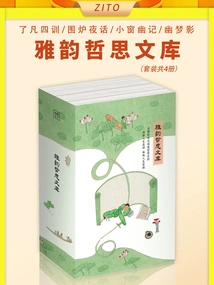
雅韵哲思文库:了凡四训+围炉夜话+小窗幽记+幽梦影(套装共4册)
(ming Dynasty) Yuan Liaofan (qing Dynasty) Wang Yongbin (ming Dynasty) Chen Jiru (qing Dynasty) Zhang Chao
In this fast-paced era, let us slow down and savor the "Ya Yun Philosophy Library" together, deeply explore the essence of Chinese philosophy of life, and perfectly integrate classical wisdom with modern life. Each page is a profound interpretation of Eastern wisdom, and each chapter is a delicate appreciation of human interaction. This set of "Ya Yun Philosophical Library" includes "Four Lessons from the World", "Secret Notes from a Small Window", "Night Talk Around the Fireplace" and "Shadow of Dreams". Each of the four classics starts from a different perspective and comprehensively demonstrates how to maintain one's inner peace in the fast-paced modern life. It is not only a collection of traditional philosophy of life, but also an essential guide for modern people to cultivate their mind and improve their realm.
In this fast-paced era, let us slow down and savor the "Ya Yun Philosophy Library" together, deeply explore the essence of Chinese philosophy of life, and perfectly integrate classical wisdom with modern life. Each page is a profound interpretation of Eastern wisdom, and each chapter is a delicate appreciation of human interaction. This set of "Ya Yun Philosophical Library" includes "Four Lessons from the World", "Secret Notes from a Small Window", "Night Talk Around the Fireplace" and "Shadow of Dreams". Each of the four classics starts from a different perspective and comprehensively demonstrates how to maintain one's inner peace in the fast-paced modern life. It is not only a collection of traditional philosophy of life, but also an essential guide for modern people to cultivate their mind and improve their realm.
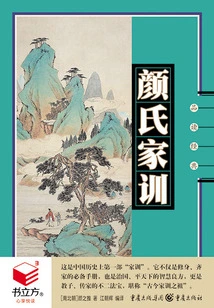
颜氏家训(品读经典)
(southern And Northern Dynasties) Written By Yan Zhidui And Compiled By Jiang Chaohui
"Yan Family Instructions" is a masterpiece handed down from generation to generation by Yan Zhitui, a Northern Qi writer in the Southern and Northern Dynasties. Yan Zhitui recorded his own experiences, thoughts, and knowledge in order to warn his descendants. The whole book is mainly about reasoning, explaining the profound things in simple terms, with short words and long meanings.
"Yan Family Instructions" is a masterpiece handed down from generation to generation by Yan Zhitui, a Northern Qi writer in the Southern and Northern Dynasties. Yan Zhitui recorded his own experiences, thoughts, and knowledge in order to warn his descendants. The whole book is mainly about reasoning, explaining the profound things in simple terms, with short words and long meanings.
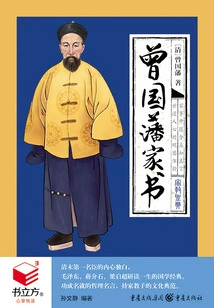
Zeng Guofan's Family Letters
Literature曾国藩家书
Compiled By Sun Wenjing
This book contains more than 50 representative family letters written by Zeng from his youth to his death. According to the content, it can be divided into chapters on self-cultivation, scholarship, family management, financial management, making friends, government, and employment. From these letters, we can get a glimpse of Zeng's behavior and thoughts throughout his life, and feel the political changes in the late Qing Dynasty and the feeling behind his success in his official career.
This book contains more than 50 representative family letters written by Zeng from his youth to his death. According to the content, it can be divided into chapters on self-cultivation, scholarship, family management, financial management, making friends, government, and employment. From these letters, we can get a glimpse of Zeng's behavior and thoughts throughout his life, and feel the political changes in the late Qing Dynasty and the feeling behind his success in his official career.
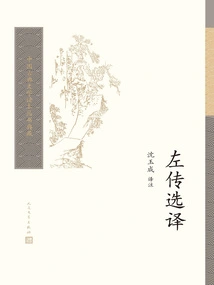
Selected Translations of Zuo Zhuan
Literature左传选译
Translation And Annotation By Shen Yucheng
"Zuo Zhuan" is the abbreviation of "Zuo Shi Zhuan" in the Spring and Autumn Period, also known as "Zuo Shi Chun Qiu", written by Zuo Qiuming. "Zuo Zhuan" is a work that explains the "Spring and Autumn". It uses examples to explain the calligraphy and subtle meanings of the "Spring and Autumn". However, it is also a chronicle of the Spring and Autumn Period that draws on historical books, archives and oral traditions. The records begin in the first year of Lu Yin (722 BC) and end in the 27th year of Lu Aigong (468 BC). "Zuo Zhuan" is very literary and is a representative work of pre-Qin historical biography prose. "Selected Translation of Zuo Zhuan" focuses on the literary value of the work. It selects more than a quarter of the essential chapters of the original book, translates them, and supplements them with annotations. The writing is smooth and suitable for general readers.
"Zuo Zhuan" is the abbreviation of "Zuo Shi Zhuan" in the Spring and Autumn Period, also known as "Zuo Shi Chun Qiu", written by Zuo Qiuming. "Zuo Zhuan" is a work that explains the "Spring and Autumn". It uses examples to explain the calligraphy and subtle meanings of the "Spring and Autumn". However, it is also a chronicle of the Spring and Autumn Period that draws on historical books, archives and oral traditions. The records begin in the first year of Lu Yin (722 BC) and end in the 27th year of Lu Aigong (468 BC). "Zuo Zhuan" is very literary and is a representative work of pre-Qin historical biography prose. "Selected Translation of Zuo Zhuan" focuses on the literary value of the work. It selects more than a quarter of the essential chapters of the original book, translates them, and supplements them with annotations. The writing is smooth and suitable for general readers.
浮生六记(彩绘本)
(qing Dynasty) Written By Shen Fu And Painted By Tan Fenghuan
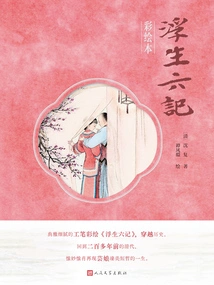
"Six Chapters of a Floating Life" is an autobiographical prose written by Shen Fu, a native of Changzhou (now Suzhou) in the Qing Dynasty, in the 13th year of Jiaqing (1808). The content takes the life of the author and his wife as the main line, describing the ordinary but interesting home life and what he saw and heard while traveling around the world. The text expresses one's own spirit and is informal, reflecting the elegant life taste of the ancients and the diverse aesthetic elements of traditional culture. It is still one of the popular books read by the public readers. This book consists of more than 50 pictures of "Six Chapters of a Floating Life" drawn by the well-known meticulous painter Tan Fenghuan, as well as the original text and vernacular translation, and is intended to be presented in the form of a drawing book. The drawings are exquisite and delicate, reproducing the rich details of ancient people's lives in the book. Together with the concise text, it will be a unique version of "Six Chapters of a Floating Life" with a comfortable reading experience.
"Six Chapters of a Floating Life" is an autobiographical prose written by Shen Fu, a native of Changzhou (now Suzhou) in the Qing Dynasty, in the 13th year of Jiaqing (1808). The content takes the life of the author and his wife as the main line, describing the ordinary but interesting home life and what he saw and heard while traveling around the world. The text expresses one's own spirit and is informal, reflecting the elegant life taste of the ancients and the diverse aesthetic elements of traditional culture. It is still one of the popular books read by the public readers. This book consists of more than 50 pictures of "Six Chapters of a Floating Life" drawn by the well-known meticulous painter Tan Fenghuan, as well as the original text and vernacular translation, and is intended to be presented in the form of a drawing book. The drawings are exquisite and delicate, reproducing the rich details of ancient people's lives in the book. Together with the concise text, it will be a unique version of "Six Chapters of a Floating Life" with a comfortable reading experience.
Youmengying
Literature幽梦影
(qing Dynasty) Written By Zhang Chao
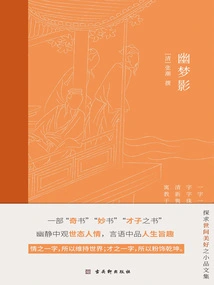
"You Mengying" is a collection of essay-style aphorisms. The book contains a total of 212 pieces of insights on life and appreciation of nature, and each essay is followed by concise comments from the author's friends. The content is rich and exciting, including poems and songs, music, chess, calligraphy and painting, mountains and gardens, scenery of the four seasons, flowers, plants, insects and fish... All the elegant and interesting things in life and the way of life are included. The language is elegant and fresh, and the writing is concise and smooth, showing the author's leisurely elegance.
"You Mengying" is a collection of essay-style aphorisms. The book contains a total of 212 pieces of insights on life and appreciation of nature, and each essay is followed by concise comments from the author's friends. The content is rich and exciting, including poems and songs, music, chess, calligraphy and painting, mountains and gardens, scenery of the four seasons, flowers, plants, insects and fish... All the elegant and interesting things in life and the way of life are included. The language is elegant and fresh, and the writing is concise and smooth, showing the author's leisurely elegance.
The Four Trainings of Liaofan
Literature了凡四训
(ming Dynasty) Yuan Liaofan
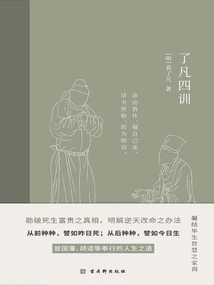
"Liao Fan's Four Precepts" is a family precept written by Yuan Liaofan, a thinker of the Ming Dynasty, who combined his personal experience and lifelong knowledge and cultivation to educate his children and grandchildren. It clarifies the idea of "making one's own destiny and seeking one's own blessings", and points out that all misfortunes and blessings are under one's own control. Doing good will accumulate blessings, and doing evil will bring disasters. This encourages the son to set up a good life, be cautious and independent, seek more blessings for himself, and avoid disasters. The book is composed of four parts, namely "the principles of establishing a destiny", "methods of correction", "methods of accumulating good deeds" and "the effect of modesty and virtue". The four articles are written independently, and the principles are consistent. Although the article is short in length, it contains profound theoretical connotations and fully reflects the truth, goodness and beauty of Chinese culture. Therefore, it has endured for hundreds of years and is happily recited by people from all walks of life. To this day, it is still a masterpiece that is popular and nourishes the body and mind.
"Liao Fan's Four Precepts" is a family precept written by Yuan Liaofan, a thinker of the Ming Dynasty, who combined his personal experience and lifelong knowledge and cultivation to educate his children and grandchildren. It clarifies the idea of "making one's own destiny and seeking one's own blessings", and points out that all misfortunes and blessings are under one's own control. Doing good will accumulate blessings, and doing evil will bring disasters. This encourages the son to set up a good life, be cautious and independent, seek more blessings for himself, and avoid disasters. The book is composed of four parts, namely "the principles of establishing a destiny", "methods of correction", "methods of accumulating good deeds" and "the effect of modesty and virtue". The four articles are written independently, and the principles are consistent. Although the article is short in length, it contains profound theoretical connotations and fully reflects the truth, goodness and beauty of Chinese culture. Therefore, it has endured for hundreds of years and is happily recited by people from all walks of life. To this day, it is still a masterpiece that is popular and nourishes the body and mind.
A
LiteratureA
J
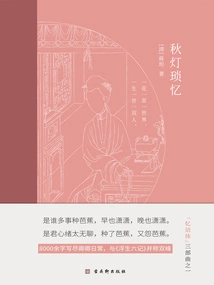
"Memories of Autumn Lanterns" is a collection of poetic prose written by Qiantang scholar Jiang Tan through his memories. It describes the daily life of him and his wife Guan Rong, which is full of talent, elegance and fun. The narration of the book is vivid and natural, the diction is elegant and clear, the emotions are sincere and touching.
"Memories of Autumn Lanterns" is a collection of poetic prose written by Qiantang scholar Jiang Tan through his memories. It describes the daily life of him and his wife Guan Rong, which is full of talent, elegance and fun. The narration of the book is vivid and natural, the diction is elegant and clear, the emotions are sincere and touching.
Y
Literaturey
G
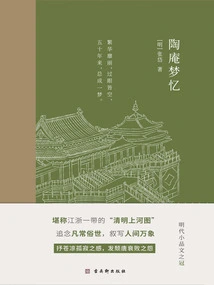
"Tao'an Dream Memories" consists of eight volumes with one hundred and twenty-three chapters. It expresses the author's deep attachment to his lost homeland and the passing years. The prose combines the strengths of both the Gong'an and Jingling schools. It expresses the true nature and has been widely circulated. It has had a positive influence on modern prose. The book also records some information on citizens' lives and folk arts.
"Tao'an Dream Memories" consists of eight volumes with one hundred and twenty-three chapters. It expresses the author's deep attachment to his lost homeland and the passing years. The prose combines the strengths of both the Gong'an and Jingling schools. It expresses the true nature and has been widely circulated. It has had a positive influence on modern prose. The book also records some information on citizens' lives and folk arts.
Think Tank
Literature智囊
M
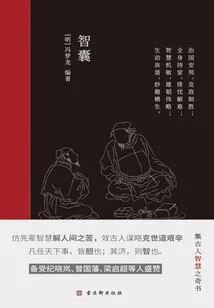
The book "Wisdom Tank" contains a total of more than a thousand stories about characters who coexisted wisdom and talent in the past dynasties from the pre-Qin Dynasty to the Ming Dynasty, divided into ten parts with a total of 28 sub-categories. The book includes the politicians' strategies for governing the country, the military strategies of military strategists, the household management methods of ordinary people, and the foresight of women and children. It shows the intelligence and wit of the ancients and is the crystallization of the wisdom of the Chinese nation.
The book "Wisdom Tank" contains a total of more than a thousand stories about characters who coexisted wisdom and talent in the past dynasties from the pre-Qin Dynasty to the Ming Dynasty, divided into ten parts with a total of 28 sub-categories. The book includes the politicians' strategies for governing the country, the military strategies of military strategists, the household management methods of ordinary people, and the foresight of women and children. It shows the intelligence and wit of the ancients and is the crystallization of the wisdom of the Chinese nation.
金楼子:才子皇帝的经典文献
Xiao Yi
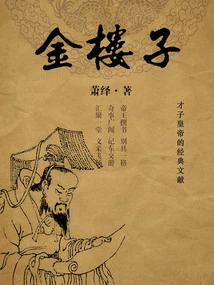
"Jinlouzi" is an important book in the Southern and Northern Dynasties. It is one of the rare direct materials for studying Xiao Yi's thoughts, life, writings and the social history of Qi and Liang, who lived on the eve of the great cultural exchange between the north and the south and the Chinese and foreign cultures, and the great integration of the north and south ethnic groups. "Jinlouzi" generally takes the form of notes and reflections, or quotes famous quotes to form sentences and adds one's own opinions at the end; it may use topics to illustrate one's own thoughts; it may record historical facts to admonish children; it may recount past events and talk about them for comfort; it may change one's mind to strange things in order to learn more about them; or it may record travels to the East to recount friendships, etc.
"Jinlouzi" is an important book in the Southern and Northern Dynasties. It is one of the rare direct materials for studying Xiao Yi's thoughts, life, writings and the social history of Qi and Liang, who lived on the eve of the great cultural exchange between the north and the south and the Chinese and foreign cultures, and the great integration of the north and south ethnic groups. "Jinlouzi" generally takes the form of notes and reflections, or quotes famous quotes to form sentences and adds one's own opinions at the end; it may use topics to illustrate one's own thoughts; it may record historical facts to admonish children; it may recount past events and talk about them for comfort; it may change one's mind to strange things in order to learn more about them; or it may record travels to the East to recount friendships, etc.
唐宋八大家文选
Selected Notes By Deng Zimian
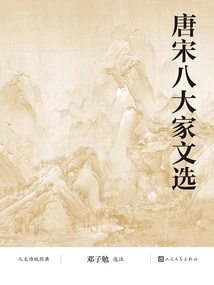
The Eight Great Essayists of the Tang and Song Dynasties, that is, the eight major essayists of the Tang and Song Dynasties, include Han Yu and Liu Zongyuan of the Tang Dynasty, and Su Xun, Su Shi, Su Che, Wang Anshi, Zeng Gong, and Ouyang Xiu of the Song Dynasty. They used loose sentences to express freely, injecting fresh air into the dull and rigid literary world dominated by parallel prose, and expressed their strong personalities. In their respective eras, the literary world took on a completely new look. In the Ming Dynasty, the articles of eight schools were selected and commended. Later generations of ancient writers respected them, and many people studied and imitated them, which had a great influence. This book selects 121 quintessential articles from the Eight Great Masters of the Tang and Song Dynasties, with brief annotations and precise comments to provide contemporary readers with a trustworthy, readable, exquisite and appreciable version.
The Eight Great Essayists of the Tang and Song Dynasties, that is, the eight major essayists of the Tang and Song Dynasties, include Han Yu and Liu Zongyuan of the Tang Dynasty, and Su Xun, Su Shi, Su Che, Wang Anshi, Zeng Gong, and Ouyang Xiu of the Song Dynasty. They used loose sentences to express freely, injecting fresh air into the dull and rigid literary world dominated by parallel prose, and expressed their strong personalities. In their respective eras, the literary world took on a completely new look. In the Ming Dynasty, the articles of eight schools were selected and commended. Later generations of ancient writers respected them, and many people studied and imitated them, which had a great influence. This book selects 121 quintessential articles from the Eight Great Masters of the Tang and Song Dynasties, with brief annotations and precise comments to provide contemporary readers with a trustworthy, readable, exquisite and appreciable version.
Xu Xiake's Travel Notes
Literature徐霞客游记
Selected Notes By Liu Huru And Edited By Yue Haiyan
Xu Xiake, a traveler, writer, and geographer in the late Ming Dynasty, gave up his scientific career and devoted his life to exploring famous mountains and rivers and inspecting geographical features. His footprints spanned most of China, and he meticulously recorded what he saw, heard, and felt along the way, which became "Xu Xiake's Travels." This is a grand work with literary, historical and geographical value, with more than 600,000 words in existence. The annotator, Liu Huru, based on the principle of "appreciation and textual research", selected the articles that Xu Xiake wrote in his early travels that described the scenery in detail and thus aroused readers' interest, and the articles that Xu Xiake wrote during his later travels that focused on textual research and therefore had geographical value. On this basis, he refined and annotated the works. The annotations in the anthology are rich in content, focusing not only on the interpretation of the pronunciation and meaning of the words, but also on the detailed explanation of the anecdotes of the characters, with many quotations. At the same time, it is accompanied by a "Preface" written by Liu Huru, which introduces Xu Xiake's life and family in detail, analyzes his geographical discoveries, and lists the catalog of Xu Xiake's works, which is helpful for readers to read the book and study Xu Xiake. This new edition inherits the selection, consults relevant literature, revise the original text and annotations, and analyzes the characteristics of "Xu Xiake's Travels" in literature, geography and other aspects in the "Introduction to the New Edition", hoping to be helpful to readers in reading this book.
Xu Xiake, a traveler, writer, and geographer in the late Ming Dynasty, gave up his scientific career and devoted his life to exploring famous mountains and rivers and inspecting geographical features. His footprints spanned most of China, and he meticulously recorded what he saw, heard, and felt along the way, which became "Xu Xiake's Travels." This is a grand work with literary, historical and geographical value, with more than 600,000 words in existence. The annotator, Liu Huru, based on the principle of "appreciation and textual research", selected the articles that Xu Xiake wrote in his early travels that described the scenery in detail and thus aroused readers' interest, and the articles that Xu Xiake wrote during his later travels that focused on textual research and therefore had geographical value. On this basis, he refined and annotated the works. The annotations in the anthology are rich in content, focusing not only on the interpretation of the pronunciation and meaning of the words, but also on the detailed explanation of the anecdotes of the characters, with many quotations. At the same time, it is accompanied by a "Preface" written by Liu Huru, which introduces Xu Xiake's life and family in detail, analyzes his geographical discoveries, and lists the catalog of Xu Xiake's works, which is helpful for readers to read the book and study Xu Xiake. This new edition inherits the selection, consults relevant literature, revise the original text and annotations, and analyzes the characteristics of "Xu Xiake's Travels" in literature, geography and other aspects in the "Introduction to the New Edition", hoping to be helpful to readers in reading this book.
智囊:白话精选本
(ming) Feng Menglong
This book is a vernacular selection of "The Think Tank". "Think Tank" is another masterpiece of Feng Menglong besides "Three Words". The book collects more than a thousand wisdom stories from the pre-Qin Dynasty to the Ming Dynasty, ranging from the outlines of the classics to the wisdom of ordinary people. All parts are divided into categories, and each article has comments. It can be called an encyclopedia of Chinese wisdom. "Wisdom Tank" became very popular and highly praised as soon as it came out, and has been a best-seller for four hundred years. In today's society with fierce competition and full of challenges, "Think Tank" is still of great reference significance. It can inspire us to get rid of the confusion, troubles and workplace difficulties in life, and make us enlightened and smile.
This book is a vernacular selection of "The Think Tank". "Think Tank" is another masterpiece of Feng Menglong besides "Three Words". The book collects more than a thousand wisdom stories from the pre-Qin Dynasty to the Ming Dynasty, ranging from the outlines of the classics to the wisdom of ordinary people. All parts are divided into categories, and each article has comments. It can be called an encyclopedia of Chinese wisdom. "Wisdom Tank" became very popular and highly praised as soon as it came out, and has been a best-seller for four hundred years. In today's society with fierce competition and full of challenges, "Think Tank" is still of great reference significance. It can inspire us to get rid of the confusion, troubles and workplace difficulties in life, and make us enlightened and smile.
Classics Series: Cai Gen Tan
Literature经典名著丛书:菜根谭
Hong Yingming
"Cai Gen Tan" is a collection of aphorism-style sketches mainly focusing on life thoughts. It adopts the quotation style and combines the Confucian doctrine of the mean and the Buddhist philosophy of life and life. From a structural point of view, "Cai Gen Tan" has beautiful words, neat contrasts, far-reaching meanings and is thought-provoking. It is a popular reading that is helpful for people to cultivate their sentiments, temper their will and strive for progress. The author named this book after "Cai Gen", which means "human intelligence and cultivation can only be obtained through hard training." As the saying goes, "If you bite the root of the vegetable, you can do everything."
"Cai Gen Tan" is a collection of aphorism-style sketches mainly focusing on life thoughts. It adopts the quotation style and combines the Confucian doctrine of the mean and the Buddhist philosophy of life and life. From a structural point of view, "Cai Gen Tan" has beautiful words, neat contrasts, far-reaching meanings and is thought-provoking. It is a popular reading that is helpful for people to cultivate their sentiments, temper their will and strive for progress. The author named this book after "Cai Gen", which means "human intelligence and cultivation can only be obtained through hard training." As the saying goes, "If you bite the root of the vegetable, you can do everything."
A Complete Guide to Moaning Language
Literature呻吟语全鉴
(ming Dynasty) Written By Lu Kun And Interpreted By Zhou Yongan And Others
"Moaning Language" is a collection of quotations and proverbs written by the famous scholar Lv Kun (1536-1618) in the late Ming Dynasty. It was published in 1593 (the 21st year of Wanli in the Ming Dynasty), when Lv Kun was the governor of Taiyuan, Shanxi. "Moaning Language" is a work written by Lu Kunji for thirty years. He said in the original preface: "Moaning is the sound of illness, and moaning is the language of pain during illness." Therefore, it is named after "Moaning Language". The book is divided into six volumes. The first three volumes are internal chapters and the last three volumes are external chapters. There are about hundreds of quotations and notes with profound meaning and philosophy. "Moaning Language" is Lu Kun's masterpiece. The book is based on Confucianism and actively applies to the world. It is about governing the country and self-cultivation, and dealing with things in response to things. It is concise and comprehensive, insightful and subtle, and has a great influence. Yin Huiyi said: "The physics of human emotions and the analysis of internal and external public and private affairs are so painful that they make people think deeply at the moment. They ridicule the magic needle for bone-piercing and the bitter taste of medicine." Shen Hanguang said: "You must read it often." Some modern scholars praised it as: "A rare guide book in ancient and modern times for self-cultivation, family management, country governance and world peace."
"Moaning Language" is a collection of quotations and proverbs written by the famous scholar Lv Kun (1536-1618) in the late Ming Dynasty. It was published in 1593 (the 21st year of Wanli in the Ming Dynasty), when Lv Kun was the governor of Taiyuan, Shanxi. "Moaning Language" is a work written by Lu Kunji for thirty years. He said in the original preface: "Moaning is the sound of illness, and moaning is the language of pain during illness." Therefore, it is named after "Moaning Language". The book is divided into six volumes. The first three volumes are internal chapters and the last three volumes are external chapters. There are about hundreds of quotations and notes with profound meaning and philosophy. "Moaning Language" is Lu Kun's masterpiece. The book is based on Confucianism and actively applies to the world. It is about governing the country and self-cultivation, and dealing with things in response to things. It is concise and comprehensive, insightful and subtle, and has a great influence. Yin Huiyi said: "The physics of human emotions and the analysis of internal and external public and private affairs are so painful that they make people think deeply at the moment. They ridicule the magic needle for bone-piercing and the bitter taste of medicine." Shen Hanguang said: "You must read it often." Some modern scholars praised it as: "A rare guide book in ancient and modern times for self-cultivation, family management, country governance and world peace."
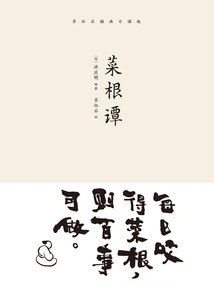
Cai Gentan
Literature菜根谭
(ming Dynasty) Compiled By Hong Yingming And Painted By Qi Baishi
"Cai Gen Tan", also known as "Cultivation of Life", is one of the "Three Wonderful Books on Life". It combines the spiritual connotation of Confucianism, Buddhism and Taoism, summarizes the life experience of predecessors, and imparts philosophical wisdom in all aspects of self-cultivation, life, dealing with others, and dealing with things. It can answer all kinds of confusions and questions in your life: What should you do if you are wronged? What measures should be taken when making friends? How to resolve family conflicts? What does it take to be a good leader? How to make a wise choice at the crossroads of life?
"Cai Gen Tan", also known as "Cultivation of Life", is one of the "Three Wonderful Books on Life". It combines the spiritual connotation of Confucianism, Buddhism and Taoism, summarizes the life experience of predecessors, and imparts philosophical wisdom in all aspects of self-cultivation, life, dealing with others, and dealing with things. It can answer all kinds of confusions and questions in your life: What should you do if you are wronged? What measures should be taken when making friends? How to resolve family conflicts? What does it take to be a good leader? How to make a wise choice at the crossroads of life?