Library
Browse and search books
1,508 novels found
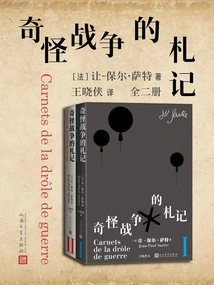
Notes of a Strange War (Two Volumes)
Literature奇怪战争的札记(全二册)
(france) Jean-paul Sartre
"Notes on a Strange War" was written by Sartre on the eve of World War II. At that time, Sartre was drafted into the army and came to a school in Alsace. He raced against time to record his thoughts, feelings, thoughts, ideas, and memories. He wrote non-stop from morning to night. He himself said that he kept writing from dawn to night, even going to cafes and going to mass. Sartre said: "Even in the midst of battle, I would sit down suddenly because I immediately wanted to write down what I felt and saw." These notebooks are extremely valuable for studying the formation of Sartre's thoughts, because they record Sartre's views on Heidegger, Nizen, his childhood, the system of existence, Flaubert, etc. The notes also record Sartre's ideological activities at that time, such as "waking up in the middle of the night and thinking about issues of will" and "discovering a theory of time." Researchers believe that the greatest value of these notes is that they show that Sartre found himself in a special environment and bid farewell to the Sartre of the past.
"Notes on a Strange War" was written by Sartre on the eve of World War II. At that time, Sartre was drafted into the army and came to a school in Alsace. He raced against time to record his thoughts, feelings, thoughts, ideas, and memories. He wrote non-stop from morning to night. He himself said that he kept writing from dawn to night, even going to cafes and going to mass. Sartre said: "Even in the midst of battle, I would sit down suddenly because I immediately wanted to write down what I felt and saw." These notebooks are extremely valuable for studying the formation of Sartre's thoughts, because they record Sartre's views on Heidegger, Nizen, his childhood, the system of existence, Flaubert, etc. The notes also record Sartre's ideological activities at that time, such as "waking up in the middle of the night and thinking about issues of will" and "discovering a theory of time." Researchers believe that the greatest value of these notes is that they show that Sartre found himself in a special environment and bid farewell to the Sartre of the past.
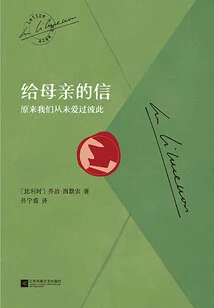
给母亲的信:原来我们从未爱过彼此
(than) George Simenon
Three years after his mother's death, his elderly son wrote this letter that was never sent. Looking back at the distance between them, he asked: "Why did we never fall in love when you were alive?" It was not an accusation or a confession, but a hope to make up for the regret of a lifetime of silence. It invites us to dive into the depths of memory to accomplish that most difficult and necessary thing-understanding the person we thought we knew best. When we understand that "mother" is no longer a role, but a woman who has experienced pain, obsession, pride and longing, children finally understand that there is always a life that she has not spoken about between us and our mother. This book is dedicated to the mother whom we all deeply misunderstood but loved deeply.
Three years after his mother's death, his elderly son wrote this letter that was never sent. Looking back at the distance between them, he asked: "Why did we never fall in love when you were alive?" It was not an accusation or a confession, but a hope to make up for the regret of a lifetime of silence. It invites us to dive into the depths of memory to accomplish that most difficult and necessary thing-understanding the person we thought we knew best. When we understand that "mother" is no longer a role, but a woman who has experienced pain, obsession, pride and longing, children finally understand that there is always a life that she has not spoken about between us and our mother. This book is dedicated to the mother whom we all deeply misunderstood but loved deeply.
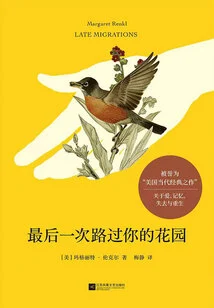
Passing by Your Garden for the Last Time
Literature最后一次路过你的花园
(us) Margaret Renkel
[People magazine hailed it as an "American contemporary classic", and the Chinese version introduced it for the first time as recommended by The New York Times Book Review, The Wall Street Journal, People, Publishers Weekly, and The Oprah Magazine] Gardens are memory, life, and a place where people leave and return. "Even in life's most difficult moments, there are reasons to hope and celebrate" About Love, Memory, Loss and Rebirth Margaret strolled through, planting milkweed leaves, just waiting for the arrival of the long-migratory monarch butterflies. Creatures appeared among the blades of grass, and birds flew over the garden. The lights in the room come on at dusk and the stories of generations have not been forgotten. She watched bluebirds nest in nest boxes, breed, and then leave. During the cycle of four seasons, she slowly understood: the changes in the human world are just like the cycle of life in nature. And all worries will continue in another way in this garden.
[People magazine hailed it as an "American contemporary classic", and the Chinese version introduced it for the first time as recommended by The New York Times Book Review, The Wall Street Journal, People, Publishers Weekly, and The Oprah Magazine] Gardens are memory, life, and a place where people leave and return. "Even in life's most difficult moments, there are reasons to hope and celebrate" About Love, Memory, Loss and Rebirth Margaret strolled through, planting milkweed leaves, just waiting for the arrival of the long-migratory monarch butterflies. Creatures appeared among the blades of grass, and birds flew over the garden. The lights in the room come on at dusk and the stories of generations have not been forgotten. She watched bluebirds nest in nest boxes, breed, and then leave. During the cycle of four seasons, she slowly understood: the changes in the human world are just like the cycle of life in nature. And all worries will continue in another way in this garden.
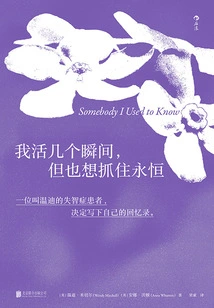
我活几个瞬间,但也想抓住永恒
(uk) Wendy Mitchell Anna Wharton
Perhaps even the bravest people don't want to hear bad news. After all, many difficulties are not meant to be overcome. And our story begins with bad news and an insurmountable difficulty. One day, Wendy fell while running. Everyone, including the doctors, thought this was just a minor accident, and no one would have imagined that dementia would be waiting for her in the end. She began to forget many people and things, encountered various difficulties, and gradually accepted the reality that "the past cannot be traced back", and decided to use the gradually lost memories to write down her memories. Perhaps when imagining a desperate situation, we will say to ourselves "I must..." "I will never..." But by then, the human state is more specific and complex. As we see in Wendy, she is a declining patient and a mother who is eager to protect her daughter from the wind and rain at the last moment; she is depressed by her deteriorating body, but also happy to be able to experience the beauty of her first meeting again; she has had innocent times, and she has also had her prime years... She seems to have found an invisible needle, stitching together the past and present moments. To disease, to life, to the past and the future, to the moment and eternity. This book is written for everyone who has experienced or is facing changes. After reading, we will all find that no matter whether the future goes smoothly or not, many worries can no longer shake us; no matter when, people can always believe in their own vitality.
Perhaps even the bravest people don't want to hear bad news. After all, many difficulties are not meant to be overcome. And our story begins with bad news and an insurmountable difficulty. One day, Wendy fell while running. Everyone, including the doctors, thought this was just a minor accident, and no one would have imagined that dementia would be waiting for her in the end. She began to forget many people and things, encountered various difficulties, and gradually accepted the reality that "the past cannot be traced back", and decided to use the gradually lost memories to write down her memories. Perhaps when imagining a desperate situation, we will say to ourselves "I must..." "I will never..." But by then, the human state is more specific and complex. As we see in Wendy, she is a declining patient and a mother who is eager to protect her daughter from the wind and rain at the last moment; she is depressed by her deteriorating body, but also happy to be able to experience the beauty of her first meeting again; she has had innocent times, and she has also had her prime years... She seems to have found an invisible needle, stitching together the past and present moments. To disease, to life, to the past and the future, to the moment and eternity. This book is written for everyone who has experienced or is facing changes. After reading, we will all find that no matter whether the future goes smoothly or not, many worries can no longer shake us; no matter when, people can always believe in their own vitality.
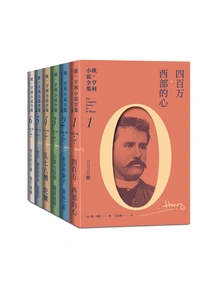
欧·亨利小说全集(全6册)
H
O. Henry was a famous American short story writer at the end of the 19th century and the beginning of the 20th century. He is known as one of the "three great short story masters in the world" together with France's Maupassant and Russia's Chekhov. He created a novel and nearly 300 short stories in total, with exquisite conception and unique style, expressing the lives of the middle and lower class people in the United States, with humorous language and unexpected endings. Mr. Wang Yongnian spent ten years translating the complete works of O. Henry's novels. The translation style is smooth and expressive, and perfectly conveys O. Henry's humor. It can be called a treasure in the history of literary translation.
O. Henry was a famous American short story writer at the end of the 19th century and the beginning of the 20th century. He is known as one of the "three great short story masters in the world" together with France's Maupassant and Russia's Chekhov. He created a novel and nearly 300 short stories in total, with exquisite conception and unique style, expressing the lives of the middle and lower class people in the United States, with humorous language and unexpected endings. Mr. Wang Yongnian spent ten years translating the complete works of O. Henry's novels. The translation style is smooth and expressive, and perfectly conveys O. Henry's humor. It can be called a treasure in the history of literary translation.
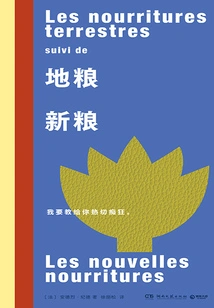
Ground Grain·new Grain
Literature地粮·新粮
(france) André Gide
An epoch-making classic by Gide, winner of the Nobel Prize for Literature and "the great rebel in the literary world of the 20th century". The twenty-eight-year-old Gide was greatly shocked when he traveled to North Africa, Italy, Spain and southern France. He deeply felt that everything he knew before was just a shackles of the soul, so he wrote "Food of the Earth" feverishly, trying to break away from the mental prison and break the overcorrected and unrealistic writing style at that time. His thoughts are frank and unrestrained, defying tradition, praising life and nature, and praising desire and love. Many years later, the sixty-six-year-old Gide, after experiencing the torment of love and separation, life and death, once again entered the ideological realm that was deeply shocked at that time, and tried to write "New Food" in response to his works. Find food for your soul and decide for yourself how to live your life? I always hold out hope for the new light until the end of the night; I have not yet looked forward to the light, but I am still looking forward to it; I know where the morning light will appear. There is no doubt that the whole people are making preparations; from the top of the tower, I can already hear the noise in the market place. Dawn is coming! The jubilant people have already stepped forward to welcome the rising sun.
An epoch-making classic by Gide, winner of the Nobel Prize for Literature and "the great rebel in the literary world of the 20th century". The twenty-eight-year-old Gide was greatly shocked when he traveled to North Africa, Italy, Spain and southern France. He deeply felt that everything he knew before was just a shackles of the soul, so he wrote "Food of the Earth" feverishly, trying to break away from the mental prison and break the overcorrected and unrealistic writing style at that time. His thoughts are frank and unrestrained, defying tradition, praising life and nature, and praising desire and love. Many years later, the sixty-six-year-old Gide, after experiencing the torment of love and separation, life and death, once again entered the ideological realm that was deeply shocked at that time, and tried to write "New Food" in response to his works. Find food for your soul and decide for yourself how to live your life? I always hold out hope for the new light until the end of the night; I have not yet looked forward to the light, but I am still looking forward to it; I know where the morning light will appear. There is no doubt that the whole people are making preparations; from the top of the tower, I can already hear the noise in the market place. Dawn is coming! The jubilant people have already stepped forward to welcome the rising sun.
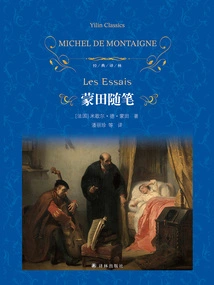
Montaigne's Essays (classic Translation)
Literature蒙田随笔(经典译林)
H
The chapters in "Montaigne's Essays" vary in length and have a clear and natural structure. With his special keen perception, Montaigne recorded his intellectual and spiritual development, leaving extremely precious spiritual wealth for future generations. For more than four hundred years, history has proven that Montaigne is an immortal figure like Bacon, Shakespeare and other great writers. His works are an analysis of various ideological trends and knowledge in the sixteenth century. They are known as the "philosophy of life". They occupy an important position in the history of French prose and are the first of essay-type works.
The chapters in "Montaigne's Essays" vary in length and have a clear and natural structure. With his special keen perception, Montaigne recorded his intellectual and spiritual development, leaving extremely precious spiritual wealth for future generations. For more than four hundred years, history has proven that Montaigne is an immortal figure like Bacon, Shakespeare and other great writers. His works are an analysis of various ideological trends and knowledge in the sixteenth century. They are known as the "philosophy of life". They occupy an important position in the history of French prose and are the first of essay-type works.

Clarkson's Farm 4: Reap Your Own Fruit
Literature克拉克森的农场4:自食其果
J
Welcome back to Clarkson's Farm. The spring barley harvest failed, and the oats turned from green to yellow-and died-during Clarkson's trip to the bar. Slaughterhouses are closed. There is no place to raise pigs but no place to kill them. Costs have soared. The cows and sheep were still running around all day long, and he was so angry that he almost wanted to raise ostriches! Don't worry, at Clarkson's Farm, ideas come as fast as beer. In the new year, the "British Idea King" will use wood to make cricket bats and walking sticks, and he is planning to enter the wood processing industry. He was brave enough to have a lot of money, and even when more than a thousand bars closed down every year, he bought one to satisfy himself. Milk and beef are unprofitable, so how about using healing as a gimmick and setting up a fee-based program for city dwellers to embrace cows? ... "The first year I farmed, I made 114 pounds. When I came up with this year's numbers, 114 looked like a dream." Faced with land that is dryer than granite, outrageous new regulations that only care about zero-emission targets regardless of farmers' lives, and bastards who secretly dump mountains of garbage into the fields at night, Clarkson complained with all his strength while swearing and persisting in farming. After all, no man can resist the temptation of a tractor, let alone a Lamborghini!
Welcome back to Clarkson's Farm. The spring barley harvest failed, and the oats turned from green to yellow-and died-during Clarkson's trip to the bar. Slaughterhouses are closed. There is no place to raise pigs but no place to kill them. Costs have soared. The cows and sheep were still running around all day long, and he was so angry that he almost wanted to raise ostriches! Don't worry, at Clarkson's Farm, ideas come as fast as beer. In the new year, the "British Idea King" will use wood to make cricket bats and walking sticks, and he is planning to enter the wood processing industry. He was brave enough to have a lot of money, and even when more than a thousand bars closed down every year, he bought one to satisfy himself. Milk and beef are unprofitable, so how about using healing as a gimmick and setting up a fee-based program for city dwellers to embrace cows? ... "The first year I farmed, I made 114 pounds. When I came up with this year's numbers, 114 looked like a dream." Faced with land that is dryer than granite, outrageous new regulations that only care about zero-emission targets regardless of farmers' lives, and bastards who secretly dump mountains of garbage into the fields at night, Clarkson complained with all his strength while swearing and persisting in farming. After all, no man can resist the temptation of a tractor, let alone a Lamborghini!
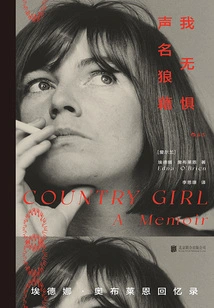
我无惧声名狼藉:埃德娜·奥布莱恩回忆录
(ireland) Edna O'brien
When my body decays like a broken piano, I will still remember the many gifts of life. I was born into a declining rural family in Ireland. His father was violent and alcoholic, while his mother was patient and tenacious - like most women of that era. As a child, I loved writing outdoors and escaping with words. Later, I was sent to a monastery, but I longed for a more "sinful" life. After running away from Dublin and moving to London with my husband, I finally found the freedom to write. But my literary ambitions were thwarted by him and not forgiven by my mother. My books were burned, the phantom of love was shattered, my marriage collapsed, I fought for custody, and became a single mother... Along the way, I also met Samuel Beckett, Jacqueline... The world was vast, and I found my voice. This life is full of extreme joy and sorrow, success and failure, fame and killing. I know that this is the secret of writing: it comes from suffering, from times that are torn apart, moments when the heart is cut open. I know that the joy of life is always short. We are all on the road, going somewhere else, spiraling up, up.
When my body decays like a broken piano, I will still remember the many gifts of life. I was born into a declining rural family in Ireland. His father was violent and alcoholic, while his mother was patient and tenacious - like most women of that era. As a child, I loved writing outdoors and escaping with words. Later, I was sent to a monastery, but I longed for a more "sinful" life. After running away from Dublin and moving to London with my husband, I finally found the freedom to write. But my literary ambitions were thwarted by him and not forgiven by my mother. My books were burned, the phantom of love was shattered, my marriage collapsed, I fought for custody, and became a single mother... Along the way, I also met Samuel Beckett, Jacqueline... The world was vast, and I found my voice. This life is full of extreme joy and sorrow, success and failure, fame and killing. I know that this is the secret of writing: it comes from suffering, from times that are torn apart, moments when the heart is cut open. I know that the joy of life is always short. We are all on the road, going somewhere else, spiraling up, up.
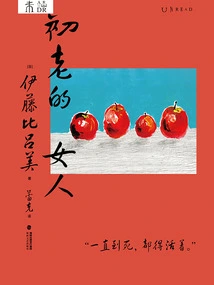
Young Old Woman
Literature初老的女人
J
Living alone since the age of 62. One person, one dog, and many potted plants travel back and forth between Tokyo and Kumamoto once a week, their aging bodies screaming. After sending away her parents and husband, the 62-year-old Ito left the United States with her puppy Kramer, returned to Japan, and started living alone as a "young old girl." What new stories will happen in a familiar yet unfamiliar homeland? Ito writes with sensitivity and candor about the physical and mental changes of a woman as she ages, as well as the freedom and loneliness of a person's life. In the constant separation, we face the desolation of life. "Now that I don't have a single family member around me, I'm really free."
Living alone since the age of 62. One person, one dog, and many potted plants travel back and forth between Tokyo and Kumamoto once a week, their aging bodies screaming. After sending away her parents and husband, the 62-year-old Ito left the United States with her puppy Kramer, returned to Japan, and started living alone as a "young old girl." What new stories will happen in a familiar yet unfamiliar homeland? Ito writes with sensitivity and candor about the physical and mental changes of a woman as she ages, as well as the freedom and loneliness of a person's life. In the constant separation, we face the desolation of life. "Now that I don't have a single family member around me, I'm really free."
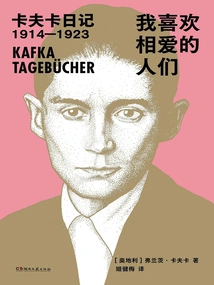
I Like People in Love: Kafka's Diary
Literature我喜欢相爱的人们:卡夫卡日记
H
A book of life that resonates strongly with every lonely person! Classic translation by famous translator Ji Jianmei, authoritative annotated edition! Kafka started keeping a diary in 1910, and until 1923, this was also the most creative period in his life. Compared with his novels, he is more candid and free in his diary, allowing us to have a glimpse of his unique and rich inner world. This book collects Kafka's diaries written from 1914 to 1923, as well as his travel diaries from 1911 and 1912. During this period, he recorded the changes in his emotional relationship with Phyllis, the hottest love affair in his life, his thoughts on the state of existence in the atmosphere of war, his understanding of life during his illness, etc. At the same time, we also see fragments of his inspiration, unfinished manuscripts, and his complete inner weakness and loneliness.
A book of life that resonates strongly with every lonely person! Classic translation by famous translator Ji Jianmei, authoritative annotated edition! Kafka started keeping a diary in 1910, and until 1923, this was also the most creative period in his life. Compared with his novels, he is more candid and free in his diary, allowing us to have a glimpse of his unique and rich inner world. This book collects Kafka's diaries written from 1914 to 1923, as well as his travel diaries from 1911 and 1912. During this period, he recorded the changes in his emotional relationship with Phyllis, the hottest love affair in his life, his thoughts on the state of existence in the atmosphere of war, his understanding of life during his illness, etc. At the same time, we also see fragments of his inspiration, unfinished manuscripts, and his complete inner weakness and loneliness.
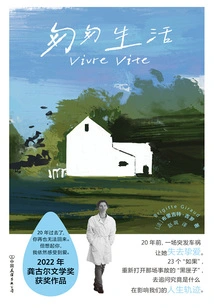
Life in a Hurry
Literature匆匆生活
(france) Brigitte Giraud
Brigitte and Claude are a typical couple. They came to Paris from Algeria and struggled on their own literary and musical paths. They sold and bought houses, but just days before they were finally to move into their dream new home, Claude suddenly died in a motorcycle accident, and his time was frozen in 1999. Twenty years later, when Brigitte had to move out of the house, she decided to write about her lost lover and her former life before her memory faded. She wrote down 23 "ifs" - "if I had not planned to sell the apartment", "if Stephen King had died on June 19, 1999", "if it had rained that Tuesday morning", "if the traffic lights had not turned red"... To explore whether her husband's unexpected death was a global "collusion".
Brigitte and Claude are a typical couple. They came to Paris from Algeria and struggled on their own literary and musical paths. They sold and bought houses, but just days before they were finally to move into their dream new home, Claude suddenly died in a motorcycle accident, and his time was frozen in 1999. Twenty years later, when Brigitte had to move out of the house, she decided to write about her lost lover and her former life before her memory faded. She wrote down 23 "ifs" - "if I had not planned to sell the apartment", "if Stephen King had died on June 19, 1999", "if it had rained that Tuesday morning", "if the traffic lights had not turned red"... To explore whether her husband's unexpected death was a global "collusion".
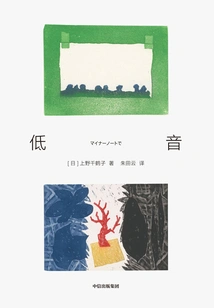
Bass
Literature低音
I
This book is the latest collection of essays by Chizuruko Ueno, a pioneer of Japanese feminism, and includes more than forty excellent works written by the author in recent years. This much-anticipated collection of essays uses a calm and melodious "mature tone" to weave every note that echoes in the writer's heart. From the family memories of childhood, the confused time of student days, to the process of academic research; from food preferences, hobbies of mountain climbing and watching dramas, to worries about aging, expectations for the next generation, and even the memory of the deceased and the pain of loss - Chizuru Ueno turns every detail of her life into notes of words and plays them gently. While discussing feminism, care issues, and reflecting on social events such as the epidemic, she also poured the notes flowing from her heart into the lines. These words are not only a sorting out of personal memories by Chizuru Ueno, but also a vivid reflection of the social and cultural changes in Japan. Through this work, we get a glimpse of this thinker's rich spiritual world and her ongoing concern for contemporary society.
This book is the latest collection of essays by Chizuruko Ueno, a pioneer of Japanese feminism, and includes more than forty excellent works written by the author in recent years. This much-anticipated collection of essays uses a calm and melodious "mature tone" to weave every note that echoes in the writer's heart. From the family memories of childhood, the confused time of student days, to the process of academic research; from food preferences, hobbies of mountain climbing and watching dramas, to worries about aging, expectations for the next generation, and even the memory of the deceased and the pain of loss - Chizuru Ueno turns every detail of her life into notes of words and plays them gently. While discussing feminism, care issues, and reflecting on social events such as the epidemic, she also poured the notes flowing from her heart into the lines. These words are not only a sorting out of personal memories by Chizuru Ueno, but also a vivid reflection of the social and cultural changes in Japan. Through this work, we get a glimpse of this thinker's rich spiritual world and her ongoing concern for contemporary society.

一个租安全感的人:在失序的世界里寻找归属
(uk) Kieran Yates
As an important item in "food, clothing, housing and transportation", housing is the foundation of people's lives and has received widespread attention from readers around the world. British media personality and writer Kieran Yates is from an ethnic minority. By the time she was 25, she had lived in 20 different houses. The book unfolds in the form of a memoir of an ethnic minority family and uses the writer's personal experience as a reflection. It conducts a detailed observation and analysis of the living topic in British society, focusing on hot topics such as social policy, housing crisis, social welfare, and economic environment. Starting from "houses", it vividly records one's own rental experience with humorous and warm language and a delicate and true observation perspective. It also reflects all aspects of the British social ecology. It is a thought-provoking book of life and love.
As an important item in "food, clothing, housing and transportation", housing is the foundation of people's lives and has received widespread attention from readers around the world. British media personality and writer Kieran Yates is from an ethnic minority. By the time she was 25, she had lived in 20 different houses. The book unfolds in the form of a memoir of an ethnic minority family and uses the writer's personal experience as a reflection. It conducts a detailed observation and analysis of the living topic in British society, focusing on hot topics such as social policy, housing crisis, social welfare, and economic environment. Starting from "houses", it vividly records one's own rental experience with humorous and warm language and a delicate and true observation perspective. It also reflects all aspects of the British social ecology. It is a thought-provoking book of life and love.
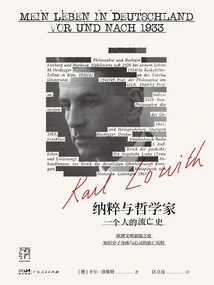
纳粹与哲学家:一个人的流亡史
(germany) Carl Lovett
This book is a personal recollection and essay written by the famous German philosopher Karl Lovitt after he went into exile. When the Nazis came to power in 1933, Lovett, who was Jewish, was forced to go into exile. Based on personal experience, the author recorded in detail the changes in German society before and after the Nazis came to power, the persecution of Jews, and the attitudes of German intellectuals from all walks of life toward the Nazis, especially the reactions of university professors and students, presenting the true face of that era. The book also records Lovett's criticism of his teacher Heidegger at length and analyzes the "Nazi roots" in Heidegger's thought.
This book is a personal recollection and essay written by the famous German philosopher Karl Lovitt after he went into exile. When the Nazis came to power in 1933, Lovett, who was Jewish, was forced to go into exile. Based on personal experience, the author recorded in detail the changes in German society before and after the Nazis came to power, the persecution of Jews, and the attitudes of German intellectuals from all walks of life toward the Nazis, especially the reactions of university professors and students, presenting the true face of that era. The book also records Lovett's criticism of his teacher Heidegger at length and analyzes the "Nazi roots" in Heidegger's thought.
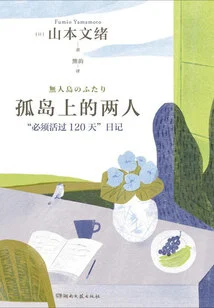
Two People on an Isolated Island
Literature孤岛上的两人
(japanese) Yamamoto Momo
[Posthumous work of Naoki Prize winner Yama Buno] The last diary of writer Yama Buno, recording the last few months of her life. "I can't finish my farewells..." This is a battle diary of a writer who died suddenly. "Please allow me to write this as a farewell..." It was as if she was swept away by an unexpected big wave and washed up on an uninhabited island with her husband. One day she was suddenly diagnosed with cancer, and the two began to fight against the disease at home under the impact of the "COVID-19 epidemic". At the age of 58, it was announced that his days were numbered, but he still did not give up writing. He continued to keep a diary until his death.
[Posthumous work of Naoki Prize winner Yama Buno] The last diary of writer Yama Buno, recording the last few months of her life. "I can't finish my farewells..." This is a battle diary of a writer who died suddenly. "Please allow me to write this as a farewell..." It was as if she was swept away by an unexpected big wave and washed up on an uninhabited island with her husband. One day she was suddenly diagnosed with cancer, and the two began to fight against the disease at home under the impact of the "COVID-19 epidemic". At the age of 58, it was announced that his days were numbered, but he still did not give up writing. He continued to keep a diary until his death.
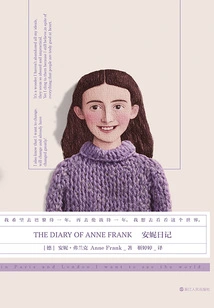
磨铁经典第9辑:安妮日记
I
"I hope to go to Paris for a year and then to London for a year. I want to see the world." "Annie's Diary" writes down hopes and dreams in the darkness of imprisonment, letting words become the shape of freedom.
"I hope to go to Paris for a year and then to London for a year. I want to see the world." "Annie's Diary" writes down hopes and dreams in the darkness of imprisonment, letting words become the shape of freedom.
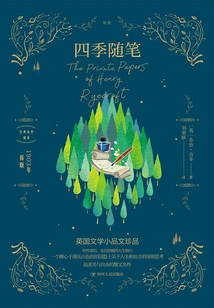
N
Literaturen
J
This book is the most autobiographical collection of essays and is Gissing's masterpiece of prose. It describes the life of the hermit Rycroft who is obsessed with books, natural scenery and reminiscing about the past. In fact, it was Gissing who expressed his feelings and analyzed his inner world through Rycroft's autobiography. Gissing was poor all his life, but he loved literature. His hobby and pursuit of literary masterpieces and his yearning for a quiet life in nature are fully reflected in the book. This book is divided into four parts: spring, summer, autumn and winter. It is beautifully written and fluently written. It is one of the treasures of short essays in British literature.
This book is the most autobiographical collection of essays and is Gissing's masterpiece of prose. It describes the life of the hermit Rycroft who is obsessed with books, natural scenery and reminiscing about the past. In fact, it was Gissing who expressed his feelings and analyzed his inner world through Rycroft's autobiography. Gissing was poor all his life, but he loved literature. His hobby and pursuit of literary masterpieces and his yearning for a quiet life in nature are fully reflected in the book. This book is divided into four parts: spring, summer, autumn and winter. It is beautifully written and fluently written. It is one of the treasures of short essays in British literature.
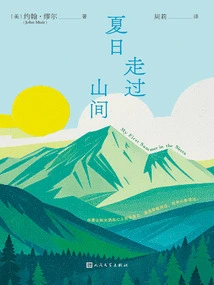
P
Literaturep
I
"A Summer's Walk Over the Mountains" is a classic collection of essays that records Muir's expedition trip to the Sierra Nevada Mountains in the summer of 1869. At that time, Muir was invited by a friend to go to the Sierra Nevada Mountains in Yosemite Valley to herd sheep and investigate. This book was originally published in 1911. In the book, Muir recorded in diary form what he saw and heard in the mountains, including the magnificent natural landscapes, rich species of flora and fauna, and the deep connection with nature. Muir believed that nature was not only a resource, but also the sustenance of the human spirit. His writing integrated scientific observation and poetic expression, creating a new tradition of nature literature. In the book, Muir not only described the beauty of nature, but also expressed his thoughts on the relationship between humans and nature. He criticized mankind's destruction of nature and called on people to respect and protect nature. This book is not only a classic of nature literature, but also an important document of the modern environmental movement.
"A Summer's Walk Over the Mountains" is a classic collection of essays that records Muir's expedition trip to the Sierra Nevada Mountains in the summer of 1869. At that time, Muir was invited by a friend to go to the Sierra Nevada Mountains in Yosemite Valley to herd sheep and investigate. This book was originally published in 1911. In the book, Muir recorded in diary form what he saw and heard in the mountains, including the magnificent natural landscapes, rich species of flora and fauna, and the deep connection with nature. Muir believed that nature was not only a resource, but also the sustenance of the human spirit. His writing integrated scientific observation and poetic expression, creating a new tradition of nature literature. In the book, Muir not only described the beauty of nature, but also expressed his thoughts on the relationship between humans and nature. He criticized mankind's destruction of nature and called on people to respect and protect nature. This book is not only a classic of nature literature, but also an important document of the modern environmental movement.
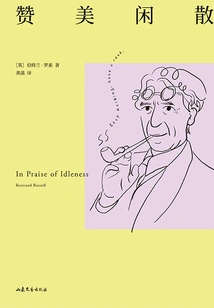
Praise Idleness
Literature赞美闲散
(uk) Bertrand Russell
"In Praise of Idleness" is a collection of essays by Nobel Prize winner Russell. There are 14 articles in total, including work, education, society, civilization, how to obtain happiness, etc. It integrates perspectives from philosophy and psychology, economics, science and history. Russell accurately predicted the "involution" problem of modern society a hundred years ago: as technology develops, people fall into more intense competition and longer working hours. This book boldly challenges the "hardcore work theory": the belief that work is a virtue is causing a lot of harm in the modern world, and the path to happiness and prosperity lies in the organized reduction of work. The ethics of work are the ethics of slaves, and the modern world does not need slaves. Work only 4 hours a day and everything will be fine! True idleness is not about idleness, but about being freed from the pressure of work, shifting the direction of efforts from "making a living" to "life itself", and pursuing those things that truly define civilization and happiness - art, love, knowledge, leisure and exploration of the world.
"In Praise of Idleness" is a collection of essays by Nobel Prize winner Russell. There are 14 articles in total, including work, education, society, civilization, how to obtain happiness, etc. It integrates perspectives from philosophy and psychology, economics, science and history. Russell accurately predicted the "involution" problem of modern society a hundred years ago: as technology develops, people fall into more intense competition and longer working hours. This book boldly challenges the "hardcore work theory": the belief that work is a virtue is causing a lot of harm in the modern world, and the path to happiness and prosperity lies in the organized reduction of work. The ethics of work are the ethics of slaves, and the modern world does not need slaves. Work only 4 hours a day and everything will be fine! True idleness is not about idleness, but about being freed from the pressure of work, shifting the direction of efforts from "making a living" to "life itself", and pursuing those things that truly define civilization and happiness - art, love, knowledge, leisure and exploration of the world.
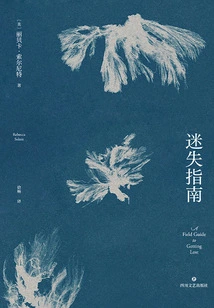
Lost Guide
Literature迷失指南
(us) Rebecca Solnit
This book is written as a series of autobiographical essays. Rebecca Solnit uses symbolic moments and interpersonal relationships in her own life to write about being lost and lonely, about reading and music, about the loss of love and the tracking of life. Many of modern people's pains stem from the uncertainty of the world itself and people's pursuit of certainty. However, Solnit used his unique experience of hiking through deserts and jungles and his profound knowledge to show us that getting lost can also be an active choice, and how important it is to learn to get lost. Only when we step out of the familiar and surrender ourselves to nature and the unknown can we discover new possibilities and meanings of life. When you get lost, you can not only see the soul-shaking beauty, but also meet lonely souls such as Woolf, Thoreau, Benjamin, Weil, and Klein.
This book is written as a series of autobiographical essays. Rebecca Solnit uses symbolic moments and interpersonal relationships in her own life to write about being lost and lonely, about reading and music, about the loss of love and the tracking of life. Many of modern people's pains stem from the uncertainty of the world itself and people's pursuit of certainty. However, Solnit used his unique experience of hiking through deserts and jungles and his profound knowledge to show us that getting lost can also be an active choice, and how important it is to learn to get lost. Only when we step out of the familiar and surrender ourselves to nature and the unknown can we discover new possibilities and meanings of life. When you get lost, you can not only see the soul-shaking beauty, but also meet lonely souls such as Woolf, Thoreau, Benjamin, Weil, and Klein.

Travels with Charley:in search of America 带着小狗查理横越美国(英文版)
H
In 1960, Nobel laureate John Steinbeck and his dog Charlie drove across the United States in a campervan called "The Rooster." From the North Cape of Maine to the Monterey Peninsula of California, what I saw along the way outlines the complex appearance of American society at that time.
In 1960, Nobel laureate John Steinbeck and his dog Charlie drove across the United States in a campervan called "The Rooster." From the North Cape of Maine to the Monterey Peninsula of California, what I saw along the way outlines the complex appearance of American society at that time.
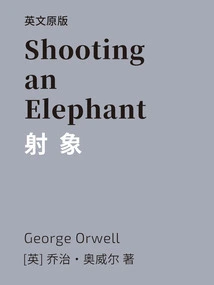
Shooting an Elephant 射象(英文版)
I
"Shooting the Elephant" is based on Orwell's experience as a policeman in the colony. Through the decision of being forced to shoot an elephant, it reveals the individual plight under the alienation of power. The cold writing hides a profound reflection on human nature and the colonial system.
"Shooting the Elephant" is based on Orwell's experience as a policeman in the colony. Through the decision of being forced to shoot an elephant, it reveals the individual plight under the alienation of power. The cold writing hides a profound reflection on human nature and the colonial system.
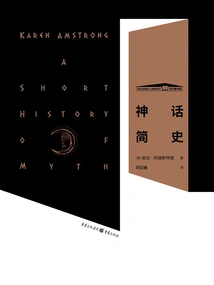
A Brief History of Mythology
Literature神话简史
N
Wherever there are humans, there must be myths. What is myth, how did it evolve, and why is myth still needed in modern society? The famous British writer Karen Armstrong uses beautiful and insightful words to succinctly narrate the mythical history from the Paleolithic Age to the Great Turning Period of the modern West.
Wherever there are humans, there must be myths. What is myth, how did it evolve, and why is myth still needed in modern society? The famous British writer Karen Armstrong uses beautiful and insightful words to succinctly narrate the mythical history from the Paleolithic Age to the Great Turning Period of the modern West.
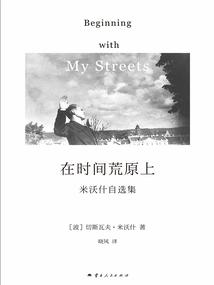
In the Wasteland of Time
Literature在时间荒原上
I
This book contains representative essays by Czeslaw Milosz, winner of the Nobel Prize for Literature in 1980. It is a self-selected collection of essays that aims to reflect Milosz's important creative achievements in prose. The manuscript is divided into literature and writers, two portraits, a Nobel Prize acceptance speech, etc., Which profoundly demonstrates the span of the author's prose themes, the diversity of genres and styles, and the breadth and depth of content. The translation of this manuscript is smooth, beautiful, vivid and expressive, with clear meaning, strong expressiveness and appeal.
This book contains representative essays by Czeslaw Milosz, winner of the Nobel Prize for Literature in 1980. It is a self-selected collection of essays that aims to reflect Milosz's important creative achievements in prose. The manuscript is divided into literature and writers, two portraits, a Nobel Prize acceptance speech, etc., Which profoundly demonstrates the span of the author's prose themes, the diversity of genres and styles, and the breadth and depth of content. The translation of this manuscript is smooth, beautiful, vivid and expressive, with clear meaning, strong expressiveness and appeal.
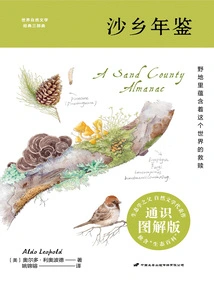
紫图经典文库:沙乡年鉴(通识图解版)
(u. S.) Aldo Leopold
This book is a collection of essays on natural literature and philosophy written by Aldo Leopold. This book records Leopold's experience of ecological restoration on a farm in Wisconsin, USA, deeply explores the dependence between man and land, and proposes a new perspective on land ethics. The whole book is divided into four parts. The first part, with December as the narrative sequence, describes the beauty of the natural changes in Wisconsin in detail; the second part records the author's observations and feelings while working and traveling in various states in the United States, reflecting the development trajectory of his ecological thoughts; the third part, with the theme of rural interest, shows the author's love and reflection on rural nature; the fourth part, through rational discussion, deeply explores the concepts of natural resource protection and land ethics, and puts forward thoughts on future ecological responsibilities.
This book is a collection of essays on natural literature and philosophy written by Aldo Leopold. This book records Leopold's experience of ecological restoration on a farm in Wisconsin, USA, deeply explores the dependence between man and land, and proposes a new perspective on land ethics. The whole book is divided into four parts. The first part, with December as the narrative sequence, describes the beauty of the natural changes in Wisconsin in detail; the second part records the author's observations and feelings while working and traveling in various states in the United States, reflecting the development trajectory of his ecological thoughts; the third part, with the theme of rural interest, shows the author's love and reflection on rural nature; the fourth part, through rational discussion, deeply explores the concepts of natural resource protection and land ethics, and puts forward thoughts on future ecological responsibilities.
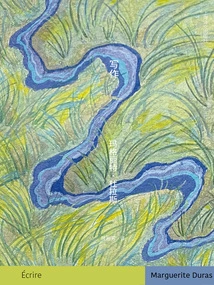
Writing
Literature写作
Marguerite Duras
Duras's writing confession leads you into her writing darkroom; a literary walk that blends into the context of the times and is also a cultural memory of an era. "Writing" is Duras's masterpiece of essays in his later years. It is a collection of essays that integrates memories, philosophical contemplation and social thinking. It explores the essence of writing, historical trauma and the purity of art in poetic language. It can be regarded as Duras's confession to writing. The book contains a total of 5 essays. Among them, "Writing" was written for the documentary of the same name. It was filmed at her residence in Fort Nouvelle. In her later years, Duras faced the camera and slowly expressed her thoughts on writing, as well as her feelings about loneliness and nothingness. She recalled the origin of this residence, the solitude she created for writing, and the birth of "Laoer's Tribulation" and "Vice Consul". She admitted that writing is a "silent cry", which is both salvation and abyss. Alcohol, lovers, and night are intertwined here, and writing ultimately becomes the ultimate weapon against nothingness.
Duras's writing confession leads you into her writing darkroom; a literary walk that blends into the context of the times and is also a cultural memory of an era. "Writing" is Duras's masterpiece of essays in his later years. It is a collection of essays that integrates memories, philosophical contemplation and social thinking. It explores the essence of writing, historical trauma and the purity of art in poetic language. It can be regarded as Duras's confession to writing. The book contains a total of 5 essays. Among them, "Writing" was written for the documentary of the same name. It was filmed at her residence in Fort Nouvelle. In her later years, Duras faced the camera and slowly expressed her thoughts on writing, as well as her feelings about loneliness and nothingness. She recalled the origin of this residence, the solitude she created for writing, and the birth of "Laoer's Tribulation" and "Vice Consul". She admitted that writing is a "silent cry", which is both salvation and abyss. Alcohol, lovers, and night are intertwined here, and writing ultimately becomes the ultimate weapon against nothingness.
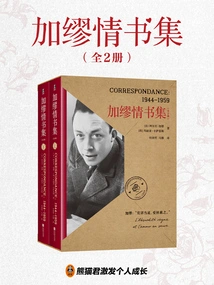
加缪情书集(全2册)
(france) Albert Camus (western) Maria Casares
The complete collection of love letters between Nobel Prize-winning writer Camus and his girlfriend Maria has been published! The only version of "Camus's Love Letters" on the market that includes the woman's replies! From 1944 to 1959, there were a total of 865 letters. In the letters, they talked about everything, every bit of daily life, the sparks when their thoughts resonated... These affectionate letters came to an abrupt end until Camus died in a ridiculous car accident on January 4, 1960. But at the beginning of their encounter, Camus had already written Maria an eternal vow of love: The world is crumbling, life is as light as a feather. It is a difficult but great thing for us to love each other even in the midst of danger and uncertainty.
The complete collection of love letters between Nobel Prize-winning writer Camus and his girlfriend Maria has been published! The only version of "Camus's Love Letters" on the market that includes the woman's replies! From 1944 to 1959, there were a total of 865 letters. In the letters, they talked about everything, every bit of daily life, the sparks when their thoughts resonated... These affectionate letters came to an abrupt end until Camus died in a ridiculous car accident on January 4, 1960. But at the beginning of their encounter, Camus had already written Maria an eternal vow of love: The world is crumbling, life is as light as a feather. It is a difficult but great thing for us to love each other even in the midst of danger and uncertainty.
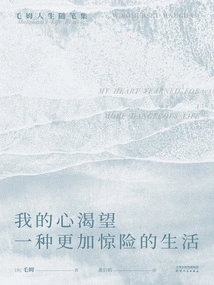
My Heart Longs for a More Thrilling Life
Literature我的心渴望一种更加惊险的生活
H
This book is a collection of Maugham's life essays. In his twilight years, he expressed his understanding of life and the world in writing with the natural sensitivity of a novelist. Those unknown aspects of life and profound thoughts that span the ages can often be thought-provoking. The book is divided into three chapters: "Me and the World in My Eyes", "Writers' Talks", and "Whispers in Old Age". The themes include life insights, reading, writing, philosophical thinking, choices and other dimensions. The book explores more often the core issues that all individuals are concerned about: how should I live, how should I choose, and how should I live my life well?
This book is a collection of Maugham's life essays. In his twilight years, he expressed his understanding of life and the world in writing with the natural sensitivity of a novelist. Those unknown aspects of life and profound thoughts that span the ages can often be thought-provoking. The book is divided into three chapters: "Me and the World in My Eyes", "Writers' Talks", and "Whispers in Old Age". The themes include life insights, reading, writing, philosophical thinking, choices and other dimensions. The book explores more often the core issues that all individuals are concerned about: how should I live, how should I choose, and how should I live my life well?
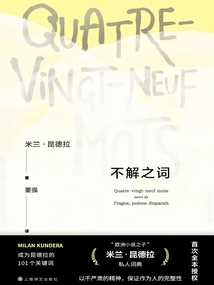
Unintelligible Words
Literature不解之词
(france) Milan Kundera
This book contains two articles. "Eighty-Nine Words" was published in 1985. It is the complete version of the "Sixty-seven Words" in "The Art of Fiction", containing 101 words. In it, Kundera compiled a private dictionary of his favorite words, which reveals a writer's twin tribulations: exile and the betrayal of translation. "Prague, the Lost Poetry" was published in 1980. Kundera lovingly described the glory and achievements of Central European culture and the situation of Czech culture. This culture nourished his creation and created the unique personality of his works. But now, it is like a piece of burning paper, and the poem recorded on the paper is about to disappear. In July 2023, Milan Kundera left us. The publication of these two short articles made Kundera reappear in front of us in the most vivid appearance. For readers who have not yet learned about Kundera, this book will be an entrance into Kundera's fictional universe.
This book contains two articles. "Eighty-Nine Words" was published in 1985. It is the complete version of the "Sixty-seven Words" in "The Art of Fiction", containing 101 words. In it, Kundera compiled a private dictionary of his favorite words, which reveals a writer's twin tribulations: exile and the betrayal of translation. "Prague, the Lost Poetry" was published in 1980. Kundera lovingly described the glory and achievements of Central European culture and the situation of Czech culture. This culture nourished his creation and created the unique personality of his works. But now, it is like a piece of burning paper, and the poem recorded on the paper is about to disappear. In July 2023, Milan Kundera left us. The publication of these two short articles made Kundera reappear in front of us in the most vivid appearance. For readers who have not yet learned about Kundera, this book will be an entrance into Kundera's fictional universe.
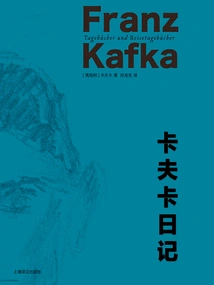
Kafka's Diary
Literature卡夫卡日记
Kafka
Kafka's diary is not a pure daily record, but a rich treasure trove containing a variety of text forms and literary genres. Kafka experimented and forged his own writing here, including a large number of creative motivations, reading notes, literary observations and reflections, some of which were even complete short works; there were also records of dreams, complex emotions involving personal emotions and family life, and sketches of the city, work, social and cultural environment in which he lived. In addition to the pain of tossing and turning for literature, there is also a vivid desire for life, showing his multiple images as a son, brother, friend, lover, employee, cultural event participant, and café regular. It also reveals a side of Kafka's character that is often ignored by the world. This book contains Kafka's diaries from 1910 to 1923, as well as notes from several travels, as well as sketches from the original manuscript.
Kafka's diary is not a pure daily record, but a rich treasure trove containing a variety of text forms and literary genres. Kafka experimented and forged his own writing here, including a large number of creative motivations, reading notes, literary observations and reflections, some of which were even complete short works; there were also records of dreams, complex emotions involving personal emotions and family life, and sketches of the city, work, social and cultural environment in which he lived. In addition to the pain of tossing and turning for literature, there is also a vivid desire for life, showing his multiple images as a son, brother, friend, lover, employee, cultural event participant, and café regular. It also reveals a side of Kafka's character that is often ignored by the world. This book contains Kafka's diaries from 1910 to 1923, as well as notes from several travels, as well as sketches from the original manuscript.
Q
Literatureq
H
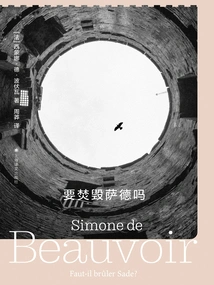
In the first article, he defends the Marquis de Sade. Beauvoir starts from the privileged class's understanding of their situation, taking the old aristocracy as an example: the aristocrats defend their rights without considering the rationality of this right. Sade was born into a noble family, but he had the courage to take on his own uniqueness, violated the moral standards followed by the nobles, and used the most extreme method to demand his own pleasure as an absolute law. Although he failed in the end, his flamboyant behavior revealed that the egoism of the privileged class could only be wishful thinking and could not give itself legitimacy in the eyes of everyone. The second article "Merleau-Ponty and the Pseudo-Sartre Doctrine" is also written from the perspective of the privileged class. In the French environment of the 1950s and 1960s, some intellectuals stood on the side of the greatest interests, tried to confuse the general interests and the interests of the bourgeoisie, and had a debate with Sartre. Beauvoir defended Sartre and wrote this article.
In the first article, he defends the Marquis de Sade. Beauvoir starts from the privileged class's understanding of their situation, taking the old aristocracy as an example: the aristocrats defend their rights without considering the rationality of this right. Sade was born into a noble family, but he had the courage to take on his own uniqueness, violated the moral standards followed by the nobles, and used the most extreme method to demand his own pleasure as an absolute law. Although he failed in the end, his flamboyant behavior revealed that the egoism of the privileged class could only be wishful thinking and could not give itself legitimacy in the eyes of everyone. The second article "Merleau-Ponty and the Pseudo-Sartre Doctrine" is also written from the perspective of the privileged class. In the French environment of the 1950s and 1960s, some intellectuals stood on the side of the greatest interests, tried to confuse the general interests and the interests of the bourgeoisie, and had a debate with Sartre. Beauvoir defended Sartre and wrote this article.
我们工作的理由、不工作的理由、不能工作的理由(译文纪实)
P
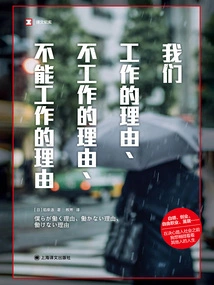
Some people have had a smooth sailing since childhood and successfully obtained admission to prestigious schools; some people dropped out of school and returned to school; some people fell into despair after dropping out. Different experiences and backgrounds shape different personalities and outlook on life. Eight young people of similar age entered "society" with uneasiness and made their own choices amidst troubles and confusion...
Some people have had a smooth sailing since childhood and successfully obtained admission to prestigious schools; some people dropped out of school and returned to school; some people fell into despair after dropping out. Different experiences and backgrounds shape different personalities and outlook on life. Eight young people of similar age entered "society" with uneasiness and made their own choices amidst troubles and confusion...
Sound and Fury
Literature喧哗与骚动
(us) William Faulkner
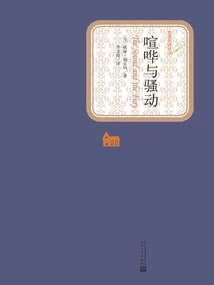
"The Sound and the Fury" is the most outstanding masterpiece of American Nobel Prize winner and 20th century literary master William Faulkner. It was published in 1929. This novel describes the decline of the Compson family, a prominent family in the town of Jefferson in the south of the United States from the late 19th century to the 1920s, as well as the experiences and mental states of each family member. The book is divided into four parts, each part has a character narrating the story.
"The Sound and the Fury" is the most outstanding masterpiece of American Nobel Prize winner and 20th century literary master William Faulkner. It was published in 1929. This novel describes the decline of the Compson family, a prominent family in the town of Jefferson in the south of the United States from the late 19th century to the 1920s, as well as the experiences and mental states of each family member. The book is divided into four parts, each part has a character narrating the story.
从此之后:当深爱之人离去
(added) Amy Lin
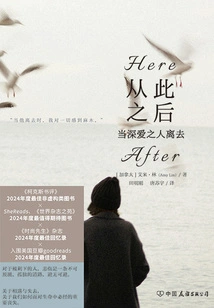
This book is an unconventional memoir about how we, as the remaining people, deal with our grief, grieve and accept our loss, and move on with our lives after someone we love most dies. Author Amy Lin records the year after her husband's unexpected death from a first-person perspective. She was only 31 when her husband, Curtis, died suddenly during a half-marathon. The two were still immersed in the joy of getting married and preparing for a future together, but everything suddenly fell apart. Through the clips of meeting, falling in, and losing Curtis, we see the deep love between the two when they lived together, and feel the heaviness and pain that follows when their soul mate dies. The intertwining between the present and memories not only depicts the extremely real love and loss, but also shows the fragility of human nature, so that when you finish reading the last page, the heartbreaking emotional power will still echo in your heart.
This book is an unconventional memoir about how we, as the remaining people, deal with our grief, grieve and accept our loss, and move on with our lives after someone we love most dies. Author Amy Lin records the year after her husband's unexpected death from a first-person perspective. She was only 31 when her husband, Curtis, died suddenly during a half-marathon. The two were still immersed in the joy of getting married and preparing for a future together, but everything suddenly fell apart. Through the clips of meeting, falling in, and losing Curtis, we see the deep love between the two when they lived together, and feel the heaviness and pain that follows when their soul mate dies. The intertwining between the present and memories not only depicts the extremely real love and loss, but also shows the fragility of human nature, so that when you finish reading the last page, the heartbreaking emotional power will still echo in your heart.
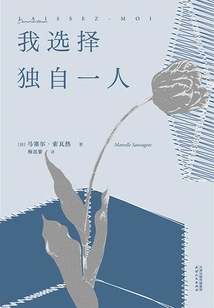
I Choose to Be Alone
Literature我选择独自一人
(france) Marcel Sauvage
This book is a collection of essays by French female writer Marcel Sauvage. At the age of 30, she was admitted to a sanatorium due to tuberculosis, but her boyfriend wanted to break up with her and marry someone else. In desperation, she wrote this letter, calmly analyzed the relationship, and decided to be alone again.
This book is a collection of essays by French female writer Marcel Sauvage. At the age of 30, she was admitted to a sanatorium due to tuberculosis, but her boyfriend wanted to break up with her and marry someone else. In desperation, she wrote this letter, calmly analyzed the relationship, and decided to be alone again.
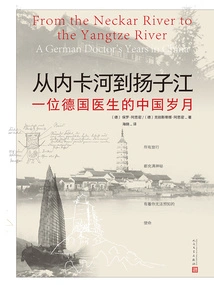
从内卡河到扬子江:一位德国医生的中国岁月
(germany) Paul Asmi Christina Asmi
German military doctor Asmi first went to Beijing with the German Expeditionary Force in 1900 to perform military medical duties. The mission ended in 1903 and returned to Germany via Henan, Hubei, Sichuan, Tibet, Yunnan, and Myanmar. In 1906, he was appointed by the German Foreign Ministry to go to China again and opened a hospital in Chongqing to practice medicine until his death in 1935. The German Pusey Hospital chaired by Asmi in Chongqing once had the highest number of patients among the four foreign hospitals in Chongqing. The German government stopped funding the hospital due to the defeat in World War I. The hospital was taken over by the Red Cross Society of China and became the first Red Cross hospital in Chongqing. Asmi also became the first Red Cross hospital director in Chongqing. He has made contributions to the development of medicine in Chongqing and improving the health status of Chongqing people. The book is divided into five chapters: Asmi's life, Beijing period, long return journey, retrograde Yang Zijiang, and medical practice in Chongqing. Most of them are diaries, written reports and photos left by Asmi, and a small part are compiled by his descendants based on relevant information. The author took a large number of historical photos and written records to preserve the customs, geology and hydrology of some areas in China a hundred years ago.
German military doctor Asmi first went to Beijing with the German Expeditionary Force in 1900 to perform military medical duties. The mission ended in 1903 and returned to Germany via Henan, Hubei, Sichuan, Tibet, Yunnan, and Myanmar. In 1906, he was appointed by the German Foreign Ministry to go to China again and opened a hospital in Chongqing to practice medicine until his death in 1935. The German Pusey Hospital chaired by Asmi in Chongqing once had the highest number of patients among the four foreign hospitals in Chongqing. The German government stopped funding the hospital due to the defeat in World War I. The hospital was taken over by the Red Cross Society of China and became the first Red Cross hospital in Chongqing. Asmi also became the first Red Cross hospital director in Chongqing. He has made contributions to the development of medicine in Chongqing and improving the health status of Chongqing people. The book is divided into five chapters: Asmi's life, Beijing period, long return journey, retrograde Yang Zijiang, and medical practice in Chongqing. Most of them are diaries, written reports and photos left by Asmi, and a small part are compiled by his descendants based on relevant information. The author took a large number of historical photos and written records to preserve the customs, geology and hydrology of some areas in China a hundred years ago.
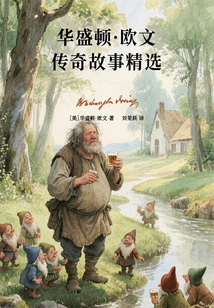
华盛顿·欧文传奇故事精选
H
The author of this book, Washington Irving (1783-1859), was the founder of American literature and a famous essayist and short story writer. His masterpiece "Notes on What He Saw" caused a sensation when it was published in England in 1820 and spread widely, making him the first American writer to gain international reputation and known as the "Father of American Literature". Scott and Byron became his close friends, and Thackeray called him "the first envoy from the New World literary world to the Old World." He left the world with immortal chapters such as "Rip Van Winkle", "The Legend of Sleepy Hollow" and "Westminster Abbey". He is also a master of legendary stories, and his selected works such as "Rip Van Winkle", "The Legend of Sleepy Hollow" and "The Ghost Bridegroom" are considered to be masterpieces in literary works, giving readers great artistic enjoyment.
The author of this book, Washington Irving (1783-1859), was the founder of American literature and a famous essayist and short story writer. His masterpiece "Notes on What He Saw" caused a sensation when it was published in England in 1820 and spread widely, making him the first American writer to gain international reputation and known as the "Father of American Literature". Scott and Byron became his close friends, and Thackeray called him "the first envoy from the New World literary world to the Old World." He left the world with immortal chapters such as "Rip Van Winkle", "The Legend of Sleepy Hollow" and "Westminster Abbey". He is also a master of legendary stories, and his selected works such as "Rip Van Winkle", "The Legend of Sleepy Hollow" and "The Ghost Bridegroom" are considered to be masterpieces in literary works, giving readers great artistic enjoyment.

Snark Pacific Adventures
Literature蛇鲨号太平洋历险记
H
The author of this book was inspired by the heroes he admired - Melville, the author of "Moby Dick" and Stevenson, the author of "Treasure Island" - and determined to go on an exploratory voyage to the Pacific Ocean. In 1907, he, his wife and crew sailed from San Francisco on the Snark. Despite being seasick and suffering from tropical illness, London continued to write, and in addition to some important novels and short stories, he also wrote this non-fiction book, including "The Leper of Molokai", "The Crater of the House of the Sun" and "The Secret of Tybee Valley". These humorous and magical adventure chapters record London's adventure experiences and stories at sea and on the islands, reflecting his indomitable and courageous manhood. London's psychology and behavior of not being satisfied with the status quo and liking to explore are well reflected in the book. Readers will see that while traveling around the world brings excitement and joy, it is also full of dangers, tests and challenges, which has implications for our real life. With its unique charm, this work has been included in the world-famous "Penguin Classics" series.
The author of this book was inspired by the heroes he admired - Melville, the author of "Moby Dick" and Stevenson, the author of "Treasure Island" - and determined to go on an exploratory voyage to the Pacific Ocean. In 1907, he, his wife and crew sailed from San Francisco on the Snark. Despite being seasick and suffering from tropical illness, London continued to write, and in addition to some important novels and short stories, he also wrote this non-fiction book, including "The Leper of Molokai", "The Crater of the House of the Sun" and "The Secret of Tybee Valley". These humorous and magical adventure chapters record London's adventure experiences and stories at sea and on the islands, reflecting his indomitable and courageous manhood. London's psychology and behavior of not being satisfied with the status quo and liking to explore are well reflected in the book. Readers will see that while traveling around the world brings excitement and joy, it is also full of dangers, tests and challenges, which has implications for our real life. With its unique charm, this work has been included in the world-famous "Penguin Classics" series.
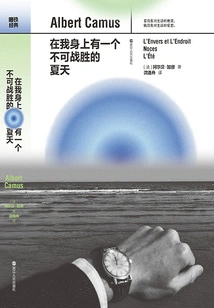
There is an Invincible Summer in Me
Literature在我身上有一个不可战胜的夏天
H
In 1937, Camus first encountered the absurd in his first work, "The Right and the Back". In his twenties, his thinking has touched the boundaries of existence. The following year, he introduced his body to writing, turned to the sun, rocks, wind and salt on the Mediterranean coast of Algeria, and indulged in the perception of the land and body. "Wedding Collection" thus becomes one of the brightest chapters in his works. In 1954, Camus compiled the essays he had written about the Mediterranean since 1936 and published "Summer Collection". In an era of absurdity and chaos, he used calm and restrained language to think about how people should live upright and honestly, and how to nurture an "invincible summer" in the middle of winter. "There is an Invincible Summer in Me" contains three collections of essays: "The Back and the Right", "The Wedding Collection" and "The Summer Collection", which span seventeen years of writing and together constitute Camus's spiritual journey from perceptual experience to rational speculation, and from night to light.
In 1937, Camus first encountered the absurd in his first work, "The Right and the Back". In his twenties, his thinking has touched the boundaries of existence. The following year, he introduced his body to writing, turned to the sun, rocks, wind and salt on the Mediterranean coast of Algeria, and indulged in the perception of the land and body. "Wedding Collection" thus becomes one of the brightest chapters in his works. In 1954, Camus compiled the essays he had written about the Mediterranean since 1936 and published "Summer Collection". In an era of absurdity and chaos, he used calm and restrained language to think about how people should live upright and honestly, and how to nurture an "invincible summer" in the middle of winter. "There is an Invincible Summer in Me" contains three collections of essays: "The Back and the Right", "The Wedding Collection" and "The Summer Collection", which span seventeen years of writing and together constitute Camus's spiritual journey from perceptual experience to rational speculation, and from night to light.

Suddenly Feel Uncomfortable
Literature突然感到不舒服
(japan) Miyano Maoko And Isono Maho
A cancer-stricken philosopher who has spent his life studying accidents, an anthropologist rooted in the medical field, and two intellectual women who met by chance decided to start a soul-filled communication around "disease". When one party's physical condition suddenly deteriorates, their relationship takes an unexpected turn, and they find themselves "sharing souls and destiny" with the other party. Through dialogue, they are able to experience each other's presence and discover something new with language - deftly breaking down the discursive traps surrounding illness and understanding what it means to truly be in relationship with others. Everything they avoided talking about out of fear, ignored and erased as they were taken for granted, gradually surfaced in their conversations. It turns out that two people's hearts can be so close, and it turns out that we can still have such a sincere conversation.
A cancer-stricken philosopher who has spent his life studying accidents, an anthropologist rooted in the medical field, and two intellectual women who met by chance decided to start a soul-filled communication around "disease". When one party's physical condition suddenly deteriorates, their relationship takes an unexpected turn, and they find themselves "sharing souls and destiny" with the other party. Through dialogue, they are able to experience each other's presence and discover something new with language - deftly breaking down the discursive traps surrounding illness and understanding what it means to truly be in relationship with others. Everything they avoided talking about out of fear, ignored and erased as they were taken for granted, gradually surfaced in their conversations. It turns out that two people's hearts can be so close, and it turns out that we can still have such a sincere conversation.
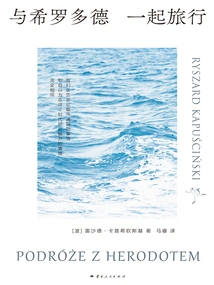
Traveling with Herodotus
Literature与希罗多德一起旅行
(wave) Ryszard Kapusczynski
In 1956, 24-year-old Kapuszczynski became a journalist in socialist Poland. A year later, he was "accidentally" sent to India, the first stop of his decades-long overseas career, where he would discover his life's mission - to travel to remote corners rarely visited, to understand and describe the diversity of the world from there, and to find universal truths among the diverse phenomena. During his more than forty years of smoke-filled and ups and downs around the world, Kapusicinski's eternal travel companion was a copy of Herodotus' "History". Two thousand five hundred years ago, the ancient Greek writer known as the "Father of History" traveled around the known world, describing the diversity of its tribes and nations, and recording their wars and peace. Kapuschczynski regarded Herodotus as a great pioneer and mentor, and considered him the world's first journalist and globalist. From China to Iran, Nigeria to Congo, Angola to Armenia, Herodotus taught the young journalist to discover stories in unlikely places and make sense of the increasingly globalized modern world in which he lived. In this book, Kapusicinski relives his experience of breaking through the Iron Curtain and going out into the world, and tells his journey of awakening to foreign lands and others. This book is the memories of two fearless travelers who crossed time and space and traveled across the world. It is also an extraordinary chronicle that connects the East and the West: the global undercurrents that the author personally experienced and recorded have shaped human history in the past century are still surging today.
In 1956, 24-year-old Kapuszczynski became a journalist in socialist Poland. A year later, he was "accidentally" sent to India, the first stop of his decades-long overseas career, where he would discover his life's mission - to travel to remote corners rarely visited, to understand and describe the diversity of the world from there, and to find universal truths among the diverse phenomena. During his more than forty years of smoke-filled and ups and downs around the world, Kapusicinski's eternal travel companion was a copy of Herodotus' "History". Two thousand five hundred years ago, the ancient Greek writer known as the "Father of History" traveled around the known world, describing the diversity of its tribes and nations, and recording their wars and peace. Kapuschczynski regarded Herodotus as a great pioneer and mentor, and considered him the world's first journalist and globalist. From China to Iran, Nigeria to Congo, Angola to Armenia, Herodotus taught the young journalist to discover stories in unlikely places and make sense of the increasingly globalized modern world in which he lived. In this book, Kapusicinski relives his experience of breaking through the Iron Curtain and going out into the world, and tells his journey of awakening to foreign lands and others. This book is the memories of two fearless travelers who crossed time and space and traveled across the world. It is also an extraordinary chronicle that connects the East and the West: the global undercurrents that the author personally experienced and recorded have shaped human history in the past century are still surging today.

If You Fall, Just Lie There for a While
Literature摔倒了,就先原地躺会儿吧
(korean) Shin Ga-young
A social worker for ten years, after experiencing abscesses on her buttocks, hair loss, and physical breakdown, she came to the countryside and bought an old house. She was determined to give up marriage, overseas education, and a familiar job to become a farmer. I imagined that I would be able to develop myself well after controlling my time, but I ended up spending the first day unknowingly watching TV series. Imagine the idyll of leisurely brewing tea, only to spend more time holding a shovel than chopsticks. As a former gnawer, I didn't know the price of rolling paper until I left my "host" and regretted not stealing more rice from my parents' house before I left. I was once a stay-at-home girl who could lie down but not stand up, and a fragile laborer with no strength, but now I have to carry cement on my shoulders and drive an excavator to pave the yard with 25 tons of soil. I wanted to rely on my retired mother to help with farming, but my mother left a message, "Mom is not as free as you, come on, come on" and ran back to Seoul overnight. She finally understood that with freedom of choice, one must also bear the consequences independently. Only then did she experience how happy it was to bravely face the loss of control, challenges, and possibilities she had never encountered before, and to start a new life that was truly her own.
A social worker for ten years, after experiencing abscesses on her buttocks, hair loss, and physical breakdown, she came to the countryside and bought an old house. She was determined to give up marriage, overseas education, and a familiar job to become a farmer. I imagined that I would be able to develop myself well after controlling my time, but I ended up spending the first day unknowingly watching TV series. Imagine the idyll of leisurely brewing tea, only to spend more time holding a shovel than chopsticks. As a former gnawer, I didn't know the price of rolling paper until I left my "host" and regretted not stealing more rice from my parents' house before I left. I was once a stay-at-home girl who could lie down but not stand up, and a fragile laborer with no strength, but now I have to carry cement on my shoulders and drive an excavator to pave the yard with 25 tons of soil. I wanted to rely on my retired mother to help with farming, but my mother left a message, "Mom is not as free as you, come on, come on" and ran back to Seoul overnight. She finally understood that with freedom of choice, one must also bear the consequences independently. Only then did she experience how happy it was to bravely face the loss of control, challenges, and possibilities she had never encountered before, and to start a new life that was truly her own.
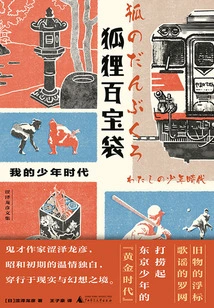
Fox Treasure Bag: My Boyhood
Literature狐狸百宝袋:我的少年时代
J
"Fox Treasure Bag: My Boyhood" is a collection of autobiographical memories of Shibusawa Tatsuhiko. Using his boyhood in the early Showa era as a clue, he recalls food, comics, ballads, baseball, sumo wrestling, Tokyo air raids and other life fragments, linking together the special experiences of an ordinary Japanese family during the war years. The sweet nectar in New Year's cuisine, the nursery rhymes that only he can sing, the summer sceneries of the Koshien baseball game, the nostalgic big iron umbrella, the lunatic asylum adjacent to the junior high school and General Awara... The frail and sickly Tokyo teenager glimpsed the shining golden age through the "diorama". Under the gentle recollection, the cruel reality of war is looming, and the despair and loneliness of that era are outlined like a gray line. This is not "hometown" or "childhood", but the entrance to dreams and death, an echo of the origin of Shibusawa Tatsuhiko's aesthetics. In this collection of essays with "memory" as the core, he rarely removes the mask of "gorgeous", "weird" and "black aesthetics" in his previous works. What he writes is the world in the eyes of a child, gentle, clear, and even a bit "bright", showing the rare sincerity and nostalgia of Shibusawa Tatsuhiko. Hidden in the quiet memories is the loneliness and confusion shared by a generation.
"Fox Treasure Bag: My Boyhood" is a collection of autobiographical memories of Shibusawa Tatsuhiko. Using his boyhood in the early Showa era as a clue, he recalls food, comics, ballads, baseball, sumo wrestling, Tokyo air raids and other life fragments, linking together the special experiences of an ordinary Japanese family during the war years. The sweet nectar in New Year's cuisine, the nursery rhymes that only he can sing, the summer sceneries of the Koshien baseball game, the nostalgic big iron umbrella, the lunatic asylum adjacent to the junior high school and General Awara... The frail and sickly Tokyo teenager glimpsed the shining golden age through the "diorama". Under the gentle recollection, the cruel reality of war is looming, and the despair and loneliness of that era are outlined like a gray line. This is not "hometown" or "childhood", but the entrance to dreams and death, an echo of the origin of Shibusawa Tatsuhiko's aesthetics. In this collection of essays with "memory" as the core, he rarely removes the mask of "gorgeous", "weird" and "black aesthetics" in his previous works. What he writes is the world in the eyes of a child, gentle, clear, and even a bit "bright", showing the rare sincerity and nostalgia of Shibusawa Tatsuhiko. Hidden in the quiet memories is the loneliness and confusion shared by a generation.
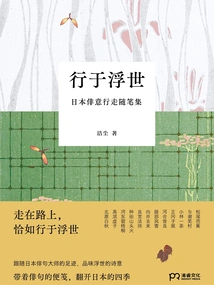
Traveling in the Floating World
Literature行于浮世
Clean Dust
This book is the latest in a series of Japanese travel essays by the well-known writer Jie Chen, written in the 15th year of her trip to Japan. During more than 20 trips, Jiechen hiked in the mountains and rivers of Japan, and visited temples, palaces and hometowns of literati, integrating characters, allusions and cultural aesthetics in Japanese culture into his thoughts and feelings. Using haiku as a clue and the four seasons as chapters, Jie Chen follows the footsteps of haiku artists and revisits Japan's countryside and mountains, cities and wilderness. In the actual scenes, he can taste the unique artistic conception and beauty of Japanese haiku, which is delicate, subtle and Zen. Every journey is an escape and a measurement of the world and time. Walking on the road is like walking in the floating world.
This book is the latest in a series of Japanese travel essays by the well-known writer Jie Chen, written in the 15th year of her trip to Japan. During more than 20 trips, Jiechen hiked in the mountains and rivers of Japan, and visited temples, palaces and hometowns of literati, integrating characters, allusions and cultural aesthetics in Japanese culture into his thoughts and feelings. Using haiku as a clue and the four seasons as chapters, Jie Chen follows the footsteps of haiku artists and revisits Japan's countryside and mountains, cities and wilderness. In the actual scenes, he can taste the unique artistic conception and beauty of Japanese haiku, which is delicate, subtle and Zen. Every journey is an escape and a measurement of the world and time. Walking on the road is like walking in the floating world.
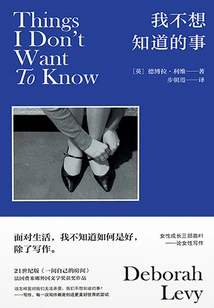
我不想知道的事:论女性写作(女性成长三部曲1)
J
Part One of Deborah Levy's Trilogy on Women's Growth: On Women's Writing. The winner of the 2020 French Femina Foreign Literature Prize. How do we face things we cannot bear and things we don't want to know? --Writing, every writing is an attempt to create a better world. Levy integrates personal history, gender politics, philosophy and literary theory, responding to George Orwell's famous "Why I Write" from a female perspective, discussing writing, love and loss, forming this private, sincere and touching record of personal life. In the book, Levy strives to balance the triple identities of woman, mother, and writer, while describing the real-life experiences that profoundly influenced her novel creation: as a child in South Africa, she lost the ability to speak due to her father's disaster; as a teenager, she lived with construction workers and bus drivers in cheap restaurants in the United Kingdom, and gradually grew into a writer; at the age of fifty, her marriage broke up, and she made an impromptu trip to Mallorca, Spain, to review her previous life in a foreign country.
Part One of Deborah Levy's Trilogy on Women's Growth: On Women's Writing. The winner of the 2020 French Femina Foreign Literature Prize. How do we face things we cannot bear and things we don't want to know? --Writing, every writing is an attempt to create a better world. Levy integrates personal history, gender politics, philosophy and literary theory, responding to George Orwell's famous "Why I Write" from a female perspective, discussing writing, love and loss, forming this private, sincere and touching record of personal life. In the book, Levy strives to balance the triple identities of woman, mother, and writer, while describing the real-life experiences that profoundly influenced her novel creation: as a child in South Africa, she lost the ability to speak due to her father's disaster; as a teenager, she lived with construction workers and bus drivers in cheap restaurants in the United Kingdom, and gradually grew into a writer; at the age of fifty, her marriage broke up, and she made an impromptu trip to Mallorca, Spain, to review her previous life in a foreign country.
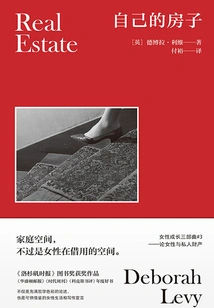
自己的房子:论女性与私人财产(女性成长三部曲3)
J
The third part of Deborah Levy's trilogy on women's coming of age: On women and private property. This book won the Los Angeles Times Book Award and was named a book of the year by Time Magazine, The Washington Post, and others. In addition to a room of their own, women may need a house of their own. A collection of personal documentaries that intelligently and subtly explore women's home ownership, living alone, and spiritual life. Why do we always want to buy a house? What does it mean to live alone? Levy used himself as an example to reveal the psychological and social reasons behind women's desire for real estate, pointing out that real estate is not the key. The freedom, independence, security, and warm life brought by real estate may be what women really desire. London, New York, Mumbai, Paris, Berlin... Writer Levy, who is about to enter his sixties, begins his journey of celibacy. She shuttled between rental houses with different styles, and the desire to own a house of her own always lingered in her heart. Virginia Woolf said that if a woman wants to be a writer, she must have a room of her own. In "A House of One's Own," Levy takes stock of a woman's real and imaginary possessions with profound insight and keen wisdom, prompting readers to question their own cultural understanding of possessions and property, and to think about the value of women's personal material and intellectual lives.
The third part of Deborah Levy's trilogy on women's coming of age: On women and private property. This book won the Los Angeles Times Book Award and was named a book of the year by Time Magazine, The Washington Post, and others. In addition to a room of their own, women may need a house of their own. A collection of personal documentaries that intelligently and subtly explore women's home ownership, living alone, and spiritual life. Why do we always want to buy a house? What does it mean to live alone? Levy used himself as an example to reveal the psychological and social reasons behind women's desire for real estate, pointing out that real estate is not the key. The freedom, independence, security, and warm life brought by real estate may be what women really desire. London, New York, Mumbai, Paris, Berlin... Writer Levy, who is about to enter his sixties, begins his journey of celibacy. She shuttled between rental houses with different styles, and the desire to own a house of her own always lingered in her heart. Virginia Woolf said that if a woman wants to be a writer, she must have a room of her own. In "A House of One's Own," Levy takes stock of a woman's real and imaginary possessions with profound insight and keen wisdom, prompting readers to question their own cultural understanding of possessions and property, and to think about the value of women's personal material and intellectual lives.
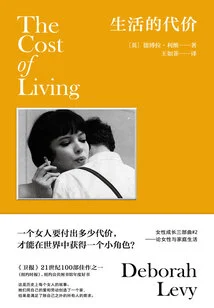
生活的代价:论女性与家庭生活(女性成长三部曲2)
J
Part Two of Deborah Levy's Trilogy of Women's Growth: On Women and Family Life. It was named one of the "100 Best Works of the 21st Century" by The Guardian and won the 2020 French Femina Foreign Literature Prize. "Life falls apart. We try to control ourselves, to stay calm. Then we realize that we don't want to stay calm..." How much does it cost a woman to break old boundaries and gain a small role in a world that is stacked against her? This is the story of every woman in history-who created a home with their love and labor that ended up meeting the needs of everyone but themselves. In this short, emotional, and controversial documentary work, writer Levy not only candidly reviews the darkest moments of his life, including the breakdown of his marriage and the death of his mother, but also thinks about what is a meaningful, valuable, and fun life for women. She cites the works of artists or thinkers such as Simone de Beauvoir, James Baldwin, Elena Ferrante, Marguerite Duras, David Lynch and Emily Dickinson to outline what is the ultimate freedom in women's lives. Recommended by Li Yiyun and Janet Winterson, it is the desk book of Oscar-winning actress Natalie Portman.
Part Two of Deborah Levy's Trilogy of Women's Growth: On Women and Family Life. It was named one of the "100 Best Works of the 21st Century" by The Guardian and won the 2020 French Femina Foreign Literature Prize. "Life falls apart. We try to control ourselves, to stay calm. Then we realize that we don't want to stay calm..." How much does it cost a woman to break old boundaries and gain a small role in a world that is stacked against her? This is the story of every woman in history-who created a home with their love and labor that ended up meeting the needs of everyone but themselves. In this short, emotional, and controversial documentary work, writer Levy not only candidly reviews the darkest moments of his life, including the breakdown of his marriage and the death of his mother, but also thinks about what is a meaningful, valuable, and fun life for women. She cites the works of artists or thinkers such as Simone de Beauvoir, James Baldwin, Elena Ferrante, Marguerite Duras, David Lynch and Emily Dickinson to outline what is the ultimate freedom in women's lives. Recommended by Li Yiyun and Janet Winterson, it is the desk book of Oscar-winning actress Natalie Portman.
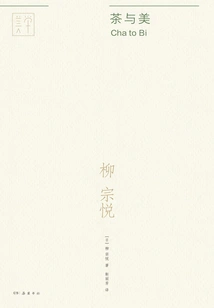
Y
Literaturey
H
"Tea and Beauty" is a classic work handed down from generation to generation by Liu Zongyue. It is a collection of his essays on the theme of tea and beauty. In the book, Yanagi Zongue uses tea utensils, tea ceremonies, crafts, paintings, etc. To deeply explore the spirit and core of beauty of tea, explains the methods and methods of collection, criticizes the chaos of tea ceremony, and points out that the key to appreciating utensils is intuition. In his eyes, the beauty of tea is the beauty of nothingness and the ultimate beauty.
"Tea and Beauty" is a classic work handed down from generation to generation by Liu Zongyue. It is a collection of his essays on the theme of tea and beauty. In the book, Yanagi Zongue uses tea utensils, tea ceremonies, crafts, paintings, etc. To deeply explore the spirit and core of beauty of tea, explains the methods and methods of collection, criticizes the chaos of tea ceremony, and points out that the key to appreciating utensils is intuition. In his eyes, the beauty of tea is the beauty of nothingness and the ultimate beauty.