Library
Browse and search books
2,273 novels found
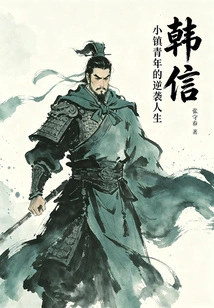
Han Xin: the Counterattack Life of a Small Town Youth
General Fiction韩信:小镇青年的逆袭人生
Zhang Shouchun
This book tells the story of Han Xin, who rose from a young man in a small town to become a general, his life of ups and downs, and the war-torn battlefields and heroes between Chu and Han.
This book tells the story of Han Xin, who rose from a young man in a small town to become a general, his life of ups and downs, and the war-torn battlefields and heroes between Chu and Han.
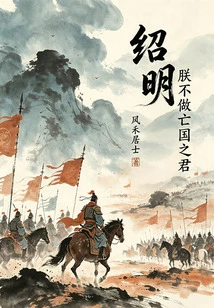
Shaoming: I Will Not Be the King of Subjugation
General Fiction绍明:朕,不做亡国之君
Fenghe Layman
On March 19, the seventeenth year of Chongzhen, under the crooked neck tree in Meishan, the white silk was already tied up, and the emperor was about to kill him with his neck. Suddenly, there was a "ding" in his head - the soul of a 996 worker came through time and took over the body of the subjugated king. At this time, Li Zicheng's sword has arrived at the city. The Qing army outside the pass is watching eagerly. People in Nanjing are worried, and the rats in the treasury are all hungry. The original owner worked diligently for seventeen years, but in exchange he suffered from a chronic condition... If it had been anyone else, he would have been completely ruined. But this time traveler doesn't write cool historical articles - he wants to force the Ming Dynasty back on track. Recovering Liaodong, pacifying the southwest, abolishing stereotyped writing, canceling humble status, building railways, setting up telegraphs... What others had completed in ten years, he had to complete in one year on the body of a half-dead Chongzhen!
On March 19, the seventeenth year of Chongzhen, under the crooked neck tree in Meishan, the white silk was already tied up, and the emperor was about to kill him with his neck. Suddenly, there was a "ding" in his head - the soul of a 996 worker came through time and took over the body of the subjugated king. At this time, Li Zicheng's sword has arrived at the city. The Qing army outside the pass is watching eagerly. People in Nanjing are worried, and the rats in the treasury are all hungry. The original owner worked diligently for seventeen years, but in exchange he suffered from a chronic condition... If it had been anyone else, he would have been completely ruined. But this time traveler doesn't write cool historical articles - he wants to force the Ming Dynasty back on track. Recovering Liaodong, pacifying the southwest, abolishing stereotyped writing, canceling humble status, building railways, setting up telegraphs... What others had completed in ten years, he had to complete in one year on the body of a half-dead Chongzhen!
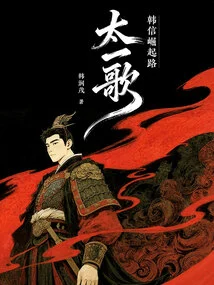
Taiyi Song
General Fiction太一歌
Han Runmao
"The Song of Taiyi" is a historical novel. By describing the twists and turns of the historical figure Han Xin's hard struggle, the author Han Runmao depicts the changing time and space during the Qin Dynasty and the early Han Dynasty, the legendary events and the turbulent struggles of all kinds of characters, and praises the national integrity of people all over the world in pursuit of national unification.
"The Song of Taiyi" is a historical novel. By describing the twists and turns of the historical figure Han Xin's hard struggle, the author Han Runmao depicts the changing time and space during the Qin Dynasty and the early Han Dynasty, the legendary events and the turbulent struggles of all kinds of characters, and praises the national integrity of people all over the world in pursuit of national unification.
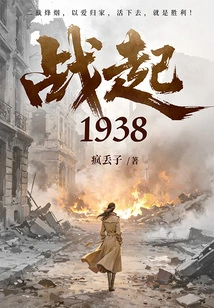
The War Started in 1938
General Fiction战起1938
Crazy Loser
[Survival in a Foreign Country + World War II Classics + Hot-Blooded Group Portraits] Mad Diuzi's work of becoming a god, was shortlisted for the 9th Mao Dun Literary Award! Qin Tian, a Chinese girl, suddenly woke up when the smoke of World War II broke out and she suddenly fell into boundless chaos. She traveled around the European continent, experienced the war in Poland, the haze in Paris, witnessed human tragedies such as the Jewish Holocaust, and struggled to survive in the hail of bullets. In troubled times, she sticks to her good intentions and does her best to protect others. She unexpectedly meets the mysterious officer Augustine and makes her close friend Heinz. The three of them redeemed each other and rekindled their affection for each other in a desperate situation, but no matter how deep their love was, it could not withstand the turbulent torrent of history. The joys and sorrows of troubled times are all deep-rooted, and love and hatred are hard to escape from the flames of war. In the midst of this unparalleled catastrophe, and being driven forward by fate, can Qin Tian make it through the smoke, endure endless suffering, and usher in the dawn of dawn safely?
[Survival in a Foreign Country + World War II Classics + Hot-Blooded Group Portraits] Mad Diuzi's work of becoming a god, was shortlisted for the 9th Mao Dun Literary Award! Qin Tian, a Chinese girl, suddenly woke up when the smoke of World War II broke out and she suddenly fell into boundless chaos. She traveled around the European continent, experienced the war in Poland, the haze in Paris, witnessed human tragedies such as the Jewish Holocaust, and struggled to survive in the hail of bullets. In troubled times, she sticks to her good intentions and does her best to protect others. She unexpectedly meets the mysterious officer Augustine and makes her close friend Heinz. The three of them redeemed each other and rekindled their affection for each other in a desperate situation, but no matter how deep their love was, it could not withstand the turbulent torrent of history. The joys and sorrows of troubled times are all deep-rooted, and love and hatred are hard to escape from the flames of war. In the midst of this unparalleled catastrophe, and being driven forward by fate, can Qin Tian make it through the smoke, endure endless suffering, and usher in the dawn of dawn safely?
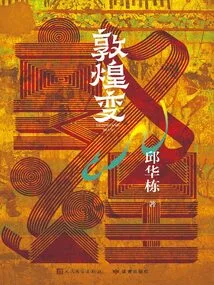
Dunhuang Incident
General Fiction敦煌变
Qiu Huadong
The book was created by the famous writer Qiu Huadong based on the Dunhuang chapter in "Empty City Chronicles". The writer plans to use ten representative Dunhuang grottoes as the main line, with the content of Dunhuang murals as support, and with characters throughout ancient and modern times as the protagonists, telling the impact of Dunhuang in the Hexi Corridor and along the "One Belt, One Road", and thinking about the cultural value, belief implications and practical significance of Dunhuang today. The novel strives to be solid in historical materials and light in imagination, to integrate knowledge, information and cultural quality, and to present the changing fate of people in the interweaving of time and space and the eternity of human nature's demands for truth, goodness and beauty.
The book was created by the famous writer Qiu Huadong based on the Dunhuang chapter in "Empty City Chronicles". The writer plans to use ten representative Dunhuang grottoes as the main line, with the content of Dunhuang murals as support, and with characters throughout ancient and modern times as the protagonists, telling the impact of Dunhuang in the Hexi Corridor and along the "One Belt, One Road", and thinking about the cultural value, belief implications and practical significance of Dunhuang today. The novel strives to be solid in historical materials and light in imagination, to integrate knowledge, information and cultural quality, and to present the changing fate of people in the interweaving of time and space and the eternity of human nature's demands for truth, goodness and beauty.
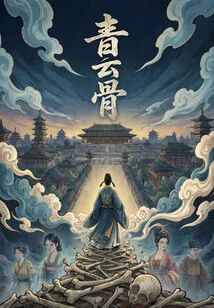
Qingyun Bone
General Fiction青云骨
Huailanqing
In the twenty-ninth year of Kaiyuan, Chang'an was like a dream, and the prosperous times were like a song. Everyone in the world saw Pei Jin, a talented scholar in the new science, dressed in fresh clothes and angry with his horse by the Naqu River. He was as gentle as jade. He is talented, and his poem "Ancient Sword" scolds all the heartless people in the world; he is deeply affectionate and righteous, and does not mind his wife's wretchedness. He is like the ancient gentleman Song Hong. But no one knows what kind of mean and dirty soul is hidden under this shiny skin. A Wan in the ten-mile reed swamp exchanged his life for his "identity"; Liu Wan in the Nuan Pavilion of Chongrenfang exchanged his wealth for his "reputation"; Magistrate Liu, who once wanted to control him, used the lives of his family to become his "voucher"... In this splendid Chang'an City, in that treacherous court hall, he is not a human being, he is a hungry wolf wearing a painted skin. Since the steps of this prosperous age are too high to climb up by stepping on the shoulders, then step on the bones.
In the twenty-ninth year of Kaiyuan, Chang'an was like a dream, and the prosperous times were like a song. Everyone in the world saw Pei Jin, a talented scholar in the new science, dressed in fresh clothes and angry with his horse by the Naqu River. He was as gentle as jade. He is talented, and his poem "Ancient Sword" scolds all the heartless people in the world; he is deeply affectionate and righteous, and does not mind his wife's wretchedness. He is like the ancient gentleman Song Hong. But no one knows what kind of mean and dirty soul is hidden under this shiny skin. A Wan in the ten-mile reed swamp exchanged his life for his "identity"; Liu Wan in the Nuan Pavilion of Chongrenfang exchanged his wealth for his "reputation"; Magistrate Liu, who once wanted to control him, used the lives of his family to become his "voucher"... In this splendid Chang'an City, in that treacherous court hall, he is not a human being, he is a hungry wolf wearing a painted skin. Since the steps of this prosperous age are too high to climb up by stepping on the shoulders, then step on the bones.
Vernacular Version of "three Kingdoms
General Fiction白话版《三国志》
Zhang Shouchun
The Three Kingdoms is the essence of Chinese history and a must-see. This book carefully reproduces the wonderful stories of nearly a hundred characters in the Three Kingdoms. It is not just a simple vernacular translation of the history book "Three Kingdoms", but also includes interpretation and analysis, as well as the original work to supplement the characters' stories, so as to have a more thorough understanding. With this book in hand, you can master the Three Kingdoms.
The Three Kingdoms is the essence of Chinese history and a must-see. This book carefully reproduces the wonderful stories of nearly a hundred characters in the Three Kingdoms. It is not just a simple vernacular translation of the history book "Three Kingdoms", but also includes interpretation and analysis, as well as the original work to supplement the characters' stories, so as to have a more thorough understanding. With this book in hand, you can master the Three Kingdoms.
历史通俗演义:前汉演义(下)
Cai Dongfan
This book begins with Qin Shihuang's unification of the six kingdoms and ends with Wang Mang's usurpation of the Han Dynasty. It brilliantly interprets the rise and fall of the Han Dynasty over more than two hundred years. The author vividly describes the magnificent conflict between Chu and Han, the recuperating Wenjing rule in the early Han Dynasty, the heroic strategy of Emperor Wu of the Han Dynasty in opening up territories, and the political darkness of the autocratic power of foreign relatives in the later period. Among them, the depictions of historical figures such as Liu Bang, Han Xin, Zhang Liang, Emperor Wu of the Han Dynasty, and Sima Qian are particularly vivid. This book not only tells the story of the merits and demerits of the emperors, generals and ministers, but also incorporates rich regulations and social customs, providing readers with a comprehensive understanding of the strength and hidden worries of the Han Dynasty. This is the next volume.
This book begins with Qin Shihuang's unification of the six kingdoms and ends with Wang Mang's usurpation of the Han Dynasty. It brilliantly interprets the rise and fall of the Han Dynasty over more than two hundred years. The author vividly describes the magnificent conflict between Chu and Han, the recuperating Wenjing rule in the early Han Dynasty, the heroic strategy of Emperor Wu of the Han Dynasty in opening up territories, and the political darkness of the autocratic power of foreign relatives in the later period. Among them, the depictions of historical figures such as Liu Bang, Han Xin, Zhang Liang, Emperor Wu of the Han Dynasty, and Sima Qian are particularly vivid. This book not only tells the story of the merits and demerits of the emperors, generals and ministers, but also incorporates rich regulations and social customs, providing readers with a comprehensive understanding of the strength and hidden worries of the Han Dynasty. This is the next volume.
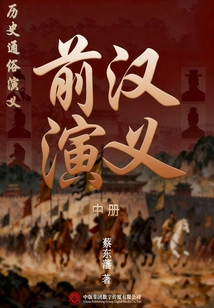
历史通俗演义:前汉演义(中)
Cai Dongfan
This book begins with Qin Shihuang's unification of the six kingdoms and ends with Wang Mang's usurpation of the Han Dynasty. It brilliantly interprets the rise and fall of the Han Dynasty over more than two hundred years. The author vividly describes the magnificent conflict between Chu and Han, the recuperating Wenjing rule in the early Han Dynasty, the heroic strategy of Emperor Wu of the Han Dynasty in opening up territories, and the political darkness of the autocratic power of foreign relatives in the later period. Among them, the depictions of historical figures such as Liu Bang, Han Xin, Zhang Liang, Emperor Wu of the Han Dynasty, and Sima Qian are particularly vivid. This book not only tells the story of the merits and demerits of the emperors, generals and ministers, but also incorporates rich regulations and social customs, providing readers with a comprehensive understanding of the strength and hidden worries of the Han Dynasty. This is the middle volume.
This book begins with Qin Shihuang's unification of the six kingdoms and ends with Wang Mang's usurpation of the Han Dynasty. It brilliantly interprets the rise and fall of the Han Dynasty over more than two hundred years. The author vividly describes the magnificent conflict between Chu and Han, the recuperating Wenjing rule in the early Han Dynasty, the heroic strategy of Emperor Wu of the Han Dynasty in opening up territories, and the political darkness of the autocratic power of foreign relatives in the later period. Among them, the depictions of historical figures such as Liu Bang, Han Xin, Zhang Liang, Emperor Wu of the Han Dynasty, and Sima Qian are particularly vivid. This book not only tells the story of the merits and demerits of the emperors, generals and ministers, but also incorporates rich regulations and social customs, providing readers with a comprehensive understanding of the strength and hidden worries of the Han Dynasty. This is the middle volume.
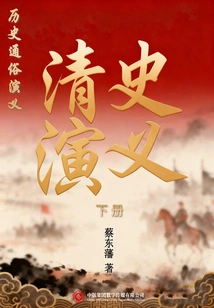
Popular Historical Romance: Romance of Qing History (Part 2)
General Fiction历史通俗演义:清史演义(下)
Cai Dongfan
This book narrates the complete history of the Qing Dynasty from the beginning of Nurhachi's Thirteen Relics to the abdication of Emperor Xuantong. The works cover a series of major events such as the entry of Qing troops into the country, the heyday of Kangxi and Qianlong, the Literary Prison, the Opium War, the Taiping Rebellion, the Westernization Movement, the Sino-Japanese War of 1888-1898, the Reform Movement of 1898, and the Revolution of 1911. The author lived in the Republic of China and was particularly touched by the historical events of the late Qing Dynasty. While describing the martial arts and prosperity of the Qing Dynasty, he also used a lot of pen and ink to deeply expose the national crisis caused by the political corruption and isolation of the country in the late Qing Dynasty. It showed the process of modern China's difficult change under the impact of the West, which has a strong warning significance. This is the next volume.
This book narrates the complete history of the Qing Dynasty from the beginning of Nurhachi's Thirteen Relics to the abdication of Emperor Xuantong. The works cover a series of major events such as the entry of Qing troops into the country, the heyday of Kangxi and Qianlong, the Literary Prison, the Opium War, the Taiping Rebellion, the Westernization Movement, the Sino-Japanese War of 1888-1898, the Reform Movement of 1898, and the Revolution of 1911. The author lived in the Republic of China and was particularly touched by the historical events of the late Qing Dynasty. While describing the martial arts and prosperity of the Qing Dynasty, he also used a lot of pen and ink to deeply expose the national crisis caused by the political corruption and isolation of the country in the late Qing Dynasty. It showed the process of modern China's difficult change under the impact of the West, which has a strong warning significance. This is the next volume.
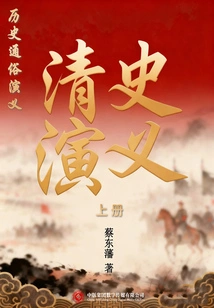
Popular Historical Romance: Romance of Qing History (Part 1)
General Fiction历史通俗演义:清史演义(上)
Cai Dongfan
This book narrates the complete history of the Qing Dynasty from the beginning of Nurhachi's Thirteen Relics to the abdication of Emperor Xuantong. The works cover a series of major events such as the entry of Qing troops into the country, the heyday of Kangxi and Qianlong, the Literary Prison, the Opium War, the Taiping Rebellion, the Westernization Movement, the Sino-Japanese War of 1888-1898, the Reform Movement of 1898, and the Revolution of 1911. The author lived in the Republic of China and was particularly touched by the historical events of the late Qing Dynasty. While describing the martial arts and prosperity of the Qing Dynasty, he also used a lot of pen and ink to deeply expose the national crisis caused by the political corruption and isolation of the country in the late Qing Dynasty. It showed the process of modern China's difficult change under the impact of the West, which has a strong warning significance. This is the first volume.
This book narrates the complete history of the Qing Dynasty from the beginning of Nurhachi's Thirteen Relics to the abdication of Emperor Xuantong. The works cover a series of major events such as the entry of Qing troops into the country, the heyday of Kangxi and Qianlong, the Literary Prison, the Opium War, the Taiping Rebellion, the Westernization Movement, the Sino-Japanese War of 1888-1898, the Reform Movement of 1898, and the Revolution of 1911. The author lived in the Republic of China and was particularly touched by the historical events of the late Qing Dynasty. While describing the martial arts and prosperity of the Qing Dynasty, he also used a lot of pen and ink to deeply expose the national crisis caused by the political corruption and isolation of the country in the late Qing Dynasty. It showed the process of modern China's difficult change under the impact of the West, which has a strong warning significance. This is the first volume.
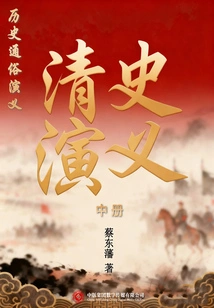
Popular Historical Romance: Romance of Qing History (Part 2)
General Fiction历史通俗演义:清史演义(中)
Cai Dongfan
This book narrates the complete history of the Qing Dynasty from the beginning of Nurhachi's Thirteen Relics to the abdication of Emperor Xuantong. The works cover a series of major events such as the entry of Qing troops into the country, the heyday of Kangxi and Qianlong, the Literary Prison, the Opium War, the Taiping Rebellion, the Westernization Movement, the Sino-Japanese War of 1888-1898, the Reform Movement of 1898, and the Revolution of 1911. The author lived in the Republic of China and was particularly touched by the historical events of the late Qing Dynasty. While describing the martial arts and prosperity of the Qing Dynasty, he also used a lot of pen and ink to deeply expose the national crisis caused by the political corruption and isolation of the country in the late Qing Dynasty. It showed the process of modern China's difficult change under the impact of the West, which has a strong warning significance. This is the middle volume.
This book narrates the complete history of the Qing Dynasty from the beginning of Nurhachi's Thirteen Relics to the abdication of Emperor Xuantong. The works cover a series of major events such as the entry of Qing troops into the country, the heyday of Kangxi and Qianlong, the Literary Prison, the Opium War, the Taiping Rebellion, the Westernization Movement, the Sino-Japanese War of 1888-1898, the Reform Movement of 1898, and the Revolution of 1911. The author lived in the Republic of China and was particularly touched by the historical events of the late Qing Dynasty. While describing the martial arts and prosperity of the Qing Dynasty, he also used a lot of pen and ink to deeply expose the national crisis caused by the political corruption and isolation of the country in the late Qing Dynasty. It showed the process of modern China's difficult change under the impact of the West, which has a strong warning significance. This is the middle volume.
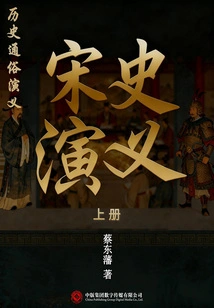
历史通俗演义:宋史演义(上)
Cai Dongfan
This book comprehensively presents the history of the Song Dynasty for more than three hundred years, which is divided into two stages: the Northern Song Dynasty and the Southern Song Dynasty. The work not only depicts major political and military events such as Song Taizu's drinking of wine to release military power, Wang Anshi's reform, and Yue Fei's resistance to the Jin Dynasty, but also shows the high economic and cultural prosperity of the Song Dynasty (such as movable type printing, Song poetry, calligraphy and painting). The author's narrative is full of emotion. He not only praises the integrity of loyal ministers and righteous men such as Fan Zhongyan, Bao Zheng, Su Shi, and Wen Tianxiang, but also criticizes the imperial court's poverty and weakness, constant party disputes, and the humiliating national policy of seeking peace. It presents readers with a complex image of a dynasty that coexists with the prosperity of civilization and the weakness of martial arts, which is both admirable and regrettable. This is the first volume.
This book comprehensively presents the history of the Song Dynasty for more than three hundred years, which is divided into two stages: the Northern Song Dynasty and the Southern Song Dynasty. The work not only depicts major political and military events such as Song Taizu's drinking of wine to release military power, Wang Anshi's reform, and Yue Fei's resistance to the Jin Dynasty, but also shows the high economic and cultural prosperity of the Song Dynasty (such as movable type printing, Song poetry, calligraphy and painting). The author's narrative is full of emotion. He not only praises the integrity of loyal ministers and righteous men such as Fan Zhongyan, Bao Zheng, Su Shi, and Wen Tianxiang, but also criticizes the imperial court's poverty and weakness, constant party disputes, and the humiliating national policy of seeking peace. It presents readers with a complex image of a dynasty that coexists with the prosperity of civilization and the weakness of martial arts, which is both admirable and regrettable. This is the first volume.
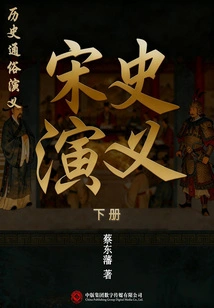
历史通俗演义:宋史演义(下)
Cai Dongfan
This book comprehensively presents the history of the Song Dynasty for more than three hundred years, which is divided into two stages: the Northern Song Dynasty and the Southern Song Dynasty. The work not only depicts major political and military events such as Song Taizu's drinking of wine to release military power, Wang Anshi's reform, and Yue Fei's resistance to the Jin Dynasty, but also shows the high economic and cultural prosperity of the Song Dynasty (such as movable type printing, Song poetry, calligraphy and painting). The author's narrative is full of emotion. He not only praises the integrity of loyal ministers and righteous men such as Fan Zhongyan, Bao Zheng, Su Shi, and Wen Tianxiang, but also criticizes the imperial court's poverty and weakness, constant party disputes, and the humiliating national policy of seeking peace. It presents readers with a complex image of a dynasty that coexists with the prosperity of civilization and the weakness of martial arts, which is both admirable and regrettable. This is the next volume.
This book comprehensively presents the history of the Song Dynasty for more than three hundred years, which is divided into two stages: the Northern Song Dynasty and the Southern Song Dynasty. The work not only depicts major political and military events such as Song Taizu's drinking of wine to release military power, Wang Anshi's reform, and Yue Fei's resistance to the Jin Dynasty, but also shows the high economic and cultural prosperity of the Song Dynasty (such as movable type printing, Song poetry, calligraphy and painting). The author's narrative is full of emotion. He not only praises the integrity of loyal ministers and righteous men such as Fan Zhongyan, Bao Zheng, Su Shi, and Wen Tianxiang, but also criticizes the imperial court's poverty and weakness, constant party disputes, and the humiliating national policy of seeking peace. It presents readers with a complex image of a dynasty that coexists with the prosperity of civilization and the weakness of martial arts, which is both admirable and regrettable. This is the next volume.
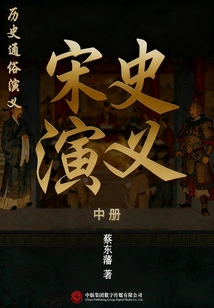
历史通俗演义:宋史演义(中)
Cai Dongfan
This book comprehensively presents the history of the Song Dynasty for more than three hundred years, which is divided into two stages: the Northern Song Dynasty and the Southern Song Dynasty. The work not only depicts major political and military events such as Song Taizu's drinking of wine to release military power, Wang Anshi's reform, and Yue Fei's resistance to the Jin Dynasty, but also shows the high economic and cultural prosperity of the Song Dynasty (such as movable type printing, Song poetry, calligraphy and painting). The author's narrative is full of emotion. He not only praises the integrity of loyal ministers and righteous men such as Fan Zhongyan, Bao Zheng, Su Shi, and Wen Tianxiang, but also criticizes the imperial court's poverty and weakness, constant party disputes, and the humiliating national policy of seeking peace. It presents readers with a complex image of a dynasty that coexists with the prosperity of civilization and the weakness of martial arts, which is both admirable and regrettable. This is the middle volume.
This book comprehensively presents the history of the Song Dynasty for more than three hundred years, which is divided into two stages: the Northern Song Dynasty and the Southern Song Dynasty. The work not only depicts major political and military events such as Song Taizu's drinking of wine to release military power, Wang Anshi's reform, and Yue Fei's resistance to the Jin Dynasty, but also shows the high economic and cultural prosperity of the Song Dynasty (such as movable type printing, Song poetry, calligraphy and painting). The author's narrative is full of emotion. He not only praises the integrity of loyal ministers and righteous men such as Fan Zhongyan, Bao Zheng, Su Shi, and Wen Tianxiang, but also criticizes the imperial court's poverty and weakness, constant party disputes, and the humiliating national policy of seeking peace. It presents readers with a complex image of a dynasty that coexists with the prosperity of civilization and the weakness of martial arts, which is both admirable and regrettable. This is the middle volume.
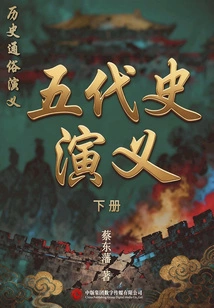
历史通俗演义:五代史演义(下)
Cai Dongfan
This book describes the troubled times of just over fifty years between the fall of the Tang Dynasty and the rise of the Song Dynasty - the Five Dynasties and Ten Kingdoms. This was a period of extreme chaos in which "the capital changed its banner". Short-lived dynasties such as the Later Liang, the Later Tang, the Later Jin, the Later Han, and the Later Wu emerged in the Central Plains, and more than ten separatist regimes coexisted in the surrounding areas. Taking history as the outline, the author vividly depicts the complex faces of the heroes of troubled times such as Zhu Wen, Li Keyong, Shi Jingtang, Guo Wei, Chai Rong, etc., Focusing on major events such as the warlords' melee, the Khitan's southern invasion, and the cession of the Sixteen Prefectures of Yanyun by the Emperor Er. It profoundly reveals the huge trauma caused by division and separatism to society, and foreshadows the inevitable trend of unification. This is the next volume.
This book describes the troubled times of just over fifty years between the fall of the Tang Dynasty and the rise of the Song Dynasty - the Five Dynasties and Ten Kingdoms. This was a period of extreme chaos in which "the capital changed its banner". Short-lived dynasties such as the Later Liang, the Later Tang, the Later Jin, the Later Han, and the Later Wu emerged in the Central Plains, and more than ten separatist regimes coexisted in the surrounding areas. Taking history as the outline, the author vividly depicts the complex faces of the heroes of troubled times such as Zhu Wen, Li Keyong, Shi Jingtang, Guo Wei, Chai Rong, etc., Focusing on major events such as the warlords' melee, the Khitan's southern invasion, and the cession of the Sixteen Prefectures of Yanyun by the Emperor Er. It profoundly reveals the huge trauma caused by division and separatism to society, and foreshadows the inevitable trend of unification. This is the next volume.
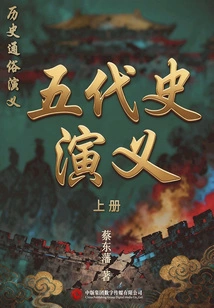
历史通俗演义:五代史演义(上)
Cai Dongfan
This book describes the troubled times of just over fifty years between the fall of the Tang Dynasty and the rise of the Song Dynasty - the Five Dynasties and Ten Kingdoms. This was a period of extreme chaos in which "the capital changed its banner". Short-lived dynasties such as the Later Liang, the Later Tang, the Later Jin, the Later Han, and the Later Wu emerged in the Central Plains, and more than ten separatist regimes coexisted in the surrounding areas. Taking history as the outline, the author vividly depicts the complex faces of the heroes of troubled times such as Zhu Wen, Li Keyong, Shi Jingtang, Guo Wei, Chai Rong, etc., Focusing on major events such as the warlords' melee, the Khitan's southern invasion, and the cession of the Sixteen Prefectures of Yanyun by the Emperor Er. It profoundly reveals the huge trauma caused by division and separatism to society, and foreshadows the inevitable trend of unification. This is the first volume.
This book describes the troubled times of just over fifty years between the fall of the Tang Dynasty and the rise of the Song Dynasty - the Five Dynasties and Ten Kingdoms. This was a period of extreme chaos in which "the capital changed its banner". Short-lived dynasties such as the Later Liang, the Later Tang, the Later Jin, the Later Han, and the Later Wu emerged in the Central Plains, and more than ten separatist regimes coexisted in the surrounding areas. Taking history as the outline, the author vividly depicts the complex faces of the heroes of troubled times such as Zhu Wen, Li Keyong, Shi Jingtang, Guo Wei, Chai Rong, etc., Focusing on major events such as the warlords' melee, the Khitan's southern invasion, and the cession of the Sixteen Prefectures of Yanyun by the Emperor Er. It profoundly reveals the huge trauma caused by division and separatism to society, and foreshadows the inevitable trend of unification. This is the first volume.
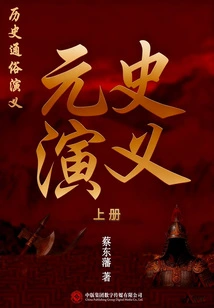
Popular Historical Romance: Romance of Yuan Dynasty (Part 1)
General Fiction历史通俗演义:元史演义(上)
Cai Dongfan
This book tells the story of the rise and fall of the Yuan Dynasty established by the Mongolian people in the past hundred years. From Genghis Khan's unification of Mongolia, Kublai Khan's establishment of the Yuan Dynasty and the destruction of the Southern Song Dynasty, to the peasant uprising at the end of the Yuan Dynasty, and the establishment of the Ming Dynasty by Zhu Yuanzhang. The author uses a novelistic style to vividly reproduce the fierceness of the Mongolian cavalry, the vast territory of the Yuan Dynasty, the ethnic differentiation policy of the Fourth Class, as well as the achievements of Yuan opera and other cultures. The book is full of characters such as Kublai Khan, Wen Tianxiang, and Guo Shoujing, and it also profoundly reveals the internal reasons for the rapid collapse of the Yuan Dynasty due to improper governance, intensified class conflicts, and ethnic conflicts. This is the first volume.
This book tells the story of the rise and fall of the Yuan Dynasty established by the Mongolian people in the past hundred years. From Genghis Khan's unification of Mongolia, Kublai Khan's establishment of the Yuan Dynasty and the destruction of the Southern Song Dynasty, to the peasant uprising at the end of the Yuan Dynasty, and the establishment of the Ming Dynasty by Zhu Yuanzhang. The author uses a novelistic style to vividly reproduce the fierceness of the Mongolian cavalry, the vast territory of the Yuan Dynasty, the ethnic differentiation policy of the Fourth Class, as well as the achievements of Yuan opera and other cultures. The book is full of characters such as Kublai Khan, Wen Tianxiang, and Guo Shoujing, and it also profoundly reveals the internal reasons for the rapid collapse of the Yuan Dynasty due to improper governance, intensified class conflicts, and ethnic conflicts. This is the first volume.
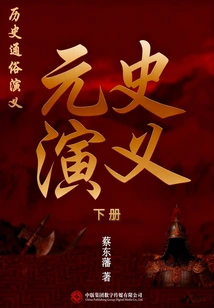
Popular Historical Romance: Romance of Yuan Dynasty (Part 2)
General Fiction历史通俗演义:元史演义(下)
Cai Dongfan
This book tells the story of the rise and fall of the Yuan Dynasty established by the Mongolian people in the past hundred years. From Genghis Khan's unification of Mongolia, Kublai Khan's establishment of the Yuan Dynasty and the destruction of the Southern Song Dynasty, to the peasant uprising at the end of the Yuan Dynasty, and the establishment of the Ming Dynasty by Zhu Yuanzhang. The author uses a novelistic style to vividly reproduce the fierceness of the Mongolian cavalry, the vast territory of the Yuan Dynasty, the ethnic differentiation policy of the Fourth Class, as well as the achievements of Yuan opera and other cultures. The book is full of characters such as Kublai Khan, Wen Tianxiang, and Guo Shoujing, and it also profoundly reveals the internal reasons for the rapid collapse of the Yuan Dynasty due to improper governance, intensified class conflicts, and ethnic conflicts. This is the next volume.
This book tells the story of the rise and fall of the Yuan Dynasty established by the Mongolian people in the past hundred years. From Genghis Khan's unification of Mongolia, Kublai Khan's establishment of the Yuan Dynasty and the destruction of the Southern Song Dynasty, to the peasant uprising at the end of the Yuan Dynasty, and the establishment of the Ming Dynasty by Zhu Yuanzhang. The author uses a novelistic style to vividly reproduce the fierceness of the Mongolian cavalry, the vast territory of the Yuan Dynasty, the ethnic differentiation policy of the Fourth Class, as well as the achievements of Yuan opera and other cultures. The book is full of characters such as Kublai Khan, Wen Tianxiang, and Guo Shoujing, and it also profoundly reveals the internal reasons for the rapid collapse of the Yuan Dynasty due to improper governance, intensified class conflicts, and ethnic conflicts. This is the next volume.
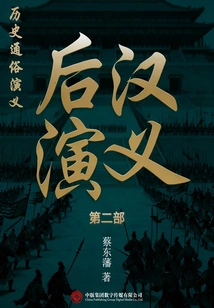
历史通俗演义:后汉演义(第二部)
Cai Dongfan
This book describes the history from the establishment of the Eastern Han Dynasty by Emperor Guangwu Liu Xiu's "Guangwu Zhongxing" to the time when Emperor Xian of the Han Dynasty settled in Cao Pi, and the three kingdoms were initially formed. The work vividly reproduces the scene of political clarity and restoration of national power in the early Eastern Han Dynasty, the chaos of alternating power between relatives and eunuchs in the middle period, and the chaotic times of the Yellow Turban Uprising and the rise of heroes in the late Eastern Han Dynasty. There are detailed descriptions of the deeds of outstanding figures such as Liu Xiu, Ban Chao, Cai Lun, and Zhang Heng, as well as major events such as the "Disaster of Party Imprisonment" and the "Battle of Guandu", clearly outlining the historical trajectory of the Later Han Dynasty from prosperity to decline, and finally to division. This is the second part.
This book describes the history from the establishment of the Eastern Han Dynasty by Emperor Guangwu Liu Xiu's "Guangwu Zhongxing" to the time when Emperor Xian of the Han Dynasty settled in Cao Pi, and the three kingdoms were initially formed. The work vividly reproduces the scene of political clarity and restoration of national power in the early Eastern Han Dynasty, the chaos of alternating power between relatives and eunuchs in the middle period, and the chaotic times of the Yellow Turban Uprising and the rise of heroes in the late Eastern Han Dynasty. There are detailed descriptions of the deeds of outstanding figures such as Liu Xiu, Ban Chao, Cai Lun, and Zhang Heng, as well as major events such as the "Disaster of Party Imprisonment" and the "Battle of Guandu", clearly outlining the historical trajectory of the Later Han Dynasty from prosperity to decline, and finally to division. This is the second part.
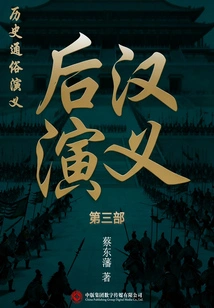
历史通俗演义:后汉演义(第三部)
Cai Dongfan
This book describes the history from the establishment of the Eastern Han Dynasty by Emperor Guangwu Liu Xiu's "Guangwu Zhongxing" to the time when Emperor Xian of the Han Dynasty settled in Cao Pi, and the three kingdoms were initially formed. The work vividly reproduces the scene of political clarity and restoration of national power in the early Eastern Han Dynasty, the chaos of alternating power between relatives and eunuchs in the middle period, and the chaotic times of the Yellow Turban Uprising and the rise of heroes in the late Eastern Han Dynasty. There are detailed descriptions of the deeds of outstanding figures such as Liu Xiu, Ban Chao, Cai Lun, and Zhang Heng, as well as major events such as the "Disaster of Party Imprisonment" and the "Battle of Guandu", clearly outlining the historical trajectory of the Later Han Dynasty from prosperity to decline, and finally to division. This is the third part.
This book describes the history from the establishment of the Eastern Han Dynasty by Emperor Guangwu Liu Xiu's "Guangwu Zhongxing" to the time when Emperor Xian of the Han Dynasty settled in Cao Pi, and the three kingdoms were initially formed. The work vividly reproduces the scene of political clarity and restoration of national power in the early Eastern Han Dynasty, the chaos of alternating power between relatives and eunuchs in the middle period, and the chaotic times of the Yellow Turban Uprising and the rise of heroes in the late Eastern Han Dynasty. There are detailed descriptions of the deeds of outstanding figures such as Liu Xiu, Ban Chao, Cai Lun, and Zhang Heng, as well as major events such as the "Disaster of Party Imprisonment" and the "Battle of Guandu", clearly outlining the historical trajectory of the Later Han Dynasty from prosperity to decline, and finally to division. This is the third part.
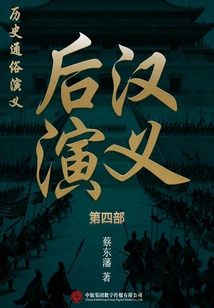
历史通俗演义:后汉演义(第四部)
Cai Dongfan
This book describes the history from the establishment of the Eastern Han Dynasty by Emperor Guangwu Liu Xiu's "Guangwu Zhongxing" to the time when Emperor Xian of the Han Dynasty settled in Cao Pi, and the three kingdoms were initially formed. The work vividly reproduces the scene of political clarity and restoration of national power in the early Eastern Han Dynasty, the chaos of alternating power between relatives and eunuchs in the middle period, and the chaotic times of the Yellow Turban Uprising and the rise of heroes in the late Eastern Han Dynasty. There are detailed descriptions of the deeds of outstanding figures such as Liu Xiu, Ban Chao, Cai Lun, and Zhang Heng, as well as major events such as the "Disaster of Party Imprisonment" and the "Battle of Guandu", clearly outlining the historical trajectory of the Later Han Dynasty from prosperity to decline, and finally to division. This is the fourth part.
This book describes the history from the establishment of the Eastern Han Dynasty by Emperor Guangwu Liu Xiu's "Guangwu Zhongxing" to the time when Emperor Xian of the Han Dynasty settled in Cao Pi, and the three kingdoms were initially formed. The work vividly reproduces the scene of political clarity and restoration of national power in the early Eastern Han Dynasty, the chaos of alternating power between relatives and eunuchs in the middle period, and the chaotic times of the Yellow Turban Uprising and the rise of heroes in the late Eastern Han Dynasty. There are detailed descriptions of the deeds of outstanding figures such as Liu Xiu, Ban Chao, Cai Lun, and Zhang Heng, as well as major events such as the "Disaster of Party Imprisonment" and the "Battle of Guandu", clearly outlining the historical trajectory of the Later Han Dynasty from prosperity to decline, and finally to division. This is the fourth part.
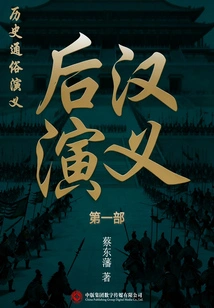
历史通俗演义:后汉演义(第一部)
Cai Dongfan
This book describes the history from the establishment of the Eastern Han Dynasty by Emperor Guangwu Liu Xiu's "Guangwu Zhongxing" to the time when Emperor Xian of the Han Dynasty settled in Cao Pi, and the three kingdoms were initially formed. The work vividly reproduces the scene of political clarity and restoration of national power in the early Eastern Han Dynasty, the chaos of alternating power between relatives and eunuchs in the middle period, and the chaotic times of the Yellow Turban Uprising and the rise of heroes in the late Eastern Han Dynasty. There are detailed descriptions of the deeds of outstanding figures such as Liu Xiu, Ban Chao, Cai Lun, and Zhang Heng, as well as major events such as the "Disaster of Party Imprisonment" and the "Battle of Guandu", clearly outlining the historical trajectory of the Later Han Dynasty from prosperity to decline, and finally to division. This is the first one.
This book describes the history from the establishment of the Eastern Han Dynasty by Emperor Guangwu Liu Xiu's "Guangwu Zhongxing" to the time when Emperor Xian of the Han Dynasty settled in Cao Pi, and the three kingdoms were initially formed. The work vividly reproduces the scene of political clarity and restoration of national power in the early Eastern Han Dynasty, the chaos of alternating power between relatives and eunuchs in the middle period, and the chaotic times of the Yellow Turban Uprising and the rise of heroes in the late Eastern Han Dynasty. There are detailed descriptions of the deeds of outstanding figures such as Liu Xiu, Ban Chao, Cai Lun, and Zhang Heng, as well as major events such as the "Disaster of Party Imprisonment" and the "Battle of Guandu", clearly outlining the historical trajectory of the Later Han Dynasty from prosperity to decline, and finally to division. This is the first one.
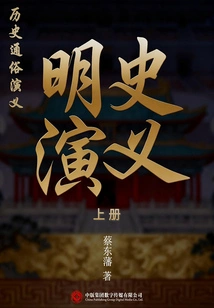
Popular Historical Romance: Romance of Ming Dynasty (Part 1)
General Fiction历史通俗演义:明史演义(上)
Cai Dongfan
This book begins with Zhu Yuanzhang participating in the Red Turban Uprising and establishing the Ming Dynasty, until Li Zicheng invades Beijing, Emperor Chongzhen hangs himself on Meishan Mountain, and the Qing Dynasty enters the Pass. The work is large in scale and details the political situation of the Ming Dynasty for nearly three hundred years, including the Hongwu period, the Yongle era, Zheng He's voyages to the West, the Renxuan period, the Tumubao Incident, Zhang Juzheng's reforms, the Donglin party struggle, Chongzhen's efforts to save the nation and other key nodes. It deeply depicts the fate of Zhu Yuanzhang, Zhu Di, Yu Qian, Hai Rui, Zhang Juzheng, Wei Zhongxian, Yuan Chonghuan and many other historical figures, and comprehensively analyzes the profound lessons of the Ming Dynasty from prosperity to decline and finally to its demise. This is the first volume.
This book begins with Zhu Yuanzhang participating in the Red Turban Uprising and establishing the Ming Dynasty, until Li Zicheng invades Beijing, Emperor Chongzhen hangs himself on Meishan Mountain, and the Qing Dynasty enters the Pass. The work is large in scale and details the political situation of the Ming Dynasty for nearly three hundred years, including the Hongwu period, the Yongle era, Zheng He's voyages to the West, the Renxuan period, the Tumubao Incident, Zhang Juzheng's reforms, the Donglin party struggle, Chongzhen's efforts to save the nation and other key nodes. It deeply depicts the fate of Zhu Yuanzhang, Zhu Di, Yu Qian, Hai Rui, Zhang Juzheng, Wei Zhongxian, Yuan Chonghuan and many other historical figures, and comprehensively analyzes the profound lessons of the Ming Dynasty from prosperity to decline and finally to its demise. This is the first volume.
Popular Historical Romance: Romance of Ming Dynasty (Part 2)
General Fiction历史通俗演义:明史演义(下)
Cai Dongfan
This book begins with Zhu Yuanzhang participating in the Red Turban Uprising and establishing the Ming Dynasty, until Li Zicheng invades Beijing, Emperor Chongzhen hangs himself on Meishan Mountain, and the Qing Dynasty enters the Pass. The work is large in scale and details the political situation of the Ming Dynasty for nearly three hundred years, including the Hongwu period, the Yongle era, Zheng He's voyages to the West, the Renxuan period, the Tumubao Incident, Zhang Juzheng's reforms, the Donglin party struggle, Chongzhen's efforts to save the nation and other key nodes. It deeply depicts the fate of Zhu Yuanzhang, Zhu Di, Yu Qian, Hai Rui, Zhang Juzheng, Wei Zhongxian, Yuan Chonghuan and many other historical figures, and comprehensively analyzes the profound lessons of the Ming Dynasty from prosperity to decline and finally to its demise. This is the next volume.
This book begins with Zhu Yuanzhang participating in the Red Turban Uprising and establishing the Ming Dynasty, until Li Zicheng invades Beijing, Emperor Chongzhen hangs himself on Meishan Mountain, and the Qing Dynasty enters the Pass. The work is large in scale and details the political situation of the Ming Dynasty for nearly three hundred years, including the Hongwu period, the Yongle era, Zheng He's voyages to the West, the Renxuan period, the Tumubao Incident, Zhang Juzheng's reforms, the Donglin party struggle, Chongzhen's efforts to save the nation and other key nodes. It deeply depicts the fate of Zhu Yuanzhang, Zhu Di, Yu Qian, Hai Rui, Zhang Juzheng, Wei Zhongxian, Yuan Chonghuan and many other historical figures, and comprehensively analyzes the profound lessons of the Ming Dynasty from prosperity to decline and finally to its demise. This is the next volume.
Popular Historical Romance: Romance of Ming Dynasty (Part 2)
General Fiction历史通俗演义:明史演义(中)
Cai Dongfan
This book begins with Zhu Yuanzhang participating in the Red Turban Uprising and establishing the Ming Dynasty, until Li Zicheng invades Beijing, Emperor Chongzhen hangs himself on Meishan Mountain, and the Qing Dynasty enters the Pass. The work is large in scale and details the political situation of the Ming Dynasty for nearly three hundred years, including the Hongwu period, the Yongle era, Zheng He's voyages to the West, the Renxuan period, the Tumubao Incident, Zhang Juzheng's reforms, the Donglin party struggle, Chongzhen's efforts to save the nation and other key nodes. It deeply depicts the fate of Zhu Yuanzhang, Zhu Di, Yu Qian, Hai Rui, Zhang Juzheng, Wei Zhongxian, Yuan Chonghuan and many other historical figures, and comprehensively analyzes the profound lessons of the Ming Dynasty from prosperity to decline and finally to its demise. This is the middle volume.
This book begins with Zhu Yuanzhang participating in the Red Turban Uprising and establishing the Ming Dynasty, until Li Zicheng invades Beijing, Emperor Chongzhen hangs himself on Meishan Mountain, and the Qing Dynasty enters the Pass. The work is large in scale and details the political situation of the Ming Dynasty for nearly three hundred years, including the Hongwu period, the Yongle era, Zheng He's voyages to the West, the Renxuan period, the Tumubao Incident, Zhang Juzheng's reforms, the Donglin party struggle, Chongzhen's efforts to save the nation and other key nodes. It deeply depicts the fate of Zhu Yuanzhang, Zhu Di, Yu Qian, Hai Rui, Zhang Juzheng, Wei Zhongxian, Yuan Chonghuan and many other historical figures, and comprehensively analyzes the profound lessons of the Ming Dynasty from prosperity to decline and finally to its demise. This is the middle volume.
历史通俗演义:南北史演义(第二部)
Cai Dongfan
This book focuses on an era of great turmoil and integration in Chinese history - the Wei, Jin, Southern and Northern Dynasties. During this period of history, political power changed frequently, ethnic conflicts and integration intertwined, and the ideology and culture were extremely active. In a clear context, the author sorts out the confrontation and ups and downs between the Song, Qi, Liang, and Chen Dynasties in the Southern Dynasties and the Northern Wei, Eastern Wei, Western Wei, Northern Qi, and Northern Zhou Dynasties. He vividly depicts emperors with different personalities such as Liu Yu, Tuoba Tao, Emperor Wu of Liang, and Emperor Xiaowen, as well as famous battles such as the "Battle of Feishui" to help readers understand how this complex and critical historical period laid the foundation for the prosperity of the Sui and Tang Dynasties. This is the second part.
This book focuses on an era of great turmoil and integration in Chinese history - the Wei, Jin, Southern and Northern Dynasties. During this period of history, political power changed frequently, ethnic conflicts and integration intertwined, and the ideology and culture were extremely active. In a clear context, the author sorts out the confrontation and ups and downs between the Song, Qi, Liang, and Chen Dynasties in the Southern Dynasties and the Northern Wei, Eastern Wei, Western Wei, Northern Qi, and Northern Zhou Dynasties. He vividly depicts emperors with different personalities such as Liu Yu, Tuoba Tao, Emperor Wu of Liang, and Emperor Xiaowen, as well as famous battles such as the "Battle of Feishui" to help readers understand how this complex and critical historical period laid the foundation for the prosperity of the Sui and Tang Dynasties. This is the second part.
历史通俗演义:南北史演义(第三部)
Cai Dongfan
This book focuses on an era of great turmoil and integration in Chinese history - the Wei, Jin, Southern and Northern Dynasties. During this period of history, political power changed frequently, ethnic conflicts and integration intertwined, and the ideology and culture were extremely active. In a clear context, the author sorts out the confrontation and ups and downs between the Song, Qi, Liang, and Chen Dynasties in the Southern Dynasties and the Northern Wei, Eastern Wei, Western Wei, Northern Qi, and Northern Zhou Dynasties. He vividly depicts emperors with different personalities such as Liu Yu, Tuoba Tao, Emperor Wu of Liang, and Emperor Xiaowen, as well as famous battles such as the "Battle of Feishui" to help readers understand how this complex and critical historical period laid the foundation for the prosperity of the Sui and Tang Dynasties. This is the third part.
This book focuses on an era of great turmoil and integration in Chinese history - the Wei, Jin, Southern and Northern Dynasties. During this period of history, political power changed frequently, ethnic conflicts and integration intertwined, and the ideology and culture were extremely active. In a clear context, the author sorts out the confrontation and ups and downs between the Song, Qi, Liang, and Chen Dynasties in the Southern Dynasties and the Northern Wei, Eastern Wei, Western Wei, Northern Qi, and Northern Zhou Dynasties. He vividly depicts emperors with different personalities such as Liu Yu, Tuoba Tao, Emperor Wu of Liang, and Emperor Xiaowen, as well as famous battles such as the "Battle of Feishui" to help readers understand how this complex and critical historical period laid the foundation for the prosperity of the Sui and Tang Dynasties. This is the third part.
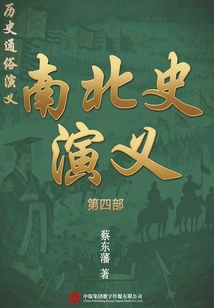
历史通俗演义:南北史演义(第四部)
Cai Dongfan
This book focuses on an era of great turmoil and integration in Chinese history - the Wei, Jin, Southern and Northern Dynasties. During this period of history, political power changed frequently, ethnic conflicts and integration intertwined, and the ideology and culture were extremely active. In a clear context, the author sorts out the confrontation and ups and downs between the Song, Qi, Liang, and Chen Dynasties in the Southern Dynasties and the Northern Wei, Eastern Wei, Western Wei, Northern Qi, and Northern Zhou Dynasties. He vividly depicts emperors with different personalities such as Liu Yu, Tuoba Tao, Emperor Wu of Liang, and Emperor Xiaowen, as well as famous battles such as the "Battle of Feishui" to help readers understand how this complex and critical historical period laid the foundation for the prosperity of the Sui and Tang Dynasties. This is the fourth part.
This book focuses on an era of great turmoil and integration in Chinese history - the Wei, Jin, Southern and Northern Dynasties. During this period of history, political power changed frequently, ethnic conflicts and integration intertwined, and the ideology and culture were extremely active. In a clear context, the author sorts out the confrontation and ups and downs between the Song, Qi, Liang, and Chen Dynasties in the Southern Dynasties and the Northern Wei, Eastern Wei, Western Wei, Northern Qi, and Northern Zhou Dynasties. He vividly depicts emperors with different personalities such as Liu Yu, Tuoba Tao, Emperor Wu of Liang, and Emperor Xiaowen, as well as famous battles such as the "Battle of Feishui" to help readers understand how this complex and critical historical period laid the foundation for the prosperity of the Sui and Tang Dynasties. This is the fourth part.
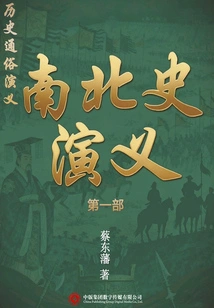
历史通俗演义:南北史演义(第一部)
Cai Dongfan
This book focuses on an era of great turmoil and integration in Chinese history - the Wei, Jin, Southern and Northern Dynasties. During this period of history, political power changed frequently, ethnic conflicts and integration intertwined, and the ideology and culture were extremely active. In a clear context, the author sorts out the confrontation and ups and downs between the Song, Qi, Liang, and Chen Dynasties in the Southern Dynasties and the Northern Wei, Eastern Wei, Western Wei, Northern Qi, and Northern Zhou Dynasties. He vividly depicts emperors with different personalities such as Liu Yu, Tuoba Tao, Emperor Wu of Liang, and Emperor Xiaowen, as well as famous battles such as the "Battle of Feishui" to help readers understand how this complex and critical historical period laid the foundation for the prosperity of the Sui and Tang Dynasties. This is the first one.
This book focuses on an era of great turmoil and integration in Chinese history - the Wei, Jin, Southern and Northern Dynasties. During this period of history, political power changed frequently, ethnic conflicts and integration intertwined, and the ideology and culture were extremely active. In a clear context, the author sorts out the confrontation and ups and downs between the Song, Qi, Liang, and Chen Dynasties in the Southern Dynasties and the Northern Wei, Eastern Wei, Western Wei, Northern Qi, and Northern Zhou Dynasties. He vividly depicts emperors with different personalities such as Liu Yu, Tuoba Tao, Emperor Wu of Liang, and Emperor Xiaowen, as well as famous battles such as the "Battle of Feishui" to help readers understand how this complex and critical historical period laid the foundation for the prosperity of the Sui and Tang Dynasties. This is the first one.
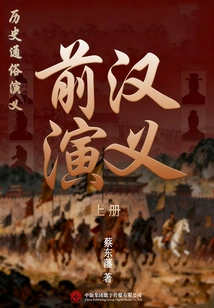
历史通俗演义:前汉演义(上)
Cai Dongfan
This book begins with Qin Shihuang's unification of the six kingdoms and ends with Wang Mang's usurpation of the Han Dynasty. It brilliantly interprets the rise and fall of the Han Dynasty over more than two hundred years. The author vividly describes the magnificent conflict between Chu and Han, the recuperating Wenjing rule in the early Han Dynasty, the heroic strategy of Emperor Wu of the Han Dynasty in opening up territories, and the political darkness of the autocratic power of foreign relatives in the later period. Among them, the depictions of historical figures such as Liu Bang, Han Xin, Zhang Liang, Emperor Wu of the Han Dynasty, and Sima Qian are particularly vivid. This book not only tells the story of the merits and demerits of the emperors, generals and ministers, but also incorporates rich regulations and social customs, providing readers with a comprehensive understanding of the strength and hidden worries of the Han Dynasty. This is the first volume.
This book begins with Qin Shihuang's unification of the six kingdoms and ends with Wang Mang's usurpation of the Han Dynasty. It brilliantly interprets the rise and fall of the Han Dynasty over more than two hundred years. The author vividly describes the magnificent conflict between Chu and Han, the recuperating Wenjing rule in the early Han Dynasty, the heroic strategy of Emperor Wu of the Han Dynasty in opening up territories, and the political darkness of the autocratic power of foreign relatives in the later period. Among them, the depictions of historical figures such as Liu Bang, Han Xin, Zhang Liang, Emperor Wu of the Han Dynasty, and Sima Qian are particularly vivid. This book not only tells the story of the merits and demerits of the emperors, generals and ministers, but also incorporates rich regulations and social customs, providing readers with a comprehensive understanding of the strength and hidden worries of the Han Dynasty. This is the first volume.
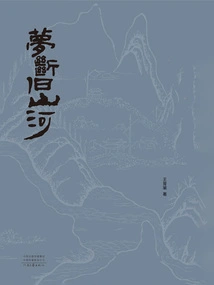
Dreams Break Old Mountains and Rivers (7 Volumes in Total)
General Fiction梦断旧山河(全7册)
Wang Zengyu
The series of books "Dream Breaks Old Mountains and Rivers" reflects the history from the end of the Northern Song Dynasty to the founding of the Southern Song Dynasty and the fierce battle with the Jin Dynasty. In the war between Song and Jin Dynasties, the heroic resistance of Yue Fei, Li Gang and others, and the cowardly survival of the peace faction represented by Song Gaozong... By shaping hundreds of historical figures, the novel puts the era through perspective and is close to reality. It is a magnificent history of the Song and Jin wars and the history of multi-ethnic integration.
The series of books "Dream Breaks Old Mountains and Rivers" reflects the history from the end of the Northern Song Dynasty to the founding of the Southern Song Dynasty and the fierce battle with the Jin Dynasty. In the war between Song and Jin Dynasties, the heroic resistance of Yue Fei, Li Gang and others, and the cowardly survival of the peace faction represented by Song Gaozong... By shaping hundreds of historical figures, the novel puts the era through perspective and is close to reality. It is a magnificent history of the Song and Jin wars and the history of multi-ethnic integration.
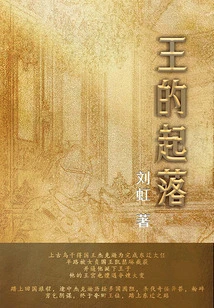
The Rise and Fall of the King
General Fiction王的起落
Liu Hong
In the ancient Qizhou grassland, when King Jackson Obensang embarked on his journey eastwards, his harem staged a coup to seize his wife and his royal power was stolen. Along the way, Jackson experienced the temptation of the queen, broke out of the siege of the six countries, killed strange monsters, and ushered in the king's feast.
In the ancient Qizhou grassland, when King Jackson Obensang embarked on his journey eastwards, his harem staged a coup to seize his wife and his royal power was stolen. Along the way, Jackson experienced the temptation of the queen, broke out of the siege of the six countries, killed strange monsters, and ushered in the king's feast.
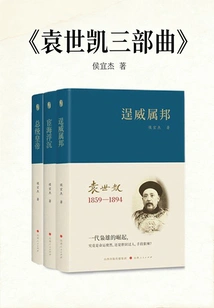
Yuan Shikai's Trilogy
General Fiction袁世凯三部曲
Hou Yijie
This book is the "Trilogy of Biography of Yuan Shikai" written by Mr. Hou Yijie, a researcher at the Chinese Academy of Social Sciences and a scholar of modern Chinese history. The whole book focuses on recording the major events in Yuan Shikai's life. It uses the three volumes of "Exhibiting Majesty", "The Ups and Downs of Officials" and "Emperor" as the context to connect this modern hero from a descendant of an aristocratic family in Xiangcheng, Henan, to a powerful leader in Beiyang, and then to the legendary life of the restoration of the monarchy that ended sadly. It not only restores the grandeur of history, but also depicts the complex and multifaceted nature of human nature.
This book is the "Trilogy of Biography of Yuan Shikai" written by Mr. Hou Yijie, a researcher at the Chinese Academy of Social Sciences and a scholar of modern Chinese history. The whole book focuses on recording the major events in Yuan Shikai's life. It uses the three volumes of "Exhibiting Majesty", "The Ups and Downs of Officials" and "Emperor" as the context to connect this modern hero from a descendant of an aristocratic family in Xiangcheng, Henan, to a powerful leader in Beiyang, and then to the legendary life of the restoration of the monarchy that ended sadly. It not only restores the grandeur of history, but also depicts the complex and multifaceted nature of human nature.
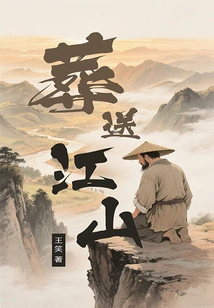
Ruin the Country
General Fiction葬送江山
Wang Xiao
A down-and-out scholar, for the sake of fame, took part in the imperial examination for ten years in a miserable life, but failed repeatedly, and his dream of career was ruined. In desperation, he pretended to be crazy and acted like a fool. He actually used foreign religions that he knew little to deceive people's hearts, and achieved hegemony and a glorious dream of heaven. Then he personally destroyed and ruined the career he had worked so hard to create. Starting a business is difficult, and keeping a business is even more difficult. As for destroying karma, it is easy, a matter of a thought, which will be regretted later and become an eternal regret. The original novel tells anecdotes about how Hong Xiuquan, a down-and-out scholar, and his close friend Ma Yunshan, who was also a down-and-out scholar, founded the God-Worship Society, built the Taiping Heavenly Kingdom, and then destroyed it with their own hands. Write about the different historical events of the Taiping Rebellion. After this creation and destruction, within fourteen years, millions of people died in the war, their lives were ruined, and their lives were ruined, making the already dilapidated mountains and rivers, the social economy even more depressed, withered, and turbulent. The people are overwhelmed, increasingly impoverished and distressed. The past cannot be looked back on, no one is at fault.
A down-and-out scholar, for the sake of fame, took part in the imperial examination for ten years in a miserable life, but failed repeatedly, and his dream of career was ruined. In desperation, he pretended to be crazy and acted like a fool. He actually used foreign religions that he knew little to deceive people's hearts, and achieved hegemony and a glorious dream of heaven. Then he personally destroyed and ruined the career he had worked so hard to create. Starting a business is difficult, and keeping a business is even more difficult. As for destroying karma, it is easy, a matter of a thought, which will be regretted later and become an eternal regret. The original novel tells anecdotes about how Hong Xiuquan, a down-and-out scholar, and his close friend Ma Yunshan, who was also a down-and-out scholar, founded the God-Worship Society, built the Taiping Heavenly Kingdom, and then destroyed it with their own hands. Write about the different historical events of the Taiping Rebellion. After this creation and destruction, within fourteen years, millions of people died in the war, their lives were ruined, and their lives were ruined, making the already dilapidated mountains and rivers, the social economy even more depressed, withered, and turbulent. The people are overwhelmed, increasingly impoverished and distressed. The past cannot be looked back on, no one is at fault.
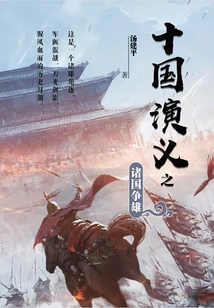
十国演义之诸国争雄
Tang Jianping
At the end of the Tang Dynasty, the famous Huangchao Peasant Uprising broke out in Caozhou, Shandong Province. In the process of encircling and suppressing the rebels, the vassal towns in various places continued to develop their own power and expand their territory. In order to compete for the imperial power, they fought with each other and attacked each other. The weak and the strong preyed on each other. The winner was the king and the loser was the bandit. As a result, the short-lived dynasties of the Later Liang, Later Tang, Later Jin, Later Han, and Later Wu appeared in the Central Plains, known as the Five Dynasties in history; while in the south and Hedong areas, there were ten separate kingdoms of Wu, Chu, Min, Southern Tang, Wuyue, Southern Han, Former Shu, Later Shu, Jingnan, and Northern Han, known as the Ten Kingdoms in history; the Khitan in the north also gradually became stronger and established the Liao Kingdom. This is a historical period characterized by competition between heroes, warlords fighting, swords flashing, and bloodshed. Zhu Quanzhong (Zhu Huang) usurped the Tang Dynasty and established Liang Dynasty, Wang Jian occupied Sichuan and established Shu, Xu Wen monopolized power in Huainan, and Liu Shouguang became tyrannical and lost the country. King Li Keyong of the Jin Dynasty died of illness, and his son Li Cunxu was ordered to inherit the throne on his deathbed. He started a fifteen-year war with the Liang Dynasty, including a great victory in Baixiang, a bloody battle at Huliupo, clever capture of Weizhou, the destruction of Liang in a hundred battles, the defeat of the Khitan in Pingyan, and the success of the Later Tang Dynasty. However, Li Cunxu allowed the harem to be indulged, doted on the court officials, and unjustly killed Shu general Guo Chongtao, which led to chaos. Eventually, the court actors mutinied and died in random arrows...
At the end of the Tang Dynasty, the famous Huangchao Peasant Uprising broke out in Caozhou, Shandong Province. In the process of encircling and suppressing the rebels, the vassal towns in various places continued to develop their own power and expand their territory. In order to compete for the imperial power, they fought with each other and attacked each other. The weak and the strong preyed on each other. The winner was the king and the loser was the bandit. As a result, the short-lived dynasties of the Later Liang, Later Tang, Later Jin, Later Han, and Later Wu appeared in the Central Plains, known as the Five Dynasties in history; while in the south and Hedong areas, there were ten separate kingdoms of Wu, Chu, Min, Southern Tang, Wuyue, Southern Han, Former Shu, Later Shu, Jingnan, and Northern Han, known as the Ten Kingdoms in history; the Khitan in the north also gradually became stronger and established the Liao Kingdom. This is a historical period characterized by competition between heroes, warlords fighting, swords flashing, and bloodshed. Zhu Quanzhong (Zhu Huang) usurped the Tang Dynasty and established Liang Dynasty, Wang Jian occupied Sichuan and established Shu, Xu Wen monopolized power in Huainan, and Liu Shouguang became tyrannical and lost the country. King Li Keyong of the Jin Dynasty died of illness, and his son Li Cunxu was ordered to inherit the throne on his deathbed. He started a fifteen-year war with the Liang Dynasty, including a great victory in Baixiang, a bloody battle at Huliupo, clever capture of Weizhou, the destruction of Liang in a hundred battles, the defeat of the Khitan in Pingyan, and the success of the Later Tang Dynasty. However, Li Cunxu allowed the harem to be indulged, doted on the court officials, and unjustly killed Shu general Guo Chongtao, which led to chaos. Eventually, the court actors mutinied and died in random arrows...
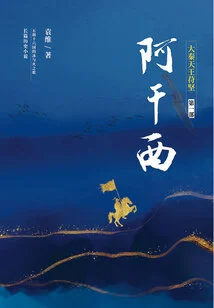
Fu Jian, the King of Qin (Part 1): a Ganxi
General Fiction大秦天王苻坚(第一部):阿干西
Yuan Wei
In the fourth century AD, China was in the period of the Five Hus and Sixteen Kingdoms in history - the Eastern Jin Dynasty in the south was located on the left side of the Yangtze River; in the north, many heroes emerged, among which Qin and Yan were the most powerful. In 369 AD, Ma Huanwen, the Great Sima of the Eastern Jin Dynasty, led 50,000 Jin troops to the north to attack Yan. They marched all the way to Fangtou. The Yan State was frightened and sent envoys to borrow troops from the Qin State, while preparing to flee to the old capital of Longcheng. At this time, the Yan State General Murong Chui invited himself to fight. Soon, the Qin and Yan coalition forces captured Fangtou. After a great victory, the Jin army was defeated and more than 30,000 people were beheaded in the end - Huan Wen retreated to Jiangdong and has been in trouble ever since; and in the northern wilderness, the game between Qin and Yan has just begun... This series is based on the dark and gorgeous history of the Wei, Jin, Southern and Northern Dynasties. The first part is led by Murong Chui's defection. It unfolds the intricate military and political struggles between the three kingdoms of the former Qin, the former Yan and the Eastern Jin Dynasty, and depicts a series of portraits of historical figures headed by Fu Jian, Wang Meng, Murong Ling and others. This work has detailed and accurate research, and on the basis of respecting basic historical facts, it comprehensively uses a variety of artistic expression techniques. The re-creation fully restores the unique atmosphere of the special historical period of the Five Hus and Sixteen Kingdoms; while retaining the weight of the historical themes, it adds a variety of popular literature elements, with a compact plot and full tension; it explores and expresses the dark side of human nature in troubled times incisively and vividly, making it highly readable.
In the fourth century AD, China was in the period of the Five Hus and Sixteen Kingdoms in history - the Eastern Jin Dynasty in the south was located on the left side of the Yangtze River; in the north, many heroes emerged, among which Qin and Yan were the most powerful. In 369 AD, Ma Huanwen, the Great Sima of the Eastern Jin Dynasty, led 50,000 Jin troops to the north to attack Yan. They marched all the way to Fangtou. The Yan State was frightened and sent envoys to borrow troops from the Qin State, while preparing to flee to the old capital of Longcheng. At this time, the Yan State General Murong Chui invited himself to fight. Soon, the Qin and Yan coalition forces captured Fangtou. After a great victory, the Jin army was defeated and more than 30,000 people were beheaded in the end - Huan Wen retreated to Jiangdong and has been in trouble ever since; and in the northern wilderness, the game between Qin and Yan has just begun... This series is based on the dark and gorgeous history of the Wei, Jin, Southern and Northern Dynasties. The first part is led by Murong Chui's defection. It unfolds the intricate military and political struggles between the three kingdoms of the former Qin, the former Yan and the Eastern Jin Dynasty, and depicts a series of portraits of historical figures headed by Fu Jian, Wang Meng, Murong Ling and others. This work has detailed and accurate research, and on the basis of respecting basic historical facts, it comprehensively uses a variety of artistic expression techniques. The re-creation fully restores the unique atmosphere of the special historical period of the Five Hus and Sixteen Kingdoms; while retaining the weight of the historical themes, it adds a variety of popular literature elements, with a compact plot and full tension; it explores and expresses the dark side of human nature in troubled times incisively and vividly, making it highly readable.
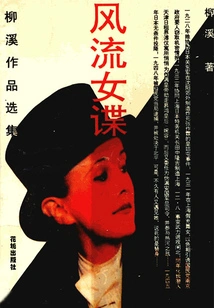
Romantic Female Spy
General Fiction风流女谍
Willow Creek
The book has fifteen chapters in total, describing the sinful life of Jin Bihui, Yoshiko Kawashima! When our people are living and working in peace and contentment, with ample food and clothing, wouldn't it be of great philosophical significance to our people, especially the younger generation, to take a look at the life of this sinful woman and relive the life of that miserable and humiliating era after dinner?
The book has fifteen chapters in total, describing the sinful life of Jin Bihui, Yoshiko Kawashima! When our people are living and working in peace and contentment, with ample food and clothing, wouldn't it be of great philosophical significance to our people, especially the younger generation, to take a look at the life of this sinful woman and relive the life of that miserable and humiliating era after dinner?
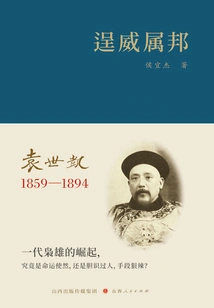
Showing Off His Power: Yuan Shikai (1859-1894)
General Fiction逞威属邦:袁世凯(1859-1894)
Hou Yijie
This book is the first part of a trilogy of biographical novels about Yuan Shikai. In 1882, the Renwu Mutiny occurred in Korea, and the Qing government sent troops to put it down. Yuan Shikai followed Wu Changqing's troops to cross eastward to Korea. Soon, 23-year-old Yuan Shikai stationed in Seoul as a North Korean military assistant, assisting North Korea in training new troops, and started military training. During Yuan Shikai's stay in North Korea, he received unanimous praise from all over North Korea until he was transferred back to the country before the Sino-Japanese War of 1884-1894.
This book is the first part of a trilogy of biographical novels about Yuan Shikai. In 1882, the Renwu Mutiny occurred in Korea, and the Qing government sent troops to put it down. Yuan Shikai followed Wu Changqing's troops to cross eastward to Korea. Soon, 23-year-old Yuan Shikai stationed in Seoul as a North Korean military assistant, assisting North Korea in training new troops, and started military training. During Yuan Shikai's stay in North Korea, he received unanimous praise from all over North Korea until he was transferred back to the country before the Sino-Japanese War of 1884-1894.
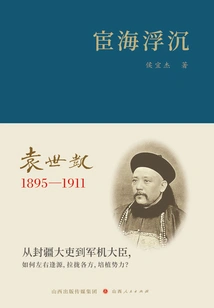
The Ups and Downs of Officialdom: Yuan Shikai (1895-1911)
General Fiction宦海浮沉:袁世凯(1895-1911)
Hou Yijie
This book is the second part of the "Trilogy of Biography of Yuan Shikai" written by Mr. Hou Yijie, telling the story of Yuan Shikai's middle-aged career. The main content of this book includes Yuan Shikai's training of the Beiyang New Army, his betrayal of Kangliang and other reformers in the year of 1898, his suppression of the Boxer Rebellion, his participation in the New Deal in the late Qing Dynasty, his return to his hometown to recuperate after the death of Cixi, and his comeback.
This book is the second part of the "Trilogy of Biography of Yuan Shikai" written by Mr. Hou Yijie, telling the story of Yuan Shikai's middle-aged career. The main content of this book includes Yuan Shikai's training of the Beiyang New Army, his betrayal of Kangliang and other reformers in the year of 1898, his suppression of the Boxer Rebellion, his participation in the New Deal in the late Qing Dynasty, his return to his hometown to recuperate after the death of Cixi, and his comeback.
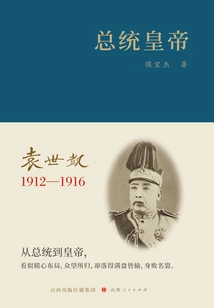
President and Emperor: Yuan Shikai (1912-1916)
General Fiction总统皇帝:袁世凯(1912-1916)
Hou Yijie
This book is the last part of the "Trilogy of Biography of Yuan Shikai" written by Mr. Hou Yijie, a researcher at the Chinese Academy of Social Sciences and a scholar of modern Chinese history. Yuan Shikai is an unavoidable figure in modern Chinese history. After the Revolution of 1911, he stole the fruits of the revolution, suppressed the second revolution, then revised the "Provisional Constitution", dissolved the National Assembly, and engaged in the scandal of restoring the imperial system with his eldest son Yuan Keding, Liang Shiyi, and the Preparatory Committee. In the face of opposition from various places and internal and external troubles, he hastily abolished the imperial system and died in sorrow and anger.
This book is the last part of the "Trilogy of Biography of Yuan Shikai" written by Mr. Hou Yijie, a researcher at the Chinese Academy of Social Sciences and a scholar of modern Chinese history. Yuan Shikai is an unavoidable figure in modern Chinese history. After the Revolution of 1911, he stole the fruits of the revolution, suppressed the second revolution, then revised the "Provisional Constitution", dissolved the National Assembly, and engaged in the scandal of restoring the imperial system with his eldest son Yuan Keding, Liang Shiyi, and the Preparatory Committee. In the face of opposition from various places and internal and external troubles, he hastily abolished the imperial system and died in sorrow and anger.
Chinatown Oriental Theater
General Fiction唐人街东方大戏院
Cheng Jiaying
The novel focuses on portraits of Chinese entrepreneurship and life in modern North America. Taking the difficult process of establishing a Chinese theater in Chinatown, California, by the wealthy Chinese businessman Ye Jiangnan and his family from 1906 to 1939 as the main line, it depicts the business competition among several Chinese theaters, how Chinese theaters in North America developed and prospered, and the entanglements between Chinese theaters and U. S. Government agencies such as the U. S. Immigration Service and the U. S. Department of Labor. It has created modern portraits of Chinese people in North America such as Ye Jiangnan, the owner of the Oriental Theater, Chen Huan, the wife of Ye, Ren Yonggui, the owner of the Guangtai Theater, Li Bo'an, a Chinese medicine practitioner, Xu Dingwen, the owner of the Fine Video Studio, Cai Die, the Chinatown socialite, as well as Chinese celebrities and theater troupes represented by Yaluo, Xiaofengwei, and Lan Zhaozhao. It demonstrates the important influence of Chinese theater and Chinese Cantonese opera on modern American society and culture, and also demonstrates the outstanding spirit of a generation of Chinese people who help each other abroad, and are tenacious and courageous.
The novel focuses on portraits of Chinese entrepreneurship and life in modern North America. Taking the difficult process of establishing a Chinese theater in Chinatown, California, by the wealthy Chinese businessman Ye Jiangnan and his family from 1906 to 1939 as the main line, it depicts the business competition among several Chinese theaters, how Chinese theaters in North America developed and prospered, and the entanglements between Chinese theaters and U. S. Government agencies such as the U. S. Immigration Service and the U. S. Department of Labor. It has created modern portraits of Chinese people in North America such as Ye Jiangnan, the owner of the Oriental Theater, Chen Huan, the wife of Ye, Ren Yonggui, the owner of the Guangtai Theater, Li Bo'an, a Chinese medicine practitioner, Xu Dingwen, the owner of the Fine Video Studio, Cai Die, the Chinatown socialite, as well as Chinese celebrities and theater troupes represented by Yaluo, Xiaofengwei, and Lan Zhaozhao. It demonstrates the important influence of Chinese theater and Chinese Cantonese opera on modern American society and culture, and also demonstrates the outstanding spirit of a generation of Chinese people who help each other abroad, and are tenacious and courageous.
Wang Gongchang's Sudden Change
General Fiction王恭厂天变
Brief Description
The novel is based on the historical mystery of the Wanggong Factory explosion during the Tianqi Period of the Ming Dynasty, and tells a Ming Dynasty version of the biohazard story. In the twenty-sixth year of Wanli in the Ming Dynasty, Yang Yinglong, the chieftain of Bozhou, Sichuan, openly rebelled, and the imperial court sent troops to suppress it. After months of fierce fighting, the rebels were finally defeated. The imperial army went deep into the mountains and forests of Bozhou to pursue the rebel leader. Unexpectedly, they encountered a terrifying and strange "zombie army" in the mountains and forests. The "zombie warriors" in this legion are half-human and half-animal in appearance, fast in movement, infinitely powerful, cruel and murderous, fearless, and merciless. In the process of dealing with this terrifying "zombie army", a huge secret is gradually revealed. Spanning nearly 500 years, a conspiracy that threatens human civilization has gradually surfaced.
The novel is based on the historical mystery of the Wanggong Factory explosion during the Tianqi Period of the Ming Dynasty, and tells a Ming Dynasty version of the biohazard story. In the twenty-sixth year of Wanli in the Ming Dynasty, Yang Yinglong, the chieftain of Bozhou, Sichuan, openly rebelled, and the imperial court sent troops to suppress it. After months of fierce fighting, the rebels were finally defeated. The imperial army went deep into the mountains and forests of Bozhou to pursue the rebel leader. Unexpectedly, they encountered a terrifying and strange "zombie army" in the mountains and forests. The "zombie warriors" in this legion are half-human and half-animal in appearance, fast in movement, infinitely powerful, cruel and murderous, fearless, and merciless. In the process of dealing with this terrifying "zombie army", a huge secret is gradually revealed. Spanning nearly 500 years, a conspiracy that threatens human civilization has gradually surfaced.
Bloodshed and Disgrace
General Fiction血洗山河耻
Gucheng Station
At the end of the Northern Song Dynasty, the world was in chaos. The people of the Song Dynasty could not bear the oppression of the Jin people, and many uprising teams appeared. In these troubled times, Xin Qiji became the representative figure of the anti-Jin team in the Northern Song Dynasty, and wrote a heroic version of the legend.
At the end of the Northern Song Dynasty, the world was in chaos. The people of the Song Dynasty could not bear the oppression of the Jin people, and many uprising teams appeared. In these troubled times, Xin Qiji became the representative figure of the anti-Jin team in the Northern Song Dynasty, and wrote a heroic version of the legend.
暗杀之王:民国最后一个江湖豪侠
Zhong Liancheng
[Historical legend + Jianghu situation + political struggle] He is the leader of the "Axe Gang" and is powerful in Shanghai. Even Huang Jinrong and Du Yuesheng were in awe of him. He was the "King of Assassination" who was stabbed in the back by Chiang Kai-shek and his lackeys who launched the counter-revolutionary coup. Chiang Kai-shek and Song Ziwen narrowly escaped with their lives under his gun. He established the "Iron-Blooded Anti-traitor Group", which specialized in killing reactionary bureaucrats, gangsters, bullies, and traitors. He also joined forces with Korean martyrs to assassinate Japanese general Shirakawa Yoshinori, killing and wounding more than a dozen Japanese pirate leaders. The bullet that could not be removed from Wang Jingwei's body was also a great gift from him. He organized the Songhu Anti-Japanese Volunteer Army and assisted the 19th Route Army in the war of resistance in Zhabei, Shanghai. He refused Chiang Kai-shek's bribe, for which a sky-high price was placed on his head, but he repeatedly funded the activities of the CCP. He was once the mentor and eldest brother of the military leader Dai Li. But the two eventually parted ways and became lifelong enemies. Dai Li hated and feared him, and wanted to hunt him down from heaven to earth. But once he heard the news about his appearance, he would unconsciously look at the doors and windows, fearing that he would suddenly appear in front of him. He valued love and justice throughout his life, which was his advantage. Countless loyal people were inspired by him to work hard. But this was also his weakness, and Dai Li took advantage of this weakness to set up a dead end for him... After his death, Shanghai's "Shenbao" published an article - "The assassination king was assassinated instead, and there will be no heroes in China from now on." In the streets and alleys, everyone lamented this. He is Wang Yaqiao, the last heroic figure in the Republic of China.
[Historical legend + Jianghu situation + political struggle] He is the leader of the "Axe Gang" and is powerful in Shanghai. Even Huang Jinrong and Du Yuesheng were in awe of him. He was the "King of Assassination" who was stabbed in the back by Chiang Kai-shek and his lackeys who launched the counter-revolutionary coup. Chiang Kai-shek and Song Ziwen narrowly escaped with their lives under his gun. He established the "Iron-Blooded Anti-traitor Group", which specialized in killing reactionary bureaucrats, gangsters, bullies, and traitors. He also joined forces with Korean martyrs to assassinate Japanese general Shirakawa Yoshinori, killing and wounding more than a dozen Japanese pirate leaders. The bullet that could not be removed from Wang Jingwei's body was also a great gift from him. He organized the Songhu Anti-Japanese Volunteer Army and assisted the 19th Route Army in the war of resistance in Zhabei, Shanghai. He refused Chiang Kai-shek's bribe, for which a sky-high price was placed on his head, but he repeatedly funded the activities of the CCP. He was once the mentor and eldest brother of the military leader Dai Li. But the two eventually parted ways and became lifelong enemies. Dai Li hated and feared him, and wanted to hunt him down from heaven to earth. But once he heard the news about his appearance, he would unconsciously look at the doors and windows, fearing that he would suddenly appear in front of him. He valued love and justice throughout his life, which was his advantage. Countless loyal people were inspired by him to work hard. But this was also his weakness, and Dai Li took advantage of this weakness to set up a dead end for him... After his death, Shanghai's "Shenbao" published an article - "The assassination king was assassinated instead, and there will be no heroes in China from now on." In the streets and alleys, everyone lamented this. He is Wang Yaqiao, the last heroic figure in the Republic of China.
Fishing for the Vagina: the Lonely Executioner
General Fiction捞阴门:孤独的刽子手
Zhong Liancheng
[Folklore and legends + historical legends + industry secrets] "Fishing from the underworld", in layman's terms, means eating the dead. The executioner is the most mysterious and evil sect among all the "underworld" sects. Since ancient times, "if you have a son, you will only teach one son, and if you have no son, you will only teach one disciple." In the late Qing Dynasty, the world was unjust, killings were rampant, and executioners had a lot of potential. However, this industry is also feared and disliked by others, and the threshold for academic skills is very high. Although Qi Tianwu, the only executioner in Duliangcheng County Yamen, has a good income, he is alone with no children or disciples. By chance, Zhang Shihuang, a young man who came from the mountains, became his teacher and entered this industry of dancing with death. He discovered that being an executioner was far from as simple as killing: the rules of the "reception bridge" before beheading, the precise grasp of the seams in the necks of death row prisoners, the "highest level" of killing hundreds of people without mercy, and even the evil spirit that produced a strange pleasure after drinking blood. Knives are the secrets of this ancient craft... Years later, Zhang Shihuang, who had made a fortune, trained his son Zhang Zhongmin to pass the examination as a scholar. He thought that the family would get rid of the "lowly industry" and achieve a class upgrade. However, he was unexpectedly reported and stripped of his honor. Zhang Shihuang died in depression. Zhang Zhongmin went round and round, but after all he could not escape his fate, and followed his master Qi Tianwu to wield the bloody sword that "sends people to death". From being afraid of blood at the beginning to being obsessed with the bright red, from humble survival to becoming a master respected by all the prisons in the province, Zhang Zhongmin realized the complexity of life, death and human nature in a pool of blood. The reincarnation on the execution ground has never stopped, and his youngest son Zhang Kainian has inherited his mantle and destiny. The story of the executioner and the secrets of Duliang City continue quietly in the thick bloody mist...
[Folklore and legends + historical legends + industry secrets] "Fishing from the underworld", in layman's terms, means eating the dead. The executioner is the most mysterious and evil sect among all the "underworld" sects. Since ancient times, "if you have a son, you will only teach one son, and if you have no son, you will only teach one disciple." In the late Qing Dynasty, the world was unjust, killings were rampant, and executioners had a lot of potential. However, this industry is also feared and disliked by others, and the threshold for academic skills is very high. Although Qi Tianwu, the only executioner in Duliangcheng County Yamen, has a good income, he is alone with no children or disciples. By chance, Zhang Shihuang, a young man who came from the mountains, became his teacher and entered this industry of dancing with death. He discovered that being an executioner was far from as simple as killing: the rules of the "reception bridge" before beheading, the precise grasp of the seams in the necks of death row prisoners, the "highest level" of killing hundreds of people without mercy, and even the evil spirit that produced a strange pleasure after drinking blood. Knives are the secrets of this ancient craft... Years later, Zhang Shihuang, who had made a fortune, trained his son Zhang Zhongmin to pass the examination as a scholar. He thought that the family would get rid of the "lowly industry" and achieve a class upgrade. However, he was unexpectedly reported and stripped of his honor. Zhang Shihuang died in depression. Zhang Zhongmin went round and round, but after all he could not escape his fate, and followed his master Qi Tianwu to wield the bloody sword that "sends people to death". From being afraid of blood at the beginning to being obsessed with the bright red, from humble survival to becoming a master respected by all the prisons in the province, Zhang Zhongmin realized the complexity of life, death and human nature in a pool of blood. The reincarnation on the execution ground has never stopped, and his youngest son Zhang Kainian has inherited his mantle and destiny. The story of the executioner and the secrets of Duliang City continue quietly in the thick bloody mist...
Fish Bone Hairpin
General Fiction鱼骨簪
Longshang Snow
Zhu Yuanzhang was the leader of the Ming Dynasty, but he never loved the heart of a woman - the fisherman girl Yan Yumei. With her accurate hydrological prediction and extraordinary courage, she became the confidant of anti-Yuan leader Chen Youliang. In the light of the sword in the water village, he did not regard her as a vassal, and promised that "the world is indispensable for you", and even gave her a fish bone amulet. The hairpin-shaped token became a witness to the friendship between the two. After Chen Youliang proclaimed himself emperor of Han Dynasty in 1360, he also fulfilled his promise and made her the Jade Concubine. Chen Youliang died in the Battle of Poyang Lake, and Yan Yumei was captured and brought to the Ming Palace as Concubine Mei. The fishbone hairpin in her bun always reminded her of her blood feud and obsession. She was unmoved by Zhu Yuanzhang's glory. While letting her eldest son Zhu Shu go, she lied about being a "posthumous son" and gave her second son Zhu Zi a fish bone hairpin to teach him revenge. Zhu Zi's attempt to conquer Changsha failed and she committed suicide with a fish bone hairpin. She was also thrown into the cold palace. Facing Zhu Yuanzhang's question, "My glory is not worth a dead man?", She whispered: "What he gives is respect, what you give is shackles." Many years later, Yan Yumei died of illness in the cold palace. Zhu Yuanzhang stood on the city tower and looked at Changsha in the distance, and finally realized: Some things are heavier than the world, and it is the sincerity hidden in that fish bone hairpin that he can never win.
Zhu Yuanzhang was the leader of the Ming Dynasty, but he never loved the heart of a woman - the fisherman girl Yan Yumei. With her accurate hydrological prediction and extraordinary courage, she became the confidant of anti-Yuan leader Chen Youliang. In the light of the sword in the water village, he did not regard her as a vassal, and promised that "the world is indispensable for you", and even gave her a fish bone amulet. The hairpin-shaped token became a witness to the friendship between the two. After Chen Youliang proclaimed himself emperor of Han Dynasty in 1360, he also fulfilled his promise and made her the Jade Concubine. Chen Youliang died in the Battle of Poyang Lake, and Yan Yumei was captured and brought to the Ming Palace as Concubine Mei. The fishbone hairpin in her bun always reminded her of her blood feud and obsession. She was unmoved by Zhu Yuanzhang's glory. While letting her eldest son Zhu Shu go, she lied about being a "posthumous son" and gave her second son Zhu Zi a fish bone hairpin to teach him revenge. Zhu Zi's attempt to conquer Changsha failed and she committed suicide with a fish bone hairpin. She was also thrown into the cold palace. Facing Zhu Yuanzhang's question, "My glory is not worth a dead man?", She whispered: "What he gives is respect, what you give is shackles." Many years later, Yan Yumei died of illness in the cold palace. Zhu Yuanzhang stood on the city tower and looked at Changsha in the distance, and finally realized: Some things are heavier than the world, and it is the sincerity hidden in that fish bone hairpin that he can never win.
流血的仕途:李斯与秦帝国(全二册·2026版)
Cao Sheng
In that era when heroes emerged in large numbers, in 254 BC, Li Si, a granary clerk in Shangcai, Chu State, looked at the rats running away in panic in the toilet, and suddenly understood the truth of fate - "The virtuous and unworthy of people are just like rats, and they are in their own place." On this day, he resigned from his post and went to the state of Qin with his lonesome courage. From then on, he embarked on a bloody official career. Of course, not all official careers will be bloody, but in all extreme power, there is a game of life and death. Let's see how Li Si in the future will become the sharpest chess piece and the most terrifying chess player in the chess game between Lu Buwei and Ying Zheng...
In that era when heroes emerged in large numbers, in 254 BC, Li Si, a granary clerk in Shangcai, Chu State, looked at the rats running away in panic in the toilet, and suddenly understood the truth of fate - "The virtuous and unworthy of people are just like rats, and they are in their own place." On this day, he resigned from his post and went to the state of Qin with his lonesome courage. From then on, he embarked on a bloody official career. Of course, not all official careers will be bloody, but in all extreme power, there is a game of life and death. Let's see how Li Si in the future will become the sharpest chess piece and the most terrifying chess player in the chess game between Lu Buwei and Ying Zheng...
Secrets of Shanghai: Du Yuesheng and the Women Behind Him
General Fiction上海秘事:杜月笙和他背后的女人们
Zhong Liancheng
[Historical legend + Jianghu situation + celebrity romance] Behind every successful man, there is one, or even a group of women. Many people know the history of Du Yuesheng, the leader of the Youth Gang and one of the three tycoons in Shanghai, but few people know that in addition to the support of Huang Jinrong and the help of Zhang Xiaolin, his rise is more importantly due to the group of women behind him. This book will reveal this little-known secret history of Shanghai for you. The younger brother Du Yuesheng came to Shanghai and started selling pears to make a living, and became a teacher of fortune-teller Fusheng. The smart and well-behaved Du Yuesheng gradually gained the trust of his master, and often followed him in the dance pavilions, song stages, and fireworks alleys in Shanghai. But he did not indulge in the singing and singing and the fragrant lipstick. The prosperity of Shili Foreign Market stimulated him to set up his ambition to get ahead. He learned about the secrets of the tycoon Huang Jinrong's house through his good friend Xiaocui, and then he fell in love with Huang Huangrong's wife and the real leader of the Youth Gang, Lin Guisheng. With his intelligence, loyalty, and well-behavedness, he gradually stood out among the Huang family's customers. After that, Shen Yueying, Little Foot Moth, female thief Jin Xiu, Lu Lanchun, Chen Guoying, star Hu Die... Beauties with their own identities and characteristics were conquered by him one after another, helping him rise to the top, help him defeat his opponents, and became the key promoters on his way to success. In a series of power and business struggles, Du Yuesheng gradually became one of the three tycoons along with Huang Jinrong and Zhang Xiaolin, and began the layout of what would become the famous "Sanxin Company". Until he met a terrible opponent-Shanghai Anti-Smoking Commissioner Zhang Yipeng...
[Historical legend + Jianghu situation + celebrity romance] Behind every successful man, there is one, or even a group of women. Many people know the history of Du Yuesheng, the leader of the Youth Gang and one of the three tycoons in Shanghai, but few people know that in addition to the support of Huang Jinrong and the help of Zhang Xiaolin, his rise is more importantly due to the group of women behind him. This book will reveal this little-known secret history of Shanghai for you. The younger brother Du Yuesheng came to Shanghai and started selling pears to make a living, and became a teacher of fortune-teller Fusheng. The smart and well-behaved Du Yuesheng gradually gained the trust of his master, and often followed him in the dance pavilions, song stages, and fireworks alleys in Shanghai. But he did not indulge in the singing and singing and the fragrant lipstick. The prosperity of Shili Foreign Market stimulated him to set up his ambition to get ahead. He learned about the secrets of the tycoon Huang Jinrong's house through his good friend Xiaocui, and then he fell in love with Huang Huangrong's wife and the real leader of the Youth Gang, Lin Guisheng. With his intelligence, loyalty, and well-behavedness, he gradually stood out among the Huang family's customers. After that, Shen Yueying, Little Foot Moth, female thief Jin Xiu, Lu Lanchun, Chen Guoying, star Hu Die... Beauties with their own identities and characteristics were conquered by him one after another, helping him rise to the top, help him defeat his opponents, and became the key promoters on his way to success. In a series of power and business struggles, Du Yuesheng gradually became one of the three tycoons along with Huang Jinrong and Zhang Xiaolin, and began the layout of what would become the famous "Sanxin Company". Until he met a terrible opponent-Shanghai Anti-Smoking Commissioner Zhang Yipeng...