Library
Browse and search books
6,953 novels found
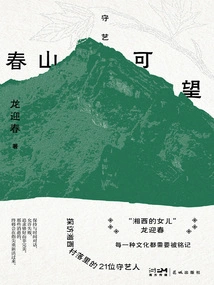
Spring is in Sight
Literature春山可望
Long Yingchun
"Border Town" echoes, to keep one's art is to keep one's heart. "Daughter of Western Hunan" Long Yingchun has accumulated more than 20 years of prose masterpieces and visited 21 artists in villages in Western Hunan. Those who continue to write history are everyday villagers. Talk to time, and what disappears will eventually be resurrected at your fingertips. Recommended by Professor Huang Tianji, writer Tian Er, and actor Chen Shu.
"Border Town" echoes, to keep one's art is to keep one's heart. "Daughter of Western Hunan" Long Yingchun has accumulated more than 20 years of prose masterpieces and visited 21 artists in villages in Western Hunan. Those who continue to write history are everyday villagers. Talk to time, and what disappears will eventually be resurrected at your fingertips. Recommended by Professor Huang Tianji, writer Tian Er, and actor Chen Shu.
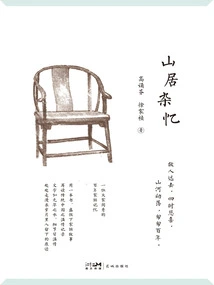
山居杂忆
Gao Songfen Xu Jiazhen
Recommended by writer Li Ge and big V Yun Gu, it is a classic with high scores on Douban and a modern version of "Dream of Red Mansions". The old friend is gone, the four seasons are sad and joyful, the mountains and rivers are in turmoil, and a hundred years have passed by. The written records of memories and traditions are diluted, and more than 100 old photos reproduce the vitality of China over the past century.
Recommended by writer Li Ge and big V Yun Gu, it is a classic with high scores on Douban and a modern version of "Dream of Red Mansions". The old friend is gone, the four seasons are sad and joyful, the mountains and rivers are in turmoil, and a hundred years have passed by. The written records of memories and traditions are diluted, and more than 100 old photos reproduce the vitality of China over the past century.
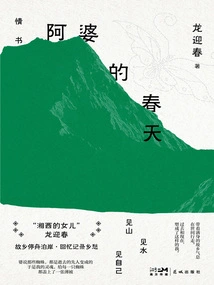
Grandma's Spring
Literature阿婆的春天
Long Yingchun
The humidity that comes and goes has an end date. "Daughter of Xiangxi" Long Yingchun is a masterpiece of prose that has been accumulated for more than 20 years! We are all children blown up by the mountain wind, walking around the world with the atmosphere of our hometown. The past and present have shaped who I am. Recommended by Professor Huang Tianji, writer Tian Er, and actor Chen Shu.
The humidity that comes and goes has an end date. "Daughter of Xiangxi" Long Yingchun is a masterpiece of prose that has been accumulated for more than 20 years! We are all children blown up by the mountain wind, walking around the world with the atmosphere of our hometown. The past and present have shaped who I am. Recommended by Professor Huang Tianji, writer Tian Er, and actor Chen Shu.
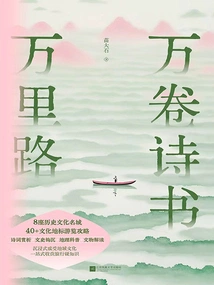
万卷诗书万里路
Miao Dashi
Say no to ineffective and superficial tourism! 8 Famous historical and cultural cities, 40+ cultural landmark tour guides, 100+ exquisite illustrations, poetry appreciation + literary and historical hooks + geographical science popularization + interpretation of cultural relics. Immerse yourself in regional culture and gain hard travel knowledge in one stop.
Say no to ineffective and superficial tourism! 8 Famous historical and cultural cities, 40+ cultural landmark tour guides, 100+ exquisite illustrations, poetry appreciation + literary and historical hooks + geographical science popularization + interpretation of cultural relics. Immerse yourself in regional culture and gain hard travel knowledge in one stop.
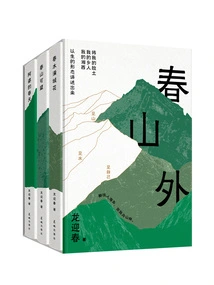
春山外:湘西三部曲
Long Yingchun
Tell my hometown, my fellow countrymen, and my Xiangxi in a vivid way. "The Daughter of Xiangxi" Long Yingchun has produced masterpieces of prose for more than 20 years. He writes about local customs, customs, witchcraft culture, and the inheritance of art, and he sees the mountains and rivers and himself. Recommended by Professor Huang Tianji, writer Tian Er, and actor Chen Shu.
Tell my hometown, my fellow countrymen, and my Xiangxi in a vivid way. "The Daughter of Xiangxi" Long Yingchun has produced masterpieces of prose for more than 20 years. He writes about local customs, customs, witchcraft culture, and the inheritance of art, and he sees the mountains and rivers and himself. Recommended by Professor Huang Tianji, writer Tian Er, and actor Chen Shu.
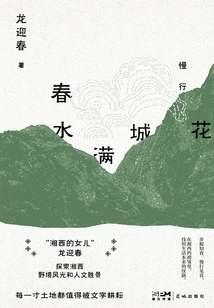
春水满城花(湘西三部曲)
Long Yingchun
"The Daughter of Xiangxi" Long Yingchun's classic masterpiece is known as the contemporary "Xiang Xing Ji" after Shen Congwen and "the record classic of Xiangxi national folk culture". "My Xiangxi" is recorded in an ethereal style, green, moist, soft and endless. Write about the local customs, the culture of gods and witches, and the inheritance of Shou Yi, and see the mountains and rivers and yourself. Rooted in the homeland, using the pen as a guide, it will take you beyond ordinary tourist guides, into the hidden scenery, touching stories and simple people of Western Hunan, and recover the "power of life" forgotten by modern people.
"The Daughter of Xiangxi" Long Yingchun's classic masterpiece is known as the contemporary "Xiang Xing Ji" after Shen Congwen and "the record classic of Xiangxi national folk culture". "My Xiangxi" is recorded in an ethereal style, green, moist, soft and endless. Write about the local customs, the culture of gods and witches, and the inheritance of Shou Yi, and see the mountains and rivers and yourself. Rooted in the homeland, using the pen as a guide, it will take you beyond ordinary tourist guides, into the hidden scenery, touching stories and simple people of Western Hunan, and recover the "power of life" forgotten by modern people.
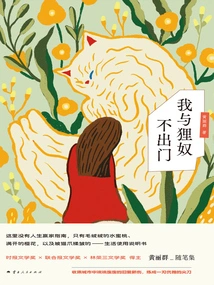
Li Nu and I Don't Go Out
Literature我与狸奴不出门
Huang Liqun
This book is a collection of Huang Liqun's essays that she has not seen for many years. It draws on the poetry of Lu You's "I and the raccoon slave never go out" to write down the home philosophy of contemporary urbanites. The content of the sixth series cuts through life with cold words. Who is the winner in life? It's better to pet the cat at home. As the author said: "Anything you regret has been done anyway, and anything you don't regret will eventually fade away. You have to end if you refuse to end, and you have to start if you are too lazy to start."
This book is a collection of Huang Liqun's essays that she has not seen for many years. It draws on the poetry of Lu You's "I and the raccoon slave never go out" to write down the home philosophy of contemporary urbanites. The content of the sixth series cuts through life with cold words. Who is the winner in life? It's better to pet the cat at home. As the author said: "Anything you regret has been done anyway, and anything you don't regret will eventually fade away. You have to end if you refuse to end, and you have to start if you are too lazy to start."
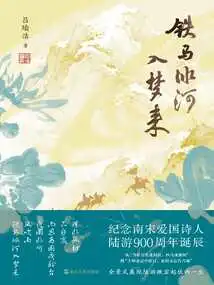
Iron Horse Glacier Comes to Dream
Literature铁马冰河入梦来
Lu Yujie
From "In those days, I traveled thousands of miles to search for a feudal lord, and I built Liangzhou on a horse" to "The king's master set the day for the Central Plains in the north, and he never forgot to tell Naiwen during family sacrifices", a panoramic view of Lu You's ups and downs life is presented. This book is a full-length novel about Lu You's life. By carefully reading Lu You's surviving words, it leads readers into Lu You's life and inner world. The book not only describes in detail Lu You's growth experience from a young genius to the "Little Li Bai" praised by the world, but also focuses on the profound impact of Lu You and Tang Wan's love story on Lu You's life, as well as Lu You's patriotic feelings of great ambition and concern for the country and the people.
From "In those days, I traveled thousands of miles to search for a feudal lord, and I built Liangzhou on a horse" to "The king's master set the day for the Central Plains in the north, and he never forgot to tell Naiwen during family sacrifices", a panoramic view of Lu You's ups and downs life is presented. This book is a full-length novel about Lu You's life. By carefully reading Lu You's surviving words, it leads readers into Lu You's life and inner world. The book not only describes in detail Lu You's growth experience from a young genius to the "Little Li Bai" praised by the world, but also focuses on the profound impact of Lu You and Tang Wan's love story on Lu You's life, as well as Lu You's patriotic feelings of great ambition and concern for the country and the people.
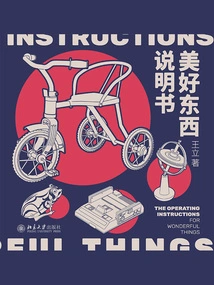
Instructions for Beautiful Things
Literature美好东西说明书
Wang Li
From scarcity to increasing abundance, the tide of the times is rolling forward. As witnesses, those born in the 1980s have countless precious fragments of the past hidden in their memories. "Instructions for Beautiful Things" is like a magical key, opening the door to the past. Author Wang Li uses unique old-fashioned black and white text instructions combined with exquisite illustrations to present more than 300 objects such as cookie boxes, enamel cups, and old-fashioned sewing machines.
From scarcity to increasing abundance, the tide of the times is rolling forward. As witnesses, those born in the 1980s have countless precious fragments of the past hidden in their memories. "Instructions for Beautiful Things" is like a magical key, opening the door to the past. Author Wang Li uses unique old-fashioned black and white text instructions combined with exquisite illustrations to present more than 300 objects such as cookie boxes, enamel cups, and old-fashioned sewing machines.
成为最好的自己:青春年华漫谈
Chen Mengying
This book is a collection of the author's essays. The author is a counselor who works at a university and has been sharing some of his views on social media since 2013. This book is a record of the problems encountered by the author in his work, including his own opinions and suggestions on common problems common among college students such as life, studies, love, and employment. It guides young students to establish a correct outlook on the world, love, consumption, and employment, and helps young students straighten out the relationship between part-time jobs and studies, and the relationship between employment and studies. The cases are vivid and close to reality, with a strong flavor of life and strong persuasiveness. The language is plain and simple, and the words are spoken eloquently.
This book is a collection of the author's essays. The author is a counselor who works at a university and has been sharing some of his views on social media since 2013. This book is a record of the problems encountered by the author in his work, including his own opinions and suggestions on common problems common among college students such as life, studies, love, and employment. It guides young students to establish a correct outlook on the world, love, consumption, and employment, and helps young students straighten out the relationship between part-time jobs and studies, and the relationship between employment and studies. The cases are vivid and close to reality, with a strong flavor of life and strong persuasiveness. The language is plain and simple, and the words are spoken eloquently.
Vast Sea of human World
Literature人世瀚海
Yan Wensheng
"The Vast Sea of the World" is a new prose book published by writer Yan Wensheng. It is also the fourth work in his long-term "Book of Subjectivity" series. The book takes individual life experience as the main line and shuttles between memory, hometown and wandering. It not only contains delicate memories of the ice and snow of childhood, the life and death of relatives, but also covers the lonely gaze on life in a foreign land, and incorporates profound thoughts on literature, destiny and existence. The author uses poetic and restrained brushstrokes to outline a series of inner scenes of the ups and downs of the world, and to salvage the weight and temperature of life in the vast sea of time. It can be called an epic of life that "faces the pain of life and stares into the abyss of the soul." Yan Wensheng's writing is distinctively creative and spiritual. Starting from October 2012, he took the title "Book of Subjectivity" and lasted 13 years, creating a total of 1.5 Million words, forcibly opening up a path of "philosophical prose". His writing dives deeply into the ocean of life and thought, elevating prose from "writing about life" to "writing about existence", trying to create a new literary species and a way of viewing the world. This sustained and focused creative act is a feat in itself. "The Vast Sea of the World" combines the author's dual advantages of realistic reality and immersion in philosophical thinking. It not only seeks the roots of the body, but also creates an image for the soul. The book uses calm, pure language that can stand the test of time, presenting a picture of the soul about farewell and arrival, loss and reconstruction, and is dedicated to all lonely people walking in the world. Yan Wensheng and his "Subjective Books" series represent a prose writing path that focuses on spirituality, language quality and ideological content. With its broad, powerful and vast scale, this series has defined a rare and profound landscape for the spiritual map of our era, and also contributed a unique and far-reaching voice to the palace of Chinese prose.
"The Vast Sea of the World" is a new prose book published by writer Yan Wensheng. It is also the fourth work in his long-term "Book of Subjectivity" series. The book takes individual life experience as the main line and shuttles between memory, hometown and wandering. It not only contains delicate memories of the ice and snow of childhood, the life and death of relatives, but also covers the lonely gaze on life in a foreign land, and incorporates profound thoughts on literature, destiny and existence. The author uses poetic and restrained brushstrokes to outline a series of inner scenes of the ups and downs of the world, and to salvage the weight and temperature of life in the vast sea of time. It can be called an epic of life that "faces the pain of life and stares into the abyss of the soul." Yan Wensheng's writing is distinctively creative and spiritual. Starting from October 2012, he took the title "Book of Subjectivity" and lasted 13 years, creating a total of 1.5 Million words, forcibly opening up a path of "philosophical prose". His writing dives deeply into the ocean of life and thought, elevating prose from "writing about life" to "writing about existence", trying to create a new literary species and a way of viewing the world. This sustained and focused creative act is a feat in itself. "The Vast Sea of the World" combines the author's dual advantages of realistic reality and immersion in philosophical thinking. It not only seeks the roots of the body, but also creates an image for the soul. The book uses calm, pure language that can stand the test of time, presenting a picture of the soul about farewell and arrival, loss and reconstruction, and is dedicated to all lonely people walking in the world. Yan Wensheng and his "Subjective Books" series represent a prose writing path that focuses on spirituality, language quality and ideological content. With its broad, powerful and vast scale, this series has defined a rare and profound landscape for the spiritual map of our era, and also contributed a unique and far-reaching voice to the palace of Chinese prose.
Reading Zhuangji
Literature读庄记
Ning Zhirong
"Reading Zhuangzi" is a long cultural prose that vividly records Zhuangzi's life and deeds and the era in which he lived. This book synthesizes the theories of Zhuangzi by many thinkers in history, conducts comparative studies, and puts forward unique insights. "Reading Zhuangzi" provides a detailed explanation of all the contents, main points, and famous sayings of the thirty-three chapters of "Zhuangzi". The manuscript expounds Zhuangzi's Taoist thoughts, describes Zhuangzi's carefree outlook on life, his political outlook on governing by doing nothing, his cosmological outlook on the unspoken beauty of heaven and earth, and discusses Zhuangzi's dialectical thoughts. It summarizes Zhuangzi's theory of loving nature and following the trend, as well as his feelings of romanticism and optimism. This book quotes classics, interprets them accurately, and integrates academic, literary and historical materials.
"Reading Zhuangzi" is a long cultural prose that vividly records Zhuangzi's life and deeds and the era in which he lived. This book synthesizes the theories of Zhuangzi by many thinkers in history, conducts comparative studies, and puts forward unique insights. "Reading Zhuangzi" provides a detailed explanation of all the contents, main points, and famous sayings of the thirty-three chapters of "Zhuangzi". The manuscript expounds Zhuangzi's Taoist thoughts, describes Zhuangzi's carefree outlook on life, his political outlook on governing by doing nothing, his cosmological outlook on the unspoken beauty of heaven and earth, and discusses Zhuangzi's dialectical thoughts. It summarizes Zhuangzi's theory of loving nature and following the trend, as well as his feelings of romanticism and optimism. This book quotes classics, interprets them accurately, and integrates academic, literary and historical materials.
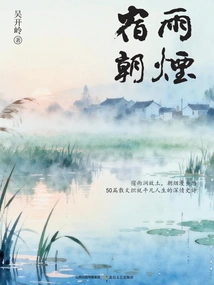
Su Yu Chaoyan
Literature宿雨朝烟
Wu Kailing
"Suyu Morning Smoke" is the spiritual homeland built by Wu Kailing with words. It has selected 50 excellent prose works in recent years and divided them into five series: "A guest's love and a dream of a hometown far away" are the nostalgia and folk customs of the grass and trees in the Lixiahe Plain; "Microwaves are rippling in the lake in the heart" are life pauses in the tea and wine years. Enlightenment and philosophy of life; "The past is as misty as mist and far away" is the warm echo of childhood fun and family affection; "A period of time and a relationship" is the sincere connection between teachers and friends, and the deep love of comrades; "Lands and rivers are dependent on each other and the scenery is picturesque" is a long scroll of scenery where humanity and nature are intertwined wherever you go. The writing is simple and smart, and the emotions are sincere and profound. It has the vivid texture of regional culture and a universally resonant life perception. Opening this book is like encountering a reunion of years. In the artistic conception of Su Yu Chaoyan, one can understand the true appearance of hometown, youth and life.
"Suyu Morning Smoke" is the spiritual homeland built by Wu Kailing with words. It has selected 50 excellent prose works in recent years and divided them into five series: "A guest's love and a dream of a hometown far away" are the nostalgia and folk customs of the grass and trees in the Lixiahe Plain; "Microwaves are rippling in the lake in the heart" are life pauses in the tea and wine years. Enlightenment and philosophy of life; "The past is as misty as mist and far away" is the warm echo of childhood fun and family affection; "A period of time and a relationship" is the sincere connection between teachers and friends, and the deep love of comrades; "Lands and rivers are dependent on each other and the scenery is picturesque" is a long scroll of scenery where humanity and nature are intertwined wherever you go. The writing is simple and smart, and the emotions are sincere and profound. It has the vivid texture of regional culture and a universally resonant life perception. Opening this book is like encountering a reunion of years. In the artistic conception of Su Yu Chaoyan, one can understand the true appearance of hometown, youth and life.
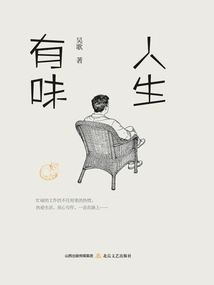
Life is Interesting
Literature人生有味
Wu Ge
Discovering unexpected stories in ordinary life, with a unique perspective, is refreshing. The stories of these ordinary little people exude the smell of earth rooted in reality, the smell of fireworks of the warmth and coldness of human relationships, and the metallic smell of human confrontation. This collection of essays is a collection of the author's recent literary writings. Writing about hometown reflects the attachment and love for relatives in hometown, as well as the praise of family and love; casual reflections on life, seize the moment of life and express one's full emotions and insights. The author depicts a profound reflection on himself and the world from the aspects of hometown, life, literature, life, family, friendship, etc. Rich life experiences, delicate life perceptions, and deep hopes for the world of others make up this "kaleidoscope" work-it allows people to see the value of life, and also makes people understand the difficulty of life; it is both full of love for the world and internalized self-reflection. The manuscript has four parts as its core structure, focusing on the experiences and insights of ordinary life. The overall style is simple and sincere, full of life warmth, and has strong personal emotional expression. Based on his ordinary life, the author transformed his thoughts and insights into words and polished them into a film through countless leisure hours and persistence in going to bed late and getting up early. The content abandons the accumulation of gorgeous words and closely follows every detail of life, such as capturing the ups and downs, joys and sorrows of life. It conveys a positive attitude towards life and simple wisdom of life with a normal mentality, allowing readers to see a microcosm of their own lives in the text and create an emotional connection. The manuscript has strong readability and resonance.
Discovering unexpected stories in ordinary life, with a unique perspective, is refreshing. The stories of these ordinary little people exude the smell of earth rooted in reality, the smell of fireworks of the warmth and coldness of human relationships, and the metallic smell of human confrontation. This collection of essays is a collection of the author's recent literary writings. Writing about hometown reflects the attachment and love for relatives in hometown, as well as the praise of family and love; casual reflections on life, seize the moment of life and express one's full emotions and insights. The author depicts a profound reflection on himself and the world from the aspects of hometown, life, literature, life, family, friendship, etc. Rich life experiences, delicate life perceptions, and deep hopes for the world of others make up this "kaleidoscope" work-it allows people to see the value of life, and also makes people understand the difficulty of life; it is both full of love for the world and internalized self-reflection. The manuscript has four parts as its core structure, focusing on the experiences and insights of ordinary life. The overall style is simple and sincere, full of life warmth, and has strong personal emotional expression. Based on his ordinary life, the author transformed his thoughts and insights into words and polished them into a film through countless leisure hours and persistence in going to bed late and getting up early. The content abandons the accumulation of gorgeous words and closely follows every detail of life, such as capturing the ups and downs, joys and sorrows of life. It conveys a positive attitude towards life and simple wisdom of life with a normal mentality, allowing readers to see a microcosm of their own lives in the text and create an emotional connection. The manuscript has strong readability and resonance.
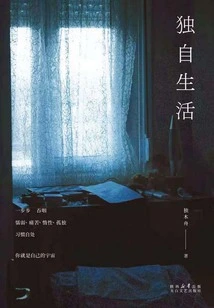
Live Alone
Literature独自生活
Canoe
This is a collection of essays describing the living conditions of women living alone. Living alone is the starting point for everyone to truly enter adult life, allowing us to face ourselves more honestly. Canoe has chosen to live alone since graduation. During the more than ten years of living alone, I have moved many times, and friends around me come and go. While enjoying freedom, I also learn to face fear, vulnerability and loneliness. In this book, Dukou follows his own growth experience and reviews his solitary life from Changsha to Beijing. Moving, writing, reading, learning to get along with small animals. It not only reflects the freedom and loneliness of living alone, but also examines one's own heart through countless tearings and reconstructions. At the same time, it also records the life observations of some female friends. Living alone allows Canoe to see himself more clearly. There is no need to follow other people's life trajectories and pretend to live. This is not a guide to living alone, nor does it attempt to promote a specific life template. It is just a sample, showing one of thousands of life forms. It also provides inspiration, thinking, resonance and courage to women who plan to live independently, or who already live this way.
This is a collection of essays describing the living conditions of women living alone. Living alone is the starting point for everyone to truly enter adult life, allowing us to face ourselves more honestly. Canoe has chosen to live alone since graduation. During the more than ten years of living alone, I have moved many times, and friends around me come and go. While enjoying freedom, I also learn to face fear, vulnerability and loneliness. In this book, Dukou follows his own growth experience and reviews his solitary life from Changsha to Beijing. Moving, writing, reading, learning to get along with small animals. It not only reflects the freedom and loneliness of living alone, but also examines one's own heart through countless tearings and reconstructions. At the same time, it also records the life observations of some female friends. Living alone allows Canoe to see himself more clearly. There is no need to follow other people's life trajectories and pretend to live. This is not a guide to living alone, nor does it attempt to promote a specific life template. It is just a sample, showing one of thousands of life forms. It also provides inspiration, thinking, resonance and courage to women who plan to live independently, or who already live this way.
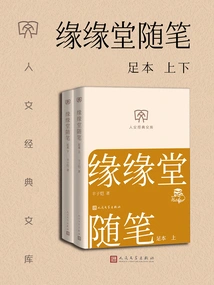
缘缘堂随笔:足本(上下)
Feng Zikai
Yuanyuan Hall is the name specially chosen by Master Hongyi for Feng Zikai's new house. Feng Zikai calls Yuanyuan Hall "the existence of spirit", and the essays named "Yuanyuan Hall" are full of wisdom and aura. In 1931, Feng Zikai's first collection of essays, "Yuan Yuantang Essays", was published in Kaiming Bookstore and was deeply loved by readers. In the following years, the "Yuan Yuantang" series of works were published one after another. During the publishing process, they were split and combined many times to form various versions of the collection. This library version of "Yuanyuantang Essays (Full Edition)" includes "Yuanyuantang Essays", "Yuanyuantang Re-writing", "Yuanyuantang New Writings" and "Yuanyuantang Continuing Writings". They are all the essays in Feng Zikai's Yuanyuantang series, and they all use the chapters of the first edition. , The content may describe childhood memories, family life, interactions between teachers and friends; or express artistic insights, life philosophy or even social observations, all with the timeless and tranquil Feng Zikai style, giving readers an authentic "Yuanyuantang".
Yuanyuan Hall is the name specially chosen by Master Hongyi for Feng Zikai's new house. Feng Zikai calls Yuanyuan Hall "the existence of spirit", and the essays named "Yuanyuan Hall" are full of wisdom and aura. In 1931, Feng Zikai's first collection of essays, "Yuan Yuantang Essays", was published in Kaiming Bookstore and was deeply loved by readers. In the following years, the "Yuan Yuantang" series of works were published one after another. During the publishing process, they were split and combined many times to form various versions of the collection. This library version of "Yuanyuantang Essays (Full Edition)" includes "Yuanyuantang Essays", "Yuanyuantang Re-writing", "Yuanyuantang New Writings" and "Yuanyuantang Continuing Writings". They are all the essays in Feng Zikai's Yuanyuantang series, and they all use the chapters of the first edition. , The content may describe childhood memories, family life, interactions between teachers and friends; or express artistic insights, life philosophy or even social observations, all with the timeless and tranquil Feng Zikai style, giving readers an authentic "Yuanyuantang".
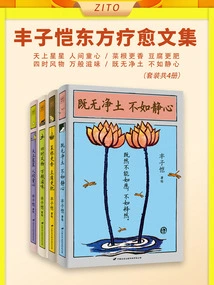
丰子恺东方疗愈文集(全4册)
Illustrated By Feng Zikai
In this era of non-stop movement, Feng Zikai's works are like a clear stream that spans a hundred years. This collection of essays selects Mr.'S most touching prose and cartoons, and systematically reconstructs the Chinese people's philosophy of life with childlike innocence, daily life, four seasons, and Zen mind as the core. This is not only a classic reading, but also a journey back from the hustle and bustle of the outside world to the inner peace. The book guides people to find a place to settle outside the hustle and bustle of life through four life perspectives: "Stars in the Sky, Childlike Hearts in the World": Keep the foundation of life. Use the heart of a child as a mirror to reflect the utility of the adult world - children are the existence closest to the essence of life. "Vegetable roots are more fragrant and tofu is fatter": Chew the ordinary and authentic taste. Focus on one vegetable, one rice, one cat and one goose. "Four Seasons of Scenery and Various Flavors": Comply with the rhythm of time. "Since there is no pure land, it is better to meditate": to reach the clarity of the soul. From things to people, it is sublimated into a compassionate understanding of the impermanence of worldly things.
In this era of non-stop movement, Feng Zikai's works are like a clear stream that spans a hundred years. This collection of essays selects Mr.'S most touching prose and cartoons, and systematically reconstructs the Chinese people's philosophy of life with childlike innocence, daily life, four seasons, and Zen mind as the core. This is not only a classic reading, but also a journey back from the hustle and bustle of the outside world to the inner peace. The book guides people to find a place to settle outside the hustle and bustle of life through four life perspectives: "Stars in the Sky, Childlike Hearts in the World": Keep the foundation of life. Use the heart of a child as a mirror to reflect the utility of the adult world - children are the existence closest to the essence of life. "Vegetable roots are more fragrant and tofu is fatter": Chew the ordinary and authentic taste. Focus on one vegetable, one rice, one cat and one goose. "Four Seasons of Scenery and Various Flavors": Comply with the rhythm of time. "Since there is no pure land, it is better to meditate": to reach the clarity of the soul. From things to people, it is sublimated into a compassionate understanding of the impermanence of worldly things.
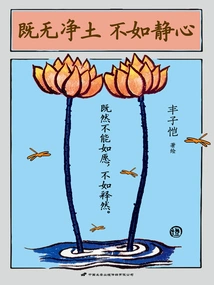
既无净土 不如静心
Illustrated By Feng Zikai
This book is a collection of prose comics by Mr. Feng Zikai. It selects the most representative essays from his decades of creation. It revolves around the themes of impermanence, daily life, student care, art and life, and presents the clear state of mind and compassion of a generation of art masters. The book contains his sober insights into the flow of time and the impermanence of life and death, as well as his gentle capture of the subtle beauty of daily life; his profound explanation of "protecting life is to protect the heart", and his calm reflection on the spiritual dilemma of modern people. Each text reveals his in-depth understanding of the equality of all living beings, compassion and meditation, allowing people to find their own spiritual pure land in the busy daily life. He does not teach people to escape from reality, but to settle themselves in reality; he does not talk about empty practice, but to practice compassion, understanding and introspection from every plant, tree, person and thing. Reading this book is like leaving a pure corner for the soul in a chaotic world.
This book is a collection of prose comics by Mr. Feng Zikai. It selects the most representative essays from his decades of creation. It revolves around the themes of impermanence, daily life, student care, art and life, and presents the clear state of mind and compassion of a generation of art masters. The book contains his sober insights into the flow of time and the impermanence of life and death, as well as his gentle capture of the subtle beauty of daily life; his profound explanation of "protecting life is to protect the heart", and his calm reflection on the spiritual dilemma of modern people. Each text reveals his in-depth understanding of the equality of all living beings, compassion and meditation, allowing people to find their own spiritual pure land in the busy daily life. He does not teach people to escape from reality, but to settle themselves in reality; he does not talk about empty practice, but to practice compassion, understanding and introspection from every plant, tree, person and thing. Reading this book is like leaving a pure corner for the soul in a chaotic world.
Suburban Home
Literature郊外的家
Liang Dongfang
This book is a documentary prose. It consists of eight parts: the good feeling of living in the suburbs, real objects, objects of heaven and earth, morning and dusk, traveling on the earth, walking, running and cycling, people in the suburbs, city and countryside, and postscript. The whole book is based on positivism and describes the life of living in the suburbs away from the noise of the city. In addition to the depiction and description of the suburban environment, climate, air, mentality, objects, vegetation, flowers, fruits, people, etc., It also focuses on detailed experience and comparative reflection to further sublimate its theme. This book not only pursues the ideal of life in which nature and man are one, and man and nature are in harmony, but also reflects on a single life model, which is natural and relaxed, and pursues the authenticity of life.
This book is a documentary prose. It consists of eight parts: the good feeling of living in the suburbs, real objects, objects of heaven and earth, morning and dusk, traveling on the earth, walking, running and cycling, people in the suburbs, city and countryside, and postscript. The whole book is based on positivism and describes the life of living in the suburbs away from the noise of the city. In addition to the depiction and description of the suburban environment, climate, air, mentality, objects, vegetation, flowers, fruits, people, etc., It also focuses on detailed experience and comparative reflection to further sublimate its theme. This book not only pursues the ideal of life in which nature and man are one, and man and nature are in harmony, but also reflects on a single life model, which is natural and relaxed, and pursues the authenticity of life.
Us There
Literature在那里的我们
Wang Xiaoli
"We Are There" carefully includes "Thousand Years War", "Happy Fool", "Unfortunately I am Wang Xiaoli", etc. Wang Xiaoli silently put the past years into her little bag bit by bit, and carried them all the way to this point. "I like who I am now. I like myself so much that I can't blame fate."
"We Are There" carefully includes "Thousand Years War", "Happy Fool", "Unfortunately I am Wang Xiaoli", etc. Wang Xiaoli silently put the past years into her little bag bit by bit, and carried them all the way to this point. "I like who I am now. I like myself so much that I can't blame fate."
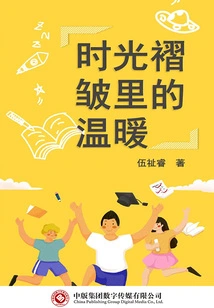
The Warmth in the Folds of Time
Literature时光褶皱里的温暖
Wu Zhirui
"Warmth in the Wrinkles of Time" takes "memory and growth" as the main thread to connect life narratives spanning decades. Each piece of content is like a meticulous painting, delicately outlining the outlines of family affection, responsibility, nostalgia and philosophy. There are not only the belief in "serving the people", but also the reflection on life of "being prepared for danger in times of peace", and the affectionate interpretation of "family tradition and upbringing".
"Warmth in the Wrinkles of Time" takes "memory and growth" as the main thread to connect life narratives spanning decades. Each piece of content is like a meticulous painting, delicately outlining the outlines of family affection, responsibility, nostalgia and philosophy. There are not only the belief in "serving the people", but also the reflection on life of "being prepared for danger in times of peace", and the affectionate interpretation of "family tradition and upbringing".
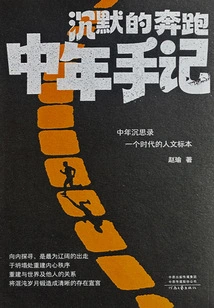
Silent Running: Notes on Middle Ages
Literature沉默的奔跑:中年手记
Zhao Yu
This book is a collection of essays. Middle age is both a tense of life and a metaphor of life. This notebook about middle age is a writer's meditation on himself in middle age, and it is also a humanistic specimen of an era. It contains both a poetic description of the mood of middle age and a realistic presentation of the fate of a generation in middle age: about illness and pain, about original family and traumatic memories, about marriage life and daily order, about responsibility and social responsibility, about finding and defending oneself, about aging and the view of death, about indulging in and fighting back against the void, etc. It is not only an individual's unique feeling, but also a vivid middle-aged sample of a generation, with a spiritual power that shakes people's hearts.
This book is a collection of essays. Middle age is both a tense of life and a metaphor of life. This notebook about middle age is a writer's meditation on himself in middle age, and it is also a humanistic specimen of an era. It contains both a poetic description of the mood of middle age and a realistic presentation of the fate of a generation in middle age: about illness and pain, about original family and traumatic memories, about marriage life and daily order, about responsibility and social responsibility, about finding and defending oneself, about aging and the view of death, about indulging in and fighting back against the void, etc. It is not only an individual's unique feeling, but also a vivid middle-aged sample of a generation, with a spiritual power that shakes people's hearts.
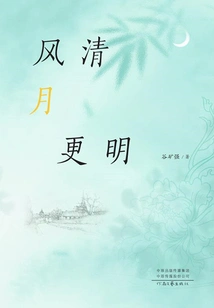
风清月更明
Gu Minqiang
This book is a collection of essays. It is divided into five series: "Nostalgia is precious", "Food Memories", "Humanities and History", "Unforgettable Family Love" and "Guardian Feelings".
This book is a collection of essays. It is divided into five series: "Nostalgia is precious", "Food Memories", "Humanities and History", "Unforgettable Family Love" and "Guardian Feelings".
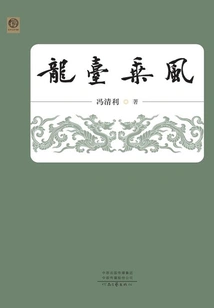
龙台乘风(牡丹文学书系)
Feng Qingli
The collection of essays "Chengfeng on Longtai" contains five short collections, and different writing themes are distributed in different texts in a divergent manner. Like most prose writers, his writing starts from family narratives and records every moment between "me" and them.
The collection of essays "Chengfeng on Longtai" contains five short collections, and different writing themes are distributed in different texts in a divergent manner. Like most prose writers, his writing starts from family narratives and records every moment between "me" and them.
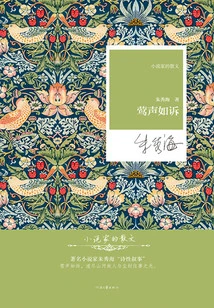
莺声如诉(小说家的散文)
Zhu Xiuhai
This book contains 18 new prose works by the famous novelist Zhu Xiuhai in recent years, covering travel notes, reading notes, friendship memories, creative notes, etc. It shows the author's profound knowledge and lofty vision. It is not only an affectionate record of personal life experience, but also a profound response to the spirit of the times. Against the background that contemporary prose creation tends to be fragmented and entertainment-oriented, Zhu Xiuhai's prose is unique with its strong sense of history and speculative nature; and because of his military background and cultivation of old-style poetry, he has formed a "hard and soft" style, providing a new aesthetic paradigm for contemporary prose.
This book contains 18 new prose works by the famous novelist Zhu Xiuhai in recent years, covering travel notes, reading notes, friendship memories, creative notes, etc. It shows the author's profound knowledge and lofty vision. It is not only an affectionate record of personal life experience, but also a profound response to the spirit of the times. Against the background that contemporary prose creation tends to be fragmented and entertainment-oriented, Zhu Xiuhai's prose is unique with its strong sense of history and speculative nature; and because of his military background and cultivation of old-style poetry, he has formed a "hard and soft" style, providing a new aesthetic paradigm for contemporary prose.
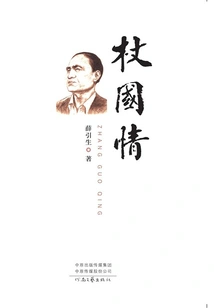
National Conditions
Literature杖国情
Xue Yinsheng
This book is a collection of essays, including more than a hundred articles by the author, spanning more than half a century. The book is divided into six chapters: "Love from Homeland", "Dear Love from Family", "Friendship from Simple Policy", "Love from Landscapes", "Love from Past Events" and "Easy Love". It describes the people and things the author encountered in his seventy years of life. It is saturated with deep family affection, warm love, simple friendship, and deep love for his hometown and mountains and rivers. It reflects his deep nostalgia for his career, hometown, relatives and friends.
This book is a collection of essays, including more than a hundred articles by the author, spanning more than half a century. The book is divided into six chapters: "Love from Homeland", "Dear Love from Family", "Friendship from Simple Policy", "Love from Landscapes", "Love from Past Events" and "Easy Love". It describes the people and things the author encountered in his seventy years of life. It is saturated with deep family affection, warm love, simple friendship, and deep love for his hometown and mountains and rivers. It reflects his deep nostalgia for his career, hometown, relatives and friends.
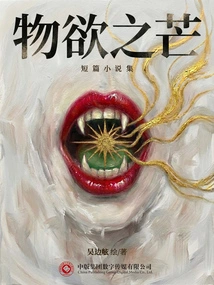
The Light of Material Desire
Literature物欲之芒
Wu Bianbang
It records some trivial things that people take for granted, or is full of twists and turns and bizarre incidents. The theme is to diagnose the diseases of the times, expose the burning and overflowing material greed of people, and hope to inspire everyone to pursue the strong or beautiful original soul. Among them, trivial matters - intercepted some fragments of reality that are full of typical significance or thought value, refined their structure, imagined their perspective, rationalized their timing, sharpened their description, enhanced their literary meaning and readability; dedicated to initiating everyone's introspection and awareness in the face of conventional and secularized life. Among them, there are strange things - there is a depth of classical supernatural novels, a departure from traditional martial arts novels, and an exploration of categories that have not been clearly defined; it is the emanation of young people's imagination and empathy, and it is also a sideways diagnosis of the emotions of the world.
It records some trivial things that people take for granted, or is full of twists and turns and bizarre incidents. The theme is to diagnose the diseases of the times, expose the burning and overflowing material greed of people, and hope to inspire everyone to pursue the strong or beautiful original soul. Among them, trivial matters - intercepted some fragments of reality that are full of typical significance or thought value, refined their structure, imagined their perspective, rationalized their timing, sharpened their description, enhanced their literary meaning and readability; dedicated to initiating everyone's introspection and awareness in the face of conventional and secularized life. Among them, there are strange things - there is a depth of classical supernatural novels, a departure from traditional martial arts novels, and an exploration of categories that have not been clearly defined; it is the emanation of young people's imagination and empathy, and it is also a sideways diagnosis of the emotions of the world.
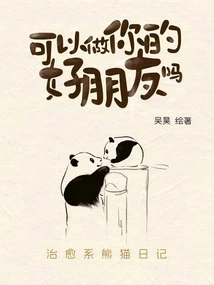
Can I Be Your Good Friend?
Literature可以做你的好朋友吗
Drawing By Wu Hao
This is a gentle gift to the world - the stories in the book come from the real life records of many pandas such as Huahua, Fubao, Yu Keyu Ai, Mang Zai Xiao Wu, Mei Zhu, Xian Xian and his family. The author has reproduced more than 180 famous scenes worthy of collection. Here are not only the vivid and sincere bonds between pandas, but also the cross-species love and trust between them and humans. "Because I was deeply healed by a giant panda, I want to record these beautiful moments to warm and heal more people."
This is a gentle gift to the world - the stories in the book come from the real life records of many pandas such as Huahua, Fubao, Yu Keyu Ai, Mang Zai Xiao Wu, Mei Zhu, Xian Xian and his family. The author has reproduced more than 180 famous scenes worthy of collection. Here are not only the vivid and sincere bonds between pandas, but also the cross-species love and trust between them and humans. "Because I was deeply healed by a giant panda, I want to record these beautiful moments to warm and heal more people."
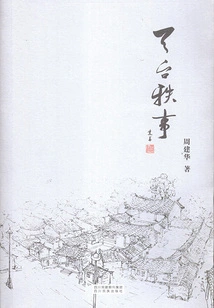
Rooftop Anecdotes
Literature天台轶事
Zhou Jianhua
Tiantai is the author's online name, and Tiantai Village, Yanjia Town, Luojiang District, is his hometown. The tall Zhou family mast in Tiantai Village and the golden rapeseed flowers on the slopes are the eternal totems in the author's heart. Many chapters of the book "Rooftop Anecdotes" unfold from here, dealing with family affairs clearly and clearly, and describing the village's past and human relationships in a colorful and interesting way.
Tiantai is the author's online name, and Tiantai Village, Yanjia Town, Luojiang District, is his hometown. The tall Zhou family mast in Tiantai Village and the golden rapeseed flowers on the slopes are the eternal totems in the author's heart. Many chapters of the book "Rooftop Anecdotes" unfold from here, dealing with family affairs clearly and clearly, and describing the village's past and human relationships in a colorful and interesting way.
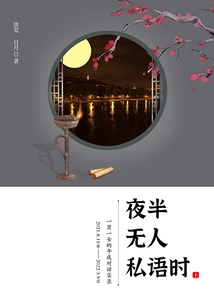
夜半无人私语时(上)
Prehistoric Sun And Moon
"The heart is a suitcase and the dream is a home. Who feels like waiting for insects in front of the lamp? But when there is love, poems are exchanged for wine, and when there is no one, tears are shed." Ancient times and the sun and the moon, a pair of male and female school friends with gray hair and pale faces, after experiencing the vicissitudes of the world and the fireworks of the world, walked into memories, into the sunshine, and into the classics. Under the lonely lanterns of the stars and the moon, we read books and discuss Taoism. We are in two different places, and we talk freely across the screen: talking about reading, talking about life, talking about society, talking about celebrity affairs, talking about poetry and poetry, talking about love and hatred... With hard work and words, we build a poetic home deep in the soul!
"The heart is a suitcase and the dream is a home. Who feels like waiting for insects in front of the lamp? But when there is love, poems are exchanged for wine, and when there is no one, tears are shed." Ancient times and the sun and the moon, a pair of male and female school friends with gray hair and pale faces, after experiencing the vicissitudes of the world and the fireworks of the world, walked into memories, into the sunshine, and into the classics. Under the lonely lanterns of the stars and the moon, we read books and discuss Taoism. We are in two different places, and we talk freely across the screen: talking about reading, talking about life, talking about society, talking about celebrity affairs, talking about poetry and poetry, talking about love and hatred... With hard work and words, we build a poetic home deep in the soul!
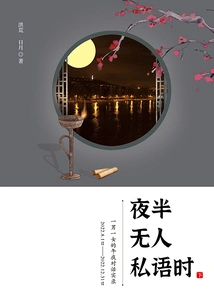
夜半无人私语时(下)
Prehistoric Sun And Moon
"The heart is a suitcase and the dream is a home. Who feels like waiting for insects in front of the lamp? But when there is love, poems are exchanged for wine, and when there is no one, tears are shed." Ancient times and the sun and the moon, a pair of male and female school friends with gray hair and pale faces, after experiencing the vicissitudes of the world and the fireworks of the world, walked into memories, into the sunshine, and into the classics. Under the lonely lanterns of the stars and the moon, we read books and discuss Taoism. We are in two different places, and we talk freely across the screen: talking about reading, talking about life, talking about society, talking about celebrity affairs, talking about poetry and poetry, talking about love and hatred... With hard work and words, we build a poetic home deep in the soul!
"The heart is a suitcase and the dream is a home. Who feels like waiting for insects in front of the lamp? But when there is love, poems are exchanged for wine, and when there is no one, tears are shed." Ancient times and the sun and the moon, a pair of male and female school friends with gray hair and pale faces, after experiencing the vicissitudes of the world and the fireworks of the world, walked into memories, into the sunshine, and into the classics. Under the lonely lanterns of the stars and the moon, we read books and discuss Taoism. We are in two different places, and we talk freely across the screen: talking about reading, talking about life, talking about society, talking about celebrity affairs, talking about poetry and poetry, talking about love and hatred... With hard work and words, we build a poetic home deep in the soul!
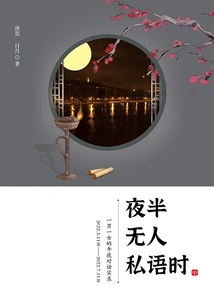
夜半无人私语时(中)
Prehistoric Sun And Moon
"The heart is a suitcase and the dream is a home. Who feels like waiting for insects in front of the lamp? But when there is love, poems are exchanged for wine, and when there is no one, tears are shed." Ancient times and the sun and the moon, a pair of male and female school friends with gray hair and pale faces, after experiencing the vicissitudes of the world and the fireworks of the world, walked into memories, into the sunshine, and into the classics. Under the lonely lanterns of the stars and the moon, we read books and discuss Taoism. We are in two different places, and we talk freely across the screen: talking about reading, talking about life, talking about society, talking about celebrity affairs, talking about poetry and poetry, talking about love and hatred... With hard work and words, we build a poetic home deep in the soul!
"The heart is a suitcase and the dream is a home. Who feels like waiting for insects in front of the lamp? But when there is love, poems are exchanged for wine, and when there is no one, tears are shed." Ancient times and the sun and the moon, a pair of male and female school friends with gray hair and pale faces, after experiencing the vicissitudes of the world and the fireworks of the world, walked into memories, into the sunshine, and into the classics. Under the lonely lanterns of the stars and the moon, we read books and discuss Taoism. We are in two different places, and we talk freely across the screen: talking about reading, talking about life, talking about society, talking about celebrity affairs, talking about poetry and poetry, talking about love and hatred... With hard work and words, we build a poetic home deep in the soul!
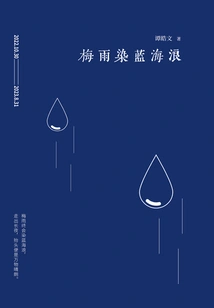
Plum Rain Dyes Blue Waves
Literature梅雨染蓝海浪
Tan Haowen
This is a collection of essays, which records the author's daily life, thoughts and insights, interpersonal interactions, and all the darkest moments when he was out of breath during his sophomore year. The time interval is ten months and the number of words is about 200,000. In this stage, there are trivial things that happened at school, outings with family during holidays, and gatherings with friends... The content is specific and detailed, and the emotions are sincere and delicate, vividly showing the author's thinking about everything and his unique insights into youth.
This is a collection of essays, which records the author's daily life, thoughts and insights, interpersonal interactions, and all the darkest moments when he was out of breath during his sophomore year. The time interval is ten months and the number of words is about 200,000. In this stage, there are trivial things that happened at school, outings with family during holidays, and gatherings with friends... The content is specific and detailed, and the emotions are sincere and delicate, vividly showing the author's thinking about everything and his unique insights into youth.
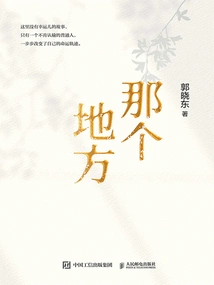
That Place
Literature那个地方
Guo Xiaodong
"That Place", a collection of essays by actor Guo Xiaodong, is a sincere work that sheds its halo and returns to its true nature. The book has 32 essays and 32 soul resonances. With delicate and simple writing, it traces the growth trajectory from rural Shandong to the world stage - the tranquility and beauty of the countryside in childhood, the hardship and helplessness of working life, and the confused perseverance during the years of drifting to Beijing. "That place" is not only my hometown in the geographical sense, but also the origin and concern that we cannot return to; it is also a safe haven in confusion and hardship, giving us warmth and strength; and it is also the spiritual destination that we are looking for throughout our lives to bring peace of mind to our souls. There are no legends or adventures in this book. It only tells how an ordinary person relied on his indomitable resilience to find a way step by step in a place where there seemed to be no way. This is not only the growth history of a person, but also the spiritual map of a generation. Dedicated to all you who stumble on the road of life but never give up.
"That Place", a collection of essays by actor Guo Xiaodong, is a sincere work that sheds its halo and returns to its true nature. The book has 32 essays and 32 soul resonances. With delicate and simple writing, it traces the growth trajectory from rural Shandong to the world stage - the tranquility and beauty of the countryside in childhood, the hardship and helplessness of working life, and the confused perseverance during the years of drifting to Beijing. "That place" is not only my hometown in the geographical sense, but also the origin and concern that we cannot return to; it is also a safe haven in confusion and hardship, giving us warmth and strength; and it is also the spiritual destination that we are looking for throughout our lives to bring peace of mind to our souls. There are no legends or adventures in this book. It only tells how an ordinary person relied on his indomitable resilience to find a way step by step in a place where there seemed to be no way. This is not only the growth history of a person, but also the spiritual map of a generation. Dedicated to all you who stumble on the road of life but never give up.
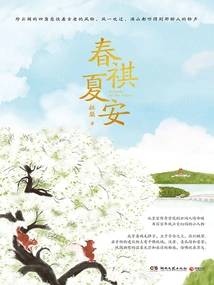
Chunqi Xia'an
Literature春祺夏安
Duli
A young potential writer highly praised by readers, a collection of lively, interesting, elegant and delicate prose works. From the legendary royal palaces to the ups and downs of human relationships in the world, it writes about the little people who have experienced the changes over the past century. It is mainly divided into four themes: palace, home, softness, and impermanence, which respectively tell current and past stories such as professional experiences, family deeds, animal rescue, and life. Warm and real, playful and funny. "After experiencing the pressure of working on the Internet and new media, nothing can cultivate my sentiments more than being a cleaner at Wanshou Mountain or a security guard at Foxiang Pavilion." "Most people in this world are waiters, but the objects and classes they serve are different." Every generation has similar scenes, crossing mountains and seas, and disappearing into the dust. In the ordinary daily life, spring comes into bloom.
A young potential writer highly praised by readers, a collection of lively, interesting, elegant and delicate prose works. From the legendary royal palaces to the ups and downs of human relationships in the world, it writes about the little people who have experienced the changes over the past century. It is mainly divided into four themes: palace, home, softness, and impermanence, which respectively tell current and past stories such as professional experiences, family deeds, animal rescue, and life. Warm and real, playful and funny. "After experiencing the pressure of working on the Internet and new media, nothing can cultivate my sentiments more than being a cleaner at Wanshou Mountain or a security guard at Foxiang Pavilion." "Most people in this world are waiters, but the objects and classes they serve are different." Every generation has similar scenes, crossing mountains and seas, and disappearing into the dust. In the ordinary daily life, spring comes into bloom.
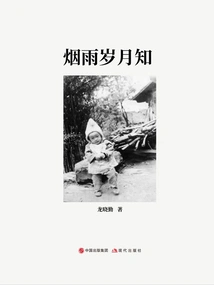
Misty and Rainy Years
Literature烟雨岁月知
Long Xiaoqin
The author uses his unique eighteen-year study experience to describe the twists and turns and hardships of a child in a remote rural area receiving education. I hope that this book will make more people pay attention to left-behind children in rural areas and pay attention to rural education. At the same time, we also hope that rural children can find a reference template for getting out of the countryside through this book. The essence of the difference between people is cognitive differences. The book contains the author's self-understanding of cognition, human civilization communication, the meaning of life and the purpose of education. The author hopes that this book can also bring a feast of sparks of ideological collision to those who are in a confused period of life, those who suffer from communication difficulty syndrome, or those who cannot find the meaning of life.
The author uses his unique eighteen-year study experience to describe the twists and turns and hardships of a child in a remote rural area receiving education. I hope that this book will make more people pay attention to left-behind children in rural areas and pay attention to rural education. At the same time, we also hope that rural children can find a reference template for getting out of the countryside through this book. The essence of the difference between people is cognitive differences. The book contains the author's self-understanding of cognition, human civilization communication, the meaning of life and the purpose of education. The author hopes that this book can also bring a feast of sparks of ideological collision to those who are in a confused period of life, those who suffer from communication difficulty syndrome, or those who cannot find the meaning of life.
Random Memories and Mixed Feelings
Literature随忆杂感
Chai Shaohao
The author is grateful for his upbringing in his hometown, sighs for further studies at university, and gratitude for his professional and technical work. Through the memories of some personal stories he heard, experienced and witnessed in different periods, the author introduces his ordinary growth experience, expresses his love for the motherland, his nostalgia for the years and his gratitude to his relatives and friends. At the same time, he also expresses some life insights from the depths of his heart while recalling the bumpy experiences he encountered. Although the article does not follow a formal format, the experience of a graduate of a seventh-level or seventh-level engineering college who came from a remote rural area still has some lessons for many strivers.
The author is grateful for his upbringing in his hometown, sighs for further studies at university, and gratitude for his professional and technical work. Through the memories of some personal stories he heard, experienced and witnessed in different periods, the author introduces his ordinary growth experience, expresses his love for the motherland, his nostalgia for the years and his gratitude to his relatives and friends. At the same time, he also expresses some life insights from the depths of his heart while recalling the bumpy experiences he encountered. Although the article does not follow a formal format, the experience of a graduate of a seventh-level or seventh-level engineering college who came from a remote rural area still has some lessons for many strivers.
That Person, That Thing, That Scene
Literature那人 那事 那景
Ban Zuheng
Tianlin County is located in the northwest of Guangxi Province. It is a commodity distribution center at the junction of Yunnan, Guizhou and Guangxi provinces (regions). With a total area of 5,577 square kilometers, Tianlin County is the largest county in Guangxi. It is the "Hometown of Badu Bamboo Shoots in China", "Hometown of Ganoderma Lucidum in China", "Hometown of Chinese Folk Culture and Art" and "Hometown of Chinese Zhuang Opera". The author has been living, studying, and working in such an environment. The sophistication of people and the cultural landscape here have brought a lot of inspiration to his creations. Then he uses colloquial language to vividly describe the people, things, and scenery of Tian Lin, describe Tian Lin's relatives and friends, describe Tian Lin's landscape and humanities, and describe Tian Lin's beautiful landscape. It is endearing to read and reveals a strong sense of nostalgia.
Tianlin County is located in the northwest of Guangxi Province. It is a commodity distribution center at the junction of Yunnan, Guizhou and Guangxi provinces (regions). With a total area of 5,577 square kilometers, Tianlin County is the largest county in Guangxi. It is the "Hometown of Badu Bamboo Shoots in China", "Hometown of Ganoderma Lucidum in China", "Hometown of Chinese Folk Culture and Art" and "Hometown of Chinese Zhuang Opera". The author has been living, studying, and working in such an environment. The sophistication of people and the cultural landscape here have brought a lot of inspiration to his creations. Then he uses colloquial language to vividly describe the people, things, and scenery of Tian Lin, describe Tian Lin's relatives and friends, describe Tian Lin's landscape and humanities, and describe Tian Lin's beautiful landscape. It is endearing to read and reveals a strong sense of nostalgia.
Life Essay
Literature人生随笔
Liu Yi
The origin of this book was mentioned by a friend. Talking about the ups and downs of life, the good and evil of human nature, and the hardships of life, you can write a book that can resonate with people. When I thought about it, it was indeed a meaningful thing to do. For three years, I had to stay at home for some reason, so I took up my pen and wrote as I pleased. Being able to persevere is inseparable from the encouragement and support of my friends, for which I would like to express my gratitude. This book is mainly written about the nature of the world, the tolerable world, more suffering and less happiness, the birth, old age, illness, and death of life, the formation, residence, destruction, and emptiness of things. There are three concepts to establish, moral integrity, worldliness, understanding and employing people, life experience, etc. The knowledge points in it may increase or broaden my knowledge, which is my greatest joy and the meaning of this book.
The origin of this book was mentioned by a friend. Talking about the ups and downs of life, the good and evil of human nature, and the hardships of life, you can write a book that can resonate with people. When I thought about it, it was indeed a meaningful thing to do. For three years, I had to stay at home for some reason, so I took up my pen and wrote as I pleased. Being able to persevere is inseparable from the encouragement and support of my friends, for which I would like to express my gratitude. This book is mainly written about the nature of the world, the tolerable world, more suffering and less happiness, the birth, old age, illness, and death of life, the formation, residence, destruction, and emptiness of things. There are three concepts to establish, moral integrity, worldliness, understanding and employing people, life experience, etc. The knowledge points in it may increase or broaden my knowledge, which is my greatest joy and the meaning of this book.
Shut Out
Literature拒之门外
Zhang Xueming
Walking on the street, walking in the dark, walking in the light, many people are immersed in their journey. I saw their backs flicker with the darkness. This is a group of people like me. A group of people like us. They warm the unfamiliar streets, the ruins that grow and die, the ruins that grow and die like us. Wandering in the darkness, I always hear the darkness talking. They like to use silence to create something out of nothing. Also likes to end everything with hustle and bustle. I saw the darkness beside me, stingy yet generous, forbearing yet open-minded, giving us laughter, crying, sorrow, and death; giving us dust, roads, roads like darkness. Starting from the light, we finally return to ourselves, to the dust, to the other side of eternity. In the shadows, we often see the shadows, and only occasionally do we see the persistence behind the shadows. As a last resort, we only listen to the call and are willing to look back, watching the shadows flood our lives, watching the light create another kind of darkness, engulfing our presence. Life is often lost, suffering, joyful, sad, confused, desperate, and even at a loss in the turbid ocean - no matter how sound or unhealthy the personality is, no matter how strong or weak life is, the road of life is an eternal road of death, and only death is the final victory.
Walking on the street, walking in the dark, walking in the light, many people are immersed in their journey. I saw their backs flicker with the darkness. This is a group of people like me. A group of people like us. They warm the unfamiliar streets, the ruins that grow and die, the ruins that grow and die like us. Wandering in the darkness, I always hear the darkness talking. They like to use silence to create something out of nothing. Also likes to end everything with hustle and bustle. I saw the darkness beside me, stingy yet generous, forbearing yet open-minded, giving us laughter, crying, sorrow, and death; giving us dust, roads, roads like darkness. Starting from the light, we finally return to ourselves, to the dust, to the other side of eternity. In the shadows, we often see the shadows, and only occasionally do we see the persistence behind the shadows. As a last resort, we only listen to the call and are willing to look back, watching the shadows flood our lives, watching the light create another kind of darkness, engulfing our presence. Life is often lost, suffering, joyful, sad, confused, desperate, and even at a loss in the turbid ocean - no matter how sound or unhealthy the personality is, no matter how strong or weak life is, the road of life is an eternal road of death, and only death is the final victory.
Strive and Have No Regrets!
Literature奋斗,无憾!
Liu Yantao
Lao Liu has more sympathy, but of course he can't bear it. This is a counterattack from an ordinary life. Lao Liu firmly believes that reading can change your destiny. Therefore, Lao Liu, who can be called "Liu Dazui" (let me give him another nickname), went through storms and dangers, and resolutely implemented the national plan that was rooted in his heart.
Lao Liu has more sympathy, but of course he can't bear it. This is a counterattack from an ordinary life. Lao Liu firmly believes that reading can change your destiny. Therefore, Lao Liu, who can be called "Liu Dazui" (let me give him another nickname), went through storms and dangers, and resolutely implemented the national plan that was rooted in his heart.
寄情山水:白家麟游记散文集
Bai Jialin
This book records in prose the scenery, people, culture and food of the cities at home and abroad where the author lived and traveled during his youth and working years. It uses vivid writing to show readers the picturesque scenery and mouth-watering delicacies, opening a window for readers to appreciate the colorful world. The author Bai Jialin has been engaged in translation, international trade and teaching for half a century. He has worked and lived in many cities at home and abroad for a long time. Readers can accompany the author to walk among the beautiful mountains and rivers, appreciate the beautiful scenery around the world, appreciate Chinese and foreign culture and customs, understand Chinese and foreign food, and experience the author's journey of reading thousands of books and traveling thousands of miles. I believe that readers will definitely appreciate the author's wonderful life and profound insights into life between the lines of this book, and gain knowledge and pleasure from reading.
This book records in prose the scenery, people, culture and food of the cities at home and abroad where the author lived and traveled during his youth and working years. It uses vivid writing to show readers the picturesque scenery and mouth-watering delicacies, opening a window for readers to appreciate the colorful world. The author Bai Jialin has been engaged in translation, international trade and teaching for half a century. He has worked and lived in many cities at home and abroad for a long time. Readers can accompany the author to walk among the beautiful mountains and rivers, appreciate the beautiful scenery around the world, appreciate Chinese and foreign culture and customs, understand Chinese and foreign food, and experience the author's journey of reading thousands of books and traveling thousands of miles. I believe that readers will definitely appreciate the author's wonderful life and profound insights into life between the lines of this book, and gain knowledge and pleasure from reading.
Bookstore Diary
Literature书店日记
Li Gaogao
Bookstore Diary tells the story of the author, who is middle-aged and stands at a crossroads in life. He wants to live a decent life, but in reality he is impoverished. I want to start a business again, but I also want to hide it from others in the name of culture. It tells about the various difficulties, hardships, confusions, and challenges the author encountered after opening a bookstore, and he fell in love with and killed all kinds of customers he met every day. And insisting on content being king, insisting on cultural empowerment, insisting on urban empathy, insisting on imaginative innovation, and finally creating a history of struggle for private bookstores to survive.
Bookstore Diary tells the story of the author, who is middle-aged and stands at a crossroads in life. He wants to live a decent life, but in reality he is impoverished. I want to start a business again, but I also want to hide it from others in the name of culture. It tells about the various difficulties, hardships, confusions, and challenges the author encountered after opening a bookstore, and he fell in love with and killed all kinds of customers he met every day. And insisting on content being king, insisting on cultural empowerment, insisting on urban empathy, insisting on imaginative innovation, and finally creating a history of struggle for private bookstores to survive.
My Mianyang Native Prose
Literature我的沔阳乡土散文
Rao Kaiyan
My Mianyang native prose recalls what I saw, heard, and felt in my hometown when I was a teenager. It truly describes the love of my father and mother, as well as the ordinary but great family life, and depicts thousands of simple and harmonious scenes in the countryside. It eulogizes the various traditional customs and culture in the countryside in the 1950s and 1960s. From some anecdotes from my student days to the geography, humanities, history, and historical figures of Mianyang, it promotes Chinese traditional culture and the beautiful scene of building a new countryside.
My Mianyang native prose recalls what I saw, heard, and felt in my hometown when I was a teenager. It truly describes the love of my father and mother, as well as the ordinary but great family life, and depicts thousands of simple and harmonious scenes in the countryside. It eulogizes the various traditional customs and culture in the countryside in the 1950s and 1960s. From some anecdotes from my student days to the geography, humanities, history, and historical figures of Mianyang, it promotes Chinese traditional culture and the beautiful scene of building a new countryside.
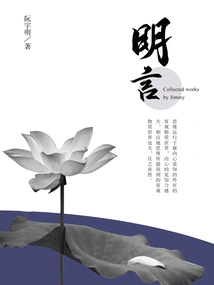
Expressly
Literature明言
Ruan Yuming
One heart, one thought, one mountain and river... In the heart and mind, the generation of one thought not only fills the heart and mind, but also fills the entire mountains, rivers and earth, making it infinitely bright and pure...
One heart, one thought, one mountain and river... In the heart and mind, the generation of one thought not only fills the heart and mind, but also fills the entire mountains, rivers and earth, making it infinitely bright and pure...
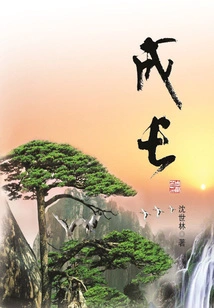
Growing Up
Literature成长
Shen Shilin
This book is divided into three columns: "Collections from Time", "After Tea and Dinner", and "Poetic Life". "Collection of Years" is not only a review of the passing years, but also a reflection on social phenomena; "After Tea and Dinner" is a mixture of theory and entertainment through the process of chatting; the joys, sorrows, and joys in "Poetic Life" are true portrayals of the author's personal experience of the years, which are the touching of the soul, the unrestrained emotions, and the emotion of life!
This book is divided into three columns: "Collections from Time", "After Tea and Dinner", and "Poetic Life". "Collection of Years" is not only a review of the passing years, but also a reflection on social phenomena; "After Tea and Dinner" is a mixture of theory and entertainment through the process of chatting; the joys, sorrows, and joys in "Poetic Life" are true portrayals of the author's personal experience of the years, which are the touching of the soul, the unrestrained emotions, and the emotion of life!
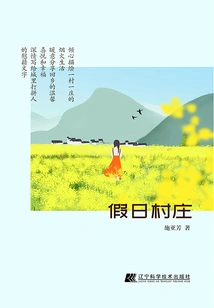
Holiday Village
Literature假日村庄
Shi Yafang
Xingfu Village, the author's hometown, is a small village not far from the sea. Qingpuzhuang is the hometown of the author's lover, a village where people live by the water. The author and his wife both work in the city, and they often use holidays to return to Xingfu Village and Qingpuzhuang to accompany their parents and soothe their homesickness. The articles collected in this book are based on what the author encountered and felt when he returned to the village in recent years. Xingfu Village has a vast land, simple folk customs, warm and open-minded people in the village, people grow vegetables in the fields, and live a self-sufficient pastoral life. Qingpuzhuang is full of smoke and water. The people in the village are smart and hardworking. Every family engages in the processing economy and leads a prosperous life. The two places have different customs and characteristics, but the two places share the same lively life. In the book, there are some descriptions of family members sitting around and cozy lights; some descriptions of working in the countryside and boundless happiness; some descriptions of a small village near the sea and vast fields; some descriptions of a waterside village with a moist and poetic atmosphere; some hometown snacks with a sweet flavor; or descriptions of folk customs with unique characteristics. The author uses words to describe the fireworks life in each village, and shares with readers the warmth, joy and happiness of returning home.
Xingfu Village, the author's hometown, is a small village not far from the sea. Qingpuzhuang is the hometown of the author's lover, a village where people live by the water. The author and his wife both work in the city, and they often use holidays to return to Xingfu Village and Qingpuzhuang to accompany their parents and soothe their homesickness. The articles collected in this book are based on what the author encountered and felt when he returned to the village in recent years. Xingfu Village has a vast land, simple folk customs, warm and open-minded people in the village, people grow vegetables in the fields, and live a self-sufficient pastoral life. Qingpuzhuang is full of smoke and water. The people in the village are smart and hardworking. Every family engages in the processing economy and leads a prosperous life. The two places have different customs and characteristics, but the two places share the same lively life. In the book, there are some descriptions of family members sitting around and cozy lights; some descriptions of working in the countryside and boundless happiness; some descriptions of a small village near the sea and vast fields; some descriptions of a waterside village with a moist and poetic atmosphere; some hometown snacks with a sweet flavor; or descriptions of folk customs with unique characteristics. The author uses words to describe the fireworks life in each village, and shares with readers the warmth, joy and happiness of returning home.
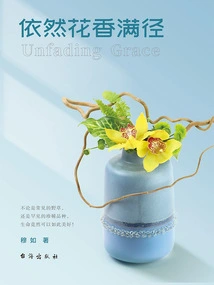
Still Full of Flowers
Literature依然花香满径
Mu Ru
This book is an essay about flower creation and the mood of the flower maker. In silent contemplation, the author was enlightened by the love deep in life. In many ordinary little things and interesting characters, he understood the wisdom that runs through all things, and glimpsed the traces of beauty in flowers, leaves, light and shadow. These flower arrangements and photography record the beauty seen by the author's eyes. Whether it is a common weed or a rare and rare species, every flower and leaf is incomparably exquisite and perfect. Life can be so beautiful! The real stories that happened around the author record the goodness that the author felt in his heart. Whether it is poverty or richness; whether it is health or illness; whether it is smooth or rough; looking back, I am deeply grateful for my life. I hope these flowers and words can convey different feelings to readers, from understanding beauty to understanding goodness. Whether it is a common weed or a rare and rare species, life can be so beautiful!
This book is an essay about flower creation and the mood of the flower maker. In silent contemplation, the author was enlightened by the love deep in life. In many ordinary little things and interesting characters, he understood the wisdom that runs through all things, and glimpsed the traces of beauty in flowers, leaves, light and shadow. These flower arrangements and photography record the beauty seen by the author's eyes. Whether it is a common weed or a rare and rare species, every flower and leaf is incomparably exquisite and perfect. Life can be so beautiful! The real stories that happened around the author record the goodness that the author felt in his heart. Whether it is poverty or richness; whether it is health or illness; whether it is smooth or rough; looking back, I am deeply grateful for my life. I hope these flowers and words can convey different feelings to readers, from understanding beauty to understanding goodness. Whether it is a common weed or a rare and rare species, life can be so beautiful!
Short Flight
Literature短暂飞行
Zhang Xiangdong
What will you encounter when riding alone on the blue coastline where you don't understand the language? What do you see when you stand in the wind where the Indian and Atlantic oceans meet? What do you think of when you walk through the mountains, forests and lakes of Argentina in the rain? ... He wrote his conversations with himself in this book. It took 10 years to create a listed company, and 7 years to travel across five continents. This is the meditation of Internet entrepreneur Zhang Xiangdong who has accumulated many years of experience. This is not a travel book. It not only depicts the different colors of ocean blue seen along the way, and the guide who miraculously appears when he gets lost, but also paints a picture into the darkness of his heart. Does the colorful movement of life make people nostalgic, or is boring the most charming part? How to find it? Or is clinging to oneself a kind of loss? Life is painful, so why fear death? If you live happily, why do you expect it to end? When you are young, the world is your enemy. Now, learn how to get along with the world. In the end, it will become a piece of dust in this world. Starting from a bicycle in his childhood, Zhang Xiangdong shared his understanding of entrepreneurship and life through encounters and contemplation. This is a "meditation" from the beginning of cycling to the conclusion of entrepreneurial insights.
What will you encounter when riding alone on the blue coastline where you don't understand the language? What do you see when you stand in the wind where the Indian and Atlantic oceans meet? What do you think of when you walk through the mountains, forests and lakes of Argentina in the rain? ... He wrote his conversations with himself in this book. It took 10 years to create a listed company, and 7 years to travel across five continents. This is the meditation of Internet entrepreneur Zhang Xiangdong who has accumulated many years of experience. This is not a travel book. It not only depicts the different colors of ocean blue seen along the way, and the guide who miraculously appears when he gets lost, but also paints a picture into the darkness of his heart. Does the colorful movement of life make people nostalgic, or is boring the most charming part? How to find it? Or is clinging to oneself a kind of loss? Life is painful, so why fear death? If you live happily, why do you expect it to end? When you are young, the world is your enemy. Now, learn how to get along with the world. In the end, it will become a piece of dust in this world. Starting from a bicycle in his childhood, Zhang Xiangdong shared his understanding of entrepreneurship and life through encounters and contemplation. This is a "meditation" from the beginning of cycling to the conclusion of entrepreneurial insights.