Library
Browse and search books
51,874 novels found
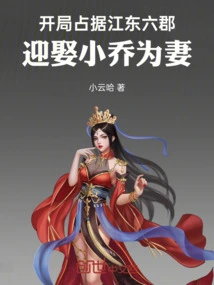
开局占据江东六郡,迎娶小乔为妻
Xiaoyunha
At the end of the Eastern Han Dynasty, the Han Dynasty declined! Famines are raging, the Yellow Turbans are in chaos, and wars are raging! Zhou Jie traveled to this era of fighting and iron horses! At the beginning, I obtained the system, and relied on my understanding of history to recruit Da Qiao Xiao Qiao, the stunning sister of the Three Kingdoms, into the harem as my beloved wife. Cai Wenji, the most talented woman in the Three Kingdoms, and Diao Chan, the most beautiful woman, were all included in Zhou Jie's harem. Then Zhou Jie recruited powerful generals and counselors! Form an army and occupy six counties in Jiangdong at the beginning. Unify the east of the Yangtze River, the tigers occupy Xuhuai, the whales swallow up Jingchu, achieve hegemony, claim the title of Lonely, unify the southern land, go north to the Central Plains, unify the country, ride horses on mountains and rivers, attack the Xiongnu in the north, and continue the iron blood of the Han Dynasty!
At the end of the Eastern Han Dynasty, the Han Dynasty declined! Famines are raging, the Yellow Turbans are in chaos, and wars are raging! Zhou Jie traveled to this era of fighting and iron horses! At the beginning, I obtained the system, and relied on my understanding of history to recruit Da Qiao Xiao Qiao, the stunning sister of the Three Kingdoms, into the harem as my beloved wife. Cai Wenji, the most talented woman in the Three Kingdoms, and Diao Chan, the most beautiful woman, were all included in Zhou Jie's harem. Then Zhou Jie recruited powerful generals and counselors! Form an army and occupy six counties in Jiangdong at the beginning. Unify the east of the Yangtze River, the tigers occupy Xuhuai, the whales swallow up Jingchu, achieve hegemony, claim the title of Lonely, unify the southern land, go north to the Central Plains, unify the country, ride horses on mountains and rivers, attack the Xiongnu in the north, and continue the iron blood of the Han Dynasty!
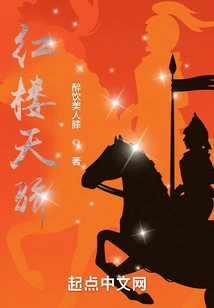
The Prodigy of Red Mansion
History红楼天骄
Drunk Beauty Knee
A new book has been released, "I Can Travel to and from the World of Red Mansions" There are so many beauties in the Red Mansion, which attract countless men to bow their waists. The four springs of the Jia family are competing for beauty, and Baochai and Daiyu are competing for romance... Countless romantic people are still in the Red Mansion. Travel through time and become Jia Cong, use your own advantages to change your status, change the fate of the Jia family, save a group of golden hairpins, and step by step towards the pinnacle of life.
A new book has been released, "I Can Travel to and from the World of Red Mansions" There are so many beauties in the Red Mansion, which attract countless men to bow their waists. The four springs of the Jia family are competing for beauty, and Baochai and Daiyu are competing for romance... Countless romantic people are still in the Red Mansion. Travel through time and become Jia Cong, use your own advantages to change your status, change the fate of the Jia family, save a group of golden hairpins, and step by step towards the pinnacle of life.
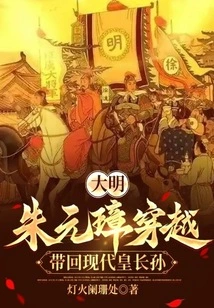
大明:朱元璋穿越,带回现代皇长孙
Dimly Lit Place
Modern man Zhu Xiong met an old man, called him his eldest grandson, and asked him to protect his father Zhu Biao from death in the underworld! What, the old man is the Hongwu Emperor, and he also traveled from the Ming Dynasty? After returning to the Ming Dynasty six hundred years ago with Zhu Yuanzhang, Zhu Xiong was sure that he was Zhu Xiongying, the eldest grandson of the Ming Emperor. So, Zhu Xiongying saved Zhu Biao with a box of amoxicillin, and told Lao Zhu that Zhu Yunwen cut down the vassal vassal, served Tian Jingnan, the emperor guarded the country, and the king died in the country... Zhu Yuanzhang: What a waste, the pig with the head on the dragon chair can do better than Zhu Yunwen! Zhu Biao: Let me cut off my descendants and see if the Yongle Emperor, the fourth child, can resist the beating! Zhu Xiongying brought back a large amount of arms from modern society, including drones, robot dogs, and even came up with the idea of 076. "Grandpa Huang, father, have you fought enough? Let your fourth uncle go to America to plant the flag!"
Modern man Zhu Xiong met an old man, called him his eldest grandson, and asked him to protect his father Zhu Biao from death in the underworld! What, the old man is the Hongwu Emperor, and he also traveled from the Ming Dynasty? After returning to the Ming Dynasty six hundred years ago with Zhu Yuanzhang, Zhu Xiong was sure that he was Zhu Xiongying, the eldest grandson of the Ming Emperor. So, Zhu Xiongying saved Zhu Biao with a box of amoxicillin, and told Lao Zhu that Zhu Yunwen cut down the vassal vassal, served Tian Jingnan, the emperor guarded the country, and the king died in the country... Zhu Yuanzhang: What a waste, the pig with the head on the dragon chair can do better than Zhu Yunwen! Zhu Biao: Let me cut off my descendants and see if the Yongle Emperor, the fourth child, can resist the beating! Zhu Xiongying brought back a large amount of arms from modern society, including drones, robot dogs, and even came up with the idea of 076. "Grandpa Huang, father, have you fought enough? Let your fourth uncle go to America to plant the flag!"

Red Mansion Jiajinghou
History红楼嘉靖侯
Malebaka
Xu Wenruo fell asleep in the "College Student Employment Guidance" class, but when he woke up, it was the Jiajing version of the world of Red Mansions. There is an emperor who clings to power and trains himself to look like a crane, but he has been laid off for many years; There was a sage who had great ambitions and wanted to rule the Han and Tang Dynasties, but he failed to win the throne; There is also the strict party who is corrupt and bends the law, the clear stream who brings order to the chaos, and the martial arts who are declining. Party disputes cannot prosper the country, and debates about the economy cannot improve the world. Xu Wenruo, whose physical body is reaching its limit, goes to Jia's house to find a chance to be immortal and has no intention of fighting for power. If you are poor, you can benefit yourself; if you are rich, you can help the world. While lingering over the golden hairpin, Xu Wenruo felt that before he ascended, he should sow the seeds of hope for this land. "How dare you claim to be the great avenue of the universe even though you are just a man of extraordinary skills?" "You're just a martial artist. What do you know about the principles of heaven and earth? Are you smarter than a saint?" If Xu Wenruo didn't answer, some book friends would argue for him. "The Marquis just wrote a storybook, why do you still take it seriously?" "Perhaps the words of the Marquis are more true to them than the words of the saint?" ... Many years later. Emperor Yongtai asked sternly: "Xu Wenruo! I treat you like this, why do you betray me!" Xu Wenruo shook his head and sighed: "Your Majesty betrayed me, not me." "You see, until now I am even willing to call you Your Majesty."
Xu Wenruo fell asleep in the "College Student Employment Guidance" class, but when he woke up, it was the Jiajing version of the world of Red Mansions. There is an emperor who clings to power and trains himself to look like a crane, but he has been laid off for many years; There was a sage who had great ambitions and wanted to rule the Han and Tang Dynasties, but he failed to win the throne; There is also the strict party who is corrupt and bends the law, the clear stream who brings order to the chaos, and the martial arts who are declining. Party disputes cannot prosper the country, and debates about the economy cannot improve the world. Xu Wenruo, whose physical body is reaching its limit, goes to Jia's house to find a chance to be immortal and has no intention of fighting for power. If you are poor, you can benefit yourself; if you are rich, you can help the world. While lingering over the golden hairpin, Xu Wenruo felt that before he ascended, he should sow the seeds of hope for this land. "How dare you claim to be the great avenue of the universe even though you are just a man of extraordinary skills?" "You're just a martial artist. What do you know about the principles of heaven and earth? Are you smarter than a saint?" If Xu Wenruo didn't answer, some book friends would argue for him. "The Marquis just wrote a storybook, why do you still take it seriously?" "Perhaps the words of the Marquis are more true to them than the words of the saint?" ... Many years later. Emperor Yongtai asked sternly: "Xu Wenruo! I treat you like this, why do you betray me!" Xu Wenruo shook his head and sighed: "Your Majesty betrayed me, not me." "You see, until now I am even willing to call you Your Majesty."
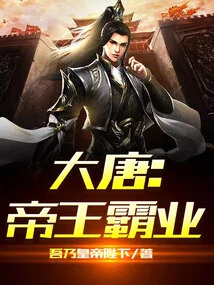
大唐:帝王霸业
I Am His Majesty The Emperor
Travel through the Tang Dynasty and become Li Ke, King of Shu. At this time, because Li Ke had the blood of the previous dynasty, the prince Li Chengqian and the eldest grandson Wuji framed Li Ke for rebellion. The minister carrying the tripod was afraid that Li Ke would gain power and added insult to injury. Li Shimin looked on with cold eyes and did not care about his family affection. The whole court wants Li Ke dead, what about Li Ke? Naturally, he wanted to overthrow the whole world and overthrow this emotionless court. First kill the prince Li Chengqian, then fight out of Chang'an, raise the banner, sweep across the Tang Dynasty, and rebuild a new dynasty in the name of Li Ke! Li Shimin: "I will die, I regret it!"
Travel through the Tang Dynasty and become Li Ke, King of Shu. At this time, because Li Ke had the blood of the previous dynasty, the prince Li Chengqian and the eldest grandson Wuji framed Li Ke for rebellion. The minister carrying the tripod was afraid that Li Ke would gain power and added insult to injury. Li Shimin looked on with cold eyes and did not care about his family affection. The whole court wants Li Ke dead, what about Li Ke? Naturally, he wanted to overthrow the whole world and overthrow this emotionless court. First kill the prince Li Chengqian, then fight out of Chang'an, raise the banner, sweep across the Tang Dynasty, and rebuild a new dynasty in the name of Li Ke! Li Shimin: "I will die, I regret it!"
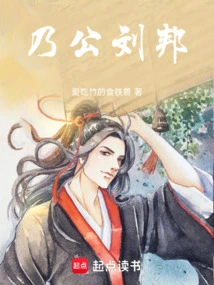
Naigong Liu Bang
History乃公刘邦
The Iron-eating Beast That Loves To Eat Bamboo
(Farming + daily life + rebellion, the main direction is daily life) Liu Bang has been dreaming of some strange things recently, and these things do not seem to belong to this world. As an ordinary person living at the bottom of the class, he neither wants to be a farmer, farming the land at home; nor does he want to be a scholar, studying hard at home and pursuing an official career. He feels that the world should not be like this. He just wanted to drink, sing, and have fun with his brothers. Freedom and freedom are what he pursues. However, when Qin Shihuang's carriage passed by him, the four batches of white horses simply blinded his eyes. Looking at the vast army retreating, he couldn't help but sigh in his heart: "This is the demeanor a man should have, and a man must take it!"
(Farming + daily life + rebellion, the main direction is daily life) Liu Bang has been dreaming of some strange things recently, and these things do not seem to belong to this world. As an ordinary person living at the bottom of the class, he neither wants to be a farmer, farming the land at home; nor does he want to be a scholar, studying hard at home and pursuing an official career. He feels that the world should not be like this. He just wanted to drink, sing, and have fun with his brothers. Freedom and freedom are what he pursues. However, when Qin Shihuang's carriage passed by him, the four batches of white horses simply blinded his eyes. Looking at the vast army retreating, he couldn't help but sigh in his heart: "This is the demeanor a man should have, and a man must take it!"

三国:穿越刘琦,截胡蔡夫人
Newbie Playing For The First Time
He traveled through time and became Liu Qi, guarding the land of Jiangxia, but unexpectedly awakened the famous general summoning system! A famous historical general can be randomly summoned every ten days! The master archer Hou Yi, the beautiful female general Fu Hao, the murderer Bai Qi, the overlord of Western Chu Xiang Yu, the soldier Han Xin, the famous anti-gold general Yue Fei... Even Lu Bu, who had been dead for many years, was summoned? When Liu Biao passed away, Mrs. Cai, Cai Mao, Zhang Yun and others actually made their young son Liu Cong the lord of Jingzhou? Liu Qi, who has grown up in Jiangxia for a long time, no longer pretends to be a showdown! Directly lead an army of 100,000 to Xiangyang! Han Xin Bai Qi commanded the army, Xiang Yu and Lu Bu charged into the battle! When he broke through Xiangyang City and looked at the beautiful and trembling Madam Cai, he couldn't help but smile: "From today on, you and Jingzhou belong to me, Liu Qi!"
He traveled through time and became Liu Qi, guarding the land of Jiangxia, but unexpectedly awakened the famous general summoning system! A famous historical general can be randomly summoned every ten days! The master archer Hou Yi, the beautiful female general Fu Hao, the murderer Bai Qi, the overlord of Western Chu Xiang Yu, the soldier Han Xin, the famous anti-gold general Yue Fei... Even Lu Bu, who had been dead for many years, was summoned? When Liu Biao passed away, Mrs. Cai, Cai Mao, Zhang Yun and others actually made their young son Liu Cong the lord of Jingzhou? Liu Qi, who has grown up in Jiangxia for a long time, no longer pretends to be a showdown! Directly lead an army of 100,000 to Xiangyang! Han Xin Bai Qi commanded the army, Xiang Yu and Lu Bu charged into the battle! When he broke through Xiangyang City and looked at the beautiful and trembling Madam Cai, he couldn't help but smile: "From today on, you and Jingzhou belong to me, Liu Qi!"
吾儿每天想让我换个职业
It's Hard To Know About Meat Floss
[Emperor + Struggle for Hegemony + Father's Kindness and Son's Filial Piety + System + Farming Articles] Jun Lin was originally the son of a merchant from another world. He was supposed to be taken away by the time traveler, but by accident, he swallowed up the other person's memory. Since then, he has gained countless shocking knowledge in his mind - gunpowder formulas, statecraft, future history books... And has even been bound to the "Destiny System". It's just that this system keeps talking about "unifying the world", and each of his nine sons is more outrageous than the last: The second oldest Liu Bang: Dad, the white snake has been killed, it's time to revolt. Liu Che, the third child: Look at the map of Mobei, does it look like Langjuxu Mountain? The Fourth Brother Li Shimin: The Xuanwu Sect is very popular, can dad come with us? The fifth child, Zhao Kuangyin: It's getting colder, so it's time to put on the yellow robe. Old Liu Temujin: Abu, the end of the grassland is Rome. Zhu Yuanzhang, the seventh child: The Huns are not yet exterminated. Dad, our swords are sharpened. The eighth child, Zhu Di: My ex-father said there is gold in Mobei, so I'm going to move it now! Laojiu Yongzheng: I have approved the blood-earning version of this disaster relief account book. The eldest son Ying Zheng silently put on a black dragon robe for him: "The Great Qin Cavalry is willing to open up frontiers for my father." Junlin looked at the room full of emperors with question marks on his face: "Did I stab the emperor's nest?" -- #OnHow to Let Nine Emperors Coexist Peacefully# #local natives were forced to hold the emperor's strategy manual# #NineEmperors take turns squatting on my bedside every night to ask for homework# #other families fight for family property, my family's traitors fight for the globe#
[Emperor + Struggle for Hegemony + Father's Kindness and Son's Filial Piety + System + Farming Articles] Jun Lin was originally the son of a merchant from another world. He was supposed to be taken away by the time traveler, but by accident, he swallowed up the other person's memory. Since then, he has gained countless shocking knowledge in his mind - gunpowder formulas, statecraft, future history books... And has even been bound to the "Destiny System". It's just that this system keeps talking about "unifying the world", and each of his nine sons is more outrageous than the last: The second oldest Liu Bang: Dad, the white snake has been killed, it's time to revolt. Liu Che, the third child: Look at the map of Mobei, does it look like Langjuxu Mountain? The Fourth Brother Li Shimin: The Xuanwu Sect is very popular, can dad come with us? The fifth child, Zhao Kuangyin: It's getting colder, so it's time to put on the yellow robe. Old Liu Temujin: Abu, the end of the grassland is Rome. Zhu Yuanzhang, the seventh child: The Huns are not yet exterminated. Dad, our swords are sharpened. The eighth child, Zhu Di: My ex-father said there is gold in Mobei, so I'm going to move it now! Laojiu Yongzheng: I have approved the blood-earning version of this disaster relief account book. The eldest son Ying Zheng silently put on a black dragon robe for him: "The Great Qin Cavalry is willing to open up frontiers for my father." Junlin looked at the room full of emperors with question marks on his face: "Did I stab the emperor's nest?" -- #OnHow to Let Nine Emperors Coexist Peacefully# #local natives were forced to hold the emperor's strategy manual# #NineEmperors take turns squatting on my bedside every night to ask for homework# #other families fight for family property, my family's traitors fight for the globe#
三国:多子多福,开局娶妻蔡琰
Next To The Heart
Travel to the Three Kingdoms era and become the owner of a village. Marry Cai Yan at the beginning and awaken the system of having many children and many blessings. As long as you marry a wife and have children, you can gain unlimited lifespan, strength, and arms. Bite! [Congratulations to the host on marrying Cai Yan] [Get the Eighteen Riders of Yanyun] [Ding! [Congratulations to host Cai Yan for being pregnant] [Obtain three thousand royal guards] [Ding! [Congratulations to the host Cai Yan on the birth of his son] [Get Ten Thousand Square Sky Iron Cavalry] ... Dang Feng Yang will be Diao Chan, Zhen Mi, Da Qiao, Xiao Qiao... After taking them all home. Millions of divine soldiers descended from the sky! The unification of the Three Kingdoms!
Travel to the Three Kingdoms era and become the owner of a village. Marry Cai Yan at the beginning and awaken the system of having many children and many blessings. As long as you marry a wife and have children, you can gain unlimited lifespan, strength, and arms. Bite! [Congratulations to the host on marrying Cai Yan] [Get the Eighteen Riders of Yanyun] [Ding! [Congratulations to host Cai Yan for being pregnant] [Obtain three thousand royal guards] [Ding! [Congratulations to the host Cai Yan on the birth of his son] [Get Ten Thousand Square Sky Iron Cavalry] ... Dang Feng Yang will be Diao Chan, Zhen Mi, Da Qiao, Xiao Qiao... After taking them all home. Millions of divine soldiers descended from the sky! The unification of the Three Kingdoms!
都成大唐王爷了还不能躺平?
Rabbit Who Loves To Drink Black Tea
I camped at Wulao Peak in Lushan Mountain, and when I woke up, I traveled through time and became King Teng of the Tang Dynasty. Did I build Prince Teng's Pavilion? My father, Tang Gaozu! Brother Li Shimin! My nephew Tang Gaozong! Overnight, from cows and horses to Rome, isn't this a wonderful life? But my father is gone, my brother is dead... By nephew? Li Yuanying felt a little unreliable! I wanted to lie down, but in order to live a more comfortable life, I had to make hundreds of millions of changes. This change... Everything in the Tang Dynasty has changed!
I camped at Wulao Peak in Lushan Mountain, and when I woke up, I traveled through time and became King Teng of the Tang Dynasty. Did I build Prince Teng's Pavilion? My father, Tang Gaozu! Brother Li Shimin! My nephew Tang Gaozong! Overnight, from cows and horses to Rome, isn't this a wonderful life? But my father is gone, my brother is dead... By nephew? Li Yuanying felt a little unreliable! I wanted to lie down, but in order to live a more comfortable life, I had to make hundreds of millions of changes. This change... Everything in the Tang Dynasty has changed!
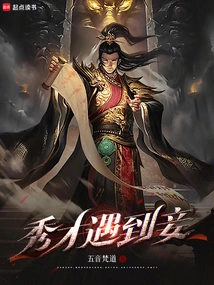
Scholar Meets Concubine
History秀才遇到妾
Five Sounds Of Brahma
[Keeping a concubine + space + rivers, lakes and temples + decisive killing...] The people of all directions have been wandering for half their lives, without ever finding a peaceful place to live. The day when the down-and-out scholar raised his head, he saw that the tyrants were dominating the world, the army and the bandits were separatist. So he abandoned his pen and picked up his sword and started his journey to hunt the king, riding through the mountains and rivers to open a road for the common people of the poor family in the world. I had no intention of competing, but I have a group of wives and concubines, and I am invincible in a fight.
[Keeping a concubine + space + rivers, lakes and temples + decisive killing...] The people of all directions have been wandering for half their lives, without ever finding a peaceful place to live. The day when the down-and-out scholar raised his head, he saw that the tyrants were dominating the world, the army and the bandits were separatist. So he abandoned his pen and picked up his sword and started his journey to hunt the king, riding through the mountains and rivers to open a road for the common people of the poor family in the world. I had no intention of competing, but I have a group of wives and concubines, and I am invincible in a fight.
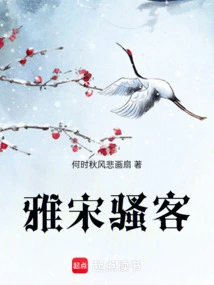
Yasong Saoke
History雅宋骚客
When Is The Autumn Wind Sad And Painted On The Fan?
In the second year of Ming Dynasty, Queen Mother Liu E passed away. Zhao Zhen breathed a long sigh of relief. It was finally my turn to be the master of the family! The elegance and prosperity of the Song Dynasty reached its peak. Fan Zhongyan, Ouyang Xiu, Wang Anshi, Sansu, Zeng Gong... Are as bright as stars. Liu San turned the brothel into his home, Zhou Dunyi taught the second course while admiring the lotus, Bao Longtu took charge of Kaifeng, and Di Xianggong was invincible on the battlefield. And him. A silly little fan of Da Song Dynasty!
In the second year of Ming Dynasty, Queen Mother Liu E passed away. Zhao Zhen breathed a long sigh of relief. It was finally my turn to be the master of the family! The elegance and prosperity of the Song Dynasty reached its peak. Fan Zhongyan, Ouyang Xiu, Wang Anshi, Sansu, Zeng Gong... Are as bright as stars. Liu San turned the brothel into his home, Zhou Dunyi taught the second course while admiring the lotus, Bao Longtu took charge of Kaifeng, and Di Xianggong was invincible on the battlefield. And him. A silly little fan of Da Song Dynasty!
骗你,没商量
Nine Series Waves
Ah, your identity is false; Ah, your identity is also fake; Ahhhh, your identities are all fake. It's just a fake identity. It's really too much to face this kind of situation after revealing your identity...
Ah, your identity is false; Ah, your identity is also fake; Ahhhh, your identities are all fake. It's just a fake identity. It's really too much to face this kind of situation after revealing your identity...
Daming Jinyiwei 1
History大明锦衣卫1
No More Barking
A set of flying fish clothes, an embroidered spring knife, to slay the evil and retreat! It was during the Wanli period. Zhang Juzheng, the chief minister of the cabinet, was deceased, Qi Jiguang was transferred, the rebellious Zhu Yijun imposed mining taxes, the New Deal was abolished, and the three major levies were about to begin... Zhao Mang came through time and won the hereditary position of Jin Yiwei, but was killed by a traitor and was sent to a remote place. ? I am Zhao Mang,? My surname is Zhao Mang,? I am reckless Mang,? Whoever makes me unhappy,? I will make him unhappy!
A set of flying fish clothes, an embroidered spring knife, to slay the evil and retreat! It was during the Wanli period. Zhang Juzheng, the chief minister of the cabinet, was deceased, Qi Jiguang was transferred, the rebellious Zhu Yijun imposed mining taxes, the New Deal was abolished, and the three major levies were about to begin... Zhao Mang came through time and won the hereditary position of Jin Yiwei, but was killed by a traitor and was sent to a remote place. ? I am Zhao Mang,? My surname is Zhao Mang,? I am reckless Mang,? Whoever makes me unhappy,? I will make him unhappy!
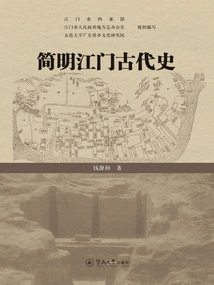
简明江门古代史
Qian Yuanchu
This book explains the historical development of Jiangmen City in Guangdong Province from the middle Neolithic Age to before 1840, and presents the development characteristics of Jiangmen area in various historical periods, such as the early civilization and ethnic relations of Jiangmen's ancient ancestors in the pre-Qin period, the initial development and the coexistence of immigrants and local indigenous people from the Qin and Han Dynasties to the Sui and Tang Dynasties, the economic and cultural prosperity of the Song, Yuan and Ming dynasties, and the basic development of Jiangmen in the early and middle Qing Dynasty (before 1840). This book lays the foundation for today's Wuyi region, etc., Displays the history of ancient civilization in today's Jiangmen region from the aspects of politics, economy, culture, social life, ethnic relations, etc., Deepens the understanding of the historical context of Jiangmen's immigration in modern times and formed a famous hometown of overseas Chinese, and studies and summarizes the multiple factors of ancient Jiangmen's social transformation from the historical development trend, which is of certain significance for understanding and carrying forward Jiangmen's history and culture.
This book explains the historical development of Jiangmen City in Guangdong Province from the middle Neolithic Age to before 1840, and presents the development characteristics of Jiangmen area in various historical periods, such as the early civilization and ethnic relations of Jiangmen's ancient ancestors in the pre-Qin period, the initial development and the coexistence of immigrants and local indigenous people from the Qin and Han Dynasties to the Sui and Tang Dynasties, the economic and cultural prosperity of the Song, Yuan and Ming dynasties, and the basic development of Jiangmen in the early and middle Qing Dynasty (before 1840). This book lays the foundation for today's Wuyi region, etc., Displays the history of ancient civilization in today's Jiangmen region from the aspects of politics, economy, culture, social life, ethnic relations, etc., Deepens the understanding of the historical context of Jiangmen's immigration in modern times and formed a famous hometown of overseas Chinese, and studies and summarizes the multiple factors of ancient Jiangmen's social transformation from the historical development trend, which is of certain significance for understanding and carrying forward Jiangmen's history and culture.
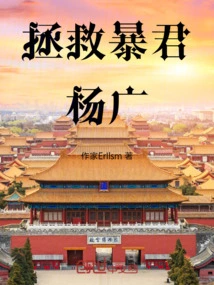
Save the Tyrant Yang Guang
History拯救暴君杨广
Writer Erilsm
**About the work:** Yang Yuan, a graduate student in the Department of History, stumbles upon the mysterious ancient book "Legacy of the Great Cause" in the library. He is involved in the first year of the Great Cause of the Sui Dynasty and becomes a person whose life hangs on a thread on the canal construction site.
**About the work:** Yang Yuan, a graduate student in the Department of History, stumbles upon the mysterious ancient book "Legacy of the Great Cause" in the library. He is involved in the first year of the Great Cause of the Sui Dynasty and becomes a person whose life hangs on a thread on the canal construction site.
Green Lotus Drunk Jiuhua
History青莲醉九华
Writer Yan Hongwei
"Green Lotus Drunk Jiuhua": a legendary journey intertwined with poetry and Zen At the beginning of the story, the poet Li Bai was fascinated by the beauty of Jiuhua Mountain, and he has been inseparable from this Buddhist holy land ever since. Here, he met the eminent monk Jin Qiaojue. One was full of pride and described all phenomena in the world with poems; the other was compassionate and used Buddhism to save all sentient beings. Although the two had different beliefs and pursuits, they admired each other and sparked sparks of thought in the mountains and rivers of Jiuhua. At the same time, the chivalrous figures of Gao Ji's brother and sister also shuttled among them. They act chivalrously and righteously, adding passion and pride to the story, and together with Li Bai and Jin Qiaojue weave a colorful picture of life. As time goes by, the monk with the perfect name sets foot on Jiuhua Mountain. He was deeply moved when he heard about the legendary past of Li Bai and Jin Qiaojue, and determined to pass on this spirit with piety. Therefore, he practiced hard in the cave, practiced non-signal charity, and even wrote scriptures by piercing his blood. In the end, he became a saint physically, adding another legend to Jiuhua Mountain. Thirty episodes of stories combine history, culture, and emotions. You will see how Li Bai recited poems and composed poems among the peaks of Jiuhua, integrating the magnificence of Jiuhua Mountain into his poems; feel Jin Qiaojue's Buddhist wisdom of compassion and benefiting the world; and appreciate the chivalrous character of Gao Ji's brother and sister. "Green Lotus Drunken in Jiuhua" is not only a vivid presentation of the history and humanity of Mount Jiuhua, but also an affectionate celebration of beautiful qualities such as pride, compassion, chivalry and piety. Get ready to follow our footsteps and embark on this touching and legendary journey together, and indulge in the poetry and Zen of Jiuhua Mountain!
"Green Lotus Drunk Jiuhua": a legendary journey intertwined with poetry and Zen At the beginning of the story, the poet Li Bai was fascinated by the beauty of Jiuhua Mountain, and he has been inseparable from this Buddhist holy land ever since. Here, he met the eminent monk Jin Qiaojue. One was full of pride and described all phenomena in the world with poems; the other was compassionate and used Buddhism to save all sentient beings. Although the two had different beliefs and pursuits, they admired each other and sparked sparks of thought in the mountains and rivers of Jiuhua. At the same time, the chivalrous figures of Gao Ji's brother and sister also shuttled among them. They act chivalrously and righteously, adding passion and pride to the story, and together with Li Bai and Jin Qiaojue weave a colorful picture of life. As time goes by, the monk with the perfect name sets foot on Jiuhua Mountain. He was deeply moved when he heard about the legendary past of Li Bai and Jin Qiaojue, and determined to pass on this spirit with piety. Therefore, he practiced hard in the cave, practiced non-signal charity, and even wrote scriptures by piercing his blood. In the end, he became a saint physically, adding another legend to Jiuhua Mountain. Thirty episodes of stories combine history, culture, and emotions. You will see how Li Bai recited poems and composed poems among the peaks of Jiuhua, integrating the magnificence of Jiuhua Mountain into his poems; feel Jin Qiaojue's Buddhist wisdom of compassion and benefiting the world; and appreciate the chivalrous character of Gao Ji's brother and sister. "Green Lotus Drunken in Jiuhua" is not only a vivid presentation of the history and humanity of Mount Jiuhua, but also an affectionate celebration of beautiful qualities such as pride, compassion, chivalry and piety. Get ready to follow our footsteps and embark on this touching and legendary journey together, and indulge in the poetry and Zen of Jiuhua Mountain!
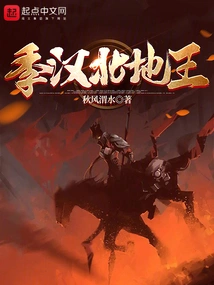
Jihan Northland King
History季汉北地王
Autumn Wind On The Weishui River
In the sixth year of Jingyao's reign, the Northern Army invaded. In the ancestral temple, Liu Chen opened the bag of tips left by the prime minister... [Partial group portrait][No golden finger] That night, Liu Yong risked his life to break into the palace and threw his crown to ask the sky. "Liu Gongsi, open your eyes and look at these eight hundred miles of Sichuan!" That night, Liu Chen's sword beheaded Qiao Dang and Chen Bing's palace gate. "My dear King Liu Chen of the North, please be your regent!"
In the sixth year of Jingyao's reign, the Northern Army invaded. In the ancestral temple, Liu Chen opened the bag of tips left by the prime minister... [Partial group portrait][No golden finger] That night, Liu Yong risked his life to break into the palace and threw his crown to ask the sky. "Liu Gongsi, open your eyes and look at these eight hundred miles of Sichuan!" That night, Liu Chen's sword beheaded Qiao Dang and Chen Bing's palace gate. "My dear King Liu Chen of the North, please be your regent!"
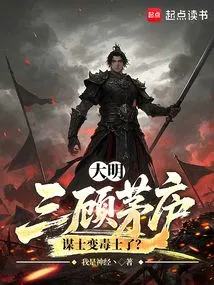
Daming: after Three Visits to the Thatched Cottage, the Counselor Turned into a Poisonous One?
History大明:三顾茅庐,谋士变毒士了?
I Am Nervous
I'm Yao Guangqing! Ziwenhe! Traveling through the Ming Dynasty, he became Yao Guangxiao's younger brother at the beginning. He originally wanted to be a top strategist and awakened the top poisoner system! This year was the time when Jianwen was abolishing the vassal state, and King Zhu Di of Yan pretended to be crazy, but Yao Guangxiao recommended his younger brother to advise King Yan. In the Taihang Mountains, Zhu Di visited the thatched cottage in search of good ideas! However, the poisonous scholar Yao Guangqing made a surprising statement. "Wasn't caring about the plague! Poisoning Emperor Jianwen's people's hearts! Let the whole people of Peiping rebel?" Yao Guangqing saw that Zhu Di was an upright person, so he rejected his invitation to join the army. Immediately afterwards, Zhu Di visited the thatched cottage again and looked for good strategies. The poisonous scholar Yao Guangqing still performed stably. "After the food supply was cut off, hundreds of thousands of refugees starved to death all over the place! This guy is so sinister and ruthless!" Seeing that he could not make up his mind, Yao Guangqing still refused to go out. Finally, Zhu Di visited the thatched cottage three times! And he, Yao Guangqing, shocked the world with his poisonous trick! "Kill your sister-in-law to establish your authority! The entire army will fight to the death!" At this point, Zhu Di has completely turned dark!
I'm Yao Guangqing! Ziwenhe! Traveling through the Ming Dynasty, he became Yao Guangxiao's younger brother at the beginning. He originally wanted to be a top strategist and awakened the top poisoner system! This year was the time when Jianwen was abolishing the vassal state, and King Zhu Di of Yan pretended to be crazy, but Yao Guangxiao recommended his younger brother to advise King Yan. In the Taihang Mountains, Zhu Di visited the thatched cottage in search of good ideas! However, the poisonous scholar Yao Guangqing made a surprising statement. "Wasn't caring about the plague! Poisoning Emperor Jianwen's people's hearts! Let the whole people of Peiping rebel?" Yao Guangqing saw that Zhu Di was an upright person, so he rejected his invitation to join the army. Immediately afterwards, Zhu Di visited the thatched cottage again and looked for good strategies. The poisonous scholar Yao Guangqing still performed stably. "After the food supply was cut off, hundreds of thousands of refugees starved to death all over the place! This guy is so sinister and ruthless!" Seeing that he could not make up his mind, Yao Guangqing still refused to go out. Finally, Zhu Di visited the thatched cottage three times! And he, Yao Guangqing, shocked the world with his poisonous trick! "Kill your sister-in-law to establish your authority! The entire army will fight to the death!" At this point, Zhu Di has completely turned dark!
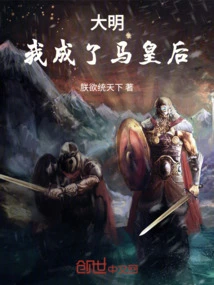
Daming: I Became Queen Ma
History大明:我成了马皇后
I Want To Rule The World
Come to China Literature's website to read more of my works!
Come to China Literature's website to read more of my works!

从民国开始的军火商
Writer Wears Yellow Robe
In modern society, cattle and horses beat workers, and they have golden fingers to decompose. They replicate and travel through the Republic of China to make trouble and sell arms. From now on, I will not eat beef. . .
In modern society, cattle and horses beat workers, and they have golden fingers to decompose. They replicate and travel through the Republic of China to make trouble and sell arms. From now on, I will not eat beef. . .
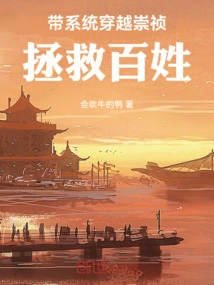
带系统穿越崇祯,拯救百姓
Bragging Duck
The protagonist is a history lover in modern society, especially obsessed with the history of the Ming Dynasty, and deeply regrets what happened to Emperor Chongzhen Zhu Youjian. In an accident, he traveled back to Zhu Youjian, who was about to hang himself in Meishan in the 17th year of Chongzhen's reign. At this time, Li Zicheng and other peasant uprising forces in the Ming Dynasty were in full force, and the Eight Banners of the Manchu and Qing Dynasties were looking at them. There were constant party disputes in the court, traitors were in power, the country's finances were on the verge of collapse, and the people were living in dire straits. Emperor Chongzhen was facing the desperate situation of subjugating the country.
The protagonist is a history lover in modern society, especially obsessed with the history of the Ming Dynasty, and deeply regrets what happened to Emperor Chongzhen Zhu Youjian. In an accident, he traveled back to Zhu Youjian, who was about to hang himself in Meishan in the 17th year of Chongzhen's reign. At this time, Li Zicheng and other peasant uprising forces in the Ming Dynasty were in full force, and the Eight Banners of the Manchu and Qing Dynasties were looking at them. There were constant party disputes in the court, traitors were in power, the country's finances were on the verge of collapse, and the people were living in dire straits. Emperor Chongzhen was facing the desperate situation of subjugating the country.
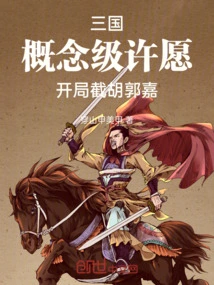
三国:概念级许愿,开局截胡郭嘉
Pangolin Manicure
(Cool article on layout flow system) The soul traveled through the end of the Eastern Han Dynasty and possessed Liu Hao, the king of Guangling. Faced with the situation where Cao Cao was holding the emperor hostage to order the princes, he obtained a concept-level wish-making system. Make a wish and get concept-level rewards. [The wish is successful, and you will get Xiang Yu's bravery from the overlord of Western Chu X2] [The wish was successful, and the eternal commander-in-chief Yue Fei, Yue Yun and his son were obtained] [The wish was successful and I received the level 12 southeast wind from the Seven Star Altar! [The wish was successful, and the aircraft carrier battle group X12 was obtained] Yuan Shu: "Ji Ling's 20,000-strong army could not defeat Liu Bei and Guan Yu, but Liu Hao was so frightened that he fled back to Xiapi?" Lu Bu: "I barely managed to hit the branch on the halberd, but Liu Hao actually bent his bow from behind and shot it down?" Liu Bei: "The three of us were tied with Lu Bu back then, but now we are no match for Liu Hao?" Zhou Yu: "God, how can I become Hao after giving birth to Yu? Pfft..." Cao Cao: "Okay!!" (Cao's rice bowlJPG. X108)
(Cool article on layout flow system) The soul traveled through the end of the Eastern Han Dynasty and possessed Liu Hao, the king of Guangling. Faced with the situation where Cao Cao was holding the emperor hostage to order the princes, he obtained a concept-level wish-making system. Make a wish and get concept-level rewards. [The wish is successful, and you will get Xiang Yu's bravery from the overlord of Western Chu X2] [The wish was successful, and the eternal commander-in-chief Yue Fei, Yue Yun and his son were obtained] [The wish was successful and I received the level 12 southeast wind from the Seven Star Altar! [The wish was successful, and the aircraft carrier battle group X12 was obtained] Yuan Shu: "Ji Ling's 20,000-strong army could not defeat Liu Bei and Guan Yu, but Liu Hao was so frightened that he fled back to Xiapi?" Lu Bu: "I barely managed to hit the branch on the halberd, but Liu Hao actually bent his bow from behind and shot it down?" Liu Bei: "The three of us were tied with Lu Bu back then, but now we are no match for Liu Hao?" Zhou Yu: "God, how can I become Hao after giving birth to Yu? Pfft..." Cao Cao: "Okay!!" (Cao's rice bowlJPG. X108)
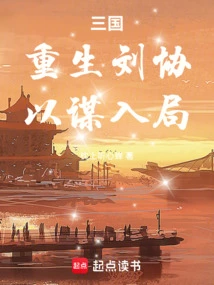
三国:重生刘协,以谋入局
Listening To The Cicada On The Pillow
He was reborn as Liu Xie, Emperor Xian of Han Dynasty. Faced with Dong Zhuo's power over the ruling and opposition parties, Liu Xie decided to use conspiracy to get into the situation and kill people with a borrowed knife... When autumn comes on September 8th, I will kill hundreds of flowers after they bloom... "The Eastern Han Dynasty has not reached its end, let alone the Three Kingdoms."
He was reborn as Liu Xie, Emperor Xian of Han Dynasty. Faced with Dong Zhuo's power over the ruling and opposition parties, Liu Xie decided to use conspiracy to get into the situation and kill people with a borrowed knife... When autumn comes on September 8th, I will kill hundreds of flowers after they bloom... "The Eastern Han Dynasty has not reached its end, let alone the Three Kingdoms."

这世界最终是一件奇怪的事
(french) Jean Duanmusong
"On a clear morning in July, I asked myself, where do we come from, where are we going, and what are we doing in this world? What is life and where does it come from? How does the universe work? Why is there something rather than nothing?" From mathematicians and Greek philosophers to Einstein and quantum theory, Newton and Darwin, people have been trying to answer these questions for three thousand years. In the past three or four centuries, the pace of history has accelerated. We have entered modernity and postmodernity. Science, technology and numbers have conquered the planet. Reason seems to have prevailed, allowing humans to replace gods and become the leaders of world affairs. Does life have any meaning, or is it just a bracket between two nothings? Is there hope beyond death? Jean Duanmusong, who loves travel, sea bathing, books and all the joys of human existence, explores these eternal problems from a new perspective, while raising questions about the mystery of human destiny and sketching novel pictures of life, history and mythology.
"On a clear morning in July, I asked myself, where do we come from, where are we going, and what are we doing in this world? What is life and where does it come from? How does the universe work? Why is there something rather than nothing?" From mathematicians and Greek philosophers to Einstein and quantum theory, Newton and Darwin, people have been trying to answer these questions for three thousand years. In the past three or four centuries, the pace of history has accelerated. We have entered modernity and postmodernity. Science, technology and numbers have conquered the planet. Reason seems to have prevailed, allowing humans to replace gods and become the leaders of world affairs. Does life have any meaning, or is it just a bracket between two nothings? Is there hope beyond death? Jean Duanmusong, who loves travel, sea bathing, books and all the joys of human existence, explores these eternal problems from a new perspective, while raising questions about the mystery of human destiny and sketching novel pictures of life, history and mythology.

Nine-fold Screen
History九叠屏风
Square Dance King
At the boundary between dark matter and quantum physics, there is a
At the boundary between dark matter and quantum physics, there is a

Temple Sword
History圣殿之剑
Big Green Guy
"Even if this sword was not created by the Lord, it still shaped the glory of the world in His name." [Pure Medieval Literature] [No Time Travel] [No Golden Finger] [Strict Research] In 1291, after the fall of Acre, the Crusaders lost the last stronghold of the Kingdom of Jerusalem. In the near future, they would be completely driven out of the Holy Land by the Mamluks. A disappointed Templar decided to return to Hungary after many years with his sword. However, he failed to find peace in his hometown. The Arpad dynasty, which had ruled the Kingdom of Hungary for hundreds of years, was dying, and a new era of chaos was about to begin... He placed all his hopes on a boy and vowed to train him to become the most perfect Templar in the Christian world to atone for the sins he had committed. But what does the weight of the sword mean to a boy who has never set foot on the Holy Land? The decline of the Knights Templar and the rise of the new Hungarian dynasty, two unrelated blood histories, simultaneously changed the fate of one man and one sword. A more traditional historical article, written by a student of European history.
"Even if this sword was not created by the Lord, it still shaped the glory of the world in His name." [Pure Medieval Literature] [No Time Travel] [No Golden Finger] [Strict Research] In 1291, after the fall of Acre, the Crusaders lost the last stronghold of the Kingdom of Jerusalem. In the near future, they would be completely driven out of the Holy Land by the Mamluks. A disappointed Templar decided to return to Hungary after many years with his sword. However, he failed to find peace in his hometown. The Arpad dynasty, which had ruled the Kingdom of Hungary for hundreds of years, was dying, and a new era of chaos was about to begin... He placed all his hopes on a boy and vowed to train him to become the most perfect Templar in the Christian world to atone for the sins he had committed. But what does the weight of the sword mean to a boy who has never set foot on the Holy Land? The decline of the Knights Templar and the rise of the new Hungarian dynasty, two unrelated blood histories, simultaneously changed the fate of one man and one sword. A more traditional historical article, written by a student of European history.
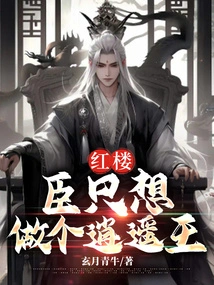
红楼:臣只想做个逍遥王
Xuanyueqingniu
Jia Jun traveled to the world of Red Mansions and became the legitimate son of Jia Jing of the Ningguo Mansion. When Qian Hong cried, Wan Yan felt the same grief and wanted to "rescue" these golden hairpins trapped in fire and water. Jia Jun planned for many years just to lead the Jia family on another path. Being an emperor is too tiring, being a minister is too tiring, I just want to be a free king enjoying the incense of the Wu Temple!
Jia Jun traveled to the world of Red Mansions and became the legitimate son of Jia Jing of the Ningguo Mansion. When Qian Hong cried, Wan Yan felt the same grief and wanted to "rescue" these golden hairpins trapped in fire and water. Jia Jun planned for many years just to lead the Jia family on another path. Being an emperor is too tiring, being a minister is too tiring, I just want to be a free king enjoying the incense of the Wu Temple!
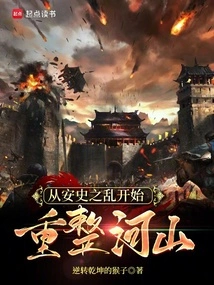
从安史之乱开始重整河山
The Monkey Who Turned Things Around
As a college student at a double first-class institution of higher learning, Jiang Hao originally had a bright future. But he traveled to the Tang Dynasty and became a low-ranking official. He also encountered the Anshi Rebellion and his superiors died for the country. He was forced to shoulder the heavy responsibility of defending the city alone. From county lieutenant to county magistrate, to prefect, to military envoy, to prince, Jiang Hao, who just wanted to live a stable life, was driven by the general trend of history, and step by step he came to the forefront of the competition in the Central Plains. In the end, he understood one thing - no one was suitable to sit in that supreme position. Only by sitting on it can this endless war be ended.
As a college student at a double first-class institution of higher learning, Jiang Hao originally had a bright future. But he traveled to the Tang Dynasty and became a low-ranking official. He also encountered the Anshi Rebellion and his superiors died for the country. He was forced to shoulder the heavy responsibility of defending the city alone. From county lieutenant to county magistrate, to prefect, to military envoy, to prince, Jiang Hao, who just wanted to live a stable life, was driven by the general trend of history, and step by step he came to the forefront of the competition in the Central Plains. In the end, he understood one thing - no one was suitable to sit in that supreme position. Only by sitting on it can this endless war be ended.

The Past in Hong Kong
History香江往事
A Wave Of Unrest
In 1956, 14-year-old Li Mo sneaked into Hong Kong with his mother to look for his father. On the way, his mother died and his father was nowhere to be found. A man traveling with him took him to seek refuge with relatives... By chance or necessity, he embarked on the road of stock speculation. This is the most arduous road, but as a young man who came out of a squatter area, this is the road that least requires identity, connections and resources, although this road is destined to be a success. From Tsuen Wan to To Kwa Wan, from Kowloon to Hong Kong Island, Li Mo moved forward in blood and tears, and grew up in mistakes and reflection. As he rises in fame in the industry, women, money, and sin all come to him. In the end, he discovers that speculation is an anti-human game. What he wants to defeat is never others, but himself. He has no intention of leaving his name in history, but times create heroes. The tide of history is turbulent. Some people stand on the top of the wave, while others sleep under the sand.
In 1956, 14-year-old Li Mo sneaked into Hong Kong with his mother to look for his father. On the way, his mother died and his father was nowhere to be found. A man traveling with him took him to seek refuge with relatives... By chance or necessity, he embarked on the road of stock speculation. This is the most arduous road, but as a young man who came out of a squatter area, this is the road that least requires identity, connections and resources, although this road is destined to be a success. From Tsuen Wan to To Kwa Wan, from Kowloon to Hong Kong Island, Li Mo moved forward in blood and tears, and grew up in mistakes and reflection. As he rises in fame in the industry, women, money, and sin all come to him. In the end, he discovers that speculation is an anti-human game. What he wants to defeat is never others, but himself. He has no intention of leaving his name in history, but times create heroes. The tide of history is turbulent. Some people stand on the top of the wave, while others sleep under the sand.

三国捡尸人,吞噬万物成霸途
Self-righteous And Carefree
When the Yellow Turban chaos broke out, he was a food-stealing soldier on the verge of death; when his spiritual energy revived, he mastered the "Jiuquan Corpse Picking System". Others are afraid of the battlefield, but he dislikes the lack of corpses - ordinary soldiers are fed with attributes, corpses of famous generals are quenched with fighting energy, counselors' residual souls are filled with spells, and even fragments of the deceased's connections can be transformed into ready-made caravans and dead soldiers! When he swallowed the "Fierce Horse Control Technique" of Jizhou's famous general in the rebel army, when he slaughtered all the corrupt officials to fulfill his last wish and swallowed the "Thousands of Army Strategies", when he swallowed Lu Bu's Heavenly Halberd Battle Spirit in Baimen Tower and awakened the "Ten Thousand Soldiers Body"... In these three countries, should the surname be Chen? " Hierarchy system: generals' fighting spirit (body tempering → condensation → armor breaking → controlling the air → returning to true nature → combining the Tao); counselors' magic skills (stargazing → controlling wind → calling thunder → sealing the sky → connecting to the mysterious → asking questions);
When the Yellow Turban chaos broke out, he was a food-stealing soldier on the verge of death; when his spiritual energy revived, he mastered the "Jiuquan Corpse Picking System". Others are afraid of the battlefield, but he dislikes the lack of corpses - ordinary soldiers are fed with attributes, corpses of famous generals are quenched with fighting energy, counselors' residual souls are filled with spells, and even fragments of the deceased's connections can be transformed into ready-made caravans and dead soldiers! When he swallowed the "Fierce Horse Control Technique" of Jizhou's famous general in the rebel army, when he slaughtered all the corrupt officials to fulfill his last wish and swallowed the "Thousands of Army Strategies", when he swallowed Lu Bu's Heavenly Halberd Battle Spirit in Baimen Tower and awakened the "Ten Thousand Soldiers Body"... In these three countries, should the surname be Chen? " Hierarchy system: generals' fighting spirit (body tempering → condensation → armor breaking → controlling the air → returning to true nature → combining the Tao); counselors' magic skills (stargazing → controlling wind → calling thunder → sealing the sky → connecting to the mysterious → asking questions);
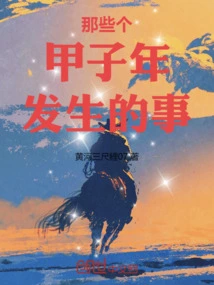
那些个甲子年发生的事
Yellow River Three-foot Carp 07
Ancient Chinese civilization has a long history, is extensive and profound, and is like a bright pearl shining with the light of human wisdom. From the Hongshan Culture, Liangzhu Culture, Dayu's flood control, to the Xia, Shang and Zhou dynasties, and then to the present-day Chinese nation, in this long history, the Chinese civilization has continuously glowed with new vitality and vitality, becoming one of the most dazzling civilizations in the world. This article deliberately selects the eye-catching events in China during the Jiazi years from 4017 BC to the first year of AD as the background. It uses easy-to-understand language to guide readers to compare the Chinese civilization at that time with other ancient civilizations in order to have a deeper understanding of the profound connotations of Chinese culture.
Ancient Chinese civilization has a long history, is extensive and profound, and is like a bright pearl shining with the light of human wisdom. From the Hongshan Culture, Liangzhu Culture, Dayu's flood control, to the Xia, Shang and Zhou dynasties, and then to the present-day Chinese nation, in this long history, the Chinese civilization has continuously glowed with new vitality and vitality, becoming one of the most dazzling civilizations in the world. This article deliberately selects the eye-catching events in China during the Jiazi years from 4017 BC to the first year of AD as the background. It uses easy-to-understand language to guide readers to compare the Chinese civilization at that time with other ancient civilizations in order to have a deeper understanding of the profound connotations of Chinese culture.
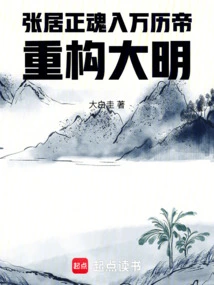
张居正魂入万历帝:重构大明
Dabaigui
In June of the tenth year of Wanli, Zhang Juzheng passed away. Without the suppression of this powerful minister, undercurrents began to surge in the court. The opposition, represented by Zhang Siwei, saw an opportunity to overturn all previous reforms. Squires from all over the country also have a keen sense of smell. He wanted to cooperate with the officials inside and outside to eliminate all the forces left by Zhang Juzheng and all the policies he had established in the past ten years. At this time, Zhang Juzheng, who had passed away for three days, actually entered the body of the twenty-year-old Emperor Wanli. This capable minister has not yet had time to show his talents in the future. Feng Bao, the eunuch in charge of the ceremony, rushed to the morning court and sent news of the current changes in the court. Most of the previous officials have been eliminated, and the rest have defected to the current chief minister of the cabinet, Zhang Siwei. The aftermath of the demise of Zhang Juzheng's Yanguan group was that memorials like snowflakes were thrown at the Chief of Ceremonies one after another. See Feng Bao, see Zhang Juzheng's former cronies, and all officials who support the reform. Even Pan Sheng, who Zhang Juzheng strongly recommended before his death, was unfortunately attacked by a group of officials who had come to the court early. Zhang Juzheng, now transformed into an emperor, faced the betrayal of cabinet members and the anger of the people in the court. Only by reorganizing the officials in the court can the changes that saved the Ming Dynasty be continued. As the saying goes, if the people are uneasy, the country will be unrest, and if the country is unrest, the world will be in chaos. If you want the sun, moon, and rivers to be stable. Peace of mind is the top priority.
In June of the tenth year of Wanli, Zhang Juzheng passed away. Without the suppression of this powerful minister, undercurrents began to surge in the court. The opposition, represented by Zhang Siwei, saw an opportunity to overturn all previous reforms. Squires from all over the country also have a keen sense of smell. He wanted to cooperate with the officials inside and outside to eliminate all the forces left by Zhang Juzheng and all the policies he had established in the past ten years. At this time, Zhang Juzheng, who had passed away for three days, actually entered the body of the twenty-year-old Emperor Wanli. This capable minister has not yet had time to show his talents in the future. Feng Bao, the eunuch in charge of the ceremony, rushed to the morning court and sent news of the current changes in the court. Most of the previous officials have been eliminated, and the rest have defected to the current chief minister of the cabinet, Zhang Siwei. The aftermath of the demise of Zhang Juzheng's Yanguan group was that memorials like snowflakes were thrown at the Chief of Ceremonies one after another. See Feng Bao, see Zhang Juzheng's former cronies, and all officials who support the reform. Even Pan Sheng, who Zhang Juzheng strongly recommended before his death, was unfortunately attacked by a group of officials who had come to the court early. Zhang Juzheng, now transformed into an emperor, faced the betrayal of cabinet members and the anger of the people in the court. Only by reorganizing the officials in the court can the changes that saved the Ming Dynasty be continued. As the saying goes, if the people are uneasy, the country will be unrest, and if the country is unrest, the world will be in chaos. If you want the sun, moon, and rivers to be stable. Peace of mind is the top priority.

我和七个女神穿越到大唐
White Alpaca S
Traveling through the Tang Dynasty and becoming the prince Li Chengqian, if he doesn't rebel, his position as prince will be taken away by Li Tai. But he is not strong enough, how can he rebel? Just when Li Chengqian was worried, a mirror merged with him, and he could actually chat with the seven modern goddesses who traveled to the Tang Dynasty together in his mind. They are the cold and cold history professor Dugu Yue, the gentle and kind genius female doctor Su Wan, the pure and sweet female scientist Chu Qingyao, the cute and cute gourmet Su Qiaoqiao, the arrogant and bold special female soldier Li Lingyue, and... But Li Chengqian did not reveal his identity, but pretended to be the maid next to Li Chengqian in front of the seven goddesses, so. Palace Maid (Li Chengqian): "The King of Wei wants to open a literature museum, but the crown prince's position is not guaranteed. What should I do?" Su Wan: "I'm dressed as Li Chengqian's crown prince. His crown prince is gone, and I, the crown prince, will also be exiled. We must stop Li Tai from opening a literature museum!" Palace Maid (Li Chengqian): "Li Shimin doesn't like the prince and suppresses him everywhere. What should I do?" Chu Qingyao: "This scientist will give him glazed fine salt to make money, recruit soldiers and horses, and then help him build armor, kill Li Tai, and make Li Shimin the emperor!" Palace Maid (Li Chengqian): "Everyone in the world has heard that the prince is a manly man. What's the explanation?" The seventh daughter: "This is not easy. The seven of us will marry him together, and the rumor will be broken!" But when Li Chengqian revealed his identity in front of the seven women, the seven women were shocked. "We treat you as a sister, and you stab a sister?"
Traveling through the Tang Dynasty and becoming the prince Li Chengqian, if he doesn't rebel, his position as prince will be taken away by Li Tai. But he is not strong enough, how can he rebel? Just when Li Chengqian was worried, a mirror merged with him, and he could actually chat with the seven modern goddesses who traveled to the Tang Dynasty together in his mind. They are the cold and cold history professor Dugu Yue, the gentle and kind genius female doctor Su Wan, the pure and sweet female scientist Chu Qingyao, the cute and cute gourmet Su Qiaoqiao, the arrogant and bold special female soldier Li Lingyue, and... But Li Chengqian did not reveal his identity, but pretended to be the maid next to Li Chengqian in front of the seven goddesses, so. Palace Maid (Li Chengqian): "The King of Wei wants to open a literature museum, but the crown prince's position is not guaranteed. What should I do?" Su Wan: "I'm dressed as Li Chengqian's crown prince. His crown prince is gone, and I, the crown prince, will also be exiled. We must stop Li Tai from opening a literature museum!" Palace Maid (Li Chengqian): "Li Shimin doesn't like the prince and suppresses him everywhere. What should I do?" Chu Qingyao: "This scientist will give him glazed fine salt to make money, recruit soldiers and horses, and then help him build armor, kill Li Tai, and make Li Shimin the emperor!" Palace Maid (Li Chengqian): "Everyone in the world has heard that the prince is a manly man. What's the explanation?" The seventh daughter: "This is not easy. The seven of us will marry him together, and the rumor will be broken!" But when Li Chengqian revealed his identity in front of the seven women, the seven women were shocked. "We treat you as a sister, and you stab a sister?"
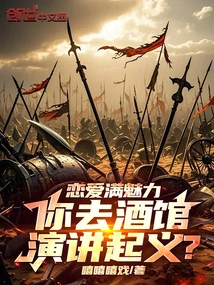
恋爱满魅力,你去酒馆演讲起义?
Hee Hee Hee Play
After accidentally traveling to a different world, Lin Zhi awakens to his love system. In this world where beauties are everywhere, the charm has been raised to the fullest, and I should have created my own picture of the goddess of bliss. However, when he saw that the ground was starving and the people were emaciated, his father was stabbed to death with a sword. "Woman? What a fucking woman!" "Those who claim to be our emperor are causing us misery!" "I hope that there will no longer be serfs, prostitutes, slaves and other oppressed people in this land!" When the fragrance of blooming chrysanthemums filled the imperial capital, golden soldiers were everywhere. The empress, who was high up in the court, saw a scorching sun rising. "My country is destroyed!"
After accidentally traveling to a different world, Lin Zhi awakens to his love system. In this world where beauties are everywhere, the charm has been raised to the fullest, and I should have created my own picture of the goddess of bliss. However, when he saw that the ground was starving and the people were emaciated, his father was stabbed to death with a sword. "Woman? What a fucking woman!" "Those who claim to be our emperor are causing us misery!" "I hope that there will no longer be serfs, prostitutes, slaves and other oppressed people in this land!" When the fragrance of blooming chrysanthemums filled the imperial capital, golden soldiers were everywhere. The empress, who was high up in the court, saw a scorching sun rising. "My country is destroyed!"

Huanghuang is Like This
History湟湟如是
Xu Yunyun
He is the son of Buddha who is admired by all the people in Tubo, and he is also the chess piece that the powerful forces of Hehuang compete for. He looks at the sky and the earth, and the clouds look at you. He is an orphan of the royal family living in Hexi, and he is also a hymn of the Qing Tang Dynasty spread to the snowy land. He thinks of the river Huang and the quicksand.
He is the son of Buddha who is admired by all the people in Tubo, and he is also the chess piece that the powerful forces of Hehuang compete for. He looks at the sky and the earth, and the clouds look at you. He is an orphan of the royal family living in Hexi, and he is also a hymn of the Qing Tang Dynasty spread to the snowy land. He thinks of the river Huang and the quicksand.
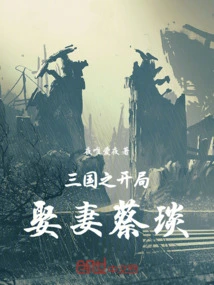
三国之开局娶妻蔡琰
Ye Wei. Love Night
Time Travel Gift Pack Reward one [Overlord's Force] to gain the courage of the Overlord of Western Chu and carve out his own world in troubled times. Reward 2 [Qilin Talent] has a strategy that surpasses Crouching Dragon and Phoenix Young. Reward 3 [Be content with the status quo] No disease or disaster in your life, and live a long life. Let's see how Xiang Huang chooses Kunlun. Whether to become an overlord in troubled times, a military think tank who strategizes, or an ordinary person who lives a peaceful life.
Time Travel Gift Pack Reward one [Overlord's Force] to gain the courage of the Overlord of Western Chu and carve out his own world in troubled times. Reward 2 [Qilin Talent] has a strategy that surpasses Crouching Dragon and Phoenix Young. Reward 3 [Be content with the status quo] No disease or disaster in your life, and live a long life. Let's see how Xiang Huang chooses Kunlun. Whether to become an overlord in troubled times, a military think tank who strategizes, or an ordinary person who lives a peaceful life.
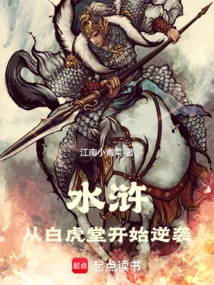
水浒:从白虎堂开始逆袭
Jiangnan Green Vegetables
Lu Junyi: Junior brother! I heard that the current emperor is joining the gang? Lin Chong: Don't worry, senior brother. At most, we will give him the position of Tiangang goalkeeper. I will never be ranked ahead of my brother. Tong Guan: Leader Lin, actually I have been interested in this Tiangang goalkeeper position for a long time... "History of Song Dynasty·Biography of Lin Chong" Lin Chong, nicknamed Leopard Head, lived in Tokyo. He has been fond of martial arts since he was a child, has outstanding talents, is also proficient in writing, and has an elegant appearance. He studied under Zhou Tong and learned all his skills. His martial arts were unparalleled and he was well-known in the capital. At that time, the high-ranking people were treacherous and sycophantic, relying on the favor of the superiors, and were arrogant and domineering. He was upright and outspoken, so he was hated by Gao Qiu and forced to leave Bianliang... Time travel and rebirth, farming and hegemony
Lu Junyi: Junior brother! I heard that the current emperor is joining the gang? Lin Chong: Don't worry, senior brother. At most, we will give him the position of Tiangang goalkeeper. I will never be ranked ahead of my brother. Tong Guan: Leader Lin, actually I have been interested in this Tiangang goalkeeper position for a long time... "History of Song Dynasty·Biography of Lin Chong" Lin Chong, nicknamed Leopard Head, lived in Tokyo. He has been fond of martial arts since he was a child, has outstanding talents, is also proficient in writing, and has an elegant appearance. He studied under Zhou Tong and learned all his skills. His martial arts were unparalleled and he was well-known in the capital. At that time, the high-ranking people were treacherous and sycophantic, relying on the favor of the superiors, and were arrogant and domineering. He was upright and outspoken, so he was hated by Gao Qiu and forced to leave Bianliang... Time travel and rebirth, farming and hegemony
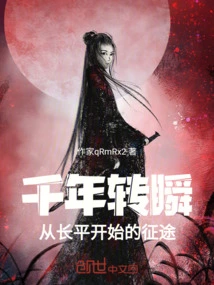
千年转瞬:从长平开始的征途
Jade's Health
Introduction She is a mysterious traveler in the long river of history. She witnessed the bloody massacre of the city in the Battle of Changping, and led the Qin cavalry to crush the barriers of the Six Kingdoms; she witnessed the smoke of war in three parts of the world, and listened to the lingering music of the thatched cottage in Longzhong; she lay drunk in Zhenguan's wine shop and caught a glimpse of the legend of the empress ascending to the top. Nanli is responsible for the points system of all realms, traveling through time and space for thousands of years, and every historical mark is turned into a bargaining chip for growth. From the battlefield of gold and iron horses to the fireworks in the streets, from the strategy of the feather fan and silk scarf to the grace of flying red sleeves, she traveled around the world in different identities, exchanged for magical weapons, and rewrote the trajectory of her destiny. When history and immortality collide, let's see how she weaves her own eternal legend in a relaxed and humorous way.
Introduction She is a mysterious traveler in the long river of history. She witnessed the bloody massacre of the city in the Battle of Changping, and led the Qin cavalry to crush the barriers of the Six Kingdoms; she witnessed the smoke of war in three parts of the world, and listened to the lingering music of the thatched cottage in Longzhong; she lay drunk in Zhenguan's wine shop and caught a glimpse of the legend of the empress ascending to the top. Nanli is responsible for the points system of all realms, traveling through time and space for thousands of years, and every historical mark is turned into a bargaining chip for growth. From the battlefield of gold and iron horses to the fireworks in the streets, from the strategy of the feather fan and silk scarf to the grace of flying red sleeves, she traveled around the world in different identities, exchanged for magical weapons, and rewrote the trajectory of her destiny. When history and immortality collide, let's see how she weaves her own eternal legend in a relaxed and humorous way.
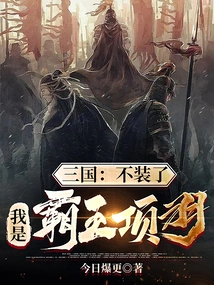
三国:不装了,我是霸王项羽
Breaking News Today
Overlord Xiang Yu committed suicide in Wujiang River, but was unexpectedly reborn in Dongjun, Yanzhou at the end of the Eastern Han Dynasty. At this time, the Yellow Turban Rebellion caused chaos in the world, and powerful men and women emerged together. The God of War Bai Qi, Wu Mu Yue Fei, the God of War Li Jing, and the Soldier Immortal Han Xin all gathered here. Facing such a powerful opponent, how did Xiang Yu break the situation? Let's look at Xiang Yu's strength reaching the mountains, wearing strong armor and holding a sharp edge! Charge the enemy with a horse and a spear, who in the world dares to take the lead!
Overlord Xiang Yu committed suicide in Wujiang River, but was unexpectedly reborn in Dongjun, Yanzhou at the end of the Eastern Han Dynasty. At this time, the Yellow Turban Rebellion caused chaos in the world, and powerful men and women emerged together. The God of War Bai Qi, Wu Mu Yue Fei, the God of War Li Jing, and the Soldier Immortal Han Xin all gathered here. Facing such a powerful opponent, how did Xiang Yu break the situation? Let's look at Xiang Yu's strength reaching the mountains, wearing strong armor and holding a sharp edge! Charge the enemy with a horse and a spear, who in the world dares to take the lead!

穿越非洲刚果创业
I Hate Everything You Said
Travel back to the beginning of the 20th century, when the Congo region in Africa was carved up by foreign powers. At this time, Congo had just changed from the private domain of the Belgian King to the control of the Belgian government. Zhao Tian, who had traveled here, faced such a situation and shouted that the sky would collapse.
Travel back to the beginning of the 20th century, when the Congo region in Africa was carved up by foreign powers. At this time, Congo had just changed from the private domain of the Belgian King to the control of the Belgian government. Zhao Tian, who had traveled here, faced such a situation and shouted that the sky would collapse.
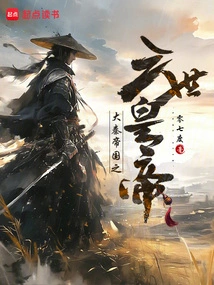
大秦帝国之三世皇帝
Zero Seven Degrees
"Restore the Qin Dynasty and return it to the old capital!" Unwilling to die in the middle of troubled times, and unwilling to bear the name of a rat who lives in a corner of peace, Ziying could only bury him up to his neck and just cover his mouth, so that the peaceful Qin Empire could regain its strength.
"Restore the Qin Dynasty and return it to the old capital!" Unwilling to die in the middle of troubled times, and unwilling to bear the name of a rat who lives in a corner of peace, Ziying could only bury him up to his neck and just cover his mouth, so that the peaceful Qin Empire could regain its strength.
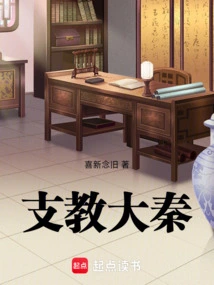
我在大秦当支教老师
Like The New And Miss The Old
"Zhao Shi", who graduated from graduate school, actively responded to the call and went to "Liangshan Village" in the remote mountainous area of Qin to support teaching. However, he lost his way due to a heavy fog on the way. When Zhao Shi came out of the heavy fog, there was a village in front of him that looked very similar to the village where he was going to support education. So he thought that this village was the Liangshan Village where he wanted to teach. However, due to a heavy fog, he had come to the Qin Dynasty from modern times. The village in front of him was a village on the outskirts of Xianyang City in the Qin Dynasty. Without Zhao Zhen's knowledge, he accidentally encountered Qin Shihuang who was on patrol incognito. He mistook Emperor Qin for the head of the village and showed him his ID card and proof of teaching support, thus revealing his future identity... Therefore, under the arrangement of Qin Shihuang, Zhao Shi started his teaching life in Daqin in a daze.
"Zhao Shi", who graduated from graduate school, actively responded to the call and went to "Liangshan Village" in the remote mountainous area of Qin to support teaching. However, he lost his way due to a heavy fog on the way. When Zhao Shi came out of the heavy fog, there was a village in front of him that looked very similar to the village where he was going to support education. So he thought that this village was the Liangshan Village where he wanted to teach. However, due to a heavy fog, he had come to the Qin Dynasty from modern times. The village in front of him was a village on the outskirts of Xianyang City in the Qin Dynasty. Without Zhao Zhen's knowledge, he accidentally encountered Qin Shihuang who was on patrol incognito. He mistook Emperor Qin for the head of the village and showed him his ID card and proof of teaching support, thus revealing his future identity... Therefore, under the arrangement of Qin Shihuang, Zhao Shi started his teaching life in Daqin in a daze.

大清,风起云涌
Writer4xxljo
At the end of the Ming Dynasty, wars continued, and Li Zicheng and Nurhachi rose up...
At the end of the Ming Dynasty, wars continued, and Li Zicheng and Nurhachi rose up...
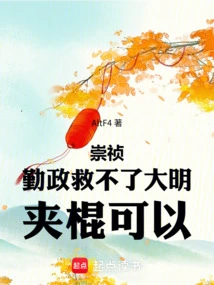
崇祯:勤政救不了大明,夹棍可以
Altf4
Zhang Yang traveled through Chongzhen and took over the Ming Dynasty's mess. Since history has proved that there is no solution to the financial problem, no matter how diligent and frugal the emperor himself is, he will end up with the end of the country. He decided to learn from the experience of the successful Li Zicheng and offered the artifact of collecting donations to the clan, corrupt officials and local tyrants and evil gentry - the clamp stick.
Zhang Yang traveled through Chongzhen and took over the Ming Dynasty's mess. Since history has proved that there is no solution to the financial problem, no matter how diligent and frugal the emperor himself is, he will end up with the end of the country. He decided to learn from the experience of the successful Li Zicheng and offered the artifact of collecting donations to the clan, corrupt officials and local tyrants and evil gentry - the clamp stick.
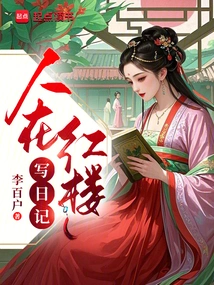
人在红楼写日记
Li Baihu
Jia Huan was so angry at the ending of Dream of Red Mansions that he traveled to the Red Mansions and became Jia Huan. If the bastard who is abandoned by others wants to turn the tide, it will undoubtedly be difficult for him to reach the sky! Fortunately, the golden finger appears, and writing a diary can add various skills! From calligraphy beginner (1\u002F10) to calligraphy master. From the study of the Four Books and Five Classics (1\u002F50) to the Three Elements in Lianzhong. From the junior commander of troops (1\u002F10) to the marshal of troops, the God of War was born! Many years later, Jia Huan looked at the yellow robes draped on his body by his generals and said helplessly: "You have really hurt me!" "..." Other side. Jia Huan didn't know that there was a copy of the diary he wrote. Lin Daiyu: "Brother Huan is so shameless, how could he mention secretly kissing me in his diary?" Xue Baochai: "Brother Huan is so shameless. He even touches us when we kiss him. It's just touching, and he writes it down for everyone to see..." Wang Xifeng: "How good he is! I like him so much..." Zhong Jinchai: "Is this something we can see?" ...
Jia Huan was so angry at the ending of Dream of Red Mansions that he traveled to the Red Mansions and became Jia Huan. If the bastard who is abandoned by others wants to turn the tide, it will undoubtedly be difficult for him to reach the sky! Fortunately, the golden finger appears, and writing a diary can add various skills! From calligraphy beginner (1\u002F10) to calligraphy master. From the study of the Four Books and Five Classics (1\u002F50) to the Three Elements in Lianzhong. From the junior commander of troops (1\u002F10) to the marshal of troops, the God of War was born! Many years later, Jia Huan looked at the yellow robes draped on his body by his generals and said helplessly: "You have really hurt me!" "..." Other side. Jia Huan didn't know that there was a copy of the diary he wrote. Lin Daiyu: "Brother Huan is so shameless, how could he mention secretly kissing me in his diary?" Xue Baochai: "Brother Huan is so shameless. He even touches us when we kiss him. It's just touching, and he writes it down for everyone to see..." Wang Xifeng: "How good he is! I like him so much..." Zhong Jinchai: "Is this something we can see?" ...
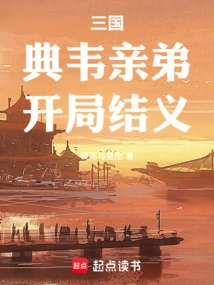
三国:典韦亲弟,开局结义
Sakura And Starry Sky
Reborn in the late Han Dynasty, I originally wanted to take my eldest brother to join Cao and Liu's forces to bring peace to the troubled times, but I happened to awaken the panel. Dian Mu: I want to join Cao Liu! Panel: Compete in the world, otherwise you will be twenty-five years old! Dian Mu: Damn it, you deserve to be punished! (Bronze voice) Panel: Race... Or else... Dian Mu: I#@* Therefore, Yijie Kuhaha relied on his understanding of the world to embark on the road of fighting for hegemony...
Reborn in the late Han Dynasty, I originally wanted to take my eldest brother to join Cao and Liu's forces to bring peace to the troubled times, but I happened to awaken the panel. Dian Mu: I want to join Cao Liu! Panel: Compete in the world, otherwise you will be twenty-five years old! Dian Mu: Damn it, you deserve to be punished! (Bronze voice) Panel: Race... Or else... Dian Mu: I#@* Therefore, Yijie Kuhaha relied on his understanding of the world to embark on the road of fighting for hegemony...
Non-mainstream Jinyiwei
History非主流锦衣卫
Pingle Fish Flower Pond
Ming Dynasty, Chenghua period. When there were already two major violent organizations, Jinyiwei and Dongchang, the West Factory was established. In order to fight for power and gain, Dongchang and Xichang betrayed officials and persecuted the people. For a time, the entire Ming Dynasty was in panic, with no intention to govern or produce, and its development once came to a standstill. Coupled with the continuous infringement of the borders by foreign races, the entire country fell into a situation of internal and external troubles. The little character Lu Cheng in time travel, in order to survive, with the help of the system, through his continuous efforts, seizes various opportunities, step by step from a royal guard to a powerful official, and finally assists the new emperor to ascend the throne, create a prosperous age, and achieve fame. Power, beauty, money... As long as you're cheap enough, oh no, slippery enough, take them all! !
Ming Dynasty, Chenghua period. When there were already two major violent organizations, Jinyiwei and Dongchang, the West Factory was established. In order to fight for power and gain, Dongchang and Xichang betrayed officials and persecuted the people. For a time, the entire Ming Dynasty was in panic, with no intention to govern or produce, and its development once came to a standstill. Coupled with the continuous infringement of the borders by foreign races, the entire country fell into a situation of internal and external troubles. The little character Lu Cheng in time travel, in order to survive, with the help of the system, through his continuous efforts, seizes various opportunities, step by step from a royal guard to a powerful official, and finally assists the new emperor to ascend the throne, create a prosperous age, and achieve fame. Power, beauty, money... As long as you're cheap enough, oh no, slippery enough, take them all! !

断案被嘲后,我激活了破案系统
Writer Vaayys
Come to China Literature's website to read more of my works!
Come to China Literature's website to read more of my works!