Library
Browse and search books
51,874 novels found
妈祖裙边的星月
Lingxian Dark
Come to China Literature's website to read more of my works!
Come to China Literature's website to read more of my works!
Three Kingdoms Afterwards
History事后三国
Water Aspect
Come to China Literature's website to read more of my works!
Come to China Literature's website to read more of my works!
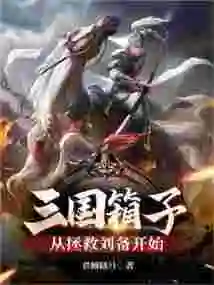
三国箱子,从拯救刘备开始
Jun Qing Xiaoyue
Modern man Li Jie got a box and opened it. It turned out to be a magical treasure that could connect the Shu and Han Dynasties of the Three Kingdoms. This was when Liu Bei was conquering Soochow, and the story began.
Modern man Li Jie got a box and opened it. It turned out to be a magical treasure that could connect the Shu and Han Dynasties of the Three Kingdoms. This was when Liu Bei was conquering Soochow, and the story began.
从寒门竖子到软饭王的蜕变
A Little Tacky
Shangguan Bai, who was born into a poor family, had the greatest ideal of living a peaceful life without worrying about food and clothing. But my parents don't love me, and my brothers don't love each other. Even his fiancée, who had been engaged since childhood, forced him to break off the engagement. Finally, penniless, he was kicked out of the house. In desperation, he could only force himself to become the Rolling King. Relying on the strong perseverance in his previous life, Shangguan Bai managed to become the object of competition for even the empress and princesses in this dynasty called Daliang.
Shangguan Bai, who was born into a poor family, had the greatest ideal of living a peaceful life without worrying about food and clothing. But my parents don't love me, and my brothers don't love each other. Even his fiancée, who had been engaged since childhood, forced him to break off the engagement. Finally, penniless, he was kicked out of the house. In desperation, he could only force himself to become the Rolling King. Relying on the strong perseverance in his previous life, Shangguan Bai managed to become the object of competition for even the empress and princesses in this dynasty called Daliang.
No Hesitation
History义无反顾
Different Wind
A group of people who were involved in the torrent of history composed a magnificent heroic epic.
A group of people who were involved in the torrent of history composed a magnificent heroic epic.
Ming Dynasty: Chongzhen Trip
History大明:崇祯行
Su Roasted Duck
An ordinary college student Su Jian time travels to Zhu Youjian of Chongzhen. Chongzhen... One of the most diligent emperors of the Ming Dynasty. A prince who has never learned any emperor's skills has spent his life just because of the sentence "My brother should be Yao and Shun". However, there are still many regrets about the demise of the Ming Dynasty. Can Su Jian change after learning about the future situation?
An ordinary college student Su Jian time travels to Zhu Youjian of Chongzhen. Chongzhen... One of the most diligent emperors of the Ming Dynasty. A prince who has never learned any emperor's skills has spent his life just because of the sentence "My brother should be Yao and Shun". However, there are still many regrets about the demise of the Ming Dynasty. Can Su Jian change after learning about the future situation?
秦穹:从博士到寰宇太尉
Siyun Sinan
Chen Yan, a postdoctoral fellow in modern historical geography, accidentally traveled to the 28th year of Qin Shihuang (219 BC) and became Zhao Tuo, a humble concubine in the palace of Zhao Gao, a powerful eunuch. When he first wakes up from a serious injury, he faces Zhao Gao's oppression and temptation, and is on the line between life and death. Relying on a historical and geographical knowledge base that transcends the times, he pretends to be cowardly and survives in danger. Help the empire pacify the south and get an exceptional promotion. Help Meng Tian drive the Xiongnu to the north and expand the Silk Road to the west. When the First Emperor passed away, he united with loyal ministers to defeat the coup. He vigorously promoted provincial reform, inclusive culture, and established "Universal Taixue". Mount Tai was enshrined in Zen, and all nations came to pay homage. Ultimately knowledge created the Bronze Age empire on which the sun never sets.
Chen Yan, a postdoctoral fellow in modern historical geography, accidentally traveled to the 28th year of Qin Shihuang (219 BC) and became Zhao Tuo, a humble concubine in the palace of Zhao Gao, a powerful eunuch. When he first wakes up from a serious injury, he faces Zhao Gao's oppression and temptation, and is on the line between life and death. Relying on a historical and geographical knowledge base that transcends the times, he pretends to be cowardly and survives in danger. Help the empire pacify the south and get an exceptional promotion. Help Meng Tian drive the Xiongnu to the north and expand the Silk Road to the west. When the First Emperor passed away, he united with loyal ministers to defeat the coup. He vigorously promoted provincial reform, inclusive culture, and established "Universal Taixue". Mount Tai was enshrined in Zen, and all nations came to pay homage. Ultimately knowledge created the Bronze Age empire on which the sun never sets.
篡唐:从李世民手中抢名将
Old K Is A Spade
[The lonely city will be destroyed at the beginning, I am bound to the Hall of Valor] Chu Yi traveled through time and became an orphan in a troubled time, taking over the ruined city where only the old, weak, women and children were left. Outside the city are Chunyu Qiong's tiger and leopard cavalry, and inside the city are the bad guys Li Shimin has buried for twenty years. Until he pried open his father's coffin and dug out the blood-stained jade seal-- [Ding! The Heroic Soul Illustrated Book is activated! The dying Huo Qubing coughed up blood in his arms: "Take... My tiger charm..." [Accept famous generals and usurp destiny! When Li Shimin was still killing his brother to seize the throne in the Xuanwu Sect, the heroes of his Tiance Mansion had changed hands one after another: ? Li Si's intelligence was reduced to zero and he knelt down and remonstrated: "Your Majesty's burning of books is really a stupid move through the ages!" ? Huo Qubing's arrow sore worsened but he still rushed into battle: "Why should the Xiongnu be home before they are destroyed!" [Deadly game across time and space battlefield] Li Shimin held the Emperor's Sword and trampled through time and space: "Give me back my house and put an end to the plan!" Zhu Yuanzhang's Hongyi cannon was aimed at Xianyang Palace: "Reform? We think we should peel off the skin and make grass!" Kublai Khan's cavalry ran over the Great Wall: "Immortal, the whole world is pasture!" [Endgame: Common ruler of all dynasties] When the Jiuding was recast on the top of Kunlun, Chu Yi raised his hand to light up the last throne in the Hall of Heroes. Millions of heroes behind him all touched the ground on one knee, and the stars of those generals who should have died early were rekindled in his palms. "Everyone-" The fragments of the jade seal turned into nine golden dragons and soared into the sky. "Kill the gods with me!"
[The lonely city will be destroyed at the beginning, I am bound to the Hall of Valor] Chu Yi traveled through time and became an orphan in a troubled time, taking over the ruined city where only the old, weak, women and children were left. Outside the city are Chunyu Qiong's tiger and leopard cavalry, and inside the city are the bad guys Li Shimin has buried for twenty years. Until he pried open his father's coffin and dug out the blood-stained jade seal-- [Ding! The Heroic Soul Illustrated Book is activated! The dying Huo Qubing coughed up blood in his arms: "Take... My tiger charm..." [Accept famous generals and usurp destiny! When Li Shimin was still killing his brother to seize the throne in the Xuanwu Sect, the heroes of his Tiance Mansion had changed hands one after another: ? Li Si's intelligence was reduced to zero and he knelt down and remonstrated: "Your Majesty's burning of books is really a stupid move through the ages!" ? Huo Qubing's arrow sore worsened but he still rushed into battle: "Why should the Xiongnu be home before they are destroyed!" [Deadly game across time and space battlefield] Li Shimin held the Emperor's Sword and trampled through time and space: "Give me back my house and put an end to the plan!" Zhu Yuanzhang's Hongyi cannon was aimed at Xianyang Palace: "Reform? We think we should peel off the skin and make grass!" Kublai Khan's cavalry ran over the Great Wall: "Immortal, the whole world is pasture!" [Endgame: Common ruler of all dynasties] When the Jiuding was recast on the top of Kunlun, Chu Yi raised his hand to light up the last throne in the Hall of Heroes. Millions of heroes behind him all touched the ground on one knee, and the stars of those generals who should have died early were rekindled in his palms. "Everyone-" The fragments of the jade seal turned into nine golden dragons and soared into the sky. "Kill the gods with me!"
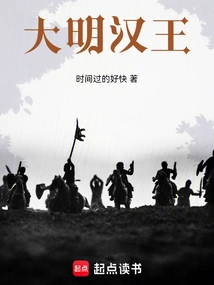
大明汉王
Time Flies So Fast
Traveling through time and becoming a king, I should have been lying on the lap of a beautiful woman drunk while listening to music! But this time traveled and became Zhu Gaoxu, the king of Han Dynasty. He met his father, Emperor Yongle, who wanted to treat him like a cow and a horse! From time to time, he would say, "Mianzhi, the prince is so sick!" What to do if you seduce him? He is even more cruel and ruthless. In the later stage, he is going to be made into Zhu Zhanji, the great nephew of Cumin Barbecue. How to defeat him? Waiting online, it's very urgent! (Dear readers, please just read it as a refreshing article and do not take it seriously. This story is purely fictitious and any similarities are purely coincidental!)
Traveling through time and becoming a king, I should have been lying on the lap of a beautiful woman drunk while listening to music! But this time traveled and became Zhu Gaoxu, the king of Han Dynasty. He met his father, Emperor Yongle, who wanted to treat him like a cow and a horse! From time to time, he would say, "Mianzhi, the prince is so sick!" What to do if you seduce him? He is even more cruel and ruthless. In the later stage, he is going to be made into Zhu Zhanji, the great nephew of Cumin Barbecue. How to defeat him? Waiting online, it's very urgent! (Dear readers, please just read it as a refreshing article and do not take it seriously. This story is purely fictitious and any similarities are purely coincidental!)
Youth of That Era
History那个时代的青春
Small Dry Pen
Come to China Literature's website to read more of my works!
Come to China Literature's website to read more of my works!
My Three Kingdoms Zhao Yun
History我的三国赵云
Xypx
Zhao Zilong collapsed on the cold mud ground, gasping for air, like a fish out of water. He slowly released the hand covering his forehead and stared blankly at the leaden, oppressive sky, as if his soul had been completely washed away by the horrific torrent of memories just now. He lowered his head little by little with difficulty, his eyes falling on his hands that were stained with mud and blood, and then slowly moving to the rusty ring-headed knife that had been soaked in blood and was stuck in the mud. The cold touch is so real
Zhao Zilong collapsed on the cold mud ground, gasping for air, like a fish out of water. He slowly released the hand covering his forehead and stared blankly at the leaden, oppressive sky, as if his soul had been completely washed away by the horrific torrent of memories just now. He lowered his head little by little with difficulty, his eyes falling on his hands that were stained with mud and blood, and then slowly moving to the rusty ring-headed knife that had been soaked in blood and was stuck in the mud. The cold touch is so real
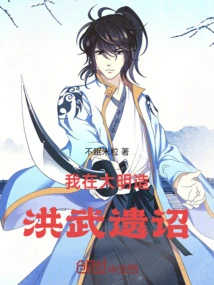
我在大明造洪武遗诏
Sleepless Rice Grains
Chen Mo traveled through time and became a scholar from a poor family during the Hongwu period. After failing the imperial examination, he squatted in the corner and ate cold steamed buns. A carriage passed by at high speed, splashing mud and water all over him. In the carriage sat the prince Zhu Biao who was paying a private visit incognito. He had an idea and stopped the driver and shouted: "I have the imperial edict of Taizu to present!" Zhu Yuanzhang looked at the steam engines, world maps and colonial plans written in simplified Chinese characters on the "edict", and shouted angrily: "Forgery of the imperial edict will punish the Nine Tribes!" Three days later, the Qintian Supervisor reported that the solar eclipse had come true. Lao Zhu stared at the prediction accurate to the second in the "edict" and fell into deep thought. When Chen Mo presented the first piece of transparent glass, Lao Zhu asked in a trembling voice: "Is this really a gift from Lord Hong Wu in a dream?" Many years later, when the Sun and Moon Flag was flying on the coast of America, Zhu Yuanzhang looked at the globe and murmured to himself: "It turns out that my Ming Dynasty is really just a corner of the world."
Chen Mo traveled through time and became a scholar from a poor family during the Hongwu period. After failing the imperial examination, he squatted in the corner and ate cold steamed buns. A carriage passed by at high speed, splashing mud and water all over him. In the carriage sat the prince Zhu Biao who was paying a private visit incognito. He had an idea and stopped the driver and shouted: "I have the imperial edict of Taizu to present!" Zhu Yuanzhang looked at the steam engines, world maps and colonial plans written in simplified Chinese characters on the "edict", and shouted angrily: "Forgery of the imperial edict will punish the Nine Tribes!" Three days later, the Qintian Supervisor reported that the solar eclipse had come true. Lao Zhu stared at the prediction accurate to the second in the "edict" and fell into deep thought. When Chen Mo presented the first piece of transparent glass, Lao Zhu asked in a trembling voice: "Is this really a gift from Lord Hong Wu in a dream?" Many years later, when the Sun and Moon Flag was flying on the coast of America, Zhu Yuanzhang looked at the globe and murmured to himself: "It turns out that my Ming Dynasty is really just a corner of the world."
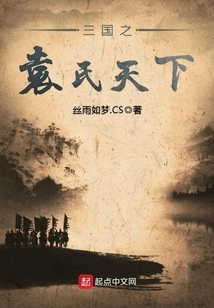
三国之袁氏天下
Silk Rain Like A Dream. Cs
This is a book about Yuan Shao. There are very few novels with Yuan Benchu as the protagonist. This one is still worth reading. Our story begins when Yuan Shao has not yet made his fortune, from conquering Dong Zhuo to dominating the north, and then to dominating the world. Slow pace, no crushing and side pushing, everything is a reasonable development. Although there is a system for time travel, it is not invincible. The water flows slowly and everyone can taste it slowly. Savor this feast of the Yuan Family Alliance, this alliance is written by me! PS: It has finally exceeded three million words. It is really not easy to write a book about Yuan Shao to this point. Please support me a lot. I guarantee my character and will never be a prisoner. You can collect it with confidence! Yuan's Alliance: QQ group 716402136 Everyone is welcome to join!
This is a book about Yuan Shao. There are very few novels with Yuan Benchu as the protagonist. This one is still worth reading. Our story begins when Yuan Shao has not yet made his fortune, from conquering Dong Zhuo to dominating the north, and then to dominating the world. Slow pace, no crushing and side pushing, everything is a reasonable development. Although there is a system for time travel, it is not invincible. The water flows slowly and everyone can taste it slowly. Savor this feast of the Yuan Family Alliance, this alliance is written by me! PS: It has finally exceeded three million words. It is really not easy to write a book about Yuan Shao to this point. Please support me a lot. I guarantee my character and will never be a prisoner. You can collect it with confidence! Yuan's Alliance: QQ group 716402136 Everyone is welcome to join!
唐朝?开局地狱难度
Yu Ziwen
Come to China Literature's website to read more of my works!
Come to China Literature's website to read more of my works!
Come to China Literature's website to read more of my works!
First Memories of Du Yao
History初忆渡夭
Writer4ukzqe
There are undercurrents surging in the Dayin Dynasty, and in the power game of the four major families, a shocking conspiracy is brewing. Lin Yao, a protégé who had been living in the enemy's country for ten years, returned home and was supposed to ascend to the throne of prince, but instead he was locked in a gilded cage for public display. The iron-blooded general Lin Chuyi had already seen through the corruption of the dynasty. When he first saw Lin Yao in front of the Suzaku Steps, he was shocked by the undying stubbornness in his eyes and resolutely cut off the chains with his spear. At the same time, An Chen secretly manipulated the conflicts between the four major families. He forged secret letters to provoke a fight between the Ning and Gu families. Gu Cheng'an was deceived and raised his troops to rebel, and Gu Yang and his childhood sweetheart Ning Yunhan were forced to break up. Qi Qingyin, the young minister of Dali Temple, and Arun, the secret agent, are also involved. The former is tracing evidence of the Xue family's treason, while the latter is gradually awakening from being used as a chess piece. The various forces competed fiercely in the court and on the battlefield, and Lin Yao and Lin Chuyi worked hand in hand, vowing to fight a bloody path in this decadent dynasty and uncover the truth hidden behind the power.
There are undercurrents surging in the Dayin Dynasty, and in the power game of the four major families, a shocking conspiracy is brewing. Lin Yao, a protégé who had been living in the enemy's country for ten years, returned home and was supposed to ascend to the throne of prince, but instead he was locked in a gilded cage for public display. The iron-blooded general Lin Chuyi had already seen through the corruption of the dynasty. When he first saw Lin Yao in front of the Suzaku Steps, he was shocked by the undying stubbornness in his eyes and resolutely cut off the chains with his spear. At the same time, An Chen secretly manipulated the conflicts between the four major families. He forged secret letters to provoke a fight between the Ning and Gu families. Gu Cheng'an was deceived and raised his troops to rebel, and Gu Yang and his childhood sweetheart Ning Yunhan were forced to break up. Qi Qingyin, the young minister of Dali Temple, and Arun, the secret agent, are also involved. The former is tracing evidence of the Xue family's treason, while the latter is gradually awakening from being used as a chess piece. The various forces competed fiercely in the court and on the battlefield, and Lin Yao and Lin Chuyi worked hand in hand, vowing to fight a bloody path in this decadent dynasty and uncover the truth hidden behind the power.
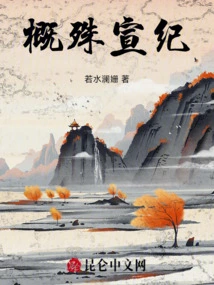
Gueshu Xuanji
History概殊宣纪
Ruoshuilanshan
This records history. When the golden carriage crushed the bronze tripod, the sword of the Jiedushi pierced the silk curtain, the red scarf set the prairie fire on fire, and the historian's last cinnabar pen, an alternative world appeared. On the broken pages of the burned classics, someone saw: brilliance is the medal of the reformer, and fragmentation is the birthmark of the system. Fall is the reflection of power, sublimation is the ashes of history. When the last Jiedu envoy hoisted and lowered the flag at the top of the city, the water of the moat reflected two moons: one was the bright moon of Taichu's reform, and the other was the bloody setting sun of Jinghe Rebellion.
This records history. When the golden carriage crushed the bronze tripod, the sword of the Jiedushi pierced the silk curtain, the red scarf set the prairie fire on fire, and the historian's last cinnabar pen, an alternative world appeared. On the broken pages of the burned classics, someone saw: brilliance is the medal of the reformer, and fragmentation is the birthmark of the system. Fall is the reflection of power, sublimation is the ashes of history. When the last Jiedu envoy hoisted and lowered the flag at the top of the city, the water of the moat reflected two moons: one was the bright moon of Taichu's reform, and the other was the bloody setting sun of Jinghe Rebellion.
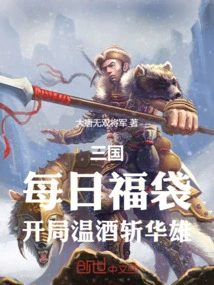
三国:每日福袋,开局温酒斩华雄
Unparalleled General Of The Tang Dynasty
Travel to the Three Kingdoms era, become the unparalleled general Pan Feng, and obtain the [Daily Lucky Bag System] The opening scene is a famous scene, warming wine and killing Hua Xiong. [On the first day of awakening memory, congratulations on getting a red lucky bag. Do you want to open it? [Congratulations, you have gained the power of Overlord. [Additional reward: Invulnerability to all poisons. Pan Feng only felt that it was safe. Pan Feng in Guandong and Lu Bu in Kansai. From then on, Pan Feng became powerful in China and became famous all over the world. At this point, Pan Feng became the most powerful creature in the second century.
Travel to the Three Kingdoms era, become the unparalleled general Pan Feng, and obtain the [Daily Lucky Bag System] The opening scene is a famous scene, warming wine and killing Hua Xiong. [On the first day of awakening memory, congratulations on getting a red lucky bag. Do you want to open it? [Congratulations, you have gained the power of Overlord. [Additional reward: Invulnerability to all poisons. Pan Feng only felt that it was safe. Pan Feng in Guandong and Lu Bu in Kansai. From then on, Pan Feng became powerful in China and became famous all over the world. At this point, Pan Feng became the most powerful creature in the second century.
穿越大明1566
Simple Meaning
Zhou Heng, a modern military scholar, travels through the late Jiajing period and stirs up trouble in the court with his bronze mirror predictions and scientific and technological knowledge. Joining hands with Lu Qingyue, a daughter of a thousand-year-old family, we use the Tang Dynasty Mod Sword to initiate military innovation. The Folang machine cannon defeats Japanese pirates, and the Star Map Battle Formation crushes Mongolian cavalry. From ninth-level classics to breaking the earth and conferring a kingship, he promoted the firearms revolution and planted steam fire, but saw the bronze mirror showing that the Ming Dynasty would perish. When Yan Shifan's poisonous arrows, the suspicion of the imperial power and the prophecies of the end of the world intertwined, Zhou Heng faced the ultimate choice: continue the decadent dynasty? Or ignite the Industrial Revolution and burn down the Dark Ages? "Drain the blood of ten generations of my Zhou family in exchange for Zuo of the Ming Dynasty - I will do this deal!"
Zhou Heng, a modern military scholar, travels through the late Jiajing period and stirs up trouble in the court with his bronze mirror predictions and scientific and technological knowledge. Joining hands with Lu Qingyue, a daughter of a thousand-year-old family, we use the Tang Dynasty Mod Sword to initiate military innovation. The Folang machine cannon defeats Japanese pirates, and the Star Map Battle Formation crushes Mongolian cavalry. From ninth-level classics to breaking the earth and conferring a kingship, he promoted the firearms revolution and planted steam fire, but saw the bronze mirror showing that the Ming Dynasty would perish. When Yan Shifan's poisonous arrows, the suspicion of the imperial power and the prophecies of the end of the world intertwined, Zhou Heng faced the ultimate choice: continue the decadent dynasty? Or ignite the Industrial Revolution and burn down the Dark Ages? "Drain the blood of ten generations of my Zhou family in exchange for Zuo of the Ming Dynasty - I will do this deal!"
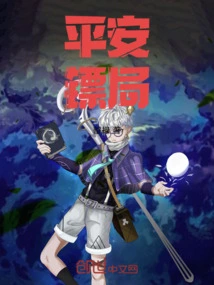
Safe Escort Bureau
History平安镖局
Qinglu
"The timid tech nerd who was forced to use gunpowder charms and screwdriver wrenches to fight physical evil spirits formed a disastrous exorcism partner with the female escort leader who believed in violent aesthetics. While escorting the strange escort cargo, he uncovered the technological conspiracy behind the scenes and opened up a hilarious path to salvation."
"The timid tech nerd who was forced to use gunpowder charms and screwdriver wrenches to fight physical evil spirits formed a disastrous exorcism partner with the female escort leader who believed in violent aesthetics. While escorting the strange escort cargo, he uncovered the technological conspiracy behind the scenes and opened up a hilarious path to salvation."
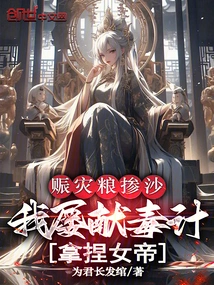
赈灾粮掺沙,我屡献毒计拿捏女帝
Long Hair For You
Chen Luo, an innocent man, traveled through the Wei Dynasty and became the right prime minister step by step. The old emperor died, and the empress Cao Xiyue ascended the throne. Just when he was about to take a step further, hold high the title of prince and general Xiang Ning, and plan to rebel, he was accidentally poisoned, a poison that has no cure! Fortunately, he has awakened the traitor system. As long as he becomes a traitor, he can get all kinds of good things. Rebel? Who wants to rebel? Isn't it nice to be a traitorous minister? Only fools rebel! I added chaff to the grain for disaster relief, gained the true understanding of medicine, and became a medical fairy at that time. I was responsible for the life and death of people, and the flesh and bones. The empress said that I served the country and the people, and was a blessing to the people! The knights who were executed for their righteous deeds and were exonerated by all the people received a large gift package of martial arts, trained countless dead servants, and organized the world. The empress praised me for being selfless and not seeking personal fame! I raised private soldiers and obtained three thousand pagoda cavalry. The empress said that I had foresight and was the pillar of the country! Collaborating with the enemy and treason, taking bribes and perverting the law, and taking human life lightly... Chen Luo, who had done all kinds of bad things, found that he had been 'promoted' again! From the assistant minister to the right prime minister, he directly became the queen! The empress's husband! Chen Luo looked confused: "I am a traitorous minister, and you actually asked me to be your husband?"
Chen Luo, an innocent man, traveled through the Wei Dynasty and became the right prime minister step by step. The old emperor died, and the empress Cao Xiyue ascended the throne. Just when he was about to take a step further, hold high the title of prince and general Xiang Ning, and plan to rebel, he was accidentally poisoned, a poison that has no cure! Fortunately, he has awakened the traitor system. As long as he becomes a traitor, he can get all kinds of good things. Rebel? Who wants to rebel? Isn't it nice to be a traitorous minister? Only fools rebel! I added chaff to the grain for disaster relief, gained the true understanding of medicine, and became a medical fairy at that time. I was responsible for the life and death of people, and the flesh and bones. The empress said that I served the country and the people, and was a blessing to the people! The knights who were executed for their righteous deeds and were exonerated by all the people received a large gift package of martial arts, trained countless dead servants, and organized the world. The empress praised me for being selfless and not seeking personal fame! I raised private soldiers and obtained three thousand pagoda cavalry. The empress said that I had foresight and was the pillar of the country! Collaborating with the enemy and treason, taking bribes and perverting the law, and taking human life lightly... Chen Luo, who had done all kinds of bad things, found that he had been 'promoted' again! From the assistant minister to the right prime minister, he directly became the queen! The empress's husband! Chen Luo looked confused: "I am a traitorous minister, and you actually asked me to be your husband?"
明代手术刀:开局给张居正割痔疮
Consonance Notes
Traveling through the Ming Dynasty overnight, the first thing you did was to treat Zhang Juzheng's hemorrhoids? He Xuan, an ordinary surgeon, returned to an era when modern medicine had not yet begun to develop and the secrets of the microscopic world of the human body had not yet been revealed. Penicillin, laparotomy, modern hospitals, He Xuan used his professional skills to try to change the world. However, for one person's disease, the root of the disease can be cut off with a knife. The world is suffering from diseases, what should be used to remove the root of the disease?
Traveling through the Ming Dynasty overnight, the first thing you did was to treat Zhang Juzheng's hemorrhoids? He Xuan, an ordinary surgeon, returned to an era when modern medicine had not yet begun to develop and the secrets of the microscopic world of the human body had not yet been revealed. Penicillin, laparotomy, modern hospitals, He Xuan used his professional skills to try to change the world. However, for one person's disease, the root of the disease can be cut off with a knife. The world is suffering from diseases, what should be used to remove the root of the disease?
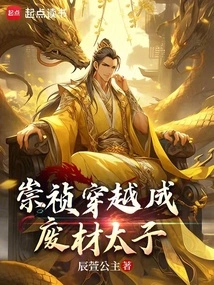
崇祯穿越成废材太子
Princess Chenxuan
In the seventeenth year of Chongzhen, King Chuang entered the Pass and broke into the Forbidden City. Zhu Youjian, the last emperor of the Ming Dynasty, hanged himself in Meishan. A ray of lonely soul traces back time and travels through the body of Prince Sima Zhong who lived more than 1,300 years ago. At this time, facing the shrew Jia Nanfeng, can he bravely refuse? Faced with Wei Guan's ridicule, he argued with reason? Facing the Eight Kings Rebellion, can he use strategies to avert danger? Faced with the chaos of China, will we repeat the same mistakes? Or solve it calmly? Will he make up for the regret of killing Yuan Chonghuan when he was nineteen and appoint a general born from a commoner? Or kill him out of suspicion? Will he have the courage to innovate and abolish the nine-level Zhongzheng system that has imprisoned the common people for more than 400 years, or will he just follow the trend? Will he focus on reality and abandon the "celebrities" who talk all day long? Can he make the world eat minced meat? In the end, can he escape the fateful showdown? ···
In the seventeenth year of Chongzhen, King Chuang entered the Pass and broke into the Forbidden City. Zhu Youjian, the last emperor of the Ming Dynasty, hanged himself in Meishan. A ray of lonely soul traces back time and travels through the body of Prince Sima Zhong who lived more than 1,300 years ago. At this time, facing the shrew Jia Nanfeng, can he bravely refuse? Faced with Wei Guan's ridicule, he argued with reason? Facing the Eight Kings Rebellion, can he use strategies to avert danger? Faced with the chaos of China, will we repeat the same mistakes? Or solve it calmly? Will he make up for the regret of killing Yuan Chonghuan when he was nineteen and appoint a general born from a commoner? Or kill him out of suspicion? Will he have the courage to innovate and abolish the nine-level Zhongzheng system that has imprisoned the common people for more than 400 years, or will he just follow the trend? Will he focus on reality and abandon the "celebrities" who talk all day long? Can he make the world eat minced meat? In the end, can he escape the fateful showdown? ···
三国从海岛屯田开始
Fat Cat That Won't Grow Up
He traveled to the late Han Dynasty with a jade pendant, and it also came with a cultivation technique. Tian Ze originally wanted to live in seclusion and cultivate immortality with peace of mind, but the spiritual power in this world is thin and it is impossible to practice at all. Fortunately, jade pendants can turn people's hearts and minds into spiritual power. For his own immortality, Tian Ze had to choose to embark on the road of dominance. However, the rules of heaven in this world prohibit cultivators from attacking mortals easily, and gunpowder cannot be developed. Tian Ze, whose magic power is still weak, can only focus on the spiritual rain technique and earth moistening technique that come with the technique. It seems that we still have to start with farming first! Starting from the island, set a small goal first, to collect one million grains before the Yellow Turban Rebellion. PS: Farming style, the protagonist cultivates immortality but basically does not take any action, focusing on farming and assisting; civil servants and generals have special abilities, but not extraordinary strength, no hot weapons, pure cold weapon era war.
He traveled to the late Han Dynasty with a jade pendant, and it also came with a cultivation technique. Tian Ze originally wanted to live in seclusion and cultivate immortality with peace of mind, but the spiritual power in this world is thin and it is impossible to practice at all. Fortunately, jade pendants can turn people's hearts and minds into spiritual power. For his own immortality, Tian Ze had to choose to embark on the road of dominance. However, the rules of heaven in this world prohibit cultivators from attacking mortals easily, and gunpowder cannot be developed. Tian Ze, whose magic power is still weak, can only focus on the spiritual rain technique and earth moistening technique that come with the technique. It seems that we still have to start with farming first! Starting from the island, set a small goal first, to collect one million grains before the Yellow Turban Rebellion. PS: Farming style, the protagonist cultivates immortality but basically does not take any action, focusing on farming and assisting; civil servants and generals have special abilities, but not extraordinary strength, no hot weapons, pure cold weapon era war.
Come to China Literature's website to read more of my works!
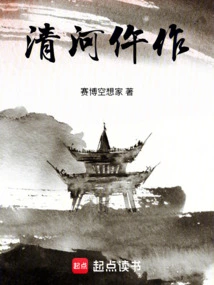
Qinghe Wuzuo
History清河仵作
Cyber Visionary
He was originally a modern criminal policeman. When he opened his eyes, he found himself naked and wrapped in cloth, lying in a pile of corpses in Yizhuang. He was judged as a scourge of corpse fraud. This era is not the Ming Dynasty or the Qing Dynasty, but a Dashun Dynasty with a history of misalignment-- Li Zicheng broke through the capital and proclaimed himself emperor, but the Qing army had not yet entered the pass, the country was reshaped, and the world changed hands. Chen Qing, a time traveler with no place of origin or background. Originally he just wanted to survive, but because of his autopsy skills, he solved strange cases one after another, and was promoted to a widower by Qinghe County. He climbed out of the pile of dead people, used post-mortem techniques to uncover injustice and solve cases, and stepped step by step into the intertwined gap between power and murder. He knew that behind each murder case, there were loyal ministers lying among the bones, wronged women sleeping in unmarked graves, and the truth that was sealed in history books and silenced by the living. What he wants to track down is not just innocent souls and murders, but It is also a historical river that has been covered in dust and altered but still flowing secretly since the end of the Ming Dynasty.
He was originally a modern criminal policeman. When he opened his eyes, he found himself naked and wrapped in cloth, lying in a pile of corpses in Yizhuang. He was judged as a scourge of corpse fraud. This era is not the Ming Dynasty or the Qing Dynasty, but a Dashun Dynasty with a history of misalignment-- Li Zicheng broke through the capital and proclaimed himself emperor, but the Qing army had not yet entered the pass, the country was reshaped, and the world changed hands. Chen Qing, a time traveler with no place of origin or background. Originally he just wanted to survive, but because of his autopsy skills, he solved strange cases one after another, and was promoted to a widower by Qinghe County. He climbed out of the pile of dead people, used post-mortem techniques to uncover injustice and solve cases, and stepped step by step into the intertwined gap between power and murder. He knew that behind each murder case, there were loyal ministers lying among the bones, wronged women sleeping in unmarked graves, and the truth that was sealed in history books and silenced by the living. What he wants to track down is not just innocent souls and murders, but It is also a historical river that has been covered in dust and altered but still flowing secretly since the end of the Ming Dynasty.
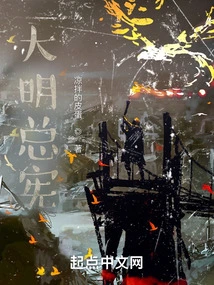
大明总宪
Cold Preserved Eggs
Jialong's Ten Thousand Changes are in the ascendant, but the waves of the great voyage have already arrived. A ghost, the ghost of a noble family, is floating in the sky over Kyushu. Opening the history books, familiar names are gradually intertwined with the Three Kingdoms, Sui and Tang Dynasties. Xie Qian, the Xie family in Chen County, after Xie An. Wang Shizhen, Langya Wang family, after Wang Dao. Tao Dalin, Tao family in Kuaiji, after Tao Kan. Yuan Wei, the Yuan family in Runan, after Yuan An. ... The lock on their greed is being opened by a key called "Xin Xue". Desire to destroy humanity has never locked up the common people; what has locked up the common people has always been famine. The study of mind is destined to become a carnival for scholar-bureaucrats. The poor people are crying, the common people are sad. Changes unseen in three thousand years are approaching, as well as conflicts unseen in three thousand years. Ning Jue: Please, please kill me. I really just want to die.
Jialong's Ten Thousand Changes are in the ascendant, but the waves of the great voyage have already arrived. A ghost, the ghost of a noble family, is floating in the sky over Kyushu. Opening the history books, familiar names are gradually intertwined with the Three Kingdoms, Sui and Tang Dynasties. Xie Qian, the Xie family in Chen County, after Xie An. Wang Shizhen, Langya Wang family, after Wang Dao. Tao Dalin, Tao family in Kuaiji, after Tao Kan. Yuan Wei, the Yuan family in Runan, after Yuan An. ... The lock on their greed is being opened by a key called "Xin Xue". Desire to destroy humanity has never locked up the common people; what has locked up the common people has always been famine. The study of mind is destined to become a carnival for scholar-bureaucrats. The poor people are crying, the common people are sad. Changes unseen in three thousand years are approaching, as well as conflicts unseen in three thousand years. Ning Jue: Please, please kill me. I really just want to die.
宦海孤舟:李侨浮沉录
Writerjnjddj
When mountains and rivers break apart, he casts his iron bones into beams! See how Li Qiao, an honest official in the Ming Dynasty, turned the tide in the whirlpool of power and intrigue, witness history, and uncover the secrets of officialdom and the righteousness of his family and country that have been buried for centuries.
When mountains and rivers break apart, he casts his iron bones into beams! See how Li Qiao, an honest official in the Ming Dynasty, turned the tide in the whirlpool of power and intrigue, witness history, and uncover the secrets of officialdom and the righteousness of his family and country that have been buried for centuries.
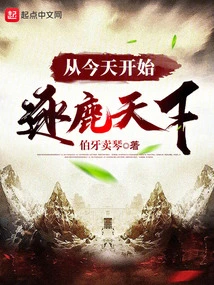
从今天开始逐鹿天下
Boya Sells Piano
Qin Mu inexplicably traveled to another world and became a state pastor on a remote border, responsible for the state's military and political affairs. Bad news: Not the familiar ancient times, there was no Qin Shihuang. Good news: Time travel comes with a copy of "The Traveler's Farming Guide". Better news: This is a time of great strife. Imperial power is declining, warlords are separatist, buildings are about to collapse, and border troubles are constant. The goal is determined: farming and competing in the world.
Qin Mu inexplicably traveled to another world and became a state pastor on a remote border, responsible for the state's military and political affairs. Bad news: Not the familiar ancient times, there was no Qin Shihuang. Good news: Time travel comes with a copy of "The Traveler's Farming Guide". Better news: This is a time of great strife. Imperial power is declining, warlords are separatist, buildings are about to collapse, and border troubles are constant. The goal is determined: farming and competing in the world.
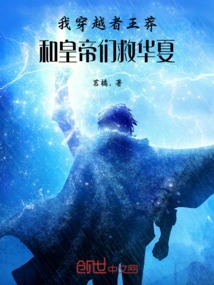
我,穿越者王莽,和皇帝们救华夏
Ming Tangerine.
(This is a fan story. If you don't understand the plot, please watch the animation produced by Zhu Dashuai from the first part, or you can watch "Starting with Ying Zheng: The King's Arrival" by Re Yumian. The novel is an adaptation and sequel) When Puyi came, the story of the Emperor's City ended, but the journey of the emperors did not end there. The next step was for the emperors to show their talents in their respective eras and the modern world, and build a modern version of the Emperor's City!
(This is a fan story. If you don't understand the plot, please watch the animation produced by Zhu Dashuai from the first part, or you can watch "Starting with Ying Zheng: The King's Arrival" by Re Yumian. The novel is an adaptation and sequel) When Puyi came, the story of the Emperor's City ended, but the journey of the emperors did not end there. The next step was for the emperors to show their talents in their respective eras and the modern world, and build a modern version of the Emperor's City!
Dragon Abyss Hidden Scale
History龙渊潜鳞
Writerblterq
He is Xiao Jingyan, the most noble prince of Dayin. He was given a seat to listen to politics when he was five years old, and he received imperial approval at the age of seven. His father regarded him as a treasure, and his ministers praised him as a child prodigy. However, under the prosperous age, there are turbulent undercurrents. When the dragon's chair was stained with blood, he stepped into the arena alone, with all the agencies in the court, and the iron and blood forged the soul of the army. Many years later, above the Nine Palaces, the new emperor held the hand of his old friend. \
He is Xiao Jingyan, the most noble prince of Dayin. He was given a seat to listen to politics when he was five years old, and he received imperial approval at the age of seven. His father regarded him as a treasure, and his ministers praised him as a child prodigy. However, under the prosperous age, there are turbulent undercurrents. When the dragon's chair was stained with blood, he stepped into the arena alone, with all the agencies in the court, and the iron and blood forged the soul of the army. Many years later, above the Nine Palaces, the new emperor held the hand of his old friend. \
The Three Kingdoms
History叱咤三国
Writertfjlbr
The bag is beautiful, I still want to see it after seeing it
The bag is beautiful, I still want to see it after seeing it
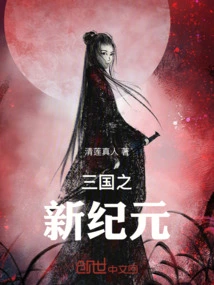
三国之新纪元
Qing Lian Zhenren
Zhuang Yi, a passionate young man, accidentally traveled through the Three Kingdoms. It seemed like a dream, but he had to accept the reality. At the time of the Yellow Turban Uprising at the end of the Han Dynasty, killings broke out everywhere, corpses covered the countryside, and the people were in dire straits. Along the way, what I saw and heard was shocking and disgusting. In a desperate situation, fortunately, the golden finger came and opened Zhuang Yi's journey to the Three Kingdoms. This book is not only about fighting and fighting, but also about the passionate world, with a little bit of laughter, and a little bit of fun. Everyone is welcome to taste.
Zhuang Yi, a passionate young man, accidentally traveled through the Three Kingdoms. It seemed like a dream, but he had to accept the reality. At the time of the Yellow Turban Uprising at the end of the Han Dynasty, killings broke out everywhere, corpses covered the countryside, and the people were in dire straits. Along the way, what I saw and heard was shocking and disgusting. In a desperate situation, fortunately, the golden finger came and opened Zhuang Yi's journey to the Three Kingdoms. This book is not only about fighting and fighting, but also about the passionate world, with a little bit of laughter, and a little bit of fun. Everyone is welcome to taste.
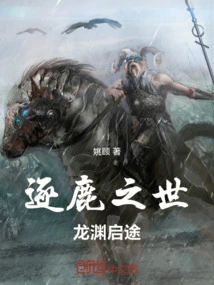
逐鹿之世:龙渊启途
Yao Gu
Support originality and severely crack down on piracy.
Support originality and severely crack down on piracy.
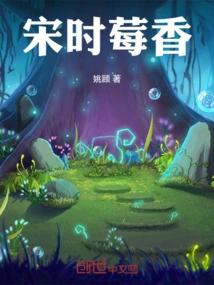
Song Dynasty Berry Fragrance
History宋时莓香
Yao Gu
In Bianliang, Tokyo, a prosperous city in the Northern Song Dynasty, Wang Wei, a young man in the city, was running around trying to make a living after his parents died. Occasionally, Wang Wei heard that fruit shop owner Zhang Fu talked about the rare strawberries in the south, which would make a fortune if transported to Bianliang. Wang Wei resolutely took on this seemingly impossible task. With the money lent by Zhang Fu, Wang Wei embarked on a journey south. Along the way, the scorching sun and heavy rains hit him one after another, and dangers lurked among forest bandits, but he never backed down. After arriving in a southern town and successfully purchasing strawberries, difficulties and obstacles ensued on the way back. Returning to Bianliang, what awaited him was not only the business problem of whether strawberries could be sold well, but also the complicated interest entanglement with Zhang Fu. Can Wang Wei break through the many difficulties, write his own legend in this ever-changing business world, and let the little strawberry bloom business opportunities in the capital of the Song Dynasty? A saga of ups and downs of ancient costume business adventure begins here.
In Bianliang, Tokyo, a prosperous city in the Northern Song Dynasty, Wang Wei, a young man in the city, was running around trying to make a living after his parents died. Occasionally, Wang Wei heard that fruit shop owner Zhang Fu talked about the rare strawberries in the south, which would make a fortune if transported to Bianliang. Wang Wei resolutely took on this seemingly impossible task. With the money lent by Zhang Fu, Wang Wei embarked on a journey south. Along the way, the scorching sun and heavy rains hit him one after another, and dangers lurked among forest bandits, but he never backed down. After arriving in a southern town and successfully purchasing strawberries, difficulties and obstacles ensued on the way back. Returning to Bianliang, what awaited him was not only the business problem of whether strawberries could be sold well, but also the complicated interest entanglement with Zhang Fu. Can Wang Wei break through the many difficulties, write his own legend in this ever-changing business world, and let the little strawberry bloom business opportunities in the capital of the Song Dynasty? A saga of ups and downs of ancient costume business adventure begins here.
Tang Salt Case
History唐盐案
Xiao Xusheng
Come to China Literature's website to read more of my works!
Come to China Literature's website to read more of my works!
状元张謇:江海沉浮录
Jieyang Diving Dragon
In 1853, Zhang Jian was born into an ordinary family among the green tiles and white walls of Changle Town, Haimen. Since childhood, he had a thirst for knowledge and studied hard under a kerosene lamp. Even when he encountered many obstacles in his studies, he never gave up. With the help of noble people and his unremitting efforts, he crossed over from elementary school to academies, and stepped into the imperial examination room step by step. After ten years of hard work, he finally succeeded. He won the top prize in high school and could have made a smooth career in the official career. However, the smoke of the defeat in the Sino-Japanese War stung his eyes. The country's poverty and weakness made Zhang Jian resolutely abandon his official position and devote himself to industry to save the country. Along the way, he met an important partner, Shen Jingfu. As one of the founders of Dasheng Cotton Mill, Shen Jingfu, with his pragmatic business acumen, cooperated and sometimes disagreed with Zhang Jian in key aspects such as fund raising and factory site selection, but he always supported him and became a solid arm on his industrial road. As for Tang Shouqian, the leader of the late Qing Dynasty's constitutionalists, although he and Zhang Jian had different opinions on the strategy of saving the country, either advocating giving priority to industry or focusing on political reform, they were both "number one scholars going to sea". In the wave of changes of the times, they inspired each other and jointly explored the road to save the country. From the roar of textile machines to the debate on court reform, Zhang Jian, Shen Jingfu, and Tang Shouqian joined hands to write a magnificent chapter of industrial salvation in the turbulent late Qing Dynasty with sweat and faith. Their story is an intertwining of personal ideals and the mission of the times, and it is a shocking epic of struggle.
In 1853, Zhang Jian was born into an ordinary family among the green tiles and white walls of Changle Town, Haimen. Since childhood, he had a thirst for knowledge and studied hard under a kerosene lamp. Even when he encountered many obstacles in his studies, he never gave up. With the help of noble people and his unremitting efforts, he crossed over from elementary school to academies, and stepped into the imperial examination room step by step. After ten years of hard work, he finally succeeded. He won the top prize in high school and could have made a smooth career in the official career. However, the smoke of the defeat in the Sino-Japanese War stung his eyes. The country's poverty and weakness made Zhang Jian resolutely abandon his official position and devote himself to industry to save the country. Along the way, he met an important partner, Shen Jingfu. As one of the founders of Dasheng Cotton Mill, Shen Jingfu, with his pragmatic business acumen, cooperated and sometimes disagreed with Zhang Jian in key aspects such as fund raising and factory site selection, but he always supported him and became a solid arm on his industrial road. As for Tang Shouqian, the leader of the late Qing Dynasty's constitutionalists, although he and Zhang Jian had different opinions on the strategy of saving the country, either advocating giving priority to industry or focusing on political reform, they were both "number one scholars going to sea". In the wave of changes of the times, they inspired each other and jointly explored the road to save the country. From the roar of textile machines to the debate on court reform, Zhang Jian, Shen Jingfu, and Tang Shouqian joined hands to write a magnificent chapter of industrial salvation in the turbulent late Qing Dynasty with sweat and faith. Their story is an intertwining of personal ideals and the mission of the times, and it is a shocking epic of struggle.
Red Mansion: King of Huai'an
History红楼:淮安王
Wen Dao Liu Who Can't Be Found
Accidentally reincarnated into the world of Red Mansions Became the posthumous son of the eldest sister of Emperor Hongzhi Together with his emperor uncle Su Chaotang, quelling internal strife, fending off foreign enemies, and creating a prosperous period for the Han Dynasty
Accidentally reincarnated into the world of Red Mansions Became the posthumous son of the eldest sister of Emperor Hongzhi Together with his emperor uncle Su Chaotang, quelling internal strife, fending off foreign enemies, and creating a prosperous period for the Han Dynasty
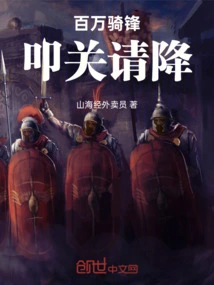
百万骑锋,叩关请降
Shan Hai Jing Delivery Boy
Do you know the difference between roving bandits and sitting bandits? The rogue bandits are unorganized and undisciplined. They fight wherever they go and kill as many as they want. Sitting bandits means occupying a place and developing a rebel organization to resist foreign enemies. If they rebel in a place and the rogue bandits start, they will have to leave if they find that the place is too poor to support the troops. But if they want to leave, they must coerce more people. After the fight, they find that they can no longer support them. It snowballs. Su Yao was kidnapped by foreigners who attacked the border and moved to the grassland border. In order to retaliate and survive, he began to rebel against the grassland nobles by robbing the land like rogue bandits. The number of people grew more and more. When the rebellion was successful, the infrastructure was destroyed, the cattle and horses were killed, and only millions of troops (prairie cavalry) were left who were not engaged in production. The army of millions will not come, and an army that cannot afford to support can become a reminder. Not wanting to put these millions of hungry wolves into the ruins of the Central Plains, Su Yao looked at the trembling Central Plains and had to ask weakly, Brother, are you short of thugs?
Do you know the difference between roving bandits and sitting bandits? The rogue bandits are unorganized and undisciplined. They fight wherever they go and kill as many as they want. Sitting bandits means occupying a place and developing a rebel organization to resist foreign enemies. If they rebel in a place and the rogue bandits start, they will have to leave if they find that the place is too poor to support the troops. But if they want to leave, they must coerce more people. After the fight, they find that they can no longer support them. It snowballs. Su Yao was kidnapped by foreigners who attacked the border and moved to the grassland border. In order to retaliate and survive, he began to rebel against the grassland nobles by robbing the land like rogue bandits. The number of people grew more and more. When the rebellion was successful, the infrastructure was destroyed, the cattle and horses were killed, and only millions of troops (prairie cavalry) were left who were not engaged in production. The army of millions will not come, and an army that cannot afford to support can become a reminder. Not wanting to put these millions of hungry wolves into the ruins of the Central Plains, Su Yao looked at the trembling Central Plains and had to ask weakly, Brother, are you short of thugs?
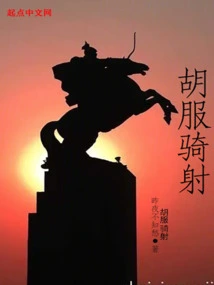
Hufu Riding and Shooting
History胡服骑射
No Worries Last Night
In the middle and late Warring States period, the dawn of reunification gradually dawned. At that time, Qi was powerful in the Central Plains and Chu dominated the southern Xinjiang. Rong Qin, who had once been inferior to other countries, boldly marched eastward, and Sanchuan, unwilling to be lonely, regained its momentum. The barbarians stamp their hooves, the golden swords clash, the intertwining of iron and blood, the collision of civilization and barbarism, the blending of ideas and wars, when the wheels of history roll by, what kind of civilization will this eternal glory breed?
In the middle and late Warring States period, the dawn of reunification gradually dawned. At that time, Qi was powerful in the Central Plains and Chu dominated the southern Xinjiang. Rong Qin, who had once been inferior to other countries, boldly marched eastward, and Sanchuan, unwilling to be lonely, regained its momentum. The barbarians stamp their hooves, the golden swords clash, the intertwining of iron and blood, the collision of civilization and barbarism, the blending of ideas and wars, when the wheels of history roll by, what kind of civilization will this eternal glory breed?
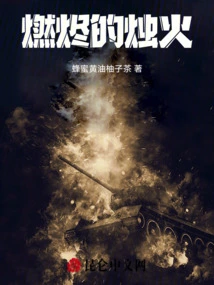
Burning Candle
History燃烬的烛火
Honey Butter Grapefruit Tea
Come to China Literature's website to read more of my works!
Come to China Literature's website to read more of my works!
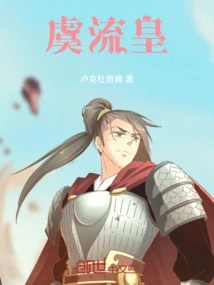
Come to China Literature's website to read more of my works!
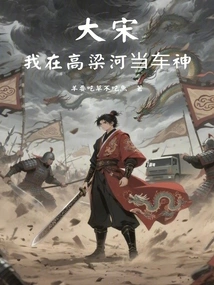
大宋:我在高梁河当车神
Sheep Want To Eat Grass But Not Fish
He was originally just a truck driver, carrying goods thousands of miles and running around day and night. When he opened his eyes again, he became Taizong of the Northern Song Dynasty - Zhao Guangyi. Underfoot are defeated troops and broken flags, and above their heads are arrows and beacons; defeat is imminent in Gaoliang River, and history is slipping into the abyss of repeating itself. At this moment, the steel behemoth that did not belong to this era roared over - [The Gaolianghe Car God System has been activated. This time, the car was not carrying cargo, but tactics, firepower, and the belief to break the situation! He rode sideways to capture the flag and overcame a deadlock; he led the defeated troops to regroup and built the Great Wall of Steel out of defeat. When the truck becomes a mobile command post, capable of crashing into formations, transporting grain, making steel, and making cannons - an era of iron and fire is quietly beginning in his hands. But the real battlefield is not on the front line. The situation in the court is treacherous, the undercurrent between uncles and nephews is surging, and the storm between Song and Liao is about to come. And he is the "Taizong" who should not exist in history. To survive is not to maintain the status quo, but to seize power; Not to succeed, but to change one's destiny. He is no longer just a passerby driving through the formation, He wants to be the helmsman who rewrites the fate of the dynasty. "I will not repeat history's defeat. I am here to rewrite its victory."
He was originally just a truck driver, carrying goods thousands of miles and running around day and night. When he opened his eyes again, he became Taizong of the Northern Song Dynasty - Zhao Guangyi. Underfoot are defeated troops and broken flags, and above their heads are arrows and beacons; defeat is imminent in Gaoliang River, and history is slipping into the abyss of repeating itself. At this moment, the steel behemoth that did not belong to this era roared over - [The Gaolianghe Car God System has been activated. This time, the car was not carrying cargo, but tactics, firepower, and the belief to break the situation! He rode sideways to capture the flag and overcame a deadlock; he led the defeated troops to regroup and built the Great Wall of Steel out of defeat. When the truck becomes a mobile command post, capable of crashing into formations, transporting grain, making steel, and making cannons - an era of iron and fire is quietly beginning in his hands. But the real battlefield is not on the front line. The situation in the court is treacherous, the undercurrent between uncles and nephews is surging, and the storm between Song and Liao is about to come. And he is the "Taizong" who should not exist in history. To survive is not to maintain the status quo, but to seize power; Not to succeed, but to change one's destiny. He is no longer just a passerby driving through the formation, He wants to be the helmsman who rewrites the fate of the dynasty. "I will not repeat history's defeat. I am here to rewrite its victory."
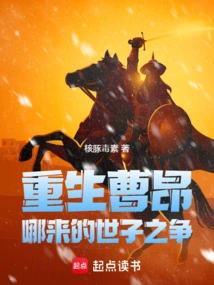
重生曹昂,哪来的世子之争
Ribotoxins
The new book "Wei Bo's Jiedushi is not suitable for dogs" is online. Dear Jiedushi adults, please support us! My father, Cao Mengde, is a good wife. My eldest son, the Cao family, died in Wancheng. However, this time, I will kill my wife first, protect Dian Wei, surrender Jia Xu, accept Zhao Yun, fight against Zhuge, and ride through the troubled times of the Three Kingdoms! The fight between the princes? In front of me, Cao Zixiu, you are all younger brothers. You can just enjoy the glory and wealth. It is your elder brother who should do such a dangerous job! That day, he said to Cao Cao: Father, you don't have to worry about the fight for the right to be the heir. I will take care of my brothers myself. If anyone has a heart that he shouldn't have, I will beat him until he is willing to become an idle prince!
The new book "Wei Bo's Jiedushi is not suitable for dogs" is online. Dear Jiedushi adults, please support us! My father, Cao Mengde, is a good wife. My eldest son, the Cao family, died in Wancheng. However, this time, I will kill my wife first, protect Dian Wei, surrender Jia Xu, accept Zhao Yun, fight against Zhuge, and ride through the troubled times of the Three Kingdoms! The fight between the princes? In front of me, Cao Zixiu, you are all younger brothers. You can just enjoy the glory and wealth. It is your elder brother who should do such a dangerous job! That day, he said to Cao Cao: Father, you don't have to worry about the fight for the right to be the heir. I will take care of my brothers myself. If anyone has a heart that he shouldn't have, I will beat him until he is willing to become an idle prince!
祖宗们,求你们别再爬出来了
Mu Yunfeng
Take Han Xin to the late Ming Dynasty, take Yue Fei to Yashan, take Lingyan Hero to the late Tang Dynasty... Ancestors, please don't crawl out again!
Take Han Xin to the late Ming Dynasty, take Yue Fei to Yashan, take Lingyan Hero to the late Tang Dynasty... Ancestors, please don't crawl out again!
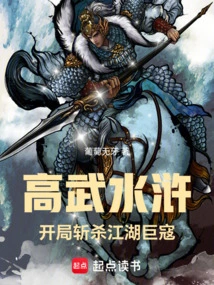
高武水浒,开局斩杀江湖巨寇
Grape Toothless
In March of the third year of Emperor Jiayou's reign in the Song Dynasty, a plague prevailed in the capital. The emperor decreed that the Heavenly Master of the Han Dynasty would come to court at starry night to combat the plague. Hong Xing, the Taiwei in front of the palace, was specially mentioned as an angel and went to Longhu Mountain in Xinzhou, Jiangxi Province to announce his request. It is said that Taiwei Hong received the imperial edict, mounted his horse, and the group took the route to Xinzhou. In more than one day, they went to the Qing Palace on Longhu Mountain. However, the Master of the Qing Palace repeatedly blocked him on his way, saying that he needed to fast and bathe, and he could only sincerely ask for permission. Lieutenant Hong was dissatisfied and took advantage of his power to rush to the inner hall and said: "You are so unruly that you should return to the imperial court. First, I will tell you that you violated the imperial edict and did not allow me to see the Heavenly Master. Later, I will tell you that you set up this palace privately, pretending to be the Demon King of Lockdown, and incited the soldiers and civilians. They all followed the ultimatum, and you were punished by the Yuan Evil Army Province." He ordered everyone to remove the seal in front of the palace, open the big lock with a hammer, and break into the ancient forbidden place. There was nothing in the hall, only a stone tablet in the center, with a stone tortoise sitting underneath. On the stone tablet were written dragon seals, phoenix seals, and heavenly scripts and seals. No one knew it, and ancient meanings came to them. Lieutenant Hong took advantage of his power to act barbaric and ordered his men to pull down the stone monument. He also dug up the stone tortoise and abandoned it in a room, but the real people around him refused to listen. Lifting up the forbidden stone slab, there was a cave with a depth of ten thousand feet under the slab, shrouded in black mist, and the depth was unknown. After hearing a loud explosion, a billowing black air rose up, toppling the palace and soaring into the sky. Hundreds of golden lights scattered in the air, heading in all directions. Another stream of fresh air followed him straight up into the air, heading straight to the northwest, and disappeared in an instant. Lieutenant Hong's face was as frightened as dirt, and his legs were trembling. Knowing that he had caused a great disaster, he immediately covered his face and ran away. The story begins here...
In March of the third year of Emperor Jiayou's reign in the Song Dynasty, a plague prevailed in the capital. The emperor decreed that the Heavenly Master of the Han Dynasty would come to court at starry night to combat the plague. Hong Xing, the Taiwei in front of the palace, was specially mentioned as an angel and went to Longhu Mountain in Xinzhou, Jiangxi Province to announce his request. It is said that Taiwei Hong received the imperial edict, mounted his horse, and the group took the route to Xinzhou. In more than one day, they went to the Qing Palace on Longhu Mountain. However, the Master of the Qing Palace repeatedly blocked him on his way, saying that he needed to fast and bathe, and he could only sincerely ask for permission. Lieutenant Hong was dissatisfied and took advantage of his power to rush to the inner hall and said: "You are so unruly that you should return to the imperial court. First, I will tell you that you violated the imperial edict and did not allow me to see the Heavenly Master. Later, I will tell you that you set up this palace privately, pretending to be the Demon King of Lockdown, and incited the soldiers and civilians. They all followed the ultimatum, and you were punished by the Yuan Evil Army Province." He ordered everyone to remove the seal in front of the palace, open the big lock with a hammer, and break into the ancient forbidden place. There was nothing in the hall, only a stone tablet in the center, with a stone tortoise sitting underneath. On the stone tablet were written dragon seals, phoenix seals, and heavenly scripts and seals. No one knew it, and ancient meanings came to them. Lieutenant Hong took advantage of his power to act barbaric and ordered his men to pull down the stone monument. He also dug up the stone tortoise and abandoned it in a room, but the real people around him refused to listen. Lifting up the forbidden stone slab, there was a cave with a depth of ten thousand feet under the slab, shrouded in black mist, and the depth was unknown. After hearing a loud explosion, a billowing black air rose up, toppling the palace and soaring into the sky. Hundreds of golden lights scattered in the air, heading in all directions. Another stream of fresh air followed him straight up into the air, heading straight to the northwest, and disappeared in an instant. Lieutenant Hong's face was as frightened as dirt, and his legs were trembling. Knowing that he had caused a great disaster, he immediately covered his face and ran away. The story begins here...
红楼之青词官路
The Sun And Moon In The Pot, The Universe In The Pomelo
How should a scholar who can only write Qing Ci survive in this treacherous officialdom... Ps: (Jiajing of the Ming Dynasty + Red Mansion + Officialdom)
How should a scholar who can only write Qing Ci survive in this treacherous officialdom... Ps: (Jiajing of the Ming Dynasty + Red Mansion + Officialdom)
穿越宋朝之我在大宋当小兵
One Thought For Five Thousand Years
In the second year of Jingkang of the Northern Song Dynasty, the Jin army went south and destroyed the Northern Song Dynasty in one fell swoop. Emperor Gaozong of the Song Dynasty crossed south to Yan and established the Southern Song Dynasty. The story takes place when the country was destroyed, its family was destroyed, and its mountains and rivers were broken...
In the second year of Jingkang of the Northern Song Dynasty, the Jin army went south and destroyed the Northern Song Dynasty in one fell swoop. Emperor Gaozong of the Song Dynasty crossed south to Yan and established the Southern Song Dynasty. The story takes place when the country was destroyed, its family was destroyed, and its mountains and rivers were broken...
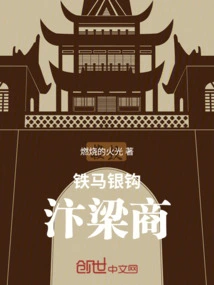
铁马银钩汴梁商
Burning Fire
Come to China Literature's website to read more of my works!
Come to China Literature's website to read more of my works!