Library
Browse and search books
51,874 novels found
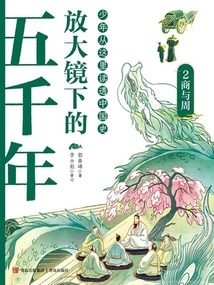
放大镜下的五千年2:商与周
Guo Chunfeng
"Five Thousand Years Under a Magnifying Glass" is a set of Chinese history books specially written for teenagers. On the basis of systematically sorting out the development of Chinese history, the author uses clear and interesting writing to narrate the important historical figures and historical events in Chinese history. At the same time, the author uses problem awareness and historical thinking throughout the book, focusing on inspiring young people to explore the laws of historical evolution. In addition, the book also covers geography, economy, culture, art, officials, institutions, diplomacy, military and other aspects. It focuses on the comparison of Chinese and foreign history at the same time, and builds a true, rich, three-dimensional and interesting "big history" for young people, leading them into the colorful historical world, understanding Chinese history, and laying the foundation for their lifelong history learning.
"Five Thousand Years Under a Magnifying Glass" is a set of Chinese history books specially written for teenagers. On the basis of systematically sorting out the development of Chinese history, the author uses clear and interesting writing to narrate the important historical figures and historical events in Chinese history. At the same time, the author uses problem awareness and historical thinking throughout the book, focusing on inspiring young people to explore the laws of historical evolution. In addition, the book also covers geography, economy, culture, art, officials, institutions, diplomacy, military and other aspects. It focuses on the comparison of Chinese and foreign history at the same time, and builds a true, rich, three-dimensional and interesting "big history" for young people, leading them into the colorful historical world, understanding Chinese history, and laying the foundation for their lifelong history learning.
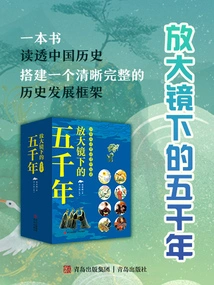
放大镜下的五千年:完整历史框架,读透中国历史(套装八册)
Guo Chunfeng
"Five Thousand Years Under a Magnifying Glass" is a set of Chinese history books specially written for teenagers. On the basis of systematically sorting out the development of Chinese history, the author uses clear and interesting writing to narrate the important historical figures and historical events in Chinese history. At the same time, the author uses problem awareness and historical thinking throughout the book, focusing on inspiring young people to explore the laws of historical evolution. In addition, the book also covers geography, economy, culture, art, officials, institutions, diplomacy, military and other aspects. It focuses on the comparison of Chinese and foreign history at the same time, and builds a true, rich, three-dimensional and interesting "big history" for young people, leading them into the colorful historical world, understanding Chinese history, and laying the foundation for their lifelong history learning.
"Five Thousand Years Under a Magnifying Glass" is a set of Chinese history books specially written for teenagers. On the basis of systematically sorting out the development of Chinese history, the author uses clear and interesting writing to narrate the important historical figures and historical events in Chinese history. At the same time, the author uses problem awareness and historical thinking throughout the book, focusing on inspiring young people to explore the laws of historical evolution. In addition, the book also covers geography, economy, culture, art, officials, institutions, diplomacy, military and other aspects. It focuses on the comparison of Chinese and foreign history at the same time, and builds a true, rich, three-dimensional and interesting "big history" for young people, leading them into the colorful historical world, understanding Chinese history, and laying the foundation for their lifelong history learning.
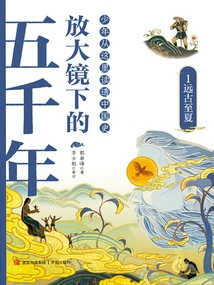
放大镜下的五千年1:远古至夏
Guo Chunfeng
"Five Thousand Years Under a Magnifying Glass" is a set of Chinese history books specially written for teenagers. On the basis of systematically sorting out the development of Chinese history, the author uses clear and interesting writing to narrate the important historical figures and historical events in Chinese history. At the same time, the author uses problem awareness and historical thinking throughout the book, focusing on inspiring young people to explore the laws of historical evolution. In addition, the book also covers geography, economy, culture, art, officials, institutions, diplomacy, military and other aspects. It focuses on the comparison of Chinese and foreign history at the same time, and builds a true, rich, three-dimensional and interesting "big history" for young people, leading them into the colorful historical world, understanding Chinese history, and laying the foundation for their lifelong history learning.
"Five Thousand Years Under a Magnifying Glass" is a set of Chinese history books specially written for teenagers. On the basis of systematically sorting out the development of Chinese history, the author uses clear and interesting writing to narrate the important historical figures and historical events in Chinese history. At the same time, the author uses problem awareness and historical thinking throughout the book, focusing on inspiring young people to explore the laws of historical evolution. In addition, the book also covers geography, economy, culture, art, officials, institutions, diplomacy, military and other aspects. It focuses on the comparison of Chinese and foreign history at the same time, and builds a true, rich, three-dimensional and interesting "big history" for young people, leading them into the colorful historical world, understanding Chinese history, and laying the foundation for their lifelong history learning.
小说,小说网,最新热门小说-QQ阅读_阅文集团旗下网站
A Lie
The soul of a soldier king from later generations has traveled to a young general in parallel time and space. Let's see how he stirs up the storm in Shuobei, drives out the Tartars, restores China, and conquers the world...
The soul of a soldier king from later generations has traveled to a young general in parallel time and space. Let's see how he stirs up the storm in Shuobei, drives out the Tartars, restores China, and conquers the world...
理工牛马爆改红楼,换了人间
Dejaminha 347
The first thing Feng Yuan did when he was resurrected in the coffin was to burn the "Die Bawang" tablet and run away. A man from Hyundai Polytechnic lost all his money and became a bandit, robbed Xue's motorcade and rescued his former girlfriend. The couple turned the bandit's den into an assembly line factory: "The robbery KPI is distributed according to the contribution value!" "Xiang Ling, how about we crush this dream of a nobleman in the Red Chamber with our own hands?" Feng Yuan smiled brightly at his lover Li Xiangling. In the Heiyun Ridge, the water wheel's wrought iron sparks splashed, and the cold light of the new fire gun was frightening. When the hungry people shouted "equal land and no tax" and broke down the gate of Jinling City, Jia Baoyu was crying for losing the psychic jade. On the day Xue Pan was tied to the execution ground, Li Xiangling watched coldly as he was stabbed three thousand times. Daiyu coughed up blood and asked, "Without this poem and gift hairpin, who are we?" Feng Yuan stood at the top of the city and chuckled: "It's time to wake up from the dream of Red Mansions. If you don't work hard to get food, what's the use? If you don't go to labor camp, how long will it take?"
The first thing Feng Yuan did when he was resurrected in the coffin was to burn the "Die Bawang" tablet and run away. A man from Hyundai Polytechnic lost all his money and became a bandit, robbed Xue's motorcade and rescued his former girlfriend. The couple turned the bandit's den into an assembly line factory: "The robbery KPI is distributed according to the contribution value!" "Xiang Ling, how about we crush this dream of a nobleman in the Red Chamber with our own hands?" Feng Yuan smiled brightly at his lover Li Xiangling. In the Heiyun Ridge, the water wheel's wrought iron sparks splashed, and the cold light of the new fire gun was frightening. When the hungry people shouted "equal land and no tax" and broke down the gate of Jinling City, Jia Baoyu was crying for losing the psychic jade. On the day Xue Pan was tied to the execution ground, Li Xiangling watched coldly as he was stabbed three thousand times. Daiyu coughed up blood and asked, "Without this poem and gift hairpin, who are we?" Feng Yuan stood at the top of the city and chuckled: "It's time to wake up from the dream of Red Mansions. If you don't work hard to get food, what's the use? If you don't go to labor camp, how long will it take?"
日月为明,大明江湖风云录
White-skinned Black-headed Pig Trumpet
The sun and the moon are bright. In the middle of the Ming Dynasty, political struggles were fierce and social conflicts were acute. Dongchang and Jinyiwei monitored hundreds of officials and killed innocent people indiscriminately The "Great Ceremony" incident in the Jiajing Dynasty caused a split among the courtiers, and Yan Song and his son became corrupt and monopolized power. Northern Tatars (such as Ada Khan) invaded repeatedly, and Japanese pirates were rampant in the southeast. The royal family and landowners occupied farmland, and the number of refugees increased. White Lotus Sect, Sun Moon Sect and other folk religious uprisings The male protagonist traveled to this era and became a beggar in the great era. How does he want to break the situation?
The sun and the moon are bright. In the middle of the Ming Dynasty, political struggles were fierce and social conflicts were acute. Dongchang and Jinyiwei monitored hundreds of officials and killed innocent people indiscriminately The "Great Ceremony" incident in the Jiajing Dynasty caused a split among the courtiers, and Yan Song and his son became corrupt and monopolized power. Northern Tatars (such as Ada Khan) invaded repeatedly, and Japanese pirates were rampant in the southeast. The royal family and landowners occupied farmland, and the number of refugees increased. White Lotus Sect, Sun Moon Sect and other folk religious uprisings The male protagonist traveled to this era and became a beggar in the great era. How does he want to break the situation?
飞军,离定,缘空
Leng Che's Treasure
Dependent origination, dependence fall, dependence emptiness First time we met, at the age of twenty-eight Farewell, not yet thirty Goodbye, I'm not even thirty yet, but I'm over sixty
Dependent origination, dependence fall, dependence emptiness First time we met, at the age of twenty-eight Farewell, not yet thirty Goodbye, I'm not even thirty yet, but I'm over sixty
Han Official
History汉官
Jianghan
At the end of the Eastern Han Dynasty, the world was in chaos. Although the emperor is the supreme emperor, he has no real capacity to be the emperor. He has many political responsibilities and his power belongs to the public family. Eunuchs disrupted the government, nobles stole the country, powerful men and powerful men arose, and factions fought endlessly. There are barbarians and barbarians peeping outside, and there are natural disasters and epidemics running rampant inside. How can the people deserve it? The struggle for supremacy among the Three Kingdoms is indeed dazzling, but the world is already full of empty houses! The Han Dynasty can be destroyed, but the world cannot be destroyed. As a time traveler, Wei Zhe said he was under a lot of pressure. But no matter how difficult it is, he still has to split this turbid world, so that the five chaos and splendor will no longer exist, the old and the weak will have their lives, and women and children will live...
At the end of the Eastern Han Dynasty, the world was in chaos. Although the emperor is the supreme emperor, he has no real capacity to be the emperor. He has many political responsibilities and his power belongs to the public family. Eunuchs disrupted the government, nobles stole the country, powerful men and powerful men arose, and factions fought endlessly. There are barbarians and barbarians peeping outside, and there are natural disasters and epidemics running rampant inside. How can the people deserve it? The struggle for supremacy among the Three Kingdoms is indeed dazzling, but the world is already full of empty houses! The Han Dynasty can be destroyed, but the world cannot be destroyed. As a time traveler, Wei Zhe said he was under a lot of pressure. But no matter how difficult it is, he still has to split this turbid world, so that the five chaos and splendor will no longer exist, the old and the weak will have their lives, and women and children will live...
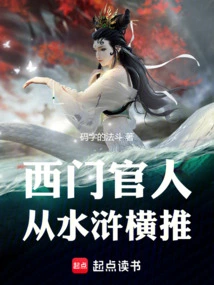
西门官人从水浒横推
Code Fighting Method
The soul passes through Ximen Qing, with Pan Jinlian beside him. Downstairs in Wu Dalang's mourning hall, Wu Song is on his way back from the funeral. In the hell mode at the beginning, Gu Ming just wanted to run away with the bucket so that the plug-in could arrive in time. What Wu Song? Just a common man! Liangshan? Just bandits! Oh! Emperor? I might not be able to sit down. (If you are not familiar with the original work, it will not affect your reading. There are already 0 copies of Wan Ding Shu and Jiu Qian Jun, so feel free to eat!)
The soul passes through Ximen Qing, with Pan Jinlian beside him. Downstairs in Wu Dalang's mourning hall, Wu Song is on his way back from the funeral. In the hell mode at the beginning, Gu Ming just wanted to run away with the bucket so that the plug-in could arrive in time. What Wu Song? Just a common man! Liangshan? Just bandits! Oh! Emperor? I might not be able to sit down. (If you are not familiar with the original work, it will not affect your reading. There are already 0 copies of Wan Ding Shu and Jiu Qian Jun, so feel free to eat!)
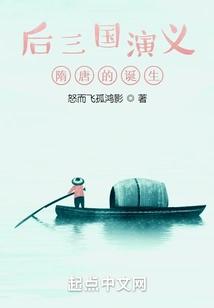
后三国演义:隋唐的诞生
Gu Hongying
After the unification of the Three Kingdoms, they soon fell into 300 years of division. However, after the unification of the Three Kingdoms, the Sui and Tang Dynasties ushered in the prosperity of the Sui and Tang Dynasties.
After the unification of the Three Kingdoms, they soon fell into 300 years of division. However, after the unification of the Three Kingdoms, the Sui and Tang Dynasties ushered in the prosperity of the Sui and Tang Dynasties.
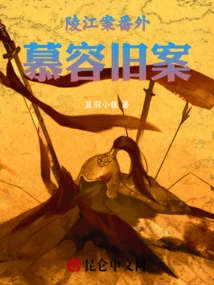
小说,小说网,最新热门小说-QQ阅读_阅文集团旗下网站
Blue Feather Wolf
This extra chapter is an independent chapter. The content revolves around Chapter 44 "Autumn Rain and Cold Wind", Chapter 7 "The Towering Western Army", and Chapter 33 "Backhand Thunder" of "The Lingjiang Case Refined First Edition". The extra chapters correspond to the above three chapters of the main text in order. It tells the story of how after the new emperor ascended the throne and Prime Minister Lu returned to power, he conspired with the Imperial City Secretary Chen Jing to eliminate Murong Yi, who was under Fan Jinglue of the new party. However, Prime Minister Lu knew that this was actually the new emperor's imperial method to promote Fan Jinglue and eliminate the party members in his army in advance. This extra chapter is divided into four chapters, which respectively complete the background of Chen Jing, the Imperial City Secretary, who framed the trap and eliminated the Western Army general Murong Yi, Murong Yi rescued the Loess City and annihilated the entire army, and Chen Jing persuaded Li Dalang to act as an undercover lurking in Xiaozhu.
This extra chapter is an independent chapter. The content revolves around Chapter 44 "Autumn Rain and Cold Wind", Chapter 7 "The Towering Western Army", and Chapter 33 "Backhand Thunder" of "The Lingjiang Case Refined First Edition". The extra chapters correspond to the above three chapters of the main text in order. It tells the story of how after the new emperor ascended the throne and Prime Minister Lu returned to power, he conspired with the Imperial City Secretary Chen Jing to eliminate Murong Yi, who was under Fan Jinglue of the new party. However, Prime Minister Lu knew that this was actually the new emperor's imperial method to promote Fan Jinglue and eliminate the party members in his army in advance. This extra chapter is divided into four chapters, which respectively complete the background of Chen Jing, the Imperial City Secretary, who framed the trap and eliminated the Western Army general Murong Yi, Murong Yi rescued the Loess City and annihilated the entire army, and Chen Jing persuaded Li Dalang to act as an undercover lurking in Xiaozhu.
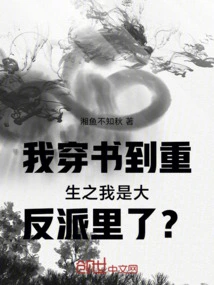
我穿书到重生之我是大反派里了?
Xiang Fish Don't Know Autumn
I am an ordinary student who travels through the book to a character whose plot outline cannot even be written. To survive in this world that has moved mountains and reclaimed seas, I just want to rely on modern knowledge to protect myself. The two protagonists actually want my life? Without the system, without the cheat author, the old dog would give me a good life lying flat!
I am an ordinary student who travels through the book to a character whose plot outline cannot even be written. To survive in this world that has moved mountains and reclaimed seas, I just want to rely on modern knowledge to protect myself. The two protagonists actually want my life? Without the system, without the cheat author, the old dog would give me a good life lying flat!
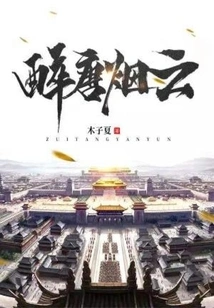
Drunken Tang Yanyun
History醉唐烟云
Mu Zixia
A sudden car accident sent modern man Li Chuan to the prosperous age of the Tang Dynasty. After Li Chuan traveled through time, he possessed the body of Li Minghe, a fourteen-year-old boy from Lanlingfang, Chang'an. As time passed, he gradually learned about all aspects of the customs and customs of the Tang Dynasty. A few years later, Li Minghe opened a restaurant and met many influential people in different industries. Can Li Minghe go back? Is he willing to let go of his relatives and friends in the Tang Dynasty? What choice did he make?
A sudden car accident sent modern man Li Chuan to the prosperous age of the Tang Dynasty. After Li Chuan traveled through time, he possessed the body of Li Minghe, a fourteen-year-old boy from Lanlingfang, Chang'an. As time passed, he gradually learned about all aspects of the customs and customs of the Tang Dynasty. A few years later, Li Minghe opened a restaurant and met many influential people in different industries. Can Li Minghe go back? Is he willing to let go of his relatives and friends in the Tang Dynasty? What choice did he make?
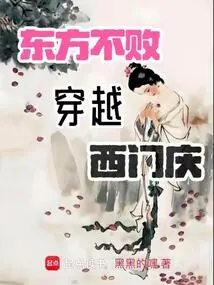
东方不败穿越西门庆
Hey Black
When Dongfang Bubai tried his best to save Yang Lianting, he was stabbed into another world by Linghu Chong and Ren Woxing: Pan Jinlian's fork hit him on the head. Scene 1 He asked the tea seller, "Madam, where is the Black Wood Cliff?" But he was shocked to find that his voice was deep and rough, no longer as sharp and sweet as before. He dug his hand into his crotch, and no, it was back again. Mrs. Wang grabbed him and said, "Master Ximen, please sit in the tea house." It turns out that Dongfang Bubai traveled through time and became Ximen Qing. Scene 2 Wait, that beautiful woman with a forked pole is called "Golden Lotus". What a coincidence, she also has the word "Lotus" in her name. Dongfang Bubai called tentatively: "Brother Lian?" Pan Jinlian: "..." Wang Po: "..." Scene 3 Dongfang Bubai had a private meeting with Pan Jinlian at Wang Po's teahouse. He picked up the clothes Pan Jinlian had sewn, looked at it carefully, raised his orchid fingers, and said, "It's indeed a good method, but these few stitches have lost their quality." Pan Jinlian: "..." Wang Po: "..."
When Dongfang Bubai tried his best to save Yang Lianting, he was stabbed into another world by Linghu Chong and Ren Woxing: Pan Jinlian's fork hit him on the head. Scene 1 He asked the tea seller, "Madam, where is the Black Wood Cliff?" But he was shocked to find that his voice was deep and rough, no longer as sharp and sweet as before. He dug his hand into his crotch, and no, it was back again. Mrs. Wang grabbed him and said, "Master Ximen, please sit in the tea house." It turns out that Dongfang Bubai traveled through time and became Ximen Qing. Scene 2 Wait, that beautiful woman with a forked pole is called "Golden Lotus". What a coincidence, she also has the word "Lotus" in her name. Dongfang Bubai called tentatively: "Brother Lian?" Pan Jinlian: "..." Wang Po: "..." Scene 3 Dongfang Bubai had a private meeting with Pan Jinlian at Wang Po's teahouse. He picked up the clothes Pan Jinlian had sewn, looked at it carefully, raised his orchid fingers, and said, "It's indeed a good method, but these few stitches have lost their quality." Pan Jinlian: "..." Wang Po: "..."
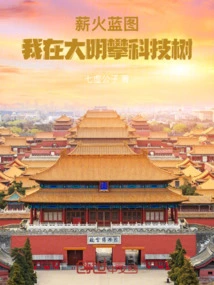
薪火蓝图:我在大明攀科技树
Broken Bridge Embroidery
On the first day that Chongzhen ascended the throne, the countdown to the country's subjugation in seventeen years echoed in his mind! Natural disasters are raging, foreign invaders are ruthless, and the court is full of the poisonous fangs of the eunuch Wei Zhongxian. Dead situation with no solution? ! Just when he was desperate, a mysterious "fire blueprint" was imprinted on his consciousness: firearms, steel armor, engineering that transcended the times... The world-saving technology is right before his eyes! Cost? So cruel - sacrificing loyalty! Give up the destiny of the country! Run out of treasure! In order to ignite the first glimmer of technology, he personally pushed his confidants into the abyss; in order to build a steel barrier, he was willing to bear the scorn of all the people and become a tyrannical king; when technological creations roared to crush powerful enemies, the mastermind behind the scenes and the curse of national subjugation also awakened! This is a race against time, a break with human nature, and a huge gamble using the fate of the country as a bet! See how Emperor Chongzhen bears betrayal and blood debt, and uses technology as a sword to carve out a bloody path for survival on the doomsday chessboard!
On the first day that Chongzhen ascended the throne, the countdown to the country's subjugation in seventeen years echoed in his mind! Natural disasters are raging, foreign invaders are ruthless, and the court is full of the poisonous fangs of the eunuch Wei Zhongxian. Dead situation with no solution? ! Just when he was desperate, a mysterious "fire blueprint" was imprinted on his consciousness: firearms, steel armor, engineering that transcended the times... The world-saving technology is right before his eyes! Cost? So cruel - sacrificing loyalty! Give up the destiny of the country! Run out of treasure! In order to ignite the first glimmer of technology, he personally pushed his confidants into the abyss; in order to build a steel barrier, he was willing to bear the scorn of all the people and become a tyrannical king; when technological creations roared to crush powerful enemies, the mastermind behind the scenes and the curse of national subjugation also awakened! This is a race against time, a break with human nature, and a huge gamble using the fate of the country as a bet! See how Emperor Chongzhen bears betrayal and blood debt, and uses technology as a sword to carve out a bloody path for survival on the doomsday chessboard!
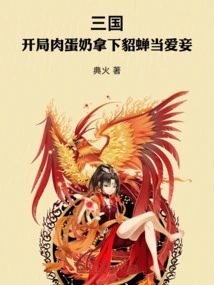
三国:开局肉蛋奶拿下貂蝉当爱妾
Dianhuo
(Hot-blooded struggle for hegemony + invincible cool writing + multiple female protagonists, the whole process is high-energy and cruelty-free!) Modern young man Li Fei travels through the late Eastern Han Dynasty, awakens the infinite resource system, and gains the power of Overlord Xiang Yu at the beginning! The Yellow Turban Rebellion breaks out and the world is starving, but Li Fei has piles of food and grass, enough meat, eggs and milk every day, and he directly buys the beautiful Diao Chan as his concubine at the beginning! "Have no food to eat? Come to the Chinese Army and feed us!" "No weapons? Stainless steel swords, everyone has one!" Collect Zhao Yun, surrender Zhang Liao, defeat Lu Bu, and build an iron-blooded army with modern thinking! Huangfu Song led the Han army to encircle and suppress? With a backhand explosion of 100,000 soldiers, he was immediately bulldozed! Zhang Jiao can call the wind and rain? I will crush you to death with grain! From a refugee to a hegemon in troubled times, Li Fei's goal is simple! This world is all mine! Those who get involved will die!
(Hot-blooded struggle for hegemony + invincible cool writing + multiple female protagonists, the whole process is high-energy and cruelty-free!) Modern young man Li Fei travels through the late Eastern Han Dynasty, awakens the infinite resource system, and gains the power of Overlord Xiang Yu at the beginning! The Yellow Turban Rebellion breaks out and the world is starving, but Li Fei has piles of food and grass, enough meat, eggs and milk every day, and he directly buys the beautiful Diao Chan as his concubine at the beginning! "Have no food to eat? Come to the Chinese Army and feed us!" "No weapons? Stainless steel swords, everyone has one!" Collect Zhao Yun, surrender Zhang Liao, defeat Lu Bu, and build an iron-blooded army with modern thinking! Huangfu Song led the Han army to encircle and suppress? With a backhand explosion of 100,000 soldiers, he was immediately bulldozed! Zhang Jiao can call the wind and rain? I will crush you to death with grain! From a refugee to a hegemon in troubled times, Li Fei's goal is simple! This world is all mine! Those who get involved will die!
Han Wen Ji Ji
History汉文继纪
Travel Around The World For Half A Lifetime
Come to China Literature's website to read more of my works!
Come to China Literature's website to read more of my works!

I Was Governor in New York
History我在纽约当总督
321 Shrimp Head Man
He is aristocratic, he is approachable. He is the governor and he leads the way. He was the founder, founder, and first president of Canada, the United States of America, and the Great United States of Mexico. He was an unprecedented figure. He predicts the future. He is the only one. He is history. ... He doesn't exist. Anti-collision statement (disclaimer): This story is purely fictitious and is seriously inconsistent with history. Please do not take it personally (especially do not use it to criticize\u002F ridicule\u002F insult\u002F draw circles and curse the author).
He is aristocratic, he is approachable. He is the governor and he leads the way. He was the founder, founder, and first president of Canada, the United States of America, and the Great United States of Mexico. He was an unprecedented figure. He predicts the future. He is the only one. He is history. ... He doesn't exist. Anti-collision statement (disclaimer): This story is purely fictitious and is seriously inconsistent with history. Please do not take it personally (especially do not use it to criticize\u002F ridicule\u002F insult\u002F draw circles and curse the author).
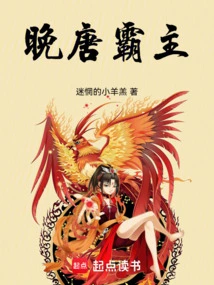
晚唐霸主
Confused Little Lamb
In Li Tang's world, the building is about to collapse. Huang Chao, Zhu Wen, Li Keyong, Qin Zongquan, Liu Rengong, Li Maozhen, Li Cunxu, Yang Xingmi, Yelu Abaoji... All the heroes, you just sing and I will appear. The Tang Dynasty lost its deer, and the whole world chased it away! Zhu Jin, a private salt dealer who was notorious for bullying his mother, stealing his wife, and killing his brother and regicide, gradually climbed to the top of power. Defeated Liao, destroyed Liang, defeated Jin, defeated Yan, Dai Qi, attacked Wu, weakened Shu, left the Western Regions, pacified Nanzhao, and sailed to the Western Ocean. Zhang Hui, Yue Liduo, Cao Yu'e, the flowers are shy, the hibiscus tent is warm, and the country is charming. ... Zhu Jin: I want them all!
In Li Tang's world, the building is about to collapse. Huang Chao, Zhu Wen, Li Keyong, Qin Zongquan, Liu Rengong, Li Maozhen, Li Cunxu, Yang Xingmi, Yelu Abaoji... All the heroes, you just sing and I will appear. The Tang Dynasty lost its deer, and the whole world chased it away! Zhu Jin, a private salt dealer who was notorious for bullying his mother, stealing his wife, and killing his brother and regicide, gradually climbed to the top of power. Defeated Liao, destroyed Liang, defeated Jin, defeated Yan, Dai Qi, attacked Wu, weakened Shu, left the Western Regions, pacified Nanzhao, and sailed to the Western Ocean. Zhang Hui, Yue Liduo, Cao Yu'e, the flowers are shy, the hibiscus tent is warm, and the country is charming. ... Zhu Jin: I want them all!
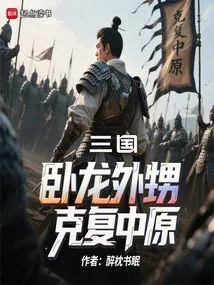
My Uncle is Zhuge Liang
History我的舅舅是诸葛亮
Drunk Pillow And Book Sleep
At the end of Jian'an, the time traveler Kuai Che woke up and learned two things: --My uncle's name is Zhuge Liang, and he will soon be the Prime Minister of the Han Dynasty! --The enemy is called Meng Da, who was the prefect of Yongbing at that time! And he... He was coerced at the beginning and took a blood revenge against Meng Da! ! ------ This book is also known as: "Wolong's Nephew, Conquering the Central Plains", "My Uncle and I Entered the Martial Arts Temple"
At the end of Jian'an, the time traveler Kuai Che woke up and learned two things: --My uncle's name is Zhuge Liang, and he will soon be the Prime Minister of the Han Dynasty! --The enemy is called Meng Da, who was the prefect of Yongbing at that time! And he... He was coerced at the beginning and took a blood revenge against Meng Da! ! ------ This book is also known as: "Wolong's Nephew, Conquering the Central Plains", "My Uncle and I Entered the Martial Arts Temple"
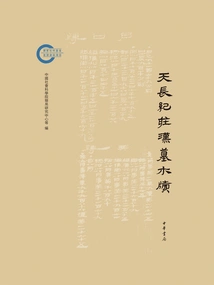
Tianchang Jizhuang Han Tomb Wooden Slabs (later Funded Project of the National Social Science Fund)
History天长纪庄汉墓木牍(国家社科基金后期资助项目)
Compiled By The Bamboo And Silk Research Center Of The Chinese Academy Of Social Sciences
This book is a comprehensive, systematic and in-depth compilation, interpretation and study of the Han Tomb No. 19 (M19) unearthed in Jizhuang, Anle Town, Tianchang City, Anhui Province in 2004. It includes an overview, color plates and interpretations of wooden tablets, infrared plates and interpretations of wooden tablets, explanatory notes, excavation reports, research on wooden tablets, etc. The 34 wooden slips unearthed from the Jizhuang Han Tomb in Tianchang are rich in content, including household registers, arithmetic books, letters, gift lists, prescriptions, etc. They provide rich information and physical samples for the study of Han Dynasty calligraphy and local society, and have a unique status in the history of Chinese slips.
This book is a comprehensive, systematic and in-depth compilation, interpretation and study of the Han Tomb No. 19 (M19) unearthed in Jizhuang, Anle Town, Tianchang City, Anhui Province in 2004. It includes an overview, color plates and interpretations of wooden tablets, infrared plates and interpretations of wooden tablets, explanatory notes, excavation reports, research on wooden tablets, etc. The 34 wooden slips unearthed from the Jizhuang Han Tomb in Tianchang are rich in content, including household registers, arithmetic books, letters, gift lists, prescriptions, etc. They provide rich information and physical samples for the study of Han Dynasty calligraphy and local society, and have a unique status in the history of Chinese slips.
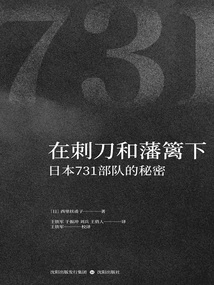
在刺刀和藩篱下:日本731部队的秘密(2025新版)
(japan) Xili Fuyongzi
This is a book of historical truth exchanged for blood, tears and memory. For more than 20 years, Japanese journalist Nishiri Fuyongko has been deeply investigating the secrets of Unit 731. Through a large number of field interviews and historical investigation, he has interviewed the parties involved, war criminals and survivors, and reconstructed the inhuman history that was covered up. Including human experimentation, germ warfare, poison gas testing, etc., All crimes should not be forgotten. The book adopts the method of oral history, supplemented by original archives, testimonies of war criminals and historical photos, using facts as the truth and preserving evidence for history. Behind the war are thousands of concrete and innocent lives. Those who survived will spend the rest of their lives fighting against the shadows, while the "Maruta" who died silently will never be able to speak. This is not only an exposure of past atrocities, but also a questioning of human conscience. History cannot be forgotten and the truth must be responded to. This work has also become the spiritual starting point for the upcoming documentary of the same name, awakening sleeping memories, filling the obscured historical gaps, and arousing widespread resonance. A catastrophe that has been sealed for many years, a historical reappearance that awakens conscience with facts.
This is a book of historical truth exchanged for blood, tears and memory. For more than 20 years, Japanese journalist Nishiri Fuyongko has been deeply investigating the secrets of Unit 731. Through a large number of field interviews and historical investigation, he has interviewed the parties involved, war criminals and survivors, and reconstructed the inhuman history that was covered up. Including human experimentation, germ warfare, poison gas testing, etc., All crimes should not be forgotten. The book adopts the method of oral history, supplemented by original archives, testimonies of war criminals and historical photos, using facts as the truth and preserving evidence for history. Behind the war are thousands of concrete and innocent lives. Those who survived will spend the rest of their lives fighting against the shadows, while the "Maruta" who died silently will never be able to speak. This is not only an exposure of past atrocities, but also a questioning of human conscience. History cannot be forgotten and the truth must be responded to. This work has also become the spiritual starting point for the upcoming documentary of the same name, awakening sleeping memories, filling the obscured historical gaps, and arousing widespread resonance. A catastrophe that has been sealed for many years, a historical reappearance that awakens conscience with facts.
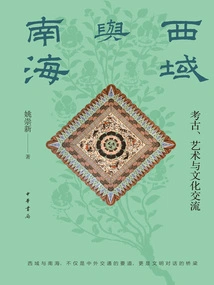
西域与南海:考古、艺术与文化交流
Yao Chongxin
The Western Regions and the South China Sea were ancient China's traditional exports to the world, and they were also the only way for the world outside the region to transmit information to China. The bustling people and events in the history of Sino-Western cultural exchanges passed through the Western Regions and the South China Sea, opening a thoroughfare for us to admire the traces of civilization. This book is divided into two parts. The first part is a monograph. From the perspective of archeology, art and cultural exchanges between China and foreign countries, relying on archaeological materials, image materials and documentary materials, it conducts a number of special studies on Buddhism, Sanyi religion, Hinduism, etc. That were popular in the ancient Western Regions and South China Sea. It also includes a discussion of newly discovered archaeological materials and the remains of cave temple statues in other areas. The second part of the book review is an introduction to important relevant literature collection and research works published in recent years, which reflects the author's macroscopic understanding and timely follow-up of the latest achievements in the fields of Silk Road research, Western Region historical archaeological research, and Dunhuang and Turpan research, as well as thoughts on academic principles and methods.
The Western Regions and the South China Sea were ancient China's traditional exports to the world, and they were also the only way for the world outside the region to transmit information to China. The bustling people and events in the history of Sino-Western cultural exchanges passed through the Western Regions and the South China Sea, opening a thoroughfare for us to admire the traces of civilization. This book is divided into two parts. The first part is a monograph. From the perspective of archeology, art and cultural exchanges between China and foreign countries, relying on archaeological materials, image materials and documentary materials, it conducts a number of special studies on Buddhism, Sanyi religion, Hinduism, etc. That were popular in the ancient Western Regions and South China Sea. It also includes a discussion of newly discovered archaeological materials and the remains of cave temple statues in other areas. The second part of the book review is an introduction to important relevant literature collection and research works published in recent years, which reflects the author's macroscopic understanding and timely follow-up of the latest achievements in the fields of Silk Road research, Western Region historical archaeological research, and Dunhuang and Turpan research, as well as thoughts on academic principles and methods.
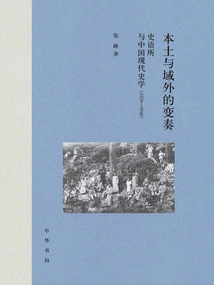
本土与域外的变奏:史语所与中国现代史学(1928—1948)
Zhang Feng
The Institute of History and Philology of Academia Sinica, founded in 1928, is a famous academic research institution in modern China and is closely related to the development of modern Chinese historiography. This book takes the Institute of History and Linguistics from 1928 to 1948 as the research object, and comprehensively examines the formation, operating mechanism, novelty trends, discourse construction, scholarly characteristics, academic contributions, extraterritorial influence and research limitations of the Institute of History and Linguistics' new paradigm, etc., And presents a more complete historical picture of the Institute of History and Linguistics' promotion of the construction of the discourse system of modern Chinese historiography. Focusing on the dual perspectives of "local" and "foreign", and observing the relationship between the Institute of History and Philology and modern Chinese historiography from the perspective of historical exchanges between China and foreign countries, it examines how Western academic concepts are intertwined and forged with traditional Chinese historiography, thereby promoting the transformation of Chinese historiography from tradition to modernity; at the same time, the relatively systematic use of relevant archival materials increases the original value of the research results.
The Institute of History and Philology of Academia Sinica, founded in 1928, is a famous academic research institution in modern China and is closely related to the development of modern Chinese historiography. This book takes the Institute of History and Linguistics from 1928 to 1948 as the research object, and comprehensively examines the formation, operating mechanism, novelty trends, discourse construction, scholarly characteristics, academic contributions, extraterritorial influence and research limitations of the Institute of History and Linguistics' new paradigm, etc., And presents a more complete historical picture of the Institute of History and Linguistics' promotion of the construction of the discourse system of modern Chinese historiography. Focusing on the dual perspectives of "local" and "foreign", and observing the relationship between the Institute of History and Philology and modern Chinese historiography from the perspective of historical exchanges between China and foreign countries, it examines how Western academic concepts are intertwined and forged with traditional Chinese historiography, thereby promoting the transformation of Chinese historiography from tradition to modernity; at the same time, the relatively systematic use of relevant archival materials increases the original value of the research results.
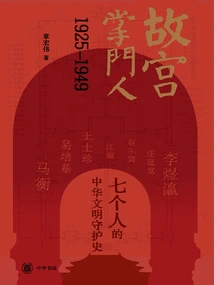
故宫掌门人(1925—1949)
Zhang Hongwei
As the imperial palace of the Ming and Qing dynasties, how did the Forbidden City evolve into the museum it is today? In the process of evolution, who is planning for its future and trying every means to preserve its cultural relics, treasures and historical relics? In that turbulent era, what history did it and its successive leaders experience and witness? This is exactly the question Zhang Hongwei, the author of this book, wants to answer. From October 23, 1924, when Feng Yuxiang launched a coup in Beijing to expel Puyi from the palace, and October 10, 1925, when the Palace Museum was established, to 1949, the precarious Forbidden City witnessed the wisdom and courage of its seven leaders, Li Yuying, Zhuang Yunkuan, Zhao Erxun, Jiang Han, Wang Shizhen, Yi Peiji, and Ma Heng. Amid the great changes in cultural politics, they and thousands of people of insight have built an impenetrable line of defense to protect the Forbidden City and China's precious cultural heritage. This book is equipped with more than 100 important and rare historical pictures, and the "Picture Description" section at the end of the book is equipped with more than 30 color pictures, presenting the splendid and long historical and cultural implications of the Forbidden City.
As the imperial palace of the Ming and Qing dynasties, how did the Forbidden City evolve into the museum it is today? In the process of evolution, who is planning for its future and trying every means to preserve its cultural relics, treasures and historical relics? In that turbulent era, what history did it and its successive leaders experience and witness? This is exactly the question Zhang Hongwei, the author of this book, wants to answer. From October 23, 1924, when Feng Yuxiang launched a coup in Beijing to expel Puyi from the palace, and October 10, 1925, when the Palace Museum was established, to 1949, the precarious Forbidden City witnessed the wisdom and courage of its seven leaders, Li Yuying, Zhuang Yunkuan, Zhao Erxun, Jiang Han, Wang Shizhen, Yi Peiji, and Ma Heng. Amid the great changes in cultural politics, they and thousands of people of insight have built an impenetrable line of defense to protect the Forbidden City and China's precious cultural heritage. This book is equipped with more than 100 important and rare historical pictures, and the "Picture Description" section at the end of the book is equipped with more than 30 color pictures, presenting the splendid and long historical and cultural implications of the Forbidden City.
汉之季:诸葛亮身后的三国
Growing Up
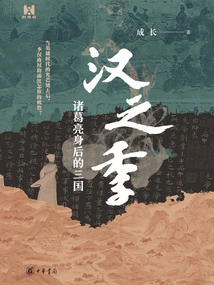
This book focuses on the Three Kingdoms after the twelfth year of the founding of the Shu Han Dynasty (234). Starting from this year, the Three Kingdoms faded away from the glory of heroes and showed the true background of history. After the three kingdoms of Wei, Shu, and Wu experienced the thorny path of the founding generation, they began to face their own difficulties: the legitimacy of the founding of the country, the transition of power between generations, the discord between the monarch and the powerful ministers, the change of military strategy, the rise of meritorious sons, the intensification of ethnic conflicts on the border, etc. Putting them in the complex relationship of conflicts, alliances, and checks and balances between the three regimes, they take on special significance. From 234 to 263, the year when the Shu Han fell, it was the "post-Zhuge Liang era" of the Shu Han for thirty years. As the weakest country among the Three Kingdoms, the Shu Han regime still maintains its tenacious vitality. The game between imperial power and prime minister power, the struggle between the "new people" and the "old people", the debate between the Northern Expedition and self-preservation, and the subtle alliance between Wu and Shu, together constitute an excellent perspective from which to observe the Three Kingdoms. Jiang Wan, Fei Yi, Jiang Wei, Wang Ping, Zhuge Zhan, Luo Xian, Chen Shou... And even the later master Liu Chan, they only really appeared in this period. Amidst the ups and downs of the Shu Han regime, there are still many intriguing stories.
This book focuses on the Three Kingdoms after the twelfth year of the founding of the Shu Han Dynasty (234). Starting from this year, the Three Kingdoms faded away from the glory of heroes and showed the true background of history. After the three kingdoms of Wei, Shu, and Wu experienced the thorny path of the founding generation, they began to face their own difficulties: the legitimacy of the founding of the country, the transition of power between generations, the discord between the monarch and the powerful ministers, the change of military strategy, the rise of meritorious sons, the intensification of ethnic conflicts on the border, etc. Putting them in the complex relationship of conflicts, alliances, and checks and balances between the three regimes, they take on special significance. From 234 to 263, the year when the Shu Han fell, it was the "post-Zhuge Liang era" of the Shu Han for thirty years. As the weakest country among the Three Kingdoms, the Shu Han regime still maintains its tenacious vitality. The game between imperial power and prime minister power, the struggle between the "new people" and the "old people", the debate between the Northern Expedition and self-preservation, and the subtle alliance between Wu and Shu, together constitute an excellent perspective from which to observe the Three Kingdoms. Jiang Wan, Fei Yi, Jiang Wei, Wang Ping, Zhuge Zhan, Luo Xian, Chen Shou... And even the later master Liu Chan, they only really appeared in this period. Amidst the ups and downs of the Shu Han regime, there are still many intriguing stories.
碑铭里的乡村社会:明清以降清水江流域的历史人类学考察
Li Bin
The manuscript uses the inscriptions in the Qingshui River Basin as the core historical data. From the perspective of communication, exchange and integration, it analyzes the relationship between immigration and social changes in the inscriptions, revealing the inner mechanism of the formation of the multi-ethnic settlement pattern of "you are among me, and you are among me"; it examines the orderly world shown in the inscriptions, and through the "gang organization", the Jiangjiang case, Jiang It analyzes the path and development process of the government and the people in establishing social order in the Qingshuijiang area, including the step-by-step system, "rock discussion", "erecting monuments for government notices" and rural public order. In addition, it outlines the "female laymen" in the inscriptions, showing the higher social activity ability of ethnic minority women and their right to share social discourse.
The manuscript uses the inscriptions in the Qingshui River Basin as the core historical data. From the perspective of communication, exchange and integration, it analyzes the relationship between immigration and social changes in the inscriptions, revealing the inner mechanism of the formation of the multi-ethnic settlement pattern of "you are among me, and you are among me"; it examines the orderly world shown in the inscriptions, and through the "gang organization", the Jiangjiang case, Jiang It analyzes the path and development process of the government and the people in establishing social order in the Qingshuijiang area, including the step-by-step system, "rock discussion", "erecting monuments for government notices" and rural public order. In addition, it outlines the "female laymen" in the inscriptions, showing the higher social activity ability of ethnic minority women and their right to share social discourse.
隆庆皇帝大传:如何躺赢
Wei Qingyuan
After being an aggrieved prince for 27 years, he unexpectedly ascended the throne at the age of 36. In just 6 years, he accomplished three major events that rewrote history - opening up the sea ban and igniting global trade (earning one-third of the world's silver), ending two hundred years of bloody war between the Ming and Mongolia (saving sky-high military expenditures), and pardoning his remonstrators to initiate reforms. However, he indulged in violent death at the peak of his power. He is the most underestimated emperor in history: he endured for half his life in exchange for the Ming Dynasty's return to glory, but he himself became the key puzzle in the dynasty's transformation from decline to prosperity.
After being an aggrieved prince for 27 years, he unexpectedly ascended the throne at the age of 36. In just 6 years, he accomplished three major events that rewrote history - opening up the sea ban and igniting global trade (earning one-third of the world's silver), ending two hundred years of bloody war between the Ming and Mongolia (saving sky-high military expenditures), and pardoning his remonstrators to initiate reforms. However, he indulged in violent death at the peak of his power. He is the most underestimated emperor in history: he endured for half his life in exchange for the Ming Dynasty's return to glory, but he himself became the key puzzle in the dynasty's transformation from decline to prosperity.
上下两万年,苍玄界通史
Fusen
"Twenty Thousand Years, A General History of the Cangxuan Realm" uses a vast time scale to unfold the magnificent civilization of the Cangxuan Realm from prehistoric chaos to star symbiosis. Starting from the spiritual tide caused by the nine-star chain, there is Dayu's wisdom in using spiritual deeds to communicate with the earth's veins when he controlled the floods, Xia Qi's ambition to establish the king's power by casting bronze cauldrons, and the shaman's tenacity in listening to the heartbeat of the earth in the mines and resisting technological alienation. When bronze and earth veins move from opposition to fusion, the spirit caster uses the instrument as a medium to connect to nature, the awakening of the instrument spirit triggers ethical speculation, and the meteorite pierces the sky bringing the legacy of the civilization of the parent star - the Yuanlings of Cangxuan Realm are always exploring: How to balance power and ethics? How do technology and nature coexist? The core of the story revolves around "inheritance" and "symbiosis": from Yuren Fengluo's persistence in guarding the spiritual plant, to the hybrid Star-Ear's responsibility to listen to the universe's early warnings with tinnitus ears; from Chixin's obsession with absolute power, to the spirit of all races building the star chain array with "silent resonance" hand in hand under the threat of the Star Eater. In the 20,000-year trajectory of civilization, the game of power is hidden in the rust of bronze, the hope of redemption grows in the cracks of the earth's veins, and the courage to continue civilization shines under the light of falling stars. This is not a simple war epic, but a hymn about "us" - regardless of race, identity, or strength, the spirits of Cangxuan Realm always seek consensus in conflicts, guard fire in destruction, and finally understand: the meaning of civilization is never to never fall, but that when falling, there are always people who are willing to light up the light for each other.
"Twenty Thousand Years, A General History of the Cangxuan Realm" uses a vast time scale to unfold the magnificent civilization of the Cangxuan Realm from prehistoric chaos to star symbiosis. Starting from the spiritual tide caused by the nine-star chain, there is Dayu's wisdom in using spiritual deeds to communicate with the earth's veins when he controlled the floods, Xia Qi's ambition to establish the king's power by casting bronze cauldrons, and the shaman's tenacity in listening to the heartbeat of the earth in the mines and resisting technological alienation. When bronze and earth veins move from opposition to fusion, the spirit caster uses the instrument as a medium to connect to nature, the awakening of the instrument spirit triggers ethical speculation, and the meteorite pierces the sky bringing the legacy of the civilization of the parent star - the Yuanlings of Cangxuan Realm are always exploring: How to balance power and ethics? How do technology and nature coexist? The core of the story revolves around "inheritance" and "symbiosis": from Yuren Fengluo's persistence in guarding the spiritual plant, to the hybrid Star-Ear's responsibility to listen to the universe's early warnings with tinnitus ears; from Chixin's obsession with absolute power, to the spirit of all races building the star chain array with "silent resonance" hand in hand under the threat of the Star Eater. In the 20,000-year trajectory of civilization, the game of power is hidden in the rust of bronze, the hope of redemption grows in the cracks of the earth's veins, and the courage to continue civilization shines under the light of falling stars. This is not a simple war epic, but a hymn about "us" - regardless of race, identity, or strength, the spirits of Cangxuan Realm always seek consensus in conflicts, guard fire in destruction, and finally understand: the meaning of civilization is never to never fall, but that when falling, there are always people who are willing to light up the light for each other.
重生成王莽的那些年
Beidou Tianlin
Not a cool article, no counterattack
Not a cool article, no counterattack
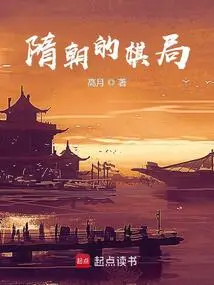
Sui Dynasty Chess Game
History隋朝的棋局
Gao Yue
The Sui Dynasty was a grand chess game with the Nine Provinces as the river and the Kunlun Mountains as the boundary. It invited chess players from all over the world to play the chess game in the world. Li Shimin was brave and decisive, cruel and ruthless. He had the ambition to conquer the world, but he had no way to reach the top. He wanted to turn his chariot into a handsome man. Dou Jiande had heaven to reward him with food, but he was imprisoned by the earth. He had a land thousands of miles away, but like Xiangzi, he could not leave a field in Hebei. Yang Xuangan was like a spearhead, sharp and powerful, calling upon the masses. Although he had the courage of chariots and horses, he had no care for fortune tellers, and was shackled by his family background. He jumped left and right, and ultimately achieved nothing. Li Mi is like a horse traveling a thousand miles in the day, serving as counselor in the court and king of Wagang at night. He has a mind of thousands of miles, but in the end he still cannot get out of the stumbling ropes he has set. Du Fuwei, Xiao Xian, Wang Shichong, Liu Wuzhou, and Master Liang all consider themselves heroic chess players, and they make a fuss about it. Everyone in this world wants to be a chess player, but everyone knows that the world is the chess player, using everything in the world as chess pieces. And Xiao Xia just wants to be a quiet pawn, a pawn who can move forward and retreat.
The Sui Dynasty was a grand chess game with the Nine Provinces as the river and the Kunlun Mountains as the boundary. It invited chess players from all over the world to play the chess game in the world. Li Shimin was brave and decisive, cruel and ruthless. He had the ambition to conquer the world, but he had no way to reach the top. He wanted to turn his chariot into a handsome man. Dou Jiande had heaven to reward him with food, but he was imprisoned by the earth. He had a land thousands of miles away, but like Xiangzi, he could not leave a field in Hebei. Yang Xuangan was like a spearhead, sharp and powerful, calling upon the masses. Although he had the courage of chariots and horses, he had no care for fortune tellers, and was shackled by his family background. He jumped left and right, and ultimately achieved nothing. Li Mi is like a horse traveling a thousand miles in the day, serving as counselor in the court and king of Wagang at night. He has a mind of thousands of miles, but in the end he still cannot get out of the stumbling ropes he has set. Du Fuwei, Xiao Xian, Wang Shichong, Liu Wuzhou, and Master Liang all consider themselves heroic chess players, and they make a fuss about it. Everyone in this world wants to be a chess player, but everyone knows that the world is the chess player, using everything in the world as chess pieces. And Xiao Xia just wants to be a quiet pawn, a pawn who can move forward and retreat.
Canglan: the Wind Rises
History苍澜:风起
Yangsu
Canglan Continent, the nine hundred and sixty-third year of the Apocalypse Calendar. The once unified Da Cang Empire has been divided into seven kingdoms, each with their own affairs and constant wars. This is a troubled time where heroes emerge in large numbers, and it is also a suffering era when people are displaced.
Canglan Continent, the nine hundred and sixty-third year of the Apocalypse Calendar. The once unified Da Cang Empire has been divided into seven kingdoms, each with their own affairs and constant wars. This is a troubled time where heroes emerge in large numbers, and it is also a suffering era when people are displaced.
大雍九皇子殿下
Kind-hearted Xiaofan
Su Yuheng, a contemporary college student, was drunk at a class reunion just after graduation and accidentally traveled across time to become His Highness the Ninth Prince of Dayong and start a legendary life!
Su Yuheng, a contemporary college student, was drunk at a class reunion just after graduation and accidentally traveled across time to become His Highness the Ninth Prince of Dayong and start a legendary life!
我在法兰西当灰衣主教
Rain Falls In The Early Morning
In France, Napoleon lost his investment power and was framed and imprisoned. Goal: Become a gray bishop of France and maintain the stability and prosperity of France. If you want to become the patron saint of France, you must first change Napoleon's stupid foreign policies and establish a new strategic framework. Madrid is our loyal little brother, Moscow is our true friend, and Prussia is the naughty bag that needs beating. As for Austria, of course it is a beaten sandbag. You ask the British? Of course, I was smiling as I watched them go crazy on the other side of the English Channel. After all, the flag of France was about to be inserted into their heart - India.
In France, Napoleon lost his investment power and was framed and imprisoned. Goal: Become a gray bishop of France and maintain the stability and prosperity of France. If you want to become the patron saint of France, you must first change Napoleon's stupid foreign policies and establish a new strategic framework. Madrid is our loyal little brother, Moscow is our true friend, and Prussia is the naughty bag that needs beating. As for Austria, of course it is a beaten sandbag. You ask the British? Of course, I was smiling as I watched them go crazy on the other side of the English Channel. After all, the flag of France was about to be inserted into their heart - India.
穿越,我只想当咸鱼
Nono Loves Snacks
Come to China Literature's website to read more of my works!
Come to China Literature's website to read more of my works!
回明争霸录
Bohai County Duke
In troubled times, the most meaningful way to survive is to participate in the struggle for hegemony. Use the sword in your hand and the BMW on your crotch to conquer arbitrarily. Blood flowed through the temples, corpses stepped under the horse's hooves, and he raised his arms and shouted, "This is my world."
In troubled times, the most meaningful way to survive is to participate in the struggle for hegemony. Use the sword in your hand and the BMW on your crotch to conquer arbitrarily. Blood flowed through the temples, corpses stepped under the horse's hooves, and he raised his arms and shouted, "This is my world."
Counting Famous People
History数风流人物
Reagan
Rui Gen's late Ming Dynasty + Red Mansions semi-imaginary historical officialdom development story is definitely interesting! The second year of Yonglong in the Great Zhou Dynasty. Hidden worries in prosperous times. The four princes and eight princes are decorated with flowers and brocade, and the civil servants and generals are cooking oil in the fire. Inside, there are civil and military parties from the north and the south fighting endlessly, and outside, there are pirates and bandits from nine borders and seas. This is the best of times and the worst of times. The key is how to grasp it when you are in it. Be brave and diligent, and have tireless aspirations. Let's see how I can set the trend and turn the world upside down! This is a historical officialdom development article. Brothers, please support me. Reagan's die-hard book club: 581470234
Rui Gen's late Ming Dynasty + Red Mansions semi-imaginary historical officialdom development story is definitely interesting! The second year of Yonglong in the Great Zhou Dynasty. Hidden worries in prosperous times. The four princes and eight princes are decorated with flowers and brocade, and the civil servants and generals are cooking oil in the fire. Inside, there are civil and military parties from the north and the south fighting endlessly, and outside, there are pirates and bandits from nine borders and seas. This is the best of times and the worst of times. The key is how to grasp it when you are in it. Be brave and diligent, and have tireless aspirations. Let's see how I can set the trend and turn the world upside down! This is a historical officialdom development article. Brothers, please support me. Reagan's die-hard book club: 581470234
Zhongnan Discussing Taoism
History终南论道
Qingxiao Xianzong
Come to China Literature's website to read more of my works!
Come to China Literature's website to read more of my works!
Urgent Express Delivery
History快件急脚递
I Don't Know Much About Writing
Come to China Literature's website to read more of my works!
Come to China Literature's website to read more of my works!
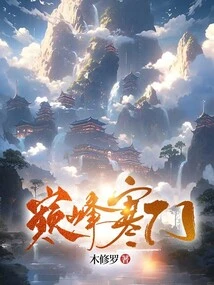
Peak Humble Family
History巅峰寒门
Musura
Traveling through ancient times, he became an extremely poor scholar, with a beautiful daughter-in-law and two huts. What should you do if you are so poor that you can't even put food on the table? Lin Hai used knowledge to solve the problem easily, and his life became more and more prosperous. Being appreciated by the nobles is just the beginning. He is in the court and has power in the government and the public. Powerful officials and corrupt officials were wiped out. If the enemy country dares to start a war, you will never come back...
Traveling through ancient times, he became an extremely poor scholar, with a beautiful daughter-in-law and two huts. What should you do if you are so poor that you can't even put food on the table? Lin Hai used knowledge to solve the problem easily, and his life became more and more prosperous. Being appreciated by the nobles is just the beginning. He is in the court and has power in the government and the public. Powerful officials and corrupt officials were wiped out. If the enemy country dares to start a war, you will never come back...
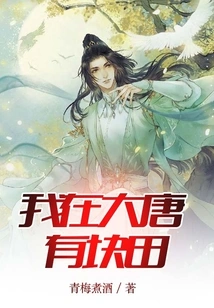
我在大唐有块田
Green Plum Wine
When Muchen woke up, he found that he had arrived during the Zhenguan period of the Tang Dynasty. But unexpectedly got a 'farmland' system. [Farm Level 1: Can produce potatoes, radishes, sweet potatoes, and soybeans] [Pasture Level 1: Can produce chickens, ducks, and hares] [Fish Pond Level 1: Can produce carp, yellow fish] [Orchard Level 1: Can produce apples, white pears] [Hero Tomb Level 1: Can summon Yanyun Eighteen Cavalry, Xiang Yu, Zhao Yun, Zhang Fei, Guan Yu and other fighting spirits]
When Muchen woke up, he found that he had arrived during the Zhenguan period of the Tang Dynasty. But unexpectedly got a 'farmland' system. [Farm Level 1: Can produce potatoes, radishes, sweet potatoes, and soybeans] [Pasture Level 1: Can produce chickens, ducks, and hares] [Fish Pond Level 1: Can produce carp, yellow fish] [Orchard Level 1: Can produce apples, white pears] [Hero Tomb Level 1: Can summon Yanyun Eighteen Cavalry, Xiang Yu, Zhao Yun, Zhang Fei, Guan Yu and other fighting spirits]
我也不想努力,但我姐是宠妃啊!
Mad Potatoes
After traveling through time, I wanted to be a flat fish. Indulge in experiencing the life of a playboy in heaven and earth, But my beloved sister always writes letters and cries miserably. Yes, every time traveler can lie down!
After traveling through time, I wanted to be a flat fish. Indulge in experiencing the life of a playboy in heaven and earth, But my beloved sister always writes letters and cries miserably. Yes, every time traveler can lie down!
霸宋,请陛下逊位
Confused Little Lamb
At the time of the Jingkang Rebellion, the Central Plains was in turmoil and China was sinking. Who could turn the tide? Under the city of Bianjing, who is shouting "Han'er has the talent"? In the Chongzheng Hall, who is shouting "Your Majesty, please abdicate"? Zhao Ji, Zhao Huan, and Zhao Gou, father and son, are all stupid and incompetent. The Zhao and Song officials are not worthy of owning this great country, so are they going to hand over the world to the Jurchens? At this time, Zhongshi Dao and Zongze were old, Jin Wushu and Nianhan were high-spirited, and Yue Fei and Han Shizhong were unknown. The Jurchens rose from the white mountains and black waters, destroyed the Liao Kingdom with their might, drank from the Yellow River, and sounded the death knell for the glorious Song Dynasty. When the mountains and rivers are shattered, let's see how the time traveler Guo Xiaogong turns things around step by step, holds the sky with one hand, and ascends to the top of power! ... Guo Xiaogong: The empress dowager and emperor concubine of Song Dynasty, the queen, princess and princess of Jin Dynasty, the empress dowager and princess of Liao Kingdom and Xixia are all mine. I not only want your women, but also your land, families, and wealth. Wherever the rivers reach and where the sun and moon shine are all my territory!
At the time of the Jingkang Rebellion, the Central Plains was in turmoil and China was sinking. Who could turn the tide? Under the city of Bianjing, who is shouting "Han'er has the talent"? In the Chongzheng Hall, who is shouting "Your Majesty, please abdicate"? Zhao Ji, Zhao Huan, and Zhao Gou, father and son, are all stupid and incompetent. The Zhao and Song officials are not worthy of owning this great country, so are they going to hand over the world to the Jurchens? At this time, Zhongshi Dao and Zongze were old, Jin Wushu and Nianhan were high-spirited, and Yue Fei and Han Shizhong were unknown. The Jurchens rose from the white mountains and black waters, destroyed the Liao Kingdom with their might, drank from the Yellow River, and sounded the death knell for the glorious Song Dynasty. When the mountains and rivers are shattered, let's see how the time traveler Guo Xiaogong turns things around step by step, holds the sky with one hand, and ascends to the top of power! ... Guo Xiaogong: The empress dowager and emperor concubine of Song Dynasty, the queen, princess and princess of Jin Dynasty, the empress dowager and princess of Liao Kingdom and Xixia are all mine. I not only want your women, but also your land, families, and wealth. Wherever the rivers reach and where the sun and moon shine are all my territory!
穿越三国气运之子
Night Wind Dead Fish
A young man, Zhou Ling, accidentally traveled through Dunhuang. After waking up, I found that it was Guanghe who was three years old and pregnant with a jade pendant. Watch me apprentice to the Spear King, wear the Yellow Turban, and defeat the heroes. Become the master of ZTE. This book has some magical modifications, (if you mind, you can consider it.)
A young man, Zhou Ling, accidentally traveled through Dunhuang. After waking up, I found that it was Guanghe who was three years old and pregnant with a jade pendant. Watch me apprentice to the Spear King, wear the Yellow Turban, and defeat the heroes. Become the master of ZTE. This book has some magical modifications, (if you mind, you can consider it.)
大明文抄公
Didi Dada
I wanted to make a fortune by copying books, but unexpectedly Jin Yiwei broke into the door in the middle of the night. Zhang Xiao: "I just copied "The Legend of the Condor Heroes", "The Legend of the Condor Heroes" and "The Song of Cid". Can I commit such a big battle?" Emperor Wanli: "I don't know whether this person is a great talent or a traitor. Let's make him an official first and put him under our noses." At this moment, the fate of the Ming Dynasty began to change differently.
I wanted to make a fortune by copying books, but unexpectedly Jin Yiwei broke into the door in the middle of the night. Zhang Xiao: "I just copied "The Legend of the Condor Heroes", "The Legend of the Condor Heroes" and "The Song of Cid". Can I commit such a big battle?" Emperor Wanli: "I don't know whether this person is a great talent or a traitor. Let's make him an official first and put him under our noses." At this moment, the fate of the Ming Dynasty began to change differently.
大唐:皇兄为何总针对我
Is It Snowing In Chang'an Today?
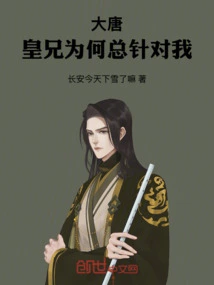
The wind in Chang'an always carries some inexplicable meaning. Li Chen, a high school student in the 22nd century, time-traveled into the body of Li Tai, the fourth son of Emperor Taizong of the Tang Dynasty and King of Wei due to an accident. Prince Li Chengqian of the Eastern Palace and King Li Tai of Wei, brothers from the same mother, were supposed to be the closest people, but in the shadow of the imperial power, they became the most special existence to each other. Li Chengqian was burdened with the shackles of the crown prince, walking with difficulty, and the edges of his body were worn away by etiquette and expectations; Li Tai was like a ball of fire, talented but hiding an unknown stubbornness, and his eyes always followed the seemingly calm brother unconsciously. The palace wall is towering, separating the world from the world, but it also blocks the constant undercurrent of ties. It's the temptation and concern hidden under the guise of brotherhood; it's the unspeakable protection hidden in the disputes over political differences. They are rivals, relatives, and inevitable fates in each other's lives. When the chess game of power gradually tightens, when the feelings in the heart quietly grow, what choice will the brothers in the center of the whirlpool make in the sunset of Chang'an? Their story is an obscure footnote in royal secrets, hiding both tenderness and sighs. "Brother, why don't you obey my father's will?" "Qingque, I've had enough of pretending. Starting today, I don't want to pretend anymore! I want to be the real Li Chengqian and not be bound by these corrupt rules!" "Brother Chengqian... Chengqian, what do you want?" "What do you want? What you want is freedom, not the... So-called imperial power you mentioned!" "I don't care if I don't want this position of prince!"
The wind in Chang'an always carries some inexplicable meaning. Li Chen, a high school student in the 22nd century, time-traveled into the body of Li Tai, the fourth son of Emperor Taizong of the Tang Dynasty and King of Wei due to an accident. Prince Li Chengqian of the Eastern Palace and King Li Tai of Wei, brothers from the same mother, were supposed to be the closest people, but in the shadow of the imperial power, they became the most special existence to each other. Li Chengqian was burdened with the shackles of the crown prince, walking with difficulty, and the edges of his body were worn away by etiquette and expectations; Li Tai was like a ball of fire, talented but hiding an unknown stubbornness, and his eyes always followed the seemingly calm brother unconsciously. The palace wall is towering, separating the world from the world, but it also blocks the constant undercurrent of ties. It's the temptation and concern hidden under the guise of brotherhood; it's the unspeakable protection hidden in the disputes over political differences. They are rivals, relatives, and inevitable fates in each other's lives. When the chess game of power gradually tightens, when the feelings in the heart quietly grow, what choice will the brothers in the center of the whirlpool make in the sunset of Chang'an? Their story is an obscure footnote in royal secrets, hiding both tenderness and sighs. "Brother, why don't you obey my father's will?" "Qingque, I've had enough of pretending. Starting today, I don't want to pretend anymore! I want to be the real Li Chengqian and not be bound by these corrupt rules!" "Brother Chengqian... Chengqian, what do you want?" "What do you want? What you want is freedom, not the... So-called imperial power you mentioned!" "I don't care if I don't want this position of prince!"
Horses Trampling the Palace
History马踏宫庭
Writer Ytyq5b
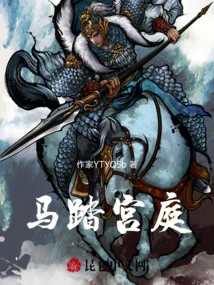
Come to China Literature's website to read more of my works!
Come to China Literature's website to read more of my works!
计灭六国!你管这叫无用书生?
Ink Dyes Qinghui
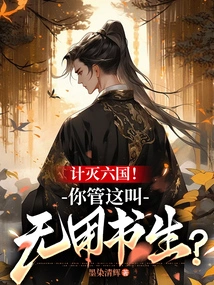
Luo Xiao accidentally traveled to the Daning Dynasty. His mother died early, and he met his father whose engagement was broken off at the beginning. As a filial son, Luo Xiao kindly comforted you: "Dad, isn't it just that the engagement was annulled? Don't be so sad. At worst, I will marry you more daughters-in-law to honor you..."
Luo Xiao accidentally traveled to the Daning Dynasty. His mother died early, and he met his father whose engagement was broken off at the beginning. As a filial son, Luo Xiao kindly comforted you: "Dad, isn't it just that the engagement was annulled? Don't be so sad. At worst, I will marry you more daughters-in-law to honor you..."
前浪后浪:近代中国知识分子的精神世界
Xu Jilin
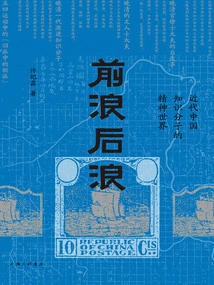
"The Waves Before and After", flying over a hundred years, starts anew on the historical extension of the previous brother book "Pulsing China", continues to explore the spiritual roots of contemporary Chinese people, focuses on case studies of the mental journeys of hundreds of intellectual elites, and pays attention to our China in the past hundred years. Without the late Qing Dynasty, there would be no May Fourth Movement; without the May Fourth Movement, how would there be a revolution? Many of the secrets of the Chinese revolution can be traced back to the radical intellectuals of the late Qing Dynasty. Throughout the history of modern Chinese intellectuals, we can see two lines, three generational changes and four internal divisions. In a sense, the changing times and internal differentiation of modern Chinese intellectuals reflect the depth and breadth of their inner spiritual world, as well as the richness and complexity of the historical world of modern China.
"The Waves Before and After", flying over a hundred years, starts anew on the historical extension of the previous brother book "Pulsing China", continues to explore the spiritual roots of contemporary Chinese people, focuses on case studies of the mental journeys of hundreds of intellectual elites, and pays attention to our China in the past hundred years. Without the late Qing Dynasty, there would be no May Fourth Movement; without the May Fourth Movement, how would there be a revolution? Many of the secrets of the Chinese revolution can be traced back to the radical intellectuals of the late Qing Dynasty. Throughout the history of modern Chinese intellectuals, we can see two lines, three generational changes and four internal divisions. In a sense, the changing times and internal differentiation of modern Chinese intellectuals reflect the depth and breadth of their inner spiritual world, as well as the richness and complexity of the historical world of modern China.