Library
Browse and search books
51,874 novels found
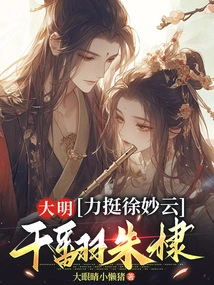
大明:力挺徐妙云,干翻朱棣
Little Lazy Pig With Big Eyes
Traveling through the Ming Dynasty, I picked up a beautiful woman who had escaped from marriage to be my wife. What? My child is two years old, and you told me that your love rival is Zhu Di? You just won the Northern Expedition and you want to come back to settle the score with me? Zhu Laosi, right? My father-in-law and uncle are not ordinary people. You dare to touch me? Zhu Di: Your father-in-law Xu Da? Uncle-in-law Xu Huizu? They dare not stop me from beating you! Zhu Yuanzhang: Who dares to touch my son-in-law? Zhu Biao: Fourth brother, would you like to try? This is my most beloved brother-in-law! Zhu Di: Father? Big brother? Why are you? What's going on? Isn't he the one who kidnapped Xu Miaoyun? Why is he the son-in-law of my Zhu family?
Traveling through the Ming Dynasty, I picked up a beautiful woman who had escaped from marriage to be my wife. What? My child is two years old, and you told me that your love rival is Zhu Di? You just won the Northern Expedition and you want to come back to settle the score with me? Zhu Laosi, right? My father-in-law and uncle are not ordinary people. You dare to touch me? Zhu Di: Your father-in-law Xu Da? Uncle-in-law Xu Huizu? They dare not stop me from beating you! Zhu Yuanzhang: Who dares to touch my son-in-law? Zhu Biao: Fourth brother, would you like to try? This is my most beloved brother-in-law! Zhu Di: Father? Big brother? Why are you? What's going on? Isn't he the one who kidnapped Xu Miaoyun? Why is he the son-in-law of my Zhu family?
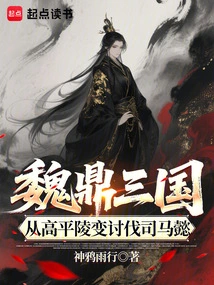
魏鼎三国,从高平陵变讨伐司马懿
Shencrow Yuxing
People believe in dreams. Cao Cao had a dream and three horses swallowed him, and his whole life was just in his arms. Cao Xi also had a dream, traveling back in time to the first ten years of the Wei Dynasty and becoming the adopted heir of General Cao Shuang. Now is the turning point of the Wei Dynasty's evolution from prosperity. If he cannot save himself, he will be transformed into six cold words in history books: "All of them will be killed, the three tribes of Yi" If he wants to survive, the first step is to prevent Sima Yi from succeeding in his coup, and then the aristocratic family, clan, Sun Liu, Wuhu, and Southwestern Yi... Many years later, when Emperor Xuanwu of Wei rebuilt the Wei Ding, he felt no disturbance in his heart. Instead, he often recalled a passage in "Han Feizi: The Lord of the People": The reason why the master is in danger and the country is in danger is that the ministers are too noble and the left and right are too powerful. "The Book of Wei: The Chronicles of Emperor Xuanwu" records: "The Wei Dynasty is virtuous. Weijiahai, all the barbarians surrendered, and the nine states of the world were newly established. The water and soil were used to recast the Cao Wei Jiuding, and it was forever in the country.
People believe in dreams. Cao Cao had a dream and three horses swallowed him, and his whole life was just in his arms. Cao Xi also had a dream, traveling back in time to the first ten years of the Wei Dynasty and becoming the adopted heir of General Cao Shuang. Now is the turning point of the Wei Dynasty's evolution from prosperity. If he cannot save himself, he will be transformed into six cold words in history books: "All of them will be killed, the three tribes of Yi" If he wants to survive, the first step is to prevent Sima Yi from succeeding in his coup, and then the aristocratic family, clan, Sun Liu, Wuhu, and Southwestern Yi... Many years later, when Emperor Xuanwu of Wei rebuilt the Wei Ding, he felt no disturbance in his heart. Instead, he often recalled a passage in "Han Feizi: The Lord of the People": The reason why the master is in danger and the country is in danger is that the ministers are too noble and the left and right are too powerful. "The Book of Wei: The Chronicles of Emperor Xuanwu" records: "The Wei Dynasty is virtuous. Weijiahai, all the barbarians surrendered, and the nine states of the world were newly established. The water and soil were used to recast the Cao Wei Jiuding, and it was forever in the country.
Iceman's Red Star
History冰士的红星
Happo Five And
Come to China Literature's website to read more of my works!
Come to China Literature's website to read more of my works!
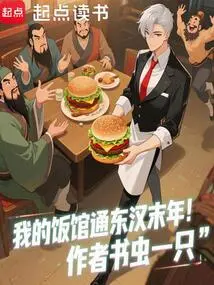
我的饭馆通东汉末年!
A Bookworm
"Restaurant, today is a big day for me, Cao Mengde, to study at Imperial College. Please bring out the good wine and food as soon as possible. I want to celebrate!" "Welcome, I wonder what you would like to eat. This is the menu." Cao Cao looked at the exquisite pictures on the menu and was almost speechless in surprise. "I think the Tongyi brand Laotan pickled cabbage beef noodles is extremely tempting, so this is it!" Ever since Liu Pleiades opened the door to the three years of Yanxi in the Eastern Han Dynasty, his life had changed. Later generations' "Food and Goods Chronicles? New Examination of Markets and Stores" recorded: In the summer of the third year of Yanxi's reign, strange things suddenly appeared in the southern city of Luodu, and everyone called them strange. The building is two feet high, with eaves and corners shaped like flying birds. It is covered with glazed tiles and reflects the sun like red jade clouds. The people in the city were surprised and said: "This is not a structure of earth and wood, but a collection of ingenuity from all over the world!" The layout of the restaurant is different, not like a regular restaurant. The stove is not built with bricks and stones, but with fine iron as the chamber, with a mysterious tube at the bottom. The blazing fire comes out and boils in an instant! There are many strange utensils on the table, including a rotating copper cauldron for cooking, and an ice box for storing fresh and incorruptible items, all of which are beyond the reach of manpower. The food sold combines the treasures of the north and the south, as well as the flavors of the Hu and Han Dynasties. There are pancakes rolled with grilled meat, called "hamburgers", with cotton-like bread, filled with fried beef breasts, and sour vegetables, which are full of flavors; there are also round pancakes covered with cheese and fresh fruits, and the aroma spreads for miles after being grilled, called "pizza". Also prepare "Cola" and "Milk Tea" drinks. The former is sweet and refreshing, while the latter has the flavor of frankincense tea. The owner of the restaurant made a rule: "The price is clear on the wall, and no one can be deceived." And set up elegant seats, equipped with pen, ink, paper and inkstone, diners can write at the window, write poems on the wall, or draw pictures of food, which has become a Luodu trend!
"Restaurant, today is a big day for me, Cao Mengde, to study at Imperial College. Please bring out the good wine and food as soon as possible. I want to celebrate!" "Welcome, I wonder what you would like to eat. This is the menu." Cao Cao looked at the exquisite pictures on the menu and was almost speechless in surprise. "I think the Tongyi brand Laotan pickled cabbage beef noodles is extremely tempting, so this is it!" Ever since Liu Pleiades opened the door to the three years of Yanxi in the Eastern Han Dynasty, his life had changed. Later generations' "Food and Goods Chronicles? New Examination of Markets and Stores" recorded: In the summer of the third year of Yanxi's reign, strange things suddenly appeared in the southern city of Luodu, and everyone called them strange. The building is two feet high, with eaves and corners shaped like flying birds. It is covered with glazed tiles and reflects the sun like red jade clouds. The people in the city were surprised and said: "This is not a structure of earth and wood, but a collection of ingenuity from all over the world!" The layout of the restaurant is different, not like a regular restaurant. The stove is not built with bricks and stones, but with fine iron as the chamber, with a mysterious tube at the bottom. The blazing fire comes out and boils in an instant! There are many strange utensils on the table, including a rotating copper cauldron for cooking, and an ice box for storing fresh and incorruptible items, all of which are beyond the reach of manpower. The food sold combines the treasures of the north and the south, as well as the flavors of the Hu and Han Dynasties. There are pancakes rolled with grilled meat, called "hamburgers", with cotton-like bread, filled with fried beef breasts, and sour vegetables, which are full of flavors; there are also round pancakes covered with cheese and fresh fruits, and the aroma spreads for miles after being grilled, called "pizza". Also prepare "Cola" and "Milk Tea" drinks. The former is sweet and refreshing, while the latter has the flavor of frankincense tea. The owner of the restaurant made a rule: "The price is clear on the wall, and no one can be deceived." And set up elegant seats, equipped with pen, ink, paper and inkstone, diners can write at the window, write poems on the wall, or draw pictures of food, which has become a Luodu trend!
History buffs reborn Shimazu Yoshihisa.
大唐:我被李二偷听心声!
Baoduoduo
Travel through the Tang Dynasty and become Li Siwen, the eldest son of British Duke Li Ji! As an out-and-out second generation, Li Siwen just lays down and makes salted fish. Unexpectedly, Li Er heard his voice! [Li Er, this stick, your son will rebel against Hou Junji! ][Li Er, what are you writing about? If you want to fight the Turks, go quickly. I bet you will win! ][You want me to be your consort? Pull it down, Li Er, I don't like your daughter! ]Li Shimin: Brat, don't tell me half of what you have! Li Ji: Son, His Majesty values you so much, you must serve the country with loyalty! Li Siwen: Dad, I really just want to be a salted fish!
Travel through the Tang Dynasty and become Li Siwen, the eldest son of British Duke Li Ji! As an out-and-out second generation, Li Siwen just lays down and makes salted fish. Unexpectedly, Li Er heard his voice! [Li Er, this stick, your son will rebel against Hou Junji! ][Li Er, what are you writing about? If you want to fight the Turks, go quickly. I bet you will win! ][You want me to be your consort? Pull it down, Li Er, I don't like your daughter! ]Li Shimin: Brat, don't tell me half of what you have! Li Ji: Son, His Majesty values you so much, you must serve the country with loyalty! Li Siwen: Dad, I really just want to be a salted fish!

红楼之西楚霸王模板,我打穿时代
Fish And Fishing And Surplus
Modern young man Zhang Cheng accidentally traveled into a body that was seriously injured and died. When he was about to die, the system was activated and he obtained the template of the Overlord of Western Chu and inherited it all. Once you've come, let's make peace with it. In this world, there are warriors who unleash their blood and energy, and there are warlocks who invisibly hurt others. With the Overlord template and a system that recruits troops through killing, Zhang Cheng decided to give the wild boar skin in Liaodong and all the forces in this era what it means to have unparalleled power throughout the ages. As he was beating and beating, Zhang Cheng realized something was wrong. Do you have a married fiancée? His name is Qin Keqing, and he hates taking away his wife. He can only be relieved by destroying his family and taking his wife and daughter as slaves. Is Jia She from Rongguo Mansion his uncle? Is Jia Lian his cousin? Is Wang Xifeng my cousin-in-law? There are no men in Rongguo Mansion who can do the work for him. The front edge of wood and stone, the good relationship of gold and jade, are all not as good as sleeping together under the blanket. Drunk, he lies on the knees of a beautiful woman. When he wakes up, he wields a murderous halberd. The introduction is too weak, so please read it and move on to the main text. .....
Modern young man Zhang Cheng accidentally traveled into a body that was seriously injured and died. When he was about to die, the system was activated and he obtained the template of the Overlord of Western Chu and inherited it all. Once you've come, let's make peace with it. In this world, there are warriors who unleash their blood and energy, and there are warlocks who invisibly hurt others. With the Overlord template and a system that recruits troops through killing, Zhang Cheng decided to give the wild boar skin in Liaodong and all the forces in this era what it means to have unparalleled power throughout the ages. As he was beating and beating, Zhang Cheng realized something was wrong. Do you have a married fiancée? His name is Qin Keqing, and he hates taking away his wife. He can only be relieved by destroying his family and taking his wife and daughter as slaves. Is Jia She from Rongguo Mansion his uncle? Is Jia Lian his cousin? Is Wang Xifeng my cousin-in-law? There are no men in Rongguo Mansion who can do the work for him. The front edge of wood and stone, the good relationship of gold and jade, are all not as good as sleeping together under the blanket. Drunk, he lies on the knees of a beautiful woman. When he wakes up, he wields a murderous halberd. The introduction is too weak, so please read it and move on to the main text. .....
水浒:曹操穿越小温侯
I Am Takejiro
Simon the traitor, I want to teach you how to give a golden dog as a slave, The valley cracked and died! This is the case for me, Cao Ah Man. In the previous life, the Three Kingdoms returned to Jin, In this life, the surname of Song Dynasty is Cao. Not afraid of being struck by lightning when traveling through time, I am the only hero.
Simon the traitor, I want to teach you how to give a golden dog as a slave, The valley cracked and died! This is the case for me, Cao Ah Man. In the previous life, the Three Kingdoms returned to Jin, In this life, the surname of Song Dynasty is Cao. Not afraid of being struck by lightning when traveling through time, I am the only hero.
我在隋唐做枭雄
White Four Black
Li Shaogong, who was injured and discharged from the army, traveled to the end of the Sui Dynasty and the beginning of the Tang Dynasty, when the world was in chaos, demons were dancing, and heroes emerged in large numbers! Wagangzhai! Juyi Hall! Li Shaogong slowly stood up from his seat: "Since you want to weigh my weight, I can't refuse. Where are Shan Xiongxin, Qin Qiong, Cheng Yaojin, and Luo Shixin?" The four of them stood up from their seats. "Since you want to have fun, the four of you can come together!" The heroes were stunned on the spot. A pin drop could be heard in the hall. Everyone seemed not to believe their ears: What? He wants to fight Si Ying? Shan Xiongxin snorted coldly: "General Li, please stop joking." "What? Are you scared?" Li Shaogong smiled broadly, finally finding an excuse to beat them up. "Pick up your horses, maces, axes, and spears, and come and hit me." "What weapon do you use?" "Me?" Li Shaogong clenched the wooden stick and said to himself: "It's a little heavy, so I'd better use some strength later!" The eyes of the four heroes were about to split, and the heroes were petrified on the spot...
Li Shaogong, who was injured and discharged from the army, traveled to the end of the Sui Dynasty and the beginning of the Tang Dynasty, when the world was in chaos, demons were dancing, and heroes emerged in large numbers! Wagangzhai! Juyi Hall! Li Shaogong slowly stood up from his seat: "Since you want to weigh my weight, I can't refuse. Where are Shan Xiongxin, Qin Qiong, Cheng Yaojin, and Luo Shixin?" The four of them stood up from their seats. "Since you want to have fun, the four of you can come together!" The heroes were stunned on the spot. A pin drop could be heard in the hall. Everyone seemed not to believe their ears: What? He wants to fight Si Ying? Shan Xiongxin snorted coldly: "General Li, please stop joking." "What? Are you scared?" Li Shaogong smiled broadly, finally finding an excuse to beat them up. "Pick up your horses, maces, axes, and spears, and come and hit me." "What weapon do you use?" "Me?" Li Shaogong clenched the wooden stick and said to himself: "It's a little heavy, so I'd better use some strength later!" The eyes of the four heroes were about to split, and the heroes were petrified on the spot...
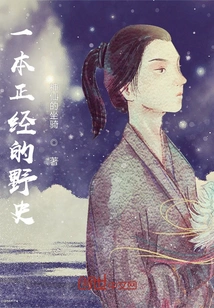
A Serious Unofficial History
History一本正经的野史
Fairy's Mount
The spiritual adventure of an ancient radio-type boy. A history of the fusion of martial arts and steam.
The spiritual adventure of an ancient radio-type boy. A history of the fusion of martial arts and steam.
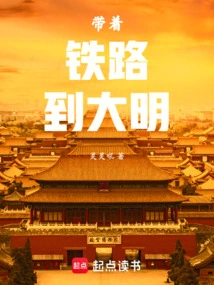
Take the Railway to Daming
History带着铁路到大明
Lingling Roar
Liu Kuan, together with the Yangtze River Bridge and the Beijing-Shanghai Railway, traveled to the Ming Dynasty in the 14th year of Hongwu. From then on, the Ming Dynasty embarked on another road, a broad road leading to the empire on which the sun never sets! ··· Zhu Yuanzhang: Liu Kuan is not only our good son-in-law, but also the best Grand Sikong and Bachelor of Ming Dynasty. Zhu Biao: Liu Kuan is not only my good brother-in-law, but also the life-sustaining star of my family and the pillar of my Ming Dynasty! Zhu Xiongying: Liu Kuan is not only my good uncle, but also the founder of our Ming Empire. He is also a legendary imperial master who is destined to leave his name in history! ······ Liu Kuan: When I came here, I not only witnessed history, but also created history. ······ [There are two complete Ming history novels, readers are welcome to read them. The new book needs support for collection and reading, please help me friends!
Liu Kuan, together with the Yangtze River Bridge and the Beijing-Shanghai Railway, traveled to the Ming Dynasty in the 14th year of Hongwu. From then on, the Ming Dynasty embarked on another road, a broad road leading to the empire on which the sun never sets! ··· Zhu Yuanzhang: Liu Kuan is not only our good son-in-law, but also the best Grand Sikong and Bachelor of Ming Dynasty. Zhu Biao: Liu Kuan is not only my good brother-in-law, but also the life-sustaining star of my family and the pillar of my Ming Dynasty! Zhu Xiongying: Liu Kuan is not only my good uncle, but also the founder of our Ming Empire. He is also a legendary imperial master who is destined to leave his name in history! ······ Liu Kuan: When I came here, I not only witnessed history, but also created history. ······ [There are two complete Ming history novels, readers are welcome to read them. The new book needs support for collection and reading, please help me friends!
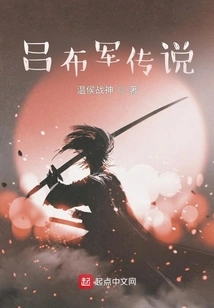
The Legend of Lu Bujun
History吕布军传说
Wen Hou God Of War
He is an ordinary person from the 21st century who was forced to come to the end of the Eastern Han Dynasty due to accidental factors. He witnessed with his own eyes the life of Lu Bu, who was called the legendary tiger by Chen Shou. He wanted to single-handedly change the tragic ending of Lu Bu and his men. Little did he know that his own strength could not reverse the tragic fate of Lu Bu and even the entire army. But when everything became a foregone conclusion, he was very happy because he gained an unforgettable memory. It has nothing to do with success or failure. The winners are princes and the losers are not bandits.
He is an ordinary person from the 21st century who was forced to come to the end of the Eastern Han Dynasty due to accidental factors. He witnessed with his own eyes the life of Lu Bu, who was called the legendary tiger by Chen Shou. He wanted to single-handedly change the tragic ending of Lu Bu and his men. Little did he know that his own strength could not reverse the tragic fate of Lu Bu and even the entire army. But when everything became a foregone conclusion, he was very happy because he gained an unforgettable memory. It has nothing to do with success or failure. The winners are princes and the losers are not bandits.
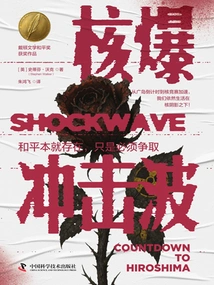
Nuclear Explosion Shock Wave
History核爆冲击波
(uk) Stephen Walker
On August 6, 1945, an atomic bomb known as "Little Boy" was dropped from an American aircraft on Hiroshima, Japan. On this day, this prosperous city with a population of 300,000 suffered an unprecedented fire storm. One-third of the population died, buildings were burned, and bustling markets were reduced to ashes. But this was not the end of the war, but the terrible dawn of the atomic age. What followed was decades of paranoia, suspicion, and the ultimate fear of humanity's self-destruction, shock waves that continue to this day. In "Shock Waves", the outstanding director Stephen Walker panoramically reproduces the thrilling 21 days before the atomic bomb exploded in Hiroshima and the 18 hours after the explosion. This is a direct and dangerous drama. Walker turns history into a suffocating heartbeat, and objectively presents the shocking collision of technology, military and civilian destiny with a narrative like a movie lens. You will travel between the memories of scientists, bomber crew members, and Japanese soldiers and civilians who participated in the development of the atomic bomb. Together with the characters in the book, you will experience the long 30 minutes, 3 minutes, and 45 seconds before the nuclear explosion, and witness the tragedy after the explosion with the survivors. Shapes: Corpses that have been charred to the point of being out of shape, fire storms that sweep across everything, "walking zombies" whose bodies are so charred that they can no longer tell whether they are male or female... "Nuclear Explosion Shock Wave" is not about telling history, but taking you into history and experiencing the moment before the world changes. This history must be retold so that its terrible lessons are never forgotten.
On August 6, 1945, an atomic bomb known as "Little Boy" was dropped from an American aircraft on Hiroshima, Japan. On this day, this prosperous city with a population of 300,000 suffered an unprecedented fire storm. One-third of the population died, buildings were burned, and bustling markets were reduced to ashes. But this was not the end of the war, but the terrible dawn of the atomic age. What followed was decades of paranoia, suspicion, and the ultimate fear of humanity's self-destruction, shock waves that continue to this day. In "Shock Waves", the outstanding director Stephen Walker panoramically reproduces the thrilling 21 days before the atomic bomb exploded in Hiroshima and the 18 hours after the explosion. This is a direct and dangerous drama. Walker turns history into a suffocating heartbeat, and objectively presents the shocking collision of technology, military and civilian destiny with a narrative like a movie lens. You will travel between the memories of scientists, bomber crew members, and Japanese soldiers and civilians who participated in the development of the atomic bomb. Together with the characters in the book, you will experience the long 30 minutes, 3 minutes, and 45 seconds before the nuclear explosion, and witness the tragedy after the explosion with the survivors. Shapes: Corpses that have been charred to the point of being out of shape, fire storms that sweep across everything, "walking zombies" whose bodies are so charred that they can no longer tell whether they are male or female... "Nuclear Explosion Shock Wave" is not about telling history, but taking you into history and experiencing the moment before the world changes. This history must be retold so that its terrible lessons are never forgotten.
大明摄政:某乃忠臣
Weeping Willow Huansha
Travel back to the Ming Dynasty, to the forty-seventh year of Wanli! He actually became the rising star of the "Zhejiang Party"? ! In a few years, wouldn't it mean that he would become an eunuch out of nowhere? A quick calculation shows that there are only eight years left before Chongzhen comes to power... The great future of being surrendered to the army and beheaded is really waiting for you! Just look at how the seeds of the Zhejiang Party can subvert common sense and turn things around! In the end, he became the most powerful minister and became the first real regent of the Ming Dynasty! Since then, a whole new world has been created!
Travel back to the Ming Dynasty, to the forty-seventh year of Wanli! He actually became the rising star of the "Zhejiang Party"? ! In a few years, wouldn't it mean that he would become an eunuch out of nowhere? A quick calculation shows that there are only eight years left before Chongzhen comes to power... The great future of being surrendered to the army and beheaded is really waiting for you! Just look at how the seeds of the Zhejiang Party can subvert common sense and turn things around! In the end, he became the most powerful minister and became the first real regent of the Ming Dynasty! Since then, a whole new world has been created!
大唐最强男人之财貌双全
Literary Genre
Come to China Literature's website to read more of my works!
Come to China Literature's website to read more of my works!
从建宁王李倓开始再造盛唐
New Year Tea
Four months before the Anshi Rebellion, a modern soul traveled to the body of Li Tan, the third son of Prince Li Heng, the grandson of Emperor Xuanzong. Facing the Tang Dynasty, which was about to fall apart and go downhill, he had to take action to let himself survive and let the Tang Dynasty survive... When the 500 elite members of Shuofang's army appeared on the outskirts of Chang'an, Li Tan knew that history had changed... As we all know, an emperor who has not experienced the test of the Xuanwu Sect's inheritance system is not a good emperor, so Li Tan planned to teach his father Li Heng, who succeeded Lingwu, how to be a good and qualified emperor.
Four months before the Anshi Rebellion, a modern soul traveled to the body of Li Tan, the third son of Prince Li Heng, the grandson of Emperor Xuanzong. Facing the Tang Dynasty, which was about to fall apart and go downhill, he had to take action to let himself survive and let the Tang Dynasty survive... When the 500 elite members of Shuofang's army appeared on the outskirts of Chang'an, Li Tan knew that history had changed... As we all know, an emperor who has not experienced the test of the Xuanwu Sect's inheritance system is not a good emperor, so Li Tan planned to teach his father Li Heng, who succeeded Lingwu, how to be a good and qualified emperor.
Xining Tianbian
History熙宁天变
It's Noon Yet
In 1067, the young emperor Zhao Xu faced the empty treasury and the Xixia cavalry, and pushed the civilian prime minister Wang Anshi to the top of the storm. The law of young crops turned into a life-threatening talisman, the money for exemption turned into forced selling of flesh and blood, and the court was torn apart into a life-and-death struggle between the "new party and the old party". Su Shi was imprisoned for his poems, Shen Kuo recorded the stars in the flames of war, Wang Shao's cavalry crushed the river, and a hundred thousand bones were buried in Yongle City. When Shenzong breathed his last breath on the dragon bed: "I owe you to Mr. Wang...", Wang Anshi's lifelong ambition has become a history book of blood and tears.
In 1067, the young emperor Zhao Xu faced the empty treasury and the Xixia cavalry, and pushed the civilian prime minister Wang Anshi to the top of the storm. The law of young crops turned into a life-threatening talisman, the money for exemption turned into forced selling of flesh and blood, and the court was torn apart into a life-and-death struggle between the "new party and the old party". Su Shi was imprisoned for his poems, Shen Kuo recorded the stars in the flames of war, Wang Shao's cavalry crushed the river, and a hundred thousand bones were buried in Yongle City. When Shenzong breathed his last breath on the dragon bed: "I owe you to Mr. Wang...", Wang Anshi's lifelong ambition has become a history book of blood and tears.
War in Troubled Times
History浊世烽烟
Hell Snake
Come to China Literature's website to read more of my works!
Come to China Literature's website to read more of my works!
红楼:开局获得独孤九剑
Flying Above The Blue Clouds
[Don't save Jia's family] [Don't lick] Traveling through the world of Red Mansions, he became Jia Cong, the bastard who could be bullied by everyone in the Jia family. Fortunately, there is a golden finger [elimination system]. As long as you capture and kill people who are wanted by the court for committing crimes, you can get various martial arts rewards. And all kinds of martial arts are directly maxed out! Dugu Nine Swords, Hu Family Sword Technique, Yi Jin Jing, Six Meridians Divine Sword, Immortality Secret, Three-Point Return to Vitality... From then on, the Jia family lost a submissive concubine, and there was a "living Yama" in the court and the arena who made criminals frightened! ------ "The Jia family can copy it as they please, I won't stop them!" "But who dares to bully my sisters and sisters? If I, Jia Cong, stand in the way of a god, I will kill a god, and if I stand in the way of a Buddha, I will kill a Buddha!"
[Don't save Jia's family] [Don't lick] Traveling through the world of Red Mansions, he became Jia Cong, the bastard who could be bullied by everyone in the Jia family. Fortunately, there is a golden finger [elimination system]. As long as you capture and kill people who are wanted by the court for committing crimes, you can get various martial arts rewards. And all kinds of martial arts are directly maxed out! Dugu Nine Swords, Hu Family Sword Technique, Yi Jin Jing, Six Meridians Divine Sword, Immortality Secret, Three-Point Return to Vitality... From then on, the Jia family lost a submissive concubine, and there was a "living Yama" in the court and the arena who made criminals frightened! ------ "The Jia family can copy it as they please, I won't stop them!" "But who dares to bully my sisters and sisters? If I, Jia Cong, stand in the way of a god, I will kill a god, and if I stand in the way of a Buddha, I will kill a Buddha!"
My Life as an Emperor
History我的帝王一生
Imagine Everything
My name is Liu Mang. I originally lived in the village and lived with the big guys. Until that morning, I was arrested by the palace man. He said he wanted me to serve as a soldier, but I was afraid and ran away.
My name is Liu Mang. I originally lived in the village and lived with the big guys. Until that morning, I was arrested by the palace man. He said he wanted me to serve as a soldier, but I was afraid and ran away.
:,
History三国:开局暴揍曹操,迎娶大小乔
Governor Of Bajun
Lu Ping, a civilian extravaganza, wears the Three Kingdoms and becomes the brother of Wen Hou Lu Bu. After being imprisoned, he is favored by the overlord system and inherits the military power of Xiang Yu, the overlord of Chu, and opens a new chapter of the Three Kingdoms. At the beginning, Cao Cao was violently beaten, and Cao Cao was so stunned that he threw away his helmet and armor, cut off his beard and threw away his robe. Wen Neng could recite three hundred Tang poems backwards and became famous. The winning Qiao Gong asked her to marry Xiao Qiao. He was able to resist the twenty-eight princes in the world by force, and killed 800,000 enemy troops. Push the Three Kingdoms horizontally and open a new chapter.
Lu Ping, a civilian extravaganza, wears the Three Kingdoms and becomes the brother of Wen Hou Lu Bu. After being imprisoned, he is favored by the overlord system and inherits the military power of Xiang Yu, the overlord of Chu, and opens a new chapter of the Three Kingdoms. At the beginning, Cao Cao was violently beaten, and Cao Cao was so stunned that he threw away his helmet and armor, cut off his beard and threw away his robe. Wen Neng could recite three hundred Tang poems backwards and became famous. The winning Qiao Gong asked her to marry Xiao Qiao. He was able to resist the twenty-eight princes in the world by force, and killed 800,000 enemy troops. Push the Three Kingdoms horizontally and open a new chapter.
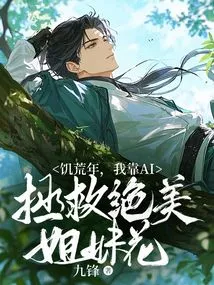
饥荒年,我靠AI拯救绝美姐妹花
Jiufeng
Traveling back in time to the famine year, when Song Yang was faced with the delicate voice of his little wife, "Husband, I'm hungry," Goldfinger, an AI system with the ability to "deduct life", was born! Ding, someone lost five coins outside the cowshed. Please check it carefully, host. Ding, there is a two-pound eel in the crack of the bridge at the entrance of the village. Please check it out, host. Ding, there is a big pheasant that fell into a trap under the sycamore tree halfway up the mountain. Please check it carefully, host. Ding, this year's county examination questions, the standard full score answers are as follows, please pay attention to the host. Ding, in two days there will be bandits coming down the mountain to plunder. The composition of the bandits' troops is as follows, and the bandits' route is as follows. Host, please pay attention to check...
Traveling back in time to the famine year, when Song Yang was faced with the delicate voice of his little wife, "Husband, I'm hungry," Goldfinger, an AI system with the ability to "deduct life", was born! Ding, someone lost five coins outside the cowshed. Please check it carefully, host. Ding, there is a two-pound eel in the crack of the bridge at the entrance of the village. Please check it out, host. Ding, there is a big pheasant that fell into a trap under the sycamore tree halfway up the mountain. Please check it carefully, host. Ding, this year's county examination questions, the standard full score answers are as follows, please pay attention to the host. Ding, in two days there will be bandits coming down the mountain to plunder. The composition of the bandits' troops is as follows, and the bandits' route is as follows. Host, please pay attention to check...
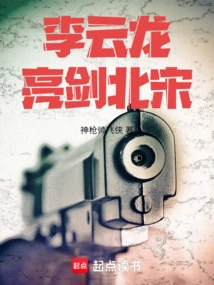
李云龙亮剑北宋
Sharpshooter Handsome Feixia
A cannon blasted through eight hundred years, and the sky was full of absurdity. Li Yunlong was holding a submachine gun, looking at the refugees who were starving and dying in the fields behind him, and the drunken Bianliang in front of him, he couldn't help but roar - "Hua Shi Gang on a dog's day? Sweet potato rice and pumpkin soup will feed the hungry stomachs of millions of people!" "The iron pagoda is so stupid? The Maxim machine gun will teach you how to sing and dance!" "Recruitment? Recruit your grandma to help! This shitty world, I want it to change its color!" From a single-handed gun to an Italian cannon, From Juyi in Mangdang Mountain to the beacon smoke on the bank of the Yellow River. All the heroes from all over the world paid homage, The Song Army, Liao Army and Jin Army were frightened when they heard the news! After ten years of fighting, Li Yunlong grinned: "I heard that time travel means going to hell? Haha, I want to show off my sword!"
A cannon blasted through eight hundred years, and the sky was full of absurdity. Li Yunlong was holding a submachine gun, looking at the refugees who were starving and dying in the fields behind him, and the drunken Bianliang in front of him, he couldn't help but roar - "Hua Shi Gang on a dog's day? Sweet potato rice and pumpkin soup will feed the hungry stomachs of millions of people!" "The iron pagoda is so stupid? The Maxim machine gun will teach you how to sing and dance!" "Recruitment? Recruit your grandma to help! This shitty world, I want it to change its color!" From a single-handed gun to an Italian cannon, From Juyi in Mangdang Mountain to the beacon smoke on the bank of the Yellow River. All the heroes from all over the world paid homage, The Song Army, Liao Army and Jin Army were frightened when they heard the news! After ten years of fighting, Li Yunlong grinned: "I heard that time travel means going to hell? Haha, I want to show off my sword!"
Come to China Literature's website to read more of my works!
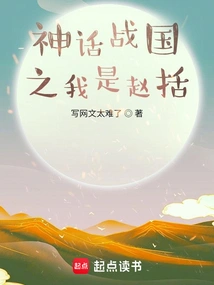
神话战国之我是赵括
Writing Online Articles Is Too Difficult
Traveling to the Warring States Period and becoming Zhao Kuo, it coincided with the Battle of Changping. Faced with the massacre of Bai Qi, how could he change his destiny against the will of heaven? At the end of the Warring States Period, hundreds of families were not deposed. A warrior can cut off mountains and rivers with one shot, and a scholar can level the world with one plan. This is the worst of times and the best of times... (No system, no sign-in)
Traveling to the Warring States Period and becoming Zhao Kuo, it coincided with the Battle of Changping. Faced with the massacre of Bai Qi, how could he change his destiny against the will of heaven? At the end of the Warring States Period, hundreds of families were not deposed. A warrior can cut off mountains and rivers with one shot, and a scholar can level the world with one plan. This is the worst of times and the best of times... (No system, no sign-in)
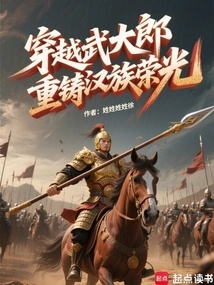
穿越武大郎,重铸汉族荣光
Surname: Surname: Xu
The modern man Wu Zhi traveled through time and became Wu Dalang, and was about to be poisoned by Xiao Pan at the beginning. "Dalang, it's time to drink medicine." What to do? Brother, help quickly. The system appears at critical moments. Life decision system, as long as you make a choice, you can reverse your life. The rise of Wu Dalang not only killed Pan Jinlian and Ximen Qing in anger, but also had greater ambitions and ideals. "He, Zhao Da, can wear a yellow robe, why can't I, Wu Da?" "This world belongs to everyone in the world, and I can take it too." "Since your Zhao family can't hold a stable position, then let me take the seat."
The modern man Wu Zhi traveled through time and became Wu Dalang, and was about to be poisoned by Xiao Pan at the beginning. "Dalang, it's time to drink medicine." What to do? Brother, help quickly. The system appears at critical moments. Life decision system, as long as you make a choice, you can reverse your life. The rise of Wu Dalang not only killed Pan Jinlian and Ximen Qing in anger, but also had greater ambitions and ideals. "He, Zhao Da, can wear a yellow robe, why can't I, Wu Da?" "This world belongs to everyone in the world, and I can take it too." "Since your Zhao family can't hold a stable position, then let me take the seat."
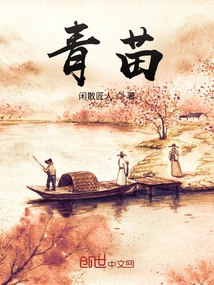
Young Crops
History青苗
Idle Craftsman
This is a book about the difficult path of reform written with blood and tears. There is no time travel, no illusions, no golden fingers in the book, only a picture of living beings with flesh and blood in the turbulent waves of reform. Thousands of years have passed since the past, everything will be calm and indifferent, and it is not enough for the present! Ding Feng Bo Qing Miao The rolling world of mortals cannot be controlled by anyone, There is no reason to have this middle body. The book business is full of energy and courage, When he woke up, half of his hair was white and covered with scars. Cold food breaks the stove and burns the wet reeds. Who is afraid? Eternal articles speak of loyalty. Right or wrong, success or failure are all false, Only, I think, therefore I am in this mortal world.
This is a book about the difficult path of reform written with blood and tears. There is no time travel, no illusions, no golden fingers in the book, only a picture of living beings with flesh and blood in the turbulent waves of reform. Thousands of years have passed since the past, everything will be calm and indifferent, and it is not enough for the present! Ding Feng Bo Qing Miao The rolling world of mortals cannot be controlled by anyone, There is no reason to have this middle body. The book business is full of energy and courage, When he woke up, half of his hair was white and covered with scars. Cold food breaks the stove and burns the wet reeds. Who is afraid? Eternal articles speak of loyalty. Right or wrong, success or failure are all false, Only, I think, therefore I am in this mortal world.
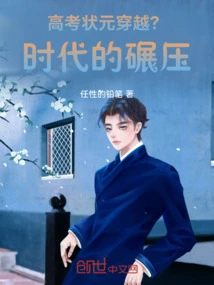
The Top Scorer in the College Entrance Examination Traveled Through Time? the Crushing of the Times
History高考状元穿越?时代的碾压
Wayward Pencil
Peng Shuo, who comes from a military family and has a well-established background, The most difficult session in Jiangsu, Zhejiang and Shanghai, The top scorer in the college entrance examination, At the most glorious moment of life, Actually traveled through time? Born in an era when a hundred schools of thought contended Floating and sinking in the historical torrent of war between princes, See how Peng Shuo's writing surpasses the contemporary era, Wu Ding Qian Kun......
Peng Shuo, who comes from a military family and has a well-established background, The most difficult session in Jiangsu, Zhejiang and Shanghai, The top scorer in the college entrance examination, At the most glorious moment of life, Actually traveled through time? Born in an era when a hundred schools of thought contended Floating and sinking in the historical torrent of war between princes, See how Peng Shuo's writing surpasses the contemporary era, Wu Ding Qian Kun......
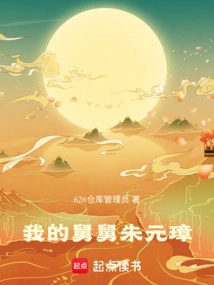
My Uncle Zhu Yuanzhang
History我的舅舅朱元璋
626 Warehouse Manager
In the troubled times of the late Yuan Dynasty, outside Chuzhou City. Li Zhen, a desperate scholar, knocked on the city gate with her twins, and the course of history began to turn. Zhu Yuanzhang welcomed a pair of civil and military talents under his command. He marched south to conquer Zhang Shicheng with iron hoof, slashed Chen Youliang to the west with sharp sword, and sent his troops to march north to sweep the Mongolian Yuan Dynasty. Wherever the flag goes! Drive out the Tartars and revive China! The bright Ming Dynasty is rising like the sun! The mighty China, all nations come to court!
In the troubled times of the late Yuan Dynasty, outside Chuzhou City. Li Zhen, a desperate scholar, knocked on the city gate with her twins, and the course of history began to turn. Zhu Yuanzhang welcomed a pair of civil and military talents under his command. He marched south to conquer Zhang Shicheng with iron hoof, slashed Chen Youliang to the west with sharp sword, and sent his troops to march north to sweep the Mongolian Yuan Dynasty. Wherever the flag goes! Drive out the Tartars and revive China! The bright Ming Dynasty is rising like the sun! The mighty China, all nations come to court!
Red Walls and Yellow Tiles
History红墙黄瓦
Writergeuqdn
This is my first work, and it is also a work for practice. My writing style is not very good, so please bear with me. If you have any ideas, you can also bring them up for discussion. In the eleventh year of the reign of Emperor Yongzheng of the Qing Dynasty, Xie Yun, who participated in the imperial examination, was summoned to the Yangxin Hall by the emperor. However, he was not punished. Instead, he was promoted. What faced him on the road ahead was the darkest place of this seemingly powerful empire.
This is my first work, and it is also a work for practice. My writing style is not very good, so please bear with me. If you have any ideas, you can also bring them up for discussion. In the eleventh year of the reign of Emperor Yongzheng of the Qing Dynasty, Xie Yun, who participated in the imperial examination, was summoned to the Yangxin Hall by the emperor. However, he was not punished. Instead, he was promoted. What faced him on the road ahead was the darkest place of this seemingly powerful empire.
War in the Late Tang Dynasty
History晚唐烽火
Ying Gua
Li Feng was reborn as a refugee in the late Tang Dynasty. When he opened his eyes, he saw a bloody night of massacre of the village. He climbed out of the pile of corpses with his five-year-old girl in his arms and snatched back half a piece of horse meat in the wilderness where wild dogs competed for food. When he was an apprentice in a drug store, he awakened to the knowledge of traditional Chinese medicine in his previous life and improved the brine method to make frost and snow salt that is more expensive than gold. On the night when Huang Chao broke into Luoyang, he rescued an official craftsman who was being chased by rebel soldiers. The copper coins he exchanged for private salt became his first horizontal sword. When Zhu Wen tore down the Tang flag, no one paid attention to the young man who built a fort among the ruins. Until the Yellow River burst its banks, behind the flag he opened the warehouse to release grain stood the reorganized crossbowmen camp; The Khitan cavalry went south, and he advanced like a wall with the heavy-armored Mo Dao formation. When the news of the Chang'an palace change came, Li Feng was wiping the newly forged dragon bird ring-- "Tell the emperor that it's time for someone to change his caste in this country."
Li Feng was reborn as a refugee in the late Tang Dynasty. When he opened his eyes, he saw a bloody night of massacre of the village. He climbed out of the pile of corpses with his five-year-old girl in his arms and snatched back half a piece of horse meat in the wilderness where wild dogs competed for food. When he was an apprentice in a drug store, he awakened to the knowledge of traditional Chinese medicine in his previous life and improved the brine method to make frost and snow salt that is more expensive than gold. On the night when Huang Chao broke into Luoyang, he rescued an official craftsman who was being chased by rebel soldiers. The copper coins he exchanged for private salt became his first horizontal sword. When Zhu Wen tore down the Tang flag, no one paid attention to the young man who built a fort among the ruins. Until the Yellow River burst its banks, behind the flag he opened the warehouse to release grain stood the reorganized crossbowmen camp; The Khitan cavalry went south, and he advanced like a wall with the heavy-armored Mo Dao formation. When the news of the Chang'an palace change came, Li Feng was wiping the newly forged dragon bird ring-- "Tell the emperor that it's time for someone to change his caste in this country."
墨案春秋
Planning Method
"Ink Case Spring and Autumn" is set during the Wanli period. It tells the story of Shen Yanzhi, who once edited the Hanlin Academy and was later demoted to teach at a government school. He accidentally discovered half a bamboo slip with the words "Ji Gu Pavilion" and became involved in an old case that had been dusty for ten years. Ten years ago, when Jigu Pavilion of Jiangnan Bookstore published the "Spring and Autumn Classics", it was accused of "transgressing the sacred scriptures" and the engraving was burned. Shen Yanzhi's mentor Zhou Yanru was also demoted for "privately engraving banned books". Shen Yanzhi did not believe his mentor's crime, and followed the clues on the bamboo slips to gradually uncover the truth: the so-called "infringement" was actually an excuse, and what was really feared were the historical facts about the founding of the People's Republic of China that were included in the book and tampered with by powerful officials. In order to restore the historical truth, Shen Yanzhi, Mao Ke, the young master of Jiguge Pavilion, and others worked together to find the authentic engravings that had been split and hidden. In the process, they not only have to evade the pursuit of Jin Yiwei, but also face obstruction from all forces. The engravers who guarded the engravings either died or went into exile, but they always adhered to the belief that the truth would be revealed. Shen Yanzhi and others finally chose to hand-copy, re-engrav, etc., To spread the concealed history in another form, showing the persistent struggle of small people to protect the truth and resist injustice under the suppression of power, and explored the profound connection between historical truth and power games, individual persistence and the current of the times.
"Ink Case Spring and Autumn" is set during the Wanli period. It tells the story of Shen Yanzhi, who once edited the Hanlin Academy and was later demoted to teach at a government school. He accidentally discovered half a bamboo slip with the words "Ji Gu Pavilion" and became involved in an old case that had been dusty for ten years. Ten years ago, when Jigu Pavilion of Jiangnan Bookstore published the "Spring and Autumn Classics", it was accused of "transgressing the sacred scriptures" and the engraving was burned. Shen Yanzhi's mentor Zhou Yanru was also demoted for "privately engraving banned books". Shen Yanzhi did not believe his mentor's crime, and followed the clues on the bamboo slips to gradually uncover the truth: the so-called "infringement" was actually an excuse, and what was really feared were the historical facts about the founding of the People's Republic of China that were included in the book and tampered with by powerful officials. In order to restore the historical truth, Shen Yanzhi, Mao Ke, the young master of Jiguge Pavilion, and others worked together to find the authentic engravings that had been split and hidden. In the process, they not only have to evade the pursuit of Jin Yiwei, but also face obstruction from all forces. The engravers who guarded the engravings either died or went into exile, but they always adhered to the belief that the truth would be revealed. Shen Yanzhi and others finally chose to hand-copy, re-engrav, etc., To spread the concealed history in another form, showing the persistent struggle of small people to protect the truth and resist injustice under the suppression of power, and explored the profound connection between historical truth and power games, individual persistence and the current of the times.
夺我兵权?带头反了,我要黄袍加身!
Don't Be A River And Lake
[Alternate History + Cool Article] If you traveled to ancient times and the emperor wanted to take away your military power, what would you do? Eight thousand soldiers and horses! How can a minister have two minds? Eighty thousand soldiers and horses! Become the king or lose the bandits, this throne can be fought for! Three hundred thousand soldiers and horses! Then who? How can you sit on my throne? ! ... Top mercenary Lin Chen accidentally traveled to ancient times and became a general with an army of 300,000 to suppress the north! But who would have expected that the current emperor covets the military power in his hands and wants to seize it! "Take back the military power?" "Who is it? Get out of my position!" Lin Chen put the knife on the emperor's neck and said from a high position!
[Alternate History + Cool Article] If you traveled to ancient times and the emperor wanted to take away your military power, what would you do? Eight thousand soldiers and horses! How can a minister have two minds? Eighty thousand soldiers and horses! Become the king or lose the bandits, this throne can be fought for! Three hundred thousand soldiers and horses! Then who? How can you sit on my throne? ! ... Top mercenary Lin Chen accidentally traveled to ancient times and became a general with an army of 300,000 to suppress the north! But who would have expected that the current emperor covets the military power in his hands and wants to seize it! "Take back the military power?" "Who is it? Get out of my position!" Lin Chen put the knife on the emperor's neck and said from a high position!
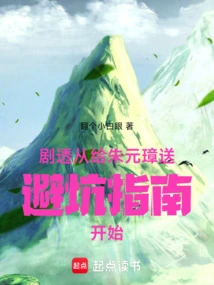
剧透:从给朱元璋送避坑指南开始
Roll Your Eyes
In November of the 11th year of Hongwu's reign, Princess Chang's birth to Zhu Yunxi suffered from dystocia and was in critical condition, so she entrusted Zhu Xiongying to the crown prince's concubine Lu. Mrs. Lu cried as if the pear blossoms were raining, but she was actually ecstatic in her heart. What happened to this stupid woman today was all caused by her secret methods! Mrs. Chang didn't know, Empress Ma didn't know, and Zhu Yuanzhang didn't know either. They all just thought it was a normal dystocia. Not only will she not blame herself, but she will also thank herself for taking care of Mrs. Chang. After Chang's death, she will give herself the position of crown prince and concubine! Zhu Xiongying will die from now on! The throne belongs to his son Yun Wen! Zhu Xiongying is not worthy! His good son Yun Wen, under his guidance, will surely become the emperor of the ages! ... In the Wuying Palace, a curtain of light suddenly appeared, revealing the true face of the Lu family to Zhu Yuanzhang, telling the Crown Princess Chang, and the truth about the death of the emperor's eldest grandson Zhu Xiongying...
In November of the 11th year of Hongwu's reign, Princess Chang's birth to Zhu Yunxi suffered from dystocia and was in critical condition, so she entrusted Zhu Xiongying to the crown prince's concubine Lu. Mrs. Lu cried as if the pear blossoms were raining, but she was actually ecstatic in her heart. What happened to this stupid woman today was all caused by her secret methods! Mrs. Chang didn't know, Empress Ma didn't know, and Zhu Yuanzhang didn't know either. They all just thought it was a normal dystocia. Not only will she not blame herself, but she will also thank herself for taking care of Mrs. Chang. After Chang's death, she will give herself the position of crown prince and concubine! Zhu Xiongying will die from now on! The throne belongs to his son Yun Wen! Zhu Xiongying is not worthy! His good son Yun Wen, under his guidance, will surely become the emperor of the ages! ... In the Wuying Palace, a curtain of light suddenly appeared, revealing the true face of the Lu family to Zhu Yuanzhang, telling the Crown Princess Chang, and the truth about the death of the emperor's eldest grandson Zhu Xiongying...
Mu Tang
History牧唐
Willow
Modern people return to the early Tang Dynasty, He can farm, He can raise horses, He is also a veterinarian. Under his butterfly wings, the prosperous age of the Tang Dynasty came ahead of schedule. The long song of Zhenguan is played in advance. Datang's agriculture and animal husbandry also reached an unprecedented peak. ----- The new book "I Really Want to Go Against the Heavens" has been released, please collect it! Please support me! !
Modern people return to the early Tang Dynasty, He can farm, He can raise horses, He is also a veterinarian. Under his butterfly wings, the prosperous age of the Tang Dynasty came ahead of schedule. The long song of Zhenguan is played in advance. Datang's agriculture and animal husbandry also reached an unprecedented peak. ----- The new book "I Really Want to Go Against the Heavens" has been released, please collect it! Please support me! !
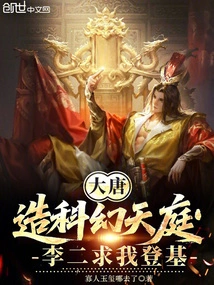
大唐:造科幻天庭,李二求我登基
Where Did The Widow's Jade Seal Go?
Li Mu traveled across the Xianwu Wanchao Continent and became the most disliked prince in the Tang Dynasty. He originally planned to be an idle prince and spend his life waiting for death, but unexpectedly he awakened to the "Science Fiction Heaven System", so he began to secretly build a Sci-Fi Heaven. But unexpectedly, the way of heaven appeared and the gold list was announced, exposing his science fiction heaven... "The way of heaven is revived, and the science fiction heaven returns to its throne!" "The Star Destroyer Cannon and the Immortal Killing Sword are being recharged!" "The battlefield of the Thirty-third Heavenly Star Gate has been opened!" "The starship Lingxiao Palace is arriving, and one hundred and eight thousand genetic mecha warriors are ready..." When Li Mu's sci-fi heaven swept all the gold lists again and again, the entire Wan Dynasty went numb! Ying Zheng: "As far as Li Mu is concerned, we are all ants under the stars?!" Liu Bang: "Dimensionality reduction strike, this step on the horse is a dimensionality reduction strike!" Li Er: "The vast universe, all the heavens and all the races, can't be defeated by my son Li Mu?" Li Mu: "Father, how do you think I look like before today?"
Li Mu traveled across the Xianwu Wanchao Continent and became the most disliked prince in the Tang Dynasty. He originally planned to be an idle prince and spend his life waiting for death, but unexpectedly he awakened to the "Science Fiction Heaven System", so he began to secretly build a Sci-Fi Heaven. But unexpectedly, the way of heaven appeared and the gold list was announced, exposing his science fiction heaven... "The way of heaven is revived, and the science fiction heaven returns to its throne!" "The Star Destroyer Cannon and the Immortal Killing Sword are being recharged!" "The battlefield of the Thirty-third Heavenly Star Gate has been opened!" "The starship Lingxiao Palace is arriving, and one hundred and eight thousand genetic mecha warriors are ready..." When Li Mu's sci-fi heaven swept all the gold lists again and again, the entire Wan Dynasty went numb! Ying Zheng: "As far as Li Mu is concerned, we are all ants under the stars?!" Liu Bang: "Dimensionality reduction strike, this step on the horse is a dimensionality reduction strike!" Li Er: "The vast universe, all the heavens and all the races, can't be defeated by my son Li Mu?" Li Mu: "Father, how do you think I look like before today?"
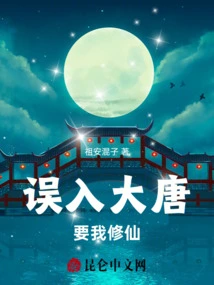
误入大唐要我修仙
Zu An Bastard
An ordinary graduate student in the Department of History was attracted by a stone tablet with mysterious runes while visiting the cultural relics of the Tang Dynasty in the Xi'an Museum. In a trance, he was already in the Kaiyuan period of the Tang Dynasty. But in the process of surviving, he discovered that this place did not seem to be the Tang Dynasty recorded in history. Here, he met celebrities and generals in history, and also came into contact with gods and demons in myths and legends. Here, he learned the Seven Killing Orders of Gods and Ghosts, defeated the eight demons, discussed science with the leader of the Moon Worshiping Cult, and discussed Journey to the West with Yuan Tiangang... In this way, he embarked on the path of cultivating immortality step by step...
An ordinary graduate student in the Department of History was attracted by a stone tablet with mysterious runes while visiting the cultural relics of the Tang Dynasty in the Xi'an Museum. In a trance, he was already in the Kaiyuan period of the Tang Dynasty. But in the process of surviving, he discovered that this place did not seem to be the Tang Dynasty recorded in history. Here, he met celebrities and generals in history, and also came into contact with gods and demons in myths and legends. Here, he learned the Seven Killing Orders of Gods and Ghosts, defeated the eight demons, discussed science with the leader of the Moon Worshiping Cult, and discussed Journey to the West with Yuan Tiangang... In this way, he embarked on the path of cultivating immortality step by step...
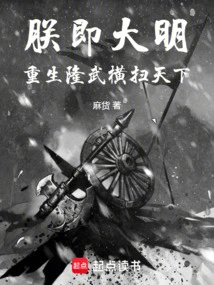
朕即大明:重生隆武横扫天下!
Hemp Goods
In the sixth month of the first year of Hongguang reign of the Ming Dynasty, Zhu Huan's soul passed through the Ming Dynasty and became the newly crowned Longwu Emperor Zhu Yujian. At this moment, the Tatar Qing invaders are in full force in the south, Zheng Zhilong is wavering in his support of the Ming Dynasty and surrendering to the Qing Dynasty, and the various forces in the Southern Ming Dynasty are full of factions and party disputes! Faced with this critical situation of internal and external troubles, he has no troops and no money. What is the way to break the situation?
In the sixth month of the first year of Hongguang reign of the Ming Dynasty, Zhu Huan's soul passed through the Ming Dynasty and became the newly crowned Longwu Emperor Zhu Yujian. At this moment, the Tatar Qing invaders are in full force in the south, Zheng Zhilong is wavering in his support of the Ming Dynasty and surrendering to the Qing Dynasty, and the various forces in the Southern Ming Dynasty are full of factions and party disputes! Faced with this critical situation of internal and external troubles, he has no troops and no money. What is the way to break the situation?
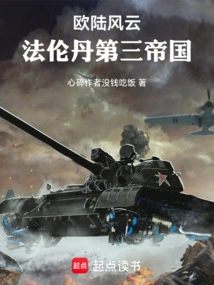
开局下等兵,我中兴帝国
Heartbroken Author Has No Money To Eat
Levi traveled to the end of World War I in parallel time and space, but he discovered that this was not a war at all. All kinds of thoughts have fallen into strange troughs. Until Li Wei discovered-- A shadow called "Mysterious Society" shrouds the entire continent. [Code of Mysterious Society-- 1. The existence of the mystery must not be revealed, otherwise, the power will be weakened and the mystery will no longer be mysterious. 2. Do not explore the source of the mystery, otherwise the mystery will abandon you. 3. Don't look directly at the mystery, stay in awe, it will be good for you. ] So Li Wei started as a little shrimp working for the Secrecy Bureau and climbed up step by step. During this period-- "If there's no fire, then I'll pass it on." "Falendam is an old district, how can it do without a GM?" "What? The French emperor has fled? Very good, the Fallundam federal government has been announced. It will first form a federation with Belgium." "The Anti-French Alliance is coming? Fight him! Fight until complete victory!" This book is also known as: "If there is no fire, then I will pass it on", "From Private to General", "I will do what Napoleon failed to do", "Challenge All Europe" ------ [A worldview that has a bit of everything] + [Game of Great Powers] + [War]
Levi traveled to the end of World War I in parallel time and space, but he discovered that this was not a war at all. All kinds of thoughts have fallen into strange troughs. Until Li Wei discovered-- A shadow called "Mysterious Society" shrouds the entire continent. [Code of Mysterious Society-- 1. The existence of the mystery must not be revealed, otherwise, the power will be weakened and the mystery will no longer be mysterious. 2. Do not explore the source of the mystery, otherwise the mystery will abandon you. 3. Don't look directly at the mystery, stay in awe, it will be good for you. ] So Li Wei started as a little shrimp working for the Secrecy Bureau and climbed up step by step. During this period-- "If there's no fire, then I'll pass it on." "Falendam is an old district, how can it do without a GM?" "What? The French emperor has fled? Very good, the Fallundam federal government has been announced. It will first form a federation with Belgium." "The Anti-French Alliance is coming? Fight him! Fight until complete victory!" This book is also known as: "If there is no fire, then I will pass it on", "From Private to General", "I will do what Napoleon failed to do", "Challenge All Europe" ------ [A worldview that has a bit of everything] + [Game of Great Powers] + [War]
北魏日月歌:共生纪元
Writericecpv
Come to China Literature's website to read more of my works!
Come to China Literature's website to read more of my works!
医冠三国:起跃太学
Writercyeel1
Come to China Literature's website to read more of my works!
Come to China Literature's website to read more of my works!
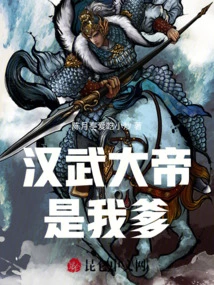
汉武大帝是我爹
Chen Yueting Loves To Eat Stir-fries
Come to China Literature's website to read more of my works!
Come to China Literature's website to read more of my works!
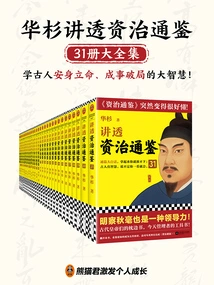
华杉讲透《资治通鉴》大全集(共31册)
Huashan
"Zi Zhi Tong Jian" is written from the Warring States Period to the Five Dynasties and Ten Kingdoms, showing the living people and stories in the 1,362-year history of the 16 dynasties. It can be said to be the "big data" and "super case collection" of Chinese politics and culture. The problems and confusions we encounter today, whether personal or national, have been encountered and dealt with by our historical ancestors, and they can all find experience and lessons in Zizhi Tongjian. The author of this book, Hua Shan, translates the entire Zizhi Tongjian in "vernacular Chinese" and tries his best to retain the operation and maintenance of the original text, making people pick it up like reading a novel and not be able to put it down. At the same time, it combines the views of famous experts from past dynasties and Hua Shan's own comments to explain the wisdom in Zizhi Tongjian that is truly useful to ordinary people in the 21st century - it can be understood after reading it once, and it can be used after reading it.
"Zi Zhi Tong Jian" is written from the Warring States Period to the Five Dynasties and Ten Kingdoms, showing the living people and stories in the 1,362-year history of the 16 dynasties. It can be said to be the "big data" and "super case collection" of Chinese politics and culture. The problems and confusions we encounter today, whether personal or national, have been encountered and dealt with by our historical ancestors, and they can all find experience and lessons in Zizhi Tongjian. The author of this book, Hua Shan, translates the entire Zizhi Tongjian in "vernacular Chinese" and tries his best to retain the operation and maintenance of the original text, making people pick it up like reading a novel and not be able to put it down. At the same time, it combines the views of famous experts from past dynasties and Hua Shan's own comments to explain the wisdom in Zizhi Tongjian that is truly useful to ordinary people in the 21st century - it can be understood after reading it once, and it can be used after reading it.
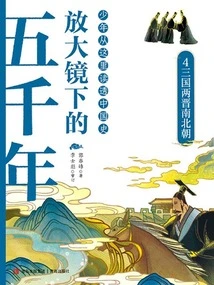
放大镜下的五千年4:三国两晋南北朝
Guo Chunfeng
"Five Thousand Years Under a Magnifying Glass" is a set of Chinese history books specially written for teenagers. On the basis of systematically sorting out the development of Chinese history, the author uses clear and interesting writing to narrate the important historical figures and historical events in Chinese history. At the same time, the author uses problem awareness and historical thinking throughout the book, focusing on inspiring young people to explore the laws of historical evolution. In addition, the book also covers geography, economy, culture, art, officials, institutions, diplomacy, military and other aspects. It focuses on the comparison of Chinese and foreign history at the same time, and builds a true, rich, three-dimensional and interesting "big history" for young people, leading them into the colorful historical world, understanding Chinese history, and laying the foundation for their lifelong history learning.
"Five Thousand Years Under a Magnifying Glass" is a set of Chinese history books specially written for teenagers. On the basis of systematically sorting out the development of Chinese history, the author uses clear and interesting writing to narrate the important historical figures and historical events in Chinese history. At the same time, the author uses problem awareness and historical thinking throughout the book, focusing on inspiring young people to explore the laws of historical evolution. In addition, the book also covers geography, economy, culture, art, officials, institutions, diplomacy, military and other aspects. It focuses on the comparison of Chinese and foreign history at the same time, and builds a true, rich, three-dimensional and interesting "big history" for young people, leading them into the colorful historical world, understanding Chinese history, and laying the foundation for their lifelong history learning.
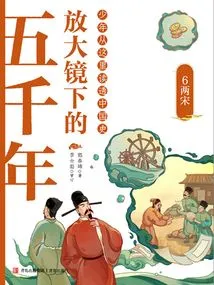
放大镜下的五千年6:两宋
Guo Chunfeng
"Five Thousand Years Under a Magnifying Glass" is a set of Chinese history books specially written for teenagers. On the basis of systematically sorting out the development of Chinese history, the author uses clear and interesting writing to narrate the important historical figures and historical events in Chinese history. At the same time, the author uses problem awareness and historical thinking throughout the book, focusing on inspiring young people to explore the laws of historical evolution. In addition, the book also covers geography, economy, culture, art, officials, institutions, diplomacy, military and other aspects. It focuses on the comparison of Chinese and foreign history at the same time, and builds a true, rich, three-dimensional and interesting "big history" for young people, leading them into the colorful historical world, understanding Chinese history, and laying the foundation for their lifelong history learning.
"Five Thousand Years Under a Magnifying Glass" is a set of Chinese history books specially written for teenagers. On the basis of systematically sorting out the development of Chinese history, the author uses clear and interesting writing to narrate the important historical figures and historical events in Chinese history. At the same time, the author uses problem awareness and historical thinking throughout the book, focusing on inspiring young people to explore the laws of historical evolution. In addition, the book also covers geography, economy, culture, art, officials, institutions, diplomacy, military and other aspects. It focuses on the comparison of Chinese and foreign history at the same time, and builds a true, rich, three-dimensional and interesting "big history" for young people, leading them into the colorful historical world, understanding Chinese history, and laying the foundation for their lifelong history learning.
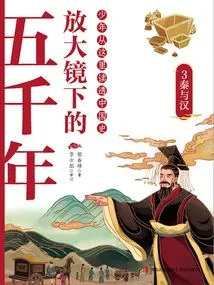
放大镜下的五千年3:秦与汉
Guo Chunfeng
"Five Thousand Years Under a Magnifying Glass" is a set of Chinese history books specially written for teenagers. On the basis of systematically sorting out the development of Chinese history, the author uses clear and interesting writing to narrate the important historical figures and historical events in Chinese history. At the same time, the author uses problem awareness and historical thinking throughout the book, focusing on inspiring young people to explore the laws of historical evolution. In addition, the book also covers geography, economy, culture, art, officials, institutions, diplomacy, military and other aspects. It focuses on the comparison of Chinese and foreign history at the same time, and builds a true, rich, three-dimensional and interesting "big history" for young people, leading them into the colorful historical world, understanding Chinese history, and laying the foundation for their lifelong history learning.
"Five Thousand Years Under a Magnifying Glass" is a set of Chinese history books specially written for teenagers. On the basis of systematically sorting out the development of Chinese history, the author uses clear and interesting writing to narrate the important historical figures and historical events in Chinese history. At the same time, the author uses problem awareness and historical thinking throughout the book, focusing on inspiring young people to explore the laws of historical evolution. In addition, the book also covers geography, economy, culture, art, officials, institutions, diplomacy, military and other aspects. It focuses on the comparison of Chinese and foreign history at the same time, and builds a true, rich, three-dimensional and interesting "big history" for young people, leading them into the colorful historical world, understanding Chinese history, and laying the foundation for their lifelong history learning.
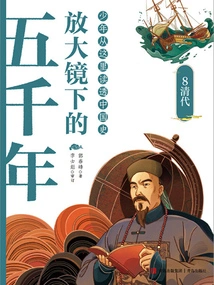
放大镜下的五千年8:清代
Guo Chunfeng
"Five Thousand Years Under a Magnifying Glass" is a set of Chinese history books specially written for teenagers. On the basis of systematically sorting out the development of Chinese history, the author uses clear and interesting writing to narrate the important historical figures and historical events in Chinese history. At the same time, the author uses problem awareness and historical thinking throughout the book, focusing on inspiring young people to explore the laws of historical evolution. In addition, the book also covers geography, economy, culture, art, officials, institutions, diplomacy, military and other aspects. It focuses on the comparison of Chinese and foreign history at the same time, and builds a true, rich, three-dimensional and interesting "big history" for young people, leading them into the colorful historical world, understanding Chinese history, and laying the foundation for their lifelong history learning.
"Five Thousand Years Under a Magnifying Glass" is a set of Chinese history books specially written for teenagers. On the basis of systematically sorting out the development of Chinese history, the author uses clear and interesting writing to narrate the important historical figures and historical events in Chinese history. At the same time, the author uses problem awareness and historical thinking throughout the book, focusing on inspiring young people to explore the laws of historical evolution. In addition, the book also covers geography, economy, culture, art, officials, institutions, diplomacy, military and other aspects. It focuses on the comparison of Chinese and foreign history at the same time, and builds a true, rich, three-dimensional and interesting "big history" for young people, leading them into the colorful historical world, understanding Chinese history, and laying the foundation for their lifelong history learning.
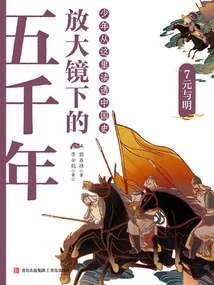
放大镜下的五千年7:元与明
Guo Chunfeng
"Five Thousand Years Under a Magnifying Glass" is a set of Chinese history books specially written for teenagers. On the basis of systematically sorting out the development of Chinese history, the author uses clear and interesting writing to narrate the important historical figures and historical events in Chinese history. At the same time, the author uses problem awareness and historical thinking throughout the book, focusing on inspiring young people to explore the laws of historical evolution. In addition, the book also covers geography, economy, culture, art, officials, institutions, diplomacy, military and other aspects. It focuses on the comparison of Chinese and foreign history at the same time, and builds a true, rich, three-dimensional and interesting "big history" for young people, leading them into the colorful historical world, understanding Chinese history, and laying the foundation for their lifelong history learning.
"Five Thousand Years Under a Magnifying Glass" is a set of Chinese history books specially written for teenagers. On the basis of systematically sorting out the development of Chinese history, the author uses clear and interesting writing to narrate the important historical figures and historical events in Chinese history. At the same time, the author uses problem awareness and historical thinking throughout the book, focusing on inspiring young people to explore the laws of historical evolution. In addition, the book also covers geography, economy, culture, art, officials, institutions, diplomacy, military and other aspects. It focuses on the comparison of Chinese and foreign history at the same time, and builds a true, rich, three-dimensional and interesting "big history" for young people, leading them into the colorful historical world, understanding Chinese history, and laying the foundation for their lifelong history learning.
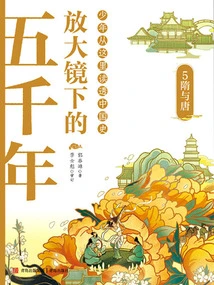
放大镜下的五千年5:隋与唐
Guo Chunfeng
"Five Thousand Years Under a Magnifying Glass" is a set of Chinese history books specially written for teenagers. On the basis of systematically sorting out the development of Chinese history, the author uses clear and interesting writing to narrate the important historical figures and historical events in Chinese history. At the same time, the author uses problem awareness and historical thinking throughout the book, focusing on inspiring young people to explore the laws of historical evolution. In addition, the book also covers geography, economy, culture, art, officials, institutions, diplomacy, military and other aspects. It focuses on the comparison of Chinese and foreign history at the same time, and builds a true, rich, three-dimensional and interesting "big history" for young people, leading them into the colorful historical world, understanding Chinese history, and laying the foundation for their lifelong history learning.
"Five Thousand Years Under a Magnifying Glass" is a set of Chinese history books specially written for teenagers. On the basis of systematically sorting out the development of Chinese history, the author uses clear and interesting writing to narrate the important historical figures and historical events in Chinese history. At the same time, the author uses problem awareness and historical thinking throughout the book, focusing on inspiring young people to explore the laws of historical evolution. In addition, the book also covers geography, economy, culture, art, officials, institutions, diplomacy, military and other aspects. It focuses on the comparison of Chinese and foreign history at the same time, and builds a true, rich, three-dimensional and interesting "big history" for young people, leading them into the colorful historical world, understanding Chinese history, and laying the foundation for their lifelong history learning.