Library
Browse and search books
51,874 novels found
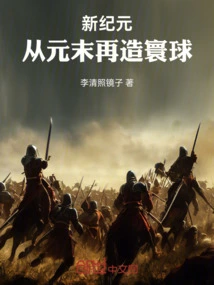
新纪元:从元末再造寰球
Li Qing Looks In The Mirror
In the eleventh year of Yuan Zhizheng, the world will fall. Chen Yuan, an industrial engineer from modern times, transformed into a dying apprentice papermaker in eastern Zhejiang. In this troubled world where human life is at stake, he originally wanted to save his life, but he witnessed with his own eyes the decline of Chinese civilization under the iron heel of the Mongolian Yuan Dynasty and the war of civil strife. With knowledge that transcends the times, should we focus on ourselves or benefit the world? He started by improving a piece of paper and a pinch of gunpowder, and quietly accumulated strength in a corner of the south of the Yangtze River. He used "investigating things to gain knowledge" to fight against ignorance, and used "everyone is equal" to unite people's hearts. Zhu Yuanzhang, Chen Youliang, Zhang Shicheng... He circled among the heroes in troubled times, but his ultimate goal was to surpass the vision of all emperors, generals and ministers. When the Ming Dynasty's fleet had not yet set sail, his "Hua" giant ship had already cut through the waves and sailed towards the deep blue; while Europe was still sleeping in the Middle Ages, his scientific fire had ignited all over the world. This is not a simple change of dynasty, but a great expedition to reshape the world with technology, systems and civilization concepts. From the Mobei grasslands to the Cape of Good Hope in Africa, from the American rainforests to the European palaces, rail tracks and cables closely connect the earth. His destination is not a Forbidden City, but the entire planet. **This is an epic story of civilizational dimensionality reduction and the ultimate realization of "global unification, books with the same text, and cars with the same track".
In the eleventh year of Yuan Zhizheng, the world will fall. Chen Yuan, an industrial engineer from modern times, transformed into a dying apprentice papermaker in eastern Zhejiang. In this troubled world where human life is at stake, he originally wanted to save his life, but he witnessed with his own eyes the decline of Chinese civilization under the iron heel of the Mongolian Yuan Dynasty and the war of civil strife. With knowledge that transcends the times, should we focus on ourselves or benefit the world? He started by improving a piece of paper and a pinch of gunpowder, and quietly accumulated strength in a corner of the south of the Yangtze River. He used "investigating things to gain knowledge" to fight against ignorance, and used "everyone is equal" to unite people's hearts. Zhu Yuanzhang, Chen Youliang, Zhang Shicheng... He circled among the heroes in troubled times, but his ultimate goal was to surpass the vision of all emperors, generals and ministers. When the Ming Dynasty's fleet had not yet set sail, his "Hua" giant ship had already cut through the waves and sailed towards the deep blue; while Europe was still sleeping in the Middle Ages, his scientific fire had ignited all over the world. This is not a simple change of dynasty, but a great expedition to reshape the world with technology, systems and civilization concepts. From the Mobei grasslands to the Cape of Good Hope in Africa, from the American rainforests to the European palaces, rail tracks and cables closely connect the earth. His destination is not a Forbidden City, but the entire planet. **This is an epic story of civilizational dimensionality reduction and the ultimate realization of "global unification, books with the same text, and cars with the same track".
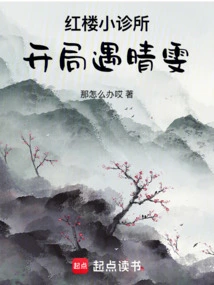
红楼小诊所:开局遇晴雯
What Should I Do?
In the sixth year of Daxuan Tai'an, the Jurchens from the north made a comeback, Annan was ready to move, Japanese pirates invaded the coast, and the rebels and Ming Dynasty rebelled against the Ryukyu flag. The world was in chaos and the current situation was turbulent. In the land of Jiangnan, Jia Min is lingering on the sick bed, and five-year-old Lin Daiyu is about to lose her mother. Zhen Yinglian followed Ren Yazi to Jinling, Qingwen was reduced from an official lady to a slave, and Xing Heyan's family was still in trouble and still stayed at Xuan Tomb Panxiang Temple. And in Yangzhou City, a small medicine shop opened quietly...
In the sixth year of Daxuan Tai'an, the Jurchens from the north made a comeback, Annan was ready to move, Japanese pirates invaded the coast, and the rebels and Ming Dynasty rebelled against the Ryukyu flag. The world was in chaos and the current situation was turbulent. In the land of Jiangnan, Jia Min is lingering on the sick bed, and five-year-old Lin Daiyu is about to lose her mother. Zhen Yinglian followed Ren Yazi to Jinling, Qingwen was reduced from an official lady to a slave, and Xing Heyan's family was still in trouble and still stayed at Xuan Tomb Panxiang Temple. And in Yangzhou City, a small medicine shop opened quietly...
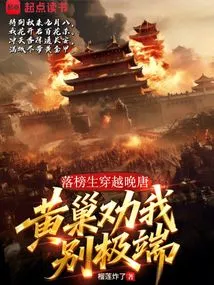
A Failed Student Traveled Through the Late Tang Dynasty, Huang Chao Advised Me Not to Be Extreme
History落榜生穿越晚唐,黄巢劝我别极端
Durian Exploded
[No system cheats, cool time travel articles] Huang Tianfu, a modern failed student, is used to the indifference of society and the coldness of the world. Disheartened, he chose to return to his hometown, but accidentally encountered a mudslide. His soul traveled to the late Tang Dynasty, and he became the son of Huang Chao, who was also a failure... Coincidentally, Huang Chao also failed and returned home. Wang Xianzhi rebelled against the Tang Dynasty, which kicked off the collapse of the Tang Dynasty. So... "Father, let's not take the exam. Join the rebel army. You will find that... It is easier to enter Chang'an than to take the exam!" "To kill someone, you need to pierce the heart, and to kill the grass, you need to root it out. Those big families in Guanzhong like to keep genealogies, so just kill according to the genealogy!" "The Tang officials and soldiers burned, killed and looted. We only robbed some food and left some for them. Shouldn't they thank us?" "Squids are the most inhumane. When treating them, they should not be treated as human beings and should be exterminated to death!" According to "Da Qi Zhi" records. [In the early years of the Jin Dynasty, Taizu Huang Chao said to his ministers: The prince has won my heart, but he is too extreme. You need more advice!
[No system cheats, cool time travel articles] Huang Tianfu, a modern failed student, is used to the indifference of society and the coldness of the world. Disheartened, he chose to return to his hometown, but accidentally encountered a mudslide. His soul traveled to the late Tang Dynasty, and he became the son of Huang Chao, who was also a failure... Coincidentally, Huang Chao also failed and returned home. Wang Xianzhi rebelled against the Tang Dynasty, which kicked off the collapse of the Tang Dynasty. So... "Father, let's not take the exam. Join the rebel army. You will find that... It is easier to enter Chang'an than to take the exam!" "To kill someone, you need to pierce the heart, and to kill the grass, you need to root it out. Those big families in Guanzhong like to keep genealogies, so just kill according to the genealogy!" "The Tang officials and soldiers burned, killed and looted. We only robbed some food and left some for them. Shouldn't they thank us?" "Squids are the most inhumane. When treating them, they should not be treated as human beings and should be exterminated to death!" According to "Da Qi Zhi" records. [In the early years of the Jin Dynasty, Taizu Huang Chao said to his ministers: The prince has won my heart, but he is too extreme. You need more advice!
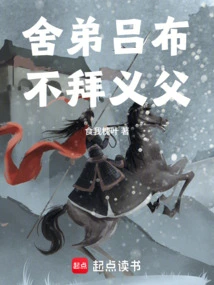
舍弟吕布,不拜义父!
Eat My Locust Leaves
Traveling through the late Han Dynasty and becoming Lu Bu's eldest brother? ! This year, Lu Bu was only 16 years old. At this time, Lu Bu had not yet met those elite people of the late Han Dynasty who not only wanted to take advantage of his martial prowess, but also despised him from the bottom of their hearts. To live a new life, set a small goal first, and prevent my younger brother from being called a slave with three surnames again! Fengxian, you don't have to worship your adoptive father in this life! ----If you want to worship, you must let your brother and I worship first! One more thing, first of all, listen to what I'm telling you. If we must worship, we can worship someone with the same surname! Isn't there only one surname? Historical text, no golden fingers, emphasis on textual research. This is a story that begins in the desolate borderland of Bingzhou, suffering from cold, hunger, natural disasters, and man-made disasters. Let's see how the Lu family brothers created their own world in the late Han Dynasty!
Traveling through the late Han Dynasty and becoming Lu Bu's eldest brother? ! This year, Lu Bu was only 16 years old. At this time, Lu Bu had not yet met those elite people of the late Han Dynasty who not only wanted to take advantage of his martial prowess, but also despised him from the bottom of their hearts. To live a new life, set a small goal first, and prevent my younger brother from being called a slave with three surnames again! Fengxian, you don't have to worship your adoptive father in this life! ----If you want to worship, you must let your brother and I worship first! One more thing, first of all, listen to what I'm telling you. If we must worship, we can worship someone with the same surname! Isn't there only one surname? Historical text, no golden fingers, emphasis on textual research. This is a story that begins in the desolate borderland of Bingzhou, suffering from cold, hunger, natural disasters, and man-made disasters. Let's see how the Lu family brothers created their own world in the late Han Dynasty!
三国:开局穿越成马谡之子
Sichuan Pepper Soaked In Milk
Traveling through the late Han Dynasty, he became Ma Di's son. Just in time for the Prime Minister's first Northern Expedition, Ma Di guarded the street pavilion. As in history, Ma Su disobeyed military orders and chose to camp in the mountains. In order to save his father, Ma Zhe warned him many times, but Ma Di had his own ideas. In desperation, Ma Zhe chose to show his strength through filial piety. He knocked out his old father with a stick, took Wang Ping with him to steal the military talisman, and then garrisoned the city and guarded the street pavilion. However, under Zhang He's fierce offensive, whether Ma Zhe can successfully defend the street pavilion is still unknown...
Traveling through the late Han Dynasty, he became Ma Di's son. Just in time for the Prime Minister's first Northern Expedition, Ma Di guarded the street pavilion. As in history, Ma Su disobeyed military orders and chose to camp in the mountains. In order to save his father, Ma Zhe warned him many times, but Ma Di had his own ideas. In desperation, Ma Zhe chose to show his strength through filial piety. He knocked out his old father with a stick, took Wang Ping with him to steal the military talisman, and then garrisoned the city and guarded the street pavilion. However, under Zhang He's fierce offensive, whether Ma Zhe can successfully defend the street pavilion is still unknown...
大明皇三代
Insect Chirping Of Pinellia Ternata
Good news, time travel, Zhu Xiongying, the eldest grandson of the Ming Emperor. Bad news, the person is in a coffin and will be buried soon. "Ding dong!" "Congratulations to the host, you have successfully activated the [Lie Flat and Become Stronger] system." Zhu Xiongying: "..." Can you become stronger just by lying down? What else can you say? Let me take the lead in this Ming Dynasty!
Good news, time travel, Zhu Xiongying, the eldest grandson of the Ming Emperor. Bad news, the person is in a coffin and will be buried soon. "Ding dong!" "Congratulations to the host, you have successfully activated the [Lie Flat and Become Stronger] system." Zhu Xiongying: "..." Can you become stronger just by lying down? What else can you say? Let me take the lead in this Ming Dynasty!
My Father Wang Anshi
History家父王安石
Ninth Rank Shangqing
Standing in front of you is Wang Fang, who has the appearance of a dragon and a phoenix, looks like the sky and the sun, can go out into the hall or go down into the kitchen, is talented in literature and martial arts, possesses unique skills, can cover the sky with one hand, is famous far and wide, and is the leader of the nine great masters of the Tang and Song Dynasties. What? Who is Wang Fang, you ask? His father's name is Wang Anshi. He is his father's biggest fan. -- They've all traveled through time, and yet they're still acting like cows and horses! Wang Fang aspires to enjoy wealth and wealth, and for this reason he does not hesitate to fight against all forces and performs a series of flower activities. Shenzong: He dares to spank me! He! He... Cough cough cough... Sima Guang: What does it mean to send so many water tanks to my house? ! Su Dongpo: How much does the recipe cost? I'll pay double it! Xin Qiji: I feel like I have been living in his shadow. Yuwen Rounu: He is so cute, I love him so much! Wen Tianxiang: If the sky does not give birth to Shu Ming, eternity will be like a long night! -- This is an impassioned, extremely tragic and extremely romantic history. Reform and innovation will enrich the country and strengthen the army. Intrigue and conspiracy, all the traps are exhausted. Everyone is fighting for their own ideals. When ideals and reality collide, when individuals and their families and countries are intertwined. It is difficult to say clearly what is right or wrong. But Wang Fang has the answer: He wakes up and holds the power of the world, but he lies drunk on the knees of a beautiful woman. The prince said: Life is actually very simple, just enjoy it!
Standing in front of you is Wang Fang, who has the appearance of a dragon and a phoenix, looks like the sky and the sun, can go out into the hall or go down into the kitchen, is talented in literature and martial arts, possesses unique skills, can cover the sky with one hand, is famous far and wide, and is the leader of the nine great masters of the Tang and Song Dynasties. What? Who is Wang Fang, you ask? His father's name is Wang Anshi. He is his father's biggest fan. -- They've all traveled through time, and yet they're still acting like cows and horses! Wang Fang aspires to enjoy wealth and wealth, and for this reason he does not hesitate to fight against all forces and performs a series of flower activities. Shenzong: He dares to spank me! He! He... Cough cough cough... Sima Guang: What does it mean to send so many water tanks to my house? ! Su Dongpo: How much does the recipe cost? I'll pay double it! Xin Qiji: I feel like I have been living in his shadow. Yuwen Rounu: He is so cute, I love him so much! Wen Tianxiang: If the sky does not give birth to Shu Ming, eternity will be like a long night! -- This is an impassioned, extremely tragic and extremely romantic history. Reform and innovation will enrich the country and strengthen the army. Intrigue and conspiracy, all the traps are exhausted. Everyone is fighting for their own ideals. When ideals and reality collide, when individuals and their families and countries are intertwined. It is difficult to say clearly what is right or wrong. But Wang Fang has the answer: He wakes up and holds the power of the world, but he lies drunk on the knees of a beautiful woman. The prince said: Life is actually very simple, just enjoy it!
人在东汉,与阿瞒偕行
Bad Brother
All the bad things are my fault! That's right! It was me!
All the bad things are my fault! That's right! It was me!
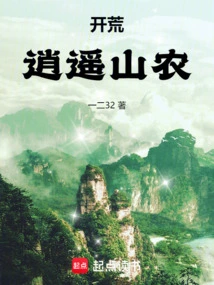
开荒:逍遥山农
One Two 32
Traveling through a small border mountain village in the early years of the dynasty, the force value and mobility are beyond the limit.
Traveling through a small border mountain village in the early years of the dynasty, the force value and mobility are beyond the limit.
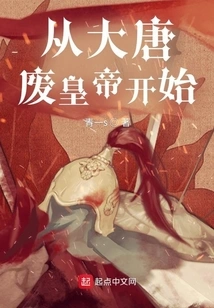
从大唐废皇帝开始
Qingyis
Li Longji's Kaiyuan era was the pinnacle of China's feudal society. However, during the reign of Emperor Xuanzong of Tang Dynasty, the Anshi Rebellion broke out. From then on, China's feudal society declined, which could not be alleviated for hundreds of years. Historically, Li Longji won the throne from his cousin Li Chongmao. The protagonist of the 21st century traveled to the Tang Dynasty and became Li Chongmao, who was dethroned from the throne. Can he reverse the historical trend, maintain the peak of China's feudal society, and keep China on top of the world forever? ! Li Chongmao is known as the three greatest emperors of the Tang Dynasty. He reigned for the shortest time, had the most miserable life, was the youngest when he died, and had a hellish start. Let us follow Li Chongmao into the magnificent Tang Dynasty...
Li Longji's Kaiyuan era was the pinnacle of China's feudal society. However, during the reign of Emperor Xuanzong of Tang Dynasty, the Anshi Rebellion broke out. From then on, China's feudal society declined, which could not be alleviated for hundreds of years. Historically, Li Longji won the throne from his cousin Li Chongmao. The protagonist of the 21st century traveled to the Tang Dynasty and became Li Chongmao, who was dethroned from the throne. Can he reverse the historical trend, maintain the peak of China's feudal society, and keep China on top of the world forever? ! Li Chongmao is known as the three greatest emperors of the Tang Dynasty. He reigned for the shortest time, had the most miserable life, was the youngest when he died, and had a hellish start. Let us follow Li Chongmao into the magnificent Tang Dynasty...
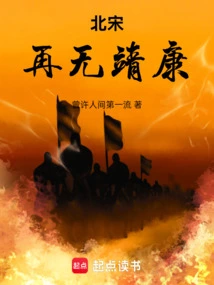
北宋:再无靖康
Once Promised To Be The Best In The World
A later generation accidentally broke into the Huizong period of the Northern Song Dynasty. He became the highest ranked number one scholar in history - Zhao Kai. In the eighth year of Zhenghe's reign, Song Jiang was about to rebel, Fang La was about to revolt, and the Jin soldiers were about to go south. Just when he didn't know how to break the situation, an obsession that had been floating for thousands of years came with his Yue Family Army. He said, if you want to succeed in the Song Dynasty, I will help you! Yue Jiajun helps you! The Yue Family Army, originally for the Song Dynasty, only for the Song Dynasty, fight again! Zhao Kai was overjoyed and silently wrote the Record of Punishing the Thieves. Cai Jing, Tong Guan, Li Bangyan, Liang Shicheng... Song Qinzong Zhao Huan. At this point, he left a blank and stopped writing. Instead, he closed the record of punishing thieves and wrote four words on the title page "No more Jingkang"
A later generation accidentally broke into the Huizong period of the Northern Song Dynasty. He became the highest ranked number one scholar in history - Zhao Kai. In the eighth year of Zhenghe's reign, Song Jiang was about to rebel, Fang La was about to revolt, and the Jin soldiers were about to go south. Just when he didn't know how to break the situation, an obsession that had been floating for thousands of years came with his Yue Family Army. He said, if you want to succeed in the Song Dynasty, I will help you! Yue Jiajun helps you! The Yue Family Army, originally for the Song Dynasty, only for the Song Dynasty, fight again! Zhao Kai was overjoyed and silently wrote the Record of Punishing the Thieves. Cai Jing, Tong Guan, Li Bangyan, Liang Shicheng... Song Qinzong Zhao Huan. At this point, he left a blank and stopped writing. Instead, he closed the record of punishing thieves and wrote four words on the title page "No more Jingkang"
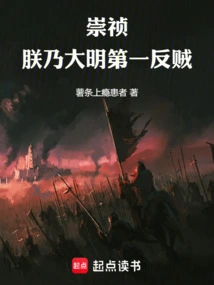
崇祯:朕乃大明第一反贼
French Fries Addict
In 1627 AD, there were only 18 spring and autumn months left before the Ming Dynasty fell and the mountains and rivers were overturned. At this time, the slaves are blocking the pass, the mobs are rising, the parties in the court are fighting, the local generals are relying on their own troops, and the building is about to collapse. Zhu Youjian, who traveled through time and space, succeeded to the throne with the expectation of "My brother should be Yao and Shun". Facing the broken mountains and rivers caused by natural and man-made disasters, we are in this court where everyone is dissatisfied. How to save the country? Reform will not work, and decentralization will not work. Then overturn everything! ... He swore to Tianqi: "I don't want to be like Yao and Shun. If I do, I will achieve the great achievements of Tang Zong and Han Dynasty!" He said to the world: "The Ming Dynasty is dead. So I want to be the biggest rebel in troubled times! Don't let foreigners hurt my compatriots, don't make the world miserable! Reveal the truth! Xingming! "
In 1627 AD, there were only 18 spring and autumn months left before the Ming Dynasty fell and the mountains and rivers were overturned. At this time, the slaves are blocking the pass, the mobs are rising, the parties in the court are fighting, the local generals are relying on their own troops, and the building is about to collapse. Zhu Youjian, who traveled through time and space, succeeded to the throne with the expectation of "My brother should be Yao and Shun". Facing the broken mountains and rivers caused by natural and man-made disasters, we are in this court where everyone is dissatisfied. How to save the country? Reform will not work, and decentralization will not work. Then overturn everything! ... He swore to Tianqi: "I don't want to be like Yao and Shun. If I do, I will achieve the great achievements of Tang Zong and Han Dynasty!" He said to the world: "The Ming Dynasty is dead. So I want to be the biggest rebel in troubled times! Don't let foreigners hurt my compatriots, don't make the world miserable! Reveal the truth! Xingming! "
小乞丐穿越大唐搞开发
Happy Tomatoes
Come to China Literature's website to read more of my works!
Come to China Literature's website to read more of my works!
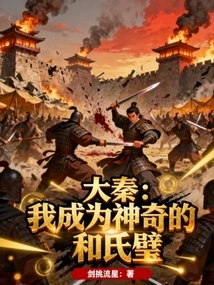
大秦:我成为神奇的和氏璧
Sword Picks Meteor
Lin Qing, who graduated from the history department of Longguo University, found that he had traveled to the Qin Dynasty and became the imperial seal in the hands of Qin Shi Huang Ying Zheng, who was about to take over the throne. [Early Warning] - Prompts a crisis reminder for the owner, which can only be used once a day; [Psychic] - can know people's innermost thoughts, can only be used once a day; [Good weather]--Significantly reduces the probability of natural disasters in the territory, and can only be used once a year; ? [Resurrection] - Designate to resurrect a person, but releasing this talent skill requires a large amount of dragon energy and can only be used once a year; [Life extension] - Helping a person extend his life by five years, but it requires a lot of dragon energy, which can only be used once every ten years. ... Ying Zheng: "??? Are you Lin Qing? Why did you run out?" Lin Qing: I don't know, it suddenly came out! ? ? ? ? With the help of various talents and skills, Lin Qing slowly taught Qin Shihuang the imperial skills, unified the six kingdoms, and built the foundation of Qin for all generations! This story takes place in a parallel time and space, please do not take it seriously.
Lin Qing, who graduated from the history department of Longguo University, found that he had traveled to the Qin Dynasty and became the imperial seal in the hands of Qin Shi Huang Ying Zheng, who was about to take over the throne. [Early Warning] - Prompts a crisis reminder for the owner, which can only be used once a day; [Psychic] - can know people's innermost thoughts, can only be used once a day; [Good weather]--Significantly reduces the probability of natural disasters in the territory, and can only be used once a year; ? [Resurrection] - Designate to resurrect a person, but releasing this talent skill requires a large amount of dragon energy and can only be used once a year; [Life extension] - Helping a person extend his life by five years, but it requires a lot of dragon energy, which can only be used once every ten years. ... Ying Zheng: "??? Are you Lin Qing? Why did you run out?" Lin Qing: I don't know, it suddenly came out! ? ? ? ? With the help of various talents and skills, Lin Qing slowly taught Qin Shihuang the imperial skills, unified the six kingdoms, and built the foundation of Qin for all generations! This story takes place in a parallel time and space, please do not take it seriously.
With Great Respect
History敬之颠沛
Albizia Tree In June
I am a historian. Strictly speaking, I am just a historian's writer, specializing in writing articles that smear and frame people. Recently, Taishi Ling assigned me a job to compile the life of Princess Jingwu... How should I write it? It is written that she lost her mother when she was young, her brother and sister turned against each other, her husband and her son were killed, and in the end, everyone was betrayed and separated from their relatives, and she did not die well. Such a story will definitely satisfy Taishi Ling, and maybe he can take this opportunity to become a historian again. In line with the rigor of the story, I went to many places to look for clues that could prove it, but it seemed that she was not what she was rumored to be...
I am a historian. Strictly speaking, I am just a historian's writer, specializing in writing articles that smear and frame people. Recently, Taishi Ling assigned me a job to compile the life of Princess Jingwu... How should I write it? It is written that she lost her mother when she was young, her brother and sister turned against each other, her husband and her son were killed, and in the end, everyone was betrayed and separated from their relatives, and she did not die well. Such a story will definitely satisfy Taishi Ling, and maybe he can take this opportunity to become a historian again. In line with the rigor of the story, I went to many places to look for clues that could prove it, but it seemed that she was not what she was rumored to be...
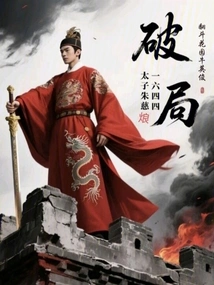
破局明末:太子朱慈烺
Tipping Bucket Garden Cow Handsome
Traveling back to Zhu Cixiang, there are no system rewards or modern technology. Faced with the suspicious Chongzhen, the partisan ministers, The approaching Li Zicheng, the Manchu Qing Dynasty eying, There are also the Jiangnan gentry who are both obedient and treacherous... See how an ordinary person stirred up the storm in the treacherous late Ming Dynasty.
Traveling back to Zhu Cixiang, there are no system rewards or modern technology. Faced with the suspicious Chongzhen, the partisan ministers, The approaching Li Zicheng, the Manchu Qing Dynasty eying, There are also the Jiangnan gentry who are both obedient and treacherous... See how an ordinary person stirred up the storm in the treacherous late Ming Dynasty.
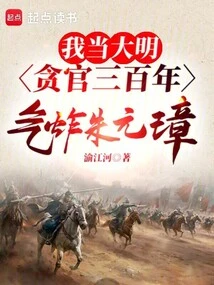
我当大明贪官三百年,气炸朱元璋
Yujiang River
When Ye Xuan first arrived in Ming Dynasty, he openly admitted his two major life goals in court. "I want to have what Zhu Yuanzhang has, and I want even more what Zhu Yuanzhang doesn't have!" "I want to enjoy what Zhu Chongba has enjoyed, and I want to enjoy what Zhu Chongba has not enjoyed!" The reason why he is so sincere is because he only needs to be named and killed by Lao Zhu to return to modern times and reach the peak of his life. But he didn't know that Zhu Yuanzhang and Empress Ma had both obtained golden fingers called [Da Ming Future Browser], and both had seen Ye Xuan's future in advance! ...
When Ye Xuan first arrived in Ming Dynasty, he openly admitted his two major life goals in court. "I want to have what Zhu Yuanzhang has, and I want even more what Zhu Yuanzhang doesn't have!" "I want to enjoy what Zhu Chongba has enjoyed, and I want to enjoy what Zhu Chongba has not enjoyed!" The reason why he is so sincere is because he only needs to be named and killed by Lao Zhu to return to modern times and reach the peak of his life. But he didn't know that Zhu Yuanzhang and Empress Ma had both obtained golden fingers called [Da Ming Future Browser], and both had seen Ye Xuan's future in advance! ...
A humorous, light-hearted historical record
Hyun Kyu
History玄圭
Cox330
*The female often outperforms the male with her tranquility, showing great skill but clumsiness. ** The soul of Chongzhen died in Meishan, and China collapsed again. Li Yan traveled through a small road in western Hubei in the late Ming Dynasty. The war was in chaos and practice could no longer save the people. He has no system and does not rely on immortal magic. He only has the knowledge from later generations and the "shuohuo" way of sticking to his original intention. In the blood and fire, what he realized was not the method of ascension, but the ultimate way in the world. From "General Jingnan" to the founding of the government and the establishment of "Shao Qian", he recruited talented people and abolished stereotyped writing. When there was a mountain of corpses and a sea of blood under Ruzhou City, he beat the drum himself and his green robe was stained. The world only knows that the sharpest sword in the world is called "Shou Zhuo". This is the story of a Taoist priest who rebuilt the monument of civilization in the human world.
*The female often outperforms the male with her tranquility, showing great skill but clumsiness. ** The soul of Chongzhen died in Meishan, and China collapsed again. Li Yan traveled through a small road in western Hubei in the late Ming Dynasty. The war was in chaos and practice could no longer save the people. He has no system and does not rely on immortal magic. He only has the knowledge from later generations and the "shuohuo" way of sticking to his original intention. In the blood and fire, what he realized was not the method of ascension, but the ultimate way in the world. From "General Jingnan" to the founding of the government and the establishment of "Shao Qian", he recruited talented people and abolished stereotyped writing. When there was a mountain of corpses and a sea of blood under Ruzhou City, he beat the drum himself and his green robe was stained. The world only knows that the sharpest sword in the world is called "Shou Zhuo". This is the story of a Taoist priest who rebuilt the monument of civilization in the human world.
铁血南朝
Taofeng
The first year of Jingping, 423 AD. Emperor Ming Yuan of the Northern Wei Dynasty, Tuoba Si, led his army to conquer the country and went south. The famous general Shusun Jian waved his whip to drink from the Yellow River. The Northern Wei army besieged Luoyang, the former capital of the Song Dynasty, like a landslide and a tsunami. Hulao Pass is in danger, wars are everywhere in Henan, Liu Yu, the founding hero of the Southern Liu Song Dynasty, has just died of illness, the young master has ascended the throne, powerful ministers are fighting, and the illustrious military achievements of the Northern Expedition are falling apart at an alarming speed. This is the last heavy gasp of reunification that China can hear before the confrontation between the North and the South is completely solidified. At this time when the sky is falling, a time traveler who carries the secret of immortality comes from the future to this lonely city that is about to fall. He witnessed with his own eyes the arrogance of Hu Qi and the tragedy of the Song Army, and the boundaries of civilization were shattered inch by inch before his eyes. His immortal life made it impossible for him to sit back and watch as China fell into division and war that lasted for more than a hundred years. A great wish burned in his heart: to change destiny against heaven, help the world, and reunite the world! There are cavalrymen from the Northern Wei Dynasty in front of them, their troops are in full swing and they are unstoppable; Later, there was the Jiankang court, which was jealous of internal strife and drunken life and death; The rivers and lakes are far and wide, the nobles and nobles are indulged in chatting, and the common people from poor families have no way to serve the country. This road to eternal life is eternal loneliness and the most determined journey. How will he use the capture of Luoyang as the first piece of the chess game to plan a salvation strategy that spans decades at the beginning of this worst era? How to use thousands of years of experience to gather refugees, build hundreds of industries, strengthen the military, and preserve the spark of civilization in the flames of the North? How will they deal with the heroes of the Northern Wei Dynasty, the young masters of the Liu Song Dynasty, the Xianbei nobles and the Jiangnan aristocratic families, and join forces vertically and horizontally to fight for a glimmer of vitality for the Han family?
The first year of Jingping, 423 AD. Emperor Ming Yuan of the Northern Wei Dynasty, Tuoba Si, led his army to conquer the country and went south. The famous general Shusun Jian waved his whip to drink from the Yellow River. The Northern Wei army besieged Luoyang, the former capital of the Song Dynasty, like a landslide and a tsunami. Hulao Pass is in danger, wars are everywhere in Henan, Liu Yu, the founding hero of the Southern Liu Song Dynasty, has just died of illness, the young master has ascended the throne, powerful ministers are fighting, and the illustrious military achievements of the Northern Expedition are falling apart at an alarming speed. This is the last heavy gasp of reunification that China can hear before the confrontation between the North and the South is completely solidified. At this time when the sky is falling, a time traveler who carries the secret of immortality comes from the future to this lonely city that is about to fall. He witnessed with his own eyes the arrogance of Hu Qi and the tragedy of the Song Army, and the boundaries of civilization were shattered inch by inch before his eyes. His immortal life made it impossible for him to sit back and watch as China fell into division and war that lasted for more than a hundred years. A great wish burned in his heart: to change destiny against heaven, help the world, and reunite the world! There are cavalrymen from the Northern Wei Dynasty in front of them, their troops are in full swing and they are unstoppable; Later, there was the Jiankang court, which was jealous of internal strife and drunken life and death; The rivers and lakes are far and wide, the nobles and nobles are indulged in chatting, and the common people from poor families have no way to serve the country. This road to eternal life is eternal loneliness and the most determined journey. How will he use the capture of Luoyang as the first piece of the chess game to plan a salvation strategy that spans decades at the beginning of this worst era? How to use thousands of years of experience to gather refugees, build hundreds of industries, strengthen the military, and preserve the spark of civilization in the flames of the North? How will they deal with the heroes of the Northern Wei Dynasty, the young masters of the Liu Song Dynasty, the Xianbei nobles and the Jiangnan aristocratic families, and join forces vertically and horizontally to fight for a glimmer of vitality for the Han family?
Romance of Nanming
History南明演义
Writeryd2ia3
Come to China Literature's website to read more of my works!
Come to China Literature's website to read more of my works!
Come to China Literature's website to read more of my works!
我在明末扛大旗:崇祯夸我是名将
Melon-stealing Squad
Come to China Literature's website to read more of my works!
Come to China Literature's website to read more of my works!
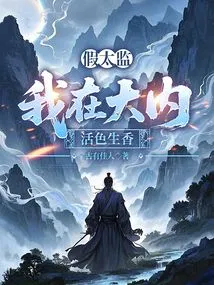
假太监:我在大内活色生香
There Was A Beautiful Woman In Ancient Times
Once in time, Lu Li traveled through the Dachu Palace in the world of Gaowu and became a fake eunuch! The harem is very strict, and human life is as small as grass. After his predecessor was beaten to death by a young eunuch, Lu Li became ruthless and wanted to become a master. So, let's start with conquering the imperial concubine
Once in time, Lu Li traveled through the Dachu Palace in the world of Gaowu and became a fake eunuch! The harem is very strict, and human life is as small as grass. After his predecessor was beaten to death by a young eunuch, Lu Li became ruthless and wanted to become a master. So, let's start with conquering the imperial concubine
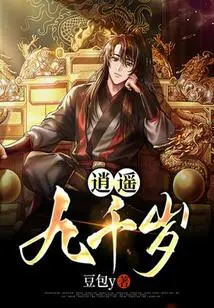
Happy Nine Thousand Years
History逍遥九千岁
Bean Bag Y
Ding Chen accidentally traveled through time and became a eunuch. It was a false alarm but he turned out to be a fake eunuch! Revealing the identity of the emperor's daughter at the beginning? There are undercurrents surging in the DPRK, and there are crises at every step. The average person has 800 evil thoughts, and there are big pits everywhere. Fortunately, Ding Chen possesses a system that allows him to spy on other people's secrets. He has the handle on every minister in the court. Ding Chen: "Secretary of the Ministry of War, Commander of the Royal Guards, Minister of Household Affairs, Minister of Dali Temple, he is our nine thousand year old godson."
Ding Chen accidentally traveled through time and became a eunuch. It was a false alarm but he turned out to be a fake eunuch! Revealing the identity of the emperor's daughter at the beginning? There are undercurrents surging in the DPRK, and there are crises at every step. The average person has 800 evil thoughts, and there are big pits everywhere. Fortunately, Ding Chen possesses a system that allows him to spy on other people's secrets. He has the handle on every minister in the court. Ding Chen: "Secretary of the Ministry of War, Commander of the Royal Guards, Minister of Household Affairs, Minister of Dali Temple, he is our nine thousand year old godson."
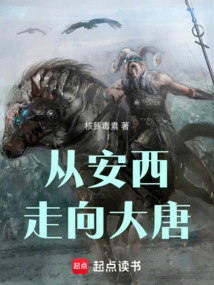
From Anxi to Datang
History从安西走向大唐
Ribotoxins
The new book "Wei Bo Jiedushi, Dogs Are Not Suitable", dear Jiedushi adults, come and read it! In the Three Years of Tianbao of the Tang Dynasty, this is already the thirteenth year that Li Mi came to this world. This year, he came to Qiuci to study with the hope of the entire Fengsui Fort. Can the time traveler prevent the Anshi Rebellion, and can the road to industrialization be born in advance from the land of Datang? With the intrigues with Li Linfu, Yang Guozhong and Li Heng, can he gain a foothold in Chang'an? Who was the biggest winner in the Anshi Rebellion? Industrialization of the northwest, development of the west, how Anxi crushed the Central Plains! My name is Li Mi, the big liar Mi! Li Mi? Also surnamed Li, Empire, whose family will the flower fall into?
The new book "Wei Bo Jiedushi, Dogs Are Not Suitable", dear Jiedushi adults, come and read it! In the Three Years of Tianbao of the Tang Dynasty, this is already the thirteenth year that Li Mi came to this world. This year, he came to Qiuci to study with the hope of the entire Fengsui Fort. Can the time traveler prevent the Anshi Rebellion, and can the road to industrialization be born in advance from the land of Datang? With the intrigues with Li Linfu, Yang Guozhong and Li Heng, can he gain a foothold in Chang'an? Who was the biggest winner in the Anshi Rebellion? Industrialization of the northwest, development of the west, how Anxi crushed the Central Plains! My name is Li Mi, the big liar Mi! Li Mi? Also surnamed Li, Empire, whose family will the flower fall into?
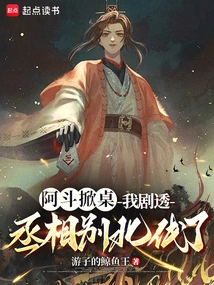
Adou Flipped the Table: I Spoiled It, the Prime Minister Said Goodbye to the Northern Expedition
History阿斗掀桌:我剧透,丞相别北伐了
Wanderer's Whale King
Good news: Liu Chan traveled through time and became the new emperor of Shu Han, and was also bound to the [Rebuilding Civilization] system! Bad news: Conditions for system activation - isolation from the country! Liu Chan: "Fuck it! Change it! If this thing is handed down, I'm afraid the prime minister will be the first to cheat on you and call me 'shameless'?!" System: [High-yielding grains, steam engines, gunpowder, cement... Want it? Lock down the country! Liu Chan was silent. On one side is Zhuge Liang, the wise sage of the ages who dedicated himself to the Northern Expedition. On the one hand, there is a deceptive system that insists on locking down the country, otherwise it will be left dead. In order not to be drowned by spitting stars, I even made a fortune for the three prosperous men and ran into the pie of the industrial revolution... A Dou decided to overturn the table. "Father, stop the Northern Expedition! Listen to my spoilers!" "This time, we close our doors, farm, and improve technology, and the sun never sets!"
Good news: Liu Chan traveled through time and became the new emperor of Shu Han, and was also bound to the [Rebuilding Civilization] system! Bad news: Conditions for system activation - isolation from the country! Liu Chan: "Fuck it! Change it! If this thing is handed down, I'm afraid the prime minister will be the first to cheat on you and call me 'shameless'?!" System: [High-yielding grains, steam engines, gunpowder, cement... Want it? Lock down the country! Liu Chan was silent. On one side is Zhuge Liang, the wise sage of the ages who dedicated himself to the Northern Expedition. On the one hand, there is a deceptive system that insists on locking down the country, otherwise it will be left dead. In order not to be drowned by spitting stars, I even made a fortune for the three prosperous men and ran into the pie of the industrial revolution... A Dou decided to overturn the table. "Father, stop the Northern Expedition! Listen to my spoilers!" "This time, we close our doors, farm, and improve technology, and the sun never sets!"
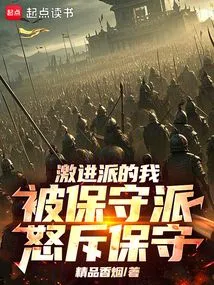
激进派的我被保守派怒斥保守
Premium Cigarettes
In the first year of the First Emperor's reign, Qin Shihuang unified the six kingdoms. Ying Chengyu, who traveled through time and became Ying Zheng's brother, was misunderstood by the civil and military officials of the dynasty, and even the people of Xianyang City, as a dandy prince who only cared about pleasure and wasted money. What's more, they privately called him 'the great rat of Qin'. Little did he know that the Qin Dynasty was in its early stages, and everything was in ruins waiting to be revitalized. If he hadn't been working secretly, working hard to amass wealth through business, and make up for the shortfall in the national treasury. Even if Brother Zheng is so talented, how can this eternal foundation be so stable? How can you let Brother Zheng destroy the remnants of the Six Kingdoms? But when Brother Zheng saw the world map, he actually angrily accused me of being too conservative?
In the first year of the First Emperor's reign, Qin Shihuang unified the six kingdoms. Ying Chengyu, who traveled through time and became Ying Zheng's brother, was misunderstood by the civil and military officials of the dynasty, and even the people of Xianyang City, as a dandy prince who only cared about pleasure and wasted money. What's more, they privately called him 'the great rat of Qin'. Little did he know that the Qin Dynasty was in its early stages, and everything was in ruins waiting to be revitalized. If he hadn't been working secretly, working hard to amass wealth through business, and make up for the shortfall in the national treasury. Even if Brother Zheng is so talented, how can this eternal foundation be so stable? How can you let Brother Zheng destroy the remnants of the Six Kingdoms? But when Brother Zheng saw the world map, he actually angrily accused me of being too conservative?
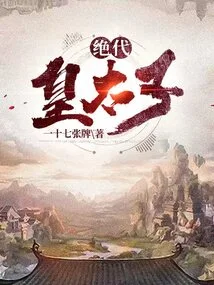
The Peerless Crown Prince
History绝代皇太子
Seventeen Cards
The special forces king Chu Yue had just traveled to the Tang Empire and became the crown prince, but he was humiliated by an enemy envoy! Can this be tolerated? ! If you want a military fight, saddles, stirrups, muskets, and cannons are arranged; if you want a witty fight, Sun Tzu's Thirty-six Strategies in the Art of War will not kill you; if you want a literary fight, I have accumulated five thousand years of literature to let you know what dimensionality reduction strikes are! ... Fight the prince, kill the traitor, quell the rebellion, and wipe out the enemy country. Beauty on the left hand, kingship on the right hand. In this life, Chu Yue wants to wake up and take control of the world, and he will lie drunk on the lap of a beautiful woman. I want to be the emperor for eternity!
The special forces king Chu Yue had just traveled to the Tang Empire and became the crown prince, but he was humiliated by an enemy envoy! Can this be tolerated? ! If you want a military fight, saddles, stirrups, muskets, and cannons are arranged; if you want a witty fight, Sun Tzu's Thirty-six Strategies in the Art of War will not kill you; if you want a literary fight, I have accumulated five thousand years of literature to let you know what dimensionality reduction strikes are! ... Fight the prince, kill the traitor, quell the rebellion, and wipe out the enemy country. Beauty on the left hand, kingship on the right hand. In this life, Chu Yue wants to wake up and take control of the world, and he will lie drunk on the lap of a beautiful woman. I want to be the emperor for eternity!
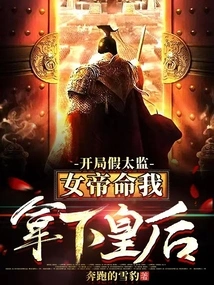
开局假太监:女帝命我拿下皇后
Running Snow Leopard
Li Jiudao traveled across the Qin Dynasty and became a fake eunuch. Unexpectedly, the emperor ordered him to capture the queen tomorrow.
Li Jiudao traveled across the Qin Dynasty and became a fake eunuch. Unexpectedly, the emperor ordered him to capture the queen tomorrow.
开元情诗与剑榜
The Second Year Of Changqing
During the Kaiyuan and Tianbao years of the Tang Dynasty, the "Three Major Poetry Lists" were popular. Once you are famous on the poetry list, the benefits are countless! If you advance, you will be promoted to Jinshi, and you will be granted the title of Marquis and Prime Minister! If you retreat, you will be famous in the world and be popular all over the world! Chen Cheng's goal is to win first place on all three major lists! Although I can't write poetry, I can copy other people's! Du Fu said, "When you are seven years old, you are strong when you think about it, and you chant the phoenix with your mouth." Then I will "think about it when you are five years old, and you are strong when you open your mouth and chant the phoenix." Li Bai "observed the wonders of the book on the fifteenth day, and wrote the poem Ling Xiangru", then I will "view the book of wonders on the thirteenth, and wrote the poem Ling Xiangru"! No matter what, I have to suppress them both! It's a pity... "Everyone in the world copies poems when they travel back and forth, but I wasted my life by copying poems." Xiao Chen, who is familiar with time-travel novels, believes that he can defeat all the great gods by relying on the poems of later generations, and gain more respect in front of his fiancée and the little princess. But the reality is that even if you come up with the best poems of later generations, the great masters of the Tang Dynasty can still easily recite works that are ten times better than yours! A slap in the face on the spot! The Seven Ultimate Master Wang Changling! Xiangyang hermit Meng Haoran! Gao Shi and Cen Shen at the frontier fortress! Flag Pavilion Painting Wall King Zhihuan! There are paintings within poems, and poems within paintings, Wang Wei! Of course, there is also Li Du, who will always stand at the pinnacle of Chinese poetry! Li Du! Li Du! Then I'd better... Learn from the beginning... The great gods torture me lightly!
During the Kaiyuan and Tianbao years of the Tang Dynasty, the "Three Major Poetry Lists" were popular. Once you are famous on the poetry list, the benefits are countless! If you advance, you will be promoted to Jinshi, and you will be granted the title of Marquis and Prime Minister! If you retreat, you will be famous in the world and be popular all over the world! Chen Cheng's goal is to win first place on all three major lists! Although I can't write poetry, I can copy other people's! Du Fu said, "When you are seven years old, you are strong when you think about it, and you chant the phoenix with your mouth." Then I will "think about it when you are five years old, and you are strong when you open your mouth and chant the phoenix." Li Bai "observed the wonders of the book on the fifteenth day, and wrote the poem Ling Xiangru", then I will "view the book of wonders on the thirteenth, and wrote the poem Ling Xiangru"! No matter what, I have to suppress them both! It's a pity... "Everyone in the world copies poems when they travel back and forth, but I wasted my life by copying poems." Xiao Chen, who is familiar with time-travel novels, believes that he can defeat all the great gods by relying on the poems of later generations, and gain more respect in front of his fiancée and the little princess. But the reality is that even if you come up with the best poems of later generations, the great masters of the Tang Dynasty can still easily recite works that are ten times better than yours! A slap in the face on the spot! The Seven Ultimate Master Wang Changling! Xiangyang hermit Meng Haoran! Gao Shi and Cen Shen at the frontier fortress! Flag Pavilion Painting Wall King Zhihuan! There are paintings within poems, and poems within paintings, Wang Wei! Of course, there is also Li Du, who will always stand at the pinnacle of Chinese poetry! Li Du! Li Du! Then I'd better... Learn from the beginning... The great gods torture me lightly!
汉:从边境起家定三国
Writer 3oiwif
At the end of the Eastern Han Dynasty, the world was in turmoil. Lin Fu, a young man from the border county, was originally a brave commander of his hometown. However, due to the plunder of the Huns and the cruelty of the officials, he was forced to take up the banner of protecting his hometown. With his courage and courage, he gathered the refugees and organized his troops with the idea of "people as the foundation of the country". From a rough hero who protected the people of a township, he gradually became a powerful leader who ruled Bingzhou. In the chess game of the Central Plains, he not only understood battlefield strategy - a surprise attack on Xuchang by crossing Yingshui River at night, setting up an ambush in Juye Ze to defeat Cao Yuan's alliance, and destroying the Jiangdong navy in the Yangtze River water battle, he shocked the princes with his example of defeating more with less; The art of governing the country - pacify the refugees and reclaim wasteland once a place is pacified, pioneer the imperial examination to break the monopoly of family status, establish a municipal shipping department to connect overseas trade routes, and use the "Yong'an New Deal" to rejuvenate the war-torn land. He once competed with aristocratic families in the Tai Chi Palace to fight for the career path of the poor family members; he once looked out from the Xuchang city tower with his wife and children, and vowed to protect the people of the world from living and working in peace and contentment; he also accepted Xianbei herdsmen in the northern Xinjiang pasture, and created border stability with tolerance. From the beacon war in border counties to the coming of all nations, from the brave commander of the countryside to the founding emperor, Lin Fu spent twenty years of conquest and governance. In the broken Han Dynasty, he rebuilt a peaceful and prosperous era where "the roads were not picked up and the houses were not closed at night". He also wrote a legend that rose from the dust and determined the world with the people's hearts.
At the end of the Eastern Han Dynasty, the world was in turmoil. Lin Fu, a young man from the border county, was originally a brave commander of his hometown. However, due to the plunder of the Huns and the cruelty of the officials, he was forced to take up the banner of protecting his hometown. With his courage and courage, he gathered the refugees and organized his troops with the idea of "people as the foundation of the country". From a rough hero who protected the people of a township, he gradually became a powerful leader who ruled Bingzhou. In the chess game of the Central Plains, he not only understood battlefield strategy - a surprise attack on Xuchang by crossing Yingshui River at night, setting up an ambush in Juye Ze to defeat Cao Yuan's alliance, and destroying the Jiangdong navy in the Yangtze River water battle, he shocked the princes with his example of defeating more with less; The art of governing the country - pacify the refugees and reclaim wasteland once a place is pacified, pioneer the imperial examination to break the monopoly of family status, establish a municipal shipping department to connect overseas trade routes, and use the "Yong'an New Deal" to rejuvenate the war-torn land. He once competed with aristocratic families in the Tai Chi Palace to fight for the career path of the poor family members; he once looked out from the Xuchang city tower with his wife and children, and vowed to protect the people of the world from living and working in peace and contentment; he also accepted Xianbei herdsmen in the northern Xinjiang pasture, and created border stability with tolerance. From the beacon war in border counties to the coming of all nations, from the brave commander of the countryside to the founding emperor, Lin Fu spent twenty years of conquest and governance. In the broken Han Dynasty, he rebuilt a peaceful and prosperous era where "the roads were not picked up and the houses were not closed at night". He also wrote a legend that rose from the dust and determined the world with the people's hearts.
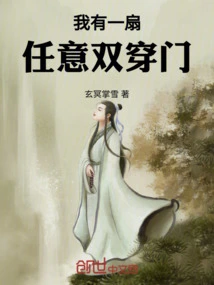
I Have a Double Pass Door
History我有一扇任意双穿门
Xuanmingzhangxue
Six hundred years of Ming Dynasty. Ming Taizu's instruction: We! Zhu Chongba, who upholds the law of heaven and obeys the people's will, ascended the throne of Kaiyuan and established our iron-blooded Ming Dynasty, all because of a man named Li Yang who lived six hundred years later. That year, we were the only ones in our family who starved to death! He said that there was a man named Zhu Chongba who started with just one bowl, but could become a beggar emperor and a commoner emperor, establish the great iron-blooded Ming Dynasty, and become a generation of emperors that would be respected by future generations. Hearing this makes us excited! Mingcheng Ancestor Xun: That year, I only led 800 people to launch the Jingdong. The result was something I didn't expect. The imperial examination was among the 800 people. I finally believed that Li Yang really came from six hundred years later. Ming Lie's Ancestral Instructions: That year, I was planning to hang myself in Meishan. Guess who I saw before hanging myself? Later, you all know that I defeated Huang Taiji and Dorgon to a pulp. In the end, I could only kneel in front of me, offer up Queen Xiaozhuang, and let my eight-year-old grandson Xuan Ye enter the palace as a eunuch. Throughout the six hundred years of the Ming Dynasty, Li Yang was everywhere. But it is only recorded in the ancestral teachings of the Ming Dynasty that a person from six hundred years later helped to establish the iron-blooded Ming Dynasty for six hundred years.
Six hundred years of Ming Dynasty. Ming Taizu's instruction: We! Zhu Chongba, who upholds the law of heaven and obeys the people's will, ascended the throne of Kaiyuan and established our iron-blooded Ming Dynasty, all because of a man named Li Yang who lived six hundred years later. That year, we were the only ones in our family who starved to death! He said that there was a man named Zhu Chongba who started with just one bowl, but could become a beggar emperor and a commoner emperor, establish the great iron-blooded Ming Dynasty, and become a generation of emperors that would be respected by future generations. Hearing this makes us excited! Mingcheng Ancestor Xun: That year, I only led 800 people to launch the Jingdong. The result was something I didn't expect. The imperial examination was among the 800 people. I finally believed that Li Yang really came from six hundred years later. Ming Lie's Ancestral Instructions: That year, I was planning to hang myself in Meishan. Guess who I saw before hanging myself? Later, you all know that I defeated Huang Taiji and Dorgon to a pulp. In the end, I could only kneel in front of me, offer up Queen Xiaozhuang, and let my eight-year-old grandson Xuan Ye enter the palace as a eunuch. Throughout the six hundred years of the Ming Dynasty, Li Yang was everywhere. But it is only recorded in the ancestral teachings of the Ming Dynasty that a person from six hundred years later helped to establish the iron-blooded Ming Dynasty for six hundred years.
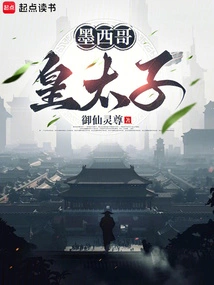
Mexican Crown Prince
History墨西哥皇太子
Yuxianlingzun
I, Tang Yi, a game enthusiast, originally came to Mexico for a trip, but you told me that I traveled through time chatting with an old man! Can it be a bit outrageous? He also became the eldest son of the Mexican king who was about to die. Where was the system that was promised to be a must-have for time travellers? You are playing with me, forget it, now that you have come, let me, Tang Yi, change your regrets.
I, Tang Yi, a game enthusiast, originally came to Mexico for a trip, but you told me that I traveled through time chatting with an old man! Can it be a bit outrageous? He also became the eldest son of the Mexican king who was about to die. Where was the system that was promised to be a must-have for time travellers? You are playing with me, forget it, now that you have come, let me, Tang Yi, change your regrets.
兵王从山野到天下
Uncle Only Loves Aunt
The cold light of the Turkic scimitar has not yet faded from memory, and modern special forces Zhang Siyuan has begun a new life in the mountains of the Great Zhou Dynasty. The calloused hands of uncle Zhang Yuanshan not only taught martial arts, but also put into practice a tempering plan that spanned ten years. When modern tactical thinking collides with the essence of ancient martial arts, a warrior who should not exist in this era is quietly taking shape...
The cold light of the Turkic scimitar has not yet faded from memory, and modern special forces Zhang Siyuan has begun a new life in the mountains of the Great Zhou Dynasty. The calloused hands of uncle Zhang Yuanshan not only taught martial arts, but also put into practice a tempering plan that spanned ten years. When modern tactical thinking collides with the essence of ancient martial arts, a warrior who should not exist in this era is quietly taking shape...

三国:让你逐鹿中原你去种田?
Fried Jelly
The new book "My Games Can Make Money from the Three Kingdoms" has been released, welcome to move here Zhao Yi traveled through the late Eastern Han Dynasty and became a member of the clan of the eunuch Zhao Zhong. Once he got a piece of land, he could double his harvest, and he had an unlimited granary system. The protective umbrella Zhao Zhong fell, and Zhao Yi, who had no family background, started struggling from the bottom, just to survive and farm. In these troubled times, food is kingship! Therefore, when the various princes were fighting, Zhao Yi chose to settle down in a corner and farm quietly. When the three pillars were established, Cao, Liu, and Sun suddenly discovered that the lifeblood of their Three Kingdoms was firmly in the hands of a little man named Zhao Yi. "Soochow Navy is famous all over the world, so let's start with Soochow." "Jiangdong Jerry surrendered? Let them go to Japan and establish the caste system for me. Then I will accept their surrender. You can't let Dongwu's ship be built in vain, right?" This book is also called "Three Kingdoms: How can we support the Han people without food?"
The new book "My Games Can Make Money from the Three Kingdoms" has been released, welcome to move here Zhao Yi traveled through the late Eastern Han Dynasty and became a member of the clan of the eunuch Zhao Zhong. Once he got a piece of land, he could double his harvest, and he had an unlimited granary system. The protective umbrella Zhao Zhong fell, and Zhao Yi, who had no family background, started struggling from the bottom, just to survive and farm. In these troubled times, food is kingship! Therefore, when the various princes were fighting, Zhao Yi chose to settle down in a corner and farm quietly. When the three pillars were established, Cao, Liu, and Sun suddenly discovered that the lifeblood of their Three Kingdoms was firmly in the hands of a little man named Zhao Yi. "Soochow Navy is famous all over the world, so let's start with Soochow." "Jiangdong Jerry surrendered? Let them go to Japan and establish the caste system for me. Then I will accept their surrender. You can't let Dongwu's ship be built in vain, right?" This book is also called "Three Kingdoms: How can we support the Han people without food?"
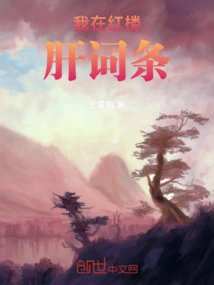
我在红楼肝词条
Ten Maple
At the beginning, it is transformed into a small transparent branch of Jia's family. I thought I was destined to be cannon fodder, but I woke up to the public entry system. By copying poems, you can gain experience upgrade entries and unlock various magical abilities. I wanted to develop in a low-key manner, but who would have expected that a random limerick would alarm the entire Rongguo Mansion? Wait, that young lady who always stares at me with bright eyes seems to be the future champion Lang Jialan? Many years later, Jia Jun looked at the densely populated dazzling entries above his head and fell into deep thought. [Poem Immortal] [Guo Shi] [Martial Saint] [Love Saint]... So, which entry can save this building from collapse?
At the beginning, it is transformed into a small transparent branch of Jia's family. I thought I was destined to be cannon fodder, but I woke up to the public entry system. By copying poems, you can gain experience upgrade entries and unlock various magical abilities. I wanted to develop in a low-key manner, but who would have expected that a random limerick would alarm the entire Rongguo Mansion? Wait, that young lady who always stares at me with bright eyes seems to be the future champion Lang Jialan? Many years later, Jia Jun looked at the densely populated dazzling entries above his head and fell into deep thought. [Poem Immortal] [Guo Shi] [Martial Saint] [Love Saint]... So, which entry can save this building from collapse?
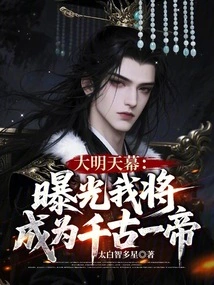
大明天幕:曝光我将成为千古一帝
Taibai Zhiduoxing
(Setting, characters live an average of fifty years longer) It was revealed that Zhu Di's descendants turned out to be the emperors of the ages, even more awesome than Li Shimin! Standing in front of you now are the Ming Dynasty's Minister of Punishment, Minister of War, Ming Dynasty Jing Zhaoyin, Ming Dynasty General, Ming Dynasty Chief Assistant, Ming Dynasty Ce General, Ming Dynasty Khan, Ming Dynasty Khan, and Ming Dynasty Central Ancestor Emperor Zhu Qishuan (shuo, four tones). Zhu Yuanzhang: How could the fourth child be the emperor when he was the emperor? Chengzu? What the hell? Zhu Di: Dad! If you do this position to the end, don't give it to me! Zhu Gaochi: Ouch! Why did our old Zhu family have another saint? Zhu Gaoxu: My eldest nephew... Zhu Qizhen: If you don't break the wall, you will be ashamed to sit on this throne! Zhu Yunwen: Qizhen, how about you and I joining forces to regain the throne and create a bright and bright world together? Until the end, Zhu Qixuan (shuo, four tones) was pushed to the throne. Let's see how he conquers Asia and Europe.
(Setting, characters live an average of fifty years longer) It was revealed that Zhu Di's descendants turned out to be the emperors of the ages, even more awesome than Li Shimin! Standing in front of you now are the Ming Dynasty's Minister of Punishment, Minister of War, Ming Dynasty Jing Zhaoyin, Ming Dynasty General, Ming Dynasty Chief Assistant, Ming Dynasty Ce General, Ming Dynasty Khan, Ming Dynasty Khan, and Ming Dynasty Central Ancestor Emperor Zhu Qishuan (shuo, four tones). Zhu Yuanzhang: How could the fourth child be the emperor when he was the emperor? Chengzu? What the hell? Zhu Di: Dad! If you do this position to the end, don't give it to me! Zhu Gaochi: Ouch! Why did our old Zhu family have another saint? Zhu Gaoxu: My eldest nephew... Zhu Qizhen: If you don't break the wall, you will be ashamed to sit on this throne! Zhu Yunwen: Qizhen, how about you and I joining forces to regain the throne and create a bright and bright world together? Until the end, Zhu Qixuan (shuo, four tones) was pushed to the throne. Let's see how he conquers Asia and Europe.
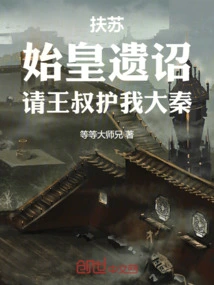
扶苏:始皇遗诏,请王叔护我大秦
Wait, Big Brother
Su Yi traveled to the Zhao State at the end of the Warring States Period. By chance, he met Ying Zheng, who was a hostage and had not yet returned to Qin. With Su Yi's help, Ying Zheng returned to Qin smoothly and invited him repeatedly, but was rejected by Su Yi. Ying Zheng worked hard to govern, swept across the world, unified the world, called himself the First Emperor, and invited Su Yi again, but he was nowhere to be found. In the thirty-seventh year of the First Emperor's reign, he died suddenly on a sand dune. Zhao Gaolisi tampered with the imperial edict and intended to support his son Hu Hai as the heir apparent. Wang Jian noticed the abnormality and ordered Wang Bi to escort Fusu to escape from the sand dunes and rush to Kunlun for help. "My nephew, Fusu, respectfully invites Uncle Wang to come out, bring order to the chaos, and protect my country, the Qin Dynasty!"
Su Yi traveled to the Zhao State at the end of the Warring States Period. By chance, he met Ying Zheng, who was a hostage and had not yet returned to Qin. With Su Yi's help, Ying Zheng returned to Qin smoothly and invited him repeatedly, but was rejected by Su Yi. Ying Zheng worked hard to govern, swept across the world, unified the world, called himself the First Emperor, and invited Su Yi again, but he was nowhere to be found. In the thirty-seventh year of the First Emperor's reign, he died suddenly on a sand dune. Zhao Gaolisi tampered with the imperial edict and intended to support his son Hu Hai as the heir apparent. Wang Jian noticed the abnormality and ordered Wang Bi to escort Fusu to escape from the sand dunes and rush to Kunlun for help. "My nephew, Fusu, respectfully invites Uncle Wang to come out, bring order to the chaos, and protect my country, the Qin Dynasty!"
谋仕
Talking Tom Cat
Come to China Literature's website to read more of my works!
Come to China Literature's website to read more of my works!
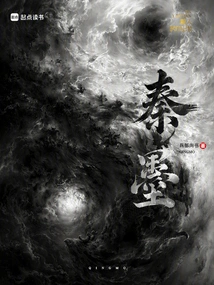
Qin Mo
History秦墨
Book Of The Ministry Of War
Also known as "Great Qin: No Regrets in China" A prodigal son from a family of traditional Chinese medicine accidentally traveled to the late Warring States period more than 2,000 years ago because of a "giant tripod" and became the most cowardly assassin in history, Qin Wuyang! He originally planned to be a playboy, but he stayed until the day when Qin Shihuang unified the world, but due to an accident, he rescued Qin's traitorous general Fan Yuqi. From then on, he was involved in the Mohist disputes, Jing Ke's assassination of Qin, the mystery of immortality, Qin's destruction of six kingdoms and other major historical changes, and slowly unlocked the unknown secret behind Qin Shihuang's unification of the world. In the world of martial arts, he learned swordsmanship from Tian Guang, discussed swordsmanship with Gai Nie, and became a Mohist tycoon, powerful in hundreds of schools of thought. Under the temple, he studied under Dun Ruo, seized power with Yao Jia, took charge of the Black Soldier Platform, and became the sword holder of the Dark Night of the Great Qin Dynasty. Burning books, trapping Confucians, and burning all his records. Xu Fu's journey eastward erased all traces of him. He is the chess player in the chess game and a big change outside the history books.
Also known as "Great Qin: No Regrets in China" A prodigal son from a family of traditional Chinese medicine accidentally traveled to the late Warring States period more than 2,000 years ago because of a "giant tripod" and became the most cowardly assassin in history, Qin Wuyang! He originally planned to be a playboy, but he stayed until the day when Qin Shihuang unified the world, but due to an accident, he rescued Qin's traitorous general Fan Yuqi. From then on, he was involved in the Mohist disputes, Jing Ke's assassination of Qin, the mystery of immortality, Qin's destruction of six kingdoms and other major historical changes, and slowly unlocked the unknown secret behind Qin Shihuang's unification of the world. In the world of martial arts, he learned swordsmanship from Tian Guang, discussed swordsmanship with Gai Nie, and became a Mohist tycoon, powerful in hundreds of schools of thought. Under the temple, he studied under Dun Ruo, seized power with Yao Jia, took charge of the Black Soldier Platform, and became the sword holder of the Dark Night of the Great Qin Dynasty. Burning books, trapping Confucians, and burning all his records. Xu Fu's journey eastward erased all traces of him. He is the chess player in the chess game and a big change outside the history books.
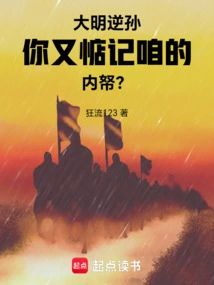
大明逆孙:你又惦记咱的内帑?
Crazy Flow 123
Traveling through the Hongwu Dynasty of the Ming Dynasty, he became Zhu Biao's son Zhu Yunxi. At the beginning, he received the news that Zhu Yuanzhang wanted to appoint Zhu Yunwen as his grandson. It was a heavenly start. In order to get rid of the ending of being in captivity, Zhu Yunxi could only rise up to resist. When Zhu Yuanzhang fell ill and ordered Zhu Yunxi to supervise the country, he would first declare war on the aliens. Zhu Yuanzhang broke his defense. "You little rebellious grandson, have all our internal funds been wiped out by you like this?" "Zhu Chongba, I am here to inherit the Ming Dynasty for thousands of years. If the money is gone, you can make more money. If the country is gone, there will be nothing."
Traveling through the Hongwu Dynasty of the Ming Dynasty, he became Zhu Biao's son Zhu Yunxi. At the beginning, he received the news that Zhu Yuanzhang wanted to appoint Zhu Yunwen as his grandson. It was a heavenly start. In order to get rid of the ending of being in captivity, Zhu Yunxi could only rise up to resist. When Zhu Yuanzhang fell ill and ordered Zhu Yunxi to supervise the country, he would first declare war on the aliens. Zhu Yuanzhang broke his defense. "You little rebellious grandson, have all our internal funds been wiped out by you like this?" "Zhu Chongba, I am here to inherit the Ming Dynasty for thousands of years. If the money is gone, you can make more money. If the country is gone, there will be nothing."
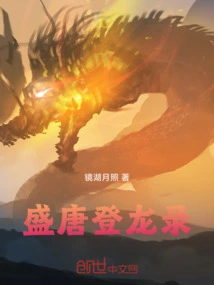
Tang Dynasty Dragon Record
History盛唐登龙录
Mirror Lake Moonlight
In 2025, Chen Yan, a down-and-out worker, traveled through Zhenguan for three years. He started as a refugee with a lowly status. He relied on modern wisdom to eliminate floods, improve farm tools, and improve water transportation. He fought against aristocratic families and overcame hardships and dangers, and finally reached the top of the Tang Dynasty, interpreting the legend of grassroots counterattack.
In 2025, Chen Yan, a down-and-out worker, traveled through Zhenguan for three years. He started as a refugee with a lowly status. He relied on modern wisdom to eliminate floods, improve farm tools, and improve water transportation. He fought against aristocratic families and overcame hardships and dangers, and finally reached the top of the Tang Dynasty, interpreting the legend of grassroots counterattack.

红楼:败犬女主太多了!
Fireworks Won't Be Perfect
Many years later, Jia Tianxiang was reclining on a soft gilded couch, lazily admiring the door paintings on the wall. Under the painting was a purse sent by Lin Daiyu, with Wang Xifeng's Han jade nine-dragon pendant sewn inside. "They say I'm a spoiler of girls." He leaned over and took off Wang Xifeng's slender shoes, revealing her snow-stained feet-- "When your Second Grandma Lian remarried, she clutched the verdict and begged me to love her!"
Many years later, Jia Tianxiang was reclining on a soft gilded couch, lazily admiring the door paintings on the wall. Under the painting was a purse sent by Lin Daiyu, with Wang Xifeng's Han jade nine-dragon pendant sewn inside. "They say I'm a spoiler of girls." He leaned over and took off Wang Xifeng's slender shoes, revealing her snow-stained feet-- "When your Second Grandma Lian remarried, she clutched the verdict and begged me to love her!"
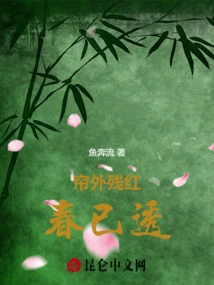
帘外残红春已透
Kitten Under The Eaves
Wang Yizhou, who accidentally cross-dressed as a woman, became Chen Weier, the wife of the Prime Minister of Dadong Kingdom. From then on, he became a caged bird in the backyard. Facing a strange man, he affectionately lamented that it was not worth it for Chen Weier who died. He had to deal with the man's feelings and his aunt's provocation. For the first time, he felt that being a woman was too tiring. Until the man became the regent king of the Ten Thousand People and made him a promise, Wang Yizhou never thought about it.
Wang Yizhou, who accidentally cross-dressed as a woman, became Chen Weier, the wife of the Prime Minister of Dadong Kingdom. From then on, he became a caged bird in the backyard. Facing a strange man, he affectionately lamented that it was not worth it for Chen Weier who died. He had to deal with the man's feelings and his aunt's provocation. For the first time, he felt that being a woman was too tiring. Until the man became the regent king of the Ten Thousand People and made him a promise, Wang Yizhou never thought about it.
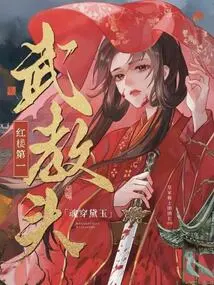
魂穿黛玉,红楼第一武教头
Master Of The Royal Knights
Lin Daiyu's soul passes through her, and boxing coach Dai Yu quickly accepts the male-to-female setting, causing the entire Red Mansion painting style to collapse. Facing the precarious Jia family, he is the toughest nuclear weapons instructor, and his apprentice is the Twelve Golden Hairpins. Target? First practice until you can pull out a weeping willow tree, and then lead a group of sisters to tear up a tragedy script! When the Grand View Garden was turned into a military training camp, the style of house fighting suddenly changed: the provocateur was easily dealt with by the "delicate" Daiyu. This book is also called "Coach, I want to learn this!" >>
Lin Daiyu's soul passes through her, and boxing coach Dai Yu quickly accepts the male-to-female setting, causing the entire Red Mansion painting style to collapse. Facing the precarious Jia family, he is the toughest nuclear weapons instructor, and his apprentice is the Twelve Golden Hairpins. Target? First practice until you can pull out a weeping willow tree, and then lead a group of sisters to tear up a tragedy script! When the Grand View Garden was turned into a military training camp, the style of house fighting suddenly changed: the provocateur was easily dealt with by the "delicate" Daiyu. This book is also called "Coach, I want to learn this!" >>
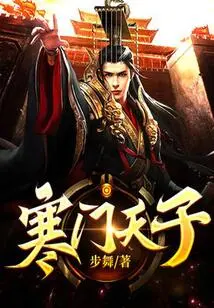
The Emperor of a Poor Family
History寒门天子
Step Dance
Modern young people traveled through ancient times and faced a terrible situation. Xu Ping'an comforted her: Don't panic, madam, your husband will be there for everything. From now on, the sky above your head will always be the bluest and clearest.
Modern young people traveled through ancient times and faced a terrible situation. Xu Ping'an comforted her: Don't panic, madam, your husband will be there for everything. From now on, the sky above your head will always be the bluest and clearest.
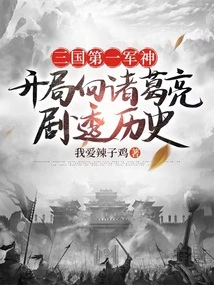
The First Military God of the Three Kingdoms: Spoilers of History to Zhuge Liang at the Beginning
History三国第一军神:开局向诸葛亮剧透历史
I Love Spicy Chicken
Liu Shan time traveled to Liu Shan, the most useless person in the Three Kingdoms. At this time, Liu Bei was capturing Xichuan and Pang Tong was about to die. In order to reverse the fate of Pang Tong and the entire Shu Han, Liu Chan revealed the future historical direction and technological development to Zhuge Liang at the beginning. Sima Yi: Liu Chan's son is actually more tolerant than me. Come here, prepare a piece of women's clothing and send it to him to inspire him to fight with our army. Sun Quan: What a despicable and shameless Liu Chan. I haven't even attacked Jingzhou yet, but you actually let Guan Yu pretend to be ill and attack Jiangdong. Cao Cao: Liu Chan's son is making trouble again. He created a kind of full-body armor called plate armor, which is difficult to penetrate with ordinary bows and arrows. He is really a monster and will definitely be a big problem for us in the future! A group of Confucian representatives: Damn Liu Chan, since you started learning new subjects such as mathematics, geography, physics, chemistry, biology, etc., We can no longer continue to fool the world. Liu Bei: Adou, if my father had had the sewing machines and textile machines you made, he would have made a fortune just by selling shoes and straw mats. Guan Yu: Adou, when we fought against Soochow, our naval force just went down the river, and you loaded the newly built artillery on the ship. This is too bullying. Zhang Fei: Second brother, you forgot that we also have an air force composed of hot air balloon teams...
Liu Shan time traveled to Liu Shan, the most useless person in the Three Kingdoms. At this time, Liu Bei was capturing Xichuan and Pang Tong was about to die. In order to reverse the fate of Pang Tong and the entire Shu Han, Liu Chan revealed the future historical direction and technological development to Zhuge Liang at the beginning. Sima Yi: Liu Chan's son is actually more tolerant than me. Come here, prepare a piece of women's clothing and send it to him to inspire him to fight with our army. Sun Quan: What a despicable and shameless Liu Chan. I haven't even attacked Jingzhou yet, but you actually let Guan Yu pretend to be ill and attack Jiangdong. Cao Cao: Liu Chan's son is making trouble again. He created a kind of full-body armor called plate armor, which is difficult to penetrate with ordinary bows and arrows. He is really a monster and will definitely be a big problem for us in the future! A group of Confucian representatives: Damn Liu Chan, since you started learning new subjects such as mathematics, geography, physics, chemistry, biology, etc., We can no longer continue to fool the world. Liu Bei: Adou, if my father had had the sewing machines and textile machines you made, he would have made a fortune just by selling shoes and straw mats. Guan Yu: Adou, when we fought against Soochow, our naval force just went down the river, and you loaded the newly built artillery on the ship. This is too bullying. Zhang Fei: Second brother, you forgot that we also have an air force composed of hot air balloon teams...
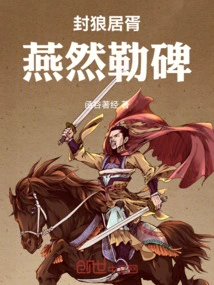
封狼居胥,燕然勒碑
Flat White Hair Silver Cloak
I'm a newbie on the road, please take care of me and don't scold me. A very ordinary time travel story.
I'm a newbie on the road, please take care of me and don't scold me. A very ordinary time travel story.