Library
Browse and search books
51,874 novels found
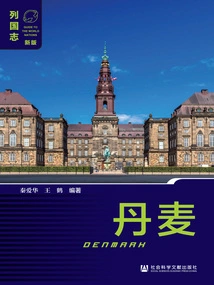
丹麦:第2版(列国志·新版)
Compiled By Wang He And Qin Aihua
Denmark is a developed country in Northern Europe known for its high welfare, with a world-leading per capita living standard and a harmonious and stable society. Denmark is Andersen's hometown and is world-famous for literature, art, and architectural design. Denmark has many magnificent royal palaces, marvelous and magnificent natural landscapes, and legendary fairy tale parks, making it a world-famous tourist destination. This book will give you a comprehensive understanding of this beautiful fairy tale kingdom from the aspects of history, politics, economy, military, society, culture and diplomacy.
Denmark is a developed country in Northern Europe known for its high welfare, with a world-leading per capita living standard and a harmonious and stable society. Denmark is Andersen's hometown and is world-famous for literature, art, and architectural design. Denmark has many magnificent royal palaces, marvelous and magnificent natural landscapes, and legendary fairy tale parks, making it a world-famous tourist destination. This book will give you a comprehensive understanding of this beautiful fairy tale kingdom from the aspects of history, politics, economy, military, society, culture and diplomacy.
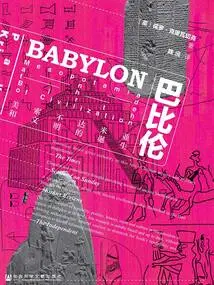
巴比伦:美索不达米亚和文明的诞生
(uk) Paul Krivacek
Babylon not only laid the foundation of civilization, but also supported the backbone of history. From the arrival of the first settlers in the Fertile Crescent around 5400 BC to the fall of Babylon to the Persians in the 6th century BC, the glorious history of Mesopotamia unfolds one by one. Civilization was born here. The land between the Tigris and Euphrates rivers has experienced dynasty changes and national integration. It has witnessed the birth of writing and literature, the formation of education and law, the beginnings of civil engineering and mathematics, and has also witnessed the rise of cities and the continuous improvement of human society. Paul Krivacek's "Babylon" explores not only the initial form of civilization, but also the laws of social progress and the model of human development.
Babylon not only laid the foundation of civilization, but also supported the backbone of history. From the arrival of the first settlers in the Fertile Crescent around 5400 BC to the fall of Babylon to the Persians in the 6th century BC, the glorious history of Mesopotamia unfolds one by one. Civilization was born here. The land between the Tigris and Euphrates rivers has experienced dynasty changes and national integration. It has witnessed the birth of writing and literature, the formation of education and law, the beginnings of civil engineering and mathematics, and has also witnessed the rise of cities and the continuous improvement of human society. Paul Krivacek's "Babylon" explores not only the initial form of civilization, but also the laws of social progress and the model of human development.
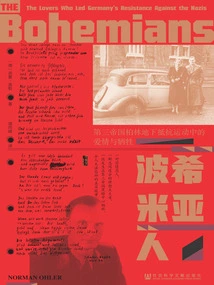
波希米亚人:第三帝国柏林地下抵抗运动中的爱情与牺牲
Ay
Summer 1935. On a lake near Berlin, a young man was sailing when a boat passed by him and he saw a woman leaning on the bow. Their eyes met-and one of the most audacious plans in history was born. Before he began his turbulent romance with Libertas Haas-Hayer, Haro Schulze-Boysen had already shed his blood in the fight against Nazism. Libertas joined the cause, and the two soon gathered a group of like-minded anti-fascist fighters, forming a network of resisters in Nazi-era Berlin to bravely resist the Nazis' reign of terror. Harrow himself also infiltrated the German military and intelligence services to deliver Nazi battle plans to the Allies, including details of Hitler's blitzkrieg campaign against the Soviet Union. But before young Harrow and Libertas are fully prepared, the omnipresent Gestapo is closing in - and in this secret war, it's hard to tell friend from foe. Harrow and Libertas were historically significant heroes who fought against the Nazi regime, but for a long time they did not receive the recognition they deserved, either in West or East Germany. Norman Oller used unpublished diaries, letters and Gestapo archives to reconstruct this heroic story of love and sacrifice in La Bohème.
Summer 1935. On a lake near Berlin, a young man was sailing when a boat passed by him and he saw a woman leaning on the bow. Their eyes met-and one of the most audacious plans in history was born. Before he began his turbulent romance with Libertas Haas-Hayer, Haro Schulze-Boysen had already shed his blood in the fight against Nazism. Libertas joined the cause, and the two soon gathered a group of like-minded anti-fascist fighters, forming a network of resisters in Nazi-era Berlin to bravely resist the Nazis' reign of terror. Harrow himself also infiltrated the German military and intelligence services to deliver Nazi battle plans to the Allies, including details of Hitler's blitzkrieg campaign against the Soviet Union. But before young Harrow and Libertas are fully prepared, the omnipresent Gestapo is closing in - and in this secret war, it's hard to tell friend from foe. Harrow and Libertas were historically significant heroes who fought against the Nazi regime, but for a long time they did not receive the recognition they deserved, either in West or East Germany. Norman Oller used unpublished diaries, letters and Gestapo archives to reconstruct this heroic story of love and sacrifice in La Bohème.
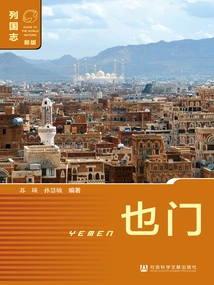
也门(列国志·新版)
Compiled By Sun Huimin And Su Ying
Yemen is located at the southwest end of the Arabian Peninsula, bordering Oman to the east, Saudi Arabia to the north, the Red Sea to the west, the Gulf of Aden and the Arabian Sea to the south, facing Eritrea and Djibouti across the Bab el-Mandeb Strait, and blocking the exit from the Red Sea to the Indian Ocean. Its strategic location is very important. Yemen has been an important transportation route between the East and the West since ancient times. It was once a transit station on the famous ancient Maritime Silk Road and the starting point of the Spice Road. Yemen is one of the countries co-building the "Belt and Road" and an important economic partner of China. China-Yemen cooperation has broad development prospects. This book comprehensively and systematically introduces the history, politics, economy, culture, society and diplomacy of Yemen.
Yemen is located at the southwest end of the Arabian Peninsula, bordering Oman to the east, Saudi Arabia to the north, the Red Sea to the west, the Gulf of Aden and the Arabian Sea to the south, facing Eritrea and Djibouti across the Bab el-Mandeb Strait, and blocking the exit from the Red Sea to the Indian Ocean. Its strategic location is very important. Yemen has been an important transportation route between the East and the West since ancient times. It was once a transit station on the famous ancient Maritime Silk Road and the starting point of the Spice Road. Yemen is one of the countries co-building the "Belt and Road" and an important economic partner of China. China-Yemen cooperation has broad development prospects. This book comprehensively and systematically introduces the history, politics, economy, culture, society and diplomacy of Yemen.
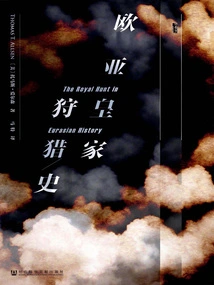
欧亚皇家狩猎史
F
How did the royal families of many empires in Eurasian history carry out hunting activities? What are the location selection, types, management operations, cultural traditions, political imagery, war simulations, and international models of hunting? What is the internal logic between great empires and military activities? This classic work by Thomas Elson will answer one by one questions about royal hunting in ancient dynasties within the space of the Eurasian continent. It is full of storytelling, interest and exploration. The perspective of observation is unique, and it provides an encyclopedic interpretation of the hunting history of the royal families of Eurasia.
How did the royal families of many empires in Eurasian history carry out hunting activities? What are the location selection, types, management operations, cultural traditions, political imagery, war simulations, and international models of hunting? What is the internal logic between great empires and military activities? This classic work by Thomas Elson will answer one by one questions about royal hunting in ancient dynasties within the space of the Eurasian continent. It is full of storytelling, interest and exploration. The perspective of observation is unique, and it provides an encyclopedic interpretation of the hunting history of the royal families of Eurasia.
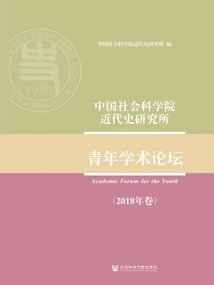
中国社会科学院近代史研究所青年学术论坛(2018年卷)
Compiled By The Institute Of Modern History, Chinese Academy Of Social Sciences
The Institute of Modern History of the Chinese Academy of Social Sciences holds a youth academic symposium every year, and collects and publishes papers submitted by participants. It has been published continuously since 2000, which can be described as a record of the growth of young scholars at the Institute of Modern History. This book is a 2018 volume and contains 13 papers. It is mainly based on empirical case studies and covers many topics such as the politics and diplomacy of the Qing Dynasty, the ideological history of the late Qing and the Republic of China, academic history, institutional history, military history, etc.
The Institute of Modern History of the Chinese Academy of Social Sciences holds a youth academic symposium every year, and collects and publishes papers submitted by participants. It has been published continuously since 2000, which can be described as a record of the growth of young scholars at the Institute of Modern History. This book is a 2018 volume and contains 13 papers. It is mainly based on empirical case studies and covers many topics such as the politics and diplomacy of the Qing Dynasty, the ideological history of the late Qing and the Republic of China, academic history, institutional history, military history, etc.
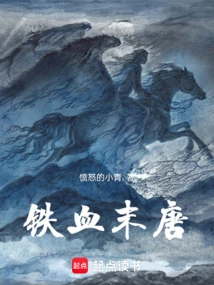
铁血末唐
Angry Xiaoqing.
[Struggle for supremacy in troubled times] + [Ancient War] + [Hot-blooded Conquest] + [Develop Power] The prosperity of the Tang Dynasty was at its peak, but the failure of great power could not be undone except by the fate of a great man! As the saying goes, there are rises and falls, and things will eventually decline. The glorious Tang Dynasty, after three hundred years of ups and downs, finally collapsed! As soon as Liu Xiaowu opened his eyes, he witnessed the final collapse of the Tang Empire, but what he saw was not only this appearance, but also an era in which warriors and heroes emerged in large numbers, and sword disputes reshaped the mountains and rivers. From a humble refugee to a governor, from holding an isolated city to ruling the world. Let's take a look at how a modern soul can write the most honorable curtain call for the Tang Dynasty in this worst era, and how he can carve out his own grand hegemony in this broken country.
[Struggle for supremacy in troubled times] + [Ancient War] + [Hot-blooded Conquest] + [Develop Power] The prosperity of the Tang Dynasty was at its peak, but the failure of great power could not be undone except by the fate of a great man! As the saying goes, there are rises and falls, and things will eventually decline. The glorious Tang Dynasty, after three hundred years of ups and downs, finally collapsed! As soon as Liu Xiaowu opened his eyes, he witnessed the final collapse of the Tang Empire, but what he saw was not only this appearance, but also an era in which warriors and heroes emerged in large numbers, and sword disputes reshaped the mountains and rivers. From a humble refugee to a governor, from holding an isolated city to ruling the world. Let's take a look at how a modern soul can write the most honorable curtain call for the Tang Dynasty in this worst era, and how he can carve out his own grand hegemony in this broken country.
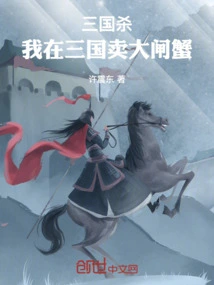
三国杀:我在三国卖大闸蟹
Xu Zhendong
This book has 100 chapters and about 500,000 words in it. You can invest boldly! Follow up decisively! ! ! ------------ An ancestral jade pendant sent Xu Zhiyuan back to the Three Kingdoms. Unexpectedly, he became Cao Cao's abandoned son at the beginning. Not only was he chased and killed by Dong Zhuo's Xiliang cavalry one after another, but he reached a desperate situation and even jumped off a cliff with Xu Huang in despair. Fortunately, he strayed into the tidal flat and started the "Sishui Entrepreneurship Story": raising hairy crabs, boiling salt, collecting refugees, and building a medical center. From the despised "scapegoat" to the "Xu County Magistrate" of the people of Surabaya, to the princes who fought against Cao Cao. And every time he uses modern knowledge to avoid danger, his way home is one step closer, but the whirlpool of hegemony also entangles him deeper. When Xu Zhiyuan used modern knowledge to rewrite the Three Kingdoms, he received a mysterious text message on the night of climbing to the summit: "Want to go home? Kill Cao Cao." His hand holding the sword was trembling - the king of these troubled times is just a prison for those who travel through time.
This book has 100 chapters and about 500,000 words in it. You can invest boldly! Follow up decisively! ! ! ------------ An ancestral jade pendant sent Xu Zhiyuan back to the Three Kingdoms. Unexpectedly, he became Cao Cao's abandoned son at the beginning. Not only was he chased and killed by Dong Zhuo's Xiliang cavalry one after another, but he reached a desperate situation and even jumped off a cliff with Xu Huang in despair. Fortunately, he strayed into the tidal flat and started the "Sishui Entrepreneurship Story": raising hairy crabs, boiling salt, collecting refugees, and building a medical center. From the despised "scapegoat" to the "Xu County Magistrate" of the people of Surabaya, to the princes who fought against Cao Cao. And every time he uses modern knowledge to avoid danger, his way home is one step closer, but the whirlpool of hegemony also entangles him deeper. When Xu Zhiyuan used modern knowledge to rewrite the Three Kingdoms, he received a mysterious text message on the night of climbing to the summit: "Want to go home? Kill Cao Cao." His hand holding the sword was trembling - the king of these troubled times is just a prison for those who travel through time.
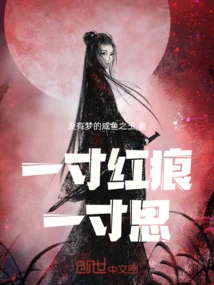
一寸红痕一寸思
The King Of Salted Fish Without Dreams
Under the wheel of history, the struggle of the ants is so pale and feeble, and the heart is so red, it is the guide that guides the lost wanderers back home.
Under the wheel of history, the struggle of the ants is so pale and feeble, and the heart is so red, it is the guide that guides the lost wanderers back home.
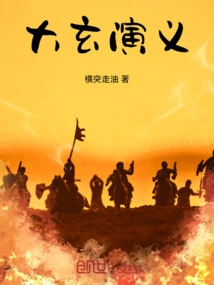
Daxuan Romance
History大玄演义
Transverse Process Oil Leakage
Come to China Literature's website to read more of my works!
Come to China Literature's website to read more of my works!
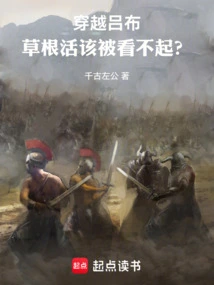
穿越吕布:草根活该被看不起?
Eternal Zuo Gong
He was a social beast in his previous life. Although he was capable, he failed to stand on the stage to display his talents and died young. He traveled through time and became Lu Bu, only to find that after the myth and legend, Lu Bu was not a social beast. He has been wandering for half his life without meeting his master. He only has peerless martial arts skills, but he can only go crazy because of his unappreciated talents. Many people say how wise Boss Cao is and how short-sighted and repetitive Lu Bu is, but they don't know that the greatest injustice in life is that he has a good father, but you don't. But if not, should we settle for mediocrity? Being born in a frontier fortress, does he deserve to be despised by the Kanto scholars? Young Lu Bu picked up his halberd and mounted his war horse... No matter how many times he was reborn, he was bound to declare war on fate and this dull world! Book club group number: 572060401
He was a social beast in his previous life. Although he was capable, he failed to stand on the stage to display his talents and died young. He traveled through time and became Lu Bu, only to find that after the myth and legend, Lu Bu was not a social beast. He has been wandering for half his life without meeting his master. He only has peerless martial arts skills, but he can only go crazy because of his unappreciated talents. Many people say how wise Boss Cao is and how short-sighted and repetitive Lu Bu is, but they don't know that the greatest injustice in life is that he has a good father, but you don't. But if not, should we settle for mediocrity? Being born in a frontier fortress, does he deserve to be despised by the Kanto scholars? Young Lu Bu picked up his halberd and mounted his war horse... No matter how many times he was reborn, he was bound to declare war on fate and this dull world! Book club group number: 572060401
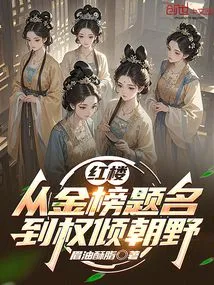
红楼:从金榜题名到权倾朝野
Eyebrow Grease
After traveling through the Red Mansion, Su Mubai became the adopted son of the Gusu Lin family and Lin Daiyu's childhood sweetheart. After passing the provincial examination and high school, Su Mubai bound the luck heroine sign-in system. After arriving in the capital, Su Mubai discovered that the world was far more exciting than he imagined. Here are not only the Twelve Beauties of Jinling, but also the four sisters of the Sheng family, Cheng Shaoshang, Zhao Paner and many other female protagonists. With his own efforts and the help of the system, Su Mubai not only sat among the most beautiful people, but also reached the pinnacle of the world without knowing it. The introduction is weak, please read the text. Old author of Red Mansion, feel free to eat.
After traveling through the Red Mansion, Su Mubai became the adopted son of the Gusu Lin family and Lin Daiyu's childhood sweetheart. After passing the provincial examination and high school, Su Mubai bound the luck heroine sign-in system. After arriving in the capital, Su Mubai discovered that the world was far more exciting than he imagined. Here are not only the Twelve Beauties of Jinling, but also the four sisters of the Sheng family, Cheng Shaoshang, Zhao Paner and many other female protagonists. With his own efforts and the help of the system, Su Mubai not only sat among the most beautiful people, but also reached the pinnacle of the world without knowing it. The introduction is weak, please read the text. Old author of Red Mansion, feel free to eat.
大明:三十岁朱标,迟来的叛逆期
Sad Rabbit
Zhu Biao, who was just thirty years old, awakened the wisdom of his previous life, and this year was exactly one month before the Hu Weiyong case broke out. Zhu Biao had a headache. He couldn't have been the prince for twenty-four years. It was this case that led to the subsequent Hu Weiyong case. These are not the key. The key is that the prime minister will be abolished in the future. Hasn't he, the prince, turned into a pure ox and horse? When you become a prince, you still can't enjoy it? At this time, Zhu Biao awakens the rebellious period system, and as long as he rebels within reason, he can get rewards. Therefore, whether it was the case of sealing the record, the case of Hu Weiyong, or all the following, whenever he saw something slightly unreasonable, Zhu Biao chose to confront Lao Zhu. Lao Zhu was confused. As an emperor, he was unhappy every day. It was over. His son had become Wei Zheng. But looking at Daming getting stronger and stronger, Lao Zhu fell into deep thought again. Did he really do something wrong? At this moment, Empress Ma added another blow: "Chongba, why don't you abdicate!"
Zhu Biao, who was just thirty years old, awakened the wisdom of his previous life, and this year was exactly one month before the Hu Weiyong case broke out. Zhu Biao had a headache. He couldn't have been the prince for twenty-four years. It was this case that led to the subsequent Hu Weiyong case. These are not the key. The key is that the prime minister will be abolished in the future. Hasn't he, the prince, turned into a pure ox and horse? When you become a prince, you still can't enjoy it? At this time, Zhu Biao awakens the rebellious period system, and as long as he rebels within reason, he can get rewards. Therefore, whether it was the case of sealing the record, the case of Hu Weiyong, or all the following, whenever he saw something slightly unreasonable, Zhu Biao chose to confront Lao Zhu. Lao Zhu was confused. As an emperor, he was unhappy every day. It was over. His son had become Wei Zheng. But looking at Daming getting stronger and stronger, Lao Zhu fell into deep thought again. Did he really do something wrong? At this moment, Empress Ma added another blow: "Chongba, why don't you abdicate!"
庆余年:我家老四,是千古一帝?
Fat Posture
Li Chengbai traveled through Daqing and became the fourth son of Emperor Qing. The awakened dimensional thief system can steal abilities and equipment from the dimensional space of all realms. At the beginning, he stole Shi Hao's Kunpeng magic and used it for himself! Compared with Qing Yunian's skills, Kunpeng's treasure technique was simply a blow. Not only that, but there is also the method of swallowing the stars, and the method of transforming himself into freedom is waiting for him! I thought it wouldn't be long before he could rebel and become emperor. But in the end, his plan to rebel was exposed by the sudden appearance of the sky. [Now walking towards us is Emperor Qingtian, Li Zebai, the leader of the Earth, the most powerful carbon-based creature in human history, who has spread the territory of Qing Kingdom all over the world! [He was originally an unfavored prince, but after many years of planning, he finally used Barrett's heavy sniper to kill two competitors, became the emperor of the Qing Kingdom, and unified the world! [Li Chengbai had already arranged for shadow guards to be with Emperor Qing. This was a premeditated rebellion! [Li Chengbai's biggest mistake was that he rebelled too late! .... ........... I, Li Yunqian, the Emperor of Qing, one of the four great masters. After many years of planning, he is determined to unify the world and become the emperor of the ages. Until I saw Tianmu praising Li Chengbai without sparing any effort, I was stunned. Emperor Qing: "Then shall I leave?"
Li Chengbai traveled through Daqing and became the fourth son of Emperor Qing. The awakened dimensional thief system can steal abilities and equipment from the dimensional space of all realms. At the beginning, he stole Shi Hao's Kunpeng magic and used it for himself! Compared with Qing Yunian's skills, Kunpeng's treasure technique was simply a blow. Not only that, but there is also the method of swallowing the stars, and the method of transforming himself into freedom is waiting for him! I thought it wouldn't be long before he could rebel and become emperor. But in the end, his plan to rebel was exposed by the sudden appearance of the sky. [Now walking towards us is Emperor Qingtian, Li Zebai, the leader of the Earth, the most powerful carbon-based creature in human history, who has spread the territory of Qing Kingdom all over the world! [He was originally an unfavored prince, but after many years of planning, he finally used Barrett's heavy sniper to kill two competitors, became the emperor of the Qing Kingdom, and unified the world! [Li Chengbai had already arranged for shadow guards to be with Emperor Qing. This was a premeditated rebellion! [Li Chengbai's biggest mistake was that he rebelled too late! .... ........... I, Li Yunqian, the Emperor of Qing, one of the four great masters. After many years of planning, he is determined to unify the world and become the emperor of the ages. Until I saw Tianmu praising Li Chengbai without sparing any effort, I was stunned. Emperor Qing: "Then shall I leave?"

双穿大唐开超市,小兕子超甜!
Splash Ink And Make Tea Pual
[Double wear + daily + sweet pet + cute baby! Super time and space double time travel, a young supermarket owner who was heavily in debt accidentally discovered the double time travel door and opened the supermarket to the Zhenguan period of the Tang Dynasty, achieving financial freedom. We jointly opened a supermarket chain with the two-year-old little princess Jinyang. During that hot summer, the little princess had electric fans, air conditioners, ice cream, and various cold drinks. "Hehe~" "It's a nest~" "It's all a nest~"
[Double wear + daily + sweet pet + cute baby! Super time and space double time travel, a young supermarket owner who was heavily in debt accidentally discovered the double time travel door and opened the supermarket to the Zhenguan period of the Tang Dynasty, achieving financial freedom. We jointly opened a supermarket chain with the two-year-old little princess Jinyang. During that hot summer, the little princess had electric fans, air conditioners, ice cream, and various cold drinks. "Hehe~" "It's a nest~" "It's all a nest~"
炊金馔玉:宋时烟火记事
Yellow Radish
Come to China Literature's website to read more of my works!
Come to China Literature's website to read more of my works!
Red Mansion: the Embroidered Spring Sword is Unsheathed, Serving the Emperor to Eliminate Evil
History红楼:绣春刀出鞘,奉天子除恶
Roadside Stall Director
Traveling through the fictional history of the Red Mansion, Jia Rui becomes a character whose character has been completely ruined. He is constantly fighting with the party in the court, selling his official position to win titles, and corrupting the administration. Evil sects and crooked ways among the people take advantage of the opportunity to run rampant in lawlessness, causing natural and man-made disasters, and the people are in dire straits. The protagonist awakens to the crime trial system and uses the Xiuchun Sword. I will take care of those who the court does not want to take care of, and I will kill those who the common people dare not kill. Be it minions or eunuchs, I eliminate evil in the name of the Emperor In the name of the Great Xia Dynasty, he swept across the world.
Traveling through the fictional history of the Red Mansion, Jia Rui becomes a character whose character has been completely ruined. He is constantly fighting with the party in the court, selling his official position to win titles, and corrupting the administration. Evil sects and crooked ways among the people take advantage of the opportunity to run rampant in lawlessness, causing natural and man-made disasters, and the people are in dire straits. The protagonist awakens to the crime trial system and uses the Xiuchun Sword. I will take care of those who the court does not want to take care of, and I will kill those who the common people dare not kill. Be it minions or eunuchs, I eliminate evil in the name of the Emperor In the name of the Great Xia Dynasty, he swept across the world.

人在贞观,科学破案
The First Brother Of Dali Temple
In the sixth year of Zhenguan, Princess Changle was haunted by ghosts. Emperor Li Shimin of the Tang Dynasty did not believe in the ghosts and sent heavy troops to surround Changle's palace, vowing to prove that this was a ghost pretending to be a ghost, not a real ghost. As a result, that night, in full view of everyone, a ghost appeared. For a time, people in the palace were panicked, rumors spread, and Li Shimin was furious. The Ministry of Life and Punishment and Dali Temple jointly investigated, but the ghost came and went without a trace, and there was no progress. At this time, an ace detective with more than ten years of criminal investigation experience came through time... At this point, the story of Lin Feng, the most legendary and unsolved detective of the Great Li Temple in the Tang Dynasty, begins. [Ancient detective novels, the main purpose is to solve the case, welcome to enter the pit]
In the sixth year of Zhenguan, Princess Changle was haunted by ghosts. Emperor Li Shimin of the Tang Dynasty did not believe in the ghosts and sent heavy troops to surround Changle's palace, vowing to prove that this was a ghost pretending to be a ghost, not a real ghost. As a result, that night, in full view of everyone, a ghost appeared. For a time, people in the palace were panicked, rumors spread, and Li Shimin was furious. The Ministry of Life and Punishment and Dali Temple jointly investigated, but the ghost came and went without a trace, and there was no progress. At this time, an ace detective with more than ten years of criminal investigation experience came through time... At this point, the story of Lin Feng, the most legendary and unsolved detective of the Great Li Temple in the Tang Dynasty, begins. [Ancient detective novels, the main purpose is to solve the case, welcome to enter the pit]
Cold Glaze
History寒釉
Harmonious Scenery
In the 20th year of Jiajing's reign, Yingtian Mansion was established. The moisture on the banks of the Qinhuai River is wrapped in cinnamon, but it cannot dispel the chill deep in the city. Xu San'er, a sixteen-year-old antique shop apprentice, cleans Boguxuan's treasure - a Xuande blue and white plum vase worth thousands of gold - every day. The glaze color is warm and moist, and the intertwining lotus pattern is smart. In his eyes, it is an unattainable art and a symbol of a stable life. He thought that this small shop was his world, and listening to the shopkeeper talk about the secrets of the previous dynasty was like seeing the wind and waves. However, a purchase from the powerful Yan government completely shattered this fragile peace. The plum bottle was forcibly acquired at a low price, and was immediately accused of being a fake. It became a serious crime to deceive the elder! The cold light of Jin Yiwei's embroidered spring knife flashed, Boguxuan closed the door, the shopkeeper died tragically and was imprisoned, and Xu Saner turned from a market apprentice to a fugitive overnight. In a desperate situation, a mysterious note became his only way to survive: "The bottle is not fake, and it brings trouble to Xiao Qiang. If you want to survive, go to Cao Gang Wang Wu." After escaping from the purgatory on earth, what he entered was a more dangerous world. The scar-faced Cao gang gangster Wang Wu is by no means a kind person; the cano boat on the muddy river is both a prison and a shelter. Only then did Xu Saner realize that under the smooth glaze of the plum vase, it had already been soaked in the bloody wind of the Yan Mansion and the biting cold of the court. He, an insignificant ant, unintentionally became a pawn in a huge conspiracy. Under the cold glaze, is there an icy murderous intent, or... Is it an opportunity for quenching and rebirth?
In the 20th year of Jiajing's reign, Yingtian Mansion was established. The moisture on the banks of the Qinhuai River is wrapped in cinnamon, but it cannot dispel the chill deep in the city. Xu San'er, a sixteen-year-old antique shop apprentice, cleans Boguxuan's treasure - a Xuande blue and white plum vase worth thousands of gold - every day. The glaze color is warm and moist, and the intertwining lotus pattern is smart. In his eyes, it is an unattainable art and a symbol of a stable life. He thought that this small shop was his world, and listening to the shopkeeper talk about the secrets of the previous dynasty was like seeing the wind and waves. However, a purchase from the powerful Yan government completely shattered this fragile peace. The plum bottle was forcibly acquired at a low price, and was immediately accused of being a fake. It became a serious crime to deceive the elder! The cold light of Jin Yiwei's embroidered spring knife flashed, Boguxuan closed the door, the shopkeeper died tragically and was imprisoned, and Xu Saner turned from a market apprentice to a fugitive overnight. In a desperate situation, a mysterious note became his only way to survive: "The bottle is not fake, and it brings trouble to Xiao Qiang. If you want to survive, go to Cao Gang Wang Wu." After escaping from the purgatory on earth, what he entered was a more dangerous world. The scar-faced Cao gang gangster Wang Wu is by no means a kind person; the cano boat on the muddy river is both a prison and a shelter. Only then did Xu Saner realize that under the smooth glaze of the plum vase, it had already been soaked in the bloody wind of the Yan Mansion and the biting cold of the court. He, an insignificant ant, unintentionally became a pawn in a huge conspiracy. Under the cold glaze, is there an icy murderous intent, or... Is it an opportunity for quenching and rebirth?
近代诙谐事汇编
Big Salted Fish
This compilation selects humorous stories from people from all walks of life in modern China, covering politics, culture, education, military and other fields. From Lin Zexu's "blowing ice cream" to Zeng Guofan's "throwing water and being laughed at", from Yu Youren's "don't be careless in small things" to Lin Yutang's "peanut philosophy", to Kong's "I am a descendant of Confucius, I will not be corrupt", everything is wonderful. Full of interest, these small and exquisite historical materials vividly interpret the many aspects of historical figures - some are hilarious, some are thought-provoking, some are optimistic and open-minded, and some are even arrogant. Together, they outline a unique humorous picture of modern China. Through these anecdotes, readers will appreciate the unique role of humor and optimism in the historical process, and feel their powerful power to resolve conflicts, enlighten wisdom, and convey optimism.
This compilation selects humorous stories from people from all walks of life in modern China, covering politics, culture, education, military and other fields. From Lin Zexu's "blowing ice cream" to Zeng Guofan's "throwing water and being laughed at", from Yu Youren's "don't be careless in small things" to Lin Yutang's "peanut philosophy", to Kong's "I am a descendant of Confucius, I will not be corrupt", everything is wonderful. Full of interest, these small and exquisite historical materials vividly interpret the many aspects of historical figures - some are hilarious, some are thought-provoking, some are optimistic and open-minded, and some are even arrogant. Together, they outline a unique humorous picture of modern China. Through these anecdotes, readers will appreciate the unique role of humor and optimism in the historical process, and feel their powerful power to resolve conflicts, enlighten wisdom, and convey optimism.

Compilation of Recent Events
History近代风云事汇编
Big Salted Fish
This compilation selects important historical events of more than a hundred years in modern China, arranged in chronological order, to show the changing historical scene from the late Qing Dynasty to the Republic of China. From the beginning of modern history when Lin Zexu destroyed opium in Humen (1839), to the fall of the Qing Dynasty (1912) and the establishment of the Republic of China; from the rise of the Westernization Movement and attempts at reform, to the outbreak of the Boxer Rebellion (1900) and the invasion of China by the Eight-Power Allied Forces; to the overthrow of the monarchy by the Revolution of 1911 and the social unrest caused by warlords' melee. The book also includes the national awakening and heroic struggle during the Anti-Japanese War (1937 to 1945), as well as the conflicts and cooperation between the Kuomintang and the Communist Party. Finally, with the founding of New China in 1949 as the end point of the book, a series of threads are connected to witness the process of exploration and progress of the Chinese people in suffering, and finally ushered in national independence and liberation.
This compilation selects important historical events of more than a hundred years in modern China, arranged in chronological order, to show the changing historical scene from the late Qing Dynasty to the Republic of China. From the beginning of modern history when Lin Zexu destroyed opium in Humen (1839), to the fall of the Qing Dynasty (1912) and the establishment of the Republic of China; from the rise of the Westernization Movement and attempts at reform, to the outbreak of the Boxer Rebellion (1900) and the invasion of China by the Eight-Power Allied Forces; to the overthrow of the monarchy by the Revolution of 1911 and the social unrest caused by warlords' melee. The book also includes the national awakening and heroic struggle during the Anti-Japanese War (1937 to 1945), as well as the conflicts and cooperation between the Kuomintang and the Communist Party. Finally, with the founding of New China in 1949 as the end point of the book, a series of threads are connected to witness the process of exploration and progress of the Chinese people in suffering, and finally ushered in national independence and liberation.
古人如何过日子
Edited By Fang Hui
This is a guide that takes you through time and space to explore the real life details of ancient people. We always think that the days of the ancients are distant and mysterious, full of poetry or suffering. But their basic necessities of life actually contain a lot of fresh and interesting wisdom. This book will break your stereotypes about ancient life, start with the most ordinary daily life, and take you into the real world of the ancients.
This is a guide that takes you through time and space to explore the real life details of ancient people. We always think that the days of the ancients are distant and mysterious, full of poetry or suffering. But their basic necessities of life actually contain a lot of fresh and interesting wisdom. This book will break your stereotypes about ancient life, start with the most ordinary daily life, and take you into the real world of the ancients.

阿星陪你打天下
Writergudgry
Ah Xing, who loves to fish, accidentally traveled to the 12th century, and conquered the world with Genghis Khan, the founder of the Great Mongolia, and also captured the hearts of many beauties...
Ah Xing, who loves to fish, accidentally traveled to the 12th century, and conquered the world with Genghis Khan, the founder of the Great Mongolia, and also captured the hearts of many beauties...
商鞅变法:弱秦如何逆袭成战国霸主
Compiled By Lu Mu
On the edge of the Warring States period, how did the Qin State, despised by the princes of the Central Plains, turn from a trapped beast in the west to become a overlord that made the world tremble? This book focuses on the ground-breaking "Shang Yang's Reform". It tells the story of the unappreciated Legalist scholar Wei Yang, who won the trust of Qin Xiaogong and implemented reforms with thunderous means... From the political show of "moving trees to establish trust" to the cruel incentives of "military meritocracy", he single-handedly forged the weak Qin into a country of tigers and wolves. However, why did the hero who created the hegemony end up being torn apart by a car and not ending well? This book will analyze it layer by layer for you, exploring the iron-blooded laws of a country's rise and the tragedy of a reformer's fate.
On the edge of the Warring States period, how did the Qin State, despised by the princes of the Central Plains, turn from a trapped beast in the west to become a overlord that made the world tremble? This book focuses on the ground-breaking "Shang Yang's Reform". It tells the story of the unappreciated Legalist scholar Wei Yang, who won the trust of Qin Xiaogong and implemented reforms with thunderous means... From the political show of "moving trees to establish trust" to the cruel incentives of "military meritocracy", he single-handedly forged the weak Qin into a country of tigers and wolves. However, why did the hero who created the hegemony end up being torn apart by a car and not ending well? This book will analyze it layer by layer for you, exploring the iron-blooded laws of a country's rise and the tragedy of a reformer's fate.
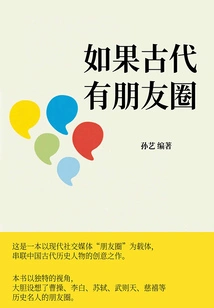
如果古代有朋友圈
Compiled By Sun Yi
This is a creative work that uses modern social media "moments" as a carrier to connect ancient Chinese historical figures. From a unique perspective, this book boldly imagines the circle of friends of historical celebrities such as Cao Cao, Li Bai, Su Shi, Wu Zetian, and Cixi. Each chapter features a historical figure as the protagonist, and their multi-faceted lives are vividly displayed through their "circle of friends" updates. Here, Cao Cao is no longer just a hero, he is also a writer who shared the poem "Viewing the Sea"; Li Bai is no longer just a poet, he is also a "slash youth" who records travels and drinks with friends; Su Shi is no longer just a demoted official, he is also a gourmet who shares the "Dongpo Pork" recipe and enjoys hardships.
This is a creative work that uses modern social media "moments" as a carrier to connect ancient Chinese historical figures. From a unique perspective, this book boldly imagines the circle of friends of historical celebrities such as Cao Cao, Li Bai, Su Shi, Wu Zetian, and Cixi. Each chapter features a historical figure as the protagonist, and their multi-faceted lives are vividly displayed through their "circle of friends" updates. Here, Cao Cao is no longer just a hero, he is also a writer who shared the poem "Viewing the Sea"; Li Bai is no longer just a poet, he is also a "slash youth" who records travels and drinks with friends; Su Shi is no longer just a demoted official, he is also a gourmet who shares the "Dongpo Pork" recipe and enjoys hardships.
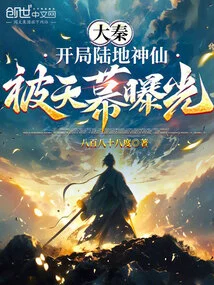
大秦:开局陆地神仙,被天幕曝光
Eight Hundred And Eighty-eight Degrees
Xia Xuan traveled to the Qin Dynasty, and Afangnu's son lived in Shushan without anyone caring about him. No one in the world knows him, the true eldest son of the empire. Until he signed for twenty-five consecutive years. Finally become the sword god! With the appearance of a terrestrial god, the purple energy comes from the east, and the golden list of heaven comes. Anyone who can be ranked on the list will receive corresponding rewards. [Famous sword list: No. 1, Xuanyuan. Second place, Tianwen...] [Dynasty Ranking: First place, Daxia. Second place, Da Qin...] [List of masterminds behind the scenes: Number one, Emperor Xia. Second place, Zongheng Guiguzi...] ... As the Tiandao Golden List continued to be exposed, Xia Xuan could no longer hide it. He broke off a piece of wood and named it Xuanyuan, thus creating the first sword in the world. His Great Xia Dynasty quietly set off the industrial era. Every state was an enemy of a country, easily crushing the Qin Dynasty, pushing across the northern border, and even reaching the end of the starry sea in the west. He is also the number one behind-the-scenes mastermind, successfully stealing the royal destiny of Kyushu and creating the foundation for eternity...
Xia Xuan traveled to the Qin Dynasty, and Afangnu's son lived in Shushan without anyone caring about him. No one in the world knows him, the true eldest son of the empire. Until he signed for twenty-five consecutive years. Finally become the sword god! With the appearance of a terrestrial god, the purple energy comes from the east, and the golden list of heaven comes. Anyone who can be ranked on the list will receive corresponding rewards. [Famous sword list: No. 1, Xuanyuan. Second place, Tianwen...] [Dynasty Ranking: First place, Daxia. Second place, Da Qin...] [List of masterminds behind the scenes: Number one, Emperor Xia. Second place, Zongheng Guiguzi...] ... As the Tiandao Golden List continued to be exposed, Xia Xuan could no longer hide it. He broke off a piece of wood and named it Xuanyuan, thus creating the first sword in the world. His Great Xia Dynasty quietly set off the industrial era. Every state was an enemy of a country, easily crushing the Qin Dynasty, pushing across the northern border, and even reaching the end of the starry sea in the west. He is also the number one behind-the-scenes mastermind, successfully stealing the royal destiny of Kyushu and creating the foundation for eternity...
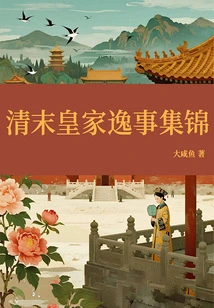
清末皇家逸事集锦
Big Salted Fish
This article collects many interesting anecdotes about the royal family and surrounding people in the late Qing Dynasty, trying to use these vivid details to present a palace style that is different from official historical records. The selection of materials covers various periods from the Daoguang period to the Qing Dynasty's withdrawal from the Forbidden City. They are all very interesting. For example, Emperor Daoguang lamented after the signing of the "Treaty of Nanjing", conducted a thorough investigation of the bank's deficit, and cleverly selected the successor to the throne, which vividly demonstrated the multi-sensitive qualities of an emperor. Another example is the ups and downs of Prince Gong Yixin on the political stage, his subtle relationship with Cixi, his relegation and neglect due to his admonitions, etc. Emperor Guangxu, the last emperor Puyi, and interesting stories about Puyi's contact with Western culture are all included. These small anecdotes are strung together like beads with relaxed writing styles, presenting readers with vivid pictures of court life in the late Qing Dynasty. Historical materials are precious, timeless, and always fresh when read.
This article collects many interesting anecdotes about the royal family and surrounding people in the late Qing Dynasty, trying to use these vivid details to present a palace style that is different from official historical records. The selection of materials covers various periods from the Daoguang period to the Qing Dynasty's withdrawal from the Forbidden City. They are all very interesting. For example, Emperor Daoguang lamented after the signing of the "Treaty of Nanjing", conducted a thorough investigation of the bank's deficit, and cleverly selected the successor to the throne, which vividly demonstrated the multi-sensitive qualities of an emperor. Another example is the ups and downs of Prince Gong Yixin on the political stage, his subtle relationship with Cixi, his relegation and neglect due to his admonitions, etc. Emperor Guangxu, the last emperor Puyi, and interesting stories about Puyi's contact with Western culture are all included. These small anecdotes are strung together like beads with relaxed writing styles, presenting readers with vivid pictures of court life in the late Qing Dynasty. Historical materials are precious, timeless, and always fresh when read.
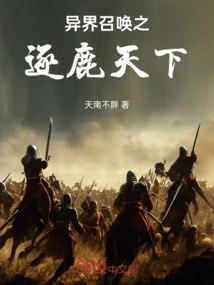
异界召唤之逐鹿天下
Tiannan Is Not Fat
Shen Ping accidentally traveled to Canglan Continent, became the prince of the royal family, and activated the "Hegemony Summoning System" to summon famous generals, counselors, writers and sages in China's five thousand years of history. From scheming in court to fighting on the battlefield, from separatist rule to competing for the world, he led Zhuge Liang, Bai Qi, Zhang Liang, Li Mu and other heroes to set off a storm of chaos that swept the world in this alien continent. On this journey, Shen Ping not only has to face the challenges of strong men from other worlds, but also needs to show Chinese wisdom and courage in the collision of civilizations. With equal emphasis on power and passion, culture and force, the ultimate showdown concerning the belonging of the world and the integration of civilizations is slowly unfolding...
Shen Ping accidentally traveled to Canglan Continent, became the prince of the royal family, and activated the "Hegemony Summoning System" to summon famous generals, counselors, writers and sages in China's five thousand years of history. From scheming in court to fighting on the battlefield, from separatist rule to competing for the world, he led Zhuge Liang, Bai Qi, Zhang Liang, Li Mu and other heroes to set off a storm of chaos that swept the world in this alien continent. On this journey, Shen Ping not only has to face the challenges of strong men from other worlds, but also needs to show Chinese wisdom and courage in the collision of civilizations. With equal emphasis on power and passion, culture and force, the ultimate showdown concerning the belonging of the world and the integration of civilizations is slowly unfolding...
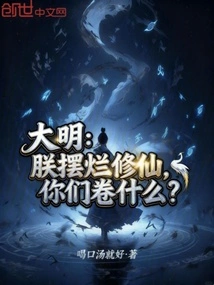
大明:朕摆烂修仙,你们卷什么?
Just Drink Some Soup
Zhu Heng, a graduate student in the Department of History, travels back in time to Zhu Yuanzhang, who has just joined the army. He knows that being an emperor is a "007" high-risk profession, and it is even more exhausting in his later years. He gave up his choice on the spot - whoever wants to be the emperor should be whoever he wants, I want to become an immortal! As soon as he occupied Yingtian, he used the excuse of "retreating to enlightenment" and left all the military and political mess to Xu Da and Li Shanchang. Who would have thought that the "Basic Breathing Technique" he carried from a local stall would be thought up as a supreme magic by the generals! Xu Da: "My lord is changing our destiny for us, and I will conquer my lord for eternity!" Liu Bowen: "My lord just drew the capital of the Thousand-Year Kingdom at random. This is the birth of a god into the world!" Therefore, Zhu Heng woke up from "cultivation" every day with a confused look on his face: Yesterday he killed Chen Youliang, today he defeated Zhang Shicheng, and tomorrow Xu Da's fleet has already reached Europe? What's even more outrageous is that Queen Ma took his junior high school mathematics, physics and chemistry notes and accidentally started the Ming Dynasty's magic technology revolution! Zhu Heng collapsed: "Please don't get involved, I just want to ascend! If this continues, the three realms will be unified by you!"
Zhu Heng, a graduate student in the Department of History, travels back in time to Zhu Yuanzhang, who has just joined the army. He knows that being an emperor is a "007" high-risk profession, and it is even more exhausting in his later years. He gave up his choice on the spot - whoever wants to be the emperor should be whoever he wants, I want to become an immortal! As soon as he occupied Yingtian, he used the excuse of "retreating to enlightenment" and left all the military and political mess to Xu Da and Li Shanchang. Who would have thought that the "Basic Breathing Technique" he carried from a local stall would be thought up as a supreme magic by the generals! Xu Da: "My lord is changing our destiny for us, and I will conquer my lord for eternity!" Liu Bowen: "My lord just drew the capital of the Thousand-Year Kingdom at random. This is the birth of a god into the world!" Therefore, Zhu Heng woke up from "cultivation" every day with a confused look on his face: Yesterday he killed Chen Youliang, today he defeated Zhang Shicheng, and tomorrow Xu Da's fleet has already reached Europe? What's even more outrageous is that Queen Ma took his junior high school mathematics, physics and chemistry notes and accidentally started the Ming Dynasty's magic technology revolution! Zhu Heng collapsed: "Please don't get involved, I just want to ascend! If this continues, the three realms will be unified by you!"
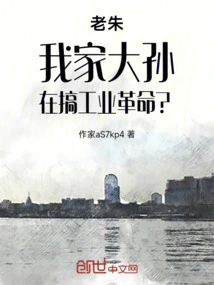
老朱,我家大孙,在搞工业革命?
Writer As7kp4
Zhu Xiong traveled through the 25th year of Hongwu in the Ming Dynasty and activated a civilization technology system. I wanted to make some small inventions and spend the rest of my life as a small landowner. But unexpectedly, he ran into Zhu Yuanzhang who was visiting privately incognito. Looking at the amazing yields of crops in the farmland, Zhu Yuanzhang was stunned. "Such a powerful rocket launcher, do you think it is an artificial rainfall device?" "If the transport vehicles were modified to carry people, wouldn't our Ming army march thousands of miles faster?" "Using the glider to apply pesticides? What a waste of resources!" As a result, Zhu Yuanzhang vigorously promoted agriculture, and by the way, he advanced the industrial era of the Ming Dynasty by hundreds of years. The giant ocean-going ships crossed the four seas, and the ships were strong and powerful, opening the door to a new world!
Zhu Xiong traveled through the 25th year of Hongwu in the Ming Dynasty and activated a civilization technology system. I wanted to make some small inventions and spend the rest of my life as a small landowner. But unexpectedly, he ran into Zhu Yuanzhang who was visiting privately incognito. Looking at the amazing yields of crops in the farmland, Zhu Yuanzhang was stunned. "Such a powerful rocket launcher, do you think it is an artificial rainfall device?" "If the transport vehicles were modified to carry people, wouldn't our Ming army march thousands of miles faster?" "Using the glider to apply pesticides? What a waste of resources!" As a result, Zhu Yuanzhang vigorously promoted agriculture, and by the way, he advanced the industrial era of the Ming Dynasty by hundreds of years. The giant ocean-going ships crossed the four seas, and the ships were strong and powerful, opening the door to a new world!
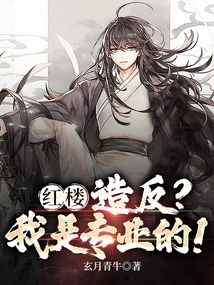
红楼:造反?我是专业的!
Xuanyueqingniu
Jia Yuan traveled through time. When he knew that he had come to the world of Red Mansions and was a member of the Jia family, he activated his system. However, to fully activate the system, he needs to enter Rongguo Mansion to live, so he enters a strange circle. If he goes to Rongguo Mansion, he will die quickly! If you don't go to Rongguo Mansion, the ending will not be better! After thinking about it, Jia Xuan said helplessly: "This is to force me to rebel! I have learned the art of slaying dragons, and rebelling is a professional!"
Jia Yuan traveled through time. When he knew that he had come to the world of Red Mansions and was a member of the Jia family, he activated his system. However, to fully activate the system, he needs to enter Rongguo Mansion to live, so he enters a strange circle. If he goes to Rongguo Mansion, he will die quickly! If you don't go to Rongguo Mansion, the ending will not be better! After thinking about it, Jia Xuan said helplessly: "This is to force me to rebel! I have learned the art of slaying dragons, and rebelling is a professional!"
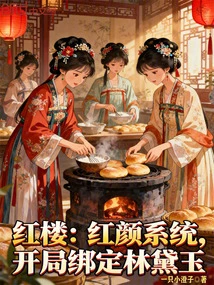
红楼:红颜系统,开局绑定林黛玉
A Little Chengzi
Lin Ye opened his eyes again and found that his physical body had traveled through the world of Red Mansions. When he was seriously injured and dying, he was rescued by Lin Daiyu. Fortunately, by activating the [Beauty Favor System], as long as you bind the beauty and gain favorability, you can exchange it for rewards from all realms! Lin Ye binds Lin Daiyu at the beginning, kills bandits, beats up salt merchants, and saves Lin Ruhai! The servants are gossiping? He penetrated the rockery with one finger, and his evil reputation shocked the whole house! Baoyu is entangled? He looked coldly and made the other party feel ashamed! Mrs. Wang is secretly making things difficult? He took advantage of the situation and beat him to make him throw the rat weapon away! Yangzhou salt merchants counterattack? He single-handedly killed the opponent to the point of being knocked off their feet! His rules are just rules! Later, with the help of the system, Daiyu's weakness was cured, and she gained full favor and full dependence on her. He also used medical skills and force that transcended the times to cut off the shackles of the girls in the Red Mansion. "Help Baochai revive his family business... Break the cage in Miaoyu's heart... Help Xiangyun out of the sea of suffering..." "Rescue Sister Feng from the moment of decline... Kill the wolf in Zhongshan to welcome the spring... Yuan Xichun's thoughts of transcendence..." "Help Yuanchun stabilize the palace... Give Keqing new hope... Save Xiangling from the hands of the stupid overlord..." "It also gives Tanchun an opportunity to express his ambition..." After that, the Jia family was used as a chessboard and the world was used as a bet. Those who follow others will prosper, those who go against others will perish! When the mansion of Jia's mansion is about to collapse, he has already brought all the wealth and invincible force to open up a new country overseas. On the day he ascended the throne, next to the dragon chair, there were twelve golden hairpins of unparalleled splendor, each performing his own duties and controlling the universe together. This is no longer the lament of Grand View Garden. But it belongs to Lin Ye and his beauties - an immortal epic!
Lin Ye opened his eyes again and found that his physical body had traveled through the world of Red Mansions. When he was seriously injured and dying, he was rescued by Lin Daiyu. Fortunately, by activating the [Beauty Favor System], as long as you bind the beauty and gain favorability, you can exchange it for rewards from all realms! Lin Ye binds Lin Daiyu at the beginning, kills bandits, beats up salt merchants, and saves Lin Ruhai! The servants are gossiping? He penetrated the rockery with one finger, and his evil reputation shocked the whole house! Baoyu is entangled? He looked coldly and made the other party feel ashamed! Mrs. Wang is secretly making things difficult? He took advantage of the situation and beat him to make him throw the rat weapon away! Yangzhou salt merchants counterattack? He single-handedly killed the opponent to the point of being knocked off their feet! His rules are just rules! Later, with the help of the system, Daiyu's weakness was cured, and she gained full favor and full dependence on her. He also used medical skills and force that transcended the times to cut off the shackles of the girls in the Red Mansion. "Help Baochai revive his family business... Break the cage in Miaoyu's heart... Help Xiangyun out of the sea of suffering..." "Rescue Sister Feng from the moment of decline... Kill the wolf in Zhongshan to welcome the spring... Yuan Xichun's thoughts of transcendence..." "Help Yuanchun stabilize the palace... Give Keqing new hope... Save Xiangling from the hands of the stupid overlord..." "It also gives Tanchun an opportunity to express his ambition..." After that, the Jia family was used as a chessboard and the world was used as a bet. Those who follow others will prosper, those who go against others will perish! When the mansion of Jia's mansion is about to collapse, he has already brought all the wealth and invincible force to open up a new country overseas. On the day he ascended the throne, next to the dragon chair, there were twelve golden hairpins of unparalleled splendor, each performing his own duties and controlling the universe together. This is no longer the lament of Grand View Garden. But it belongs to Lin Ye and his beauties - an immortal epic!
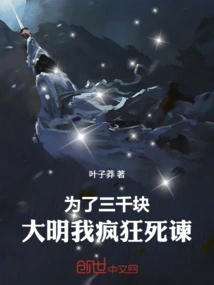
为了三千块,大明我疯狂死谏!
Ye Zimang
(The protagonist traveled to Hongwu to make money and change the Ming Dynasty. I hope you have adopted the mentality of a social animal, and you may think the plot is reasonable.) Modern social beast Chen Luoxi mentioned the [Death Remonstrance System]. As long as you are beheaded by Zhu Yuanzhang in the Fengtian Palace of the Hongwu Dynasty of the Ming Dynasty, you can get money! 100,000 First kill reward? Simple! Say "Queen Ma is the best! The most virtuous queen of all time!" And send her away directly! System warning: Empty content? 300% More pain next time? Earnings cleared? Chen Luo: Small problem! Isn't it just professionalism? I understand! So, when Hongwu Emperor Zhu Yuanzhang was murderous and wanted to "kill all the corrupt officials in the world"... Chen Luo put his hands on his hips: "Your Majesty! Is the salary you gave me enough to drink the northwest wind? My mother will starve to death and I will become an upright official for you? I can't withstand sugar-coated bullets. Killing alone is of no use! We need to raise wages and change the system!" Zhu Yuanzhang was furious: "Drag him down! Cut him off!" Chen Luo: "Beautiful! Your Majesty is wise! Remember to burn paper for me to tell me if you have a salary increase!" Alipay, get 3,000! From then on, the Hongwu Dynasty gained a loyal minister who made Zhu Yuanzhang's blood pressure soar-- Either he is begging to be beheaded, or he is thinking about how to get rich next time by admonishing someone to death! Chen Luo: "Lao Zhu, please give me a treat! I'll withdraw the cash as soon as possible!" Zhu Yuanzhang: "... Come here, tell us where this man's ancestral grave is?!"
(The protagonist traveled to Hongwu to make money and change the Ming Dynasty. I hope you have adopted the mentality of a social animal, and you may think the plot is reasonable.) Modern social beast Chen Luoxi mentioned the [Death Remonstrance System]. As long as you are beheaded by Zhu Yuanzhang in the Fengtian Palace of the Hongwu Dynasty of the Ming Dynasty, you can get money! 100,000 First kill reward? Simple! Say "Queen Ma is the best! The most virtuous queen of all time!" And send her away directly! System warning: Empty content? 300% More pain next time? Earnings cleared? Chen Luo: Small problem! Isn't it just professionalism? I understand! So, when Hongwu Emperor Zhu Yuanzhang was murderous and wanted to "kill all the corrupt officials in the world"... Chen Luo put his hands on his hips: "Your Majesty! Is the salary you gave me enough to drink the northwest wind? My mother will starve to death and I will become an upright official for you? I can't withstand sugar-coated bullets. Killing alone is of no use! We need to raise wages and change the system!" Zhu Yuanzhang was furious: "Drag him down! Cut him off!" Chen Luo: "Beautiful! Your Majesty is wise! Remember to burn paper for me to tell me if you have a salary increase!" Alipay, get 3,000! From then on, the Hongwu Dynasty gained a loyal minister who made Zhu Yuanzhang's blood pressure soar-- Either he is begging to be beheaded, or he is thinking about how to get rich next time by admonishing someone to death! Chen Luo: "Lao Zhu, please give me a treat! I'll withdraw the cash as soon as possible!" Zhu Yuanzhang: "... Come here, tell us where this man's ancestral grave is?!"

皇叔!快娶吴国太
White Robe Changshan
In the second year of Hanzhongping, the year after the Yellow Turban was first established. At that time, Sun Jian was still in Liangzhou quelling the Qiang rebellion, and Cao Cao was reorganizing the government as the prime minister of Jinan. Zhuge Mu, the time traveler who came out of Langya, decisively persuaded Liu Bei to go south to Jiangdong and marry the young Wu family who was waiting for marriage, the future Wu Guotai. Then, he assisted Liu Bei to settle in Jiangdong, and started the road to dominate the world and revitalize the Han Dynasty. Liu Bei: Shuzhi, why do you insist on persuading me to marry that little Wu? Zhuge Mu: My lord, have you ever heard a sentence? Liu Bei: What words are they? Zhuge Mu: The late Han Dynasty will be in chaos. The state emperor has the final say. Whoever wins the little Wu family can win the world! Sun Jian: So, I became Liu Bei's brother-in-law? It turns out that the Sun-Liu Alliance is this alliance? Cao Cao: I have heard that Xuande's wife is very beautiful. The whole army obeyed the order and marched south for the sake of the country's crown prince!
In the second year of Hanzhongping, the year after the Yellow Turban was first established. At that time, Sun Jian was still in Liangzhou quelling the Qiang rebellion, and Cao Cao was reorganizing the government as the prime minister of Jinan. Zhuge Mu, the time traveler who came out of Langya, decisively persuaded Liu Bei to go south to Jiangdong and marry the young Wu family who was waiting for marriage, the future Wu Guotai. Then, he assisted Liu Bei to settle in Jiangdong, and started the road to dominate the world and revitalize the Han Dynasty. Liu Bei: Shuzhi, why do you insist on persuading me to marry that little Wu? Zhuge Mu: My lord, have you ever heard a sentence? Liu Bei: What words are they? Zhuge Mu: The late Han Dynasty will be in chaos. The state emperor has the final say. Whoever wins the little Wu family can win the world! Sun Jian: So, I became Liu Bei's brother-in-law? It turns out that the Sun-Liu Alliance is this alliance? Cao Cao: I have heard that Xuande's wife is very beautiful. The whole army obeyed the order and marched south for the sake of the country's crown prince!
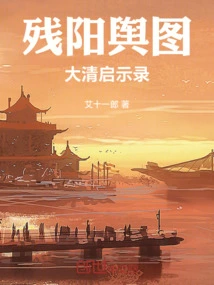
残阳舆图:大清启示录
Ai Shiichiro
Historical novels of the late Qing Dynasty, intercepting part of the story and plot of the historical lines of the late Qing Dynasty.
Historical novels of the late Qing Dynasty, intercepting part of the story and plot of the historical lines of the late Qing Dynasty.
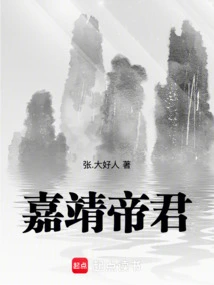
Emperor Jiajing
History嘉靖帝君
Zhang. A Good Man.
In the sixteenth year of Zhengde's reign, the throne was vacant. There were Japanese pirates intruding outside, and the previous emperors died in mysterious circumstances inside. At this time, Qi Wei time-traveled into the fifteen-year-old Zhu Houcong, who was about to ascend the throne as emperor, but he was not at all happy and only felt a slight chill on his neck. Yang Tinghe deceived Gu Gu when he was young and did not allow Gu Gu to recognize his biological father in an attempt to control the government! Those evildoers in the Civil Service Group were born, and they were all burning up and smoking. They even said that I was the reincarnation of Lord Huodexing and refused to save me! The robes of civilian officials are woven with birds, and the robes of military attachés are embroidered with animals. In this hall full of nobles and nobles, none of them are dressed like animals. Two capitals and thirteen provinces are carried on my shoulders! I want ZTE! How to do it? It's nothing more than adding too much water to the noodles, and adding too much water to the noodles!
In the sixteenth year of Zhengde's reign, the throne was vacant. There were Japanese pirates intruding outside, and the previous emperors died in mysterious circumstances inside. At this time, Qi Wei time-traveled into the fifteen-year-old Zhu Houcong, who was about to ascend the throne as emperor, but he was not at all happy and only felt a slight chill on his neck. Yang Tinghe deceived Gu Gu when he was young and did not allow Gu Gu to recognize his biological father in an attempt to control the government! Those evildoers in the Civil Service Group were born, and they were all burning up and smoking. They even said that I was the reincarnation of Lord Huodexing and refused to save me! The robes of civilian officials are woven with birds, and the robes of military attachés are embroidered with animals. In this hall full of nobles and nobles, none of them are dressed like animals. Two capitals and thirteen provinces are carried on my shoulders! I want ZTE! How to do it? It's nothing more than adding too much water to the noodles, and adding too much water to the noodles!
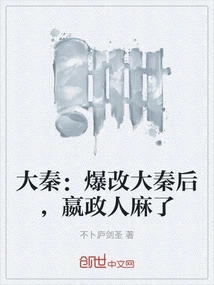
大秦:爆改大秦后,嬴政人麻了
Bu Lu Sword Saint
Come to China Literature's website to read more of my works!
Come to China Literature's website to read more of my works!
绑定李二长子,我在大唐不死不灭
Langya
Travel through the Tang Dynasty and become Li Chengzong, the eight-year-old son of Li Jiancheng. Awakening sharing system. The sharing system can bind the national destiny of the Tang Dynasty and those who own the national destiny of the Tang Dynasty. Li Chengzong bound the National Games of the Tang Dynasty and Li Chengqian at the beginning. At this point, if Li Chengzong is harmed and restricted, Li Chengqian and the national destiny of the Tang Dynasty will also be harmed. Li Chengzong died, Li Chengqian died, and the fate of the Tang Dynasty collapsed! When Li Shimin ended the Xuanwu Gate Incident and came to the East Palace, he wanted to kill all Li Jiancheng's family and remnants of the Prince's Palace in the East Palace. Li Chengzong stood up: "Second uncle, you don't want cousin Chengqian to die with me, do you?" "Second uncle, you don't want the Tang Dynasty to perish in your hands, right?" Li Shimin could only surrender when facing Li Chengzong. At this point, Li Chengzong began his lawless path in the Tang Dynasty!
Travel through the Tang Dynasty and become Li Chengzong, the eight-year-old son of Li Jiancheng. Awakening sharing system. The sharing system can bind the national destiny of the Tang Dynasty and those who own the national destiny of the Tang Dynasty. Li Chengzong bound the National Games of the Tang Dynasty and Li Chengqian at the beginning. At this point, if Li Chengzong is harmed and restricted, Li Chengqian and the national destiny of the Tang Dynasty will also be harmed. Li Chengzong died, Li Chengqian died, and the fate of the Tang Dynasty collapsed! When Li Shimin ended the Xuanwu Gate Incident and came to the East Palace, he wanted to kill all Li Jiancheng's family and remnants of the Prince's Palace in the East Palace. Li Chengzong stood up: "Second uncle, you don't want cousin Chengqian to die with me, do you?" "Second uncle, you don't want the Tang Dynasty to perish in your hands, right?" Li Shimin could only surrender when facing Li Chengzong. At this point, Li Chengzong began his lawless path in the Tang Dynasty!
季汉末路行
Star Painting Scroll
Come to China Literature's website to read more of my works!
Come to China Literature's website to read more of my works!
Come to China Literature's website to read more of my works!
从西汉开始的穿越作死指南
Live Under Dark Clouds
Everyone is destined to die, which may be more important than Mount Tai. Or lighter than a feather. Xu Ze is trapped in the cycle of history. Only by dying in a way that everyone knows and is recorded in the annals of history can we escape reincarnation. So-- He angrily reprimanded Empress Lu Pheasant in court; He used tricks to bewitch Emperor Liu Heng of Han Dynasty; He became the first foreign Han envoy; ... He is a hero, a famous general, but also a villain and a traitor. He is the dust of history and the creator of history!
Everyone is destined to die, which may be more important than Mount Tai. Or lighter than a feather. Xu Ze is trapped in the cycle of history. Only by dying in a way that everyone knows and is recorded in the annals of history can we escape reincarnation. So-- He angrily reprimanded Empress Lu Pheasant in court; He used tricks to bewitch Emperor Liu Heng of Han Dynasty; He became the first foreign Han envoy; ... He is a hero, a famous general, but also a villain and a traitor. He is the dust of history and the creator of history!

Three Kingdoms Zhao Yun Ji
History三国赵云记
The Yao Family Of Tianling Pagoda
This "Zhao Yun Ji" is based on history and connects Zhao Yun's complete life trajectory from raising troops in Changshan, surrendering to Gongsun Zan, following Liu Bei, to becoming the savior at Changbanpo, intercepting the river to capture Adou, making meritorious service in Hanzhong, persuading Wu to conquer Wu, and the Northern Expedition to the Central Plains.
This "Zhao Yun Ji" is based on history and connects Zhao Yun's complete life trajectory from raising troops in Changshan, surrendering to Gongsun Zan, following Liu Bei, to becoming the savior at Changbanpo, intercepting the river to capture Adou, making meritorious service in Hanzhong, persuading Wu to conquer Wu, and the Northern Expedition to the Central Plains.
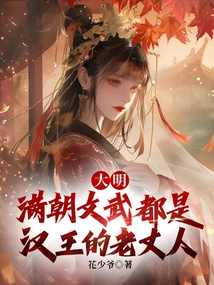
大明:满朝文武都是汉王的老丈人
Master Hua
In the third year of Yongle in the Ming Dynasty, Zhu Gaoxu, who traveled through time, realized that having more sons means blessings. The more sons you have, the greater the rewards and the stronger your combat power. . . . . .
In the third year of Yongle in the Ming Dynasty, Zhu Gaoxu, who traveled through time, realized that having more sons means blessings. The more sons you have, the greater the rewards and the stronger your combat power. . . . . .
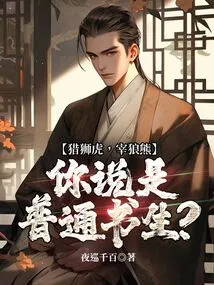
猎狮虎,宰狼熊,你说是普通书生?
Night Patrol Qianbai
His parents died, his brother died while hunting, and Liu Qi traveled through a poor family in ancient times to become a poor scholar! Picking up a hunting bow and putting on a hunting knife, Liu Qi went up the mountain to hunt tigers and went down to the sea to catch dragons. The silver he earned won a beautiful girl!
His parents died, his brother died while hunting, and Liu Qi traveled through a poor family in ancient times to become a poor scholar! Picking up a hunting bow and putting on a hunting knife, Liu Qi went up the mountain to hunt tigers and went down to the sea to catch dragons. The silver he earned won a beautiful girl!
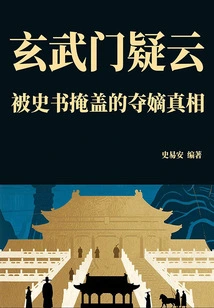
玄武门疑云:被史书掩盖的夺嫡真相
Compiled By Shi Yian
The Xuanwumen Incident was the bloodiest event in the history of the Tang Dynasty. History is written by the victors, but is that really the truth? Is Li Shimin, the "Eternal Emperor", completely flawless? Is Prince Li Jiancheng really as miserable as recorded in historical records? This book will take you back to those turbulent years and clear away the historical fog wrapped up in layers of power and lies... From the founding brothers fighting side by side to the secret battles in the palace with numerous factions; from the well-designed frame-up to the bloody dawn of swords and swords. We will delve into the concealed truth of the inheritance and restore a more real and complex chess game of human nature and power.
The Xuanwumen Incident was the bloodiest event in the history of the Tang Dynasty. History is written by the victors, but is that really the truth? Is Li Shimin, the "Eternal Emperor", completely flawless? Is Prince Li Jiancheng really as miserable as recorded in historical records? This book will take you back to those turbulent years and clear away the historical fog wrapped up in layers of power and lies... From the founding brothers fighting side by side to the secret battles in the palace with numerous factions; from the well-designed frame-up to the bloody dawn of swords and swords. We will delve into the concealed truth of the inheritance and restore a more real and complex chess game of human nature and power.
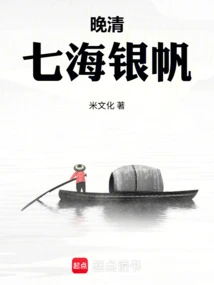
晚清:七海银帆
Rice Culture
This book is also known as: "Business Lords of the Seven Seas", "From the Dan People to the Lords of Nanyang" In 1860, Cheng Shuisheng, a young man from a Dan household at the mouth of the Pearl River, was nearly killed by a spirit from later generations. Under the influence of the picked up Heart of the Seven Seas, it absorbed the souls and memories of those who traveled through it, and also inspired the Heart of the Seven Seas Compass! Using the Heart of the Seven Seas, Cheng Shuisheng transformed from a commoner to a wealthy businessman, from a sampan to a giant iron-clad ship! From the Pearl River Estuary to Borneo, from Nanyang to North and South America! He is the saltwater guy in the eyes of people on the shore, the yellow-skinned captain in the eyes of foreigners, and the sea dragon king in the eyes of Borneo people! His cabin was filled with precious Nanyang wood, tea porcelain, spice rubber, pearl agate, foreign arms... Use water as a field, use boats as a home, use business as a blade, use the hands of the people to penetrate the four seas, and seek islands to be the king! (Ocean farming, do not promote dynasties, operate from scratch, slowly develop, rise in business, and plan overseas territories!)
This book is also known as: "Business Lords of the Seven Seas", "From the Dan People to the Lords of Nanyang" In 1860, Cheng Shuisheng, a young man from a Dan household at the mouth of the Pearl River, was nearly killed by a spirit from later generations. Under the influence of the picked up Heart of the Seven Seas, it absorbed the souls and memories of those who traveled through it, and also inspired the Heart of the Seven Seas Compass! Using the Heart of the Seven Seas, Cheng Shuisheng transformed from a commoner to a wealthy businessman, from a sampan to a giant iron-clad ship! From the Pearl River Estuary to Borneo, from Nanyang to North and South America! He is the saltwater guy in the eyes of people on the shore, the yellow-skinned captain in the eyes of foreigners, and the sea dragon king in the eyes of Borneo people! His cabin was filled with precious Nanyang wood, tea porcelain, spice rubber, pearl agate, foreign arms... Use water as a field, use boats as a home, use business as a blade, use the hands of the people to penetrate the four seas, and seek islands to be the king! (Ocean farming, do not promote dynasties, operate from scratch, slowly develop, rise in business, and plan overseas territories!)

晋末:从流亡开始再造华夏
Eighty-eight Months
Li Zheng traveled to Yecheng in 304. When he opened his eyes, he saw Hu riding through the city, with only his young sister and a rusty woodcutter beside him. He didn't have time to think too much, there was only one thought in his mind - to protect the people around him and survive! However, wars broke out all over China, the barbarian cavalry finally invaded the south, the Sima royal family continued to fight among themselves, and millions of people wailed endlessly. With knowledge and insights spanning over a thousand years, he went from being a refugee to a dock owner, from a county guard to a governor, killing Wang Mi, fighting Gou Xi, beheading Shi Le, and uniting with Liu Zu, gathering people's hearts in troubled times, and winning peace in the world. If Jin Ting doesn't care about the people of Li, then he, Li Zheng, will be in charge! If the nobles and nobles have accumulated a lot of trouble, then we will tear them all down and start over again! As a refugee, he became the supreme leader of the 1995 Movement and rebuilt the backbone of China.
Li Zheng traveled to Yecheng in 304. When he opened his eyes, he saw Hu riding through the city, with only his young sister and a rusty woodcutter beside him. He didn't have time to think too much, there was only one thought in his mind - to protect the people around him and survive! However, wars broke out all over China, the barbarian cavalry finally invaded the south, the Sima royal family continued to fight among themselves, and millions of people wailed endlessly. With knowledge and insights spanning over a thousand years, he went from being a refugee to a dock owner, from a county guard to a governor, killing Wang Mi, fighting Gou Xi, beheading Shi Le, and uniting with Liu Zu, gathering people's hearts in troubled times, and winning peace in the world. If Jin Ting doesn't care about the people of Li, then he, Li Zheng, will be in charge! If the nobles and nobles have accumulated a lot of trouble, then we will tear them all down and start over again! As a refugee, he became the supreme leader of the 1995 Movement and rebuilt the backbone of China.
晚明:谁说侯府庶子不能称帝?
Cherry Bricks
AD 1616, the forty-fourth year of Wanli. Gu Huai, who became the concubine of the Hou family after time travel, originally thought that his script was about otakus fighting to spoil and pick up girls, but he didn't expect that it was about survival in the apocalypse! Who would have thought that there would be zombies in this Ming Dynasty? In order to escape from the Hou Mansion, which was full of villains, he had no choice but to go south to Jinling to become a small Jinyi Guard. In order to survive, but also to climb higher. Gu Huai had no choice but to pick up a knife and cut down all the way from hundreds of households in Nanjing to the top of the Forbidden City. And when Gu Huai returned to the capital after his success, he was full of sincerity and wanted to help the building that was about to collapse. Only then did he discover-- The corpse poison is no better than scabies, but the human heart is the plague. The person sitting on the dragon chair is no longer a human emperor. At this moment, bang! A... Dragon egg? Hit him on the head? "Master True Dragon, you are destined." After receiving this news from a fortune teller, Gu Huai hesitated. So... This egg... Will it hatch or not? Opposite? Or not? This is a problem.
AD 1616, the forty-fourth year of Wanli. Gu Huai, who became the concubine of the Hou family after time travel, originally thought that his script was about otakus fighting to spoil and pick up girls, but he didn't expect that it was about survival in the apocalypse! Who would have thought that there would be zombies in this Ming Dynasty? In order to escape from the Hou Mansion, which was full of villains, he had no choice but to go south to Jinling to become a small Jinyi Guard. In order to survive, but also to climb higher. Gu Huai had no choice but to pick up a knife and cut down all the way from hundreds of households in Nanjing to the top of the Forbidden City. And when Gu Huai returned to the capital after his success, he was full of sincerity and wanted to help the building that was about to collapse. Only then did he discover-- The corpse poison is no better than scabies, but the human heart is the plague. The person sitting on the dragon chair is no longer a human emperor. At this moment, bang! A... Dragon egg? Hit him on the head? "Master True Dragon, you are destined." After receiving this news from a fortune teller, Gu Huai hesitated. So... This egg... Will it hatch or not? Opposite? Or not? This is a problem.
监国驸马之我在北魏做律师
Nowatari's Cat
Yang Yun, a modern lawyer, traveled through time and became the prince-consort of the Northern Wei Dynasty. The beginning was a murderous case of a princess recorded in history books. In order to save himself, he used the Prince Consort's Mansion as his "law firm" and the entire Northern Wei Dynasty as his "court". He used modern legal principles to challenge the ancient imperial power. From being the defender of a tragic marriage, he eventually became the "prosecutor" of the imperial system.
Yang Yun, a modern lawyer, traveled through time and became the prince-consort of the Northern Wei Dynasty. The beginning was a murderous case of a princess recorded in history books. In order to save himself, he used the Prince Consort's Mansion as his "law firm" and the entire Northern Wei Dynasty as his "court". He used modern legal principles to challenge the ancient imperial power. From being the defender of a tragic marriage, he eventually became the "prosecutor" of the imperial system.