Library
Browse and search novels
25,832 novels found
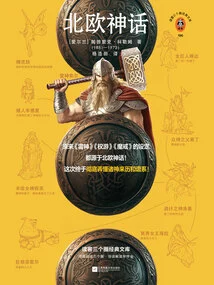
Norse Mythology
Literature北欧神话
T
What species are the elves in "The Lord of the Rings"? Where did Thor's hammer come from? What is the identity of Loki, who is both good and evil? The world views and character settings of fantasy works such as "The Hobbit", "Game of Thrones" and "Thor" all come from "Norse Mythology"! 35 Key stories, from the appearance of the gods to "Twilight of the Gods", this time we completely clarify the context of Nordic mythology!
What species are the elves in "The Lord of the Rings"? Where did Thor's hammer come from? What is the identity of Loki, who is both good and evil? The world views and character settings of fantasy works such as "The Hobbit", "Game of Thrones" and "Thor" all come from "Norse Mythology"! 35 Key stories, from the appearance of the gods to "Twilight of the Gods", this time we completely clarify the context of Nordic mythology!
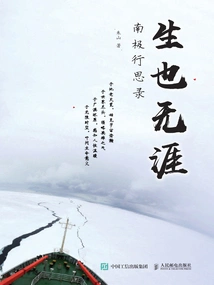
生也无涯:南极行思录
Zhushan
The author of this book participated in China's 32nd Antarctic scientific expedition with the team. He took the Xuelong polar research ship all the way south from the mouth of the Yangtze River to the Antarctic, sailed counterclockwise along the Antarctic continent, circled the earth at high latitudes, crossed the westerly belt many times, passed through the Strait of Magellan, went deep into the Antarctic Ross Sea, and visited more than 10 scientific research stations from various countries such as Antarctic Zhongshan Station and Great Wall Station. It lasted 158 days and covered a voyage of 30,387 nautical miles. The book uses travel notes and a large number of precious and exquisite photos to authentically present the ultimate pure, vast, quiet and solemn scene at the end of the earth. It empathically tells the touching stories and sentiments of the Antarctic people who explore the limits, as well as people's thoughts and questions about the universe, time and space, the nature of heaven and earth, and the existence of life in the special polar environment.
The author of this book participated in China's 32nd Antarctic scientific expedition with the team. He took the Xuelong polar research ship all the way south from the mouth of the Yangtze River to the Antarctic, sailed counterclockwise along the Antarctic continent, circled the earth at high latitudes, crossed the westerly belt many times, passed through the Strait of Magellan, went deep into the Antarctic Ross Sea, and visited more than 10 scientific research stations from various countries such as Antarctic Zhongshan Station and Great Wall Station. It lasted 158 days and covered a voyage of 30,387 nautical miles. The book uses travel notes and a large number of precious and exquisite photos to authentically present the ultimate pure, vast, quiet and solemn scene at the end of the earth. It empathically tells the touching stories and sentiments of the Antarctic people who explore the limits, as well as people's thoughts and questions about the universe, time and space, the nature of heaven and earth, and the existence of life in the special polar environment.
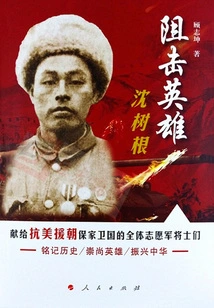
Blocking Hero Shen Shugen
Literature阻击英雄沈树根
Gu Zhikun
This book uses documentary literature to truly and three-dimensionally reproduce the legendary and wonderful life of Platoon Leader Shen Shugen, a heroic platoon leader who was awarded the "First Class Combat Hero" and "Jiufeng Blocking Hero" of the Chinese People's Volunteers and the Third Class National Flag Medal of the Democratic People's Republic of Korea. It describes in detail that when he served as the platoon leader of the Chinese People's Volunteer Army, he led a platoon of 33 soldiers. He fought fiercely with the enemy for 3 days and nights in the Jiufeng Blockade after the fifth battle in Korea, and repelled 13 enemy attacks. In the end, only one person in the platoon died, and 3 soldiers were killed. At the cost of serious casualties, he annihilated more than 300 enemies and broke through the heavy encirclement of two enemy battalions; creating a record for the Chinese People's Volunteers to win with fewer troops in the War to Resist U. S. Aggression and Aid Korea, and was regarded as a typical battle example of which the Chinese People's Volunteers are proud. The narrative in this book is real, vivid, and full of ups and downs. It is a red book that promotes the spirit of patriotism and revolutionary heroism.
This book uses documentary literature to truly and three-dimensionally reproduce the legendary and wonderful life of Platoon Leader Shen Shugen, a heroic platoon leader who was awarded the "First Class Combat Hero" and "Jiufeng Blocking Hero" of the Chinese People's Volunteers and the Third Class National Flag Medal of the Democratic People's Republic of Korea. It describes in detail that when he served as the platoon leader of the Chinese People's Volunteer Army, he led a platoon of 33 soldiers. He fought fiercely with the enemy for 3 days and nights in the Jiufeng Blockade after the fifth battle in Korea, and repelled 13 enemy attacks. In the end, only one person in the platoon died, and 3 soldiers were killed. At the cost of serious casualties, he annihilated more than 300 enemies and broke through the heavy encirclement of two enemy battalions; creating a record for the Chinese People's Volunteers to win with fewer troops in the War to Resist U. S. Aggression and Aid Korea, and was regarded as a typical battle example of which the Chinese People's Volunteers are proud. The narrative in this book is real, vivid, and full of ups and downs. It is a red book that promotes the spirit of patriotism and revolutionary heroism.
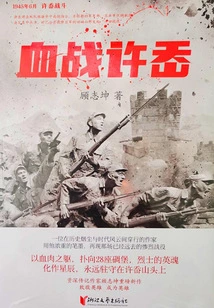
Bloody Battle with Xu Ao
Literature血战许岙
Gu Zhikun
The Battle of Xu'ao took place in June 1945. According to the instructions of the Central China Bureau and with the approval of the New Fourth Army Military Headquarters and the Jiangsu and Zhejiang Military Region, the East Zhejiang Guerrilla Column decided to concentrate its forces and launch a "campaign for land" against the Tianxiu Mountain Division, which had openly surrendered to the Japanese army. On June 7, according to the order of Commander He Kexi, the decisive battle of Xu'ao, commanded by the column's Chief of Staff Liu Hengyun and Director of the Political Department Zhang Wenbi, began. After 14 days and nights of continuous fighting, our army conquered 28 bunkers, annihilated more than 1,000 enemies, and captured a large number of items. By June 21, the so-called "unbreakable Maginot Line of Defense in eastern Zhejiang" that Tian Xiushan had boasted had been completely destroyed. Tianxiu Mountain, who was trapped in Shangyu County, lost Xu Ao and there was no hope of rescue. On June 30, he led his remaining troops and their families to abandon the city and fled westward, and Shangyu County was liberated. The Battle of Xu'ao was the largest and most glorious offensive against the enemy since the establishment of the East Zhejiang Guerrilla Column. It not only removed Tianxiu Mountain, the nail in the Siming Mountain base area, but also liberated hundreds of thousands of people in the Shangyu area, and the three anti-Japanese base areas of Sanbei, Siming, and Kuaiji became one.
The Battle of Xu'ao took place in June 1945. According to the instructions of the Central China Bureau and with the approval of the New Fourth Army Military Headquarters and the Jiangsu and Zhejiang Military Region, the East Zhejiang Guerrilla Column decided to concentrate its forces and launch a "campaign for land" against the Tianxiu Mountain Division, which had openly surrendered to the Japanese army. On June 7, according to the order of Commander He Kexi, the decisive battle of Xu'ao, commanded by the column's Chief of Staff Liu Hengyun and Director of the Political Department Zhang Wenbi, began. After 14 days and nights of continuous fighting, our army conquered 28 bunkers, annihilated more than 1,000 enemies, and captured a large number of items. By June 21, the so-called "unbreakable Maginot Line of Defense in eastern Zhejiang" that Tian Xiushan had boasted had been completely destroyed. Tianxiu Mountain, who was trapped in Shangyu County, lost Xu Ao and there was no hope of rescue. On June 30, he led his remaining troops and their families to abandon the city and fled westward, and Shangyu County was liberated. The Battle of Xu'ao was the largest and most glorious offensive against the enemy since the establishment of the East Zhejiang Guerrilla Column. It not only removed Tianxiu Mountain, the nail in the Siming Mountain base area, but also liberated hundreds of thousands of people in the Shangyu area, and the three anti-Japanese base areas of Sanbei, Siming, and Kuaiji became one.
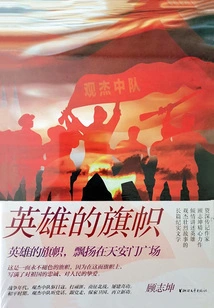
Hero's Flag
Literature英雄的旗帜
Gu Zhikun
A long documentary work about the life and deeds of the Anti-Japanese War hero Guan Jie. Guanjie was a native of Shangyu, Zhejiang. He was the captain of the 7th Squadron of the 3rd Brigade of the 5th Detachment of the Zhejiang East Column. He died heroically in the battle with the Japanese and puppets in July 1944 and was awarded the honorary title of "Guanjie Squadron" by the East Zhejiang Column. "Flag of Heroes" truly and artistically presents the heroic stories of Guan Jie and his heroic squadron in war years and peacetime.
A long documentary work about the life and deeds of the Anti-Japanese War hero Guan Jie. Guanjie was a native of Shangyu, Zhejiang. He was the captain of the 7th Squadron of the 3rd Brigade of the 5th Detachment of the Zhejiang East Column. He died heroically in the battle with the Japanese and puppets in July 1944 and was awarded the honorary title of "Guanjie Squadron" by the East Zhejiang Column. "Flag of Heroes" truly and artistically presents the heroic stories of Guan Jie and his heroic squadron in war years and peacetime.
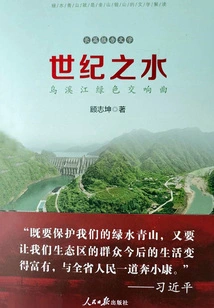
世纪之水:乌溪江绿色交响曲
Gu Zhikun
"Water of the Century" uses the form of literature and art to panoramically show the people on both sides of the Wuxi River, who used their own flesh and blood to build the iconic Huangtankou Power Station and Hunan Town Power Station on the turbulent and unruly Wuxi River under extremely poor material conditions, extremely harsh construction conditions, and very crude and even primitive construction equipment. It is known as "the cradle of China's water conservancy and hydropower construction" and "Zhejiang's first night pearl". It is the first full-length literary work so far that uses the Wuxi River as the background in a panoramic and three-dimensional way.
"Water of the Century" uses the form of literature and art to panoramically show the people on both sides of the Wuxi River, who used their own flesh and blood to build the iconic Huangtankou Power Station and Hunan Town Power Station on the turbulent and unruly Wuxi River under extremely poor material conditions, extremely harsh construction conditions, and very crude and even primitive construction equipment. It is known as "the cradle of China's water conservancy and hydropower construction" and "Zhejiang's first night pearl". It is the first full-length literary work so far that uses the Wuxi River as the background in a panoramic and three-dimensional way.
Mu Xue
Literature沐雪
Wu Youluo
This is a book full of emotions, and the love and thinking about "snow" can be seen between the lines. Although the book is titled "snow", it is not limited to discussing "snow" in terms of "snow", but uses snow as the dot and center to expand into all aspects of literature, history and philosophy. This book tries its best to be "exercise-free" when using the poems of the predecessors, and often flashes its own opinions and thoughts in the writing, such as the quality and pursuit of life, the value and scale of interpersonal communication, the meaning and pursuit of life, all of which are remarkable.
This is a book full of emotions, and the love and thinking about "snow" can be seen between the lines. Although the book is titled "snow", it is not limited to discussing "snow" in terms of "snow", but uses snow as the dot and center to expand into all aspects of literature, history and philosophy. This book tries its best to be "exercise-free" when using the poems of the predecessors, and often flashes its own opinions and thoughts in the writing, such as the quality and pursuit of life, the value and scale of interpersonal communication, the meaning and pursuit of life, all of which are remarkable.
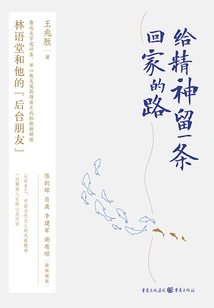
Leave a Way Home for the Spirit
Literature给精神留一条回家的路
Wang Zhaosheng
Lin Yutang said that you must have a few "backstage friends" in life. Watch Professor Wang Zhaosheng, a judge of the Lu Xun Literature Award and winner of the Bing Xin Prose Award, interpret Lin Yutang and his "backstage friends" and talk about the representatives of Chinese literati and the literati spirit of that generation!
Lin Yutang said that you must have a few "backstage friends" in life. Watch Professor Wang Zhaosheng, a judge of the Lu Xun Literature Award and winner of the Bing Xin Prose Award, interpret Lin Yutang and his "backstage friends" and talk about the representatives of Chinese literati and the literati spirit of that generation!
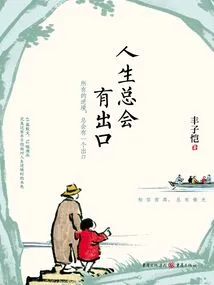
There is Always an Exit in Life
Literature人生总会有出口
Feng Zikai
When we are exposed in this fickle world, we don't know which one of the accident or tomorrow will come first, when will the epidemic end, and when will the cloudy day turn sunny? We often encounter innocent misunderstandings and misunderstandings, and often have to face the cold eyes and prejudices of others. We will be frustrated, lost, sinking, and at a loss... Life is like this, he always forces you, staggering to get hurt, stumbling to be strong. But don't give up. Feng Zikai's experience tells you that there will always be an exit for all adversities in life. Descendants of the Feng family personally selected 45 Feng Zikai's classic essays and 52 full-color, true-color comics to perfectly restore Feng Zikai's true colors when facing adversity in life. Believe that there is always a glimmer of light on the road ahead. Feng Zikai's prose style is calm and straightforward, meaningful, humorous, quiet and elegant. It gives people true strength in the face of adversity in life and is deeply loved by people.
When we are exposed in this fickle world, we don't know which one of the accident or tomorrow will come first, when will the epidemic end, and when will the cloudy day turn sunny? We often encounter innocent misunderstandings and misunderstandings, and often have to face the cold eyes and prejudices of others. We will be frustrated, lost, sinking, and at a loss... Life is like this, he always forces you, staggering to get hurt, stumbling to be strong. But don't give up. Feng Zikai's experience tells you that there will always be an exit for all adversities in life. Descendants of the Feng family personally selected 45 Feng Zikai's classic essays and 52 full-color, true-color comics to perfectly restore Feng Zikai's true colors when facing adversity in life. Believe that there is always a glimmer of light on the road ahead. Feng Zikai's prose style is calm and straightforward, meaningful, humorous, quiet and elegant. It gives people true strength in the face of adversity in life and is deeply loved by people.
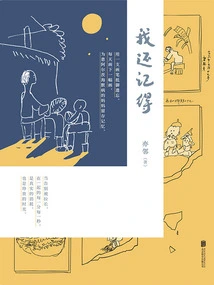
I Still Remember
Literature我还记得
Also Neighbor
This is the true story of Yilin, her sister Qingya, and her sister Xiaowan working together to take care of their mother suffering from Alzheimer's disease. Yilin's mother suffers from Alzheimer's disease. The former "omnipotent super mother" has become an ignorant old man who has been stripped of his memory, emotions and normal cognitive abilities. As an illustrator, Yilin tries to use painting to help her mother resist forgetfulness and retain memories. Seeing her mother being reminded of the past scenes in the painting and saying "I still remember", Yilin was deeply touched, so she insisted on painting a picture for her mother every day, depicting the time when her parents loved each other, the story of the three sisters when they were young, and the ideals of her mother... Yilin also encouraged her mother to draw a picture. When she started painting, her mother sometimes copied Yilin's paintings, and sometimes sketched the flowers and plants in the painter's paintings; she painted portraits of the three sisters when they were young. However, Yilin saw the changes that art had brought to her mother, whose spiritual world was becoming increasingly desolate, so she named this series of paintings "Awakening Mother's Memory."
This is the true story of Yilin, her sister Qingya, and her sister Xiaowan working together to take care of their mother suffering from Alzheimer's disease. Yilin's mother suffers from Alzheimer's disease. The former "omnipotent super mother" has become an ignorant old man who has been stripped of his memory, emotions and normal cognitive abilities. As an illustrator, Yilin tries to use painting to help her mother resist forgetfulness and retain memories. Seeing her mother being reminded of the past scenes in the painting and saying "I still remember", Yilin was deeply touched, so she insisted on painting a picture for her mother every day, depicting the time when her parents loved each other, the story of the three sisters when they were young, and the ideals of her mother... Yilin also encouraged her mother to draw a picture. When she started painting, her mother sometimes copied Yilin's paintings, and sometimes sketched the flowers and plants in the painter's paintings; she painted portraits of the three sisters when they were young. However, Yilin saw the changes that art had brought to her mother, whose spiritual world was becoming increasingly desolate, so she named this series of paintings "Awakening Mother's Memory."
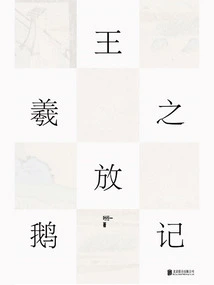
Wang Xizhi's Goose Herding
Literature王羲之放鹅记
Ye Xingyi
"There is no art, only artists." This famous saying by Gombrich seems to be particularly suitable for ancient Chinese art. Ancient Chinese art, like Chinese philosophy, is first and foremost about people, the human heart, and human nature. Therefore, when it comes to appreciating ancient calligraphy and painting, it is best to start with its creators. This book is just such an attempt. There are legends, new stories, natural history, art history, folklore, fables, aspirations, and fantasies. Among them, ancient calligraphy and painting masters enshrined in distant temples such as Wang Xizhi, Mi Fu, Han Qian, Song Huizong, Yang Ningshi, Ni Yunlin, etc. Suddenly appear in a living way, either strangely or daily, in various strange stories. These creators come to life, and their works seem to come to life as well.
"There is no art, only artists." This famous saying by Gombrich seems to be particularly suitable for ancient Chinese art. Ancient Chinese art, like Chinese philosophy, is first and foremost about people, the human heart, and human nature. Therefore, when it comes to appreciating ancient calligraphy and painting, it is best to start with its creators. This book is just such an attempt. There are legends, new stories, natural history, art history, folklore, fables, aspirations, and fantasies. Among them, ancient calligraphy and painting masters enshrined in distant temples such as Wang Xizhi, Mi Fu, Han Qian, Song Huizong, Yang Ningshi, Ni Yunlin, etc. Suddenly appear in a living way, either strangely or daily, in various strange stories. These creators come to life, and their works seem to come to life as well.
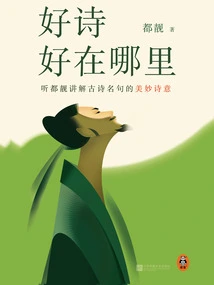
What's so Good About Good Poetry?
Literature好诗好在哪里
All Pretty
What's so good about good poetry? Listen to Duliang explain the beautiful poetry of famous lines from ancient poems! Restore the life experiences of 24 poets including Li Bai, Du Fu, and Su Shi, and explain the deep feelings behind good poems. Discover the poet's open-minded attitude towards life when facing setbacks and frustrations, and feel the comfort and healing brought by poetry. Open this book and understand the wonderful poetry behind the good poems.
What's so good about good poetry? Listen to Duliang explain the beautiful poetry of famous lines from ancient poems! Restore the life experiences of 24 poets including Li Bai, Du Fu, and Su Shi, and explain the deep feelings behind good poems. Discover the poet's open-minded attitude towards life when facing setbacks and frustrations, and feel the comfort and healing brought by poetry. Open this book and understand the wonderful poetry behind the good poems.
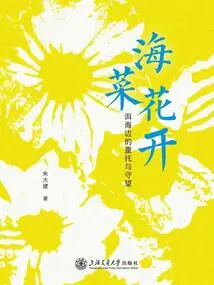
海菜花开:洱海边的重托与守望
Zhu Dajian
Erhai Lake is the representative of plateau lakes and the "Mother Lake" of Dali people. In the 1990s, an outbreak of cyanobacteria occurred in Erhai Lake, resulting in a decline in water quality and endangering the ecological environment of the basin. This book tells the story of Kong Hainan, a water ecology and environment scholar, who rushed to the shores of Erhai Lake. With the support of governments at all levels, he led a team to stay on the front line for more than ten years and worked closely with local people of all ethnic groups to gradually restore clarity to the once overwhelmed Erhai Lake. This story has been called the "Old Man and the Sea" in the new era by the People's Daily and other domestic mainstream media. Scientific and technological workers represented by Kong Hainan devoted all their knowledge and actively worked in the construction of ecological civilization, targeted poverty alleviation, and rural revitalization. They lived up to the great trust and wrote their papers on the land of the motherland. The governance of Erhai Lake has gone through more than ten years of testing, and has formed the "Erhai Lake Experience" that can be used for reference, and has gone beyond Yunnan, out of China, and is going global.
Erhai Lake is the representative of plateau lakes and the "Mother Lake" of Dali people. In the 1990s, an outbreak of cyanobacteria occurred in Erhai Lake, resulting in a decline in water quality and endangering the ecological environment of the basin. This book tells the story of Kong Hainan, a water ecology and environment scholar, who rushed to the shores of Erhai Lake. With the support of governments at all levels, he led a team to stay on the front line for more than ten years and worked closely with local people of all ethnic groups to gradually restore clarity to the once overwhelmed Erhai Lake. This story has been called the "Old Man and the Sea" in the new era by the People's Daily and other domestic mainstream media. Scientific and technological workers represented by Kong Hainan devoted all their knowledge and actively worked in the construction of ecological civilization, targeted poverty alleviation, and rural revitalization. They lived up to the great trust and wrote their papers on the land of the motherland. The governance of Erhai Lake has gone through more than ten years of testing, and has formed the "Erhai Lake Experience" that can be used for reference, and has gone beyond Yunnan, out of China, and is going global.
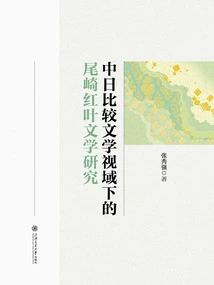
中日比较文学视域下的尾崎红叶文学研究
Zhang Xiuqiang
This book uses the method of comparative literature to study the literature of Ozaki Momiji, a representative writer in Meiji literary circles in Japan. The first chapter attempts to explore the relationship between Ozaki Momiji literature and Japanese classical literature; the second chapter explores the relationship between Ozaki Momiji literature and "A Dream of Red Mansions", "Strange Stories from a Chinese Studio", "Gu Wen Lu" and Ming and Qing note novels from the perspective of Ozaki Momiji literature and Chinese classical literature; the third chapter is the work theory of Ozaki Momiji's representative work "Golden Yaksha"; the fourth chapter discusses the China derived from "Golden Yaksha" The works of film and television dramas are sorted out to understand the spread of "Golden Yasha" in China and East Asia; Chapter 5 expands the research to the surrounding literature of Ozaki Momiji, exploring the literary historical significance of modern Japanese writers Masaoka Shiki, Izumi Kyoka, etc. And the Sino-Japanese Sino-Japanese Sino-Japanese War, the literary historical significance of Ozaki Momiji and Futaba Tei Shimi, and the connection between the literary creations of Ozaki Momiji and Koda Rohan and "Mrs. Lee" and "Song of Everlasting Regret".
This book uses the method of comparative literature to study the literature of Ozaki Momiji, a representative writer in Meiji literary circles in Japan. The first chapter attempts to explore the relationship between Ozaki Momiji literature and Japanese classical literature; the second chapter explores the relationship between Ozaki Momiji literature and "A Dream of Red Mansions", "Strange Stories from a Chinese Studio", "Gu Wen Lu" and Ming and Qing note novels from the perspective of Ozaki Momiji literature and Chinese classical literature; the third chapter is the work theory of Ozaki Momiji's representative work "Golden Yaksha"; the fourth chapter discusses the China derived from "Golden Yaksha" The works of film and television dramas are sorted out to understand the spread of "Golden Yasha" in China and East Asia; Chapter 5 expands the research to the surrounding literature of Ozaki Momiji, exploring the literary historical significance of modern Japanese writers Masaoka Shiki, Izumi Kyoka, etc. And the Sino-Japanese Sino-Japanese Sino-Japanese War, the literary historical significance of Ozaki Momiji and Futaba Tei Shimi, and the connection between the literary creations of Ozaki Momiji and Koda Rohan and "Mrs. Lee" and "Song of Everlasting Regret".
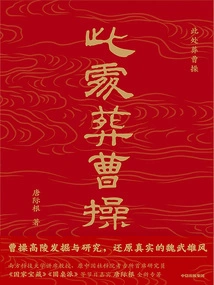
Cao Cao is Buried Here
Literature此处葬曹操
Tang Jigen
Regarding Cao Cao's tomb, there have always been rumors among the people about the "Seventy-two Suspicious Tombs". An epitaph from the Jin Dynasty that was accidentally discovered in 2006 revealed the location of Cao Cao's tomb. Because the tomb was stolen, the archaeological team launched a rescue excavation. This book tells the thrilling excavation story of Cao Cao's tomb in a documentary way. It identifies the owner of the tomb through documentary and archaeological data verification, scientifically responds to public doubts one by one based on a series of key evidence, and combines scientific and humanistic methods to restore a real Cao Cao and his era with brand-new research results.
Regarding Cao Cao's tomb, there have always been rumors among the people about the "Seventy-two Suspicious Tombs". An epitaph from the Jin Dynasty that was accidentally discovered in 2006 revealed the location of Cao Cao's tomb. Because the tomb was stolen, the archaeological team launched a rescue excavation. This book tells the thrilling excavation story of Cao Cao's tomb in a documentary way. It identifies the owner of the tomb through documentary and archaeological data verification, scientifically responds to public doubts one by one based on a series of key evidence, and combines scientific and humanistic methods to restore a real Cao Cao and his era with brand-new research results.
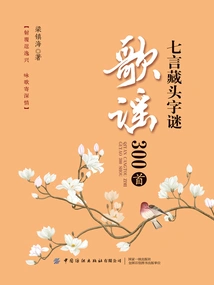
300 Seven-character Acrostic Ballads
Literature七言藏头字谜歌谣300首
Liang Zhenhai
This book is a collection of original seven-character acrostic ballads, including 365 original ballads, rounded to an integer, and is called "300 Seven-character Acrostic Ballads". The language of this book is fluent, easy to understand, and catchy. Its content is extensive, close to life, and shows the rich and colorful features of the times. This book is full of interest and suitable for all ages. It is a flower of folk literature that increases positive energy. There are three hundred word riddle songs, the first one is like a branch full of flowers, the flowers are fragrant and bees and butterflies are coming, and the bees and butterflies are flying in the thick spring color.
This book is a collection of original seven-character acrostic ballads, including 365 original ballads, rounded to an integer, and is called "300 Seven-character Acrostic Ballads". The language of this book is fluent, easy to understand, and catchy. Its content is extensive, close to life, and shows the rich and colorful features of the times. This book is full of interest and suitable for all ages. It is a flower of folk literature that increases positive energy. There are three hundred word riddle songs, the first one is like a branch full of flowers, the flowers are fragrant and bees and butterflies are coming, and the bees and butterflies are flying in the thick spring color.
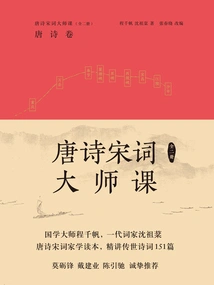
唐诗宋词大师课(全二册)
Cheng Qianfan, Written By Shen Zufen, Adapted By Zhang Chunxiao
Mr. Cheng Qianfan is a descendant of the Zhang (Taiyan) Huang (Kan) school and the academic leader of the ancient literature major at Nanjing University. The "Chengmen disciples" he trained have become important forces in the current academic world. Mr. Shen Zufen is a poet-scholar among contemporary scholars and is famous for his old-style poetry creation. Mr. Zhu Guangqian compared her to contemporary Li Qingzhao and praised her as "Yi An later met this person", which was also praised by Mr. Ye Jiaying. The two gentlemen were collectively known as "Cheng Chen", and Wu Mi once said that they had "the ambition to save the world and preserve the essence of the country". This book is based on Cheng Shen's four poetry appreciation works as a reference, and was written and adapted by Zhang Chunxiao, the granddaughter of the two gentlemen and associate professor of Jinan University. This book focuses on 100 famous poems of the Tang Dynasty and 51 famous poems of the Song Dynasty, taking into account the tradition of "circle point" commentary. It aims to lead readers to develop an appreciation of the aesthetics of traditional poetry, so that classical poetry can lively accompany modern people.
Mr. Cheng Qianfan is a descendant of the Zhang (Taiyan) Huang (Kan) school and the academic leader of the ancient literature major at Nanjing University. The "Chengmen disciples" he trained have become important forces in the current academic world. Mr. Shen Zufen is a poet-scholar among contemporary scholars and is famous for his old-style poetry creation. Mr. Zhu Guangqian compared her to contemporary Li Qingzhao and praised her as "Yi An later met this person", which was also praised by Mr. Ye Jiaying. The two gentlemen were collectively known as "Cheng Chen", and Wu Mi once said that they had "the ambition to save the world and preserve the essence of the country". This book is based on Cheng Shen's four poetry appreciation works as a reference, and was written and adapted by Zhang Chunxiao, the granddaughter of the two gentlemen and associate professor of Jinan University. This book focuses on 100 famous poems of the Tang Dynasty and 51 famous poems of the Song Dynasty, taking into account the tradition of "circle point" commentary. It aims to lead readers to develop an appreciation of the aesthetics of traditional poetry, so that classical poetry can lively accompany modern people.
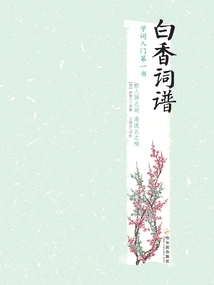
Baixiang Ci Pu
Literature白香词谱
(qing Dynasty) Selected By Shu Menglan And Analyzed By Wang Xiaole
"Baixiang Ci Pu" was compiled and selected by Shu Menglan, a poet during the Jiaqing period of the Qing Dynasty. It compiles 100 Ci poems from the Tang Dynasty to the Qing Dynasty. According to the style of the Ci Pu, each poem has its own tune. These 100 words are all in common tones, including Xiaoling, Zhong, and Long. The rhymes and oblique rhymes are marked in detail, making it easier for learners to fill in the words according to the notation. At the same time, "Baixiang Ci Pu" is also a brief selection of lyrics, and the selected lyrics are all relatively famous or highly artistic. "Baixiang Ci Pu" became widely circulated after it was compiled and was included in the "Four Bu Series". It is still popular today and has become a must-have book for poetry lovers to learn to write lyrics.
"Baixiang Ci Pu" was compiled and selected by Shu Menglan, a poet during the Jiaqing period of the Qing Dynasty. It compiles 100 Ci poems from the Tang Dynasty to the Qing Dynasty. According to the style of the Ci Pu, each poem has its own tune. These 100 words are all in common tones, including Xiaoling, Zhong, and Long. The rhymes and oblique rhymes are marked in detail, making it easier for learners to fill in the words according to the notation. At the same time, "Baixiang Ci Pu" is also a brief selection of lyrics, and the selected lyrics are all relatively famous or highly artistic. "Baixiang Ci Pu" became widely circulated after it was compiled and was included in the "Four Bu Series". It is still popular today and has become a must-have book for poetry lovers to learn to write lyrics.
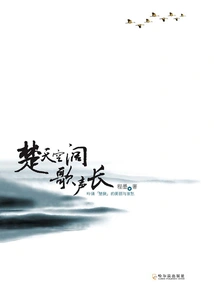
楚天空阔歌声长:吟诵《楚辞》的美丽与哀愁
Cheng Mo
"The Sky of Chu is Broad and the Songs Are Long" is a book explaining the study of "Chu Ci". "Songs of Chu" is my country's earliest collection of romantic poetry, compiled into a book by Liu Xiang of the Western Han Dynasty. Liu Xiang is a writer, known as the originator of Chinese bibliography. He carefully compiled 16 volumes of Qu Yuan's works, which became the earliest version of "Chu Ci". Later, in the Eastern Han Dynasty, writer Wang Yi added his own work "Nine Thoughts", which made "Chu Ci" more complete, and the 17-volume version became the popular version handed down from generation to generation. This book interprets parts of "Li Sao", "Nine Songs", "Tian Wen" and "Nine Chapters". The language is full of wit and wit, citing classics and classics. It is not only the interpretation of Chu dialect, place names, plants, costumes and other unique Chu culture in the inherent impression, it also uses a relatively coherent line to use poetry to tell the story of Qu Yuan's extraordinary life. There are countless allusions in the book, and the commentary is very interesting, such as the struggle between the tribal leader Yi of the poor country and his subordinate Han Zhuo; the fortune teller Ling Feng divined for Qu Yuan to discuss the encounter between the emperor and his ministers; such as the prince Qiao who became an immortal, but could not withstand a blow from a human weapon, and finally the yang energy left the body and turned into a big bird and flew away; there are also several great gods in "The List of Gods", and all the people between the emperor and the princes, performing human dramas over and over again. All of this is Qu Yuan's life. He used a collection of poems to personally experience history and examine history. When can monarchs and ministers join hands without any hindrance? Even if their lives are short, they will die without regrets and shepherd the nine states together. It is the blessing of the people. The whole book contains detailed information, and the path of all spiritual pain ends in Miluo. Poetry is short, history is long. Not long after the Song of Chu was sung, Chu was gone, Qin unified the world, and the writings and chariots moved in the same direction. In the sky above the rise and fall of his family and country, Qu Yuan's clear and distant gaze stayed forever, the clear sky was vast, and his singing finally became silent.
"The Sky of Chu is Broad and the Songs Are Long" is a book explaining the study of "Chu Ci". "Songs of Chu" is my country's earliest collection of romantic poetry, compiled into a book by Liu Xiang of the Western Han Dynasty. Liu Xiang is a writer, known as the originator of Chinese bibliography. He carefully compiled 16 volumes of Qu Yuan's works, which became the earliest version of "Chu Ci". Later, in the Eastern Han Dynasty, writer Wang Yi added his own work "Nine Thoughts", which made "Chu Ci" more complete, and the 17-volume version became the popular version handed down from generation to generation. This book interprets parts of "Li Sao", "Nine Songs", "Tian Wen" and "Nine Chapters". The language is full of wit and wit, citing classics and classics. It is not only the interpretation of Chu dialect, place names, plants, costumes and other unique Chu culture in the inherent impression, it also uses a relatively coherent line to use poetry to tell the story of Qu Yuan's extraordinary life. There are countless allusions in the book, and the commentary is very interesting, such as the struggle between the tribal leader Yi of the poor country and his subordinate Han Zhuo; the fortune teller Ling Feng divined for Qu Yuan to discuss the encounter between the emperor and his ministers; such as the prince Qiao who became an immortal, but could not withstand a blow from a human weapon, and finally the yang energy left the body and turned into a big bird and flew away; there are also several great gods in "The List of Gods", and all the people between the emperor and the princes, performing human dramas over and over again. All of this is Qu Yuan's life. He used a collection of poems to personally experience history and examine history. When can monarchs and ministers join hands without any hindrance? Even if their lives are short, they will die without regrets and shepherd the nine states together. It is the blessing of the people. The whole book contains detailed information, and the path of all spiritual pain ends in Miluo. Poetry is short, history is long. Not long after the Song of Chu was sung, Chu was gone, Qin unified the world, and the writings and chariots moved in the same direction. In the sky above the rise and fall of his family and country, Qu Yuan's clear and distant gaze stayed forever, the clear sky was vast, and his singing finally became silent.
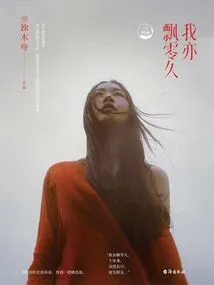
我亦飘零久(十年挚爱版)
Canoe
The background of "I've also been wandering for a long time" is loneliness. It's the big world, a small person, some small things. It is not a story, nor is it literary, it is just an honest chapter written by a timid, cowardly girl, full of growing sorrow and paranoia about love, after she passed through that stage of her youth intensely.
The background of "I've also been wandering for a long time" is loneliness. It's the big world, a small person, some small things. It is not a story, nor is it literary, it is just an honest chapter written by a timid, cowardly girl, full of growing sorrow and paranoia about love, after she passed through that stage of her youth intensely.
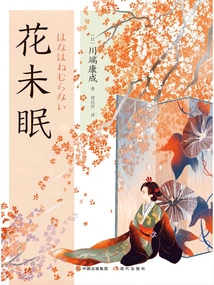
花未眠(和风译丛)
(japan) Kawabata Yasunari
"Flowers Are Not Sleeping" is a collection of classic works by the Japanese literary master Kawabata Yasunari. It includes essays such as "Flowers Are Not Sleeping", "I am in Beautiful Japan", "The Existence and Discovery of Beauty", and "The Beauty of Japanese Literature". These four articles on literature and aesthetic topics elaborate on the "beauty" in Kawabata Yasunari's heart, emphasizing his creative outlook based on the sense of disillusionment and vanity of uncertainty about life and death, as well as his admiration for the culture of the Heian Dynasty. His Zen thoughts and literary concepts are very oriental. In addition, short stories and novels such as "The Ballad of Wings", "Crystal Fantasy", "Snow", "Autumn Rain" and "Parent's Heart" are also included, which also reflect his active literary exploration and experimentation, inherit and carry forward the Japanese and Oriental "mono-sorrow" tradition, and reflect the essence of his Oriental aesthetics.
"Flowers Are Not Sleeping" is a collection of classic works by the Japanese literary master Kawabata Yasunari. It includes essays such as "Flowers Are Not Sleeping", "I am in Beautiful Japan", "The Existence and Discovery of Beauty", and "The Beauty of Japanese Literature". These four articles on literature and aesthetic topics elaborate on the "beauty" in Kawabata Yasunari's heart, emphasizing his creative outlook based on the sense of disillusionment and vanity of uncertainty about life and death, as well as his admiration for the culture of the Heian Dynasty. His Zen thoughts and literary concepts are very oriental. In addition, short stories and novels such as "The Ballad of Wings", "Crystal Fantasy", "Snow", "Autumn Rain" and "Parent's Heart" are also included, which also reflect his active literary exploration and experimentation, inherit and carry forward the Japanese and Oriental "mono-sorrow" tradition, and reflect the essence of his Oriental aesthetics.
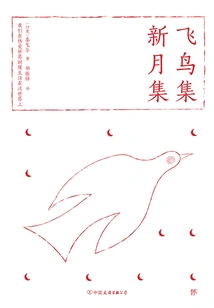
Q
LiteratureQ
H
"Birds and Crescent Moon" is a collection of Rabindranath Tagore's famous poems. "Birds" is one of Rabindranath Tagore's outstanding poetry collections. The short, concise, clear and meaningful poems contain profound wisdom and nourish the hearts of hundreds of millions of readers. "New Moon Collection" is also a masterpiece by Rabindranath Tagore. It vividly describes the lively mind and brilliant imagination of children. It uses special and timeless artistic charm to create a pure and beautiful children's world, allowing the pure childlike innocence to illuminate the direction of life.
"Birds and Crescent Moon" is a collection of Rabindranath Tagore's famous poems. "Birds" is one of Rabindranath Tagore's outstanding poetry collections. The short, concise, clear and meaningful poems contain profound wisdom and nourish the hearts of hundreds of millions of readers. "New Moon Collection" is also a masterpiece by Rabindranath Tagore. It vividly describes the lively mind and brilliant imagination of children. It uses special and timeless artistic charm to create a pure and beautiful children's world, allowing the pure childlike innocence to illuminate the direction of life.
粤西唐诗之路探源与诗人寻踪
Mo Daocai
"Exploring the Origins of Tang Poetry in Western Guangdong and the Poets' Tracing" compiled by Professor Mo Daocai of Guangxi Normal University is a collection of papers summarizing the study of the Tang Poetry in Western Guangdong. It includes fifteen papers by scholars such as Ye Jiaying, Tozaki Tetsuhiko, Tao Min, and Sun Changwu. The book is divided into three parts: "Poetry Road and Poetry Creation in Western Guangdong" mainly discusses the poetic works on the Tang Poetry Road in Western Guangdong and the poets' emotions and historical and cultural backgrounds they reflect; "Poetry on the Poetry Road" mainly examines the historical facts, whereabouts and remains of the poets of the Tang Dynasty on the Tang Poetry Road in Western Guangdong; "Poetry Road Collection in Western Guangdong" examines the general direction, relics and culture of the Tang Poetry Road in Western Guangdong.
"Exploring the Origins of Tang Poetry in Western Guangdong and the Poets' Tracing" compiled by Professor Mo Daocai of Guangxi Normal University is a collection of papers summarizing the study of the Tang Poetry in Western Guangdong. It includes fifteen papers by scholars such as Ye Jiaying, Tozaki Tetsuhiko, Tao Min, and Sun Changwu. The book is divided into three parts: "Poetry Road and Poetry Creation in Western Guangdong" mainly discusses the poetic works on the Tang Poetry Road in Western Guangdong and the poets' emotions and historical and cultural backgrounds they reflect; "Poetry on the Poetry Road" mainly examines the historical facts, whereabouts and remains of the poets of the Tang Dynasty on the Tang Poetry Road in Western Guangdong; "Poetry Road Collection in Western Guangdong" examines the general direction, relics and culture of the Tang Poetry Road in Western Guangdong.
Grammar of the Song and Yuan Dynasties
Literature宋元文法论
Lu Dehai
During the Song and Yuan Dynasties, literary studies developed, and grammatical theory became the core content of literary studies. This book focuses on the study of Song and Yuan grammatical studies, mainly focusing on the current situation of the Southern Song Dynasty. It treats the Song and Yuan grammatical theories as a whole, and includes the literary theories of Ouyang Xiu, Su Shi, Huang Tingjian and others in the Northern Song Dynasty. Based on the actual situation of the construction of the Song and Yuan grammatical theory system, it focuses on the identification of the object of study, focusing on the establishment of "article orthodoxy", "austere words and bitter words" and " Contents such as the differences and conflicts between grammatical concepts such as "simple but methodical", etc., Reinterpret the "big method of composition" based on "natural writing" from the perspective of literary studies, and introduce the exploration and theoretical summary of "determined methods" such as word training and chapter arrangement by Song and Yuan literary scholars, which fully demonstrates the theoretical level and dynamic development process of Song and Yuan grammatical theory.
During the Song and Yuan Dynasties, literary studies developed, and grammatical theory became the core content of literary studies. This book focuses on the study of Song and Yuan grammatical studies, mainly focusing on the current situation of the Southern Song Dynasty. It treats the Song and Yuan grammatical theories as a whole, and includes the literary theories of Ouyang Xiu, Su Shi, Huang Tingjian and others in the Northern Song Dynasty. Based on the actual situation of the construction of the Song and Yuan grammatical theory system, it focuses on the identification of the object of study, focusing on the establishment of "article orthodoxy", "austere words and bitter words" and " Contents such as the differences and conflicts between grammatical concepts such as "simple but methodical", etc., Reinterpret the "big method of composition" based on "natural writing" from the perspective of literary studies, and introduce the exploration and theoretical summary of "determined methods" such as word training and chapter arrangement by Song and Yuan literary scholars, which fully demonstrates the theoretical level and dynamic development process of Song and Yuan grammatical theory.
Research on Lao Du Zhou Bangyan in Ci
Literature词中老杜周邦彦研究
Sun Hong Sun Longfei
Zhou Bangyan's person and his poetry have always been one of the "excellent studies" in the study of poetry, and he has a lofty status in the history of poetry that integrates his great achievements and serves as a link between the past and the future. Modern Ci scholars such as Zheng Wenzhuo and Wang Guowei even referred to Zhou Bangyan as "Lao Du in Ci", which shows his high status in the history of Ci. The book "Research on Zhou Bangyan, the Lao Du in Ci", combs through the chronology of Zhou Bangyan's ci writings, the compilation and dissemination of ci collections and literary evaluation, ideological interest, ci studies and aesthetic standards, artistic style innovation and philosophical significance, the positioning and influence of ci history, etc., Sorting out the style of ci studies in the two Song Dynasties. Develop the evolution, explore the relationship between Ci style and other literary styles (especially poetry) and philosophical trends, and then discuss the theoretical construction of classical interpretations in the Qing Dynasty and modern times, and the modern transformation of Ci writing methods, providing a more multi-dimensional, broader and three-dimensional vision for the study of Zhou Bangyan and his Ci.
Zhou Bangyan's person and his poetry have always been one of the "excellent studies" in the study of poetry, and he has a lofty status in the history of poetry that integrates his great achievements and serves as a link between the past and the future. Modern Ci scholars such as Zheng Wenzhuo and Wang Guowei even referred to Zhou Bangyan as "Lao Du in Ci", which shows his high status in the history of Ci. The book "Research on Zhou Bangyan, the Lao Du in Ci", combs through the chronology of Zhou Bangyan's ci writings, the compilation and dissemination of ci collections and literary evaluation, ideological interest, ci studies and aesthetic standards, artistic style innovation and philosophical significance, the positioning and influence of ci history, etc., Sorting out the style of ci studies in the two Song Dynasties. Develop the evolution, explore the relationship between Ci style and other literary styles (especially poetry) and philosophical trends, and then discuss the theoretical construction of classical interpretations in the Qing Dynasty and modern times, and the modern transformation of Ci writing methods, providing a more multi-dimensional, broader and three-dimensional vision for the study of Zhou Bangyan and his Ci.
他乡的星光:欧美游学散记
Li Jian
The author is a graduate of Peking University in 1978 and a returned scientist. In 1989, he went to study at the University of Hannover in Germany as a Humboldt scholar. He then studied and worked in universities, research institutes and multinational companies in Finland, Canada, and the United States, and settled overseas. After returning to work in China at the end of 2008, he successively wrote a series of essays about his twenty years of overseas study experience. As a collection of essays by scientists, this book is written in a smooth, elegant, fascinating and original way. It not only contains descriptions of exotic scenery, travel experiences and overseas life, but also introduces the growth path and scientific research process of many outstanding European and American scientists, including the author's mentor, as well as the development history of many prestigious scientific research institutions. From these articles, readers can immerse themselves in Western scientific culture, deeply understand the scientific spirit, and experience the integration of full humanistic sentiments and Eastern and Western cultures.
The author is a graduate of Peking University in 1978 and a returned scientist. In 1989, he went to study at the University of Hannover in Germany as a Humboldt scholar. He then studied and worked in universities, research institutes and multinational companies in Finland, Canada, and the United States, and settled overseas. After returning to work in China at the end of 2008, he successively wrote a series of essays about his twenty years of overseas study experience. As a collection of essays by scientists, this book is written in a smooth, elegant, fascinating and original way. It not only contains descriptions of exotic scenery, travel experiences and overseas life, but also introduces the growth path and scientific research process of many outstanding European and American scientists, including the author's mentor, as well as the development history of many prestigious scientific research institutions. From these articles, readers can immerse themselves in Western scientific culture, deeply understand the scientific spirit, and experience the integration of full humanistic sentiments and Eastern and Western cultures.
文学传播与接受论丛(第五辑)
Editor-in-chief Shang Yongliang Tan Xinhong
This book includes theoretical research on the communication and reception of literature, research on the communication and reception of modern and contemporary Chinese literature, research on the communication and reception of ancient Chinese literature, research on the mutual communication and reception of Chinese and foreign literature, etc. It not only discusses the theoretical thinking and construction of the overall pattern of communication research, but also has specific case analysis.
This book includes theoretical research on the communication and reception of literature, research on the communication and reception of modern and contemporary Chinese literature, research on the communication and reception of ancient Chinese literature, research on the mutual communication and reception of Chinese and foreign literature, etc. It not only discusses the theoretical thinking and construction of the overall pattern of communication research, but also has specific case analysis.
古书凡例与文学批评:以明清集部著作为考察中心
He Shihai
Fanli is a literary style placed at the beginning of the volume to reveal the purpose, main content and compilation style of the book. During the Ming and Qing dynasties, writers were far more conscious than previous generations about writing rules and regulations. Writing rules and regulations became a popular practice and reached its peak. The richness of the content and the strictness of the style of the rules were unprecedented, and the compilation of collections of works was no exception. In terms of literary scholarship, Jibu's works are by no means limited to explanatory texts introducing book compilation styles and techniques. Instead, they contain rich contents of literary criticism and embody the author's views on many fundamental issues in literature. Therefore, this book starts from literary theory and literary criticism and conducts in-depth discussion and research on the content and style of collections in Ming and Qing Dynasties.
Fanli is a literary style placed at the beginning of the volume to reveal the purpose, main content and compilation style of the book. During the Ming and Qing dynasties, writers were far more conscious than previous generations about writing rules and regulations. Writing rules and regulations became a popular practice and reached its peak. The richness of the content and the strictness of the style of the rules were unprecedented, and the compilation of collections of works was no exception. In terms of literary scholarship, Jibu's works are by no means limited to explanatory texts introducing book compilation styles and techniques. Instead, they contain rich contents of literary criticism and embody the author's views on many fundamental issues in literature. Therefore, this book starts from literary theory and literary criticism and conducts in-depth discussion and research on the content and style of collections in Ming and Qing Dynasties.
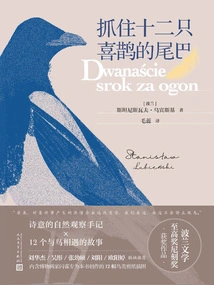
Catch Twelve Magpies by Their Tails
Literature抓住十二只喜鹊的尾巴
(polish) Stanislaw Ubinski
This book is an essay on bird watching culture. The author describes the interaction between birds and humans in a literary style. He wrote about his natural insights into bird watching in Polish countryside and cities, his experience in rescuing stray birds during migration, and thinking about the plight of birds that are at a loss in the current rapidly changing environment. At the same time, the article is interspersed with a lot of interesting cultural knowledge, such as the metaphor of birds in Hitchcock's works, the "homage" to ornithologists in the James Bond series, the relationship between Polish painter Chemoski and birds, etc. It focuses more on the combination of the current status of bird protection and history and culture. The book won the 2017 Nike Award, Poland's most prestigious literary award, with many readers voting. Tokarczuk, the winner of the Nobel Prize for Literature, also won this award.
This book is an essay on bird watching culture. The author describes the interaction between birds and humans in a literary style. He wrote about his natural insights into bird watching in Polish countryside and cities, his experience in rescuing stray birds during migration, and thinking about the plight of birds that are at a loss in the current rapidly changing environment. At the same time, the article is interspersed with a lot of interesting cultural knowledge, such as the metaphor of birds in Hitchcock's works, the "homage" to ornithologists in the James Bond series, the relationship between Polish painter Chemoski and birds, etc. It focuses more on the combination of the current status of bird protection and history and culture. The book won the 2017 Nike Award, Poland's most prestigious literary award, with many readers voting. Tokarczuk, the winner of the Nobel Prize for Literature, also won this award.
Nine Families Read Du's Poems
Literature九家读杜诗
Editor-in-chief Tian Xiaofei
This book is named "Nine Schools of Reading Du Fu's Poems" after the Song Dynasty scholar Guo Zhida's "Nine Schools of Annotations on Du's Poems". It is edited by Tian Xiaofei and includes articles by nine scholars including Yuwen Suo'an, Alan Nuo, Ni Jian, Wang Dewei, Luo Jiwei, Chen Wei, Pan Gerui and Lu Bende, who carefully read Du Fu's poems from nine perspectives. It presents the subtle tensions between place and empire, politics and individuals, religion and literature in Du Fu's poems, and extends the reading of the text to topics such as poetry and visual art, tradition and modernity, touching on the contemporary acceptance and reconstruction of Du Fu. Although the nine authors have different perspectives, they are committed to discovering the true image of Du Fu who is "buried" under the stereotype of "Confucian poet". The book focuses particularly on Du Fu's works in Kuizhou before and after the Anshi Rebellion. While staying away from his former residence in Chang'an, Du Fu also distanced himself from elite literary institutions, which instead made him a pioneer, introducing a new form to Chinese poetic discourse: his detailed attention to daily reality and family life reflected another complex image of a poet that was completely different from the "poetic saint" and "poetry history".
This book is named "Nine Schools of Reading Du Fu's Poems" after the Song Dynasty scholar Guo Zhida's "Nine Schools of Annotations on Du's Poems". It is edited by Tian Xiaofei and includes articles by nine scholars including Yuwen Suo'an, Alan Nuo, Ni Jian, Wang Dewei, Luo Jiwei, Chen Wei, Pan Gerui and Lu Bende, who carefully read Du Fu's poems from nine perspectives. It presents the subtle tensions between place and empire, politics and individuals, religion and literature in Du Fu's poems, and extends the reading of the text to topics such as poetry and visual art, tradition and modernity, touching on the contemporary acceptance and reconstruction of Du Fu. Although the nine authors have different perspectives, they are committed to discovering the true image of Du Fu who is "buried" under the stereotype of "Confucian poet". The book focuses particularly on Du Fu's works in Kuizhou before and after the Anshi Rebellion. While staying away from his former residence in Chang'an, Du Fu also distanced himself from elite literary institutions, which instead made him a pioneer, introducing a new form to Chinese poetic discourse: his detailed attention to daily reality and family life reflected another complex image of a poet that was completely different from the "poetic saint" and "poetry history".
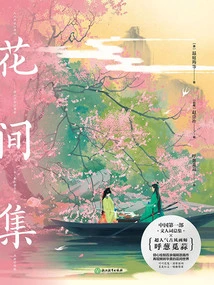
Flower Collection (Painting Collection)
Literature花间集(画集)
Looking For Garlic Painting
"Huajian Collection" is a collection of literati's lyrics in the history of Chinese literature, including lyrics written by Wen Tingyun, Wei Zhuang and other literati. The style of poetry is graceful, elegant, rich and gorgeous, forming a unique "Huajian Ci School". Its beauty of phonology and word usage has a profound influence on the development of literati's poetry in later generations. The popular ancient style painter Hu Cong Mi Suan used her delicate and exquisite painting style and beautiful imagination to create more than a hundred works, depicting the graceful artistic conception and the most beautiful and affectionate words in the words, which perfectly match the words of "Flower Room Collection" itself, fully displaying the charm of traditional culture.
"Huajian Collection" is a collection of literati's lyrics in the history of Chinese literature, including lyrics written by Wen Tingyun, Wei Zhuang and other literati. The style of poetry is graceful, elegant, rich and gorgeous, forming a unique "Huajian Ci School". Its beauty of phonology and word usage has a profound influence on the development of literati's poetry in later generations. The popular ancient style painter Hu Cong Mi Suan used her delicate and exquisite painting style and beautiful imagination to create more than a hundred works, depicting the graceful artistic conception and the most beautiful and affectionate words in the words, which perfectly match the words of "Flower Room Collection" itself, fully displaying the charm of traditional culture.
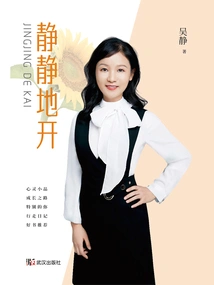
Drive Quietly
Literature静静地开
Wu Jing
This book is a collection of what the author sees, feels, and thinks in life. 119 Vivid short stories record the author's perception of life, create vivid characters, and show the expectations placed on us in the new era. The throbbing of the soul sketch, the memories of the road of growth, the warmth of your special you, the experiences of the walking diary, and the thoughts of good book recommendations make us love life, strive to radiate the light and heat of life, and lead the friends around us to move towards the future together.
This book is a collection of what the author sees, feels, and thinks in life. 119 Vivid short stories record the author's perception of life, create vivid characters, and show the expectations placed on us in the new era. The throbbing of the soul sketch, the memories of the road of growth, the warmth of your special you, the experiences of the walking diary, and the thoughts of good book recommendations make us love life, strive to radiate the light and heat of life, and lead the friends around us to move towards the future together.
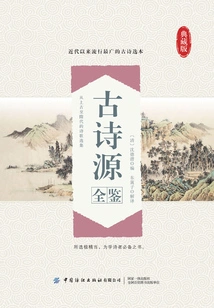
古诗源全鉴
(qing Dynasty) Compiled By Shen Deqian And Interpreted By Dong Lizi
"The Source of Ancient Poems" is an anthology of ancient poems from the pre-Qin Dynasty to the Sui Dynasty compiled by Qing Dynasty poet Shen Deqian. The book has a total of fourteen volumes, containing more than 700 poems. The poems are recorded by era, including ancient poetry, Chinese poetry, Wei poetry, Jin poetry, Song poetry, Qi poetry, Liang poetry, Chen poetry, Northern Wei poetry, Northern Qi poetry, Northern Zhou poetry, and Sui poetry. It is a comprehensive summary of poetry before the Tang Dynasty. With rich content, appropriate length, and concise explanations, it has become a popular ancient poetry reader in modern times.
"The Source of Ancient Poems" is an anthology of ancient poems from the pre-Qin Dynasty to the Sui Dynasty compiled by Qing Dynasty poet Shen Deqian. The book has a total of fourteen volumes, containing more than 700 poems. The poems are recorded by era, including ancient poetry, Chinese poetry, Wei poetry, Jin poetry, Song poetry, Qi poetry, Liang poetry, Chen poetry, Northern Wei poetry, Northern Qi poetry, Northern Zhou poetry, and Sui poetry. It is a comprehensive summary of poetry before the Tang Dynasty. With rich content, appropriate length, and concise explanations, it has become a popular ancient poetry reader in modern times.
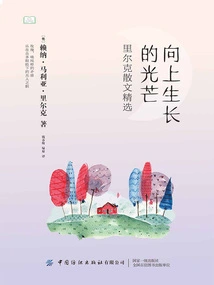
向上生长的光芒:里尔克散文精选
(o) Rainer Maria Rilke
In Rilke's world, the two words that appear most frequently are "loneliness" and "love". He believes that a young man should not love in a hurry, because he needs to learn and understand a lot before he can complete this final feat. "The Light that Grows Upward" is a representative collection of Rilke's essays. Rilke's prose can be roughly divided into three categories: art criticism, letters, and humorous essays. His critical articles are all in prose style, without the obstacles of purely theoretical terms, and have the vivid literary grace unique to the poet. The letter is an important crystallization of his burning life and a concentrated expression of his personality charm. The essays are not only the sparks of his thoughts, but also his reflections on what he has seen and heard, or sketches written after conception. It can be described as "colorful, full of emotion and richness". Reading Rilke, one can draw the power of faith from his experience and his penetrating analysis and insights on people, the world, and life, and have the light of upward growth between courage, love, and responsibility.
In Rilke's world, the two words that appear most frequently are "loneliness" and "love". He believes that a young man should not love in a hurry, because he needs to learn and understand a lot before he can complete this final feat. "The Light that Grows Upward" is a representative collection of Rilke's essays. Rilke's prose can be roughly divided into three categories: art criticism, letters, and humorous essays. His critical articles are all in prose style, without the obstacles of purely theoretical terms, and have the vivid literary grace unique to the poet. The letter is an important crystallization of his burning life and a concentrated expression of his personality charm. The essays are not only the sparks of his thoughts, but also his reflections on what he has seen and heard, or sketches written after conception. It can be described as "colorful, full of emotion and richness". Reading Rilke, one can draw the power of faith from his experience and his penetrating analysis and insights on people, the world, and life, and have the light of upward growth between courage, love, and responsibility.
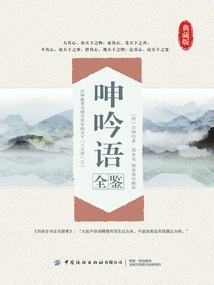
A Complete Guide to Moaning Language
Literature呻吟语全鉴
(ming Dynasty) Written By Lu Kun And Interpreted By Zhou Yongan And Others
"Moaning Language" is a collection of quotations and proverbs written by the famous scholar Lv Kun (1536-1618) in the late Ming Dynasty. It was published in 1593 (the 21st year of Wanli in the Ming Dynasty), when Lv Kun was the governor of Taiyuan, Shanxi. "Moaning Language" is a work written by Lu Kunji for thirty years. He said in the original preface: "Moaning is the sound of illness, and moaning is the language of pain during illness." Therefore, it is named after "Moaning Language". The book is divided into six volumes. The first three volumes are internal chapters and the last three volumes are external chapters. There are about hundreds of quotations and notes with profound meaning and philosophy. "Moaning Language" is Lu Kun's masterpiece. The book is based on Confucianism and actively applies to the world. It is about governing the country and self-cultivation, and dealing with things in response to things. It is concise and comprehensive, insightful and subtle, and has a great influence. Yin Huiyi said: "The physics of human emotions and the analysis of internal and external public and private affairs are so painful that they make people think deeply at the moment. They ridicule the magic needle for bone-piercing and the bitter taste of medicine." Shen Hanguang said: "You must read it often." Some modern scholars praised it as: "A rare guide book in ancient and modern times for self-cultivation, family management, country governance and world peace."
"Moaning Language" is a collection of quotations and proverbs written by the famous scholar Lv Kun (1536-1618) in the late Ming Dynasty. It was published in 1593 (the 21st year of Wanli in the Ming Dynasty), when Lv Kun was the governor of Taiyuan, Shanxi. "Moaning Language" is a work written by Lu Kunji for thirty years. He said in the original preface: "Moaning is the sound of illness, and moaning is the language of pain during illness." Therefore, it is named after "Moaning Language". The book is divided into six volumes. The first three volumes are internal chapters and the last three volumes are external chapters. There are about hundreds of quotations and notes with profound meaning and philosophy. "Moaning Language" is Lu Kun's masterpiece. The book is based on Confucianism and actively applies to the world. It is about governing the country and self-cultivation, and dealing with things in response to things. It is concise and comprehensive, insightful and subtle, and has a great influence. Yin Huiyi said: "The physics of human emotions and the analysis of internal and external public and private affairs are so painful that they make people think deeply at the moment. They ridicule the magic needle for bone-piercing and the bitter taste of medicine." Shen Hanguang said: "You must read it often." Some modern scholars praised it as: "A rare guide book in ancient and modern times for self-cultivation, family management, country governance and world peace."
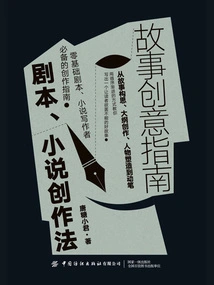
故事创意指南:剧本、小说创作法
Tangtang Xiaojun
The declaration of creative writing is: "Everyone can become a writer", "Writing can be taught", "Writers can be cultivated", "Writing is a craft that can be acquired through repeated training". "Story Creativity Guide: Writing Methods for Scripts and Novel" starts from the writer's psychological quality, from story conception, outline creation, character creation to writing, and provides writers with a complete, practical and down-to-earth writing tutorial in a step-by-step manner. It aims to help writers have an overall understanding of the creation of novels and scripts, and be able to write their own stories.
The declaration of creative writing is: "Everyone can become a writer", "Writing can be taught", "Writers can be cultivated", "Writing is a craft that can be acquired through repeated training". "Story Creativity Guide: Writing Methods for Scripts and Novel" starts from the writer's psychological quality, from story conception, outline creation, character creation to writing, and provides writers with a complete, practical and down-to-earth writing tutorial in a step-by-step manner. It aims to help writers have an overall understanding of the creation of novels and scripts, and be able to write their own stories.
诗品 二十四诗品全鉴
(southern Liang Dynasty) Zhong Rong Waiting Interpretation By Dong Lizi
"Shipin" is my country's first monograph on poetry criticism, written by Liang Zhongrong of the Southern Dynasty. The book reviews a total of 122 poets from the Han Dynasty to the Liang Dynasty, divided into three categories: upper, middle and lower grades, with 11 upper-grade poets, 39 middle-grade poets and 72 lower-grade poets. "Twenty-Four Poems" is a book about the aesthetic style of poetry by Sikong Tu, a poet of the late Tang Dynasty. The book divides poetry styles into twenty-four styles, such as vigorous, dilute, and slender, and uses vivid concrete images to show the beauty of various styles. "Twenty-Four Poems" contains these two important works on ancient poetry aesthetics and poetry theory.
"Shipin" is my country's first monograph on poetry criticism, written by Liang Zhongrong of the Southern Dynasty. The book reviews a total of 122 poets from the Han Dynasty to the Liang Dynasty, divided into three categories: upper, middle and lower grades, with 11 upper-grade poets, 39 middle-grade poets and 72 lower-grade poets. "Twenty-Four Poems" is a book about the aesthetic style of poetry by Sikong Tu, a poet of the late Tang Dynasty. The book divides poetry styles into twenty-four styles, such as vigorous, dilute, and slender, and uses vivid concrete images to show the beauty of various styles. "Twenty-Four Poems" contains these two important works on ancient poetry aesthetics and poetry theory.
心有繁花自芳华:杨朔散文精选
Yang Shuo
"My Heart Has Flowers from Youth" is a collection of Yang Shuo's prose collections, including the author's representative prose. The book is divided into three volumes: "My Heart Has Flowers", "Journey of Time" and "Everywhere", and includes famous pieces such as "Lychee Honey", "Snow Waves", "Camellia Ode", "Fragrant Mountain Red Leaves" and "Penglai Wonderland". Yang Shuo's prose was regarded as the leader in the prose world at that time. Bing Xin commented that his prose "can be said to be as clear as water, simple and concise, fresh and elegant, which makes people linger and chant, unable to get pregnant." There are flowers in your heart and you are not afraid of the floating world. I hope you can face cruelty and accept it calmly.
"My Heart Has Flowers from Youth" is a collection of Yang Shuo's prose collections, including the author's representative prose. The book is divided into three volumes: "My Heart Has Flowers", "Journey of Time" and "Everywhere", and includes famous pieces such as "Lychee Honey", "Snow Waves", "Camellia Ode", "Fragrant Mountain Red Leaves" and "Penglai Wonderland". Yang Shuo's prose was regarded as the leader in the prose world at that time. Bing Xin commented that his prose "can be said to be as clear as water, simple and concise, fresh and elegant, which makes people linger and chant, unable to get pregnant." There are flowers in your heart and you are not afraid of the floating world. I hope you can face cruelty and accept it calmly.
每一寸时光都有欢喜:朱自清散文精选
Zhu Ziqing
"There is Joy in Every Inch of Time" brings together Mr. Zhu Ziqing's representative prose, including "Spring", "Back View", "Hurry", "Moonlight in the Lotus Pond", "Qinhuai River in the Shadow of Oars and Lights" and other famous works handed down from generation to generation. Zhu Ziqing's prose is a model of modern Chinese prose. This book is divided into four series: "Days Gone Never to Return", "When Will We Meet Again", "Traveling in the World" and "Removing Falsehoods to Preserve Truth and Sincerity", which demonstrates the distinctive characteristics and master style of Zhu Ziqing's prose from all angles. Reading this book can draw spiritual nourishment from a generation of literary masters. Life is like a journey against the odds, I wish every inch of time is filled with joy.
"There is Joy in Every Inch of Time" brings together Mr. Zhu Ziqing's representative prose, including "Spring", "Back View", "Hurry", "Moonlight in the Lotus Pond", "Qinhuai River in the Shadow of Oars and Lights" and other famous works handed down from generation to generation. Zhu Ziqing's prose is a model of modern Chinese prose. This book is divided into four series: "Days Gone Never to Return", "When Will We Meet Again", "Traveling in the World" and "Removing Falsehoods to Preserve Truth and Sincerity", which demonstrates the distinctive characteristics and master style of Zhu Ziqing's prose from all angles. Reading this book can draw spiritual nourishment from a generation of literary masters. Life is like a journey against the odds, I wish every inch of time is filled with joy.
借我心动如初见:梁遇春散文精选
Liang Yuchun
"Borrow My Heart Is Like the First Meeting" is a collection of essays by the essayist Liang Yuchun. It includes content about reading, learning, love, friends, etc. Liang Yuchun is known as "China's Ilya". His prose has captured the essence of British sketches and is rooted in Chinese classical literature, thus forming his own artistic style. In his short life, he left behind few prose works, most of which are masterpieces handed down from generation to generation. His friend Feng Zhi said that he was comparable to Li He of the Tang Dynasty in China, John Keats in England, and Novalis in Germany; Hu Shi believed that he was "a young writer with great literary interest and genius." As Liang Yuchun said: As long as we have a clear view of life, the honor, disgrace, misfortune and blessings in the world will not be able to disturb the inner peace, so our souls can gain long-term freedom. This is the charm of this book.
"Borrow My Heart Is Like the First Meeting" is a collection of essays by the essayist Liang Yuchun. It includes content about reading, learning, love, friends, etc. Liang Yuchun is known as "China's Ilya". His prose has captured the essence of British sketches and is rooted in Chinese classical literature, thus forming his own artistic style. In his short life, he left behind few prose works, most of which are masterpieces handed down from generation to generation. His friend Feng Zhi said that he was comparable to Li He of the Tang Dynasty in China, John Keats in England, and Novalis in Germany; Hu Shi believed that he was "a young writer with great literary interest and genius." As Liang Yuchun said: As long as we have a clear view of life, the honor, disgrace, misfortune and blessings in the world will not be able to disturb the inner peace, so our souls can gain long-term freedom. This is the charm of this book.
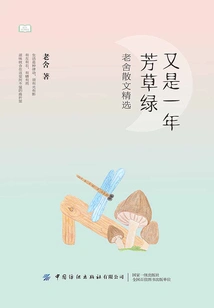
又是一年芳草绿:老舍散文精选
Lao She
"Another Year of Green Grass" is a collection of essays by Mr. Lao She. The book is divided into four series: "Hometown Everywhere", "The Grass is Green Again", "Things and People Are Different" and "God's Game", which comprehensively displays the essence of Lao She's prose. As a master of humor and language in the history of modern and contemporary literature, Lao She's prose is sincere and thought-provoking, regardless of whether he writes about people, scenes, feelings or events. Just look at how he describes small animals, how he describes children, how he joyfully and vividly describes all the trivial family matters that interest him, and you will know how much he loves life. Reading Lao She's prose will give you the power of life and the courage to love life.
"Another Year of Green Grass" is a collection of essays by Mr. Lao She. The book is divided into four series: "Hometown Everywhere", "The Grass is Green Again", "Things and People Are Different" and "God's Game", which comprehensively displays the essence of Lao She's prose. As a master of humor and language in the history of modern and contemporary literature, Lao She's prose is sincere and thought-provoking, regardless of whether he writes about people, scenes, feelings or events. Just look at how he describes small animals, how he describes children, how he joyfully and vividly describes all the trivial family matters that interest him, and you will know how much he loves life. Reading Lao She's prose will give you the power of life and the courage to love life.
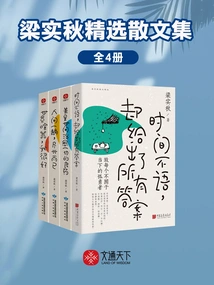
梁实秋精选散文集(全4册)
Liang Shiqiu
Han Han's writing model, Zhou Guoping's literary idol, Yu Guangzhong, Lin Qingxuan, Bing Xin, Ji Xianlin, etc. Are highly recommended! Liang Shiqiu's 2023 new prose collection!
Han Han's writing model, Zhou Guoping's literary idol, Yu Guangzhong, Lin Qingxuan, Bing Xin, Ji Xianlin, etc. Are highly recommended! Liang Shiqiu's 2023 new prose collection!
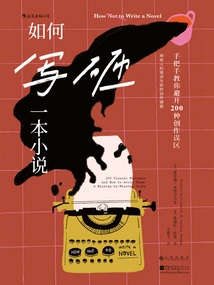
How to Write a Novel
Literature如何写砸一本小说
(u. S.) Howard Mittelmark Et Al.
My novel submission was rejected but I don't know why; I'm writing a novel for the first time, and I want to seek guidance from experienced writers, but there are so many writing books on the market that I don't know how to choose; the terms and conditions are too rigid, and I want to learn writing happily... If you have also encountered the above situation, maybe this book can make your novel creation path suddenly clear. Different from most writing books, this book takes a new approach in guiding novel writing, showing the editor's "eyesore" - 200 representative fragments of bad novels. By reading these fragments and pungent and humorous comments, readers can clearly know what content will ruin the novel, which places can be deleted, and which ideas may seem brilliant but are just self-admiration... Learn to avoid the minefields and misunderstandings of creation, and write excellent novels that are good enough for publication.
My novel submission was rejected but I don't know why; I'm writing a novel for the first time, and I want to seek guidance from experienced writers, but there are so many writing books on the market that I don't know how to choose; the terms and conditions are too rigid, and I want to learn writing happily... If you have also encountered the above situation, maybe this book can make your novel creation path suddenly clear. Different from most writing books, this book takes a new approach in guiding novel writing, showing the editor's "eyesore" - 200 representative fragments of bad novels. By reading these fragments and pungent and humorous comments, readers can clearly know what content will ruin the novel, which places can be deleted, and which ideas may seem brilliant but are just self-admiration... Learn to avoid the minefields and misunderstandings of creation, and write excellent novels that are good enough for publication.
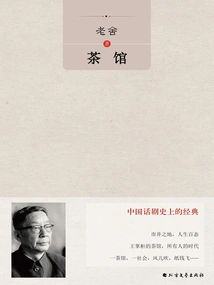
Teahouse
Literature茶馆
Lao She
This book is Lao She's classic drama. Friends who like Lao She's works should not miss it. "Teahouse" is structured into three acts. It takes the rise and fall of a large teahouse called Yutai in old Beijing as the background, and shows the social landscape of Beijing and the life changes of different people from all walks of life in the nearly 50 years from the late Qing Dynasty to the Beiyang Warlord period and then to the victory of the Anti-Japanese War. Each scene describes an era, with people from all walks of life in Beijing coming in and out of this big teahouse. What the whole play displays are magnificent historical pictures, vividly explaining the inevitable demise of old China and the inevitability of the birth of new China. There are nearly 50 characters appearing in the script. There are many characters but distinct personalities. You can "know the person by hearing their voice" and "outline the outline of a character in a few words." The work depicts the dismal management of the ancestral "Yutai Teahouse" by teahouse owner Wang Lifa. Although he is shrewd, tactful, and devoted, he is ultimately unable to stop the decline. It reflects the trend of Chinese society from the side.
This book is Lao She's classic drama. Friends who like Lao She's works should not miss it. "Teahouse" is structured into three acts. It takes the rise and fall of a large teahouse called Yutai in old Beijing as the background, and shows the social landscape of Beijing and the life changes of different people from all walks of life in the nearly 50 years from the late Qing Dynasty to the Beiyang Warlord period and then to the victory of the Anti-Japanese War. Each scene describes an era, with people from all walks of life in Beijing coming in and out of this big teahouse. What the whole play displays are magnificent historical pictures, vividly explaining the inevitable demise of old China and the inevitability of the birth of new China. There are nearly 50 characters appearing in the script. There are many characters but distinct personalities. You can "know the person by hearing their voice" and "outline the outline of a character in a few words." The work depicts the dismal management of the ancestral "Yutai Teahouse" by teahouse owner Wang Lifa. Although he is shrewd, tactful, and devoted, he is ultimately unable to stop the decline. It reflects the trend of Chinese society from the side.
她们的叙事:近代日本女作家的战争书写研究
Li Wei
Since the 1920s, with the arrival of Yosano Akiko, Mori Michiyo and others in China and the publication of related works, women began to appear in the field of China-related writing that was originally "exclusively dominated" by Japanese male writers. The climax of Japanese female writers coming to China occurred after Japan launched a full-scale war of aggression against China in 1937. Nobuko Yoshiya, Fumiko Hayashi, Yoko Ohta, Haruko Ushijima, Kikueda Koizumi, Inoko Sata, Shigure Hasegawa and others came to China one after another and created a large number of literary works. Based on an overall review of Japanese female writers' opportunities to come to China, their footprints in China, and their works related to China, this book mainly conducts case studies focusing on specific writers' war writings.
Since the 1920s, with the arrival of Yosano Akiko, Mori Michiyo and others in China and the publication of related works, women began to appear in the field of China-related writing that was originally "exclusively dominated" by Japanese male writers. The climax of Japanese female writers coming to China occurred after Japan launched a full-scale war of aggression against China in 1937. Nobuko Yoshiya, Fumiko Hayashi, Yoko Ohta, Haruko Ushijima, Kikueda Koizumi, Inoko Sata, Shigure Hasegawa and others came to China one after another and created a large number of literary works. Based on an overall review of Japanese female writers' opportunities to come to China, their footprints in China, and their works related to China, this book mainly conducts case studies focusing on specific writers' war writings.
出发:我在法院当法警
Prepared By Shanghai Higher People's Court
This book comprehensively reviews the development footprints of the Shanghai Judicial Police Force over the years, and is compiled and compiled based on the content of radio talk shows. This book has three characteristics: First, it has a wide coverage, covering all aspects of judicial police work, from criminal trial police support to cooperation with enforcement, from security inspections to litigation-related petitions, and from talent training to practical training. It faithfully and completely presents the spiritual outlook of the Shanghai Court Judicial Police in the new era. Second, the characters are highly representative. The storytellers come from Shanghai's third-level courts and specialized courts, including court leaders and heads of judicial police departments; there are experienced "old mages" and backbones in their prime years, as well as fledgling and energetic young bailiffs. They panoramically reflect the important role of judicial police in the execution of court trials from different angles. Third, the stories are deeply appealing. There are those who jumped into the cold river to rescue the person being executed regardless of danger, and those who climbed the swinging ladder on the 10,000-ton ship in the wind and waves just to deliver a verdict. There are those who have great love and donated hematopoietic stem cells to the leukemia boy, and there are those who are not afraid of pain in actual combat training to act as "emotional witnesses", and there are those who warmly "squat" just to get a closer understanding of the elderly's demands. This book is a microcosm of how the Shanghai Court Judicial Police have fulfilled their original mission and served the people wholeheartedly for many years.
This book comprehensively reviews the development footprints of the Shanghai Judicial Police Force over the years, and is compiled and compiled based on the content of radio talk shows. This book has three characteristics: First, it has a wide coverage, covering all aspects of judicial police work, from criminal trial police support to cooperation with enforcement, from security inspections to litigation-related petitions, and from talent training to practical training. It faithfully and completely presents the spiritual outlook of the Shanghai Court Judicial Police in the new era. Second, the characters are highly representative. The storytellers come from Shanghai's third-level courts and specialized courts, including court leaders and heads of judicial police departments; there are experienced "old mages" and backbones in their prime years, as well as fledgling and energetic young bailiffs. They panoramically reflect the important role of judicial police in the execution of court trials from different angles. Third, the stories are deeply appealing. There are those who jumped into the cold river to rescue the person being executed regardless of danger, and those who climbed the swinging ladder on the 10,000-ton ship in the wind and waves just to deliver a verdict. There are those who have great love and donated hematopoietic stem cells to the leukemia boy, and there are those who are not afraid of pain in actual combat training to act as "emotional witnesses", and there are those who warmly "squat" just to get a closer understanding of the elderly's demands. This book is a microcosm of how the Shanghai Court Judicial Police have fulfilled their original mission and served the people wholeheartedly for many years.
Hesse's Letters
Literature黑塞书信集
G
Everyone loves Hesse! A spiritual friend of young people around the world, a Nobel Prize winner in literature who will always belong to the younger generation. "Don't follow the crowd, the most important thing for us in the world is to be ourselves!" Listen to Hesse and become yourself! The translator selected representative letters from Hesse's 70-year correspondence from 1892 to 1962, which mainly include Hesse's personal growth and development, changes in family and thoughts, the process of pursuit, struggle, and creation, daily letters with his parents, wife, children, and sisters, participation in social public activities, and conversations with colleagues. These letters bear witness to Hesse's life and experience from boyhood to old age, including interactions with great figures of the era such as Zweig, Romain Rolland, Thomas Mann, and others, as well as observations and opinions on individuals and collectives, writing, literature, current affairs, wars, and society. They also show the trajectory of historical alternation and cultural changes over more than half a century.
Everyone loves Hesse! A spiritual friend of young people around the world, a Nobel Prize winner in literature who will always belong to the younger generation. "Don't follow the crowd, the most important thing for us in the world is to be ourselves!" Listen to Hesse and become yourself! The translator selected representative letters from Hesse's 70-year correspondence from 1892 to 1962, which mainly include Hesse's personal growth and development, changes in family and thoughts, the process of pursuit, struggle, and creation, daily letters with his parents, wife, children, and sisters, participation in social public activities, and conversations with colleagues. These letters bear witness to Hesse's life and experience from boyhood to old age, including interactions with great figures of the era such as Zweig, Romain Rolland, Thomas Mann, and others, as well as observations and opinions on individuals and collectives, writing, literature, current affairs, wars, and society. They also show the trajectory of historical alternation and cultural changes over more than half a century.
伴生:我们与动物的故事(译文纪实)
(us) Ayesha Akhtar
A neurologist asks: How does our empathy for animals profoundly affect human health? What is home? Are companion animals part of our family? How can animals help treat mental illness and trauma? Is there a strong correlation between violence against animals and violence against humans? Are we hurting along with animals? How to walk with animals? What happens when we make or break connections with animals? How are humans neurologically designed to empathize with animals? How does violence against animals go against our nature? An expert in animal ethics and neuroscience, Dr. Akhtar studies the relationship between humans and animals and how empathy for animals enriches ourselves. Companion deftly combines medicine, social history, and individual experience to show how closely the well-being of humans and animals is intertwined. Woven throughout is Akhtar's own story. As a child, she encountered bullying at school and sexual abuse at home. Until she meets a puppy named Sylvester, everything changes. Dr. Akhtar asks, what do we gain when we recognize our kinship with animals? She travels the country telling the stories of a variety of people, including a veteran, a serial killer, a gang member and a rancher. Living Together is a journey to understand the nature of human health and ask how our empathy (or lack thereof) for animals affects human health in the deepest sense.
A neurologist asks: How does our empathy for animals profoundly affect human health? What is home? Are companion animals part of our family? How can animals help treat mental illness and trauma? Is there a strong correlation between violence against animals and violence against humans? Are we hurting along with animals? How to walk with animals? What happens when we make or break connections with animals? How are humans neurologically designed to empathize with animals? How does violence against animals go against our nature? An expert in animal ethics and neuroscience, Dr. Akhtar studies the relationship between humans and animals and how empathy for animals enriches ourselves. Companion deftly combines medicine, social history, and individual experience to show how closely the well-being of humans and animals is intertwined. Woven throughout is Akhtar's own story. As a child, she encountered bullying at school and sexual abuse at home. Until she meets a puppy named Sylvester, everything changes. Dr. Akhtar asks, what do we gain when we recognize our kinship with animals? She travels the country telling the stories of a variety of people, including a veteran, a serial killer, a gang member and a rancher. Living Together is a journey to understand the nature of human health and ask how our empathy (or lack thereof) for animals affects human health in the deepest sense.
危险的熟人(译文纪实)
(us)robin Warshaw
The best predictor of the level of violence in a country is the level of violence and threats against women in that country. Dangerous Acquaintances is the first-ever representative national survey of sexual violence in the United States. Based on a survey of American college campuses, this book reveals a shocking fact: 25% of women have experienced rape or attempted rape, and more than 80% of them know the attacker. While the victimized women bravely came forward to tell the truth, staged protests and filed lawsuits, the parents of the boys involved also established some organizations, fearing that their sons would be falsely accused and even counter-sued the school. The author's investigation found that it was American culture that made rape possible. Many boys spend their teenage years being constantly flirted with by friends and older men, while many girls are told to save their first time with the right person. The writing of this book stems from the first large-scale rape study in the United States conducted by Ms. Magazine in the late 1980s. Sadly, 30 years later, statistics on acquaintance rape show that the phenomenon has not diminished. "Dangerous Acquaintances" presents numerous case studies on and off campus to help people understand rape as a cultural phenomenon and attempts to provide women and men with strategies to address the rape epidemic. The ultimate goal of exposing the prevalence of rape and sexual assault in American society to everyone's eyes is to make people think: the root of oppression lies in forgetting. Maybe we should remember: history repeats itself.
The best predictor of the level of violence in a country is the level of violence and threats against women in that country. Dangerous Acquaintances is the first-ever representative national survey of sexual violence in the United States. Based on a survey of American college campuses, this book reveals a shocking fact: 25% of women have experienced rape or attempted rape, and more than 80% of them know the attacker. While the victimized women bravely came forward to tell the truth, staged protests and filed lawsuits, the parents of the boys involved also established some organizations, fearing that their sons would be falsely accused and even counter-sued the school. The author's investigation found that it was American culture that made rape possible. Many boys spend their teenage years being constantly flirted with by friends and older men, while many girls are told to save their first time with the right person. The writing of this book stems from the first large-scale rape study in the United States conducted by Ms. Magazine in the late 1980s. Sadly, 30 years later, statistics on acquaintance rape show that the phenomenon has not diminished. "Dangerous Acquaintances" presents numerous case studies on and off campus to help people understand rape as a cultural phenomenon and attempts to provide women and men with strategies to address the rape epidemic. The ultimate goal of exposing the prevalence of rape and sexual assault in American society to everyone's eyes is to make people think: the root of oppression lies in forgetting. Maybe we should remember: history repeats itself.
欲望号街车(译文经典)
(us)tennessee Williams
Tennessee Williams, the controversial genius playwright of the 20th century, is the most influential play in the United States. He won three major drama awards including the Pulitzer Prize, the New York Drama Award, and the Donaldson Award. "A Streetcar Named Desire" is Williams' masterpiece. The heroine Blanche is a typical southern lady. After her family fell into decline, she refused to give up her old way of life and gradually became corrupted. Later, she had to seek refuge with her sister Stella. However, he was incompatible with his brother-in-law Stanley's rough lifestyle, and was raped by his brother-in-law, and was eventually sent to a lunatic asylum. The brutal and cruel forces in modern society mercilessly ravage the gentle and elegant weak. "A Streetcar Named Desire" undoubtedly sent a deafening scream to the society - who drove Blanche crazy! The play was a huge success after being staged in New York in 1947, winning three American drama awards: the Pulitzer Prize, the New York Drama Award and the Donaldson Award. Arthur Miller said, "The premiere of A Streetcar Named Desire is equivalent to planting a flag of beauty in the land of commercial drama."
Tennessee Williams, the controversial genius playwright of the 20th century, is the most influential play in the United States. He won three major drama awards including the Pulitzer Prize, the New York Drama Award, and the Donaldson Award. "A Streetcar Named Desire" is Williams' masterpiece. The heroine Blanche is a typical southern lady. After her family fell into decline, she refused to give up her old way of life and gradually became corrupted. Later, she had to seek refuge with her sister Stella. However, he was incompatible with his brother-in-law Stanley's rough lifestyle, and was raped by his brother-in-law, and was eventually sent to a lunatic asylum. The brutal and cruel forces in modern society mercilessly ravage the gentle and elegant weak. "A Streetcar Named Desire" undoubtedly sent a deafening scream to the society - who drove Blanche crazy! The play was a huge success after being staged in New York in 1947, winning three American drama awards: the Pulitzer Prize, the New York Drama Award and the Donaldson Award. Arthur Miller said, "The premiere of A Streetcar Named Desire is equivalent to planting a flag of beauty in the land of commercial drama."