Library
Browse and search novels
26,102 novels found
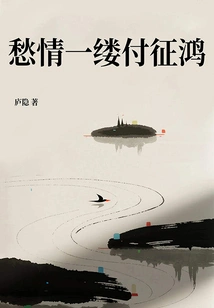
愁情一缕付征鸿
Luyin
"A Wisp of Sorrow Pays to Zhenghong" is a letter written by Yunyin to her friend Qiang. The article describes her experience of going to Taoranting in the rain on a rainy day. In the letter, she used this journey to reminisce about the past with her late friend Han five or six years ago, and compared her own sadness, longing, and frowning experiences, thus expressing her deep nostalgia for her old friend, her helplessness about her fate, and her sense of depression at being unable to express her grief happily. Another article, "I Hope Autumn Will Always Stay in the World," overturns people's traditional impression of autumn's desolation, viewing it as a season rich in color and full of lively spirit, enough to awaken a numb mind. "The Last Destiny" takes the disillusionment with marriage and love as its theme and explores the confusion and helplessness in life. It believes that love is like a "magic lantern", which is gorgeous when viewed from a distance but boring when viewed up close. "Coffee Shop" and "Temple Fair" express the author's observations and thoughts on modern society and human hearts by depicting scenes of urban life and traditional beliefs. Several articles are written with delicate writing and sincere emotions, revealing Lu Yin's inner world and struggles as a female writer during the "May Fourth Movement" period.
"A Wisp of Sorrow Pays to Zhenghong" is a letter written by Yunyin to her friend Qiang. The article describes her experience of going to Taoranting in the rain on a rainy day. In the letter, she used this journey to reminisce about the past with her late friend Han five or six years ago, and compared her own sadness, longing, and frowning experiences, thus expressing her deep nostalgia for her old friend, her helplessness about her fate, and her sense of depression at being unable to express her grief happily. Another article, "I Hope Autumn Will Always Stay in the World," overturns people's traditional impression of autumn's desolation, viewing it as a season rich in color and full of lively spirit, enough to awaken a numb mind. "The Last Destiny" takes the disillusionment with marriage and love as its theme and explores the confusion and helplessness in life. It believes that love is like a "magic lantern", which is gorgeous when viewed from a distance but boring when viewed up close. "Coffee Shop" and "Temple Fair" express the author's observations and thoughts on modern society and human hearts by depicting scenes of urban life and traditional beliefs. Several articles are written with delicate writing and sincere emotions, revealing Lu Yin's inner world and struggles as a female writer during the "May Fourth Movement" period.
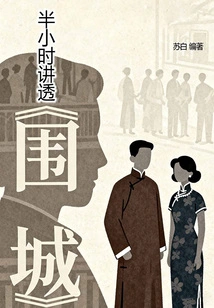
半小时讲透《围城》
Compiled By Su Bai
This book uses the core image of "Fortress Besieged" as its outline to unlock the multiple dimensions of "Fortress Besieged". It not only tells the story of Fang Hongjian's life wanderings - from the vanity of returning from the cruise ship, the confusion of love in Shanghai, to the absurdity of Sanlu University, and the dilemma of marriage life, but also analyzes the spiritual dilemma of intellectuals during the war from the perspective of "new scholarly foreign history". The interpretation deeply explores the satirical art and language magic of the work, from the subtlety of metaphor to the sharp edge of irony, highlighting Qian Zhongshu's erudition and sharpness. It penetrates the surface of the plot and reveals the philosophical essence of "Fortress Besieged" - marriage, career, and life are all dilemmas, behind which are the desires and emptiness of human nature. It places the novel against the background of the Anti-Japanese War era, not only showing criticism of the pathology of the era, but also highlighting its value that transcends time and space: its precise insight into the weaknesses of human nature and its profound questioning of the dilemma of existence make this classic still resonate with readers about themselves and life.
This book uses the core image of "Fortress Besieged" as its outline to unlock the multiple dimensions of "Fortress Besieged". It not only tells the story of Fang Hongjian's life wanderings - from the vanity of returning from the cruise ship, the confusion of love in Shanghai, to the absurdity of Sanlu University, and the dilemma of marriage life, but also analyzes the spiritual dilemma of intellectuals during the war from the perspective of "new scholarly foreign history". The interpretation deeply explores the satirical art and language magic of the work, from the subtlety of metaphor to the sharp edge of irony, highlighting Qian Zhongshu's erudition and sharpness. It penetrates the surface of the plot and reveals the philosophical essence of "Fortress Besieged" - marriage, career, and life are all dilemmas, behind which are the desires and emptiness of human nature. It places the novel against the background of the Anti-Japanese War era, not only showing criticism of the pathology of the era, but also highlighting its value that transcends time and space: its precise insight into the weaknesses of human nature and its profound questioning of the dilemma of existence make this classic still resonate with readers about themselves and life.
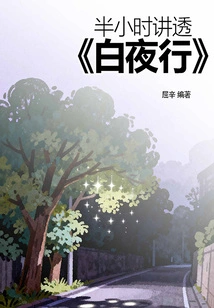
半小时讲透《白夜行》
Compiled By Qu Xin
This book carries out a comprehensive analysis around "White Night Walk", using the core elements of the work as the context to build a multiple interpretation framework. The interpretation first focuses on the creative transformation of the author Keigo Higashino, revealing the integration of his science and engineering background and humanistic care; then combined with the background of Japan's bubble economy to the "lost decade", it explains the profound impact of social changes on the fate of the characters. The core part focuses on the "gun shrimp and goby" morbid symbiotic relationship between Kirihara Ryoji and Karasawa Yukiho, providing an in-depth analysis of their character origins, behavioral logic, and inner world. It also interprets the functions and fates of key supporting characters such as Sasagaki Junzo and Shinozuka Kazunari. In addition, it also covers dimensions such as narrative structure, symbolic imagery, themes of crime and punishment, comparison of film and television adaptations, and connection with "Phantom Night". It integrates psychological and sociological perspectives to fully explore the literary value, human depth and contemporary significance of the work.
This book carries out a comprehensive analysis around "White Night Walk", using the core elements of the work as the context to build a multiple interpretation framework. The interpretation first focuses on the creative transformation of the author Keigo Higashino, revealing the integration of his science and engineering background and humanistic care; then combined with the background of Japan's bubble economy to the "lost decade", it explains the profound impact of social changes on the fate of the characters. The core part focuses on the "gun shrimp and goby" morbid symbiotic relationship between Kirihara Ryoji and Karasawa Yukiho, providing an in-depth analysis of their character origins, behavioral logic, and inner world. It also interprets the functions and fates of key supporting characters such as Sasagaki Junzo and Shinozuka Kazunari. In addition, it also covers dimensions such as narrative structure, symbolic imagery, themes of crime and punishment, comparison of film and television adaptations, and connection with "Phantom Night". It integrates psychological and sociological perspectives to fully explore the literary value, human depth and contemporary significance of the work.
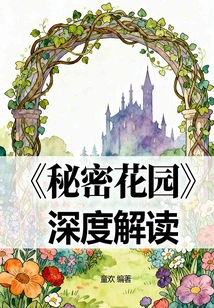
《秘密花园》深度解读
Compiled By Tong Huan
"The Secret Garden" is not a simple children's fairy tale, but a profound fable that integrates the author's life experience, historical background and multiple theories. The story is based on the transitional period of the Victorian and Edwardian eras. Through the growth of Mary and Colin and the recovery of the Secret Garden, the story interweaves and presents class conflicts, childhood cognitive changes and reflections on educational concepts, implying the reflection of imperial ideology from the perspective of post-colonialism. This book is an in-depth interpretation and incorporates Jungian psychology, Freudian psychoanalysis, pantheism and other theories. The garden, as a sacred place of "Temenos", symbolizes the process of individuation and integration of the soul. The essence of "magic" is the practice of thought healing. At the same time, the work rebels against traditional "rest therapy", celebrates the healing power of nature, friendship and positive thinking, subverts the "perfect protagonist" model of traditional children's literature, and becomes a guide to spiritual growth across the ages, with the core conveying the eternal themes of love, connection and self-salvation.
"The Secret Garden" is not a simple children's fairy tale, but a profound fable that integrates the author's life experience, historical background and multiple theories. The story is based on the transitional period of the Victorian and Edwardian eras. Through the growth of Mary and Colin and the recovery of the Secret Garden, the story interweaves and presents class conflicts, childhood cognitive changes and reflections on educational concepts, implying the reflection of imperial ideology from the perspective of post-colonialism. This book is an in-depth interpretation and incorporates Jungian psychology, Freudian psychoanalysis, pantheism and other theories. The garden, as a sacred place of "Temenos", symbolizes the process of individuation and integration of the soul. The essence of "magic" is the practice of thought healing. At the same time, the work rebels against traditional "rest therapy", celebrates the healing power of nature, friendship and positive thinking, subverts the "perfect protagonist" model of traditional children's literature, and becomes a guide to spiritual growth across the ages, with the core conveying the eternal themes of love, connection and self-salvation.
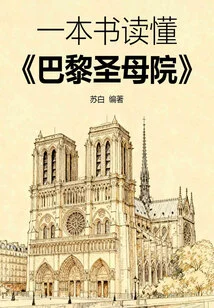
Read "notre Dame De Paris" in One Book
Literature一本书读懂《巴黎圣母院》
Compiled By Su Bai
This book dismantles the literary code and ideological core of Victor Hugo's classic "The Hunchback of Notre Dame." Starting from positioning Notre Dame de Paris as the real "protagonist" of the novel, we analyze its triple significance as a carrier of history, a stage of destiny, and a symbol of civilization. The book carefully interprets the human spectrum of classic characters such as Quasimodo, Esmeralda, and Claude, showing the fierce collision between beauty and ugliness, good and evil. At the same time, focusing on the theme of "fate", it reveals how social prejudices, character weaknesses and accidental events weave the web of tragedy, and analyzes the nature of different forms of love and desire. In addition, this book also restores the social picture of Paris in the fifteenth century, explores the proposition of civilizational change in "architecture and books", explains the romantic aesthetics of "contrast between beauty and ugliness", and finally settles on the practical significance of the work across the century, opening a profound door for readers to understand this immortal masterpiece.
This book dismantles the literary code and ideological core of Victor Hugo's classic "The Hunchback of Notre Dame." Starting from positioning Notre Dame de Paris as the real "protagonist" of the novel, we analyze its triple significance as a carrier of history, a stage of destiny, and a symbol of civilization. The book carefully interprets the human spectrum of classic characters such as Quasimodo, Esmeralda, and Claude, showing the fierce collision between beauty and ugliness, good and evil. At the same time, focusing on the theme of "fate", it reveals how social prejudices, character weaknesses and accidental events weave the web of tragedy, and analyzes the nature of different forms of love and desire. In addition, this book also restores the social picture of Paris in the fifteenth century, explores the proposition of civilizational change in "architecture and books", explains the romantic aesthetics of "contrast between beauty and ugliness", and finally settles on the practical significance of the work across the century, opening a profound door for readers to understand this immortal masterpiece.
一本书读懂《艾青诗选》
Edited By Du Wei
This book takes Ai Qing's poetry creation process as the main line and analyzes how this "son of Dayanhe" sang the eternal tragedy of the land and nation with his hoarse throat. From the affectionate blood that tears apart class identity in "Dayan River - My Nanny", to the poignant gaze on the national suffering in "North" and "Snow Falls on the Land of China"; from the burning belief in light in "Toward the Sun" and "Torch", to the condensed philosophy of life in "Fish Fossils" in his later years, it shows how the poet melted his personal destiny, the land, the people and the times into poetry. The book not only analyzes the symbolic system of the core image of "land-sun", but also reveals its artistic innovation of free verse and colloquialism. Through the double tempering of the flames of the Anti-Japanese War and the bumpy years, it presents the image of a poet who always stands with the people - he is both a melancholic land singer and a persistent pursuit of light, and ultimately stands as an immortal spiritual coordinate in the history of new Chinese poetry.
This book takes Ai Qing's poetry creation process as the main line and analyzes how this "son of Dayanhe" sang the eternal tragedy of the land and nation with his hoarse throat. From the affectionate blood that tears apart class identity in "Dayan River - My Nanny", to the poignant gaze on the national suffering in "North" and "Snow Falls on the Land of China"; from the burning belief in light in "Toward the Sun" and "Torch", to the condensed philosophy of life in "Fish Fossils" in his later years, it shows how the poet melted his personal destiny, the land, the people and the times into poetry. The book not only analyzes the symbolic system of the core image of "land-sun", but also reveals its artistic innovation of free verse and colloquialism. Through the double tempering of the flames of the Anti-Japanese War and the bumpy years, it presents the image of a poet who always stands with the people - he is both a melancholic land singer and a persistent pursuit of light, and ultimately stands as an immortal spiritual coordinate in the history of new Chinese poetry.
Read "afang Palace Fu" in One Book
Literature一本书读懂《阿房宫赋》
Compiled By Su Bai
This book is based on Du Mu's eternally famous "Ode to Afang Palace" and reveals the profound lessons of the Qin Empire's rise and fall through the rise and fall of an illusory palace. From Qin Shihuang's extravagant desire of "Afang comes out of Mount Shu" to Xiang Yu's ultimate destruction of "Chu people torched the scorched earth", the author analyzes layer by layer the cruel reality behind the "overwhelming pressure of more than three hundred miles" in the poem, which is the exploitation of people's power and the plundering of treasures from the six countries. In the late Tang Dynasty, Du Mu used the Qin Dynasty to satirize the Tang Dynasty, using the epigram "Qin people have no time to mourn themselves", turning Epang Palace into a mirror reflecting the corruption of power, warning the rulers of the law of people's hearts that "those who belong to Qin are also Qin". The book not only interprets the literary ingenuity of "intrigue and intrigue" in Fu style, but also explores the eternal proposition of "posterity mourns without taking note of it", allowing readers to understand the logical chain of extravagant subjugation and the political wisdom of people's livelihood from the flaming historical ruins.
This book is based on Du Mu's eternally famous "Ode to Afang Palace" and reveals the profound lessons of the Qin Empire's rise and fall through the rise and fall of an illusory palace. From Qin Shihuang's extravagant desire of "Afang comes out of Mount Shu" to Xiang Yu's ultimate destruction of "Chu people torched the scorched earth", the author analyzes layer by layer the cruel reality behind the "overwhelming pressure of more than three hundred miles" in the poem, which is the exploitation of people's power and the plundering of treasures from the six countries. In the late Tang Dynasty, Du Mu used the Qin Dynasty to satirize the Tang Dynasty, using the epigram "Qin people have no time to mourn themselves", turning Epang Palace into a mirror reflecting the corruption of power, warning the rulers of the law of people's hearts that "those who belong to Qin are also Qin". The book not only interprets the literary ingenuity of "intrigue and intrigue" in Fu style, but also explores the eternal proposition of "posterity mourns without taking note of it", allowing readers to understand the logical chain of extravagant subjugation and the political wisdom of people's livelihood from the flaming historical ruins.
Miss Xing
Literature杏姑娘
Tian Han
Tian Han's "Apricot Girl" depicts the tragic fate of two "roadside flowers" in the form of memories. The experiences of the two women reveal how the lives and dreams of women at the bottom of the old society were imprisoned and destroyed. Another piece included is "Moonlight", in which he recalls what he saw and felt on the Mid-Autumn Festival nights in three different years, expressing his inner grief and longing for his deceased wife. Finally, he calmed down his emotions and decided not to indulge in sad memories, but to face a new life bravely and with concentration. The protagonist specifically quoted Whitman's poem, expressing that he should continue to walk his own "road" like the "bright and silent sun".
Tian Han's "Apricot Girl" depicts the tragic fate of two "roadside flowers" in the form of memories. The experiences of the two women reveal how the lives and dreams of women at the bottom of the old society were imprisoned and destroyed. Another piece included is "Moonlight", in which he recalls what he saw and felt on the Mid-Autumn Festival nights in three different years, expressing his inner grief and longing for his deceased wife. Finally, he calmed down his emotions and decided not to indulge in sad memories, but to face a new life bravely and with concentration. The protagonist specifically quoted Whitman's poem, expressing that he should continue to walk his own "road" like the "bright and silent sun".
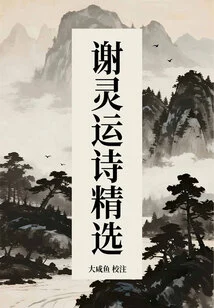
Selected Poems by Xie Lingyun
Literature谢灵运诗精选
Big Salted Fish School Notes
Xie Lingyun was a famous poet in the Southern and Northern Dynasties. His literary achievement lies in landscape poetry. Beginning with Xie Lingyun, "landscape poetry" has become a major genre of Chinese literature. This book is a collection of selected works.
Xie Lingyun was a famous poet in the Southern and Northern Dynasties. His literary achievement lies in landscape poetry. Beginning with Xie Lingyun, "landscape poetry" has become a major genre of Chinese literature. This book is a collection of selected works.
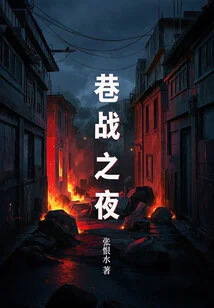
Street Fighting Night
Literature巷战之夜
Zhang Henshui
"Night of Street Fighting" is a novella anti-Japanese war military novel written by Zhang Henshui. It is set in Tianjin and Qianshan under the Japanese attack. It tells the story of an ordinary teacher who grew up to be a guerrilla captain in the struggle against the Japanese army and led the people to rise up in resistance. The novel depicts the heroic struggle of the people during the war with real and delicate writing, and shows the awakening and resistance of the people at the bottom under the iron heel of the invaders. The protagonist's growth trajectory reflects the author's strong desire to unite in the war of resistance, and highlights the durability of the war of resistance and the unyielding spirit of the people with a sense of historical depth.
"Night of Street Fighting" is a novella anti-Japanese war military novel written by Zhang Henshui. It is set in Tianjin and Qianshan under the Japanese attack. It tells the story of an ordinary teacher who grew up to be a guerrilla captain in the struggle against the Japanese army and led the people to rise up in resistance. The novel depicts the heroic struggle of the people during the war with real and delicate writing, and shows the awakening and resistance of the people at the bottom under the iron heel of the invaders. The protagonist's growth trajectory reflects the author's strong desire to unite in the war of resistance, and highlights the durability of the war of resistance and the unyielding spirit of the people with a sense of historical depth.
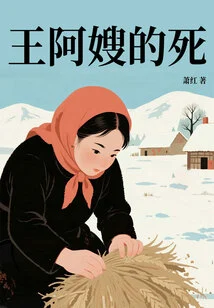
Death of Aunt Wang
Literature王阿嫂的死
Xiao Hong
"The Death of Aunt Wang" is set in the northeastern countryside and tells the story of the tragedy of Aunt Wang, a peasant woman. The novel profoundly exposes the cruel exploitation of farmers by the landlord class and reveals the suffering of the people at the bottom. "The Story of Wang Si" reveals the tragedy of the grassroots people at the bottom who cannot truly integrate into the upper class society even if they give everything they have through the experience of a loyal old cook Wang Si. He ends up losing his wallet while working, losing his life savings, his sense of identity, and ultimately being lost in ridicule. Feng Shan, the old hunter in "Stable Night", has been looking for companions and a sense of belonging all his life. When he finally waited for his old friend "Wu Dongjia", he found that they had been separated by class and time, leaving only the emptiness of memories.
"The Death of Aunt Wang" is set in the northeastern countryside and tells the story of the tragedy of Aunt Wang, a peasant woman. The novel profoundly exposes the cruel exploitation of farmers by the landlord class and reveals the suffering of the people at the bottom. "The Story of Wang Si" reveals the tragedy of the grassroots people at the bottom who cannot truly integrate into the upper class society even if they give everything they have through the experience of a loyal old cook Wang Si. He ends up losing his wallet while working, losing his life savings, his sense of identity, and ultimately being lost in ridicule. Feng Shan, the old hunter in "Stable Night", has been looking for companions and a sense of belonging all his life. When he finally waited for his old friend "Wu Dongjia", he found that they had been separated by class and time, leaving only the emptiness of memories.
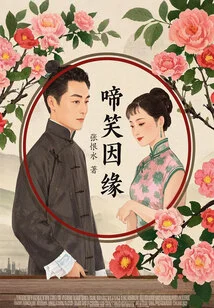
Cause of Laughter
Literature啼笑因缘
Zhang Henshui
"Cause of Crying and Laughing" is a chapter-length novel written by Zhang Henshui. It is set in Peiping during the reign of Beiyang warlords. Through the emotional entanglements between Hangzhou young Fan Jiashu and drum calligraphy artist Shen Fengxi, chivalrous girl Guan Xiugu, and wealthy daughter He Lina, it shows the world and human emotions under social turmoil. The novel combines elements of romance, martial arts and social criticism, and breaks through the limitations of the traditional chapter style with delicate psychological descriptions. It has become a classic of popular literature in the Republic of China. It has been adapted for the screen six times and adapted into TV series seven times.
"Cause of Crying and Laughing" is a chapter-length novel written by Zhang Henshui. It is set in Peiping during the reign of Beiyang warlords. Through the emotional entanglements between Hangzhou young Fan Jiashu and drum calligraphy artist Shen Fengxi, chivalrous girl Guan Xiugu, and wealthy daughter He Lina, it shows the world and human emotions under social turmoil. The novel combines elements of romance, martial arts and social criticism, and breaks through the limitations of the traditional chapter style with delicate psychological descriptions. It has become a classic of popular literature in the Republic of China. It has been adapted for the screen six times and adapted into TV series seven times.
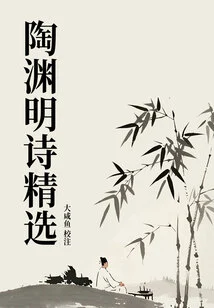
Selected Poems of Tao Yuanming
Literature陶渊明诗精选
Big Salted Fish School Notes
Tao Yuanming's poems are simple in style, elegant in language, and do not pursue gorgeous rhetoric. As Zhu Xi commented, "Everyone says that Tao Yuanming's poems are mediocre." There are 125 Tao poems in existence today, among which the five-character poems are the most outstanding. This book is a collection of selected works.
Tao Yuanming's poems are simple in style, elegant in language, and do not pursue gorgeous rhetoric. As Zhu Xi commented, "Everyone says that Tao Yuanming's poems are mediocre." There are 125 Tao poems in existence today, among which the five-character poems are the most outstanding. This book is a collection of selected works.
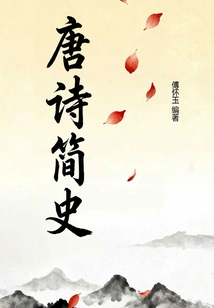
A Brief History of Tang Poetry
Literature唐诗简史
Compiled By Fu Huaiyu
This book shows the three hundred years of development of Tang poetry, from the breakthrough of the innovation of palace poetry by the four heroes of the early Tang Dynasty to Chen Ziang's theoretical foundation for advocating "the character of the Han and Wei dynasties"; ""-like depression and frustration, to the dual-track development of Bai Juyi's New Yuefu Movement in the mid-Tang Dynasty and Han Yu's sinister poetic style; finally, it focuses on the meaningfulness of Du Mu's epic poems in the late Tang Dynasty and the haziness of Li Shangyin's untitled poems, until the budding transformation of the style of poetry in the Five Dynasties. The manuscript takes the poet as the classic and the genre as the weft. It not only analyzes the artistic advancement of metrical shaping, but also reveals the social thrust of imperial examinations to select scholars. It completely presents the magnificent epic of Tang poetry from its cocoon to its heyday and then to its new changes.
This book shows the three hundred years of development of Tang poetry, from the breakthrough of the innovation of palace poetry by the four heroes of the early Tang Dynasty to Chen Ziang's theoretical foundation for advocating "the character of the Han and Wei dynasties"; ""-like depression and frustration, to the dual-track development of Bai Juyi's New Yuefu Movement in the mid-Tang Dynasty and Han Yu's sinister poetic style; finally, it focuses on the meaningfulness of Du Mu's epic poems in the late Tang Dynasty and the haziness of Li Shangyin's untitled poems, until the budding transformation of the style of poetry in the Five Dynasties. The manuscript takes the poet as the classic and the genre as the weft. It not only analyzes the artistic advancement of metrical shaping, but also reveals the social thrust of imperial examinations to select scholars. It completely presents the magnificent epic of Tang poetry from its cocoon to its heyday and then to its new changes.
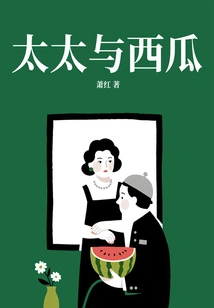
Wife and Watermelon
Literature太太与西瓜
Xiao Hong
"The Wife and the Watermelon" delicately depicts the indifference and vanity of the upper class through the interaction between a rich lady and the footman who delivers the watermelon. The ladies use the gifts given by others to put on airs, take the gifts of others for granted, and even sneer at them. The morbid view of human nature revealed between the lines is full of irony. In several other novels, the author's writing is equally powerful. "On the Road in the Morning" depicts all the living beings on the streets in the early morning. From cigarette boys and old men selling pulp to disabled beggars, they are all struggling to survive in poverty. At the same time, the warmth of mutual support among the people at the bottom is not lost. "Yali" is a story about exile and ideals. The protagonist "I" has established a deep friendship with Yali from North Korea. Although Yali is in a foreign land, she cannot forget her suffering hometown and her father who fought for the revolution. In the end, she chose to give up her personal peace and embark on the road of shedding blood for the motherland. "Two Frogs" describes the tragedy of lovers Hirano and Qin Zheng. The sweet time in the past is only a dream. Each story is like a mirror of the times, reflecting the glory and darkness of human nature, while also conveying the author's deep concern and compassion for the suffering lives.
"The Wife and the Watermelon" delicately depicts the indifference and vanity of the upper class through the interaction between a rich lady and the footman who delivers the watermelon. The ladies use the gifts given by others to put on airs, take the gifts of others for granted, and even sneer at them. The morbid view of human nature revealed between the lines is full of irony. In several other novels, the author's writing is equally powerful. "On the Road in the Morning" depicts all the living beings on the streets in the early morning. From cigarette boys and old men selling pulp to disabled beggars, they are all struggling to survive in poverty. At the same time, the warmth of mutual support among the people at the bottom is not lost. "Yali" is a story about exile and ideals. The protagonist "I" has established a deep friendship with Yali from North Korea. Although Yali is in a foreign land, she cannot forget her suffering hometown and her father who fought for the revolution. In the end, she chose to give up her personal peace and embark on the road of shedding blood for the motherland. "Two Frogs" describes the tragedy of lovers Hirano and Qin Zheng. The sweet time in the past is only a dream. Each story is like a mirror of the times, reflecting the glory and darkness of human nature, while also conveying the author's deep concern and compassion for the suffering lives.
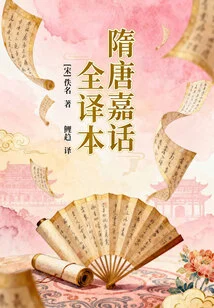
隋唐嘉话全译本
(song Dynasty) Anonymous
"Famous Stories of the Sui and Tang Dynasties" is a notebook novel recording anecdotes from the Sui and Tang Dynasties. The book uses a narrative style to compile a large number of words, deeds, and legends about emperors such as Emperor Wen of the Sui Dynasty, Emperor Yang of the Tang Dynasty, Gaozu Emperor Taizong of the Tang Dynasty, and Emperor Taizong, as well as famous figures such as Li Jing (Gong Wei), Xu Ji (Gong Ying), Wei Zheng (Gong Zheng), Fang Xuanling (Gong Liang), and Du Ruhui (Gong Cai). Such as the anecdotes of Xue Daoheng's poetic talent, Emperor Yang's jealousy to harm others, the outspokenness of the monarch and his ministers, the magnanimity and righteousness of the heroes, etc. The vivid details and smart descriptions not only supplement the shortcomings of the official history, but also show the political clarity of the early Tang Dynasty, the unique style of the characters and the three-dimensional social scene through side descriptions, providing precious historical materials for future generations to understand the history and culture of the Sui and Tang Dynasties. This book is a verbatim version. I hope that readers can easily travel through time and space and have an immersive dialogue with the ancients after reading this volume.
"Famous Stories of the Sui and Tang Dynasties" is a notebook novel recording anecdotes from the Sui and Tang Dynasties. The book uses a narrative style to compile a large number of words, deeds, and legends about emperors such as Emperor Wen of the Sui Dynasty, Emperor Yang of the Tang Dynasty, Gaozu Emperor Taizong of the Tang Dynasty, and Emperor Taizong, as well as famous figures such as Li Jing (Gong Wei), Xu Ji (Gong Ying), Wei Zheng (Gong Zheng), Fang Xuanling (Gong Liang), and Du Ruhui (Gong Cai). Such as the anecdotes of Xue Daoheng's poetic talent, Emperor Yang's jealousy to harm others, the outspokenness of the monarch and his ministers, the magnanimity and righteousness of the heroes, etc. The vivid details and smart descriptions not only supplement the shortcomings of the official history, but also show the political clarity of the early Tang Dynasty, the unique style of the characters and the three-dimensional social scene through side descriptions, providing precious historical materials for future generations to understand the history and culture of the Sui and Tang Dynasties. This book is a verbatim version. I hope that readers can easily travel through time and space and have an immersive dialogue with the ancients after reading this volume.
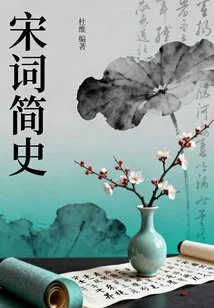
A Brief History of Song Poetry
Literature宋词简史
Edited By Du Wei
This book shows the development of Song Ci over three hundred years, from the prototype of "Ququ Ci" nurtured by Yan Le in the Tang Dynasty, to the beauty and elegance of the Huajian School in the Five Dynasties, to the glory and prosperity of the two Song Dynasties. The manuscript provides an in-depth analysis of the turning point of Li Yu's "transforming the lyrics of Ling Gong into the lyrics of scholar-bureaucrats", the double revolution of Liu Yongman's innovation of poetry and Su Shi's "poetry as lyrics", the artistic perfection of Zhou Bangyan's metrical precision and Li Qingzhao's blood-and-tears writing, and Xin Qiji's patriotic pride. It completely presents the magnificent history of Song poetry from folk tunes to literati's elegant music, and finally became the carrier of the spirit of the times.
This book shows the development of Song Ci over three hundred years, from the prototype of "Ququ Ci" nurtured by Yan Le in the Tang Dynasty, to the beauty and elegance of the Huajian School in the Five Dynasties, to the glory and prosperity of the two Song Dynasties. The manuscript provides an in-depth analysis of the turning point of Li Yu's "transforming the lyrics of Ling Gong into the lyrics of scholar-bureaucrats", the double revolution of Liu Yongman's innovation of poetry and Su Shi's "poetry as lyrics", the artistic perfection of Zhou Bangyan's metrical precision and Li Qingzhao's blood-and-tears writing, and Xin Qiji's patriotic pride. It completely presents the magnificent history of Song poetry from folk tunes to literati's elegant music, and finally became the carrier of the spirit of the times.
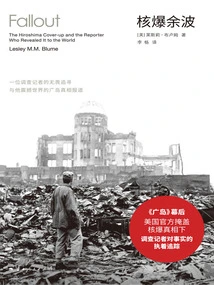
核爆余波:一位调查记者的无畏追寻与他震撼世界的广岛真相报道
(us) Leslie Bloom
On August 31, 1946, "The New Yorker" published "Hiroshima", a report by John Hersey who went to Hiroshima to interview survivors of the nuclear bombing, presenting the end of the nuclear war to the world. Why was John Hersey able to "preempt the world" in fully presenting Hiroshima after the nuclear explosion? Why is "Hiroshima" still one of the most important works in the history of journalism? The author of this book goes deep behind the scenes of "Hiroshima", visits multiple archives on three continents, interviews the descendants of the protagonists of "Hiroshima", political figures, and the media, and restores the release of the "Hiroshima" report: the widespread racial sentiment in the United States after World War II, the strict censorship of nuclear-related reports, and the fanatical journalism that pursues exclusives; Hersey How he traveled to Hiroshima and found his protagonist, "giving up God's perspective and regaining the perspective of mortals"; how the team of the "New Yorker", a "dispensable" humor magazine, adhering to "excavating facts that can only be obtained by going behind the scenes", published the full text of the report in a dedicated account, making it a milestone work. More than 70 years later, today, when extreme nationalism and racism dominate social media, how to see the truth behind dry statistics and similar photos, how the conscience record "Hiroshima" was released is still a warning prophecy for us today, and also reminds us of the importance of independent investigative journalism.
On August 31, 1946, "The New Yorker" published "Hiroshima", a report by John Hersey who went to Hiroshima to interview survivors of the nuclear bombing, presenting the end of the nuclear war to the world. Why was John Hersey able to "preempt the world" in fully presenting Hiroshima after the nuclear explosion? Why is "Hiroshima" still one of the most important works in the history of journalism? The author of this book goes deep behind the scenes of "Hiroshima", visits multiple archives on three continents, interviews the descendants of the protagonists of "Hiroshima", political figures, and the media, and restores the release of the "Hiroshima" report: the widespread racial sentiment in the United States after World War II, the strict censorship of nuclear-related reports, and the fanatical journalism that pursues exclusives; Hersey How he traveled to Hiroshima and found his protagonist, "giving up God's perspective and regaining the perspective of mortals"; how the team of the "New Yorker", a "dispensable" humor magazine, adhering to "excavating facts that can only be obtained by going behind the scenes", published the full text of the report in a dedicated account, making it a milestone work. More than 70 years later, today, when extreme nationalism and racism dominate social media, how to see the truth behind dry statistics and similar photos, how the conscience record "Hiroshima" was released is still a warning prophecy for us today, and also reminds us of the importance of independent investigative journalism.
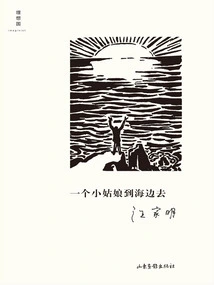
A Little Girl Goes to the Beach
Literature一个小姑娘到海边去
Wang Jiaming
This is a collection of novels and essays, as well as a person's spiritual history. Memories, like tides, can reach the shores of countless people's hearts. "I often think that a person must have a root. The land, mountains, rivers, roads, buildings and the times you have experienced are the real roots..." The past does not only mean the subject matter. For the author Wang Jiaming, the past is like a spiritual coordinate system, like a spring from which pure power can be drawn at a glance. Even if it is what happens around you, treating it with an attitude towards the past gives the work a lasting soul and a calm and calm atmosphere. Everything is cleanly handed over to the readers' hands after being cultivated. This kind of idealism, the pursuit of moral self-improvement and a simple outlook on life, yearning for pure art, paying attention to artistic conception, charm and language, and following the works of Xiao Hong, Baustovsky and Sun Li are no longer fashionable. Only the author himself, and perhaps some friends, still cherish them.
This is a collection of novels and essays, as well as a person's spiritual history. Memories, like tides, can reach the shores of countless people's hearts. "I often think that a person must have a root. The land, mountains, rivers, roads, buildings and the times you have experienced are the real roots..." The past does not only mean the subject matter. For the author Wang Jiaming, the past is like a spiritual coordinate system, like a spring from which pure power can be drawn at a glance. Even if it is what happens around you, treating it with an attitude towards the past gives the work a lasting soul and a calm and calm atmosphere. Everything is cleanly handed over to the readers' hands after being cultivated. This kind of idealism, the pursuit of moral self-improvement and a simple outlook on life, yearning for pure art, paying attention to artistic conception, charm and language, and following the works of Xiao Hong, Baustovsky and Sun Li are no longer fashionable. Only the author himself, and perhaps some friends, still cherish them.
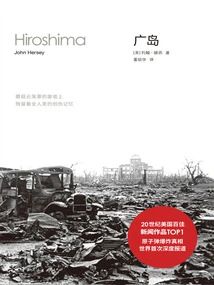
Hiroshima
Literature广岛
(us) John Hersey
At exactly 8:15 a. M. Local time on August 6, 1945, Japan, a "new type bomb" exploded over Hiroshima. With a silent flash of light, the lives of 300,000 ordinary citizens were completely changed. Nearly a year later, when the United States had given up paying attention to Hiroshima and generally supported the use of atomic bombs against Japan, Pulitzer Prize winner John Hersey went to Hiroshima to investigate the atomic bombing. He took readers back to that bright summer morning and walked with six ordinary people into their kitchens, commuter trains, and offices to witness their experiences at the same moment and their 40-year life trajectory.
At exactly 8:15 a. M. Local time on August 6, 1945, Japan, a "new type bomb" exploded over Hiroshima. With a silent flash of light, the lives of 300,000 ordinary citizens were completely changed. Nearly a year later, when the United States had given up paying attention to Hiroshima and generally supported the use of atomic bombs against Japan, Pulitzer Prize winner John Hersey went to Hiroshima to investigate the atomic bombing. He took readers back to that bright summer morning and walked with six ordinary people into their kitchens, commuter trains, and offices to witness their experiences at the same moment and their 40-year life trajectory.

Five Suns of Mexico
Literature墨西哥的五个太阳
K
The purpose of writing this book is to review the extraordinary thousand years that Mexico has just experienced at the beginning of the new millennium. Novels, essays, plays: the voices that can be heard in the book, although the tonality is different, all arise from a confusion, which is also the center of the book, that is, when, where and how the individual and the history intersect, when, where and how the individual path and the collective path intersect. Hopefully this anthology will help stir our memories, our imaginations, and our questions about ourselves. This Mexican notebook could probably be inscribed with this inscription: Imagine the past. Keep the future in mind. The great thing about Mexico is that its past is still very much alive. Yes, we outlive the calendar.
The purpose of writing this book is to review the extraordinary thousand years that Mexico has just experienced at the beginning of the new millennium. Novels, essays, plays: the voices that can be heard in the book, although the tonality is different, all arise from a confusion, which is also the center of the book, that is, when, where and how the individual and the history intersect, when, where and how the individual path and the collective path intersect. Hopefully this anthology will help stir our memories, our imaginations, and our questions about ourselves. This Mexican notebook could probably be inscribed with this inscription: Imagine the past. Keep the future in mind. The great thing about Mexico is that its past is still very much alive. Yes, we outlive the calendar.
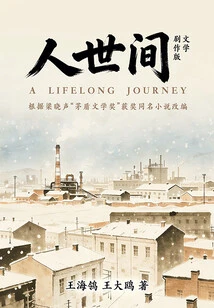
人世间文学剧作版(全集)
Wang Hailu Wang Dayou
This book is a play of the same name adapted by Wang Hailu and Wang Dayou based on the Mao Dun Literature Award-winning novel "Human World" by Liang Xiaosheng. It is set in a civilian community in a northern city called "Light Word Film" and tells the ups and downs of life stories of more than a dozen civilian children, including the three brothers and sisters of the Zhou family, Zhou Bingyi, Zhou Rong, and Zhou Bingkun, in the past fifty years. The fate of the protagonist is intertwined with the changes of the times, writing an epic life epic of contemporary Chinese people.
This book is a play of the same name adapted by Wang Hailu and Wang Dayou based on the Mao Dun Literature Award-winning novel "Human World" by Liang Xiaosheng. It is set in a civilian community in a northern city called "Light Word Film" and tells the ups and downs of life stories of more than a dozen civilian children, including the three brothers and sisters of the Zhou family, Zhou Bingyi, Zhou Rong, and Zhou Bingkun, in the past fifty years. The fate of the protagonist is intertwined with the changes of the times, writing an epic life epic of contemporary Chinese people.
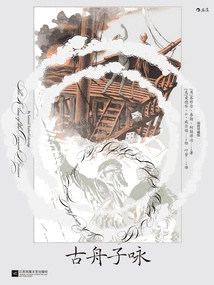
古舟子咏(插图珍藏版)
(english) Samuel Taylor Coleridge
Samuel Taylor Coleridge was one of the great masters and founders of British Romantic literature and a representative poet of the "Lakeside School". Coleridge occupies an important position in both poetry and literary criticism. Poets such as Southey, Wordsworth, Byron, Shelley, and Keats were all deeply influenced by him. The "Lyric Ballads" he co-authored with Wordsworth was published in 1798, marking the beginning of the Romantic era in British literary history. "The Rime of the Ancient Mariner" is a rare complete poem by Coleridge as a poet in his entire creative career. It is also one of the poems that later made him one of the major British poets and one of the most extraordinary poems. When writing this narrative poem, Coleridge used an astonishing amount of inner reserves and used a large number of metaphors to express a moving world that is rich in connotation, profound and magnificent. The words and images in the poem are concise, meaningful, and full of music. The structure of the entire poem is simple and full of fantasy. The Chinese translation was carefully polished by Ye Zi, an outstanding young translator in China, and followed the rhythm and rhyme pattern of the original poem as much as possible, faithfully reproducing the moving musical beauty of the original poem and the magnificent world that exists in the poem. It is also equipped with color illustrations by American illustrator Edward A. Wilson, which correspond to the rich artistic conception expressed in poetry and have high appreciation and collection value.
Samuel Taylor Coleridge was one of the great masters and founders of British Romantic literature and a representative poet of the "Lakeside School". Coleridge occupies an important position in both poetry and literary criticism. Poets such as Southey, Wordsworth, Byron, Shelley, and Keats were all deeply influenced by him. The "Lyric Ballads" he co-authored with Wordsworth was published in 1798, marking the beginning of the Romantic era in British literary history. "The Rime of the Ancient Mariner" is a rare complete poem by Coleridge as a poet in his entire creative career. It is also one of the poems that later made him one of the major British poets and one of the most extraordinary poems. When writing this narrative poem, Coleridge used an astonishing amount of inner reserves and used a large number of metaphors to express a moving world that is rich in connotation, profound and magnificent. The words and images in the poem are concise, meaningful, and full of music. The structure of the entire poem is simple and full of fantasy. The Chinese translation was carefully polished by Ye Zi, an outstanding young translator in China, and followed the rhythm and rhyme pattern of the original poem as much as possible, faithfully reproducing the moving musical beauty of the original poem and the magnificent world that exists in the poem. It is also equipped with color illustrations by American illustrator Edward A. Wilson, which correspond to the rich artistic conception expressed in poetry and have high appreciation and collection value.
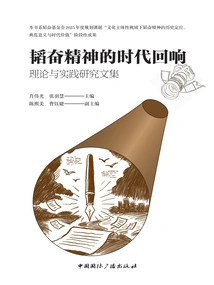
The Echo of Taofen Spirit in the Times: a Collection of Theoretical and Practical Research Papers
Literature韬奋精神的时代回响:理论与实践研究文集
Xiao Weiguang, Editor-in-chief Zhang Yuhui, Chen Ximei, Deputy Editor-in-chief Cao Yujie
2025 is the 130th anniversary of Zou Taofen's birth. To commemorate this outstanding Jiao Tong University alumnus, Professor Xiao Weiguang from the School of Media and Communication of Shanghai Jiao Tong University organized and compiled this collection of essays. This collection of essays includes 20 articles, 14 of which are works by teachers and students of Shanghai Jiao Tong University, and the authors of the other 6 articles are from the Youth Theory Learning Community of the Joint New Era. The geographical distribution ranges from Heilongjiang in the north, Guangdong in the south, Shanghai and Jiangsu in the east, including the central province of Jiangxi, a total of five provinces and cities. These 20 articles have all been published on the special topic "Study to Strengthen the Country" "Commemorating the 130th Anniversary of the Birth of Zou Taofen". This collection of essays is not only a study of Zou Taofen's life and thoughts, but also a spiritual dialogue spanning a century. First, based on the excavation of historical data, through cases such as "Life" weekly and Life Bookstore, it restores Zou Taofen's practical trajectory of "serving the public, loving the motherland, daring to fight, being good at business, understanding management, and being truly dedicated"; second, focusing on the transformation of the times, placing Taofen's spirit in the "two combinations" and "culture" From the theoretical perspective of "transforming subjectivity", explain its enlightenment significance for contemporary news communication, especially the systemic changes of mainstream media; thirdly, focus on the resonance of youth, and show the possible inheritance path of Taofen spirit in the new era through the visit records of teachers and students of Jiaotong University, letters from young people and other contents.
2025 is the 130th anniversary of Zou Taofen's birth. To commemorate this outstanding Jiao Tong University alumnus, Professor Xiao Weiguang from the School of Media and Communication of Shanghai Jiao Tong University organized and compiled this collection of essays. This collection of essays includes 20 articles, 14 of which are works by teachers and students of Shanghai Jiao Tong University, and the authors of the other 6 articles are from the Youth Theory Learning Community of the Joint New Era. The geographical distribution ranges from Heilongjiang in the north, Guangdong in the south, Shanghai and Jiangsu in the east, including the central province of Jiangxi, a total of five provinces and cities. These 20 articles have all been published on the special topic "Study to Strengthen the Country" "Commemorating the 130th Anniversary of the Birth of Zou Taofen". This collection of essays is not only a study of Zou Taofen's life and thoughts, but also a spiritual dialogue spanning a century. First, based on the excavation of historical data, through cases such as "Life" weekly and Life Bookstore, it restores Zou Taofen's practical trajectory of "serving the public, loving the motherland, daring to fight, being good at business, understanding management, and being truly dedicated"; second, focusing on the transformation of the times, placing Taofen's spirit in the "two combinations" and "culture" From the theoretical perspective of "transforming subjectivity", explain its enlightenment significance for contemporary news communication, especially the systemic changes of mainstream media; thirdly, focus on the resonance of youth, and show the possible inheritance path of Taofen spirit in the new era through the visit records of teachers and students of Jiaotong University, letters from young people and other contents.
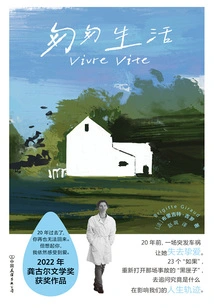
Life in a Hurry
Literature匆匆生活
(france) Brigitte Giraud
Brigitte and Claude are a typical couple. They came to Paris from Algeria and struggled on their own literary and musical paths. They sold and bought houses, but just days before they were finally to move into their dream new home, Claude suddenly died in a motorcycle accident, and his time was frozen in 1999. Twenty years later, when Brigitte had to move out of the house, she decided to write about her lost lover and her former life before her memory faded. She wrote down 23 "ifs" - "if I had not planned to sell the apartment", "if Stephen King had died on June 19, 1999", "if it had rained that Tuesday morning", "if the traffic lights had not turned red"... To explore whether her husband's unexpected death was a global "collusion".
Brigitte and Claude are a typical couple. They came to Paris from Algeria and struggled on their own literary and musical paths. They sold and bought houses, but just days before they were finally to move into their dream new home, Claude suddenly died in a motorcycle accident, and his time was frozen in 1999. Twenty years later, when Brigitte had to move out of the house, she decided to write about her lost lover and her former life before her memory faded. She wrote down 23 "ifs" - "if I had not planned to sell the apartment", "if Stephen King had died on June 19, 1999", "if it had rained that Tuesday morning", "if the traffic lights had not turned red"... To explore whether her husband's unexpected death was a global "collusion".
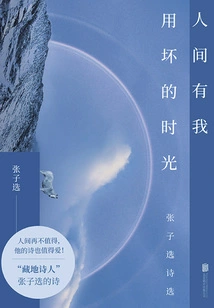
人间有我用坏的时光
Zhang Zixuan
This book is the latest collection of poems in 2026 by "Tibetan poet" Zhang Zixuan, which includes 8 representative works of the poet and 119 new poems. With broad and sincere writing, he frankly expresses his compassion and deep affection for the world, writes about the roughness and tenderness of Tibet, and pursues the authenticity and meaning of life. The language is sharp, the details are vivid, the language is refreshing and the thoughts are interesting. His poems span three lives and are both joyful and surprising. But seeing the sunshine penetrates the heart, the sky is blue and reaches the soul. Reading his poems, the plants and trees are fleshy, compassionate and affectionate. It seems like I am enduring the pain in the face of the wind and rediscovering the world. I am so lucky to meet you in this life!
This book is the latest collection of poems in 2026 by "Tibetan poet" Zhang Zixuan, which includes 8 representative works of the poet and 119 new poems. With broad and sincere writing, he frankly expresses his compassion and deep affection for the world, writes about the roughness and tenderness of Tibet, and pursues the authenticity and meaning of life. The language is sharp, the details are vivid, the language is refreshing and the thoughts are interesting. His poems span three lives and are both joyful and surprising. But seeing the sunshine penetrates the heart, the sky is blue and reaches the soul. Reading his poems, the plants and trees are fleshy, compassionate and affectionate. It seems like I am enduring the pain in the face of the wind and rediscovering the world. I am so lucky to meet you in this life!
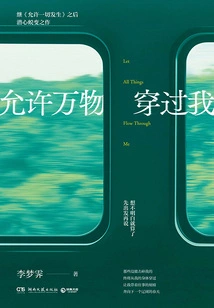
Allow Everything to Pass Through Me
Literature允许万物穿过我
Li Mengji
A transparent healing book for everyone. "Allow Everything to Happen" author Li Mengji's new healing work! The high praise mentality that is hotly discussed throughout the Internet has aroused thousands of resonances! This is a collection of inspirational essays on growth with global travel as a clue. After experiencing various changes in life, the author Li Mengji embarked on a journey around the world alone. From the cold Reykjavik in Iceland to the warm Gold Coast in Australia, from the bustling streets of New York to the endless wilderness of Altay, Xinjiang, she records the moments of collision with the world with delicate and sincere writing, and writes about the confusion and reflections of the younger generation on topics such as love, work, marriage, growth, and body anxiety. Don't be obsessed with the so-called "standard answers", see life as a journey of experience, and learn to let life flow naturally. Allowing all things to pass through you is a state of mind, and it is also a solution to an anxious life.
A transparent healing book for everyone. "Allow Everything to Happen" author Li Mengji's new healing work! The high praise mentality that is hotly discussed throughout the Internet has aroused thousands of resonances! This is a collection of inspirational essays on growth with global travel as a clue. After experiencing various changes in life, the author Li Mengji embarked on a journey around the world alone. From the cold Reykjavik in Iceland to the warm Gold Coast in Australia, from the bustling streets of New York to the endless wilderness of Altay, Xinjiang, she records the moments of collision with the world with delicate and sincere writing, and writes about the confusion and reflections of the younger generation on topics such as love, work, marriage, growth, and body anxiety. Don't be obsessed with the so-called "standard answers", see life as a journey of experience, and learn to let life flow naturally. Allowing all things to pass through you is a state of mind, and it is also a solution to an anxious life.
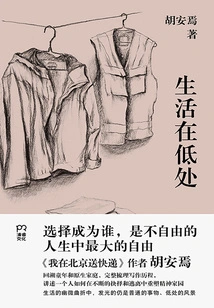
Living in Low Places
Literature生活在低处
Huan Yan
"I Deliver Express in Beijing" author Huan Yan's 2024 new non-fiction work! "Like most people, I am just an ordinary person. At least before the age of forty, I worked in ordinary jobs, and my economic income dragged down the per capita income; no one has ever used 'excellent' to describe me, and no one really cares about my inner world." After "I Deliver Express in Beijing", Huan Yan turned his perspective to daily life and inner world outside of work. He talked about the impact of his childhood and his family of origin on the formation of his personality, and how an ordinary person chose to write instead of speaking in the middle of his life. He carefully, vividly and concretely sorted out the ups and downs along the way from multiple levels such as circumstances, concepts, character, and text. What was gradually completed was a rich, self-sufficient and peaceful spiritual home. Looking back, it was "the other part of life" and those "moments of being surprised by ordinary things" that supported him to continue moving forward at a low point in his life and embark on the path of writing step by step.
"I Deliver Express in Beijing" author Huan Yan's 2024 new non-fiction work! "Like most people, I am just an ordinary person. At least before the age of forty, I worked in ordinary jobs, and my economic income dragged down the per capita income; no one has ever used 'excellent' to describe me, and no one really cares about my inner world." After "I Deliver Express in Beijing", Huan Yan turned his perspective to daily life and inner world outside of work. He talked about the impact of his childhood and his family of origin on the formation of his personality, and how an ordinary person chose to write instead of speaking in the middle of his life. He carefully, vividly and concretely sorted out the ups and downs along the way from multiple levels such as circumstances, concepts, character, and text. What was gradually completed was a rich, self-sufficient and peaceful spiritual home. Looking back, it was "the other part of life" and those "moments of being surprised by ordinary things" that supported him to continue moving forward at a low point in his life and embark on the path of writing step by step.
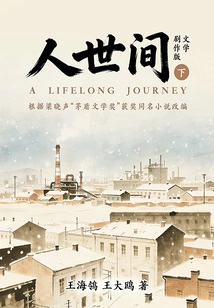
人世间文学剧作版(下)
Wang Hailu Wang Dayou
This book is a play of the same name adapted by Wang Hailu and Wang Dayou based on the Mao Dun Literature Award-winning novel "Human World" by Liang Xiaosheng. It is set in a civilian community in a northern city called "Light Word Film" and tells the ups and downs of life stories of more than a dozen civilian children, including the three brothers and sisters of the Zhou family, Zhou Bingyi, Zhou Rong, and Zhou Bingkun, in the past fifty years. The fate of the protagonist is intertwined with the changes of the times, writing an epic life epic of contemporary Chinese people.
This book is a play of the same name adapted by Wang Hailu and Wang Dayou based on the Mao Dun Literature Award-winning novel "Human World" by Liang Xiaosheng. It is set in a civilian community in a northern city called "Light Word Film" and tells the ups and downs of life stories of more than a dozen civilian children, including the three brothers and sisters of the Zhou family, Zhou Bingyi, Zhou Rong, and Zhou Bingkun, in the past fifty years. The fate of the protagonist is intertwined with the changes of the times, writing an epic life epic of contemporary Chinese people.
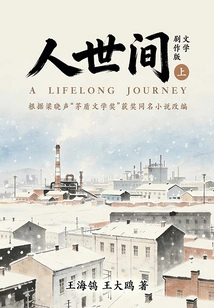
人世间文学剧作版(上)
Wang Hailu Wang Dayou
This book is a play of the same name adapted by Wang Hailu and Wang Dayou based on the Mao Dun Literature Award-winning novel "Human World" by Liang Xiaosheng. It is set in a civilian community in a northern city called "Light Word Film" and tells the ups and downs of life stories of more than a dozen civilian children, including the three brothers and sisters of the Zhou family, Zhou Bingyi, Zhou Rong, and Zhou Bingkun, in the past fifty years. The fate of the protagonist is intertwined with the changes of the times, writing an epic life epic of contemporary Chinese people.
This book is a play of the same name adapted by Wang Hailu and Wang Dayou based on the Mao Dun Literature Award-winning novel "Human World" by Liang Xiaosheng. It is set in a civilian community in a northern city called "Light Word Film" and tells the ups and downs of life stories of more than a dozen civilian children, including the three brothers and sisters of the Zhou family, Zhou Bingyi, Zhou Rong, and Zhou Bingkun, in the past fifty years. The fate of the protagonist is intertwined with the changes of the times, writing an epic life epic of contemporary Chinese people.
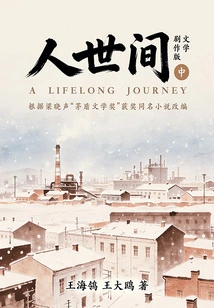
人世间文学剧作版(中)
Wang Hailu Wang Dayou
This book is a play of the same name adapted by Wang Hailu and Wang Dayou based on the Mao Dun Literature Award-winning novel "Human World" by Liang Xiaosheng. It is set in a civilian community in a northern city called "Light Word Film" and tells the ups and downs of life stories of more than a dozen civilian children, including the three brothers and sisters of the Zhou family, Zhou Bingyi, Zhou Rong, and Zhou Bingkun, in the past fifty years. The fate of the protagonist is intertwined with the changes of the times, writing an epic life epic of contemporary Chinese people.
This book is a play of the same name adapted by Wang Hailu and Wang Dayou based on the Mao Dun Literature Award-winning novel "Human World" by Liang Xiaosheng. It is set in a civilian community in a northern city called "Light Word Film" and tells the ups and downs of life stories of more than a dozen civilian children, including the three brothers and sisters of the Zhou family, Zhou Bingyi, Zhou Rong, and Zhou Bingkun, in the past fifty years. The fate of the protagonist is intertwined with the changes of the times, writing an epic life epic of contemporary Chinese people.
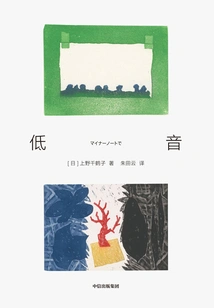
Bass
Literature低音
I
This book is the latest collection of essays by Chizuruko Ueno, a pioneer of Japanese feminism, and includes more than forty excellent works written by the author in recent years. This much-anticipated collection of essays uses a calm and melodious "mature tone" to weave every note that echoes in the writer's heart. From the family memories of childhood, the confused time of student days, to the process of academic research; from food preferences, hobbies of mountain climbing and watching dramas, to worries about aging, expectations for the next generation, and even the memory of the deceased and the pain of loss - Chizuru Ueno turns every detail of her life into notes of words and plays them gently. While discussing feminism, care issues, and reflecting on social events such as the epidemic, she also poured the notes flowing from her heart into the lines. These words are not only a sorting out of personal memories by Chizuru Ueno, but also a vivid reflection of the social and cultural changes in Japan. Through this work, we get a glimpse of this thinker's rich spiritual world and her ongoing concern for contemporary society.
This book is the latest collection of essays by Chizuruko Ueno, a pioneer of Japanese feminism, and includes more than forty excellent works written by the author in recent years. This much-anticipated collection of essays uses a calm and melodious "mature tone" to weave every note that echoes in the writer's heart. From the family memories of childhood, the confused time of student days, to the process of academic research; from food preferences, hobbies of mountain climbing and watching dramas, to worries about aging, expectations for the next generation, and even the memory of the deceased and the pain of loss - Chizuru Ueno turns every detail of her life into notes of words and plays them gently. While discussing feminism, care issues, and reflecting on social events such as the epidemic, she also poured the notes flowing from her heart into the lines. These words are not only a sorting out of personal memories by Chizuru Ueno, but also a vivid reflection of the social and cultural changes in Japan. Through this work, we get a glimpse of this thinker's rich spiritual world and her ongoing concern for contemporary society.
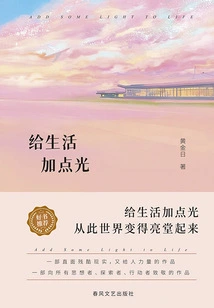
Add Some Light to Life
Literature给生活加点光
Golden Day
"Add a Little Light to Life" is a collection of poems that combines delicate emotions and profound philosophical thoughts. This book covers a wide range of topics, and most of the topics focus on the most common scenes, people and things. The author uses beautiful and simple brushstrokes to slowly unfold a world that is both gorgeous and desolate, warm and sad. Sometimes he is passionate, sometimes he is calm and restrained. With his unique and keen insight, he leads readers into a new philosophical kingdom. Elevators, faucets... These common things actually hide the logical thinking. Rural old men, urban white-collar workers, overseas passers-by... Have all become the themes of the poem. In their ordinary and small lives, the great power that was once ignored is constantly revealed between the lines. Some works even only have a few lines, but the images reveal the hidden emotional codes, such as "Love" and "Mediocre" and other works. "The Staircase of Humanity" uses visual effects to vividly express the greed and compromise process of human nature. Each poem is a beautiful and profound spiritual picture. "Add a Little Light to Life" is like a beam of light that illuminates our ordinary and mediocre lives.
"Add a Little Light to Life" is a collection of poems that combines delicate emotions and profound philosophical thoughts. This book covers a wide range of topics, and most of the topics focus on the most common scenes, people and things. The author uses beautiful and simple brushstrokes to slowly unfold a world that is both gorgeous and desolate, warm and sad. Sometimes he is passionate, sometimes he is calm and restrained. With his unique and keen insight, he leads readers into a new philosophical kingdom. Elevators, faucets... These common things actually hide the logical thinking. Rural old men, urban white-collar workers, overseas passers-by... Have all become the themes of the poem. In their ordinary and small lives, the great power that was once ignored is constantly revealed between the lines. Some works even only have a few lines, but the images reveal the hidden emotional codes, such as "Love" and "Mediocre" and other works. "The Staircase of Humanity" uses visual effects to vividly express the greed and compromise process of human nature. Each poem is a beautiful and profound spiritual picture. "Add a Little Light to Life" is like a beam of light that illuminates our ordinary and mediocre lives.
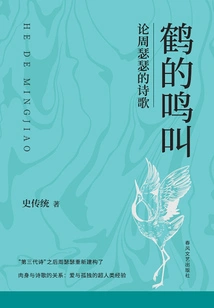
Crane's Cry: on Zhou Sese's Poems
Literature鹤的鸣叫:论周瑟瑟的诗歌
Historical Tradition
"The Crane's Cry: On Zhou Sese's Poetry" is an academic monograph that deeply analyzes the poetry creation of contemporary poet Zhou Sese. This book starts from multiple dimensions such as the artistic characteristics, ideological depth, historical impact and international communication of Zhou Sese's poetry, and systematically sorts out the development trajectory and unique style of his poetry creation. Zhou Sese's poetry is unique in the contemporary poetry world with its unique language style, profound emotional expression and rich imagery. Through detailed interpretation of his representative works, such as "The Cry of the Crane", "Qu Yuan Cried", "Homage to Du Fu", etc., This book reveals how Zhou Sese integrated individual life experience with the spirit of the times to create a poetic world that is both personal and universal. At the same time, this book also explores the traditional cultural elements and modern exploration in Zhou Sese's poetry, as well as the international spread and influence of his poetry. Through a comprehensive study of Zhou Sese's poetry, this book not only provides a new perspective and path for the study of contemporary poetry, but also provides poetry lovers and researchers with valuable information for an in-depth understanding of Zhou Sese's poetry art, which is of great significance to promoting the prosperity and development of contemporary poetry.
"The Crane's Cry: On Zhou Sese's Poetry" is an academic monograph that deeply analyzes the poetry creation of contemporary poet Zhou Sese. This book starts from multiple dimensions such as the artistic characteristics, ideological depth, historical impact and international communication of Zhou Sese's poetry, and systematically sorts out the development trajectory and unique style of his poetry creation. Zhou Sese's poetry is unique in the contemporary poetry world with its unique language style, profound emotional expression and rich imagery. Through detailed interpretation of his representative works, such as "The Cry of the Crane", "Qu Yuan Cried", "Homage to Du Fu", etc., This book reveals how Zhou Sese integrated individual life experience with the spirit of the times to create a poetic world that is both personal and universal. At the same time, this book also explores the traditional cultural elements and modern exploration in Zhou Sese's poetry, as well as the international spread and influence of his poetry. Through a comprehensive study of Zhou Sese's poetry, this book not only provides a new perspective and path for the study of contemporary poetry, but also provides poetry lovers and researchers with valuable information for an in-depth understanding of Zhou Sese's poetry art, which is of great significance to promoting the prosperity and development of contemporary poetry.
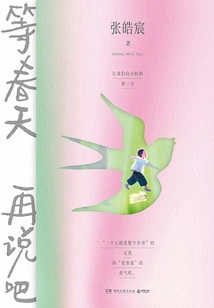
Let's Wait Until Spring
Literature等春天再说吧
Zhang Haochen
Zhang Haochen's new collection of essays created in 2025 uses the glimmer of daily life to combat the powerlessness and anxiety of "must have an answer immediately". This book records Zhang Haochen's latest life status, what he sees, thinks and feels in a new stage of life. Whether it is a change in mentality or creative thinking, he vividly shows it to readers through this book, expressing that in a tiring living environment, it is good to dare to be a relaxed person and live every moment in front of you. 100 Short and easy essays, 100 moments when you don't want to explain and the warmth of not having to exert force, to combat the anxiety of "must have an answer immediately". Although life will encounter many dissatisfactions and encounter many winters, it doesn't matter, let's wait until spring.
Zhang Haochen's new collection of essays created in 2025 uses the glimmer of daily life to combat the powerlessness and anxiety of "must have an answer immediately". This book records Zhang Haochen's latest life status, what he sees, thinks and feels in a new stage of life. Whether it is a change in mentality or creative thinking, he vividly shows it to readers through this book, expressing that in a tiring living environment, it is good to dare to be a relaxed person and live every moment in front of you. 100 Short and easy essays, 100 moments when you don't want to explain and the warmth of not having to exert force, to combat the anxiety of "must have an answer immediately". Although life will encounter many dissatisfactions and encounter many winters, it doesn't matter, let's wait until spring.
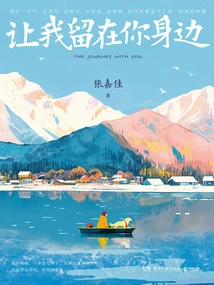
让我留在你身边(2025新增版)
Zhang Jiajia
Zhang Jiajia's heart-warming story collection, which sells millions of copies, has added 20,000 words, including 60 micro-stories, multiple new long articles, and colorful illustrations commemorating Maisie's lifetime. This book is a collection of heart-warming stories written by Zhang Jiajia from the perspective of dog Maisie. Through Maisie's eyes, we see parting and reunion, loneliness and warmth in this world. We see that everything has an expiration date but love can be eternal. We also see that the answer to life is hidden in the simplest companionship. Let me stay by your side. The most precious thing in life is those lives that are willing to stop for you.
Zhang Jiajia's heart-warming story collection, which sells millions of copies, has added 20,000 words, including 60 micro-stories, multiple new long articles, and colorful illustrations commemorating Maisie's lifetime. This book is a collection of heart-warming stories written by Zhang Jiajia from the perspective of dog Maisie. Through Maisie's eyes, we see parting and reunion, loneliness and warmth in this world. We see that everything has an expiration date but love can be eternal. We also see that the answer to life is hidden in the simplest companionship. Let me stay by your side. The most precious thing in life is those lives that are willing to stop for you.
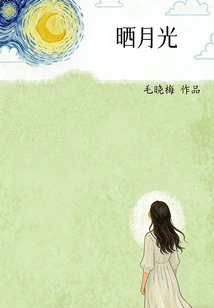
Basking in the Moonlight
Literature晒月光
Mao Xiaomei
[Growth Reading + Hometown Complex + Peaceful Time] From a bowl of noodles to half-moon cakes, from chats under the moonlight, encounters in the market to the accumulation of time, from a book to a movie, Mao Xiaomei's words are unhurried and unhurried, presenting poetic life in individual daily life. It is not inconsistent to read any article. It can make us in a hurry think about the true nature of ordinary life and realize the beauty and power hidden in the details.
[Growth Reading + Hometown Complex + Peaceful Time] From a bowl of noodles to half-moon cakes, from chats under the moonlight, encounters in the market to the accumulation of time, from a book to a movie, Mao Xiaomei's words are unhurried and unhurried, presenting poetic life in individual daily life. It is not inconsistent to read any article. It can make us in a hurry think about the true nature of ordinary life and realize the beauty and power hidden in the details.
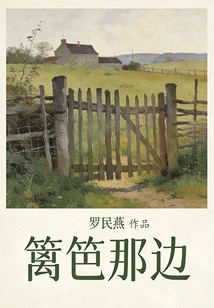
Over the Fence
Literature篱笆那边
Luo Minyan
[Hometown scenery + family affection + daily insights] This book is a collection of works by writer Luo Minyan. The title is taken from "Beyond the Fence" by American poet Emily Dickinson. The author uses a sincere and delicate pen to connect the scenery of his hometown, the warmth of family, the insights of the years and the philosophy of life. Whether he depicts orchids, old wells, cooking smoke and other rural scenes, or recalls the kindness of his parents, mentors and neighbors, he sees clever ideas and true feelings in daily moments, stimulating readers' pursuit of a better life.
[Hometown scenery + family affection + daily insights] This book is a collection of works by writer Luo Minyan. The title is taken from "Beyond the Fence" by American poet Emily Dickinson. The author uses a sincere and delicate pen to connect the scenery of his hometown, the warmth of family, the insights of the years and the philosophy of life. Whether he depicts orchids, old wells, cooking smoke and other rural scenes, or recalls the kindness of his parents, mentors and neighbors, he sees clever ideas and true feelings in daily moments, stimulating readers' pursuit of a better life.
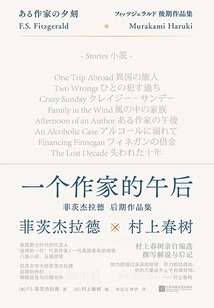
一个作家的午后:菲茨杰拉德后期作品集
(u. S.) Written By F. S. Fitzgerald (japanese) Edited By Haruki Murakami
This book contains a total of 8 short stories and 5 essays, which were published by Fitzgerald from 1930 to 1939. At this time, the glamorous Jazz Age ended and the Great Depression began. Fitzgerald's American dream was shattered. He had problems with his body, marriage, and finances, and his life was under great pressure. His works at this time mainly have two characteristics: - full of nostalgia for the past, nostalgia for the loss of health, fame and wealth, and frustration that the market for his novels will no longer exist; - although he was depressed and desperate due to the difficult situation, he still did not lose his creative conscience and ambition. Haruki Murakami deliberately compiled the works of this period into a collection and explained them precisely because he saw Fitzgerald's persistence in writing during this period. He said in the commentary, "Fitzgerald is the kind of writer who takes daily life experience as the core, uses his imagination to create novels from it... He tried his best to get through the deep despair, tried to grasp a weak light source, and slowly moved forward with a firm will. This may be Fitzgerald's strong instinct as a writer." Murakami, who compiled this book, hopes that readers can see this side of Fitzgerald.
This book contains a total of 8 short stories and 5 essays, which were published by Fitzgerald from 1930 to 1939. At this time, the glamorous Jazz Age ended and the Great Depression began. Fitzgerald's American dream was shattered. He had problems with his body, marriage, and finances, and his life was under great pressure. His works at this time mainly have two characteristics: - full of nostalgia for the past, nostalgia for the loss of health, fame and wealth, and frustration that the market for his novels will no longer exist; - although he was depressed and desperate due to the difficult situation, he still did not lose his creative conscience and ambition. Haruki Murakami deliberately compiled the works of this period into a collection and explained them precisely because he saw Fitzgerald's persistence in writing during this period. He said in the commentary, "Fitzgerald is the kind of writer who takes daily life experience as the core, uses his imagination to create novels from it... He tried his best to get through the deep despair, tried to grasp a weak light source, and slowly moved forward with a firm will. This may be Fitzgerald's strong instinct as a writer." Murakami, who compiled this book, hopes that readers can see this side of Fitzgerald.
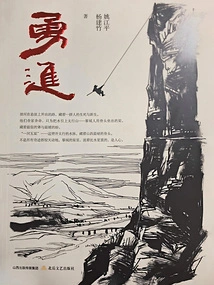
Bravely Advance
Literature勇进
Yao Jiangping Yang Jianzhu
This book is a long documentary with a total of thirty-five chapters. The whole book is based on time and records the beginning and end of the construction of Yongjin Canal in detail. The author deeply analyzes the construction process of Yongjin Canal and the various difficulties encountered during the period, laying a solid foundation for subsequent sublimation and refinement. Under the leadership of the party, the people of Licheng united to overcome difficulties and devoted themselves to the construction of the canal. After eight years of hard work, the great project was completed. The perseverance and courage shown in this journey are worth learning and inheriting. The characters in this work are vivid and the plot is touching, showing the integration of family and country sentiments and people-oriented thinking. The author delicately depicts the passionate years, not only looking back on the past, but also paying tribute to the spirit of selfless dedication of his fathers.
This book is a long documentary with a total of thirty-five chapters. The whole book is based on time and records the beginning and end of the construction of Yongjin Canal in detail. The author deeply analyzes the construction process of Yongjin Canal and the various difficulties encountered during the period, laying a solid foundation for subsequent sublimation and refinement. Under the leadership of the party, the people of Licheng united to overcome difficulties and devoted themselves to the construction of the canal. After eight years of hard work, the great project was completed. The perseverance and courage shown in this journey are worth learning and inheriting. The characters in this work are vivid and the plot is touching, showing the integration of family and country sentiments and people-oriented thinking. The author delicately depicts the passionate years, not only looking back on the past, but also paying tribute to the spirit of selfless dedication of his fathers.
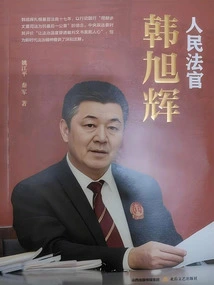
People's Judge Han Xuhui
Literature人民法官韩旭辉
Yao Jiangping Qin Jun
This book is a long documentary work about Han Xuhui's lifetime deeds, aiming to fully display the role model of this grassroots judge. As the president of the Machang Tribunal of the Luzhou District Court in Changzhi City, Shanxi Province, Han Xuhui has worked on the frontline of justice for the people for 33 years. His deeds have been positioned by the Central Political and Legal Affairs Commission as a loyal practitioner of Xi Jinping Thought on Socialism with Chinese Characteristics for a New Era and Xi Jinping Thought on the Rule of Law. Through narration from different perspectives, this book reproduces the image of Han Xuhui who is close to the people and loves the people, and has been deeply studied and publicized in the national political and legal system. The work comprehensively displays Han Xuhui's image as a judge through multi-perspective narration. This book pays attention to detailed description, focuses on the group of judges, and displays the professional behavior of judges.
This book is a long documentary work about Han Xuhui's lifetime deeds, aiming to fully display the role model of this grassroots judge. As the president of the Machang Tribunal of the Luzhou District Court in Changzhi City, Shanxi Province, Han Xuhui has worked on the frontline of justice for the people for 33 years. His deeds have been positioned by the Central Political and Legal Affairs Commission as a loyal practitioner of Xi Jinping Thought on Socialism with Chinese Characteristics for a New Era and Xi Jinping Thought on the Rule of Law. Through narration from different perspectives, this book reproduces the image of Han Xuhui who is close to the people and loves the people, and has been deeply studied and publicized in the national political and legal system. The work comprehensively displays Han Xuhui's image as a judge through multi-perspective narration. This book pays attention to detailed description, focuses on the group of judges, and displays the professional behavior of judges.
I Wish You Changan
Literature许你长安
Thirteen Motes Of Dust
"Promise You Chang'an" is Shisan Mochen's first collection of works. The whole book is divided into four volumes: "Promise You Chang'an", "The River of Time", "The Dust Is Born" and "Returning to Love". The structure is independent but connected in context. The book not only presents readers with subtle and tortuous emotional experiences from a female perspective, but also highlights a working woman's unique expression of social, life and literary ideals. It is a masterpiece with both aesthetic value and ideological depth.
"Promise You Chang'an" is Shisan Mochen's first collection of works. The whole book is divided into four volumes: "Promise You Chang'an", "The River of Time", "The Dust Is Born" and "Returning to Love". The structure is independent but connected in context. The book not only presents readers with subtle and tortuous emotional experiences from a female perspective, but also highlights a working woman's unique expression of social, life and literary ideals. It is a masterpiece with both aesthetic value and ideological depth.
Yayuan Tingfeng
Literature雅苑听风
Yu Xihua
This book is a collection of essays, with a total of five chapters, namely Reminiscing about the Elegant Garden, Full of Family Affection, Charm of Hometown, Chanting and Listening to the Wind, and Occasionally Expressing Leisure. The words written in the sky and the earth, and the sentiments expressed in the sentences are a summary of past memories and a gratitude for the current life. The author hopes that his words can empathize with the readers, convey positive energy, and give more people reverie and yearning for life.
This book is a collection of essays, with a total of five chapters, namely Reminiscing about the Elegant Garden, Full of Family Affection, Charm of Hometown, Chanting and Listening to the Wind, and Occasionally Expressing Leisure. The words written in the sky and the earth, and the sentiments expressed in the sentences are a summary of past memories and a gratitude for the current life. The author hopes that his words can empathize with the readers, convey positive energy, and give more people reverie and yearning for life.

小说,小说网,最新热门小说-QQ阅读_阅文集团旗下网站
Tang Limei
Antarctica, this mysterious continent covered in ice and snow, has attracted countless explorers and scientists to explore for hundreds of years. In this book, young scientist Tang Limei truly records the experience of participating in the 34th Chinese Antarctic Scientific Expedition Team that went to Antarctica on the "Snow Dragon" for a scientific expedition. It vividly tells the unique research value of Antarctica, the history of Antarctic exploration, the significance of China's Antarctic scientific expedition, and the story of several generations of Chinese polar scientific research icebreakers. The author describes what he sees, hears and thinks in Antarctica with the rigor of a scientist and the delicate poetry of a woman, reproducing the spirit of scientists such as perseverance, hard work, struggle, dedication and innovation. He also introduces the scientific knowledge of Antarctica's geological structure, climate change, ecosystem and other aspects from a professional perspective, leading readers to appreciate the charm of earth science, igniting dreams for young people and sowing the seeds of science.
Antarctica, this mysterious continent covered in ice and snow, has attracted countless explorers and scientists to explore for hundreds of years. In this book, young scientist Tang Limei truly records the experience of participating in the 34th Chinese Antarctic Scientific Expedition Team that went to Antarctica on the "Snow Dragon" for a scientific expedition. It vividly tells the unique research value of Antarctica, the history of Antarctic exploration, the significance of China's Antarctic scientific expedition, and the story of several generations of Chinese polar scientific research icebreakers. The author describes what he sees, hears and thinks in Antarctica with the rigor of a scientist and the delicate poetry of a woman, reproducing the spirit of scientists such as perseverance, hard work, struggle, dedication and innovation. He also introduces the scientific knowledge of Antarctica's geological structure, climate change, ecosystem and other aspects from a professional perspective, leading readers to appreciate the charm of earth science, igniting dreams for young people and sowing the seeds of science.
Floating Life·gathering and Dispersion
Literature浮生·聚散
Liu Ting
A young herdsman decided to leave the grassland and seek life in a foreign land. He knew that once he really left, he would live a completely different life from his father's generation, and he would only be able to return here by visiting relatives. He went to Dalian to study, traveled to Harbin, visited his younger brother in Hunchun, and visited Songyuan. Later, he studied writing and settled in Beijing, becoming one in 20 million. When a person reaches middle age, life seems like a dream, gatherings and separations are constant, and he feels infinite sadness. When he looked back on his journey, he thought most of his father and mother, the passionate duo in the desolation of the north, the birth of a lamb on the grassland, the silent support of his lover along the way, and the snowstorm in Inner Mongolia. We all live a difficult life, always gaining and losing at the same time, but in the end we "live out" - even so, there is always something that supports us to continue living. The thing that supports us is the silent love that is not mentioned in every sentence but is present in every sentence.
A young herdsman decided to leave the grassland and seek life in a foreign land. He knew that once he really left, he would live a completely different life from his father's generation, and he would only be able to return here by visiting relatives. He went to Dalian to study, traveled to Harbin, visited his younger brother in Hunchun, and visited Songyuan. Later, he studied writing and settled in Beijing, becoming one in 20 million. When a person reaches middle age, life seems like a dream, gatherings and separations are constant, and he feels infinite sadness. When he looked back on his journey, he thought most of his father and mother, the passionate duo in the desolation of the north, the birth of a lamb on the grassland, the silent support of his lover along the way, and the snowstorm in Inner Mongolia. We all live a difficult life, always gaining and losing at the same time, but in the end we "live out" - even so, there is always something that supports us to continue living. The thing that supports us is the silent love that is not mentioned in every sentence but is present in every sentence.
The Whereabouts of the Lost
Literature迷失者的行踪
Zhang Xinxin
The "lost people" described by Zhang Xinyin are typical modern people under the rapid development of civilization. They lost their old hometown in the city and built a "new hometown" in their own way. This hometown seems to be unique and private, and with its secret whereabouts, it sends an invitation to us. Seventeen essays and seventeen kinds of dreams are the words of a lost person who is accustomed to silence speaking and starting an inner communication. Sometimes the dream is melancholy, like a flock of birds that are hovering over the city and chirping wildly but no one can see them; sometimes it is peaceful, like a desk by the river that has never been affected by wind and rain; sometimes it is absurd, like a city collector who specializes in collecting rumored corpses; sometimes it is sad, as the peacock in the cage commits suicide by caesarean section, hinting at the fate of the missing friend. The scene is full of vagueness, like catching the wind in the void; moving to change scenery is like running water, trying to hold on but it turns into nothing in an instant. They come from the author's pure intuition. The text is combined with the original perception, and the dancing waves finally remain still in the viewfinder.
The "lost people" described by Zhang Xinyin are typical modern people under the rapid development of civilization. They lost their old hometown in the city and built a "new hometown" in their own way. This hometown seems to be unique and private, and with its secret whereabouts, it sends an invitation to us. Seventeen essays and seventeen kinds of dreams are the words of a lost person who is accustomed to silence speaking and starting an inner communication. Sometimes the dream is melancholy, like a flock of birds that are hovering over the city and chirping wildly but no one can see them; sometimes it is peaceful, like a desk by the river that has never been affected by wind and rain; sometimes it is absurd, like a city collector who specializes in collecting rumored corpses; sometimes it is sad, as the peacock in the cage commits suicide by caesarean section, hinting at the fate of the missing friend. The scene is full of vagueness, like catching the wind in the void; moving to change scenery is like running water, trying to hold on but it turns into nothing in an instant. They come from the author's pure intuition. The text is combined with the original perception, and the dancing waves finally remain still in the viewfinder.
元顺帝词坛词风研究
Peng Shurong
Emperor Shun of Yuan Dynasty was the last emperor of the Yuan Dynasty. He reigned for 36 years. During this period, the atmosphere of the literary world, especially the style of Ci poetry, underwent major changes. This book takes the Ci poetry circle during the reign of Emperor Shun of the Yuan Dynasty as the research object. It takes the relationship between the fortunes, literary fortunes and Ci poetry style of the Shun Emperor's dynasty as the starting point of a macro perspective. The basic pattern of "establishment" integrates the research on many poets and their works in the late Yuan and Ming dynasties, explains the impact of the evolution of the political situation before and after Emperor Shun on the construction and evolution of the Ci style in the Ci world, and deeply and meticulously analyzes the main characteristics of the Ci style in the early and late periods of Emperor Shun and the reasons for its generation.
Emperor Shun of Yuan Dynasty was the last emperor of the Yuan Dynasty. He reigned for 36 years. During this period, the atmosphere of the literary world, especially the style of Ci poetry, underwent major changes. This book takes the Ci poetry circle during the reign of Emperor Shun of the Yuan Dynasty as the research object. It takes the relationship between the fortunes, literary fortunes and Ci poetry style of the Shun Emperor's dynasty as the starting point of a macro perspective. The basic pattern of "establishment" integrates the research on many poets and their works in the late Yuan and Ming dynasties, explains the impact of the evolution of the political situation before and after Emperor Shun on the construction and evolution of the Ci style in the Ci world, and deeply and meticulously analyzes the main characteristics of the Ci style in the early and late periods of Emperor Shun and the reasons for its generation.
Collected Works of Tingyunge
Literature停云阁文集
Xie Zhengguang
This book consists of three volumes: the first volume includes all the chapters of the out-of-print "The Record of Stopping Clouds and Scholars' Interactions", the second volume includes the chapters that are not included in "The Survivors and the Second Officials of the Early Qing Dynasty" in "A Study of Poems and Scholars' Friendships in the Early Qing Dynasty", and the third volume contains single essays that have not been collected before. The articles in the collection are still mostly related to the main research field of the author Xie Zhengguang, that is, the poetry and friendship of scholars in the Ming and Qing Dynasties, as well as intellectuals in the late Qing and early Republic of China who were in different times but had many similarities. There are also several monographs and book reviews in the same field. Each article not only has a solid academic foundation and traditional literary and historical knowledge, but also has high literary talent, sharp analysis, and shines with the light of speculative intelligence.
This book consists of three volumes: the first volume includes all the chapters of the out-of-print "The Record of Stopping Clouds and Scholars' Interactions", the second volume includes the chapters that are not included in "The Survivors and the Second Officials of the Early Qing Dynasty" in "A Study of Poems and Scholars' Friendships in the Early Qing Dynasty", and the third volume contains single essays that have not been collected before. The articles in the collection are still mostly related to the main research field of the author Xie Zhengguang, that is, the poetry and friendship of scholars in the Ming and Qing Dynasties, as well as intellectuals in the late Qing and early Republic of China who were in different times but had many similarities. There are also several monographs and book reviews in the same field. Each article not only has a solid academic foundation and traditional literary and historical knowledge, but also has high literary talent, sharp analysis, and shines with the light of speculative intelligence.
我偏爱这人间荒芜+疯骨集(套装2册)
Gu Qiaosheng Mu Cishan
"I prefer the desolation of the world" I also want to be that moon, picking up all the wind, flowers, snow and moon, calling you to get on the boat tonight, no longer trapped in this depressing world, I hope you can climb over the jingling mountains here before spring. "Crazy Bone Collection" contains more than 80 emotional essays, each with a poem at the end. The works are written with love and true feelings, and the words are full of pride. My love is only a small part among the thousands of people in the world. It is ordinary and vulgar, common and simple. It was magnificent when I met you. But I have my own pride. Even if I am covered with thorns because of you, my soul will never bow. May you grow as much as you want and live like crazy. I respect you that life is like the moon, only bright and clear, regardless of the roundness or imperfection.
"I prefer the desolation of the world" I also want to be that moon, picking up all the wind, flowers, snow and moon, calling you to get on the boat tonight, no longer trapped in this depressing world, I hope you can climb over the jingling mountains here before spring. "Crazy Bone Collection" contains more than 80 emotional essays, each with a poem at the end. The works are written with love and true feelings, and the words are full of pride. My love is only a small part among the thousands of people in the world. It is ordinary and vulgar, common and simple. It was magnificent when I met you. But I have my own pride. Even if I am covered with thorns because of you, my soul will never bow. May you grow as much as you want and live like crazy. I respect you that life is like the moon, only bright and clear, regardless of the roundness or imperfection.
Love Letters from the Battlefield
Literature战地情书
Song Yunliang, Edited By Zhang Ding And Zhang Yingjie
This book contains 80 love letters written by a revolutionary soldier to his fiancée from 1947 to 1954 in the midst of the War of Liberation and the War to Resist U. S. Aggression and Aid Korea. The good news in the war, interesting stories about life in the military camp, and the deep longing for the lover jointly outline the firm faith, romantic love and immortal youth in the war years. The letters are presented in their original form, accompanied by precious handwriting and old photos, witnessing a profound memory of home and country.
This book contains 80 love letters written by a revolutionary soldier to his fiancée from 1947 to 1954 in the midst of the War of Liberation and the War to Resist U. S. Aggression and Aid Korea. The good news in the war, interesting stories about life in the military camp, and the deep longing for the lover jointly outline the firm faith, romantic love and immortal youth in the war years. The letters are presented in their original form, accompanied by precious handwriting and old photos, witnessing a profound memory of home and country.