Library
Browse and search novels
25,832 novels found
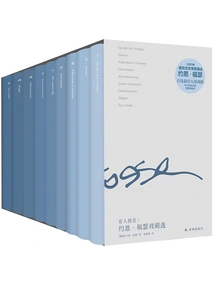
有人将至:约恩·福瑟戏剧选(全九册)
(norway) Jörn Fosse
"I sit, listen, and write everything I hear." Sound is the key to unlocking the "Fosse Universe". The sea, the rain, the undercurrent or the still water in the deep heart, the words that recur and change, the long or short stillness, everything is built according to the sound, and flows in response to the sound. Nine stories, nine parallel lives. The guitar man who sings day after day in the subway, the "man" and "woman" who meet by chance in the church cemetery in autumn, the "him" and "she" who are far away from the city and do not expect anyone to come, the husband who has not returned from a summer sea trip and the wife who is entangled in memories... Each and every nameless person, with few hints of personality or background, only a few sketches, we describe their faces in our imagination and listen to their life experiences. We discovered that the stories played out in "Fosse Universe" are the lives of every ordinary person, including ourselves. The loneliness of being helpless, the frustration of not being able to communicate, the irreparable loss of the love of the heart... The joys, sorrows and joys of life are all concentrated in Fosse's concise language that contains great emotional tension. Between the lines is his infinite compassion for all of us who meet in the wasteland of time.
"I sit, listen, and write everything I hear." Sound is the key to unlocking the "Fosse Universe". The sea, the rain, the undercurrent or the still water in the deep heart, the words that recur and change, the long or short stillness, everything is built according to the sound, and flows in response to the sound. Nine stories, nine parallel lives. The guitar man who sings day after day in the subway, the "man" and "woman" who meet by chance in the church cemetery in autumn, the "him" and "she" who are far away from the city and do not expect anyone to come, the husband who has not returned from a summer sea trip and the wife who is entangled in memories... Each and every nameless person, with few hints of personality or background, only a few sketches, we describe their faces in our imagination and listen to their life experiences. We discovered that the stories played out in "Fosse Universe" are the lives of every ordinary person, including ourselves. The loneliness of being helpless, the frustration of not being able to communicate, the irreparable loss of the love of the heart... The joys, sorrows and joys of life are all concentrated in Fosse's concise language that contains great emotional tension. Between the lines is his infinite compassion for all of us who meet in the wasteland of time.
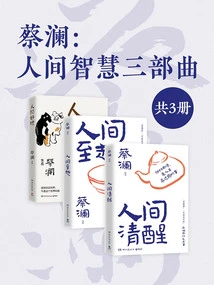
蔡澜:人间智慧三部曲(共3册)
Cai Lam
Cai Lam is humorous and elegant. He tells what he sees and hears in vivid and vivid words and shares his insights with readers. He said: "Writing for the joy of writing is the real beginning. In addition to the merit of writing, it must also be truthful and frank enough." The essays are so touching and interesting that you can feel the philosophy of life seeping out bit by bit from the words. "The Fun in the World": Talks about the "good things", "deliciousness", "fun" and "affection" in the world. It is short in length and allows you to see the world in a flower. Those who are interested will feel the wisdom of "living the fun in the world" from Mr. Cai's words. It may also help those who are interested in finding the way to a better and more accessible life. "The Most Interesting Interests in the World": It collects articles about Mr. Cai's various interests. You can understand the "secret" of Mr. Cai's appearance and abilities. Methods and experiences for obtaining fun in the fields of "writing", "painting and photography", "calligraphy" and "music and movies". This experience contains the common principles of mastery in all walks of life, and may also help interested people find a better and more accessible way of life. "Awakening in the World": This is a new collection of essays by Mr. Cai Lam. The articles contain the "mystery" of Mr. Cai's "awakening in the world". The book talks about the methods and wisdom of "life philosophy", "emotions", "spending money" and "dressing" in the world. It is short in length and allows you to see the world in a flower. Those who are interested will feel the wisdom of living a clear life in the world from Mr. Cai's words. It may also help those who are willing to find a better and more accessible way to life.
Cai Lam is humorous and elegant. He tells what he sees and hears in vivid and vivid words and shares his insights with readers. He said: "Writing for the joy of writing is the real beginning. In addition to the merit of writing, it must also be truthful and frank enough." The essays are so touching and interesting that you can feel the philosophy of life seeping out bit by bit from the words. "The Fun in the World": Talks about the "good things", "deliciousness", "fun" and "affection" in the world. It is short in length and allows you to see the world in a flower. Those who are interested will feel the wisdom of "living the fun in the world" from Mr. Cai's words. It may also help those who are interested in finding the way to a better and more accessible life. "The Most Interesting Interests in the World": It collects articles about Mr. Cai's various interests. You can understand the "secret" of Mr. Cai's appearance and abilities. Methods and experiences for obtaining fun in the fields of "writing", "painting and photography", "calligraphy" and "music and movies". This experience contains the common principles of mastery in all walks of life, and may also help interested people find a better and more accessible way of life. "Awakening in the World": This is a new collection of essays by Mr. Cai Lam. The articles contain the "mystery" of Mr. Cai's "awakening in the world". The book talks about the methods and wisdom of "life philosophy", "emotions", "spending money" and "dressing" in the world. It is short in length and allows you to see the world in a flower. Those who are interested will feel the wisdom of living a clear life in the world from Mr. Cai's words. It may also help those who are willing to find a better and more accessible way to life.
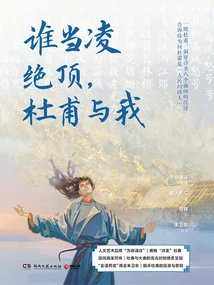
Who is the Best, Du Fu and Me?
Literature谁当凌绝顶,杜甫与我
Editor-in-chief Of Reading Poems For You
A piece of Du Fu penetrates the ups and downs of the eight aspects of the poet and tells you why Du Fu is the "people's poet". "The devastation in the world is reflected in the sages in the poems; the suffering of the people is reflected in the writings." Among the ancient and modern literati, our love for Du Fu may be unique, it is a love that is mixed with admiration and compassion. Because the pain is deeper, compassion often takes up the bulk of this love. This eternal genius became famous after his death. Fame and fortune all belonged to him, but they seemed to have nothing to do with him. His short 58 years of life were filled with sufferings such as losing his reputation, being homeless, having unrealized ambitions, and losing his son in middle age. Distress is the coat that the times have put on Du Fu. His mission is to experience it, poeticize it, and record it! But you may not know that the soul inside him is always full of righteousness. The book "Who is the Supreme Leader, Du Fu and Me" penetrates Du Fu's life from eight unique aspects, capturing his positive and determined aspects one after another. His madness, his humor, his strength and beauty, and his benevolence comforted the people in the war and generations of scholars, as well as himself. Du Fu himself has the power of self-healing.
A piece of Du Fu penetrates the ups and downs of the eight aspects of the poet and tells you why Du Fu is the "people's poet". "The devastation in the world is reflected in the sages in the poems; the suffering of the people is reflected in the writings." Among the ancient and modern literati, our love for Du Fu may be unique, it is a love that is mixed with admiration and compassion. Because the pain is deeper, compassion often takes up the bulk of this love. This eternal genius became famous after his death. Fame and fortune all belonged to him, but they seemed to have nothing to do with him. His short 58 years of life were filled with sufferings such as losing his reputation, being homeless, having unrealized ambitions, and losing his son in middle age. Distress is the coat that the times have put on Du Fu. His mission is to experience it, poeticize it, and record it! But you may not know that the soul inside him is always full of righteousness. The book "Who is the Supreme Leader, Du Fu and Me" penetrates Du Fu's life from eight unique aspects, capturing his positive and determined aspects one after another. His madness, his humor, his strength and beauty, and his benevolence comforted the people in the war and generations of scholars, as well as himself. Du Fu himself has the power of self-healing.
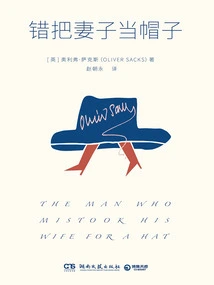
Mistaking Your Wife for a Hat
Literature错把妻子当帽子
L
We must find freedom among the shackles and perfection among the imperfections. Under the framework of illness and death, the meaning and tenacity of life are revealed. Neurologist Oliver Sacks, the best storyteller, uses his professional knowledge background, documentary literature, and humanistic care to write 24 touching clinical cases of patients with cranial nerves into 24 touching diagnosis and treatment stories, which perfectly combine science and humanity. Under the framework of illness and death, the meaning and tenacity of life are revealed. The patients in the 24 stories all have neurological diseases that have their lives severely affected; but along with this disability, they all also have some kind of talent. With their remaining abilities and talents, they tenaciously broke through the limitations caused by the disease and lived a wonderful and even glorious life. Their personalities shine through. What this means to us ordinary people is that life is always in chains, but we can always find our own way out. Cai Shushan, professor of the Department of Psychology at Tsinghua University, and Ji Shisan, founder of Guoke. Com, wrote prefaces and recommended it.
We must find freedom among the shackles and perfection among the imperfections. Under the framework of illness and death, the meaning and tenacity of life are revealed. Neurologist Oliver Sacks, the best storyteller, uses his professional knowledge background, documentary literature, and humanistic care to write 24 touching clinical cases of patients with cranial nerves into 24 touching diagnosis and treatment stories, which perfectly combine science and humanity. Under the framework of illness and death, the meaning and tenacity of life are revealed. The patients in the 24 stories all have neurological diseases that have their lives severely affected; but along with this disability, they all also have some kind of talent. With their remaining abilities and talents, they tenaciously broke through the limitations caused by the disease and lived a wonderful and even glorious life. Their personalities shine through. What this means to us ordinary people is that life is always in chains, but we can always find our own way out. Cai Shushan, professor of the Department of Psychology at Tsinghua University, and Ji Shisan, founder of Guoke. Com, wrote prefaces and recommended it.
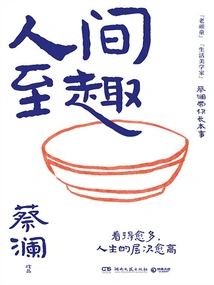
The Most Interesting Thing in the World
Literature人间至趣
Cai Lam
Cai Lam, an "old naughty boy", is "cute in his vulgarity and eats happily." How can he easily get the sense of relaxation that Cai Lam has in "living day by day"? This book "The Most Interesting Interests in the World" collects articles about Mr. Cai's various interests. You can understand the "mystery" of Mr. Cai's appearance and abilities. In the book, Mr. Cai shares his methods and experiences in obtaining fun in the fields of "writing," "painting and photography," "calligraphy," and "music and movies." This experience contains the common principles of excellence in all walks of life, and may also help interested people find a better and more accessible path to life. The article is short but touching. Cai Lan tells what he sees and hears in vivid and vivid words, and shares his insights with readers. The content contains both opinions and attitudes. Mr. Cai uses simple and popular words to share his life wisdom.
Cai Lam, an "old naughty boy", is "cute in his vulgarity and eats happily." How can he easily get the sense of relaxation that Cai Lam has in "living day by day"? This book "The Most Interesting Interests in the World" collects articles about Mr. Cai's various interests. You can understand the "mystery" of Mr. Cai's appearance and abilities. In the book, Mr. Cai shares his methods and experiences in obtaining fun in the fields of "writing," "painting and photography," "calligraphy," and "music and movies." This experience contains the common principles of excellence in all walks of life, and may also help interested people find a better and more accessible path to life. The article is short but touching. Cai Lan tells what he sees and hears in vivid and vivid words, and shares his insights with readers. The content contains both opinions and attitudes. Mr. Cai uses simple and popular words to share his life wisdom.
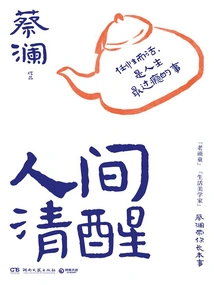
The World is Awake
Literature人间清醒
Cai Lam
"If you understand life, you will also be immoral." Life is a wilderness, and Cai Lan lives it to the fullest. This collection of essays "Awakening in the World" is the secret of Mr. Chua Lam's "relaxation". "Old naughty boy" Cai Lan shares his way of doing things in this book, and his wisdom on living life to the fullest! The book talks about the methods and wisdom of "life philosophy", "emotions", "spending money" and "dressing". How to behave, Cai Lan tells you, "Be filial to your parents. Respect your elders. Love those younger than you. Value friendship, be punctual, and keep your promises." How to behave, Cai Lan tells you, "If you understand life, you will not be serious." What is love? Cai Lam tells you that "being loved is a happy thing; loving someone is very hard." The article is short, but truly touching. Seeing the world in a flower, those who are interested will feel the wisdom of living a sober life in the world from Mr. Cai's words.
"If you understand life, you will also be immoral." Life is a wilderness, and Cai Lan lives it to the fullest. This collection of essays "Awakening in the World" is the secret of Mr. Chua Lam's "relaxation". "Old naughty boy" Cai Lan shares his way of doing things in this book, and his wisdom on living life to the fullest! The book talks about the methods and wisdom of "life philosophy", "emotions", "spending money" and "dressing". How to behave, Cai Lan tells you, "Be filial to your parents. Respect your elders. Love those younger than you. Value friendship, be punctual, and keep your promises." How to behave, Cai Lan tells you, "If you understand life, you will not be serious." What is love? Cai Lam tells you that "being loved is a happy thing; loving someone is very hard." The article is short, but truly touching. Seeing the world in a flower, those who are interested will feel the wisdom of living a sober life in the world from Mr. Cai's words.
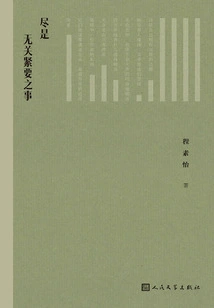
All Insignificant Things
Literature尽是无关紧要之事
Cheng Suyi
This is a collection of poetry works by poet Cheng Suyi in recent years. The collection of poems contains a total of 140 works, including "I was grounded by the heavy rain", "Reading Poems with You", "Xiang Wan", "Diary", "Rose", etc. As a female poet, the author is good at grasping the origin of poetry from small daily things or momentary emotions, and her descriptions are delicate and nuanced, with unique warmth. The poet is not limited to the expression of personal feelings, but also focuses on refining his own thinking and insights from daily observations, and has his own unique grasp and consideration of words and rhythm. The entire collection of poems is beautiful and unconventional. It spreads the wings of imagination in daily experience, and finally returns to a kind of poetic warmth and thinking.
This is a collection of poetry works by poet Cheng Suyi in recent years. The collection of poems contains a total of 140 works, including "I was grounded by the heavy rain", "Reading Poems with You", "Xiang Wan", "Diary", "Rose", etc. As a female poet, the author is good at grasping the origin of poetry from small daily things or momentary emotions, and her descriptions are delicate and nuanced, with unique warmth. The poet is not limited to the expression of personal feelings, but also focuses on refining his own thinking and insights from daily observations, and has his own unique grasp and consideration of words and rhythm. The entire collection of poems is beautiful and unconventional. It spreads the wings of imagination in daily experience, and finally returns to a kind of poetic warmth and thinking.
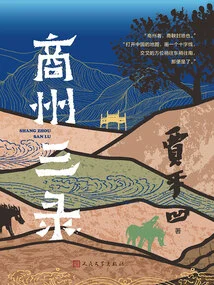
Shangzhou Sanlu
Literature商州三录
Jia Pingwa
Against the background of the rise of cities, the ancient Shangzhou deep in the Qinling Mountains is a forgotten land that "cannot keep up with the pace of the times." Jia Pingwa said, "What Shangzhou was like in the past, what it has been like over the years, and what it is like now has become an issue that needs to be disclosed to the outside world. Therefore, this is the purpose of writing this short book." "The First Record of Shangzhou" was written in 1983 and contains a total of 14 essays, describing people's events and describing scenes and scenes, each with its own emphasis, trying to depict a relatively complete "Shangzhou world" to readers. "Shangzhou Youlu" is the sequel to "Shangzhou Chulu". It uses eleven paragraphs of prose-like notes to connect Shangzhou's four seasons, customs and anecdotes in spring, summer, autumn and winter into a chapter, forming a school of Shangzhou local landscape painting. "Records of Shangzhou" is the final chapter of "Three Records of Shangzhou". The writing style is similar to "The First Records of Shangzhou", but it pays more attention to the historical and legendary nature of people and events. Although the number of articles included in it is smaller than that of "Shangzhou Chulu", the length and capacity of each article is greatly increased. As the spokesperson of his hometown, the author eulogizes the paradise-like beauty and simplicity of his hometown, Shangzhou, and expresses his praise and commemoration of the pastoral life in his hometown.
Against the background of the rise of cities, the ancient Shangzhou deep in the Qinling Mountains is a forgotten land that "cannot keep up with the pace of the times." Jia Pingwa said, "What Shangzhou was like in the past, what it has been like over the years, and what it is like now has become an issue that needs to be disclosed to the outside world. Therefore, this is the purpose of writing this short book." "The First Record of Shangzhou" was written in 1983 and contains a total of 14 essays, describing people's events and describing scenes and scenes, each with its own emphasis, trying to depict a relatively complete "Shangzhou world" to readers. "Shangzhou Youlu" is the sequel to "Shangzhou Chulu". It uses eleven paragraphs of prose-like notes to connect Shangzhou's four seasons, customs and anecdotes in spring, summer, autumn and winter into a chapter, forming a school of Shangzhou local landscape painting. "Records of Shangzhou" is the final chapter of "Three Records of Shangzhou". The writing style is similar to "The First Records of Shangzhou", but it pays more attention to the historical and legendary nature of people and events. Although the number of articles included in it is smaller than that of "Shangzhou Chulu", the length and capacity of each article is greatly increased. As the spokesperson of his hometown, the author eulogizes the paradise-like beauty and simplicity of his hometown, Shangzhou, and expresses his praise and commemoration of the pastoral life in his hometown.
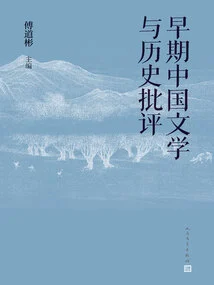
早期中国文学与历史批评
Editor-in-chief Fu Daobin
"Early Chinese Literature and Historical Criticism" is edited by Fu Daobin, a professor at the School of Liberal Arts of Harbin Normal University. It includes 17 academic papers and reviews at home and abroad on the formation of early civilization, historical operation, unearthed documents, textual research, ritual and music systems, early book version generation and writing methods, early literary research, etc. The book is divided into six columns: "Six Classics and Literature", "Zixue Era and the Literature of Various Scholars", "Unearthed Documents and Classical Scholarship", "Early Literary Theory and Criticism" and "External Sinology". It aims to describe the grand atmosphere of early Chinese literature with ritual and music culture as the soil, the city-state spirit, artifact art, text writing and the formation of the classic era, explore the unique implications of Chinese classics, and seek methodological breakthroughs in the study of early Chinese literature.
"Early Chinese Literature and Historical Criticism" is edited by Fu Daobin, a professor at the School of Liberal Arts of Harbin Normal University. It includes 17 academic papers and reviews at home and abroad on the formation of early civilization, historical operation, unearthed documents, textual research, ritual and music systems, early book version generation and writing methods, early literary research, etc. The book is divided into six columns: "Six Classics and Literature", "Zixue Era and the Literature of Various Scholars", "Unearthed Documents and Classical Scholarship", "Early Literary Theory and Criticism" and "External Sinology". It aims to describe the grand atmosphere of early Chinese literature with ritual and music culture as the soil, the city-state spirit, artifact art, text writing and the formation of the classic era, explore the unique implications of Chinese classics, and seek methodological breakthroughs in the study of early Chinese literature.
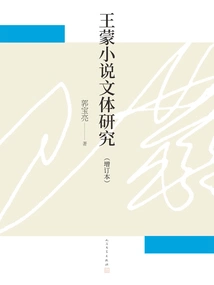
王蒙小说文体研究(增订本)
Guo Baoliang
The book was published by Peking University Press in 2006 and included in the "Literature and Cultural Studies Series" edited by Tong Qingbing. As an important contemporary Chinese writer, Wang Meng has made great achievements in stylistic innovation. From his early stream-of-consciousness attempts to his recent attempts at poetry, philosophy, and prose in his novels, they all reflect a creator's creative mentality of seeking innovation and change, as well as his free and open creative concept. Based on a thorough reading of all Wang Meng's novels, this book accurately captures the changes and invariants in Wang Meng's novel creation, and summarizes the stylistic characteristics of Wang Meng's novels. By exploring the language, narrative personality, stylistic context, and the writer's cultural mentality, the book touches the inherent cultural spirit of the novel text, explores the writer's narrative personality, cultural orientation, and understanding of life and reality, reveals the academic implications and social and cultural context of the novel, and strives to present the significance and limitations of the stylistic innovation of Wang Meng's novels. After the first edition of the book, it was well received by the academic community and has been published in traditional Chinese. In this reprint, the author has revised the previous statement and added the research results of tracking Wang Meng in the past fifteen years.
The book was published by Peking University Press in 2006 and included in the "Literature and Cultural Studies Series" edited by Tong Qingbing. As an important contemporary Chinese writer, Wang Meng has made great achievements in stylistic innovation. From his early stream-of-consciousness attempts to his recent attempts at poetry, philosophy, and prose in his novels, they all reflect a creator's creative mentality of seeking innovation and change, as well as his free and open creative concept. Based on a thorough reading of all Wang Meng's novels, this book accurately captures the changes and invariants in Wang Meng's novel creation, and summarizes the stylistic characteristics of Wang Meng's novels. By exploring the language, narrative personality, stylistic context, and the writer's cultural mentality, the book touches the inherent cultural spirit of the novel text, explores the writer's narrative personality, cultural orientation, and understanding of life and reality, reveals the academic implications and social and cultural context of the novel, and strives to present the significance and limitations of the stylistic innovation of Wang Meng's novels. After the first edition of the book, it was well received by the academic community and has been published in traditional Chinese. In this reprint, the author has revised the previous statement and added the research results of tracking Wang Meng in the past fifteen years.
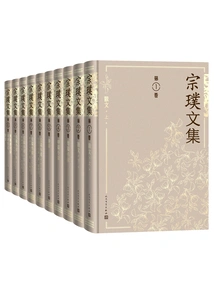
宗璞文集:全十卷
Zong Pu
Zong Pu is an important writer in the history of contemporary Chinese literature. She has profound knowledge, elegant writing, and her works are popular and have far-reaching influence. Her works have won many authoritative awards including the Mao Dun Literature Award, the Lu Xun Literature Award, and the National Outstanding Short and Novella Award. "Zong Pu's Collected Works" collects Zong Pu's major works in his literary career of nearly 80 years, including the multi-volume novel "Ye Gourd Yin", which was completed in 32 years, short and medium-length novels such as "Red Bean" and "Sansheng Stone", which have become classics, and "West Lake Essays" "Wisteria Waterfall", "Lilac Knot", "Heart's Entrustment", "Sansongtang Broken Memories", "Crying Brother" and other classic prose works, as well as fairy tale masterpieces such as "The Story of the Lobe" and "Flowers", as well as some of her poems, translations, creative talks and other works. "Collected Works of Zong Pu" is planned to be compiled into ten volumes.
Zong Pu is an important writer in the history of contemporary Chinese literature. She has profound knowledge, elegant writing, and her works are popular and have far-reaching influence. Her works have won many authoritative awards including the Mao Dun Literature Award, the Lu Xun Literature Award, and the National Outstanding Short and Novella Award. "Zong Pu's Collected Works" collects Zong Pu's major works in his literary career of nearly 80 years, including the multi-volume novel "Ye Gourd Yin", which was completed in 32 years, short and medium-length novels such as "Red Bean" and "Sansheng Stone", which have become classics, and "West Lake Essays" "Wisteria Waterfall", "Lilac Knot", "Heart's Entrustment", "Sansongtang Broken Memories", "Crying Brother" and other classic prose works, as well as fairy tale masterpieces such as "The Story of the Lobe" and "Flowers", as well as some of her poems, translations, creative talks and other works. "Collected Works of Zong Pu" is planned to be compiled into ten volumes.
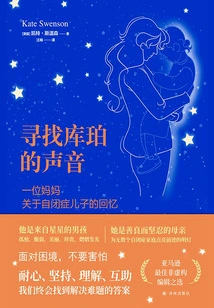
寻找库珀的声音:一位妈妈关于自闭症儿子的回忆
(us) Kate Swainson
This is a confession written by a mother of an autistic child. Over the years, Kate Swainson has provided comfort to thousands of autistic families around the world through her popular blog, Finding Cooper's Voice. When Swainson's son Cooper was diagnosed with severe autism, she was surrounded by intense feelings of frustration and exhaustion. However, as a mother, she refused to give up and persevered, giving endless love to her child and accompanying him to grow. At the same time, she also actively worked with other parents of autistic children and experienced touching stories one after another. In this book of tears and love, Swinson shares her inspiring journey with sincerity and empathy, bringing hope to others walking the same path.
This is a confession written by a mother of an autistic child. Over the years, Kate Swainson has provided comfort to thousands of autistic families around the world through her popular blog, Finding Cooper's Voice. When Swainson's son Cooper was diagnosed with severe autism, she was surrounded by intense feelings of frustration and exhaustion. However, as a mother, she refused to give up and persevered, giving endless love to her child and accompanying him to grow. At the same time, she also actively worked with other parents of autistic children and experienced touching stories one after another. In this book of tears and love, Swinson shares her inspiring journey with sincerity and empathy, bringing hope to others walking the same path.
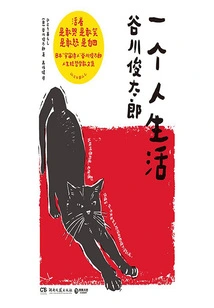
R
Literaturer
J
To live is to dare to cry, dare to laugh, dare to be angry and be free. And living alone is an attitude towards life. A person's life is not to be completely alone, but to talk more freely with oneself, friends and the world. "Living Alone" is the work of Japanese soul poet Shuntaro Tanikawa when he was in his late seventies. During this period, he experienced the death of his father, the birth of his grandson, the separation of his friends, and began to live alone. Through Shuntaro Tanigawa, we can see the ideal of a person's life: passion, loneliness, elegance and freedom. He defends a person's life, using delicate and Zen-like writing to record those mood swings that are easily obscured by daily trivial matters and difficult to capture. Starting from the trivial and ordinary daily necessities such as food, clothing, housing and transportation, he writes letters, eats, listens to concerts, and writes poems, describing his understanding of family, friendship, and love, and talks about life, death, and aesthetics wisely and generously. Life is difficult to describe in one sentence, but the author tells everything frankly, creating this collection of essays full of light philosophy on life. Everyone needs a space of their own, where a free soul lives.
To live is to dare to cry, dare to laugh, dare to be angry and be free. And living alone is an attitude towards life. A person's life is not to be completely alone, but to talk more freely with oneself, friends and the world. "Living Alone" is the work of Japanese soul poet Shuntaro Tanikawa when he was in his late seventies. During this period, he experienced the death of his father, the birth of his grandson, the separation of his friends, and began to live alone. Through Shuntaro Tanigawa, we can see the ideal of a person's life: passion, loneliness, elegance and freedom. He defends a person's life, using delicate and Zen-like writing to record those mood swings that are easily obscured by daily trivial matters and difficult to capture. Starting from the trivial and ordinary daily necessities such as food, clothing, housing and transportation, he writes letters, eats, listens to concerts, and writes poems, describing his understanding of family, friendship, and love, and talks about life, death, and aesthetics wisely and generously. Life is difficult to describe in one sentence, but the author tells everything frankly, creating this collection of essays full of light philosophy on life. Everyone needs a space of their own, where a free soul lives.
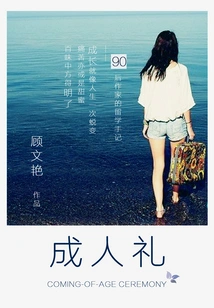
Coming of Age Ceremony
Literature成人礼
Gu Wenyan
When she was 17 years old, she boarded a plane to the United States alone and began her life of studying abroad in a foreign country. What does she face in a foreign country? Is she happy? Is she distressed? What will she lose and what will she gain? The letter written by Gu Wenyan, a post-90s writer, to her mother while she was studying abroad shows her experiences and feelings in terms of food, clothing, housing, transportation, interpersonal communication, etc. When she first arrived in the United States, gradually adapted, and then exchanged and studied in the UK. There was novelty and excitement, confusion and confusion, tears, and laughter. What makes parents most happy is the inner transformation and spiritual growth of their daughter.
When she was 17 years old, she boarded a plane to the United States alone and began her life of studying abroad in a foreign country. What does she face in a foreign country? Is she happy? Is she distressed? What will she lose and what will she gain? The letter written by Gu Wenyan, a post-90s writer, to her mother while she was studying abroad shows her experiences and feelings in terms of food, clothing, housing, transportation, interpersonal communication, etc. When she first arrived in the United States, gradually adapted, and then exchanged and studied in the UK. There was novelty and excitement, confusion and confusion, tears, and laughter. What makes parents most happy is the inner transformation and spiritual growth of their daughter.
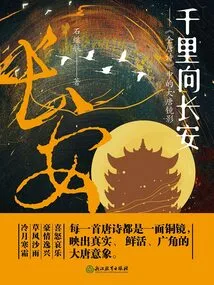
千里向长安:《全唐诗》中的大唐镜影
Shi Jihang
Chang'an in the prosperous Tang Dynasty was a dream city in people's hearts. Chang'an has color, with its splendor and splendor; Chang'an has voice, with the loud and resonant voice of the prosperous times; Chang'an has character, with the Tang Dynasty's enthusiasm and magnanimity. The magnificent city of Chang'an, which was glorious for thousands of years in the past, now only exists in our imagination. What was the real Tang Dynasty like? What were the real poets of the Tang Dynasty like? Fortunately, we also have "Complete Poems of the Tang Dynasty". The author uses poetry to testify to history, and in chronological order, he shows the elegance of the early Tang Dynasty, the splendor of the prosperous Tang Dynasty, the desolation of the middle Tang Dynasty, and the precariousness of the late Tang Dynasty. Appreciate the prosperity of the prosperous times thousands of years ago and feel the real charm of the Tang Dynasty. This book tells the story of the 289 years of the Tang Dynasty through more than 300 Tang poems: emperors, important ministers, generals, aristocratic families, poets, swordsmen, official prostitutes, princesses, common people... It is divided into four parts: "Impressions of the Early Tang Dynasty", "Glory of the Prosperous Tang Dynasty", "Winds of the Mid-Tang Dynasty" and "Remaining Photos of the Late Tang Dynasty", which together form a picture of all living beings in the Tang Dynasty.
Chang'an in the prosperous Tang Dynasty was a dream city in people's hearts. Chang'an has color, with its splendor and splendor; Chang'an has voice, with the loud and resonant voice of the prosperous times; Chang'an has character, with the Tang Dynasty's enthusiasm and magnanimity. The magnificent city of Chang'an, which was glorious for thousands of years in the past, now only exists in our imagination. What was the real Tang Dynasty like? What were the real poets of the Tang Dynasty like? Fortunately, we also have "Complete Poems of the Tang Dynasty". The author uses poetry to testify to history, and in chronological order, he shows the elegance of the early Tang Dynasty, the splendor of the prosperous Tang Dynasty, the desolation of the middle Tang Dynasty, and the precariousness of the late Tang Dynasty. Appreciate the prosperity of the prosperous times thousands of years ago and feel the real charm of the Tang Dynasty. This book tells the story of the 289 years of the Tang Dynasty through more than 300 Tang poems: emperors, important ministers, generals, aristocratic families, poets, swordsmen, official prostitutes, princesses, common people... It is divided into four parts: "Impressions of the Early Tang Dynasty", "Glory of the Prosperous Tang Dynasty", "Winds of the Mid-Tang Dynasty" and "Remaining Photos of the Late Tang Dynasty", which together form a picture of all living beings in the Tang Dynasty.
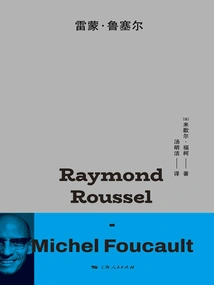
Raymond Russell
Literature雷蒙·鲁塞尔
Michel Foucault
In this book, Foucault provides a detailed interpretation of metaphors, silences, and puns in the works of French writer Raymond Roussel. Raymond Roussel was a French poet, novelist, and playwright. He was a contemporary of Proust, another great French writer, and had contacts with the latter. He had a great influence on French literature in the 20th century, including Andre Breton of the Surrealist movement, Georges Perec of Oulibeau, and Alain Robbe-Grillet of the New Novel School. Russell's works are always full of language games. He was not well-known during his lifetime and his works were not well received. In 1933, he was found dead in his hotel room. Through his interpretation of Raymond Russell's works, Foucault reveals to us the relationship between language and death. He believes that the real task of literature is not to express or reflect the reality of "things", but to show the process of its flash and diffusion, creating a "blank" that language is eager to enter. In other words, if we look at literature from the opposite direction, that is, using the method of Raymond Russell, we will find that language actually expresses nothing at all. Language just keeps itself a "hole". In this sense, language has been sentenced to "death". It is language itself that has sentenced itself to death. Russell not only reveals the "emptiness" of language, but also the "emptiness" of the "things" spoken of by language. In Foucault's mind, this is the core of Raymond Russell's literary creation. He invented a language machine, but this machine has no secrets. There is only a relationship between language and death that language tries to maintain, unravel or re-establish, or repeats endlessly.
In this book, Foucault provides a detailed interpretation of metaphors, silences, and puns in the works of French writer Raymond Roussel. Raymond Roussel was a French poet, novelist, and playwright. He was a contemporary of Proust, another great French writer, and had contacts with the latter. He had a great influence on French literature in the 20th century, including Andre Breton of the Surrealist movement, Georges Perec of Oulibeau, and Alain Robbe-Grillet of the New Novel School. Russell's works are always full of language games. He was not well-known during his lifetime and his works were not well received. In 1933, he was found dead in his hotel room. Through his interpretation of Raymond Russell's works, Foucault reveals to us the relationship between language and death. He believes that the real task of literature is not to express or reflect the reality of "things", but to show the process of its flash and diffusion, creating a "blank" that language is eager to enter. In other words, if we look at literature from the opposite direction, that is, using the method of Raymond Russell, we will find that language actually expresses nothing at all. Language just keeps itself a "hole". In this sense, language has been sentenced to "death". It is language itself that has sentenced itself to death. Russell not only reveals the "emptiness" of language, but also the "emptiness" of the "things" spoken of by language. In Foucault's mind, this is the core of Raymond Russell's literary creation. He invented a language machine, but this machine has no secrets. There is only a relationship between language and death that language tries to maintain, unravel or re-establish, or repeats endlessly.
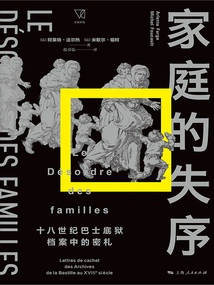
家庭的失序:十八世纪巴士底狱档案中的密札
(france) Arlette Farge Et Al.
This book mainly consists of secret letters written by Paris citizens before the French Revolution in the 18th century to the king and his agents requesting the secret imprisonment of their families. These secret letters are roughly classified according to themes, focusing on the unhappy relationship between husband and wife, parent-child relationship, etc., And tell the story of trivial and embarrassing family scandals. These secret letters were presented to those in authority in an attempt to bypass formal judicial procedures, secretly imprison family members, and correct their bad habits. Through this secret incarceration, the family's reputation will not be tarnished and the petitioner's compliance with and support for state authority will be demonstrated. However, under this informal procedure, the abuse of the Secret Code system is inevitable. People write letters arbitrarily for selfish desires or private anger. The king's agents, the police, have the final authority to interpret the Secret Code and its subsequent imprisonment system. They will also demonstrate their administrative power by agreeing, rejecting, or changing the imprisonment request. For various reasons, the secret order system disappeared in the late eighteenth century. By displaying a large number of secret documents from the Paris police in the eighteenth century, this book reminds readers to think about the chaos and disorder caused by the intervention of public power into the private sphere.
This book mainly consists of secret letters written by Paris citizens before the French Revolution in the 18th century to the king and his agents requesting the secret imprisonment of their families. These secret letters are roughly classified according to themes, focusing on the unhappy relationship between husband and wife, parent-child relationship, etc., And tell the story of trivial and embarrassing family scandals. These secret letters were presented to those in authority in an attempt to bypass formal judicial procedures, secretly imprison family members, and correct their bad habits. Through this secret incarceration, the family's reputation will not be tarnished and the petitioner's compliance with and support for state authority will be demonstrated. However, under this informal procedure, the abuse of the Secret Code system is inevitable. People write letters arbitrarily for selfish desires or private anger. The king's agents, the police, have the final authority to interpret the Secret Code and its subsequent imprisonment system. They will also demonstrate their administrative power by agreeing, rejecting, or changing the imprisonment request. For various reasons, the secret order system disappeared in the late eighteenth century. By displaying a large number of secret documents from the Paris police in the eighteenth century, this book reminds readers to think about the chaos and disorder caused by the intervention of public power into the private sphere.
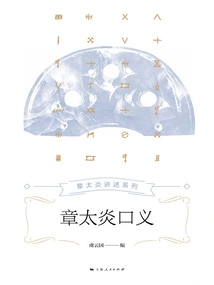
Zhang Taiyan's Oral Meaning
Literature章太炎口义
Yu Yunguo
This book is one of the "Zhang Taiyan Narrative Series", which aims to study, discover and organize Zhang Taiyan's academic thoughts, and compile and publish the popular results of Zhang Taiyan's research. Compiled and selected by Professor Yu Yunguo, a famous expert on Song history. Zhang Taiyan (January 12, 1869 - June 14, 1936), named Binglin, also named Meishu, was originally named Xuecheng. Later his name was changed to Jiang, and his nickname was Taiyan. He was a native of Yuhang, Zhejiang. He was a democratic revolutionary and thinker in the late Qing Dynasty and the early Republic of China, and a famous master of Pu Xue in modern China. His research scope covered primary school, history, philosophy, politics, etc., And he wrote many books. He also took teaching Chinese studies as his own responsibility and was known as a "learned revolutionist". Guoyi is a writing genre that emerged after the Song Dynasty, which is a student's transcript of the teacher's conversational lectures. Compared with high-level sermons, oral expressions are free and lively in form, eclectic in content, and often generate discussions on a certain issue. This book includes Zhang Taiyan's three works named after the Han Dynasty and 27 "Issues about the Han Dynasty". It is mainly based on Buddhist knowledge-only theory, and comprehensively compares it with Chinese Confucianism, Taoism, Yi, Xuanxuan, Neo-Confucianism, etc., Including classics, medicine, calendars, mathematics, music, literature, phonology, etc. Since the pre-Qin Dynasty. Historical events, etc., Are often involved, and have a specific status in Mr. Taiyan's abundant academic works; in the process, he also recounts the changes in academic thoughts, as a self-identification, so it has attracted much attention from scholars, and has been highly praised by Liang Qichao, Qian Mu, etc., And it is an important reference work for learning and researching Chinese traditional culture.
This book is one of the "Zhang Taiyan Narrative Series", which aims to study, discover and organize Zhang Taiyan's academic thoughts, and compile and publish the popular results of Zhang Taiyan's research. Compiled and selected by Professor Yu Yunguo, a famous expert on Song history. Zhang Taiyan (January 12, 1869 - June 14, 1936), named Binglin, also named Meishu, was originally named Xuecheng. Later his name was changed to Jiang, and his nickname was Taiyan. He was a native of Yuhang, Zhejiang. He was a democratic revolutionary and thinker in the late Qing Dynasty and the early Republic of China, and a famous master of Pu Xue in modern China. His research scope covered primary school, history, philosophy, politics, etc., And he wrote many books. He also took teaching Chinese studies as his own responsibility and was known as a "learned revolutionist". Guoyi is a writing genre that emerged after the Song Dynasty, which is a student's transcript of the teacher's conversational lectures. Compared with high-level sermons, oral expressions are free and lively in form, eclectic in content, and often generate discussions on a certain issue. This book includes Zhang Taiyan's three works named after the Han Dynasty and 27 "Issues about the Han Dynasty". It is mainly based on Buddhist knowledge-only theory, and comprehensively compares it with Chinese Confucianism, Taoism, Yi, Xuanxuan, Neo-Confucianism, etc., Including classics, medicine, calendars, mathematics, music, literature, phonology, etc. Since the pre-Qin Dynasty. Historical events, etc., Are often involved, and have a specific status in Mr. Taiyan's abundant academic works; in the process, he also recounts the changes in academic thoughts, as a self-identification, so it has attracted much attention from scholars, and has been highly praised by Liang Qichao, Qian Mu, etc., And it is an important reference work for learning and researching Chinese traditional culture.
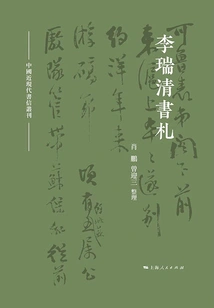
Letters from Li Ruiqing
Literature李瑞清书札
Compiled By Xiao Peng And Zeng Yingsan
Private letters are a record of interpersonal interactions. Because of their privacy, they are often less scrupulous and can reveal a large number of unknown secrets. As a kind of historical material, it can restore a large number of historical details and subtleties. Important letters can even rewrite historical narratives. In recent years, it has attracted special attention from the academic community. Li Ruiqing is a famous educator, calligrapher, painter, and connoisseur of cultural relics in my country. He, together with Wu Changshuo, Zeng Xi, and Huang Binhong, are known as the "Four Monsters of the Sea." He is also an important founder and reformer of modern Chinese education, a pioneer of modern Chinese art education, and a pioneer of modern higher normal education in China. This book contains more than 200 letters written by Li Ruiqing to his teachers, friends and relatives, involving a large number of famous figures in modern history, such as Duan Fang, Ha Lu, Kang Youwei, Liang Dingfen, Zhang Jian, Liu Yizheng, Shen Zengzhi, etc. It is rich in content and is an important historical document.
Private letters are a record of interpersonal interactions. Because of their privacy, they are often less scrupulous and can reveal a large number of unknown secrets. As a kind of historical material, it can restore a large number of historical details and subtleties. Important letters can even rewrite historical narratives. In recent years, it has attracted special attention from the academic community. Li Ruiqing is a famous educator, calligrapher, painter, and connoisseur of cultural relics in my country. He, together with Wu Changshuo, Zeng Xi, and Huang Binhong, are known as the "Four Monsters of the Sea." He is also an important founder and reformer of modern Chinese education, a pioneer of modern Chinese art education, and a pioneer of modern higher normal education in China. This book contains more than 200 letters written by Li Ruiqing to his teachers, friends and relatives, involving a large number of famous figures in modern history, such as Duan Fang, Ha Lu, Kang Youwei, Liang Dingfen, Zhang Jian, Liu Yizheng, Shen Zengzhi, etc. It is rich in content and is an important historical document.
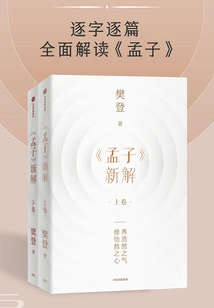
《孟子》新解(全2册)
Fan Deng
Why are Mencius' thoughts still worth reading again and again today? "Mencius" is one of the "Four Books". It records the political, educational, philosophical, ethical and other ideological views and political activities of Mencius and his disciples. It is a basic classic of Confucianism. It has profoundly shaped the spiritual core of the Chinese people and has alerted and inspired countless promising people throughout the ages. "New Interpretation of "Mencius"" contains Dr. Fan Deng's word-for-word explanation and analysis of "Mencius". It combines different disciplines such as psychology, leadership, economics, management, and complex science to give a new interpretation of Mencius's teachings from a modern perspective, helping readers draw nutrients from the wisdom of sages, answer life's puzzles, and awaken their inner strength.
Why are Mencius' thoughts still worth reading again and again today? "Mencius" is one of the "Four Books". It records the political, educational, philosophical, ethical and other ideological views and political activities of Mencius and his disciples. It is a basic classic of Confucianism. It has profoundly shaped the spiritual core of the Chinese people and has alerted and inspired countless promising people throughout the ages. "New Interpretation of "Mencius"" contains Dr. Fan Deng's word-for-word explanation and analysis of "Mencius". It combines different disciplines such as psychology, leadership, economics, management, and complex science to give a new interpretation of Mencius's teachings from a modern perspective, helping readers draw nutrients from the wisdom of sages, answer life's puzzles, and awaken their inner strength.
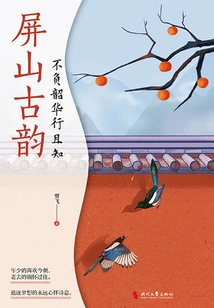
Pingshan Ancient Charm
Literature屏山古韵
Jia Fei
When Xian Yi Ang Ma was a boy, he searched for beautiful years in poetry and loved life while continuing the Chinese context. This book is a collection of poems. The author, Jia Fei, is a leader among the young generation of writers born after 1985. With his many years of love for ancient poetry, he has left behind a poem that can represent the outlook on life and world view of the younger generation under the influence of the rapidly developing society. It shows the author's self-perceived principles of life and his love for the world and life.
When Xian Yi Ang Ma was a boy, he searched for beautiful years in poetry and loved life while continuing the Chinese context. This book is a collection of poems. The author, Jia Fei, is a leader among the young generation of writers born after 1985. With his many years of love for ancient poetry, he has left behind a poem that can represent the outlook on life and world view of the younger generation under the influence of the rapidly developing society. It shows the author's self-perceived principles of life and his love for the world and life.
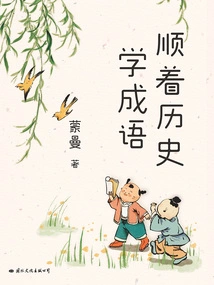
Learn Idioms Along the Lines of History
Literature顺着历史学成语
Monman
Are addition, subtraction, multiplication and division idioms? Is "cat and dog" an idiom? Is it an idiom to put oneself to death and live another life? Is it an idiom that a wise man will always make a mistake if he worries a lot; a fool will gain something if he worries a lot? Yes, these are all idioms. Idioms are fixed expressions that are established by convention. Idioms are produced in history, and idioms from different eras reflect the historical features of different eras. "Learning Idioms Following History" is an idiom course specially designed by Teacher Mengman for primary and middle school students. According to the historical development sequence from the pre-Qin Dynasty to the Yuan, Ming and Qing Dynasties, and closely following the textbook, 100+ key idioms are taught in series. Explore the origin of idioms, explain the allusions behind idioms, and clarify the meaning and usage of idioms. Let children learn to draw inferences from one example, learn history vividly, and use idioms flexibly.
Are addition, subtraction, multiplication and division idioms? Is "cat and dog" an idiom? Is it an idiom to put oneself to death and live another life? Is it an idiom that a wise man will always make a mistake if he worries a lot; a fool will gain something if he worries a lot? Yes, these are all idioms. Idioms are fixed expressions that are established by convention. Idioms are produced in history, and idioms from different eras reflect the historical features of different eras. "Learning Idioms Following History" is an idiom course specially designed by Teacher Mengman for primary and middle school students. According to the historical development sequence from the pre-Qin Dynasty to the Yuan, Ming and Qing Dynasties, and closely following the textbook, 100+ key idioms are taught in series. Explore the origin of idioms, explain the allusions behind idioms, and clarify the meaning and usage of idioms. Let children learn to draw inferences from one example, learn history vividly, and use idioms flexibly.
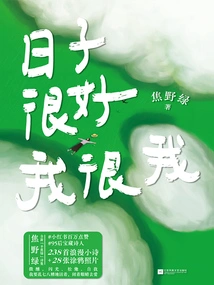
The Days Are Good, I Am Very Me
Literature日子很好,我很我
Jiao Ye Green
"I want to live a messy life and love with my eyes closed." Xiaohongshu has received over a million likes. Jiao Yelu, a cutting-edge young poet, has released a new "Bu Jiao Green" healing poetry collection. "The days are good, I am very me" contains 238 romantic poems, accompanied by 28 photos of street graffiti poems, telling the moments when each of us is stung by life and embraced by love. This is a little green book full of transparency. It is in a small hardcover format, making it easy to carry around. The well-known painter lost7 was specially invited to draw the "Not Banana Green" illustrations. The ink color of the text on the inner pages is metallic green, and the cover is made of transparent material, full of fresh summer atmosphere.
"I want to live a messy life and love with my eyes closed." Xiaohongshu has received over a million likes. Jiao Yelu, a cutting-edge young poet, has released a new "Bu Jiao Green" healing poetry collection. "The days are good, I am very me" contains 238 romantic poems, accompanied by 28 photos of street graffiti poems, telling the moments when each of us is stung by life and embraced by love. This is a little green book full of transparency. It is in a small hardcover format, making it easy to carry around. The well-known painter lost7 was specially invited to draw the "Not Banana Green" illustrations. The ink color of the text on the inner pages is metallic green, and the cover is made of transparent material, full of fresh summer atmosphere.
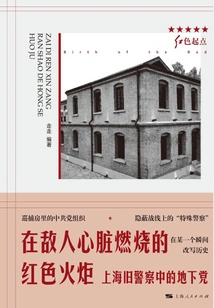
The Red Torch Burning in the Heart of the Enemy: the Underground Party Among Shanghai's Old Police
Literature在敌人心脏燃烧的红色火炬:上海旧警察中的地下党
Compiled By Walking Around
This book is one of the "Red Starting Points" series. It focuses on the members of the Communist Party of China in the Shanghai police system and is divided into "Sparks of Fire". The four parts of "Starting to start a prairie fire", "In the heart of the enemy, the 'Police Committee' lit the red torch", "Hidden front, rewriting history in a certain moment" and "Cooperating inside and outside to welcome liberation" tell a series of vivid and thrilling stories such as the Shanghai police system established the first Chinese Communist Party branch, defended the Zhou Mansion, led Shanghai street vendors in resistance, and participated in instigating the rebellion of the Motor Vehicle Brigade of the Kuomintang Police Station.
This book is one of the "Red Starting Points" series. It focuses on the members of the Communist Party of China in the Shanghai police system and is divided into "Sparks of Fire". The four parts of "Starting to start a prairie fire", "In the heart of the enemy, the 'Police Committee' lit the red torch", "Hidden front, rewriting history in a certain moment" and "Cooperating inside and outside to welcome liberation" tell a series of vivid and thrilling stories such as the Shanghai police system established the first Chinese Communist Party branch, defended the Zhou Mansion, led Shanghai street vendors in resistance, and participated in instigating the rebellion of the Motor Vehicle Brigade of the Kuomintang Police Station.
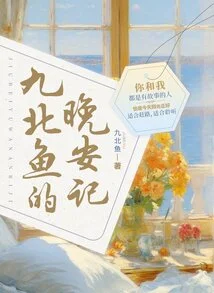
Jiubiyu's Good Night
Literature九北鱼的晚安记
Nine Northern Fish
Opening the title page of the book, thoughts come from all directions like the wind. A good night, a letter, and a story describe the life insights of an ordinary young man. I always believe that the resonance of the soul is better than a thousand words. I hope words can be used as lamps to illuminate the rest of our lives thousands of miles apart. I hope someone will accompany you to say good night when you return from the windy and snowy night. The mountains are high and the water is wide, and the stars are sparse. On this journey, accept the sorrow, joy and temperature of fate, and dance with it.
Opening the title page of the book, thoughts come from all directions like the wind. A good night, a letter, and a story describe the life insights of an ordinary young man. I always believe that the resonance of the soul is better than a thousand words. I hope words can be used as lamps to illuminate the rest of our lives thousands of miles apart. I hope someone will accompany you to say good night when you return from the windy and snowy night. The mountains are high and the water is wide, and the stars are sparse. On this journey, accept the sorrow, joy and temperature of fate, and dance with it.
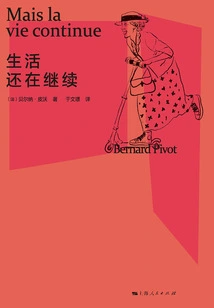
Life Goes On
Literature生活还在继续
(france) Bernard Pivot
We all grow old. When you were busy working when you were young, did you understand your parents' weird tempers? When you get older and worry about your health, do you accept your new self? Bernard Pivot tells the story of the life of an octogenarian through his protagonist Guillaume Jules. Before his retirement, Guillaume was the editor-in-chief and owner of a French publishing house. After his retirement, he bid farewell to his busy life and became one of the "young Parisians in their prime years." They travel and chat together, fight mental decline and complain about illness together. Guillaume fell in love with Manon, who was 18 years younger than him, but still lived alone; Septu was about to marry Raphael, but died of the new coronavirus; the Gailmilons always bickered and quarreled, but the Blazic couple were gentle, quiet and cautious; Nona, who was in her nineties, was the spiritual leader of the team - elegant, wise and quirky. The happiness of small groups, the panic of information islands, the joy of childhood memories, the intoxication of slow life... Through diary-like friendly, relaxed and humorous words, the author presents the optimism and wisdom of old age. Although he is over eighty, life goes on...
We all grow old. When you were busy working when you were young, did you understand your parents' weird tempers? When you get older and worry about your health, do you accept your new self? Bernard Pivot tells the story of the life of an octogenarian through his protagonist Guillaume Jules. Before his retirement, Guillaume was the editor-in-chief and owner of a French publishing house. After his retirement, he bid farewell to his busy life and became one of the "young Parisians in their prime years." They travel and chat together, fight mental decline and complain about illness together. Guillaume fell in love with Manon, who was 18 years younger than him, but still lived alone; Septu was about to marry Raphael, but died of the new coronavirus; the Gailmilons always bickered and quarreled, but the Blazic couple were gentle, quiet and cautious; Nona, who was in her nineties, was the spiritual leader of the team - elegant, wise and quirky. The happiness of small groups, the panic of information islands, the joy of childhood memories, the intoxication of slow life... Through diary-like friendly, relaxed and humorous words, the author presents the optimism and wisdom of old age. Although he is over eighty, life goes on...
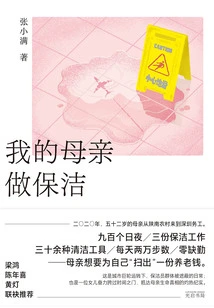
My Mother Does Cleaning
Literature我的母亲做保洁
Zhang Xiaoman
In 2020, a 52-year-old mother came to Shenzhen from rural Shaanxi to work. After living independently for more than ten years, "I" and my mother reunited in Shenzhen and lived under the same roof again. We quarreled in the small room. My mother couldn't stand the way "I" spent money, and "I" couldn't stand my mother's living habits. We are entangled, burdened, and dependent on each other. However, we love each other, and "I" know very well that my mother's weakness is her unreserved love for me. So, "I" wanted to understand her. "My" mother spent her youth working in mines and construction sites, and now works as a cleaner in a few spaces in a city office building. "I" want to record my mother's working history and try to travel through the life in her memory. My mother's life established an "enclave" of life for "me" who was working like a screw, allowing "me" to breathe, look back, and cherish where I came from. This is a writing project that we, mother and daughter, completed together.
In 2020, a 52-year-old mother came to Shenzhen from rural Shaanxi to work. After living independently for more than ten years, "I" and my mother reunited in Shenzhen and lived under the same roof again. We quarreled in the small room. My mother couldn't stand the way "I" spent money, and "I" couldn't stand my mother's living habits. We are entangled, burdened, and dependent on each other. However, we love each other, and "I" know very well that my mother's weakness is her unreserved love for me. So, "I" wanted to understand her. "My" mother spent her youth working in mines and construction sites, and now works as a cleaner in a few spaces in a city office building. "I" want to record my mother's working history and try to travel through the life in her memory. My mother's life established an "enclave" of life for "me" who was working like a screw, allowing "me" to breathe, look back, and cherish where I came from. This is a writing project that we, mother and daughter, completed together.
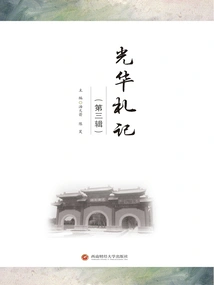
Guanghua Notes (Third Series)
Literature光华札记(第三辑)
Tang Rocket Editor-in-chief Chen Hao
In promoting the "Masterpiece Reading" project, the Academic Affairs Office of Southwestern University of Finance and Economics guided the establishment of Guanghua Reading Club. Guanghua Reading Club adheres to the spirit of "making friends with literature, and supporting people with friends", carries out distinctive and diverse reading activities, and compiles and publishes excellent reading notes from reading activities on various themes every year. Guanghua Notes (Third Edition) selects the works of outstanding students in the 2021 Reading Note Contest, including reading notes on financial classics, party history educational works, recommended readings for college students and best-selling reading notes, showing the thoughts, feelings and understandings of contemporary college students. The reading notes have been reviewed by experts from Sichuan University, Southwestern University of Finance and Economics, and reviewed by the Academic Affairs Office of Southwestern University of Finance and Economics and other departments, presenting excellent student reading notes.
In promoting the "Masterpiece Reading" project, the Academic Affairs Office of Southwestern University of Finance and Economics guided the establishment of Guanghua Reading Club. Guanghua Reading Club adheres to the spirit of "making friends with literature, and supporting people with friends", carries out distinctive and diverse reading activities, and compiles and publishes excellent reading notes from reading activities on various themes every year. Guanghua Notes (Third Edition) selects the works of outstanding students in the 2021 Reading Note Contest, including reading notes on financial classics, party history educational works, recommended readings for college students and best-selling reading notes, showing the thoughts, feelings and understandings of contemporary college students. The reading notes have been reviewed by experts from Sichuan University, Southwestern University of Finance and Economics, and reviewed by the Academic Affairs Office of Southwestern University of Finance and Economics and other departments, presenting excellent student reading notes.
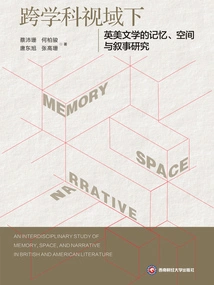
跨学科视域下英美文学的记忆、空间与叙事研究
Cai Peishan Et Al.
The interdisciplinary perspective of literature is the inherent requirement and development direction in the context of the construction of new liberal arts. Combined with the development of the humanities and social sciences, this book focuses on several classic writers of modern and contemporary British and American literature such as D. H. Lawrence and Evelyn Waugh. It mainly uses the body, space, memory, narratology and other multi-dimensional and interdisciplinary critical perspectives in British and American literary studies as theoretical resources. It explores "Lady Chatterley" on the basis of full investigation, arrangement and analysis of existing research. "The Lover" and "Old Place Revisited" and many other works strive to break down the barriers of literature, history, philosophy, sociology and other disciplines in the process of comprehensively, profoundly and critically grasping literary texts, and highlight the intersectionality, permeability and mutual illumination between literature and other disciplines, in order to provide new ideas and references for the study of British and American literature under the guidance of new liberal arts, interdisciplinary and interprofessional.
The interdisciplinary perspective of literature is the inherent requirement and development direction in the context of the construction of new liberal arts. Combined with the development of the humanities and social sciences, this book focuses on several classic writers of modern and contemporary British and American literature such as D. H. Lawrence and Evelyn Waugh. It mainly uses the body, space, memory, narratology and other multi-dimensional and interdisciplinary critical perspectives in British and American literary studies as theoretical resources. It explores "Lady Chatterley" on the basis of full investigation, arrangement and analysis of existing research. "The Lover" and "Old Place Revisited" and many other works strive to break down the barriers of literature, history, philosophy, sociology and other disciplines in the process of comprehensively, profoundly and critically grasping literary texts, and highlight the intersectionality, permeability and mutual illumination between literature and other disciplines, in order to provide new ideas and references for the study of British and American literature under the guidance of new liberal arts, interdisciplinary and interprofessional.
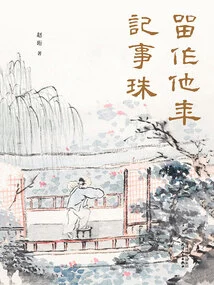
Keep it as a Memento for Future Years
Literature留作他年记事珠
Zhao Heng
Mr. Zhao Heng, a well-known scholar and cultural master, selected 34 recent works and compiled them into a collection of essays "Memories for Future Years". Mr. Zhao Heng adheres to his consistent simple and sincere style, and uses his profound cultural accumulation and years of life insights to present readers with a rich spiritual world full of historical and cultural heritage. The book is divided into four volumes. The first volume "Culture" reflects the author's unique thinking on culture and culture-related phenomena and things; the second volume "Old Friends" is the exclusive memory of several old friends such as Ma Lianliang, Zhang Boju, Liu Zonghan, etc.; The third volume "Beijing" contains articles related to Beijing. From this perspective, it writes about the author's lifelong bond with the city of Beijing; the fourth volume of "Hundred Operas" explores ancient and modern times, comparing many ancient and modern sports such as swimming, horse racing, fencing, archery, etc., Highlighting the interest in the collision, and also exploring the status of sports in ancient culture and their value to today. "I know that the past will be difficult to look back on, so I will keep it as a memory for future years." Listening to Mr. Zhao Heng talking about culture, recalling old friends, talking about Beijing, and chatting about various dramas, downplaying the years, quietly observing the time...
Mr. Zhao Heng, a well-known scholar and cultural master, selected 34 recent works and compiled them into a collection of essays "Memories for Future Years". Mr. Zhao Heng adheres to his consistent simple and sincere style, and uses his profound cultural accumulation and years of life insights to present readers with a rich spiritual world full of historical and cultural heritage. The book is divided into four volumes. The first volume "Culture" reflects the author's unique thinking on culture and culture-related phenomena and things; the second volume "Old Friends" is the exclusive memory of several old friends such as Ma Lianliang, Zhang Boju, Liu Zonghan, etc.; The third volume "Beijing" contains articles related to Beijing. From this perspective, it writes about the author's lifelong bond with the city of Beijing; the fourth volume of "Hundred Operas" explores ancient and modern times, comparing many ancient and modern sports such as swimming, horse racing, fencing, archery, etc., Highlighting the interest in the collision, and also exploring the status of sports in ancient culture and their value to today. "I know that the past will be difficult to look back on, so I will keep it as a memory for future years." Listening to Mr. Zhao Heng talking about culture, recalling old friends, talking about Beijing, and chatting about various dramas, downplaying the years, quietly observing the time...
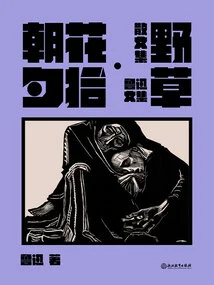
朝花夕拾·野草
Lu Xun
"Morning Blossoms Plucked at Dusk" is a collection of autobiographical essays by Lu Xun. It was originally called "Revisiting Old Things" and was first published in 1928. It includes 10 essays written by Lu Xun in 1926. They not only review Lu Xun's youth and boyhood, but also reflect the changes in Chinese society from the late Qing Dynasty to the Republic of China, as well as the touching traditional Chinese humanities and worldliness that flowed through them. "Wild Grass" was first published in 1927. It is Lu Xun's only collection of prose poems, including 23 works written from 1924 to 1926. Combining free-style poetry and prose poetry, these works are both free and casual, yet have the condensation of poetry, and are full of philosophical exploration of the meaning of life. Compared with "Picking Up Flowers in the Morning and Evening", Lu Xun's personal emotions in "Weeds" are stronger and deeper. "For my own sake, for the sake of friend and foe, man and beast, those whom I love and those whom I do not love, I hope for the swift death and decay of this wild grass."
"Morning Blossoms Plucked at Dusk" is a collection of autobiographical essays by Lu Xun. It was originally called "Revisiting Old Things" and was first published in 1928. It includes 10 essays written by Lu Xun in 1926. They not only review Lu Xun's youth and boyhood, but also reflect the changes in Chinese society from the late Qing Dynasty to the Republic of China, as well as the touching traditional Chinese humanities and worldliness that flowed through them. "Wild Grass" was first published in 1927. It is Lu Xun's only collection of prose poems, including 23 works written from 1924 to 1926. Combining free-style poetry and prose poetry, these works are both free and casual, yet have the condensation of poetry, and are full of philosophical exploration of the meaning of life. Compared with "Picking Up Flowers in the Morning and Evening", Lu Xun's personal emotions in "Weeds" are stronger and deeper. "For my own sake, for the sake of friend and foe, man and beast, those whom I love and those whom I do not love, I hope for the swift death and decay of this wild grass."
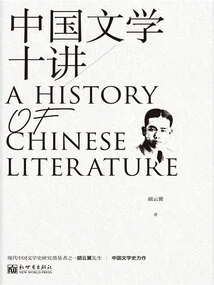
Ten Lectures on Chinese Literature
Literature中国文学十讲
Hu Yunyi
"Ten Lectures on Chinese Literature" is a classic work of literary history by Mr. Hu Yunyi, one of the founders of modern Chinese literary history research. The book has a total of 10 lectures, which are basically positioned and laid out according to "literary nature" and divided into four major parts: poetry, prose, novels, and operas, with special emphasis on novels and operas. This is a "pure literature" work that closely adopts a "pure literary view of history" and has been translated into Japanese and published in Japan.
"Ten Lectures on Chinese Literature" is a classic work of literary history by Mr. Hu Yunyi, one of the founders of modern Chinese literary history research. The book has a total of 10 lectures, which are basically positioned and laid out according to "literary nature" and divided into four major parts: poetry, prose, novels, and operas, with special emphasis on novels and operas. This is a "pure literature" work that closely adopts a "pure literary view of history" and has been translated into Japanese and published in Japan.
Literary Story
Literature文学的故事
(us) John Macy
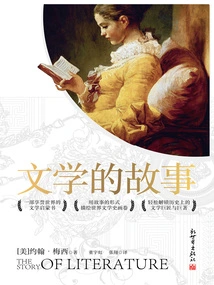
This book is a masterpiece of literary history written by American scholar and literary critic John Macy, which took four years to complete. After its publication in the 1920s, it once became popular in Europe and the United States, and Macy became famous in the literary world. This book takes time as the main axis and uses story form to narrate from four parts: ancient literature, medieval literature, European literature before the 19th century, and 19th century and contemporary literature. It provides a detailed and in-depth description of the great writers, important literary works and their era backgrounds that have influenced the world for thousands of years. The author uses vivid and smooth writing to describe the history of literature in a poetic and picturesque way. This is a compendium of literary history that is very suitable for general readers to get started.
This book is a masterpiece of literary history written by American scholar and literary critic John Macy, which took four years to complete. After its publication in the 1920s, it once became popular in Europe and the United States, and Macy became famous in the literary world. This book takes time as the main axis and uses story form to narrate from four parts: ancient literature, medieval literature, European literature before the 19th century, and 19th century and contemporary literature. It provides a detailed and in-depth description of the great writers, important literary works and their era backgrounds that have influenced the world for thousands of years. The author uses vivid and smooth writing to describe the history of literature in a poetic and picturesque way. This is a compendium of literary history that is very suitable for general readers to get started.
Nine Lectures on Tang Poetry
Literature唐诗九讲
Hu Yunyi
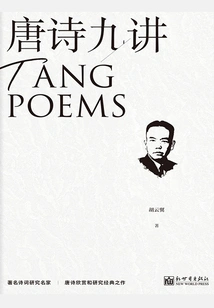
Starting from the origin of Tang poetry, it systematically introduces the development of Tang poetry through the early Tang, prosperous Tang, middle Tang and late Tang periods, studies the different styles of Tang poetry in different periods, and introduces in detail its characteristics, development causes, overview and factions. It also uniquely introduces the poems of Tang Dynasty poets, palace ladies, ladies and other women. Covering all aspects of Tang poetry, it can be called a mini-encyclopedia for the study of Tang poetry. It is a classic selection for reading and appreciating Tang poetry with high influence in contemporary times!
Starting from the origin of Tang poetry, it systematically introduces the development of Tang poetry through the early Tang, prosperous Tang, middle Tang and late Tang periods, studies the different styles of Tang poetry in different periods, and introduces in detail its characteristics, development causes, overview and factions. It also uniquely introduces the poems of Tang Dynasty poets, palace ladies, ladies and other women. Covering all aspects of Tang poetry, it can be called a mini-encyclopedia for the study of Tang poetry. It is a classic selection for reading and appreciating Tang poetry with high influence in contemporary times!
唐诗一百零一夜(予路人文阅读系列丛书)
Peng Yuanhe
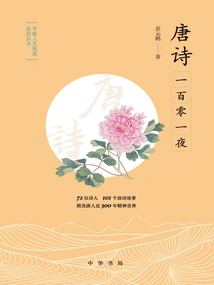
"One Hundred and One Nights of Tang Poems" is modeled on the collection of Arabic folk tales "One Thousand and One Nights", and is composed of 101 Tang poems based on stories, vividly showing the origins of the writing of famous Tang poems and the life style of poets in the Tang Dynasty. The book contains the best works of 72 poets, divided into four series according to the chronological order of the early Tang Dynasty, the prosperous Tang Dynasty, the middle Tang Dynasty and the late Tang Dynasty and the logic of poetry development. By telling the poets' life experiences, friendships and singing, as well as the background and situations of the poems, the stories of Tang poetry return to the historical scene, showing the rich cultural heritage of the Tang Dynasty and the subtle inner world of the poets.
"One Hundred and One Nights of Tang Poems" is modeled on the collection of Arabic folk tales "One Thousand and One Nights", and is composed of 101 Tang poems based on stories, vividly showing the origins of the writing of famous Tang poems and the life style of poets in the Tang Dynasty. The book contains the best works of 72 poets, divided into four series according to the chronological order of the early Tang Dynasty, the prosperous Tang Dynasty, the middle Tang Dynasty and the late Tang Dynasty and the logic of poetry development. By telling the poets' life experiences, friendships and singing, as well as the background and situations of the poems, the stories of Tang poetry return to the historical scene, showing the rich cultural heritage of the Tang Dynasty and the subtle inner world of the poets.
宋词一百零一夜(予路人文阅读系列丛书)
Peng Yuanhe
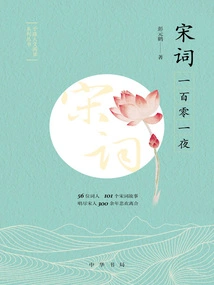
"One Hundred and One Nights of Song Ci" is modeled on the Arabian folk tale "One Thousand and One Nights", and is composed of 101 Song poems based on the story, vividly showing the origins of the writing of famous Song poems and the life scenes of literati in the Song Dynasty. The book contains the masterpieces of 56 poets, from Li Yu, who entered the Song Dynasty from the Southern Tang Dynasty, to Zhang Yan, who was a leading poet in the Song Dynasty. By telling the poets' lives, their lives, and their interactions, readers can feel the delicate emotional world and unique literary talent of the Song people.
"One Hundred and One Nights of Song Ci" is modeled on the Arabian folk tale "One Thousand and One Nights", and is composed of 101 Song poems based on the story, vividly showing the origins of the writing of famous Song poems and the life scenes of literati in the Song Dynasty. The book contains the masterpieces of 56 poets, from Li Yu, who entered the Song Dynasty from the Southern Tang Dynasty, to Zhang Yan, who was a leading poet in the Song Dynasty. By telling the poets' lives, their lives, and their interactions, readers can feel the delicate emotional world and unique literary talent of the Song people.
是家人,也是凶手:绝望照护者的自白
(japan) Nhk Special Program Recording Team
"Care killing", a oxymoron, an extraordinary murder. Perpetrators are not driven solely by hate, but rather they are constantly burdened with caregiving. What kind of struggle did he or she have at the moment when they killed their beloved family member? If one day we have to take on the responsibility of taking care of our family, how should we face it? What can we do when those around us are in unspeakable care difficulties? The NHK special program recording team conducted an in-depth investigation into "care homicide" cases across Japan. Through case files, visits to the crime scene, conversations with the parties involved, and interviews with relevant personnel, the sad truth behind 11 care homicide cases was revealed. These cases focus on care problems such as "elderly care" in which elderly people take care of each other, "retirement care" in which they quit their jobs for care, and "initial care" which is the most easily ignored but the most painful. They try to find the real reasons for committing care-related homicides and explore ways to prevent the recurrence of tragedies, providing a comprehensive perspective for us to understand care from the perspective of others.
"Care killing", a oxymoron, an extraordinary murder. Perpetrators are not driven solely by hate, but rather they are constantly burdened with caregiving. What kind of struggle did he or she have at the moment when they killed their beloved family member? If one day we have to take on the responsibility of taking care of our family, how should we face it? What can we do when those around us are in unspeakable care difficulties? The NHK special program recording team conducted an in-depth investigation into "care homicide" cases across Japan. Through case files, visits to the crime scene, conversations with the parties involved, and interviews with relevant personnel, the sad truth behind 11 care homicide cases was revealed. These cases focus on care problems such as "elderly care" in which elderly people take care of each other, "retirement care" in which they quit their jobs for care, and "initial care" which is the most easily ignored but the most painful. They try to find the real reasons for committing care-related homicides and explore ways to prevent the recurrence of tragedies, providing a comprehensive perspective for us to understand care from the perspective of others.
Zhang Jie's Prose (a Collection of Prose by Famous Modern and Contemporary Chinese Writers)
Literature张洁散文(中国现当代名家散文典藏)
Zhang Jie
Zhang Jie is one of the most important contemporary writers and a pioneer of literature in the new era. Her novels have twice won the Mao Dun Literature Award, proving her unique literary achievements among contemporary writers. In addition to her novels, her prose writing has also been a pioneer. "Picking Wheat Ears" and "Digging Shepherd's Purse" have become classic works of contemporary prose. This collection intends to select Zhang Jie's most representative prose works, including "picking wheat ears", "digging shepherd's purse", "for me, he has no end", "my graceful night", "my four seasons", "my boat", "mother's kitchen", "that year, I was twenty-three years old", "over there, the girl flying the kite", etc.
Zhang Jie is one of the most important contemporary writers and a pioneer of literature in the new era. Her novels have twice won the Mao Dun Literature Award, proving her unique literary achievements among contemporary writers. In addition to her novels, her prose writing has also been a pioneer. "Picking Wheat Ears" and "Digging Shepherd's Purse" have become classic works of contemporary prose. This collection intends to select Zhang Jie's most representative prose works, including "picking wheat ears", "digging shepherd's purse", "for me, he has no end", "my graceful night", "my four seasons", "my boat", "mother's kitchen", "that year, I was twenty-three years old", "over there, the girl flying the kite", etc.
Translation and Annotation of Wen Xin Diao Long (classic Series of Ancient Chinese Literary Theory)
Literature文心雕龙译注(中国古代文学理论经典丛书)
(southern Liang Dynasty) Translated And Annotated By Liu Xie, Lu Kanru And Others
"Wen Xin Diao Long Translation and Annotation" compiled by former Shandong University professors Lu Kanru and Mou Shijin is a classic reading material for reading and studying "Wen Xin Diao Long". It was selected as the "most important book" and "the best book" in the first batch of outstanding Chinese traditional culture books in 2021. This book is very suitable for general readers. There is a very comprehensive and systematic "Introduction" at the front of the book, which introduces in detail the era of production, theoretical system, and main points of "Wen Xin Diao Long". There is a "Problem Solution" before each article in the main text, which summarizes the main ideas of the article. The annotations are concise and accurate, and the translation is faithful and smooth, making it very suitable for ordinary readers.
"Wen Xin Diao Long Translation and Annotation" compiled by former Shandong University professors Lu Kanru and Mou Shijin is a classic reading material for reading and studying "Wen Xin Diao Long". It was selected as the "most important book" and "the best book" in the first batch of outstanding Chinese traditional culture books in 2021. This book is very suitable for general readers. There is a very comprehensive and systematic "Introduction" at the front of the book, which introduces in detail the era of production, theoretical system, and main points of "Wen Xin Diao Long". There is a "Problem Solution" before each article in the main text, which summarizes the main ideas of the article. The annotations are concise and accurate, and the translation is faithful and smooth, making it very suitable for ordinary readers.
Yashe Sketch
Literature雅舍小品
Liang Shiqiu
"Yashe Sketch·Episode" is Liang Shiqiu's representative work. It is a series of sketches written by Liang Shiqiu when he lived in Chongqing Yashe. There are 4 episodes in the Yashe series, and this episode is the first. This collection contains 34 essays and 1 preface, written by Gong Yeya. Each essay in the book does not exceed 2,000 words, and they are all about trivial matters in life, such as shaking hands, haircuts, clothes, playing chess, writing, traveling, etc. You can pick them up at your fingertips and write them as you think, in an eclectic way. However, these articles are humorous, interesting, and natural. They are a mixture of all kinds of things in the world, making people laugh when they read them. "The Elegant House Sketch" is a masterpiece among sketches. Zhu Guangqian once said in a letter to Liang Shiqiu: "The contribution of "The Elegant House Sketch" to literature is greater than the work of translating Shakespeare."
"Yashe Sketch·Episode" is Liang Shiqiu's representative work. It is a series of sketches written by Liang Shiqiu when he lived in Chongqing Yashe. There are 4 episodes in the Yashe series, and this episode is the first. This collection contains 34 essays and 1 preface, written by Gong Yeya. Each essay in the book does not exceed 2,000 words, and they are all about trivial matters in life, such as shaking hands, haircuts, clothes, playing chess, writing, traveling, etc. You can pick them up at your fingertips and write them as you think, in an eclectic way. However, these articles are humorous, interesting, and natural. They are a mixture of all kinds of things in the world, making people laugh when they read them. "The Elegant House Sketch" is a masterpiece among sketches. Zhu Guangqian once said in a letter to Liang Shiqiu: "The contribution of "The Elegant House Sketch" to literature is greater than the work of translating Shakespeare."
Yashe Sketch·sequel
Literature雅舍小品·续集
Liang Shiqiu
After the publication of "Yashe Sketch", the response was good, and Liang Shiqiu published a series of works under the name "Yashe", such as "Yashe Sketch·Sequel", "Yashe Sketch·3 Episodes", "Yashe Sketch·4 Episodes", "Yashe Essays", "Yashe Talking about Eating" and other series of works. This book is both a new version of the original sequel. This book contains 32 sketches, and the content still follows the characteristics of random selection of materials and free writing in "Yashe Sketch". Daily things such as bathing, reading paintings, looking at trees, and garbage are all objects of Liang Shiqiu's writing. Liang Shiqiu's writing style is humorous, but the article contains a spiritual attitude of broad-minded optimism, health and self-respect, which also has very positive significance for modern life.
After the publication of "Yashe Sketch", the response was good, and Liang Shiqiu published a series of works under the name "Yashe", such as "Yashe Sketch·Sequel", "Yashe Sketch·3 Episodes", "Yashe Sketch·4 Episodes", "Yashe Essays", "Yashe Talking about Eating" and other series of works. This book is both a new version of the original sequel. This book contains 32 sketches, and the content still follows the characteristics of random selection of materials and free writing in "Yashe Sketch". Daily things such as bathing, reading paintings, looking at trees, and garbage are all objects of Liang Shiqiu's writing. Liang Shiqiu's writing style is humorous, but the article contains a spiritual attitude of broad-minded optimism, health and self-respect, which also has very positive significance for modern life.
Taste Childhood
Literature滋味童年
Li Chunbo
This book is a collection of essays, including three parts: Happy Childhood, Original Design and Legacy Customs. Lehe Childhood focuses on the games that the author was obsessed with in his childhood, and regards childhood games as a required course for understanding society, understanding life, and improving survival ability; Original Skills and Original Flavors describes the housework that the author directly participated in during his childhood or heard about it from his parents, with clear and detailed descriptions of some life scenes, handicrafts, and labor situations; Relics and Old Customs collects many disappeared folk customs in the rural areas of the Shandong Peninsula, and is the author's display of the folk customs of his hometown. The work is sincere and simple, humorous and highly readable. It is the epitome of the traditional culture of rural northern China in the 1950s and 1960s.
This book is a collection of essays, including three parts: Happy Childhood, Original Design and Legacy Customs. Lehe Childhood focuses on the games that the author was obsessed with in his childhood, and regards childhood games as a required course for understanding society, understanding life, and improving survival ability; Original Skills and Original Flavors describes the housework that the author directly participated in during his childhood or heard about it from his parents, with clear and detailed descriptions of some life scenes, handicrafts, and labor situations; Relics and Old Customs collects many disappeared folk customs in the rural areas of the Shandong Peninsula, and is the author's display of the folk customs of his hometown. The work is sincere and simple, humorous and highly readable. It is the epitome of the traditional culture of rural northern China in the 1950s and 1960s.
Yashe Sketch·three Episodes
Literature雅舍小品·三集
Liang Shiqiu
"Ya She Essays·Three Episodes" is a variety in Liang Shiqiu's "Ya She" series of works. It contains 37 essays, all of which are about ordinary life encounters, such as "Queue", "Wedding Banquet", "Moving", "Reading the Newspaper", "Drinking Tea", "Drinking Drinking", etc. Liang Shiqiu randomly picks up trivial matters around him and writes based on real-life encounters. He is also able to break away from stereotypes and gain unique insights that make people smile. Liang Shiqiu's articles are exquisite, elegant, humorous and unique, giving people an optimistic and uplifting spirit. Among them, "Shaobing and Fried Tiao", "Laziness" and "Greed" are all popular masterpieces. This book can inspire readers to look at daily life from an aesthetic and optimistic perspective.
"Ya She Essays·Three Episodes" is a variety in Liang Shiqiu's "Ya She" series of works. It contains 37 essays, all of which are about ordinary life encounters, such as "Queue", "Wedding Banquet", "Moving", "Reading the Newspaper", "Drinking Tea", "Drinking Drinking", etc. Liang Shiqiu randomly picks up trivial matters around him and writes based on real-life encounters. He is also able to break away from stereotypes and gain unique insights that make people smile. Liang Shiqiu's articles are exquisite, elegant, humorous and unique, giving people an optimistic and uplifting spirit. Among them, "Shaobing and Fried Tiao", "Laziness" and "Greed" are all popular masterpieces. This book can inspire readers to look at daily life from an aesthetic and optimistic perspective.
Yashe Sketch·four Episodes
Literature雅舍小品·四集
Liang Shiqiu
"Ya She Essays·Four Episodes" is a variety in Liang Shiqiu's "Ya She" series of works, and it is also Liang Shiqiu's representative prose work. First published in 1986, the book contains 40 short essays. The content inherits the consistent material-drawing style of the "Ya She" sketches, randomly selecting daily life as a source of creation. Each text is very short, no more than two thousand words, but very interesting and deeply loved by readers. After the publication of the "Yashe Sketch" series, there was no special advertising, but sales have been good. It still performs well in the market and is recognized by modern readers. It can be seen that what Yashe talks about is not out of date, but is new every time you read it.
"Ya She Essays·Four Episodes" is a variety in Liang Shiqiu's "Ya She" series of works, and it is also Liang Shiqiu's representative prose work. First published in 1986, the book contains 40 short essays. The content inherits the consistent material-drawing style of the "Ya She" sketches, randomly selecting daily life as a source of creation. Each text is very short, no more than two thousand words, but very interesting and deeply loved by readers. After the publication of the "Yashe Sketch" series, there was no special advertising, but sales have been good. It still performs well in the market and is recognized by modern readers. It can be seen that what Yashe talks about is not out of date, but is new every time you read it.
Stranger
Literature异乡人
Lin Shaohua
When we leave our hometown, we are geographically and regionally foreigners; when we go to a foreign country, we are ethnically and nationally foreigners; however, when we return to our homeland, we may be institutionally and spiritually foreigners. As Haruki Murakami said: "No matter where we are, some part of us is a stranger." This overlap and dislocation between hometown and foreign land, hometown people and foreigners, this kind of light and dark zone, may be the place where many of us modern people start...
When we leave our hometown, we are geographically and regionally foreigners; when we go to a foreign country, we are ethnically and nationally foreigners; however, when we return to our homeland, we may be institutionally and spiritually foreigners. As Haruki Murakami said: "No matter where we are, some part of us is a stranger." This overlap and dislocation between hometown and foreign land, hometown people and foreigners, this kind of light and dark zone, may be the place where many of us modern people start...
What is the Use of Literature?
Literature文学有什么用
Lin Shaohua
Literature makes the ordinary scenery that can be seen everywhere in our lives have unusual style and heritage, triggers our wonderful feelings and associations, and makes our lives poetic. Compared with those who do not understand literature, people who understand literature have many times richer spiritual lives, many times more delicate spiritual textures, and therefore many times more happiness and joy. Literature exists all the time and everywhere. Literature may seem useless, but in fact it is of great use. Uselessness is of great use!
Literature makes the ordinary scenery that can be seen everywhere in our lives have unusual style and heritage, triggers our wonderful feelings and associations, and makes our lives poetic. Compared with those who do not understand literature, people who understand literature have many times richer spiritual lives, many times more delicate spiritual textures, and therefore many times more happiness and joy. Literature exists all the time and everywhere. Literature may seem useless, but in fact it is of great use. Uselessness is of great use!
Little Loneliness
Literature小孤独
Lin Shaohua
Compared with the "great loneliness" of Qu Yuan and other ancients who asked questions about the heaven and the earth and worried about the country and the people, our loneliness, especially the loneliness of most city people, seems to be called "little loneliness." It may come from the dilution of individual existence caused by the surging technological wave, it may come from the questioning of personal subjectivity by various surveillance cameras, or it may come from the dissolution of poetic dwelling by materialism and consumerism... Such loneliness seems to be ethereal and always lingering, seems to be irrelevant and sometimes unforgettable, seems to be pretentious yet so real.
Compared with the "great loneliness" of Qu Yuan and other ancients who asked questions about the heaven and the earth and worried about the country and the people, our loneliness, especially the loneliness of most city people, seems to be called "little loneliness." It may come from the dilution of individual existence caused by the surging technological wave, it may come from the questioning of personal subjectivity by various surveillance cameras, or it may come from the dissolution of poetic dwelling by materialism and consumerism... Such loneliness seems to be ethereal and always lingering, seems to be irrelevant and sometimes unforgettable, seems to be pretentious yet so real.
永不枯竭的是我的心跳:聂鲁达诗选
(chile) Pablo Neruda
This anthology of poems was carefully polished and compiled by Mr. Zhao Zhenjiang, a well-known Spanish translator, and includes important poems by Neruda at different stages of his life, such as "Twenty Love Poems and a Song of Despair", "The Abode of the Earth", "Spain in the Heart", "Song", "One Hundred Love Sonnets", etc. The themes include love poems, battle poems, poems about objects, etc. Zhao Zhenjiang, as the winner of the "Translation Culture Lifetime Achievement Award" of the Translators Association of China, based on many years of research on Neruda, specially selected items for the Humanities Society edition, and the translation is accurate and clear. In it, you can not only appreciate the overall picture and characteristics of Nie's poetry, but also sort out the color of life of this poet who breathed and shared his fate with the times through his works.
This anthology of poems was carefully polished and compiled by Mr. Zhao Zhenjiang, a well-known Spanish translator, and includes important poems by Neruda at different stages of his life, such as "Twenty Love Poems and a Song of Despair", "The Abode of the Earth", "Spain in the Heart", "Song", "One Hundred Love Sonnets", etc. The themes include love poems, battle poems, poems about objects, etc. Zhao Zhenjiang, as the winner of the "Translation Culture Lifetime Achievement Award" of the Translators Association of China, based on many years of research on Neruda, specially selected items for the Humanities Society edition, and the translation is accurate and clear. In it, you can not only appreciate the overall picture and characteristics of Nie's poetry, but also sort out the color of life of this poet who breathed and shared his fate with the times through his works.
林少华最新散文精选集(共三册)
Lin Shaohua
When we leave our hometown, we are geographically and regionally foreigners; when we go to a foreign country, we are ethnically and nationally foreigners; however, when we return to our homeland, we may be institutionally and spiritually foreigners. As Haruki Murakami said: "No matter where we are, some part of us is a stranger." This overlap and dislocation between hometown and foreign land, hometown people and foreigners, this kind of light and dark zone, may be the place where many of us modern people start...
When we leave our hometown, we are geographically and regionally foreigners; when we go to a foreign country, we are ethnically and nationally foreigners; however, when we return to our homeland, we may be institutionally and spiritually foreigners. As Haruki Murakami said: "No matter where we are, some part of us is a stranger." This overlap and dislocation between hometown and foreign land, hometown people and foreigners, this kind of light and dark zone, may be the place where many of us modern people start...
Workers' Song
Literature劳动者之歌
The Editorial Board Of This Book
The majority of model workers of China Communications Construction Group Co., Ltd. Have a high sense of ownership, work quietly, and make selfless contributions, creating extraordinary achievements in ordinary positions. They embody the noble character and spirit of the times of CCCC employees, make outstanding contributions to the development of the enterprise, and set an example for employees to learn from. In order to further display the honor of model workers and promote the spirit of model workers, give full play to the inspiring and demonstrative role of model workers and model workers' deeds, lead more CCCC employees to strive for excellence based on their positions, and integrate the wisdom and strength of employees into the high-quality development of the company, the Trade Union Federation has compiled the touching deeds of the 7 national model workers commended in 2020 and the 53 CCCC model workers commended in 2022 into a book "Song of Workers".
The majority of model workers of China Communications Construction Group Co., Ltd. Have a high sense of ownership, work quietly, and make selfless contributions, creating extraordinary achievements in ordinary positions. They embody the noble character and spirit of the times of CCCC employees, make outstanding contributions to the development of the enterprise, and set an example for employees to learn from. In order to further display the honor of model workers and promote the spirit of model workers, give full play to the inspiring and demonstrative role of model workers and model workers' deeds, lead more CCCC employees to strive for excellence based on their positions, and integrate the wisdom and strength of employees into the high-quality development of the company, the Trade Union Federation has compiled the touching deeds of the 7 national model workers commended in 2020 and the 53 CCCC model workers commended in 2022 into a book "Song of Workers".