Library
Browse and search novels
26,102 novels found
V
LiteratureV
G
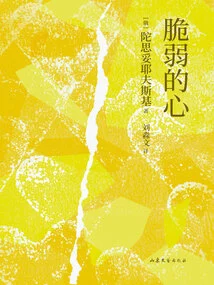
[Dostoevsky's soul-searching work. Cowards are afraid of happiness because they have a fragile heart. The protagonist of the novel, Vasya, always thinks that he is not worthy of happiness because of his low social status. When the girl he loved agreed to marry him, he couldn't bear the sudden joy, and he felt deeply unworthy of the respect of his boss because he failed to complete the work on time. In the torture of happiness and shame, he finally suffered a mental breakdown. Through the tragedy of Vasya's collapse due to poverty and marital anxiety, the novel reveals the oppression and destruction of the lower-class intellectuals by the tsarist Russian bureaucracy. With his superb psychological description, Dostoevsky delicately displays the protagonist's fragility, anxiety and fear of happiness, arousing strong emotional resonance and reflecting his profound insight into human fragility and moral dilemmas. Vasya's collapse is not only a manifestation of personal psychological imbalance, but also a silent complaint against the social system that distorts human nature. This work shows Dossett's early deep sympathy for the "insulted and harmed", and also laid the foundation for his later psychological masterpieces such as "Crime and Punishment".
[Dostoevsky's soul-searching work. Cowards are afraid of happiness because they have a fragile heart. The protagonist of the novel, Vasya, always thinks that he is not worthy of happiness because of his low social status. When the girl he loved agreed to marry him, he couldn't bear the sudden joy, and he felt deeply unworthy of the respect of his boss because he failed to complete the work on time. In the torture of happiness and shame, he finally suffered a mental breakdown. Through the tragedy of Vasya's collapse due to poverty and marital anxiety, the novel reveals the oppression and destruction of the lower-class intellectuals by the tsarist Russian bureaucracy. With his superb psychological description, Dostoevsky delicately displays the protagonist's fragility, anxiety and fear of happiness, arousing strong emotional resonance and reflecting his profound insight into human fragility and moral dilemmas. Vasya's collapse is not only a manifestation of personal psychological imbalance, but also a silent complaint against the social system that distorts human nature. This work shows Dossett's early deep sympathy for the "insulted and harmed", and also laid the foundation for his later psychological masterpieces such as "Crime and Punishment".
Daebenji
Literature大江本纪
Guo Baolin
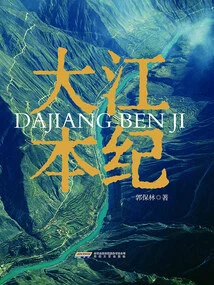
This book is a panoramic literary biography of the Yangtze River. The author spent more than 20 years interviewing along both sides of the Yangtze River and wrote down a large number of interview notes. Through the description of the history, geography, humanities, etc. Of the Yangtze River, he used his profound literary accomplishment, rich humanistic and natural knowledge, poetic language, and many other The artistic style of Yuan Dynasty shows the vast and majestic natural scenery of the great rivers and rivers as well as the brilliant and warm Chinese civilization. It pursues the soul of the Chinese nation, enthusiastically praises the new era, and eulogizes the Chinese national spirit that has lasted for thousands of years.
This book is a panoramic literary biography of the Yangtze River. The author spent more than 20 years interviewing along both sides of the Yangtze River and wrote down a large number of interview notes. Through the description of the history, geography, humanities, etc. Of the Yangtze River, he used his profound literary accomplishment, rich humanistic and natural knowledge, poetic language, and many other The artistic style of Yuan Dynasty shows the vast and majestic natural scenery of the great rivers and rivers as well as the brilliant and warm Chinese civilization. It pursues the soul of the Chinese nation, enthusiastically praises the new era, and eulogizes the Chinese national spirit that has lasted for thousands of years.
Bai Lusheng
Literature白露生
Xu Hanzhang
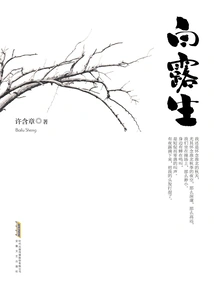
This book is a collection of prose works. It is divided into three volumes: "Mountains and Rivers", "Candle Shadow Red" and "Nine Pieces of Brocade", including "Mountains and Rivers", "The Huge Years", and "Spring Full of Peach Tree". The content covers travel notes, life essays, life insights, etc. The writing is delicate and beautiful, the content is positive, and it is full of love for life and chants of beautiful feelings.
This book is a collection of prose works. It is divided into three volumes: "Mountains and Rivers", "Candle Shadow Red" and "Nine Pieces of Brocade", including "Mountains and Rivers", "The Huge Years", and "Spring Full of Peach Tree". The content covers travel notes, life essays, life insights, etc. The writing is delicate and beautiful, the content is positive, and it is full of love for life and chants of beautiful feelings.
Anhui Prose 2023: Volume of Summer
Literature安徽散文2023:夏之卷
Pan Xiaoping Editor-in-chief Xu Zefu
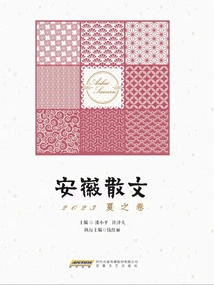
This book is a collection of outstanding prose works by Anhui writers. The book is divided into different sections. According to the setting of the sections, it includes literary prose, life essays, narrative prose, newcomer prose, literary and historical essays, philosophical short chapters, prose poems, etc. It brings together the excellent works of many prose writers. It is not only a platform to showcase the development achievements of Anhui prose, but also a fertile ground for cultivating Anhui prose writers.
This book is a collection of outstanding prose works by Anhui writers. The book is divided into different sections. According to the setting of the sections, it includes literary prose, life essays, narrative prose, newcomer prose, literary and historical essays, philosophical short chapters, prose poems, etc. It brings together the excellent works of many prose writers. It is not only a platform to showcase the development achievements of Anhui prose, but also a fertile ground for cultivating Anhui prose writers.
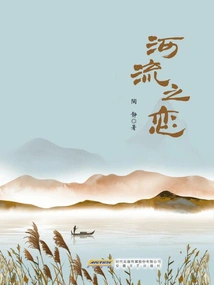
River Love
Literature河流之恋
Tao Jing
This book is a collection of essays written by Tao Jing, a female writer from Anhui Province. It is divided into four parts: "River", "Eye", "Nostalgia" and "Singing". It includes essays written by the author about missing her hometown and relatives, as well as essays expressing life insights and experiences on the journey, including "No Boat Crosses the Wild Crossing", "Leave a Touch of Spring in the Heart", "Father's Eyes" and other chapters. The author has strong feelings for his hometown and is good at observing life and describing nature. He displays these in front of readers through delicate words. The work shows the beauty of nature and life, giving people warm enlightenment and enjoyment of beauty.
This book is a collection of essays written by Tao Jing, a female writer from Anhui Province. It is divided into four parts: "River", "Eye", "Nostalgia" and "Singing". It includes essays written by the author about missing her hometown and relatives, as well as essays expressing life insights and experiences on the journey, including "No Boat Crosses the Wild Crossing", "Leave a Touch of Spring in the Heart", "Father's Eyes" and other chapters. The author has strong feelings for his hometown and is good at observing life and describing nature. He displays these in front of readers through delicate words. The work shows the beauty of nature and life, giving people warm enlightenment and enjoyment of beauty.
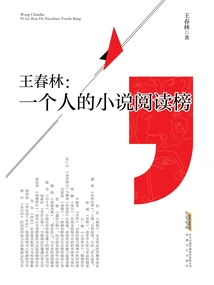
王春林:一个人的小说阅读榜
Wang Chunlin
This book is a collection of literary criticism, including novels that have been recommended and reviewed by the famous literary critic Wang Chunlin in recent years, including "Liu Qing: The History of Never-Ending Suffering and Destiny", "Zhang Ling: The Fission of Human Nature and Destiny in War", "Yan Geling: Self-Experience and the Depth of Psychoanalysis", etc. It contains a microscopic and detailed analysis and evaluation of a certain writer, and also provides an overall summary and refinement of a certain period of time as a phenomenon or trend of thought. As one of the main spokespersons on the status of novel creation, Wang Chunlin has a profound understanding of the nature of literature.
This book is a collection of literary criticism, including novels that have been recommended and reviewed by the famous literary critic Wang Chunlin in recent years, including "Liu Qing: The History of Never-Ending Suffering and Destiny", "Zhang Ling: The Fission of Human Nature and Destiny in War", "Yan Geling: Self-Experience and the Depth of Psychoanalysis", etc. It contains a microscopic and detailed analysis and evaluation of a certain writer, and also provides an overall summary and refinement of a certain period of time as a phenomenon or trend of thought. As one of the main spokespersons on the status of novel creation, Wang Chunlin has a profound understanding of the nature of literature.
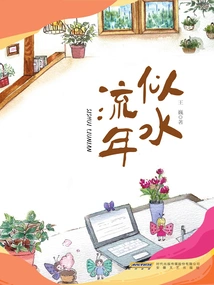
Time Flies
Literature似水流年
Wang Wei
This is a collection of essays, which collects a total of more than 30 essays written by the author, including "Dads", "When You Get Old", "Journey", "Reading", "Observing Yourself", "Time flies", etc. The narrative content includes characters, travel notes, random thoughts, preferences, etc., And is full of family affection, friendship, love and natural feelings.
This is a collection of essays, which collects a total of more than 30 essays written by the author, including "Dads", "When You Get Old", "Journey", "Reading", "Observing Yourself", "Time flies", etc. The narrative content includes characters, travel notes, random thoughts, preferences, etc., And is full of family affection, friendship, love and natural feelings.
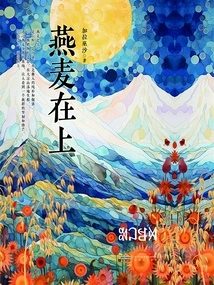
Oats on Top
Literature燕麦在上
Kalawusha
This book is a collection of essays. The book contains more than 20 essays published by the author in recent years. This book is divided into three volumes, namely "The Wildness of the Village", "The Wildness of the Mountains" and "The Wildness of the Soul". This book mainly records the author's beautiful memories of his spiritual hometown, his deep understanding of the warmth and warmth of human relationships, some unique insights and thoughts on life, and his yearning and pursuit of love, freedom and a beautiful life. The author is good at integrating theories into things and expressing his feelings on things. His writing style is fresh and delicate, his language is beautiful, poetic, and his thoughts are positive. This is a collection of essays full of philosophy, warmth and positive spiritual energy.
This book is a collection of essays. The book contains more than 20 essays published by the author in recent years. This book is divided into three volumes, namely "The Wildness of the Village", "The Wildness of the Mountains" and "The Wildness of the Soul". This book mainly records the author's beautiful memories of his spiritual hometown, his deep understanding of the warmth and warmth of human relationships, some unique insights and thoughts on life, and his yearning and pursuit of love, freedom and a beautiful life. The author is good at integrating theories into things and expressing his feelings on things. His writing style is fresh and delicate, his language is beautiful, poetic, and his thoughts are positive. This is a collection of essays full of philosophy, warmth and positive spiritual energy.
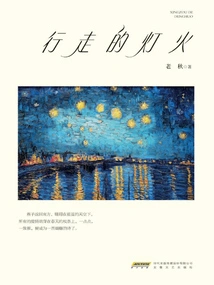
Walking Lights
Literature行走的灯火
Laoqiu
This book is a collection of essays. With full passion and abundant emotions, the author expresses his thinking about life, his praise of nature and his love for life, showing his vigorous vitality. The works are good at expressing emotions in the spread of images, with beautiful language and strong literary quality.
This book is a collection of essays. With full passion and abundant emotions, the author expresses his thinking about life, his praise of nature and his love for life, showing his vigorous vitality. The works are good at expressing emotions in the spread of images, with beautiful language and strong literary quality.
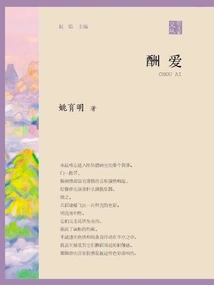
Reward Love
Literature酬爱
Yao Yuming
This book is a collection of essays, a new addition to Anhui Literature and Art Publishing House's brand book series: Essayist Series. The Essayist Series is a brand book series of Anhui Literature and Art Publishing House, which collects the latest works of well-known essayists into books. "Repaying Love" collects the author's new prose works in recent years, with themes involving characters, animals, plants, and playthings. The author describes the goodwill gained in life and his story of passing on these goodwill and giving back to society. He calls this process repaying love.
This book is a collection of essays, a new addition to Anhui Literature and Art Publishing House's brand book series: Essayist Series. The Essayist Series is a brand book series of Anhui Literature and Art Publishing House, which collects the latest works of well-known essayists into books. "Repaying Love" collects the author's new prose works in recent years, with themes involving characters, animals, plants, and playthings. The author describes the goodwill gained in life and his story of passing on these goodwill and giving back to society. He calls this process repaying love.
There Are Hills and Valleys in the Chest
Literature胸有丘壑
Xu Ke
This book is the latest collection of essays by prose writer Xu Ke, including "Meeting Zhu Xi in Wuyuan", "Lengjiu Fog in Mali", "Zhu Ziqing's Plum Rain Pool", "Li Guangdi Behind the Family Instructions" and several other works. Among them, "Meeting Zhu Xi in Wuyuan" focuses on the Xiyuan Garden located in Ziyang Town, Wuyuan. Among the Hui-style buildings with white walls and black tiles, pavilions and pavilions, people can personally experience the unique charm of Zhu Xi's culture; "Mali Leng" "Old Fog" depicts the unique geographical environment of Mali Lengjiu, especially the misty fog of Mali Lengjiu and the natural scenery of Heizhugou's golden mountains and silver fields, and provides a personal experience of the local folk culture of the Yi people; "Zhu Ziqing's Plum Rain Pool" through the A review of the history and culture of Meiyutan in Ouhai, Wenzhou and the descriptions of Meiyutan by Zhu Ziqing and other scholars show the unique humanistic scenery of Meiyutan; "Li Guangdi Behind the Family Instructions" tells the story of Li Guangdi's descendants in Anxi, Fujian The visit, especially the understanding of Li Guangdi's family motto, made people understand the Confucian thought contained in Li's family motto: "If you want to govern your country, you must first regulate your family; if you want to regulate your family, you must first cultivate your body; if you want to cultivate your body, you must first rectify your mind."
This book is the latest collection of essays by prose writer Xu Ke, including "Meeting Zhu Xi in Wuyuan", "Lengjiu Fog in Mali", "Zhu Ziqing's Plum Rain Pool", "Li Guangdi Behind the Family Instructions" and several other works. Among them, "Meeting Zhu Xi in Wuyuan" focuses on the Xiyuan Garden located in Ziyang Town, Wuyuan. Among the Hui-style buildings with white walls and black tiles, pavilions and pavilions, people can personally experience the unique charm of Zhu Xi's culture; "Mali Leng" "Old Fog" depicts the unique geographical environment of Mali Lengjiu, especially the misty fog of Mali Lengjiu and the natural scenery of Heizhugou's golden mountains and silver fields, and provides a personal experience of the local folk culture of the Yi people; "Zhu Ziqing's Plum Rain Pool" through the A review of the history and culture of Meiyutan in Ouhai, Wenzhou and the descriptions of Meiyutan by Zhu Ziqing and other scholars show the unique humanistic scenery of Meiyutan; "Li Guangdi Behind the Family Instructions" tells the story of Li Guangdi's descendants in Anxi, Fujian The visit, especially the understanding of Li Guangdi's family motto, made people understand the Confucian thought contained in Li's family motto: "If you want to govern your country, you must first regulate your family; if you want to regulate your family, you must first cultivate your body; if you want to cultivate your body, you must first rectify your mind."
文学的俯察与仰观
Qian Niansun
This book collects some academic articles written by the author in recent years, covering many aspects such as literary theory, literary criticism, and traditional culture research. Most of the articles in the book are rigorous in argumentation, have unique perspectives, and are rich in ideological sharpness. They express the author's observations and thinking on contemporary literature and art, literary and artistic creation, and cultural construction from a relatively wide range of fields. They also reflect from one aspect some hot issues of general concern in the Chinese literary and artistic circles and cultural circles. Some articles in the book have aroused widespread response and have great reference value.
This book collects some academic articles written by the author in recent years, covering many aspects such as literary theory, literary criticism, and traditional culture research. Most of the articles in the book are rigorous in argumentation, have unique perspectives, and are rich in ideological sharpness. They express the author's observations and thinking on contemporary literature and art, literary and artistic creation, and cultural construction from a relatively wide range of fields. They also reflect from one aspect some hot issues of general concern in the Chinese literary and artistic circles and cultural circles. Some articles in the book have aroused widespread response and have great reference value.
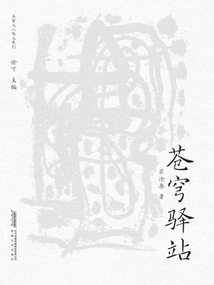
苍穹驿站(名家文化散文系列)
Su Cangsang
This is Su Cangsang's first collection of walking prose. She set off from her hometown island to the southern hemisphere. Along the way, she encountered mountains, rivers, scenery, people, and herself. It was both a trace of her footsteps and a trace of her heart. Among them, "An Eye Called Xixi" integrates Xixi's unique wetland beauty, nunnery culture, seclusion culture and the author's personal thinking, fully displaying Xixi's smart natural beauty and profound humanistic beauty. Therefore, some people commented: "The vicissitudes of the south of the Yangtze River, the combination of the two wests." "There is a Piece of Paper" depicts the complicated craftsmanship and inheritance of ancient papermaking, making people deeply appreciate the power and the weight of history of my country's excellent traditional culture and intangible cultural heritage. The author's smart words reveal the edge and power of a sword, so Su Cangsang's prose is known as "the sound of nature in prose".
This is Su Cangsang's first collection of walking prose. She set off from her hometown island to the southern hemisphere. Along the way, she encountered mountains, rivers, scenery, people, and herself. It was both a trace of her footsteps and a trace of her heart. Among them, "An Eye Called Xixi" integrates Xixi's unique wetland beauty, nunnery culture, seclusion culture and the author's personal thinking, fully displaying Xixi's smart natural beauty and profound humanistic beauty. Therefore, some people commented: "The vicissitudes of the south of the Yangtze River, the combination of the two wests." "There is a Piece of Paper" depicts the complicated craftsmanship and inheritance of ancient papermaking, making people deeply appreciate the power and the weight of history of my country's excellent traditional culture and intangible cultural heritage. The author's smart words reveal the edge and power of a sword, so Su Cangsang's prose is known as "the sound of nature in prose".
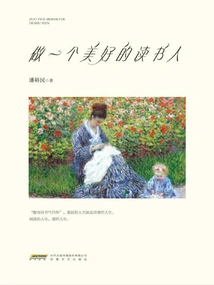
Be a Good Reader
Literature做一个美好的读书人
Pan Yumin
This book is a collection of reading essays written by a senior teacher. It is divided into several parts: "The Realm of Reading", "The Way of Reading", "Humanistic Reading" and "Reflections on Reading and Writing". Based on his many years of reading, research and creative experience, the author elaborates on his views on the meaning of reading, methods of reading, the current situation of reading, and the value of reading classical literature. This book is written fluently and promotes reading, which has positive significance today.
This book is a collection of reading essays written by a senior teacher. It is divided into several parts: "The Realm of Reading", "The Way of Reading", "Humanistic Reading" and "Reflections on Reading and Writing". Based on his many years of reading, research and creative experience, the author elaborates on his views on the meaning of reading, methods of reading, the current situation of reading, and the value of reading classical literature. This book is written fluently and promotes reading, which has positive significance today.
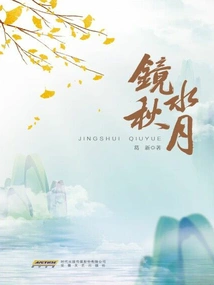
Mirror Water Autumn Moon
Literature镜水秋月
Ge Xin
The collection of prose essays "Mirror, Water and Autumn Moon" contains 58 selected works of the author, divided into three series: "Reflections on Literature and History", "Flowing Light and Broken Shadows", and "Traveling and Picking Up Heroes". "Literature and History Meditation" comprehends the various tastes of life and explores the true nature of human nature; "Flowing Light and Broken Shadows" records family affection and friendship, and depicts the taste of life; "Traveling and Picking Up Heroes" praises the scenic spots and eulogizes the spring of the times. The works show the colorful lives of people in contemporary society from different angles, and are full of love for life and nature.
The collection of prose essays "Mirror, Water and Autumn Moon" contains 58 selected works of the author, divided into three series: "Reflections on Literature and History", "Flowing Light and Broken Shadows", and "Traveling and Picking Up Heroes". "Literature and History Meditation" comprehends the various tastes of life and explores the true nature of human nature; "Flowing Light and Broken Shadows" records family affection and friendship, and depicts the taste of life; "Traveling and Picking Up Heroes" praises the scenic spots and eulogizes the spring of the times. The works show the colorful lives of people in contemporary society from different angles, and are full of love for life and nature.
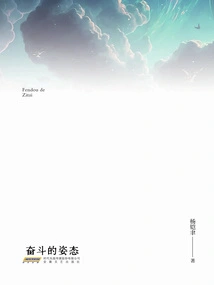
Attitude of Struggle
Literature奋斗的姿态
Yang Kaiyu
This book is a collection of essays, divided into 4 volumes: "Chasing Dreams of Youth", "Scars on the Soul", "Singing Lowly" and "Observation and Thinking", which contains more than 50 of the author's latest essays. Among them, "Chasing Dream Youth" contains articles about the author's experience of fighting for his dream, expressing his desire to realize his dream; in "Soul Traces", the author talks about the spiritual insights gained during the journey and reading, expressing his love for knowledge and pride in the great country of the motherland; in "Singing and Singing", the author shares the interesting, touching and positive things he encountered in life, which are humorous and full of life sentiment. In "Observation and Thinking", the author expresses his own views on hot phenomena in life (such as express delivery, struggling for youth, etc.), Which is full of philosophy and thinking.
This book is a collection of essays, divided into 4 volumes: "Chasing Dreams of Youth", "Scars on the Soul", "Singing Lowly" and "Observation and Thinking", which contains more than 50 of the author's latest essays. Among them, "Chasing Dream Youth" contains articles about the author's experience of fighting for his dream, expressing his desire to realize his dream; in "Soul Traces", the author talks about the spiritual insights gained during the journey and reading, expressing his love for knowledge and pride in the great country of the motherland; in "Singing and Singing", the author shares the interesting, touching and positive things he encountered in life, which are humorous and full of life sentiment. In "Observation and Thinking", the author expresses his own views on hot phenomena in life (such as express delivery, struggling for youth, etc.), Which is full of philosophy and thinking.
The Scholar in the Morning Light
Literature晨曦中的读书人
Li Huanlong
This book is a collection of essays. The author is a senior reading promoter. His works not only tell the interesting or touching reading stories of many readers, but also provide wonderful comments and sincere recommendations for many different types of good books. The whole book is full of love for reading and in-depth exploration. It is positive and highly readable.
This book is a collection of essays. The author is a senior reading promoter. His works not only tell the interesting or touching reading stories of many readers, but also provide wonderful comments and sincere recommendations for many different types of good books. The whole book is full of love for reading and in-depth exploration. It is positive and highly readable.
山下灯火(葛水平作品典藏)
Ge Level
"Lights Under the Mountain" is a collection of essays. This book includes works such as "The Beginning of Spring", "The Taste of Silence" and "I am a Passer-by, Not a Returner". The author has delicate emotions, pays attention to life in this world, and records every detail of daily life. In the article "The Fate of Rural Children", the author once met the simple Jun in a village in his hometown of Dashan. The difficult conditions caused Jun to drop out of school in the third grade, but he was still full of unlimited hope for the future, which is very touching. In the article "I Can Hardly See the Flow", the author sees that the clear Qin River water has become turbid due to human greed, so he calls on humans to cherish natural resources, protect the environment, and preserve the beautiful scenery. In the article "The Country Man at Home", the author records a daughter's deep longing for her deceased father and her sincere feelings. The collection of essays presents the characteristics of simplicity and freshness, with the brightness of the moon, the broadness of nature, and the fragrance of humanity.
"Lights Under the Mountain" is a collection of essays. This book includes works such as "The Beginning of Spring", "The Taste of Silence" and "I am a Passer-by, Not a Returner". The author has delicate emotions, pays attention to life in this world, and records every detail of daily life. In the article "The Fate of Rural Children", the author once met the simple Jun in a village in his hometown of Dashan. The difficult conditions caused Jun to drop out of school in the third grade, but he was still full of unlimited hope for the future, which is very touching. In the article "I Can Hardly See the Flow", the author sees that the clear Qin River water has become turbid due to human greed, so he calls on humans to cherish natural resources, protect the environment, and preserve the beautiful scenery. In the article "The Country Man at Home", the author records a daughter's deep longing for her deceased father and her sincere feelings. The collection of essays presents the characteristics of simplicity and freshness, with the brightness of the moon, the broadness of nature, and the fragrance of humanity.
What You Encounter
Literature所遇所得
Zhang Daode
This book is a collection of prose essays, showing the beautiful moments in the author's ordinary life. The book is divided into three volumes. The first volume, "Deepness of the Years," is mostly about the author's memories of his early rural life and the portrayal of the approachable, upright and kind-hearted fellow villagers. It is real and vivid; the second volume, "Wishes and Words", is mainly about the author's thoughts and perceptions in life and work, with patterns and attitudes; the third volume, "The Colorful World" extends his sight to the natural world, describing the natural beauty of his hometown of Feidong and other places in the motherland, and the blend of scenes. The text in the book is plain and concise, warm and vivid, rich in content, novel in perspective, and positive in theme.
This book is a collection of prose essays, showing the beautiful moments in the author's ordinary life. The book is divided into three volumes. The first volume, "Deepness of the Years," is mostly about the author's memories of his early rural life and the portrayal of the approachable, upright and kind-hearted fellow villagers. It is real and vivid; the second volume, "Wishes and Words", is mainly about the author's thoughts and perceptions in life and work, with patterns and attitudes; the third volume, "The Colorful World" extends his sight to the natural world, describing the natural beauty of his hometown of Feidong and other places in the motherland, and the blend of scenes. The text in the book is plain and concise, warm and vivid, rich in content, novel in perspective, and positive in theme.
Little Traces
Literature素履浅迹
Xue Chao
"Short Traces of Traveling in Mountains and Lakes" is a collection of essays about traveling to mountains and lakes and remembering people. It collects 50 works and is divided into three series: "Travel Traces in Mountains and Lakes", "Remembering the Past" and "Micro Notes of the World". "Traces of Mountains and Lakes" includes several chapters such as "Sentiments on Qinghai Lake" and "Drifting on the Shan River", which focus on depicting the wonderful and magnificent mountain and lake scenery and showing the colorful original beauty. "Remembering the Past" includes several works such as "Memories Left in the Poetry Manuscript" and "Green Leaves Are Full of Love". They use reminiscence fragments to describe unforgettable people in real social life, express deep feelings and remembrances, and feel the truth, goodness and beauty of social life. "Micro Records of Shiyi" include several articles such as "Drums of Hometown" and "Chun of Wild Grasses and Fruits in Countryside". They use objective documentary methods to describe the subtle world events happening around us, reflect social life, and explore the essential meaning of social life.
"Short Traces of Traveling in Mountains and Lakes" is a collection of essays about traveling to mountains and lakes and remembering people. It collects 50 works and is divided into three series: "Travel Traces in Mountains and Lakes", "Remembering the Past" and "Micro Notes of the World". "Traces of Mountains and Lakes" includes several chapters such as "Sentiments on Qinghai Lake" and "Drifting on the Shan River", which focus on depicting the wonderful and magnificent mountain and lake scenery and showing the colorful original beauty. "Remembering the Past" includes several works such as "Memories Left in the Poetry Manuscript" and "Green Leaves Are Full of Love". They use reminiscence fragments to describe unforgettable people in real social life, express deep feelings and remembrances, and feel the truth, goodness and beauty of social life. "Micro Records of Shiyi" include several articles such as "Drums of Hometown" and "Chun of Wild Grasses and Fruits in Countryside". They use objective documentary methods to describe the subtle world events happening around us, reflect social life, and explore the essential meaning of social life.
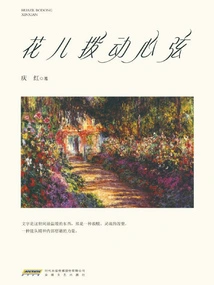
Flowers Stir the Heartstrings
Literature花儿拨动心弦
Qinghong
This book is a collection of prose essays written by female writer Qing Hong. In this book, the author describes the mountains and scenery of his hometown and records his own life insights and experiences. These life records are displayed in front of readers through delicate words. The work has profound thoughts and beautiful writing style. It is not only a summary of the stages of one's life, but also a reflection and understanding of the value of life, giving people warmth and enlightenment.
This book is a collection of prose essays written by female writer Qing Hong. In this book, the author describes the mountains and scenery of his hometown and records his own life insights and experiences. These life records are displayed in front of readers through delicate words. The work has profound thoughts and beautiful writing style. It is not only a summary of the stages of one's life, but also a reflection and understanding of the value of life, giving people warmth and enlightenment.
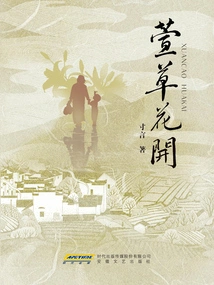
Hemerocallis Blooming
Literature萱草花开
An Inch Of Words
This book is a collection of personal essays by the writer Cun Yan. A total of 84 essays are included, some of which appeared in the essay collection "Old Date Tree" published in 2013. This time, some details have been revised and republished. The essays included in this book have a common feature, that is, they depict the ubiquitous beauty of the author's hometown, praise the beautiful and fertile Cihe Bay, and praise the hard-working and kind-hearted people of northern Anhui. The theme of this book is to express the scenery, objects, people, events, and emotions of Cihewan, using vivid and flexible language to depict a picture full of vitality, giving readers a fresh and pleasant feeling and experience. The four seasons scenery, human emotions, flowers, birds, insects and fish described by the author are all lifelike and wonderful. However, human ethics, trivial matters in life, and feelings about family and country are all humane and reasonable, with deep philosophical thoughts.
This book is a collection of personal essays by the writer Cun Yan. A total of 84 essays are included, some of which appeared in the essay collection "Old Date Tree" published in 2013. This time, some details have been revised and republished. The essays included in this book have a common feature, that is, they depict the ubiquitous beauty of the author's hometown, praise the beautiful and fertile Cihe Bay, and praise the hard-working and kind-hearted people of northern Anhui. The theme of this book is to express the scenery, objects, people, events, and emotions of Cihewan, using vivid and flexible language to depict a picture full of vitality, giving readers a fresh and pleasant feeling and experience. The four seasons scenery, human emotions, flowers, birds, insects and fish described by the author are all lifelike and wonderful. However, human ethics, trivial matters in life, and feelings about family and country are all humane and reasonable, with deep philosophical thoughts.
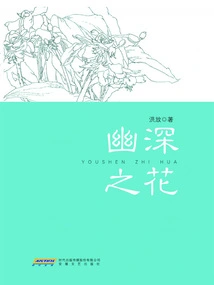
Flower of Depth
Literature幽深之花
Hong Fang
This book is a collection of prose works, including "Flowers in the Deep", "Taste of Taste", "Going South or North", "About the Bridge of Three Rivers in the Ancient Town", "Looking for the Moonlight Covering the River", etc. The theme is clear, the regional color is distinct, the language style, thoughts and expressions are all extremely unique and highly recognizable, revealing the author's innovative spirit of constantly trying and exploring in the "new prose field". These works are mainly based on the author's birthplace of Tongcheng and his workplace of Hefei. They salvage bits and pieces of the past in time. They are not only a book of the region, but also a book of innocence and a book of the author's soul as he gazes deeply at his homeland.
This book is a collection of prose works, including "Flowers in the Deep", "Taste of Taste", "Going South or North", "About the Bridge of Three Rivers in the Ancient Town", "Looking for the Moonlight Covering the River", etc. The theme is clear, the regional color is distinct, the language style, thoughts and expressions are all extremely unique and highly recognizable, revealing the author's innovative spirit of constantly trying and exploring in the "new prose field". These works are mainly based on the author's birthplace of Tongcheng and his workplace of Hefei. They salvage bits and pieces of the past in time. They are not only a book of the region, but also a book of innocence and a book of the author's soul as he gazes deeply at his homeland.
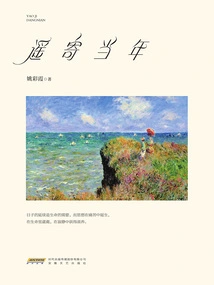
Back in the Day
Literature遥寄当年
Yao Caixia
This book is a collection of essays. His works are based on reality and use warm and affectionate writing to describe the daily life or experiences of ordinary people around him. They reflect people's rich spiritual world and reflect the evolution and development of the times. The words are vivid and lively, and the emotions are sincere.
This book is a collection of essays. His works are based on reality and use warm and affectionate writing to describe the daily life or experiences of ordinary people around him. They reflect people's rich spiritual world and reflect the evolution and development of the times. The words are vivid and lively, and the emotions are sincere.
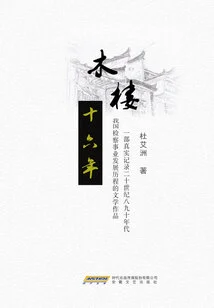
Sixteen Years of Wooden Building
Literature木楼十六年
Du Aizhou
In the form of documentary literature, the author describes the extraordinary journey of the People's Procuratorate system in the sixteen years after the restoration and reconstruction of the People's Procuratorate in my country (1984 to 2000). The work uses the Procuratorate Building of Dangshan County in northern Anhui Province as the background, and tells the historical changes in the functions of the People's Procuratorate of our country through a series of cases; from the first time that the Procuratorate uniformly wore "military-style" procuratorial uniforms, to the change of attire after taking off the "green military uniform" and replacing it with a suit. , Demonstrates the change in the people's procuratorate's law enforcement philosophy; through the depiction of the daily work of new and old prosecutors, it shows the tenderness of the older generation of prosecutors and their care and training for the younger generation, and reflects the history of the struggle of one generation of prosecutors to pass on the fire and continue their entrepreneurship.
In the form of documentary literature, the author describes the extraordinary journey of the People's Procuratorate system in the sixteen years after the restoration and reconstruction of the People's Procuratorate in my country (1984 to 2000). The work uses the Procuratorate Building of Dangshan County in northern Anhui Province as the background, and tells the historical changes in the functions of the People's Procuratorate of our country through a series of cases; from the first time that the Procuratorate uniformly wore "military-style" procuratorial uniforms, to the change of attire after taking off the "green military uniform" and replacing it with a suit. , Demonstrates the change in the people's procuratorate's law enforcement philosophy; through the depiction of the daily work of new and old prosecutors, it shows the tenderness of the older generation of prosecutors and their care and training for the younger generation, and reflects the history of the struggle of one generation of prosecutors to pass on the fire and continue their entrepreneurship.
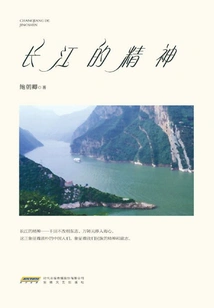
The Spirit of the Yangtze River
Literature长江的精神
Bao Chaoqing
This book is a collection of essays written by an educator, divided into four series, including "The Spirit of the Yangtze River", "Qiupu Feelings" and other works. It records the author's life insights, teaching experience, and life experience over the past decades, and incorporates his thoughts on various social realities. The work is profound in thought and beautiful in writing style, praising the beauty of nature and the beauty of human nature, and inspiring people with wisdom.
This book is a collection of essays written by an educator, divided into four series, including "The Spirit of the Yangtze River", "Qiupu Feelings" and other works. It records the author's life insights, teaching experience, and life experience over the past decades, and incorporates his thoughts on various social realities. The work is profound in thought and beautiful in writing style, praising the beauty of nature and the beauty of human nature, and inspiring people with wisdom.
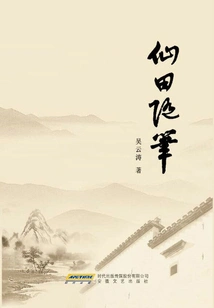
Xianda Essay
Literature仙田随笔
Wu Yuntao
"Xiantian Essays" is a selection of the author's prose works created in recent years. The main content is the excellent history and culture of Susong area, including intangible cultural heritage, rural virtuous culture, local opera, rural folk customs, etc. For example, "Sang Luozhou on the Yanbo River" and "Huangmei Opera Picking Tea" are cultural essays that reflect the inheritance of Wu-Chu culture and opera culture in the Susong area; short essays such as "Fragrance of Flowers", "Fragrant Words" and "Loquat Family Affairs" reflect the local customs and folk customs of the Susong area. The whole work uses literary form to pay attention to reality, reflect the spirit of the times and people's aesthetic taste.
"Xiantian Essays" is a selection of the author's prose works created in recent years. The main content is the excellent history and culture of Susong area, including intangible cultural heritage, rural virtuous culture, local opera, rural folk customs, etc. For example, "Sang Luozhou on the Yanbo River" and "Huangmei Opera Picking Tea" are cultural essays that reflect the inheritance of Wu-Chu culture and opera culture in the Susong area; short essays such as "Fragrance of Flowers", "Fragrant Words" and "Loquat Family Affairs" reflect the local customs and folk customs of the Susong area. The whole work uses literary form to pay attention to reality, reflect the spirit of the times and people's aesthetic taste.
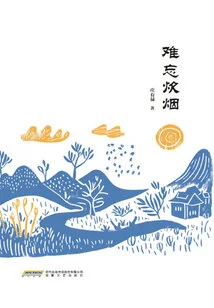
Unforgettable Smoke
Literature难忘炊烟
Zhuang Youlu
This book is a collection of essays written by Zhuang Youlu, a writer from Anhui Province. It is divided into five series: "Souls in the Country", "Love in the Country", "Character Portraits" and "Thoughts on Reading". It contains more than 70 essays such as "Unforgettable Smoke from Cooking", "Being a Teacher for the First Time", "Visiting the Teacher" and "Memories of Listening to Books". In this book, the author describes the mountains and scenery of his hometown and records his own life insights and experiences. These life records are displayed in front of readers through delicate words. The work has a positive style and beautiful writing style. It is not only a summary of the stages of one's life, but also a reflection and understanding of the value of life, giving people warmth and enlightenment.
This book is a collection of essays written by Zhuang Youlu, a writer from Anhui Province. It is divided into five series: "Souls in the Country", "Love in the Country", "Character Portraits" and "Thoughts on Reading". It contains more than 70 essays such as "Unforgettable Smoke from Cooking", "Being a Teacher for the First Time", "Visiting the Teacher" and "Memories of Listening to Books". In this book, the author describes the mountains and scenery of his hometown and records his own life insights and experiences. These life records are displayed in front of readers through delicate words. The work has a positive style and beautiful writing style. It is not only a summary of the stages of one's life, but also a reflection and understanding of the value of life, giving people warmth and enlightenment.
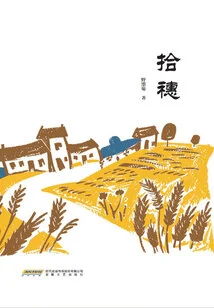
Gleaning
Literature拾穗
Wild Moju
This book is a collection of essays written by Ye Moju, a female writer from Anhui Province. It is divided into three parts: "Song of Youth", "Seeing Words as Faces" and "Gleaning Things in Life". It includes essays such as "Warm", "The Universe Underfoot" and "Lonicera". The author loves education and depicts the vibrant campus life from the perspective of an educator. He outlines the four seasons of the campus with delicate brushstrokes, expresses the warm emotions between teachers and students, and eulogizes the beauty of nature, youth, and life.
This book is a collection of essays written by Ye Moju, a female writer from Anhui Province. It is divided into three parts: "Song of Youth", "Seeing Words as Faces" and "Gleaning Things in Life". It includes essays such as "Warm", "The Universe Underfoot" and "Lonicera". The author loves education and depicts the vibrant campus life from the perspective of an educator. He outlines the four seasons of the campus with delicate brushstrokes, expresses the warm emotions between teachers and students, and eulogizes the beauty of nature, youth, and life.
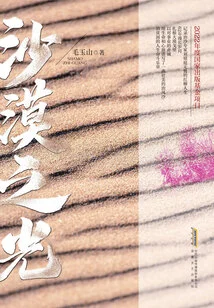
Desert Light
Literature沙漠之光
Mao Yushan
This book is a reportage that tells the story of desert control scientist Liu Mingting's desert control experience of more than 60 years in the desert of southern Xinjiang. Liu Mingting has won three awards from the United Nations Environment Program. In 2019, he was awarded the title of "The Most Beautiful Struggler" by the Propaganda Department of the Central Committee of the Communist Party of China in celebration of the 70th anniversary of the founding of the People's Republic of China. Liu Mingting has studied tamarisk and sand control throughout his life, representing the highest level of tamarisk research in my country. He discovered 5 new species of tamarisk, invented the high-yield tamarisk seedling cultivation technology, and used "flood irrigation" technology to develop the tamarisk vegetation in southern Xinjiang to more than 5 million acres, making outstanding contributions to Xinjiang's ecological environment management. He invented the tamarisk planting technology, which organically combined ecological and economic benefits. Under his leadership and guidance, 500,000 acres of red willow trees were developed throughout the Hotan area, allowing hundreds of thousands of farmers in the desert area to embark on the road to get rid of poverty and become rich. The work vividly displays a typical image of a role model of the era. It promotes the patriotic spirit, inspires the patriotic feelings of people of all ethnic groups in the country, and gathers powerful patriotic power to realize the Chinese dream of the great rejuvenation of the Chinese nation.
This book is a reportage that tells the story of desert control scientist Liu Mingting's desert control experience of more than 60 years in the desert of southern Xinjiang. Liu Mingting has won three awards from the United Nations Environment Program. In 2019, he was awarded the title of "The Most Beautiful Struggler" by the Propaganda Department of the Central Committee of the Communist Party of China in celebration of the 70th anniversary of the founding of the People's Republic of China. Liu Mingting has studied tamarisk and sand control throughout his life, representing the highest level of tamarisk research in my country. He discovered 5 new species of tamarisk, invented the high-yield tamarisk seedling cultivation technology, and used "flood irrigation" technology to develop the tamarisk vegetation in southern Xinjiang to more than 5 million acres, making outstanding contributions to Xinjiang's ecological environment management. He invented the tamarisk planting technology, which organically combined ecological and economic benefits. Under his leadership and guidance, 500,000 acres of red willow trees were developed throughout the Hotan area, allowing hundreds of thousands of farmers in the desert area to embark on the road to get rid of poverty and become rich. The work vividly displays a typical image of a role model of the era. It promotes the patriotic spirit, inspires the patriotic feelings of people of all ethnic groups in the country, and gathers powerful patriotic power to realize the Chinese dream of the great rejuvenation of the Chinese nation.
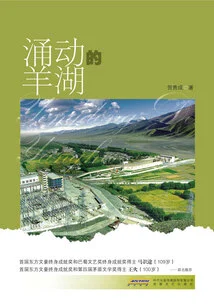
The Surging Yanghu Lake
Literature涌动的羊湖
He Guicheng
This book is based on the 1980s and 1990s when the Chinese Armed Police Hydropower Corps built the Tibet Yanghu Power Station on the Qinghai-Tibet Plateau, known as the "Third Pole" of the Earth. It describes the work of 3,000 officers and soldiers on the world's highest altitude, the highest water head in China, the longest diversion tunnel, and the most difficult construction. It was a key project to aid Tibet during the country's "Eighth Five-Year Plan" period. During the construction of the pumped storage power station, we challenged the limits of life, overcame the harsh natural environment, crossed the chest and abdomen of Gambala Mountain, and launched an eight-year battle in the "life forbidden zone" on the roof of the world, creating the "Yanghu Spirit" of "unity and cooperation, tenacious struggle, selfless dedication, and scientific progress", one of the "five spirits" highlighted in Tibet's propaganda. It focuses on portraying a vivid image of a group of hydropower officers and soldiers who worked hard, were not afraid of sacrifice, and dedicated themselves sincerely, and created miracles in the world with strength, fearlessness, and bravery.
This book is based on the 1980s and 1990s when the Chinese Armed Police Hydropower Corps built the Tibet Yanghu Power Station on the Qinghai-Tibet Plateau, known as the "Third Pole" of the Earth. It describes the work of 3,000 officers and soldiers on the world's highest altitude, the highest water head in China, the longest diversion tunnel, and the most difficult construction. It was a key project to aid Tibet during the country's "Eighth Five-Year Plan" period. During the construction of the pumped storage power station, we challenged the limits of life, overcame the harsh natural environment, crossed the chest and abdomen of Gambala Mountain, and launched an eight-year battle in the "life forbidden zone" on the roof of the world, creating the "Yanghu Spirit" of "unity and cooperation, tenacious struggle, selfless dedication, and scientific progress", one of the "five spirits" highlighted in Tibet's propaganda. It focuses on portraying a vivid image of a group of hydropower officers and soldiers who worked hard, were not afraid of sacrifice, and dedicated themselves sincerely, and created miracles in the world with strength, fearlessness, and bravery.
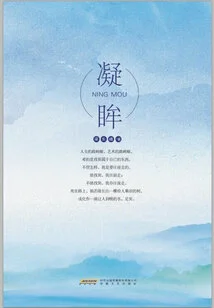
Stare
Literature凝眸
Liang Chang'e
This book is a collection of essays by Liang Chang'e, a writer from Anhui Province. It is divided into two parts: "Concentrating Eyes" and "Colorful Love". It includes the author's travel notes, life insights, literary reviews, writing experiences, etc., Including "Listening to the Waves by the River", "Warming a Pot of Wine under the Moonlight", "A Petal of Fragrance in the Heart", "Like Water, Articles Unstained by Dust", etc. The author is good at observing life, describing nature, and has great love for literature and art. He displays his life insights, life experiences, and thoughts on literature in front of readers through delicate words. The work has profound thoughts and beautiful writing style, expressing the beauty of nature, life and literature, giving people warm enlightenment and enjoyment of beauty.
This book is a collection of essays by Liang Chang'e, a writer from Anhui Province. It is divided into two parts: "Concentrating Eyes" and "Colorful Love". It includes the author's travel notes, life insights, literary reviews, writing experiences, etc., Including "Listening to the Waves by the River", "Warming a Pot of Wine under the Moonlight", "A Petal of Fragrance in the Heart", "Like Water, Articles Unstained by Dust", etc. The author is good at observing life, describing nature, and has great love for literature and art. He displays his life insights, life experiences, and thoughts on literature in front of readers through delicate words. The work has profound thoughts and beautiful writing style, expressing the beauty of nature, life and literature, giving people warm enlightenment and enjoyment of beauty.
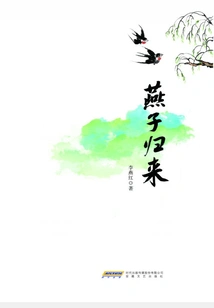
The Swallow Returns
Literature燕子归来
Li Yanhong
This book is a collection of essays. It includes chapters such as "Childlike Heart", "Father's Yellow Army Shoes", "Promise" and "Flying Youth". The book contains real and touching descriptions of his hometown, unforgettable memories of family ties, and memories of the customs and customs of his hometown. It expresses the cherishment of a happy life and the unremitting pursuit of ideals. Rich in content, suitable for both refined and popular tastes, and highly readable.
This book is a collection of essays. It includes chapters such as "Childlike Heart", "Father's Yellow Army Shoes", "Promise" and "Flying Youth". The book contains real and touching descriptions of his hometown, unforgettable memories of family ties, and memories of the customs and customs of his hometown. It expresses the cherishment of a happy life and the unremitting pursuit of ideals. Rich in content, suitable for both refined and popular tastes, and highly readable.
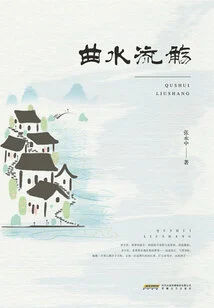
Qu Shui Shang
Literature曲水流觞
Zhang Yongzhong
This book is a collection of prose works, including 100 prose works. It is divided into four parts: Ancient Rhymes, Miscellaneous Stories about Human Nature, Bookish Calmness, and Misty Walnut Mountain. It mainly records the author's travel experiences, life insights, and reading experience. It expresses praise for the great rivers and mountains of the motherland, love for a life full of warmth, and admiration for a life attitude of reading quietly and thinking diligently. The writing style of the work is beautiful, the language is concise, full of interest, and gives people warmth and enlightenment.
This book is a collection of prose works, including 100 prose works. It is divided into four parts: Ancient Rhymes, Miscellaneous Stories about Human Nature, Bookish Calmness, and Misty Walnut Mountain. It mainly records the author's travel experiences, life insights, and reading experience. It expresses praise for the great rivers and mountains of the motherland, love for a life full of warmth, and admiration for a life attitude of reading quietly and thinking diligently. The writing style of the work is beautiful, the language is concise, full of interest, and gives people warmth and enlightenment.
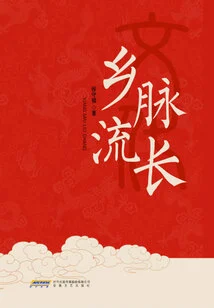
The Countryside Has a Long History
Literature乡脉流长
Zhang Shoufu
This book is a collection of essays, including dozens of the author's latest essays, divided into five series: Folk Customs, Fragrant Customs, Rural Memories, Old Street Love, and Jianghuai Range Rover. It includes chapters such as "Moving Hometown", "Longing Homesickness", "Long-running Hometown", "Wandering in the Villages of Ancient Huizhou", "The New Year After Laba", etc. "Nostalgia" introduces people's understanding of "nostalgia" throughout the ages. The article "Wandering in the Villages of Ancient Huizhou" introduces the traditional culture and old objects of ancient Huizhou. The article not only contains the author's deep nostalgia for his hometown and relatives, but also introduces the folk culture of various parts of Anhui. The writing is concise, sincere and highly readable.
This book is a collection of essays, including dozens of the author's latest essays, divided into five series: Folk Customs, Fragrant Customs, Rural Memories, Old Street Love, and Jianghuai Range Rover. It includes chapters such as "Moving Hometown", "Longing Homesickness", "Long-running Hometown", "Wandering in the Villages of Ancient Huizhou", "The New Year After Laba", etc. "Nostalgia" introduces people's understanding of "nostalgia" throughout the ages. The article "Wandering in the Villages of Ancient Huizhou" introduces the traditional culture and old objects of ancient Huizhou. The article not only contains the author's deep nostalgia for his hometown and relatives, but also introduces the folk culture of various parts of Anhui. The writing is concise, sincere and highly readable.
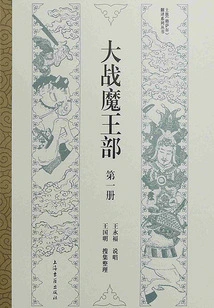
Battle Against the Demon King (Part 1)
Literature大战魔王部(第一部)
Wang Yongfu's Raps Collected And Compiled By Wang Guoming
"Gesar" is a representative work of the Tibetan epic. It mainly tells the story of the lion king Gesar who led the Ling army to conquer the north and south with a fearless spirit, subdued demons, restrained the strong and supported the weak, saved living beings, enabled the people to live a peaceful life, and returned to the kingdom of heaven in his later years. "War against the Demon King" (Volume 1) is one of the "Tu tribe's "Gesar" translation series". It takes the conflict between the Northern Demonic Kingdom and Gesar provoked by the Aguga Party after Gesar became queen as the main narrative point. It vividly and vividly reproduces Gesar's courage and spirit of not fearing difficulties and daring to fight in the face of powerful enemies in the form of rap verses. The main content of this book is that after Gesar became king, the Aguga Party instigated the relationship between the Alang tribe and the Northern Demon Kingdom, causing the Demon Kingdom to attack Gesar. It describes in detail how the Aguga Party tried to persuade the five generals of the old tribe to attack the Alang tribe. After the persuasion failed, how they went through hardships and came to the demon city to see the demon king, how they persuaded the demon king to capture the Alang tribe, and how the Alang tribe gathered troops to fight. The story reproduces Gesar's courage and courage to fight for the people despite strong enemies. This book has a complete structure and is divided into five chapters. The text is mainly composed of two parts, namely Wang Yongfu's rap and Wang Guoming's translation of the rap content. The rap is catchy and the translation is easy to understand.
"Gesar" is a representative work of the Tibetan epic. It mainly tells the story of the lion king Gesar who led the Ling army to conquer the north and south with a fearless spirit, subdued demons, restrained the strong and supported the weak, saved living beings, enabled the people to live a peaceful life, and returned to the kingdom of heaven in his later years. "War against the Demon King" (Volume 1) is one of the "Tu tribe's "Gesar" translation series". It takes the conflict between the Northern Demonic Kingdom and Gesar provoked by the Aguga Party after Gesar became queen as the main narrative point. It vividly and vividly reproduces Gesar's courage and spirit of not fearing difficulties and daring to fight in the face of powerful enemies in the form of rap verses. The main content of this book is that after Gesar became king, the Aguga Party instigated the relationship between the Alang tribe and the Northern Demon Kingdom, causing the Demon Kingdom to attack Gesar. It describes in detail how the Aguga Party tried to persuade the five generals of the old tribe to attack the Alang tribe. After the persuasion failed, how they went through hardships and came to the demon city to see the demon king, how they persuaded the demon king to capture the Alang tribe, and how the Alang tribe gathered troops to fight. The story reproduces Gesar's courage and courage to fight for the people despite strong enemies. This book has a complete structure and is divided into five chapters. The text is mainly composed of two parts, namely Wang Yongfu's rap and Wang Guoming's translation of the rap content. The rap is catchy and the translation is easy to understand.
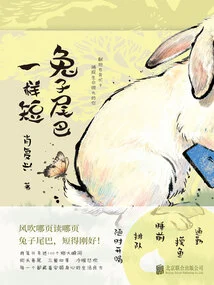
Rabbit's Tail is as Short
Literature兔子尾巴一样短
Xiao Fuxing
Don't blame the rabbit for its short tail! Hidden here are the fireworks in Beijing's alleys, the wind and snow in Beidahuang, the old days in the old courtyard, the nostalgia in the dumplings, and the poetry of the four seasons... The pen in Xiao Fuxing's hand is like a delicate knife. From his more than seventy years of life, he picks out 120 of the most shining fragments of life - fireworks moments as short as rabbit tails - dedicated to you who catch the glimmer of life in the rush!
Don't blame the rabbit for its short tail! Hidden here are the fireworks in Beijing's alleys, the wind and snow in Beidahuang, the old days in the old courtyard, the nostalgia in the dumplings, and the poetry of the four seasons... The pen in Xiao Fuxing's hand is like a delicate knife. From his more than seventy years of life, he picks out 120 of the most shining fragments of life - fireworks moments as short as rabbit tails - dedicated to you who catch the glimmer of life in the rush!
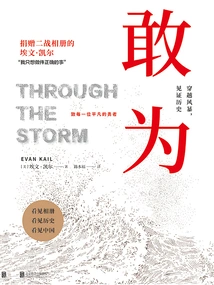
Dare to Do
Literature敢为
(us) Evan Kyle
In this book, Evan Kyle uses words and pictures to record the origin of the World War II photo album and the entire journey of donating the photo album. After making this important decision, Evan encountered severe online violence and death threats. He was once forced to wear a body armor and carry a gun to protect himself. He suffered tremendous psychological pressure and even sought help from a psychiatrist due to panic symptoms. However, he still donated this World War II photo album to China without hesitation. In November 2024, Evan set foot on Chinese soil for the first time and embarked on a healing journey across borders. He personally went to Nanjing, Harbin and other places to review that period of history that cannot be forgotten. As an ordinary person, Evan insisted on doing the right thing out of a pure sense of justice and a good heart to protect the truth of history. His actions made more people understand the dark history of the Japanese invasion of China, and encouraged the general public to cherish peace more. At the same time, they also conveyed the warmth of humanity and extraordinary courage that transcends national boundaries, allowing more people with conscience to "see history and remember the past."
In this book, Evan Kyle uses words and pictures to record the origin of the World War II photo album and the entire journey of donating the photo album. After making this important decision, Evan encountered severe online violence and death threats. He was once forced to wear a body armor and carry a gun to protect himself. He suffered tremendous psychological pressure and even sought help from a psychiatrist due to panic symptoms. However, he still donated this World War II photo album to China without hesitation. In November 2024, Evan set foot on Chinese soil for the first time and embarked on a healing journey across borders. He personally went to Nanjing, Harbin and other places to review that period of history that cannot be forgotten. As an ordinary person, Evan insisted on doing the right thing out of a pure sense of justice and a good heart to protect the truth of history. His actions made more people understand the dark history of the Japanese invasion of China, and encouraged the general public to cherish peace more. At the same time, they also conveyed the warmth of humanity and extraordinary courage that transcends national boundaries, allowing more people with conscience to "see history and remember the past."
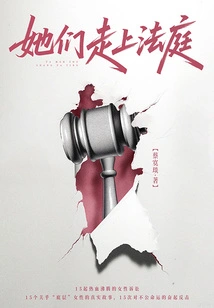
They Went to Court
Literature她们走上法庭
Cai Mouyan
In writing about topics such as "feminism", "female independence" and "female power", women at the bottom always seem to be in a state of aphasia. Daughters who are sold as commodities by their biological mothers, wives who have suffered domestic violence for a long time, women who are homeless due to divorce, lost girls who are accidentally involved in murder cases... They are on the margins of society, either ignorant because of the scarcity of educational resources, or struggling because of lack of economic independence, or tightly bound by the shackles of stereotypes and bad habits. In order to be seen and respected, they decided to go to court. 15 Passionate female lawsuits, 15 true stories about "lower class" women, 15 fights against unfair fate. At the end of the story, because of the law, they all have a new life of their own. What this book records is the cry of women at the bottom and their "determination to run away."
In writing about topics such as "feminism", "female independence" and "female power", women at the bottom always seem to be in a state of aphasia. Daughters who are sold as commodities by their biological mothers, wives who have suffered domestic violence for a long time, women who are homeless due to divorce, lost girls who are accidentally involved in murder cases... They are on the margins of society, either ignorant because of the scarcity of educational resources, or struggling because of lack of economic independence, or tightly bound by the shackles of stereotypes and bad habits. In order to be seen and respected, they decided to go to court. 15 Passionate female lawsuits, 15 true stories about "lower class" women, 15 fights against unfair fate. At the end of the story, because of the law, they all have a new life of their own. What this book records is the cry of women at the bottom and their "determination to run away."
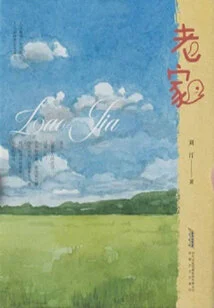
Hometown
Literature老家
Liu Ting
This book is a collection of essays with the author's hometown as the theme. The book includes 17 chapters, including "Father", "Old Men", and "Drama and Shadow". The content touches on relatives, hometown, and the soft and compassionate heart of people who have left their hometown. It describes the pain of the people in the hometown when they face the tribulations of life, and the joy of finding joy in their suffering. It also embodies the author's heaviness and lamentation due to leaving his hometown. It is worth savoring and savoring.
This book is a collection of essays with the author's hometown as the theme. The book includes 17 chapters, including "Father", "Old Men", and "Drama and Shadow". The content touches on relatives, hometown, and the soft and compassionate heart of people who have left their hometown. It describes the pain of the people in the hometown when they face the tribulations of life, and the joy of finding joy in their suffering. It also embodies the author's heaviness and lamentation due to leaving his hometown. It is worth savoring and savoring.
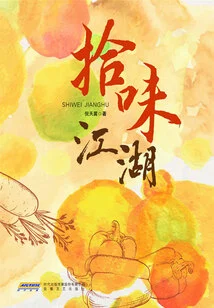
Shiweijianghu
Literature拾味江湖
Ni Tianyi
This book is a collection of personal essays written by young writer Ni Tianyi. The book is divided into four parts, including the author's description and perception of food, what he heard and felt when he traveled to the great rivers and mountains of the motherland, and his feelings and insights after reading. The language of the article is humorous and full of life sentiment.
This book is a collection of personal essays written by young writer Ni Tianyi. The book is divided into four parts, including the author's description and perception of food, what he heard and felt when he traveled to the great rivers and mountains of the motherland, and his feelings and insights after reading. The language of the article is humorous and full of life sentiment.
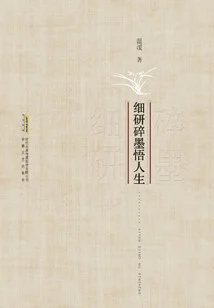
细研碎墨悟人生
Wen Nian
This collection of prose essays records the author's thoughts and understandings over decades of life experience, career and emotional life. The author presents a rich and colorful spiritual world and mental journey in the book, vividly expresses the unremitting pursuit of life ideals, and demonstrates a generation of Chinese people's persistence in the "truth, goodness and beauty" of life. It has a strong flavor of the times and typical significance. The text of the work is fresh and simple, the ideological content is healthy and uplifting, and it actively spreads positive energy. It is an original masterpiece full of idealistic feelings and inspirational spirit.
This collection of prose essays records the author's thoughts and understandings over decades of life experience, career and emotional life. The author presents a rich and colorful spiritual world and mental journey in the book, vividly expresses the unremitting pursuit of life ideals, and demonstrates a generation of Chinese people's persistence in the "truth, goodness and beauty" of life. It has a strong flavor of the times and typical significance. The text of the work is fresh and simple, the ideological content is healthy and uplifting, and it actively spreads positive energy. It is an original masterpiece full of idealistic feelings and inspirational spirit.
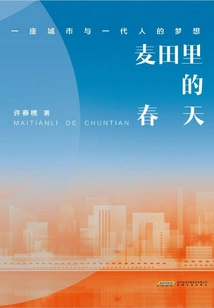
Spring in the Wheat Field
Literature麦田里的春天
Xu Chunqiao
This book is a long documentary. It tells the story of Hefei Economic and Technological Development Zone, which after thirty years of hard work and struggle, came from behind and entered the first square of national development zones. From the initial comprehensive ranking of 16 development zones in the central and western regions, it has entered the top 10 of 217 national economic development zones in the country. From the initial opening of a gas station to building cement culverts to the present day Manufacturing world brands such as Hitachi, Haier, Lenovo, and NIO, from a rural area full of wheat fields and rapeseed fields to a brand new modern city, witnessed the process of Hefei and even Anhui entering the era of scientific and technological innovation from a traditional agricultural society, and demonstrated Hefei's courage and determination to innovate and catch up in the historical tide of reform.
This book is a long documentary. It tells the story of Hefei Economic and Technological Development Zone, which after thirty years of hard work and struggle, came from behind and entered the first square of national development zones. From the initial comprehensive ranking of 16 development zones in the central and western regions, it has entered the top 10 of 217 national economic development zones in the country. From the initial opening of a gas station to building cement culverts to the present day Manufacturing world brands such as Hitachi, Haier, Lenovo, and NIO, from a rural area full of wheat fields and rapeseed fields to a brand new modern city, witnessed the process of Hefei and even Anhui entering the era of scientific and technological innovation from a traditional agricultural society, and demonstrated Hefei's courage and determination to innovate and catch up in the historical tide of reform.
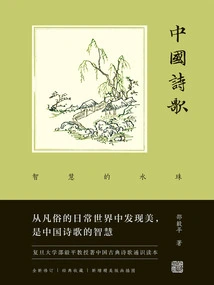
Chinese Poetry: Drops of Wisdom
Literature中国诗歌:智慧的水珠
Shao Yiping
Finding beauty in the mundane, everyday world is the wisdom of Chinese poetry. In "Chinese Poetry: Drops of Wisdom", Professor Shao Yiping of Fudan University uses his beautiful writing style, broad vision, and thorough analysis to take us into the winding paths of classical literature. In casual conversations, we can appreciate the beauty and wisdom of classical literature. The first edition of this book was a hot seller in mainland China but was out of print. It was published by many publishing houses in Taiwan. This time it has been newly revised by the author and released in a hardcover collector's edition. "Chinese Poetry: Drops of Wisdom" mainly interprets the wisdom presented in Chinese classical poetry, and is divided into four parts: "Poetic Art Chapter", "Time Chapter", "Space Chapter", and "Nature and Supernatural Chapter". In terms of poetry form, it explores the wisdom presented by Chinese classical poetry in terms of lyricism, imagery, and rhythm; in terms of poetry content, it explores the wisdom presented by Chinese classical poetry in aspects such as time, seasons, life, history, politics, country, and love.
Finding beauty in the mundane, everyday world is the wisdom of Chinese poetry. In "Chinese Poetry: Drops of Wisdom", Professor Shao Yiping of Fudan University uses his beautiful writing style, broad vision, and thorough analysis to take us into the winding paths of classical literature. In casual conversations, we can appreciate the beauty and wisdom of classical literature. The first edition of this book was a hot seller in mainland China but was out of print. It was published by many publishing houses in Taiwan. This time it has been newly revised by the author and released in a hardcover collector's edition. "Chinese Poetry: Drops of Wisdom" mainly interprets the wisdom presented in Chinese classical poetry, and is divided into four parts: "Poetic Art Chapter", "Time Chapter", "Space Chapter", and "Nature and Supernatural Chapter". In terms of poetry form, it explores the wisdom presented by Chinese classical poetry in terms of lyricism, imagery, and rhythm; in terms of poetry content, it explores the wisdom presented by Chinese classical poetry in aspects such as time, seasons, life, history, politics, country, and love.
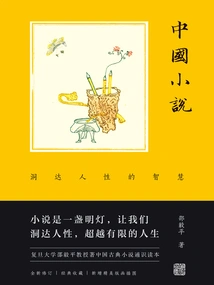
中国小说:洞达人性的智慧
Shao Yiping
The novel is a bright light that allows us to understand human nature and transcend our limited life. In "Chinese Novels: Insights into the Wisdom of Human Nature", Professor Shao Yiping of Fudan University uses beautiful writing, broad vision, and thorough analysis to take us into the winding paths of classical literature. In casual conversations, we can appreciate the beauty and wisdom of classical literature. The first edition of this set of books was a hot seller in mainland China but was out of print. It has been published by many publishing houses in Taiwan. This time it has been newly revised by the author and released in a hardcover collector's edition. "Chinese Novels: Insights into the Wisdom of Human Nature" mainly interprets the wisdom presented in Chinese classical novels. It explores how Chinese classical novels penetrate human nature and the unparalleled modernity under its ancient cloak from twelve aspects: "The shackles of human nature", "The absurdity of existence", "The comedy of wishes", "The black hole of psychology", "The reward of a good person", "The world of grudges", "The joy of foul play", "The hell of others", "The fate of relationships", "The confusion of men", "The depth of passion" and "The author and the reader".
The novel is a bright light that allows us to understand human nature and transcend our limited life. In "Chinese Novels: Insights into the Wisdom of Human Nature", Professor Shao Yiping of Fudan University uses beautiful writing, broad vision, and thorough analysis to take us into the winding paths of classical literature. In casual conversations, we can appreciate the beauty and wisdom of classical literature. The first edition of this set of books was a hot seller in mainland China but was out of print. It has been published by many publishing houses in Taiwan. This time it has been newly revised by the author and released in a hardcover collector's edition. "Chinese Novels: Insights into the Wisdom of Human Nature" mainly interprets the wisdom presented in Chinese classical novels. It explores how Chinese classical novels penetrate human nature and the unparalleled modernity under its ancient cloak from twelve aspects: "The shackles of human nature", "The absurdity of existence", "The comedy of wishes", "The black hole of psychology", "The reward of a good person", "The world of grudges", "The joy of foul play", "The hell of others", "The fate of relationships", "The confusion of men", "The depth of passion" and "The author and the reader".
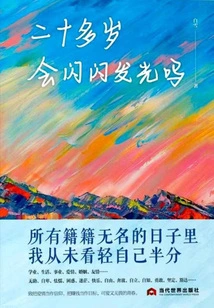
Will Your Twenties Sparkle?
Literature二十多岁会闪闪发光吗
White Snow
Growing up is a painful pain; you are my weakness and my armor; those secret loves are in chaos; being with you is the whole world; three views are more important than the five senses in love; we must also be neighbors with warmth in the future; 38 emotional stories truly record the growth of urban youth in their 20s. Provide reference and guidance for marriage, employment, life, etc., And provide healthy guidance for values.
Growing up is a painful pain; you are my weakness and my armor; those secret loves are in chaos; being with you is the whole world; three views are more important than the five senses in love; we must also be neighbors with warmth in the future; 38 emotional stories truly record the growth of urban youth in their 20s. Provide reference and guidance for marriage, employment, life, etc., And provide healthy guidance for values.
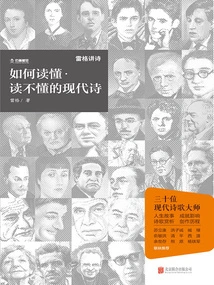
如何读懂·读不懂的现代诗
Reg
This book tells the lives of 30 modern poetry masters together with their poems. It uses vivid and life-like language to eliminate the cognitive barriers of "obscure, self-conscious, and difficult to understand" modern poetry, allowing readers to understand the lives of poets and the origins and derived schools of modern poetry without any threshold. Integrating the original hard-core and systematic content into a tender story is the poet Reg's specialty. This book is suitable for both adult poetry lovers and young readers who don't know much about modern poetry but are interested in it.
This book tells the lives of 30 modern poetry masters together with their poems. It uses vivid and life-like language to eliminate the cognitive barriers of "obscure, self-conscious, and difficult to understand" modern poetry, allowing readers to understand the lives of poets and the origins and derived schools of modern poetry without any threshold. Integrating the original hard-core and systematic content into a tender story is the poet Reg's specialty. This book is suitable for both adult poetry lovers and young readers who don't know much about modern poetry but are interested in it.
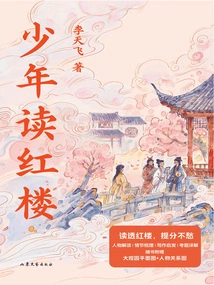
Young Man Reading the Red Mansion
Literature少年读红楼
Li Tianfei
This is a book that interprets "A Dream of Red Mansions" for teenagers. "A Dream of Red Mansions" is the Mount Everest of Chinese literature, and it is also a classic that is especially suitable for teenagers to read. Scholar Li Tianfei extracted topics that are closely related to children's learning and growth, such as "Should we be a boy who attracts attention?" "How to face difficulties" and "What kind of life value should we pursue?" He quoted classics to analyze the character characteristics, plot promotion, and cultural connotation, perceive the lasting charm of classics, and comprehensively improve children's reading, aesthetic, and rhetorical abilities. In addition, his interpretation does not stop at the work itself, but is close to the lives of children, guiding them to observe, sympathize and reflect on every life. The whole book runs through the author's understanding of life and emotions, helping children draw the power and meaning of growth from the classics.
This is a book that interprets "A Dream of Red Mansions" for teenagers. "A Dream of Red Mansions" is the Mount Everest of Chinese literature, and it is also a classic that is especially suitable for teenagers to read. Scholar Li Tianfei extracted topics that are closely related to children's learning and growth, such as "Should we be a boy who attracts attention?" "How to face difficulties" and "What kind of life value should we pursue?" He quoted classics to analyze the character characteristics, plot promotion, and cultural connotation, perceive the lasting charm of classics, and comprehensively improve children's reading, aesthetic, and rhetorical abilities. In addition, his interpretation does not stop at the work itself, but is close to the lives of children, guiding them to observe, sympathize and reflect on every life. The whole book runs through the author's understanding of life and emotions, helping children draw the power and meaning of growth from the classics.
菜场女作家陈慧作品精选集(全3册)
Chen Hui
This collection includes three of Chen Hui's works - "In the Vegetable Market, In the Human World", "Going to a Place with Flowers", and "Other Country", which are regarded as important achievements in the field of contemporary non-fiction writing that are both pyrotechnic and literary. With their unique civilian perspective and deep empathy, they construct a literary monument about life, migration and belonging. The author Chen Hui, known as the "philosopher of life in the market", uses her keen observation rooted in the market to penetrate into three key scenes of life, from the specific and subtle survival scene, to the spiritual pursuit across geography, to the deep concern for the fate of the group. The three works progress layer by layer, fully demonstrating Chen Hui's creative pedigree starting from the scene of life and finally arriving at universal human nature.
This collection includes three of Chen Hui's works - "In the Vegetable Market, In the Human World", "Going to a Place with Flowers", and "Other Country", which are regarded as important achievements in the field of contemporary non-fiction writing that are both pyrotechnic and literary. With their unique civilian perspective and deep empathy, they construct a literary monument about life, migration and belonging. The author Chen Hui, known as the "philosopher of life in the market", uses her keen observation rooted in the market to penetrate into three key scenes of life, from the specific and subtle survival scene, to the spiritual pursuit across geography, to the deep concern for the fate of the group. The three works progress layer by layer, fully demonstrating Chen Hui's creative pedigree starting from the scene of life and finally arriving at universal human nature.
When Traveling Wildly
Literature野行时
Anqi
"Wild Traveling" is the poet An Qi's third poetry collection after "The Wild Garden Collection" and "The Wild Wind" (which won the 6th Ye Shengtao Teacher Literature Award). It will be published by Chongqing Publishing House in September 2024. The poet An Qi takes root in the northwest and on the frontline of education. From the perspective of a "wild traveler", he combines individual spiritual pursuits with the spiritual pursuits of Chinese people in the new era. His works deeply explore regional culture and highlight national characteristics. The book takes the Yellow River, Gobi, mountains and other natural landscapes as the spiritual background, deeply explores the humanistic heritage and national customs of the Northwest region, and constructs a unique Northwest poetic environment. As a teacher who is deeply involved in Chinese education, his works have both textual quality and ideological warmth. They not only echo the contemporary concerns of literary creation in the new era, but also practice the creative policy of "going deep into life and taking root in the people". The book is divided into five series: The first series is "Surrounded by the Green Mountains", the second series is "Breaking through the Mountains", the third series is "When Traveling Wildly", the fourth series is "The Wild Mountains Are Away", and the fifth series is "Singing Songs in the North Mountains".
"Wild Traveling" is the poet An Qi's third poetry collection after "The Wild Garden Collection" and "The Wild Wind" (which won the 6th Ye Shengtao Teacher Literature Award). It will be published by Chongqing Publishing House in September 2024. The poet An Qi takes root in the northwest and on the frontline of education. From the perspective of a "wild traveler", he combines individual spiritual pursuits with the spiritual pursuits of Chinese people in the new era. His works deeply explore regional culture and highlight national characteristics. The book takes the Yellow River, Gobi, mountains and other natural landscapes as the spiritual background, deeply explores the humanistic heritage and national customs of the Northwest region, and constructs a unique Northwest poetic environment. As a teacher who is deeply involved in Chinese education, his works have both textual quality and ideological warmth. They not only echo the contemporary concerns of literary creation in the new era, but also practice the creative policy of "going deep into life and taking root in the people". The book is divided into five series: The first series is "Surrounded by the Green Mountains", the second series is "Breaking through the Mountains", the third series is "When Traveling Wildly", the fourth series is "The Wild Mountains Are Away", and the fifth series is "Singing Songs in the North Mountains".