Library
Browse and search novels
25,955 novels found
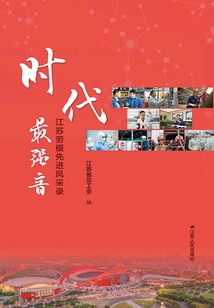
The Strongest Voice of the Era
Literature时代最强音
Jiangsu Provincial Federation Of Trade Unions
In order to vigorously promote the spirit of model workers, the spirit of labor, and the spirit of craftsmanship, and show the style of Jiangsu workers of the times, the Jiangsu Provincial Federation of Trade Unions selected the 50 most representative model workers, introduced the life stories of the characters in easy-to-understand words, and presented the growth process of the model workers. People create history and work achieves great things. Model workers are the vanguard of the times and the model of the nation. In order to better display and publicize the model workers emerging in Jiangsu, further integrate the power of Jiangsu model workers, condense the spirit of Jiangsu model workers, and make Jiangsu model worker culture form a strong social impact and influence, the Jiangsu Provincial Federation of Trade Unions specially selected 50 The advanced deeds of model workers are classified and arranged according to several sections of "love and dedication to work, strive for first-class excellence, be brave in innovation, persevere, and strive for excellence", with a view to effectively conveying the spirit of model workers, promoting the brand of model workers, and making glorious labor and great creation the strongest voice of the era!
In order to vigorously promote the spirit of model workers, the spirit of labor, and the spirit of craftsmanship, and show the style of Jiangsu workers of the times, the Jiangsu Provincial Federation of Trade Unions selected the 50 most representative model workers, introduced the life stories of the characters in easy-to-understand words, and presented the growth process of the model workers. People create history and work achieves great things. Model workers are the vanguard of the times and the model of the nation. In order to better display and publicize the model workers emerging in Jiangsu, further integrate the power of Jiangsu model workers, condense the spirit of Jiangsu model workers, and make Jiangsu model worker culture form a strong social impact and influence, the Jiangsu Provincial Federation of Trade Unions specially selected 50 The advanced deeds of model workers are classified and arranged according to several sections of "love and dedication to work, strive for first-class excellence, be brave in innovation, persevere, and strive for excellence", with a view to effectively conveying the spirit of model workers, promoting the brand of model workers, and making glorious labor and great creation the strongest voice of the era!
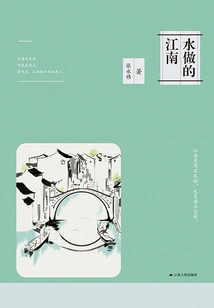
Jiangnan Made of Water
Literature水做的江南
Zhang Yongyi
This book is a collection of essays about Jiangnan culture by Zhang Yongyi, a well-known writer in Jiangsu area. There are 83 articles in the book, which are divided into nine parts according to different aspects and themes, including "spirituality is like water", "dexterity is like water", "soul is in water", "inspiration is like water", "agility is like water", "spirituality is like water", "beautifulness is like water", "spirit is like water" and "spirit is like water". The writing in the book is not limited to the customs and customs of Jiangnan, but focuses on writing some kind of natural philosophy from the perspective of Jiangnan aesthetics. The author uses water as the main line to paint a moving picture of Jiangnan. The book is divided into nine sections to introduce the concept of Jiangnan culture, typical cultural symbols of the Jiangnan region, Jiangnan allusions and legends, artists' inspirations due to Jiangnan, various art forms in Jiangnan, the characters, stories, scenery behind Jiangnan culture, etc. The author embraces his passionate feelings for Jiangnan and describes the beauty of Jiangnan to readers in detail. The book's writing is beautiful and smooth, giving people the pleasure of bathing in the mist and rain of Jiangnan. It introduces Jiangnan culture silently and moisturizes things, which is helpful for readers to understand and think deeply about the rich connotation and profound heritage of Jiangnan culture.
This book is a collection of essays about Jiangnan culture by Zhang Yongyi, a well-known writer in Jiangsu area. There are 83 articles in the book, which are divided into nine parts according to different aspects and themes, including "spirituality is like water", "dexterity is like water", "soul is in water", "inspiration is like water", "agility is like water", "spirituality is like water", "beautifulness is like water", "spirit is like water" and "spirit is like water". The writing in the book is not limited to the customs and customs of Jiangnan, but focuses on writing some kind of natural philosophy from the perspective of Jiangnan aesthetics. The author uses water as the main line to paint a moving picture of Jiangnan. The book is divided into nine sections to introduce the concept of Jiangnan culture, typical cultural symbols of the Jiangnan region, Jiangnan allusions and legends, artists' inspirations due to Jiangnan, various art forms in Jiangnan, the characters, stories, scenery behind Jiangnan culture, etc. The author embraces his passionate feelings for Jiangnan and describes the beauty of Jiangnan to readers in detail. The book's writing is beautiful and smooth, giving people the pleasure of bathing in the mist and rain of Jiangnan. It introduces Jiangnan culture silently and moisturizes things, which is helpful for readers to understand and think deeply about the rich connotation and profound heritage of Jiangnan culture.
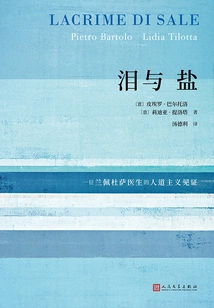
Tears and Salt
Literature泪与盐
(italian) Piero Bartolo Lidia Tilotta
Living in Lampedusa is not easy. This small beach broke away from the African continent and migrated towards Europe, as if willing to become a symbol of the bridge between the two. Its destiny has been written by the peculiar geographical conditions, and this destiny not only dominates the land, but also dominates the people who settle on it. Lampedusa, an island closer to the African continent than to mainland Italy, has become a transit point for countless African refugees entering Europe. Desperate people choose to use the most humble and dangerous way of smuggling to stay away from the war and pain in their homeland. The ocean, originally a road of hope, often becomes a hell where its fate is overturned. Organ trade, rape and robbery, brutal smugglers, frequent shipwrecks... Piero Bartolo, the son of a poor Lampedusa fisherman, resolutely returned to his hometown in 1991 and opened the first clinic on the island. He never imagined that his clinic would become a trench on the front line of the refugee crisis. Countless emergency treatments, inspections, rescues, and autopsies... For Bartolo and other Lampedusa people, it is unacceptable to leave anyone at sea to be at the mercy of fate. This is the rule of the ocean that no one can violate. Dr. Bartolo uses words as precise and sharp as a surgical scalpel to present a broken life and the mental trauma that can never be healed. These personal records sharply interrogate the boundaries of civilization and identity, asking us to ask why these tragedies occur, and how a society and minds that are increasingly numb to the suffering of others can face the ultimate suffering created by mankind.
Living in Lampedusa is not easy. This small beach broke away from the African continent and migrated towards Europe, as if willing to become a symbol of the bridge between the two. Its destiny has been written by the peculiar geographical conditions, and this destiny not only dominates the land, but also dominates the people who settle on it. Lampedusa, an island closer to the African continent than to mainland Italy, has become a transit point for countless African refugees entering Europe. Desperate people choose to use the most humble and dangerous way of smuggling to stay away from the war and pain in their homeland. The ocean, originally a road of hope, often becomes a hell where its fate is overturned. Organ trade, rape and robbery, brutal smugglers, frequent shipwrecks... Piero Bartolo, the son of a poor Lampedusa fisherman, resolutely returned to his hometown in 1991 and opened the first clinic on the island. He never imagined that his clinic would become a trench on the front line of the refugee crisis. Countless emergency treatments, inspections, rescues, and autopsies... For Bartolo and other Lampedusa people, it is unacceptable to leave anyone at sea to be at the mercy of fate. This is the rule of the ocean that no one can violate. Dr. Bartolo uses words as precise and sharp as a surgical scalpel to present a broken life and the mental trauma that can never be healed. These personal records sharply interrogate the boundaries of civilization and identity, asking us to ask why these tragedies occur, and how a society and minds that are increasingly numb to the suffering of others can face the ultimate suffering created by mankind.
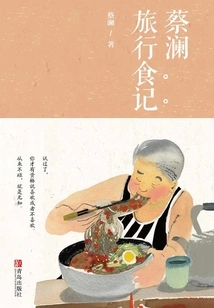
蔡澜旅行食记1(新版)
Cai Lam
This book collects Mr. Cai Lam's travel notes and essays for the purpose of exploring. See the world, from Moscow to Buenos Aires, read all about European and American customs; travel in China, from Dalian, Liaoning to Sheung Wan, Hong Kong, taste different folk delicacies; talk about food, from cup noodles and sauces to fish roe and curry, give food tips and inspire words. The book is accompanied by dozens of illustrations by Ms. Su Meilu, Mr. Cai's dedicated illustrator, which complement each other and have a unique style.
This book collects Mr. Cai Lam's travel notes and essays for the purpose of exploring. See the world, from Moscow to Buenos Aires, read all about European and American customs; travel in China, from Dalian, Liaoning to Sheung Wan, Hong Kong, taste different folk delicacies; talk about food, from cup noodles and sauces to fish roe and curry, give food tips and inspire words. The book is accompanied by dozens of illustrations by Ms. Su Meilu, Mr. Cai's dedicated illustrator, which complement each other and have a unique style.
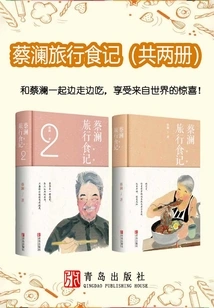
蔡澜旅行食记(共两册)
Cai Lam
Appreciate Chua Lam's life aesthetics: "Only after you have tried it can you be qualified to say whether you like it or not. If you never touch it, you are ignorant." Live a willful life with Chua Lam: "I don't encourage being carefree about relationships, but you must be carefree about food!" Mr. Cai Lam, the general consultant of "A Bite of China", will take you to taste all the unforgettable delicacies in the world and share with you the little-known stories of food. There is a saying that the best taste is in the world. Today, I will eat as well as Cai Lan!
Appreciate Chua Lam's life aesthetics: "Only after you have tried it can you be qualified to say whether you like it or not. If you never touch it, you are ignorant." Live a willful life with Chua Lam: "I don't encourage being carefree about relationships, but you must be carefree about food!" Mr. Cai Lam, the general consultant of "A Bite of China", will take you to taste all the unforgettable delicacies in the world and share with you the little-known stories of food. There is a saying that the best taste is in the world. Today, I will eat as well as Cai Lan!
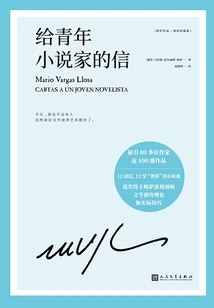
略萨作品:给青年小说家的信
(peru)mario Vargas Llosa
This is a collection of essays devoted to novel writing talents and writing skills. It consists of twelve letters written by Vargas Llosa to a young novelist who is passionate about writing. In the letter, Llosa shared his lifelong creative ideas and reading experience, and quoted nearly 100 works by more than 80 writers, including Cervantes, Flaubert, Hugo, Hemingway, Kafka, Faulkner, Borges, García Márquez, Robbe-Grillet, Virginia Woolf, Juan Rulfo... He provided penetrating analysis and insights into a series of basic issues regarding technique and form in novel creation.
This is a collection of essays devoted to novel writing talents and writing skills. It consists of twelve letters written by Vargas Llosa to a young novelist who is passionate about writing. In the letter, Llosa shared his lifelong creative ideas and reading experience, and quoted nearly 100 works by more than 80 writers, including Cervantes, Flaubert, Hugo, Hemingway, Kafka, Faulkner, Borges, García Márquez, Robbe-Grillet, Virginia Woolf, Juan Rulfo... He provided penetrating analysis and insights into a series of basic issues regarding technique and form in novel creation.
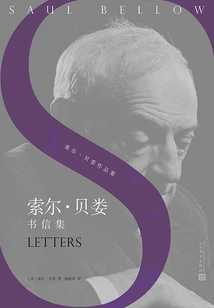
索尔·贝娄书信集(索尔·贝娄作品集)
J
When Saul Bellow was advised to write his autobiography, he always said there was nothing to write about, he was just too busy. Busy writing novels, occasionally writing essays; busy falling in love, getting married, becoming a father, divorcing, making friends, making grudges, and being sad; busy with major historical events, busy with minor literary matters; busy with reading a lot, busy fulfilling his teaching duties, and teaching until he was old. Especially busy writing letters to his successive wives, his sons, his fellow writers, readers who liked him and disliked him, people chasing him for autographs, obsessive sycophants, and severe mental patients, etc. Not all great writers are good at writing letters. Letter writing seems to be a talent that can exist in its own right, as mysterious as artistic talent. Obviously, Saul Bellow had this artistic talent. In this collection of letters, Bellow shows readers his true self. When he was passionately in love, he would say: "Susie and I could be very happy even on an ice floe." When he was in a bad mood, he would yell at his ex-wife Sandra: "You almost f**king killed me... I will write all the sins I suffered at your hands into "Herzog" Of course, this collection of letters, which began in 1932 and ended in 2005, also contains Bellow's meditations on literature, politics, and philosophy. It is a record of his mental journey over more than seventy years, and a representation of several aspects of American society in the twentieth century.
When Saul Bellow was advised to write his autobiography, he always said there was nothing to write about, he was just too busy. Busy writing novels, occasionally writing essays; busy falling in love, getting married, becoming a father, divorcing, making friends, making grudges, and being sad; busy with major historical events, busy with minor literary matters; busy with reading a lot, busy fulfilling his teaching duties, and teaching until he was old. Especially busy writing letters to his successive wives, his sons, his fellow writers, readers who liked him and disliked him, people chasing him for autographs, obsessive sycophants, and severe mental patients, etc. Not all great writers are good at writing letters. Letter writing seems to be a talent that can exist in its own right, as mysterious as artistic talent. Obviously, Saul Bellow had this artistic talent. In this collection of letters, Bellow shows readers his true self. When he was passionately in love, he would say: "Susie and I could be very happy even on an ice floe." When he was in a bad mood, he would yell at his ex-wife Sandra: "You almost f**king killed me... I will write all the sins I suffered at your hands into "Herzog" Of course, this collection of letters, which began in 1932 and ended in 2005, also contains Bellow's meditations on literature, politics, and philosophy. It is a record of his mental journey over more than seventy years, and a representation of several aspects of American society in the twentieth century.
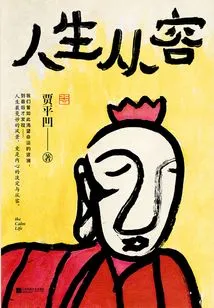
人生从容:在众声喧哗中保持从容
Jia Pingwa
This book contains nearly fifty articles by Jia Pingwa expressing his feelings. The author recorded what he saw and felt with sincere and simple writing. These articles all reflect the calmness and open-mindedness of a wise man, and the richness of emotions. The naturalness of the writing style has reached the state of perfection. The reading is cordial, touching and thought-provoking.
This book contains nearly fifty articles by Jia Pingwa expressing his feelings. The author recorded what he saw and felt with sincere and simple writing. These articles all reflect the calmness and open-mindedness of a wise man, and the richness of emotions. The naturalness of the writing style has reached the state of perfection. The reading is cordial, touching and thought-provoking.
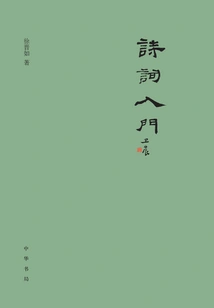
Introduction to Poetry
Literature诗词入门
Xu Jinru
This is a popular book explaining traditional poetry writing. The author has been famous for his poems for a long time and understands the joys and sorrows of poetry creation. Therefore, he can explain what good poems and good lyrics are and how to write good poems and good lyrics in a concise, clear and enlightening way. The book contains basic knowledge of poetry appreciation and poetry writing, as well as advanced writing skills. The writing style is profound and thorough, yet simple and clear, making it suitable for all readers who are interested in poetry. Following the "College Poetry Writing Tutorial", the author of this book writes this book especially for poetry lovers with zero foundation. Various essentials for learning to write poetry are explained in detail and in detail from the aspects of poetry's rhythm, rhyme, level, attributive pairs, adhering to pairs, concise sentences, arrangement of images, the interplay of virtuality and reality, and the use of themes. This book also answers common questions among poetry lovers such as why we should learn to write poetry, whether all good poems were completed by people in the Tang Dynasty, and why we can never write poetry well. It contains both theoretical explanations of poetry and practical guidance on poetry writing, which can serve as a guide for beginners. The language of this book is popular and informative. It takes into account both creation and appreciation. It is also very helpful for poetry lovers to improve their appreciation of poetry.
This is a popular book explaining traditional poetry writing. The author has been famous for his poems for a long time and understands the joys and sorrows of poetry creation. Therefore, he can explain what good poems and good lyrics are and how to write good poems and good lyrics in a concise, clear and enlightening way. The book contains basic knowledge of poetry appreciation and poetry writing, as well as advanced writing skills. The writing style is profound and thorough, yet simple and clear, making it suitable for all readers who are interested in poetry. Following the "College Poetry Writing Tutorial", the author of this book writes this book especially for poetry lovers with zero foundation. Various essentials for learning to write poetry are explained in detail and in detail from the aspects of poetry's rhythm, rhyme, level, attributive pairs, adhering to pairs, concise sentences, arrangement of images, the interplay of virtuality and reality, and the use of themes. This book also answers common questions among poetry lovers such as why we should learn to write poetry, whether all good poems were completed by people in the Tang Dynasty, and why we can never write poetry well. It contains both theoretical explanations of poetry and practical guidance on poetry writing, which can serve as a guide for beginners. The language of this book is popular and informative. It takes into account both creation and appreciation. It is also very helpful for poetry lovers to improve their appreciation of poetry.
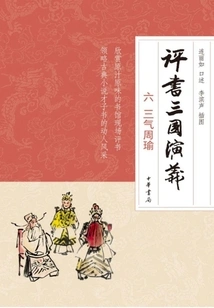
评书三国演义六三气周瑜
Narrated By Lian Liru And Illustrated By Li Binsheng
This is a compiled draft of Mr. Lian Liru, a famous storytelling expert who is over seventy years old, commenting on "The Romance of the Three Kingdoms" at Xuannan Library. There are 30 chapters in total. From locking up the warship to cutting off the beard and abandoning the robe, including borrowing the east wind, burning the warship, Huarong Road, Zhou Yu's arrow, taking three counties, fighting in Changsha, Ganlu Temple, losing his wife and then surrendering the army, banquet on the Bronze Bird Tower, Wolong to pay filial piety, Fengchu director and other classic episodes.
This is a compiled draft of Mr. Lian Liru, a famous storytelling expert who is over seventy years old, commenting on "The Romance of the Three Kingdoms" at Xuannan Library. There are 30 chapters in total. From locking up the warship to cutting off the beard and abandoning the robe, including borrowing the east wind, burning the warship, Huarong Road, Zhou Yu's arrow, taking three counties, fighting in Changsha, Ganlu Temple, losing his wife and then surrendering the army, banquet on the Bronze Bird Tower, Wolong to pay filial piety, Fengchu director and other classic episodes.
Cross-border Literary Dialogue
Literature跨界的文学对话
Li Zonggang
This book is composed of five parts. The first part is about literary theory and interpretation of literary texts, which collects the author's research results from the early beginning of literary research to the present; the second part is about modern scholars and research paths, which collects some articles written by the author about interviews and interpretations of modern scholars; the third part is about writing theory and literary creation practice, which collects the lecture notes of the basic writing course that the author took in the Chinese Department of the university. The fourth part is theoretical reserve and journal editing practice, which collects the author's materials on management and other disciplines in addition to literary research. The fifth part is academic works and comments by academic scholars, which includes critical articles by academic circles on the authors and their works.
This book is composed of five parts. The first part is about literary theory and interpretation of literary texts, which collects the author's research results from the early beginning of literary research to the present; the second part is about modern scholars and research paths, which collects some articles written by the author about interviews and interpretations of modern scholars; the third part is about writing theory and literary creation practice, which collects the lecture notes of the basic writing course that the author took in the Chinese Department of the university. The fourth part is theoretical reserve and journal editing practice, which collects the author's materials on management and other disciplines in addition to literary research. The fifth part is academic works and comments by academic scholars, which includes critical articles by academic circles on the authors and their works.
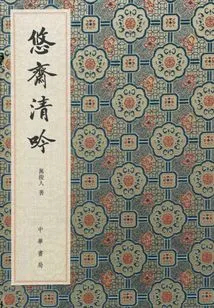
悠斋清吟:悠斋诗词联语初集
Wan Junren
This manuscript is the first collection of poems by Wan Junren, one of the first batch of senior liberal arts professors at Tsinghua University. Wan Junren was influenced by his family education, and traditional classical literature, especially poetry, was integrated into Wan Junren's bones. After working, by chance, Wan Junren studied Chinese classical literature and poetry at a teacher's school, and began to create old-style poetry. This manuscript is the first collection of Wan Junren's many years of poetry creation, including a total of 57 poems, 42 lyrics, and 78 couplets. Some of these works are poems and songs with teachers and friends, some are the author's reflections on the times, and some are travel notes. The author puts his philosophical feelings and feelings about his family and country into poetic words, vividly interpreting the proposition of "poetry expresses aspirations" in traditional poetics. Because he has a high level of knowledge in his chest, he has learned both Chinese and Western knowledge, and has received guidance from famous teachers. Therefore, his poems have a high style, an elegant and upright approach, and true and pure emotions. It can be regarded as a collection of old-style poems with a relatively high level in modern and contemporary times.
This manuscript is the first collection of poems by Wan Junren, one of the first batch of senior liberal arts professors at Tsinghua University. Wan Junren was influenced by his family education, and traditional classical literature, especially poetry, was integrated into Wan Junren's bones. After working, by chance, Wan Junren studied Chinese classical literature and poetry at a teacher's school, and began to create old-style poetry. This manuscript is the first collection of Wan Junren's many years of poetry creation, including a total of 57 poems, 42 lyrics, and 78 couplets. Some of these works are poems and songs with teachers and friends, some are the author's reflections on the times, and some are travel notes. The author puts his philosophical feelings and feelings about his family and country into poetic words, vividly interpreting the proposition of "poetry expresses aspirations" in traditional poetics. Because he has a high level of knowledge in his chest, he has learned both Chinese and Western knowledge, and has received guidance from famous teachers. Therefore, his poems have a high style, an elegant and upright approach, and true and pure emotions. It can be regarded as a collection of old-style poems with a relatively high level in modern and contemporary times.
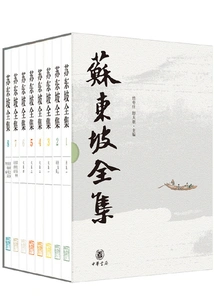
苏东坡全集(全八册)
Zeng Zaozhuang Editor-in-chief Shu Dagang
This book is a compilation of Su Dongpo's works, with a total of eight volumes, including fifteen kinds of works. The first and second volumes are Su Dongpo's "Collected Poems" and "Collection of Ci"; the third to sixth volumes are "Collected Works"; the seventh volume is "Su Shi Yi Zhuan" and "Dong Po Shu Biography". "The Analects of Confucius" (edited version); the eighth volume is "Dongpo Zhilin", "Qiu Chi's Notes", "Dongpo Tezawa" and as appendices "Su Chen Liang Prescription", "Ai Zi Miscellaneous Comments", "Second Collection of Miscellaneous Collections", "Fishermen's Chatter", "Tiaojie" and "Questions and Answers". Needless to say, there is no need to talk about the poems and prose. "Su Shi Yi Zhuan", "Dongpo Shu Zhuan" and "The Analects of Confucius" are Su Dongpo's academic works, "Dongpo Zhilin", "Qiuchi Notes" and "Dongpo Hand Ze" are Dongpo's note-type works, and "Su Chen Liangfang" is included It contains articles about prescriptions and health care by Su Dongpo and Shen Kuo. "Miscellaneous Comments on Ai Zi" is said to be Dongpo's allegorical work. "Second Collection of Miscellaneous Collections" and other works are mostly works named after Su Dongpo, which generally reflect Su Dongpo's humorous cultural image. There is a long "Introduction" at the front of the book, which comments in detail on Su Dongpo's literary and ideological achievements; it also compiles a "Chronology of Su Dongpo" to help readers understand Su Dongpo's life experience; and there is an "Index of Chapter Titles" at the end of the book to facilitate readers to find relevant chapters. This book is the "Complete Works of Su Dongpo" with the most comprehensive and rich collection of Su Dongpo's works on the market. It provides a panoramic view of Su Dongpo's colorful life history and spiritual world. It is a good choice for ordinary readers to read and understand Su Dongpo.
This book is a compilation of Su Dongpo's works, with a total of eight volumes, including fifteen kinds of works. The first and second volumes are Su Dongpo's "Collected Poems" and "Collection of Ci"; the third to sixth volumes are "Collected Works"; the seventh volume is "Su Shi Yi Zhuan" and "Dong Po Shu Biography". "The Analects of Confucius" (edited version); the eighth volume is "Dongpo Zhilin", "Qiu Chi's Notes", "Dongpo Tezawa" and as appendices "Su Chen Liang Prescription", "Ai Zi Miscellaneous Comments", "Second Collection of Miscellaneous Collections", "Fishermen's Chatter", "Tiaojie" and "Questions and Answers". Needless to say, there is no need to talk about the poems and prose. "Su Shi Yi Zhuan", "Dongpo Shu Zhuan" and "The Analects of Confucius" are Su Dongpo's academic works, "Dongpo Zhilin", "Qiuchi Notes" and "Dongpo Hand Ze" are Dongpo's note-type works, and "Su Chen Liangfang" is included It contains articles about prescriptions and health care by Su Dongpo and Shen Kuo. "Miscellaneous Comments on Ai Zi" is said to be Dongpo's allegorical work. "Second Collection of Miscellaneous Collections" and other works are mostly works named after Su Dongpo, which generally reflect Su Dongpo's humorous cultural image. There is a long "Introduction" at the front of the book, which comments in detail on Su Dongpo's literary and ideological achievements; it also compiles a "Chronology of Su Dongpo" to help readers understand Su Dongpo's life experience; and there is an "Index of Chapter Titles" at the end of the book to facilitate readers to find relevant chapters. This book is the "Complete Works of Su Dongpo" with the most comprehensive and rich collection of Su Dongpo's works on the market. It provides a panoramic view of Su Dongpo's colorful life history and spiritual world. It is a good choice for ordinary readers to read and understand Su Dongpo.
王开忠作品选与写作谈(第十卷):心中的旗帜(散文·报告文学)(第二版)
Wang Kaizhong
"Wang Kaizhong's Selected Works and Writing Talk" is a set of ten volumes, which collects articles written by the author from the beginning of his work to the present. There are various genres. This volume contains prose and reportage works written by the author. The prose and reportage works included in this book contain some articles with strong historical background, and are not recommended for use. In the prose of this book, the author has made some discoveries in life through his own observations, and recorded them in words with a certain artistic sense; among the reportage works in this book, some of them were inspired by his feelings during major commemorative events and formed into words, which have a certain literary quality.
"Wang Kaizhong's Selected Works and Writing Talk" is a set of ten volumes, which collects articles written by the author from the beginning of his work to the present. There are various genres. This volume contains prose and reportage works written by the author. The prose and reportage works included in this book contain some articles with strong historical background, and are not recommended for use. In the prose of this book, the author has made some discoveries in life through his own observations, and recorded them in words with a certain artistic sense; among the reportage works in this book, some of them were inspired by his feelings during major commemorative events and formed into words, which have a certain literary quality.
经典常谈(名著阅读力养成丛书)
Zhu Ziqing
"Classics" is a work written by Mr. Zhu Ziqing for middle school students to introduce ancient Chinese classics and guide students in reading classics, allowing students to understand the inherent culture from their own language. Reading classic works is not only the study of language and characters, but also the inheritance of my country's precious cultural heritage. Zhu Ziqing saw the seriousness of the problem of abandoning "plain reading" of classics. In view of the fact that many readers were intimidated and stayed away from ancient works, he sorted out the essence of thousands of years of Chinese culture, selected thirteen representative articles, and conducted in-depth analysis and comments in order to "cultivate students' ability to read and interpret ancient books and appreciate Chinese literary masterpieces." "Classic Chang Tan" is not limited to the outdated old learning framework, but adopts modern and new sayings, which is friendly, natural and easy to understand. It is also of educational significance to today's middle school students and is a must-read for beginners in classical training.
"Classics" is a work written by Mr. Zhu Ziqing for middle school students to introduce ancient Chinese classics and guide students in reading classics, allowing students to understand the inherent culture from their own language. Reading classic works is not only the study of language and characters, but also the inheritance of my country's precious cultural heritage. Zhu Ziqing saw the seriousness of the problem of abandoning "plain reading" of classics. In view of the fact that many readers were intimidated and stayed away from ancient works, he sorted out the essence of thousands of years of Chinese culture, selected thirteen representative articles, and conducted in-depth analysis and comments in order to "cultivate students' ability to read and interpret ancient books and appreciate Chinese literary masterpieces." "Classic Chang Tan" is not limited to the outdated old learning framework, but adopts modern and new sayings, which is friendly, natural and easy to understand. It is also of educational significance to today's middle school students and is a must-read for beginners in classical training.
冯骥才散文精选(名著阅读力养成丛书)
Feng Jicai
"Selected Prose by Feng Jicai" is a collection of selected prose by the famous contemporary Chinese writer Feng Jicai. It is divided into five series: "Natural Wonders", "Taste of Life", "Character Close-ups", "Cultural Inheritance" and "Overseas Travels". It is included in Prose 4 There are more than 0 articles, including classic masterpieces such as "Painted Face", "Pearl Bird", "Mountain Carrier", "Kuai Liu", "Huangshan Cliff Pine" and "Poking the Hornet's Nest", as well as new works such as "My Mother's 100th Anniversary" and "My Mother Tie a Red Ribbon for Me". The prose in the book contains memories and insights of life, descriptions and praises of the wonders of life in nature, nostalgia for relatives and friends and the cherishment of human warmth, protection of cultural roots, and reflections on overseas travel. His prose is unique: delicate brushstrokes, natural and smooth, full of interest, blending of scene and reason, rich in philosophy, showing his profound foundation. Feng Jicai's prose has wide influence at home and abroad. "Mountain Carrier" has won the French "Youth Book Award" and the Swiss "Blue Cobra Award".
"Selected Prose by Feng Jicai" is a collection of selected prose by the famous contemporary Chinese writer Feng Jicai. It is divided into five series: "Natural Wonders", "Taste of Life", "Character Close-ups", "Cultural Inheritance" and "Overseas Travels". It is included in Prose 4 There are more than 0 articles, including classic masterpieces such as "Painted Face", "Pearl Bird", "Mountain Carrier", "Kuai Liu", "Huangshan Cliff Pine" and "Poking the Hornet's Nest", as well as new works such as "My Mother's 100th Anniversary" and "My Mother Tie a Red Ribbon for Me". The prose in the book contains memories and insights of life, descriptions and praises of the wonders of life in nature, nostalgia for relatives and friends and the cherishment of human warmth, protection of cultural roots, and reflections on overseas travel. His prose is unique: delicate brushstrokes, natural and smooth, full of interest, blending of scene and reason, rich in philosophy, showing his profound foundation. Feng Jicai's prose has wide influence at home and abroad. "Mountain Carrier" has won the French "Youth Book Award" and the Swiss "Blue Cobra Award".
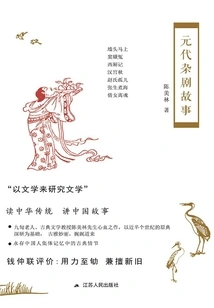
Yuan Dynasty Drama Stories
Literature元代杂剧故事
Chen Meilin
This book is one of the results of Mr. Chen Meilin's many years of drama research. By rewriting obscure ancient dramas, the ancient dramas are adapted into short stories that are easy for modern people to understand and accept. It is quite readable. The book contains dozens of stories adapted from famous ancient dramas, such as "The Peony Pavilion", "A Chinese Girl's Lost Soul", "Zhongshan Wolf", etc., Which are presented in a convenient way to facilitate modern readers to understand ancient dramas and related cultural metaphors, and enhance the understanding and application of our country's traditional civilization. Due to the author's status as a senior expert in ancient literature, the writing style of this book is smooth and elegant, and it is also highly literary in nature, making it worthy of being read as a literary work. This book is suitable for readers who are interested in ancient culture. It is also suitable for external promotion. It can be used as a reading material to popularize traditional Chinese culture and be introduced to overseas Chinese and junior researchers of Chinese culture.
This book is one of the results of Mr. Chen Meilin's many years of drama research. By rewriting obscure ancient dramas, the ancient dramas are adapted into short stories that are easy for modern people to understand and accept. It is quite readable. The book contains dozens of stories adapted from famous ancient dramas, such as "The Peony Pavilion", "A Chinese Girl's Lost Soul", "Zhongshan Wolf", etc., Which are presented in a convenient way to facilitate modern readers to understand ancient dramas and related cultural metaphors, and enhance the understanding and application of our country's traditional civilization. Due to the author's status as a senior expert in ancient literature, the writing style of this book is smooth and elegant, and it is also highly literary in nature, making it worthy of being read as a literary work. This book is suitable for readers who are interested in ancient culture. It is also suitable for external promotion. It can be used as a reading material to popularize traditional Chinese culture and be introduced to overseas Chinese and junior researchers of Chinese culture.
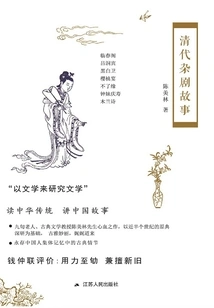
Qing Dynasty Zaju Stories
Literature清代杂剧故事
Chen Meilin
This book is an adaptation of Qing Dynasty dramas compiled and adapted by Mr. Chen Meilin, a professor at Nanjing Normal University. China is one of the three major drama countries in the world, and opera art is a treasure in ancient Chinese culture. As a major part of Chinese studies, ancient poetry has been widely popularized and promoted, but opera has always lacked good popular interpretation works. This book is one of the results of Mr. Chen Meilin's many years of drama research. By rewriting the obscure Qing Dynasty dramas, the ancient plays are adapted into short stories that are easy for modern people to understand and accept. The book contains dozens of stories adapted from famous Qing Dynasty dramas, such as "Zhong Kui and My Sister Qingshou", "Breaking Fate", "Mulan Poems", etc., Which are presented in a convenient way to facilitate modern readers to understand Qing Dynasty dramas and related cultural metaphors, and enhance their understanding and application of our country's traditional civilization. Due to the author's status as a senior expert in ancient literature, the writing style of this book is smooth and elegant, and it is also highly literary in nature, making it worthy of being read as a literary work.
This book is an adaptation of Qing Dynasty dramas compiled and adapted by Mr. Chen Meilin, a professor at Nanjing Normal University. China is one of the three major drama countries in the world, and opera art is a treasure in ancient Chinese culture. As a major part of Chinese studies, ancient poetry has been widely popularized and promoted, but opera has always lacked good popular interpretation works. This book is one of the results of Mr. Chen Meilin's many years of drama research. By rewriting the obscure Qing Dynasty dramas, the ancient plays are adapted into short stories that are easy for modern people to understand and accept. The book contains dozens of stories adapted from famous Qing Dynasty dramas, such as "Zhong Kui and My Sister Qingshou", "Breaking Fate", "Mulan Poems", etc., Which are presented in a convenient way to facilitate modern readers to understand Qing Dynasty dramas and related cultural metaphors, and enhance their understanding and application of our country's traditional civilization. Due to the author's status as a senior expert in ancient literature, the writing style of this book is smooth and elegant, and it is also highly literary in nature, making it worthy of being read as a literary work.
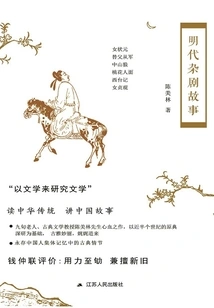
Ming Dynasty Zaju Stories
Literature明代杂剧故事
Chen Meilin
This book is an adaptation of Ming Dynasty dramas compiled and adapted by Mr. Chen Meilin, a professor at Nanjing Normal University. China is one of the three major drama countries in the world, and opera art is a treasure in ancient Chinese culture. As a major part of Chinese studies, ancient poetry has been widely popularized and promoted, but opera has always lacked good popular interpretation works. This book is one of the results of Mr. Chen Meilin's many years of drama research. By rewriting the obscure Ming Dynasty dramas, the ancient plays are adapted into short stories that are easy for modern people to understand and accept. The book contains dozens of stories adapted from famous Ming Dynasty dramas, such as "Joining the Army in place of Father", "Peach Blossom Face", "Elopement", etc., Which are presented in a convenient way to facilitate modern readers to understand Ming Dynasty dramas and related cultural metaphors, and enhance the understanding and application of our country's traditional civilization. Due to the author's status as a senior expert in ancient literature, the writing style of this book is smooth and elegant, and it is also highly literary in nature, making it worthy of being read as a literary work.
This book is an adaptation of Ming Dynasty dramas compiled and adapted by Mr. Chen Meilin, a professor at Nanjing Normal University. China is one of the three major drama countries in the world, and opera art is a treasure in ancient Chinese culture. As a major part of Chinese studies, ancient poetry has been widely popularized and promoted, but opera has always lacked good popular interpretation works. This book is one of the results of Mr. Chen Meilin's many years of drama research. By rewriting the obscure Ming Dynasty dramas, the ancient plays are adapted into short stories that are easy for modern people to understand and accept. The book contains dozens of stories adapted from famous Ming Dynasty dramas, such as "Joining the Army in place of Father", "Peach Blossom Face", "Elopement", etc., Which are presented in a convenient way to facilitate modern readers to understand Ming Dynasty dramas and related cultural metaphors, and enhance the understanding and application of our country's traditional civilization. Due to the author's status as a senior expert in ancient literature, the writing style of this book is smooth and elegant, and it is also highly literary in nature, making it worthy of being read as a literary work.
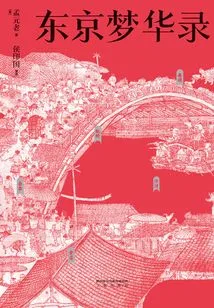
Tokyo Dreams
Literature东京梦华录
(song Dynasty) Written By Meng Yuanlao, Translated And Annotated By Hou Yinguo
"Tokyo Menghua Lu" was written in 1147 and first published in 1187. It is a notebook written by Meng Yuanlao, a survivor of the Northern Song Dynasty, who traces the capital of the Northern Song Dynasty, Tokyo (also known as Bianjing and Bianliang, today's Kaifeng, Henan) from Chongning to Xuanhe (1102-1125). The book consists of ten volumes, detailing the panoramic view of life and urban style in Tokyo from the nobles to the common people, covering urban layout, rivers and alleys, shops and stalls, food and daily life, eating, drinking and entertainment, annual goods, regulations and systems, Customs, etiquette, etc., Everything is covered in detail. It is the only ukiyo-e and style painting that comprehensively records Bianjing in the Northern Song Dynasty so far. It complements Zhang Zeduan's "Along the River During the Qingming Festival" and can be called a written version of "Along the River During the Qingming Festival". It is of high value for future generations to study the urban layout, architecture, transportation, industries, folk customs, goods, food, age, geography and even meteorology of the Song Dynasty.
"Tokyo Menghua Lu" was written in 1147 and first published in 1187. It is a notebook written by Meng Yuanlao, a survivor of the Northern Song Dynasty, who traces the capital of the Northern Song Dynasty, Tokyo (also known as Bianjing and Bianliang, today's Kaifeng, Henan) from Chongning to Xuanhe (1102-1125). The book consists of ten volumes, detailing the panoramic view of life and urban style in Tokyo from the nobles to the common people, covering urban layout, rivers and alleys, shops and stalls, food and daily life, eating, drinking and entertainment, annual goods, regulations and systems, Customs, etiquette, etc., Everything is covered in detail. It is the only ukiyo-e and style painting that comprehensively records Bianjing in the Northern Song Dynasty so far. It complements Zhang Zeduan's "Along the River During the Qingming Festival" and can be called a written version of "Along the River During the Qingming Festival". It is of high value for future generations to study the urban layout, architecture, transportation, industries, folk customs, goods, food, age, geography and even meteorology of the Song Dynasty.
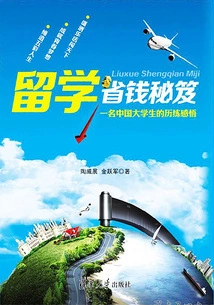
Tips for Saving Money While Studying Abroad: a Chinese College Student's Experience and Insights
Literature留学省钱秘笈:一名中国大学生的历练感悟
Tao Weizhan Jin Yuejun
"Tips for Saving Money When Studying Abroad: A Chinese College Student's Experience and Insights" uses a true story to reproduce the journey of a Chinese college student studying abroad.
"Tips for Saving Money When Studying Abroad: A Chinese College Student's Experience and Insights" uses a true story to reproduce the journey of a Chinese college student studying abroad.
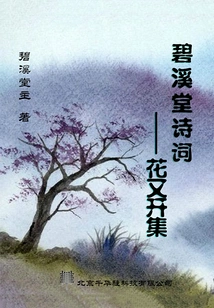
Bixitang Poetry: Flowers Bloom Again
Literature碧溪堂诗词:花又开集
Master Of Bixi Hall
Poetry in the style of veteran cadres is now popular. Of course, it is a joking name, and it is quite ironic. Since Wang Shuo pioneered the joking style of writing, everyone likes to laugh at themselves and others, with more jokes and less sincerity. You can make jokes, but sometimes there is no bottom line. When something is taken to an extreme, it will not be good. 2020 Is over, and spring will come again. Otherwise, let's call this collection of poems "Flowers Bloom Again". Although the flowers have bloomed and people have grown old, I don't want to go back to the childish boy I once was. Rejection does not grow.
Poetry in the style of veteran cadres is now popular. Of course, it is a joking name, and it is quite ironic. Since Wang Shuo pioneered the joking style of writing, everyone likes to laugh at themselves and others, with more jokes and less sincerity. You can make jokes, but sometimes there is no bottom line. When something is taken to an extreme, it will not be good. 2020 Is over, and spring will come again. Otherwise, let's call this collection of poems "Flowers Bloom Again". Although the flowers have bloomed and people have grown old, I don't want to go back to the childish boy I once was. Rejection does not grow.
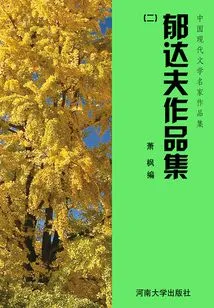
Collection of Works by Famous Modern Chinese Literature Writers: Collection of Works by Yu Dafu (2)
Literature中国现代文学名家作品集:郁达夫作品集(二)
Xiao Feng
When people reach middle age, they have a lot of sadness. When middle-aged people are sick, they have a lot of sorrows that pile up in their hearts. I have been extremely depressed these past few days. China's national affairs are as bad as a mess, and the Chinese people cannot but feel a sense of sadness in their hearts. A few days ago, another letter came to my home. My newly married woman was forced out of the house by my mother for some trivial matters and fled to the factory to work as a female worker. Who wants to endure such an uninteresting life anymore? The heavy drinking a few days ago was really hard to explain. Only now do I know the hard intentions of Mr. Xinling.
When people reach middle age, they have a lot of sadness. When middle-aged people are sick, they have a lot of sorrows that pile up in their hearts. I have been extremely depressed these past few days. China's national affairs are as bad as a mess, and the Chinese people cannot but feel a sense of sadness in their hearts. A few days ago, another letter came to my home. My newly married woman was forced out of the house by my mother for some trivial matters and fled to the factory to work as a female worker. Who wants to endure such an uninteresting life anymore? The heavy drinking a few days ago was really hard to explain. Only now do I know the hard intentions of Mr. Xinling.
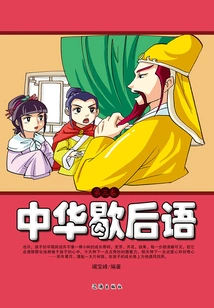
Chinese Sayings (volume 3)
Literature中华歇后语(第三卷)
Compiled By Jie Baofeng
Xiehouyu is a kind of idiom. It is a special language form created by the working people of our country in their daily life practice since ancient times. It is a short, funny and vivid sentence. It consists of two parts: the former part plays the role of "introduction", like the face of a riddle; the latter part plays the role of "backing", like the answer to a riddle, which is very natural and appropriate. In a certain language environment, usually by saying the first half and "resting" the second half, you can understand and guess its original meaning, so it is called "Xiehouyu".
Xiehouyu is a kind of idiom. It is a special language form created by the working people of our country in their daily life practice since ancient times. It is a short, funny and vivid sentence. It consists of two parts: the former part plays the role of "introduction", like the face of a riddle; the latter part plays the role of "backing", like the answer to a riddle, which is very natural and appropriate. In a certain language environment, usually by saying the first half and "resting" the second half, you can understand and guess its original meaning, so it is called "Xiehouyu".
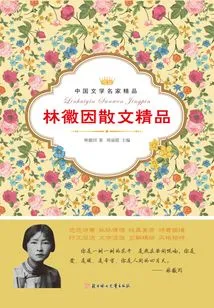
Lin Huiyin's Exquisite Prose
Literature林徽因散文精品
Lin Huiyin
"Lin Huiyin Prose Boutique" mainly compiles Lin Huiyin's prose works. Including "Shanxi Correspondence", "Commemorating the Fourth Anniversary of Zhimo's Death", "Each Other", "Our Capital", "To Hu Shi", etc.
"Lin Huiyin Prose Boutique" mainly compiles Lin Huiyin's prose works. Including "Shanxi Correspondence", "Commemorating the Fourth Anniversary of Zhimo's Death", "Each Other", "Our Capital", "To Hu Shi", etc.
Reader's Choice: Family Monologues
Literature读者精品:亲情独白
Compiled By Readers Club
The moon shone on the window screen, my hair, and my snow tent; everything here, including my soul, was immersed in the moonlight as clear as water. My heart was filled with sadness like an angry wave. I threw myself on the edge of the bed and knelt on the ground. I cried quietly in front of your kind face.
The moon shone on the window screen, my hair, and my snow tent; everything here, including my soul, was immersed in the moonlight as clear as water. My heart was filled with sadness like an angry wave. I threw myself on the edge of the bed and knelt on the ground. I cried quietly in front of your kind face.
Readers' Boutique: the Truth of Emotions
Literature读者精品:情感真谛
Compiled By Readers Club
Sister, I am here to give you all my love, a ball of fiery true love, all to you. I also hope that you will also give me all your love back to me.
Sister, I am here to give you all my love, a ball of fiery true love, all to you. I also hope that you will also give me all your love back to me.
Readers' Boutique: Taste of Happiness
Literature读者精品:幸福品味
Compiled By Readers Club
The patience of ordinary people, which includes resilience and inertia, although it is very large, has its limits. "A dog jumps over the wall", let alone a human being! When the status quo is so bad that no matter how hard it is, they still can't survive, people's hearts will fluctuate, that is, their emotions will rise. People will instinctively become desperate and want to break the status quo.
The patience of ordinary people, which includes resilience and inertia, although it is very large, has its limits. "A dog jumps over the wall", let alone a human being! When the status quo is so bad that no matter how hard it is, they still can't survive, people's hearts will fluctuate, that is, their emotions will rise. People will instinctively become desperate and want to break the status quo.
Reader's Choice: Student Days
Literature读者精品:学生时代
Compiled By Readers Club
The night is getting long and the road is getting long, so I might as well forget about it and not talk about it. But I know that even if it's not me, there will always be a time in the future when I remember them and talk about them...
The night is getting long and the road is getting long, so I might as well forget about it and not talk about it. But I know that even if it's not me, there will always be a time in the future when I remember them and talk about them...
Reader's Choice: Young Thoughts
Literature读者精品:年轻思绪
Compiled By Readers Club
I am the eldest son and grandson, so I started talking about my daughter-in-law when I was less than eleven years old. At that time, I was completely at a loss about my daughter-in-law, and somehow I had already talked about it.
I am the eldest son and grandson, so I started talking about my daughter-in-law when I was less than eleven years old. At that time, I was completely at a loss about my daughter-in-law, and somehow I had already talked about it.
Readers' Boutique: Insights on Life
Literature读者精品:生命感悟
Compiled By Readers Club
The path of life is progress, always moving upward along the slope of the infinite spiritual triangle, and nothing can stop it.
The path of life is progress, always moving upward along the slope of the infinite spiritual triangle, and nothing can stop it.
Reader's Choice: Youth Date
Literature读者精品:青春有约
Compiled By Readers Club
Why do young people need to look for a mentor with a golden name? It is better to find friends, join forces, and go in the direction where survival seems possible.
Why do young people need to look for a mentor with a golden name? It is better to find friends, join forces, and go in the direction where survival seems possible.
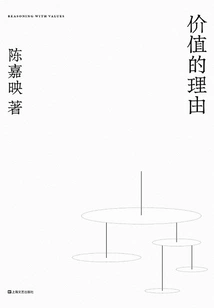
Reasons for Value
Literature价值的理由
Chen Jiaying
"The Reason for Value" is a collection of Mr. Chen Jiaying's ideological essays, divided into three volumes: The first volume contains twelve columns written for "Caixin New Century" in the summer of 2010 at the invitation of Xu Xiao, including the famous article "Is it important to save black bears?" ""Philosophers Are Not Kings", etc., Have been revised this time; the second volume is some articles written around the research topics at that time, some of which were later incorporated into "What is a Good Life"; the third volume is speeches, prefaces and interviews
"The Reason for Value" is a collection of Mr. Chen Jiaying's ideological essays, divided into three volumes: The first volume contains twelve columns written for "Caixin New Century" in the summer of 2010 at the invitation of Xu Xiao, including the famous article "Is it important to save black bears?" ""Philosophers Are Not Kings", etc., Have been revised this time; the second volume is some articles written around the research topics at that time, some of which were later incorporated into "What is a Good Life"; the third volume is speeches, prefaces and interviews
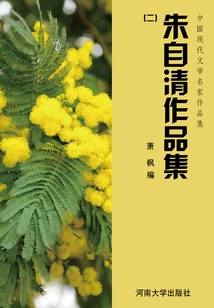
中国现代文学名家作品集:朱自清作品集(二)
Xiao Feng
From 1931 to 1932, I received a sabbatical from National Tsinghua University and lived in Europe for eleven months, including seven months in the UK. After returning to China, he wrote a book called "Miscellaneous Notes on Travels in Europe", which was dedicated to recording his travels on the mainland. I originally planned to write another book about my experiences in the UK, which would contain more information than "Miscellaneous Notes on European Travels". But I stopped after writing only nine articles. It is now being published with the kind permission of Kaiming Bookstore; because these nine articles only deal with life in London, they are titled "Miscellaneous Notes on London".
From 1931 to 1932, I received a sabbatical from National Tsinghua University and lived in Europe for eleven months, including seven months in the UK. After returning to China, he wrote a book called "Miscellaneous Notes on Travels in Europe", which was dedicated to recording his travels on the mainland. I originally planned to write another book about my experiences in the UK, which would contain more information than "Miscellaneous Notes on European Travels". But I stopped after writing only nine articles. It is now being published with the kind permission of Kaiming Bookstore; because these nine articles only deal with life in London, they are titled "Miscellaneous Notes on London".
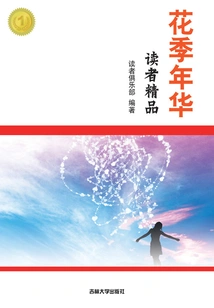
Reader's Choice: Flowering Season
Literature读者精品:花季年华
Compiled By Readers Club
For those who have no sustenance in life, youth and "childhood" are particularly precious to them. This kind of romantic memory is actually not about discovering the real greatness of "childhood", but feeling the decline after "middle age".
For those who have no sustenance in life, youth and "childhood" are particularly precious to them. This kind of romantic memory is actually not about discovering the real greatness of "childhood", but feeling the decline after "middle age".
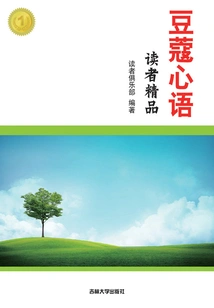
Readers' Boutique: Cardamom Whispers
Literature读者精品:豆蔻心语
Compiled By Readers Club
Because I made an appointment with you, so you refused to come; or was it because of the heavy rain that you couldn't come?
Because I made an appointment with you, so you refused to come; or was it because of the heavy rain that you couldn't come?
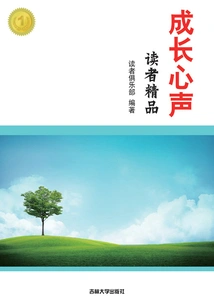
Reader's Choice: Voices of Growth
Literature读者精品:成长心声
Compiled By Readers Club
Electric lights illuminated homes all over the city. I carried the banknotes in my pocket, and just like that, the two of us walked confidently down the street, crossed the tramway, and passed through the noisy shabby street.
Electric lights illuminated homes all over the city. I carried the banknotes in my pocket, and just like that, the two of us walked confidently down the street, crossed the tramway, and passed through the noisy shabby street.
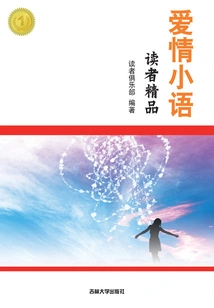
Reader's Choice: Love Words
Literature读者精品:爱情小语
Compiled By Readers Club
Real love is by no means a game, and its value cannot be experienced by a fallen life. It has the driving force to lead people upward, it also has a great and selfless supreme sentiment, and it is a symbol of beauty.
Real love is by no means a game, and its value cannot be experienced by a fallen life. It has the driving force to lead people upward, it also has a great and selfless supreme sentiment, and it is a symbol of beauty.
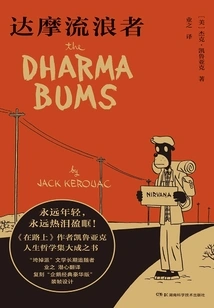
Dharma Wanderer
Literature达摩流浪者
Jack Kerouac
In 1957, "On the Road" was published, putting the "Beat Generation" on the literary map and making Kerouac one of the best-selling authors. Just a year later, Dharma Wanderer was published. Compared with its predecessor, this novel has the same openness, humor, and touching enthusiasm for life, but the story is more cohesive, telling the story of two young people's passionate search for Buddhism or truth. Their adventure centers on a quest for Zen, which ultimately leads them up the Sierra Nevada Mountains to realize the path of solitude. One of Kerouac's best and most popular autobiographical novels, "Dharma Wanderer" is based on his real-life experiences in the mid-1950s, when he became interested in Buddhist models of spiritual understanding. One of the main characters in the book, Jaffe Ryder, is based on the famous poet Gary Snyder.
In 1957, "On the Road" was published, putting the "Beat Generation" on the literary map and making Kerouac one of the best-selling authors. Just a year later, Dharma Wanderer was published. Compared with its predecessor, this novel has the same openness, humor, and touching enthusiasm for life, but the story is more cohesive, telling the story of two young people's passionate search for Buddhism or truth. Their adventure centers on a quest for Zen, which ultimately leads them up the Sierra Nevada Mountains to realize the path of solitude. One of Kerouac's best and most popular autobiographical novels, "Dharma Wanderer" is based on his real-life experiences in the mid-1950s, when he became interested in Buddhist models of spiritual understanding. One of the main characters in the book, Jaffe Ryder, is based on the famous poet Gary Snyder.
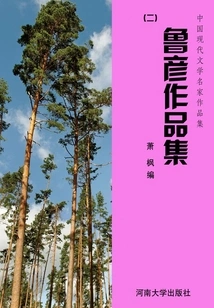
Collection of Works by Famous Modern Chinese Literature Writers: Collection of Works by Lu Yan (2)
Literature中国现代文学名家作品集:鲁彦作品集(二)
Xiao Feng
This article mainly includes the Wounded Soldiers Hotel, Juying's marriage, Hui Ze's father-in-law, New Year, Yangmei in his hometown, etc.
This article mainly includes the Wounded Soldiers Hotel, Juying's marriage, Hui Ze's father-in-law, New Year, Yangmei in his hometown, etc.
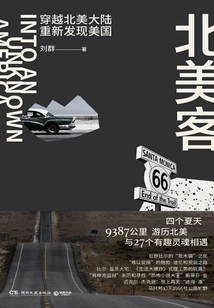
North American Passengers
Literature北美客
Liu Qun
On a hot summer day in 2016, after a 14-hour flight with slight hypoxia, I was surrounded by the pungent smell of coffee, beer, food, the smell of sweaty feet, and the smell of "ouch" thrown to the sky by my neighbor after eating beef brisket. , I arrived in Washington, entered the United States as a "good citizen" identified by a police dog, and began my 9,387-kilometer journey across North America, where I attended two universities, Berkeley and Harvard, for four consecutive summers. I wrote down the interesting, optimistic and warm people I met along the way, as well as the cities and wilderness I walked through. In addition to tracing the trajectories of some celebrities, I met more ordinary people who were either embarrassing or hilarious. They included policemen, captains, jailers, professors, sex workers, Chinese, liars, landlords, shop owners, homosexuals, rich people, homeless people, new immigrants, and prisoners. Everyone in this land has unsatisfactory life, but also has a bright life.
On a hot summer day in 2016, after a 14-hour flight with slight hypoxia, I was surrounded by the pungent smell of coffee, beer, food, the smell of sweaty feet, and the smell of "ouch" thrown to the sky by my neighbor after eating beef brisket. , I arrived in Washington, entered the United States as a "good citizen" identified by a police dog, and began my 9,387-kilometer journey across North America, where I attended two universities, Berkeley and Harvard, for four consecutive summers. I wrote down the interesting, optimistic and warm people I met along the way, as well as the cities and wilderness I walked through. In addition to tracing the trajectories of some celebrities, I met more ordinary people who were either embarrassing or hilarious. They included policemen, captains, jailers, professors, sex workers, Chinese, liars, landlords, shop owners, homosexuals, rich people, homeless people, new immigrants, and prisoners. Everyone in this land has unsatisfactory life, but also has a bright life.
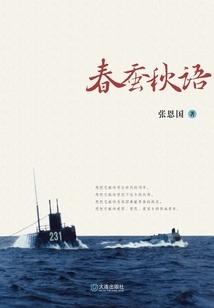
Spring Silkworms and Autumn Language
Literature春蚕秋语
Zhang En Guo
Zhang En Guo, a devoted admirer of traditional Chinese culture, weaves his love for it with his life experiences-from his student days, to his time in the countryside, his military service, and finally, his integration into civilian life. This fusion of experiences and passion has resulted in a collection of poems titled 'Spring Silkworm, Autumn Language'. Throughout his poetry, Zhang En Guo's loyalty to his country and nation, his sincerity towards his fellow soldiers, his camaraderie with his comrades, and his love for nature are ever-present. His poetry serves as a bridge of understanding and emotional resonance with his readers, offering insights and warnings.
Zhang En Guo, a devoted admirer of traditional Chinese culture, weaves his love for it with his life experiences-from his student days, to his time in the countryside, his military service, and finally, his integration into civilian life. This fusion of experiences and passion has resulted in a collection of poems titled 'Spring Silkworm, Autumn Language'. Throughout his poetry, Zhang En Guo's loyalty to his country and nation, his sincerity towards his fellow soldiers, his camaraderie with his comrades, and his love for nature are ever-present. His poetry serves as a bridge of understanding and emotional resonance with his readers, offering insights and warnings.
Follow Kang Pei Around the World
Literature跟着康培混世界
Yang Daoli
This is a true story of creating a miracle in life. Near the World Trade Center in New York, there is a Chinese-American family. With the birth of their youngest son, Kang Pei, in April 1977, this very happy family had to deal with death every day. Kang Pei is a patient with "tetralogy of Fallot". In the history of medicine, no case of this disease has lived beyond the age of two. But Kang Pei is still alive today. He continues to write science fiction stories, and uses his own experiences and insights to enthusiastically counsel and assist many friends who feel that their lives are miserable. However, Kangpei was not a disabled person in the traditional sense, nor was he born noble. His life contains entanglements of joys and sorrows, love entanglements, and an incredible life-and-death relationship with several dogs. Kang Pei's father, Kang Haishan, is a member of the powerful middle class in today's American society. He is also a son of nature who has an epiphany with the rhythm of destiny. That kind of spiritual state where the heart is as calm as water between sorrow and joy, and the coming and going between life and death is natural and full of tension. During the interview with the Kang family, the author changed from an obtrusive interviewer to a participant in some lives; from a strange writer, he was coerced, integrated into it, and became a co-existing person in some lives. While readers "follow Kang Pei" with ease and interest, they can also get a glimpse of some of the real ecology and vitality of Chinese Americans.
This is a true story of creating a miracle in life. Near the World Trade Center in New York, there is a Chinese-American family. With the birth of their youngest son, Kang Pei, in April 1977, this very happy family had to deal with death every day. Kang Pei is a patient with "tetralogy of Fallot". In the history of medicine, no case of this disease has lived beyond the age of two. But Kang Pei is still alive today. He continues to write science fiction stories, and uses his own experiences and insights to enthusiastically counsel and assist many friends who feel that their lives are miserable. However, Kangpei was not a disabled person in the traditional sense, nor was he born noble. His life contains entanglements of joys and sorrows, love entanglements, and an incredible life-and-death relationship with several dogs. Kang Pei's father, Kang Haishan, is a member of the powerful middle class in today's American society. He is also a son of nature who has an epiphany with the rhythm of destiny. That kind of spiritual state where the heart is as calm as water between sorrow and joy, and the coming and going between life and death is natural and full of tension. During the interview with the Kang family, the author changed from an obtrusive interviewer to a participant in some lives; from a strange writer, he was coerced, integrated into it, and became a co-existing person in some lives. While readers "follow Kang Pei" with ease and interest, they can also get a glimpse of some of the real ecology and vitality of Chinese Americans.
2012-2017大连市优秀文学作品集:文艺评论卷
Editor-in-chief Zhang Jinshuang
This book strictly selects the outstanding works of nearly 50 writers in Dalian literary circles published in newspapers and periodicals at or above the provincial level between 2012 and 2017. It is a tour and review of the city's achievements in literary criticism in recent years, and is also a reflection and introspection on the current creative ecology of novels, poetry and other genres. The editor takes this opportunity to review the overall situation of Dalian's literary criticism field from backwardness to rise since the 1980s. While applauding such fruitful achievements, the editor is also keenly aware of the problems involved. He hopes that the city's writers will live up to the historical opportunities of the rejuvenation of the country and the Renaissance and make due contributions to the development and inheritance of literary criticism.
This book strictly selects the outstanding works of nearly 50 writers in Dalian literary circles published in newspapers and periodicals at or above the provincial level between 2012 and 2017. It is a tour and review of the city's achievements in literary criticism in recent years, and is also a reflection and introspection on the current creative ecology of novels, poetry and other genres. The editor takes this opportunity to review the overall situation of Dalian's literary criticism field from backwardness to rise since the 1980s. While applauding such fruitful achievements, the editor is also keenly aware of the problems involved. He hopes that the city's writers will live up to the historical opportunities of the rejuvenation of the country and the Renaissance and make due contributions to the development and inheritance of literary criticism.
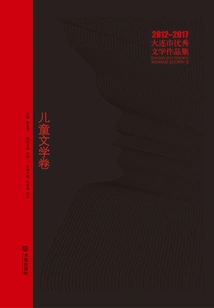
2012-2017大连市优秀文学作品集:儿童文学卷
Editor-in-chief Zhang Jinshuang
"Children's Literature Volume" selects about 20 works. This collection collects key children's literature works that were independently created by writers who were born in Dalian or who lived and worked in Dalian during this period from November 2012 to June 2017. They were published in newspapers and periodicals at the provincial level or above and won official standing literary awards at the municipal level or above. They were established and completed by the Dalian Municipal Party Committee and Municipal Government.
"Children's Literature Volume" selects about 20 works. This collection collects key children's literature works that were independently created by writers who were born in Dalian or who lived and worked in Dalian during this period from November 2012 to June 2017. They were published in newspapers and periodicals at the provincial level or above and won official standing literary awards at the municipal level or above. They were established and completed by the Dalian Municipal Party Committee and Municipal Government.
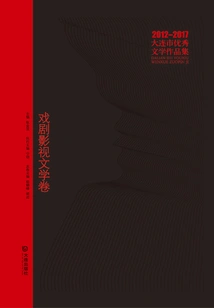
2012-2017 Dalian Excellent Literary Works Collection: Drama, Film and Television Literature Volume
Literature2012-2017大连市优秀文学作品集:戏剧影视文学卷
Editor-in-chief Zhang Jinshuang
This book collects works that premiered, premiered, premiered or won important screenplay awards between November 2012 and June 2017. The main types include literary scripts for TV series, feature films, and large-scale dramas (including dramas and operas). This book is divided into "TV series", "movies" and "drama". Due to space limitations, each author can only include one work in the volume. Among them, the author will select two episodes of a long-form TV series to be included in the volume.
This book collects works that premiered, premiered, premiered or won important screenplay awards between November 2012 and June 2017. The main types include literary scripts for TV series, feature films, and large-scale dramas (including dramas and operas). This book is divided into "TV series", "movies" and "drama". Due to space limitations, each author can only include one work in the volume. Among them, the author will select two episodes of a long-form TV series to be included in the volume.
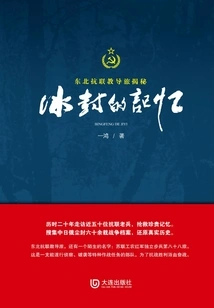
冰封的记忆:东北抗联教导旅揭秘
Yihong
On August 9, 1945, one million Soviet Red Army troops crossed the Sino-Soviet border and dealt a fatal blow to the Japanese Kwantung Army. In the midst of this great counterattack, there was a force composed mainly of Chinese, directly led by the Northeastern Party Organization of the Communist Party of China, and bearing the Soviet designation - the 88th Independent Infantry Brigade of the Soviet Workers' and Peasants' Red Army. It was called the Northeast Anti-Alliance Teaching Brigade within the Anti-Japanese Alliance. This is not an ordinary combat force. Its main members come from the anti-Japanese coalition forces that persisted in the bloody resistance war for fourteen years in the three northeastern provinces. They include Han, Manchu, Korean, Bai, Mongolian, Ewenki, Daur, Russian and other ethnic groups. It was the last organic special forces unit led by the Communist Party of China before the founding of the People's Republic of China. Its members generally undergo specialized training in combat, shooting, secret writing, demolition, parachuting, driving, reporting, photography, and military terrain surveying. They perform tasks such as fixed-point lurking, reconnaissance behind enemy lines, small-unit raids, and establishment of airdrops behind enemy lines. They also serve as guides, translators, and commandos. At that time, the situation of this unit was strictly confidential. Based on a large number of historical archives of the Chinese, Russian and Japanese Kwantung Army accumulated and mastered through long-term research, as well as follow-up interviews with 50 veterans of the original Anti-Japanese Alliance and the 88th Brigade, the author went to the former site of the 88th Brigade in Russia several times for interviews, and passionately created the documentary literary work "Frozen Memory" that reflects the combat experience and anti-war spirit of the Anti-Japanese Allied Forces Teaching Brigade in Northeast China. It systematically and comprehensively reveals this special unit for the first time.
On August 9, 1945, one million Soviet Red Army troops crossed the Sino-Soviet border and dealt a fatal blow to the Japanese Kwantung Army. In the midst of this great counterattack, there was a force composed mainly of Chinese, directly led by the Northeastern Party Organization of the Communist Party of China, and bearing the Soviet designation - the 88th Independent Infantry Brigade of the Soviet Workers' and Peasants' Red Army. It was called the Northeast Anti-Alliance Teaching Brigade within the Anti-Japanese Alliance. This is not an ordinary combat force. Its main members come from the anti-Japanese coalition forces that persisted in the bloody resistance war for fourteen years in the three northeastern provinces. They include Han, Manchu, Korean, Bai, Mongolian, Ewenki, Daur, Russian and other ethnic groups. It was the last organic special forces unit led by the Communist Party of China before the founding of the People's Republic of China. Its members generally undergo specialized training in combat, shooting, secret writing, demolition, parachuting, driving, reporting, photography, and military terrain surveying. They perform tasks such as fixed-point lurking, reconnaissance behind enemy lines, small-unit raids, and establishment of airdrops behind enemy lines. They also serve as guides, translators, and commandos. At that time, the situation of this unit was strictly confidential. Based on a large number of historical archives of the Chinese, Russian and Japanese Kwantung Army accumulated and mastered through long-term research, as well as follow-up interviews with 50 veterans of the original Anti-Japanese Alliance and the 88th Brigade, the author went to the former site of the 88th Brigade in Russia several times for interviews, and passionately created the documentary literary work "Frozen Memory" that reflects the combat experience and anti-war spirit of the Anti-Japanese Allied Forces Teaching Brigade in Northeast China. It systematically and comprehensively reveals this special unit for the first time.
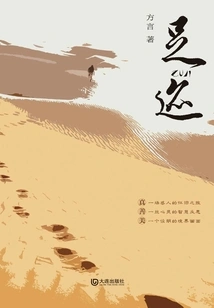
Footprints
Literature足迹
Dialect
"Footprints" is a collection of essays and novels by the author Ji Fang, with 190,000 words. Most of the articles come from real life, and most of them write about the "past", about family, parents, classmates, and the countryside. The character settings, plot arrangements, and character descriptions in the manuscript are all infinitely close to the reality we experience in life, a reality that rises from a rational life to an artistic reality. His writings use a vigilant rational spirit to examine the past life, explore and research the "authentic" level of life, and provide kind induction and inspiration to people. The souls of the characters in Ji Fang's works are mostly as light as fragrant tea, flowing light and shadows, full of picturesque and live feeling.
"Footprints" is a collection of essays and novels by the author Ji Fang, with 190,000 words. Most of the articles come from real life, and most of them write about the "past", about family, parents, classmates, and the countryside. The character settings, plot arrangements, and character descriptions in the manuscript are all infinitely close to the reality we experience in life, a reality that rises from a rational life to an artistic reality. His writings use a vigilant rational spirit to examine the past life, explore and research the "authentic" level of life, and provide kind induction and inspiration to people. The souls of the characters in Ji Fang's works are mostly as light as fragrant tea, flowing light and shadows, full of picturesque and live feeling.
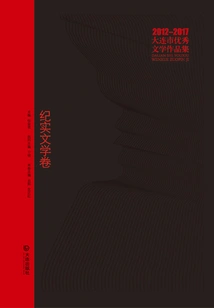
2012-2017大连市优秀文学作品集:纪实文学卷
Editor-in-chief Zhang Jinshuang
This book strictly selects outstanding works published or published in newspapers and periodicals at or above the provincial level from 2012 to 2017 by writers who are native to Dalian or who live and work in Dalian. It is a tour and review of Dalian's literary creation achievements in recent years. Among them, "Big Locomotive" historically shows the development history and brilliant achievements of China's locomotive industry, and "Hometown Dalian Ancient City" systematically sorts out Dalian's history, culture, characters, stories, etc. These works are deeply rooted in life, rooted in the people, rich in content, exquisite in conception, beautiful in language, vivid and fluent in writing, with high literary and artistic quality, and are of practical significance.
This book strictly selects outstanding works published or published in newspapers and periodicals at or above the provincial level from 2012 to 2017 by writers who are native to Dalian or who live and work in Dalian. It is a tour and review of Dalian's literary creation achievements in recent years. Among them, "Big Locomotive" historically shows the development history and brilliant achievements of China's locomotive industry, and "Hometown Dalian Ancient City" systematically sorts out Dalian's history, culture, characters, stories, etc. These works are deeply rooted in life, rooted in the people, rich in content, exquisite in conception, beautiful in language, vivid and fluent in writing, with high literary and artistic quality, and are of practical significance.
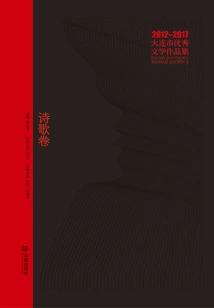
2012-2017大连市优秀文学作品集:诗歌卷
Editor-in-chief Zhang Jinshuang
This book strictly selects the outstanding works of nearly 50 poets in Dalian poetry circles published in newspapers and periodicals at or above the provincial level between 2012 and 2017. It is a tour and review of the city's achievements in new poetry creation in recent years, and is also a reflection and introspection on the current ecology of literature and poetry creation. The editor takes this opportunity to review the overall situation of Dalian's poetry creation from backwardness to rise since the 1980s. While applauding such fruitful achievements, the editor is also keenly aware of the problems involved. He hopes that the city's poets will live up to the historical opportunities of the rejuvenation of the national destiny and the Renaissance and make due contributions to the development and inheritance of the art of new poetry.
This book strictly selects the outstanding works of nearly 50 poets in Dalian poetry circles published in newspapers and periodicals at or above the provincial level between 2012 and 2017. It is a tour and review of the city's achievements in new poetry creation in recent years, and is also a reflection and introspection on the current ecology of literature and poetry creation. The editor takes this opportunity to review the overall situation of Dalian's poetry creation from backwardness to rise since the 1980s. While applauding such fruitful achievements, the editor is also keenly aware of the problems involved. He hopes that the city's poets will live up to the historical opportunities of the rejuvenation of the national destiny and the Renaissance and make due contributions to the development and inheritance of the art of new poetry.