Library
Browse and search novels
25,926 novels found
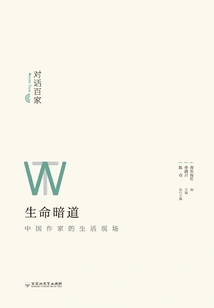
Secret Passage of Life
Literature生命暗道
Editor-in-chief Of Youth Daily Li Qingchuan
The "Dialogue with Hundreds of Families" series is the result of the Youth Daily's interviews with 130 famous contemporary Chinese writers who grew up in New China. The editor-in-chief of the series is Li Qingchuan, Secretary of the Party Committee and President of Youth Daily. Taking the latest works of 133 famous contemporary Chinese writers as the main line, under the logic of literati, articles, context, and literary appreciation, we strive to capture those cultural perspectives that can be deposited into history and predict the future, and focus on those spiritual bloodlines that are not popular or trendy, but must be dynamic, developing, powerful, and spiritual, guiding young people in the right direction.
The "Dialogue with Hundreds of Families" series is the result of the Youth Daily's interviews with 130 famous contemporary Chinese writers who grew up in New China. The editor-in-chief of the series is Li Qingchuan, Secretary of the Party Committee and President of Youth Daily. Taking the latest works of 133 famous contemporary Chinese writers as the main line, under the logic of literati, articles, context, and literary appreciation, we strive to capture those cultural perspectives that can be deposited into history and predict the future, and focus on those spiritual bloodlines that are not popular or trendy, but must be dynamic, developing, powerful, and spiritual, guiding young people in the right direction.
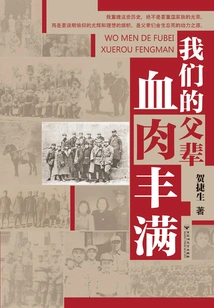
Our Fathers Are Full of Flesh and Blood
Literature我们的父辈 血肉丰满
He Jiesheng
"Our Fathers Are Full of Flesh and Flesh" is a collection of documentary essays written by He Jiesheng, the eldest daughter of Marshal He Long. From the author's unique perspective, the book presents her red memories of her parents, relatives and many revolutionary ancestors, and depicts a magnificent historical picture of a generation who sacrificed their lives for the revolution and pursued a new world. The author uses her words to delicately touch the hearts of her fathers. Their singing, crying and trembling in great joys and sorrows dig out the details that best reflect the essence of their lives.
"Our Fathers Are Full of Flesh and Flesh" is a collection of documentary essays written by He Jiesheng, the eldest daughter of Marshal He Long. From the author's unique perspective, the book presents her red memories of her parents, relatives and many revolutionary ancestors, and depicts a magnificent historical picture of a generation who sacrificed their lives for the revolution and pursued a new world. The author uses her words to delicately touch the hearts of her fathers. Their singing, crying and trembling in great joys and sorrows dig out the details that best reflect the essence of their lives.
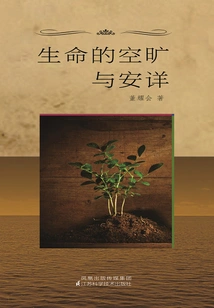
The Emptiness and Tranquility of Life
Literature生命的空旷与安详
Dong Yaohui
"The Emptiness and Tranquility of Life" is a long poem about life and philosophy. It is the poet's questioning of the soul when facing himself and the times. In this long poem, there is no description or discussion of any specific events in the past or reality. Most long poems are mainly narrative. "The Emptiness and Tranquility of Life" does not carry out any narrative. It just puts the feeling of life in the spring flowers and the wind and snow, allowing readers to vent with him.
"The Emptiness and Tranquility of Life" is a long poem about life and philosophy. It is the poet's questioning of the soul when facing himself and the times. In this long poem, there is no description or discussion of any specific events in the past or reality. Most long poems are mainly narrative. "The Emptiness and Tranquility of Life" does not carry out any narrative. It just puts the feeling of life in the spring flowers and the wind and snow, allowing readers to vent with him.
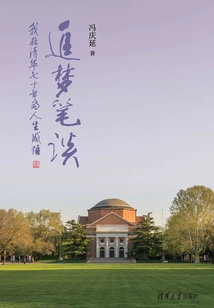
Written Talk About Pursuing Dreams: My Reflections on Life During My 70 Years at Tsinghua University
Literature追梦笔谈:我在清华70年的人生感悟
Feng Qingyan
This work is a collection of essays by retired professor Feng Qingyan of the High School Affiliated to Tsinghua University. Mr. Feng recorded his profound understanding of education and profound thinking about life in more than 40 articles. From these contents, we can feel the love of education work of the older generation of educators in New China and their unremitting efforts to develop the education industry of the motherland. Their rigorous and serious working methods, optimistic and open-minded attitude towards life, and positive mental state are all worth learning from.
This work is a collection of essays by retired professor Feng Qingyan of the High School Affiliated to Tsinghua University. Mr. Feng recorded his profound understanding of education and profound thinking about life in more than 40 articles. From these contents, we can feel the love of education work of the older generation of educators in New China and their unremitting efforts to develop the education industry of the motherland. Their rigorous and serious working methods, optimistic and open-minded attitude towards life, and positive mental state are all worth learning from.
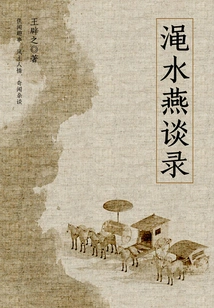
古代常识读本:渑水燕谈录
Wang Pizhi
In terms of genre, "Mianshui Yan Tan Lu" belongs to the historical material notes among notebooks. Although "Mianshui Yan Tan Lu" appears to be a leisurely work of banter, it actually contains the author's political ideals and moral judgments. It is a historical record with serious motivation, pure purpose and elegant taste. From the purpose of writing, like many authors of notes in the Song Dynasty, Wang Pizhi left his official career and wandered in the woods, recalling his life experiences and knowledge. He wrote in books and recorded miscellaneous knowledge mainly for the purpose of "talking." Judging from the content and scope of writing, most of the records recorded in "Mianshui Yan Tan Lu" are miscellaneous events of the Northern Song Dynasty in the more than 140 years between the Shaosheng reign of Emperor Zhezong of the Song Dynasty (1094) and the founding of the Northern Song Dynasty (960). Rich in content and wide in genre, it provides a large amount of authentic and reliable historical materials for later generations to study the politics, economy, military, and culture of the Northern Song Dynasty, especially the lives of some politicians and writers, as well as the local history of Shandong Province and Song poetry.
In terms of genre, "Mianshui Yan Tan Lu" belongs to the historical material notes among notebooks. Although "Mianshui Yan Tan Lu" appears to be a leisurely work of banter, it actually contains the author's political ideals and moral judgments. It is a historical record with serious motivation, pure purpose and elegant taste. From the purpose of writing, like many authors of notes in the Song Dynasty, Wang Pizhi left his official career and wandered in the woods, recalling his life experiences and knowledge. He wrote in books and recorded miscellaneous knowledge mainly for the purpose of "talking." Judging from the content and scope of writing, most of the records recorded in "Mianshui Yan Tan Lu" are miscellaneous events of the Northern Song Dynasty in the more than 140 years between the Shaosheng reign of Emperor Zhezong of the Song Dynasty (1094) and the founding of the Northern Song Dynasty (960). Rich in content and wide in genre, it provides a large amount of authentic and reliable historical materials for later generations to study the politics, economy, military, and culture of the Northern Song Dynasty, especially the lives of some politicians and writers, as well as the local history of Shandong Province and Song poetry.
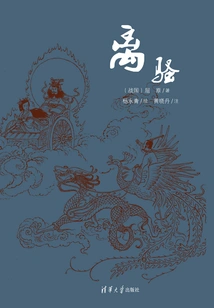
Li Sao
Literature离骚
Qu Yuan
"Li Sao" is a literary work created by Qu Yuan, a poet of the Warring States Period. This book uses a combination of annotations and drawings to present Li Sao to everyone in a romantic way.
"Li Sao" is a literary work created by Qu Yuan, a poet of the Warring States Period. This book uses a combination of annotations and drawings to present Li Sao to everyone in a romantic way.
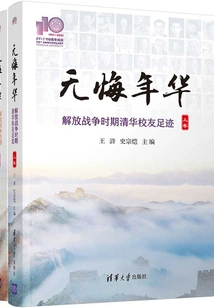
无悔年华(110校庆)
Wang Hu Shi Zongkai Zhang Qikun Zhang Sijing Niu Youjie Tang Jie Xie Hongyan
This book consists of more than 160 articles, totaling 750,000 words, divided into two volumes. It is a true portrayal of Tsinghua alumni's unremitting efforts for national construction and development during the War of Liberation. There are memoirs written by old alumni, commemorative articles written by classmates and alumni, and press releases written by reporters from news media. It reflects the extraordinary struggle of this generation of Tsinghua people in serving the motherland and dedicating themselves to the people after the founding of New China, and demonstrates their immortal contributions to the great cause of the country and the nation. They were outstanding representatives of Tsinghua people of that era.
This book consists of more than 160 articles, totaling 750,000 words, divided into two volumes. It is a true portrayal of Tsinghua alumni's unremitting efforts for national construction and development during the War of Liberation. There are memoirs written by old alumni, commemorative articles written by classmates and alumni, and press releases written by reporters from news media. It reflects the extraordinary struggle of this generation of Tsinghua people in serving the motherland and dedicating themselves to the people after the founding of New China, and demonstrates their immortal contributions to the great cause of the country and the nation. They were outstanding representatives of Tsinghua people of that era.
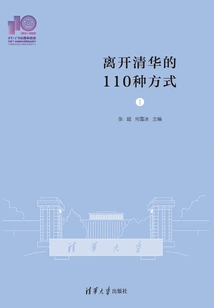
离开清华的110种方式·Ⅰ(110校庆)
Zhang Chao Editor-in-chief He Xuebing
On the occasion of the 110th anniversary of the founding of Tsinghua University, this book selects the graduation choices of 110 contemporary Tsinghua students, telling us that leaving Tsinghua is only the first step on the long road to their career planning. They are looking for their own "Tianya Road" and shine in various places and fields. Zhao Jiangtao, who took root in Xinjiang and devoted himself to the west; Lu Xinqing, who bravely went to Africa and was committed to helping Africa's agricultural transformation; Fang Yaopeng, who set his sights on the stars and sea and contributed to the construction of the Chinese space station... There are many tall buildings and thousands of lights, and there is always a corner where we can stop and look at it. They have also had their moments of hesitation and choice, struggling with different industries, regions and development paths. Yuan Xiaohui, who gave up his teaching position and embarked on the road of entrepreneurship, using data and tools to empower individuals and small teams; Hu Kai, who once again chose to enter the military camp and dedicate himself to national defense at the crossroads of free choice; Xiu Xinyu, who gave up a better salary and pursued his dream of literature... "The clothes are getting wider but I don't regret it, and I feel haggard for Yi." With the stars of dreams above your head, only by persisting in chasing dreams and persevering can you achieve the splendor and openness after experiencing hardships. Hu Lili, who was determined to pursue his dream of civil engineering after experiencing the Wenchuan earthquake; Xu Mengzhou, who worked hard to pursue his academic dream after failing to promote his research; Su Hongwei, who visited South Africa and determined to use scientific research results to promote the elimination of tuberculosis... Only by staying true to the original intention can we succeed. 110 Unique dreams tell the choices of 110 Tsinghua people and the "Chinese Dream" of 110 Tsinghua people. Every Tsinghua person tells their own way of leaving Tsinghua, as well as their own hard work and persistence.
On the occasion of the 110th anniversary of the founding of Tsinghua University, this book selects the graduation choices of 110 contemporary Tsinghua students, telling us that leaving Tsinghua is only the first step on the long road to their career planning. They are looking for their own "Tianya Road" and shine in various places and fields. Zhao Jiangtao, who took root in Xinjiang and devoted himself to the west; Lu Xinqing, who bravely went to Africa and was committed to helping Africa's agricultural transformation; Fang Yaopeng, who set his sights on the stars and sea and contributed to the construction of the Chinese space station... There are many tall buildings and thousands of lights, and there is always a corner where we can stop and look at it. They have also had their moments of hesitation and choice, struggling with different industries, regions and development paths. Yuan Xiaohui, who gave up his teaching position and embarked on the road of entrepreneurship, using data and tools to empower individuals and small teams; Hu Kai, who once again chose to enter the military camp and dedicate himself to national defense at the crossroads of free choice; Xiu Xinyu, who gave up a better salary and pursued his dream of literature... "The clothes are getting wider but I don't regret it, and I feel haggard for Yi." With the stars of dreams above your head, only by persisting in chasing dreams and persevering can you achieve the splendor and openness after experiencing hardships. Hu Lili, who was determined to pursue his dream of civil engineering after experiencing the Wenchuan earthquake; Xu Mengzhou, who worked hard to pursue his academic dream after failing to promote his research; Su Hongwei, who visited South Africa and determined to use scientific research results to promote the elimination of tuberculosis... Only by staying true to the original intention can we succeed. 110 Unique dreams tell the choices of 110 Tsinghua people and the "Chinese Dream" of 110 Tsinghua people. Every Tsinghua person tells their own way of leaving Tsinghua, as well as their own hard work and persistence.
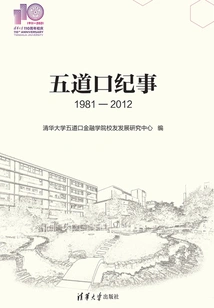
五道口纪事(1981-2012)(110校庆)
Tsinghua University Pbc School Of Finance Alumni Development Research Center
Since its establishment in 1981, the Graduate School of the People's Bank of China has been arduous and forged ahead, and has gradually developed into one of the best training bases for higher financial professionals in China. It has formed a unique school-running style and is affectionately called "Wudaokou" by teachers, students and alumni. In 2012, the People's Bank of China cooperated with Tsinghua University to establish Tsinghua University PBC School of Finance based on the Graduate School of the People's Bank of China. The development of PBC entered a new era. The college attaches great importance to the condensation and inheritance of Wudaokou's excellent school-running traditions and school-running characteristics, and actively carries out research on the history of the college. "Wudaokou Chronicles (1981-2012)" is divided into two parts: Wudaokou major events and interviews with the history of the hospital. The first chapter of Wudaokou Major Events is based on historical archive records. It briefly describes the major events in Wudaokou in chronological order and forms a manuscript of more than 90,000 words. The next part, the interviews on the history of the school, mainly based on the memories and oral accounts of the interviewees, vividly records the true past events in the founding and running of Wudaokou, forming 42 interviews with nearly 150,000 words.
Since its establishment in 1981, the Graduate School of the People's Bank of China has been arduous and forged ahead, and has gradually developed into one of the best training bases for higher financial professionals in China. It has formed a unique school-running style and is affectionately called "Wudaokou" by teachers, students and alumni. In 2012, the People's Bank of China cooperated with Tsinghua University to establish Tsinghua University PBC School of Finance based on the Graduate School of the People's Bank of China. The development of PBC entered a new era. The college attaches great importance to the condensation and inheritance of Wudaokou's excellent school-running traditions and school-running characteristics, and actively carries out research on the history of the college. "Wudaokou Chronicles (1981-2012)" is divided into two parts: Wudaokou major events and interviews with the history of the hospital. The first chapter of Wudaokou Major Events is based on historical archive records. It briefly describes the major events in Wudaokou in chronological order and forms a manuscript of more than 90,000 words. The next part, the interviews on the history of the school, mainly based on the memories and oral accounts of the interviewees, vividly records the true past events in the founding and running of Wudaokou, forming 42 interviews with nearly 150,000 words.
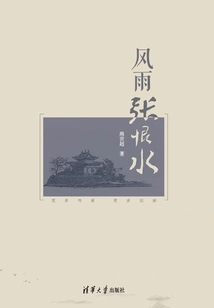
Wind and Rain, Zhang Henshui
Literature风雨张恨水
Yan Shichao
This book is divided into five parts: author theory, work theory, reader theory, comparative theory, and appendices. The main content covers Zhang Henshui's life and creative path, Zhang Henshui's literary achievements, the artistic characteristics of Zhang Henshui's masterpieces, the social and cultural roots of Zhang Henshui's continuing popularity of novels, and the interactions and comparisons between Zhang Henshui and contemporary writers. It examines Zhang Henshui and his works in the context of Chinese culture and Chinese literature, and guides readers into Zhang Henshui's literary world.
This book is divided into five parts: author theory, work theory, reader theory, comparative theory, and appendices. The main content covers Zhang Henshui's life and creative path, Zhang Henshui's literary achievements, the artistic characteristics of Zhang Henshui's masterpieces, the social and cultural roots of Zhang Henshui's continuing popularity of novels, and the interactions and comparisons between Zhang Henshui and contemporary writers. It examines Zhang Henshui and his works in the context of Chinese culture and Chinese literature, and guides readers into Zhang Henshui's literary world.
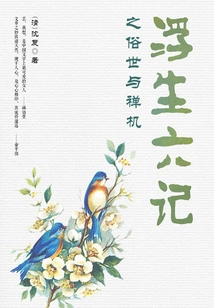
经典小品美文:浮生六记之俗世与禅机
Shen Fu
"Six Chapters of a Floating Life" is an autobiographical prose written by Shen Fu, a writer of the Qing Dynasty. The prose has simple words and sincere emotions, describing the ordinary home life of the author and his wife, their bumpy encounters, and their travels around the world. The predecessors once commented that "the fragrance and desolation of the triangle make you feel intoxicated when reading it." The contents in the book may be lingering and lingering, some may be leisurely and indifferent, some may be heart-wrenching, or some may be landscapes and mountains. The hurtful parts of love make people shed tears, and the parts that don't suit one's will make people nod happily and enjoy it. The language is unadorned, simple and fresh, and quite natural. Vernacular Chinese expands the artistic conception of classical Chinese. It is as concise as words, but does not lose the elegance and uniqueness of the original text. It can be said that they complement each other. "Six Chapters of a Floating Life" is a very high-level and influential autobiographical essay, which occupies a very important position in Qing Dynasty notebook literature. The book is characterized by its purity and frankness, unique expression of spirit, informality and creativity.
"Six Chapters of a Floating Life" is an autobiographical prose written by Shen Fu, a writer of the Qing Dynasty. The prose has simple words and sincere emotions, describing the ordinary home life of the author and his wife, their bumpy encounters, and their travels around the world. The predecessors once commented that "the fragrance and desolation of the triangle make you feel intoxicated when reading it." The contents in the book may be lingering and lingering, some may be leisurely and indifferent, some may be heart-wrenching, or some may be landscapes and mountains. The hurtful parts of love make people shed tears, and the parts that don't suit one's will make people nod happily and enjoy it. The language is unadorned, simple and fresh, and quite natural. Vernacular Chinese expands the artistic conception of classical Chinese. It is as concise as words, but does not lose the elegance and uniqueness of the original text. It can be said that they complement each other. "Six Chapters of a Floating Life" is a very high-level and influential autobiographical essay, which occupies a very important position in Qing Dynasty notebook literature. The book is characterized by its purity and frankness, unique expression of spirit, informality and creativity.
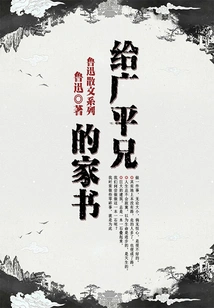
鲁迅作品集:给广平兄的家书
Lu Xun
Mr. Lu Xun's diverse writing style contains his profound thinking about life and deep concern for the country and nation, embodying his passion and innocence. Lu Xun's writings not only had a warning effect on the people at that time, but also had profound inspiration and educational significance for our descendants. This book is composed of many family letters written by Lu Xun. The content is heart-warming, like a trickle, showing the softest and most emotional side of a fighter's heart. Guo Moruo once commented: Lu Xun was a revolutionary thinker, an epoch-making literary and artistic writer, a historian who sought truth from facts, an educator who set an example, and an internationalist who longed for human liberation. Books from the two places, nurturing each other, are the most beautiful flowers in the world that bloom in the turbulent years.
Mr. Lu Xun's diverse writing style contains his profound thinking about life and deep concern for the country and nation, embodying his passion and innocence. Lu Xun's writings not only had a warning effect on the people at that time, but also had profound inspiration and educational significance for our descendants. This book is composed of many family letters written by Lu Xun. The content is heart-warming, like a trickle, showing the softest and most emotional side of a fighter's heart. Guo Moruo once commented: Lu Xun was a revolutionary thinker, an epoch-making literary and artistic writer, a historian who sought truth from facts, an educator who set an example, and an internationalist who longed for human liberation. Books from the two places, nurturing each other, are the most beautiful flowers in the world that bloom in the turbulent years.
经典小品美文:浮生六记(一)
Shen Fu
"Six Chapters of a Floating Life" is an autobiographical prose written by Shen Fu, a writer of the Qing Dynasty. The prose has simple words and sincere emotions, describing the ordinary home life of the author and his wife, their bumpy encounters, and their travels around the world. The predecessors once commented that "the fragrance and desolation of the triangle make you feel intoxicated when reading it." The contents in the book may be lingering and lingering, some may be leisurely and indifferent, some may be heart-wrenching, or some may be landscapes and mountains. The hurtful parts of love make people shed tears, and the parts that don't suit one's will make people nod happily and enjoy it. The language is unadorned, simple and fresh, and quite natural. Vernacular Chinese expands the artistic conception of classical Chinese. It is as concise as words, but does not lose the elegance and uniqueness of the original text. It can be said that they complement each other. "Six Chapters of a Floating Life" is a very high-level and influential autobiographical essay, which occupies a very important position in Qing Dynasty notebook literature. The book is characterized by its purity and frankness, unique expression of spirit, informality and creativity.
"Six Chapters of a Floating Life" is an autobiographical prose written by Shen Fu, a writer of the Qing Dynasty. The prose has simple words and sincere emotions, describing the ordinary home life of the author and his wife, their bumpy encounters, and their travels around the world. The predecessors once commented that "the fragrance and desolation of the triangle make you feel intoxicated when reading it." The contents in the book may be lingering and lingering, some may be leisurely and indifferent, some may be heart-wrenching, or some may be landscapes and mountains. The hurtful parts of love make people shed tears, and the parts that don't suit one's will make people nod happily and enjoy it. The language is unadorned, simple and fresh, and quite natural. Vernacular Chinese expands the artistic conception of classical Chinese. It is as concise as words, but does not lose the elegance and uniqueness of the original text. It can be said that they complement each other. "Six Chapters of a Floating Life" is a very high-level and influential autobiographical essay, which occupies a very important position in Qing Dynasty notebook literature. The book is characterized by its purity and frankness, unique expression of spirit, informality and creativity.
经典小品美文:浮生六记(三)
Shen Fu
"Six Chapters of a Floating Life" is an autobiographical prose written by Shen Fu, a writer of the Qing Dynasty. The prose has simple words and sincere emotions, describing the ordinary home life of the author and his wife, their bumpy encounters, and their travels around the world. The predecessors once commented that "the fragrance and desolation of the triangle make you feel intoxicated when reading it." The contents in the book may be lingering and lingering, some may be leisurely and indifferent, some may be heart-wrenching, or some may be landscapes and mountains. The hurtful parts of love make people shed tears, and the parts that don't suit one's will make people nod happily and enjoy it. The language is unadorned, simple and fresh, and quite natural. Vernacular Chinese expands the artistic conception of classical Chinese. It is as concise as words, but does not lose the elegance and uniqueness of the original text. It can be said that they complement each other. "Six Chapters of a Floating Life" is a very high-level and influential autobiographical essay, which occupies a very important position in Qing Dynasty notebook literature. The book is characterized by its purity and frankness, unique expression of spirit, informality and creativity.
"Six Chapters of a Floating Life" is an autobiographical prose written by Shen Fu, a writer of the Qing Dynasty. The prose has simple words and sincere emotions, describing the ordinary home life of the author and his wife, their bumpy encounters, and their travels around the world. The predecessors once commented that "the fragrance and desolation of the triangle make you feel intoxicated when reading it." The contents in the book may be lingering and lingering, some may be leisurely and indifferent, some may be heart-wrenching, or some may be landscapes and mountains. The hurtful parts of love make people shed tears, and the parts that don't suit one's will make people nod happily and enjoy it. The language is unadorned, simple and fresh, and quite natural. Vernacular Chinese expands the artistic conception of classical Chinese. It is as concise as words, but does not lose the elegance and uniqueness of the original text. It can be said that they complement each other. "Six Chapters of a Floating Life" is a very high-level and influential autobiographical essay, which occupies a very important position in Qing Dynasty notebook literature. The book is characterized by its purity and frankness, unique expression of spirit, informality and creativity.
经典小品美文:浮生六记(二)
Shen Fu
"Six Chapters of a Floating Life" is an autobiographical prose written by Shen Fu, a writer of the Qing Dynasty. The prose has simple words and sincere emotions, describing the ordinary home life of the author and his wife, their bumpy encounters, and their travels around the world. The predecessors once commented that "the fragrance and desolation of the triangle make you feel intoxicated when reading it." The contents in the book may be lingering and lingering, some may be leisurely and indifferent, some may be heart-wrenching, or some may be landscapes and mountains. The hurtful parts of love make people shed tears, and the parts that don't suit one's will make people nod happily and enjoy it. The language is unadorned, simple and fresh, and quite natural. Vernacular Chinese expands the artistic conception of classical Chinese. It is as concise as words, but does not lose the elegance and uniqueness of the original text. It can be said that they complement each other. "Six Chapters of a Floating Life" is a very high-level and influential autobiographical essay, which occupies a very important position in Qing Dynasty notebook literature. The book is characterized by its purity and frankness, unique expression of spirit, informality and creativity.
"Six Chapters of a Floating Life" is an autobiographical prose written by Shen Fu, a writer of the Qing Dynasty. The prose has simple words and sincere emotions, describing the ordinary home life of the author and his wife, their bumpy encounters, and their travels around the world. The predecessors once commented that "the fragrance and desolation of the triangle make you feel intoxicated when reading it." The contents in the book may be lingering and lingering, some may be leisurely and indifferent, some may be heart-wrenching, or some may be landscapes and mountains. The hurtful parts of love make people shed tears, and the parts that don't suit one's will make people nod happily and enjoy it. The language is unadorned, simple and fresh, and quite natural. Vernacular Chinese expands the artistic conception of classical Chinese. It is as concise as words, but does not lose the elegance and uniqueness of the original text. It can be said that they complement each other. "Six Chapters of a Floating Life" is a very high-level and influential autobiographical essay, which occupies a very important position in Qing Dynasty notebook literature. The book is characterized by its purity and frankness, unique expression of spirit, informality and creativity.
Classic Sketches and Essays: Six Notes on a Floating Life to Convey Interest in Leisurely Moments
Literature经典小品美文:浮生六记之闲寄情趣
Shen Fu
"Six Chapters of a Floating Life" is an autobiographical prose written by Shen Fu, a writer of the Qing Dynasty. The prose has simple words and sincere emotions, describing the ordinary home life of the author and his wife, their bumpy encounters, and their travels around the world. The predecessors once commented that "the fragrance and desolation of the triangle make you feel intoxicated when reading it." The contents in the book may be lingering and lingering, some may be leisurely and indifferent, some may be heart-wrenching, or some may be landscapes and mountains. The hurtful parts of love make people shed tears, and the parts that don't suit one's will make people nod happily and enjoy it. The language is unadorned, simple and fresh, and quite natural. Vernacular Chinese expands the artistic conception of classical Chinese. It is as concise as words, but does not lose the elegance and uniqueness of the original text. It can be said that they complement each other. "Six Chapters of a Floating Life" is a very high-level and influential autobiographical essay, which occupies a very important position in Qing Dynasty notebook literature. The book is characterized by its purity and frankness, unique expression of spirit, informality and creativity.
"Six Chapters of a Floating Life" is an autobiographical prose written by Shen Fu, a writer of the Qing Dynasty. The prose has simple words and sincere emotions, describing the ordinary home life of the author and his wife, their bumpy encounters, and their travels around the world. The predecessors once commented that "the fragrance and desolation of the triangle make you feel intoxicated when reading it." The contents in the book may be lingering and lingering, some may be leisurely and indifferent, some may be heart-wrenching, or some may be landscapes and mountains. The hurtful parts of love make people shed tears, and the parts that don't suit one's will make people nod happily and enjoy it. The language is unadorned, simple and fresh, and quite natural. Vernacular Chinese expands the artistic conception of classical Chinese. It is as concise as words, but does not lose the elegance and uniqueness of the original text. It can be said that they complement each other. "Six Chapters of a Floating Life" is a very high-level and influential autobiographical essay, which occupies a very important position in Qing Dynasty notebook literature. The book is characterized by its purity and frankness, unique expression of spirit, informality and creativity.
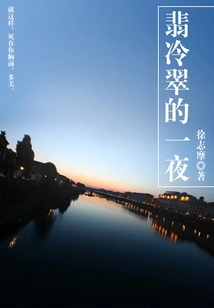
徐志摩诗集:翡冷翠的一夜
Xu Zhimo
This book is a collection of Xu Zhimo's classic poems and a must-see collection for readers who like Xu Zhimo's works. Through these poems, you can feel another Xu Zhimo that makes people fall in love with him in the flowing words. For readers who like Xu Zhimo's prose, this book is worth reading. As a celebrity of that era, Xu Zhimo did everything an ordinary intellectual could do. While pursuing his own happy life, he also had profound thoughts on the fate of the nation. The works selected in this book reflect Xu Zhimo's creative characteristics: he not only pays attention to aesthetic appreciation, but also takes into account the value of historical documents, which is helpful for appreciation by literary lovers and researchers to trace their origins.
This book is a collection of Xu Zhimo's classic poems and a must-see collection for readers who like Xu Zhimo's works. Through these poems, you can feel another Xu Zhimo that makes people fall in love with him in the flowing words. For readers who like Xu Zhimo's prose, this book is worth reading. As a celebrity of that era, Xu Zhimo did everything an ordinary intellectual could do. While pursuing his own happy life, he also had profound thoughts on the fate of the nation. The works selected in this book reflect Xu Zhimo's creative characteristics: he not only pays attention to aesthetic appreciation, but also takes into account the value of historical documents, which is helpful for appreciation by literary lovers and researchers to trace their origins.
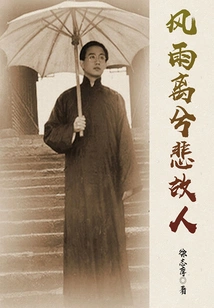
Collection of Xu Zhimo's Essays: Sadness for an Old Friend When the Wind and Rain Leave Us
Literature徐志摩散文集:风雨离兮悲故人
Xu Zhimo
This book is a collection of Xu Zhimo's classic essays, divided into two parts: one part is mainly essays in memory of his deceased friend, and the other part is an excerpt from Lu Xiaoman's "Ai Mei Xiaozha" published in commemoration of the 40th anniversary of Xu Zhimo's birth. Readers who like Xu Zhimo's works should not miss it. As a celebrity of that era, Xu Zhimo did everything an ordinary intellectual could do. While pursuing his own happy life, he also had profound thoughts on the destiny of the nation. The prose selected in this book reflects Xu Zhimo's creative characteristics: he not only pays attention to aesthetic appreciation, but also takes into account the value of historical documents, which is helpful for the appreciation of literature lovers and for researchers to trace their origins.
This book is a collection of Xu Zhimo's classic essays, divided into two parts: one part is mainly essays in memory of his deceased friend, and the other part is an excerpt from Lu Xiaoman's "Ai Mei Xiaozha" published in commemoration of the 40th anniversary of Xu Zhimo's birth. Readers who like Xu Zhimo's works should not miss it. As a celebrity of that era, Xu Zhimo did everything an ordinary intellectual could do. While pursuing his own happy life, he also had profound thoughts on the destiny of the nation. The prose selected in this book reflects Xu Zhimo's creative characteristics: he not only pays attention to aesthetic appreciation, but also takes into account the value of historical documents, which is helpful for the appreciation of literature lovers and for researchers to trace their origins.
民间经典文学:八仙过海(下)
Anonymous
The story about the Eight Immortals crossing the sea can be said to be a Taoist mythology that is widely circulated among Chinese people and is known to almost everyone, young and old. An immortal invited the Eight Immortals to attend a banquet and view peonies at his place. When they returned, they were blocked by the Dragon King of the East China Sea. As a result, the two parties and their allies were divided into two groups and started a battle of skills. In the end, the Eight Immortals and their friends each took out their own magic weapons, won, and successfully crossed the sea. Regarding the Eight Immortals, it has also undergone a certain evolution. For example, "Journey to the East" written by Wu Yuantai stereotypes the image of the Eight Immortals in Shangdong, which is generally recognized by the common people, because these eight characters represent eight different images: male, female, old, young, rich, noble, poor, and humble. These characters were originally mortals, and each of them had shortcomings: Han Zhongli was topless, Lu Dongbin was frivolous, Tieguai Li was alcoholic, etc., But they all accumulated good deeds and became true immortals in the end. Folk operas, stage performances, and Eight Immortals board performances influenced by the story of the Eight Immortals have been passed down to this day.
The story about the Eight Immortals crossing the sea can be said to be a Taoist mythology that is widely circulated among Chinese people and is known to almost everyone, young and old. An immortal invited the Eight Immortals to attend a banquet and view peonies at his place. When they returned, they were blocked by the Dragon King of the East China Sea. As a result, the two parties and their allies were divided into two groups and started a battle of skills. In the end, the Eight Immortals and their friends each took out their own magic weapons, won, and successfully crossed the sea. Regarding the Eight Immortals, it has also undergone a certain evolution. For example, "Journey to the East" written by Wu Yuantai stereotypes the image of the Eight Immortals in Shangdong, which is generally recognized by the common people, because these eight characters represent eight different images: male, female, old, young, rich, noble, poor, and humble. These characters were originally mortals, and each of them had shortcomings: Han Zhongli was topless, Lu Dongbin was frivolous, Tieguai Li was alcoholic, etc., But they all accumulated good deeds and became true immortals in the end. Folk operas, stage performances, and Eight Immortals board performances influenced by the story of the Eight Immortals have been passed down to this day.
民间经典文学:八仙过海(中)
Anonymous
The story about the Eight Immortals crossing the sea can be said to be a Taoist mythology that is widely circulated among Chinese people and is known to almost everyone, young and old. An immortal invited the Eight Immortals to attend a banquet and view peonies at his place. When they returned, they were blocked by the Dragon King of the East China Sea. As a result, the two parties and their allies were divided into two groups and started a battle of skills. In the end, the Eight Immortals and their friends each took out their own magic weapons, won, and successfully crossed the sea. Regarding the Eight Immortals, it has also undergone a certain evolution. For example, "Journey to the East" written by Wu Yuantai stereotypes the image of the Eight Immortals in Shangdong, which is generally recognized by the common people, because these eight characters represent eight different images: male, female, old, young, rich, noble, poor, and humble. These characters were originally mortals, and each of them had shortcomings: Han Zhongli was topless, Lu Dongbin was frivolous, Tieguai Li was alcoholic, etc., But they all accumulated good deeds and became true immortals in the end. Folk operas, stage performances, and Eight Immortals board performances influenced by the story of the Eight Immortals have been passed down to this day.
The story about the Eight Immortals crossing the sea can be said to be a Taoist mythology that is widely circulated among Chinese people and is known to almost everyone, young and old. An immortal invited the Eight Immortals to attend a banquet and view peonies at his place. When they returned, they were blocked by the Dragon King of the East China Sea. As a result, the two parties and their allies were divided into two groups and started a battle of skills. In the end, the Eight Immortals and their friends each took out their own magic weapons, won, and successfully crossed the sea. Regarding the Eight Immortals, it has also undergone a certain evolution. For example, "Journey to the East" written by Wu Yuantai stereotypes the image of the Eight Immortals in Shangdong, which is generally recognized by the common people, because these eight characters represent eight different images: male, female, old, young, rich, noble, poor, and humble. These characters were originally mortals, and each of them had shortcomings: Han Zhongli was topless, Lu Dongbin was frivolous, Tieguai Li was alcoholic, etc., But they all accumulated good deeds and became true immortals in the end. Folk operas, stage performances, and Eight Immortals board performances influenced by the story of the Eight Immortals have been passed down to this day.
民间经典文学:八仙过海(上)
Anonymous
The story about the Eight Immortals crossing the sea can be said to be a Taoist mythology that is widely circulated among Chinese people and is known to almost everyone, young and old. An immortal invited the Eight Immortals to attend a banquet and view peonies at his place. When they returned, they were blocked by the Dragon King of the East China Sea. As a result, the two parties and their allies were divided into two groups and started a battle of skills. In the end, the Eight Immortals and their friends each took out their own magic weapons, won, and successfully crossed the sea. Regarding the Eight Immortals, it has also undergone a certain evolution. For example, "Journey to the East" written by Wu Yuantai stereotypes the image of the Eight Immortals in Shangdong, which is generally recognized by the common people, because these eight characters represent eight different images: male, female, old, young, rich, noble, poor, and humble. These characters were originally mortals, and each of them had shortcomings: Han Zhongli was topless, Lu Dongbin was frivolous, Tieguai Li was alcoholic, etc., But they all accumulated good deeds and became true immortals in the end. Folk operas, stage performances, and Eight Immortals board performances influenced by the story of the Eight Immortals have been passed down to this day.
The story about the Eight Immortals crossing the sea can be said to be a Taoist mythology that is widely circulated among Chinese people and is known to almost everyone, young and old. An immortal invited the Eight Immortals to attend a banquet and view peonies at his place. When they returned, they were blocked by the Dragon King of the East China Sea. As a result, the two parties and their allies were divided into two groups and started a battle of skills. In the end, the Eight Immortals and their friends each took out their own magic weapons, won, and successfully crossed the sea. Regarding the Eight Immortals, it has also undergone a certain evolution. For example, "Journey to the East" written by Wu Yuantai stereotypes the image of the Eight Immortals in Shangdong, which is generally recognized by the common people, because these eight characters represent eight different images: male, female, old, young, rich, noble, poor, and humble. These characters were originally mortals, and each of them had shortcomings: Han Zhongli was topless, Lu Dongbin was frivolous, Tieguai Li was alcoholic, etc., But they all accumulated good deeds and became true immortals in the end. Folk operas, stage performances, and Eight Immortals board performances influenced by the story of the Eight Immortals have been passed down to this day.
Red Earth Feelings
Literature红土情思
Lu Jiansheng, Shen Ling, Zhang Yongyi Editor-in-chief
This book mainly collects essays by international students from the International College of Kunming University of Science and Technology. The sincere articles in this book are the Chinese exercises of international students. Although there are no shocking rhetoric or gentle and beautiful euphemisms, they use the simplest and most straightforward language to express their most sincere and touching voices and express their thoughts, which is compiled into this book "Love in Red Earth". This book condenses the efforts of teachers and shows the efforts of international students. I hope these real people, real things, sincerity and true words can give readers some real feelings and leave a sincere memory to the students.
This book mainly collects essays by international students from the International College of Kunming University of Science and Technology. The sincere articles in this book are the Chinese exercises of international students. Although there are no shocking rhetoric or gentle and beautiful euphemisms, they use the simplest and most straightforward language to express their most sincere and touching voices and express their thoughts, which is compiled into this book "Love in Red Earth". This book condenses the efforts of teachers and shows the efforts of international students. I hope these real people, real things, sincerity and true words can give readers some real feelings and leave a sincere memory to the students.
攀登:锦城技术型文科人才培养及就业探索故事集
Song Ling Editor-in-chief Zhang Chao
The School of Literature and Media of Jincheng College of Sichuan University (hereinafter referred to as the School of Literature and Communication) has been thinking and exploring, based on an in-depth interpretation of Jincheng College's positioning as an "application-oriented university", combined with the "Four Returns" concept of high-level undergraduate construction and talent training quality proposed by the Ministry of Education, and Actively explore the profound connotation of the new liberal arts, and clearly propose the training idea of "technical liberal arts talents", that is, "cultivate technical liberal arts talents with writing as the core competitiveness in the pan-media era, network technology as an important auxiliary means, profound humanistic heritage, and strong practical ability." After several years of exploration and summary, the School of Literature and Communication has accumulated certain experience in software and hardware such as professional positioning, curriculum construction, teaching plans, teaching materials construction, teaching staff construction, teaching management, teaching internships and experiments, practical training platforms and internship bases, and has laid a solid foundation and formed its own characteristics. What needs to be emphasized is that in the teaching process, especially in the curriculum, the School of Culture and Communication takes cultivating students' practical abilities as the starting point and builds a multi-dimensional teaching classroom: First, it introduces media practice cases into classroom teaching, and on the premise of learning basic subjects well, it focuses on integrating new media trends, media experiences and media practices organically. The second is to establish various practical training platforms within the school, such as "Jincheng Shenzhen Daily", "Youth Observer", Wenchuan TV Station, Kuafu. Com, "Moge Factory", etc. To cultivate students' various practical skills; the third is to cooperate in depth with various media and enterprises outside the school to provide students with a base for practical operations.
The School of Literature and Media of Jincheng College of Sichuan University (hereinafter referred to as the School of Literature and Communication) has been thinking and exploring, based on an in-depth interpretation of Jincheng College's positioning as an "application-oriented university", combined with the "Four Returns" concept of high-level undergraduate construction and talent training quality proposed by the Ministry of Education, and Actively explore the profound connotation of the new liberal arts, and clearly propose the training idea of "technical liberal arts talents", that is, "cultivate technical liberal arts talents with writing as the core competitiveness in the pan-media era, network technology as an important auxiliary means, profound humanistic heritage, and strong practical ability." After several years of exploration and summary, the School of Literature and Communication has accumulated certain experience in software and hardware such as professional positioning, curriculum construction, teaching plans, teaching materials construction, teaching staff construction, teaching management, teaching internships and experiments, practical training platforms and internship bases, and has laid a solid foundation and formed its own characteristics. What needs to be emphasized is that in the teaching process, especially in the curriculum, the School of Culture and Communication takes cultivating students' practical abilities as the starting point and builds a multi-dimensional teaching classroom: First, it introduces media practice cases into classroom teaching, and on the premise of learning basic subjects well, it focuses on integrating new media trends, media experiences and media practices organically. The second is to establish various practical training platforms within the school, such as "Jincheng Shenzhen Daily", "Youth Observer", Wenchuan TV Station, Kuafu. Com, "Moge Factory", etc. To cultivate students' various practical skills; the third is to cooperate in depth with various media and enterprises outside the school to provide students with a base for practical operations.
国学经典解读:论语(套装共5册)
Liu Qiang
This set includes a total of 5 volumes: "The Analects of Confucius (The Theory of Gentlemen)", "The Analects of Confucius (Etiquette, Music, and Humane Virtues)", "The Analects of Confucius (The World is Common)", "The Analects of Confucius (The Words and Behavior of Rural Residents)" and "The Analects of Confucius: Common People's Right Mind and Self-cultivation". The Analects of Confucius is a work that records the words and deeds of Confucius and his disciples in the form of quotations. It is the origin of Chinese Confucian culture. This book is the author's interpretation of "The Analects" from an ordinary person's perspective. The author is an official and has been conducting in-depth research on the Analects of Confucius. This analysis focuses on "cultivating one's mind with a correct mind", taking the improvement of self-cultivation and exploring social phenomena as the context, and interprets it chapter by chapter, sentence by sentence, hoping to connect theory with practice, open up and stimulate readers' thinking, so as to achieve the purpose of interactive communication and reach the destination together.
This set includes a total of 5 volumes: "The Analects of Confucius (The Theory of Gentlemen)", "The Analects of Confucius (Etiquette, Music, and Humane Virtues)", "The Analects of Confucius (The World is Common)", "The Analects of Confucius (The Words and Behavior of Rural Residents)" and "The Analects of Confucius: Common People's Right Mind and Self-cultivation". The Analects of Confucius is a work that records the words and deeds of Confucius and his disciples in the form of quotations. It is the origin of Chinese Confucian culture. This book is the author's interpretation of "The Analects" from an ordinary person's perspective. The author is an official and has been conducting in-depth research on the Analects of Confucius. This analysis focuses on "cultivating one's mind with a correct mind", taking the improvement of self-cultivation and exploring social phenomena as the context, and interprets it chapter by chapter, sentence by sentence, hoping to connect theory with practice, open up and stimulate readers' thinking, so as to achieve the purpose of interactive communication and reach the destination together.
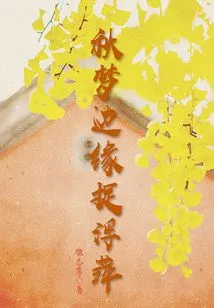
徐志摩经典散文集:秋梦边缘捉浮萍
Xu Zhimo
As a celebrity of that era, Xu Zhimo did everything an ordinary intellectual could do. While pursuing his own happy life, he also had profound thoughts on the destiny of the nation. The prose selected in this book reflects Xu Zhimo's creative characteristics: he not only pays attention to aesthetic appreciation, but also takes into account the value of historical documents, which is helpful for the appreciation of literature lovers and for researchers to trace their origins. This book is a collection of Xu Zhimo's classic essays, including "Autumn Thoughts on the Indian Ocean", "Scale Claws in Paris", "The Ugly West Lake", "The Cambridge I Know" and other essays. Between the lines, we can feel his romantic feelings and idealistic temperament, as well as his courage to face the world head-on.
As a celebrity of that era, Xu Zhimo did everything an ordinary intellectual could do. While pursuing his own happy life, he also had profound thoughts on the destiny of the nation. The prose selected in this book reflects Xu Zhimo's creative characteristics: he not only pays attention to aesthetic appreciation, but also takes into account the value of historical documents, which is helpful for the appreciation of literature lovers and for researchers to trace their origins. This book is a collection of Xu Zhimo's classic essays, including "Autumn Thoughts on the Indian Ocean", "Scale Claws in Paris", "The Ugly West Lake", "The Cambridge I Know" and other essays. Between the lines, we can feel his romantic feelings and idealistic temperament, as well as his courage to face the world head-on.
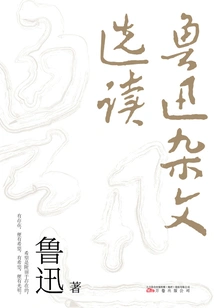
Selected Readings of Lu Xun's Essays
Literature鲁迅杂文选读
Lu Xun
The 85 selected essays in this book include 13 essay collections including Lu Xun's "Grave", "Hot Wind", "Huagai Collection", "Nanqiangbei Diao Collection", "Erxin Collection" and "Qiejieting Essays". Each collection selects classic articles, including "My View of the Fierce Spirit", "It's Not a Gossip", "Flowerless Roses", "Silent China", "Before Genius", etc. In Lu Xun's entire creative career, essays occupied a very important position both in quantity and quality. His essays are reliable, vivid and profound texts that help us understand the Chinese people, Chinese society, Chinese history and Chinese culture. It can lead readers to appreciate the lasting charm of Lu Xun's essays.
The 85 selected essays in this book include 13 essay collections including Lu Xun's "Grave", "Hot Wind", "Huagai Collection", "Nanqiangbei Diao Collection", "Erxin Collection" and "Qiejieting Essays". Each collection selects classic articles, including "My View of the Fierce Spirit", "It's Not a Gossip", "Flowerless Roses", "Silent China", "Before Genius", etc. In Lu Xun's entire creative career, essays occupied a very important position both in quantity and quality. His essays are reliable, vivid and profound texts that help us understand the Chinese people, Chinese society, Chinese history and Chinese culture. It can lead readers to appreciate the lasting charm of Lu Xun's essays.
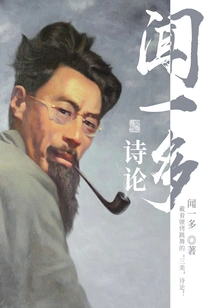
文学经典:闻一多诗论
Wen Yiduo
Mr. Wen Yiduo went through three stages in his life: poet, scholar, and fighter, and finally composed a magnificent poem with his own blood and life. The poems written by Wen Yiduo developed the patriotic tradition in the creations of Qu Yuan and Du Fu, and have a distinct sense of the times and the nature of social criticism. This book selects Mr. Wen Yiduo's discussion on poetry to help us understand the ideological process of Chinese people in turbulent times. Some people comment that Wen Yiduo's poems are the practice of his artistic ideas. Most of his poems are like oil paintings with heavy colors. He not only likes to use heavy brushstrokes to depict images and exaggerate the atmosphere, but is especially good at changing various moods and colors in bold imagination and novel metaphors. Coupled with the framework of beautiful artistic forms such as harmonious syllables and neat verses, his poems become complete works of art. But sometimes due to deliberate carving, the brilliance of simplicity and natural beauty is lost. It can be said that Wen Yiduo's poems created a new genre of metrical poetry and influenced many subsequent poets.
Mr. Wen Yiduo went through three stages in his life: poet, scholar, and fighter, and finally composed a magnificent poem with his own blood and life. The poems written by Wen Yiduo developed the patriotic tradition in the creations of Qu Yuan and Du Fu, and have a distinct sense of the times and the nature of social criticism. This book selects Mr. Wen Yiduo's discussion on poetry to help us understand the ideological process of Chinese people in turbulent times. Some people comment that Wen Yiduo's poems are the practice of his artistic ideas. Most of his poems are like oil paintings with heavy colors. He not only likes to use heavy brushstrokes to depict images and exaggerate the atmosphere, but is especially good at changing various moods and colors in bold imagination and novel metaphors. Coupled with the framework of beautiful artistic forms such as harmonious syllables and neat verses, his poems become complete works of art. But sometimes due to deliberate carving, the brilliance of simplicity and natural beauty is lost. It can be said that Wen Yiduo's poems created a new genre of metrical poetry and influenced many subsequent poets.
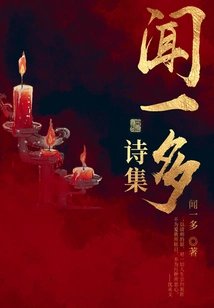
文学经典:闻一多诗集
Wen Yiduo
"Wen Yiduo's Poetry Collection" contains two poetry collections by Mr. Wen Yiduo. The collection of poems "Red Candle" was published in September 1923. It praises the beauty of nature and youth, expresses the poet's ideals, and especially expresses strong patriotism. The themes are wide-ranging and the content is rich, either expressing the poet's patriotism, criticizing the darkness under feudal rule, reflecting the suffering of working people, or depicting the beauty of nature. The concept is exquisite, the imagination is novel, and the language is vivid. In January 1928, "Dead Water" was published. This collection of poems is the perfect embodiment of his new metrical poetry theory. It integrates the metrical beauty of Chinese classical poetry and the syllable style of Western poetry. It created a generation of poetry and had a huge influence. In addition, he also created a series of thrilling patriotic poems, which expressed his thoughts of "cultural patriotism".
"Wen Yiduo's Poetry Collection" contains two poetry collections by Mr. Wen Yiduo. The collection of poems "Red Candle" was published in September 1923. It praises the beauty of nature and youth, expresses the poet's ideals, and especially expresses strong patriotism. The themes are wide-ranging and the content is rich, either expressing the poet's patriotism, criticizing the darkness under feudal rule, reflecting the suffering of working people, or depicting the beauty of nature. The concept is exquisite, the imagination is novel, and the language is vivid. In January 1928, "Dead Water" was published. This collection of poems is the perfect embodiment of his new metrical poetry theory. It integrates the metrical beauty of Chinese classical poetry and the syllable style of Western poetry. It created a generation of poetry and had a huge influence. In addition, he also created a series of thrilling patriotic poems, which expressed his thoughts of "cultural patriotism".
经典诗歌读物:千家诗
Zhang Juzheng
"Poems of a Thousand Families" is a popular children's book that was widely circulated and had far-reaching influence during the Ming and Qing dynasties. It is an anthology of metrical poems with an enlightening nature in my country's old times. Although it is said to have thousands of families, only 122 are actually recorded. The poems selected in the book include landscapes and pastoral poems, farewell gifts to friends, homesickness and nostalgia for people, mourning the past and regretting the present, chanting about objects and paintings, serving banquets, etc. The themes are diverse and easy to learn and understand. It is easy to understand, fluent and natural, catchy, easy to read and remember. Once it is recited, it is often unforgettable. The selected poems relatively widely reflected the social reality of the Tang and Song Dynasties, so they were widely circulated among the people and had a profound influence. "Poems of a Thousand Families" can cultivate the feeling and understanding of beauty. There is the majesty of "the day is over the mountains, the Yellow River flows into the sea", and the tranquility of "all the birds are flying high, and the lonely clouds are alone"; Being immersed in the artistic conception of poetry can arouse people's beautiful yearning and trigger people's rich feelings. Not only that, you can also get to know and understand our country's excellent traditional culture through reading.
"Poems of a Thousand Families" is a popular children's book that was widely circulated and had far-reaching influence during the Ming and Qing dynasties. It is an anthology of metrical poems with an enlightening nature in my country's old times. Although it is said to have thousands of families, only 122 are actually recorded. The poems selected in the book include landscapes and pastoral poems, farewell gifts to friends, homesickness and nostalgia for people, mourning the past and regretting the present, chanting about objects and paintings, serving banquets, etc. The themes are diverse and easy to learn and understand. It is easy to understand, fluent and natural, catchy, easy to read and remember. Once it is recited, it is often unforgettable. The selected poems relatively widely reflected the social reality of the Tang and Song Dynasties, so they were widely circulated among the people and had a profound influence. "Poems of a Thousand Families" can cultivate the feeling and understanding of beauty. There is the majesty of "the day is over the mountains, the Yellow River flows into the sea", and the tranquility of "all the birds are flying high, and the lonely clouds are alone"; Being immersed in the artistic conception of poetry can arouse people's beautiful yearning and trigger people's rich feelings. Not only that, you can also get to know and understand our country's excellent traditional culture through reading.
Ancient Chinese Fables (volume 1)
Literature中国古代寓言故事(第一辑)
Editor-in-chief Wang Qingrui
Wumazi has always disagreed with Mozi's views of "universal love" and "non-aggression", and the two often quarreled over this. One day, Wumazi was angry with Mozi again: "You advocate 'universal love', but so far no one has benefited; I oppose 'universal love', and similarly, so far no one has suffered misfortune because of it.
Wumazi has always disagreed with Mozi's views of "universal love" and "non-aggression", and the two often quarreled over this. One day, Wumazi was angry with Mozi again: "You advocate 'universal love', but so far no one has benefited; I oppose 'universal love', and similarly, so far no one has suffered misfortune because of it.
Idiom Stories (volume 5)
Literature成语故事(第五辑)
Editor-in-chief Hu Yuanbin
The idioms in "Idiom Stories" are selected from a large number of idioms used by people in daily life. These stories are written in vivid language and easy to understand, which can help readers understand history and learn knowledge.
The idioms in "Idiom Stories" are selected from a large number of idioms used by people in daily life. These stories are written in vivid language and easy to understand, which can help readers understand history and learn knowledge.
Idiom Stories (volume 1)
Literature成语故事(第一辑)
Editor-in-chief Hu Yuanbin
The idioms in "Idiom Stories" are selected from a large number of idioms used by people in daily life. These stories are written in vivid language and easy to understand, which can help readers understand history and learn knowledge.
The idioms in "Idiom Stories" are selected from a large number of idioms used by people in daily life. These stories are written in vivid language and easy to understand, which can help readers understand history and learn knowledge.
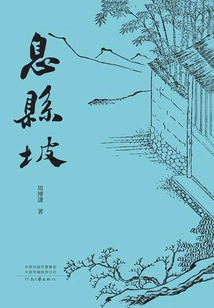
Xixianpo
Literature息县坡
Zhou Boxiao
The author uses fresh and beautiful brushwork, full of rich and strong emotions, to express rural scenes such as the ancient bridges and wells in his hometown, autumn cicadas and summer moon, spring leek and elm money, mugwort and mulberries, conveying the author's overwhelming nostalgia. In addition, through the delicate description of human friendship, flesh and blood family ties, heroic deeds, moral models, overseas experiences, etc., The author's sincere feelings for his family and country and his warm heart are expressed.
The author uses fresh and beautiful brushwork, full of rich and strong emotions, to express rural scenes such as the ancient bridges and wells in his hometown, autumn cicadas and summer moon, spring leek and elm money, mugwort and mulberries, conveying the author's overwhelming nostalgia. In addition, through the delicate description of human friendship, flesh and blood family ties, heroic deeds, moral models, overseas experiences, etc., The author's sincere feelings for his family and country and his warm heart are expressed.
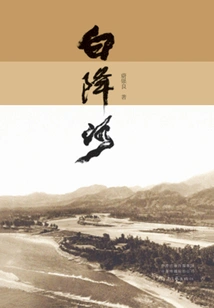
Baijianghe
Literature白降河
Wei Yinliang
This book is a documentary literary work. The author uses Bai Jianghe as a clue, Yu Village as the background, and mothers as the main line. It describes the living conditions of this generation of rural women represented by mothers. They can work hard in the fields and keep their families in order. They are good at educating children with simple principles. They are perseverant, kind and selfless, ordinary but extraordinary. The text is vivid and vivid, and the emotions are sincere and full.
This book is a documentary literary work. The author uses Bai Jianghe as a clue, Yu Village as the background, and mothers as the main line. It describes the living conditions of this generation of rural women represented by mothers. They can work hard in the fields and keep their families in order. They are good at educating children with simple principles. They are perseverant, kind and selfless, ordinary but extraordinary. The text is vivid and vivid, and the emotions are sincere and full.
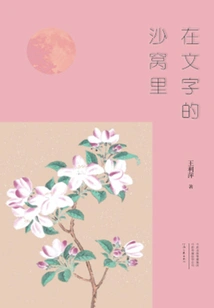
In the Sand Nest of Words
Literature在文字的沙窝里
Wang Liping
This collection of essays contains more than 60 works written by the author since 2019, involving family, friendship, and love. The words are full of affection from skin to soul, from humanities to humanity, and from foreign land to hometown, showing the author's beautiful spiritual character and unique personality. , Freezes the author's mental journey of praising and pursuing truth, goodness and beauty. It is a personalized record and expression of the author observing the world and thinking about life in his multiple roles such as a teacher, journalist, psychological counselor, and writer. The words are full of thick or thin wisdom, philosophy, and warmth, and have a long and lasting charm.
This collection of essays contains more than 60 works written by the author since 2019, involving family, friendship, and love. The words are full of affection from skin to soul, from humanities to humanity, and from foreign land to hometown, showing the author's beautiful spiritual character and unique personality. , Freezes the author's mental journey of praising and pursuing truth, goodness and beauty. It is a personalized record and expression of the author observing the world and thinking about life in his multiple roles such as a teacher, journalist, psychological counselor, and writer. The words are full of thick or thin wisdom, philosophy, and warmth, and have a long and lasting charm.
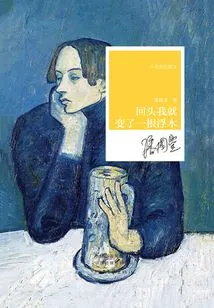
回头我就变了一根浮木(小说家的散文)
Pan Guoling
Hong Kong writer Poon Kwok-ling's new collection of essays is divided into eight sections, including family, campus, characters, animals, travel, images, philosophy, and writing. In the time and space of words, writers record confessions and whispers, capture time and shadows, and unforgettable encounters and intersections; writers try to look back on growth, introspection of life, describe teachers and friends, and experience literature from multiple angles... His acumen and perspective are unique among Hong Kong writers.
Hong Kong writer Poon Kwok-ling's new collection of essays is divided into eight sections, including family, campus, characters, animals, travel, images, philosophy, and writing. In the time and space of words, writers record confessions and whispers, capture time and shadows, and unforgettable encounters and intersections; writers try to look back on growth, introspection of life, describe teachers and friends, and experience literature from multiple angles... His acumen and perspective are unique among Hong Kong writers.
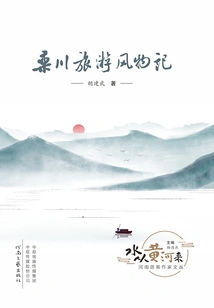
栾川旅游风物记(“水从黄河来”丛书)
Hu Jianwu
The material of "Luanchuan Tourism Scenery" is selected from the author's hometown of Luanchuan, a land with rich humanities and beautiful mountains and rivers. The creative ideas and inspiration are mostly derived from the cultural tourism work that the author is familiar with. Each chapter exudes the flavor of the times and presents readers with vivid and fragrant words. It vividly depicts the natural beauty, humanistic beauty, and customs of the hometown, and writes about the tremendous changes in the hometown over the past few decades. Beautiful scenery and vivid characters unfold pictures of struggle, praising the great achievements of the new era.
The material of "Luanchuan Tourism Scenery" is selected from the author's hometown of Luanchuan, a land with rich humanities and beautiful mountains and rivers. The creative ideas and inspiration are mostly derived from the cultural tourism work that the author is familiar with. Each chapter exudes the flavor of the times and presents readers with vivid and fragrant words. It vividly depicts the natural beauty, humanistic beauty, and customs of the hometown, and writes about the tremendous changes in the hometown over the past few decades. Beautiful scenery and vivid characters unfold pictures of struggle, praising the great achievements of the new era.
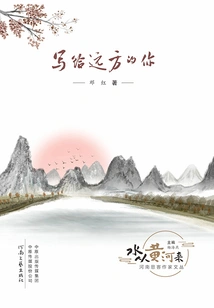
写给远方的你(“水从黄河来”丛书)
Deng Hong
"Written to You Far Away" is divided into "Dear Love and Family", "Beauty Because of Water", "Stories of the Yellow River" and "Children of the River". It mainly expresses the author's daily life insights, interviews with experts and scholars working in the field of Yellow River ecological protection in Henan Province, and thoughts and memories of his father. The themes are diverse, the text is simple and plain, the emotions are sincere, and the thoughts and readability are strong.
"Written to You Far Away" is divided into "Dear Love and Family", "Beauty Because of Water", "Stories of the Yellow River" and "Children of the River". It mainly expresses the author's daily life insights, interviews with experts and scholars working in the field of Yellow River ecological protection in Henan Province, and thoughts and memories of his father. The themes are diverse, the text is simple and plain, the emotions are sincere, and the thoughts and readability are strong.
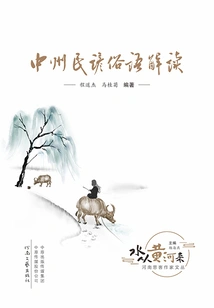
中州民谚俗语品读(“水从黄河来”丛书)
Cheng Daojie Ma Guiju
Based on the perspective of promoting the excellent traditional culture of the Chinese nation, this book collects the essence of Zhongzhou folk proverbs, grasps the pulse of the times, integrates personal experience, in-depth taste, and novel interpretations, including love chapters, family chapters, parenting chapters, children's fun chapters, and relatives and neighbors chapters. , Communication chapter, entrepreneurship chapter, self-cultivation chapter, allegory chapter, seasonal chapter, health chapter, and relics chapter, etc., Are of high literary, ideological and informative nature, showing the folk wisdom of the Central Plains, inheriting the excellent traditional culture, and showing the folk customs of Zhongzhou.
Based on the perspective of promoting the excellent traditional culture of the Chinese nation, this book collects the essence of Zhongzhou folk proverbs, grasps the pulse of the times, integrates personal experience, in-depth taste, and novel interpretations, including love chapters, family chapters, parenting chapters, children's fun chapters, and relatives and neighbors chapters. , Communication chapter, entrepreneurship chapter, self-cultivation chapter, allegory chapter, seasonal chapter, health chapter, and relics chapter, etc., Are of high literary, ideological and informative nature, showing the folk wisdom of the Central Plains, inheriting the excellent traditional culture, and showing the folk customs of Zhongzhou.
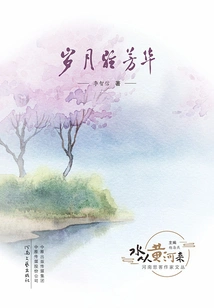
岁月驻芳华(“水从黄河来”丛书)
Li Zhixin
It collects 47 essays written in recent years and presents them to readers in six parts: family ties in hometown, memories of alma mater, footprints in Oil City, colorful life, foreign experiences, and life insights.
It collects 47 essays written in recent years and presents them to readers in six parts: family ties in hometown, memories of alma mater, footprints in Oil City, colorful life, foreign experiences, and life insights.
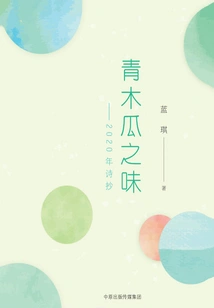
The Taste of Green Papaya: 2020 Poems
Literature青木瓜之味:2020年诗抄
Lan Qi
"The Taste of Green Papaya - Poetry in 2020" is a poetic observation, record and interpretation of animals, plants, mountains and rivers, ordinary workers, travel, cooking, food, etc. It freezes the truth, goodness and beauty of daily life and the present, and refines the simple and quiet poetry in the hustle and bustle of urban life. The lines of poetry contain a gentle, water-like melody, as well as a firm belief polished and shining by life, and a persistent exploration of life and truth. This book contains more than a hundred poems written by the author in 2020, about animals and plants, mountains and rivers, ordinary workers, as well as travel, cooking, food and other elements. The author starts from daily life and the present to discover the truth, goodness, beauty and poetry contained therein. In the hustle and bustle of urban life, he uses calm thoughts to wash away the banality, and uses words to ignite the melody-like atmosphere.
"The Taste of Green Papaya - Poetry in 2020" is a poetic observation, record and interpretation of animals, plants, mountains and rivers, ordinary workers, travel, cooking, food, etc. It freezes the truth, goodness and beauty of daily life and the present, and refines the simple and quiet poetry in the hustle and bustle of urban life. The lines of poetry contain a gentle, water-like melody, as well as a firm belief polished and shining by life, and a persistent exploration of life and truth. This book contains more than a hundred poems written by the author in 2020, about animals and plants, mountains and rivers, ordinary workers, as well as travel, cooking, food and other elements. The author starts from daily life and the present to discover the truth, goodness, beauty and poetry contained therein. In the hustle and bustle of urban life, he uses calm thoughts to wash away the banality, and uses words to ignite the melody-like atmosphere.
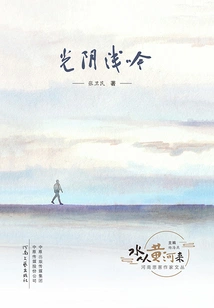
光阴浅吟(“水从黄河来”丛书)
Zhang Weimin
"A Brief Odyssey of Time" records the author's mental journey from a young boy, to a busy young man, to a calm middle-aged man. The author starts from the flowers, birds, fish and insects, sun, moon and stars, mountains and rivers, wind, rain and snow around him, and records what he sees, hears, and thinks in different periods and angles in the form of poetry, which is divided into parts such as "hometown in solar terms", "clear wind and moonlight", "along the way", "family love", "nostalgia", etc. The author has sincere feelings, unique perspective, and is a pure voice from deep in his heart.
"A Brief Odyssey of Time" records the author's mental journey from a young boy, to a busy young man, to a calm middle-aged man. The author starts from the flowers, birds, fish and insects, sun, moon and stars, mountains and rivers, wind, rain and snow around him, and records what he sees, hears, and thinks in different periods and angles in the form of poetry, which is divided into parts such as "hometown in solar terms", "clear wind and moonlight", "along the way", "family love", "nostalgia", etc. The author has sincere feelings, unique perspective, and is a pure voice from deep in his heart.
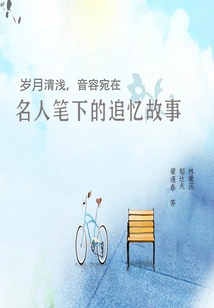
岁月清浅,音容宛在:名人笔下的追忆故事
Lin Huiyin Yu Dafu Liang Yuchun Et Al.
In everyone's heart, there are unforgettable people, things and things. Along the river of memory, follow in the footsteps of the master and look for those long-lasting memories. Whether it is a relative or a friend, when they pass away, the longing and concern will become memories that last a lifetime. This book selects articles by famous people and celebrities, and you can appreciate their longing for their relatives and friends from these sentimental words. These classic works can still bring different feelings to people even if they are read today. The affectionate and moving classic words in the text will also evoke different kinds of thoughts in us. About relatives, about friends, about the places where I once lived, those people, those things, although they have gradually faded away with the passage of time, they still leave an indelible mark deep in my heart. Although nostalgia is always tinged with sadness, the past is gone, and we still need to live with heart in the future. Behind the nostalgia, we must also appreciate the power that comes from deep within. This is also the idea that this book wants to convey: face life bravely, because life is still beautiful.
In everyone's heart, there are unforgettable people, things and things. Along the river of memory, follow in the footsteps of the master and look for those long-lasting memories. Whether it is a relative or a friend, when they pass away, the longing and concern will become memories that last a lifetime. This book selects articles by famous people and celebrities, and you can appreciate their longing for their relatives and friends from these sentimental words. These classic works can still bring different feelings to people even if they are read today. The affectionate and moving classic words in the text will also evoke different kinds of thoughts in us. About relatives, about friends, about the places where I once lived, those people, those things, although they have gradually faded away with the passage of time, they still leave an indelible mark deep in my heart. Although nostalgia is always tinged with sadness, the past is gone, and we still need to live with heart in the future. Behind the nostalgia, we must also appreciate the power that comes from deep within. This is also the idea that this book wants to convey: face life bravely, because life is still beautiful.
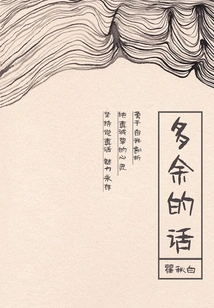
Superfluous Words
Literature多余的话
Qu Qiubai
This book was written by Qu Qiubai on the eve of his death. The general title is followed by the quote "Those who know me, tell me I am worried; those who don't know me, tell me what I want" as the inscription. The main text lists a total of 7 titles: Why bother to say - preface to the times, "misunderstandings of history", fragile dual characters, Marxism and me, putschism and Li San line, "literati", farewell. Qu Qiubai presents the true colors of a communist's complex inner world and tortuous journey of romance, enthusiasm, persistence, depression, confusion, and determination in a confession of more than 20,000 words. The unique value of "Superfluous Words" lies in its frankness and truth. Readers see a real person in it. The personal experiences and feelings expressed in the article formed a strong contrast and conflict with the revolutionary current of the times, leaving historical mysteries with different interpretations for future generations, and also caused many misunderstandings and political aftermath after his death.
This book was written by Qu Qiubai on the eve of his death. The general title is followed by the quote "Those who know me, tell me I am worried; those who don't know me, tell me what I want" as the inscription. The main text lists a total of 7 titles: Why bother to say - preface to the times, "misunderstandings of history", fragile dual characters, Marxism and me, putschism and Li San line, "literati", farewell. Qu Qiubai presents the true colors of a communist's complex inner world and tortuous journey of romance, enthusiasm, persistence, depression, confusion, and determination in a confession of more than 20,000 words. The unique value of "Superfluous Words" lies in its frankness and truth. Readers see a real person in it. The personal experiences and feelings expressed in the article formed a strong contrast and conflict with the revolutionary current of the times, leaving historical mysteries with different interpretations for future generations, and also caused many misunderstandings and political aftermath after his death.
经典民间故事:牛郎织女传
No Author Mentioned
"The Legend of the Cowherd and the Weaver Girl", the full name of which is "The Newly Engraved Full Image of the Legend of the Cowherd and the Weaver Girl", is inscribed by the scholar Lin Taiyi and compiled by Zhu Mingshi, with 57 chapters in four volumes. Each piece has a four-character title, which is "The Newly Engraved Whole Image of the Cowherd and the Weaver Girl". There is an engraving of Yu Chengzhang from the Immortal Source in Wanli. The text lists the names of each section in the four volumes in detail. A famous Chinese folk tale is one of the four major folk love legends in China (the other three are "The Legend of the White Snake", "Meng Jiangnu Crying at the Great Wall" and "Liang Shanbo and Zhu Yingtai"). It is derived from the star names of Altair and Vega. The festival related to this legend is the Chinese Valentine's Day. The book revolves around four parts: the Jade Emperor's marriage, the dismissal and demotion, the Ox Girl's atonement, and the reunion in the accurate version. It tells the story that the Emperor of Heaven appreciated the diligence of the Weaver Girl and Altair in "weaving tapestry" and "herding cattle", and specially granted the marriage to the two. This story has been passed down through the ages and has enduring charm.
"The Legend of the Cowherd and the Weaver Girl", the full name of which is "The Newly Engraved Full Image of the Legend of the Cowherd and the Weaver Girl", is inscribed by the scholar Lin Taiyi and compiled by Zhu Mingshi, with 57 chapters in four volumes. Each piece has a four-character title, which is "The Newly Engraved Whole Image of the Cowherd and the Weaver Girl". There is an engraving of Yu Chengzhang from the Immortal Source in Wanli. The text lists the names of each section in the four volumes in detail. A famous Chinese folk tale is one of the four major folk love legends in China (the other three are "The Legend of the White Snake", "Meng Jiangnu Crying at the Great Wall" and "Liang Shanbo and Zhu Yingtai"). It is derived from the star names of Altair and Vega. The festival related to this legend is the Chinese Valentine's Day. The book revolves around four parts: the Jade Emperor's marriage, the dismissal and demotion, the Ox Girl's atonement, and the reunion in the accurate version. It tells the story that the Emperor of Heaven appreciated the diligence of the Weaver Girl and Altair in "weaving tapestry" and "herding cattle", and specially granted the marriage to the two. This story has been passed down through the ages and has enduring charm.
Collected Works of Xu Dishan: Peanuts
Literature许地山文集:落花生
Xu Dishan
Xu Dishan, a famous modern Chinese writer and scholar. He wrote quite a lot throughout his life, and his literary creations were mainly based on the backgrounds of Fujian, Taiwan, Guangdong, Southeast Asia, and India. His major collections of works include "Slips Falling from a Dangerous Nest" and "Spiritual Rain in the Empty Mountain"; he edited "History of Chinese Taoism" (Volume 1), "Collection of Da Zhong", and "Indian Literature"; and translated books related to Indian literature such as "Twenty Night Questions", "Descent of the Sun", and "Bengali Folktales". Xu Dishan's exquisite prose "Luo Peanut" is well known to both young and old in China because it is included in our primary school textbooks. Everyone who has read "Peanuts" will be moved by the sincere emotions in it and understand the principles of life. The reason why he can write such famous articles full of interest in life is inseparable from his liking for an emotional life.
Xu Dishan, a famous modern Chinese writer and scholar. He wrote quite a lot throughout his life, and his literary creations were mainly based on the backgrounds of Fujian, Taiwan, Guangdong, Southeast Asia, and India. His major collections of works include "Slips Falling from a Dangerous Nest" and "Spiritual Rain in the Empty Mountain"; he edited "History of Chinese Taoism" (Volume 1), "Collection of Da Zhong", and "Indian Literature"; and translated books related to Indian literature such as "Twenty Night Questions", "Descent of the Sun", and "Bengali Folktales". Xu Dishan's exquisite prose "Luo Peanut" is well known to both young and old in China because it is included in our primary school textbooks. Everyone who has read "Peanuts" will be moved by the sincere emotions in it and understand the principles of life. The reason why he can write such famous articles full of interest in life is inseparable from his liking for an emotional life.
许地山小说:换巢鸾凤
Xu Dishan
This book is Xu Dishan's classic work, a lament for the times about women's freedom in marriage and love. Readers who like Xu Dishan's works, this book is worth reading. During the "May Fourth" period, along with people's awakening, they paid attention to women's liberation. Women's liberation cannot avoid women's love and marriage issues. Xu Dishan has also successfully created many female images in his novels who pursue love and freedom of marriage. This book contains several stories such as "The Spider Weaving the Web", "The Bird of Destiny", "The Spring Peach", "The Merchant Woman" and "The Phoenix Changing Nest". It has successfully created many images of women who pursue love and freedom of marriage, such as Xiguan in "The Merchant Woman", Shang Jie in "The Spider Weavers a Web", Minming in "The Bird of Destiny", He Luan in "The Luan Phoenix Changes Its Nest", etc., And composed a lament for the era of women's freedom in marriage and love. The works reach a wide audience. Whether you are a person who is confused about life, a person who is at a loss about the future, or a person who has doubts about how to behave in the world, you can be inspired by these works. For readers who are interested in Xu Dishan's works, this book is a must-read collection. It is not only a must-read for teachers and students, but also a life classic worth reading for people entering society. These classic works included in it can be used for both recreational reading and literary study.
This book is Xu Dishan's classic work, a lament for the times about women's freedom in marriage and love. Readers who like Xu Dishan's works, this book is worth reading. During the "May Fourth" period, along with people's awakening, they paid attention to women's liberation. Women's liberation cannot avoid women's love and marriage issues. Xu Dishan has also successfully created many female images in his novels who pursue love and freedom of marriage. This book contains several stories such as "The Spider Weaving the Web", "The Bird of Destiny", "The Spring Peach", "The Merchant Woman" and "The Phoenix Changing Nest". It has successfully created many images of women who pursue love and freedom of marriage, such as Xiguan in "The Merchant Woman", Shang Jie in "The Spider Weavers a Web", Minming in "The Bird of Destiny", He Luan in "The Luan Phoenix Changes Its Nest", etc., And composed a lament for the era of women's freedom in marriage and love. The works reach a wide audience. Whether you are a person who is confused about life, a person who is at a loss about the future, or a person who has doubts about how to behave in the world, you can be inspired by these works. For readers who are interested in Xu Dishan's works, this book is a must-read collection. It is not only a must-read for teachers and students, but also a life classic worth reading for people entering society. These classic works included in it can be used for both recreational reading and literary study.
越南长篇叙事诗:金云翘传(2)
L
"The Biography of Jin Yunqiao" is a Vietnamese literary masterpiece and a long narrative poem in Vietnam. The whole poem is written in the "Six-Eight" style of poetry that is rich in Vietnamese national style, with a total of 12 volumes and 3,254 lines. It is based on the chapter novel "Jin Yunqiao Biography" by a talented young man in the late Ming and early Qing Dynasties in China, also known as "Double Strange Dreams". This poem shows a poignant and touching love story, and the ups and downs of Wang Cuiqiao, who came from a scholarly family. Wang Cuiqiao came from a well-known family and had outstanding talent and appearance. She fell in love with the scholar Jin Chong and had a private life-long relationship. Unexpectedly, while Jin Chong was attending the funeral, Cui Qiao was deceived and ended up in a brothel in order to save her father who was falsely accused and imprisoned. Later, he met the reckless hero Xu Hai and was rescued by him. Xu Hai helped Cui Qiao avenge her shame. After Xu Hai was killed, she committed suicide by throwing herself into the river. She was rescued and finally reunited with Jin Zhong from Huexian High School. The long poem profoundly reflects the painful life of the people under the decadent feudal system and praises the spirit of courage to fight for freedom and love.
"The Biography of Jin Yunqiao" is a Vietnamese literary masterpiece and a long narrative poem in Vietnam. The whole poem is written in the "Six-Eight" style of poetry that is rich in Vietnamese national style, with a total of 12 volumes and 3,254 lines. It is based on the chapter novel "Jin Yunqiao Biography" by a talented young man in the late Ming and early Qing Dynasties in China, also known as "Double Strange Dreams". This poem shows a poignant and touching love story, and the ups and downs of Wang Cuiqiao, who came from a scholarly family. Wang Cuiqiao came from a well-known family and had outstanding talent and appearance. She fell in love with the scholar Jin Chong and had a private life-long relationship. Unexpectedly, while Jin Chong was attending the funeral, Cui Qiao was deceived and ended up in a brothel in order to save her father who was falsely accused and imprisoned. Later, he met the reckless hero Xu Hai and was rescued by him. Xu Hai helped Cui Qiao avenge her shame. After Xu Hai was killed, she committed suicide by throwing herself into the river. She was rescued and finally reunited with Jin Zhong from Huexian High School. The long poem profoundly reflects the painful life of the people under the decadent feudal system and praises the spirit of courage to fight for freedom and love.
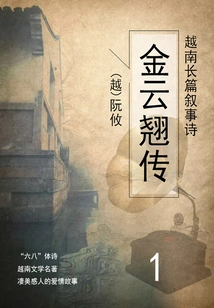
越南长篇叙事诗:金云翘传(1)
L
"The Biography of Jin Yunqiao" is a long narrative poem of Vietnamese national literature and a masterpiece of Vietnamese literature. The whole poem is written in the "Six-Eight" style of poetry that is rich in Vietnamese national style, with a total of 12 volumes and 3,254 lines. It is based on the chapter novel "Jin Yunqiao Biography" by a talented young man in the late Ming and early Qing Dynasties in China, also known as "Double Strange Dreams". This poem shows a poignant and touching love story, and the ups and downs of Wang Cuiqiao, who came from a scholarly family. Wang Cuiqiao came from a well-known family and had outstanding talent and appearance. She fell in love with the scholar Jin Chong and had a private life-long relationship. Unexpectedly, while Jin Chong was attending the funeral, Cui Qiao was deceived and ended up in a brothel in order to save her father who was falsely accused and imprisoned. Later, he met the reckless hero Xu Hai and was rescued by him. Xu Hai helped Cui Qiao avenge her shame. After Xu Hai was killed, she committed suicide by throwing herself into the river. She was rescued and finally reunited with Jin Zhong from Huexian High School. The long poem profoundly reflects the painful life of the people under the decadent feudal system and praises the spirit of courage to fight for freedom and love.
"The Biography of Jin Yunqiao" is a long narrative poem of Vietnamese national literature and a masterpiece of Vietnamese literature. The whole poem is written in the "Six-Eight" style of poetry that is rich in Vietnamese national style, with a total of 12 volumes and 3,254 lines. It is based on the chapter novel "Jin Yunqiao Biography" by a talented young man in the late Ming and early Qing Dynasties in China, also known as "Double Strange Dreams". This poem shows a poignant and touching love story, and the ups and downs of Wang Cuiqiao, who came from a scholarly family. Wang Cuiqiao came from a well-known family and had outstanding talent and appearance. She fell in love with the scholar Jin Chong and had a private life-long relationship. Unexpectedly, while Jin Chong was attending the funeral, Cui Qiao was deceived and ended up in a brothel in order to save her father who was falsely accused and imprisoned. Later, he met the reckless hero Xu Hai and was rescued by him. Xu Hai helped Cui Qiao avenge her shame. After Xu Hai was killed, she committed suicide by throwing herself into the river. She was rescued and finally reunited with Jin Zhong from Huexian High School. The long poem profoundly reflects the painful life of the people under the decadent feudal system and praises the spirit of courage to fight for freedom and love.
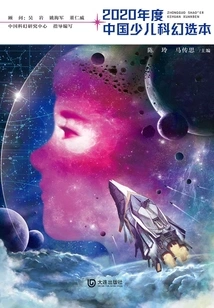
2020年度中国少儿科幻选本
Chen Ling Editor-in-chief Ma Chuansi
This book is a systematic review of China's children's science fiction creations in 2020. It was compiled under the guidance of the China Science Fiction Research Center. It selects 15 excellent short children's science fiction works and 8 excellent long children's science fiction works (including series of works), and is reviewed by experts in the fields of science fiction creation, criticism, education, publishing and other fields. This book is a selection of science fiction works suitable for children and young readers. It is also a rare reference book for science fiction creation, research, and education people.
This book is a systematic review of China's children's science fiction creations in 2020. It was compiled under the guidance of the China Science Fiction Research Center. It selects 15 excellent short children's science fiction works and 8 excellent long children's science fiction works (including series of works), and is reviewed by experts in the fields of science fiction creation, criticism, education, publishing and other fields. This book is a selection of science fiction works suitable for children and young readers. It is also a rare reference book for science fiction creation, research, and education people.