Library
Browse and search novels
25,916 novels found
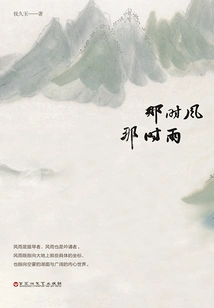
It Was Windy, it Was Raining
Literature那时风,那时雨
Qian Jiuyu
"That Wind, That Rain" is a collection of essays by Ganzhou writer Qian Jiuyu. This book shows us the beautiful scenery and rich folk culture of Xinfeng with the vision of a poet and the imagination of a novelist. This is also a prose work that allows you to see the world and yourself. The text is flowing, simple and natural, with the texture of oil painting and the dense atmosphere of ink. As a key literary support project in Ganzhou City, this book is a work that complements each other in literary and ideological aspects.
"That Wind, That Rain" is a collection of essays by Ganzhou writer Qian Jiuyu. This book shows us the beautiful scenery and rich folk culture of Xinfeng with the vision of a poet and the imagination of a novelist. This is also a prose work that allows you to see the world and yourself. The text is flowing, simple and natural, with the texture of oil painting and the dense atmosphere of ink. As a key literary support project in Ganzhou City, this book is a work that complements each other in literary and ideological aspects.
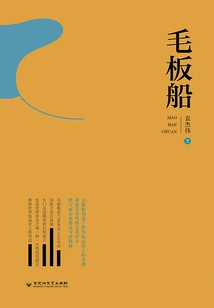
Rough Boat
Literature毛板船
Yuan Jiewei
"Maoban Ship" adopts the rigorous attitude of "holding a stone to hit a floating ball" and reflects the domineering spirit of Meishan ship merchants and sailors in the budding period of Chinese capitalism, who were brave in innovation, dared to take risks, and were not afraid of hardships and hardships. It panoramically describes the spectacular scenes of giant Maoban ships shipping in Zijiang, Dongting Lake, and the Yangtze River more than 200 years ago. It meticulously and tortuously demonstrates the role played by Meishan martial arts masters in the war for more than a hundred years. It also explores Meishan martial arts very profoundly. Not only that, "Maoban Ship" also expands on the impact of Maoban ship shipping history on Meishan area's economy, culture, education, military and other aspects from a philosophical perspective, especially the impact of Maoban ship shipping history on Hunan Army commander Zeng Guofan, Chen Tianhua who awakened the Chinese people, as well as the China Alliance, the Revolution of 1911, etc. "Maoban Ship" briefly and accurately describes the "post-Maoban Ship era", that is, the Hankou Pier was placed under military control after 1949, the state built the Zhexi Hydropower Station, making Maoban Ship history, and the state's socialist transformation of the Maoban Ship economy.
"Maoban Ship" adopts the rigorous attitude of "holding a stone to hit a floating ball" and reflects the domineering spirit of Meishan ship merchants and sailors in the budding period of Chinese capitalism, who were brave in innovation, dared to take risks, and were not afraid of hardships and hardships. It panoramically describes the spectacular scenes of giant Maoban ships shipping in Zijiang, Dongting Lake, and the Yangtze River more than 200 years ago. It meticulously and tortuously demonstrates the role played by Meishan martial arts masters in the war for more than a hundred years. It also explores Meishan martial arts very profoundly. Not only that, "Maoban Ship" also expands on the impact of Maoban ship shipping history on Meishan area's economy, culture, education, military and other aspects from a philosophical perspective, especially the impact of Maoban ship shipping history on Hunan Army commander Zeng Guofan, Chen Tianhua who awakened the Chinese people, as well as the China Alliance, the Revolution of 1911, etc. "Maoban Ship" briefly and accurately describes the "post-Maoban Ship era", that is, the Hankou Pier was placed under military control after 1949, the state built the Zhexi Hydropower Station, making Maoban Ship history, and the state's socialist transformation of the Maoban Ship economy.
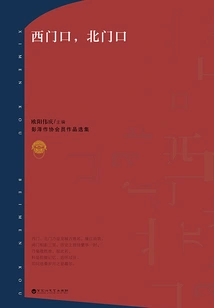
West Entrance, North Entrance
Literature西门口,北门口
Editor-in-chief Ouyang Weiqing
This is a collection of works, divided into three parts: novels, prose and poetry. This collection includes a total of 150 works (first pieces) by members of the Pengze County Writers Association, including 36 novels, 67 essays, and 47 poems. The work focuses on the author's life insights and life circumstances, expressing personal feelings, inspiring people, and full of positive energy. Between the lines, the author's inner persistence, pilgrimage to the spiritual world, and pursuit of a better life are revealed. Short stories and novels capture some fragments of life, express various conflicts within a limited time and space, and create vivid and typical characters.
This is a collection of works, divided into three parts: novels, prose and poetry. This collection includes a total of 150 works (first pieces) by members of the Pengze County Writers Association, including 36 novels, 67 essays, and 47 poems. The work focuses on the author's life insights and life circumstances, expressing personal feelings, inspiring people, and full of positive energy. Between the lines, the author's inner persistence, pilgrimage to the spiritual world, and pursuit of a better life are revealed. Short stories and novels capture some fragments of life, express various conflicts within a limited time and space, and create vivid and typical characters.
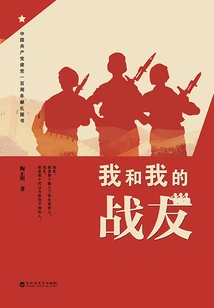
My Comrades and I
Literature我和我的战友
Tao Zhengming
The author of this book has been in the army for forty years, from a soldier to a member of the Standing Committee of the Provincial Party Committee and the Political Commissar of the Provincial Military Region. He has a deep understanding of the connotation of the profession of a soldier and has unparalleled respect for the word "comrade-in-arms". This book outlines the comrades-in-arms in the military career, and captures more than 70 impressive things in the military career from soldiers to generals. It is divided into 8 parts. In the form of essays, it narrates the relationship between the company, the Zhejiang Provincial Military Region, the southern Xinjiang battlefield, the Jiangxi Provincial Military Region, and retirement life. The vivid stories of the exchanges between comrades from all walks of life are beautifully written and full of affection. They record the comrades who are close friends in life and death. They can make readers feel the greatness of the Party and the people's army, the deep comrades-in-arms friendship among the soldiers of the Republic, and the army's willingness to contribute to the motherland and society.
The author of this book has been in the army for forty years, from a soldier to a member of the Standing Committee of the Provincial Party Committee and the Political Commissar of the Provincial Military Region. He has a deep understanding of the connotation of the profession of a soldier and has unparalleled respect for the word "comrade-in-arms". This book outlines the comrades-in-arms in the military career, and captures more than 70 impressive things in the military career from soldiers to generals. It is divided into 8 parts. In the form of essays, it narrates the relationship between the company, the Zhejiang Provincial Military Region, the southern Xinjiang battlefield, the Jiangxi Provincial Military Region, and retirement life. The vivid stories of the exchanges between comrades from all walks of life are beautifully written and full of affection. They record the comrades who are close friends in life and death. They can make readers feel the greatness of the Party and the people's army, the deep comrades-in-arms friendship among the soldiers of the Republic, and the army's willingness to contribute to the motherland and society.
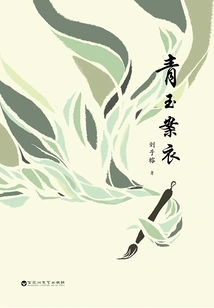
Sapphire Desk Clothes
Literature青玉案衣
Liu Zirong
The name of this collection of poems comes from "The Green Jade Case Can't Stop on Hengtang Road" written by the poet He Zhu of the Northern Song Dynasty. It is a metaphor for inheriting the Song poetry culture that has been passed down for nearly a thousand years under the sapphire-colored case clothes, and carrying the ever-changing modern literature on the case clothes. This collection of poems contains a total of 66 poems, and the title of each poem begins with "Qingyu Case". The 66 poems are independent of each other, and their themes include descriptions of scenery, personal thoughts, comments on social phenomena, analysis of classical masterpieces, etc., Aiming to fully integrate literary techniques with real life, thereby giving the collection of poems higher artistic and social value. The creation form of this collection of poems also aims to show diverse perspectives on cultures of different eras.
The name of this collection of poems comes from "The Green Jade Case Can't Stop on Hengtang Road" written by the poet He Zhu of the Northern Song Dynasty. It is a metaphor for inheriting the Song poetry culture that has been passed down for nearly a thousand years under the sapphire-colored case clothes, and carrying the ever-changing modern literature on the case clothes. This collection of poems contains a total of 66 poems, and the title of each poem begins with "Qingyu Case". The 66 poems are independent of each other, and their themes include descriptions of scenery, personal thoughts, comments on social phenomena, analysis of classical masterpieces, etc., Aiming to fully integrate literary techniques with real life, thereby giving the collection of poems higher artistic and social value. The creation form of this collection of poems also aims to show diverse perspectives on cultures of different eras.
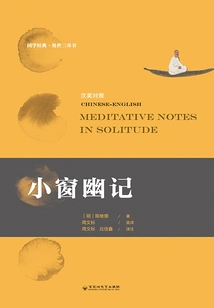
小窗幽记(汉英对照)
Chen Jiru
This is a collection of aphoristic sketches created by Chen Jiru in the Ming Dynasty. The content includes philosophy of life, art of life, aesthetic taste, etc., With a total of 194 aphorisms. The diction is elegant, short and concise, and the subject matter is rich and wide-ranging. It has the height of a temple and the interest of mountains and forests, and is all-encompassing and colorful. It shows the essence of traditional Chinese culture and the extraordinary inner world of literati, rich in poetry, Zen, wine and painting. Along with the original works, it is accompanied by Chinese annotations, modern interpretations, English annotations and English translations, making it easier for Chinese and foreign readers of all levels to understand the meaning of the text and experience the exquisiteness of Chinese classical culture.
This is a collection of aphoristic sketches created by Chen Jiru in the Ming Dynasty. The content includes philosophy of life, art of life, aesthetic taste, etc., With a total of 194 aphorisms. The diction is elegant, short and concise, and the subject matter is rich and wide-ranging. It has the height of a temple and the interest of mountains and forests, and is all-encompassing and colorful. It shows the essence of traditional Chinese culture and the extraordinary inner world of literati, rich in poetry, Zen, wine and painting. Along with the original works, it is accompanied by Chinese annotations, modern interpretations, English annotations and English translations, making it easier for Chinese and foreign readers of all levels to understand the meaning of the text and experience the exquisiteness of Chinese classical culture.
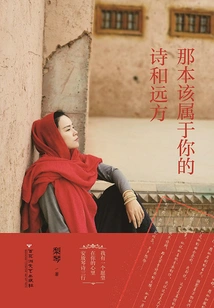
那本该属于你的诗和远方
Liqin
"The Poems That Should Belong to You and the Distance" is divided into three parts. The poetry chapter collects dozens of modern poems carefully composed by the author himself, with beautiful artistic conception and real emotions. Each poem seems to tell a gripping story; the work reflection chapter expresses the author's full devotion to real work, facing the work with high enthusiasm, and using his life to interpret the mutual support and loyalty between people; the dream chapter tells the author cherishing the life in front of him and never giving up poetry and distant fields. It describes how a poet found the balance between reality and dreams in today's ever-changing world, and gained the poetry and distance that originally belonged to you.
"The Poems That Should Belong to You and the Distance" is divided into three parts. The poetry chapter collects dozens of modern poems carefully composed by the author himself, with beautiful artistic conception and real emotions. Each poem seems to tell a gripping story; the work reflection chapter expresses the author's full devotion to real work, facing the work with high enthusiasm, and using his life to interpret the mutual support and loyalty between people; the dream chapter tells the author cherishing the life in front of him and never giving up poetry and distant fields. It describes how a poet found the balance between reality and dreams in today's ever-changing world, and gained the poetry and distance that originally belonged to you.
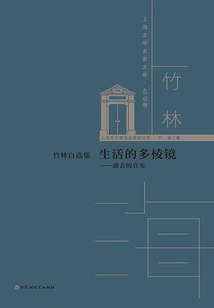
竹林自选集:生活的多棱镜——逝去的真实
Bamboo Forest
This article mainly collects documentary essays written by Zhulin in memory of her teachers, friends, people she admired, and people who helped her. The book commemorates more than 20 figures including Yevtushenko, Hawking, Hu Qiuyuan, Bing Xin, Xiao Qian, Mao Dun, Wei Junyi, Meng Weizai, Yan Wenjing, Jiang Liu, Dai Houying, Chen Guokai, Zhong Wangyang, Wen Yuankai, He Qizhi, Li Ziyun, Xu Lu, Chunzi, Chen Zhongshi. The beautiful words reveal sincere and warm emotions and deep nostalgia for the past years.
This article mainly collects documentary essays written by Zhulin in memory of her teachers, friends, people she admired, and people who helped her. The book commemorates more than 20 figures including Yevtushenko, Hawking, Hu Qiuyuan, Bing Xin, Xiao Qian, Mao Dun, Wei Junyi, Meng Weizai, Yan Wenjing, Jiang Liu, Dai Houying, Chen Guokai, Zhong Wangyang, Wen Yuankai, He Qizhi, Li Ziyun, Xu Lu, Chunzi, Chen Zhongshi. The beautiful words reveal sincere and warm emotions and deep nostalgia for the past years.
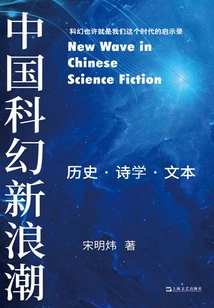
中国科幻新浪潮:历史·诗学·文本
Song Mingwei
"The New Wave of Chinese Science Fiction: History·Poetics·Text" is Professor Song Mingwei's thematic theoretical monograph on Chinese science fiction. It selects twenty of his most influential essays over the past ten years and divides them into four series. "Genesis" introduces the beginning and end of the rise of science fiction in the new century; "Exploration of the Space of Science Fiction Poetics" proposes theoretical innovation attempts relative to mainstream literary models; "Archaeology and Futurology" explores the genealogy of science fiction narratives in the past and present, and the possibility of rewriting literary history; "The Broadcasting Era of Chinese Science Fiction" discusses the brilliance and challenges of Chinese science fiction after entering the international arena and film and television platforms.
"The New Wave of Chinese Science Fiction: History·Poetics·Text" is Professor Song Mingwei's thematic theoretical monograph on Chinese science fiction. It selects twenty of his most influential essays over the past ten years and divides them into four series. "Genesis" introduces the beginning and end of the rise of science fiction in the new century; "Exploration of the Space of Science Fiction Poetics" proposes theoretical innovation attempts relative to mainstream literary models; "Archaeology and Futurology" explores the genealogy of science fiction narratives in the past and present, and the possibility of rewriting literary history; "The Broadcasting Era of Chinese Science Fiction" discusses the brilliance and challenges of Chinese science fiction after entering the international arena and film and television platforms.
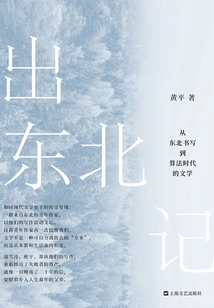
出东北记:从东北书写到算法时代的文学
Huang Ping
Huang Ping, a professor at East China Normal University and a young critic, made wonderful comments about the works of contemporary Northeastern young writers Shuang Xuetao, Ban Yu, and Zheng Zhi. Regarding the gradually marginalized contemporary literature, Shuang Xuetao, Ban Yu, and Zheng Zhi once again remind us that literature is not a "professional" that can be separated, but has always been closely connected with life. The writings of Shuang Xuetao, Ban Yu, and Zheng Zhi have re-polished the dignity of losers. It's like a letter sent twenty years late, comforting my parents who are entering their twilight years. The writings of Shuang Xuetao, Ban Yu, and Zheng Zhi began in the Northeast, reconstructing the connection between literature and life, unfolding narratives in the continuity of history, and safeguarding true emotions and human nature. The writings of Shuang Xuetao, Ban Yu, and Zheng Zhi create a novel realism. Their novels are a call to action in terms of themes and aesthetic styles. Summons the continuity of history, summons the moral mission of fiction, summons true art.
Huang Ping, a professor at East China Normal University and a young critic, made wonderful comments about the works of contemporary Northeastern young writers Shuang Xuetao, Ban Yu, and Zheng Zhi. Regarding the gradually marginalized contemporary literature, Shuang Xuetao, Ban Yu, and Zheng Zhi once again remind us that literature is not a "professional" that can be separated, but has always been closely connected with life. The writings of Shuang Xuetao, Ban Yu, and Zheng Zhi have re-polished the dignity of losers. It's like a letter sent twenty years late, comforting my parents who are entering their twilight years. The writings of Shuang Xuetao, Ban Yu, and Zheng Zhi began in the Northeast, reconstructing the connection between literature and life, unfolding narratives in the continuity of history, and safeguarding true emotions and human nature. The writings of Shuang Xuetao, Ban Yu, and Zheng Zhi create a novel realism. Their novels are a call to action in terms of themes and aesthetic styles. Summons the continuity of history, summons the moral mission of fiction, summons true art.
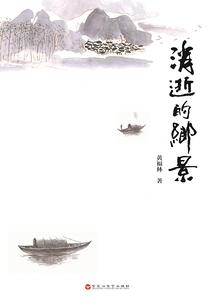
Disappearing Countryside
Literature消逝的乡景
Huang Fulin
This book mainly uses the scenery, customs and customs of Poyang Lake Shuixianshan Village in the 1950s and 1960s as its theme, expressing the author's nostalgia and nostalgia for the pastoral life in his hometown, family and friendship, personnel and farming affairs, and recording in words those rural scenes that are slowly forgotten or even disappeared.
This book mainly uses the scenery, customs and customs of Poyang Lake Shuixianshan Village in the 1950s and 1960s as its theme, expressing the author's nostalgia and nostalgia for the pastoral life in his hometown, family and friendship, personnel and farming affairs, and recording in words those rural scenes that are slowly forgotten or even disappeared.
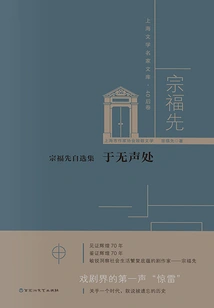
宗福先自选集:于无声处
Zong Fuxian
This book is a self-selected collection by the famous writer Zong Fusheng, which includes the four-act drama "In Silence", the drama script and the film and literary script "Blood is Always Hot". It is about an era and tells the forgotten history. Known as the silent "thunder" in the theater world!
This book is a self-selected collection by the famous writer Zong Fusheng, which includes the four-act drama "In Silence", the drama script and the film and literary script "Blood is Always Hot". It is about an era and tells the forgotten history. Known as the silent "thunder" in the theater world!
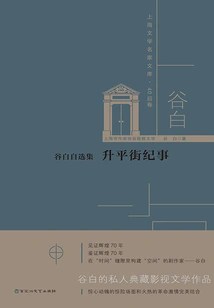
谷白自选集:升平街纪事
Gu Bai
This book is a self-selected collection of film and television literature by the famous playwright Gu Bai. It includes four representative works of the author: "Heroic Tribulation", "Chronicles of Shengping Street", "Wang Shiwu Biography" and "Xue Dou'e's Injustice". Among them, "The Story of Shengping Street", which tells the story of the changes in Shengping Street in Shanghai, was shortlisted for "the first batch of high-quality scripts solicited by Shanghai Media Group in 2006"; the new drama "The Injustice of Snow Dou'e" adapted from Guan Hanqing's "The Injustice of Dou E" retells the entire story from the perspective of the "foolish official judge" who has been ignored for thousands of years in the original work, which is both traditional and familiar, yet innovative.
This book is a self-selected collection of film and television literature by the famous playwright Gu Bai. It includes four representative works of the author: "Heroic Tribulation", "Chronicles of Shengping Street", "Wang Shiwu Biography" and "Xue Dou'e's Injustice". Among them, "The Story of Shengping Street", which tells the story of the changes in Shengping Street in Shanghai, was shortlisted for "the first batch of high-quality scripts solicited by Shanghai Media Group in 2006"; the new drama "The Injustice of Snow Dou'e" adapted from Guan Hanqing's "The Injustice of Dou E" retells the entire story from the perspective of the "foolish official judge" who has been ignored for thousands of years in the original work, which is both traditional and familiar, yet innovative.
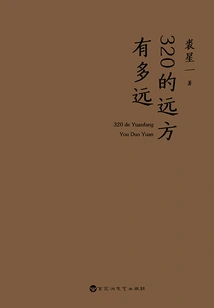
How Far is 320?
Literature320的远方有多远
Qiu Xingyi
"How Far Is 320" is a collection of novels and essays by Zhejiang writer Qiu Xingyi, including 12 short stories and 12 essays. These works have been published in important domestic literary publications such as "Jiangnan", "West Lake", and "Mountain Flowers", and have received a certain response. The author uses a relatively solid foundation in novel writing and a poetic and philosophical prose style to gain insight into the world and taste the various aspects of life in rich and colorful stories, presenting a unique writing style of his own. In the novel world and prose genealogy constructed by the author, tracing the inner context of life is the main proposition. The works are relatively independent, but they are inextricably linked, showing the author's extraordinary ability to understand the ontology of life.
"How Far Is 320" is a collection of novels and essays by Zhejiang writer Qiu Xingyi, including 12 short stories and 12 essays. These works have been published in important domestic literary publications such as "Jiangnan", "West Lake", and "Mountain Flowers", and have received a certain response. The author uses a relatively solid foundation in novel writing and a poetic and philosophical prose style to gain insight into the world and taste the various aspects of life in rich and colorful stories, presenting a unique writing style of his own. In the novel world and prose genealogy constructed by the author, tracing the inner context of life is the main proposition. The works are relatively independent, but they are inextricably linked, showing the author's extraordinary ability to understand the ontology of life.
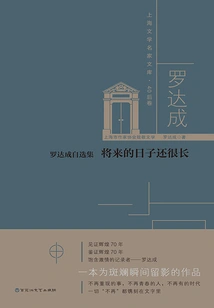
罗达成自选集:将来的日子还很长
Luo Da
This book is a self-selected collection of works by the famous writer Luo Da. It includes 20 essays such as "Contracting with the Sea" and "Searching for the Soul of Poetry on Gulangyu Island", 8 reportages such as "The Days to Come Are Still Long" and "Thirty-Three Years Later, Reminiscing about the Past with Beidao", and 8 prefaces such as "The Lava in the Heart and the Reader's Dream" and "Once a Heroic Hair". Luo Da recalls the past, records life, expresses emotions, and captures wonderful moments that will never be repeated with his highly contagious words.
This book is a self-selected collection of works by the famous writer Luo Da. It includes 20 essays such as "Contracting with the Sea" and "Searching for the Soul of Poetry on Gulangyu Island", 8 reportages such as "The Days to Come Are Still Long" and "Thirty-Three Years Later, Reminiscing about the Past with Beidao", and 8 prefaces such as "The Lava in the Heart and the Reader's Dream" and "Once a Heroic Hair". Luo Da recalls the past, records life, expresses emotions, and captures wonderful moments that will never be repeated with his highly contagious words.
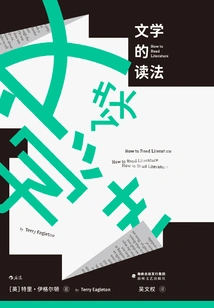
How to Read Literature
Literature文学的读法
I
In this accessible and entertaining book, Terry Eagleton asks a series of intriguing questions. In a brilliant analysis, Eagleton shows how to pay full attention to a literary work's tone, rhythm, texture, syntax, allusion, ambiguity, and other formal aspects when reading. He also examines broader issues of character, plot, narrative, creative imagination, the meaning of fictionality, and the tension between what literature says and what it represents. Authoritative and enjoyable, the author provides helpful commentary on classicism, romanticism, modernism, and postmodernism, and offers fascinating insights into writers ranging from Shakespeare and J. K. Rowling to Jane Austen and Samuel Beckett. This book is a first choice for beginning literature students and all other readers interested in deepening their understanding and enriching their reading experience.
In this accessible and entertaining book, Terry Eagleton asks a series of intriguing questions. In a brilliant analysis, Eagleton shows how to pay full attention to a literary work's tone, rhythm, texture, syntax, allusion, ambiguity, and other formal aspects when reading. He also examines broader issues of character, plot, narrative, creative imagination, the meaning of fictionality, and the tension between what literature says and what it represents. Authoritative and enjoyable, the author provides helpful commentary on classicism, romanticism, modernism, and postmodernism, and offers fascinating insights into writers ranging from Shakespeare and J. K. Rowling to Jane Austen and Samuel Beckett. This book is a first choice for beginning literature students and all other readers interested in deepening their understanding and enriching their reading experience.
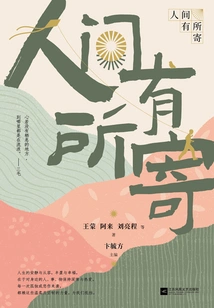
Something to Send to the World
Literature人间有所寄
Wang Meng, Alai, Liu Liangcheng, Etc. Editor-in-chief Bian Yufang
This book is a collection of essays jointly created by 46 famous contemporary writers and new literary talents including Wang Meng, Zhang Wei, Alai, Xiao Fuxing, Han Shaogong, Liu Liangcheng, Zhou Xiaofeng, and Su Cangsang to interpret "Happiness in life depends on deep affection and love." These writers have won various literary awards such as the Mao Dun Literature Award, the Lu Xun Literature Award, the National Ethnic Minority Literary Creation Horse Award, the People's Literature Award, the Bing Xin Prose Award, the Sun Li Prose Award, the Sanmao Prose Award, and the Dadi Literature Award. The content of the book is divided into five chapters, namely: Dressed in white, with a brocade in my heart - some insights, sending "heartbeats" across the sea of stars, the years have become monuments - some memories, sending "past events" to Feihong Xuedui, misty life - some feelings, sending "beautiful" to read all over the world, it is you who wrote the pen - some deep feelings, sending "dear", the journey is long and lost, and there will be a destination in the end - Missing, "Hometown" The writers share the various sentiments of life with truly touching and philosophical words, allowing us to understand: the tranquility and calmness, abundance and happiness of life lie in maintaining deep affection and love for the people, things and things around us. Every time loneliness or sadness strikes, we rely on these gentle and tenacious forces to resist us.
This book is a collection of essays jointly created by 46 famous contemporary writers and new literary talents including Wang Meng, Zhang Wei, Alai, Xiao Fuxing, Han Shaogong, Liu Liangcheng, Zhou Xiaofeng, and Su Cangsang to interpret "Happiness in life depends on deep affection and love." These writers have won various literary awards such as the Mao Dun Literature Award, the Lu Xun Literature Award, the National Ethnic Minority Literary Creation Horse Award, the People's Literature Award, the Bing Xin Prose Award, the Sun Li Prose Award, the Sanmao Prose Award, and the Dadi Literature Award. The content of the book is divided into five chapters, namely: Dressed in white, with a brocade in my heart - some insights, sending "heartbeats" across the sea of stars, the years have become monuments - some memories, sending "past events" to Feihong Xuedui, misty life - some feelings, sending "beautiful" to read all over the world, it is you who wrote the pen - some deep feelings, sending "dear", the journey is long and lost, and there will be a destination in the end - Missing, "Hometown" The writers share the various sentiments of life with truly touching and philosophical words, allowing us to understand: the tranquility and calmness, abundance and happiness of life lie in maintaining deep affection and love for the people, things and things around us. Every time loneliness or sadness strikes, we rely on these gentle and tenacious forces to resist us.
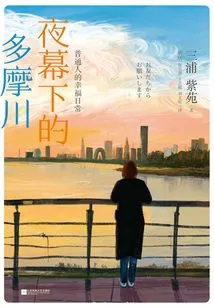
夜幕下的多摩川:普通人的幸福日常
Miura Shion
Miura Shion said: The articles I usually write are almost clumsy, but this book is different. This book can be said to be a work that I wrote seriously! Although what is recorded in the book is "ordinary slow-paced life", it is these ordinary happy daily lives that make us feel: for ordinary us, life is not always satisfactory. But no matter how difficult, cruel or ordinary life is, we must live passionately and live like a real person.
Miura Shion said: The articles I usually write are almost clumsy, but this book is different. This book can be said to be a work that I wrote seriously! Although what is recorded in the book is "ordinary slow-paced life", it is these ordinary happy daily lives that make us feel: for ordinary us, life is not always satisfactory. But no matter how difficult, cruel or ordinary life is, we must live passionately and live like a real person.
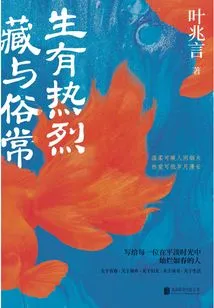
Born with Enthusiasm, Hidden and Common
Literature生有热烈,藏与俗常
Ye Zhaoyan
This book is a collection of essays by the famous writer Ye Zhaoyan, written for everyone who is as bright as spring in ordinary times. There are five chapters in the book, which are: "Everything in the past is a prologue" - Memory of youth "Wherever the heart goes, it is hometown" - Scenery of hometown "I enjoyed new knowledge when I was young, and missed old friends in middle age" - Missing friends "Blow out the reading lamp, and the whole body is covered with moon" - Ideal sentiments "The smoke of fireworks in the world is the most soothing to the human heart" - Fireworks are rolling. In his writings, whether he is talking about the ancient city of Nanjing, gossiping about cultural celebrities, or reminiscing about relatives and friends, he appears to be knowledgeable, frank and sincere, exuding a peaceful and elegant atmosphere. The writing is plain and simple, and has no distance from the readers. It captures the warm and deep love for life in the mundane and subtle aspects of life.
This book is a collection of essays by the famous writer Ye Zhaoyan, written for everyone who is as bright as spring in ordinary times. There are five chapters in the book, which are: "Everything in the past is a prologue" - Memory of youth "Wherever the heart goes, it is hometown" - Scenery of hometown "I enjoyed new knowledge when I was young, and missed old friends in middle age" - Missing friends "Blow out the reading lamp, and the whole body is covered with moon" - Ideal sentiments "The smoke of fireworks in the world is the most soothing to the human heart" - Fireworks are rolling. In his writings, whether he is talking about the ancient city of Nanjing, gossiping about cultural celebrities, or reminiscing about relatives and friends, he appears to be knowledgeable, frank and sincere, exuding a peaceful and elegant atmosphere. The writing is plain and simple, and has no distance from the readers. It captures the warm and deep love for life in the mundane and subtle aspects of life.
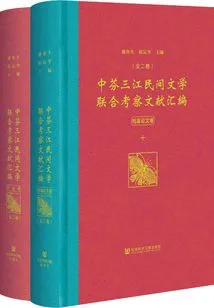
中芬三江民间文学联合考察文献汇编(全2卷)
Pan Lusheng Editor-in-chief Qiu Yunhua
In 1986, with the support of UNESCO, the Chinese Folk Literature and Art Research Association (the predecessor of the Chinese Folk Literature and Artists Association) and the Finnish folk literature and art circles jointly launched a month-long field trip to folk literature and art in the Sanjiang area of Guangxi. This inspection activity received high attention from the international academic community and achieved significant results, demonstrating the ideological spirit and academic style of the folk literature and art circles in New China. This book is a compilation of the results, documents and materials of this field trip, divided into two volumes. The first volume is the "Archival Papers Volume" and the second volume is the "Works Volume".
In 1986, with the support of UNESCO, the Chinese Folk Literature and Art Research Association (the predecessor of the Chinese Folk Literature and Artists Association) and the Finnish folk literature and art circles jointly launched a month-long field trip to folk literature and art in the Sanjiang area of Guangxi. This inspection activity received high attention from the international academic community and achieved significant results, demonstrating the ideological spirit and academic style of the folk literature and art circles in New China. This book is a compilation of the results, documents and materials of this field trip, divided into two volumes. The first volume is the "Archival Papers Volume" and the second volume is the "Works Volume".
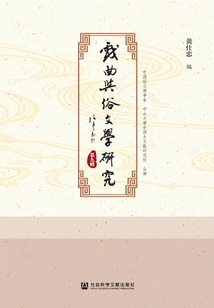
戏曲与俗文学研究(第9辑)
Huang Shizhong
This book provides a platform for the textual research of Chinese popular literature. The book takes the study of ancient operas and popular literature as its main object, features empirical research, attaches great importance to the discovery and utilization of first-hand documentary materials, and emphasizes the investigation, cataloging, and textual research of basic literature. It especially emphasizes the research of textual research on literature and materials, that is, it focuses on author research, important event research, edition literature research, collection of catalogs for collectors at home and abroad, research on rare documents, and collection and interpretation of new literature materials. Opera, popular literature, literature, and empirical evidence are the key words that distinguish this book from other similar publications.
This book provides a platform for the textual research of Chinese popular literature. The book takes the study of ancient operas and popular literature as its main object, features empirical research, attaches great importance to the discovery and utilization of first-hand documentary materials, and emphasizes the investigation, cataloging, and textual research of basic literature. It especially emphasizes the research of textual research on literature and materials, that is, it focuses on author research, important event research, edition literature research, collection of catalogs for collectors at home and abroad, research on rare documents, and collection and interpretation of new literature materials. Opera, popular literature, literature, and empirical evidence are the key words that distinguish this book from other similar publications.
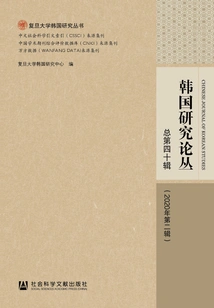
韩国研究论丛(2020年第2辑/总第40辑)
Compiled By The Korean Studies Center Of Fudan University
"Korean Studies Series" is an academic journal sponsored by the Korean Studies Center of Fudan University. It was founded in 1995. It has always adhered to the purpose of "cutting edge, originality, and authority" and is committed to the study of Korean Peninsula issues. It publishes articles covering various fields of Korean Peninsula issues. The book has three topics: politics, diplomacy and security; history, philosophy and culture; society, economy and management.
"Korean Studies Series" is an academic journal sponsored by the Korean Studies Center of Fudan University. It was founded in 1995. It has always adhered to the purpose of "cutting edge, originality, and authority" and is committed to the study of Korean Peninsula issues. It publishes articles covering various fields of Korean Peninsula issues. The book has three topics: politics, diplomacy and security; history, philosophy and culture; society, economy and management.
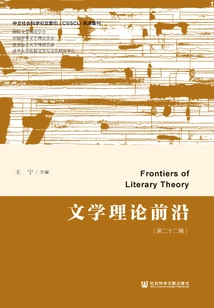
文学理论前沿(第22辑)
Editor-in-chief Wang Ning
"Frontiers of Literary Theory" (biannual) was founded in 2004. As the journal of the Chinese and Foreign Literary Theory Society and the only Chinese publication of the International Society of Literary Theory, it is currently one of the largest circulation journals in the humanities and social sciences in my country. This book is the 221st edition. It has three columns: "Discussion of Frontier Theoretical Trends", "Marxism and World Literature Research" and "Literary Reading and Theoretical Interpretation", with a total of eleven articles. Standing at the forefront of international literary theory and cultural research, we pay attention to and study hot topics that are generally of concern to the academic community today, and make new interpretations.
"Frontiers of Literary Theory" (biannual) was founded in 2004. As the journal of the Chinese and Foreign Literary Theory Society and the only Chinese publication of the International Society of Literary Theory, it is currently one of the largest circulation journals in the humanities and social sciences in my country. This book is the 221st edition. It has three columns: "Discussion of Frontier Theoretical Trends", "Marxism and World Literature Research" and "Literary Reading and Theoretical Interpretation", with a total of eleven articles. Standing at the forefront of international literary theory and cultural research, we pay attention to and study hot topics that are generally of concern to the academic community today, and make new interpretations.
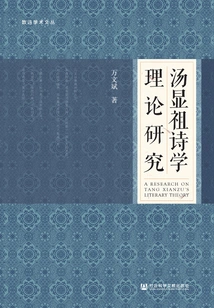
Research on Tang Xianzu's Poetic Theory
Literature汤显祖诗学理论研究
Wan Wenbin
Tang Xianzu was a writer who stood at the turning point of the middle and late Ming Dynasty. He is worthy of comprehensive and comprehensive research in the history of literature, drama, and poetic theory. This book studies the basic core of Tang Xianzu's poetic theory from the perspective of broad poetics. Starting from the philosophical foundation and historical and cultural background of the formation of his poetics, it focuses on analyzing the dialectics of emotion and reason, historical poetics, poetry subject theory, poetry creation theory, poetry aesthetic theory, etc. In his poetic theory. It also conducts some tentative research on other literary styles created by Tang Xianzu and the Chinese and foreign reception of opera.
Tang Xianzu was a writer who stood at the turning point of the middle and late Ming Dynasty. He is worthy of comprehensive and comprehensive research in the history of literature, drama, and poetic theory. This book studies the basic core of Tang Xianzu's poetic theory from the perspective of broad poetics. Starting from the philosophical foundation and historical and cultural background of the formation of his poetics, it focuses on analyzing the dialectics of emotion and reason, historical poetics, poetry subject theory, poetry creation theory, poetry aesthetic theory, etc. In his poetic theory. It also conducts some tentative research on other literary styles created by Tang Xianzu and the Chinese and foreign reception of opera.
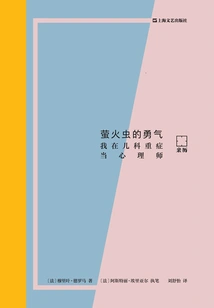
萤火虫的勇气:我在儿科重症当心理师
(french) Written By Moulière Droma Written By Astlie Eliard
The author Mourière Droma is a French clinical psychologist and forensic expert in child psychology. More than 20 years of experience in treating seriously ill, disabled, paralyzed, and seriously injured children and their families in the pediatric intensive care unit have convinced her that only by accepting the truth and telling the truth can the soul be freed. She taught a dying girl to express her love to her lover by spelling with her eyes. She accompanied the little boy to bid farewell to his sister's body and discussed death with him. She helped the parents of a girl who died suddenly and promised to donate organs. She witnessed the ethical struggle when the medical team decided to terminate treatment... Using many real cases as clues, she told about her bumpy career, taking us into the daily life of the hospital, showing the pain, courage and true feelings of the patient's family, and singing for the little fireflies shining in the long night of adversity.
The author Mourière Droma is a French clinical psychologist and forensic expert in child psychology. More than 20 years of experience in treating seriously ill, disabled, paralyzed, and seriously injured children and their families in the pediatric intensive care unit have convinced her that only by accepting the truth and telling the truth can the soul be freed. She taught a dying girl to express her love to her lover by spelling with her eyes. She accompanied the little boy to bid farewell to his sister's body and discussed death with him. She helped the parents of a girl who died suddenly and promised to donate organs. She witnessed the ethical struggle when the medical team decided to terminate treatment... Using many real cases as clues, she told about her bumpy career, taking us into the daily life of the hospital, showing the pain, courage and true feelings of the patient's family, and singing for the little fireflies shining in the long night of adversity.
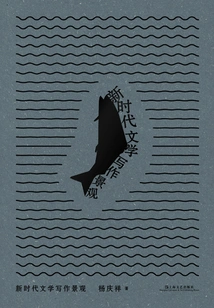
新时代文学写作景观
Yang Qingxiang
"The Landscape of Literary Writing in the New Era" is a collection of literary criticism. The book is divided into upper and lower parts to outline the creative and diverse landscape of original literary writing in the new era: the first part focuses on discussing the new development trends and new literary issues emerging in the new era from a macro perspective, focusing on analyzing the coordinate system of youth writing, the possibilities and current symptoms of non-fiction writing, as well as the direction of new types of writing such as New Southern writing, science fiction literature, and AI writing; the second part focuses on microscopic aspects In this aspect, nine representatives of young writers who are active in the forefront of original literature, including Xu Zechen's "Going North", Li Xiuwen's "Poetry Come to Meet Me", Lu Min's "Flying to the Moon", Ge Liang's "Ade and Steve", Fu Xiuying's "Moshang", Zhang Yueran's "Cocoon", Sun Pin's "Glory Years", Hu Zhufeng's "Chinese Articles", and Wang William's "Wild Future" are used as text interpretation models, showing the vitality of youth writing in the new era. Xu Zechen's "Grand Canal", Li Xiuwen's "Poetry of Life and the Soul of the Earth", Lu Min's response to the changes of the times, Fu Xiuying's new rural narrative, and the spiritual dilemma of the post-80s generation represented by Zhang Yueran... These interesting literary phenomena were keenly perceived, captured, and amplified by the author, recording the richness and diversity of the microscopic literary landscape.
"The Landscape of Literary Writing in the New Era" is a collection of literary criticism. The book is divided into upper and lower parts to outline the creative and diverse landscape of original literary writing in the new era: the first part focuses on discussing the new development trends and new literary issues emerging in the new era from a macro perspective, focusing on analyzing the coordinate system of youth writing, the possibilities and current symptoms of non-fiction writing, as well as the direction of new types of writing such as New Southern writing, science fiction literature, and AI writing; the second part focuses on microscopic aspects In this aspect, nine representatives of young writers who are active in the forefront of original literature, including Xu Zechen's "Going North", Li Xiuwen's "Poetry Come to Meet Me", Lu Min's "Flying to the Moon", Ge Liang's "Ade and Steve", Fu Xiuying's "Moshang", Zhang Yueran's "Cocoon", Sun Pin's "Glory Years", Hu Zhufeng's "Chinese Articles", and Wang William's "Wild Future" are used as text interpretation models, showing the vitality of youth writing in the new era. Xu Zechen's "Grand Canal", Li Xiuwen's "Poetry of Life and the Soul of the Earth", Lu Min's response to the changes of the times, Fu Xiuying's new rural narrative, and the spiritual dilemma of the post-80s generation represented by Zhang Yueran... These interesting literary phenomena were keenly perceived, captured, and amplified by the author, recording the richness and diversity of the microscopic literary landscape.
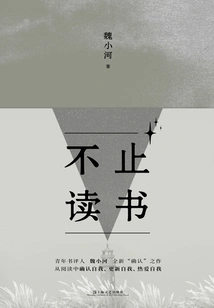
More Than Just Reading
Literature不止读书
Wei Xiaohe
Taken from the name of Wei Xiaohe's earliest WeChat official account: More than Reading. "More Than Reading" includes readings of novels by Marquez, Hemingway, Janet Winterson, Jane Austen, Chekhov, Dickens, Balzac, Dostoevsky, Salinger, Shen Congwen, Zhang Ailing, Mu Xin, Zhang Beihai, Li Juan, Lu Nei, Shuang Xuetao, Ban Yu, Zheng Zhi, biographies of writers, literary criticism, and essays by Wei Xiaohe. This "confirmation" work that belongs to young people may help more young people to confirm themselves, renew themselves, and love themselves through reading: until the end of reading, I hope that we can all be more tolerant and understand the complexity of this world.
Taken from the name of Wei Xiaohe's earliest WeChat official account: More than Reading. "More Than Reading" includes readings of novels by Marquez, Hemingway, Janet Winterson, Jane Austen, Chekhov, Dickens, Balzac, Dostoevsky, Salinger, Shen Congwen, Zhang Ailing, Mu Xin, Zhang Beihai, Li Juan, Lu Nei, Shuang Xuetao, Ban Yu, Zheng Zhi, biographies of writers, literary criticism, and essays by Wei Xiaohe. This "confirmation" work that belongs to young people may help more young people to confirm themselves, renew themselves, and love themselves through reading: until the end of reading, I hope that we can all be more tolerant and understand the complexity of this world.
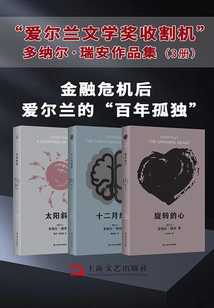
多纳尔·瑞安作品集(共3册)
(ireland) Donal Ryan
The structure is clever, and the novel is written in the form of a short story. The 21 characters and 21 chapters are all unfolded in the first person's self-narration, which is equivalent to 21 self-portraits. It can also be called another multi-voice narrative. It can be entered from any story or character or from any location in the book. How can a person who has been abandoned by society, bullied, ridiculed, and beaten see the world from a special perspective? "Spinning Heart" contains 21 characters, while "December Chronicle" unfolds a character's life for 12 months. The former is a group portrait, and the latter is a single portrait; the former is a panorama, and the latter is a close-up. Ryan's collection of experimental short stories, with poetic prose and high-speed writing rhythm, captures the wild beauty of the human heart in frustration, hope and tranquility.
The structure is clever, and the novel is written in the form of a short story. The 21 characters and 21 chapters are all unfolded in the first person's self-narration, which is equivalent to 21 self-portraits. It can also be called another multi-voice narrative. It can be entered from any story or character or from any location in the book. How can a person who has been abandoned by society, bullied, ridiculed, and beaten see the world from a special perspective? "Spinning Heart" contains 21 characters, while "December Chronicle" unfolds a character's life for 12 months. The former is a group portrait, and the latter is a single portrait; the former is a panorama, and the latter is a close-up. Ryan's collection of experimental short stories, with poetic prose and high-speed writing rhythm, captures the wild beauty of the human heart in frustration, hope and tranquility.
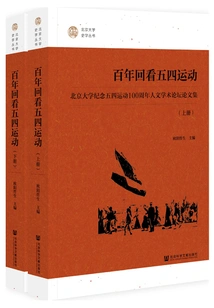
百年回看五四运动:北京大学纪念五四运动100周年人文学术论坛论文集(全2册)
Editor-in-chief Ouyang Zhesheng
2019 is the 100th anniversary of the May Fourth Movement. In order to commemorate this great event of historical significance and showcase the latest achievements in academic research on the history of the May Fourth Movement, Peking University held a humanities academic forum to commemorate the 100th anniversary of the May Fourth Movement with the theme of "A Centenary Look Back at the May Fourth Movement" in June 2019. This forum invited well-known scholars at home and abroad to engage in heated discussions on topics such as the May Fourth Movement and modern Chinese social politics, the May Fourth Movement and modern Chinese thought and culture, the May Fourth Movement and modern Chinese science, education, and religion, the study of historical figures and ideas during the May Fourth period, the May Fourth Movement from an international perspective, and the historical reflections and interpretations of the May Fourth Movement. This book is a collection of the results of this forum.
2019 is the 100th anniversary of the May Fourth Movement. In order to commemorate this great event of historical significance and showcase the latest achievements in academic research on the history of the May Fourth Movement, Peking University held a humanities academic forum to commemorate the 100th anniversary of the May Fourth Movement with the theme of "A Centenary Look Back at the May Fourth Movement" in June 2019. This forum invited well-known scholars at home and abroad to engage in heated discussions on topics such as the May Fourth Movement and modern Chinese social politics, the May Fourth Movement and modern Chinese thought and culture, the May Fourth Movement and modern Chinese science, education, and religion, the study of historical figures and ideas during the May Fourth period, the May Fourth Movement from an international perspective, and the historical reflections and interpretations of the May Fourth Movement. This book is a collection of the results of this forum.
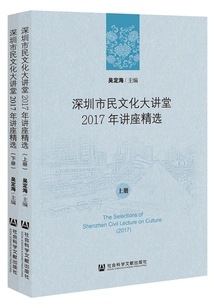
深圳市民文化大讲堂2017年讲座精选(全2册)
Editor-in-chief Wu Dinghai
In 2017, the "Shenzhen Citizen Culture Lecture Hall" invited 52 outstanding experts and scholars, including Tian Qing, Hai Wen, Yu Ping, Zhang Ning, Wang Jinkang, Ba Shusong, Ni Pengfei, Gong Pengcheng, Sun Liqun, Yang Guoan, Yu Gengzhe, Wei Fengsi, Wang Jian, Zhang Guoyong, Wang Hongwei, Wang Wen, Jin Canrong, Cao Weidong, Lin Fangzhong, and held 52 wonderful lectures that were loved by the public. 27 Articles were selected from the lecture manuscripts and compiled into this book, including traditional culture, cultural innovation, science and technology, nature, art and economy, cultivating talents, history and society, health and wellness, etc.
In 2017, the "Shenzhen Citizen Culture Lecture Hall" invited 52 outstanding experts and scholars, including Tian Qing, Hai Wen, Yu Ping, Zhang Ning, Wang Jinkang, Ba Shusong, Ni Pengfei, Gong Pengcheng, Sun Liqun, Yang Guoan, Yu Gengzhe, Wei Fengsi, Wang Jian, Zhang Guoyong, Wang Hongwei, Wang Wen, Jin Canrong, Cao Weidong, Lin Fangzhong, and held 52 wonderful lectures that were loved by the public. 27 Articles were selected from the lecture manuscripts and compiled into this book, including traditional culture, cultural innovation, science and technology, nature, art and economy, cultivating talents, history and society, health and wellness, etc.
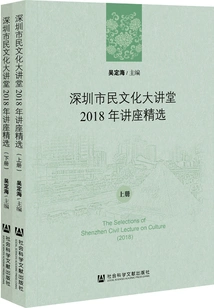
深圳市民文化大讲堂2018年讲座精选(全2册)
Editor-in-chief Wu Dinghai
In 2018, the "Shenzhen Citizen Culture Lecture Hall" invited 51 outstanding experts and scholars, including Tao Yitao, Xie Jun, Zhu Hong, Zhu Shanlu, Zhu Zongpeng, Chen Yan, Jiang Chunliang, and Zhang Qingshan, and held 52 wonderful lectures that were well received by citizens. Thirty-two articles were selected from the lecture manuscripts and compiled into this book, covering the 40 years of reform and opening up, cultural life, economy and science and technology, literature and art, military history and the rule of law, cultivating talents, traditional culture, sports and health, etc.
In 2018, the "Shenzhen Citizen Culture Lecture Hall" invited 51 outstanding experts and scholars, including Tao Yitao, Xie Jun, Zhu Hong, Zhu Shanlu, Zhu Zongpeng, Chen Yan, Jiang Chunliang, and Zhang Qingshan, and held 52 wonderful lectures that were well received by citizens. Thirty-two articles were selected from the lecture manuscripts and compiled into this book, covering the 40 years of reform and opening up, cultural life, economy and science and technology, literature and art, military history and the rule of law, cultivating talents, traditional culture, sports and health, etc.
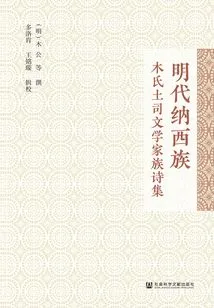
明代纳西族木氏土司文学家族诗集
(ming Dynasty) Written By Mugong Et Al.
This book contains six collections of poems by Mu Gong of the Ming Dynasty, including "Spring in the Hidden Garden", "Gengzi's Manuscript of the Snow Mountain", "Yin of Ten Thousand Pines", "Jade Lake Travel Records", "Qionghua in the Immortal Tower", and "The Beginning of the Snow Mountain", and three collections of poems by Mu Zeng, such as "The Collection of Zhishan Yunshe" (only one of the four volumes is extant), "The Fun in the Mountains", and "The Collection of Kongcui Juju in Xiaoyue Hall". We also collected 63 scattered poems from the Ming Dynasty Tusi literary family. This book enriches the research content of literature in Yunnan during the Ming Dynasty, expands the research perspective of ethnic minority literature families, fills the gap in the study of ethnic minority literature in China, highlights the profound influence of traditional culture in the Central Plains on ethnic minority civilization, and further explains that the development of ethnic minority literature is an important historical practice in the construction of the Chinese national community.
This book contains six collections of poems by Mu Gong of the Ming Dynasty, including "Spring in the Hidden Garden", "Gengzi's Manuscript of the Snow Mountain", "Yin of Ten Thousand Pines", "Jade Lake Travel Records", "Qionghua in the Immortal Tower", and "The Beginning of the Snow Mountain", and three collections of poems by Mu Zeng, such as "The Collection of Zhishan Yunshe" (only one of the four volumes is extant), "The Fun in the Mountains", and "The Collection of Kongcui Juju in Xiaoyue Hall". We also collected 63 scattered poems from the Ming Dynasty Tusi literary family. This book enriches the research content of literature in Yunnan during the Ming Dynasty, expands the research perspective of ethnic minority literature families, fills the gap in the study of ethnic minority literature in China, highlights the profound influence of traditional culture in the Central Plains on ethnic minority civilization, and further explains that the development of ethnic minority literature is an important historical practice in the construction of the Chinese national community.
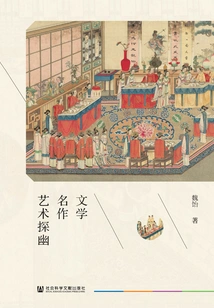
Exploring Literary Masterpieces and Art
Literature文学名作艺术探幽
Wei Yi
This book takes Chinese and foreign ancient and modern literary names as the object, and conducts an in-depth and simple exploration of dozens of selected poems and prose art from the perspective of readers. The book is divided into three chapters: "Comparison", "Differences" and "Research". It collects a total of 53 articles on literary appreciation that the author has completed over the past 30 years. Some of them have been published in newspapers and periodicals, and a large part were written in response to the invitations of Hunan People's Broadcasting Station's "Work Appreciation" and Central People's Broadcasting Station's "Reading and Appreciation" programs. They were once spiritual delicacies eagerly anticipated by the broad literary audience. It will be a loyal companion for literature lovers at home and abroad seeking tranquility and beauty in literary gardens.
This book takes Chinese and foreign ancient and modern literary names as the object, and conducts an in-depth and simple exploration of dozens of selected poems and prose art from the perspective of readers. The book is divided into three chapters: "Comparison", "Differences" and "Research". It collects a total of 53 articles on literary appreciation that the author has completed over the past 30 years. Some of them have been published in newspapers and periodicals, and a large part were written in response to the invitations of Hunan People's Broadcasting Station's "Work Appreciation" and Central People's Broadcasting Station's "Reading and Appreciation" programs. They were once spiritual delicacies eagerly anticipated by the broad literary audience. It will be a loyal companion for literature lovers at home and abroad seeking tranquility and beauty in literary gardens.
Sven (volume 6)
Literature斯文(第6辑)
Editor-in-chief Guo Yingde
"Sven" is a large-scale academic journal with the research object of ancient Chinese prose planned to be co-founded by the Institute of Ancient Literature of the School of Liberal Arts of Beijing Normal University and the Ancient Chinese Prose Society. This is the sixth volume of this book, which focuses on presenting the latest scientific research results in the field of ancient Chinese prose research, such as the collection and arrangement of new materials on ancient prose, the exploration of new methods in ancient prose research, and the review and praise of new treatises on ancient Chinese prose research, in order to build a platform for ancient Chinese prose research and communicate practical experience in theories and methods in ancient Chinese prose research.
"Sven" is a large-scale academic journal with the research object of ancient Chinese prose planned to be co-founded by the Institute of Ancient Literature of the School of Liberal Arts of Beijing Normal University and the Ancient Chinese Prose Society. This is the sixth volume of this book, which focuses on presenting the latest scientific research results in the field of ancient Chinese prose research, such as the collection and arrangement of new materials on ancient prose, the exploration of new methods in ancient prose research, and the review and praise of new treatises on ancient Chinese prose research, in order to build a platform for ancient Chinese prose research and communicate practical experience in theories and methods in ancient Chinese prose research.
Chang'an Academic (volume 15)
Literature长安学术(第15辑)
Editor-in-chief Zhang Xinke
"Chang'an Academic" is a comprehensive journal on Chinese language and literature research, serving the construction and development of Chinese language and literature disciplines. The content included in the collection involves the content of secondary disciplines under the first-level discipline of Chinese language and literature, including language studies, literary studies (ancient literature, modern and contemporary literature, literary theory and foreign literature, etc.), Philology, etc., In addition to book reviews and other content. The book mainly publishes the latest research results in various disciplines such as Chinese language and literature, aiming to strengthen academic exchanges, display cutting-edge results, and promote the development of Chinese language and literature research.
"Chang'an Academic" is a comprehensive journal on Chinese language and literature research, serving the construction and development of Chinese language and literature disciplines. The content included in the collection involves the content of secondary disciplines under the first-level discipline of Chinese language and literature, including language studies, literary studies (ancient literature, modern and contemporary literature, literary theory and foreign literature, etc.), Philology, etc., In addition to book reviews and other content. The book mainly publishes the latest research results in various disciplines such as Chinese language and literature, aiming to strengthen academic exchanges, display cutting-edge results, and promote the development of Chinese language and literature research.
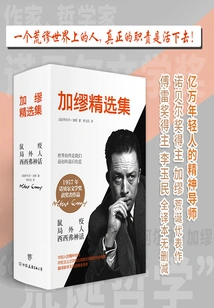
加缪精选集:鼠疫+局外人+西西弗神话(套装全3册)
H
"The Camus Collection" includes Camus' three masterpieces: "The Plague", "The Stranger" and "The Myth of Sisyphus". Among them, "The Myth of Sisyphus" is a philosophical essay, which is Camus' in-depth and concentrated investigation and thorough and clear explanation of the philosophy of absurdity. The book is divided into three parts. The first part, "The Myth of Sisyphus," is divided into three aspects: absurd reasoning, absurd people, and absurd creation. The author conducts in-depth philosophical discussions on philosophical issues such as absurdity and suicide. "The Myth of Sisyphus" is not only a triumphant song of liberal humanism, it constitutes a style that is both pathos and sublime.
"The Camus Collection" includes Camus' three masterpieces: "The Plague", "The Stranger" and "The Myth of Sisyphus". Among them, "The Myth of Sisyphus" is a philosophical essay, which is Camus' in-depth and concentrated investigation and thorough and clear explanation of the philosophy of absurdity. The book is divided into three parts. The first part, "The Myth of Sisyphus," is divided into three aspects: absurd reasoning, absurd people, and absurd creation. The author conducts in-depth philosophical discussions on philosophical issues such as absurdity and suicide. "The Myth of Sisyphus" is not only a triumphant song of liberal humanism, it constitutes a style that is both pathos and sublime.
M
Literaturem
H
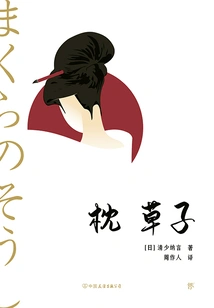
"Pillow" was the first of Japanese essay literature. It was written around 1001. It is the representative work of Seishonagon, a female writer during the Heian period in Japan. It is as famous as "The Tale of Genji" and is known as a double gem in Japanese Heian period literature. It is also known as the three major essays in Japanese literature together with the two books "Abbot's Chronicle" and "Turancao" that appeared later. The book is divided into 20 volumes and has a total of 305 paragraphs. It is divided into three parts: collection, diary and random thoughts. Most of them are what she saw and heard during her tenure in the palace. The emotions are delicate, the writing is light, and its authenticity and randomness can be seen everywhere. The so-called "reading starts from the page where the wind blows" is the charm of this book.
"Pillow" was the first of Japanese essay literature. It was written around 1001. It is the representative work of Seishonagon, a female writer during the Heian period in Japan. It is as famous as "The Tale of Genji" and is known as a double gem in Japanese Heian period literature. It is also known as the three major essays in Japanese literature together with the two books "Abbot's Chronicle" and "Turancao" that appeared later. The book is divided into 20 volumes and has a total of 305 paragraphs. It is divided into three parts: collection, diary and random thoughts. Most of them are what she saw and heard during her tenure in the palace. The emotions are delicate, the writing is light, and its authenticity and randomness can be seen everywhere. The so-called "reading starts from the page where the wind blows" is the charm of this book.
华杉讲透《论语》·修订版(全2册)
Huashan
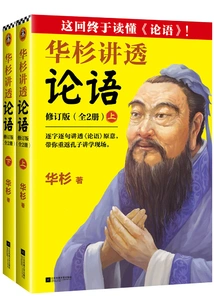
Mr. Hua Shan has studied the Analects of Confucius for more than 30 years. He has synthesized the classic interpretations of Zhu Xi, Wang Yangming, Zhang Juzheng and other sages. He uses 429 easy-to-read interpretation articles to take you back to the teaching scene where Confucius preached truth and told stories 2,500 years ago. It is as plain as words, friendly and interesting, and it is effortless to read. This book not only focuses on explaining the original meaning of "The Analects", but also provides a detailed explanation and analysis of the common misunderstandings and misunderstandings caused by people's language and reading time lag for more than 2,500 years. On this basis, the author Hua Shan revised the entire book, and fully updated the citations, chapter titles, punctuation marks, etc.! Opening this book, you can easily understand the original text of "The Analects" word for word and sentence by sentence, and experience firsthand the wisdom and mottos that have enabled Chinese people to cultivate their moral character and settle down for more than 2,500 years.
Mr. Hua Shan has studied the Analects of Confucius for more than 30 years. He has synthesized the classic interpretations of Zhu Xi, Wang Yangming, Zhang Juzheng and other sages. He uses 429 easy-to-read interpretation articles to take you back to the teaching scene where Confucius preached truth and told stories 2,500 years ago. It is as plain as words, friendly and interesting, and it is effortless to read. This book not only focuses on explaining the original meaning of "The Analects", but also provides a detailed explanation and analysis of the common misunderstandings and misunderstandings caused by people's language and reading time lag for more than 2,500 years. On this basis, the author Hua Shan revised the entire book, and fully updated the citations, chapter titles, punctuation marks, etc.! Opening this book, you can easily understand the original text of "The Analects" word for word and sentence by sentence, and experience firsthand the wisdom and mottos that have enabled Chinese people to cultivate their moral character and settle down for more than 2,500 years.
Collected Works of Liang Qichao (1)
Literature梁启超文集(一)
Liang Qichao
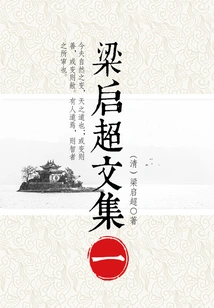
Liang Qichao is a famous thinker in modern China. He wrote magnificent works in his lifetime, amounting to 14 million words. His articles either expose and criticize the dark and ugly reality, or worry about the current situation of the motherland, and actively call for reform and self-improvement. The article is full of discussion, majestic and inspiring. It is a thorough analysis of China's current situation and has great influence. Some people commented on Liang Qichao's works: "Every article published makes the whole country stand out." This book selects Liang Qichao's "Young China Theory", "The Essays of He Guanzong", "Ten Kinds of Virtues in Opposite and Mutual Meaning", and "Theory of Transitional Era" for readers. The culture and wisdom of the East and the West merged with him, bursting out with unparalleled brilliance of that era. Even today, it still plays a very good role in teaching people, and it is still very rewarding to read.
Liang Qichao is a famous thinker in modern China. He wrote magnificent works in his lifetime, amounting to 14 million words. His articles either expose and criticize the dark and ugly reality, or worry about the current situation of the motherland, and actively call for reform and self-improvement. The article is full of discussion, majestic and inspiring. It is a thorough analysis of China's current situation and has great influence. Some people commented on Liang Qichao's works: "Every article published makes the whole country stand out." This book selects Liang Qichao's "Young China Theory", "The Essays of He Guanzong", "Ten Kinds of Virtues in Opposite and Mutual Meaning", and "Theory of Transitional Era" for readers. The culture and wisdom of the East and the West merged with him, bursting out with unparalleled brilliance of that era. Even today, it still plays a very good role in teaching people, and it is still very rewarding to read.
Spring Mash Collection
Literature春醪集
Liang Yuchun
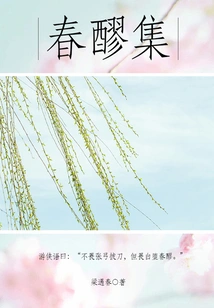
"Spring Mash Collection" is a collection of essays by Liang Yuchun, a talented scholar in the Republic of China. Liang Yuchun's articles capture the essence of British sketches, have tragic humor, and draw on the nutrients of Chinese classical literature. His style is unique and highly sought after. Readers who like Liang Yuchun's prose should not miss this book. Liang Yuchun began to publish essays in 1926 in "Yu Si", "Run Liu", "Camel Grass", "Modern Literature", "Crescent" and other publications. These essays are collected into "Spring Mash Collection". First published by Shanghai Beixin Book Company in March 1930, it includes articles such as "Letter to a Broken Lover", "Talking in Drunk Dreams", "View on Life and Death", "Literature and Life", and "Miscellaneous Essays on Literature and Art". "Spring Mash Collection" is the spring mash brewed by the author with his emotions, knowledge and thoughts. Fei Mingpu once said: "His literary thoughts are like stars in the sky, fleeting." In the article, he talks about reading, learning, love, friends, and quoting scriptures without being pedantic. It is a purely literary discussion and a conversation among literati.
"Spring Mash Collection" is a collection of essays by Liang Yuchun, a talented scholar in the Republic of China. Liang Yuchun's articles capture the essence of British sketches, have tragic humor, and draw on the nutrients of Chinese classical literature. His style is unique and highly sought after. Readers who like Liang Yuchun's prose should not miss this book. Liang Yuchun began to publish essays in 1926 in "Yu Si", "Run Liu", "Camel Grass", "Modern Literature", "Crescent" and other publications. These essays are collected into "Spring Mash Collection". First published by Shanghai Beixin Book Company in March 1930, it includes articles such as "Letter to a Broken Lover", "Talking in Drunk Dreams", "View on Life and Death", "Literature and Life", and "Miscellaneous Essays on Literature and Art". "Spring Mash Collection" is the spring mash brewed by the author with his emotions, knowledge and thoughts. Fei Mingpu once said: "His literary thoughts are like stars in the sky, fleeting." In the article, he talks about reading, learning, love, friends, and quoting scriptures without being pedantic. It is a purely literary discussion and a conversation among literati.
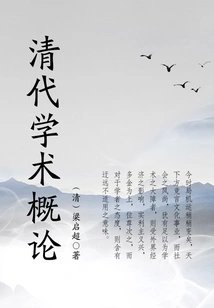
Introduction to Qing Dynasty Academics
Literature清代学术概论
Liang Qichao
"Introduction to Academic Thought in the Qing Dynasty" is my country's first work that systematically summarizes the history of academic thought in the Qing Dynasty. The book analyzes the academic thoughts of the Qing Dynasty, covering philosophy, classics, history, archaeology, geography, epigraphy, philology, Buddhism, fine arts, poetry, calendar, mathematics, water conservancy and other academic fields. In "Introduction to Academics in the Qing Dynasty", Liang Qichao divided the evolution of academic thought in the Qing Dynasty into four stages: the enlightenment period, the heyday, the degeneration period, and the decline period. He made an in-depth analysis of the interconnections, academic achievements and limitations of each stage, and put forward many precise insights. A notable feature of "Introduction to Academics in the Qing Dynasty" is that it breaks through the traditional academic history framework of "study cases" and uses "trends of thought" as the main axis to expound the academic thoughts of the Qing Dynasty. Another notable feature of "Introduction to Qing Dynasty Academics" is that it reveals the characteristics of Qing Dynasty academic thought through the comparison of Chinese and Western cultures.
"Introduction to Academic Thought in the Qing Dynasty" is my country's first work that systematically summarizes the history of academic thought in the Qing Dynasty. The book analyzes the academic thoughts of the Qing Dynasty, covering philosophy, classics, history, archaeology, geography, epigraphy, philology, Buddhism, fine arts, poetry, calendar, mathematics, water conservancy and other academic fields. In "Introduction to Academics in the Qing Dynasty", Liang Qichao divided the evolution of academic thought in the Qing Dynasty into four stages: the enlightenment period, the heyday, the degeneration period, and the decline period. He made an in-depth analysis of the interconnections, academic achievements and limitations of each stage, and put forward many precise insights. A notable feature of "Introduction to Academics in the Qing Dynasty" is that it breaks through the traditional academic history framework of "study cases" and uses "trends of thought" as the main axis to expound the academic thoughts of the Qing Dynasty. Another notable feature of "Introduction to Qing Dynasty Academics" is that it reveals the characteristics of Qing Dynasty academic thought through the comparison of Chinese and Western cultures.
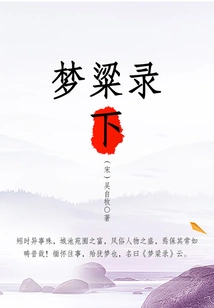
Menglianglu (part 2)
Literature梦粱录(下)
Wu Zimu
"Mengliang Lu" is a notebook written by Wu Zimu in the Song Dynasty. It is a book introducing the urban style of Lin'an, the capital of the Southern Song Dynasty. This book is worth reading for readers who are interested in the life of citizens in the Song Dynasty. "Menglianglu" not only records and reflects many traditional Chinese cultures and customs, but also explains the sources of many traditional customs, some of which are even the earliest historical documents. For example, pasting the word "" during the Spring Festival is a long-standing folk custom in my country. But the earliest record about pasting the word "" is "Mengliang Lu". This book follows the format of "Tokyo Menghua Lu" and records the suburban temples, palaces, mountains and rivers, people, shops, products, household registration, customs, various industries, operas, temples, schools, etc. In Lin'an during the Southern Song Dynasty. It provides rich historical materials to understand the economic activities of cities in the Southern Song Dynasty, the development of handicrafts and commerce, the economic and cultural life of citizens, especially the appearance of the capital. The book is not only rich in vocabulary and rich in colloquial language, but also records a large number of nominal words, providing a large amount of corpus for language research. The book's sections on musical instruments, opera skills, opera performances, and novels about classics and history are precious materials for the literature and art of the Song Dynasty.
"Mengliang Lu" is a notebook written by Wu Zimu in the Song Dynasty. It is a book introducing the urban style of Lin'an, the capital of the Southern Song Dynasty. This book is worth reading for readers who are interested in the life of citizens in the Song Dynasty. "Menglianglu" not only records and reflects many traditional Chinese cultures and customs, but also explains the sources of many traditional customs, some of which are even the earliest historical documents. For example, pasting the word "" during the Spring Festival is a long-standing folk custom in my country. But the earliest record about pasting the word "" is "Mengliang Lu". This book follows the format of "Tokyo Menghua Lu" and records the suburban temples, palaces, mountains and rivers, people, shops, products, household registration, customs, various industries, operas, temples, schools, etc. In Lin'an during the Southern Song Dynasty. It provides rich historical materials to understand the economic activities of cities in the Southern Song Dynasty, the development of handicrafts and commerce, the economic and cultural life of citizens, especially the appearance of the capital. The book is not only rich in vocabulary and rich in colloquial language, but also records a large number of nominal words, providing a large amount of corpus for language research. The book's sections on musical instruments, opera skills, opera performances, and novels about classics and history are precious materials for the literature and art of the Song Dynasty.
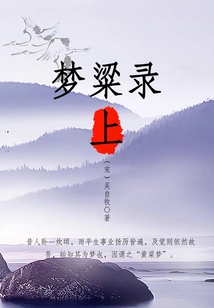
Menglianglu (part 1)
Literature梦粱录(上)
Wu Zimu
"Mengliang Lu" is a notebook written by Wu Zimu in the Song Dynasty. It is a book introducing the urban style of Lin'an, the capital of the Southern Song Dynasty. This book is worth reading for readers who are interested in the life of citizens in the Song Dynasty. "Menglianglu" not only records and reflects many traditional Chinese cultures and customs, but also explains the sources of many traditional customs, some of which are even the earliest historical documents. For example, pasting the word "" during the Spring Festival is a long-standing folk custom in my country. But the earliest record about pasting the word "" is "Mengliang Lu". This book follows the format of "Tokyo Menghua Lu" and records the suburban temples, palaces, mountains and rivers, people, shops, products, household registration, customs, various industries, operas, temples, schools, etc. In Lin'an during the Southern Song Dynasty. It provides rich historical materials to understand the economic activities of cities in the Southern Song Dynasty, the development of handicrafts and commerce, the economic and cultural life of citizens, especially the appearance of the capital. The book is not only rich in vocabulary and rich in colloquial language, but also records a large number of nominal words, providing a large amount of corpus for language research. The book's sections on musical instruments, opera skills, opera performances, and novels about classics and history are precious materials for the literature and art of the Song Dynasty.
"Mengliang Lu" is a notebook written by Wu Zimu in the Song Dynasty. It is a book introducing the urban style of Lin'an, the capital of the Southern Song Dynasty. This book is worth reading for readers who are interested in the life of citizens in the Song Dynasty. "Menglianglu" not only records and reflects many traditional Chinese cultures and customs, but also explains the sources of many traditional customs, some of which are even the earliest historical documents. For example, pasting the word "" during the Spring Festival is a long-standing folk custom in my country. But the earliest record about pasting the word "" is "Mengliang Lu". This book follows the format of "Tokyo Menghua Lu" and records the suburban temples, palaces, mountains and rivers, people, shops, products, household registration, customs, various industries, operas, temples, schools, etc. In Lin'an during the Southern Song Dynasty. It provides rich historical materials to understand the economic activities of cities in the Southern Song Dynasty, the development of handicrafts and commerce, the economic and cultural life of citizens, especially the appearance of the capital. The book is not only rich in vocabulary and rich in colloquial language, but also records a large number of nominal words, providing a large amount of corpus for language research. The book's sections on musical instruments, opera skills, opera performances, and novels about classics and history are precious materials for the literature and art of the Song Dynasty.
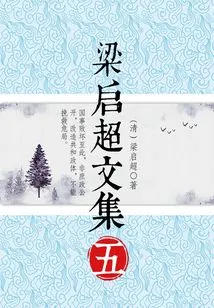
Collected Works of Liang Qichao (5)
Literature梁启超文集(五)
Liang Qichao
Liang Qichao is a famous thinker in modern China. He wrote magnificent works in his lifetime, amounting to 14 million words. His articles either expose and criticize the dark and ugly reality, or worry about the current situation of the motherland, and actively call for reform and self-improvement. The article is full of discussion, majestic and inspiring. It is a thorough analysis of China's current situation and has great influence. Some people commented on Liang Qichao's works: "Every article published makes the whole country stand out." This book selects Liang Qichao's "Young China Theory", "The Essays of He Guanzong", "Ten Kinds of Virtues in Opposite and Mutual Meaning", and "Theory of Transitional Era" for readers. The culture and wisdom of the East and the West merged with him, bursting out with unparalleled brilliance of that era. Even today, it still plays a very good role in teaching people, and it is still very rewarding to read.
Liang Qichao is a famous thinker in modern China. He wrote magnificent works in his lifetime, amounting to 14 million words. His articles either expose and criticize the dark and ugly reality, or worry about the current situation of the motherland, and actively call for reform and self-improvement. The article is full of discussion, majestic and inspiring. It is a thorough analysis of China's current situation and has great influence. Some people commented on Liang Qichao's works: "Every article published makes the whole country stand out." This book selects Liang Qichao's "Young China Theory", "The Essays of He Guanzong", "Ten Kinds of Virtues in Opposite and Mutual Meaning", and "Theory of Transitional Era" for readers. The culture and wisdom of the East and the West merged with him, bursting out with unparalleled brilliance of that era. Even today, it still plays a very good role in teaching people, and it is still very rewarding to read.
Collected Works of Liang Qichao (4)
Literature梁启超文集(四)
Liang Qichao
Liang Qichao is a famous thinker in modern China. He wrote magnificent works in his lifetime, amounting to 14 million words. His articles either expose and criticize the dark and ugly reality, or worry about the current situation of the motherland, and actively call for reform and self-improvement. The article is full of discussion, majestic and inspiring. It is a thorough analysis of China's current situation and has great influence. Some people commented on Liang Qichao's works: "Every article published makes the whole country stand out." This book selects Liang Qichao's "Young China Theory", "The Essays of He Guanzong", "Ten Kinds of Virtues in Opposite and Mutual Meaning", and "Theory of Transitional Era" for readers. The culture and wisdom of the East and the West merged with him, bursting out with unparalleled brilliance of that era. Even today, it still plays a very good role in teaching people, and it is still very rewarding to read.
Liang Qichao is a famous thinker in modern China. He wrote magnificent works in his lifetime, amounting to 14 million words. His articles either expose and criticize the dark and ugly reality, or worry about the current situation of the motherland, and actively call for reform and self-improvement. The article is full of discussion, majestic and inspiring. It is a thorough analysis of China's current situation and has great influence. Some people commented on Liang Qichao's works: "Every article published makes the whole country stand out." This book selects Liang Qichao's "Young China Theory", "The Essays of He Guanzong", "Ten Kinds of Virtues in Opposite and Mutual Meaning", and "Theory of Transitional Era" for readers. The culture and wisdom of the East and the West merged with him, bursting out with unparalleled brilliance of that era. Even today, it still plays a very good role in teaching people, and it is still very rewarding to read.
Collected Works of Liang Qichao (2)
Literature梁启超文集(二)
Liang Qichao
Liang Qichao is a famous thinker in modern China. He wrote magnificent works in his lifetime, amounting to 14 million words. His articles either expose and criticize the dark and ugly reality, or worry about the current situation of the motherland, and actively call for reform and self-improvement. The article is full of discussion, majestic and inspiring. It is a thorough analysis of China's current situation and has great influence. Some people commented on Liang Qichao's works: "Every article published makes the whole country stand out." This book selects Liang Qichao's "Young China Theory", "The Essays of He Guanzong", "Ten Kinds of Virtues in Opposite and Mutual Meaning", and "Theory of Transitional Era" for readers. The culture and wisdom of the East and the West merged with him, bursting out with unparalleled brilliance of that era. Even today, it still plays a very good role in teaching people, and it is still very rewarding to read.
Liang Qichao is a famous thinker in modern China. He wrote magnificent works in his lifetime, amounting to 14 million words. His articles either expose and criticize the dark and ugly reality, or worry about the current situation of the motherland, and actively call for reform and self-improvement. The article is full of discussion, majestic and inspiring. It is a thorough analysis of China's current situation and has great influence. Some people commented on Liang Qichao's works: "Every article published makes the whole country stand out." This book selects Liang Qichao's "Young China Theory", "The Essays of He Guanzong", "Ten Kinds of Virtues in Opposite and Mutual Meaning", and "Theory of Transitional Era" for readers. The culture and wisdom of the East and the West merged with him, bursting out with unparalleled brilliance of that era. Even today, it still plays a very good role in teaching people, and it is still very rewarding to read.
The Unburnt Evening Scene
Literature燃烧未尽的晚景
(japan) Saito Shigeo
Generations of Japanese women in the past gave birth to many children, took care of their elderly and demented parents, worked hard to overcome poverty, and quickly ended their short lives... But who said that women are born to be attached to their husbands and contribute to their families? As time goes by, housewives are becoming more and more determined to develop themselves. They are burdened with heavy caregiving pressure, they are bursting with vitality, they have no place to express their depression and have to end their lives... Together, they depict the portrait of modern Japanese women in their old age. How to age with more dignity? Has the "revolution" of wives, mothers, and daughters-in-law succeeded?
Generations of Japanese women in the past gave birth to many children, took care of their elderly and demented parents, worked hard to overcome poverty, and quickly ended their short lives... But who said that women are born to be attached to their husbands and contribute to their families? As time goes by, housewives are becoming more and more determined to develop themselves. They are burdened with heavy caregiving pressure, they are bursting with vitality, they have no place to express their depression and have to end their lives... Together, they depict the portrait of modern Japanese women in their old age. How to age with more dignity? Has the "revolution" of wives, mothers, and daughters-in-law succeeded?
For the Day When Life Shines
Literature为了生命闪耀之日
(japan) Saito Shigeo
There is a child who was diagnosed with Down syndrome with damaged internal organs when she was just born. There is little hope of sustaining life. If you were her parents, a doctor, a nurse, or an outsider who has nothing to do with her, would you choose to save her or let her die? Focusing on the life and death of this child with Down syndrome, Japanese society has launched a heated discussion, questioning the meaning of life, and reflecting on mankind's continuous pursuit of evolution... This is a life rescue race against death. But was the child finally saved?
There is a child who was diagnosed with Down syndrome with damaged internal organs when she was just born. There is little hope of sustaining life. If you were her parents, a doctor, a nurse, or an outsider who has nothing to do with her, would you choose to save her or let her die? Focusing on the life and death of this child with Down syndrome, Japanese society has launched a heated discussion, questioning the meaning of life, and reflecting on mankind's continuous pursuit of evolution... This is a life rescue race against death. But was the child finally saved?
Zhou Zuoren's Letters
Literature周作人书信
Zhou Zuoren
"Letters of Zhou Zuoren" contains a collection of private letters between Zhou Zuoren and his friends. Zhou Zuoren said: "The content of this collection can be roughly divided into two parts, one is the book and the other is the letter." From it, we can not only know Zhou Zuoren's interests and hobbies, but also know the distance between him and his friends, and learn about the social status, customs and folk customs of the time from the side, which is very interesting.
"Letters of Zhou Zuoren" contains a collection of private letters between Zhou Zuoren and his friends. Zhou Zuoren said: "The content of this collection can be roughly divided into two parts, one is the book and the other is the letter." From it, we can not only know Zhou Zuoren's interests and hobbies, but also know the distance between him and his friends, and learn about the social status, customs and folk customs of the time from the side, which is very interesting.
周作人经典作品:雨天的书
Zhou Zuoren
"Books on Rainy Days" includes 50 essays including "Bitter Rain", "Birds' Song", "Condolences", "Tea and Food in Beijing", "Art of Life", "Pointless Sentiments", "Allusions to Myths", "Reading Craze", "Ruozi's Disease", "Nostalgia" and "Our Enemies". Zhou Zuoren's diary on July 5, 1925 said: "Compiling 51 old manuscripts into one volume of "The Book on a Rainy Day", and drafting it. It is finished today, but the preface has not been written." In December of the same year, the first edition of "The Book on a Rainy Day" was published by Beijing Xinchao Publishing House. This topic was originally the name of a column published in the "Morning Post" in November 1923. "I only wrote six articles in six months and then stopped."
"Books on Rainy Days" includes 50 essays including "Bitter Rain", "Birds' Song", "Condolences", "Tea and Food in Beijing", "Art of Life", "Pointless Sentiments", "Allusions to Myths", "Reading Craze", "Ruozi's Disease", "Nostalgia" and "Our Enemies". Zhou Zuoren's diary on July 5, 1925 said: "Compiling 51 old manuscripts into one volume of "The Book on a Rainy Day", and drafting it. It is finished today, but the preface has not been written." In December of the same year, the first edition of "The Book on a Rainy Day" was published by Beijing Xinchao Publishing House. This topic was originally the name of a column published in the "Morning Post" in November 1923. "I only wrote six articles in six months and then stopped."