Library
Browse and search books
13,360 novels found
_
N
General Fictionn
H
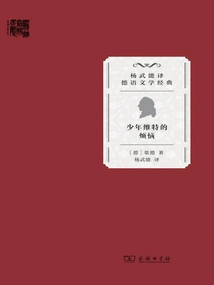
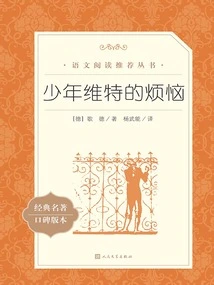
"The Sorrows of Young Werther" is Goethe's masterpiece. It became popular in Europe as soon as it was published, setting off "Werther fever". Young Werther came to a small town with simple folk customs and fell in love with the girl Lotte at first sight; Lotte also liked him, but she was engaged. Werther fell into embarrassment and pain. He left here, hoping to achieve something in his career so that he could be relieved. The despicable environment and the existing order that suppressed individuality made him unbearable. He then died for love.
"The Sorrows of Young Werther" is Goethe's masterpiece. It became popular in Europe as soon as it was published, setting off "Werther fever". Young Werther came to a small town with simple folk customs and fell in love with the girl Lotte at first sight; Lotte also liked him, but she was engaged. Werther fell into embarrassment and pain. He left here, hoping to achieve something in his career so that he could be relieved. The despicable environment and the existing order that suppressed individuality made him unbearable. He then died for love.
L
Literaturel
H
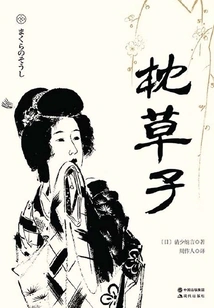
"Pillow" is a collection of essays by Japanese Heian period female writer Seishonagon. Together with another Japanese literary classic "The Tale of Genji", it is known as the twin walls of Japanese Heian period literature. The content covers the seasons and tastes of the four seasons, Buddhist affairs and personnel, and natural scenes such as the capital's landscapes, flowers and birds, vegetation, sun, moon and stars. The writing is free and the words are fresh and bright, showing the beauty of all things and life.
"Pillow" is a collection of essays by Japanese Heian period female writer Seishonagon. Together with another Japanese literary classic "The Tale of Genji", it is known as the twin walls of Japanese Heian period literature. The content covers the seasons and tastes of the four seasons, Buddhist affairs and personnel, and natural scenes such as the capital's landscapes, flowers and birds, vegetation, sun, moon and stars. The writing is free and the words are fresh and bright, showing the beauty of all things and life.
Collection of Essays by Schopenhauer
Literature叔本华随笔集
H
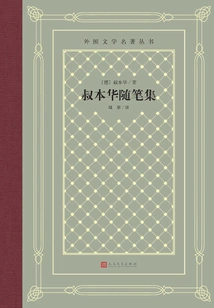
Schopenhauer (1788-1860), a German philosopher, the main interpreter of pessimism and irrational impulses, a pioneer of later life philosophy and existential philosophy, an opponent of Hegel's absolute idealism, and claimed to be the sole heir of Kant. It describes the Dante-like world view of suffering in a beautiful style, using "art" as the only "short-term savior" to get rid of the shackles of will. He is cynical due to being ignored by his contemporaries, but he firmly believes that the truth he represents will win in the end. It was not until a few years before his death that his philosophy was valued by the world. This book collects his famous prose works, including "Thinking About Myself", "On Writing and Style", "On Erudition and Scholars", "On Reading and Books", "On Genius", "On Education", "Similes, Similes and Fables", "On the Principle of Ridiculousness", "On History", etc.
Schopenhauer (1788-1860), a German philosopher, the main interpreter of pessimism and irrational impulses, a pioneer of later life philosophy and existential philosophy, an opponent of Hegel's absolute idealism, and claimed to be the sole heir of Kant. It describes the Dante-like world view of suffering in a beautiful style, using "art" as the only "short-term savior" to get rid of the shackles of will. He is cynical due to being ignored by his contemporaries, but he firmly believes that the truth he represents will win in the end. It was not until a few years before his death that his philosophy was valued by the world. This book collects his famous prose works, including "Thinking About Myself", "On Writing and Style", "On Erudition and Scholars", "On Reading and Books", "On Genius", "On Education", "Similes, Similes and Fables", "On the Principle of Ridiculousness", "On History", etc.
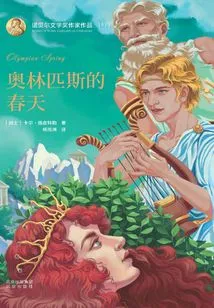
奥林匹斯的春天(诺贝尔文学奖作家作品)
K
The epic poem "Spring of Olympus" is Shi's representative work, with a total poem length of 20,000 lines. It is all written in Alexandrian script and is divided into 5 parts with a total of 33 chapters to tell the mythical story of a genius. Under the arrangement of Ananke, the fate-determiner of the Olympus gods, the gods imprisoned in the lower world returned to the sacred mountain to compete for beauties and the throne. The whole poem is vast in size and involves a wide range of themes, which profoundly reflects the characteristics of the era in which the author lived.
The epic poem "Spring of Olympus" is Shi's representative work, with a total poem length of 20,000 lines. It is all written in Alexandrian script and is divided into 5 parts with a total of 33 chapters to tell the mythical story of a genius. Under the arrangement of Ananke, the fate-determiner of the Olympus gods, the gods imprisoned in the lower world returned to the sacred mountain to compete for beauties and the throne. The whole poem is vast in size and involves a wide range of themes, which profoundly reflects the characteristics of the era in which the author lived.
C
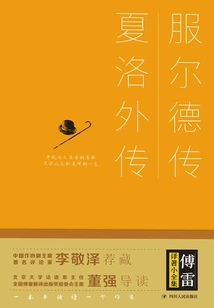
A Complete Collection of Fu Lei's Translations: the Biography of Fulde·charlotte (hardcover)
Literature傅雷译著小全集:服尔德传·夏洛外传(精装)
P
Among all the philosophers of the eighteenth century, he was very famous even though he had very little philosophy. Why is this? Because the eighteenth century was the age of the middle class and the gentry, the age of erudition and frivolity, the age of science and glitz, the heyday of Europe, especially France, and the age of classicism and romance. All these characteristics are concentrated in Fuld. He is a perfect image of the eighteenth century. Everyone knows that there is Chaplin but not Charlotte. But without Charlotte, there would be no Chaplin. Charlotte is the only real person in the world who is innocent and still has a childlike heart. He not only ignores the cynicism, hot curses, and insults in the world, he simply doesn't understand them. He completely does not understand the role of human beings in suppressing each other, so when he suffers a loss, he can only drag his heavy boots to escape: he does not know vanity, so he does not know the so-called pride of victory: he does not know that the same is true for those who resist.
Among all the philosophers of the eighteenth century, he was very famous even though he had very little philosophy. Why is this? Because the eighteenth century was the age of the middle class and the gentry, the age of erudition and frivolity, the age of science and glitz, the heyday of Europe, especially France, and the age of classicism and romance. All these characteristics are concentrated in Fuld. He is a perfect image of the eighteenth century. Everyone knows that there is Chaplin but not Charlotte. But without Charlotte, there would be no Chaplin. Charlotte is the only real person in the world who is innocent and still has a childlike heart. He not only ignores the cynicism, hot curses, and insults in the world, he simply doesn't understand them. He completely does not understand the role of human beings in suppressing each other, so when he suffers a loss, he can only drag his heavy boots to escape: he does not know vanity, so he does not know the so-called pride of victory: he does not know that the same is true for those who resist.
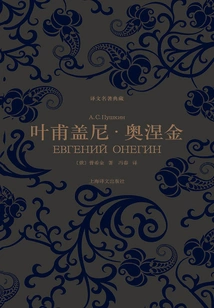
叶甫盖尼·奥涅金(译文名著典藏)
K
"Eugene Onegin" is Russia's first realist work and successfully created the first "superfluous man" image in Russian literature. The protagonist of the work, the aristocratic young man Onegin, lived a luxurious life similar to that of ordinary aristocratic youths. However, under the influence of the atmosphere of the times and the progressive enlightenment ideas at that time, he began to be tired of the empty and boring life of the upper class, and came to the countryside with a desire for a new life, and tried to engage in agricultural reform. However, in the end, Onegin was still in a state of idleness, depression and hesitation, and contracted the typical disease of the times - melancholia. At the manor in the countryside, he became friends with Lensky and his fiancée Olga. Olga's sister Tatyana was simple and passionate. She fell passionately in love with Onegin and bravely wrote to him to express her pure love, but Onegin rejected her. A few years later, at a ball in St. Petersburg, Onegin reunited with Tatyana, who had become the general's wife, and found that he was deeply in love with her. However, Tatyana could not betray her husband. Although she loved Onegin deeply, she still rejected him.
"Eugene Onegin" is Russia's first realist work and successfully created the first "superfluous man" image in Russian literature. The protagonist of the work, the aristocratic young man Onegin, lived a luxurious life similar to that of ordinary aristocratic youths. However, under the influence of the atmosphere of the times and the progressive enlightenment ideas at that time, he began to be tired of the empty and boring life of the upper class, and came to the countryside with a desire for a new life, and tried to engage in agricultural reform. However, in the end, Onegin was still in a state of idleness, depression and hesitation, and contracted the typical disease of the times - melancholia. At the manor in the countryside, he became friends with Lensky and his fiancée Olga. Olga's sister Tatyana was simple and passionate. She fell passionately in love with Onegin and bravely wrote to him to express her pure love, but Onegin rejected her. A few years later, at a ball in St. Petersburg, Onegin reunited with Tatyana, who had become the general's wife, and found that he was deeply in love with her. However, Tatyana could not betray her husband. Although she loved Onegin deeply, she still rejected him.
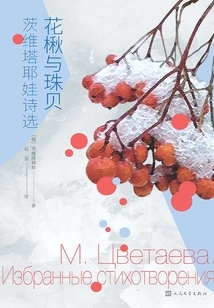
花楸与珠贝:茨维塔耶娃诗选
Y
Tsvetaeva's poems take the themes of life and death, love and art, the times and the motherland as their themes. They are known as immortal and monumental poems and occupy an important position in the history of world literature in the 20th century. She devoted her life to poetry. Her poems express a woman's abundant emotions and love for the world, the sensitive soul of a poet, and the profound insight of an intellectual. Her writing is characterized by delicacy, sharpness, passion, pain and simplicity, and her artistic charm is unique in the history of world poetry.
Tsvetaeva's poems take the themes of life and death, love and art, the times and the motherland as their themes. They are known as immortal and monumental poems and occupy an important position in the history of world literature in the 20th century. She devoted her life to poetry. Her poems express a woman's abundant emotions and love for the world, the sensitive soul of a poet, and the profound insight of an intellectual. Her writing is characterized by delicacy, sharpness, passion, pain and simplicity, and her artistic charm is unique in the history of world poetry.
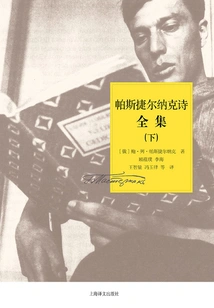
帕斯捷尔纳克诗全集(下)(帕斯捷尔纳克作品系列)
H
"The Complete Poems of Pasternak (Part 2)": Pasternak was a giant of Russian poetry in the 20th century. He experienced the Silver Age, the October Revolution and the "thaw" of the Soviet Union. In his early years, he had the courage to renew his fame in the poetry world, and finally won the Nobel Prize for Literature "for his great achievements in the traditional fields of modern lyric poetry and great Russian novels." This book brings together more than 400 of Pasternak's poems from various periods. It is the most complete collection of Pasternak's poems published in China so far and is an important achievement in Russian literary translation.
"The Complete Poems of Pasternak (Part 2)": Pasternak was a giant of Russian poetry in the 20th century. He experienced the Silver Age, the October Revolution and the "thaw" of the Soviet Union. In his early years, he had the courage to renew his fame in the poetry world, and finally won the Nobel Prize for Literature "for his great achievements in the traditional fields of modern lyric poetry and great Russian novels." This book brings together more than 400 of Pasternak's poems from various periods. It is the most complete collection of Pasternak's poems published in China so far and is an important achievement in Russian literary translation.
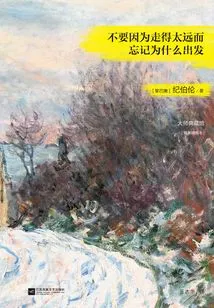
不要因为走得太远而忘记为什么出发
H
This is a collection of lyrical prose with a strong philosophical nature, which embodies all Gibran's efforts and is the pinnacle of his literary and artistic creation. It is eye-catching. The entire work is rich in philosophy and wisdom. It is a book of aphorisms about life, art, love, and human nature, and is worth reading again and again. The book is full of pictures and texts, and the exquisite translation is accompanied by Gibran's own paintings and illustrations, bringing endless reading pleasure to people.
This is a collection of lyrical prose with a strong philosophical nature, which embodies all Gibran's efforts and is the pinnacle of his literary and artistic creation. It is eye-catching. The entire work is rich in philosophy and wisdom. It is a book of aphorisms about life, art, love, and human nature, and is worth reading again and again. The book is full of pictures and texts, and the exquisite translation is accompanied by Gibran's own paintings and illustrations, bringing endless reading pleasure to people.
Aa
Literatureaa
K
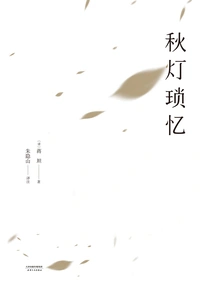
"Memories of Autumn Lanterns" is a prose by Qing Dynasty scholar Jiang Tan reminiscing about trivial matters in daily life with his beloved wife Guan Rong (Guan Qiufu). It is full of elegance, talent, leisurely interest and poetic flavor. The narration of the whole book is vivid, the diction is clear and elegant, and the emotions are pure and touching. After that, Jiang Tan dedicated himself to worshiping Buddha. At the age of 40, his family was trapped in Hangzhou due to war and died of cold and starvation. The sorrow of the impermanence of the world can make people cry. This publication is based on the Qiantang Chiang Chaoyuan publication in the second year of Xianfeng (1852), and is carefully revised with reference to the punctuation typesetting edition of Zhu Jianmang's "Beautiful Literary Masterpiece Series" compiled by World Book Company in 1935. Specially invited Suzhou University teacher and young poet Zhu Yinshan's vernacular translation and annotation, which can be fully understood without any basic knowledge of ancient Chinese. The appendix is the preface to the first edition in the second year of Xianfeng, which includes "Hundred Poems by Chiang and Guan" and "Chronology and Biographies" as an aid to understanding Chiang and Guan.
"Memories of Autumn Lanterns" is a prose by Qing Dynasty scholar Jiang Tan reminiscing about trivial matters in daily life with his beloved wife Guan Rong (Guan Qiufu). It is full of elegance, talent, leisurely interest and poetic flavor. The narration of the whole book is vivid, the diction is clear and elegant, and the emotions are pure and touching. After that, Jiang Tan dedicated himself to worshiping Buddha. At the age of 40, his family was trapped in Hangzhou due to war and died of cold and starvation. The sorrow of the impermanence of the world can make people cry. This publication is based on the Qiantang Chiang Chaoyuan publication in the second year of Xianfeng (1852), and is carefully revised with reference to the punctuation typesetting edition of Zhu Jianmang's "Beautiful Literary Masterpiece Series" compiled by World Book Company in 1935. Specially invited Suzhou University teacher and young poet Zhu Yinshan's vernacular translation and annotation, which can be fully understood without any basic knowledge of ancient Chinese. The appendix is the preface to the first edition in the second year of Xianfeng, which includes "Hundred Poems by Chiang and Guan" and "Chronology and Biographies" as an aid to understanding Chiang and Guan.
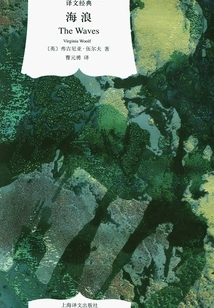
Waves (translation Classic)
Literature海浪(译文经典)
H
"The Waves" is Woolf's work at the peak of her creative power and was published in 1931. This highly poetic, abstract and stylized experimental work does not have a story in the strict sense, but is more like a musical work composed of nine movements: each introduction is an exquisite prose poem, using the ebb and flow of the sun and waves to correspond to the ups and downs of life; following each introduction are the momentary inner monologues of six highly formalized characters without surnames in their respective life stages - from childhood, studenthood, youth, middle age to old age. The introduction and the main text map each other, opening up unprecedented and nuanced channels for the readers' senses, and getting closer to the essence of life, time, consciousness and feeling to the maximum extent. This is a work that occupies an important position in modern literature and palaces. To this day, it still stirs our souls with its exquisite text structure and poetic style.
"The Waves" is Woolf's work at the peak of her creative power and was published in 1931. This highly poetic, abstract and stylized experimental work does not have a story in the strict sense, but is more like a musical work composed of nine movements: each introduction is an exquisite prose poem, using the ebb and flow of the sun and waves to correspond to the ups and downs of life; following each introduction are the momentary inner monologues of six highly formalized characters without surnames in their respective life stages - from childhood, studenthood, youth, middle age to old age. The introduction and the main text map each other, opening up unprecedented and nuanced channels for the readers' senses, and getting closer to the essence of life, time, consciousness and feeling to the maximum extent. This is a work that occupies an important position in modern literature and palaces. To this day, it still stirs our souls with its exquisite text structure and poetic style.
Y
Literaturey
I
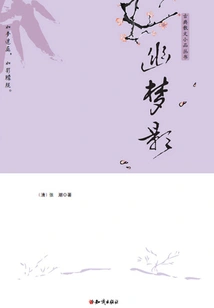
There are 219 chapters in the book. The author carefully and attentively observes life and nature, as blurry as a dream, as hazy as a shadow, which is completely an artist's feeling and experience of life. Although there are not many words, the content is relatively complex, including the publication note 2, which contains the author's pursuit of life, such as listening to sounds, talking about wine, landscapes, flowers, moon, beauties, etc., As well as the author's understanding of life and life experiences.
There are 219 chapters in the book. The author carefully and attentively observes life and nature, as blurry as a dream, as hazy as a shadow, which is completely an artist's feeling and experience of life. Although there are not many words, the content is relatively complex, including the publication note 2, which contains the author's pursuit of life, such as listening to sounds, talking about wine, landscapes, flowers, moon, beauties, etc., As well as the author's understanding of life and life experiences.
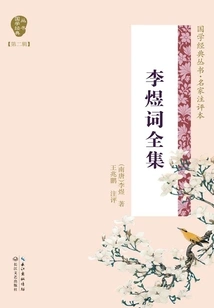
The Complete Collection of Li Yu's Ci Poems (chinese Classics Series·comments by Famous Masters)
Literature李煜词全集(国学经典丛书·名家注评本)
K
"The Complete Collection of Li Yu's Ci" includes the Ci of two masters of the Southern Tang Dynasty, Li Yu, Li Jing and Feng Yansi. Each poem has detailed notes and comments, making it suitable for ordinary readers. The three poems represent the overall style and highest achievements of Southern Tang poetry. At the back of the book are biographical information and commentary on the two Southern Tang masters for readers to understand their lives and creative styles.
"The Complete Collection of Li Yu's Ci" includes the Ci of two masters of the Southern Tang Dynasty, Li Yu, Li Jing and Feng Yansi. Each poem has detailed notes and comments, making it suitable for ordinary readers. The three poems represent the overall style and highest achievements of Southern Tang poetry. At the back of the book are biographical information and commentary on the two Southern Tang masters for readers to understand their lives and creative styles.
A
LiteratureA
H
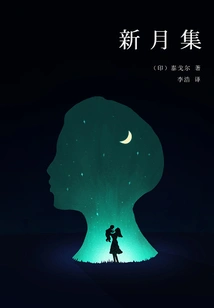
"Crescent Moon Collection" is a collection of poems written by Indian poet Rabindranath Tagore. It is mainly translated from the Bengali poetry collection "Children's Collection" published in 1903, as well as some English poems. The collection of poems focuses on depicting innocent and lovely children. The poet has created a number of angelic children's artistic images that are both spiritual and physical, sparkling. The mother in the poem has a holy radiance. The little poems describe the child's innocence, the mother's love for the child, and the child's attachment to the mother, full of true feelings and childishness. The translator's poem translation not only ensures accurate translation, but also adds a sense of rhythm to the poem, which is more in line with Chinese language habits and has the characteristics of Chinese poetry. Based on everyone's translation, this collection of poems has been re-translated using expressions that are more consistent with modern people's language habits for everyone to appreciate together.
"Crescent Moon Collection" is a collection of poems written by Indian poet Rabindranath Tagore. It is mainly translated from the Bengali poetry collection "Children's Collection" published in 1903, as well as some English poems. The collection of poems focuses on depicting innocent and lovely children. The poet has created a number of angelic children's artistic images that are both spiritual and physical, sparkling. The mother in the poem has a holy radiance. The little poems describe the child's innocence, the mother's love for the child, and the child's attachment to the mother, full of true feelings and childishness. The translator's poem translation not only ensures accurate translation, but also adds a sense of rhythm to the poem, which is more in line with Chinese language habits and has the characteristics of Chinese poetry. Based on everyone's translation, this collection of poems has been re-translated using expressions that are more consistent with modern people's language habits for everyone to appreciate together.
Selected Poems of Hugo
Literature雨果诗选
H
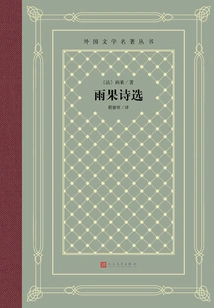
This book is a translation of selected excellent poems from Victor Hugo's major collections of poems: Odes, New Odes, Odes and Long Songs, Song of the East, Autumn Leaves, Songs of Evening, Voices of the Heart, Light and Shadow, Contemplation, and the epics Legends of the Ages, God, and The Last Days of Satan.
This book is a translation of selected excellent poems from Victor Hugo's major collections of poems: Odes, New Odes, Odes and Long Songs, Song of the East, Autumn Leaves, Songs of Evening, Voices of the Heart, Light and Shadow, Contemplation, and the epics Legends of the Ages, God, and The Last Days of Satan.
献歌集 流萤集(泰戈尔英文诗集全译)
H
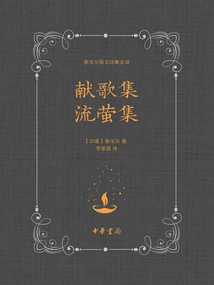
"Song Collection" (old translation "Gitanjali") is one of Tagore's most representative collections of poetry and the main work that won him the Nobel Prize for Literature in 1913. "Song Collection" contains 103 prose poems, which are "fragrant flowers and fruits dedicated to the gods". In his poems, Tagore jumped out of the framework of traditional religion and regarded gods as a universal spiritual force, closely connected with all things in the universe and human life. This collection of poems also includes an introduction written by Yeats, another Nobel Prize winner, the famous Irish poet, the 1913 Nobel Prize for Literature award speech and the dinner speech. "The Collection of Flowing Fireflies" contains 258 short poems, and together with "The Collection of Wandering Birds" is known as the two short poems in Rabindranath Tagore's poetry collection. "The Collection of Flowing Fireflies" originated from Tagore's trip to Japan and China. The poems in it were creatively influenced by Japanese haiku and Chinese quatrains. They are short and readable yet have long meanings, and are full of the poet's profound perception of life.
"Song Collection" (old translation "Gitanjali") is one of Tagore's most representative collections of poetry and the main work that won him the Nobel Prize for Literature in 1913. "Song Collection" contains 103 prose poems, which are "fragrant flowers and fruits dedicated to the gods". In his poems, Tagore jumped out of the framework of traditional religion and regarded gods as a universal spiritual force, closely connected with all things in the universe and human life. This collection of poems also includes an introduction written by Yeats, another Nobel Prize winner, the famous Irish poet, the 1913 Nobel Prize for Literature award speech and the dinner speech. "The Collection of Flowing Fireflies" contains 258 short poems, and together with "The Collection of Wandering Birds" is known as the two short poems in Rabindranath Tagore's poetry collection. "The Collection of Flowing Fireflies" originated from Tagore's trip to Japan and China. The poems in it were creatively influenced by Japanese haiku and Chinese quatrains. They are short and readable yet have long meanings, and are full of the poet's profound perception of life.
Twenty Love Poems and a Song of Despair
Literature二十首情诗和一首绝望的歌
I
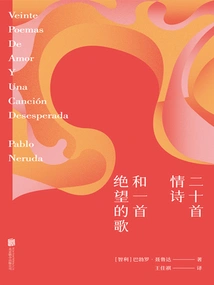
"Twenty Love Poems and a Song of Despair" is one of Neruda's most famous collections of poems. The poet was not yet 20 years old when this work was published in 1924, but since then Neruda's name has become world-famous along with lines such as "Love is so short, but forgetting is so long" and "I want to do to you what spring does to the cherry tree" in the collection of poems. Throughout the work, the poet narrates his memories of love in sad monologues, and describes his experience of contact with women and nature with almost sensual passion. His desire, passion, loneliness and alienation are revealed between the lines, creating an atmosphere of love where beauty and sadness blend.
"Twenty Love Poems and a Song of Despair" is one of Neruda's most famous collections of poems. The poet was not yet 20 years old when this work was published in 1924, but since then Neruda's name has become world-famous along with lines such as "Love is so short, but forgetting is so long" and "I want to do to you what spring does to the cherry tree" in the collection of poems. Throughout the work, the poet narrates his memories of love in sad monologues, and describes his experience of contact with women and nature with almost sensual passion. His desire, passion, loneliness and alienation are revealed between the lines, creating an atmosphere of love where beauty and sadness blend.
P
Literaturep
I
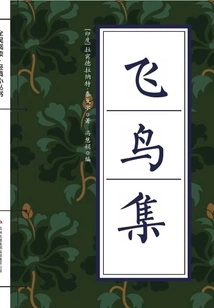
"Birds" is Rabindranath Tagore's masterpiece and one of the outstanding poetry collections in the world. The translator Zheng Zhenduo once affectionately praised this collection of poems for "containing profound truths", "like clusters of wild flowers on the hillside grass, stretching out their heads one after another under the morning sun. Whatever you like, the colors and fragrances are diverse."
"Birds" is Rabindranath Tagore's masterpiece and one of the outstanding poetry collections in the world. The translator Zheng Zhenduo once affectionately praised this collection of poems for "containing profound truths", "like clusters of wild flowers on the hillside grass, stretching out their heads one after another under the morning sun. Whatever you like, the colors and fragrances are diverse."
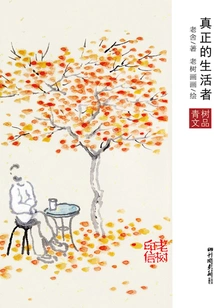
Real Life Person
Literature真正的生活者
H
The most distinctive selection of Mr. Lao She's works is a unique collection of Lao She's autobiographical essays. Each chapter is classic and every word is touching, full of the human fireworks of Lao She's life. The old trees are painted with great affection, and the ink and wash reproduce the feelings of scholars in the Republic of China. The pictures and texts depict Lao She's life feelings. A person cannot choose the era in which he lives, but he can choose the direction of his own soul - Mr. Lao She's literary style is like his own person, and he is worthy of being a real lifer throughout his life. Speaking of Lao She, we may immediately think of "Camel Xiangzi" and "Teahouse". In fact, the literary and cultural value of Lao She's prose is no less than his novels and plays. Lao She's prose is rich in content, beautiful and full of iconic humor. Different from his novels, through these unabashed words full of life, we can get closer to the real Lao She.
The most distinctive selection of Mr. Lao She's works is a unique collection of Lao She's autobiographical essays. Each chapter is classic and every word is touching, full of the human fireworks of Lao She's life. The old trees are painted with great affection, and the ink and wash reproduce the feelings of scholars in the Republic of China. The pictures and texts depict Lao She's life feelings. A person cannot choose the era in which he lives, but he can choose the direction of his own soul - Mr. Lao She's literary style is like his own person, and he is worthy of being a real lifer throughout his life. Speaking of Lao She, we may immediately think of "Camel Xiangzi" and "Teahouse". In fact, the literary and cultural value of Lao She's prose is no less than his novels and plays. Lao She's prose is rich in content, beautiful and full of iconic humor. Different from his novels, through these unabashed words full of life, we can get closer to the real Lao She.
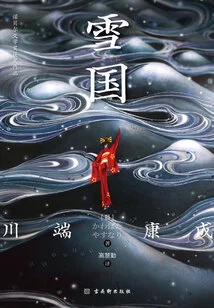
Snow Country (nobel Prize-winning Work)
Literature雪国(诺贝尔文学奖获奖作品)
H
"Snow Country" is one of Kawabata Yasunari's Nobel Prize-winning works. Youth Island Village went to the snowy snow country three times. There, he met two girls with completely different personalities - the enthusiastic geisha Komako and the cold girl Ye Zi. Since then, several people have been involved in long-term entanglements, until a fire breaks out unexpectedly...
"Snow Country" is one of Kawabata Yasunari's Nobel Prize-winning works. Youth Island Village went to the snowy snow country three times. There, he met two girls with completely different personalities - the enthusiastic geisha Komako and the cold girl Ye Zi. Since then, several people have been involved in long-term entanglements, until a fire breaks out unexpectedly...
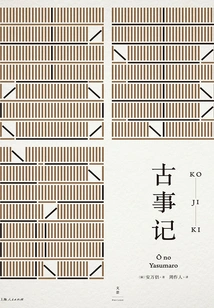
J
Literaturej
K
"Kojiki" was written in 712. It is the first written classic in Japanese history and one of the earliest extant Japanese literary works. The book is divided into three volumes. The first volume records the origins and myths and legends of Japanese gods, focusing on the formation of Japan's territory and the beginning of the emperor. The two gods Ienaki and Ienami created the country on the orders of the gods. They entered into a divine marriage and gave birth to children to the gods. After things such as "relinquishing the kingdom" and "descending from heaven", the descendant of Amaterasu Omikami, the god Waiha Rebi Komei, was finally born. Emperor Jinmu, the first emperor of Japan, ruled the China of Weihara according to the destiny. The middle volume and the second volume are the records and legends of the thirty-three generations of Japanese emperors from Emperor Jimmu to Emperor Suiko. Historical facts are mixed with fiction. The records mainly focus on the Japanese emperor's conquests and quelling chaos, administrative structures, royal family legends, etc.
"Kojiki" was written in 712. It is the first written classic in Japanese history and one of the earliest extant Japanese literary works. The book is divided into three volumes. The first volume records the origins and myths and legends of Japanese gods, focusing on the formation of Japan's territory and the beginning of the emperor. The two gods Ienaki and Ienami created the country on the orders of the gods. They entered into a divine marriage and gave birth to children to the gods. After things such as "relinquishing the kingdom" and "descending from heaven", the descendant of Amaterasu Omikami, the god Waiha Rebi Komei, was finally born. Emperor Jinmu, the first emperor of Japan, ruled the China of Weihara according to the destiny. The middle volume and the second volume are the records and legends of the thirty-three generations of Japanese emperors from Emperor Jimmu to Emperor Suiko. Historical facts are mixed with fiction. The records mainly focus on the Japanese emperor's conquests and quelling chaos, administrative structures, royal family legends, etc.
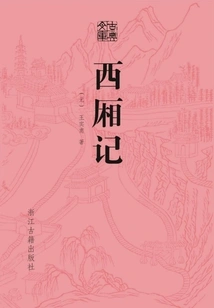
西厢记(古典文库)
P
This book is a classic opera masterpiece based on the love story of Cui Yingying and Zhang Junrui. There are five books in total with 20% off. Wang Shifu's "The Romance of the West Chamber" was re-created on the basis of absorbing nutrients from previous literary and artistic works, especially "Dong Xixiang". In terms of the theme, characters, and plot of the story, it basically follows "Dong Xixiang". However, the theme of praising the love-based union of Zhang Sheng and Cui Yingying and praising their rebellious spirit that impacted the feudal ethics and feudal marriage system is more focused and prominent. The characters are more vivid and full, the plot structure is more compact and unified, and the details are meticulously described. In particular, its lyrics are gorgeous and colorful, so it surpasses the former in terms of artistic achievements.
This book is a classic opera masterpiece based on the love story of Cui Yingying and Zhang Junrui. There are five books in total with 20% off. Wang Shifu's "The Romance of the West Chamber" was re-created on the basis of absorbing nutrients from previous literary and artistic works, especially "Dong Xixiang". In terms of the theme, characters, and plot of the story, it basically follows "Dong Xixiang". However, the theme of praising the love-based union of Zhang Sheng and Cui Yingying and praising their rebellious spirit that impacted the feudal ethics and feudal marriage system is more focused and prominent. The characters are more vivid and full, the plot structure is more compact and unified, and the details are meticulously described. In particular, its lyrics are gorgeous and colorful, so it surpasses the former in terms of artistic achievements.
Yaksha Pond
Literature夜叉池
I
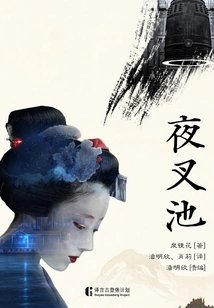
A long time ago, in a remote Japanese mountain village, the Yasha Pond on the mountain often burst its banks and flooded, endangering the villagers. This legend has been passed down from generation to generation. In modern times, only one old man still sticks to this legend and rings the bell on time. Before his death, the old man entrusted the task of ringing the bell to Akira Hagiwara, a young man who escaped from urban civilization. He and his wife Lily guarded the place and lived a simple and happy life. However, those people in the village who have lost their faith resent the lives of the two, and their violent actions seem to have gradually awakened the long-dormant Yashachi... The script cleverly uses the concept of bells to interweave the descriptions of the mortal world and the other world, forming a dual structure. This work has been staged many times by Noh performing artists, and the film adaptation was directed by Masahiro Shinoda. In 2004, the famous cult film director Miike Takashi adapted it into a stage play.
A long time ago, in a remote Japanese mountain village, the Yasha Pond on the mountain often burst its banks and flooded, endangering the villagers. This legend has been passed down from generation to generation. In modern times, only one old man still sticks to this legend and rings the bell on time. Before his death, the old man entrusted the task of ringing the bell to Akira Hagiwara, a young man who escaped from urban civilization. He and his wife Lily guarded the place and lived a simple and happy life. However, those people in the village who have lost their faith resent the lives of the two, and their violent actions seem to have gradually awakened the long-dormant Yashachi... The script cleverly uses the concept of bells to interweave the descriptions of the mortal world and the other world, forming a dual structure. This work has been staged many times by Noh performing artists, and the film adaptation was directed by Masahiro Shinoda. In 2004, the famous cult film director Miike Takashi adapted it into a stage play.
J
Literaturej
F
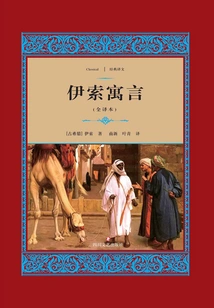
Aesop lived in ancient Greece in the 6th century BC. He was once a slave, and his divine wisdom and suffering life experience made him a great wise man. When he was released from slavery and gained freedom because of his intelligence, he did not become a priest. Instead, he chose the profession of bard and traveled around, telling fables and spreading wisdom to the uninformed lower-class slaves.
Aesop lived in ancient Greece in the 6th century BC. He was once a slave, and his divine wisdom and suffering life experience made him a great wise man. When he was released from slavery and gained freedom because of his intelligence, he did not become a priest. Instead, he chose the profession of bard and traveled around, telling fables and spreading wisdom to the uninformed lower-class slaves.
J
Literaturej
K
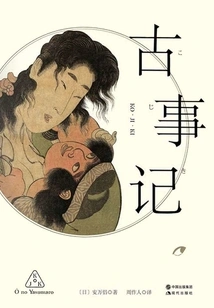
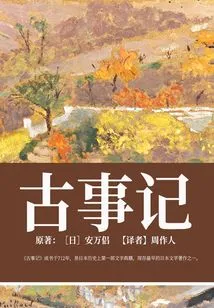
"Kojiki" is the first written classic in Japanese history and one of the earliest existing Japanese literary works. The content is to record some ancient legends and stories. The text and content are deeply influenced by India and China, and can be regarded as the origin of Japanese national mythology. Zhou Zuoren's translation is the best in China.
"Kojiki" is the first written classic in Japanese history and one of the earliest existing Japanese literary works. The content is to record some ancient legends and stories. The text and content are deeply influenced by India and China, and can be regarded as the origin of Japanese national mythology. Zhou Zuoren's translation is the best in China.
H
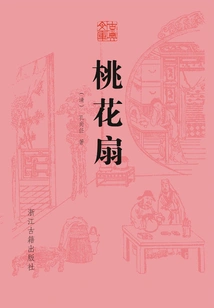
Peach Blossom Fan (classical Library)
Literature桃花扇(古典文库)
Z
This book shows that Hou Fangyu, a famous scholar in the late Fushe, fell in love with Li Xiangjun, a famous Qinhuai prostitute. Ruan Dacheng, a remnant of the eunuch party, tried to win over Hou Fangyu, but failed due to Li Xiangjun's opposition and turned to the treacherous minister Ma Shiying. Ma, Ruan and others welcomed King Fu, controlled the government, excluded and attacked decent people. Hou Fangyu was forced to rely on Shi Kefa, and Li Xiangjun was also selected into the palace. Later, when the Qing troops went south and captured Nanjing, Hou and Li were reunited at Qixia Mountain in Nanjing, and eventually became monks together. The script takes the marriage of Hou and Li as its sutra and the painful history of the Ming Dynasty as its weft. It depicts the rise and fall of the Hongguang Dynasty in the Southern Ming Dynasty and reveals the inevitable fall of the Hongguang Dynasty.
This book shows that Hou Fangyu, a famous scholar in the late Fushe, fell in love with Li Xiangjun, a famous Qinhuai prostitute. Ruan Dacheng, a remnant of the eunuch party, tried to win over Hou Fangyu, but failed due to Li Xiangjun's opposition and turned to the treacherous minister Ma Shiying. Ma, Ruan and others welcomed King Fu, controlled the government, excluded and attacked decent people. Hou Fangyu was forced to rely on Shi Kefa, and Li Xiangjun was also selected into the palace. Later, when the Qing troops went south and captured Nanjing, Hou and Li were reunited at Qixia Mountain in Nanjing, and eventually became monks together. The script takes the marriage of Hou and Li as its sutra and the painful history of the Ming Dynasty as its weft. It depicts the rise and fall of the Hongguang Dynasty in the Southern Ming Dynasty and reveals the inevitable fall of the Hongguang Dynasty.
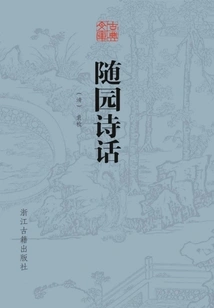
Suiyuan Poems (classical Library)
Literature随园诗话(古典文库)
G
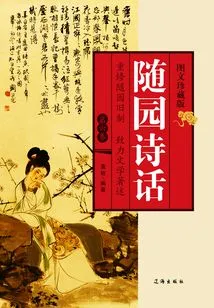
"Suiyuan Poetry Talk" is Yuan Mei's main work on poetry, which embodies Yuan Mei's idea of emphasizing spirituality in poetry. The "spiritual nature" he advocates is that poetry should express one's feelings and speak naturally, without paying too much attention to the size of the realm and the level of style.
"Suiyuan Poetry Talk" is Yuan Mei's main work on poetry, which embodies Yuan Mei's idea of emphasizing spirituality in poetry. The "spiritual nature" he advocates is that poetry should express one's feelings and speak naturally, without paying too much attention to the size of the realm and the level of style.
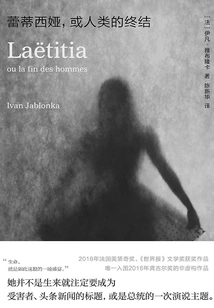
Leticia, or the End of Humanity
Literature蕾蒂西娅,或人类的终结
Y
In 2011, a rape and murder occurred in Pornic in western France. The victim was an 18-year-old girl, Leticia. After the murderer dismembered her, she dumped her body in two ponds 50 kilometers apart. This chilling tragedy shocked the whole of France and attracted the attention of the whole of France, including then-President Nicolas Sarkozy. However, the author found that the media and the public focused on the cruelty of the case and judicial reform, but there was a lack of exploration of the character of Leticia and the deep-seated issues behind it. He spent two full years interviewing people related to the case, and reconstructed Leticia's life and the entire process of her murder in this book.
In 2011, a rape and murder occurred in Pornic in western France. The victim was an 18-year-old girl, Leticia. After the murderer dismembered her, she dumped her body in two ponds 50 kilometers apart. This chilling tragedy shocked the whole of France and attracted the attention of the whole of France, including then-President Nicolas Sarkozy. However, the author found that the media and the public focused on the cruelty of the case and judicial reform, but there was a lack of exploration of the character of Leticia and the deep-seated issues behind it. He spent two full years interviewing people related to the case, and reconstructed Leticia's life and the entire process of her murder in this book.
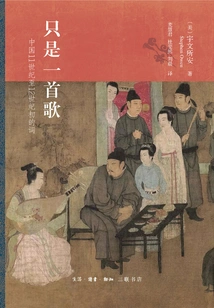
只是一首歌:中国11世纪至12世纪初的词
Q
The author focuses on and traces how during the Northern Song Dynasty, lyrics evolved from performance texts for banquets to add to the entertainment, through the processes of creation, singing, copying, and collection, and finally evolved into an independent literary genre, gradually gaining an orthodox status alongside poetry. On the one hand, Yuwen Suo'an regards the history of Ci as "the history of Ci collections" rather than "the history of Ci poets" from a new perspective such as performance practice, text dissemination, author issues, compilation and evolution of Ci collections; on the other hand, he also pays close attention to representative Ci poets such as Liu Yong, Yan Jidao, Su Shi, Qin Guan, He We conduct textual interpretations of the works of Zhu Zhu, Zhou Bangyan, Li Qingzhao and others, analyze their different stylistic characteristics and the correlation and influence between them, and strive to present the diachronic development of Ci and its authorization, stylization and canonization process from multiple levels.
The author focuses on and traces how during the Northern Song Dynasty, lyrics evolved from performance texts for banquets to add to the entertainment, through the processes of creation, singing, copying, and collection, and finally evolved into an independent literary genre, gradually gaining an orthodox status alongside poetry. On the one hand, Yuwen Suo'an regards the history of Ci as "the history of Ci collections" rather than "the history of Ci poets" from a new perspective such as performance practice, text dissemination, author issues, compilation and evolution of Ci collections; on the other hand, he also pays close attention to representative Ci poets such as Liu Yong, Yan Jidao, Su Shi, Qin Guan, He We conduct textual interpretations of the works of Zhu Zhu, Zhou Bangyan, Li Qingzhao and others, analyze their different stylistic characteristics and the correlation and influence between them, and strive to present the diachronic development of Ci and its authorization, stylization and canonization process from multiple levels.
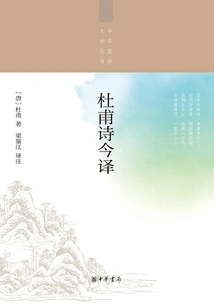
杜甫诗今译(中华聚珍文学丛书)
G
This book selects 112 classic works from Du Fu's poetry, each of which consists of four sections: 1. A brief introduction to the relevant background and allusions. 2. The original text of the poem. 3. Clear and easy-to-understand vernacular translation, which corresponds to the original text sentence by sentence, making it easy to understand. 4. Notes on key words. At the same time, there is a long introduction written by experts at the front of the book, which comprehensively introduces Du Fu's life and achievements, so that readers can get a macro and comprehensive understanding. At the back of the book is a compendium of Du Fu's chronology for easy searching. The book explains the profound things in simple terms and can be appreciated by both refined and popular people. It is a good introductory book for learning and appreciating Du Fu's poetry.
This book selects 112 classic works from Du Fu's poetry, each of which consists of four sections: 1. A brief introduction to the relevant background and allusions. 2. The original text of the poem. 3. Clear and easy-to-understand vernacular translation, which corresponds to the original text sentence by sentence, making it easy to understand. 4. Notes on key words. At the same time, there is a long introduction written by experts at the front of the book, which comprehensively introduces Du Fu's life and achievements, so that readers can get a macro and comprehensive understanding. At the back of the book is a compendium of Du Fu's chronology for easy searching. The book explains the profound things in simple terms and can be appreciated by both refined and popular people. It is a good introductory book for learning and appreciating Du Fu's poetry.
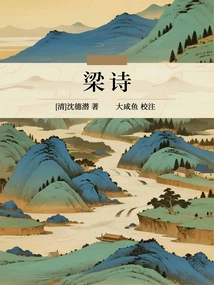
Liang Shi
Literature梁诗
H
The poetry of the Liang Dynasty is beautiful and diverse. The prosperity of the palace style poetry, the new changes in frontier fortresses and landscapes, the criticism of ethical priorities, and the beauty of form all constitute the specific historical status of the poetry of the Liang Dynasty. Usually, Qi and Liang poems are reviewed together. Shen Deqian integrated the style, rhythm, and poetry into a unified system by selecting and commenting on Qi and Liang poems: affirming the innovation of rhythm and criticizing Qi Mi's style of writing; he praised Xie Tiao and He Xun's "Qing Qi" and denounced Xiao Gang and Xu Ling's "obscene beauty", thus constructing a "retrospective Ming Dao" poetic path. Qi and Liang poems were also preserved in the long history due to Shen Deqian's selection, and there are no more scattered anecdotes. It has been passed down to this day and has become a precious historical material.
The poetry of the Liang Dynasty is beautiful and diverse. The prosperity of the palace style poetry, the new changes in frontier fortresses and landscapes, the criticism of ethical priorities, and the beauty of form all constitute the specific historical status of the poetry of the Liang Dynasty. Usually, Qi and Liang poems are reviewed together. Shen Deqian integrated the style, rhythm, and poetry into a unified system by selecting and commenting on Qi and Liang poems: affirming the innovation of rhythm and criticizing Qi Mi's style of writing; he praised Xie Tiao and He Xun's "Qing Qi" and denounced Xiao Gang and Xu Ling's "obscene beauty", thus constructing a "retrospective Ming Dao" poetic path. Qi and Liang poems were also preserved in the long history due to Shen Deqian's selection, and there are no more scattered anecdotes. It has been passed down to this day and has become a precious historical material.
U
M
Literaturem
H
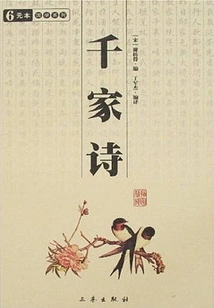
"Poems of a Thousand Families" is a merger of "Poems of a Thousand Families" compiled by Xie Fangde of the Song Dynasty (all seven-character rhymed poems) and "Poems of a Thousand Families in Five Characters" selected by Wang Xiang of the Ming Dynasty. It is an anthology of enlightenment poems in the old days of our country. Most of the poems selected in it are famous poems from the Tang and Song Dynasties, which are easy to learn and understand, with diverse themes. The content involves various aspects such as landscapes and pastoral, farewell to friends, homesickness and nostalgia, mourning the past and regretting the present, chanting objects and paintings, serving banquets, etc. It broadly reflects the social reality of the Tang and Song Dynasties, so it is widely circulated among the people and has a profound influence. It has the greatest influence among the selected readings of Chinese classical poetry, and has benefited as many people as the sand in the Ganges River. It and "Three Hundred Tang Poems" compiled and selected by Hengtang retired scholars are called the "double treasures" of the Poetry Garden.
"Poems of a Thousand Families" is a merger of "Poems of a Thousand Families" compiled by Xie Fangde of the Song Dynasty (all seven-character rhymed poems) and "Poems of a Thousand Families in Five Characters" selected by Wang Xiang of the Ming Dynasty. It is an anthology of enlightenment poems in the old days of our country. Most of the poems selected in it are famous poems from the Tang and Song Dynasties, which are easy to learn and understand, with diverse themes. The content involves various aspects such as landscapes and pastoral, farewell to friends, homesickness and nostalgia, mourning the past and regretting the present, chanting objects and paintings, serving banquets, etc. It broadly reflects the social reality of the Tang and Song Dynasties, so it is widely circulated among the people and has a profound influence. It has the greatest influence among the selected readings of Chinese classical poetry, and has benefited as many people as the sand in the Ganges River. It and "Three Hundred Tang Poems" compiled and selected by Hengtang retired scholars are called the "double treasures" of the Poetry Garden.
Western Mythology
Literature西方神话故事
L
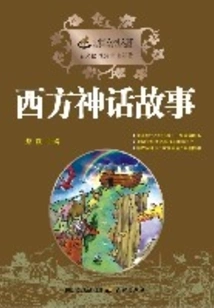
Leto is the daughter of the Titans and the famous dark goddess. She is the sixth wife of the main god Zeus. At first, Queen Hera discovered that Zeus and...
Leto is the daughter of the Titans and the famous dark goddess. She is the sixth wife of the main god Zeus. At first, Queen Hera discovered that Zeus and...
K
Literaturek
H
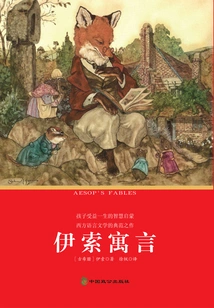
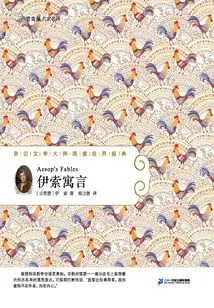
"Aesop's Fables" is the world's earliest collection of fables, a model of Western fable literature, and one of the most widely circulated classic works in the world. There are many translations of "Aesop's Fables". This book is translated based on Townsend's "authoritative English translation" and includes 310 fables. Most of them are animal stories, using animals as metaphors to teach people how to behave in life. In addition to animal themes, there are also stories about people, gods, nature and other themes. These stories are concise, concise, and approachable, but they are profound in meaning and rich in philosophy.
"Aesop's Fables" is the world's earliest collection of fables, a model of Western fable literature, and one of the most widely circulated classic works in the world. There are many translations of "Aesop's Fables". This book is translated based on Townsend's "authoritative English translation" and includes 310 fables. Most of them are animal stories, using animals as metaphors to teach people how to behave in life. In addition to animal themes, there are also stories about people, gods, nature and other themes. These stories are concise, concise, and approachable, but they are profound in meaning and rich in philosophy.
最忆西窗同剪烛:纳兰容若词全集
H
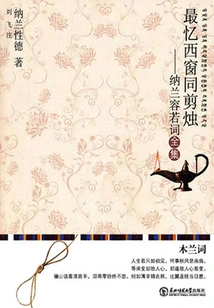
"Most Reminiscent of the Western Window and Cutting Candles: The Complete Collection of Nalan Rongruo's Poems" collects Nalan Rongruo's poetry works. "Most Reminiscent of the West Window Cutting the Candle: The Complete Works of Nalan Rongruo's Ci" includes works such as Dreaming of Jiangnan·Jiangnan is Good, Jianye Old Chang'an, Dreaming of Jiangnan·Jiangnan is Good, The City Tower is Scenic, Dreaming of Jiangnan·Jiangnan is Good, Nostalgia Who Passes on, Dreaming of Jiangnan·Jiangnan is Good, Hufu Late Autumn, Dreaming of Jiangnan·Jiangnan is Good, Really Come to Liangxi and other works.
"Most Reminiscent of the Western Window and Cutting Candles: The Complete Collection of Nalan Rongruo's Poems" collects Nalan Rongruo's poetry works. "Most Reminiscent of the West Window Cutting the Candle: The Complete Works of Nalan Rongruo's Ci" includes works such as Dreaming of Jiangnan·Jiangnan is Good, Jianye Old Chang'an, Dreaming of Jiangnan·Jiangnan is Good, The City Tower is Scenic, Dreaming of Jiangnan·Jiangnan is Good, Nostalgia Who Passes on, Dreaming of Jiangnan·Jiangnan is Good, Hufu Late Autumn, Dreaming of Jiangnan·Jiangnan is Good, Really Come to Liangxi and other works.
I
Literaturei
J
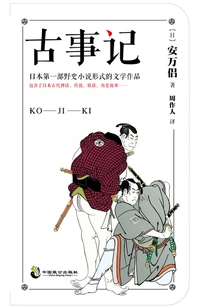
"Kojiki" systematically records Japanese myths and legends, and launches a tour of Japan's origins and style in ancient and unrestrained stories. The book is divided into three volumes. The first volume records the origins and myths and legends of Japanese gods, focusing on the formation of Japan's territory and the beginning of the emperor. The middle volume and the second volume are the records and legends of the thirty-three generations of Japanese emperors from Emperor Jimmu to Emperor Suiko. Historical facts are mixed with fiction. The records mainly focus on the Japanese emperor's conquests and quelling chaos, administrative structures, royal family legends, etc.
"Kojiki" systematically records Japanese myths and legends, and launches a tour of Japan's origins and style in ancient and unrestrained stories. The book is divided into three volumes. The first volume records the origins and myths and legends of Japanese gods, focusing on the formation of Japan's territory and the beginning of the emperor. The middle volume and the second volume are the records and legends of the thirty-three generations of Japanese emperors from Emperor Jimmu to Emperor Suiko. Historical facts are mixed with fiction. The records mainly focus on the Japanese emperor's conquests and quelling chaos, administrative structures, royal family legends, etc.
J
LiteratureJ
G
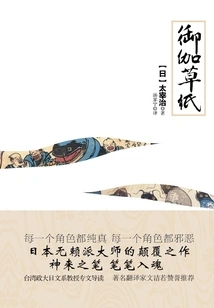
"Gogakuji" is a collection of stories based on traditional Japanese folk tales written by Osamu Dazai while hiding in an air raid shelter during World War II. Osamu Dazai's overturned "Okagamu", because the story is full of helplessness about human nature and real destiny, makes the originally simple and innocent story become a tragic comedy of life full of the beauty of addiction that is more suitable for the adult world. In addition to the stories included in the original "Okagakuji", this book also specially includes two rewriting works by Osamu Dazai, "Bamboo Green" and "Poverty Tales", which were adapted from Pu Songling's "Strange Stories from a Chinese Studio". Chinese country stories, interpreted by Osamu Dazai in his wanton style, together with the classic Japanese folk tales interpreted by Osamu Dazai, have become a vehicle for Osamu Dazai to depict the absurdity of human nature.
"Gogakuji" is a collection of stories based on traditional Japanese folk tales written by Osamu Dazai while hiding in an air raid shelter during World War II. Osamu Dazai's overturned "Okagamu", because the story is full of helplessness about human nature and real destiny, makes the originally simple and innocent story become a tragic comedy of life full of the beauty of addiction that is more suitable for the adult world. In addition to the stories included in the original "Okagakuji", this book also specially includes two rewriting works by Osamu Dazai, "Bamboo Green" and "Poverty Tales", which were adapted from Pu Songling's "Strange Stories from a Chinese Studio". Chinese country stories, interpreted by Osamu Dazai in his wanton style, together with the classic Japanese folk tales interpreted by Osamu Dazai, have become a vehicle for Osamu Dazai to depict the absurdity of human nature.
D
Schopenhauer's Scientific Essays
Literature叔本华科学随笔
H
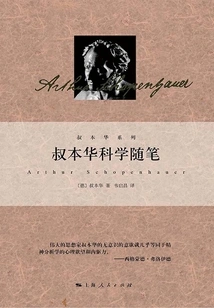
Schopenhauer was a German philosopher who founded the philosophy of will. He was the first to openly oppose rationalist philosophy and pioneered irrationalist philosophy. He believes that the will of life is the force that dominates the operation of the world. The origin of the world is will, and the world is just the appearance of will. Physicist Erwin Schrödinger said that Schopenhauer was the greatest scholar in the West. This book brings together Schopenhauer's articles on science, focusing on Schopenhauer's research and analysis of nature and various specific sciences, thereby proving that the philosophy of will is scientific and is the truth in explaining the world. These articles are selected from Volume 2 of Schopenhauer's major works "The World as Intention and Representation" and Volume 2 of "Appendices and Supplements", and some of them are translated for the first time.
Schopenhauer was a German philosopher who founded the philosophy of will. He was the first to openly oppose rationalist philosophy and pioneered irrationalist philosophy. He believes that the will of life is the force that dominates the operation of the world. The origin of the world is will, and the world is just the appearance of will. Physicist Erwin Schrödinger said that Schopenhauer was the greatest scholar in the West. This book brings together Schopenhauer's articles on science, focusing on Schopenhauer's research and analysis of nature and various specific sciences, thereby proving that the philosophy of will is scientific and is the truth in explaining the world. These articles are selected from Volume 2 of Schopenhauer's major works "The World as Intention and Representation" and Volume 2 of "Appendices and Supplements", and some of them are translated for the first time.
行话:一个作家和他的同行及其作品(菲利普·罗斯全集)
H
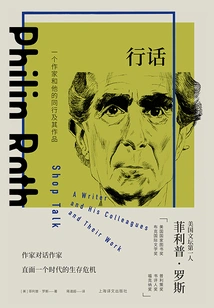
Interviews between Philip Roth, the leading figure in American literature, and his colleagues. Writers talking to writers, facing the existential crisis of an era. "Jargon: A Writer, His Colleagues, and His Work" is one of two critical collections in the complete works of Philip Roth. The main part consists of interviews and several critical articles. As a curious reader and tricky colleague, Philip Roth interviewed seven outstanding Jewish writers from around the world - Primo Levi, Aharon Appelfield, Ivan Klima, Isaac Bashevis Singer, Milan Kundera and Edna O'Brien - starting with these writers' growth experiences, creative motivations and the environment in which they lived, and asking them very direct questions.
Interviews between Philip Roth, the leading figure in American literature, and his colleagues. Writers talking to writers, facing the existential crisis of an era. "Jargon: A Writer, His Colleagues, and His Work" is one of two critical collections in the complete works of Philip Roth. The main part consists of interviews and several critical articles. As a curious reader and tricky colleague, Philip Roth interviewed seven outstanding Jewish writers from around the world - Primo Levi, Aharon Appelfield, Ivan Klima, Isaac Bashevis Singer, Milan Kundera and Edna O'Brien - starting with these writers' growth experiences, creative motivations and the environment in which they lived, and asking them very direct questions.
U
Literatureu
H
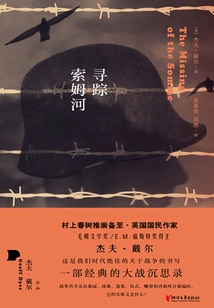
This is unlike any book about the Great War. "Following the Somme" describes the author Jeff Dyer's experience of visiting old battlefields and war memorials, and displays a number of images, videos, poems, and texts related to the war. Jeff Dyer analyzes them and deconstructs them, trying to find clues to how the war is narrated and presented. He found that the collective memory of the war was already being shaped by official discourse before the war even began. Jeff Dyer uses sentences that are sometimes complex and sometimes simple like a long poem, taking readers into the trenches of the past and unraveling the mysteries and rhetorical structures of the memory of the Great War. In his own way, he shows us the various relationships between modern humans and the aftershocks of the Great War, and how we should carefully understand these relationships.
This is unlike any book about the Great War. "Following the Somme" describes the author Jeff Dyer's experience of visiting old battlefields and war memorials, and displays a number of images, videos, poems, and texts related to the war. Jeff Dyer analyzes them and deconstructs them, trying to find clues to how the war is narrated and presented. He found that the collective memory of the war was already being shaped by official discourse before the war even began. Jeff Dyer uses sentences that are sometimes complex and sometimes simple like a long poem, taking readers into the trenches of the past and unraveling the mysteries and rhetorical structures of the memory of the Great War. In his own way, he shows us the various relationships between modern humans and the aftershocks of the Great War, and how we should carefully understand these relationships.

老后破产:名为“长寿”的噩梦(译文纪实)
I
If you have savings, a house, and an annuity, why would you go bankrupt after old age? Longevity, the symbol of a happy society, will become the last straw in old age. The proprietress of a construction company lost her support after her only son died of overwork and her husband died of illness. She did not dare to see a doctor when she was sick and just wanted to save money... The owner of a pet shop closed the shop to focus on caring for his seriously ill mother. After sending his mother away, he was unable to find a job again and could only sell the house he lived with his mother to raise money. To make ends meet... Middle-aged unemployed children rely on their parents' pensions to survive, and in the end both generations go bankrupt... The NHK special program recording team focuses on "money issues" and reveals the various impacts of "bankruptcy in old age" on housing, life, medical care, interpersonal relationships, etc. Every elderly person in the case worked as hard as you and me when they were young and made a savings plan for retirement. However, they never thought that life would be so lonely and hard after old age, and they would even lose the desire to live. The problem of "bankruptcy after old age" not only affects the elderly over 65 years old, but has further spread to the working population. Crises of economic recession, reduced income, and rising prices are coming one after another. It is difficult for young people to find jobs, and it is difficult for middle-aged unemployed office workers to enter the workplace again... If you cannot recognize the current situation and seek solutions, then no matter how old you are now, you will become a reserve army of "bankruptcy after old age".
If you have savings, a house, and an annuity, why would you go bankrupt after old age? Longevity, the symbol of a happy society, will become the last straw in old age. The proprietress of a construction company lost her support after her only son died of overwork and her husband died of illness. She did not dare to see a doctor when she was sick and just wanted to save money... The owner of a pet shop closed the shop to focus on caring for his seriously ill mother. After sending his mother away, he was unable to find a job again and could only sell the house he lived with his mother to raise money. To make ends meet... Middle-aged unemployed children rely on their parents' pensions to survive, and in the end both generations go bankrupt... The NHK special program recording team focuses on "money issues" and reveals the various impacts of "bankruptcy in old age" on housing, life, medical care, interpersonal relationships, etc. Every elderly person in the case worked as hard as you and me when they were young and made a savings plan for retirement. However, they never thought that life would be so lonely and hard after old age, and they would even lose the desire to live. The problem of "bankruptcy after old age" not only affects the elderly over 65 years old, but has further spread to the working population. Crises of economic recession, reduced income, and rising prices are coming one after another. It is difficult for young people to find jobs, and it is difficult for middle-aged unemployed office workers to enter the workplace again... If you cannot recognize the current situation and seek solutions, then no matter how old you are now, you will become a reserve army of "bankruptcy after old age".
Era of Mass Extinction
Literature大灭绝时代
M
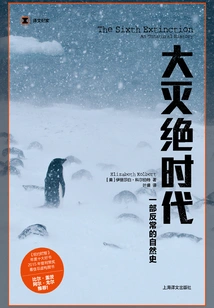
"New Yorker" reporter Elizabeth Colbert has personally experienced global ecological scenes one by one, interweaving three centuries of scientific knowledge and the latest ecological perspectives to draw an outline of today's world for readers: We are indeed living in an extraordinary era, and the sixth mass extinction of species has begun. There are thirteen stories. The American mastodons, great auks and ammonites mentioned in the previous stories have become extinct. This part mainly introduces the ancient mass extinction and its tortuous discovery process. Part Two lays out the realities of the present, in the increasingly fragmented Amazon rainforest, on the slopes of the rapidly warming Andes, and in the outer waters of the Great Barrier Reef. The scope of the great changes is so vast that with the right guidance, extinctions can be found anywhere. Finally, there is a story about an extinction that pretty much happened in my backyard-and maybe in yours at the same time. As the story progresses, readers can gradually realize, like scientists, that the source of the current round of mass extinction lies in humans themselves.
"New Yorker" reporter Elizabeth Colbert has personally experienced global ecological scenes one by one, interweaving three centuries of scientific knowledge and the latest ecological perspectives to draw an outline of today's world for readers: We are indeed living in an extraordinary era, and the sixth mass extinction of species has begun. There are thirteen stories. The American mastodons, great auks and ammonites mentioned in the previous stories have become extinct. This part mainly introduces the ancient mass extinction and its tortuous discovery process. Part Two lays out the realities of the present, in the increasingly fragmented Amazon rainforest, on the slopes of the rapidly warming Andes, and in the outer waters of the Great Barrier Reef. The scope of the great changes is so vast that with the right guidance, extinctions can be found anywhere. Finally, there is a story about an extinction that pretty much happened in my backyard-and maybe in yours at the same time. As the story progresses, readers can gradually realize, like scientists, that the source of the current round of mass extinction lies in humans themselves.
我不想知道的事:论女性写作(女性成长三部曲1)
J
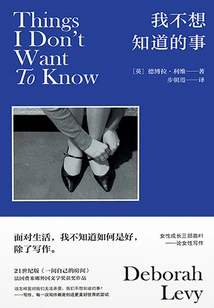
Part One of Deborah Levy's Trilogy on Women's Growth: On Women's Writing. The winner of the 2020 French Femina Foreign Literature Prize. How do we face things we cannot bear and things we don't want to know? --Writing, every writing is an attempt to create a better world. Levy integrates personal history, gender politics, philosophy and literary theory, responding to George Orwell's famous "Why I Write" from a female perspective, discussing writing, love and loss, forming this private, sincere and touching record of personal life. In the book, Levy strives to balance the triple identities of woman, mother, and writer, while describing the real-life experiences that profoundly influenced her novel creation: as a child in South Africa, she lost the ability to speak due to her father's disaster; as a teenager, she lived with construction workers and bus drivers in cheap restaurants in the United Kingdom, and gradually grew into a writer; at the age of fifty, her marriage broke up, and she made an impromptu trip to Mallorca, Spain, to review her previous life in a foreign country.
Part One of Deborah Levy's Trilogy on Women's Growth: On Women's Writing. The winner of the 2020 French Femina Foreign Literature Prize. How do we face things we cannot bear and things we don't want to know? --Writing, every writing is an attempt to create a better world. Levy integrates personal history, gender politics, philosophy and literary theory, responding to George Orwell's famous "Why I Write" from a female perspective, discussing writing, love and loss, forming this private, sincere and touching record of personal life. In the book, Levy strives to balance the triple identities of woman, mother, and writer, while describing the real-life experiences that profoundly influenced her novel creation: as a child in South Africa, she lost the ability to speak due to her father's disaster; as a teenager, she lived with construction workers and bus drivers in cheap restaurants in the United Kingdom, and gradually grew into a writer; at the age of fifty, her marriage broke up, and she made an impromptu trip to Mallorca, Spain, to review her previous life in a foreign country.
序跋集(奥登文集)
H
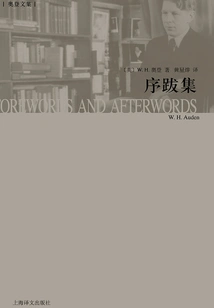
"Preface and Postscripts" is an important collection of essays in "Auden's Collected Works". The essays included in "Collection of Preface and Postscripts" were written from the 1940s to the 1970s. The content involves literature, theology, philosophy, art and even daily household affairs. The materials are detailed and rigorous, and the writing style is comprehensive. They have extremely high academic value, historical value and aesthetic value. "Preface and Postscript" is a collection of prefaces and postscripts to poems written by the author W. H. Auden. The preface and postscript of these poems reflect the author's creative thoughts, creative process and creative feelings. For example, regarding the long poem "Spain" written in 1937, he wrote in the preface that as an ambulance driver, he participated in the anti-fascist armed struggle in Spain in 1937. In the preface to "Battlefield" (1939), he expressed his feelings about going to the battlefield in China to interview with the novelist Yi Xiuwu De. These prefaces and postscripts about creation will help readers understand the full picture of Auden's creation.
"Preface and Postscripts" is an important collection of essays in "Auden's Collected Works". The essays included in "Collection of Preface and Postscripts" were written from the 1940s to the 1970s. The content involves literature, theology, philosophy, art and even daily household affairs. The materials are detailed and rigorous, and the writing style is comprehensive. They have extremely high academic value, historical value and aesthetic value. "Preface and Postscript" is a collection of prefaces and postscripts to poems written by the author W. H. Auden. The preface and postscript of these poems reflect the author's creative thoughts, creative process and creative feelings. For example, regarding the long poem "Spain" written in 1937, he wrote in the preface that as an ambulance driver, he participated in the anti-fascist armed struggle in Spain in 1937. In the preface to "Battlefield" (1939), he expressed his feelings about going to the battlefield in China to interview with the novelist Yi Xiuwu De. These prefaces and postscripts about creation will help readers understand the full picture of Auden's creation.