Library
Browse and search books
13,360 novels found
V
General FictionV
G
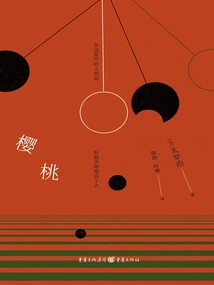
This book is a collection of Dazai Osamu's short works in his later period of creation, including "Cherry", "Viyong's Wife", "Wish Fulfillment", "Girl Disciple", "One Hundred Views of Mount Fuji" and more than ten works. It basically covers the living conditions of various people in the depressed social environment of post-war Japan, and provides a profound reflection on women, family relationships, social atmosphere, etc.
This book is a collection of Dazai Osamu's short works in his later period of creation, including "Cherry", "Viyong's Wife", "Wish Fulfillment", "Girl Disciple", "One Hundred Views of Mount Fuji" and more than ten works. It basically covers the living conditions of various people in the depressed social environment of post-war Japan, and provides a profound reflection on women, family relationships, social atmosphere, etc.
T
General FictionT
G
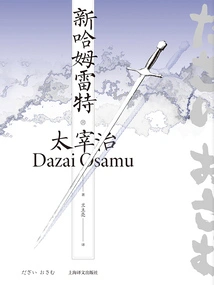
It is a mature work in the middle period of Osamu Dazai's creation. It is an important window to understand the whole picture of Dazai's creation: private novels + ridicule of current affairs + anecdotes + personal beliefs, illuminating the changing things and emotions in the world, and gaining insight into the subtle evil and beauty in human nature. "New Hamlet" is Osamu Dazai's first novel. During this period, he interrupted all other work and devoted himself to it. Later, the eldest daughter was born. This book includes: Cricket, Romantic Lantern, Eight Views of Tokyo, Owl Communication, Sado, Poverty Story, Philosophy of Dressing, Miss Ayu, Chiyoda, New Hamlet, Notes in the Wind, Who, Shame, etc., Showing different aspects of Dazai's literature. Through one farce after another, His Highness Hamlet becomes more and more middle-class; he incarnates Judas, the sinner of the ages, and secretly tells the hidden secret of betrayal that changes the course of civilization. Candles illuminate the changing events and emotions in the world, and gain insight into the subtle evil and beauty in human nature.
It is a mature work in the middle period of Osamu Dazai's creation. It is an important window to understand the whole picture of Dazai's creation: private novels + ridicule of current affairs + anecdotes + personal beliefs, illuminating the changing things and emotions in the world, and gaining insight into the subtle evil and beauty in human nature. "New Hamlet" is Osamu Dazai's first novel. During this period, he interrupted all other work and devoted himself to it. Later, the eldest daughter was born. This book includes: Cricket, Romantic Lantern, Eight Views of Tokyo, Owl Communication, Sado, Poverty Story, Philosophy of Dressing, Miss Ayu, Chiyoda, New Hamlet, Notes in the Wind, Who, Shame, etc., Showing different aspects of Dazai's literature. Through one farce after another, His Highness Hamlet becomes more and more middle-class; he incarnates Judas, the sinner of the ages, and secretly tells the hidden secret of betrayal that changes the course of civilization. Candles illuminate the changing events and emotions in the world, and gain insight into the subtle evil and beauty in human nature.
No One Knows (hefeng Translation Series)
General Fiction无人知晓(和风译丛)
G
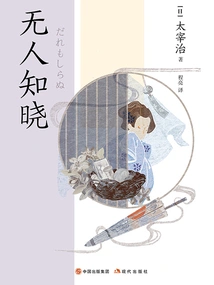
During the war, Osamu Dazai turned his writing to historical legends and created a pure land in troubled times. This book contains Osamu Dazai's acclaimed masterpieces of overturning the case, "The Right Minister Shitomo", "Reminiscences of Zenzo", etc. It is an important reference for studying Dazai Osamu's literary style and artistic level. Dazai Osamu used his unique handling of plots to inject new value into traditional works. Under the intertwining of light and dark intentions, a picture depicting human nature unfolds.
During the war, Osamu Dazai turned his writing to historical legends and created a pure land in troubled times. This book contains Osamu Dazai's acclaimed masterpieces of overturning the case, "The Right Minister Shitomo", "Reminiscences of Zenzo", etc. It is an important reference for studying Dazai Osamu's literary style and artistic level. Dazai Osamu used his unique handling of plots to inject new value into traditional works. Under the intertwining of light and dark intentions, a picture depicting human nature unfolds.
Tsugaru (japanese Translation Series)
Literature津轻(和风译丛)
G
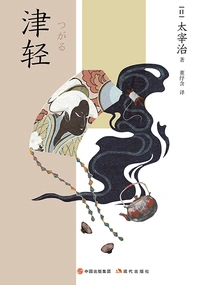
Tsugaru is Dazai Osamu's hometown, where he spent the first twenty years of his short life. It can be said that Tsugaru made Dazai Osamu what he is today; and when Dazai Osamu revisited his hometown, he also found the long-lost warmth. This book is not only an excellent work describing the customs and customs of Tsugaru, but also has extremely high literary value. Reading this book may allow us to gain unprecedented spiritual strength through Dazai Osamu's growth path.
Tsugaru is Dazai Osamu's hometown, where he spent the first twenty years of his short life. It can be said that Tsugaru made Dazai Osamu what he is today; and when Dazai Osamu revisited his hometown, he also found the long-lost warmth. This book is not only an excellent work describing the customs and customs of Tsugaru, but also has extremely high literary value. Reading this book may allow us to gain unprecedented spiritual strength through Dazai Osamu's growth path.
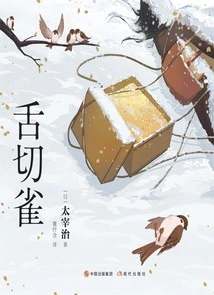
Japanese Style Painting: Tongue-cut Bird
Literature和风绘:舌切雀
G
This is a fable full of irony, with humorous language and a brisk narrative rhythm. Through these three simple characters, "Japan's best loser", a vulgar and greedy old woman, and a little sparrow whose tongue was pulled out, a kaleidoscope-like fairy tale world is firmly constructed, and the traditional values of "good and evil will be rewarded in the end" and "greedy and greedy" are presented in a unique and vivid way. If you have seen enough of the so-called great truths, you might as well read the fables told by Osamu Dazai, uncover layers of fairy tales, and explore the rules of the world.
This is a fable full of irony, with humorous language and a brisk narrative rhythm. Through these three simple characters, "Japan's best loser", a vulgar and greedy old woman, and a little sparrow whose tongue was pulled out, a kaleidoscope-like fairy tale world is firmly constructed, and the traditional values of "good and evil will be rewarded in the end" and "greedy and greedy" are presented in a unique and vivid way. If you have seen enough of the so-called great truths, you might as well read the fables told by Osamu Dazai, uncover layers of fairy tales, and explore the rules of the world.
B
LiteratureB
G
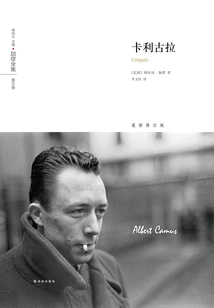
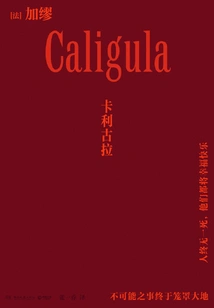
"Caligula" includes two parts: Camus's dramatic works and Camus's theory of drama. Camus's drama works include five works: "Caligula", "The Misunderstanding", "Martial Law", "The Just" and "The Rebellion of Asturias". "Caligula" is Camus's very violent impact on the issue of human existence.
"Caligula" includes two parts: Camus's dramatic works and Camus's theory of drama. Camus's drama works include five works: "Caligula", "The Misunderstanding", "Martial Law", "The Just" and "The Rebellion of Asturias". "Caligula" is Camus's very violent impact on the issue of human existence.
B
LiteratureB
H
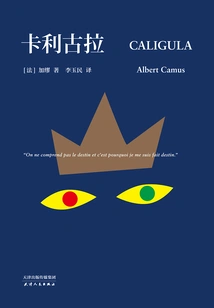
"Other people always think that a person is in so much pain because the person he loves passed away in one day. In fact, the value of his pain is higher: that is, he discovered that sadness cannot last, and even pain has lost its meaning." After the death of his lover, the Roman monarch Caligula discovered that personality, dignity, and even pain are meaningless in the face of death. He began to use his power to extremes, wantonly destroying and trampling on all the original human systems, good and evil, and emotions, and became a tyrant that everyone feared... He wanted to know what truth is, what eternity is, and wanted to expose all the hypocrisy in the world...
"Other people always think that a person is in so much pain because the person he loves passed away in one day. In fact, the value of his pain is higher: that is, he discovered that sadness cannot last, and even pain has lost its meaning." After the death of his lover, the Roman monarch Caligula discovered that personality, dignity, and even pain are meaningless in the face of death. He began to use his power to extremes, wantonly destroying and trampling on all the original human systems, good and evil, and emotions, and became a tyrant that everyone feared... He wanted to know what truth is, what eternity is, and wanted to expose all the hypocrisy in the world...
B
LiteratureB
G
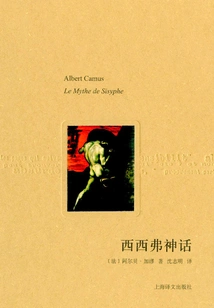
If the two major themes of Camus's creation and thinking throughout his life are "absurdity" and "resistance", then the philosophical essay "The Myth of Sisyphus" is Camus's most in-depth and concentrated investigation and most thorough and clear explanation of the philosophy of absurdity. Sisyphus, a Greek mythological figure who pushes rocks up mountains and performs never-ending hard labor, is undoubtedly the most vivid symbol of the absurdity of human existence; but at the same time, he is also a great example for human beings to not despair or be depressed, but to rise up against absurdity and not hesitate to fight against absurd fate to the end. Therefore, "The Myth of Sisyphus" is not so much a tragic self-portrait of the human condition as it is a victory song of liberal humanism. It constitutes a style that is both pathos and sublime. In the entire field of human culture and art, perhaps only Beethoven's "Symphony of Destiny" can rival it in taste.
If the two major themes of Camus's creation and thinking throughout his life are "absurdity" and "resistance", then the philosophical essay "The Myth of Sisyphus" is Camus's most in-depth and concentrated investigation and most thorough and clear explanation of the philosophy of absurdity. Sisyphus, a Greek mythological figure who pushes rocks up mountains and performs never-ending hard labor, is undoubtedly the most vivid symbol of the absurdity of human existence; but at the same time, he is also a great example for human beings to not despair or be depressed, but to rise up against absurdity and not hesitate to fight against absurd fate to the end. Therefore, "The Myth of Sisyphus" is not so much a tragic self-portrait of the human condition as it is a victory song of liberal humanism. It constitutes a style that is both pathos and sublime. In the entire field of human culture and art, perhaps only Beethoven's "Symphony of Destiny" can rival it in taste.
A
LiteratureA
H
Nobel Prize winner Camus' masterpiece drama, "The Stranger" and "Happy Death" are newly translated by translator Zhang Yiqiao. After Caligula's lover died, he disappeared for three days. When he came back, his temperament changed drastically, and he suddenly claimed that he had discovered the truth, that is, "people are mortal, and they are not happy." Faced with this unchangeable fate, Caligula wanted to achieve the "impossible". He wanted to hold the moon in his hand, mix the sky into the sea, confuse beauty and ugliness, and make the suffering people laugh. He wants to give this century the gift of equality for all living beings. Until the impossible finally covers the earth, and in the end, no one dies and they will all be happy. In order to realize all this, a great trial begins. Caligula pushes the emperor's power to the limit, and everything in the world is waiting to be transformed...
Nobel Prize winner Camus' masterpiece drama, "The Stranger" and "Happy Death" are newly translated by translator Zhang Yiqiao. After Caligula's lover died, he disappeared for three days. When he came back, his temperament changed drastically, and he suddenly claimed that he had discovered the truth, that is, "people are mortal, and they are not happy." Faced with this unchangeable fate, Caligula wanted to achieve the "impossible". He wanted to hold the moon in his hand, mix the sky into the sea, confuse beauty and ugliness, and make the suffering people laugh. He wants to give this century the gift of equality for all living beings. Until the impossible finally covers the earth, and in the end, no one dies and they will all be happy. In order to realize all this, a great trial begins. Caligula pushes the emperor's power to the limit, and everything in the world is waiting to be transformed...
The Outsider (masterpiece of World Literature)
General Fiction局外人(世界文学名著)
G
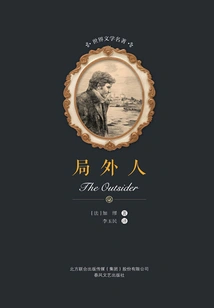
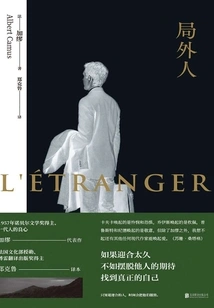
"The Stranger" is a famous work by the French writer Camus and one of the outstanding works of existential literature. In an objectively recorded "zero style", the book roughly describes the various absurd things that the protagonist Meursault has experienced in an absurd world, as well as his own absurd experience. From attending his mother's funeral to accidentally becoming a murderer, and then being sentenced to death, Meursault seemed indifferent to everything, existing indifferently, rationally, and irrationally. He was like a symbolic symbol, representing a universal existence, and like a blood-red beacon, highly warning. However, the emergence of the outsider phenomenon is undoubtedly bred by the world itself, and Meursault's existence has its profound external reasons.
"The Stranger" is a famous work by the French writer Camus and one of the outstanding works of existential literature. In an objectively recorded "zero style", the book roughly describes the various absurd things that the protagonist Meursault has experienced in an absurd world, as well as his own absurd experience. From attending his mother's funeral to accidentally becoming a murderer, and then being sentenced to death, Meursault seemed indifferent to everything, existing indifferently, rationally, and irrationally. He was like a symbolic symbol, representing a universal existence, and like a blood-red beacon, highly warning. However, the emergence of the outsider phenomenon is undoubtedly bred by the world itself, and Meursault's existence has its profound external reasons.
Requiem for a Nun
Literature修女安魂曲
H
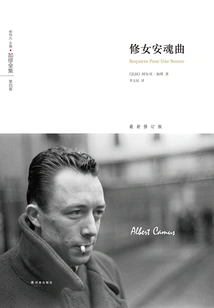
"Requiem for a Nun" is a collection of Camus' drama adaptations, including "Poltergeist", "The Cross", "Hospital", "Cavaliers of Olmedo", "Requiem for a Nun" and "The Possessed".
"Requiem for a Nun" is a collection of Camus' drama adaptations, including "Poltergeist", "The Cross", "Hospital", "Cavaliers of Olmedo", "Requiem for a Nun" and "The Possessed".
Stranger (translation Classic)
General Fiction陌路人(译文经典)
G
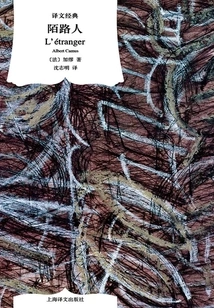
Nobel Prize winner Camus's masterpiece (also translated as "The Stranger" and "The Stranger"); a new translation by veteran translator Shen Zhiming, with an appendix of Camus's preface when the English version was published. "I refuse to lie and accept to die for the truth." Meursault received a telegram from the nursing home informing him of his mother's death. Meursault attended the funeral in a daze, and within two days, he had sex with his girlfriend. His mother's death seemed to have no impact on him. The ordinary days continued until Meursault got involved in a dispute and shot his friend's enemy. While awaiting trial, Meursault behaves nonchalantly. When asked about the motive for the murder, he replied "It's all the sun's fault" and looked forward to facing execution amidst the curses of the crowd.
Nobel Prize winner Camus's masterpiece (also translated as "The Stranger" and "The Stranger"); a new translation by veteran translator Shen Zhiming, with an appendix of Camus's preface when the English version was published. "I refuse to lie and accept to die for the truth." Meursault received a telegram from the nursing home informing him of his mother's death. Meursault attended the funeral in a daze, and within two days, he had sex with his girlfriend. His mother's death seemed to have no impact on him. The ordinary days continued until Meursault got involved in a dispute and shot his friend's enemy. While awaiting trial, Meursault behaves nonchalantly. When asked about the motive for the murder, he replied "It's all the sun's fault" and looked forward to facing execution amidst the curses of the crowd.
R
General Fictionr
G
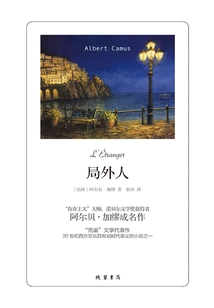
Meursault is a small clerk in Algiers. He is very empty inside and indifferent to worldly affairs. He refuses to pretend about his feelings and is indifferent to the relationships between people. He even went swimming, dated, watched funny movies and laughed the day after his mother died. During a seaside vacation, Meursault got involved in a conflict and killed someone "because of the sunshine". In the end, he was hanged - not for the crime he committed, but because he did not accept the creeds and customs approved by the law: "he did not cry when his mother was buried." "The Outsider" uses calm and restrained language to tell the story of a man who lives outside the secular rules, critically examines the freedom and equality advertised by the society at that time, and explores the absurd and hypocritical society's complete obliteration of the value of human freedom.
Meursault is a small clerk in Algiers. He is very empty inside and indifferent to worldly affairs. He refuses to pretend about his feelings and is indifferent to the relationships between people. He even went swimming, dated, watched funny movies and laughed the day after his mother died. During a seaside vacation, Meursault got involved in a conflict and killed someone "because of the sunshine". In the end, he was hanged - not for the crime he committed, but because he did not accept the creeds and customs approved by the law: "he did not cry when his mother was buried." "The Outsider" uses calm and restrained language to tell the story of a man who lives outside the secular rules, critically examines the freedom and equality advertised by the society at that time, and explores the absurd and hypocritical society's complete obliteration of the value of human freedom.
Q
General Fictionq
G
Meursault's mother passed away, but he did not want to cry at her funeral. Soon after, he killed an Arab on the beach. In court, the prosecutor did not elaborate on the case, but refused to let go of Meursault's failure to cry for his mother...
Meursault's mother passed away, but he did not want to cry at her funeral. Soon after, he killed an Arab on the beach. In court, the prosecutor did not elaborate on the case, but refused to let go of Meursault's failure to cry for his mother...
Keep Reading
Literature阅读不息
T
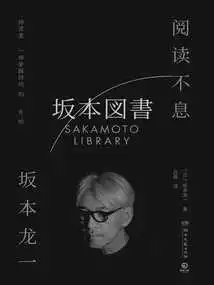
"Always have a book by your side" Ryuichi Sakamoto's personal reading list. Reading is a farewell that travels through time. Let us reunite with Ryuichi Sakamoto through reading in this book. He is a man who loves books. In 2017, he built "Sakamoto Books". Now, Sakamoto Ryuichi's private library is open to the public in the form of text for the first time. In this book, Ryuichi Sakamoto selected 36 of his favorite works from his personal library to share with readers his reading experience, his past with the author, and his reading taste. The book includes Natsume Seseki, Derrida, Cartier-Bresson, Tarkovsky, Ozu Yasujiro, Kurosawa Akira, Oshima Nagisa, Hatada Santo, etc. Specially included is an exclusive interview with Ryuichi Sakamoto - "Sakamoto Books in 2023" where readers can read that Ryuichi Sakamoto talked about the 10 books he was reading before his death, as well as his thoughts on life and reading. This book is Sakamoto Ryuichi's last published work. Through the text, you can travel to Sakamoto Ryuichi's personal library!
"Always have a book by your side" Ryuichi Sakamoto's personal reading list. Reading is a farewell that travels through time. Let us reunite with Ryuichi Sakamoto through reading in this book. He is a man who loves books. In 2017, he built "Sakamoto Books". Now, Sakamoto Ryuichi's private library is open to the public in the form of text for the first time. In this book, Ryuichi Sakamoto selected 36 of his favorite works from his personal library to share with readers his reading experience, his past with the author, and his reading taste. The book includes Natsume Seseki, Derrida, Cartier-Bresson, Tarkovsky, Ozu Yasujiro, Kurosawa Akira, Oshima Nagisa, Hatada Santo, etc. Specially included is an exclusive interview with Ryuichi Sakamoto - "Sakamoto Books in 2023" where readers can read that Ryuichi Sakamoto talked about the 10 books he was reading before his death, as well as his thoughts on life and reading. This book is Sakamoto Ryuichi's last published work. Through the text, you can travel to Sakamoto Ryuichi's personal library!
格林童话全集(经典译林)
I
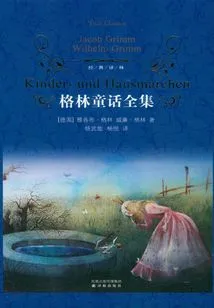
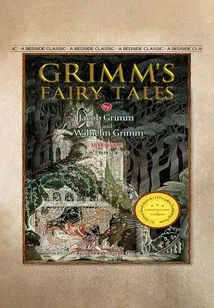
Many stories from "Grimm's Fairy Tales" are also widely circulated in other European countries. Strictly speaking, "Grimm's Fairy Tales" are typical European folk fairy tales, regardless of the source of the subject matter or the artistic characteristics. Grimm's fairy tales, the language through which generations of children grow up happily and healthily, have accompanied me as I grow up. Ah, those happy memories of childhood... This is a magical country with blue skies, vast land, dense forests and deep oceans. There are also kind and magical fairies and elves, handsome princes and beautiful princesses, poor, hard-working and brave farmers, and beautiful girls who have suffered miserably and pitifully...
Many stories from "Grimm's Fairy Tales" are also widely circulated in other European countries. Strictly speaking, "Grimm's Fairy Tales" are typical European folk fairy tales, regardless of the source of the subject matter or the artistic characteristics. Grimm's fairy tales, the language through which generations of children grow up happily and healthily, have accompanied me as I grow up. Ah, those happy memories of childhood... This is a magical country with blue skies, vast land, dense forests and deep oceans. There are also kind and magical fairies and elves, handsome princes and beautiful princesses, poor, hard-working and brave farmers, and beautiful girls who have suffered miserably and pitifully...
Grimm's Fairy Tales
General Fiction格林童话集
H
When most people mention the author of "The Grimm's Fairy Tales", they generally call him "Grimm". In fact, Greene was composed of two brothers, William Greene and Jacob Greene. And calling them "authors" is not strictly accurate. The two brothers studied together at the University of Marburg in the early 19th century. They were just in their early 20s at the time, and their tutor, Federici Sagne, who taught them law courses, encouraged them to collect popular folktales and related materials from the Germanic peoples. Mr. Federici Sagne was one of the important figures in the German Romantic Movement. He called for the entire German nation to be unified, both politically and culturally. He formed a group with his colleagues and friends, which had made a difference during the French Revolution and was closely watched by German society. It is conceivable that such an important person's advice to the 20-year-old Brothers Grimm was very important. The two brothers listened to his words. From then on, they began their work of collecting and organizing Germanic folktales, and they got out of hand. Their mentor, Mr. Federici Sagne, further appealed to the whole society to listen to the real voice of the people. Mr. Federici Sagne's group included writers, poets and academics. He believed that the so-called "voice of the people" could be widely heard through stories, ballads and language itself.
When most people mention the author of "The Grimm's Fairy Tales", they generally call him "Grimm". In fact, Greene was composed of two brothers, William Greene and Jacob Greene. And calling them "authors" is not strictly accurate. The two brothers studied together at the University of Marburg in the early 19th century. They were just in their early 20s at the time, and their tutor, Federici Sagne, who taught them law courses, encouraged them to collect popular folktales and related materials from the Germanic peoples. Mr. Federici Sagne was one of the important figures in the German Romantic Movement. He called for the entire German nation to be unified, both politically and culturally. He formed a group with his colleagues and friends, which had made a difference during the French Revolution and was closely watched by German society. It is conceivable that such an important person's advice to the 20-year-old Brothers Grimm was very important. The two brothers listened to his words. From then on, they began their work of collecting and organizing Germanic folktales, and they got out of hand. Their mentor, Mr. Federici Sagne, further appealed to the whole society to listen to the real voice of the people. Mr. Federici Sagne's group included writers, poets and academics. He believed that the so-called "voice of the people" could be widely heard through stories, ballads and language itself.
O
General Fictiono
I
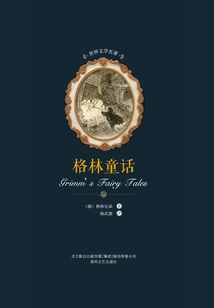
This book is a very long and systematic collection of fairy tales collected and compiled in various European countries. Many of the stories reflect the simplicity, humor, wit and bravery of ordinary people. The plot of the story is tortuous but not bizarre, and the narrative is simple but not monotonous. Many stories are written in poetic language.
This book is a very long and systematic collection of fairy tales collected and compiled in various European countries. Many of the stories reflect the simplicity, humor, wit and bravery of ordinary people. The plot of the story is tortuous but not bizarre, and the narrative is simple but not monotonous. Many stories are written in poetic language.
E.B.怀特随笔(译文经典)
I
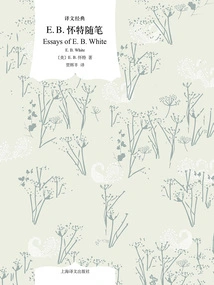
"Facing Complexity, Remaining Joyful" is the greatest American essayist of the 20th century, who single-handedly established "The New Yorker's style of writing" and is a self-selected collection of classic essays by White, the author of "Charlotte's Web". E. B. White (1899-1985), "the greatest American essayist of the twentieth century." As the main writer of The New Yorker, White single-handedly established the far-reaching "New Yorker style of writing". White is full of care for everything in this world, and his morals are as high as his articles. In addition to his lifelong love of essays, he also wrote three books for children, "The Elf," "Charlotte's Web" and "The Trumpeting Swan," which have become literary classics loved by children and adults alike. "The Essays of E. B. White" was selected by the author himself and includes the most important essays of this greatest essayist.
"Facing Complexity, Remaining Joyful" is the greatest American essayist of the 20th century, who single-handedly established "The New Yorker's style of writing" and is a self-selected collection of classic essays by White, the author of "Charlotte's Web". E. B. White (1899-1985), "the greatest American essayist of the twentieth century." As the main writer of The New Yorker, White single-handedly established the far-reaching "New Yorker style of writing". White is full of care for everything in this world, and his morals are as high as his articles. In addition to his lifelong love of essays, he also wrote three books for children, "The Elf," "Charlotte's Web" and "The Trumpeting Swan," which have become literary classics loved by children and adults alike. "The Essays of E. B. White" was selected by the author himself and includes the most important essays of this greatest essayist.
N
N
N
N
N
N
S
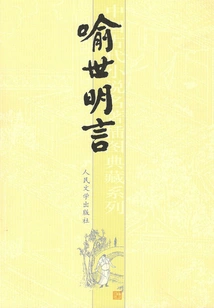
Yushi Mingyan (classical Library)
Literature喻世明言(古典文库)
G
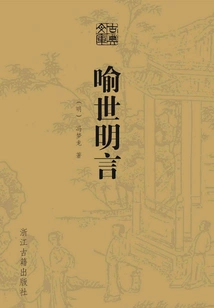
This book is a collection of Huaben and Huahua novels compiled by Feng Menglong in the late Ming Dynasty. Together with the other two collections of novels compiled by him, "Awakening Words" and "Warning Words", they are collectively called "Three Words". "Yu Shi Ming Yan" contains forty novels with themes involving love, marriage, family, friendship, ghosts, gods, witchcraft, etc. It extensively describes social life in the Song, Yuan and Ming dynasties, and truly reflects the thoughts and feelings, life aspirations and aesthetic tastes of the people at that time, especially the citizens.
This book is a collection of Huaben and Huahua novels compiled by Feng Menglong in the late Ming Dynasty. Together with the other two collections of novels compiled by him, "Awakening Words" and "Warning Words", they are collectively called "Three Words". "Yu Shi Ming Yan" contains forty novels with themes involving love, marriage, family, friendship, ghosts, gods, witchcraft, etc. It extensively describes social life in the Song, Yuan and Ming dynasties, and truly reflects the thoughts and feelings, life aspirations and aesthetic tastes of the people at that time, especially the citizens.
Three Words·eternal Words to Awaken the World (annotation Series of Chinese Classic Novels)
General Fiction三言·醒世恒言(中华经典小说注释系列)
G
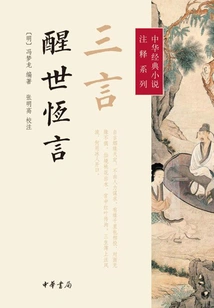
"Three Words" is the collective name of "Mingyan", "Words to Warn the World" and "Everlasting Words to Awaken the World" compiled by the famous Ming Dynasty writer Feng Menglong. It is also collectively known as "Sanyan Erpai" together with "Erpai" written by the famous Ming Dynasty writer Ling Shuchu. It enjoys a high status in the history of Chinese literature and is as famous as the "Four Great Classics" and "Jin Ping Mei". "Eternal Words to Awaken the World", compiled by Feng Menglong in the late Ming Dynasty, is one of the collections of ancient vernacular short stories. Together with the previous "Essays to Tell the World" and "Words to Warning the World", it is collectively known as the "Three Words". Among the "Three Words", it is the most widely circulated, influential and most talked about. The themes may come from folklore, historical biographies and novels of the Tang and Song Dynasties, and the editors have many creative elements. "Eternal Words for Awakening the World" shows some new characteristics in terms of content and themes. For example, "Shi Runze Meets Friends at the Beach", which expresses the prosperity of urban and rural industry and commerce in the late Ming Dynasty, is the most famous one; "The Oil Seller Monopolizes the Oiran" and "Su Xiaomei's Groom in Three Difficulties" and other chapters have created new characters with new ideas and new morals, with a distinct mark of the times. In terms of art, it is more mature, the characters are full and vivid, the personalities are distinct, and the plot design is more compact and clever, showing the author's ingenuity. Colloquial and life-oriented literary language is used more skillfully and naturally, showing various styles that may be subtle, funny, exciting, or sad.
"Three Words" is the collective name of "Mingyan", "Words to Warn the World" and "Everlasting Words to Awaken the World" compiled by the famous Ming Dynasty writer Feng Menglong. It is also collectively known as "Sanyan Erpai" together with "Erpai" written by the famous Ming Dynasty writer Ling Shuchu. It enjoys a high status in the history of Chinese literature and is as famous as the "Four Great Classics" and "Jin Ping Mei". "Eternal Words to Awaken the World", compiled by Feng Menglong in the late Ming Dynasty, is one of the collections of ancient vernacular short stories. Together with the previous "Essays to Tell the World" and "Words to Warning the World", it is collectively known as the "Three Words". Among the "Three Words", it is the most widely circulated, influential and most talked about. The themes may come from folklore, historical biographies and novels of the Tang and Song Dynasties, and the editors have many creative elements. "Eternal Words for Awakening the World" shows some new characteristics in terms of content and themes. For example, "Shi Runze Meets Friends at the Beach", which expresses the prosperity of urban and rural industry and commerce in the late Ming Dynasty, is the most famous one; "The Oil Seller Monopolizes the Oiran" and "Su Xiaomei's Groom in Three Difficulties" and other chapters have created new characters with new ideas and new morals, with a distinct mark of the times. In terms of art, it is more mature, the characters are full and vivid, the personalities are distinct, and the plot design is more compact and clever, showing the author's ingenuity. Colloquial and life-oriented literary language is used more skillfully and naturally, showing various styles that may be subtle, funny, exciting, or sad.
Q
LiteratureQ
G
The eras in which the stories in "Yu Shi Ming Yan" were produced include the Song, Yuan, and Ming dynasties. Most of them are old scripts from the Song and Yuan Dynasties, such as "Shi Hongzhao's Meeting of Dragons and Tigers with Monarchs and Ministers" and "The Four Dukes of the Song Dynasty Raised the Souls". A few are scripts from the Ming Dynasty, such as "Brother Jiang Xing Meets Again in Pearl Shirt" and "Shen Xiaoxia Meets to Become a Teacher". Others are adaptations of old works from the Song and Yuan Dynasties by the Ming Dynasty, such as "Han Wu Selling Love in Xinqiao City" and "Sima Maung, the Sima Mao, Breaks the Prison" and so on. Due to the different production years, there are certain differences in content, techniques, language, style, etc. However, because they belong to the same novel development system, and their themes are closely related to urban life, there are still many things in common between the novels. "Yu Shi Ming Yan" also includes and adapts some historical legends, such as "Yan Pingzhong killed three men with two peaches". In addition, most of the novels in "Yu Shi Ming Yan" are based on real life, with themes covering love, marriage, friendship, etc., Showing various social trends at that time.
The eras in which the stories in "Yu Shi Ming Yan" were produced include the Song, Yuan, and Ming dynasties. Most of them are old scripts from the Song and Yuan Dynasties, such as "Shi Hongzhao's Meeting of Dragons and Tigers with Monarchs and Ministers" and "The Four Dukes of the Song Dynasty Raised the Souls". A few are scripts from the Ming Dynasty, such as "Brother Jiang Xing Meets Again in Pearl Shirt" and "Shen Xiaoxia Meets to Become a Teacher". Others are adaptations of old works from the Song and Yuan Dynasties by the Ming Dynasty, such as "Han Wu Selling Love in Xinqiao City" and "Sima Maung, the Sima Mao, Breaks the Prison" and so on. Due to the different production years, there are certain differences in content, techniques, language, style, etc. However, because they belong to the same novel development system, and their themes are closely related to urban life, there are still many things in common between the novels. "Yu Shi Ming Yan" also includes and adapts some historical legends, such as "Yan Pingzhong killed three men with two peaches". In addition, most of the novels in "Yu Shi Ming Yan" are based on real life, with themes covering love, marriage, friendship, etc., Showing various social trends at that time.
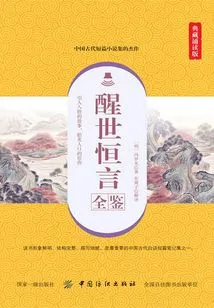
醒世恒言全鉴(典藏诵读版)
G
"Awakening the World" is a collection of short stories in vernacular compiled by Feng Menglong in the late Ming Dynasty. Together with the previous "Yu Shi Ming Yan" and "Warning Words", it is collectively known as the "Three Yan". Among the "Three Yan", it is the most widely circulated, the most influential, and the most talked about. "Awakening the World" contains mostly mature story-telling novels, with a total of forty stories. Some of these stories reflect love and marriage, some condemn the darkness of officialdom, and some praise chivalry. The plots of the stories are bizarre and tortuous, the characters have distinctive personalities, and are full of fun, making them endlessly readable. This book provides a brief summary before each story, briefly introducing and commenting on the plot of the novel, to help readers better understand the story and comprehend its gist.
"Awakening the World" is a collection of short stories in vernacular compiled by Feng Menglong in the late Ming Dynasty. Together with the previous "Yu Shi Ming Yan" and "Warning Words", it is collectively known as the "Three Yan". Among the "Three Yan", it is the most widely circulated, the most influential, and the most talked about. "Awakening the World" contains mostly mature story-telling novels, with a total of forty stories. Some of these stories reflect love and marriage, some condemn the darkness of officialdom, and some praise chivalry. The plots of the stories are bizarre and tortuous, the characters have distinctive personalities, and are full of fun, making them endlessly readable. This book provides a brief summary before each story, briefly introducing and commenting on the plot of the novel, to help readers better understand the story and comprehend its gist.
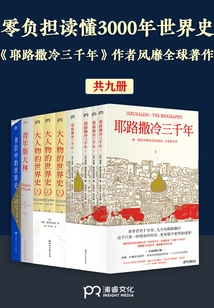
零负担读懂3000年世界史:《耶路撒冷三千年》作者风靡全球著作(共九册)
L
1. The history of Jerusalem is the history of the entire world. It is the temple of one god, the capital of two peoples, the holy land of three major religions, a city with two existences, heaven and earth; it is a strategic point in the conflict of civilizations, a place that haunts the world, a place where conspiracies, fictional legends and 24-hour news take place. Simon Montefiore, the "Master of Storytelling", vividly tells the past and present life of Jerusalem based on the competition between the three major religions around the "Holy City" and the rise and fall of several major families in chronological order. The author uses a large number of field surveys and documentary research, and from an objective and neutral perspective, through soldiers, prophets, and poets Live with kings, farmers, musicians, and the families who shaped Jerusalem to present the city's three thousand years of magnificent history and restore the real Jerusalem... Based on this, the new expanded edition adds 30,000 words of content including Chapter 54 "21st Century", 30 color illustrations, and a letter from the author to Chinese readers. 2. "The World History of the Big Man" is an introductory book on world history written for the public by Simon Montefiore, the author of "Three Thousand Years of Jerusalem". History is not determined by a few people, but it is these people who changed the course of history that make up the face of our world today. From Ramesses the Great and Confucius to Anne Frank and Bin Laden, from kings, queens, conquerors, gangsters to prophets, poets, composers, and philosophers, they are either noble and brave, with unique charm, intelligence, and creativity; or they are reckless, arrogant, cruel, shameless, and almost crazy; or they are a combination of the two, a contradiction between heroes and beasts. Historian Simon Montefiore uses detailed historical materials and a unique biographical writing style to tell the stories of more than 100 historical figures and their impact on the world in chronological order, thus forming this unique world history spanning more than 3,000 years. 3. "Young Stalin" is the work of Montefiore, the author of "Jerusalem Three Thousand Years", who spent 10 years visiting 23 cities in 9 countries, mastering the authoritative archives disclosed, retelling the little-known growth process of Stalin from a shoemaker's son to Lenin's right-hand man, and restoring a prehistory of the former Soviet Union. In the authoritative book "Young Stalin", Montefiore uses detailed research, a series of brand-new materials, and narrative techniques that are like Dickens' possession to tell a multi-faceted and contradictory image of Stalin in ups and downs. 4. "World History in Letters" contains more than 100 letters, including love letters, family letters, foreign affairs negotiations, war declarations, peace plans, etc. They seal human life and beliefs and become first-hand materials for studying history: If Elizabeth had not written to beg for mercy from her half-sister "Bloody Mary", would there have been a "golden age" in British history? If the Allied invasion of Normandy failed, what kind of condolences would General Eisenhower send to the Allied soldiers? Would Wilde have lived the rest of his life happily if he had not responded "recklessly" to an insult from his lover's father? On the eve of launching "Operation Barbarossa", why did Hitler, who had already made up his mind, write to Mussolini? ... Montefiore focuses on the moment presented in each letter, restoring the historical scene, giving us a glimpse into the lives and thoughts of kings, queens, generals, actors, writers, scientists, explorers, presidents, etc. These figures plucked the strings of history, and the letters they wrote ranged from noble and inspiring to disturbing; some were excellent literary examples, while others were reckless; many were full of lust, while others were heartbreaking... It was the choices of the countless individuals they composed, as well as universal human emotions, that drove history forward. By reading these letters as archives, as the breath of life, we can more fully understand the past, understand the present, and illuminate the path to the future.
1. The history of Jerusalem is the history of the entire world. It is the temple of one god, the capital of two peoples, the holy land of three major religions, a city with two existences, heaven and earth; it is a strategic point in the conflict of civilizations, a place that haunts the world, a place where conspiracies, fictional legends and 24-hour news take place. Simon Montefiore, the "Master of Storytelling", vividly tells the past and present life of Jerusalem based on the competition between the three major religions around the "Holy City" and the rise and fall of several major families in chronological order. The author uses a large number of field surveys and documentary research, and from an objective and neutral perspective, through soldiers, prophets, and poets Live with kings, farmers, musicians, and the families who shaped Jerusalem to present the city's three thousand years of magnificent history and restore the real Jerusalem... Based on this, the new expanded edition adds 30,000 words of content including Chapter 54 "21st Century", 30 color illustrations, and a letter from the author to Chinese readers. 2. "The World History of the Big Man" is an introductory book on world history written for the public by Simon Montefiore, the author of "Three Thousand Years of Jerusalem". History is not determined by a few people, but it is these people who changed the course of history that make up the face of our world today. From Ramesses the Great and Confucius to Anne Frank and Bin Laden, from kings, queens, conquerors, gangsters to prophets, poets, composers, and philosophers, they are either noble and brave, with unique charm, intelligence, and creativity; or they are reckless, arrogant, cruel, shameless, and almost crazy; or they are a combination of the two, a contradiction between heroes and beasts. Historian Simon Montefiore uses detailed historical materials and a unique biographical writing style to tell the stories of more than 100 historical figures and their impact on the world in chronological order, thus forming this unique world history spanning more than 3,000 years. 3. "Young Stalin" is the work of Montefiore, the author of "Jerusalem Three Thousand Years", who spent 10 years visiting 23 cities in 9 countries, mastering the authoritative archives disclosed, retelling the little-known growth process of Stalin from a shoemaker's son to Lenin's right-hand man, and restoring a prehistory of the former Soviet Union. In the authoritative book "Young Stalin", Montefiore uses detailed research, a series of brand-new materials, and narrative techniques that are like Dickens' possession to tell a multi-faceted and contradictory image of Stalin in ups and downs. 4. "World History in Letters" contains more than 100 letters, including love letters, family letters, foreign affairs negotiations, war declarations, peace plans, etc. They seal human life and beliefs and become first-hand materials for studying history: If Elizabeth had not written to beg for mercy from her half-sister "Bloody Mary", would there have been a "golden age" in British history? If the Allied invasion of Normandy failed, what kind of condolences would General Eisenhower send to the Allied soldiers? Would Wilde have lived the rest of his life happily if he had not responded "recklessly" to an insult from his lover's father? On the eve of launching "Operation Barbarossa", why did Hitler, who had already made up his mind, write to Mussolini? ... Montefiore focuses on the moment presented in each letter, restoring the historical scene, giving us a glimpse into the lives and thoughts of kings, queens, generals, actors, writers, scientists, explorers, presidents, etc. These figures plucked the strings of history, and the letters they wrote ranged from noble and inspiring to disturbing; some were excellent literary examples, while others were reckless; many were full of lust, while others were heartbreaking... It was the choices of the countless individuals they composed, as well as universal human emotions, that drove history forward. By reading these letters as archives, as the breath of life, we can more fully understand the past, understand the present, and illuminate the path to the future.
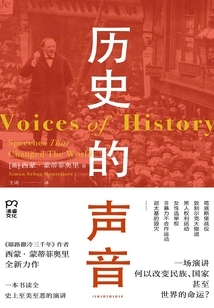
The Voice of History
History历史的声音
N
"Voices of History" contains the most beautiful and evil speeches in history. Some of these speeches were heroic and inspiring, some were evil and cruel, and some were poignant and heart-warming. Not only can we see the appearances of Socrates, Alexander the Great, Churchill, Hitler and others, but we can also see how they relied on the power of language at critical moments to either capture the truth of the times or tell a big lie, thereby influencing the thinking of the masses and changing the course of history. Like a master storyteller, historian Simon Montefiore recounts these speeches and the stories behind them in gripping style. Massacres on the battlefield, shouts for freedom, foolish delusions, heartbreaking farewells... These stories that have happened all over the world and spanned thousands of years tell us how history has come to this day, and how they can inspire the future.
"Voices of History" contains the most beautiful and evil speeches in history. Some of these speeches were heroic and inspiring, some were evil and cruel, and some were poignant and heart-warming. Not only can we see the appearances of Socrates, Alexander the Great, Churchill, Hitler and others, but we can also see how they relied on the power of language at critical moments to either capture the truth of the times or tell a big lie, thereby influencing the thinking of the masses and changing the course of history. Like a master storyteller, historian Simon Montefiore recounts these speeches and the stories behind them in gripping style. Massacres on the battlefield, shouts for freedom, foolish delusions, heartbreaking farewells... These stories that have happened all over the world and spanned thousands of years tell us how history has come to this day, and how they can inspire the future.
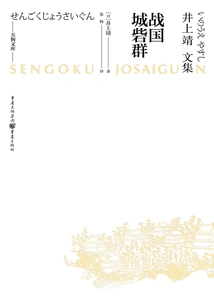
战国城砦群(天狗文库—井上靖文集)
I
After the demise of the Takeda family, Hayato Sakabe, who was originally a samurai of the Takeda family, came to serve as an official in the Akechi family, while his colleague Hyouta Todo joined the wild samurai group. On the other side, Ote Aranosuke, the Oda family's Hatamoto samurai, fell in love with Hayato's lover Chisato, but he also formed a fate with Hyouta's lover Miya. Among the love and hatred of these ordinary samurai, the biggest mystery in Japanese history, "The Incident at Honnoji Temple", has begun...
After the demise of the Takeda family, Hayato Sakabe, who was originally a samurai of the Takeda family, came to serve as an official in the Akechi family, while his colleague Hyouta Todo joined the wild samurai group. On the other side, Ote Aranosuke, the Oda family's Hatamoto samurai, fell in love with Hayato's lover Chisato, but he also formed a fate with Hyouta's lover Miya. Among the love and hatred of these ordinary samurai, the biggest mystery in Japanese history, "The Incident at Honnoji Temple", has begun...
Q

Colorless Tsukuru Tazaki and His Year of Pilgrimage
General Fiction没有色彩的多崎作和他的巡礼之年
G
When he was in high school in Nagoya, Tsukuru Tazaki had four very close friends, two boys and two girls. Their last names all had the colors "red", "green", "white" and "black". Only Tsukuru Tazaki's name had "no color", and he was the only one who left Nagoya to study at university in Tokyo. When Tsukuru Tazaki returned home during his sophomore year vacation, he was suddenly told by four of his friends to break off their friendship, without any explanation of the reasons. He was hit so hard that he was almost out of shape, and it took him a long time to recover. They have not seen each other for sixteen years. Now thirty-six years old, Tsukuru Tazaki, under the advice of his girlfriend, finally made up his mind to visit the four friends who abandoned him to find out the truth. Thus began his "year of pilgrimage". When the last piece of the puzzle is put together and the mystery is revealed, the secrets of sixteen years ago, the changes that took place in the past sixteen years, and the ending sixteen years later are all shocking and sad...
When he was in high school in Nagoya, Tsukuru Tazaki had four very close friends, two boys and two girls. Their last names all had the colors "red", "green", "white" and "black". Only Tsukuru Tazaki's name had "no color", and he was the only one who left Nagoya to study at university in Tokyo. When Tsukuru Tazaki returned home during his sophomore year vacation, he was suddenly told by four of his friends to break off their friendship, without any explanation of the reasons. He was hit so hard that he was almost out of shape, and it took him a long time to recover. They have not seen each other for sixteen years. Now thirty-six years old, Tsukuru Tazaki, under the advice of his girlfriend, finally made up his mind to visit the four friends who abandoned him to find out the truth. Thus began his "year of pilgrimage". When the last piece of the puzzle is put together and the mystery is revealed, the secrets of sixteen years ago, the changes that took place in the past sixteen years, and the ending sixteen years later are all shocking and sad...
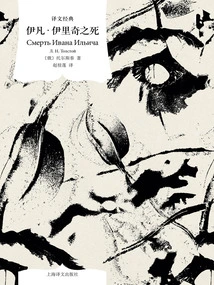
The Death of Ivan Ilyich (translation Classic)
General Fiction伊凡·伊里奇之死(译文经典)
J
Tolstoy's most important short story in his later years has been newly translated by Professor Zhao Guilian of Peking University; the famous writer Huan Yan has written a preface and recommended it to interpret and understand the classic "Living to Death"; it is the pinnacle of human beings facing death and the ultimate questioning of the meaning of life and death. "The Death of Ivan Ilyich" is Tolstoy's most important short story in his later years. Through a detailed description of the entire process of Ivan Ilyich's death, it raises the ultimate question on the meaning of life and death. Ivan Ilyich's life was "extremely simple, ordinary, and extremely terrifying." He lived an extremely self-consistent life until he contracted a serious illness due to a minor accident, which eventually developed into an incurable disease. As his life came to an end, he realized as if struck by lightning that something was "wrong" with his past life. He thought hard about the meaning of life and what death was, and finally had an epiphany at the moment before his death. Although this novel is not large in length, it contains huge spiritual energy and can be regarded as the pinnacle of facing death in human literature. People's clear understanding of their mortality is not only a source of anxiety, but also an opportunity to reconstruct the meaning of life. "The Death of Ivan Ilyich" may be a key to understanding "living toward death" and breaking away from the sinking state of daily life.
Tolstoy's most important short story in his later years has been newly translated by Professor Zhao Guilian of Peking University; the famous writer Huan Yan has written a preface and recommended it to interpret and understand the classic "Living to Death"; it is the pinnacle of human beings facing death and the ultimate questioning of the meaning of life and death. "The Death of Ivan Ilyich" is Tolstoy's most important short story in his later years. Through a detailed description of the entire process of Ivan Ilyich's death, it raises the ultimate question on the meaning of life and death. Ivan Ilyich's life was "extremely simple, ordinary, and extremely terrifying." He lived an extremely self-consistent life until he contracted a serious illness due to a minor accident, which eventually developed into an incurable disease. As his life came to an end, he realized as if struck by lightning that something was "wrong" with his past life. He thought hard about the meaning of life and what death was, and finally had an epiphany at the moment before his death. Although this novel is not large in length, it contains huge spiritual energy and can be regarded as the pinnacle of facing death in human literature. People's clear understanding of their mortality is not only a source of anxiety, but also an opportunity to reconstruct the meaning of life. "The Death of Ivan Ilyich" may be a key to understanding "living toward death" and breaking away from the sinking state of daily life.
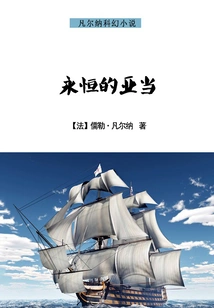
Eternal Adam
General Fiction永恒的亚当
G
Sofer walked slowly, first of all because of the hot weather: it was already the hot season, and Bazidra was located on the coast of Sponna, or the East Sea, less than 20 degrees north of the equator. The sun reaching the zenith poured down terrible rays on Bazidra like a waterfall. Besides weariness and heat, the weight of his thoughts slowed the learned doctor Sofer. He casually wiped the sweat from his forehead with his hand and recalled the meeting that had just ended. There were so many high-minded speakers at the meeting, and he was honored to be included among them. They solemnly celebrated the 195th anniversary of the founding of the empire...
Sofer walked slowly, first of all because of the hot weather: it was already the hot season, and Bazidra was located on the coast of Sponna, or the East Sea, less than 20 degrees north of the equator. The sun reaching the zenith poured down terrible rays on Bazidra like a waterfall. Besides weariness and heat, the weight of his thoughts slowed the learned doctor Sofer. He casually wiped the sweat from his forehead with his hand and recalled the meeting that had just ended. There were so many high-minded speakers at the meeting, and he was honored to be included among them. They solemnly celebrated the 195th anniversary of the founding of the empire...
T
Box Man
General Fiction箱男
J
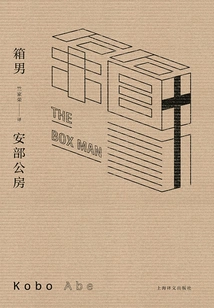
"Box Man" is a novel full of experimental spirit. "Box Men" are urban wanderers who are covered from head to waist in cardboard boxes and only observe the world through a peephole. The work takes the "Box Man"'s notes as the axis, interspersed with fragmentary records from different time and space: articles by unknown authors, abrupt fables, newspaper news, poems, photos, etc. The protagonist of the novel, "I", wanders around the city and records everything in cardboard boxes. In the records of "I", there are the process of "I" becoming a box man, the entanglement between the fake doctor C and the drug-addicted military doctor, and the young boy D who was caught using a homemade multi-angle peepscope to spy on the female teacher next door while using the toilet... The whole work is scattered in form but inseparable in spirit. It is full of surrealism throughout, but it is a true portrayal of the absurdity of modern life.
"Box Man" is a novel full of experimental spirit. "Box Men" are urban wanderers who are covered from head to waist in cardboard boxes and only observe the world through a peephole. The work takes the "Box Man"'s notes as the axis, interspersed with fragmentary records from different time and space: articles by unknown authors, abrupt fables, newspaper news, poems, photos, etc. The protagonist of the novel, "I", wanders around the city and records everything in cardboard boxes. In the records of "I", there are the process of "I" becoming a box man, the entanglement between the fake doctor C and the drug-addicted military doctor, and the young boy D who was caught using a homemade multi-angle peepscope to spy on the female teacher next door while using the toilet... The whole work is scattered in form but inseparable in spirit. It is full of surrealism throughout, but it is a true portrayal of the absurdity of modern life.
Stud
General Fiction梭哈
M
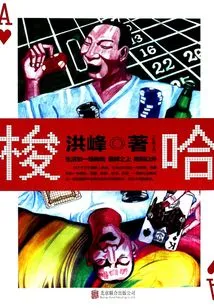
A group of all kinds of men and women gathered at the lottery station. They flirted and joked. The lottery station was like a blind peeking into their lives. A complex map of interpersonal relationships, entangled and ambiguous passions. The joys, sorrows and joys of little people, the noisy and trivial life of the city. Looking down from a high place, people look like ants, but no one will give up. Everyone is taking a gamble, just like the last game of stud. You want to know the character's ending, but life has no ending. After stud, the so-called winning or losing is just the position where you start again.
A group of all kinds of men and women gathered at the lottery station. They flirted and joked. The lottery station was like a blind peeking into their lives. A complex map of interpersonal relationships, entangled and ambiguous passions. The joys, sorrows and joys of little people, the noisy and trivial life of the city. Looking down from a high place, people look like ants, but no one will give up. Everyone is taking a gamble, just like the last game of stud. You want to know the character's ending, but life has no ending. After stud, the so-called winning or losing is just the position where you start again.
使女的故事(同名美剧原著)
I
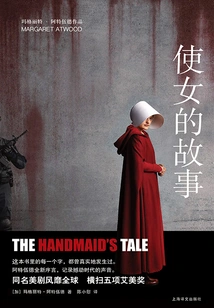
The original novel of the popular American drama "The Handmaid's Tale" defeated "Game of Thrones" and "Westworld" and swept the Emmy Awards and Golden Globe Awards. Offred is a handmaid in the Republic of Gilead. She was one of the few fertile women in the country and was assigned to the families of commanders who had no offspring to help them give birth to children. Like other women in this country, she had no freedom of movement and was deprived of property, the right to work, and the right to read. Except for some special days, the maids are only allowed to go shopping together once a day, and their every move is monitored by "eyes". What's worse is that in this crazy world, humans not only have to face problems such as ecological deterioration and economic crisis, but also fall into a chaotic situation of mutual hostility, class differentiation, and wanton killing. Women are not the only victims of oppression in this catastrophe. Everyone is a victim in this seemingly absurd world.
The original novel of the popular American drama "The Handmaid's Tale" defeated "Game of Thrones" and "Westworld" and swept the Emmy Awards and Golden Globe Awards. Offred is a handmaid in the Republic of Gilead. She was one of the few fertile women in the country and was assigned to the families of commanders who had no offspring to help them give birth to children. Like other women in this country, she had no freedom of movement and was deprived of property, the right to work, and the right to read. Except for some special days, the maids are only allowed to go shopping together once a day, and their every move is monitored by "eyes". What's worse is that in this crazy world, humans not only have to face problems such as ecological deterioration and economic crisis, but also fall into a chaotic situation of mutual hostility, class differentiation, and wanton killing. Women are not the only victims of oppression in this catastrophe. Everyone is a victim in this seemingly absurd world.
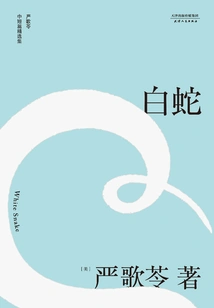
White Snake
General Fiction白蛇
K
"White Snake" is one of the self-selected editions of Yan Geling's classic short stories and short stories, including "White Snake", "Also Adam and Eve", "Magic Dan", "White Sparrow" and "Stories in School". Main article "White Snake": During the Cultural Revolution, the famous actress Sun Likun was "suppressed" for starring in "White Snake" and was imprisoned in a dilapidated set room. She who once captivated all sentient beings gradually became vulgar and numb due to long-term mental oppression and harsh living conditions. In October, a young man wearing an old yellow woolen military uniform came and often stopped under her window. Soon the girl who was guarding her informed that someone from her superiors would come to investigate... Yan Geling told the story in poetic and exquisite language, giving a new interpretation to the ancient relationship between men and women; the indescribable and faintly painful love revealed the secluded human nature in extraordinary times.
"White Snake" is one of the self-selected editions of Yan Geling's classic short stories and short stories, including "White Snake", "Also Adam and Eve", "Magic Dan", "White Sparrow" and "Stories in School". Main article "White Snake": During the Cultural Revolution, the famous actress Sun Likun was "suppressed" for starring in "White Snake" and was imprisoned in a dilapidated set room. She who once captivated all sentient beings gradually became vulgar and numb due to long-term mental oppression and harsh living conditions. In October, a young man wearing an old yellow woolen military uniform came and often stopped under her window. Soon the girl who was guarding her informed that someone from her superiors would come to investigate... Yan Geling told the story in poetic and exquisite language, giving a new interpretation to the ancient relationship between men and women; the indescribable and faintly painful love revealed the secluded human nature in extraordinary times.
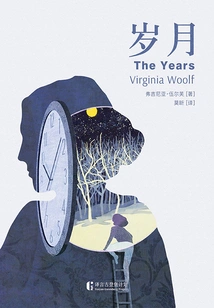
Years
General Fiction岁月
J
"The Years" is Woolf's last novel published during her lifetime and her best-selling novel. It spans more than 50 years from 1880 to the mid-1930s and tells the history of three generations of the Padgett family. Although it covers such a long period, the book focuses on some aspect of each character's personal life. Except for the first chapter, each chapter tells what happened on a certain day that year from the perspective of a different character. Historical events loom as the background, and the stories of three generations of the Padgett family become a microcosm of the external world, running through the author's thoughts on survival and the meaning of life.
"The Years" is Woolf's last novel published during her lifetime and her best-selling novel. It spans more than 50 years from 1880 to the mid-1930s and tells the history of three generations of the Padgett family. Although it covers such a long period, the book focuses on some aspect of each character's personal life. Except for the first chapter, each chapter tells what happened on a certain day that year from the perspective of a different character. Historical events loom as the background, and the stories of three generations of the Padgett family become a microcosm of the external world, running through the author's thoughts on survival and the meaning of life.
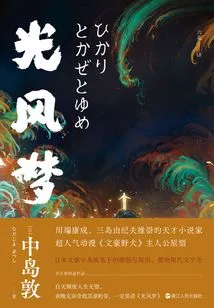
W
General Fictionw
I
"Dream of Light and Wind" is a collection of ideals and reality written by Japanese writer Atsushi Nakajima, a collection of folk tales spanning South America, North Africa and Southeast Asia, folk legends + Japanese ghost stories.
"Dream of Light and Wind" is a collection of ideals and reality written by Japanese writer Atsushi Nakajima, a collection of folk tales spanning South America, North Africa and Southeast Asia, folk legends + Japanese ghost stories.
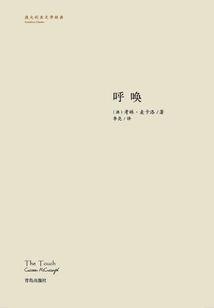
Call
General Fiction呼唤
J
In this book, McCullough mercilessly lashed out at the evils of human nature woven from ignorance, backwardness and religious dogma more than a hundred years ago, and enthusiastically eulogized the brilliance of trampled civilization and ravaged humanity. The "Book Review" pointed out that this is a "colorful story about colorful characters in a colorful time and place", which accurately outlines the artistic achievements of the book "The Calling".
In this book, McCullough mercilessly lashed out at the evils of human nature woven from ignorance, backwardness and religious dogma more than a hundred years ago, and enthusiastically eulogized the brilliance of trampled civilization and ravaged humanity. The "Book Review" pointed out that this is a "colorful story about colorful characters in a colorful time and place", which accurately outlines the artistic achievements of the book "The Calling".
Chronicle of Bustos Domec
General Fiction布斯托斯·多梅克纪事
J
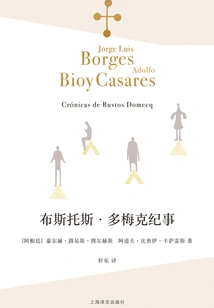
The four-hand collaboration between literary masters Borges and Casares - "One rainy morning Bioy said to me that we should write something based on this story. I reluctantly agreed. That morning we determined the signature of the novel, Honorio Bustos Domec. Domec is the name of one of Bioy's great-grandfathers, and Bustos is the name of one of my great-grandfathers. ""Chronicles of Bustos Domec" is a fictional sketch co-written by Borges and the Argentinian writer and his close friend Adolfo Bioy Casares, published in 1967. The two writers invented a fictional author named Bustos Domec, and used his mouth to describe the imaginary modern eccentric artists - architects, sculptors, poets, novelists, tailors... The novel is written in the style of a pious modern critic, with fiction and reality, reality and fantasy. The style itself is a kind of joke.
The four-hand collaboration between literary masters Borges and Casares - "One rainy morning Bioy said to me that we should write something based on this story. I reluctantly agreed. That morning we determined the signature of the novel, Honorio Bustos Domec. Domec is the name of one of Bioy's great-grandfathers, and Bustos is the name of one of my great-grandfathers. ""Chronicles of Bustos Domec" is a fictional sketch co-written by Borges and the Argentinian writer and his close friend Adolfo Bioy Casares, published in 1967. The two writers invented a fictional author named Bustos Domec, and used his mouth to describe the imaginary modern eccentric artists - architects, sculptors, poets, novelists, tailors... The novel is written in the style of a pious modern critic, with fiction and reality, reality and fantasy. The style itself is a kind of joke.
Break the Precept
General Fiction破戒
Y
The protagonist Segawa Umatsu is an elementary school teacher with a Burakumin background. In order not to be abandoned by society, he concealed his origin. Uchimatsu has progressive ideas, hates evil forces, sympathizes with the weak, and worships Inoko Rentaro, a thinker who was also a tribesman. He was inspired by Rentaro's writings and wanted to challenge society and bravely reveal his identity, but he was afraid of this ruthless society. As a result, I feel conflicted and full of annoyance and distress. His progressive tendencies and popularity among students aroused the suspicion and hatred of the principal, who attempted to squeeze Chou Song out using insidious means. After Rentaro was killed by a political enemy, Usomatsu made up his mind to reveal his origins and asked the students to forgive him for concealing his behavior. Although he broke the rules, he was not accepted by the society at that time. With the encouragement and comfort of his lover Shiho, Usomatsu is determined to start a new life in North America...
The protagonist Segawa Umatsu is an elementary school teacher with a Burakumin background. In order not to be abandoned by society, he concealed his origin. Uchimatsu has progressive ideas, hates evil forces, sympathizes with the weak, and worships Inoko Rentaro, a thinker who was also a tribesman. He was inspired by Rentaro's writings and wanted to challenge society and bravely reveal his identity, but he was afraid of this ruthless society. As a result, I feel conflicted and full of annoyance and distress. His progressive tendencies and popularity among students aroused the suspicion and hatred of the principal, who attempted to squeeze Chou Song out using insidious means. After Rentaro was killed by a political enemy, Usomatsu made up his mind to reveal his origins and asked the students to forgive him for concealing his behavior. Although he broke the rules, he was not accepted by the society at that time. With the encouragement and comfort of his lover Shiho, Usomatsu is determined to start a new life in North America...
Bliss Pool Water
General Fiction极乐池水
L
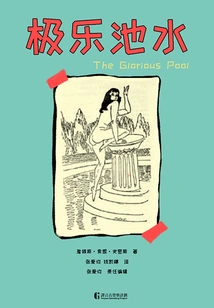
This book is Thorne Smith's most poignant social satire and humorous novel, set during the implementation of the Volstead Act (the Prohibition Act). A stubborn, unrestrained older man and woman are celebrating the twenty-fifth anniversary of their successful mutual seduction. Rex Pebble, a fashionable older man, is having a tryst with another woman behind his wife's back, while his partner, Spray Summers, is a difficult lover. Their Japanese male servant Nojima's behavior is infuriating, he drinks excessively, and uses English as judo to talk to his master. The two slipped into the garden swimming pool. They didn't know that the water in the pool had just possessed the magic power to return people to youth. The man and woman threw away their clothes and modesty. After emerging from the water, they suddenly looked decades younger and regained their youthful bodies. The two experienced and skillful people, plus a girl who turned into a sculpture standing in the middle of the pool, a few neighbors, two robbers, a team of firefighters, Mrs. Pebble who came in a hurry, and a psychic who didn't know where they came from, all these people were wild and carnival, and staged one incredible farce after another from dusk to dawn the next day? Comedy? A satire?
This book is Thorne Smith's most poignant social satire and humorous novel, set during the implementation of the Volstead Act (the Prohibition Act). A stubborn, unrestrained older man and woman are celebrating the twenty-fifth anniversary of their successful mutual seduction. Rex Pebble, a fashionable older man, is having a tryst with another woman behind his wife's back, while his partner, Spray Summers, is a difficult lover. Their Japanese male servant Nojima's behavior is infuriating, he drinks excessively, and uses English as judo to talk to his master. The two slipped into the garden swimming pool. They didn't know that the water in the pool had just possessed the magic power to return people to youth. The man and woman threw away their clothes and modesty. After emerging from the water, they suddenly looked decades younger and regained their youthful bodies. The two experienced and skillful people, plus a girl who turned into a sculpture standing in the middle of the pool, a few neighbors, two robbers, a team of firefighters, Mrs. Pebble who came in a hurry, and a psychic who didn't know where they came from, all these people were wild and carnival, and staged one incredible farce after another from dusk to dawn the next day? Comedy? A satire?
Transposition
General Fiction换位
M
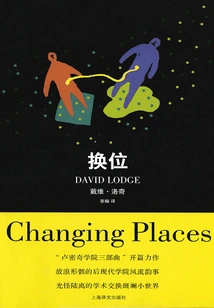
David Lodge was born in London in 1935. He studied at the University of London in his early years, received a PhD from the University of Birmingham, and is a member of the Royal Academy of Arts. He was awarded the Order of the British Empire and the French Chevalier des Arts for his literary contributions. Since 1960, he has taught in the English Department of the University of Birmingham. He retired in 1987 to engage in creative writing. He is also an honorary professor of modern British literature at the University of Birmingham. This book is the first of the Rocky Campus Trilogy. In the novel, teachers from universities in two different countries are focused on portraying them. They participated in an inter-school exchange project and thus experienced each other's life on the other side of the Atlantic: politics, lifestyle, students, colleagues, and in the end even exchanged wives, which ended badly.
David Lodge was born in London in 1935. He studied at the University of London in his early years, received a PhD from the University of Birmingham, and is a member of the Royal Academy of Arts. He was awarded the Order of the British Empire and the French Chevalier des Arts for his literary contributions. Since 1960, he has taught in the English Department of the University of Birmingham. He retired in 1987 to engage in creative writing. He is also an honorary professor of modern British literature at the University of Birmingham. This book is the first of the Rocky Campus Trilogy. In the novel, teachers from universities in two different countries are focused on portraying them. They participated in an inter-school exchange project and thus experienced each other's life on the other side of the Atlantic: politics, lifestyle, students, colleagues, and in the end even exchanged wives, which ended badly.