Library
Browse and search books
6 novels found
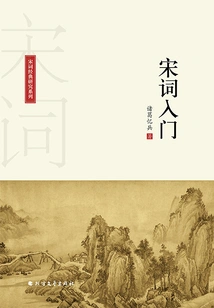
宋词入门(宋词经典研究系列)
Zhuge Yibing
In the splendid garden of classical poetry, Song Ci is a bright and dazzling flower. As a new lyric poetry style that rivals Tang poetry, Song poetry has its own unique aesthetic value. From a broad perspective, the development of Song poetry can be divided into Northern Song poetry and Southern Song poetry. Ci poetry in the Northern Song Dynasty can be roughly divided into four creative periods: the prosperous period of Xiaoling, the rise of slow Ci, the creation of bold Ci, and the standardization of Ci rhythm. The creation of lyrics in the Southern Song Dynasty was affected by the environment of the times, and a genre of patriotic lyrics represented by Xin Qiji emerged. With the formation of the peaceful situation in the Southern Song Dynasty, the creative tendency of literati pursuing the "elegance" of poetry once again occupied the mainstream position in the poetry world. This book uses concise and easy-to-understand language to introduce the basic literary characteristics of Song Ci and the basic development process of Song Ci, serving as an introduction to the reading and appreciation of Song Ci.
In the splendid garden of classical poetry, Song Ci is a bright and dazzling flower. As a new lyric poetry style that rivals Tang poetry, Song poetry has its own unique aesthetic value. From a broad perspective, the development of Song poetry can be divided into Northern Song poetry and Southern Song poetry. Ci poetry in the Northern Song Dynasty can be roughly divided into four creative periods: the prosperous period of Xiaoling, the rise of slow Ci, the creation of bold Ci, and the standardization of Ci rhythm. The creation of lyrics in the Southern Song Dynasty was affected by the environment of the times, and a genre of patriotic lyrics represented by Xin Qiji emerged. With the formation of the peaceful situation in the Southern Song Dynasty, the creative tendency of literati pursuing the "elegance" of poetry once again occupied the mainstream position in the poetry world. This book uses concise and easy-to-understand language to introduce the basic literary characteristics of Song Ci and the basic development process of Song Ci, serving as an introduction to the reading and appreciation of Song Ci.
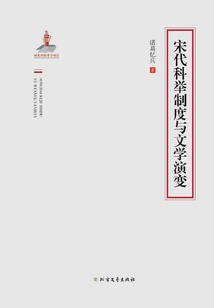
宋代科举制度与文学演变
Zhuge Yibing
Since the birth of the imperial examination system in the Sui and Tang Dynasties, it has affected social politics, culture and life in many aspects, especially the impact on scholars, which also restricted the literary creation at that time. The imperial examination system was greatly improved in the Song Dynasty, which not only greatly increased the number of candidates, but also improved the selection and management systems of the imperial examination system. For a long time, academic circles have always focused their research on the imperial examination system and its social significance, focusing on historical elaboration, and to a certain extent, neglected the impact of the imperial examination system on the texts of contemporary literati. As the official career promotion path that had the greatest impact on Song Dynasty literati, the imperial examination system most directly affected the literary creation and literary themes of Song Dynasty literati.
Since the birth of the imperial examination system in the Sui and Tang Dynasties, it has affected social politics, culture and life in many aspects, especially the impact on scholars, which also restricted the literary creation at that time. The imperial examination system was greatly improved in the Song Dynasty, which not only greatly increased the number of candidates, but also improved the selection and management systems of the imperial examination system. For a long time, academic circles have always focused their research on the imperial examination system and its social significance, focusing on historical elaboration, and to a certain extent, neglected the impact of the imperial examination system on the texts of contemporary literati. As the official career promotion path that had the greatest impact on Song Dynasty literati, the imperial examination system most directly affected the literary creation and literary themes of Song Dynasty literati.
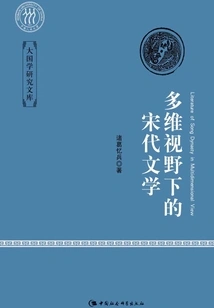
多维视野下的宋代文学
Zhuge Yibing
This book combs the literati's concepts of lyric style in the Tang and Song Dynasties. Starting from the stylistic characteristics of lyrics, it analyzes the rise of the lyrics in the Tang and Song Dynasties, the silence of the poetry world in the early Song Dynasty, the establishment of Fan Zhongyan's position in the history of poetry, the analysis of the issue of "poetry as lyrics", the evolution of the poetry world in the Northern and Southern Song Dynasties, and many other issues. At the same time, the book explores the impact of the emergence and evolution of the imperial examination system on literary creation at that time. On the one hand, it explores the literary creation of Song people related to the imperial examination. On the other hand, it explores the differences between Tang and Song poetry from the perspective of the evolution of the imperial examination system, and provides a certain explanation for the creative characteristics of Song poetry. In addition, case studies are conducted on the poets and poets of the Song Dynasty, and the political activities and literary creation of the literati in the Song Dynasty are deeply analyzed.
This book combs the literati's concepts of lyric style in the Tang and Song Dynasties. Starting from the stylistic characteristics of lyrics, it analyzes the rise of the lyrics in the Tang and Song Dynasties, the silence of the poetry world in the early Song Dynasty, the establishment of Fan Zhongyan's position in the history of poetry, the analysis of the issue of "poetry as lyrics", the evolution of the poetry world in the Northern and Southern Song Dynasties, and many other issues. At the same time, the book explores the impact of the emergence and evolution of the imperial examination system on literary creation at that time. On the one hand, it explores the literary creation of Song people related to the imperial examination. On the other hand, it explores the differences between Tang and Song poetry from the perspective of the evolution of the imperial examination system, and provides a certain explanation for the creative characteristics of Song poetry. In addition, case studies are conducted on the poets and poets of the Song Dynasty, and the political activities and literary creation of the literati in the Song Dynasty are deeply analyzed.
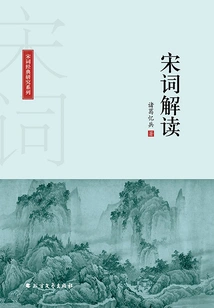
Interpretation of Song Ci
Literature宋词解读
Zhuge Yibing
Song poetry has always been compared with Tang poetry. From the beginning, Song poetry focused on personal enjoyment and private life, highlighting the delicate sensory feelings, secluded spiritual experiences, and tortuous emotional processes of the lyrical subject enjoying life, forming the literary characteristics of "romance" and "side beauty". For thousands of years, countless readers have fallen in love with Song Ci. Its famous poems and lines are even more popular and become household names. This book contains a total of 334 selected works. The annotations are as concise as possible and the interpretation is relatively detailed. Sharing the experience of reading Song Ci with readers is to guide readers to understand and appreciate Song Ci more comprehensively, broadly and deeply. At the same time, this book is easy to understand and takes into account the content requirements of academic research and ordinary readers.
Song poetry has always been compared with Tang poetry. From the beginning, Song poetry focused on personal enjoyment and private life, highlighting the delicate sensory feelings, secluded spiritual experiences, and tortuous emotional processes of the lyrical subject enjoying life, forming the literary characteristics of "romance" and "side beauty". For thousands of years, countless readers have fallen in love with Song Ci. Its famous poems and lines are even more popular and become household names. This book contains a total of 334 selected works. The annotations are as concise as possible and the interpretation is relatively detailed. Sharing the experience of reading Song Ci with readers is to guide readers to understand and appreciate Song Ci more comprehensively, broadly and deeply. At the same time, this book is easy to understand and takes into account the content requirements of academic research and ordinary readers.
宋词说宋史
Zhuge Yibing
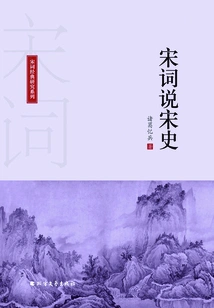
There is no separation between literature and history. Literary creation is the image expression of real society. By reading literary works of a certain era, you can understand many historical phenomena of that era from one perspective. "Ci is Yanke". Song Ci is famous for being good at describing the personal relationships between men and women, and reflects a relatively narrow aspect of social life. With the development of social life and the evolution of historical background, Song poetry has somewhat stepped out of the narrow circle of flowers in front of the moon and expressed a more open historical style of the Song Dynasty. This book selects 16 Song poems and works with similar themes to explain the historical environment and related historical facts of the production of the works. It hopes to bring a new reading perspective to readers and bring them a new reading experience, so as to deepen their impression and understanding of Song poems and Song history.
There is no separation between literature and history. Literary creation is the image expression of real society. By reading literary works of a certain era, you can understand many historical phenomena of that era from one perspective. "Ci is Yanke". Song Ci is famous for being good at describing the personal relationships between men and women, and reflects a relatively narrow aspect of social life. With the development of social life and the evolution of historical background, Song poetry has somewhat stepped out of the narrow circle of flowers in front of the moon and expressed a more open historical style of the Song Dynasty. This book selects 16 Song poems and works with similar themes to explain the historical environment and related historical facts of the production of the works. It hopes to bring a new reading perspective to readers and bring them a new reading experience, so as to deepen their impression and understanding of Song poems and Song history.
宋词三百首(宋词经典研究系列)
Zhuge Yibing
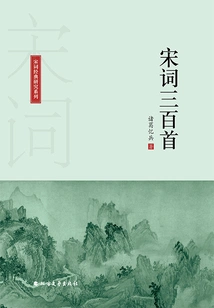
The "Three Hundred Song Ci Poems" compiled by Zhu Zumou has been widely circulated. The first draft was published in 1924, and 87 Song Ci poets were selected and composed of 300 poems. Soon, Zhu Zumou revised the first draft, deleting 28 works and adding 11 more, bringing the total number of selected works to 283. In the third draft, Zhu Zumou added 2 more songs, totaling 285 songs. This book uses the second draft as the basis, and includes the works selected from the first draft and the third draft one by one. The deletion of specific works is briefly explained in the "Comments" to see the changes in Zhu Zumou's conception and aesthetic taste before and after he selected the works.
The "Three Hundred Song Ci Poems" compiled by Zhu Zumou has been widely circulated. The first draft was published in 1924, and 87 Song Ci poets were selected and composed of 300 poems. Soon, Zhu Zumou revised the first draft, deleting 28 works and adding 11 more, bringing the total number of selected works to 283. In the third draft, Zhu Zumou added 2 more songs, totaling 285 songs. This book uses the second draft as the basis, and includes the works selected from the first draft and the third draft one by one. The deletion of specific works is briefly explained in the "Comments" to see the changes in Zhu Zumou's conception and aesthetic taste before and after he selected the works.