Library
Browse and search books
24 novels found
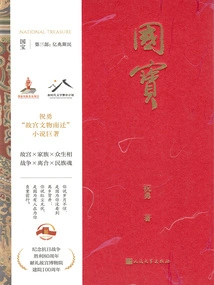
National Treasure Part 3: Billions of People
General Fiction国宝第三部:亿兆斯民
Zhu Yong
This book has been selected for the third issue of the "New Era Literary Climbing Plan" of the Chinese Writers Association. The first volume has been published in the 10th issue of "Chinese Writers" in 2022, and the second volume has been published in the 2023 winter volume of "Harvest" novels. The first two volumes are published by People's Literature Publishing House, and the third volume will be released soon. In 1933, Shanhaiguan fell and Peiping was in danger. Na Wensong and other Forbidden City staff from the Palace Museum made an oath that "the people are here and the cultural relics are there." Amid the dangers of gunpowder smoke and bayonets, and the numerous obstructions from all parties, they resolutely escorted more than 10,000 boxes of the Palace Museum's cultural relics alone on the road. Since then, the vast royal collection has experienced more than ten years of wandering on the land of China, and it has also formed the endless cultural spirit of the Chinese nation that transcends artifacts. Zhu Yong used rich details to restore the historical scene, reconstructed the southward migration with wonderful stories, and put on paper the heart of the Forbidden City people to protect the treasure. "National Treasure" tells the story of a family's turbulent family history caused by the migration to the south through the joys and sorrows of a family, reunions, separations, and migrations. It uses the small to see the big and the family to reflect the country. It witnesses the majestic vicissitudes of modern China from the perspective of daily fireworks. You say that the years are calm because you have not seen leaving home; you say that the world is carefree; it is because someone is carrying the burden for you.
This book has been selected for the third issue of the "New Era Literary Climbing Plan" of the Chinese Writers Association. The first volume has been published in the 10th issue of "Chinese Writers" in 2022, and the second volume has been published in the 2023 winter volume of "Harvest" novels. The first two volumes are published by People's Literature Publishing House, and the third volume will be released soon. In 1933, Shanhaiguan fell and Peiping was in danger. Na Wensong and other Forbidden City staff from the Palace Museum made an oath that "the people are here and the cultural relics are there." Amid the dangers of gunpowder smoke and bayonets, and the numerous obstructions from all parties, they resolutely escorted more than 10,000 boxes of the Palace Museum's cultural relics alone on the road. Since then, the vast royal collection has experienced more than ten years of wandering on the land of China, and it has also formed the endless cultural spirit of the Chinese nation that transcends artifacts. Zhu Yong used rich details to restore the historical scene, reconstructed the southward migration with wonderful stories, and put on paper the heart of the Forbidden City people to protect the treasure. "National Treasure" tells the story of a family's turbulent family history caused by the migration to the south through the joys and sorrows of a family, reunions, separations, and migrations. It uses the small to see the big and the family to reflect the country. It witnesses the majestic vicissitudes of modern China from the perspective of daily fireworks. You say that the years are calm because you have not seen leaving home; you say that the world is carefree; it is because someone is carrying the burden for you.
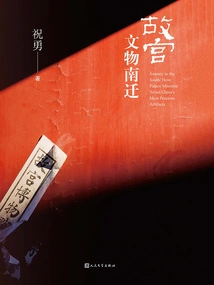
故宫文物南迁
Zhu Yong
In February 1933, 19,816 boxes, 72 packages of 15 pieces and 13 bundles of "antiquities" including documents, archives, ancient books, and various cultural relics were moved south in batches at the critical moment when the Japanese army invaded Pingjin. Among the international historical facts of rescuing national treasures under the threat of war, the relocation of cultural relics from the Forbidden City to the south is the earliest, largest, longest-lasting, and far-reaching action. This is not a simple rescue of treasures, but a real national cultural rescue operation. The relocation of cultural relics from the Palace Museum to the south is an eventful period for the Palace Museum and a history of struggle for the Chinese nation. Zhu Yong uses poetic language, prose style, and historical attitude to objectively restore the historical context and factual details of the relocation of cultural relics from the Forbidden City to the south, and takes us into those dusty years.
In February 1933, 19,816 boxes, 72 packages of 15 pieces and 13 bundles of "antiquities" including documents, archives, ancient books, and various cultural relics were moved south in batches at the critical moment when the Japanese army invaded Pingjin. Among the international historical facts of rescuing national treasures under the threat of war, the relocation of cultural relics from the Forbidden City to the south is the earliest, largest, longest-lasting, and far-reaching action. This is not a simple rescue of treasures, but a real national cultural rescue operation. The relocation of cultural relics from the Palace Museum to the south is an eventful period for the Palace Museum and a history of struggle for the Chinese nation. Zhu Yong uses poetic language, prose style, and historical attitude to objectively restore the historical context and factual details of the relocation of cultural relics from the Forbidden City to the south, and takes us into those dusty years.
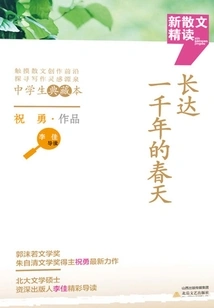
A Thousand Years of Spring
Literature长达一千年的春天
Zhu Yong
This book is divided into historical and geographical chapters. The history chapter includes four articles including "The Drunkenness in the Ninth Year of Yonghe", "The Glory and Shame of Song, Hui and Song Dynasties", "Kong Shangren on the Official Career" and "Paper Paradise", and the geography chapter includes 7 articles including "Old Palace", "Southern Water Impression" and "Dege on Engravings". In these articles, the author transcends time and space and expresses each grand historical event from a modern perspective in graphic language, making readers feel as if they are following the author to appreciate a large freehand painting with bright colors and meaningful meanings. The delicate and profound introduction, marginal notes and general comments after the text allow readers to understand more deeply and thoroughly after reading it.
This book is divided into historical and geographical chapters. The history chapter includes four articles including "The Drunkenness in the Ninth Year of Yonghe", "The Glory and Shame of Song, Hui and Song Dynasties", "Kong Shangren on the Official Career" and "Paper Paradise", and the geography chapter includes 7 articles including "Old Palace", "Southern Water Impression" and "Dege on Engravings". In these articles, the author transcends time and space and expresses each grand historical event from a modern perspective in graphic language, making readers feel as if they are following the author to appreciate a large freehand painting with bright colors and meaningful meanings. The delicate and profound introduction, marginal notes and general comments after the text allow readers to understand more deeply and thoroughly after reading it.
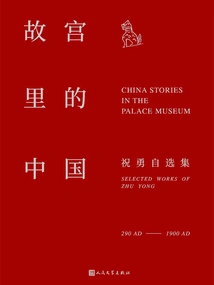
China in the Forbidden City
Literature故宫里的中国
Zhu Yong
This book contains twelve essays by Zhu Yong about the Forbidden City. The Forbidden City is both a witness and a participant in history. The changes in human life behind these distant histories are far beyond what ordinary tourists can understand after just a moment's pause. The writer's beautiful writing on the Forbidden City's calligraphy, paintings, architecture, and historical figures relives and continues the historical memory of the Forbidden City, and also tells the story of a rich and colorful chapter in Chinese civilization. This book is a classic of Zhu Yong's prose writing in recent years. It comprehensively demonstrates Zhu Yong's determination to pursue prose writing to become more open, closer to human nature and people's hearts, and more down-to-earth. In Zhu Yong's prose, there are no articles filled with empty adjectives. He got rid of the constraints imposed on him by both the era and the prose tradition, and freely deployed his troops in the world of words.
This book contains twelve essays by Zhu Yong about the Forbidden City. The Forbidden City is both a witness and a participant in history. The changes in human life behind these distant histories are far beyond what ordinary tourists can understand after just a moment's pause. The writer's beautiful writing on the Forbidden City's calligraphy, paintings, architecture, and historical figures relives and continues the historical memory of the Forbidden City, and also tells the story of a rich and colorful chapter in Chinese civilization. This book is a classic of Zhu Yong's prose writing in recent years. It comprehensively demonstrates Zhu Yong's determination to pursue prose writing to become more open, closer to human nature and people's hearts, and more down-to-earth. In Zhu Yong's prose, there are no articles filled with empty adjectives. He got rid of the constraints imposed on him by both the era and the prose tradition, and freely deployed his troops in the world of words.
Zhu Yong's Prose
Literature祝勇散文
Zhu Yong
Zhu Yong is one of the most representative and influential writers in the "new prose" genre in the 1990s. In recent years, as a researcher at the Palace Museum, he has continued to write about the allusions and legends of the Palace Museum, borrowing objects to reminisce about them, or reading scrolls to reflect on them, showing a rich and profound classical China from a unique perspective. His prose systematically and methodically describes all aspects of the Forbidden City. Time flies, vivid in small places and majestic in large parts. It is full of a literati and scholar's warmth and respect for history. Zhu Yong is a master of words and a detective of history. He stands on this side of the long river of time, looks at the other side, and reaches the depth of history in a non-historical way. He got rid of the constraints imposed on him by both the era and the tradition of prose, and freely deployed his troops in the world of words.
Zhu Yong is one of the most representative and influential writers in the "new prose" genre in the 1990s. In recent years, as a researcher at the Palace Museum, he has continued to write about the allusions and legends of the Palace Museum, borrowing objects to reminisce about them, or reading scrolls to reflect on them, showing a rich and profound classical China from a unique perspective. His prose systematically and methodically describes all aspects of the Forbidden City. Time flies, vivid in small places and majestic in large parts. It is full of a literati and scholar's warmth and respect for history. Zhu Yong is a master of words and a detective of history. He stands on this side of the long river of time, looks at the other side, and reaches the depth of history in a non-historical way. He got rid of the constraints imposed on him by both the era and the tradition of prose, and freely deployed his troops in the world of words.
故宫的古物之美3
Zhu Yong
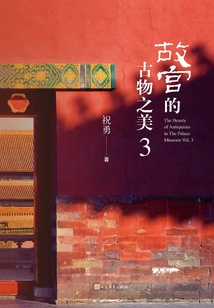
Zhu Yong, a researcher at the Palace Museum, used seven articles to tell the stories of seven famous paintings collected by the Palace Museum. Zhu Yong's prose is unique, combining academic theory and narrative, with special emphasis on the restoration of historical scenes. This book also collects dozens of high-definition paintings from the Palace Museum and other museums at home and abroad, which are attached to the book. The entire book will be printed in four colors on art paper, striving to make this book a "beautiful thing".
Zhu Yong, a researcher at the Palace Museum, used seven articles to tell the stories of seven famous paintings collected by the Palace Museum. Zhu Yong's prose is unique, combining academic theory and narrative, with special emphasis on the restoration of historical scenes. This book also collects dozens of high-definition paintings from the Palace Museum and other museums at home and abroad, which are attached to the book. The entire book will be printed in four colors on art paper, striving to make this book a "beautiful thing".
故宫的古物之美(增订本)
Zhu Yong
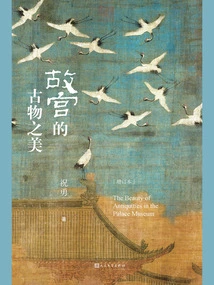
In this book, Zhu Yong selected 18 pieces from the Forbidden City collection and told the past and present lives of each national treasure in 18 essays, linking together the history of art in the Forbidden City and recreating the beauty of Chinese civilization. The "antiques" in Zhu Yong's works reflect the cultural spirit of the same era through the material carrier of an era. This is a surprise and sigh for our ancient civilization, and a sincere pride brought by cultural origin. The book contains nearly a hundred high-definition detailed pictures of the Forbidden City and museums at home and abroad.
In this book, Zhu Yong selected 18 pieces from the Forbidden City collection and told the past and present lives of each national treasure in 18 essays, linking together the history of art in the Forbidden City and recreating the beauty of Chinese civilization. The "antiques" in Zhu Yong's works reflect the cultural spirit of the same era through the material carrier of an era. This is a surprise and sigh for our ancient civilization, and a sincere pride brought by cultural origin. The book contains nearly a hundred high-definition detailed pictures of the Forbidden City and museums at home and abroad.
故宫的古物之美2
Zhu Yong
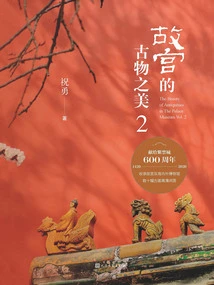
"The Beauty of Antiquities in the Forbidden City 2" is another "Beauty of the Forbidden City" launched by Zhu Yong after "The Beauty of Antiquities in the Forbidden City". It is not an academic work of art history, but a spiritual journey to find the roots. It may let us know how these ancient works of art were born, and what kind of ups and downs they experienced before arriving in front of us. Facing those long-lasting ink marks, both you and I will feel our hearts beat. In addition to marveling at the amazing techniques of ancient artists, I also think of the stories behind those pages, and the people and things that appeared and disappeared in the Forbidden City emerge.
"The Beauty of Antiquities in the Forbidden City 2" is another "Beauty of the Forbidden City" launched by Zhu Yong after "The Beauty of Antiquities in the Forbidden City". It is not an academic work of art history, but a spiritual journey to find the roots. It may let us know how these ancient works of art were born, and what kind of ups and downs they experienced before arriving in front of us. Facing those long-lasting ink marks, both you and I will feel our hearts beat. In addition to marveling at the amazing techniques of ancient artists, I also think of the stories behind those pages, and the people and things that appeared and disappeared in the Forbidden City emerge.
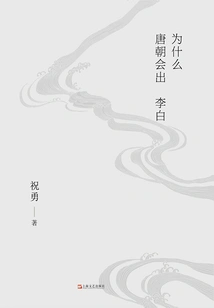
为什么唐朝会出现李白
Zhu Yong
This book includes works such as "The Drunk in the Ninth Year of Yonghe", "Why did Li Bai appear in the Tang Dynasty", "The Glory and Shame of Song Huizong", "Wu Sangui's Roller Coaster of Destiny", etc. It is a classic work of Zhu Yong's prose creation in recent years. It comprehensively demonstrates Zhu Yong's determination to pursue prose writing to become more open, closer to human nature and people's hearts, and more down-to-earth. In Zhu Yong's prose, there are no articles filled with empty adjectives. He got rid of the constraints imposed on him by both the era and the prose tradition, and freely deployed his troops in the world of words.
This book includes works such as "The Drunk in the Ninth Year of Yonghe", "Why did Li Bai appear in the Tang Dynasty", "The Glory and Shame of Song Huizong", "Wu Sangui's Roller Coaster of Destiny", etc. It is a classic work of Zhu Yong's prose creation in recent years. It comprehensively demonstrates Zhu Yong's determination to pursue prose writing to become more open, closer to human nature and people's hearts, and more down-to-earth. In Zhu Yong's prose, there are no articles filled with empty adjectives. He got rid of the constraints imposed on him by both the era and the prose tradition, and freely deployed his troops in the world of words.
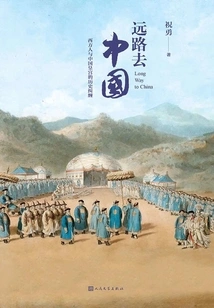
Going the Long Way to China: Westerners' Historical Entanglement with the Chinese Imperial Palace
History远路去中国:西方人与中国皇宫的历史纠缠
Zhu Yong
From Marco Polo, Matteo Ricci, Macartney, Lenovo to Locke, the eyes of these Westerners who came to China with various purposes reflect the Western understanding of Chinese culture and the entanglement of Eastern and Western history and culture. At the same time, it also reflects the changes in Chinese government and history from one aspect, that is, several distinctive nodes in Chinese history, especially in modern history.
From Marco Polo, Matteo Ricci, Macartney, Lenovo to Locke, the eyes of these Westerners who came to China with various purposes reflect the Western understanding of Chinese culture and the entanglement of Eastern and Western history and culture. At the same time, it also reflects the changes in Chinese government and history from one aspect, that is, several distinctive nodes in Chinese history, especially in modern history.
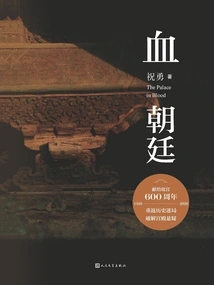
Blood Court
General Fiction血朝廷
Zhu Yong
In "The Blood Court", Zhu Yong reinterprets the history of the dramatic changes in the late Qing Dynasty from the perspectives of Emperor Guangxu, Empress Dowager Cixi, Empress Longyu and Li Lianying. Everyone in the novel is fearful, hesitant and entangled, and it is intended to present the "terrible atmosphere" on the eve of the collapse of a dynasty through the hearts of these figures at the top of the country's power. By showing the ghostly depths of human nature that are obscured by political discourse, we create vivid, three-dimensional people, and then present a sunken dynasty through these vivid images.
In "The Blood Court", Zhu Yong reinterprets the history of the dramatic changes in the late Qing Dynasty from the perspectives of Emperor Guangxu, Empress Dowager Cixi, Empress Longyu and Li Lianying. Everyone in the novel is fearful, hesitant and entangled, and it is intended to present the "terrible atmosphere" on the eve of the collapse of a dynasty through the hearts of these figures at the top of the country's power. By showing the ghostly depths of human nature that are obscured by political discourse, we create vivid, three-dimensional people, and then present a sunken dynasty through these vivid images.
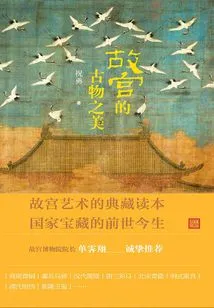
故宫的古物之美
Zhu Yong
The Forbidden City is the largest and best-preserved ancient palace complex in the world, covering an area of 720,000 square meters. The area of the Forbidden City is four times that of the Louvre in France, more than ten times that of the Palace of Versailles, nine times that of the Winter Palace in St. Petersburg, Russia, and ten times that of Buckingham Palace in the United Kingdom. The Forbidden City is not only grand in scale, but more importantly, rich in history. It has served as the working place and living area of 24 emperors. It collects more than 1.8 Million fine art and cultural relics. The cultural essays written by the famous scholar Zhu Yong about the cultural relics in the Forbidden City show us the history and culture behind the cultural relics in the Forbidden City.
The Forbidden City is the largest and best-preserved ancient palace complex in the world, covering an area of 720,000 square meters. The area of the Forbidden City is four times that of the Louvre in France, more than ten times that of the Palace of Versailles, nine times that of the Winter Palace in St. Petersburg, Russia, and ten times that of Buckingham Palace in the United Kingdom. The Forbidden City is not only grand in scale, but more importantly, rich in history. It has served as the working place and living area of 24 emperors. It collects more than 1.8 Million fine art and cultural relics. The cultural essays written by the famous scholar Zhu Yong about the cultural relics in the Forbidden City show us the history and culture behind the cultural relics in the Forbidden City.
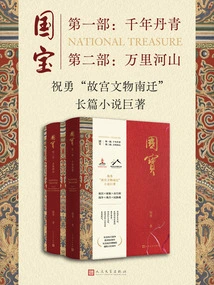
National Treasure (part 2)
General Fiction国宝(全二部)
Zhu Yong
This book has been selected for the 2024 National Publishing Fund-funded project and the third phase of the Chinese Writers Association's "New Era Literary Climbing Plan". The first volume has been published in the 2022 issue 10 of "Chinese Writers", and the second volume has been published in the 2023 winter volume of "Harvest" novels. In 1933, Shanhaiguan fell and Peiping was in danger. Na Wensong and other Forbidden City staff from the Palace Museum made an oath that "the people are here and the cultural relics are there." Amid the dangers of gunpowder smoke and bayonets, and the numerous obstructions from all parties, they resolutely escorted more than 10,000 boxes of the Palace Museum's cultural relics alone on the road. Since then, the vast royal collection has experienced more than ten years of wandering on the land of China, and it has also formed the endless cultural spirit of the Chinese nation that transcends artifacts. Zhu Yong used rich details to restore the historical scene, reconstructed the southward migration with wonderful stories, and put on paper the heart of the Forbidden City people to protect the treasure.
This book has been selected for the 2024 National Publishing Fund-funded project and the third phase of the Chinese Writers Association's "New Era Literary Climbing Plan". The first volume has been published in the 2022 issue 10 of "Chinese Writers", and the second volume has been published in the 2023 winter volume of "Harvest" novels. In 1933, Shanhaiguan fell and Peiping was in danger. Na Wensong and other Forbidden City staff from the Palace Museum made an oath that "the people are here and the cultural relics are there." Amid the dangers of gunpowder smoke and bayonets, and the numerous obstructions from all parties, they resolutely escorted more than 10,000 boxes of the Palace Museum's cultural relics alone on the road. Since then, the vast royal collection has experienced more than ten years of wandering on the land of China, and it has also formed the endless cultural spirit of the Chinese nation that transcends artifacts. Zhu Yong used rich details to restore the historical scene, reconstructed the southward migration with wonderful stories, and put on paper the heart of the Forbidden City people to protect the treasure.
Old Palace
General Fiction旧宫殿
Zhu Yong
Leaving the puzzle of "Blood Court", Zhu Yong traces the original appearance of imperial power in "Old Palace", and derives all kinds of past history from the various palaces, halls, objects and utensils in the Forbidden City. Using the struggle for imperial power as a clue, it interprets the various secret and cruel conspiracy methods used by Zhu Di, the founder of the Ming Dynasty, in the process of seizing power. The author combines a huge research base with the fiction of the novel in solid prose. Through this book, we not only see a kind of unspoken rules hidden deep in the real history, but also see the fragility of the Ming Dynasty that emerged from a conspiracy. Kan's inner world... Zhu Yong lets the cold building gradually warm up with the movement of people and things, becoming a mirror image of "the past reappears", reflecting the countless shadow spider webs in the palace, making blood, killing, struggle and humiliation completely invisible.
Leaving the puzzle of "Blood Court", Zhu Yong traces the original appearance of imperial power in "Old Palace", and derives all kinds of past history from the various palaces, halls, objects and utensils in the Forbidden City. Using the struggle for imperial power as a clue, it interprets the various secret and cruel conspiracy methods used by Zhu Di, the founder of the Ming Dynasty, in the process of seizing power. The author combines a huge research base with the fiction of the novel in solid prose. Through this book, we not only see a kind of unspoken rules hidden deep in the real history, but also see the fragility of the Ming Dynasty that emerged from a conspiracy. Kan's inner world... Zhu Yong lets the cold building gradually warm up with the movement of people and things, becoming a mirror image of "the past reappears", reflecting the countless shadow spider webs in the palace, making blood, killing, struggle and humiliation completely invisible.
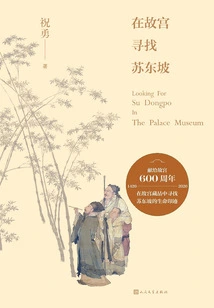
在故宫寻找苏东坡
Zhu Yong
This book combines the art collections of the three main dynasties of the Song, Yuan and Ming dynasties collected by the Forbidden City, including calligraphy, painting and people, and connects Su Dongpo's different life encounters at different life stages. The torrent of the times and the details of the characters blend with each other in the book. It not only presents all the trajectories of Su Dongpo's life, but also writes the spiritual and cultural landscape of the entire Song Dynasty.
This book combines the art collections of the three main dynasties of the Song, Yuan and Ming dynasties collected by the Forbidden City, including calligraphy, painting and people, and connects Su Dongpo's different life encounters at different life stages. The torrent of the times and the details of the characters blend with each other in the book. It not only presents all the trajectories of Su Dongpo's life, but also writes the spiritual and cultural landscape of the entire Song Dynasty.
故宫六百年
Zhu Yong
This book uses the spatial order of the Forbidden City's architecture as the abscissa and the chronological order of the Forbidden City's history as the ordinate to reflect the historical and cultural connotations of the Forbidden City in a three-dimensional and panoramic manner. By reviewing the 600-year history of the Forbidden City, it reveals the historical significance of Beijing as the capital, and demonstrates the great achievements of Chinese civilization in palace architecture, gardens, paintings, reading and collections, etc., While criticizing the dark cruelty of feudal imperial power and revealing the historical inevitability of China's history toward democracy and self-reliance in the twentieth century.
This book uses the spatial order of the Forbidden City's architecture as the abscissa and the chronological order of the Forbidden City's history as the ordinate to reflect the historical and cultural connotations of the Forbidden City in a three-dimensional and panoramic manner. By reviewing the 600-year history of the Forbidden City, it reveals the historical significance of Beijing as the capital, and demonstrates the great achievements of Chinese civilization in palace architecture, gardens, paintings, reading and collections, etc., While criticizing the dark cruelty of feudal imperial power and revealing the historical inevitability of China's history toward democracy and self-reliance in the twentieth century.
Hidden Corners of the Forbidden City
Literature故宫的隐秘角落
Zhu Yong
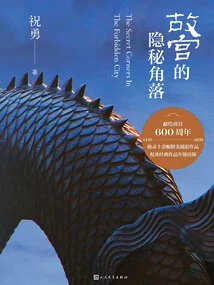
The "secret corners of the Forbidden City" are part of the charm of the Forbidden City. Without "secrets", there would be no real Forbidden City. Zhu Yong uses poetic language, prose style, and historical attitude to take us into unopened areas that are inaccessible to ordinary tourists: Wuying Hall, Zhaoren Hall, Shou'an Palace, Wenyuan Pavilion, Juanqinzhai, etc. He tells the unknown stories behind these hidden corners and depicts the historical figures who appeared and disappeared in the Forbidden City and their ups and downs.
The "secret corners of the Forbidden City" are part of the charm of the Forbidden City. Without "secrets", there would be no real Forbidden City. Zhu Yong uses poetic language, prose style, and historical attitude to take us into unopened areas that are inaccessible to ordinary tourists: Wuying Hall, Zhaoren Hall, Shou'an Palace, Wenyuan Pavilion, Juanqinzhai, etc. He tells the unknown stories behind these hidden corners and depicts the historical figures who appeared and disappeared in the Forbidden City and their ups and downs.
祝勇历史系列(套装共3册)
Zhu Yong
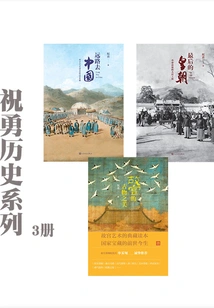
Zhu Yong's Forbidden City series, a collection of "The Beauty of Antiques in the Forbidden City", "A Long Road to China: The Historical Entanglement between Westerners and the Chinese Imperial Palace" and "The Last Dynasty: The Qing Dynasty on the Eve of the Revolution".
Zhu Yong's Forbidden City series, a collection of "The Beauty of Antiques in the Forbidden City", "A Long Road to China: The Historical Entanglement between Westerners and the Chinese Imperial Palace" and "The Last Dynasty: The Qing Dynasty on the Eve of the Revolution".
故宫的古画之美
Zhu Yong
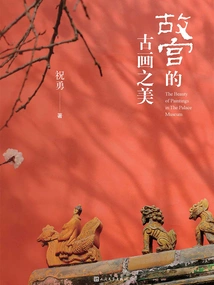
This book is a bound volume of Zhu Yong's classic works "The Beauty of Antiquities in the Forbidden City 2" and "The Beauty of Antiquities in the Forbidden City 3". This is not an academic work on art history, but a spiritual journey to find roots. It may let us know how these ancient works of art were born, and what kind of ups and downs they experienced before arriving in front of us. Facing those long-lasting ink marks, both you and I will feel our hearts beat. In addition to marveling at the amazing techniques of ancient artists, I also think of the stories behind those pages, and the people and things that appeared and disappeared in the Forbidden City emerge. Please follow Zhu Yong, starting from the calligraphy and painting in front of you, and working backwards step by step, just like traveling against the light, to find their original traces. The book contains nearly 100 high-definition detailed pictures of rare ancient paintings from the Forbidden City and museums at home and abroad.
This book is a bound volume of Zhu Yong's classic works "The Beauty of Antiquities in the Forbidden City 2" and "The Beauty of Antiquities in the Forbidden City 3". This is not an academic work on art history, but a spiritual journey to find roots. It may let us know how these ancient works of art were born, and what kind of ups and downs they experienced before arriving in front of us. Facing those long-lasting ink marks, both you and I will feel our hearts beat. In addition to marveling at the amazing techniques of ancient artists, I also think of the stories behind those pages, and the people and things that appeared and disappeared in the Forbidden City emerge. Please follow Zhu Yong, starting from the calligraphy and painting in front of you, and working backwards step by step, just like traveling against the light, to find their original traces. The book contains nearly 100 high-definition detailed pictures of rare ancient paintings from the Forbidden City and museums at home and abroad.
故宫的古物之美5
Zhu Yong
Zhu Yong uses poetic language, prose style, and historical attitude to select masterpieces of calligraphy collected by the Forbidden City on both sides of the Taiwan Strait, using ancient calligraphers such as Ouyang Xiu, Su Shi, Huang Tingjian, Mi Fu, Yue Fei, Xin Qiji, Lu You, and Wen Tianxiang as clues to tell the unknown historical stories behind these artworks and reproduce the ups and downs of these calligraphers' personal fates. This is a "Forbidden City on paper" that allows us to know how those ancient Chinese works of art that were greater than those of distant dynasties were born, and how they arrived in front of us after experiencing the ups and downs. Facing those long-lasting ink marks, both you and I will feel our hearts beat. In addition to marveling at the amazing techniques of ancient artists, I also think of the stories behind those pages, and the people and things that appeared and disappeared in the Forbidden City emerge.
Zhu Yong uses poetic language, prose style, and historical attitude to select masterpieces of calligraphy collected by the Forbidden City on both sides of the Taiwan Strait, using ancient calligraphers such as Ouyang Xiu, Su Shi, Huang Tingjian, Mi Fu, Yue Fei, Xin Qiji, Lu You, and Wen Tianxiang as clues to tell the unknown historical stories behind these artworks and reproduce the ups and downs of these calligraphers' personal fates. This is a "Forbidden City on paper" that allows us to know how those ancient Chinese works of art that were greater than those of distant dynasties were born, and how they arrived in front of us after experiencing the ups and downs. Facing those long-lasting ink marks, both you and I will feel our hearts beat. In addition to marveling at the amazing techniques of ancient artists, I also think of the stories behind those pages, and the people and things that appeared and disappeared in the Forbidden City emerge.
故宫的古物之美4
Zhu Yong
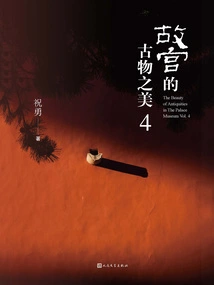
Zhu Yong uses poetic language, prose style, and historical attitude to select calligraphy masterpieces collected by the Forbidden City on both sides of the Taiwan Strait, using Li Si, Wang Xizhi, Li Bai, Yan Zhenqing, Huai Su, Zhang Xu, Cai Xiang, Cai Jing and other ancient calligraphers as clues to tell the unknown historical stories behind these artworks and reproduce the ups and downs of the personal fate of these calligraphers. This is a "Forbidden City on paper" that allows us to know how those ancient Chinese works of art that were greater than those of distant dynasties were born, and how they arrived in front of us after experiencing the ups and downs. Facing those long-lasting ink marks, both you and I will feel our hearts beat. In addition to marveling at the amazing techniques of ancient artists, I also think of the stories behind those pages, and the people and things that appeared and disappeared in the Forbidden City emerge.
Zhu Yong uses poetic language, prose style, and historical attitude to select calligraphy masterpieces collected by the Forbidden City on both sides of the Taiwan Strait, using Li Si, Wang Xizhi, Li Bai, Yan Zhenqing, Huai Su, Zhang Xu, Cai Xiang, Cai Jing and other ancient calligraphers as clues to tell the unknown historical stories behind these artworks and reproduce the ups and downs of the personal fate of these calligraphers. This is a "Forbidden City on paper" that allows us to know how those ancient Chinese works of art that were greater than those of distant dynasties were born, and how they arrived in front of us after experiencing the ups and downs. Facing those long-lasting ink marks, both you and I will feel our hearts beat. In addition to marveling at the amazing techniques of ancient artists, I also think of the stories behind those pages, and the people and things that appeared and disappeared in the Forbidden City emerge.
最后的皇朝:革命前夜的大清王朝
Zhu Yong
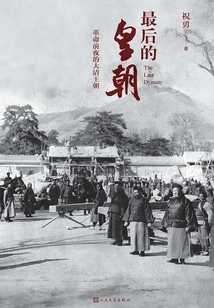
When the Year of Xinhai arrived, there was no sign that this would be the last year of this iron-blooded empire. This year began with the singing and dancing of Empress Dowager Longyu's Longevity Festival (the tenth day of the first lunar month). However, on December 25 (February 12, 1912), which was about to end, Longyu issued an abdication edict, and China's feudal regime ended. The sudden turn of history was unthinkable to most people at the time (including revolutionary leaders). The famous scholar Zhu Yong uses non-fiction to lead us back to the last year of the dynasty and the Forbidden City in this year.
When the Year of Xinhai arrived, there was no sign that this would be the last year of this iron-blooded empire. This year began with the singing and dancing of Empress Dowager Longyu's Longevity Festival (the tenth day of the first lunar month). However, on December 25 (February 12, 1912), which was about to end, Longyu issued an abdication edict, and China's feudal regime ended. The sudden turn of history was unthinkable to most people at the time (including revolutionary leaders). The famous scholar Zhu Yong uses non-fiction to lead us back to the last year of the dynasty and the Forbidden City in this year.
故宫六百年(独家定制版)
Zhu Yong
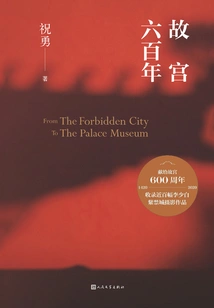
[Exclusively published on WeChat Reading, exclusive customized version] This book uses the spatial order of the Forbidden City's architecture as the abscissa and the chronological order of the Forbidden City's history as the ordinate. It reflects the history and cultural connotation of the Forbidden City in a three-dimensional and panoramic manner, and reviews the six hundred years of the Forbidden City's history. , Revealing the historical significance of Beijing as the capital, showing the great achievements of Chinese civilization in palace architecture, gardens, paintings, reading and collections, etc., While criticizing the dark cruelty of feudal imperial power, and revealing the historical inevitability of Chinese history moving towards democracy and self-reliance in the 20th century.
[Exclusively published on WeChat Reading, exclusive customized version] This book uses the spatial order of the Forbidden City's architecture as the abscissa and the chronological order of the Forbidden City's history as the ordinate. It reflects the history and cultural connotation of the Forbidden City in a three-dimensional and panoramic manner, and reviews the six hundred years of the Forbidden City's history. , Revealing the historical significance of Beijing as the capital, showing the great achievements of Chinese civilization in palace architecture, gardens, paintings, reading and collections, etc., While criticizing the dark cruelty of feudal imperial power, and revealing the historical inevitability of Chinese history moving towards democracy and self-reliance in the 20th century.
故宫艺术史:初民之美
Zhu Yong
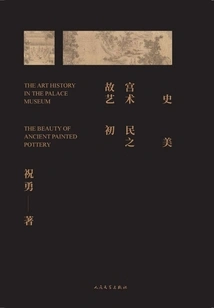
This book is a history of Chinese art connected by the cultural relics collected by the Palace Museum. In other words, the cultural relics collected by the Palace Museum themselves constitute a grand, vast and visible history of Chinese art. The Palace Museum has a total collection of more than 1.86 Million pieces (sets) of cultural relics. From a chronological point of view, the cultural relics collected by the Palace Museum date back to the Neolithic Age, spanning the Xia, Shang, Zhou, Qin, Han, Three Kingdoms, Jin, Southern and Northern Dynasties, Sui, Tang, Five Dynasties, Song, Liao, Xixia, Jin, Yuan, Ming, Qing and other ancient Chinese dynasties, and have gone through the historical events of the 20th century, all the way to today. Whether horizontally or vertically, the cultural relics in the Forbidden City construct the grand system of Chinese civilization and become material evidence that Chinese civilization continues to flourish and never stops flowing. "History of Forbidden City Art" is planned to be composed of ten volumes. The first volume, "The Beauty of the Early People", is about the pottery of the Neolithic Age.
This book is a history of Chinese art connected by the cultural relics collected by the Palace Museum. In other words, the cultural relics collected by the Palace Museum themselves constitute a grand, vast and visible history of Chinese art. The Palace Museum has a total collection of more than 1.86 Million pieces (sets) of cultural relics. From a chronological point of view, the cultural relics collected by the Palace Museum date back to the Neolithic Age, spanning the Xia, Shang, Zhou, Qin, Han, Three Kingdoms, Jin, Southern and Northern Dynasties, Sui, Tang, Five Dynasties, Song, Liao, Xixia, Jin, Yuan, Ming, Qing and other ancient Chinese dynasties, and have gone through the historical events of the 20th century, all the way to today. Whether horizontally or vertically, the cultural relics in the Forbidden City construct the grand system of Chinese civilization and become material evidence that Chinese civilization continues to flourish and never stops flowing. "History of Forbidden City Art" is planned to be composed of ten volumes. The first volume, "The Beauty of the Early People", is about the pottery of the Neolithic Age.