Library
Browse and search books
18 novels found
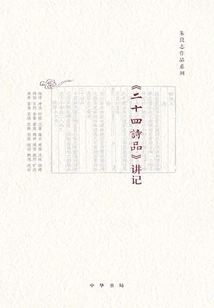
Notes on "twenty-four Poems
Literature《二十四诗品》讲记
Zhu Liangzhi
"Twenty-Four Poems" (originally called "Twenty-Four Poems") is part of "A Finger of a Poet" written by Yu Ji, a famous scholar and poet in the Yuan Dynasty. It is also the core part of this poetic work that is not widely circulated. This book can be regarded as a wonderful article in the history of Chinese poetry. The words are beautiful, the pronunciation is harmonious, and the meaning is profound. This is a wonderful text that condenses the aesthetic characteristics of Chinese people (especially literati art) since the Tang and Song Dynasties. This book "The Red Stove and the Snow - Notes on the Twenty-Four Poems" mainly explains the contents of the Twenty-Four Poems, and connects it with other parts of "A Finger of Poets" and related content in the surviving documents of Yuji. Talk about its text source, chapter review, its original meaning, and its corroboration in the context of Yu Ji's overall thought; put it in the context of the development of literary and aesthetic thought, talk about the theoretical contribution of this wonderful article in the history of Chinese poetry, artistic concepts, and aesthetics; talk about the issues raised in this treatise on poetry and its value in today's aesthetic thinking, etc. After the decomposition of each article, there is an "extended discussion" session, which generally raises one or two important issues related to Chinese aesthetics and poetics for discussion, trying to help readers better understand the content of the article.
"Twenty-Four Poems" (originally called "Twenty-Four Poems") is part of "A Finger of a Poet" written by Yu Ji, a famous scholar and poet in the Yuan Dynasty. It is also the core part of this poetic work that is not widely circulated. This book can be regarded as a wonderful article in the history of Chinese poetry. The words are beautiful, the pronunciation is harmonious, and the meaning is profound. This is a wonderful text that condenses the aesthetic characteristics of Chinese people (especially literati art) since the Tang and Song Dynasties. This book "The Red Stove and the Snow - Notes on the Twenty-Four Poems" mainly explains the contents of the Twenty-Four Poems, and connects it with other parts of "A Finger of Poets" and related content in the surviving documents of Yuji. Talk about its text source, chapter review, its original meaning, and its corroboration in the context of Yu Ji's overall thought; put it in the context of the development of literary and aesthetic thought, talk about the theoretical contribution of this wonderful article in the history of Chinese poetry, artistic concepts, and aesthetics; talk about the issues raised in this treatise on poetry and its value in today's aesthetic thinking, etc. After the decomposition of each article, there is an "extended discussion" session, which generally raises one or two important issues related to Chinese aesthetics and poetics for discussion, trying to help readers better understand the content of the article.
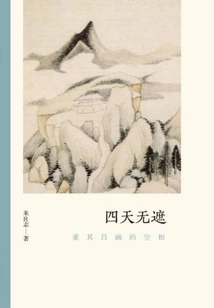
四天无遮:董其昌画的空相(文人画的真性)
Zhu Liangzhi
Literary painting, also known as "literary painting", does not refer to a specific identity, such as being limited to paintings painted by knowledgeable literati, but paintings with a "literary spirit" or "literary spirit". "Literati Qi" is what people today call "literati consciousness". Dasu refers to a consciousness that has a certain ideological nature, rich humanistic care, and a special sense of life. It is a consciousness that is far away from political or moral subordination and belongs to the reality of life. Therefore, in a certain sense, it can be said that literati painting is "humanistic painting" - painting with the pursuit of humanistic values. This series of works, through the observation of sixteen painters since the Yuan Dynasty, looks at the inner trajectory of literati painting's pursuit of the "authenticity" of life. This book is one in this series. This book explores the "emptiness" of Dong Qichang's landscape paintings from several aspects of Dong Qichang's "authentic nature is empty", "cannot be said", "lazy in writing famous mountains", "has no vertical and horizontal energy", "amplifies the light" and "the charm cannot be learned", and appreciates how Dong Qichang implemented his "formless method" in art.
Literary painting, also known as "literary painting", does not refer to a specific identity, such as being limited to paintings painted by knowledgeable literati, but paintings with a "literary spirit" or "literary spirit". "Literati Qi" is what people today call "literati consciousness". Dasu refers to a consciousness that has a certain ideological nature, rich humanistic care, and a special sense of life. It is a consciousness that is far away from political or moral subordination and belongs to the reality of life. Therefore, in a certain sense, it can be said that literati painting is "humanistic painting" - painting with the pursuit of humanistic values. This series of works, through the observation of sixteen painters since the Yuan Dynasty, looks at the inner trajectory of literati painting's pursuit of the "authenticity" of life. This book is one in this series. This book explores the "emptiness" of Dong Qichang's landscape paintings from several aspects of Dong Qichang's "authentic nature is empty", "cannot be said", "lazy in writing famous mountains", "has no vertical and horizontal energy", "amplifies the light" and "the charm cannot be learned", and appreciates how Dong Qichang implemented his "formless method" in art.
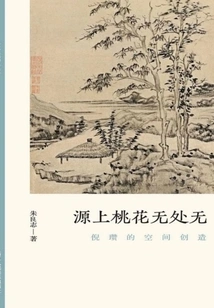
Peach Blossoms Are Everywhere: Ni Zan's Space Creation (the Authenticity of Literati Paintings)
Literature源上桃花无处无:倪瓒的空间创造(文人画的真性)
Zhu Liangzhi
Literary painting, also known as "literary painting", does not refer to a specific identity, such as being limited to paintings painted by knowledgeable literati, but paintings with a "literary spirit" or "literary spirit". "Literati Qi" is what people today call "literati consciousness". Dasu refers to a consciousness that has a certain ideological nature, rich humanistic care, and a special sense of life. It is a consciousness that is far away from political or moral subordination and belongs to the reality of life. Therefore, in a certain sense, it can be said that literati painting is "humanistic painting" - painting with the pursuit of humanistic values. This series of works, through the observation of sixteen painters since the Yuan Dynasty, looks at the inner trajectory of literati painting's pursuit of the "authenticity" of life. This book is one in this series. Ni Zan's world is described from ten perspectives: "deep", "remote", "quiet", "beautiful", "the concept of absolute space", "general", "distant", "lonely", "mossy shadow" and "small scene".
Literary painting, also known as "literary painting", does not refer to a specific identity, such as being limited to paintings painted by knowledgeable literati, but paintings with a "literary spirit" or "literary spirit". "Literati Qi" is what people today call "literati consciousness". Dasu refers to a consciousness that has a certain ideological nature, rich humanistic care, and a special sense of life. It is a consciousness that is far away from political or moral subordination and belongs to the reality of life. Therefore, in a certain sense, it can be said that literati painting is "humanistic painting" - painting with the pursuit of humanistic values. This series of works, through the observation of sixteen painters since the Yuan Dynasty, looks at the inner trajectory of literati painting's pursuit of the "authenticity" of life. This book is one in this series. Ni Zan's world is described from ten perspectives: "deep", "remote", "quiet", "beautiful", "the concept of absolute space", "general", "distant", "lonely", "mossy shadow" and "small scene".
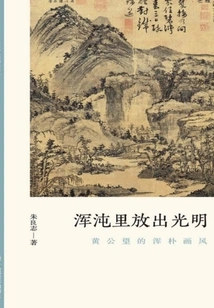
浑沌里放出光明:黄公望的浑朴画风(文人画的真性)
Zhu Liangzhi
Literary painting, also known as "literary painting", does not refer to a specific identity, such as being limited to paintings painted by knowledgeable literati, but paintings with a "literary spirit" or "literary spirit". "Literati Qi" is what people today call "literati consciousness". Dasu refers to a consciousness that has a certain ideological nature, rich humanistic care, and a special sense of life. It is a consciousness that is far away from political or moral subordination and belongs to the reality of life. Therefore, in a certain sense, it can be said that literati painting is "humanistic painting" - painting with the pursuit of humanistic values. This series of works, through the observation of sixteen painters since the Yuan Dynasty, looks at the inner trajectory of literati painting's pursuit of the "authenticity" of life. This book is one in this series. Huang Gongwang's world is described from five perspectives: "Hun", "Preface", "True", "Complete" and "Light".
Literary painting, also known as "literary painting", does not refer to a specific identity, such as being limited to paintings painted by knowledgeable literati, but paintings with a "literary spirit" or "literary spirit". "Literati Qi" is what people today call "literati consciousness". Dasu refers to a consciousness that has a certain ideological nature, rich humanistic care, and a special sense of life. It is a consciousness that is far away from political or moral subordination and belongs to the reality of life. Therefore, in a certain sense, it can be said that literati painting is "humanistic painting" - painting with the pursuit of humanistic values. This series of works, through the observation of sixteen painters since the Yuan Dynasty, looks at the inner trajectory of literati painting's pursuit of the "authenticity" of life. This book is one in this series. Huang Gongwang's world is described from five perspectives: "Hun", "Preface", "True", "Complete" and "Light".
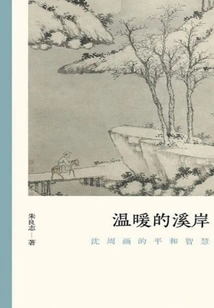
温暖的溪岸:沈周画的平和智慧(文人画的真性)
Zhu Liangzhi
Literary painting, also known as "literary painting", does not refer to a specific identity, such as being limited to paintings painted by knowledgeable literati, but paintings with a "literary spirit" or "literary spirit". "Literati Qi" is what people today call "literati consciousness". Dasu refers to a consciousness that has a certain ideological nature, rich humanistic care, and a special sense of life. It is a consciousness that is far away from political or moral subordination and belongs to the reality of life. Therefore, in a certain sense, it can be said that literati painting is "humanistic painting" - painting with the pursuit of humanistic values. This series of works, through the observation of sixteen painters since the Yuan Dynasty, looks at the inner trajectory of literati painting's pursuit of the "authenticity" of life. This book is one in this series. Starting from the Ming Dynasty painter Shen Zhou, we discuss two key issues in literati paintings: "peace" and "wisdom."
Literary painting, also known as "literary painting", does not refer to a specific identity, such as being limited to paintings painted by knowledgeable literati, but paintings with a "literary spirit" or "literary spirit". "Literati Qi" is what people today call "literati consciousness". Dasu refers to a consciousness that has a certain ideological nature, rich humanistic care, and a special sense of life. It is a consciousness that is far away from political or moral subordination and belongs to the reality of life. Therefore, in a certain sense, it can be said that literati painting is "humanistic painting" - painting with the pursuit of humanistic values. This series of works, through the observation of sixteen painters since the Yuan Dynasty, looks at the inner trajectory of literati painting's pursuit of the "authenticity" of life. This book is one in this series. Starting from the Ming Dynasty painter Shen Zhou, we discuss two key issues in literati paintings: "peace" and "wisdom."
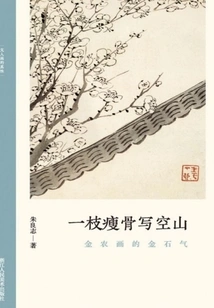
一枝瘦骨写空山:金农画的金石气(文人画的真性)
Zhu Liangzhi
Literary painting, also known as "literary painting", does not refer to a specific identity, such as being limited to paintings painted by knowledgeable literati, but paintings with a "literary spirit" or "literary spirit". "Literati Qi" is what people today call "literati consciousness". Dasu refers to a consciousness that has a certain ideological nature, rich humanistic care, and a special sense of life. It is a consciousness that is far away from political or moral subordination and belongs to the reality of life. Therefore, in a certain sense, it can be said that literati painting is "humanistic painting" - painting with the pursuit of humanistic values. This series of works, through the observation of sixteen painters since the Yuan Dynasty, looks at the inner trajectory of literati painting's pursuit of the "authenticity" of life. This book is one in this series. This book begins with "playing with epigraphy", "understanding the pure cause" and "managing cold fragrance" to experience the epigraphic meaning of Jin Nong's paintings and his unique philosophy of life.
Literary painting, also known as "literary painting", does not refer to a specific identity, such as being limited to paintings painted by knowledgeable literati, but paintings with a "literary spirit" or "literary spirit". "Literati Qi" is what people today call "literati consciousness". Dasu refers to a consciousness that has a certain ideological nature, rich humanistic care, and a special sense of life. It is a consciousness that is far away from political or moral subordination and belongs to the reality of life. Therefore, in a certain sense, it can be said that literati painting is "humanistic painting" - painting with the pursuit of humanistic values. This series of works, through the observation of sixteen painters since the Yuan Dynasty, looks at the inner trajectory of literati painting's pursuit of the "authenticity" of life. This book is one in this series. This book begins with "playing with epigraphy", "understanding the pure cause" and "managing cold fragrance" to experience the epigraphic meaning of Jin Nong's paintings and his unique philosophy of life.
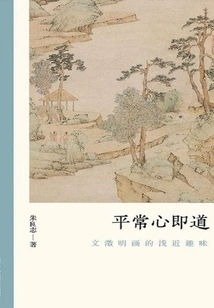
平常心即道:文徵明画的浅近趣味(文人画的真性)
Zhu Liangzhi
Literary painting, also known as "literary painting", does not refer to a specific identity, such as being limited to paintings painted by knowledgeable literati, but paintings with a "literary spirit" or "literary spirit". "Literati Qi" is what people today call "literati consciousness". Dasu refers to a consciousness that has a certain ideological nature, rich humanistic care, and a special sense of life. It is a consciousness that is far away from political or moral subordination and belongs to the reality of life. Therefore, in a certain sense, it can be said that literati painting is "humanistic painting" - painting with the pursuit of humanistic values. This series of works, through the observation of sixteen painters since the Yuan Dynasty, looks at the inner trajectory of literati painting's pursuit of the "authenticity" of life. This book is one in this series. Starting from the Ming Dynasty painter Wen Zhengming, we discuss two key issues in literati paintings: "simplicity" and "interest".
Literary painting, also known as "literary painting", does not refer to a specific identity, such as being limited to paintings painted by knowledgeable literati, but paintings with a "literary spirit" or "literary spirit". "Literati Qi" is what people today call "literati consciousness". Dasu refers to a consciousness that has a certain ideological nature, rich humanistic care, and a special sense of life. It is a consciousness that is far away from political or moral subordination and belongs to the reality of life. Therefore, in a certain sense, it can be said that literati painting is "humanistic painting" - painting with the pursuit of humanistic values. This series of works, through the observation of sixteen painters since the Yuan Dynasty, looks at the inner trajectory of literati painting's pursuit of the "authenticity" of life. This book is one in this series. Starting from the Ming Dynasty painter Wen Zhengming, we discuss two key issues in literati paintings: "simplicity" and "interest".
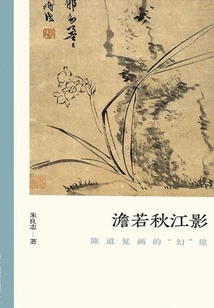
澹若秋江影:陈道复画的“幻”境(文人画的真性)
Zhu Liangzhi
Literary painting, also known as "literary painting", does not refer to a specific identity, such as being limited to paintings painted by knowledgeable literati, but paintings with a "literary spirit" or "literary spirit". "Literati Qi" is what people today call "literati consciousness". Dasu refers to a consciousness that has a certain ideological nature, rich humanistic care, and a special sense of life. It is a consciousness that is far away from political or moral subordination and belongs to the reality of life. Therefore, in a certain sense, it can be said that literati painting is "humanistic painting" - painting with the pursuit of humanistic values. This series of works, through the observation of sixteen painters since the Yuan Dynasty, looks at the inner trajectory of literati painting's pursuit of the "authenticity" of life. This book is one in this series. Starting from the Ming Dynasty painter Chen Daofu, we discuss "illusion", a key issue in literati paintings.
Literary painting, also known as "literary painting", does not refer to a specific identity, such as being limited to paintings painted by knowledgeable literati, but paintings with a "literary spirit" or "literary spirit". "Literati Qi" is what people today call "literati consciousness". Dasu refers to a consciousness that has a certain ideological nature, rich humanistic care, and a special sense of life. It is a consciousness that is far away from political or moral subordination and belongs to the reality of life. Therefore, in a certain sense, it can be said that literati painting is "humanistic painting" - painting with the pursuit of humanistic values. This series of works, through the observation of sixteen painters since the Yuan Dynasty, looks at the inner trajectory of literati painting's pursuit of the "authenticity" of life. This book is one in this series. Starting from the Ming Dynasty painter Chen Daofu, we discuss "illusion", a key issue in literati paintings.
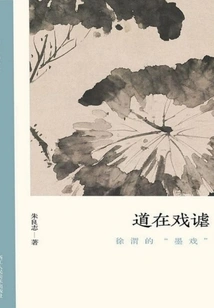
道在戏谑:徐渭的“墨戏”(文人画的真性)
Zhu Liangzhi
Literary painting, also known as "literary painting", does not refer to a specific identity, such as being limited to paintings painted by knowledgeable literati, but paintings with a "literary spirit" or "literary spirit". "Literati Qi" is what people today call "literati consciousness". Dasu refers to a consciousness that has a certain ideological nature, rich humanistic care, and a special sense of life. It is a consciousness that is far away from political or moral subordination and belongs to the reality of life. Therefore, in a certain sense, it can be said that literati painting is "humanistic painting" - painting with the pursuit of humanistic values. This series of works, through the observation of sixteen painters since the Yuan Dynasty, looks at the inner trajectory of literati painting's pursuit of the "authenticity" of life. This book is one in this series. Starting from the Ming Dynasty painter Xu Wei, we discuss "ink play", a key issue in literati paintings.
Literary painting, also known as "literary painting", does not refer to a specific identity, such as being limited to paintings painted by knowledgeable literati, but paintings with a "literary spirit" or "literary spirit". "Literati Qi" is what people today call "literati consciousness". Dasu refers to a consciousness that has a certain ideological nature, rich humanistic care, and a special sense of life. It is a consciousness that is far away from political or moral subordination and belongs to the reality of life. Therefore, in a certain sense, it can be said that literati painting is "humanistic painting" - painting with the pursuit of humanistic values. This series of works, through the observation of sixteen painters since the Yuan Dynasty, looks at the inner trajectory of literati painting's pursuit of the "authenticity" of life. This book is one in this series. Starting from the Ming Dynasty painter Xu Wei, we discuss "ink play", a key issue in literati paintings.
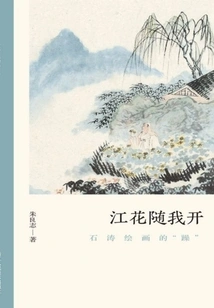
江花随我开:石涛绘画的“躁”(文人画的真性)
Zhu Liangzhi
Literary painting, also known as "literary painting", does not refer to a specific identity, such as being limited to paintings painted by knowledgeable literati, but paintings with a "literary spirit" or "literary spirit". "Literati Qi" is what people today call "literati consciousness". Dasu refers to a consciousness that has a certain ideological nature, rich humanistic care, and a special sense of life. It is a consciousness that is far away from political or moral subordination and belongs to the reality of life. Therefore, in a certain sense, it can be said that literati painting is "humanistic painting" - painting with the pursuit of humanistic values. This series of works, through the observation of sixteen painters since the Yuan Dynasty, looks at the inner trajectory of literati painting's pursuit of the "authenticity" of life. This book is one in this series. This book explores the "impetuous" spirit and its inner logic in Shi Tao's paintings that go beyond the standards of literati paintings from aspects such as "removing chaos", "turning stillness", "wiping haze" and "making bad ink".
Literary painting, also known as "literary painting", does not refer to a specific identity, such as being limited to paintings painted by knowledgeable literati, but paintings with a "literary spirit" or "literary spirit". "Literati Qi" is what people today call "literati consciousness". Dasu refers to a consciousness that has a certain ideological nature, rich humanistic care, and a special sense of life. It is a consciousness that is far away from political or moral subordination and belongs to the reality of life. Therefore, in a certain sense, it can be said that literati painting is "humanistic painting" - painting with the pursuit of humanistic values. This series of works, through the observation of sixteen painters since the Yuan Dynasty, looks at the inner trajectory of literati painting's pursuit of the "authenticity" of life. This book is one in this series. This book explores the "impetuous" spirit and its inner logic in Shi Tao's paintings that go beyond the standards of literati paintings from aspects such as "removing chaos", "turning stillness", "wiping haze" and "making bad ink".
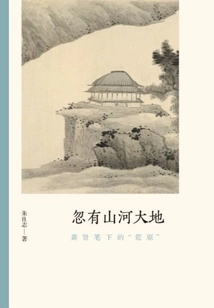
忽有山河大地:龚贤笔下的“荒原”(文人画的真性)
Zhu Liangzhi
Literary painting, also known as "literary painting", does not refer to a specific identity, such as being limited to paintings painted by knowledgeable literati, but paintings with a "literary spirit" or "literary spirit". "Literati Qi" is what people today call "literati consciousness". Dasu refers to a consciousness that has a certain ideological nature, rich humanistic care, and a special sense of life. It is a consciousness that is far away from political or moral subordination and belongs to the reality of life. Therefore, in a certain sense, it can be said that literati painting is "humanistic painting" - painting with the pursuit of humanistic values. This series of works, through the observation of sixteen painters since the Yuan Dynasty, looks at the inner trajectory of literati painting's pursuit of the "authenticity" of life. This book is one in this series. Explore Gong Xian's realm of life and poetic landscapes displayed in mountains, rivers and lands from four aspects: "Suddenly there are mountains and rivers", "Why are there always wilderness", "Living pen and ink" and "Innovative painter's theory".
Literary painting, also known as "literary painting", does not refer to a specific identity, such as being limited to paintings painted by knowledgeable literati, but paintings with a "literary spirit" or "literary spirit". "Literati Qi" is what people today call "literati consciousness". Dasu refers to a consciousness that has a certain ideological nature, rich humanistic care, and a special sense of life. It is a consciousness that is far away from political or moral subordination and belongs to the reality of life. Therefore, in a certain sense, it can be said that literati painting is "humanistic painting" - painting with the pursuit of humanistic values. This series of works, through the observation of sixteen painters since the Yuan Dynasty, looks at the inner trajectory of literati painting's pursuit of the "authenticity" of life. This book is one in this series. Explore Gong Xian's realm of life and poetic landscapes displayed in mountains, rivers and lands from four aspects: "Suddenly there are mountains and rivers", "Why are there always wilderness", "Living pen and ink" and "Innovative painter's theory".
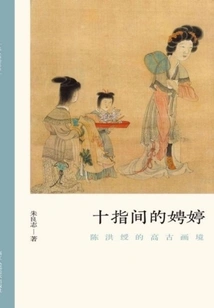
十指间的娉婷:陈洪绶的高古画境(文人画的真性)
Zhu Liangzhi
Literary painting, also known as "literary painting", does not refer to a specific identity, such as being limited to paintings painted by knowledgeable literati, but paintings with a "literary spirit" or "literary spirit". "Literati Qi" is what people today call "literati consciousness". Dasu refers to a consciousness that has a certain ideological nature, rich humanistic care, and a special sense of life. It is a consciousness that is far away from political or moral subordination and belongs to the reality of life. Therefore, in a certain sense, it can be said that literati painting is "humanistic painting" - painting with the pursuit of humanistic values. This series of works, through the observation of sixteen painters since the Yuan Dynasty, looks at the inner trajectory of literati painting's pursuit of the "authenticity" of life. This book is one in this series. This book starts from "high antiquity" and leads readers to experience Chen Hongshou's otherworldly artistic realm and life experience displayed in "Awakening Stone", "Taste", "Fragrance" and "Hangu".
Literary painting, also known as "literary painting", does not refer to a specific identity, such as being limited to paintings painted by knowledgeable literati, but paintings with a "literary spirit" or "literary spirit". "Literati Qi" is what people today call "literati consciousness". Dasu refers to a consciousness that has a certain ideological nature, rich humanistic care, and a special sense of life. It is a consciousness that is far away from political or moral subordination and belongs to the reality of life. Therefore, in a certain sense, it can be said that literati painting is "humanistic painting" - painting with the pursuit of humanistic values. This series of works, through the observation of sixteen painters since the Yuan Dynasty, looks at the inner trajectory of literati painting's pursuit of the "authenticity" of life. This book is one in this series. This book starts from "high antiquity" and leads readers to experience Chen Hongshou's otherworldly artistic realm and life experience displayed in "Awakening Stone", "Taste", "Fragrance" and "Hangu".
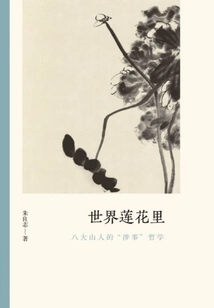
世界莲花里:八大山人的“涉事”哲学(文人画的真性)
Zhu Liangzhi
Literary painting, also known as "literary painting", does not refer to a specific identity, such as being limited to paintings painted by knowledgeable literati, but paintings with a "literary spirit" or "literary spirit". "Literati Qi" is what people today call "literati consciousness". Dasu refers to a consciousness that has a certain ideological nature, rich humanistic care, and a special sense of life. It is a consciousness that is far away from political or moral subordination and belongs to the reality of life. Therefore, in a certain sense, it can be said that literati painting is "humanistic painting" - painting with the pursuit of humanistic values. This series of works, through the observation of sixteen painters since the Yuan Dynasty, looks at the inner trajectory of literati painting's pursuit of the "authenticity" of life. This book is one in this series. This book starts with Bada Shanren's concept of "involvement" and explores Bada Shanren's spiritual philosophy and painting philosophy from many aspects.
Literary painting, also known as "literary painting", does not refer to a specific identity, such as being limited to paintings painted by knowledgeable literati, but paintings with a "literary spirit" or "literary spirit". "Literati Qi" is what people today call "literati consciousness". Dasu refers to a consciousness that has a certain ideological nature, rich humanistic care, and a special sense of life. It is a consciousness that is far away from political or moral subordination and belongs to the reality of life. Therefore, in a certain sense, it can be said that literati painting is "humanistic painting" - painting with the pursuit of humanistic values. This series of works, through the observation of sixteen painters since the Yuan Dynasty, looks at the inner trajectory of literati painting's pursuit of the "authenticity" of life. This book is one in this series. This book starts with Bada Shanren's concept of "involvement" and explores Bada Shanren's spiritual philosophy and painting philosophy from many aspects.
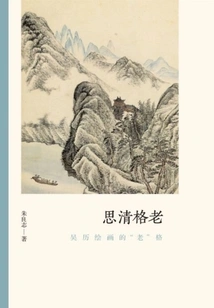
思清格老:吴历绘画的“老”格(文人画的真性)
Zhu Liangzhi
Literary painting, also known as "literary painting", does not refer to a specific identity, such as being limited to paintings painted by knowledgeable literati, but paintings with a "literary spirit" or "literary spirit". "Literati Qi" is what people today call "literati consciousness". Dasu refers to a consciousness that has a certain ideological nature, rich humanistic care, and a special sense of life. It is a consciousness that is far away from political or moral subordination and belongs to the reality of life. Therefore, in a certain sense, it can be said that literati painting is "humanistic painting" - painting with the pursuit of humanistic values. This series of works, through the observation of sixteen painters since the Yuan Dynasty, looks at the inner trajectory of literati painting's pursuit of the "authenticity" of life. This book is one in this series. This book explores the interactive relationship between Wu Li's painting and the literati painting tradition from the establishment, characteristics and ideological origin of Wu Yushan's "Lao Ge".
Literary painting, also known as "literary painting", does not refer to a specific identity, such as being limited to paintings painted by knowledgeable literati, but paintings with a "literary spirit" or "literary spirit". "Literati Qi" is what people today call "literati consciousness". Dasu refers to a consciousness that has a certain ideological nature, rich humanistic care, and a special sense of life. It is a consciousness that is far away from political or moral subordination and belongs to the reality of life. Therefore, in a certain sense, it can be said that literati painting is "humanistic painting" - painting with the pursuit of humanistic values. This series of works, through the observation of sixteen painters since the Yuan Dynasty, looks at the inner trajectory of literati painting's pursuit of the "authenticity" of life. This book is one in this series. This book explores the interactive relationship between Wu Li's painting and the literati painting tradition from the establishment, characteristics and ideological origin of Wu Yushan's "Lao Ge".
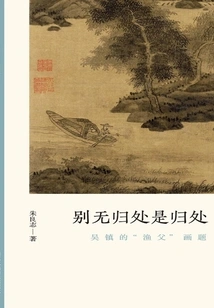
别无归处是归处:吴镇的“渔父”画题(文人画的真性)
Zhu Liangzhi
Literary painting, also known as "literary painting", does not refer to a specific identity, such as being limited to paintings painted by knowledgeable literati, but paintings with a "literary spirit" or "literary spirit". "Literati Qi" is what people today call "literati consciousness". Dasu refers to a consciousness that has a certain ideological nature, rich humanistic care, and a special sense of life. It is a consciousness that is far away from political or moral subordination and belongs to the reality of life. Therefore, in a certain sense, it can be said that literati painting is "humanistic painting" - painting with the pursuit of humanistic values. This series of works, through the observation of sixteen painters since the Yuan Dynasty, looks at the inner trajectory of literati painting's pursuit of the "authenticity" of life. This book is one in this series. The world of Wu Zhen is described from four perspectives: "the origin of the topic of fishermen", "Mei Daoren's works about fishermen", "thinking beyond the hermit" and "breaking the ultimate value".
Literary painting, also known as "literary painting", does not refer to a specific identity, such as being limited to paintings painted by knowledgeable literati, but paintings with a "literary spirit" or "literary spirit". "Literati Qi" is what people today call "literati consciousness". Dasu refers to a consciousness that has a certain ideological nature, rich humanistic care, and a special sense of life. It is a consciousness that is far away from political or moral subordination and belongs to the reality of life. Therefore, in a certain sense, it can be said that literati painting is "humanistic painting" - painting with the pursuit of humanistic values. This series of works, through the observation of sixteen painters since the Yuan Dynasty, looks at the inner trajectory of literati painting's pursuit of the "authenticity" of life. This book is one in this series. The world of Wu Zhen is described from four perspectives: "the origin of the topic of fishermen", "Mei Daoren's works about fishermen", "thinking beyond the hermit" and "breaking the ultimate value".
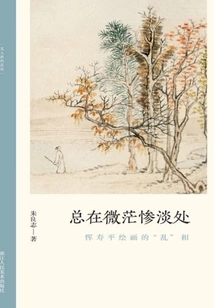
总在微茫惨淡处:恽寿平绘画的“乱”相(文人画的真性)
Zhu Liangzhi
Literary painting, also known as "literary painting", does not refer to a specific identity, such as being limited to paintings painted by knowledgeable literati, but paintings with a "literary spirit" or "literary spirit". "Literati Qi" is what people today call "literati consciousness". Dasu refers to a consciousness that has a certain ideological nature, rich humanistic care, and a special sense of life. It is a consciousness that is far away from political or moral subordination and belongs to the reality of life. Therefore, in a certain sense, it can be said that literati painting is "humanistic painting" - painting with the pursuit of humanistic values. This series of works, through the observation of sixteen painters since the Yuan Dynasty, looks at the inner trajectory of literati painting's pursuit of the "authenticity" of life. This book is one in this series. The "original atmosphere" advocated by Yun Shouping is discussed from the "image of desolation and coldness", "melancholy thoughts" and "Yanya in chaos", which contains his view of the authenticity of painting.
Literary painting, also known as "literary painting", does not refer to a specific identity, such as being limited to paintings painted by knowledgeable literati, but paintings with a "literary spirit" or "literary spirit". "Literati Qi" is what people today call "literati consciousness". Dasu refers to a consciousness that has a certain ideological nature, rich humanistic care, and a special sense of life. It is a consciousness that is far away from political or moral subordination and belongs to the reality of life. Therefore, in a certain sense, it can be said that literati painting is "humanistic painting" - painting with the pursuit of humanistic values. This series of works, through the observation of sixteen painters since the Yuan Dynasty, looks at the inner trajectory of literati painting's pursuit of the "authenticity" of life. This book is one in this series. The "original atmosphere" advocated by Yun Shouping is discussed from the "image of desolation and coldness", "melancholy thoughts" and "Yanya in chaos", which contains his view of the authenticity of painting.
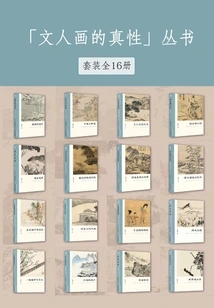
「文人画的真性」系列丛书(套装全16册)
Zhu Liangzhi
The "Authenticity of Literati Paintings" series is a set of books that studies traditional Chinese painting. By studying sixteen painters since the Yuan and Ming Dynasties, it explores the fundamental factor that dominates the development of literati paintings - the authenticity of literati paintings. The book is elegantly written, thoughtful and highly readable. The author selected 16 representative painters since the Yuan Dynasty, including Huang Gongwang, Ni Zan, Yun Shouping and Bada Shanren. Through their literati paintings and artistic lives, he panoramically outlines the spiritual world of literati paintings, explores the "authenticity" of literati paintings, and summarizes and divides the three different stages of the development of Chinese painting: "gaining power", "gaining rhyme" and "gaining nature". The language of the whole series of books is clear and beautiful. It is different from the professional and difficult words of ordinary art history theory. It is highly readable. The author is dedicated to subtlety but also understands the details in his writings. There are many wonderful remarks that can change the clouds and reveal the moon. It arouses attention to the essential factor that forms literati paintings - people's inner spiritual temperament, and is full of theoretical depth and penetration.
The "Authenticity of Literati Paintings" series is a set of books that studies traditional Chinese painting. By studying sixteen painters since the Yuan and Ming Dynasties, it explores the fundamental factor that dominates the development of literati paintings - the authenticity of literati paintings. The book is elegantly written, thoughtful and highly readable. The author selected 16 representative painters since the Yuan Dynasty, including Huang Gongwang, Ni Zan, Yun Shouping and Bada Shanren. Through their literati paintings and artistic lives, he panoramically outlines the spiritual world of literati paintings, explores the "authenticity" of literati paintings, and summarizes and divides the three different stages of the development of Chinese painting: "gaining power", "gaining rhyme" and "gaining nature". The language of the whole series of books is clear and beautiful. It is different from the professional and difficult words of ordinary art history theory. It is highly readable. The author is dedicated to subtlety but also understands the details in his writings. There are many wonderful remarks that can change the clouds and reveal the moon. It arouses attention to the essential factor that forms literati paintings - people's inner spiritual temperament, and is full of theoretical depth and penetration.
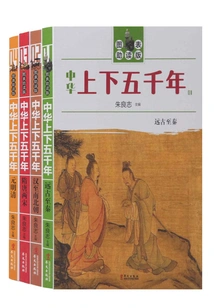
中国上下五千年(图表助读版)
Zhu Liangzhi
This is a set of excellent popular Chinese history and culture books for teenagers. This book uses time as a clue to connect the long history of the Chinese nation from ancient times to the eve of modern times, from the pre-Qin Dynasty when hundreds of schools of thought contended, to the Qin and Han Dynasties when the world was unified, from the Wei, Jin, Southern and Northern Dynasties with elegant literary talents, to the Sui and Tang Dynasties when "all nations worshiped the crown princes with beautiful clothes", the prosperous lanes of the Song Dynasty, and the science and technology of the Yuan Dynasty. The technological achievements and the lingering afterglow of the feudal prosperous times of the Ming and Qing Dynasties are all presented in the form of stories in the book, allowing young people to learn from history and expand their knowledge, while also feeling the warmth under the seemingly cold surface of history, and feeling the national pride from the five thousand years of history.
This is a set of excellent popular Chinese history and culture books for teenagers. This book uses time as a clue to connect the long history of the Chinese nation from ancient times to the eve of modern times, from the pre-Qin Dynasty when hundreds of schools of thought contended, to the Qin and Han Dynasties when the world was unified, from the Wei, Jin, Southern and Northern Dynasties with elegant literary talents, to the Sui and Tang Dynasties when "all nations worshiped the crown princes with beautiful clothes", the prosperous lanes of the Song Dynasty, and the science and technology of the Yuan Dynasty. The technological achievements and the lingering afterglow of the feudal prosperous times of the Ming and Qing Dynasties are all presented in the form of stories in the book, allowing young people to learn from history and expand their knowledge, while also feeling the warmth under the seemingly cold surface of history, and feeling the national pride from the five thousand years of history.