Library
Browse and search books
1 novel found
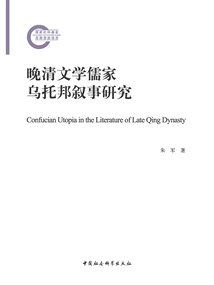
晚清文学儒家乌托邦叙事研究
Zhu Jun
The late Qing Dynasty and the early Republic of China were an important transition era in Chinese history. With the brief rise of utopian imagination in literature, Chinese intellectuals completed the creation of the initial ideal civilized political system. This is the starting point of the imagination of "New China" in the modern sense, and it is also the basis for understanding the development of utopian thought and its movement throughout the 20th century. Taking the modern transformation of Confucianism as its perspective, this book comprehensively and systematically explores the emergence, development and influence of utopian thought and literature in the late Qing Dynasty, and summarizes its era characteristics, narrative structure, aesthetic connotation and historical contribution. Special focus is placed on the intrinsic connection between the "modern literature" movement and the utopian literary trend in modern China. It takes morality-politics-science as the axis, and revolves around the multiple imaginations of revolutionary utopia, anarchic utopia, female utopia, and scientific utopia in the late Qing Dynasty. It outlines and grasps the changes between China and the West in ancient and modern times, and examines the transformation of modern countries, Confucianism, and literature, with a view to reactivating the contemporary vitality of the Confucian tradition.
The late Qing Dynasty and the early Republic of China were an important transition era in Chinese history. With the brief rise of utopian imagination in literature, Chinese intellectuals completed the creation of the initial ideal civilized political system. This is the starting point of the imagination of "New China" in the modern sense, and it is also the basis for understanding the development of utopian thought and its movement throughout the 20th century. Taking the modern transformation of Confucianism as its perspective, this book comprehensively and systematically explores the emergence, development and influence of utopian thought and literature in the late Qing Dynasty, and summarizes its era characteristics, narrative structure, aesthetic connotation and historical contribution. Special focus is placed on the intrinsic connection between the "modern literature" movement and the utopian literary trend in modern China. It takes morality-politics-science as the axis, and revolves around the multiple imaginations of revolutionary utopia, anarchic utopia, female utopia, and scientific utopia in the late Qing Dynasty. It outlines and grasps the changes between China and the West in ancient and modern times, and examines the transformation of modern countries, Confucianism, and literature, with a view to reactivating the contemporary vitality of the Confucian tradition.