Library
Browse and search books
2 novels found
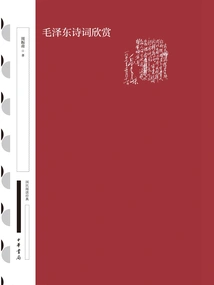
毛泽东诗词欣赏(国民阅读经典·典藏版)
Zhou Zhenfu
This is a work by Mr. Zhou Zhenfu on the artistic and ideological appreciation of Mao Zedong's poetry. In 1993, it was published as a single volume by Shanghai Bookstore, and in 1999 it was included in "Collected Works of Zhou Zhenfu". The book is divided into three parts: main editor, sub-editor and appendix. The main editor contains 39 poems, and the sub-editor contains 24 poems, covering the time span from 1923 to 1966. The appendix contains 7 letters from Comrade Mao Zedong to comrades Zang Kejia, Hu Qiaomu, Chen Yi and other comrades, as well as the introduction to the postscript. Mr. Zhou Zhenfu analyzed and interpreted the connotation of Comrade Mao Zedong's poems based on his vivid and rich revolutionary life and the background of his era, and truly appreciated the spirit contained in them; he appreciated the various artistic techniques used in the works from an artistic perspective. During the specific appreciation process, the author also gave a detailed and vivid introduction to the common sense of poetry. This book is of great help to readers in understanding Chairman Mao's poetry.
This is a work by Mr. Zhou Zhenfu on the artistic and ideological appreciation of Mao Zedong's poetry. In 1993, it was published as a single volume by Shanghai Bookstore, and in 1999 it was included in "Collected Works of Zhou Zhenfu". The book is divided into three parts: main editor, sub-editor and appendix. The main editor contains 39 poems, and the sub-editor contains 24 poems, covering the time span from 1923 to 1966. The appendix contains 7 letters from Comrade Mao Zedong to comrades Zang Kejia, Hu Qiaomu, Chen Yi and other comrades, as well as the introduction to the postscript. Mr. Zhou Zhenfu analyzed and interpreted the connotation of Comrade Mao Zedong's poems based on his vivid and rich revolutionary life and the background of his era, and truly appreciated the spirit contained in them; he appreciated the various artistic techniques used in the works from an artistic perspective. During the specific appreciation process, the author also gave a detailed and vivid introduction to the common sense of poetry. This book is of great help to readers in understanding Chairman Mao's poetry.
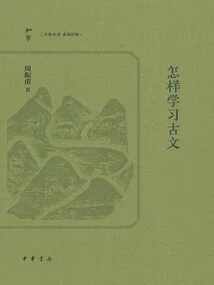
How to Learn Ancient Chinese (zichang)
Literature怎样学习古文(知常)
Zhou Zhenfu
"How to Learn Ancient Chinese" is a simple and easy-to-understand ancient Chinese study guide and a golden key to learning ancient Chinese. The whole book uses the three major methodologies of problem-finding, comparison, and differentiation as its main lines, and systematically analyzes the creative features and artistic gains and losses of classics from the Spring and Autumn Period, "Historical Records", "Hanshu" to the Eight Great Masters of the Tang and Song Dynasties, and the Tongcheng School. The author creatively uses the "Six Views" theory in Liu Xie's "The Literary Mind and the Carving of Dragons" to transform the difficult way of appreciating ancient Chinese literature into an operable learning path, leading you to master the core essence of ancient Chinese reading from the outside to the inside. The brand new edition is well edited and equipped with more than 20 fine illustrations, rich in pictures and text, and elegantly bound.
"How to Learn Ancient Chinese" is a simple and easy-to-understand ancient Chinese study guide and a golden key to learning ancient Chinese. The whole book uses the three major methodologies of problem-finding, comparison, and differentiation as its main lines, and systematically analyzes the creative features and artistic gains and losses of classics from the Spring and Autumn Period, "Historical Records", "Hanshu" to the Eight Great Masters of the Tang and Song Dynasties, and the Tongcheng School. The author creatively uses the "Six Views" theory in Liu Xie's "The Literary Mind and the Carving of Dragons" to transform the difficult way of appreciating ancient Chinese literature into an operable learning path, leading you to master the core essence of ancient Chinese reading from the outside to the inside. The brand new edition is well edited and equipped with more than 20 fine illustrations, rich in pictures and text, and elegantly bound.