Library
Browse and search books
5 novels found

绿皮火车(精装增补图文版)
Zhou Yunpeng
"Green Train" is the first collection of essays by folk poet Zhou Yunpeng, which writes about his travels all over the world, the cities he visited and the people he met. The new edition features Zhou Yunpeng's latest articles and related photos and adds them to make the content richer and more three-dimensional. The sound of train wheels turning, like reggae music, relaxes people physically and mentally, so trains may cure people's insomnia and depression. We are in awe of such a big iron box that can run so fiercely and for so long.
"Green Train" is the first collection of essays by folk poet Zhou Yunpeng, which writes about his travels all over the world, the cities he visited and the people he met. The new edition features Zhou Yunpeng's latest articles and related photos and adds them to make the content richer and more three-dimensional. The sound of train wheels turning, like reggae music, relaxes people physically and mentally, so trains may cure people's insomnia and depression. We are in awe of such a big iron box that can run so fiercely and for so long.

Walking Ears
Literature行走的耳朵
Zhou Yunpeng
"Walking Ears" is a heartfelt text about Zhou Yunpeng's singing, walking and reading. Blind people use their ears to perceive the world, where sounds go, and where their hearts go. During these years, at an unknown moment, Zhou Yunpeng raised the camera in his hand and fixed an image on the sound that interested him. These images occasionally made no sense, but they were places he passed by. In other words, it is the people and scenes that actually exist in the world and pass by him. He sees in His way and writes. It's a bit like the Nobel Prize-winning writer Pamuk describing miniature painting: Blindness is silence... It is the ultimate in one's painting: it is seeing things in the dark.
"Walking Ears" is a heartfelt text about Zhou Yunpeng's singing, walking and reading. Blind people use their ears to perceive the world, where sounds go, and where their hearts go. During these years, at an unknown moment, Zhou Yunpeng raised the camera in his hand and fixed an image on the sound that interested him. These images occasionally made no sense, but they were places he passed by. In other words, it is the people and scenes that actually exist in the world and pass by him. He sees in His way and writes. It's a bit like the Nobel Prize-winning writer Pamuk describing miniature painting: Blindness is silence... It is the ultimate in one's painting: it is seeing things in the dark.
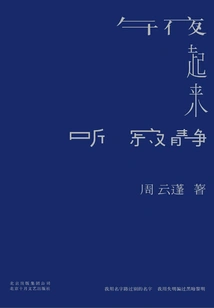
午夜起来听寂静
Zhou Yunpeng
He is a generous, warm man who understands life and humor. Once upon a time, he was also a young man who was obsessed with wandering, melancholic, lonely and fierce. In the poem, there are his years and his footprints. "Wake Up at Midnight to Listen to the Silence" is divided into chapters according to the writing time and emotion of the poem, and the text is formatted according to the emotional and expressive characteristics of each part. Trying to use a more delicate form to help readers enter Zhou Yunpeng's inner world, listen in silence, and no longer misread life in the dark. This time, the singer of the night walk uses poetry instead of voice to express his feelings, writes down what he has experienced that has been remembered or forgotten, and gives a name to the wasted time.
He is a generous, warm man who understands life and humor. Once upon a time, he was also a young man who was obsessed with wandering, melancholic, lonely and fierce. In the poem, there are his years and his footprints. "Wake Up at Midnight to Listen to the Silence" is divided into chapters according to the writing time and emotion of the poem, and the text is formatted according to the emotional and expressive characteristics of each part. Trying to use a more delicate form to help readers enter Zhou Yunpeng's inner world, listen in silence, and no longer misread life in the dark. This time, the singer of the night walk uses poetry instead of voice to express his feelings, writes down what he has experienced that has been remembered or forgotten, and gives a name to the wasted time.
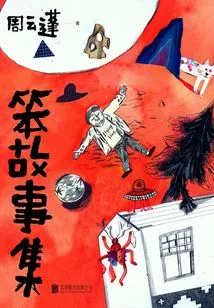
Collection of Stupid Stories
General Fiction笨故事集
Zhou Yunpeng
Zhou Yunpeng's first novel collection includes 18 novels including "Jingting Mountain", "Gao Jianli" and "South Temple". It is not surprising that Zhou Yunpeng writes novels, because he has an extraordinary sense of reality, observation and imagination, not to mention the blessing of narrative ability by his life experience and music creation. In these stories, he demonstrates the poet's ability to control language and the musician's ability to control structure and rhythm. "A Boy's Mind" has a strong documentary feel, like an adolescent diary; "Jingting Mountain" has both classical poetry and fantasy atmosphere, but the structure is quite modern; "Gao Jianli" directly retells the relevant records of "Historical Records", but "counteracts" historical facts with fiction at the last moment; "Nobody" and "Retirement Home" have completely different plots, but they both point to the ultimate through a sense of science fiction... All of this is unified in the simplicity, lightness and freedom of the text.
Zhou Yunpeng's first novel collection includes 18 novels including "Jingting Mountain", "Gao Jianli" and "South Temple". It is not surprising that Zhou Yunpeng writes novels, because he has an extraordinary sense of reality, observation and imagination, not to mention the blessing of narrative ability by his life experience and music creation. In these stories, he demonstrates the poet's ability to control language and the musician's ability to control structure and rhythm. "A Boy's Mind" has a strong documentary feel, like an adolescent diary; "Jingting Mountain" has both classical poetry and fantasy atmosphere, but the structure is quite modern; "Gao Jianli" directly retells the relevant records of "Historical Records", but "counteracts" historical facts with fiction at the last moment; "Nobody" and "Retirement Home" have completely different plots, but they both point to the ultimate through a sense of science fiction... All of this is unified in the simplicity, lightness and freedom of the text.
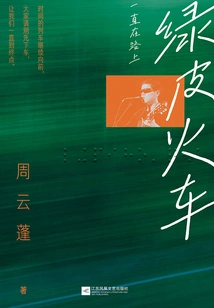
Green Train: Always on the Road
Literature绿皮火车:一直在路上
Zhou Yunpeng
Troubadour poet and folk singer Zhou Yunpeng's collection of essays "Green Train: Always on the Road" is back in a new edition, with a new preface and several new works, recreating the spiritual wandering history of a generation. After setting off on the green train at the age of seventeen, he writes about the places he has arrived on the road of traveling and singing for thirty years, the friends he has made, the vicissitudes of life he has experienced and the growth of Chinese new folk songs, the unique life he has gained, and the people and things he has lost. Now that the year of destiny has arrived, the world is changing rapidly, and the only thing that remains unchanged is that time continues to move forward like a green train. "Green Train: Always on the Road" retains the free and easy freedom of self-exile and self-healing in the wilderness of life, but also adds a touch of the taste of life and a broad-minded attitude towards life. What remains unchanged is the author's warm and hopeful heart, as he himself said: "Looking forward to the arrival of better people, looking forward to the arrival of more beautiful people. Looking forward to the possession of our past souls and returning."
Troubadour poet and folk singer Zhou Yunpeng's collection of essays "Green Train: Always on the Road" is back in a new edition, with a new preface and several new works, recreating the spiritual wandering history of a generation. After setting off on the green train at the age of seventeen, he writes about the places he has arrived on the road of traveling and singing for thirty years, the friends he has made, the vicissitudes of life he has experienced and the growth of Chinese new folk songs, the unique life he has gained, and the people and things he has lost. Now that the year of destiny has arrived, the world is changing rapidly, and the only thing that remains unchanged is that time continues to move forward like a green train. "Green Train: Always on the Road" retains the free and easy freedom of self-exile and self-healing in the wilderness of life, but also adds a touch of the taste of life and a broad-minded attitude towards life. What remains unchanged is the author's warm and hopeful heart, as he himself said: "Looking forward to the arrival of better people, looking forward to the arrival of more beautiful people. Looking forward to the possession of our past souls and returning."