Library
Browse and search books
7 novels found
敕勒与柔然(增订本)
Zhou Weizhou
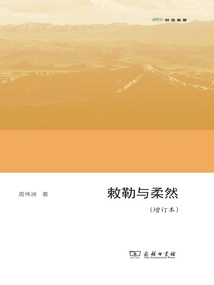
From the end of the 4th century AD to the middle of the 6th century AD, after the Xiongnu and Xianbei, the ethnic groups that dominated the Mongolian grasslands in northern Mobei were the Rouran and Chile (Gaoche) peoples. Before the 1980s, there was not much attention and research from Chinese and foreign academic circles on these two Mobei nomadic peoples. This book is divided into two parts, Chile and Rouran, with a total of seven chapters, respectively discussing the names, origins, migrations of the two ethnic groups, as well as the establishment of political power in Mobei (Rouran Khanate and Gaoche Kingdom) and their distribution activities after entering the mainland of China. Finally, the political system, social economy and ideology of Rouran are explored. The book has a total of about 120,000 words. The appendix includes the "Rouran Genealogy Table", reference works, index and the addition of a new work in recent years "An Interpretation of the Newly Unearthed Rouran Epitaphs". This book is the first book in my country that specifically discusses the history of the Chile and Rouran ethnic groups. It can be read by researchers and students in history, ethnology and other related fields.
From the end of the 4th century AD to the middle of the 6th century AD, after the Xiongnu and Xianbei, the ethnic groups that dominated the Mongolian grasslands in northern Mobei were the Rouran and Chile (Gaoche) peoples. Before the 1980s, there was not much attention and research from Chinese and foreign academic circles on these two Mobei nomadic peoples. This book is divided into two parts, Chile and Rouran, with a total of seven chapters, respectively discussing the names, origins, migrations of the two ethnic groups, as well as the establishment of political power in Mobei (Rouran Khanate and Gaoche Kingdom) and their distribution activities after entering the mainland of China. Finally, the political system, social economy and ideology of Rouran are explored. The book has a total of about 120,000 words. The appendix includes the "Rouran Genealogy Table", reference works, index and the addition of a new work in recent years "An Interpretation of the Newly Unearthed Rouran Epitaphs". This book is the first book in my country that specifically discusses the history of the Chile and Rouran ethnic groups. It can be read by researchers and students in history, ethnology and other related fields.
新出土中古有关胡族文物研究
Zhou Weizhou
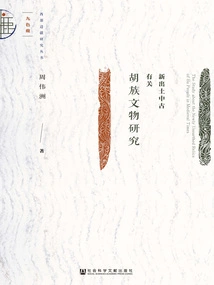
This book is about the exploration of the "Hu people" in medieval China. It is divided into five parts. The first chapter includes four articles on the research and interpretation of the epitaphs of the Hu people in the Northern Dynasties; the second chapter includes four articles on the study of the epitaphs of the Hu people's cultural relics in the Sui and Tang Dynasties; the third chapter includes the cultural relics related to the Hu people unearthed in the Sui and Tang Dynasties, and the "Six Hu" Four articles on the study of "states" and the starting point of the Silk Road; Chapter 4 includes two articles on the author's research on the music and dance of the Tang Dynasty from the "music and dance images" unearthed from relevant Hu people's tombs; the appendix includes one article on the author's many years of research on the northern Hu people and their relationships during the Wei, Jin, Southern and Northern Dynasties.
This book is about the exploration of the "Hu people" in medieval China. It is divided into five parts. The first chapter includes four articles on the research and interpretation of the epitaphs of the Hu people in the Northern Dynasties; the second chapter includes four articles on the study of the epitaphs of the Hu people's cultural relics in the Sui and Tang Dynasties; the third chapter includes the cultural relics related to the Hu people unearthed in the Sui and Tang Dynasties, and the "Six Hu" Four articles on the study of "states" and the starting point of the Silk Road; Chapter 4 includes two articles on the author's research on the music and dance of the Tang Dynasty from the "music and dance images" unearthed from relevant Hu people's tombs; the appendix includes one article on the author's many years of research on the northern Hu people and their relationships during the Wei, Jin, Southern and Northern Dynasties.
吐谷浑资料辑录(增订本)
Zhou Weizhou
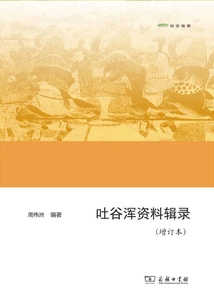
This book is a multi-faceted collection, arrangement and interpretation of Tuyuhun materials contained in relevant historical records in Chinese and Tibetan. The editor compiled this book based on his best efforts to collect and organize information about Tuyuhun. The data compiled in this book basically start from the Western Jin Dynasty and end in the Northern Song Dynasty. It is mainly based on relevant materials in the Twenty-Four Histories, and also includes historical treatises, anthologies, cultural relics and archaeological data, as well as Sino-Tibetan documents and slips discovered in Dunhuang and Xinjiang. The recorded materials are divided into five volumes according to their nature, namely biographies, personal biographies, chronicles of scattered materials, ancient Tibetan manuscripts, slips and other scattered data discovered in Dunhuang and Xinjiang. This book was published by Qinghai People's Publishing House in 1992. This updated publication adds some new information and corrects some errors in the original version; the appendix also includes the author's article "Tuyuhun's Activities and Settlement in the Western Regions".
This book is a multi-faceted collection, arrangement and interpretation of Tuyuhun materials contained in relevant historical records in Chinese and Tibetan. The editor compiled this book based on his best efforts to collect and organize information about Tuyuhun. The data compiled in this book basically start from the Western Jin Dynasty and end in the Northern Song Dynasty. It is mainly based on relevant materials in the Twenty-Four Histories, and also includes historical treatises, anthologies, cultural relics and archaeological data, as well as Sino-Tibetan documents and slips discovered in Dunhuang and Xinjiang. The recorded materials are divided into five volumes according to their nature, namely biographies, personal biographies, chronicles of scattered materials, ancient Tibetan manuscripts, slips and other scattered data discovered in Dunhuang and Xinjiang. This book was published by Qinghai People's Publishing House in 1992. This updated publication adds some new information and corrects some errors in the original version; the appendix also includes the author's article "Tuyuhun's Activities and Settlement in the Western Regions".
西北民族论丛(第15辑)
Zhou Weizhou
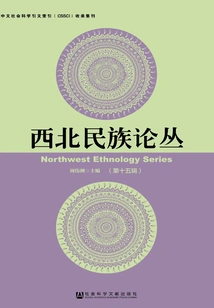
"Northwestern Ethnic Studies Series" is an academic collection focusing on the fields of the history of ethnic groups in northwest China, the history of economic and cultural exchanges between ethnic groups in northwest China and neighboring countries, and the natural environment of ethnic minority areas in northwest China. This issue features the "First Column for Young Scholars of Chinese Tibetan Studies", which compiles several articles on the latest research results of Chinese Tibetology, reflecting the academic frontiers in this field. It also discusses the Qing Dynasty's ethnic policies and other issues. It also includes several articles that discuss China's ethnic integration, cultural types, the nature of Guangming Temple in Chang'an, the place names of the Subimo clan and Meixiang County, etc., Which is of great help in clarifying related research in the field of ethnic history research.
"Northwestern Ethnic Studies Series" is an academic collection focusing on the fields of the history of ethnic groups in northwest China, the history of economic and cultural exchanges between ethnic groups in northwest China and neighboring countries, and the natural environment of ethnic minority areas in northwest China. This issue features the "First Column for Young Scholars of Chinese Tibetan Studies", which compiles several articles on the latest research results of Chinese Tibetology, reflecting the academic frontiers in this field. It also discusses the Qing Dynasty's ethnic policies and other issues. It also includes several articles that discuss China's ethnic integration, cultural types, the nature of Guangming Temple in Chang'an, the place names of the Subimo clan and Meixiang County, etc., Which is of great help in clarifying related research in the field of ethnic history research.
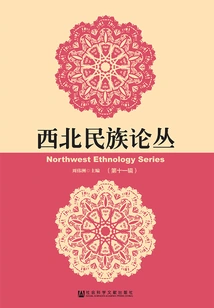
西北民族论丛(第11辑)
Zhou Weizhou
"Northwestern Ethnicities Series" is an academic collection sponsored by the China Western Frontier Research Institute (Northwest Ethnic Research Center) of Shaanxi Normal University. It focuses on the history of ethnic groups in northwest China, the history of economic and cultural exchanges between northwest ethnic groups and neighboring countries, and the natural environment of northwest ethnic areas. The contents of this collection include research on the relationship between the Gaochang Kingdom and the Turks, the imperial pacification of Tibetan stele inscriptions, a study of the relationship between Milan murals and Eastern and Western art, what the nomadic tribes used to be, etc. All articles are first published in this collection.
"Northwestern Ethnicities Series" is an academic collection sponsored by the China Western Frontier Research Institute (Northwest Ethnic Research Center) of Shaanxi Normal University. It focuses on the history of ethnic groups in northwest China, the history of economic and cultural exchanges between northwest ethnic groups and neighboring countries, and the natural environment of northwest ethnic areas. The contents of this collection include research on the relationship between the Gaochang Kingdom and the Turks, the imperial pacification of Tibetan stele inscriptions, a study of the relationship between Milan murals and Eastern and Western art, what the nomadic tribes used to be, etc. All articles are first published in this collection.
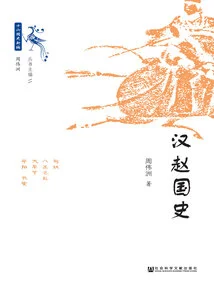
汉赵国史
Zhou Weizhou
The Han-Zhao Kingdom was the first political power established in the mainland by the Xiongnu, a minority ethnic group that moved inland, in Chinese history. It was also one of the earlier political powers established by the Sixteen Kingdoms. When the economy of the Central Plains region was severely damaged in the late Western Jin Dynasty, the rulers of the Han and Zhao Dynasties took some measures that were conducive to the recovery and development of production, so that the economy of Pingyang and Chang'an areas in Kyoto could recover and develop. Based on existing historical records and cultural relics and archaeological data, this book discusses the activities of the Xiongnu who migrated inland since the end of the Eastern Han Dynasty and the changes in their social status, narrates the history of the rise and fall of the Han and Zhao kingdoms, and boldly discusses their political systems and social forms.
The Han-Zhao Kingdom was the first political power established in the mainland by the Xiongnu, a minority ethnic group that moved inland, in Chinese history. It was also one of the earlier political powers established by the Sixteen Kingdoms. When the economy of the Central Plains region was severely damaged in the late Western Jin Dynasty, the rulers of the Han and Zhao Dynasties took some measures that were conducive to the recovery and development of production, so that the economy of Pingyang and Chang'an areas in Kyoto could recover and develop. Based on existing historical records and cultural relics and archaeological data, this book discusses the activities of the Xiongnu who migrated inland since the end of the Eastern Han Dynasty and the changes in their social status, narrates the history of the rise and fall of the Han and Zhao kingdoms, and boldly discusses their political systems and social forms.
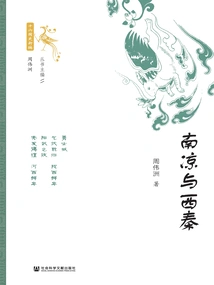
南凉与西秦
Zhou Weizhou
This book mainly describes the history of the two regimes, Southern Liang and Western Qin, established in the northwest during the Sixteen Kingdoms period. Since the two regimes of Southern Liang and Western Qin were established by the Xianbei people in ancient my country, this book first discusses the origin, migration and integration of Tufa and Qifu Xianbei from the perspective of ethnic history. Secondly, it describes the background and process of establishing their regimes, the relationship between the two countries and neighboring regimes, and their history of rise and fall. Finally, some explorations were made into the social and political systems, social forms and ideologies of the two countries. In addition to the trends of Southern Liang, Western Qin and their founders, the Xianbei people, this book also discusses the role of the two regimes in the development of the entire northwest region.
This book mainly describes the history of the two regimes, Southern Liang and Western Qin, established in the northwest during the Sixteen Kingdoms period. Since the two regimes of Southern Liang and Western Qin were established by the Xianbei people in ancient my country, this book first discusses the origin, migration and integration of Tufa and Qifu Xianbei from the perspective of ethnic history. Secondly, it describes the background and process of establishing their regimes, the relationship between the two countries and neighboring regimes, and their history of rise and fall. Finally, some explorations were made into the social and political systems, social forms and ideologies of the two countries. In addition to the trends of Southern Liang, Western Qin and their founders, the Xianbei people, this book also discusses the role of the two regimes in the development of the entire northwest region.