Library
Browse and search books
1 novel found
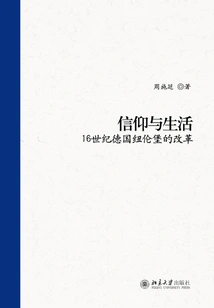
信仰与生活:16世纪德国纽伦堡的改革
Zhou Shiting
Nuremberg was one of the largest cities in Germany in the 16th century and the seat of the Imperial Parliament. The city's religious reforms at that time attracted the attention of all classes in Germany. This reform provides a most salutary illustration of the interaction between forms of German social life and Lutheran Protestantism. This reform is actually a conversion of old and new systems. It distinguishes the medieval church, charity, monasticism and sacramental marriage, and transforms them into social relief, government management of religious affairs and secular marriage systems with modern characteristics. In this way, the Nuremberg Reforms highlighted the will of the citizen class and showed a picture of German social change driven by the people. The book displays various original materials, many of which have been translated into Chinese and analyzed for the first time, thus explaining how modern institutions and social life originated and spread throughout Germany. The author also breaks through the tradition of studying the religious reform from a macro perspective and only focuses on the analysis of one city, establishing a new model for future research on German religion and society.
Nuremberg was one of the largest cities in Germany in the 16th century and the seat of the Imperial Parliament. The city's religious reforms at that time attracted the attention of all classes in Germany. This reform provides a most salutary illustration of the interaction between forms of German social life and Lutheran Protestantism. This reform is actually a conversion of old and new systems. It distinguishes the medieval church, charity, monasticism and sacramental marriage, and transforms them into social relief, government management of religious affairs and secular marriage systems with modern characteristics. In this way, the Nuremberg Reforms highlighted the will of the citizen class and showed a picture of German social change driven by the people. The book displays various original materials, many of which have been translated into Chinese and analyzed for the first time, thus explaining how modern institutions and social life originated and spread throughout Germany. The author also breaks through the tradition of studying the religious reform from a macro perspective and only focuses on the analysis of one city, establishing a new model for future research on German religion and society.