Library
Browse and search books
3 novels found
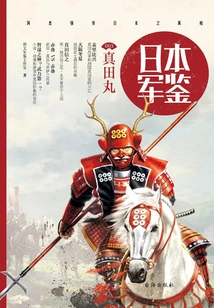
日本·军鉴003:真田丸
Zhiwen Junjian Studio
The theme of the third volume of "Japan·Military Review" is "Sanada Maru". Five viewpoints are selected around this theme to comprehensively interpret the Sanada family in the Warring States Period in Japan: "Inside and Out: Sanada Masayuki and the Rise and Fall of the Sanada Family in the Warring States Period" takes the rise and fall of the Sanada family in the Warring States Period as the context, and presents a panoramic view of Sanada Masayuki's true thoughts throughout his life. "Osaka Winter and Summer: The Last Afterglow of the Warring States Samurai" faithfully outlines the panoramic view before and after the Osaka Winter and Summer Battle, and how Sanada Nobushige and other Warring States figures dutifully and loyally maintained the precarious Toyotomi regime. "Nobuyuki Sanada: That Flower of Numata Will Never Bloom Again in Ueda" sorts out the causes and consequences of the civil strife in the Sanada family, and brings us face to face with the Nobuyuki Sanada who took off his facial makeup in real history. "Akabe VS Akabe: The Legacy of Takeda, Sanada and Ii" takes stock and compares Takeda Akabe, Sanada Akabe and Ii Akabe one by one, revealing the connection between them and how they made the legend of Akabe possible. "The God of Wisdom?" Force first? "Changes in Sanada's Image in Novels, Anime, and Games" attempts to find traces of the changes in Sanada's image in novels, animations, and games, and interpret Sanada's spirit through these perspectives.
The theme of the third volume of "Japan·Military Review" is "Sanada Maru". Five viewpoints are selected around this theme to comprehensively interpret the Sanada family in the Warring States Period in Japan: "Inside and Out: Sanada Masayuki and the Rise and Fall of the Sanada Family in the Warring States Period" takes the rise and fall of the Sanada family in the Warring States Period as the context, and presents a panoramic view of Sanada Masayuki's true thoughts throughout his life. "Osaka Winter and Summer: The Last Afterglow of the Warring States Samurai" faithfully outlines the panoramic view before and after the Osaka Winter and Summer Battle, and how Sanada Nobushige and other Warring States figures dutifully and loyally maintained the precarious Toyotomi regime. "Nobuyuki Sanada: That Flower of Numata Will Never Bloom Again in Ueda" sorts out the causes and consequences of the civil strife in the Sanada family, and brings us face to face with the Nobuyuki Sanada who took off his facial makeup in real history. "Akabe VS Akabe: The Legacy of Takeda, Sanada and Ii" takes stock and compares Takeda Akabe, Sanada Akabe and Ii Akabe one by one, revealing the connection between them and how they made the legend of Akabe possible. "The God of Wisdom?" Force first? "Changes in Sanada's Image in Novels, Anime, and Games" attempts to find traces of the changes in Sanada's image in novels, animations, and games, and interpret Sanada's spirit through these perspectives.
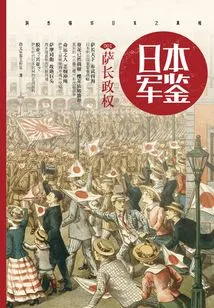
日本·军鉴001:萨长政权
Zhiwen Junjian Studio
This book starts from popular culture or popular social events with Japanese characteristics such as movies, Japanese dramas, animations, and tourism, and examines the military, political strategy, and other exciting contents of Japanese history behind the hot spots.
This book starts from popular culture or popular social events with Japanese characteristics such as movies, Japanese dramas, animations, and tourism, and examines the military, political strategy, and other exciting contents of Japanese history behind the hot spots.
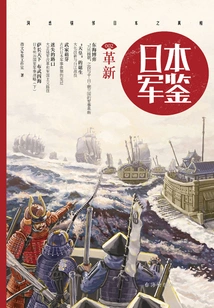
日本·军鉴002:革新
Zhiwen Junjian Studio
The theme of the second volume of "Japan·Military Review" is "Revolution". Five perspectives are selected around this theme to commemorate people and events in the turbulent changes: "Game in the East China Sea: The "Wanli Aid Korea" Campaign and the Military Innovation of China, Japan and North Korea" depicts the grand war background during Toyotomi Hideyoshi's invasion of Korea, and the military and political changes in China, Japan and North Korea triggered by black powder. "The Birth of the "Emperor": Taika Reform and the Battle of Shirakawa" connects the early diplomatic history of China and Japan with a series of turmoils in Japan at that time, making a detailed and unexpected sorting out. "The Sprout of the Samurai: The Changes of Ancient Japan's Military System" comprehensively displays the ancient Japanese military system with a through-analysis from the economic system to the political structure. "Lost Crossing: Taisho Army Reform and the Path of Militarism" comments on how the seemingly elite-planned and well-organized Japanese military reform movement in the Taisho era degenerated into the frenzy of militarism in the Showa era. "Sa Chang's World War: Japan's Meiji National Military Strategy" is the first series and will continue to analyze Japan's military, political and diplomatic situation in the 50 years of Meiji.
The theme of the second volume of "Japan·Military Review" is "Revolution". Five perspectives are selected around this theme to commemorate people and events in the turbulent changes: "Game in the East China Sea: The "Wanli Aid Korea" Campaign and the Military Innovation of China, Japan and North Korea" depicts the grand war background during Toyotomi Hideyoshi's invasion of Korea, and the military and political changes in China, Japan and North Korea triggered by black powder. "The Birth of the "Emperor": Taika Reform and the Battle of Shirakawa" connects the early diplomatic history of China and Japan with a series of turmoils in Japan at that time, making a detailed and unexpected sorting out. "The Sprout of the Samurai: The Changes of Ancient Japan's Military System" comprehensively displays the ancient Japanese military system with a through-analysis from the economic system to the political structure. "Lost Crossing: Taisho Army Reform and the Path of Militarism" comments on how the seemingly elite-planned and well-organized Japanese military reform movement in the Taisho era degenerated into the frenzy of militarism in the Showa era. "Sa Chang's World War: Japan's Meiji National Military Strategy" is the first series and will continue to analyze Japan's military, political and diplomatic situation in the 50 years of Meiji.