Library
Browse and search books
6 novels found
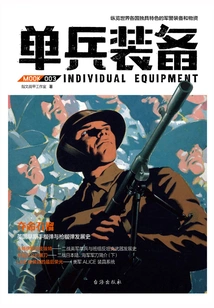
Individual Equipment 003
Military单兵装备003
Zhi Wen Armor Studio
This book takes individual soldier equipment as its theme and is written by enthusiasts and researchers in related fields. Through a professional perspective, it shows readers the development and changes of modern individual soldier equipment, providing a more professional reference for history lovers and military fans, and also providing reference advice for collectors. The book is divided into four parts, respectively introducing the development history of early hand grenades and rifle grenades in the UK, focusing on the Mills grenade with the most far-reaching influence and longest service life; the development of individual and team anti-tank weapons of the British Army in World War II, mainly introducing the Boyce anti-tank rifle and P IAT anti-tank projectile; Japanese sabers (Part 2), mainly Yasukuni sabers, three-type sabers, colonial sabers, marshal sabers and puppet Manchukuo sabers; US military ALICE equipment, which is the last LCE type equipment to be equipped on a large scale and became famous in the Gulf War.
This book takes individual soldier equipment as its theme and is written by enthusiasts and researchers in related fields. Through a professional perspective, it shows readers the development and changes of modern individual soldier equipment, providing a more professional reference for history lovers and military fans, and also providing reference advice for collectors. The book is divided into four parts, respectively introducing the development history of early hand grenades and rifle grenades in the UK, focusing on the Mills grenade with the most far-reaching influence and longest service life; the development of individual and team anti-tank weapons of the British Army in World War II, mainly introducing the Boyce anti-tank rifle and P IAT anti-tank projectile; Japanese sabers (Part 2), mainly Yasukuni sabers, three-type sabers, colonial sabers, marshal sabers and puppet Manchukuo sabers; US military ALICE equipment, which is the last LCE type equipment to be equipped on a large scale and became famous in the Gulf War.
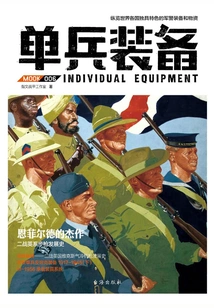
Individual Equipment 006
Military单兵装备006
Zhi Wen Armor Studio
This book takes individual soldier equipment as its theme and is written by enthusiasts and researchers in related fields. Through a professional perspective, it shows readers the development and changes of modern individual soldier equipment, providing a more professional reference for history lovers and military fans, and also providing reference advice for collectors. This series is divided into four parts. The Lee-Enfield rifle was the standard rifle of the British Army from 1895 to 1956, and was also the standard equipment of the Commonwealth countries. It was widely equipped with the armies of Canada, New Zealand, Australia, India and other countries; the Vickers water-cooled machine gun has served in the British Army for more than half a century, and the Vickers air-cooled machine gun has found a place in the Royal Air Force. This article introduces the Vickers-Bertiler machine gun gun to the development of the Vickers K machine gun; the emergence of the Panzerfaust and the Tank Killer greatly improved the anti-tank level of the German infantry, and also had a profound impact on the Allied tactics. This article will focus on the equipment and use of these two weapons; the M1956 individual equipment was the equipment issued by the US military in the early stages of the Vietnam War, and has also been imitated by many other countries. This article is introduced by a senior military collector to readers.
This book takes individual soldier equipment as its theme and is written by enthusiasts and researchers in related fields. Through a professional perspective, it shows readers the development and changes of modern individual soldier equipment, providing a more professional reference for history lovers and military fans, and also providing reference advice for collectors. This series is divided into four parts. The Lee-Enfield rifle was the standard rifle of the British Army from 1895 to 1956, and was also the standard equipment of the Commonwealth countries. It was widely equipped with the armies of Canada, New Zealand, Australia, India and other countries; the Vickers water-cooled machine gun has served in the British Army for more than half a century, and the Vickers air-cooled machine gun has found a place in the Royal Air Force. This article introduces the Vickers-Bertiler machine gun gun to the development of the Vickers K machine gun; the emergence of the Panzerfaust and the Tank Killer greatly improved the anti-tank level of the German infantry, and also had a profound impact on the Allied tactics. This article will focus on the equipment and use of these two weapons; the M1956 individual equipment was the equipment issued by the US military in the early stages of the Vietnam War, and has also been imitated by many other countries. This article is introduced by a senior military collector to readers.
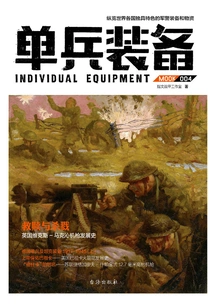
Individual Equipment 004
Military单兵装备004
Zhi Wen Armor Studio
This book takes individual soldier equipment as its theme and is written by enthusiasts and researchers in related fields. Through a professional perspective, it shows readers the development and changes of modern individual soldier equipment, providing a more professional reference for history lovers and military fans, and also providing reference advice for collectors. The book is divided into four parts: the history of the development of the British Vickers machine gun - at the end of World War II, the Vickers machine gun was one of the few water-cooled machine guns still widely used. Although the technical level was relatively backward, this did not prevent it from fulfilling its obligations outstandingly; German individual anti-tank equipment (Part 1) - Britain was the first country to use tanks, and Germany was the first country in the world to conduct anti-tank operations. After the hasty anti-tank practice in World War I, the German army's understanding of individual anti-tank equipment went through a tortuous process; the development history of the American bazooka rocket launcher - if the combination of hollow-charge armor-piercing projectiles and rockets brought a revolution to anti-tank combat, then the bazooka was the wave of this revolution. This article The reader will be introduced to the development process of this rocket; a short biography of the Soviet Deshka heavy machine gun - in hot spots of armed conflict, in addition to Toyota pickup trucks, Kalashnikov assault rifles and RPG rockets, there is also a "veteran" who frequently leaves the country. The last article in this issue introduces the Deshka machine gun that has been on the battlefield for more than 80 years.
This book takes individual soldier equipment as its theme and is written by enthusiasts and researchers in related fields. Through a professional perspective, it shows readers the development and changes of modern individual soldier equipment, providing a more professional reference for history lovers and military fans, and also providing reference advice for collectors. The book is divided into four parts: the history of the development of the British Vickers machine gun - at the end of World War II, the Vickers machine gun was one of the few water-cooled machine guns still widely used. Although the technical level was relatively backward, this did not prevent it from fulfilling its obligations outstandingly; German individual anti-tank equipment (Part 1) - Britain was the first country to use tanks, and Germany was the first country in the world to conduct anti-tank operations. After the hasty anti-tank practice in World War I, the German army's understanding of individual anti-tank equipment went through a tortuous process; the development history of the American bazooka rocket launcher - if the combination of hollow-charge armor-piercing projectiles and rockets brought a revolution to anti-tank combat, then the bazooka was the wave of this revolution. This article The reader will be introduced to the development process of this rocket; a short biography of the Soviet Deshka heavy machine gun - in hot spots of armed conflict, in addition to Toyota pickup trucks, Kalashnikov assault rifles and RPG rockets, there is also a "veteran" who frequently leaves the country. The last article in this issue introduces the Deshka machine gun that has been on the battlefield for more than 80 years.
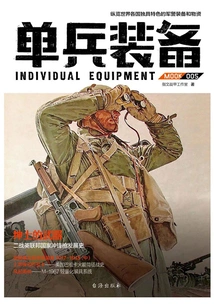
Individual Equipment 005
Military单兵装备005
Zhi Wen Armor Studio
This book takes individual soldier equipment as its theme and is written by enthusiasts and researchers in related fields. Through a professional perspective, it shows readers the development and changes of modern individual soldier equipment, providing a more professional reference for history lovers and military fans, and also providing reference advice for collectors. The book is divided into four parts. The submachine gun was once considered a weapon that "a gentleman should never use" in Britain. However, as the war spread across the European continent, the British army had to find a less "gentlemanly" weapon for itself as soon as possible; Britain was the first country to use tanks, and Germany was the first country in the world to conduct anti-tank operations. After the hasty anti-tank practice in World War I, what did the German army know about individual anti-tank equipment? If the combination of hollow-charge armor-piercing projectiles and rockets brought a revolution to anti-tank combat, then the bazooka was the leader of this revolution. This article will introduce readers to the combat history of this rocket. The M-1967 equipment system developed during the Vietnam War replaced traditional canvas materials with lighter, wear-resistant and corrosion-resistant nylon fabrics, laying the foundation for modern US military equipment.
This book takes individual soldier equipment as its theme and is written by enthusiasts and researchers in related fields. Through a professional perspective, it shows readers the development and changes of modern individual soldier equipment, providing a more professional reference for history lovers and military fans, and also providing reference advice for collectors. The book is divided into four parts. The submachine gun was once considered a weapon that "a gentleman should never use" in Britain. However, as the war spread across the European continent, the British army had to find a less "gentlemanly" weapon for itself as soon as possible; Britain was the first country to use tanks, and Germany was the first country in the world to conduct anti-tank operations. After the hasty anti-tank practice in World War I, what did the German army know about individual anti-tank equipment? If the combination of hollow-charge armor-piercing projectiles and rockets brought a revolution to anti-tank combat, then the bazooka was the leader of this revolution. This article will introduce readers to the combat history of this rocket. The M-1967 equipment system developed during the Vietnam War replaced traditional canvas materials with lighter, wear-resistant and corrosion-resistant nylon fabrics, laying the foundation for modern US military equipment.
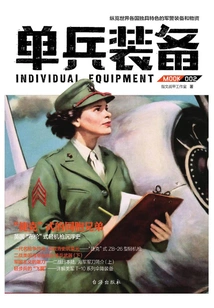
Individual Equipment 002
Military单兵装备002
Zhi Wen Armor Studio
This book takes individual soldier equipment as the theme and is divided into five parts. The first part introduces the application of the famous "Czech" type in the Anti-Japanese War, including various China's own improved models, and also compares it with the main light machine gun of the Japanese army. The second part focuses on the full history of the British Bren light machine gun, including selection, application and extensive improvements, and its use by the British Commonwealth Army. It also introduces; the third part is the cold weapons, shotguns, flamethrowers and individual anti-tank weapons used by the US Marine Corps in World War II; the fourth part is a brief introduction to the sabers of Japanese army and navy personnel in World War II; the last part is a detailed introduction to the T-10 series of parachute equipment used in batches by the US airborne troops, including system components, usage methods, etc.
This book takes individual soldier equipment as the theme and is divided into five parts. The first part introduces the application of the famous "Czech" type in the Anti-Japanese War, including various China's own improved models, and also compares it with the main light machine gun of the Japanese army. The second part focuses on the full history of the British Bren light machine gun, including selection, application and extensive improvements, and its use by the British Commonwealth Army. It also introduces; the third part is the cold weapons, shotguns, flamethrowers and individual anti-tank weapons used by the US Marine Corps in World War II; the fourth part is a brief introduction to the sabers of Japanese army and navy personnel in World War II; the last part is a detailed introduction to the T-10 series of parachute equipment used in batches by the US airborne troops, including system components, usage methods, etc.
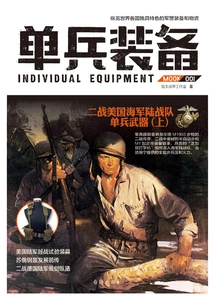
Individual Equipment 001
Military单兵装备001
Zhi Wen Armor Studio
This book takes individual soldier equipment as its theme and is written by enthusiasts and researchers in related fields. Through a professional perspective, it shows readers the development and changes of modern individual soldier equipment, providing a more professional reference for history lovers and military fans, and also providing reference advice for collectors. The book introduces in four parts the swords used by German army officers in World War II, the LINCLOE test equipment developed by the U. S. Military in the Vietnam War, the development of helmets by Soviet Russia between World War I and World War II, and the individual weapons equipped by the U. S. Marine Corps in World War II.
This book takes individual soldier equipment as its theme and is written by enthusiasts and researchers in related fields. Through a professional perspective, it shows readers the development and changes of modern individual soldier equipment, providing a more professional reference for history lovers and military fans, and also providing reference advice for collectors. The book introduces in four parts the swords used by German army officers in World War II, the LINCLOE test equipment developed by the U. S. Military in the Vietnam War, the development of helmets by Soviet Russia between World War I and World War II, and the individual weapons equipped by the U. S. Marine Corps in World War II.