Library
Browse and search books
5 novels found
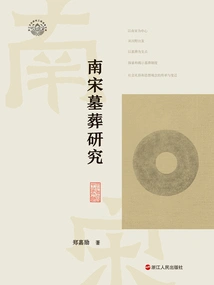
Research on Tombs of the Southern Song Dynasty (zhejiang Archeology and Chinese Civilization Series)
History南宋墓葬研究(浙江考古与中华文明系列)
Zheng Jiali
As a kind of man-made space, tombs are not only a display space for the evolution of skills such as architectural construction and artifact production, but also a stage for the competition of ideas and concepts such as family ethics and funeral customs. It is also the result of social politics, economic development, technological evolution, and changes in ideas and concepts. This book takes the tombs of the Southern Song Dynasty and related issues as the research object, takes the Southern Song Dynasty as the center, starts from the field, and uses the tombs as the fulcrum, seeking the possibility of comprehensive integration of field and documents, archeology and history. In the long historical development context, it explores and reveals the inheritance and changes of the tomb system, social etiquette, and ideological concepts, and gives the archeology of the tombs of the Southern Song Dynasty a relatively systematic academic value.
As a kind of man-made space, tombs are not only a display space for the evolution of skills such as architectural construction and artifact production, but also a stage for the competition of ideas and concepts such as family ethics and funeral customs. It is also the result of social politics, economic development, technological evolution, and changes in ideas and concepts. This book takes the tombs of the Southern Song Dynasty and related issues as the research object, takes the Southern Song Dynasty as the center, starts from the field, and uses the tombs as the fulcrum, seeking the possibility of comprehensive integration of field and documents, archeology and history. In the long historical development context, it explores and reveals the inheritance and changes of the tomb system, social etiquette, and ideological concepts, and gives the archeology of the tombs of the Southern Song Dynasty a relatively systematic academic value.
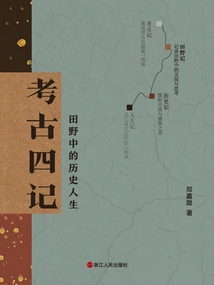
考古四记:田野中的历史人生
Zheng Jiali
This warm-hearted archaeological notebook integrates fieldwork, archeology, reading, history, personal emotions and life experiences into four parts: archaeological notes, field notes, historical notes and life notes. This is a warm archaeological note. The author uses a rational style that combines sensibility and field investigation notes to clearly and completely present his more than 20 years of exploration and exploration in the fields. The book is divided into four chapters: Archaeological Notes, which return to the archaeological excavation site and restore the first-line sites and tomb excavation scenes; Field Notes, which describe the experiences and thoughts during field trips, conveying the charm and interest of archaeological work; Historical Notes, which explore the mysteries of monuments and artifacts, presenting a complete historical picture; Life Notes, which use light pen to write deep feelings, recall those unforgettable people and things, and express the cherishment of the warmth and goodwill of the world. These simple, sincere and enthusiastic words embody the author's thinking about life and enthusiasm for archaeological work, trying to establish a connection between archaeologists and the public in terms of knowledge, interest, emotion and thought.
This warm-hearted archaeological notebook integrates fieldwork, archeology, reading, history, personal emotions and life experiences into four parts: archaeological notes, field notes, historical notes and life notes. This is a warm archaeological note. The author uses a rational style that combines sensibility and field investigation notes to clearly and completely present his more than 20 years of exploration and exploration in the fields. The book is divided into four chapters: Archaeological Notes, which return to the archaeological excavation site and restore the first-line sites and tomb excavation scenes; Field Notes, which describe the experiences and thoughts during field trips, conveying the charm and interest of archaeological work; Historical Notes, which explore the mysteries of monuments and artifacts, presenting a complete historical picture; Life Notes, which use light pen to write deep feelings, recall those unforgettable people and things, and express the cherishment of the warmth and goodwill of the world. These simple, sincere and enthusiastic words embody the author's thinking about life and enthusiasm for archaeological work, trying to establish a connection between archaeologists and the public in terms of knowledge, interest, emotion and thought.
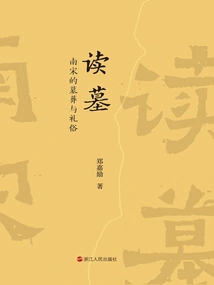
读墓:南宋的墓葬与礼俗
Zheng Jiali
As a kind of man-made space, tombs are not only a display space for the evolution of skills such as architectural construction and artifact production, but also a stage for the competition of ideas and concepts such as family ethics and funeral customs. It is also the result of social politics, economic development, technological evolution, and changes in ideas and concepts. This book takes the tombs of the Southern Song Dynasty and related issues as the research object, takes the Southern Song Dynasty as the center, starts from the field, and uses the tombs as the fulcrum, seeking the possibility of comprehensive integration of field and documents, archeology and history. In the long historical development context, it explores and reveals the inheritance and changes of the tomb system, social etiquette, and ideological concepts, and gives the archeology of the tombs of the Southern Song Dynasty a relatively systematic academic value.
As a kind of man-made space, tombs are not only a display space for the evolution of skills such as architectural construction and artifact production, but also a stage for the competition of ideas and concepts such as family ethics and funeral customs. It is also the result of social politics, economic development, technological evolution, and changes in ideas and concepts. This book takes the tombs of the Southern Song Dynasty and related issues as the research object, takes the Southern Song Dynasty as the center, starts from the field, and uses the tombs as the fulcrum, seeking the possibility of comprehensive integration of field and documents, archeology and history. In the long historical development context, it explores and reveals the inheritance and changes of the tomb system, social etiquette, and ideological concepts, and gives the archeology of the tombs of the Southern Song Dynasty a relatively systematic academic value.
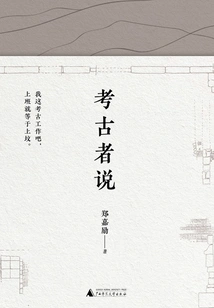
Archaeologists Say
History考古者说
Zheng Jiali
This book is revised based on the book "The Other Side of Archeology" published by our agency in 2016. The new book deletes the text that is relatively alien to archaeological work and adds a large number of thematic and professional articles. After the revision, the book is divided into four parts, namely: Looking for Tombs, Talking about Stones, Reading the City, and Investigating Objects. The two parts, "Looking for Tombs" and "Yu Shi", are based on additions, deletions and revisions of the contents of the two parts of the original book "Shiyu" and "Books from Tombs"; the first part "Reading the City" is a completely new content, mainly focusing on urban archeology in Zhejiang; the first part "Looking for Things" is based on the content of the original book "Observing Things", which is still mainly about what is seen, heard and felt during archaeological travels or personal daily life.
This book is revised based on the book "The Other Side of Archeology" published by our agency in 2016. The new book deletes the text that is relatively alien to archaeological work and adds a large number of thematic and professional articles. After the revision, the book is divided into four parts, namely: Looking for Tombs, Talking about Stones, Reading the City, and Investigating Objects. The two parts, "Looking for Tombs" and "Yu Shi", are based on additions, deletions and revisions of the contents of the two parts of the original book "Shiyu" and "Books from Tombs"; the first part "Reading the City" is a completely new content, mainly focusing on urban archeology in Zhejiang; the first part "Looking for Things" is based on the content of the original book "Observing Things", which is still mainly about what is seen, heard and felt during archaeological travels or personal daily life.
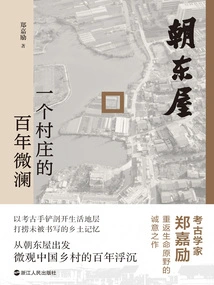
朝东屋:一个村庄的百年微澜
Zheng Jiali
Archaeologist Zheng Jiali turned his exploration of history to the source of his own bloodline - the Chaodongwu Natural Village in Chumen, Yuhuan. He affectionately salvaged the fragments of the village's centuries-old changes, and constructed a life record with both warmth and depth at the intersection of personal memory and collective narrative. The book's detailed description of material relics such as old houses, homesteads, rice fields, and salt fields, as well as its precise restoration of historical details such as village life and livelihood, retain the vivid texture of folk memory and give individual destiny a sense of historical depth. The ties of blood and the secrets of growth are condensed into a thrilling "spiritual archeology", which not only shows the centuries-old strata of the village, but also allows the family affection, nostalgia and the pain of the times that have been buried in the land to breathe again.
Archaeologist Zheng Jiali turned his exploration of history to the source of his own bloodline - the Chaodongwu Natural Village in Chumen, Yuhuan. He affectionately salvaged the fragments of the village's centuries-old changes, and constructed a life record with both warmth and depth at the intersection of personal memory and collective narrative. The book's detailed description of material relics such as old houses, homesteads, rice fields, and salt fields, as well as its precise restoration of historical details such as village life and livelihood, retain the vivid texture of folk memory and give individual destiny a sense of historical depth. The ties of blood and the secrets of growth are condensed into a thrilling "spiritual archeology", which not only shows the centuries-old strata of the village, but also allows the family affection, nostalgia and the pain of the times that have been buried in the land to breathe again.