Library
Browse and search books
1 novel found
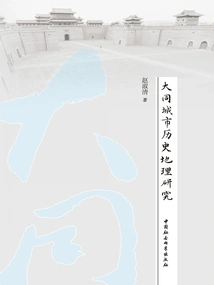
大同城市历史地理研究
Zhao Shuqing
Datong is located in the northern part of the Shanxi Plateau and the center of the Datong Basin. It is known as the "Key to the North" because it guards the choke points of Shanxi, Hebei and Mongolia. Since ancient times, northern nomads and Central Plains farming people have competed for important territory. Datong City is one of the first batch of historical and cultural cities approved by the State Council. The long history of urban development before the Qing Dynasty has been evolving under the alternating rule of the Han nationality and ethnic minority regimes, with distinctive characteristics of ethnic integration. The history of urban development of Datong is a typical inland frontier city in northern my country. This book systematically analyzes the urban transformation process of Datong from a historical geographical perspective and believes that it presents an urban spatial development pattern centered on the "outer city" of Pingcheng in the Northern Wei Dynasty, a functional urban setting with a "military town" as the main line, an urban street layout based on the "lifang structure", and an urban residential structure based on diverse integration. "Ethnic relations" are the macro-political factors that influence the development of Datong City, "One Belt and One Land" are the meso-level geographical factors that determine the functional positioning of Datong City, and "important border defense towns" are the micro-military factors that shape the urban construction pattern of Datong. Systematically summarizing the evolution patterns of Datong's urban historical geography is of great significance for expanding the field of urban historical geography research and providing theoretical support for urban development.
Datong is located in the northern part of the Shanxi Plateau and the center of the Datong Basin. It is known as the "Key to the North" because it guards the choke points of Shanxi, Hebei and Mongolia. Since ancient times, northern nomads and Central Plains farming people have competed for important territory. Datong City is one of the first batch of historical and cultural cities approved by the State Council. The long history of urban development before the Qing Dynasty has been evolving under the alternating rule of the Han nationality and ethnic minority regimes, with distinctive characteristics of ethnic integration. The history of urban development of Datong is a typical inland frontier city in northern my country. This book systematically analyzes the urban transformation process of Datong from a historical geographical perspective and believes that it presents an urban spatial development pattern centered on the "outer city" of Pingcheng in the Northern Wei Dynasty, a functional urban setting with a "military town" as the main line, an urban street layout based on the "lifang structure", and an urban residential structure based on diverse integration. "Ethnic relations" are the macro-political factors that influence the development of Datong City, "One Belt and One Land" are the meso-level geographical factors that determine the functional positioning of Datong City, and "important border defense towns" are the micro-military factors that shape the urban construction pattern of Datong. Systematically summarizing the evolution patterns of Datong's urban historical geography is of great significance for expanding the field of urban historical geography research and providing theoretical support for urban development.