Library
Browse and search books
5 novels found
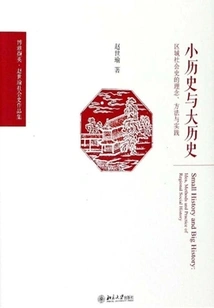
小历史与大历史:区域社会史的理念、方法与实践
Zhao Shiyu
This book is the sequel to "Carnival and Everyday Life". Through the review of academic history, case studies of regional history, and the analysis of the relationship between small history and big history, this book reflects the author's ideas, methods and practical achievements in the field of regional social history research. It is the author's new thinking in the first few years after entering the 21st century. The so-called "small history" in this book refers to the "partial" history, such as personal and local history, as well as the "normal" history, the history of daily life experience, the history of joy, anger, sorrow, and social customs. The so-called "big history" here refers to the overall history, such as the history of changing dynasties, the history of the rise and fall of chaos, the history of major events, important figures, and laws and regulations. What we have to do is to bring back the life foundation of "big history" that has been removed from previous research.
This book is the sequel to "Carnival and Everyday Life". Through the review of academic history, case studies of regional history, and the analysis of the relationship between small history and big history, this book reflects the author's ideas, methods and practical achievements in the field of regional social history research. It is the author's new thinking in the first few years after entering the 21st century. The so-called "small history" in this book refers to the "partial" history, such as personal and local history, as well as the "normal" history, the history of daily life experience, the history of joy, anger, sorrow, and social customs. The so-called "big history" here refers to the overall history, such as the history of changing dynasties, the history of the rise and fall of chaos, the history of major events, important figures, and laws and regulations. What we have to do is to bring back the life foundation of "big history" that has been removed from previous research.

Sui Cheng Chuan
Realistic Fiction适成传
Zhao Shiyu
A serious, realistic novel about appropriateness, it makes me even more excited when I think about it.
A serious, realistic novel about appropriateness, it makes me even more excited when I think about it.
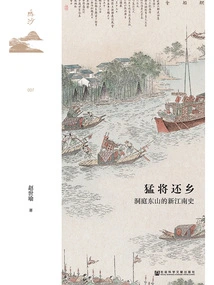
猛将还乡:洞庭东山的新江南史
Zhao Shiyu
Research on the history of Jiangnan has achieved fruitful results, and has gained rich knowledge in many fields such as agricultural development, the rise of towns, and social and cultural development. The other side of this process, that is, the process of people on the water coming ashore and becoming settled groups, especially the active behavior of people in this process, as well as the resulting changes in social structure and its internal logic, has yet to be deeply explored. This book takes Liu Meng's belief in Dongshan of Taihu Lake as an entry point, trying to sort out the process of people coming ashore on the water in the East Taihu Lake area and its impact on the social economy of Jiangnan, and find a new explanation path for the formation of agricultural settlements, the prosperity of commerce and towns, and the construction of clans in the Jiangnan area.
Research on the history of Jiangnan has achieved fruitful results, and has gained rich knowledge in many fields such as agricultural development, the rise of towns, and social and cultural development. The other side of this process, that is, the process of people on the water coming ashore and becoming settled groups, especially the active behavior of people in this process, as well as the resulting changes in social structure and its internal logic, has yet to be deeply explored. This book takes Liu Meng's belief in Dongshan of Taihu Lake as an entry point, trying to sort out the process of people coming ashore on the water in the East Taihu Lake area and its impact on the social economy of Jiangnan, and find a new explanation path for the formation of agricultural settlements, the prosperity of commerce and towns, and the construction of clans in the Jiangnan area.
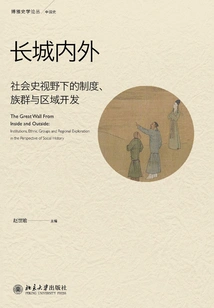
长城内外:社会史视野下的制度、族群与区域开发
Zhao Shiyu
This book is not a study of the Great Wall itself or a direct study of the historical battles and defenses of the Great Wall, nor is it a macro-narrative of the relationship between the Central Plains dynasties and nomadic regimes in history. Instead, it tries its best to start from the people living on both sides of the huge wall, observing how the systems and events related to the Great Wall in history affect the lives of these people. It also pays attention to how the lives of these people, together with the above-mentioned systems and events, constitute the structure of local society. The book combines the methods of field investigation and historical document research, using research methods such as collecting folk documents, observing ritual activities, and conducting interviews. Starting from the perspective of local society, through the historical reconstruction of local society, it re-examines relevant handed down documents and their views on the major historical events, systems, and characters that happened here. It attempts to raise new questions about the ethnic relations on both sides of the Great Wall and the construction of local society during the Ming and Qing Dynasties.
This book is not a study of the Great Wall itself or a direct study of the historical battles and defenses of the Great Wall, nor is it a macro-narrative of the relationship between the Central Plains dynasties and nomadic regimes in history. Instead, it tries its best to start from the people living on both sides of the huge wall, observing how the systems and events related to the Great Wall in history affect the lives of these people. It also pays attention to how the lives of these people, together with the above-mentioned systems and events, constitute the structure of local society. The book combines the methods of field investigation and historical document research, using research methods such as collecting folk documents, observing ritual activities, and conducting interviews. Starting from the perspective of local society, through the historical reconstruction of local society, it re-examines relevant handed down documents and their views on the major historical events, systems, and characters that happened here. It attempts to raise new questions about the ethnic relations on both sides of the Great Wall and the construction of local society during the Ming and Qing Dynasties.
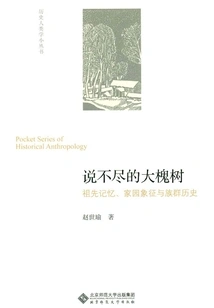
说不尽的大槐树:祖先记忆、家园象征与族群历史
Zhao Shiyu
The issue of immigration to the big locust tree in Hongdong, Shanxi is a topic that is truly appreciated by both refined and popular people, and is well-known to women and children. Even in history, it was an issue that both the gentry and the people paid great attention to and devoted a lot of efforts to. This is a good starting point for understanding the sharing and interaction of cultures in history, and for understanding the history of Shanxi and even North China. What is more worthy of discussion is the process of local historical changes reflected in the legend of the immigrants from the Big Sophora Tree, the legend of the immigrants from Zhuji Lane in Nanxiong, Guangdong, and the legend of the immigrants from Shibi Village among the Hakkas. This issue involves regional development issues, clan issues, belief issues, gentry issues, ethnic issues, and especially military system issues in the historical period. Only in this way can we truly or more accurately understand the origin and spread of such legends. This step-by-step in-depth process also reflects the author's thinking and elaboration on the methodological significance of regional social history or historical anthropology.
The issue of immigration to the big locust tree in Hongdong, Shanxi is a topic that is truly appreciated by both refined and popular people, and is well-known to women and children. Even in history, it was an issue that both the gentry and the people paid great attention to and devoted a lot of efforts to. This is a good starting point for understanding the sharing and interaction of cultures in history, and for understanding the history of Shanxi and even North China. What is more worthy of discussion is the process of local historical changes reflected in the legend of the immigrants from the Big Sophora Tree, the legend of the immigrants from Zhuji Lane in Nanxiong, Guangdong, and the legend of the immigrants from Shibi Village among the Hakkas. This issue involves regional development issues, clan issues, belief issues, gentry issues, ethnic issues, and especially military system issues in the historical period. Only in this way can we truly or more accurately understand the origin and spread of such legends. This step-by-step in-depth process also reflects the author's thinking and elaboration on the methodological significance of regional social history or historical anthropology.