Library
Browse and search books
24 novels found
Counting in Detail with One Voice
Literature细数同声一个无
Zhao Baitian
Just like an old tree that has lost its body and is hit by a violent storm, entering 1627, the Ming Dynasty became even more precarious. Since the beginning of the year, almost no good news has been introduced into the palace. Numerous uprisings have broken out in Shaanxi and Guangxi and other places. Starving farmers rushed into farms and killed property owners, even the officers and soldiers sent to suppress them. Along the southeast coast, pirates of unknown nationality continued to harass and attack; in Liaodong, which was also the imperial capital. In the country's most troublesome area, the Manchus successfully completed an attack on the Ming Dynasty's troops stationed in Korea, and then unilaterally tore up the armistice agreement reached with Yuan Chonghuan, the Liaodong manager, and put pressure on Ningyuan and other strategic strongholds west of the Liao River. Yuan Chonghuan had to resign in the autumn of this year amid internal and external attacks.
Just like an old tree that has lost its body and is hit by a violent storm, entering 1627, the Ming Dynasty became even more precarious. Since the beginning of the year, almost no good news has been introduced into the palace. Numerous uprisings have broken out in Shaanxi and Guangxi and other places. Starving farmers rushed into farms and killed property owners, even the officers and soldiers sent to suppress them. Along the southeast coast, pirates of unknown nationality continued to harass and attack; in Liaodong, which was also the imperial capital. In the country's most troublesome area, the Manchus successfully completed an attack on the Ming Dynasty's troops stationed in Korea, and then unilaterally tore up the armistice agreement reached with Yuan Chonghuan, the Liaodong manager, and put pressure on Ningyuan and other strategic strongholds west of the Liao River. Yuan Chonghuan had to resign in the autumn of this year amid internal and external attacks.
Era of Assassination
General Fiction暗杀时代
Zhao Baitian
The year when the story of this article begins is 1905, which is the year of Yisi according to the zodiac signs and belongs to the year of Snake. The first ten years of the new century are like a big drama, and now it is halfway through the drama. The upright villains, the protagonists and the supporting characters are all the heroes of the moment. Even those who are temporarily sidelined and spectators in the audience are not content with the fate of the moment. They either risk their blood or gamble their lives for luxury. Behind the purple velvet curtain of history, a dark and tortuous legend is unfolding. In January of that year, a revolution occurred in Russia, which began with "Bloody Sunday" and the Black Sea Fleet battleship "Potemkin" mutinied. In the ice and snow of the Far East, the Russian troops stationed in Lushun surrendered to the Japanese after paying the price of tens of thousands of casualties. The oldest empire, caught between the two great powers of Asia and Europe, must guard against tigers as well as wolves, and striving for strength has become the consensus of both the government and the public.
The year when the story of this article begins is 1905, which is the year of Yisi according to the zodiac signs and belongs to the year of Snake. The first ten years of the new century are like a big drama, and now it is halfway through the drama. The upright villains, the protagonists and the supporting characters are all the heroes of the moment. Even those who are temporarily sidelined and spectators in the audience are not content with the fate of the moment. They either risk their blood or gamble their lives for luxury. Behind the purple velvet curtain of history, a dark and tortuous legend is unfolding. In January of that year, a revolution occurred in Russia, which began with "Bloody Sunday" and the Black Sea Fleet battleship "Potemkin" mutinied. In the ice and snow of the Far East, the Russian troops stationed in Lushun surrendered to the Japanese after paying the price of tens of thousands of casualties. The oldest empire, caught between the two great powers of Asia and Europe, must guard against tigers as well as wolves, and striving for strength has become the consensus of both the government and the public.
Chimney Sweep Boy
General Fiction扫烟囱的男孩
Zhao Baitian
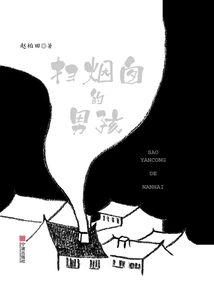
This book is a collection of short stories written by the writer Zhao Baitian from 1996 to 2001. The narrative objects of these stories include various aspects of life in villages and cities, as well as glimpses in history. They record individual lives and are also a kind of world situation.
This book is a collection of short stories written by the writer Zhao Baitian from 1996 to 2001. The narrative objects of these stories include various aspects of life in villages and cities, as well as glimpses in history. They record individual lives and are also a kind of world situation.
急管繁弦 人间暗换
Zhao Baitian
Many years later, Sun Chuanfang lived in seclusion in the Buddhist Concession in Tianjin. When he recalled the defeat in the spring of 1927, what worried him most was not his successive command mistakes on the battlefield in Jiangxi, but the fact that the businessmen and capitalists in Shanghai did not want to see him at all. After Sun's troops withdrew from Jiangsu and Zhejiang, where they had been entrenched for many years, they withdrew all their troops to the north of the Yangtze River. With a sullen look on his face, he ran to Tianjin in a single coat to renew his friendship with Zhang Zuolin. He still wanted to borrow troops to fight back to the south of the Yangtze River, where he made his fortune. At this time, the National Revolutionary Army did not have enough power to eat all Sun's troops. Sun Chuanfang is known as the commander of the five-province coalition. Even if he suffered a defeat in Jiangxi, he still had more than 50,000 troops to fight. Moreover, due to the imminent split between Ningxia and Han Dynasty, Chiang Kai-shek was also eager to find partners out of the need to compete with Wuhan, so he secretly sent his close confidant Zhang Qun to contact Sun Yat-sen University.
Many years later, Sun Chuanfang lived in seclusion in the Buddhist Concession in Tianjin. When he recalled the defeat in the spring of 1927, what worried him most was not his successive command mistakes on the battlefield in Jiangxi, but the fact that the businessmen and capitalists in Shanghai did not want to see him at all. After Sun's troops withdrew from Jiangsu and Zhejiang, where they had been entrenched for many years, they withdrew all their troops to the north of the Yangtze River. With a sullen look on his face, he ran to Tianjin in a single coat to renew his friendship with Zhang Zuolin. He still wanted to borrow troops to fight back to the south of the Yangtze River, where he made his fortune. At this time, the National Revolutionary Army did not have enough power to eat all Sun's troops. Sun Chuanfang is known as the commander of the five-province coalition. Even if he suffered a defeat in Jiangxi, he still had more than 50,000 troops to fight. Moreover, due to the imminent split between Ningxia and Han Dynasty, Chiang Kai-shek was also eager to find partners out of the need to compete with Wuhan, so he secretly sent his close confidant Zhang Qun to contact Sun Yat-sen University.
Southern Garden
General Fiction南方庭园
Zhao Baitian
In this small and independent world, the time, feelings and stories of the past are forever sealed. After the men of the Qi family left this world for various reasons, the women were still admiring flowers in the garden, rubbing monuments and writing poems. Every vine and every peony has been chanted countless times by the poets of this daughter's kingdom. As a result, people at that time would have endless reveries whenever they mentioned Shanyin Meishu, "looking at it like twelve Yaotai". Yaotai, that is where the fairies in the sky serve the Queen Mother of the West. But in the end, with the death of Mrs. Shang in 1676, this poetry group, connected by family affection and memories of the common past, finally disintegrated, and everything disappeared into the vastness of the temple bells.
In this small and independent world, the time, feelings and stories of the past are forever sealed. After the men of the Qi family left this world for various reasons, the women were still admiring flowers in the garden, rubbing monuments and writing poems. Every vine and every peony has been chanted countless times by the poets of this daughter's kingdom. As a result, people at that time would have endless reveries whenever they mentioned Shanyin Meishu, "looking at it like twelve Yaotai". Yaotai, that is where the fairies in the sky serve the Queen Mother of the West. But in the end, with the death of Mrs. Shang in 1676, this poetry group, connected by family affection and memories of the common past, finally disintegrated, and everything disappeared into the vastness of the temple bells.
City and People
General Fiction城与人
Zhao Baitian
At the entrance of a shopping mall, one of my bicycles was stolen again. This is the second car stolen in just two months since I came to this city. I clutched the car key that had lost its meaning and wandered around the entrance of the mall over and over again, hoping that my bicycle would return to me like a lost child. When I saw something similar in appearance, I walked closer to take a closer look. My behavior attracted the attention of the old lady who was looking after the car at the entrance of the shopping mall. This scarecrow-like car watcher must have taken me as an imaginary car thief in her mind. I saw this from her suspicious eyes. I quickly announced to the old lady that I was looking for my car. The old lady said, I have seen you go around in circles several times, and your car must not be found. She said this was the fifth vehicle stolen this afternoon.
At the entrance of a shopping mall, one of my bicycles was stolen again. This is the second car stolen in just two months since I came to this city. I clutched the car key that had lost its meaning and wandered around the entrance of the mall over and over again, hoping that my bicycle would return to me like a lost child. When I saw something similar in appearance, I walked closer to take a closer look. My behavior attracted the attention of the old lady who was looking after the car at the entrance of the shopping mall. This scarecrow-like car watcher must have taken me as an imaginary car thief in her mind. I saw this from her suspicious eyes. I quickly announced to the old lady that I was looking for my car. The old lady said, I have seen you go around in circles several times, and your car must not be found. She said this was the fifth vehicle stolen this afternoon.
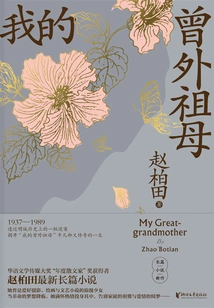
My Great-grandmother
General Fiction我的曾外祖母
Zhao Baitian
This book is the latest novel by Zhao Baitian, a powerful domestic writer and winner of the "Essayist of the Year" award at the Chinese Literature Media Awards. "My great-grandmother" Jin Xian'er was a young woman who came from a wealthy family in a small town in the south. She loved literature and art and pursued progress. She was influenced and led by Communist Party members when she was studying in the provincial capital. She sympathized with the people at the bottom and yearned for revolutionary life. She was even imprisoned for "helping perform tasks" without her knowledge. With the outbreak of the Anti-Japanese War, due to her special status and being too young, the organization did not arrange for Jin Xian'er to join the guerrillas. Instead, she was asked to return to her hometown of Hong Town and lurk as a primary school teacher, looking for opportunities to promote the Anti-Japanese War. In Hong Town, Yao Xinmin, a doctor of entomology, fell in love with Jin Xian'er at first sight. As they got along day and night, the two became more and more like each other. However, in the face of complex social reality and revolutionary needs, Jin Xian'er was soon sent to Shanghai for telegraph work training and had to say goodbye to Yao Xinmin. Since then, Jin Xianer's fate has been completely involved in the vigorous historical tide. When the revolution needed it most, she sacrificed her love and marriage... While writing the turbulent historical process, the novel focuses on the choices and fate of ordinary intellectual women on the periphery of the organization who long to join the revolution. It reproduces the diversity and complexity of history with rich details and vivid descriptions.
This book is the latest novel by Zhao Baitian, a powerful domestic writer and winner of the "Essayist of the Year" award at the Chinese Literature Media Awards. "My great-grandmother" Jin Xian'er was a young woman who came from a wealthy family in a small town in the south. She loved literature and art and pursued progress. She was influenced and led by Communist Party members when she was studying in the provincial capital. She sympathized with the people at the bottom and yearned for revolutionary life. She was even imprisoned for "helping perform tasks" without her knowledge. With the outbreak of the Anti-Japanese War, due to her special status and being too young, the organization did not arrange for Jin Xian'er to join the guerrillas. Instead, she was asked to return to her hometown of Hong Town and lurk as a primary school teacher, looking for opportunities to promote the Anti-Japanese War. In Hong Town, Yao Xinmin, a doctor of entomology, fell in love with Jin Xian'er at first sight. As they got along day and night, the two became more and more like each other. However, in the face of complex social reality and revolutionary needs, Jin Xian'er was soon sent to Shanghai for telegraph work training and had to say goodbye to Yao Xinmin. Since then, Jin Xianer's fate has been completely involved in the vigorous historical tide. When the revolution needed it most, she sacrificed her love and marriage... While writing the turbulent historical process, the novel focuses on the choices and fate of ordinary intellectual women on the periphery of the organization who long to join the revolution. It reproduces the diversity and complexity of history with rich details and vivid descriptions.
Sensory World
General Fiction感官世界
Zhao Baitian
It was an era of fragrance, and there was always a hint of intoxicating fragrance floating in the air. Those men and women of the upper class seem to have been surrounded by incense from birth. Their hair is fragrant, sachets are hung on their clothes, the bathtubs in which they bathe are mixed with spices, and when they read, they also have a cigarette cage or a long-handled incense burner at hand. In this country with an ancient tradition of burning incense, burning incense was once seen as upholding the will from heaven. In the sacred and solemn political life of the court, the emperor burned incense and accepted divine metaphors, which symbolized a living and supernatural wisdom that penetrated the relationship between heaven and man. When this refreshing fragrance spread with the wind into the secular life of the gentry class in the seventeenth and eighteenth centuries, and became a social trend, permeating all spaces from meditation halls to brothel singing houses. It is not surprising that spices - this kind of luxury item made from agarwood as the main ingredient, and refined with frankincense, sandalwood, clove, musk and nail incense - is regarded as a magical item that can give life an otherworldly meaning. People of that era generally believed that it could sublimate and purify a dirty life and maximize the beauty that a person can enjoy through his senses. If you lived in that era, don't be surprised if you see someone's nose twitching on the street, because it is very likely that he is trying to identify the ghostly wisps of fragrance wandering in the air.
It was an era of fragrance, and there was always a hint of intoxicating fragrance floating in the air. Those men and women of the upper class seem to have been surrounded by incense from birth. Their hair is fragrant, sachets are hung on their clothes, the bathtubs in which they bathe are mixed with spices, and when they read, they also have a cigarette cage or a long-handled incense burner at hand. In this country with an ancient tradition of burning incense, burning incense was once seen as upholding the will from heaven. In the sacred and solemn political life of the court, the emperor burned incense and accepted divine metaphors, which symbolized a living and supernatural wisdom that penetrated the relationship between heaven and man. When this refreshing fragrance spread with the wind into the secular life of the gentry class in the seventeenth and eighteenth centuries, and became a social trend, permeating all spaces from meditation halls to brothel singing houses. It is not surprising that spices - this kind of luxury item made from agarwood as the main ingredient, and refined with frankincense, sandalwood, clove, musk and nail incense - is regarded as a magical item that can give life an otherworldly meaning. People of that era generally believed that it could sublimate and purify a dirty life and maximize the beauty that a person can enjoy through his senses. If you lived in that era, don't be surprised if you see someone's nose twitching on the street, because it is very likely that he is trying to identify the ghostly wisps of fragrance wandering in the air.
Big Banker
Literature大银行家
Zhao Baitian
The cherry blossoms in Kyoto and Osaka are in full bloom at the end of March. The further north you go, the later the flowering period becomes. In Hokkaido, it is common to bloom in May. For a month and a half, first in Okinawa in the south, and then gradually to the north, the parks everywhere, like snow piled under the cherry blossom bushes on the branches, were crowded with tourists from morning to night. In the spring of 1926, a tour group from China was on a half-month cherry blossom viewing trip in Japan. This is a relaxing trip. The more than 20 people who came with the group were paid 500 yuan each for the entire trip, and they could stay at various scenic spots, drink wine and look at the flowers. The wind and sun are very good, and I feel happy. The person who facilitated this trip was Chen Guangfu, a banking tycoon and president of Shanghai Commercial and Savings Bank.
The cherry blossoms in Kyoto and Osaka are in full bloom at the end of March. The further north you go, the later the flowering period becomes. In Hokkaido, it is common to bloom in May. For a month and a half, first in Okinawa in the south, and then gradually to the north, the parks everywhere, like snow piled under the cherry blossom bushes on the branches, were crowded with tourists from morning to night. In the spring of 1926, a tour group from China was on a half-month cherry blossom viewing trip in Japan. This is a relaxing trip. The more than 20 people who came with the group were paid 500 yuan each for the entire trip, and they could stay at various scenic spots, drink wine and look at the flowers. The wind and sun are very good, and I feel happy. The person who facilitated this trip was Chen Guangfu, a banking tycoon and president of Shanghai Commercial and Savings Bank.
Ship Sailing to 1919
General Fiction驶往1919年的船
Zhao Baitian
His country was now involved in a larger war, and the construction of the monastery was ultimately abandoned. Three years later, on an extremely cold winter day, when the gods welcomed him to another world, the Eastern world was still shrouded in the flames of war. A few days before his death, Brother Bede left his last words "Letter to Chinese Compatriots" to his compatriots. This is a short message of more than 200 words translated into Chinese. At the end of the letter, he said that all the advantages of the West are not in the selfish wealth and power of various countries, but in the teachings of Christ. --"The doctrine of Christ is the grace of God."
His country was now involved in a larger war, and the construction of the monastery was ultimately abandoned. Three years later, on an extremely cold winter day, when the gods welcomed him to another world, the Eastern world was still shrouded in the flames of war. A few days before his death, Brother Bede left his last words "Letter to Chinese Compatriots" to his compatriots. This is a short message of more than 200 words translated into Chinese. At the end of the letter, he said that all the advantages of the West are not in the selfish wealth and power of various countries, but in the teachings of Christ. --"The doctrine of Christ is the grace of God."
Pawns Crossing the River
General Fiction过河卒子
Zhao Baitian
After returning from Europe in the autumn of 1929, Chen Guangfu seldom saw those powerful military and political officials in his diary. He is a rigorous person who understands that a person's history is written by his deeds during his lifetime and shaped by his words. Therefore, no matter how busy he is, whenever he is quiet at night, he will always record what he has experienced, encountered, and thought during the day. Some of these diaries were written in bound books, and some were scrawled on bank letterheads. When your mood is calm, use a calligraphy pen; when you have many things to worry about, use a fountain pen to scribble them down. But what was different from before 1928 was that after that, although his diary contained less about the overall situation of the world, there were more daily records of social interactions, reading, business affairs, and self-cultivation. He seems to be deliberately trying to drive out all the big guys like politicians and generals from his world, and just focus on building his financial kingdom.
After returning from Europe in the autumn of 1929, Chen Guangfu seldom saw those powerful military and political officials in his diary. He is a rigorous person who understands that a person's history is written by his deeds during his lifetime and shaped by his words. Therefore, no matter how busy he is, whenever he is quiet at night, he will always record what he has experienced, encountered, and thought during the day. Some of these diaries were written in bound books, and some were scrawled on bank letterheads. When your mood is calm, use a calligraphy pen; when you have many things to worry about, use a fountain pen to scribble them down. But what was different from before 1928 was that after that, although his diary contained less about the overall situation of the world, there were more daily records of social interactions, reading, business affairs, and self-cultivation. He seems to be deliberately trying to drive out all the big guys like politicians and generals from his world, and just focus on building his financial kingdom.
Hurd's Lover
General Fiction赫德的情人
Zhao Baitian
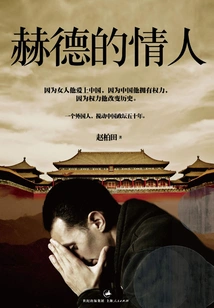
Based on the investigation of a large number of historical events, this book draws on letters, telegrams, diaries, memorials and palace secret files collected over more than a century to rewrite the life of Robert Hurd, the British Customs and Taxation Department who profoundly influenced the fate of the Qing Dynasty. He dominated the economic lifeline of the late Qing Empire for nearly half a century and experienced various important stages in China's modern history. From the Taiping Rebellion and the Westernization Movement to the Boxer Rebellion at the turn of the century, he was deeply involved.
Based on the investigation of a large number of historical events, this book draws on letters, telegrams, diaries, memorials and palace secret files collected over more than a century to rewrite the life of Robert Hurd, the British Customs and Taxation Department who profoundly influenced the fate of the Qing Dynasty. He dominated the economic lifeline of the late Qing Empire for nearly half a century and experienced various important stages in China's modern history. From the Taiping Rebellion and the Westernization Movement to the Boxer Rebellion at the turn of the century, he was deeply involved.
South and North
General Fiction南方与北方
Zhao Baitian
The Shandong issue that was unresolved at the Paris Peace Conference was finally resolved at the 1921 Washington Conference. After 36 rounds of negotiations, Japan reluctantly surrendered its occupied Shandong rights and interests, and China and Japan signed the Treaty on the Resolution of Uncensored Cases in Shandong and its annexes. It stipulates that the Japanese troops will withdraw from Shandong Province, the sovereignty of the German leased land in Jiaozhou Bay and Qingdao Customs will be returned to China, and the Jiaoji Railway will be redeemed by China. China has full power, and it is still Gu Weijun, Wang Zhengting and others who participated in the Paris Peace Conference two years ago. After the agreement was signed, the government assigned Wang Zhengting to serve as the supervisor of the "Reception Office of Jiao'ao" to negotiate with the Japanese side and handle the reception matters. The settlement of the Shandong issue was later evaluated by the consultant as "China's gain has exceeded 50%." Although it was not satisfactory, it could be regarded as a great victory in the diplomatic history of the Republic of China.
The Shandong issue that was unresolved at the Paris Peace Conference was finally resolved at the 1921 Washington Conference. After 36 rounds of negotiations, Japan reluctantly surrendered its occupied Shandong rights and interests, and China and Japan signed the Treaty on the Resolution of Uncensored Cases in Shandong and its annexes. It stipulates that the Japanese troops will withdraw from Shandong Province, the sovereignty of the German leased land in Jiaozhou Bay and Qingdao Customs will be returned to China, and the Jiaoji Railway will be redeemed by China. China has full power, and it is still Gu Weijun, Wang Zhengting and others who participated in the Paris Peace Conference two years ago. After the agreement was signed, the government assigned Wang Zhengting to serve as the supervisor of the "Reception Office of Jiao'ao" to negotiate with the Japanese side and handle the reception matters. The settlement of the Shandong issue was later evaluated by the consultant as "China's gain has exceeded 50%." Although it was not satisfactory, it could be regarded as a great victory in the diplomatic history of the Republic of China.
中国往事1905-1949(套装共四册)
Zhao Baitian
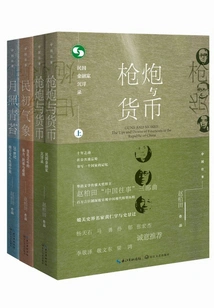
"Once Upon a Time in China" is a series of works by Zhao Botian that retells the modern history of China from the perspective of the transformation of modernity. It consists of three volumes and four volumes, namely: "The Weather of the Early Republic of China: Violence, Conspiracy and Love in the Year of Troubles", "The Moon Shines on the Moss: A Short History of the Life of Southern Literati in the 20th Century", and "Guns and Currency: The Rise and Fall of Financiers in the Republic of China". The author has been working hard for ten years to write the memory of a country in public oblivion. The "China Past" series is his positive writing of modern revolution and cultural themes. It tells the stories of outstanding souls in that changing era: revolutionaries, politicians, intellectuals, scholars, businessmen, Jianghu, grassroots and working class. "Weather in the Early Republic of China: Violence, Conspiracy and Love in the Year of Troubles" is the first book in the "China's Past" series. The story of this book is from 1905, when the Qing court started to prepare for the establishment of a constitution, to 1919, when the May 4th Movement broke out. It vividly re-displays and examines many people and events in the adolescent Republic of China against a broad historical background. In the investigation of Duan Fang, Lu Zhengxiang, Gu Weijun, Chen Duxiu, Cai Yuanpei, Zhang Taiyan, Lu Xun, Su Manshu, Liu Shipei, He Zhen and other figures, we are committed to writing about the relationship between individuals and the times, revealing how they adapted to the world, used it, and even rebelled against it. The ones who were especially missed were the standard-bearers and pioneers of the New Culture Movement. Under the noisy and doubtful mood of the early Republic of China, the dense atmosphere and open pattern heralded many possibilities for China in the future. "The Moon Shines on the Moss: A Short History of the Life of Southern Literati in the 20th Century" is a discovery-style account of the southern literati after the May Fourth Movement from the perspective of daily life. With the patience of a historical archaeologist, the author reconstructs and outlines the life, death, love and desire of Jiang Menglin, Shao Xunmei, Chen Brai, Shen Congwen, Su Qing, Mu Shiying, Rou Shi, Yin Fu, Ying Xiuren, Zhang Shouyong, Wu Jingxiong, Xu Xu and others, picking up the "bits and pieces of broken shadows" that the moonlight fell on the moss through the dense leaves. This book is the author's initial work that has focused on the transformation of China's modernity for more than ten years. By rewriting this life for these southern literati, it presents a hard, generous, more material and modern South. "Guns and Money: The Rise and Fall of Financiers in the Republic of China" is a Republic of China version of "The Biography of Money". This book starts from the relationship between politics and business, and combs through the vast sea of modern Chinese financial historical materials and bankers' diaries, letters, and correspondence. Focusing on Zhang Jiayao, Chen Guangfu, Li Ming, Qian Xinzhi, Wu Dingchang and other financial elites from the north and south who were involved in the whirlpool of money politics, it tells the story of industrialists and bankers that began during the Great Revolution and ended in 1949. This is also the story of a generation that failed in its ambition amid the opposition, dependence, conflict, and entanglement between capital and power. After the rapid changes, the world changed secretly, and a new era began: war, the collapse of the old system and the final liberation. The grand historical knowledge and the melancholy and solid narrative aesthetics directly point to the world and people's hearts behind the great era. The story of money more than half a century ago has lessons for China today.
"Once Upon a Time in China" is a series of works by Zhao Botian that retells the modern history of China from the perspective of the transformation of modernity. It consists of three volumes and four volumes, namely: "The Weather of the Early Republic of China: Violence, Conspiracy and Love in the Year of Troubles", "The Moon Shines on the Moss: A Short History of the Life of Southern Literati in the 20th Century", and "Guns and Currency: The Rise and Fall of Financiers in the Republic of China". The author has been working hard for ten years to write the memory of a country in public oblivion. The "China Past" series is his positive writing of modern revolution and cultural themes. It tells the stories of outstanding souls in that changing era: revolutionaries, politicians, intellectuals, scholars, businessmen, Jianghu, grassroots and working class. "Weather in the Early Republic of China: Violence, Conspiracy and Love in the Year of Troubles" is the first book in the "China's Past" series. The story of this book is from 1905, when the Qing court started to prepare for the establishment of a constitution, to 1919, when the May 4th Movement broke out. It vividly re-displays and examines many people and events in the adolescent Republic of China against a broad historical background. In the investigation of Duan Fang, Lu Zhengxiang, Gu Weijun, Chen Duxiu, Cai Yuanpei, Zhang Taiyan, Lu Xun, Su Manshu, Liu Shipei, He Zhen and other figures, we are committed to writing about the relationship between individuals and the times, revealing how they adapted to the world, used it, and even rebelled against it. The ones who were especially missed were the standard-bearers and pioneers of the New Culture Movement. Under the noisy and doubtful mood of the early Republic of China, the dense atmosphere and open pattern heralded many possibilities for China in the future. "The Moon Shines on the Moss: A Short History of the Life of Southern Literati in the 20th Century" is a discovery-style account of the southern literati after the May Fourth Movement from the perspective of daily life. With the patience of a historical archaeologist, the author reconstructs and outlines the life, death, love and desire of Jiang Menglin, Shao Xunmei, Chen Brai, Shen Congwen, Su Qing, Mu Shiying, Rou Shi, Yin Fu, Ying Xiuren, Zhang Shouyong, Wu Jingxiong, Xu Xu and others, picking up the "bits and pieces of broken shadows" that the moonlight fell on the moss through the dense leaves. This book is the author's initial work that has focused on the transformation of China's modernity for more than ten years. By rewriting this life for these southern literati, it presents a hard, generous, more material and modern South. "Guns and Money: The Rise and Fall of Financiers in the Republic of China" is a Republic of China version of "The Biography of Money". This book starts from the relationship between politics and business, and combs through the vast sea of modern Chinese financial historical materials and bankers' diaries, letters, and correspondence. Focusing on Zhang Jiayao, Chen Guangfu, Li Ming, Qian Xinzhi, Wu Dingchang and other financial elites from the north and south who were involved in the whirlpool of money politics, it tells the story of industrialists and bankers that began during the Great Revolution and ended in 1949. This is also the story of a generation that failed in its ambition amid the opposition, dependence, conflict, and entanglement between capital and power. After the rapid changes, the world changed secretly, and a new era began: war, the collapse of the old system and the final liberation. The grand historical knowledge and the melancholy and solid narrative aesthetics directly point to the world and people's hearts behind the great era. The story of money more than half a century ago has lessons for China today.
The Moon Shines on the Moss: a Brief History of the Life of Southern Literati in the 20th Century
Literature月照青苔:20世纪南方文人生活小史
Zhao Baitian
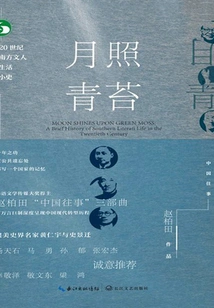
"Once Upon a Time in China" is a series of works by Zhao Botian that retells the modern history of China from the perspective of the transformation of modernity. It consists of three volumes and four volumes, namely: "The Moon Shines on the Moss: A Short History of the Life of Southern Literati in the 20th Century", "The Moon Shines on the Moss: A Short History of the Life of Southern Literati in the 20th Century", and "Guns and Money: The Rise and Fall of Financiers in the Republic of China". The author has been working hard for ten years to write the memory of a country in public oblivion. The "China Past" series is his positive writing of modern revolution and cultural themes. It tells the stories of the best souls in that changing era: revolutionaries, politicians, intellectuals, scholars, businessmen, Jianghu, grassroots and working class. "The Moon Shines on the Moss: A Short History of the Life of Southern Literati in the 20th Century" is a discovery-style account of the southern literati after the May Fourth Movement from the perspective of daily life. With the patience of a historical archaeologist, the author reconstructs and outlines the life, death, love and desire of Jiang Menglin, Shao Xunmei, Chen Brai, Shen Congwen, Su Qing, Mu Shiying, Rou Shi, Yin Fu, Ying Xiuren, Zhang Shouyong, Wu Jingxiong, Xu Xu and others, picking up the "bits and pieces of broken shadows" that the moonlight fell on the moss through the dense leaves. This book is the author's initial work that has focused on the transformation of China's modernity for more than ten years. By rewriting this life for these southern literati, it presents a hard, generous, more material and modern South.
"Once Upon a Time in China" is a series of works by Zhao Botian that retells the modern history of China from the perspective of the transformation of modernity. It consists of three volumes and four volumes, namely: "The Moon Shines on the Moss: A Short History of the Life of Southern Literati in the 20th Century", "The Moon Shines on the Moss: A Short History of the Life of Southern Literati in the 20th Century", and "Guns and Money: The Rise and Fall of Financiers in the Republic of China". The author has been working hard for ten years to write the memory of a country in public oblivion. The "China Past" series is his positive writing of modern revolution and cultural themes. It tells the stories of the best souls in that changing era: revolutionaries, politicians, intellectuals, scholars, businessmen, Jianghu, grassroots and working class. "The Moon Shines on the Moss: A Short History of the Life of Southern Literati in the 20th Century" is a discovery-style account of the southern literati after the May Fourth Movement from the perspective of daily life. With the patience of a historical archaeologist, the author reconstructs and outlines the life, death, love and desire of Jiang Menglin, Shao Xunmei, Chen Brai, Shen Congwen, Su Qing, Mu Shiying, Rou Shi, Yin Fu, Ying Xiuren, Zhang Shouyong, Wu Jingxiong, Xu Xu and others, picking up the "bits and pieces of broken shadows" that the moonlight fell on the moss through the dense leaves. This book is the author's initial work that has focused on the transformation of China's modernity for more than ten years. By rewriting this life for these southern literati, it presents a hard, generous, more material and modern South.
Talisman of Power
General Fiction权力的秘符
Zhao Baitian
Shanju In August 1927, the "Soviet-Shanghai Finance Committee", which was responsible for raising salaries for Chiang Kai-shek, was disbanded, and Chen Guangfu finally breathed a sigh of relief. About a week after Chiang left the country, the Finance Committee held its last meeting and announced that all the files and accounts of this temporary agency were transferred to the Ministry of Finance of the National Government, and that all its functions and some outstanding matters were also transferred to the Ministry of Finance. Chen Guangfu understood that the Finance Committee was only a transitional institution when the government structure was not complete, and he himself was not a transitional figure in the transitional era. Now that the Finance Committee has dispersed, being able to land safely and escape unharmed is already the best result in his opinion. The revolutionary cause is in the ascendant, and the turning tide will always sweep away some people. Thinking that he is not seeking merit, but seeking no faults, his once fast-moving heart gradually calmed down.
Shanju In August 1927, the "Soviet-Shanghai Finance Committee", which was responsible for raising salaries for Chiang Kai-shek, was disbanded, and Chen Guangfu finally breathed a sigh of relief. About a week after Chiang left the country, the Finance Committee held its last meeting and announced that all the files and accounts of this temporary agency were transferred to the Ministry of Finance of the National Government, and that all its functions and some outstanding matters were also transferred to the Ministry of Finance. Chen Guangfu understood that the Finance Committee was only a transitional institution when the government structure was not complete, and he himself was not a transitional figure in the transitional era. Now that the Finance Committee has dispersed, being able to land safely and escape unharmed is already the best result in his opinion. The revolutionary cause is in the ascendant, and the turning tide will always sweep away some people. Thinking that he is not seeking merit, but seeking no faults, his once fast-moving heart gradually calmed down.
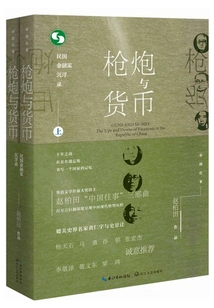
枪炮与货币(全二册)(中国往事系列)
Zhao Baitian
"Once Upon a Time in China" is a series of works by Zhao Botian that retells the modern history of China from the perspective of the transformation of modernity. It consists of three volumes and four volumes, namely: "Guns and Currency (two volumes)" (Once Upon a Time in China Series), "Moss in the Moon: A Short History of the Life of Southern Literati in the 20th Century", and "Guns and Currency: The Rise and Fall of Financiers in the Republic of China". The author has been working hard for ten years to write the memory of a country in public oblivion. The "China Past" series is his positive writing of modern revolution and cultural themes. It tells the stories of the best souls in that changing era: revolutionaries, politicians, intellectuals, scholars, businessmen, Jianghu, grassroots and working class. "Guns and Money: The Rise and Fall of Financiers in the Republic of China" is a Republic of China version of "The Biography of Money". This book starts from the relationship between politics and business, and combs through the vast sea of modern Chinese financial historical materials and bankers' diaries, letters, and correspondence. Focusing on Zhang Jiayao, Chen Guangfu, Li Ming, Qian Xinzhi, Wu Dingchang and other financial elites from the north and south who were involved in the whirlpool of money politics, it tells the story of industrialists and bankers that began during the Great Revolution and ended in 1949. This is also the story of a generation that failed in its ambition amid the opposition, dependence, conflict, and entanglement between capital and power. After the rapid changes, the world changed secretly, and a new era began: war, the collapse of the old system and the final liberation. The grand historical knowledge and the melancholy and solid narrative aesthetics directly point to the world and people's hearts behind the great era. The story of money more than half a century ago has lessons for China today.
"Once Upon a Time in China" is a series of works by Zhao Botian that retells the modern history of China from the perspective of the transformation of modernity. It consists of three volumes and four volumes, namely: "Guns and Currency (two volumes)" (Once Upon a Time in China Series), "Moss in the Moon: A Short History of the Life of Southern Literati in the 20th Century", and "Guns and Currency: The Rise and Fall of Financiers in the Republic of China". The author has been working hard for ten years to write the memory of a country in public oblivion. The "China Past" series is his positive writing of modern revolution and cultural themes. It tells the stories of the best souls in that changing era: revolutionaries, politicians, intellectuals, scholars, businessmen, Jianghu, grassroots and working class. "Guns and Money: The Rise and Fall of Financiers in the Republic of China" is a Republic of China version of "The Biography of Money". This book starts from the relationship between politics and business, and combs through the vast sea of modern Chinese financial historical materials and bankers' diaries, letters, and correspondence. Focusing on Zhang Jiayao, Chen Guangfu, Li Ming, Qian Xinzhi, Wu Dingchang and other financial elites from the north and south who were involved in the whirlpool of money politics, it tells the story of industrialists and bankers that began during the Great Revolution and ended in 1949. This is also the story of a generation that failed in its ambition amid the opposition, dependence, conflict, and entanglement between capital and power. After the rapid changes, the world changed secretly, and a new era began: war, the collapse of the old system and the final liberation. The grand historical knowledge and the melancholy and solid narrative aesthetics directly point to the world and people's hearts behind the great era. The story of money more than half a century ago has lessons for China today.
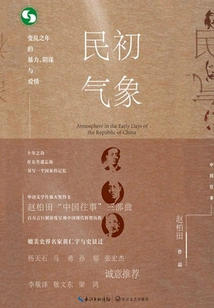
Weather in the Early Republic of China: Violence, Conspiracy and Love in the Year of Troubles
Literature民初气象:变乱之年的暴力、阴谋与爱情
Zhao Baitian
"Once Upon a Time in China" is a series of works by Zhao Botian that retells the modern history of China from the perspective of the transformation of modernity. It consists of three volumes and four volumes, namely: "The Weather of the Early Republic of China: Violence, Conspiracy and Love in the Year of Troubles", "The Moon Shines on the Moss: A Short History of the Life of Southern Literati in the 20th Century", and "Guns and Money: The Rise and Fall of Financiers in the Republic of China". The author has been working hard for ten years to write the memory of a country in public oblivion. The "China Past" series is his positive writing of modern revolution and cultural themes. It tells the stories of the best souls in that changing era: revolutionaries, politicians, intellectuals, scholars, businessmen, Jianghu, grassroots and working class. "Weather in the Early Republic of China: Violence, Conspiracy and Love in the Year of Troubles" is the first book in the "China's Past" series. The story of this book covers the period from 1905, when the Qing court started to prepare for the establishment of a constitution, to 1919, when the May Fourth Movement broke out. It vividly re-displays, examines, interprets and reflects on many personnel and events of the Republic of China in its adolescence against the broad historical background. In the investigation of figures such as Wei Jun, Chen Duxiu, Cai Yuanpei, Zhang Taiyan, Lu Xun, Su Manshu, Liu Shipei, and He Zhen, they devoted themselves to writing about the relationship between individuals and the times, revealing how they adapted to the world, used it, and even rebelled against it. The ones who were especially missed were the standard-bearers and pioneers of the New Culture Movement. Under the noisy and doubtful mood of the early Republic of China, the dense atmosphere and open pattern heralded many possibilities for China in the future.
"Once Upon a Time in China" is a series of works by Zhao Botian that retells the modern history of China from the perspective of the transformation of modernity. It consists of three volumes and four volumes, namely: "The Weather of the Early Republic of China: Violence, Conspiracy and Love in the Year of Troubles", "The Moon Shines on the Moss: A Short History of the Life of Southern Literati in the 20th Century", and "Guns and Money: The Rise and Fall of Financiers in the Republic of China". The author has been working hard for ten years to write the memory of a country in public oblivion. The "China Past" series is his positive writing of modern revolution and cultural themes. It tells the stories of the best souls in that changing era: revolutionaries, politicians, intellectuals, scholars, businessmen, Jianghu, grassroots and working class. "Weather in the Early Republic of China: Violence, Conspiracy and Love in the Year of Troubles" is the first book in the "China's Past" series. The story of this book covers the period from 1905, when the Qing court started to prepare for the establishment of a constitution, to 1919, when the May Fourth Movement broke out. It vividly re-displays, examines, interprets and reflects on many personnel and events of the Republic of China in its adolescence against the broad historical background. In the investigation of figures such as Wei Jun, Chen Duxiu, Cai Yuanpei, Zhang Taiyan, Lu Xun, Su Manshu, Liu Shipei, and He Zhen, they devoted themselves to writing about the relationship between individuals and the times, revealing how they adapted to the world, used it, and even rebelled against it. The ones who were especially missed were the standard-bearers and pioneers of the New Culture Movement. Under the noisy and doubtful mood of the early Republic of China, the dense atmosphere and open pattern heralded many possibilities for China in the future.
南华录:晚明南方士人生活史
Zhao Baitian
Flowers are the essence, and people are also the essence. The most essence is the magnificent and decadent material and spiritual life of that era, as mentioned in the title of this book.
Flowers are the essence, and people are also the essence. The most essence is the magnificent and decadent material and spiritual life of that era, as mentioned in the title of this book.
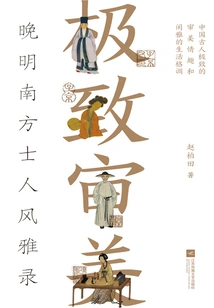
极致审美:晚明南方士人风雅录
Zhao Baitian
This is a history of the elegant life of southern scholars in the late Ming Dynasty. The book takes time as the warp and characters as the weft. Through a large number of interesting historical materials and notebooks, the book connects up and down, left and right, more than thirty extraordinary people with different destinies in the late Ming Dynasty. They put their spirit on the utensils, integrated elegance into their daily life, and obtained the nourishment of life from a painting, a square of ink, a cup of tea, and a burner of incense, showing the ultimate aesthetic taste and life pursuit of the ancient Chinese. Although the people and events written in the book are from ancient times, they can soothe people's confusion and anxiety today, enrich and stabilize our hearts, and allow us to live a free and romantic life.
This is a history of the elegant life of southern scholars in the late Ming Dynasty. The book takes time as the warp and characters as the weft. Through a large number of interesting historical materials and notebooks, the book connects up and down, left and right, more than thirty extraordinary people with different destinies in the late Ming Dynasty. They put their spirit on the utensils, integrated elegance into their daily life, and obtained the nourishment of life from a painting, a square of ink, a cup of tea, and a burner of incense, showing the ultimate aesthetic taste and life pursuit of the ancient Chinese. Although the people and events written in the book are from ancient times, they can soothe people's confusion and anxiety today, enrich and stabilize our hearts, and allow us to live a free and romantic life.
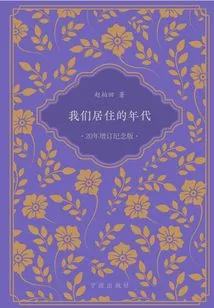
The Era We Live In
Literature我们居住的年代
Zhao Baitian
This book is a revised version of the first book by the famous writer Zhao Botian. The book discusses reading, writing and life in the 1990s, which in a sense is the origin of the author's literary career. The book is divided into eight parts: "The Dance of Reading", "One Page and Beyond", "Shadows Follow the Lamp", "Life in Our Times", "Summer Quarry", "Fragments of the World", "The Book of Fatherhood" and "Continuous Wandering". It records the author's thoughts on books, language, reading, writing and the life that carries them all in the form of notes. It is called by the author a record and testimony of spiritual adventure, reflecting the real world in which the secular and the divine are in harmony.
This book is a revised version of the first book by the famous writer Zhao Botian. The book discusses reading, writing and life in the 1990s, which in a sense is the origin of the author's literary career. The book is divided into eight parts: "The Dance of Reading", "One Page and Beyond", "Shadows Follow the Lamp", "Life in Our Times", "Summer Quarry", "Fragments of the World", "The Book of Fatherhood" and "Continuous Wandering". It records the author's thoughts on books, language, reading, writing and the life that carries them all in the form of notes. It is called by the author a record and testimony of spiritual adventure, reflecting the real world in which the secular and the divine are in harmony.
Death of Wuqiao
General Fiction午桥之死
Zhao Baitian
Dabo Pu Dianjun was one of the few Sichuan people who first knew that the imperial court would implement the policy of state-owned railways. He was in Beijing on the day the edict was issued. As the Speaker of the Sichuan Consultative Bureau, Pu Dianjun came to Beijing with Deputy Speaker Xiao Xiang to attend an important meeting. The external name of this meeting is the Second Federation of Provincial Consultative Bureaus, but it is actually a party-forming meeting.
Dabo Pu Dianjun was one of the few Sichuan people who first knew that the imperial court would implement the policy of state-owned railways. He was in Beijing on the day the edict was issued. As the Speaker of the Sichuan Consultative Bureau, Pu Dianjun came to Beijing with Deputy Speaker Xiao Xiang to attend an important meeting. The external name of this meeting is the Second Federation of Provincial Consultative Bureaus, but it is actually a party-forming meeting.
The End of Enlightenment
General Fiction启蒙的终结
Zhao Baitian
Conspiracy and Betrayal In October 1907, Liu Shipei and his wife returned to China briefly, one to visit relatives and the other to raise funds to make up for the huge expenses and reporting fees during their trip to Japan. During this period, Zhang Taiyan exchanged several letters with He Zhen, who arrived in Shanghai first. The letter discussed a private matter entrusted by Zhang. Zhang Taiyan, the "Father of the Republic of China", had a firm revolutionary will, but he also had a weakness in his heart. Opinions in the alliance were always inconsistent, and Sun Wen often excluded him. He often thought of leaving everything here and going to India to study Buddhist scriptures. Thousands of miles to the west, the key is travel expenses. This time when He Zhen returned to China, he learned that one of He's brothers was friends with the son-in-law of Zhang Zhidong, the governor of Huguang, and wanted to use this relationship to obtain travel expenses from Zhang. Before the travel expenses were settled, Liu Shipei returned to China in early November.
Conspiracy and Betrayal In October 1907, Liu Shipei and his wife returned to China briefly, one to visit relatives and the other to raise funds to make up for the huge expenses and reporting fees during their trip to Japan. During this period, Zhang Taiyan exchanged several letters with He Zhen, who arrived in Shanghai first. The letter discussed a private matter entrusted by Zhang. Zhang Taiyan, the "Father of the Republic of China", had a firm revolutionary will, but he also had a weakness in his heart. Opinions in the alliance were always inconsistent, and Sun Wen often excluded him. He often thought of leaving everything here and going to India to study Buddhist scriptures. Thousands of miles to the west, the key is travel expenses. This time when He Zhen returned to China, he learned that one of He's brothers was friends with the son-in-law of Zhang Zhidong, the governor of Huguang, and wanted to use this relationship to obtain travel expenses from Zhang. Before the travel expenses were settled, Liu Shipei returned to China in early November.
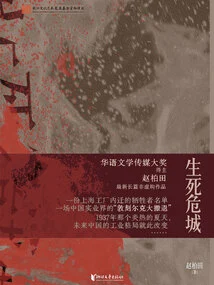
City in Danger of Life and Death
General Fiction生死危城
Zhao Baitian
In 1937, the "August 13" Battle of Songhu broke out. In order to preserve China's industrial fire, Shanghai's factories moved westward along the Suzhou River and the Yangtze River, which was historically known as the "Dunkirk evacuation" of the Chinese industrial community. Starting from that hot summer of 1937, the fate of government officials, industrial bosses, ordinary workers... And the country's fate have all changed. There are many different paths, but the patriotic national industrialists of a generation have shouldered the responsibility of fighting for the national crisis, not only supporting the entire nation in the war of resistance, changing China's future industrial landscape, but also preserving the seeds of civilizational rejuvenation for the country.
In 1937, the "August 13" Battle of Songhu broke out. In order to preserve China's industrial fire, Shanghai's factories moved westward along the Suzhou River and the Yangtze River, which was historically known as the "Dunkirk evacuation" of the Chinese industrial community. Starting from that hot summer of 1937, the fate of government officials, industrial bosses, ordinary workers... And the country's fate have all changed. There are many different paths, but the patriotic national industrialists of a generation have shouldered the responsibility of fighting for the national crisis, not only supporting the entire nation in the war of resistance, changing China's future industrial landscape, but also preserving the seeds of civilizational rejuvenation for the country.