Library
Browse and search books
1 novel found
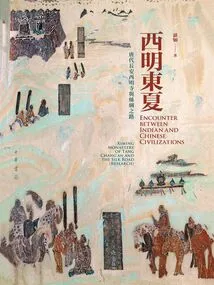
西明东夏:唐代长安西明寺与丝绸之路(全二册)
Zhanru
Ximing Temple was a royal temple located in Yankangfang, Chang'an City, the capital of the Tang Dynasty. It was the first of the temples when the Tang Dynasty was prosperous. It was also the so-called "national temple". It was not only the carrier of the daily activities of the monks, but also a place for translation of scriptures, a place for writings, a place for foreign monks to study abroad, a place for royal ceremonial activities and even a place for citizen cultural activities. It was a center of intellectual pilgrimage that constantly attracted surrounding religious and secular elites, and its radiation range covered the entire surrounding areas and countries. Buddhist elites such as Xuanzang, Bu Kong, Daoxuan, and Hui Lin were all active here. "Western Ming, Eastern Xia: Ximing Temple and the Silk Road in Chang'an during the Tang Dynasty" takes Ximing Temple in Chang'an as the starting point, and sorts out the role of the temple in Chang'an Buddhism and even Chinese Buddhism from three routes: "Pamir Plateau-Dunhuang-Chang'an", "Ximing Temple-Hangzhou-Japan", and "South China Sea-Guangzhou-Chang'an", and clearly presents the Chang'an civilization on the land and maritime Silk Roads. The sacred and secular, transcendental world and wealth, politics and religion, spirit and material, China and foreign lands, East and West are perfectly blended, reflecting the subtle relationship between royal power and religious power in the Middle Ages and the interaction between the sacred and the secular. It allows readers to deeply understand the impact of Buddhist culture that came through the Silk Road on Chinese civilization, and understand the broad mind of Chinese culture that embraced all rivers and embraced all things at its peak. This book is divided into two parts: "Research Part" and "Historical Data Part". In-depth research and detailed historical data complement each other and complement each other.
Ximing Temple was a royal temple located in Yankangfang, Chang'an City, the capital of the Tang Dynasty. It was the first of the temples when the Tang Dynasty was prosperous. It was also the so-called "national temple". It was not only the carrier of the daily activities of the monks, but also a place for translation of scriptures, a place for writings, a place for foreign monks to study abroad, a place for royal ceremonial activities and even a place for citizen cultural activities. It was a center of intellectual pilgrimage that constantly attracted surrounding religious and secular elites, and its radiation range covered the entire surrounding areas and countries. Buddhist elites such as Xuanzang, Bu Kong, Daoxuan, and Hui Lin were all active here. "Western Ming, Eastern Xia: Ximing Temple and the Silk Road in Chang'an during the Tang Dynasty" takes Ximing Temple in Chang'an as the starting point, and sorts out the role of the temple in Chang'an Buddhism and even Chinese Buddhism from three routes: "Pamir Plateau-Dunhuang-Chang'an", "Ximing Temple-Hangzhou-Japan", and "South China Sea-Guangzhou-Chang'an", and clearly presents the Chang'an civilization on the land and maritime Silk Roads. The sacred and secular, transcendental world and wealth, politics and religion, spirit and material, China and foreign lands, East and West are perfectly blended, reflecting the subtle relationship between royal power and religious power in the Middle Ages and the interaction between the sacred and the secular. It allows readers to deeply understand the impact of Buddhist culture that came through the Silk Road on Chinese civilization, and understand the broad mind of Chinese culture that embraced all rivers and embraced all things at its peak. This book is divided into two parts: "Research Part" and "Historical Data Part". In-depth research and detailed historical data complement each other and complement each other.