Library
Browse and search books
4 novels found
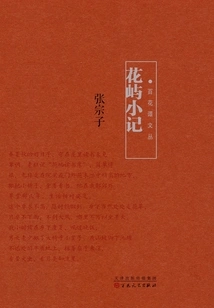
Notes on Huayu
Literature花屿小记
Zhang Zongzi
Zhang Zongzi has long been well-known among prose lovers for his graceful, elegant and elegant temperament, which directly matches his namesake Zhang Dai and Zhang Zongzi four hundred years ago. The title of "Huayu Xiaoji" comes from Du Fu's poem "Huayu Reading Bed", which contains dozens of Zhang Zongzi's reading essays in recent years. They are all texts related to reading. Some are about people and books, some are about reading, some are about book purchasing experiences, some are about researching things, some are about picking up the mistakes of previous sages, and there are also texts similar to biographies or novels. They are full of humanistic temperament and profound knowledge.
Zhang Zongzi has long been well-known among prose lovers for his graceful, elegant and elegant temperament, which directly matches his namesake Zhang Dai and Zhang Zongzi four hundred years ago. The title of "Huayu Xiaoji" comes from Du Fu's poem "Huayu Reading Bed", which contains dozens of Zhang Zongzi's reading essays in recent years. They are all texts related to reading. Some are about people and books, some are about reading, some are about book purchasing experiences, some are about researching things, some are about picking up the mistakes of previous sages, and there are also texts similar to biographies or novels. They are full of humanistic temperament and profound knowledge.
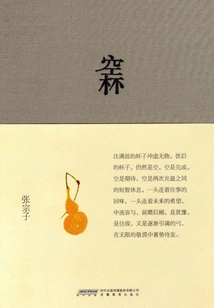
Empty Cup
Literature空杯
Zhang Zongzi
"The Empty Cup" is written by Zhang Zongzi. The cup before filling is empty; the cup after drinking is still empty. Empty is completion, emptiness is expectation, emptiness is the short rest between two fillings, one end is connected to the aftertaste of the past, and the other end is connected to the hope of the future. There is tolerance in the middle, looking forward and looking back, it is hesitation, hesitation, and the bow is gradually filled, ready to go in infinite awe.
"The Empty Cup" is written by Zhang Zongzi. The cup before filling is empty; the cup after drinking is still empty. Empty is completion, emptiness is expectation, emptiness is the short rest between two fillings, one end is connected to the aftertaste of the past, and the other end is connected to the hope of the future. There is tolerance in the middle, looking forward and looking back, it is hesitation, hesitation, and the bow is gradually filled, ready to go in infinite awe.
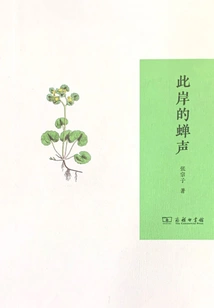
The Sound of Cicadas on This Shore
Literature此岸的蝉声
Zhang Zongzi
This manuscript contains 43 reading essays by the author since 2011, including reading methods, creative methods, plants, historical figures, etc. His works include Chinese classical literature, such as pre-Qin scholars, Northern and Southern Dynasties, Tang and Song poetry, Tang novels and notes of the past; modern European and American novels and modern poetry, such as works by Proust, Borges, Rilke, Kafka, Joyce and others.
This manuscript contains 43 reading essays by the author since 2011, including reading methods, creative methods, plants, historical figures, etc. His works include Chinese classical literature, such as pre-Qin scholars, Northern and Southern Dynasties, Tang and Song poetry, Tang novels and notes of the past; modern European and American novels and modern poetry, such as works by Proust, Borges, Rilke, Kafka, Joyce and others.
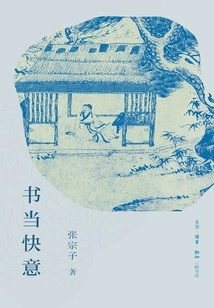
Reading is a Pleasure
Literature书当快意
Zhang Zongzi
From the identification of "possessed minds" in the notes of "Journey to the West" to the "Records of Appreciation of People" in "Water Margin", from the casual discussion of "The Red Mansion" to the understanding of Su Shi, the twenty-nine reading essays are full of heartfelt and wonderful remarks, which show that the author spent a pleasant time with books.
From the identification of "possessed minds" in the notes of "Journey to the West" to the "Records of Appreciation of People" in "Water Margin", from the casual discussion of "The Red Mansion" to the understanding of Su Shi, the twenty-nine reading essays are full of heartfelt and wonderful remarks, which show that the author spent a pleasant time with books.