Library
Browse and search books
2 novels found
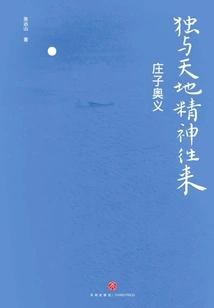
独与天地精神往来:庄子奥义
Zhang Yuanshan
The seven chapters in "Zhuangzi" were written by Zhuangzi himself. The animals, plants, and inanimate creatures in it can all speak, have emotions, and have thoughts; saints, monarchs, and historical celebrities are all ridiculed, ridiculed, and mercilessly ridiculed. Viewed separately, it is a literary passage with short stories and big principles; taken together, it is a philosophical drama with rich characters and climaxes. Due to Zhuangzi's unique writing style, the words and meanings of the seven chapters are extremely difficult to understand. This book is the result of the author's 40 years of research on Zhuang studies. Based on a precise translation, the seven chapters of "Zhuangzi" are interpreted word for word and sentence by sentence. The numerous language mechanisms and secret codes laid out by Zhuangzi in the form of fables are deciphered one by one, just like Sherlock Holmes, not letting go of every doubt and detail: What is the identity and origin of the character who appears, and what is the meaning of the name? What conflicts are there between the characters who appear, between them and the characters behind the scenes who don't appear, and between the characters behind the scenes? What are the levels of surface meaning of the character's words (up to seven levels), what is the implication, and what is the unspoken word? What are the connections between these words, scenes, and the surrounding words, scenes, and even real historical events? What meaning does Zhuangzi want to express? Through such layer-by-layer and meticulous interpretation, Zhuangzi's context is restored and the whole picture of Zhuang's studies is assembled, so that every reader can appreciate this seven-layered pagoda-like miracle of Chinese literature, philosophy, and wonders of human thinking and language.
The seven chapters in "Zhuangzi" were written by Zhuangzi himself. The animals, plants, and inanimate creatures in it can all speak, have emotions, and have thoughts; saints, monarchs, and historical celebrities are all ridiculed, ridiculed, and mercilessly ridiculed. Viewed separately, it is a literary passage with short stories and big principles; taken together, it is a philosophical drama with rich characters and climaxes. Due to Zhuangzi's unique writing style, the words and meanings of the seven chapters are extremely difficult to understand. This book is the result of the author's 40 years of research on Zhuang studies. Based on a precise translation, the seven chapters of "Zhuangzi" are interpreted word for word and sentence by sentence. The numerous language mechanisms and secret codes laid out by Zhuangzi in the form of fables are deciphered one by one, just like Sherlock Holmes, not letting go of every doubt and detail: What is the identity and origin of the character who appears, and what is the meaning of the name? What conflicts are there between the characters who appear, between them and the characters behind the scenes who don't appear, and between the characters behind the scenes? What are the levels of surface meaning of the character's words (up to seven levels), what is the implication, and what is the unspoken word? What are the connections between these words, scenes, and the surrounding words, scenes, and even real historical events? What meaning does Zhuangzi want to express? Through such layer-by-layer and meticulous interpretation, Zhuangzi's context is restored and the whole picture of Zhuang's studies is assembled, so that every reader can appreciate this seven-layered pagoda-like miracle of Chinese literature, philosophy, and wonders of human thinking and language.
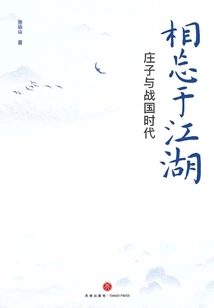
相忘于江湖:庄子与战国时代
Zhang Yuanshan
In the middle of the Warring States Period, on the eve of the finalization of the unification of Chinese history, heroes were vying for the throne and hundreds of schools of thought were contending. People at that time were filled with mysteries: When will the war with blood flowing everywhere and bones filled with bones end? Where will history go? How will human nature and culture change? This book faithfully reproduces the life and death of seventy-two princes and ninety-four generals, as well as the extraordinary deeds of many scholars, assassins, and hermits. It presents a holographic interactive century-old history of the Warring States Period, and also shows the subtle interaction between thought and history, and the profound impact of history on human nature; The story of Zi's life, the formation process of his thoughts, his interaction with hundreds of schools of thought, and his cold-eyed observation and unique comments on the times and human nature resurrected the image of Zhuangzi, a supreme man who looked down upon the princes, had the integrity to surpass hundreds of schools of thought, and stood proudly in the entire Warring States Period and even at the highest level of the human spiritual world. Zhuangzi saw through the mystery of the Warring States Period, and also saw the harm that changes caused to human nature and culture. He was not involved in the times, consciously staying on the outside and overcoming his times in himself with a detached attitude.
In the middle of the Warring States Period, on the eve of the finalization of the unification of Chinese history, heroes were vying for the throne and hundreds of schools of thought were contending. People at that time were filled with mysteries: When will the war with blood flowing everywhere and bones filled with bones end? Where will history go? How will human nature and culture change? This book faithfully reproduces the life and death of seventy-two princes and ninety-four generals, as well as the extraordinary deeds of many scholars, assassins, and hermits. It presents a holographic interactive century-old history of the Warring States Period, and also shows the subtle interaction between thought and history, and the profound impact of history on human nature; The story of Zi's life, the formation process of his thoughts, his interaction with hundreds of schools of thought, and his cold-eyed observation and unique comments on the times and human nature resurrected the image of Zhuangzi, a supreme man who looked down upon the princes, had the integrity to surpass hundreds of schools of thought, and stood proudly in the entire Warring States Period and even at the highest level of the human spiritual world. Zhuangzi saw through the mystery of the Warring States Period, and also saw the harm that changes caused to human nature and culture. He was not involved in the times, consciously staying on the outside and overcoming his times in himself with a detached attitude.