Library
Browse and search books
2 novels found
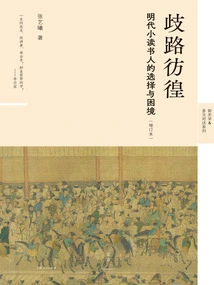
歧路彷徨:明代小读书人的选择与困境(增订本)
Zhang Yixi
In an era, various trends of thought and styles of study will become popular. This phenomenon of diverse competition and clamorous voices was especially common in the late Ming and Ming dynasties. Since the mid-Ming Dynasty, there have been several movements or trends, including the Xinxue Movement, the Literary Restoration Movement, the Integration of Three Religions into One, and the Art-making (i. E., Eight-legged Essay) trend. Past research has focused more on big names and figures to see them leading or dominating a certain movement or trend. This book turns its attention to the young scholars in Jiangxi and surrounding areas in the middle and late Ming Dynasty. These young scholars were often affected by several trends at the same time, wandering and hesitating between the trends, and even fell into a dilemma of choice, or trying to find the possibility of parallelism for different trends. These young scholars may not be the protagonists of the historical stage, but these people are actually closer to the situation of most scholars at that time. Through in-depth analysis of their lives, thoughts and practices, this book reveals their complex situations in ideological emancipation, cultural inheritance and social changes. Although these young scholars failed to become representatives of mainstream academic circles, their activities and choices profoundly affected the culture and ideological pattern of the middle and late Ming Dynasty.
In an era, various trends of thought and styles of study will become popular. This phenomenon of diverse competition and clamorous voices was especially common in the late Ming and Ming dynasties. Since the mid-Ming Dynasty, there have been several movements or trends, including the Xinxue Movement, the Literary Restoration Movement, the Integration of Three Religions into One, and the Art-making (i. E., Eight-legged Essay) trend. Past research has focused more on big names and figures to see them leading or dominating a certain movement or trend. This book turns its attention to the young scholars in Jiangxi and surrounding areas in the middle and late Ming Dynasty. These young scholars were often affected by several trends at the same time, wandering and hesitating between the trends, and even fell into a dilemma of choice, or trying to find the possibility of parallelism for different trends. These young scholars may not be the protagonists of the historical stage, but these people are actually closer to the situation of most scholars at that time. Through in-depth analysis of their lives, thoughts and practices, this book reveals their complex situations in ideological emancipation, cultural inheritance and social changes. Although these young scholars failed to become representatives of mainstream academic circles, their activities and choices profoundly affected the culture and ideological pattern of the middle and late Ming Dynasty.
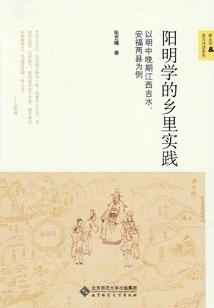
阳明学的乡里实践:以明中晚期江西吉水、安福两县为例
Zhang Yixi
This book mainly focuses on Jishui and Anfu counties in Jiangxi Province to discuss the process of the grassrootsization of Yangming Studies in the two places, including how academics develop locally, the mobilization ability of academic groups, and how Yangming Studies scholars manage their relationships with local townships. Many social undertakings accomplished under the leadership of Yangming scholars helped establish their local authority, especially the continuous tax and labor reforms in Jishui and Anfu counties in the 100 years from Jiajing to Wanli. Local Yangming scholars were the heroes behind this achievement, which made some Yangming scholars tend to be regarded as saints by local scholars and people. The cooperative and symbiotic relationship and method between Ji'an Yangming School and local families can be said to have realized to a large extent the ideal of "transforming the countryside" of the scholars of the Song and Ming Dynasties.
This book mainly focuses on Jishui and Anfu counties in Jiangxi Province to discuss the process of the grassrootsization of Yangming Studies in the two places, including how academics develop locally, the mobilization ability of academic groups, and how Yangming Studies scholars manage their relationships with local townships. Many social undertakings accomplished under the leadership of Yangming scholars helped establish their local authority, especially the continuous tax and labor reforms in Jishui and Anfu counties in the 100 years from Jiajing to Wanli. Local Yangming scholars were the heroes behind this achievement, which made some Yangming scholars tend to be regarded as saints by local scholars and people. The cooperative and symbiotic relationship and method between Ji'an Yangming School and local families can be said to have realized to a large extent the ideal of "transforming the countryside" of the scholars of the Song and Ming Dynasties.