Library
Browse and search books
6 novels found
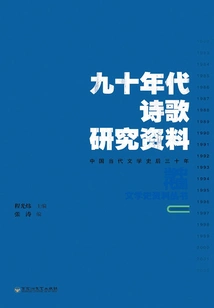
九十年代诗歌研究资料
Zhang Tao
"Research Materials on Poetry in the 1990s" is a type of large-scale academic reference book "Chinese Contemporary Literary History Materials Series". This book is organized based on the combination of main selected articles and data index. Selects representative papers on poetry research in the 1990s to reflect the development of poetry in the 1990s and show the highest level of research in this field; the index section collects research papers, academic monographs, etc. In this field, providing a wealth of information for general readers and researchers.
"Research Materials on Poetry in the 1990s" is a type of large-scale academic reference book "Chinese Contemporary Literary History Materials Series". This book is organized based on the combination of main selected articles and data index. Selects representative papers on poetry research in the 1990s to reflect the development of poetry in the 1990s and show the highest level of research in this field; the index section collects research papers, academic monographs, etc. In this field, providing a wealth of information for general readers and researchers.
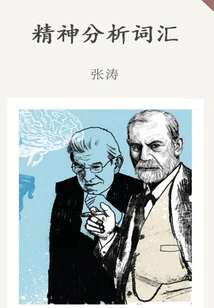
Psychoanalytic Vocabulary (thousands of Douban High-scoring Original Works·learning Knowledge)
General Fiction精神分析词汇(千种豆瓣高分原创作品·学知识)
Zhang Tao
The magic is waiting for you to reveal it! This column is to introduce the basic vocabulary terms of psychoanalysis based on Freud to Lacan, as well as the relationship between these basic terms, thereby presenting relevant theoretical to clinical ideas. This will involve the various dimensions of psychoanalysis, psychotherapy and the practice of the unconscious. Through the relationship between the basic psychoanalytic terms used by Freud and Lacan, the basic psychoanalytic theory and clinical conceptual network are established, and appropriate examples and clinical fragments are used to smoothly introduce the teaching of these terms in the spiritual world. This is not an introductory book and is suitable for professional researchers with a deeper understanding of psychoanalysis.
The magic is waiting for you to reveal it! This column is to introduce the basic vocabulary terms of psychoanalysis based on Freud to Lacan, as well as the relationship between these basic terms, thereby presenting relevant theoretical to clinical ideas. This will involve the various dimensions of psychoanalysis, psychotherapy and the practice of the unconscious. Through the relationship between the basic psychoanalytic terms used by Freud and Lacan, the basic psychoanalytic theory and clinical conceptual network are established, and appropriate examples and clinical fragments are used to smoothly introduce the teaching of these terms in the spiritual world. This is not an introductory book and is suitable for professional researchers with a deeper understanding of psychoanalysis.
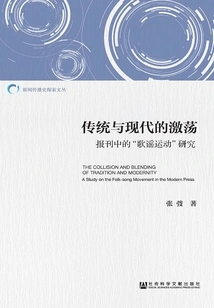
传统与现代的激荡:报刊中的“歌谣运动”研究
Zhang Tao
Through the study of the Ballad Movement, this book reveals that the intellectuals who advocated the New Culture Movement paid attention to the traditional side in addition to "anti-blockade and old-fashioned", so that their image is more consistent with historical reality; starting from the lack of music in the Ballad Movement, it thinks about the regrets in cultural inheritance, and the methods and ways to make up for this regret; it pays attention to the positive and negative energy of government power in cultural communication, and thinks about how to scientifically use government power to transmit positive energy, hoping to help today's intangible cultural heritage protection work.
Through the study of the Ballad Movement, this book reveals that the intellectuals who advocated the New Culture Movement paid attention to the traditional side in addition to "anti-blockade and old-fashioned", so that their image is more consistent with historical reality; starting from the lack of music in the Ballad Movement, it thinks about the regrets in cultural inheritance, and the methods and ways to make up for this regret; it pays attention to the positive and negative energy of government power in cultural communication, and thinks about how to scientifically use government power to transmit positive energy, hoping to help today's intangible cultural heritage protection work.
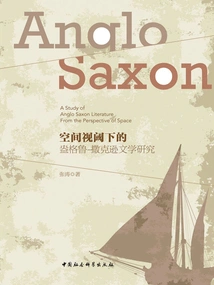
空间视阈下的盎格鲁—撒克逊文学研究
Zhang Tao
This book comprehensively examines the literary works of the Anglo-Saxon period from the perspective of modern space theory. It takes different levels of space: natural space, social space, psychological space and spiritual belief space as its warp, and different types of texts such as heroic epics, lyric poetry, saint biographies, and wisdom literature as its weft. It explores the spatial concepts and landscape characteristics elaborated in key texts. The study focuses on the interaction between different groups of characters and their places of residence, revealing that Anglo-Saxon writers were actively committed to transforming the abstract and broad concept of space into concrete spatial representations such as places, landscapes, regions, and boundaries that can be experienced and perceived. The research breaks the barriers between space, place and landscape, fully examines the interoperability and uniqueness between the three, and thereby digs out the spatial construction characteristics presented in the literary texts of this period and the social and cultural information they carry. This book contributes to the development of space discussions for early medieval texts, and to a certain extent enriches the application of spatial theory in domestic and foreign literary studies.
This book comprehensively examines the literary works of the Anglo-Saxon period from the perspective of modern space theory. It takes different levels of space: natural space, social space, psychological space and spiritual belief space as its warp, and different types of texts such as heroic epics, lyric poetry, saint biographies, and wisdom literature as its weft. It explores the spatial concepts and landscape characteristics elaborated in key texts. The study focuses on the interaction between different groups of characters and their places of residence, revealing that Anglo-Saxon writers were actively committed to transforming the abstract and broad concept of space into concrete spatial representations such as places, landscapes, regions, and boundaries that can be experienced and perceived. The research breaks the barriers between space, place and landscape, fully examines the interoperability and uniqueness between the three, and thereby digs out the spatial construction characteristics presented in the literary texts of this period and the social and cultural information they carry. This book contributes to the development of space discussions for early medieval texts, and to a certain extent enriches the application of spatial theory in domestic and foreign literary studies.
全球巨星时代
Zhang Tao
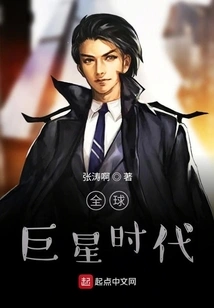
Zhang Zhiyuan was reborn in Blue Star. This world is in the midst of cultural recovery. There are no gems, no Chen Luan Xun, no Uncle Psy, and no Michael Jackson. He is a global superstar and international superstars are his fans. He is the messenger of peace, and the two countries stopped the war in order to watch his concert. He is a philanthropist who has made countless donations to impoverished areas around the world. No country has ever sent an army for one person's concert. He is Zhang Zhiyuan, the superstar of the era.
Zhang Zhiyuan was reborn in Blue Star. This world is in the midst of cultural recovery. There are no gems, no Chen Luan Xun, no Uncle Psy, and no Michael Jackson. He is a global superstar and international superstars are his fans. He is the messenger of peace, and the two countries stopped the war in order to watch his concert. He is a philanthropist who has made countless donations to impoverished areas around the world. No country has ever sent an army for one person's concert. He is Zhang Zhiyuan, the superstar of the era.
文学社群与文学关系论
Zhang Tao
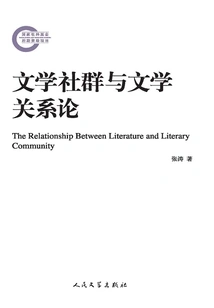
From the end of Wanli in the Ming Dynasty to the beginning of Kangxi in the Qing Dynasty, the number of literary communities reached a historical peak, which had an important impact on the development of literature at that time. This article examines the special literary form of the Ming and Qing Dynasties, which is the "operation mode of community literati groups", and specifically analyzes the role of communities in promoting the development of literature at that time. It conducts a more in-depth study of the relationship between literary communities and literature from the aspects of literati mentality, literary retro, literary trends of thought, literary schools, literary atmosphere, and the media that influence literature.
From the end of Wanli in the Ming Dynasty to the beginning of Kangxi in the Qing Dynasty, the number of literary communities reached a historical peak, which had an important impact on the development of literature at that time. This article examines the special literary form of the Ming and Qing Dynasties, which is the "operation mode of community literati groups", and specifically analyzes the role of communities in promoting the development of literature at that time. It conducts a more in-depth study of the relationship between literary communities and literature from the aspects of literati mentality, literary retro, literary trends of thought, literary schools, literary atmosphere, and the media that influence literature.