Library
Browse and search books
13 novels found
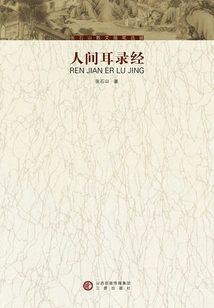
人间耳录经(张石山散文随笔选辑)
Zhang Shishan
At the end of the Jiashen period, a group of Shanxi writers went to South Korea for a one-week tour. Writers may have free time on weekdays and often have gatherings. It is rare for dozens of comrades to spend so many days together and relax together. When a man leaves home, the heroes gather together; the night is long and the journey is far away; the mouth is driven by the desires of the ears, and the same interests happen to coincide with each other. Therefore, on both sides of the couch and on and off the carriages, everyone was performing, each showing off his skills. Telling stories, telling jokes, telling dirty jokes, and playing word games have become a major part of the trip. The scenery in South Korea is beautiful, so-called pleasing to the eye; and with the "Speaking Department" accompanying me, all the fellow travelers will be even more happy.
At the end of the Jiashen period, a group of Shanxi writers went to South Korea for a one-week tour. Writers may have free time on weekdays and often have gatherings. It is rare for dozens of comrades to spend so many days together and relax together. When a man leaves home, the heroes gather together; the night is long and the journey is far away; the mouth is driven by the desires of the ears, and the same interests happen to coincide with each other. Therefore, on both sides of the couch and on and off the carriages, everyone was performing, each showing off his skills. Telling stories, telling jokes, telling dirty jokes, and playing word games have become a major part of the trip. The scenery in South Korea is beautiful, so-called pleasing to the eye; and with the "Speaking Department" accompanying me, all the fellow travelers will be even more happy.
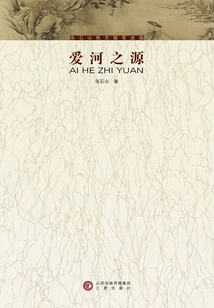
爱河之源(张石山散文随笔选辑)
Zhang Shishan
The earliest I could become a student of Peking University was in 1966. I graduated from high school that year. The Taiyuan No. 3 Middle School where I went to middle school is a key middle school in the province, and I am a top student in the school. I once ranked second in the province's unified examination; I thought it would be easy for me to get into any famous university in China; my first choice was Peking University. I filled out the application form on the eve of graduation; my first and second choices were both Peking University; I chose the Department of Astrophysics and the Department of Aircraft. What should I do if I want to speak Beijing dialect when I am admitted to Peking University? Since I was in high school, I have learned a Taiyuan "Beijing accent"; what should I do if my socks are torn? I started learning to sew and patch since I was a sophomore in high school. Even details like mending socks have been considered, so that everything is prepared and foolproof.
The earliest I could become a student of Peking University was in 1966. I graduated from high school that year. The Taiyuan No. 3 Middle School where I went to middle school is a key middle school in the province, and I am a top student in the school. I once ranked second in the province's unified examination; I thought it would be easy for me to get into any famous university in China; my first choice was Peking University. I filled out the application form on the eve of graduation; my first and second choices were both Peking University; I chose the Department of Astrophysics and the Department of Aircraft. What should I do if I want to speak Beijing dialect when I am admitted to Peking University? Since I was in high school, I have learned a Taiyuan "Beijing accent"; what should I do if my socks are torn? I started learning to sew and patch since I was a sophomore in high school. Even details like mending socks have been considered, so that everything is prepared and foolproof.
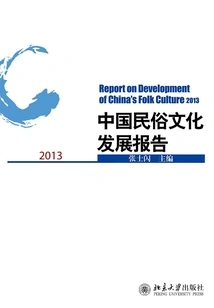
中国民俗文化发展报告2013
Zhang Shishan
The report is based on the grand background of Chinese social development and takes the life and phenomena arising from the development of contemporary folk culture as the object of investigation. On the one hand, as an observer of the development process of Chinese folk culture, it presents the details and context of contemporary Chinese folk custom phenomena. On the other hand, it provides a pulse on the development of contemporary Chinese folk customs, pays attention to the world background and realistic focus of the development of Chinese folk culture, and reveals the deep-seated drastic changes caused by folk custom changes in contemporary Chinese society. The report content is divided into a general report and several sub-reports and special reports. The sub-reports give a three-dimensional display of the development of folk culture from the perspectives of fieldwork, academic research and relevant national policies. The special report focuses on the focus and analyzes the hot spots, including traditional festivals, intellectual property protection of folk literature and art, folk beliefs, folk tourism, Internet rumors, etc. Using a large amount of fresh first-hand field survey data, conducting in-depth and detailed research, and making suggestions based on this, it is of great significance for the national government to better use folk culture to improve people's livelihood and get closer to the people's hearts in the next step.
The report is based on the grand background of Chinese social development and takes the life and phenomena arising from the development of contemporary folk culture as the object of investigation. On the one hand, as an observer of the development process of Chinese folk culture, it presents the details and context of contemporary Chinese folk custom phenomena. On the other hand, it provides a pulse on the development of contemporary Chinese folk customs, pays attention to the world background and realistic focus of the development of Chinese folk culture, and reveals the deep-seated drastic changes caused by folk custom changes in contemporary Chinese society. The report content is divided into a general report and several sub-reports and special reports. The sub-reports give a three-dimensional display of the development of folk culture from the perspectives of fieldwork, academic research and relevant national policies. The special report focuses on the focus and analyzes the hot spots, including traditional festivals, intellectual property protection of folk literature and art, folk beliefs, folk tourism, Internet rumors, etc. Using a large amount of fresh first-hand field survey data, conducting in-depth and detailed research, and making suggestions based on this, it is of great significance for the national government to better use folk culture to improve people's livelihood and get closer to the people's hearts in the next step.
Mount Tai and Water (part 2)
General Fiction泰山泰水(下)
Zhang Shishan
The old roots of the Jia family performed ceremonies in Yangcheng. From the time when my father-in-law passed away to the death of my mother-in-law twenty years later, I went to the funeral ceremony several times and visited the Jia family's ancestral graves. After visiting the grave, I returned to the village and visited the Jia family's old house with everyone. The tomb site was naturally privately owned back then. According to national tax regulations, as long as taxes are paid according to the land area, the government will never interfere with anyone who wants to occupy the land to bury their ancestors. The ancestral grave of the Jia family, the ancestor Li was the first to be buried here, Shuyungong. It seems to have a history of hundreds of years. Compared with the land where crops are grown, graveyards have a more unusual meaning to people.
The old roots of the Jia family performed ceremonies in Yangcheng. From the time when my father-in-law passed away to the death of my mother-in-law twenty years later, I went to the funeral ceremony several times and visited the Jia family's ancestral graves. After visiting the grave, I returned to the village and visited the Jia family's old house with everyone. The tomb site was naturally privately owned back then. According to national tax regulations, as long as taxes are paid according to the land area, the government will never interfere with anyone who wants to occupy the land to bury their ancestors. The ancestral grave of the Jia family, the ancestor Li was the first to be buried here, Shuyungong. It seems to have a history of hundreds of years. Compared with the land where crops are grown, graveyards have a more unusual meaning to people.
Taishan Taishui (part 1)
General Fiction泰山泰水(上)
Zhang Shishan
"Taishan Taishui" is a long non-fiction work recently completed by the writer Mr. Zhang Shishan, with a total of 200,000 words. The rise and fall of a family, the ups and downs of a father, the ups and downs of a mother, twelve children with different surnames and their life trajectories. Family history is an organic component of national history, and personal joys and sorrows hide the code of national destiny. Zhang Shishan once stood out among the writers of the "Rise of the Jin Army" in the 1980s with his impressive achievements in novel creation. His language style was praised by critics as "the true biography of Zhao Shuli", which is accurate, expressive and full of interest. This non-fiction work can not only show the depth of the writer's accumulation of thoughts and life, but also appreciate the smooth and vivid narrative style of the novel at that time. This magazine excerpts the exciting parts and publishes them in three issues for a sneak peek. The whole book will be published by Beiyue Literature and Art Publishing House, so stay tuned.
"Taishan Taishui" is a long non-fiction work recently completed by the writer Mr. Zhang Shishan, with a total of 200,000 words. The rise and fall of a family, the ups and downs of a father, the ups and downs of a mother, twelve children with different surnames and their life trajectories. Family history is an organic component of national history, and personal joys and sorrows hide the code of national destiny. Zhang Shishan once stood out among the writers of the "Rise of the Jin Army" in the 1980s with his impressive achievements in novel creation. His language style was praised by critics as "the true biography of Zhao Shuli", which is accurate, expressive and full of interest. This non-fiction work can not only show the depth of the writer's accumulation of thoughts and life, but also appreciate the smooth and vivid narrative style of the novel at that time. This magazine excerpts the exciting parts and publishes them in three issues for a sneak peek. The whole book will be published by Beiyue Literature and Art Publishing House, so stay tuned.
Taishan Taishui (middle)
General Fiction泰山泰水(中)
Zhang Shishan
Marriage should be an adventure that allows people to "try and make mistakes." Marriage is a major event in life. Get to know each other before marriage, be intimate with each other, and vow to each other. After marriage, we should take good care of each other and coordinate with each other. I only hope that we can grow old together forever. Even so, due to personality incompatibility, the relationship eventually breaks down and the work is separated. There are many reasons. It is also common for one spouse to die and the surviving spouse to remarry. The remarriage of a person who has been married before is called "marriage reorganization." After all, marriage reorganization is a life experience for a few people. For outsiders, it has become a concept that tests the imagination. In this regard, some people have a bit of unattainable envy; some people have somewhat ambiguous associations.
Marriage should be an adventure that allows people to "try and make mistakes." Marriage is a major event in life. Get to know each other before marriage, be intimate with each other, and vow to each other. After marriage, we should take good care of each other and coordinate with each other. I only hope that we can grow old together forever. Even so, due to personality incompatibility, the relationship eventually breaks down and the work is separated. There are many reasons. It is also common for one spouse to die and the surviving spouse to remarry. The remarriage of a person who has been married before is called "marriage reorganization." After all, marriage reorganization is a life experience for a few people. For outsiders, it has become a concept that tests the imagination. In this regard, some people have a bit of unattainable envy; some people have somewhat ambiguous associations.
叙述的乐趣(张石山散文随笔选辑)
Zhang Shishan
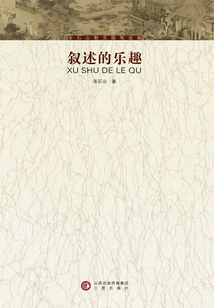
Some people began to get rich, and the coastal special zones prospered. Repeated calls to improve the status of intellectuals only prove that their status has not been improved. So they have the opportunity to remain aloof, wear a spiritual gown, and stand out from the crowd. Their poor and impoverished people are also different and particularly elegant, which is called "poverty". Poverty, from my understanding, should be a state. It's like being confused: it's hard to be smart, it's hard to be confused; it's even harder to go from being smart to being confused. Chopping wood and carrying water is nothing more than seeking the truth. What did you do before you became enlightened? Chopping wood and carrying water. We have made another step forward, but where has our progress been?
Some people began to get rich, and the coastal special zones prospered. Repeated calls to improve the status of intellectuals only prove that their status has not been improved. So they have the opportunity to remain aloof, wear a spiritual gown, and stand out from the crowd. Their poor and impoverished people are also different and particularly elegant, which is called "poverty". Poverty, from my understanding, should be a state. It's like being confused: it's hard to be smart, it's hard to be confused; it's even harder to go from being smart to being confused. Chopping wood and carrying water is nothing more than seeking the truth. What did you do before you became enlightened? Chopping wood and carrying water. We have made another step forward, but where has our progress been?
Coolie
General Fiction苦力
Zhang Shishan
In the late period of the Cultural Revolution, the task force investigated internally and externally and retrieved evidence proving that Ma Liu was born a poor peasant and was not a rich peasant at all. The task force did not believe the materials they had in hand were true: Could this kid Ma Liu be a poor peasant? Everyone can't believe it: anything related to Ma Liu is mostly adulterated! Ma Liu himself was confused this time: I am a poor peasant, so who is Ma Liu who has been under control for twenty years? As a result, Ma Liu's life experience became a mystery. I'm not even sure whether he is the sixth child. Now, as he gets older, his face has become looser, and even the original light white pockmarks can no longer be seen!
In the late period of the Cultural Revolution, the task force investigated internally and externally and retrieved evidence proving that Ma Liu was born a poor peasant and was not a rich peasant at all. The task force did not believe the materials they had in hand were true: Could this kid Ma Liu be a poor peasant? Everyone can't believe it: anything related to Ma Liu is mostly adulterated! Ma Liu himself was confused this time: I am a poor peasant, so who is Ma Liu who has been under control for twenty years? As a result, Ma Liu's life experience became a mystery. I'm not even sure whether he is the sixth child. Now, as he gets older, his face has become looser, and even the original light white pockmarks can no longer be seen!
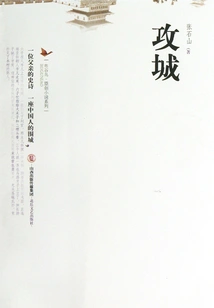
Siege (cuckoo Original Novel Series)
General Fiction攻城(布谷鸟原创小说系列)
Zhang Shishan
"Besieging the City" is a full-length novel written by the author, using his father as the character prototype and his legendary experience as the backbone of the story, supplemented by appropriate fiction. The protagonist Zhang Liu was forced to work as a porter and then became a foreman, and later joined the underground party of the Communist Party of China. When Taiyuan was liberated, Zhang Liu served as a guide for the liberation army to fight back to Taiyuan City. The series of legendary experiences of Zhang Laoliu after liberation serve as the main line of the narrative structure. The storyline is exciting and the characters are distinctive. The language of the work is sophisticated and has profound meaning. It is a legendary novel about a father and a "city" in life that arouses readers' thinking.
"Besieging the City" is a full-length novel written by the author, using his father as the character prototype and his legendary experience as the backbone of the story, supplemented by appropriate fiction. The protagonist Zhang Liu was forced to work as a porter and then became a foreman, and later joined the underground party of the Communist Party of China. When Taiyuan was liberated, Zhang Liu served as a guide for the liberation army to fight back to Taiyuan City. The series of legendary experiences of Zhang Laoliu after liberation serve as the main line of the narrative structure. The storyline is exciting and the characters are distinctive. The language of the work is sophisticated and has profound meaning. It is a legendary novel about a father and a "city" in life that arouses readers' thinking.
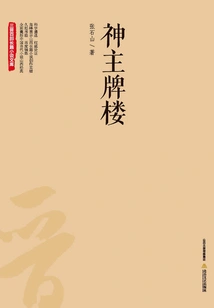
Shenzhu Archway
General Fiction神主牌楼
Zhang Shishan
The work is a series of novels consisting of seven novellas and a dozen short stories. Through the stories that happened in a village, concentrated within a family, and the rural folk customs integrated into them, the author expresses the author's deep feelings for the true traditional culture. Silence and calmness are enough for us to better review and reflect on how to better protect and inherit our excellent traditional national culture.
The work is a series of novels consisting of seven novellas and a dozen short stories. Through the stories that happened in a village, concentrated within a family, and the rural folk customs integrated into them, the author expresses the author's deep feelings for the true traditional culture. Silence and calmness are enough for us to better review and reflect on how to better protect and inherit our excellent traditional national culture.
Old Man and Tree
General Fiction老人与树
Zhang Shishan
The truth of life and the truth of art are two clear concepts. However, when it comes to specific definitions, it is often unclear. For novels that rely mainly on fiction, it is crucial to achieve artistic truth. Readers clearly know that the novel is made up by the writer, but the reading process requires synchronic reality at the aesthetic level. If readers find it false, the novelist will undoubtedly fail. In recent years, a new genre of "documentary novels" has appeared in the literary world. My book "Besieging the City" was written more than ten years ago. It has real character prototypes and uses the legendary experiences of the character prototypes as the backbone of the story, but I don't think it is a documentary novel. My creations have never been influenced by any theoretical trends. Is the specific writing process more fictional? Or should we rely more on reality? There is nothing preset.
The truth of life and the truth of art are two clear concepts. However, when it comes to specific definitions, it is often unclear. For novels that rely mainly on fiction, it is crucial to achieve artistic truth. Readers clearly know that the novel is made up by the writer, but the reading process requires synchronic reality at the aesthetic level. If readers find it false, the novelist will undoubtedly fail. In recent years, a new genre of "documentary novels" has appeared in the literary world. My book "Besieging the City" was written more than ten years ago. It has real character prototypes and uses the legendary experiences of the character prototypes as the backbone of the story, but I don't think it is a documentary novel. My creations have never been influenced by any theoretical trends. Is the specific writing process more fictional? Or should we rely more on reality? There is nothing preset.
The Horizon Behind
General Fiction背后的地平线
Zhang Shishan
In the Depths of History "The Horizon Behind" is a novel I completed in 1997. Or perhaps out of a rebellion against previous writing inertia, this work is somewhat offbeat. First of all, I did not deliberately compile a complete story for this novel. In the traditional sense, a novel cannot be without a story. It is necessary to compile dramatic plots, to create typical characters, and so on. But compiling a story and telling a relatively complete story inevitably becomes a limitation on the narrative. The time and space in which the story takes place has certain narrative boundaries. When we serve the integrity of the story, we have to move toward narrative refinement. Instead of refinement, I subconsciously chose vulgarity almost unconsciously.
In the Depths of History "The Horizon Behind" is a novel I completed in 1997. Or perhaps out of a rebellion against previous writing inertia, this work is somewhat offbeat. First of all, I did not deliberately compile a complete story for this novel. In the traditional sense, a novel cannot be without a story. It is necessary to compile dramatic plots, to create typical characters, and so on. But compiling a story and telling a relatively complete story inevitably becomes a limitation on the narrative. The time and space in which the story takes place has certain narrative boundaries. When we serve the integrity of the story, we have to move toward narrative refinement. Instead of refinement, I subconsciously chose vulgarity almost unconsciously.
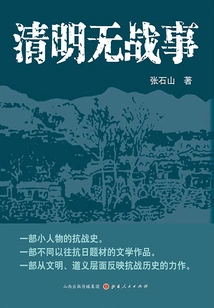
No War During the Qingming Festival
General Fiction清明无战事
Zhang Shishan
This book tells the story: An Ruyu, Xia Yingying, Tang Xiaoshun and American missionary Paul were arrested by the Japanese invaders for assisting the American church in transferring war orphans. Tang Hanchen, an enlightened country squire in Tangjiashan, sternly rejected the Japanese invaders' negotiation conditions, and the captured people were humiliated and killed. During the anti-mopping operations, we seized hundreds of boxes of Japanese ashes. Tang Hanchen had a high moral standard and fought against all opinions to take the initiative to return the Japanese ashes and welcome back the remains of our personnel. The time was set for Qingming Festival and he agreed that there would be no war on this day. Unexpectedly, the Japanese invaders betrayed their faith, and Tang Hanchen died calmly carrying the flag of "anti-Japanese elements" in exile. What this book wants to show is that compared with the Japanese invaders' dishonesty, the Chinese civilization that Tang Hanchen retained formed a desperate resistance to Japanese militarism and fascism - the benevolent are invincible.
This book tells the story: An Ruyu, Xia Yingying, Tang Xiaoshun and American missionary Paul were arrested by the Japanese invaders for assisting the American church in transferring war orphans. Tang Hanchen, an enlightened country squire in Tangjiashan, sternly rejected the Japanese invaders' negotiation conditions, and the captured people were humiliated and killed. During the anti-mopping operations, we seized hundreds of boxes of Japanese ashes. Tang Hanchen had a high moral standard and fought against all opinions to take the initiative to return the Japanese ashes and welcome back the remains of our personnel. The time was set for Qingming Festival and he agreed that there would be no war on this day. Unexpectedly, the Japanese invaders betrayed their faith, and Tang Hanchen died calmly carrying the flag of "anti-Japanese elements" in exile. What this book wants to show is that compared with the Japanese invaders' dishonesty, the Chinese civilization that Tang Hanchen retained formed a desperate resistance to Japanese militarism and fascism - the benevolent are invincible.