Library
Browse and search books
9 novels found
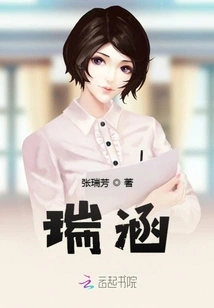
Ruihan
Short Fiction瑞涵
Zhang Ruifang
Ruihan is hard-working, kind and motivated. She has gone through many twists and turns when she was laid off and started her own business. She never admits defeat. At the age of 57, she applied for a job at Shell to look for a house. Now she will tell you about her experience at Shell Deyou Company.
Ruihan is hard-working, kind and motivated. She has gone through many twists and turns when she was laid off and started her own business. She never admits defeat. At the age of 57, she applied for a job at Shell to look for a house. Now she will tell you about her experience at Shell Deyou Company.
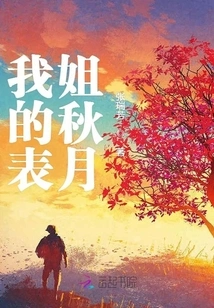
Cousin Akiba
Slice of Life表姐秋叶
Zhang Ruifang
In the late 1960s and early 1970s, something happened to my cousin Qiuyue that still cannot be explained because of her unhappy marriage...
In the late 1960s and early 1970s, something happened to my cousin Qiuyue that still cannot be explained because of her unhappy marriage...

When I Was Working as a Real Estate Consultant
Short Fiction我干置业顾问的日子里
Zhang Ruifang
On February 1, 2012, Ruihan went to the largest intermediary company in Zhoucun to become a real estate consultant. From then on, she began her career as a real estate consultant. Now she will talk about her experience as a real estate consultant.
On February 1, 2012, Ruihan went to the largest intermediary company in Zhoucun to become a real estate consultant. From then on, she began her career as a real estate consultant. Now she will talk about her experience as a real estate consultant.
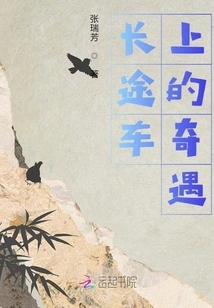
Adventures on a Long-distance Car
Short Fiction长途车上的奇遇
Zhang Ruifang
In September 2012, Ruihan went to visit relatives at her husband's construction site in Xinzhou, Shanxi Province. Something happened on the long-distance bus.
In September 2012, Ruihan went to visit relatives at her husband's construction site in Xinzhou, Shanxi Province. Something happened on the long-distance bus.
Smart Maomao
Short Fiction聪明的卯卯
Zhang Ruifang
Maomao is a smart child, his father is a pilot, his mother is a Chinese teacher, his grandparents are all national civil servants, his grandma is a technician in a textile factory, his father is from Jiangxi in the south, and his mother is from Shandong in the north. Look at these genes, Maomao is smart, especially his language skills. Let me tell his story.
Maomao is a smart child, his father is a pilot, his mother is a Chinese teacher, his grandparents are all national civil servants, his grandma is a technician in a textile factory, his father is from Jiangxi in the south, and his mother is from Shandong in the north. Look at these genes, Maomao is smart, especially his language skills. Let me tell his story.
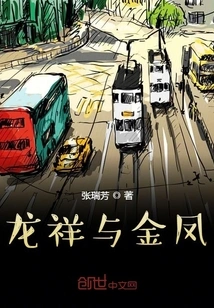
Long Xiang and Jin Feng
Short Fiction龙祥与金凤
Zhang Ruifang
Jinfeng and Longxiang are a pair of rural youths from the Shandong Plain. They fell in love and got married until they started their own business in Shenzhen. They started from a small real estate agency and developed their own real estate. They demonstrated the positive and inspiring spirit of rural youth after the reform and opening up in the 1990s.
Jinfeng and Longxiang are a pair of rural youths from the Shandong Plain. They fell in love and got married until they started their own business in Shenzhen. They started from a small real estate agency and developed their own real estate. They demonstrated the positive and inspiring spirit of rural youth after the reform and opening up in the 1990s.
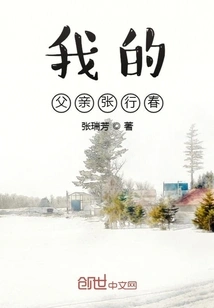
My Father Zhang Xingchun
Short Fiction我的父亲张行春
Zhang Ruifang
My father was born in 1940. His life was very bumpy. From being given to his adoptive father to be raised by his biological parents at the age of one, to his death at the age of 50, he passed away in a hurry. Now listen to me tell my father's story.
My father was born in 1940. His life was very bumpy. From being given to his adoptive father to be raised by his biological parents at the age of one, to his death at the age of 50, he passed away in a hurry. Now listen to me tell my father's story.
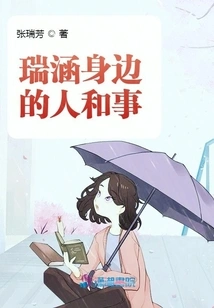
People and Things Around Ruihan
Slice of Life瑞涵身边的人和事
Zhang Ruifang
Through the people and things around Ruihan, the author reflects Ruihan's interesting humanistic stories spanning half a century from his birth to now.
Through the people and things around Ruihan, the author reflects Ruihan's interesting humanistic stories spanning half a century from his birth to now.
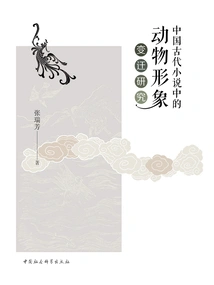
中国古代小说中的动物形象变迁研究
Zhang Ruifang
In ancient Chinese novels, animal images mainly appear in content involving myths and legends, records of strange things, and records of folk stories. They have always been the main objects of people's sustenance. Early myths and legends, animal fables, related folk tales, records of legends and monsters derived from myths, etc., Have become the main carriers for animal images to be active in the literary world. With the help of this more popular literary style, animal images display their own cultural characteristics endowed by humans in a more intuitive form than plant images, becoming a kind of cultural animal. The title of this book aims to sort out the changes in animal images in ancient novels, so as to explore the cultural roots hidden behind this gradual rationalization. First of all, the animal images in myths are not only the basis for modern people to look back on their own history, but also the source of strength for us to face the future. They have also become one of the main sources of the generation of fables for later generations. Secondly, the appearance of animal images in legends in later generations mainly has two different branches of development. First, it downgraded the animal gods in mythology into ancestor stories, with obvious traces of evolution and obvious typological characteristics; second, it pioneered the recording of supernatural beings and laid the foundation for the proliferation of missionary stories in later generations. Third, human beings' understanding of animals has always been lingering between objective reality and romantic fantasy. Novels after the Tang Dynasty mostly used animals to construct alien worlds, and then created characters in animal form in foreign worlds. This method of borrowing animals' forms is generally accepted. Works such as "Journey to the West" and "Strange Tales from a Chinese Studio" have become representative works that consolidate and finalize this type of animal images.
In ancient Chinese novels, animal images mainly appear in content involving myths and legends, records of strange things, and records of folk stories. They have always been the main objects of people's sustenance. Early myths and legends, animal fables, related folk tales, records of legends and monsters derived from myths, etc., Have become the main carriers for animal images to be active in the literary world. With the help of this more popular literary style, animal images display their own cultural characteristics endowed by humans in a more intuitive form than plant images, becoming a kind of cultural animal. The title of this book aims to sort out the changes in animal images in ancient novels, so as to explore the cultural roots hidden behind this gradual rationalization. First of all, the animal images in myths are not only the basis for modern people to look back on their own history, but also the source of strength for us to face the future. They have also become one of the main sources of the generation of fables for later generations. Secondly, the appearance of animal images in legends in later generations mainly has two different branches of development. First, it downgraded the animal gods in mythology into ancestor stories, with obvious traces of evolution and obvious typological characteristics; second, it pioneered the recording of supernatural beings and laid the foundation for the proliferation of missionary stories in later generations. Third, human beings' understanding of animals has always been lingering between objective reality and romantic fantasy. Novels after the Tang Dynasty mostly used animals to construct alien worlds, and then created characters in animal form in foreign worlds. This method of borrowing animals' forms is generally accepted. Works such as "Journey to the West" and "Strange Tales from a Chinese Studio" have become representative works that consolidate and finalize this type of animal images.