Library
Browse and search books
1 novel found
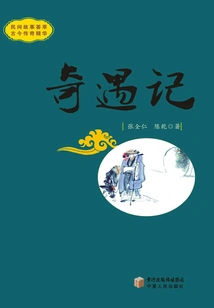
Adventures
Literature奇遇记
Zhang Quanren Chen Qian
"Adventures" is a collection of folk tales and the essence of ancient and modern legends. Reading this collection reminds people of the origin of literature. Literature comes from life and from the people. From ancient times, "cutting off bamboo and replanting it, flying earth to chase flesh", to "Learning from the valley wind, using wind and rain" in the Book of Songs, all exude a strong flavor of folk life. "Adventures" is a strange wind blowing from the folk, fresh and natural. The "wind" here refers to folk customs. "The Book of Songs" is divided into "wind", "elegance" and "song", among which "wind" is folk songs, which is the most essential part of the "Book of Songs". Because "wind" comes from the folk and truly reflects people's lives. Later generations, regardless of the literature of the Han, Wei and Six Dynasties, Tang poetry, Song poetry, Yuan dramas, or Ming and Qing novels, all drew nourishment from "wind". "Adventures", as original literature, undoubtedly has the meaning of "wind".
"Adventures" is a collection of folk tales and the essence of ancient and modern legends. Reading this collection reminds people of the origin of literature. Literature comes from life and from the people. From ancient times, "cutting off bamboo and replanting it, flying earth to chase flesh", to "Learning from the valley wind, using wind and rain" in the Book of Songs, all exude a strong flavor of folk life. "Adventures" is a strange wind blowing from the folk, fresh and natural. The "wind" here refers to folk customs. "The Book of Songs" is divided into "wind", "elegance" and "song", among which "wind" is folk songs, which is the most essential part of the "Book of Songs". Because "wind" comes from the folk and truly reflects people's lives. Later generations, regardless of the literature of the Han, Wei and Six Dynasties, Tang poetry, Song poetry, Yuan dramas, or Ming and Qing novels, all drew nourishment from "wind". "Adventures", as original literature, undoubtedly has the meaning of "wind".